Protecting Your Joints as You Age: A Nutritional Blueprint
The joints you're using today are the joints you'll be living with in thirty years. Every movement, every impact, every inflammatory trigger is either building resilient joint tissue or degrading it. The good news is that joint health is profoundly influenced by what you eat.
By Niall Kiddle, Founder, Organised

Reviewed by Pedro Rodrigues, Agronomist (farming and sourcing only) ·
6 min read · Published · Updated · 4 cited sources
Makers of the Organised Daily blend, a grass-fed beef organ supplement from regenerative UK farms

The uncomfortable truth is that most modern diets are actively destroying joint tissue whilst giving the body almost nothing to repair it with. Joint pain, stiffness, and reduced mobility aren't inevitable consequences of ageing. They're consequences of nutritional neglect.

Your joints are built from food
Your joints are not static structures that slowly wear out like old machinery. They're living tissue that's constantly being broken down and rebuilt. The rebuilding process depends entirely on whether you're providing the raw materials.
Cartilage, the tissue that cushions your joints, is made from collagen and proteoglycans. Collagen is a protein that makes up roughly 75% of cartilage's dry weight.1 Bone underlying the cartilage is made from collagen as well, combined with mineral content. Tendons and ligaments are collagen structures.
Without adequate collagen intake and the nutrients required to synthesise collagen, your body cannot repair cartilage damage. It cannot build resilient joint tissue. Instead, cartilage gradually degrades whilst the body runs a losing game of repair versus destruction. This is arthritis. This is joint degeneration. And it's preventable through nutrition.
Joint health is built from the inside out. You cannot exercise your way out of poor joint nutrition. You have to eat your way to healthy joints.
Collagen is the structure of cartilage
Collagen is the most abundant protein in the human body. It makes up roughly 30% of total body protein. It's the structural component of skin, bones, cartilage, tendons, and ligaments.
When you consume collagen from food sources like bone broth, animal skin, and gelatinous cuts of meat, you're providing your body with the raw materials to maintain and repair your own collagen structures. This includes the cartilage in your joints.
Collagen degradation accelerates with age and with chronic inflammation. Reducing inflammation and providing adequate collagen intake are the two levers that slow degradation and allow repair.
The richest collagen sources are bone broth, skin-on animal products, gelatinous cuts of meat like oxtail and beef cheeks, and organ meats. Fish skin and fish collagen are also valuable sources. Plant sources contain no collagen.
Glycine and joint repair
Glycine is one of the three amino acids that make up collagen. When your body builds new collagen, it uses glycine extensively. Glycine is also the most abundant amino acid in collagen itself, making up roughly 30% of collagen's amino acid composition.2
Glycine also functions as an anti-inflammatory neurotransmitter. It signals the immune system to calm down. Joint inflammation often improves when glycine intake is increased.
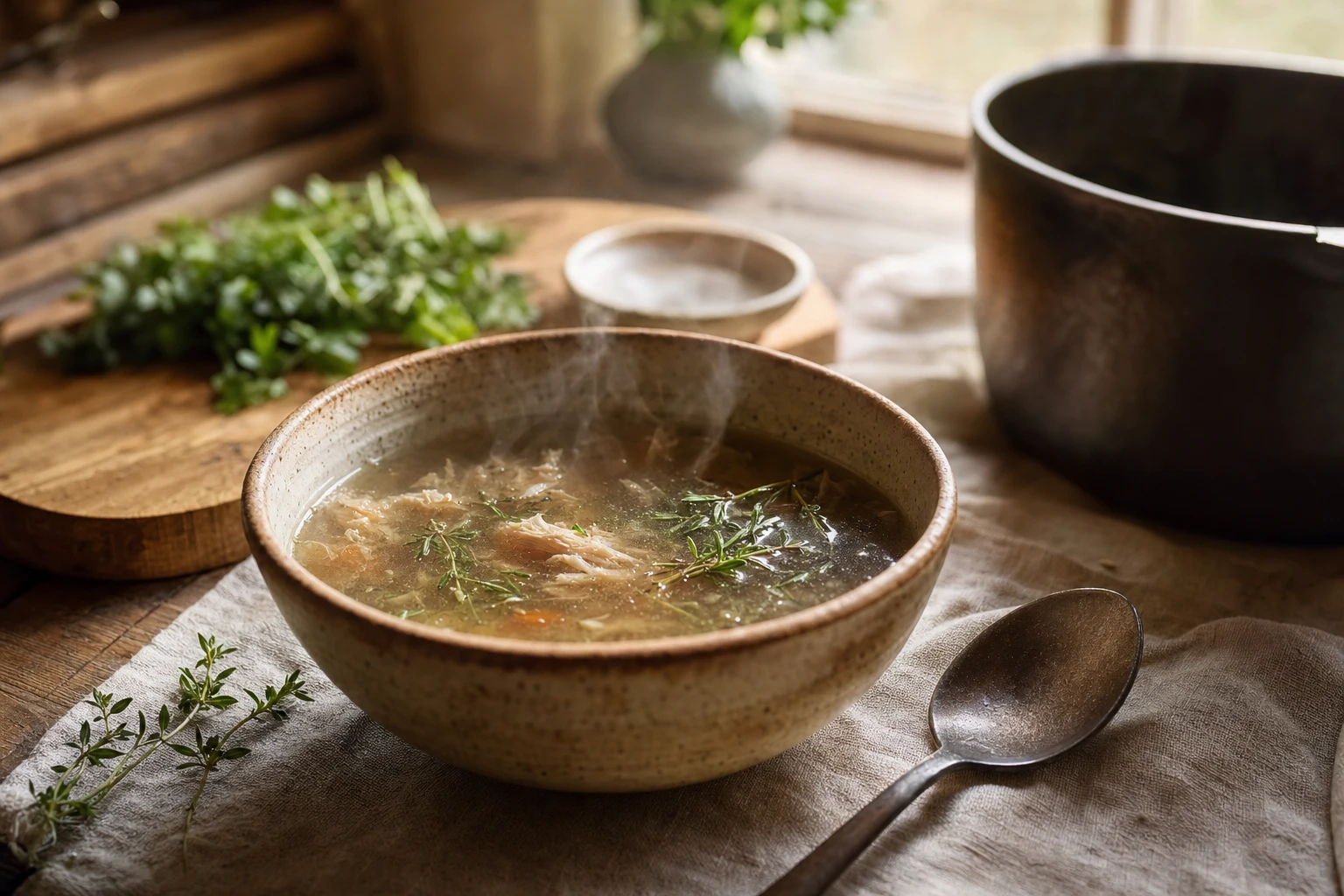
Glycine is found predominantly in bone broth, gelatinous cuts of meat, and connective tissues. Muscle meat contains some glycine, but the richest sources are the parts people typically discard. Bone broth is an efficient way to concentrate and consume large quantities of glycine.
Consuming bone broth regularly, or eating collagen-rich gelatinous cuts of meat, provides the glycine your body needs to build and repair joint tissue.
Vitamin C and collagen synthesis
Vitamin C is a critical cofactor in collagen synthesis. Your body cannot manufacture collagen without adequate vitamin C.3 When vitamin C is deficient, collagen production falters. Joint tissue cannot repair itself.
Vitamin C is found predominantly in plant foods, particularly citrus fruits, berries, and cruciferous vegetables. Animal products contain small amounts of vitamin C, particularly organ meats and meat from animals fed on varied diets.
Most people consuming a diet heavy in processed foods are low on vitamin C, even if they don't have scurvy. The amount of vitamin C needed for optimal collagen synthesis is higher than the amount needed to prevent deficiency disease. Consider your vitamin C intake a significant lever for joint health.
Add citrus, berries, and coloured vegetables regularly to your diet. Liver provides some vitamin C alongside collagen and glycine. The combination of collagen intake plus vitamin C intake is what allows your joints to rebuild.
Glucosamine and cartilage resilience
Glucosamine is an amino sugar that's a major structural component of cartilage. It's synthesised in the body from glucose and glutamine, but synthesis may not keep pace with demand, particularly in people with chronic inflammation or cartilage damage.
Glucosamine supplementation has shown efficacy in some research for reducing joint pain and slowing cartilage degradation, though results are mixed.4 The theory is solid: provide the body with glucosamine and it can build more resilient cartilage. The evidence on supplementation is modest but positive.
Glucosamine is found in cartilage and bone broth. Shellfish cartilage is a reasonable source. But the amount of glucosamine in food sources is often smaller than supplemental doses used in research.
If you're dealing with joint pain or trying to prevent cartilage degradation, glucosamine supplementation combined with collagen and vitamin C often produces better results than any single intervention.
Get health guides like this, free
Two short reads a week on eating for energy, gut health, skin, sleep and more.
By signing up you agree to receive emails from us. No spam, unsubscribe anytime.
Bone broth as joint medicine
Bone broth is not a miracle cure, but it's close to the highest leverage food for joint health. It contains collagen, glycine, glucosamine, and other compounds that support joint tissue health and reduce inflammation.
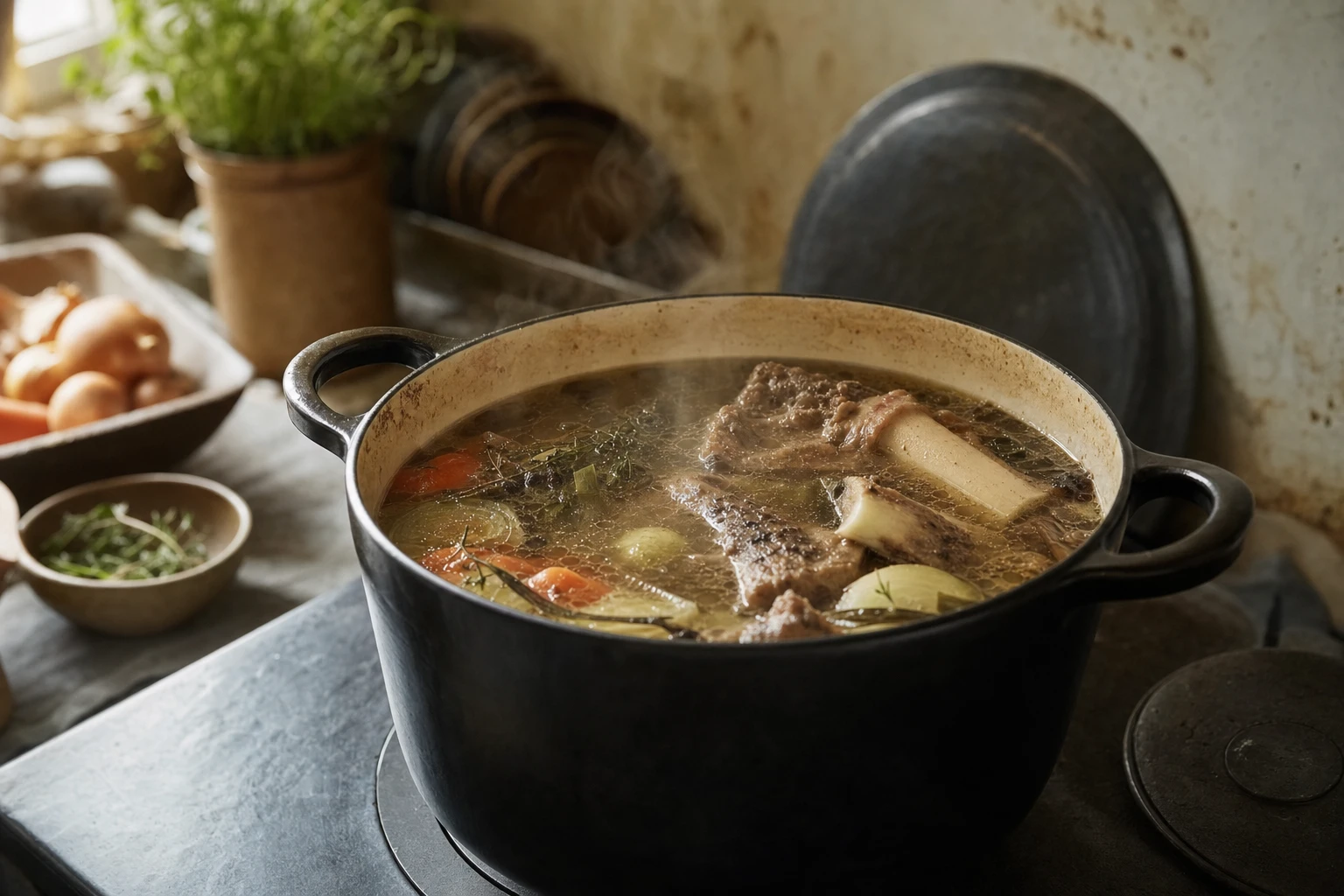
Making bone broth is straightforward. Simmer bones (beef, chicken, fish) with water, a bit of acid like vinegar or lemon juice, and a few herbs for 12-24 hours. The long slow cooking breaks down collagen into gelatin and releases minerals and amino acids into the liquid.
If you don't want to make bone broth, high quality commercial bone broth is available. Aim for broth made from bones of pastured animals when possible. Consume it regularly, either as a warm drink or as a base for soups or gravies.
Combined with adequate vitamin C intake and movement that strengthens the tissues around the joints, regular bone broth consumption often produces noticeable improvements in joint comfort and mobility.
The anti-inflammatory foundation
Joint inflammation is both a symptom of cartilage degradation and a cause of further degradation. Reducing systemic inflammation is essential for joint health.
This means removing foods that drive inflammation. Seed oils, processed foods, excessive sugar, and in some people, gluten and dairy. It means adding foods that reduce inflammation. Fatty fish, organ meats, colourful vegetables, herbs like turmeric.
It also means addressing chronic stress and poor sleep, both of which drive inflammation systemically. Movement and exercise, done at an intensity that doesn't cause pain, reduce inflammation and build the muscles and tendons that support the joints.
Joint health is inseparable from broader metabolic health. A body in a chronic inflammatory state will not maintain healthy joints no matter how much bone broth you consume. A body that's generally healthy, moving well, and eating anti-inflammatory foods can maintain and rebuild joint tissue effectively.
Movement, nutrition, and joint longevity
Nutrition is one part of the joint health equation. Movement is equally critical. Joints need regular use to maintain their integrity. They need strength in the surrounding muscles to reduce stress on the cartilage itself.
The movement doesn't need to be intense or extreme. Regular walking, swimming, strength training, or any activity that uses the joints without causing pain is valuable. The key is consistency and avoiding extreme impacts or loads when joints are already compromised.
For people with existing joint damage, the combination of anti-inflammatory nutrition, adequate collagen and vitamin C intake, careful movement, and adequate recovery often produces measurable improvements in comfort and function over weeks and months.


1 of 9
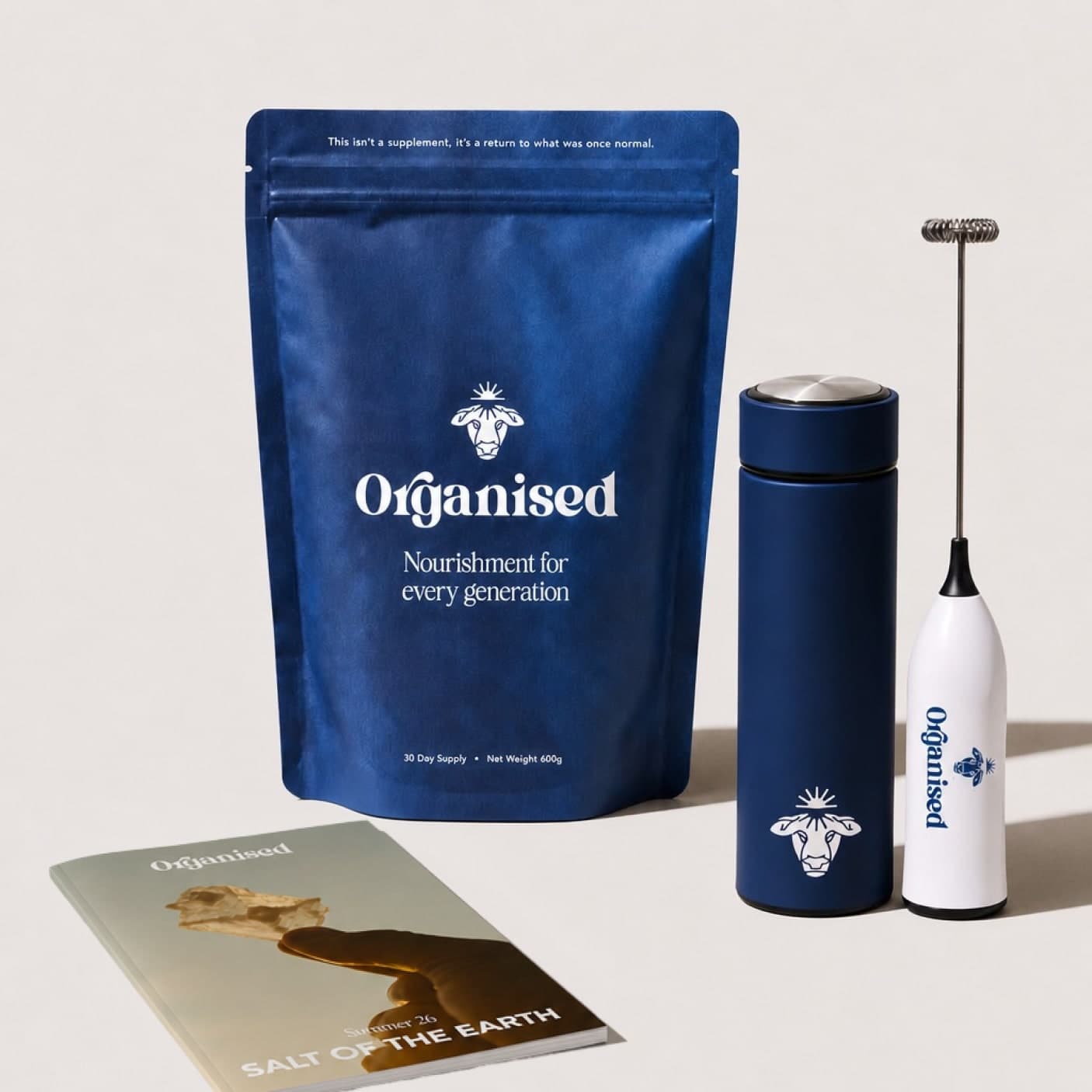
Daily blend
100,000+ thriving families4.9 on Trustpilot
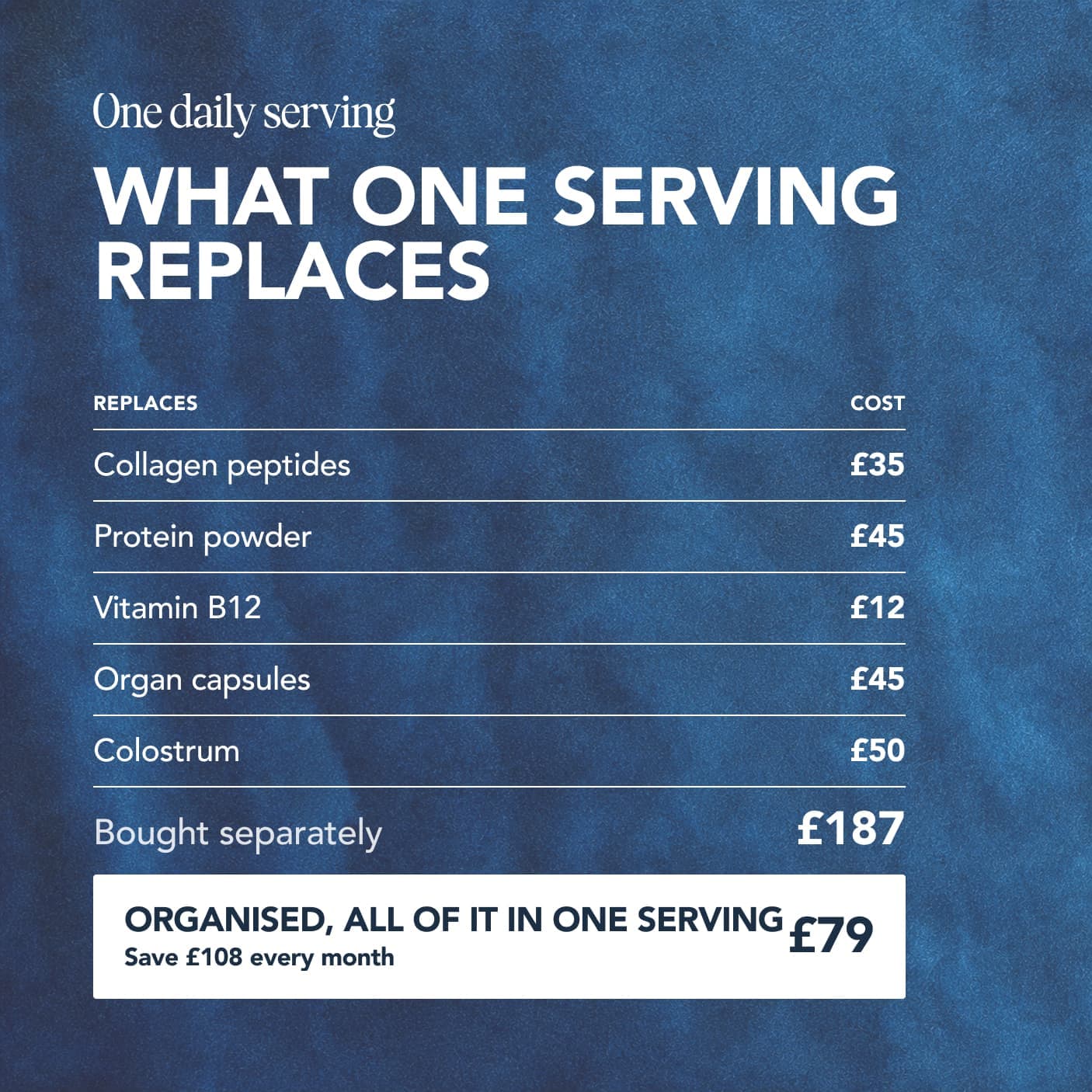
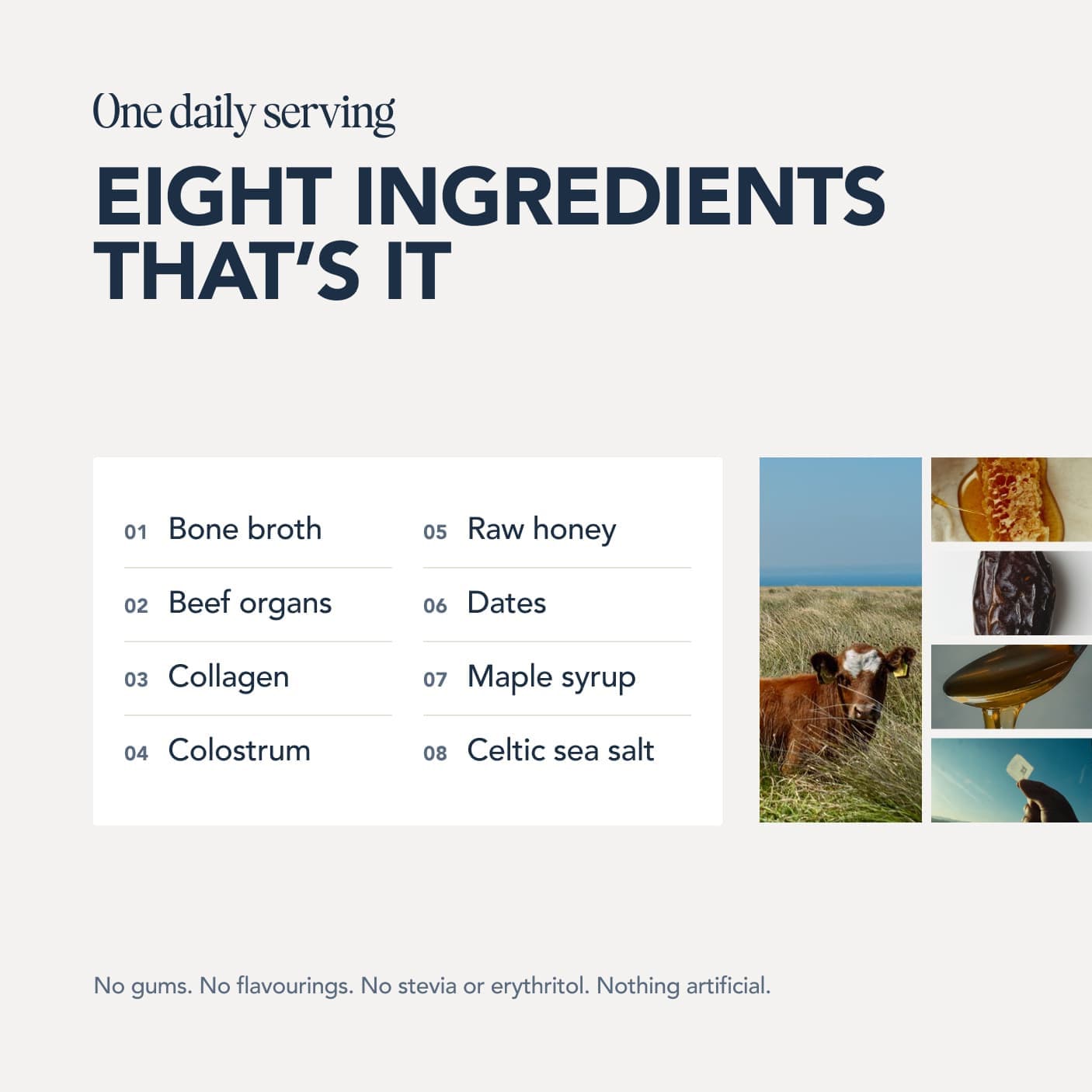
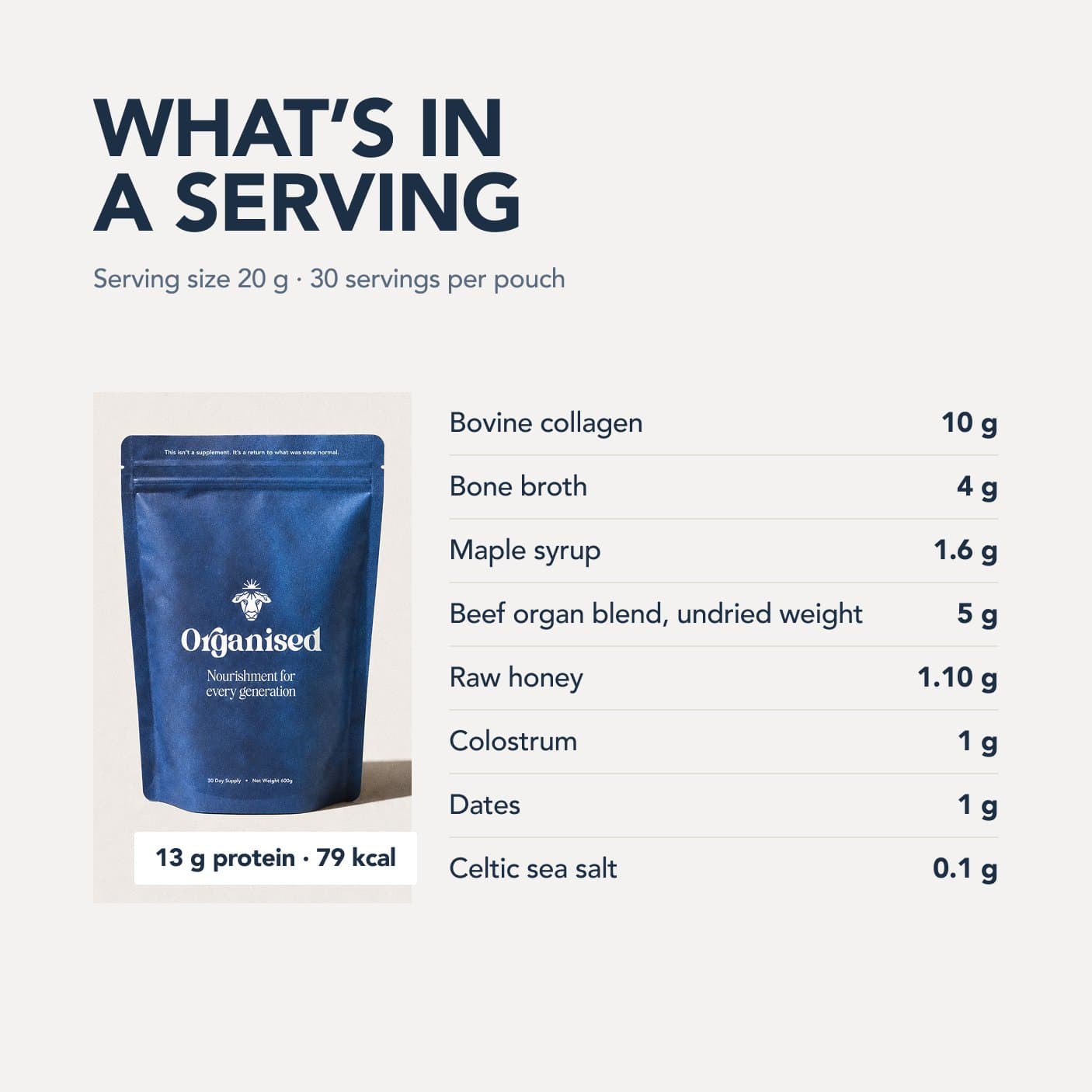
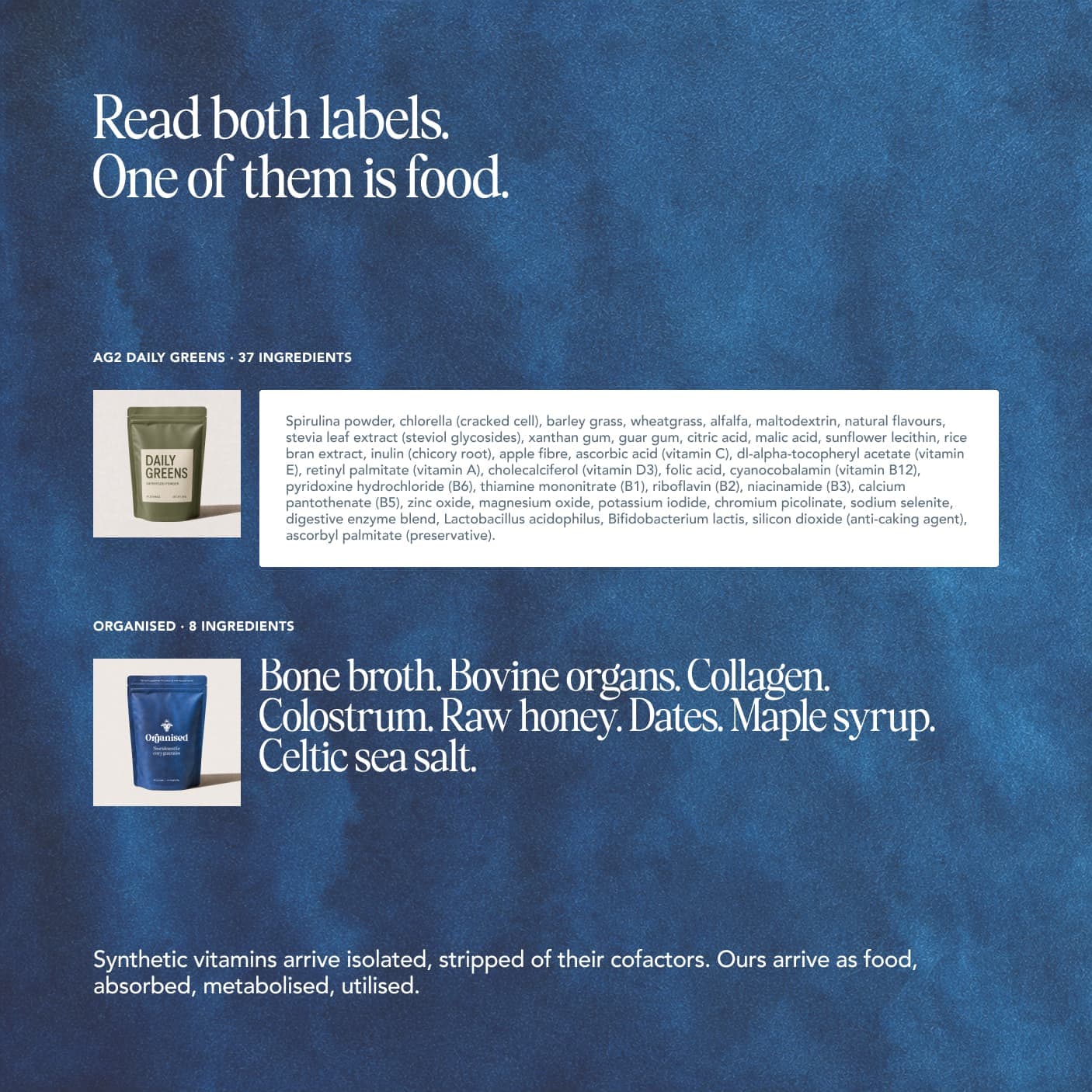
Eight real ingredients built around grass-fed beef organs, collagen and colostrum. Nothing synthetic added.
Free with your first order, worth £38. Plus £10 off the pouch with a subscription.
Free UK shipping · Made in England · 100 day money back guarantee on your first pouch · Skip, pause or cancel anytime
The bottom line
Your joints today depend on the decisions you made months and years ago. Your joints in thirty years depend on the decisions you're making now. Joint health is not inevitable age-related decline. It's a consequence of either building and maintaining joint tissue or allowing it to degrade.
Eat bone broth. Consume collagen-rich foods. Ensure adequate vitamin C intake. Reduce systemic inflammation. Move regularly. These aren't complicated interventions. They're foundational. And they're extraordinarily effective at preserving joint health and mobility into advanced age.
If your joints are currently painful, start with anti-inflammatory food, bone broth, and glucosamine supplementation. Most people notice improvement within weeks once they've removed inflammatory foods and are consistently consuming collagen and vitamin C.
Your joints were built to last. Give them what they need to function well for decades to come.
References
Every source below was checked on 27 August 2026. Each PubMed, PMC and DOI identifier was resolved against NCBI or Crossref, and what it opens is printed under the citation, so you can see the link goes where the citation says without leaving the page. Where a citation and its identifier disagreed, the citation was corrected to the record or the reference was deleted along with the sentence marker that pointed at it, and where the resolved paper turned out not to support the sentence, the sentence was cut back to what it does support. Borrowed authority is worse than none, because it looks like rigour.
- Sophia Fox AJ, Bedi A, Rodeo SA. The basic science of articular cartilage. Sports Health. https://pmc.ncbi.nlm.nih.gov/articles/PMC3445147/ [accessed May 2026].Checked 27 August 2026: PMC3445147 opens Sophia Fox AJ, Bedi A, Rodeo SA, The basic science of articular cartilage: structure, composition, and function. Sports Health 2009;1(6):461-8.The authors' own declaration, from the record: No potential conflict of interest declared.
- Razak MA, Begum PS, Viswanath B, Rajagopal S. Multifarious Beneficial Effect of Nonessential Amino Acid, Glycine: A Review. https://pmc.ncbi.nlm.nih.gov/articles/PMC5350494/ [accessed May 2026].Checked 27 August 2026: PMC5350494 opens Razak MA, Begum PS, Viswanath B et al, Multifarious Beneficial Effect of Nonessential Amino Acid, Glycine: A Review. Oxid Med Cell Longev 2017;2017:1716701. PubMed indexes it as: Review.The authors' own declaration, from the record: The authors declare that they have no competing interests.
- National Institutes of Health, Office of Dietary Supplements. Vitamin C - Health Professional Fact Sheet. https://ods.od.nih.gov/factsheets/VitaminC-HealthProfessional/ [accessed May 2026].
- Towheed TE, Maxwell L, Anastassiades TP, et al. Glucosamine therapy for treating osteoarthritis. Cochrane Database. https://pubmed.ncbi.nlm.nih.gov/15846645/ [accessed May 2026].Checked 27 August 2026: PMID 15846645 opens Towheed TE, Maxwell L, Anastassiades TP et al, Glucosamine therapy for treating osteoarthritis. Cochrane Database Syst Rev 2005;2005(2):CD002946. PubMed indexes it as: Meta-Analysis, Systematic Review.The authors' own declaration, from the record: The current version of the 'Glucosamine for osteoarthritis' review on The Cochrane Library was last revised in 2005. Dr Tassos Anastassiades submitted patents (Pub. No. US 2002/0045597 A1 and Pub. No. US 6,479,469 B2) for glucosamine type substances in August 2000. The patent protection is for chemically synthesized compounds with substitutions of chain length larger than the naturally occurring acetyl group in … (abridged; the full declaration is on the record)
Who wrote and reviewed this guide
Niall Kiddle
Author · Founder, Organised
Niall is the founder of Organised. He started the company in 2024 after fixing his own health the slow way: in 2022 he swapped a cupboard of synthetic supplements for real food, raw milk, organ meats, bone broth and honey, and felt the difference within months.
Areas of expertise: Ancestral nutrition, Organ meats, Whole-food supplementation, Gut health, Regenerative sourcing
Read Niall's full profile
Pedro Rodrigues
Reviewer · Agronomist (farming and sourcing only)
Pedro is the agronomist Organised works with on farming and sourcing. His job on the guides is to keep the science honest: he reviews what we publish about soil health, regenerative agriculture, grazing and the way food is actually produced.
Areas of expertise: Regenerative agriculture, Agronomy, Soil health, Grass-fed farming, Food sourcing
Reviewed this guide on
Read Pedro's full profileMore on joints & bones
View allBrowse the guides library
All guidesKeep reading

Health goals
Type II Collagen and Cartilage: What the Research Shows
Learn what type II collagen does for your cartilage and joints. We cover the research on UC-II, chicken sternum sourcing, and the oral tolerance mechanism.

Health goals
Exercising with Joint Pain: How Nutrition Can Help Recovery
Moving with joint pain gets easier when nutrition supports recovery. Collagen, vitamin C, and anti-inflammatory foods for exercise recovery.

Health goals
Collagen for Runners: Protecting Your Joints and Tendons
Running stresses tendons and joints. See how collagen and running fit together, why pre-run timing with vitamin C matters, and what the research shows.
Real food, made effortless
Start my daily blendA few ways to use it
All recipes
Raw Milk Ice Cream with Organised
Make raw milk ice cream at home with Organised for a seasonal, nutrient-dense treat. Three simple flavours to try whenever the craving strikes.
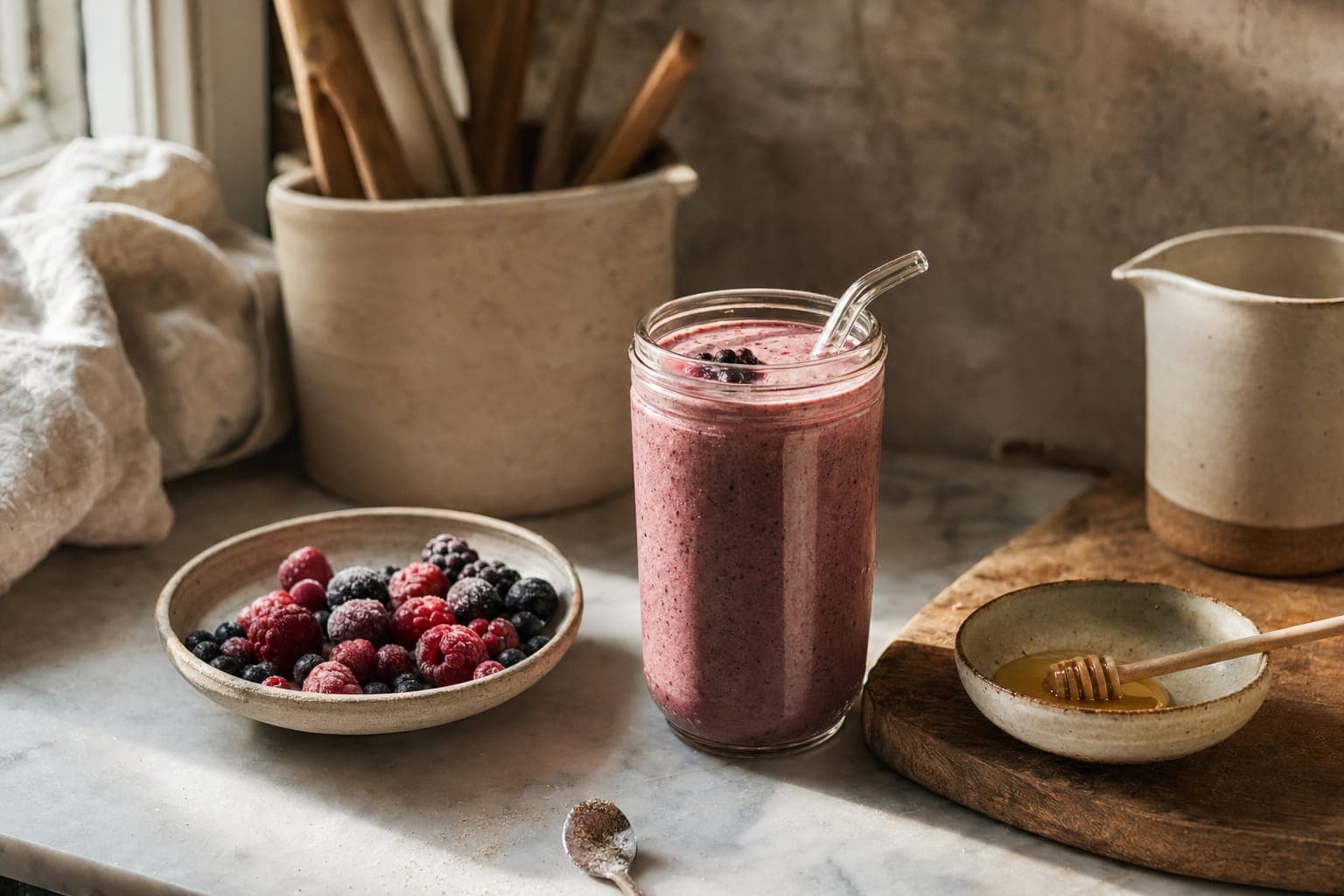
The Organised Recovery Smoothie for After Exercise
A recovery smoothie made with beef protein, raw milk, frozen berries, collagen, and honey. Optimal nutrition in the 30-minute window after exercise.
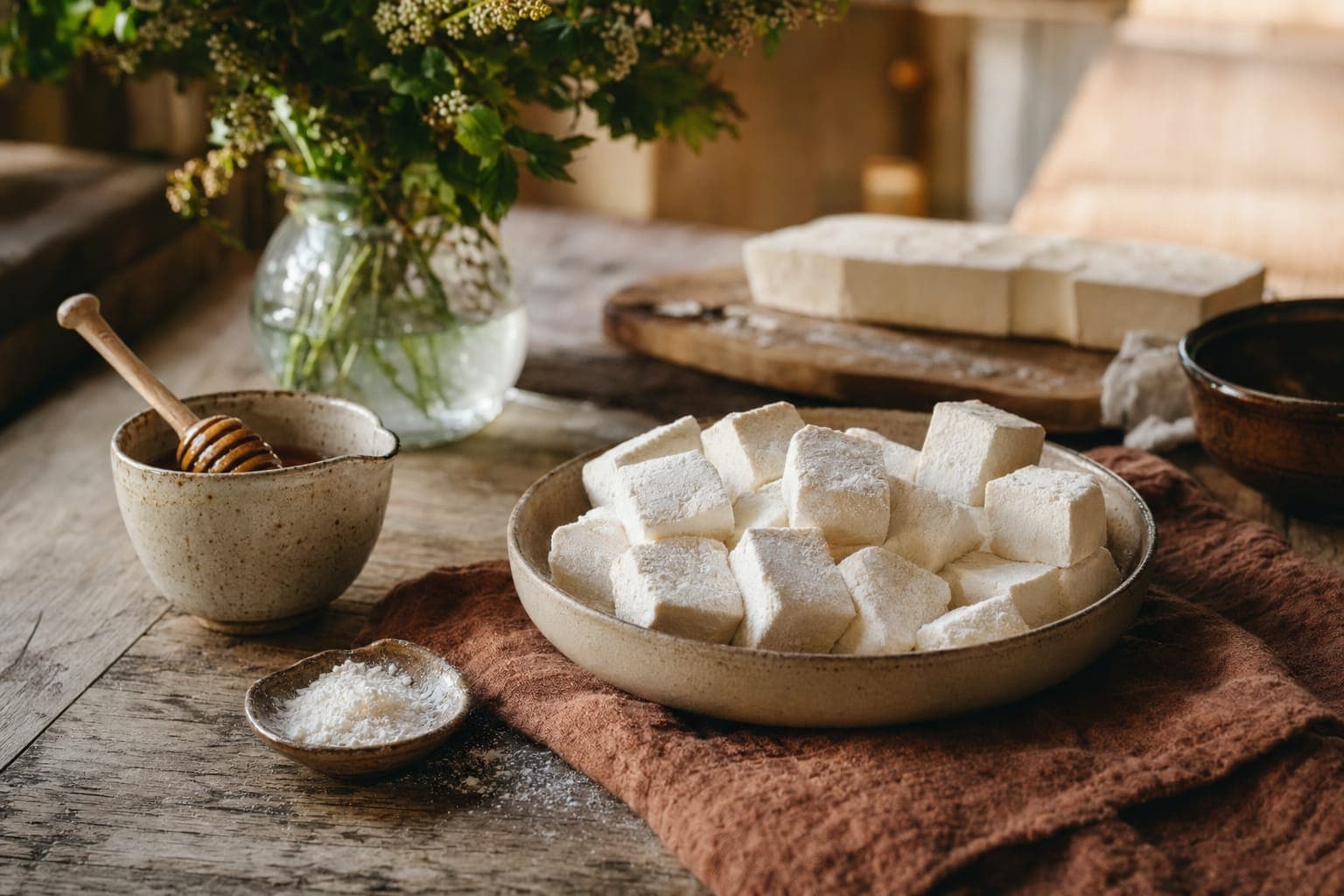
Gut-Healing Marshmallows with Collagen and Raw Honey
Learn to make gut-healing marshmallows with collagen and raw honey. A shareable treat that sneaks nutrition into every bite. Easy recipe with video tips.


 Join over 100,000+ members
Build a better food system with us
The Organised community is thousands of people choosing real food and backing the farmers who grow it, all of us trying to leave the world a little better than we found it. If that is what you care about too, you belong here.