5 Foods You Think Are Healthy (But Are Secretly Ruining Your Gut)
The foods marketed as your greatest health allies might be the ones quietly destroying your gut. You feel fine eating them. Your body disagrees.

By Niall Kiddle, Founder, Organised

Reviewed by Pedro Rodrigues, Agronomist (farming and sourcing only) ·
6 min read · Published · Updated · 3 cited sources
Makers of the Organised Daily blend, a grass-fed beef organ supplement from regenerative UK farms
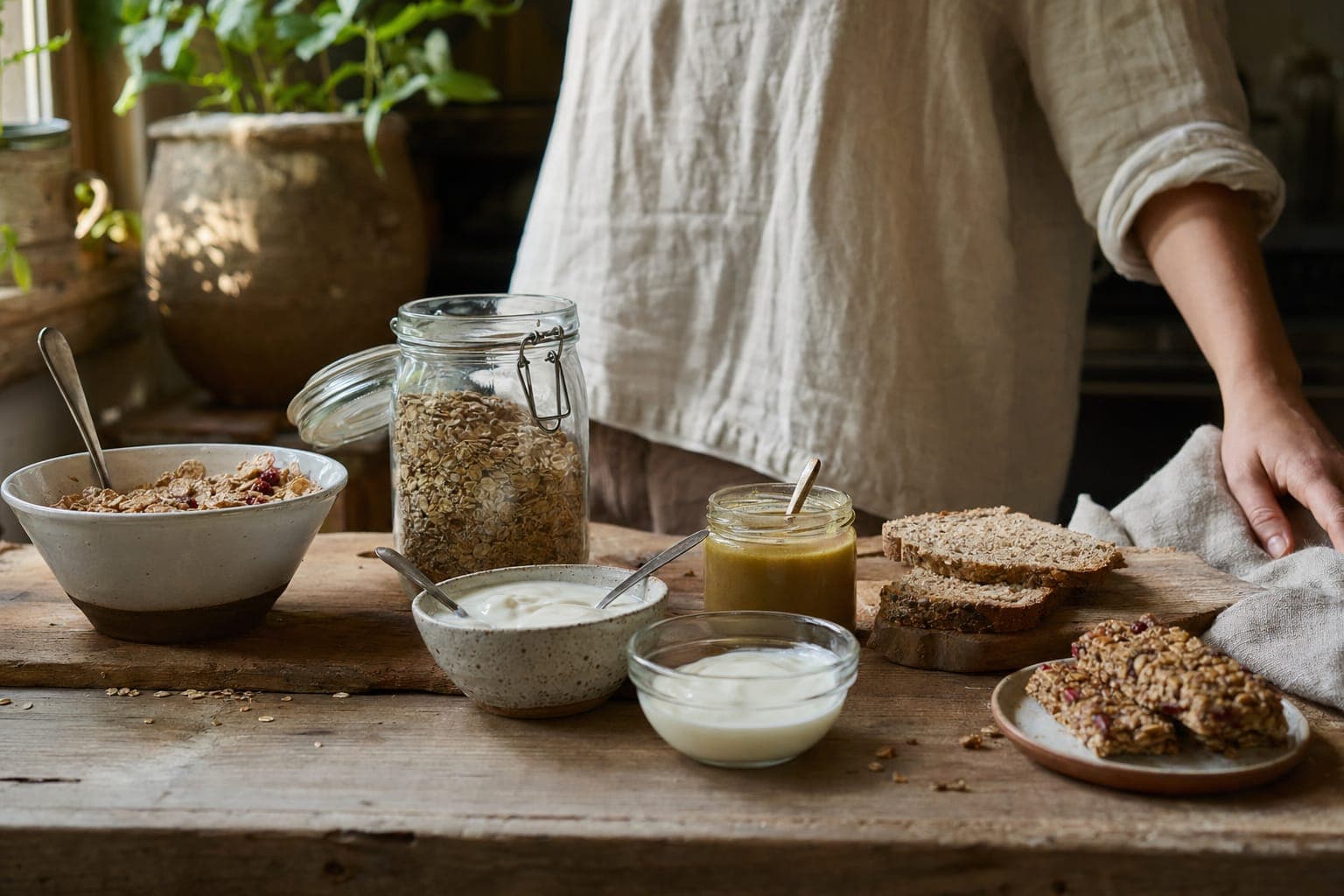
Open your cupboard. Look at the bottles and boxes labelled as healthy. Low fat. High fibre. Made from whole grains. Added probiotics. They're everywhere, quietly sabotaging the thing they claim to support: your digestion.
Here's the uncomfortable reality. Modern nutrition has created a category of foods that seem healthy in theory but are actively damaging your gut in practice. These aren't the obvious culprits. Nobody is fooled by a chocolate bar. These are the foods people eat specifically because they're trying to be healthy.

The foods that look harmless
Your gut isn't just a tube that processes whatever falls into it. It's a living ecosystem. A delicate balance of bacteria, fungi, and microorganisms that collectively make up your microbiome. When this ecosystem is thriving, you digest well, your immune system functions, your mood is stable, and your energy is solid.
When it's damaged, everything falls apart.
The problem is that much of what we've been taught to eat for the sake of health actually damages the gut lining and kills off the beneficial bacteria that keep this ecosystem functioning.
You can be eating a cupboard full of foods labelled as healthy and still be actively destroying your gut.
1. Seed oils and vegetable oils
Seed oils are everywhere. Canola oil, sunflower oil, soybean oil, safflower oil. They're in the restaurant food you eat. The supermarket salad dressing. The nuts and seeds marketed as healthy snacks. Your breakfast cereal.
The industry will tell you they're heart-healthy. The research tells a different story.
Seed oils are extremely high in linoleic acid, an omega-6 polyunsaturated fat. The hypothesis that excess linoleic acid promotes oxidative damage and contributes to chronic disease has been argued in the literature, although mainstream evidence on inflammation markers is mixed.1
Worse, seed oils are often extracted using hexane, a solvent, and then refined at extremely high temperatures. This processing creates oxidised lipids and trans fats that your body doesn't recognise and can't metabolise properly. Your gut bacteria struggle with them. Your immune system flags them as foreign.
What to eat instead: use butter (from pastured cows where possible), ghee, coconut oil, and animal fats like lard and beef tallow. These are stable, your body recognises them, and they support rather than damage your gut lining.
2. Artificial sweeteners
Aspartame, sucralose, stevia, erythritol. The modern world has become obsessed with sweetness without calories. The marketing is brilliant. Zero sugar. Zero guilt. Zero impact on your body.
Except your gut knows the difference.
Artificial sweeteners don't get absorbed or digested like regular sugar. Instead they pass through to your colon largely unchanged. A 2014 study in Nature by Suez and colleagues found that non-caloric artificial sweeteners (saccharin, sucralose, aspartame) altered the gut microbiota in mice and induced glucose intolerance, with similar effects observed in a subset of human volunteers.2
Some sweeteners are worse than others. Sucralose (Splenda) in particular is highly resistant to digestion and fermenting. It reaches your colon intact, where it has a pronounced effect on bacterial populations. Stevia, marketed as natural, still disrupts the microbiome in meaningful ways.
And here's the kicker: your gut bacteria can adapt to some of these sweeteners over time, but the adaptation creates a dysbiotic state. You develop an imbalanced microbiome that's dependent on the sweetener to maintain itself. Stop using the sweetener and your bacteria struggle to rebalance.
What to do instead: use honey, maple syrup, fruit, or nothing at all. Your taste buds will recalibrate within weeks. Real sugar is metabolised and absorbed. Your gut bacteria know how to handle it.
3. Lectins in grains and legumes
Lectins are plant proteins designed to protect seeds and grains from being eaten. They're found in wheat, rye, oats, beans, lentils, peanuts, and soy. When you eat them raw or undercooked, lectins bind to the cells lining your gut and damage them.
They don't just cause mild irritation. Lectins literally punch holes in the intestinal lining. They break apart the tight junctions that hold your gut wall together. This is the leaky gut mechanism again, but delivered by a different vector.
Proper preparation helps. Long, slow cooking breaks down some lectins. Fermentation reduces them. Sprouting reduces them. But most people don't do any of this. They buy a tin of beans, heat them quickly, and eat them. The lectins survive and do their damage.
Wheat is particularly problematic because modern wheat has been hybridised over decades to contain higher lectin levels (and higher gluten levels). The wheat your grandmother ate is not the wheat in your bread today.
If your gut has been damaged or you have any degree of intestinal permeability, grains and legumes become a serious problem. Your damaged gut wall cannot withstand the assault.
What to do instead: if you eat grains, soak them first. If you eat legumes, cook them long and slow or buy them properly fermented. Better yet, get your carbohydrates from white rice (low lectin content), potatoes, and fruit. Your energy levels will improve.
Get health guides like this, free
Two short reads a week on eating for energy, gut health, skin, sleep and more.
By signing up you agree to receive emails from us. No spam, unsubscribe anytime.
4. Emulsifiers in everything
Walk into any supermarket and pick up a packaged food labelled as healthy. Low fat yoghurt. Plant-based milk. Salad dressing. Protein bars. Bread. Every single one will contain an emulsifier. Usually polysorbate 80, lecithin, guar gum, or carrageenan.
These chemicals are designed to keep oils and water from separating. They make food texturally pleasant. Smooth. Creamy. Consistent.
They also destroy your gut lining.
A 2015 study in Nature by Chassaing and colleagues showed that the dietary emulsifiers carboxymethylcellulose and polysorbate 80 thinned the intestinal mucus layer, altered gut microbiota composition and promoted low-grade inflammation, colitis (in genetically susceptible mice) and metabolic syndrome.3
The effect is subtle but cumulative. You're not going to feel it after eating one yoghurt. But every single day, multiple times a day, you're being exposed to something that damages your gut in microscopic ways.
What to do instead: buy foods with minimal processing. Plain yoghurt (if you tolerate dairy), which needs no emulsifiers. Make your own salad dressing. Eat whole foods that don't need texture manipulation to make them palatable.


1 of 9
Daily blend
100,000+ thriving families4.9 on Trustpilot
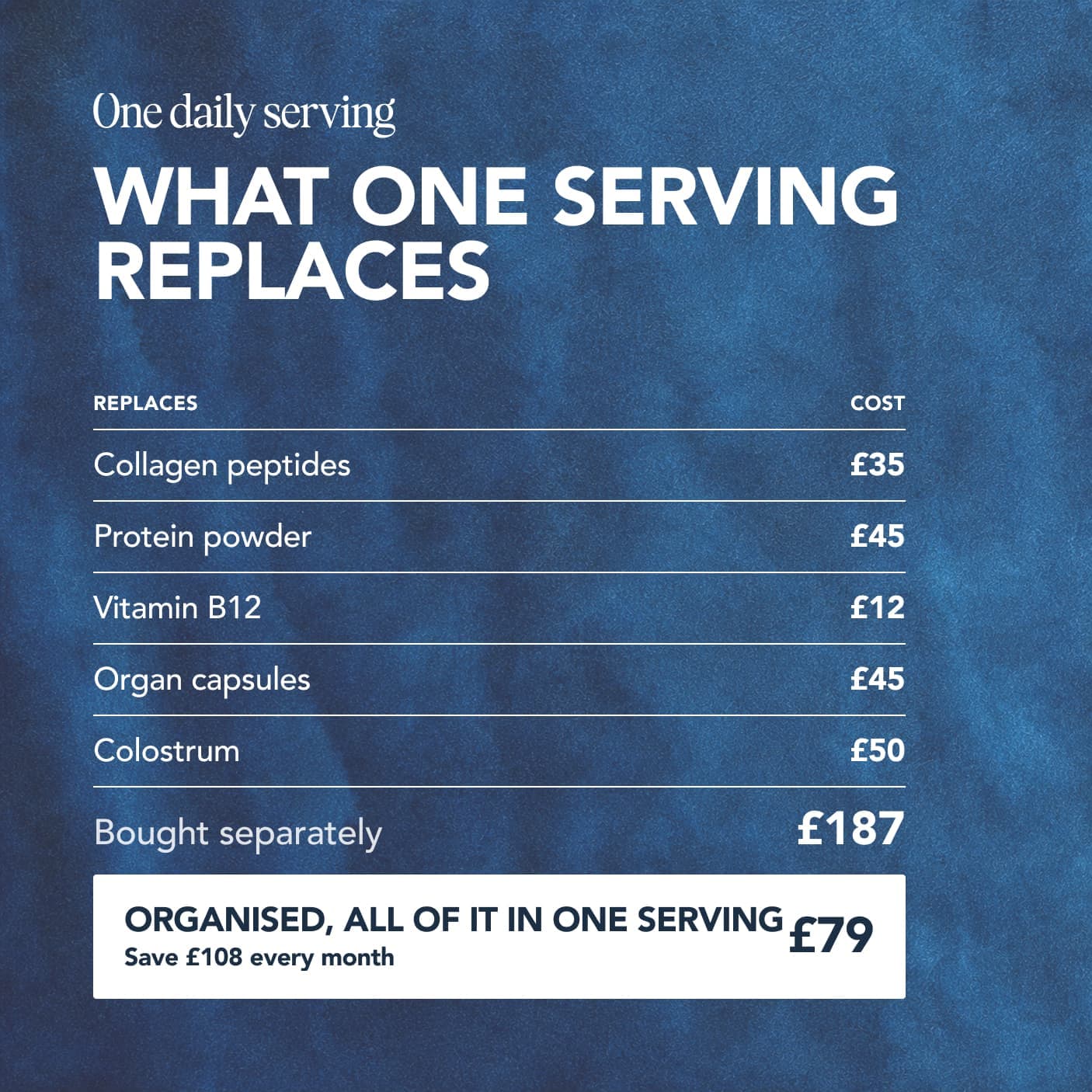
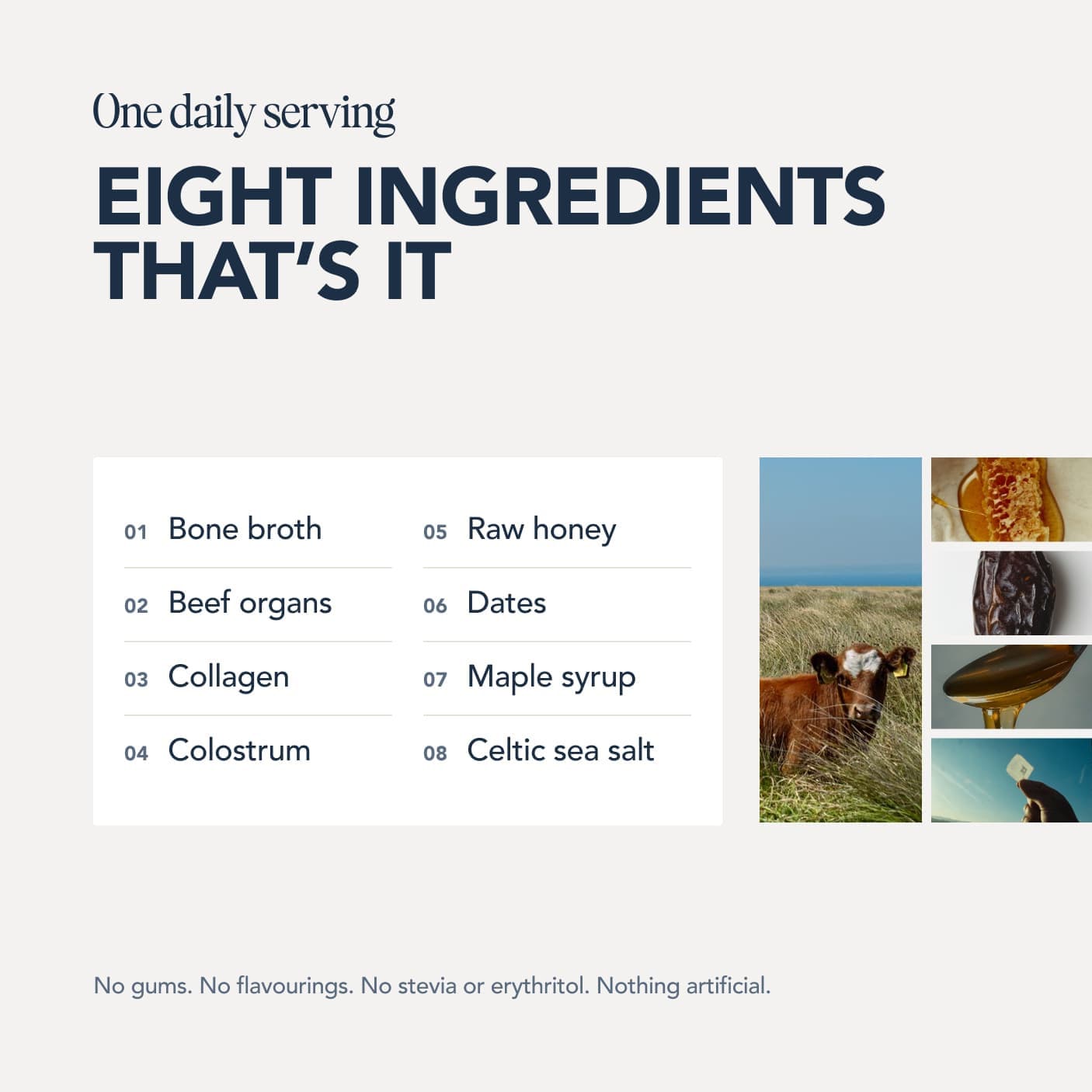
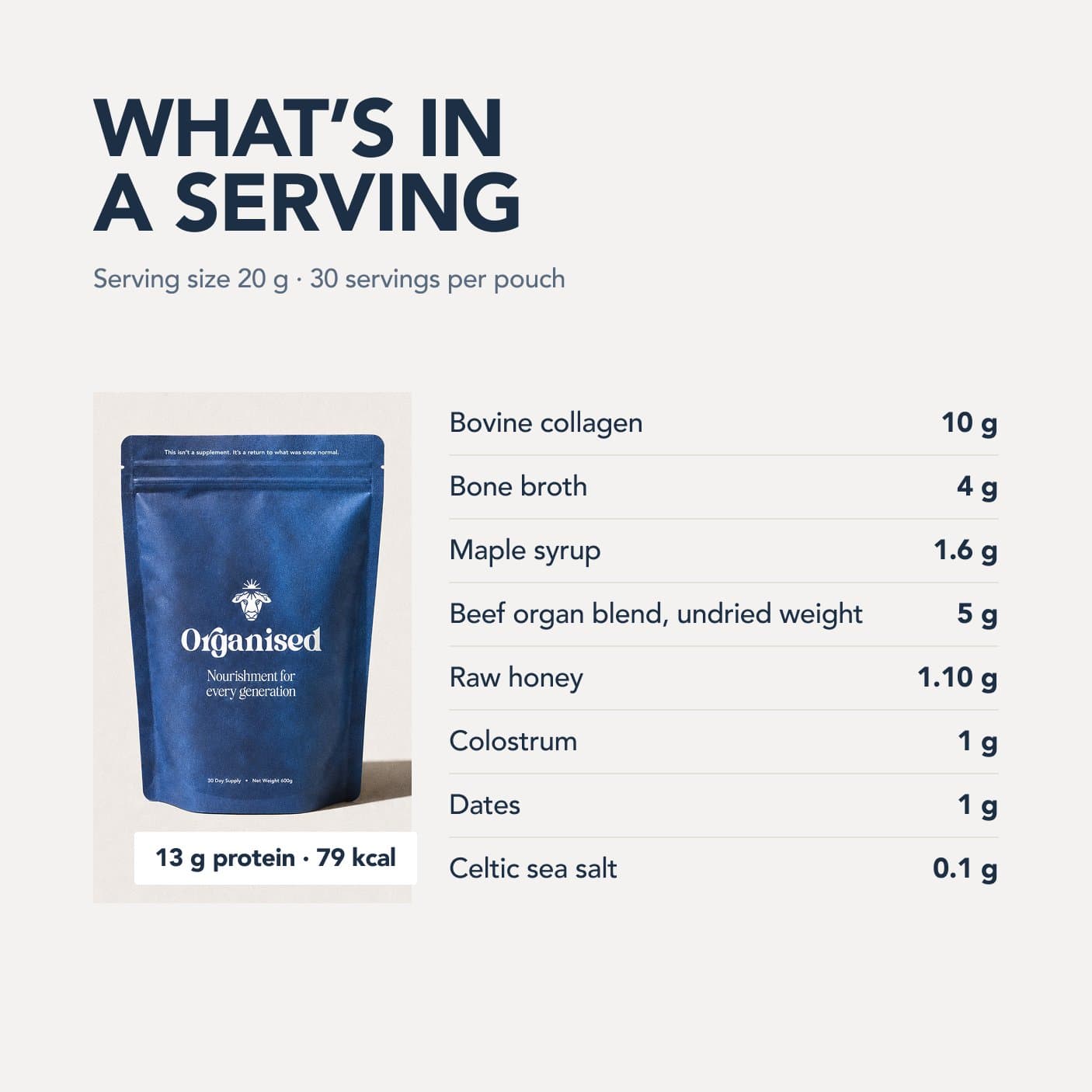
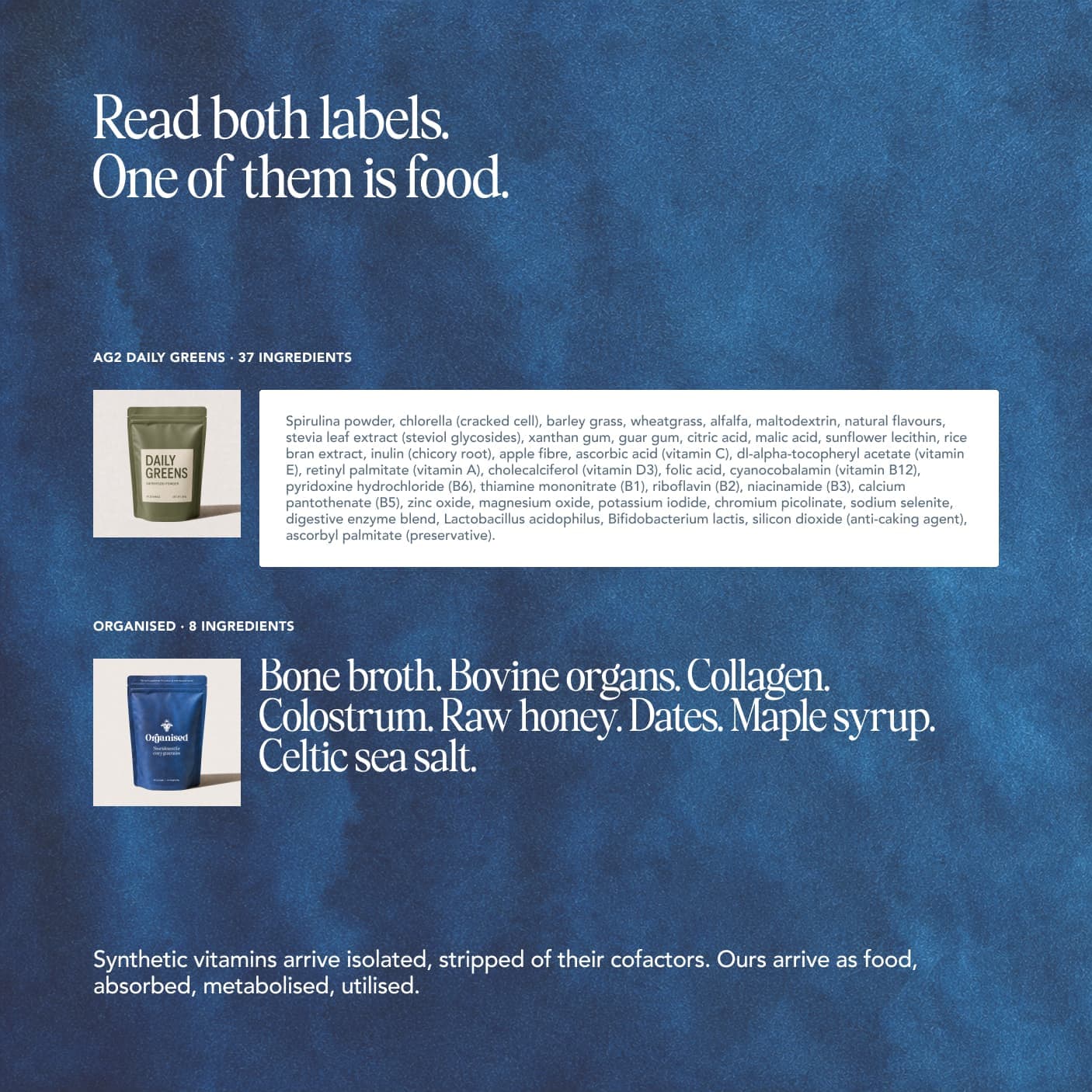
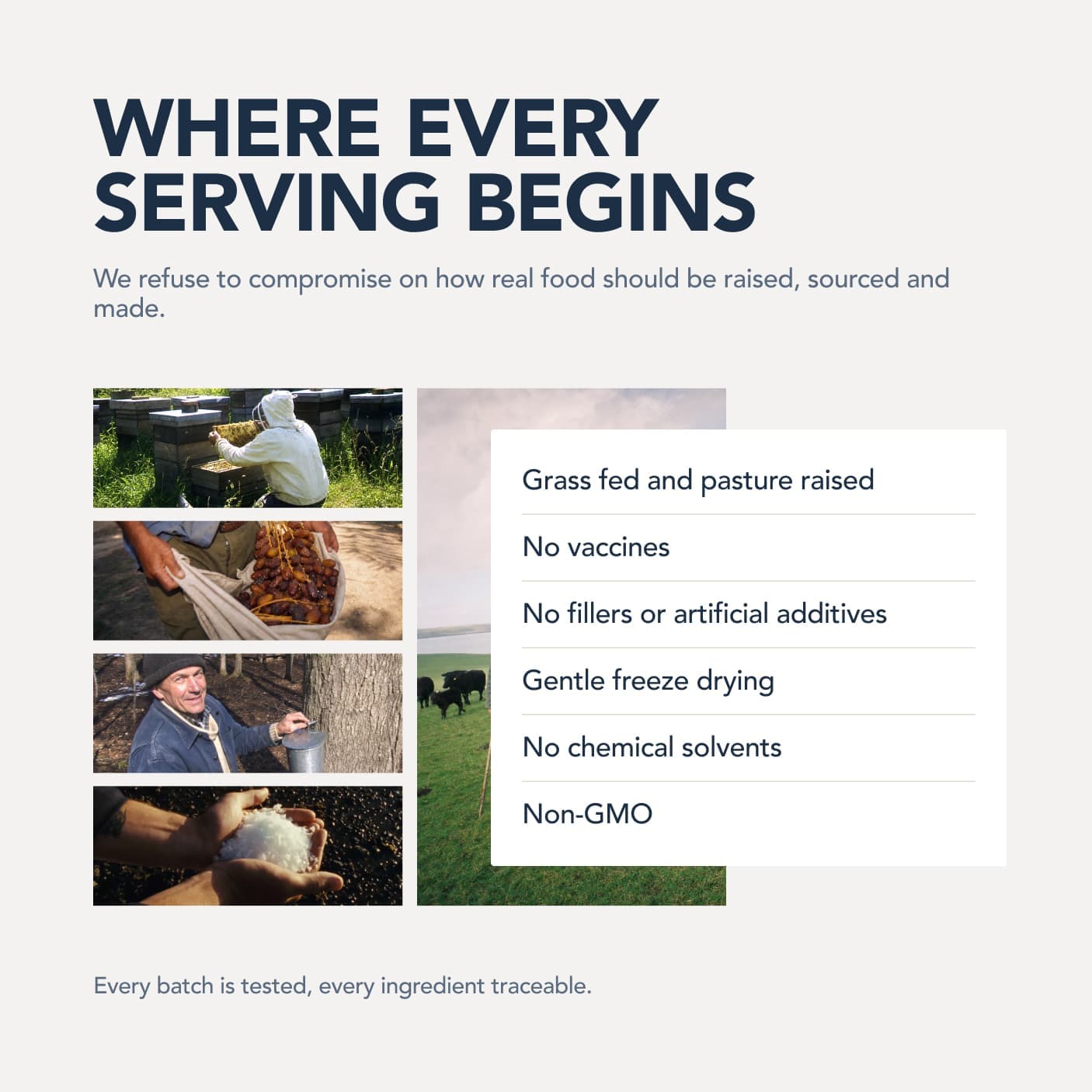
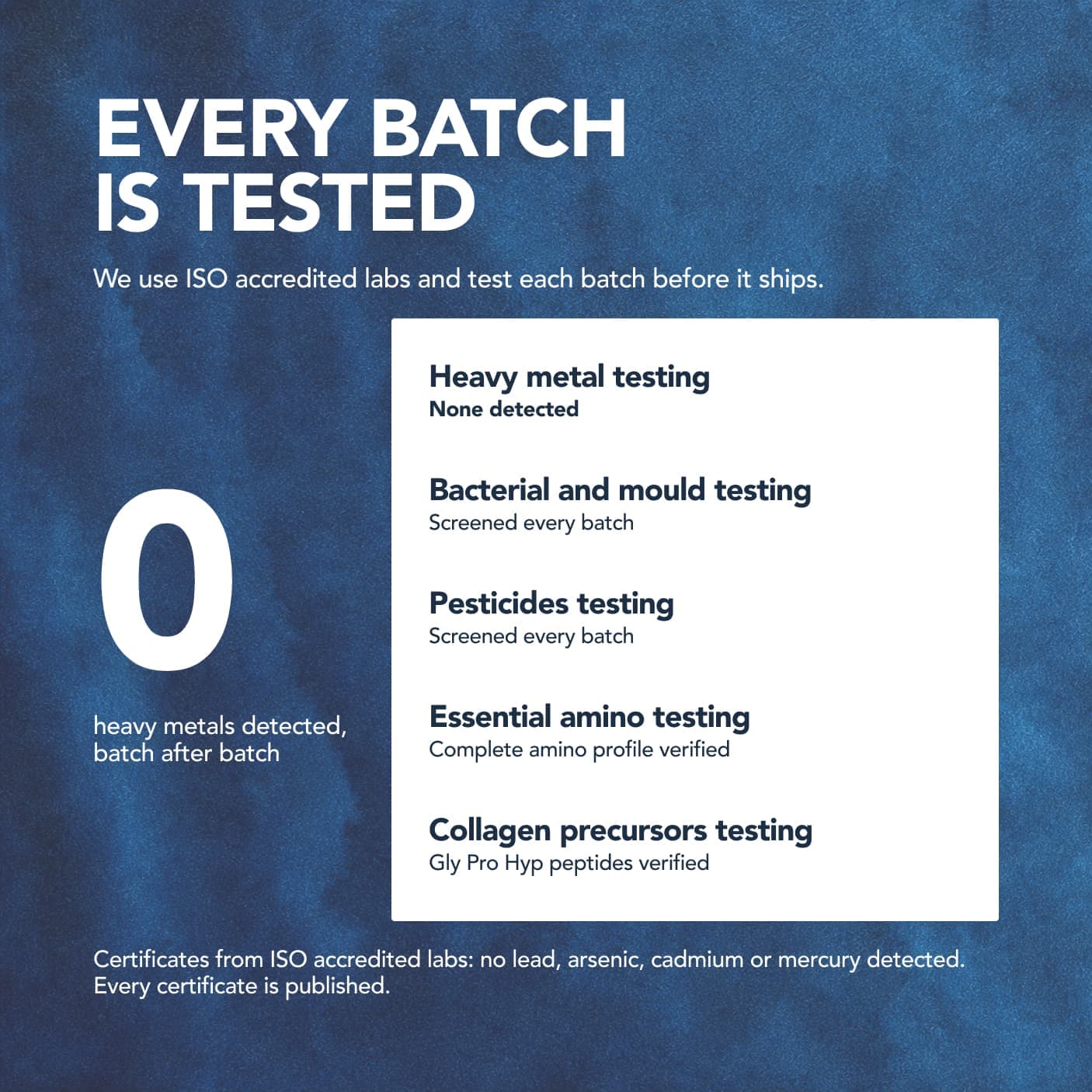
Eight real ingredients built around grass-fed beef organs, collagen and colostrum. Nothing synthetic added.
Free with your first order, worth £38. Plus £10 off the pouch with a subscription.
Free UK shipping · Made in England · 100 day money back guarantee on your first pouch · Skip, pause or cancel anytime
5. Ultra-processed foods with hidden additives
This is the catch-all category for everything else.
Your gut bacteria evolved over hundreds of thousands of years to process food. Real food. Meat. Fish. Vegetables. Fruit. Nuts. Seeds. Fermented foods.
They did not evolve to process preservatives (sodium benzoate, potassium sorbate), artificial colours (tartrazine, Allura Red), flavour enhancers (monosodium glutamate), thickeners, humectants, or any of the dozens of other chemicals used to make cheap food shelf-stable and appealing.
When you eat ultra-processed food, your gut bacteria don't recognise most of it as food. They can't break it down properly. The result is dysbiosis, inflammation, and a damaged gut lining.
The tragedy is that many of these ultra-processed foods are specifically marketed as healthy. Low-fat meals. High-protein bars. Sugar-free snacks. They're marketed to health-conscious people trying to make good choices.
Your gut doesn't care what the marketing says. It recognises real food or it doesn't.
What to do instead
The fix is simple in theory and requires discipline in practice. Eat real food. Meat, fish, eggs, dairy, vegetables, fruit, nuts, seeds, tubers, honey.
Cook at home. Use butter and animal fats. Avoid oils that come from seeds. Avoid anything labelled as diet, low-fat, or sugar-free. Avoid anything with an ingredient list longer than five items.
Your gut bacteria will start recovering within weeks. Your digestion will improve. Your energy will stabilise. Your skin will clear. Your immune function will normalise.
The food industry doesn't want you to realise this. They make their profit margin on processed foods, not on a chicken you buy from the butcher.
But your gut knows the difference. Start removing these five categories of food and your gut will begin to heal itself.
References
Every source below was checked on 27 August 2026. Each PubMed, PMC and DOI identifier was resolved against NCBI or Crossref, and what it opens is printed under the citation, so you can see the link goes where the citation says without leaving the page. Where a citation and its identifier disagreed, the citation was corrected to the record or the reference was deleted along with the sentence marker that pointed at it, and where the resolved paper turned out not to support the sentence, the sentence was cut back to what it does support. Borrowed authority is worse than none, because it looks like rigour.
- DiNicolantonio JJ, O'Keefe JH. Omega-6 vegetable oils as a driver of coronary heart disease: the oxidized linoleic acid hypothesis. Open Heart. 2018. https://pmc.ncbi.nlm.nih.gov/articles/PMC6196963/Checked 27 August 2026: PMC6196963 opens DiNicolantonio JJ, O'Keefe JH, Omega-6 vegetable oils as a driver of coronary heart disease: the oxidized linoleic acid hypothesis. Open Heart 2018;5(2):e000898.The authors' own declaration, from the record: Competing interests: JD is the author of The Salt Fix and Superfuel and operates the website thesaltfix.com. JHO has an ownership interest in CardioTabs, a nutraceutical company.
- Suez J, et al. Artificial sweeteners induce glucose intolerance by altering the gut microbiota. Nature. 2014. https://www.nature.com/articles/nature13793
- Chassaing B, Koren O, Goodrich JK, et al. Dietary emulsifiers impact the mouse gut microbiota promoting colitis and metabolic syndrome. Nature. 2015. https://www.nature.com/articles/nature14232
Who wrote and reviewed this guide
Niall Kiddle
Author · Founder, Organised
Niall is the founder of Organised. He started the company in 2024 after fixing his own health the slow way: in 2022 he swapped a cupboard of synthetic supplements for real food, raw milk, organ meats, bone broth and honey, and felt the difference within months.
Areas of expertise: Ancestral nutrition, Organ meats, Whole-food supplementation, Gut health, Regenerative sourcing
Read Niall's full profile
Pedro Rodrigues
Reviewer · Agronomist (farming and sourcing only)
Pedro is the agronomist Organised works with on farming and sourcing. His job on the guides is to keep the science honest: he reviews what we publish about soil health, regenerative agriculture, grazing and the way food is actually produced.
Areas of expertise: Regenerative agriculture, Agronomy, Soil health, Grass-fed farming, Food sourcing
Reviewed this guide on
Read Pedro's full profileMore on gut health
View all- The Complete Guide to Healing Your Gut with Whole Foods
- Why Your Gut Health Affects Everything (Not Just Digestion)
- Acid Reflux and Low Stomach Acid: A Nutritional Perspective
- Bloating After Eating: Common Causes and Whole Food Solutions
- Bone Broth for Gut Health: What the Science Says
- Candida Overgrowth: What It Is and How Nutrition Can Help
- Histamine Intolerance: Could Your Gut Be the Cause?
- How Colostrum and Collagen Work Together to Repair the Gut Lining
- How Stress Destroys Your Gut (And What to Do About It)
- How to Recognise the Early Signs of Poor Gut Health
- How to Reset Your Gut After Antibiotics
- IBS and Nutrition: A Whole Food Approach
Browse the guides library
All guidesKeep reading

Health goals
You Don't Need Another Probiotic. You Need to Fix the Foundation.
Most people take the wrong probiotic for the wrong reason. Here's what your gut actually needs to heal, and why probiotics alone will never fix it.

Health goals
How Colostrum and Collagen Work Together to Repair the Gut Lining
See how colostrum and collagen work together to help seal a damaged gut lining, why each plays a distinct role, and how to use both for steady gut repair.

Health goals
Acid Reflux and Low Stomach Acid: A Nutritional Perspective
Discover why acid reflux is often low stomach acid, not too much. Learn how to tell the difference and the nutritional steps that may help support digestion.
Real food, made effortless
Start my daily blendA few ways to use it
All recipes
Organ Bolognese: The Family Dinner That Heals
Practical organ meat recipe using fresh beef liver and heart. Family-friendly bolognese that bridges supplements to whole food.
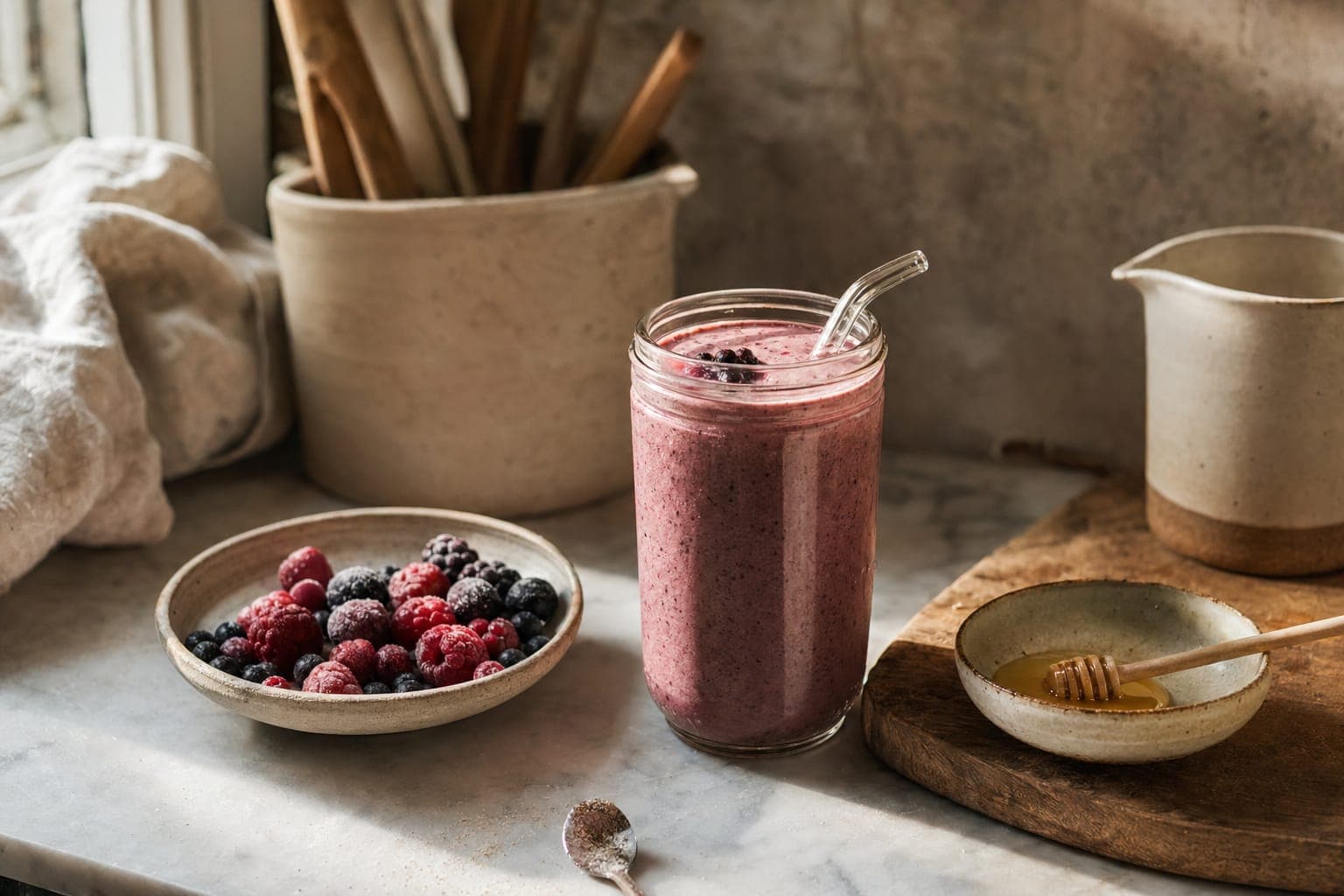
The Organised Recovery Smoothie for After Exercise
A recovery smoothie made with beef protein, raw milk, frozen berries, collagen, and honey. Optimal nutrition in the 30-minute window after exercise.
Gut-Healing Marshmallows with Collagen and Raw Honey
Learn to make gut-healing marshmallows with collagen and raw honey. A shareable treat that sneaks nutrition into every bite. Easy recipe with video tips.


 Join over 100,000+ members
Build a better food system with us
The Organised community is thousands of people choosing real food and backing the farmers who grow it, all of us trying to leave the world a little better than we found it. If that is what you care about too, you belong here.