Why Your Skin Looks Better When You Eat Organ Meats
If your skin looks tired, dull, and older than your years, there is one thing you are almost certainly missing. It's not expensive. It's not trendy. It sits, unremarkable, in your butcher's case. And it works faster than anything you own in your bathroom.
By Niall Kiddle, Founder, Organised

Reviewed by Pedro Rodrigues, Agronomist (farming and sourcing only) ·
6 min read · Published · Updated · 5 cited sources
Makers of the Organised Daily blend, a grass-fed beef organ supplement from regenerative UK farms
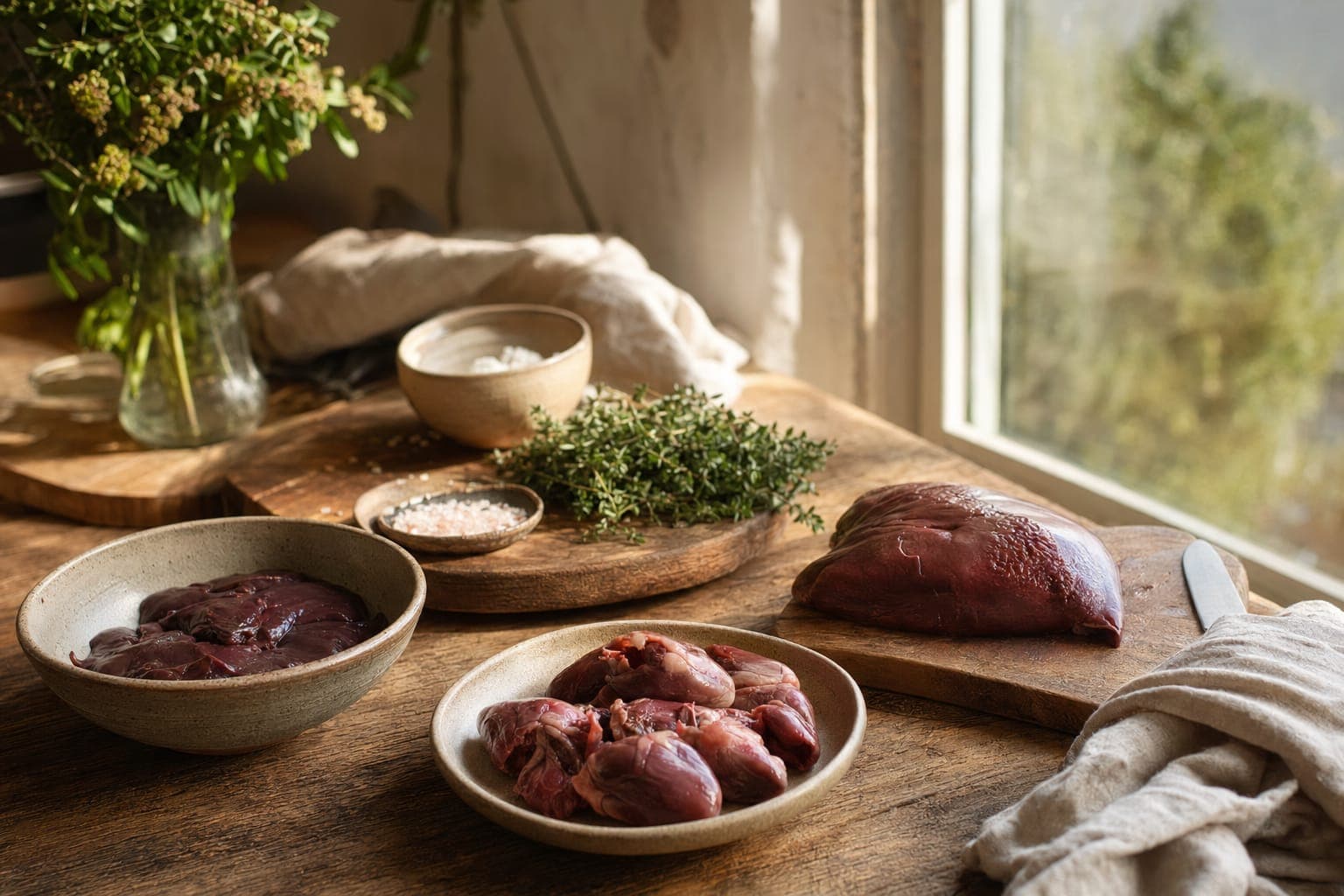
Organ meats are the most nutrient-dense foods on the planet. A 100-gram serving of liver contains more micronutrients than a week of eating muscle meat and vegetables combined. But most people have been conditioned to find them unappealing. So they miss the single fastest way to feed their skin properly.
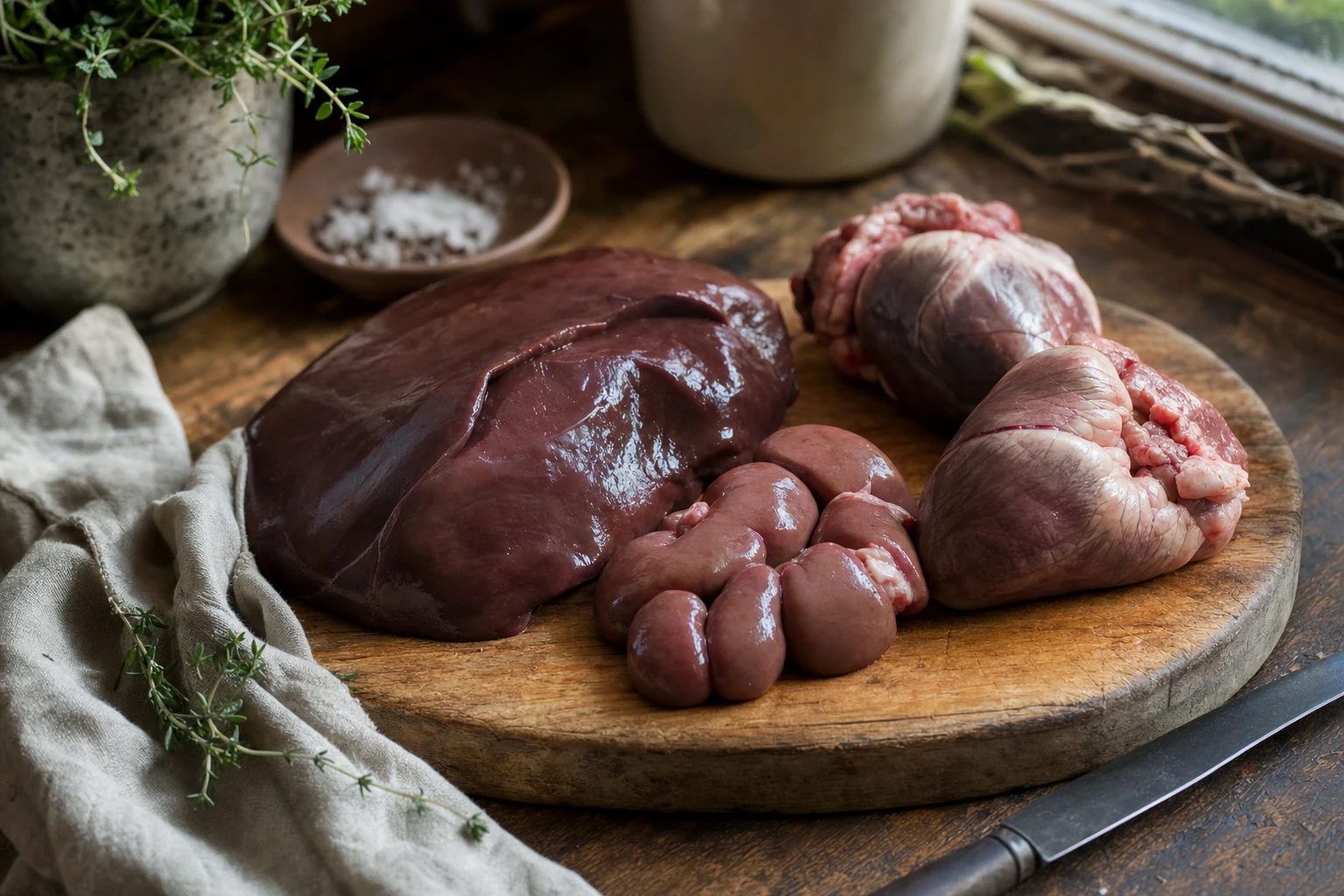
What makes organ meats unique
Organ meats are nutrient-dense because they are metabolically active tissue. Your liver filters toxins and stores micronutrients. Your kidney regulates fluid and mineral balance. Your heart pumps constantly and requires extraordinary micronutrient density to function. The nutrients that make these organs work are present in extraordinary concentrations.
Muscle meat contains protein and a modest amount of micronutrients. Organ meat contains that same protein plus 10 to 100 times the concentration of vitamins and minerals your skin actually needs. It's not even a comparison. Muscle meat, eaten alone, is nutritionally incomplete. Organ meat is complete.
Most people don't eat organ meat. They haven't eaten it since childhood, if ever. They don't know what it tastes like or how to cook it. There's psychological resistance. This means almost everyone is walking around nutritionally deficient in precisely the nutrients that would transform their skin.
Organ meats are the nutritional foundation your ancestors ate. Your skin is waiting for them.
Retinol and skin transformation
Beef liver contains 6,000 to 36,000 IU of retinol per 100 grams, depending on the animal's diet and age.1 That is preformed vitamin A. Your body uses it immediately. No conversion. No loss. One serving of liver delivers more bioavailable retinol than you'd get from weeks of eating orange vegetables.
Retinol is critical for skin cell turnover. It signals cells to differentiate properly.1 It supports the formation of new skin cells and the shedding of old ones. Without adequate retinol, your skin cells accumulate. Your skin looks dull and textured. Acne worsens. Fine lines become more apparent.
People who eat liver regularly report visible skin changes within weeks: texture improves, tone evens, dullness lifts, and that subtle glow returns. This is not subtle. People notice. You look better because your skin cells are being properly directed to turn over and renew.
B vitamins and energy
Your skin cells are metabolically expensive. They need energy. They need B vitamins to generate that energy at the cellular level. Liver is the most concentrated source of B vitamins you can eat: B12, folate, niacin, riboflavin, pantothenic acid, all present in amounts that dwarf what muscle meat or vegetables provide.
B12 is found almost exclusively in animal foods.4 If you're eating muscle meat but rarely organ meat, you're getting some B12 but not enough. B12 deficiency is staggeringly common. It shows up as fatigue, but also as dull skin, slow healing, and that sense that your skin just doesn't look healthy.
Niacin, or vitamin B3, is critical for barrier function. Your skin barrier is made of lipids and proteins. Niacin is required for both. It's also involved in NAD production, which drives cellular energy and repair.5 Liver carries niacin in abundance. Muscle meat carries a fraction of what liver does.
Copper and collagen
Copper is the mineral almost no one talks about, but it's absolutely critical for skin. Copper is involved in collagen crosslinking. Without sufficient copper, your collagen is structurally weak, no matter how much collagen you produce.2 Your skin loses elasticity. It sags. It doesn't respond to other interventions because the structural foundation is weak.
Copper is also involved in melanin production and in the formation of skin pigmentation. Low copper and your skin tone becomes uneven. You develop hyperpigmentation or hypopigmentation. Your skin looks compromised and aged.
Liver is one of the richest sources of copper you can eat. A single serving provides a meaningful amount. And copper from food is bioavailable and balanced with zinc, so the mineral ratio stays optimal. You're not creating a copper-zinc imbalance the way isolated supplementation might.
Your skin's appearance is determined by collagen structure. Collagen structure is determined by copper. Copper comes from organ meats.
Get health guides like this, free
Two short reads a week on eating for energy, gut health, skin, sleep and more.
By signing up you agree to receive emails from us. No spam, unsubscribe anytime.
Zinc and barrier health
Zinc is involved in over 300 enzymatic reactions in your body, including those that maintain your skin barrier.3 Your skin barrier is not just cosmetic. It's your immune system's first line of defence against the outside world. When zinc is deficient, your barrier breaks down. Your skin becomes reactive, sensitive, and prone to infection and inflammation.
Liver carries zinc alongside copper in a ratio that's naturally balanced. This matters because zinc and copper compete for absorption. When you eat liver, you're not risking the imbalances that isolated supplements create. You're getting both minerals in a form your body recognises and manages correctly.
Zinc deficiency shows up quickly on the skin: acne worsens, healing slows, sensitivity increases, and that textured, inflamed appearance becomes more obvious. The response to zinc repletion is equally quick. Within two to three weeks of eating nutrient-dense foods including organ meat, zinc-deficient people report less inflammation, faster healing, and more resilient skin.
Practical organ meat integration
Start small if you need to
If organ meat feels foreign, start with 30 to 50 grams and build up. Liver pâté spread on toast is easier than a whole piece. Ground liver mixed into beef is almost undetectable. Chicken liver is milder than beef liver if you find beef too strong.
Once weekly minimum
Aim for 100 to 150 grams of organ meat once weekly. This is enough to significantly shift your nutrient status. You don't need to eat it every day. Weekly consistency matters more than daily perfection.
Preparation matters
Cook organ meat gently. High heat degrades some nutrients. Medium heat, with fat (butter or oil), is ideal. Add salt and herbs. Make it taste good. If you're choking down unpalatable food, you won't stick with it.
Other organs worth eating
- Beef liver: highest in retinol, copper, and most B vitamins
- Beef kidney: excellent source of selenium and B vitamins
- Beef heart: surprisingly palatable, rich in CoQ10 and minerals
- Chicken liver: milder flavour, still nutrient-dense
- Lamb kidney and liver: excellent quality, different flavour profile
If you can't stomach organ meat whole, freeze-dried organ powders are available. They preserve nutrients, remove taste and texture barriers, and can be mixed into smoothies or stirred into meals. Not ideal, but infinitely better than no organ meat at all.
1 of 9
Daily blend
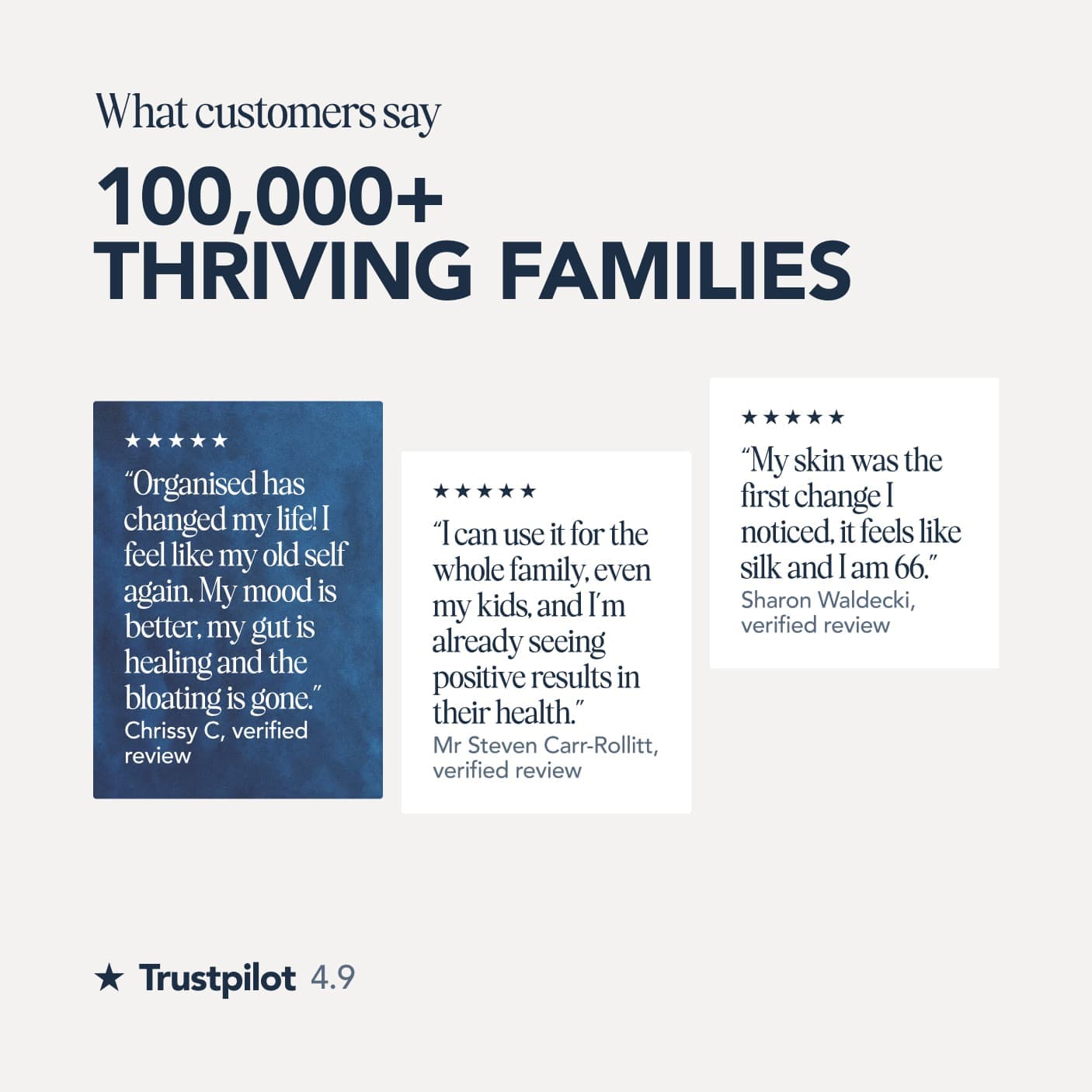
100,000+ thriving families4.9 on Trustpilot
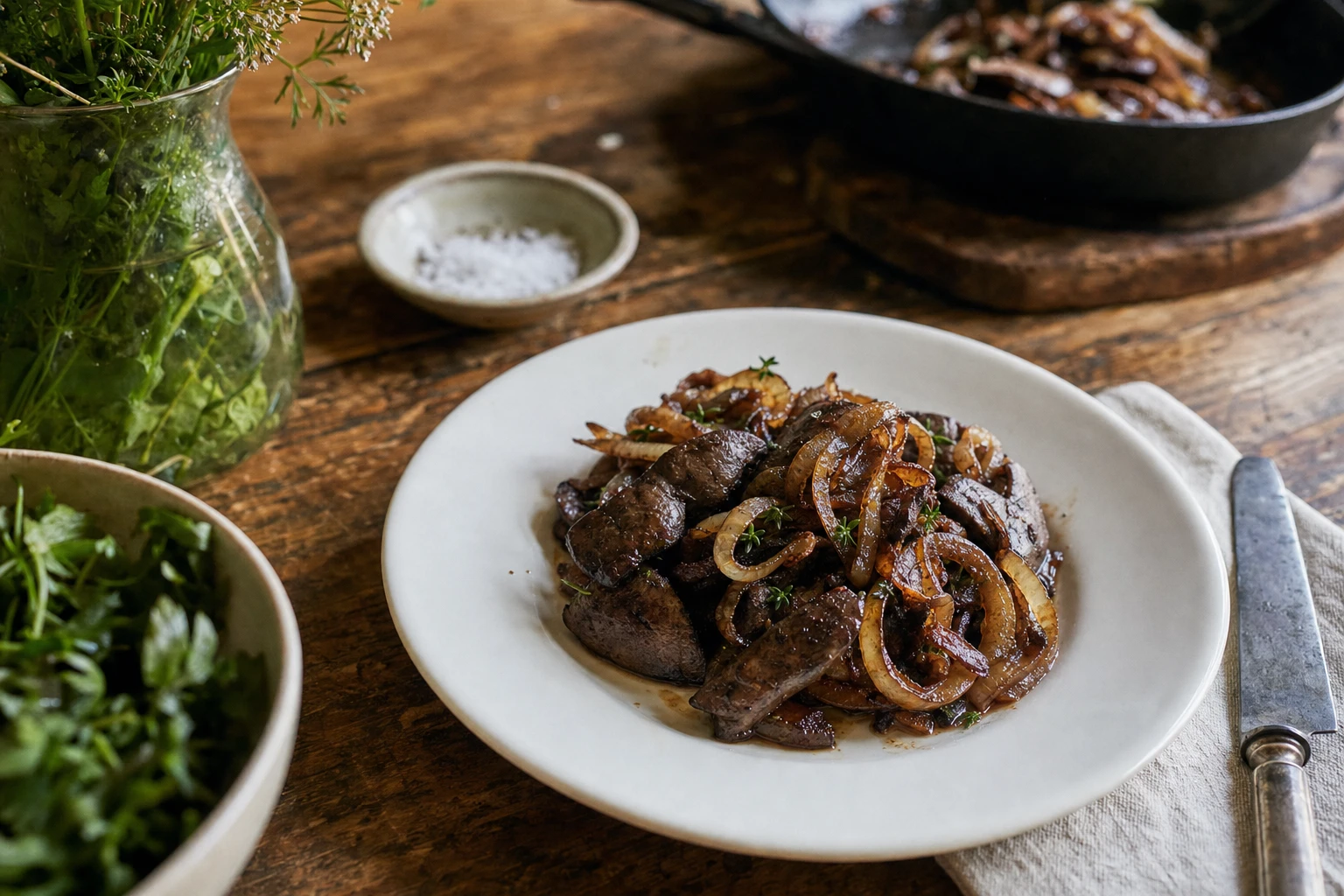
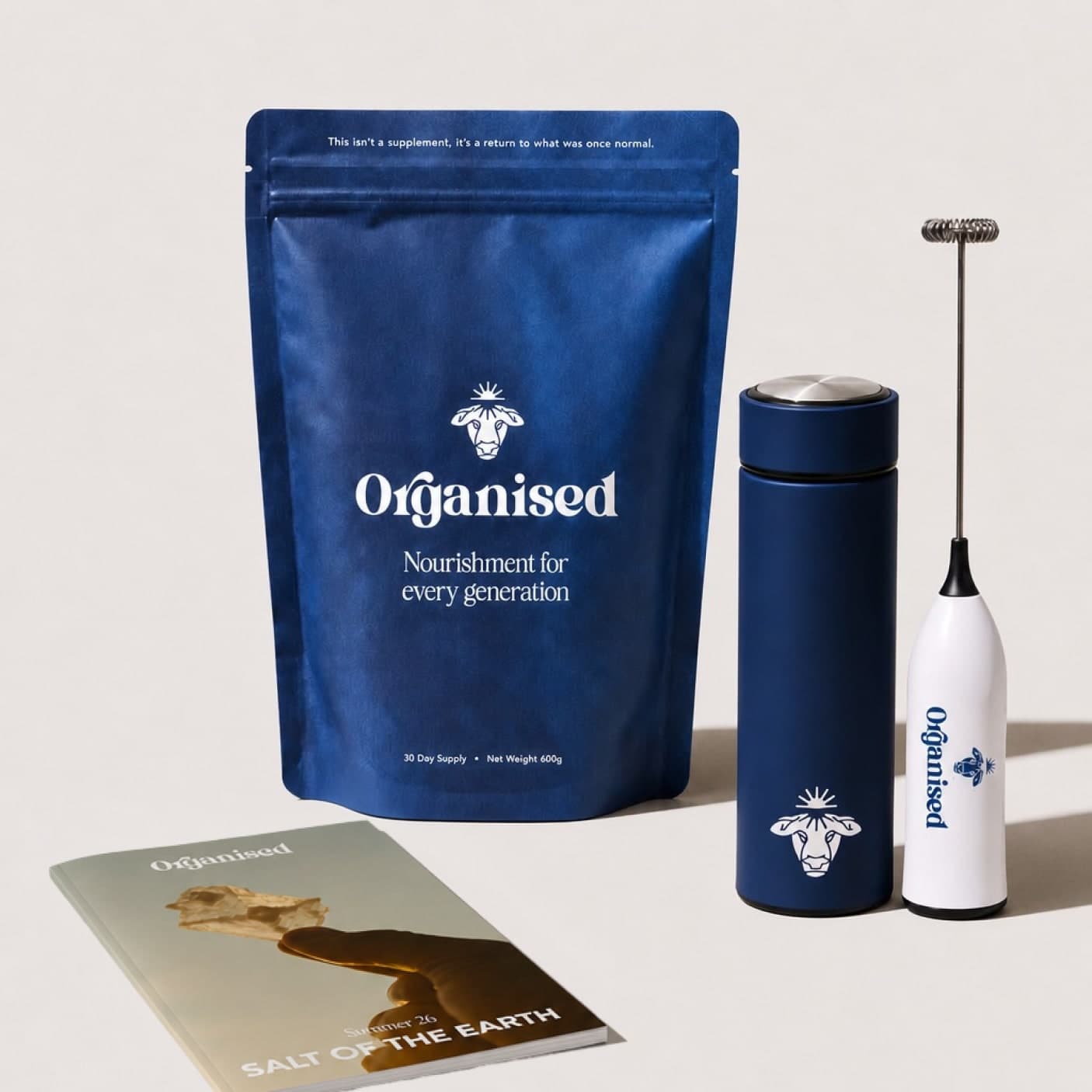
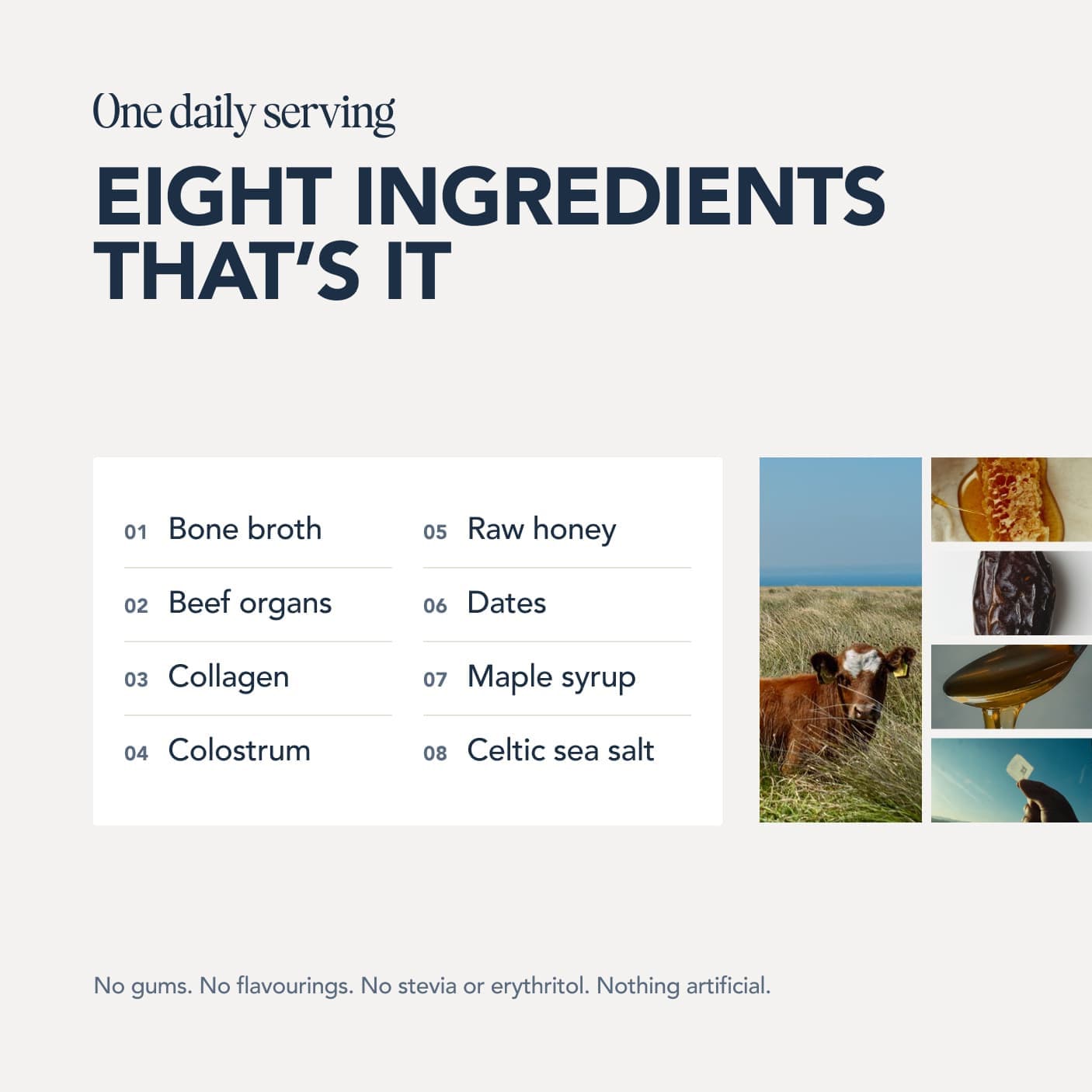
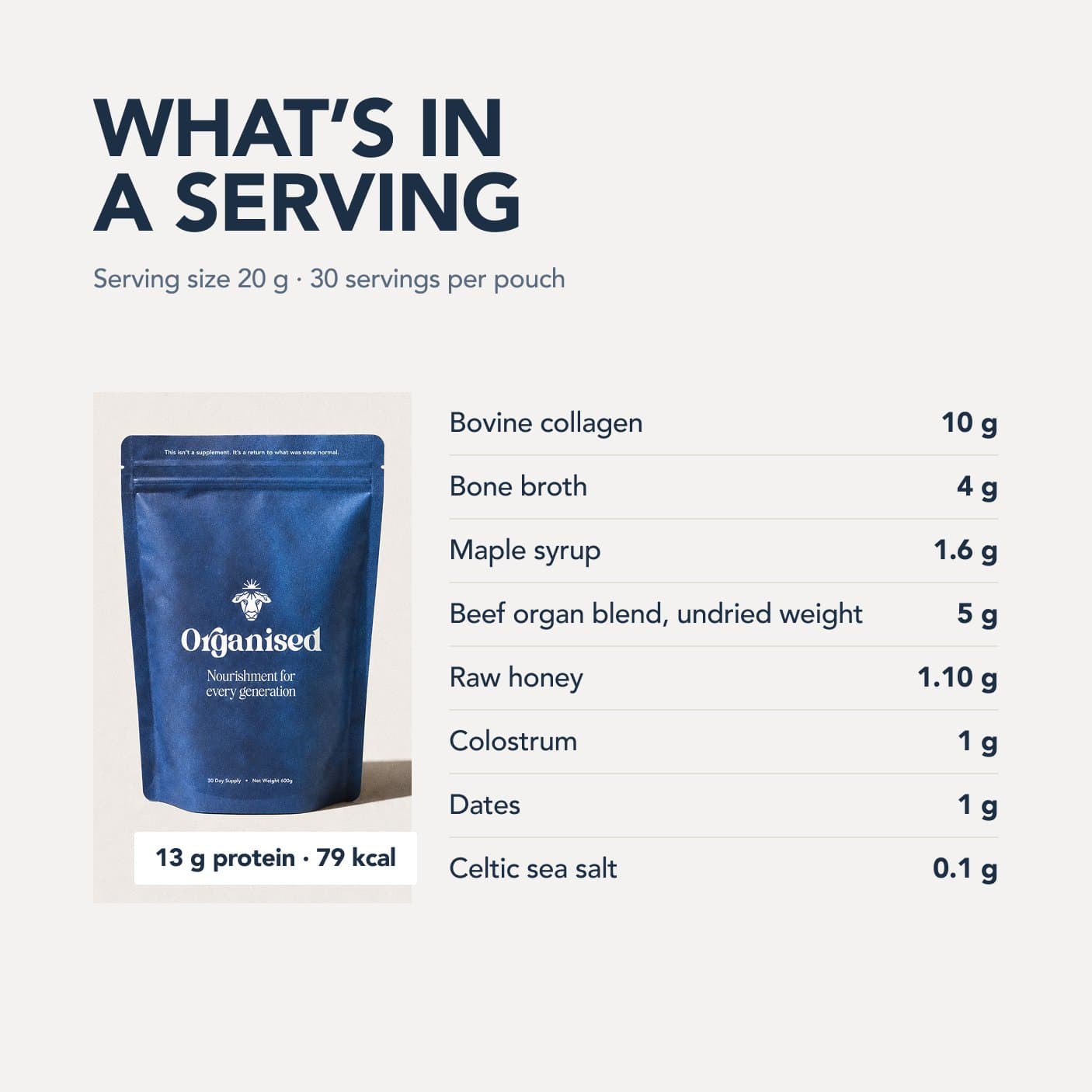
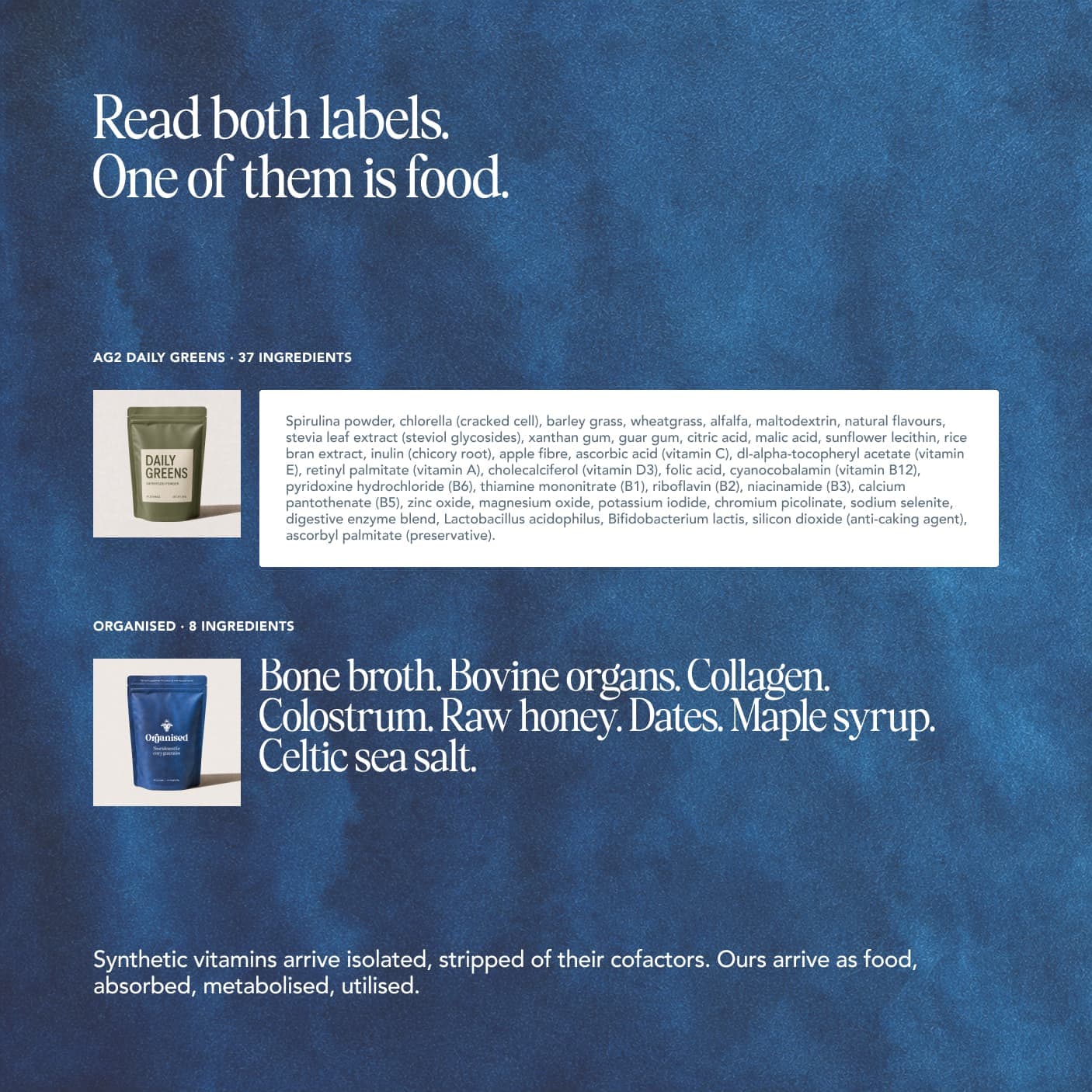
Eight real ingredients built around grass-fed beef organs, collagen and colostrum. Nothing synthetic added.
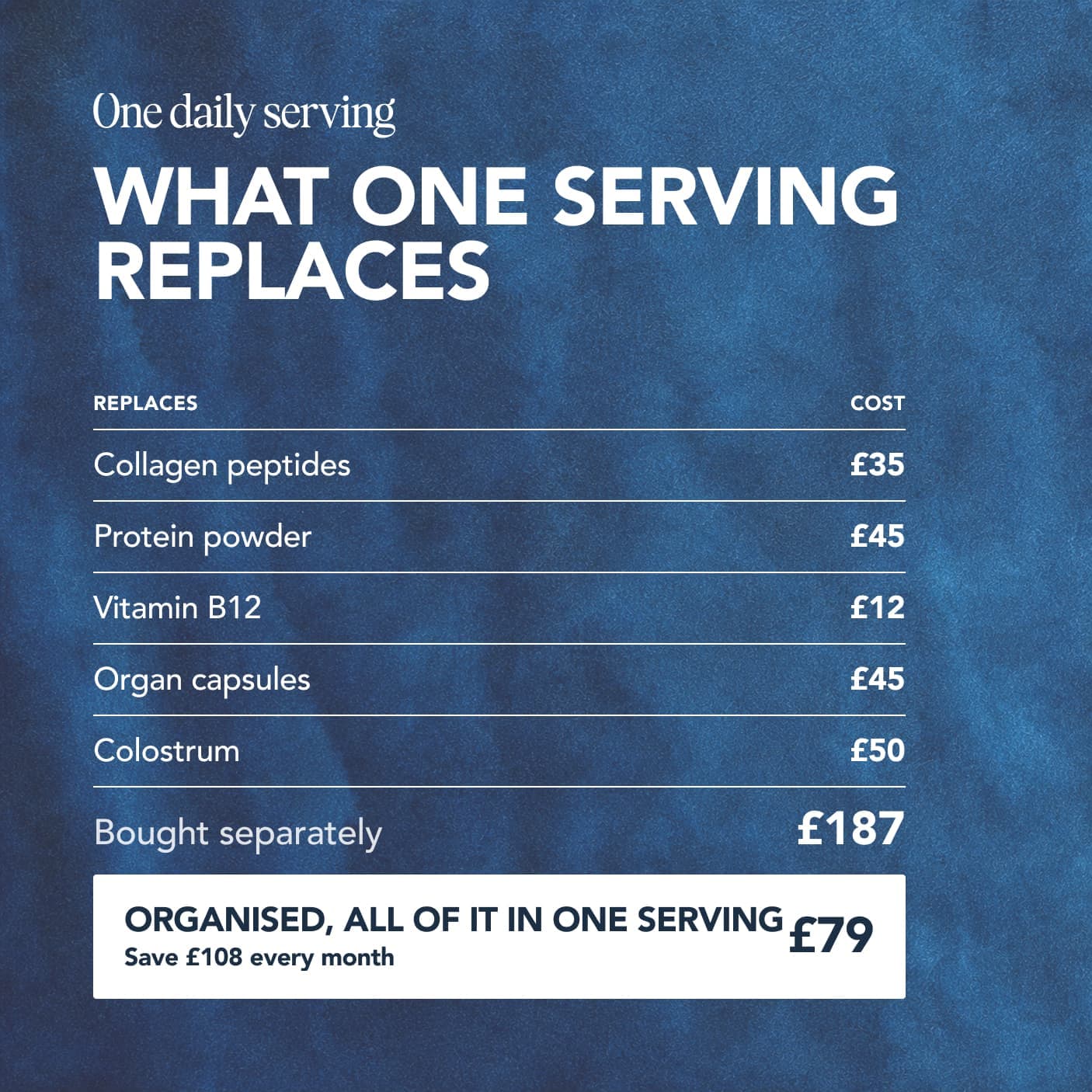
Free with your first order, worth £38. Plus £10 off the pouch with a subscription.
Free UK shipping · Made in England · 100 day money back guarantee on your first pouch · Skip, pause or cancel anytime
The skin transformation timeline
Week one to two: No obvious change. Your body is absorbing nutrients and storing them.
Week three to four: Texture improves slightly. Skin tone begins to even. Dullness lifts marginally.
Week six to eight: Visible improvement in clarity, texture, and overall skin quality. People around you notice. Your skin looks healthier.
Month three onwards: Sustained improvement. Fine lines appear less pronounced. Skin resilience increases. Sensitivity decreases. This is collagen being rebuilt properly, with the minerals it needs to form stable crosslinks.
The timeline is individual. Some people see changes faster. Some need longer. But the pattern is remarkably consistent. Consistent organ meat intake, every week, shows in your skin within 8 to 12 weeks.
The bottom line
Your skin doesn't need expensive serums or miracle ingredients. It needs nutrients your body recognises and can use immediately. Organ meats provide those nutrients in higher concentration than any other food. They're affordable, accessible, and work remarkably fast.
Eat liver once this week. Not as a health obligation. Just once. Notice how you feel, how your energy is, how your skin responds over the next month. That's the feedback loop your body is providing. Listen to it.
References
Every source below was checked on 27 August 2026. Each PubMed, PMC and DOI identifier was resolved against NCBI or Crossref, and what it opens is printed under the citation, so you can see the link goes where the citation says without leaving the page. Where a citation and its identifier disagreed, the citation was corrected to the record or the reference was deleted along with the sentence marker that pointed at it, and where the resolved paper turned out not to support the sentence, the sentence was cut back to what it does support. Borrowed authority is worse than none, because it looks like rigour.
- National Institutes of Health Office of Dietary Supplements. Vitamin A and Carotenoids - Health Professional Fact Sheet. NIH ODS Vitamin A.
- Rucker RB et al. Copper, lysyl oxidase, and extracellular matrix protein cross-linking. Am J Clin Nutr. PubMed PMID: 9587142.Checked 27 August 2026: PMID 9587142 opens Rucker RB, Kosonen T, Clegg MS et al, Copper, lysyl oxidase, and extracellular matrix protein cross-linking. Am J Clin Nutr 1998;67(5 Suppl):996S-1002S. PubMed indexes it as: Review.
- National Institutes of Health Office of Dietary Supplements. Zinc - Health Professional Fact Sheet. NIH ODS Zinc.
- National Institutes of Health Office of Dietary Supplements. Vitamin B12 - Health Professional Fact Sheet. NIH ODS Vitamin B12.
- National Institutes of Health Office of Dietary Supplements. Niacin - Health Professional Fact Sheet. NIH ODS Niacin.
Who wrote and reviewed this guide
Niall Kiddle
Author · Founder, Organised
Niall is the founder of Organised. He started the company in 2024 after fixing his own health the slow way: in 2022 he swapped a cupboard of synthetic supplements for real food, raw milk, organ meats, bone broth and honey, and felt the difference within months.
Areas of expertise: Ancestral nutrition, Organ meats, Whole-food supplementation, Gut health, Regenerative sourcing
Read Niall's full profile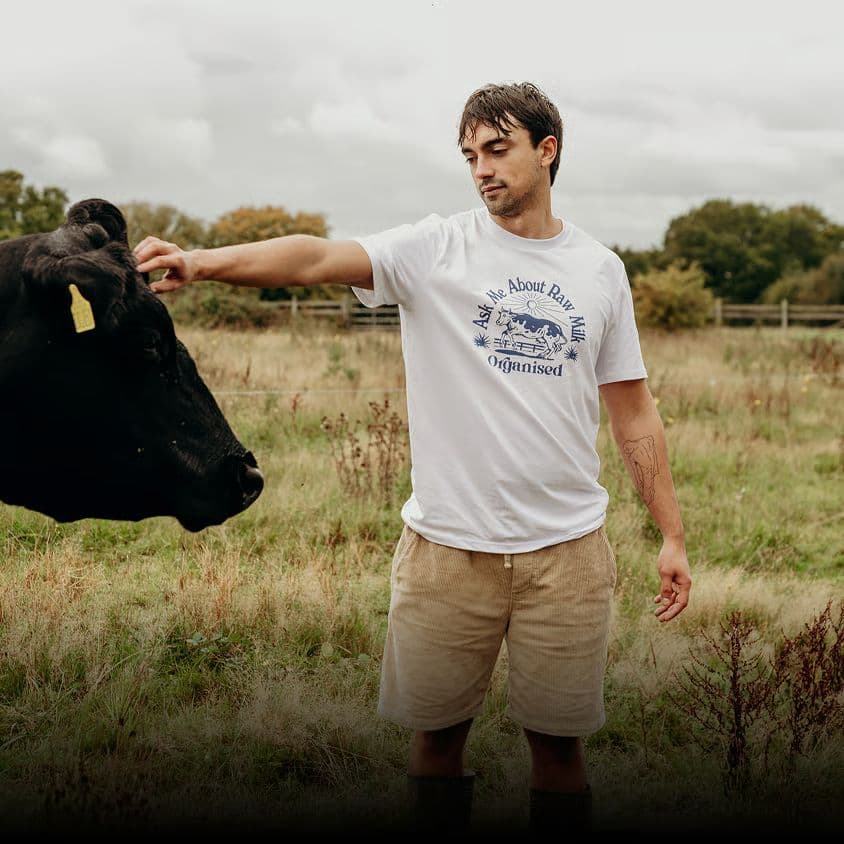
Pedro Rodrigues
Reviewer · Agronomist (farming and sourcing only)
Pedro is the agronomist Organised works with on farming and sourcing. His job on the guides is to keep the science honest: he reviews what we publish about soil health, regenerative agriculture, grazing and the way food is actually produced.
Areas of expertise: Regenerative agriculture, Agronomy, Soil health, Grass-fed farming, Food sourcing
Reviewed this guide on
Read Pedro's full profileMore on skin
View all- How to Build Collagen Naturally Without Injections
- How to Feed Your Skin from the Inside Out
- A Whole Food Skincare Routine: Morning to Night
- Collagen for Anti-Ageing: What the Clinical Trials Show
- Dark Circles Under Your Eyes? It Might Be a Nutrient Deficiency
- Eczema and Nutrition: What the Research Suggests
- How to Eat for a Natural Glow (Without Products)
- How Zinc, Copper and Selenium Work Together for Clear Skin
- Psoriasis and Nutrition: What Helps and What Hinders
- Retinol from Beef Liver vs Retinol in Skincare: Which Actually Works?
- Rosacea and Gut Health: Is There a Connection?
- The Foods That Age Your Skin Fastest
Browse the guides library
All guidesKeep reading
Health goals
Retinol from Beef Liver vs Retinol in Skincare: Which Actually Works?
Retinol from liver vs skincare creams: get more bioavailable retinol from a single serving of beef liver. Here is why oral often beats topical for skin.
Health goals
How Zinc, Copper and Selenium Work Together for Clear Skin
Isolated zinc supplements often backfire. Here's why these three minerals must work together, and how food sources keep them balanced.
Health goals
A Whole Food Skincare Routine: Morning to Night
Forget serums and moisturisers. Your skin's true routine happens three times a day, at the table. Here's the nutritional protocol that works.
Real food, made effortless
Start my daily blendA few ways to use it
All recipes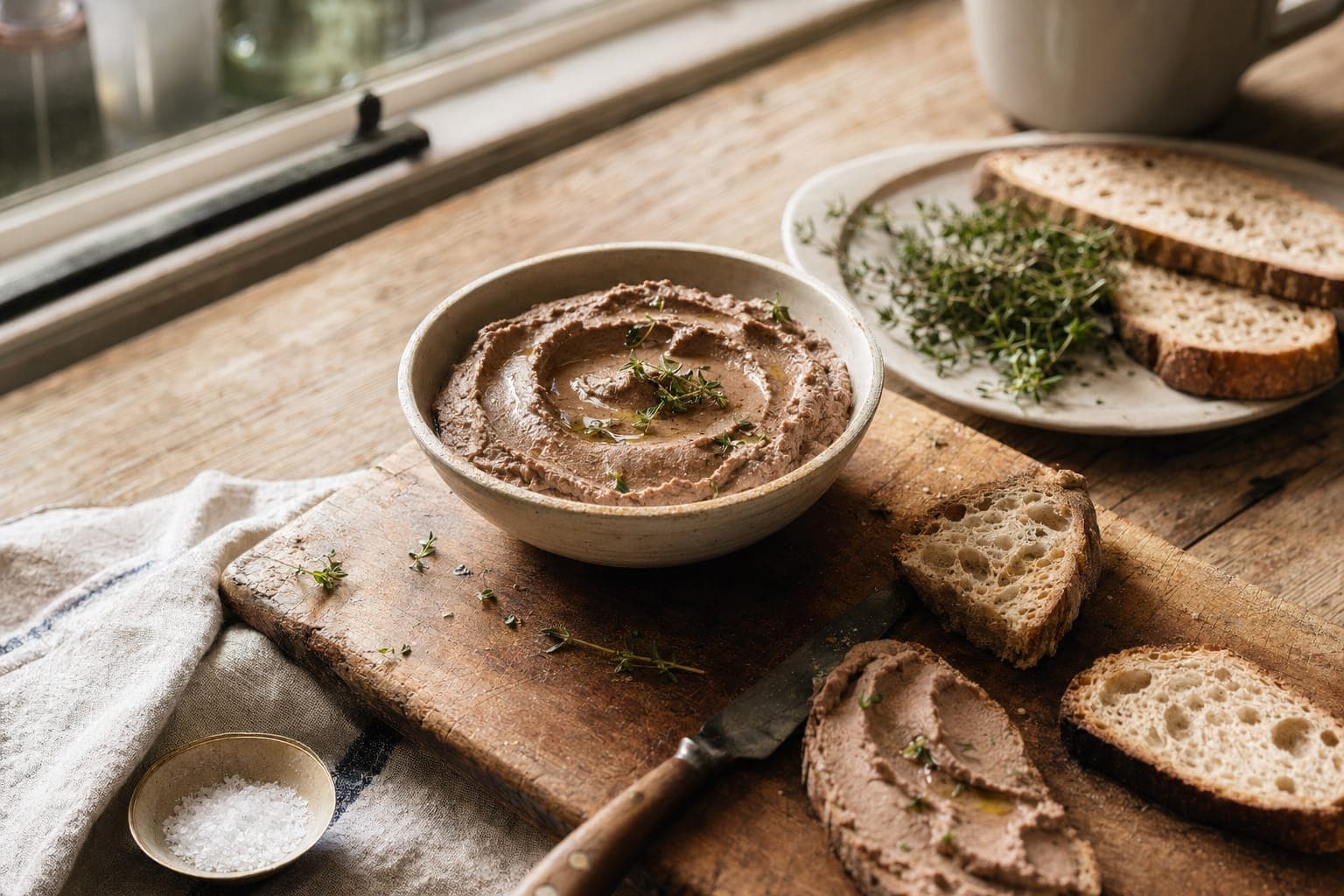
Liver Pate for Beginners: A Gentle Introduction to Organ Meats
Simple liver pate recipe to start eating organ meats. Chicken liver, butter, and herbs. Gentle introduction to nutrient-dense whole foods.
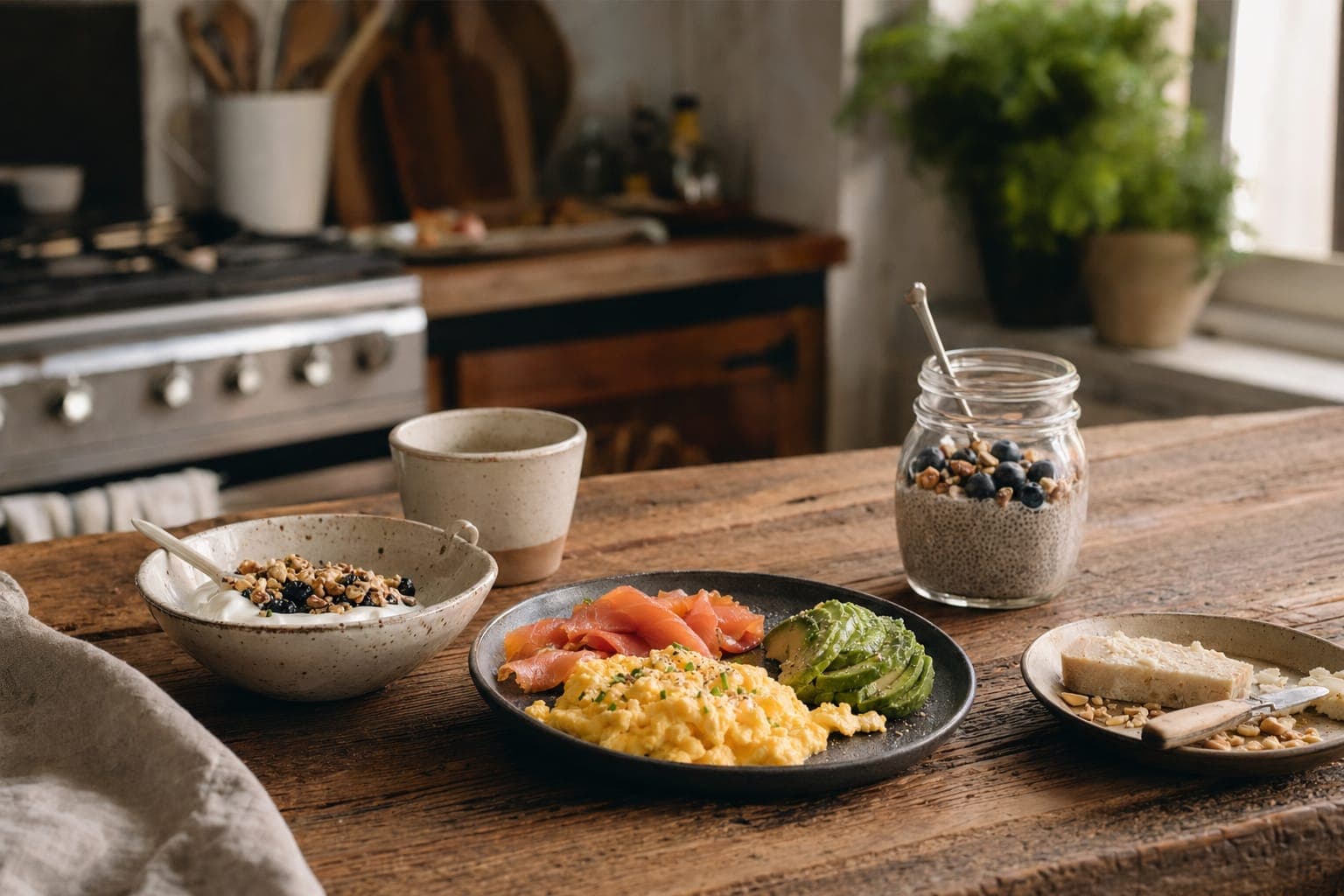
5-Minute High-Protein Breakfasts Using Organised
Quick, high-protein breakfast ideas using Organised. Five recipes you can make in minutes with real food. No fussing around.
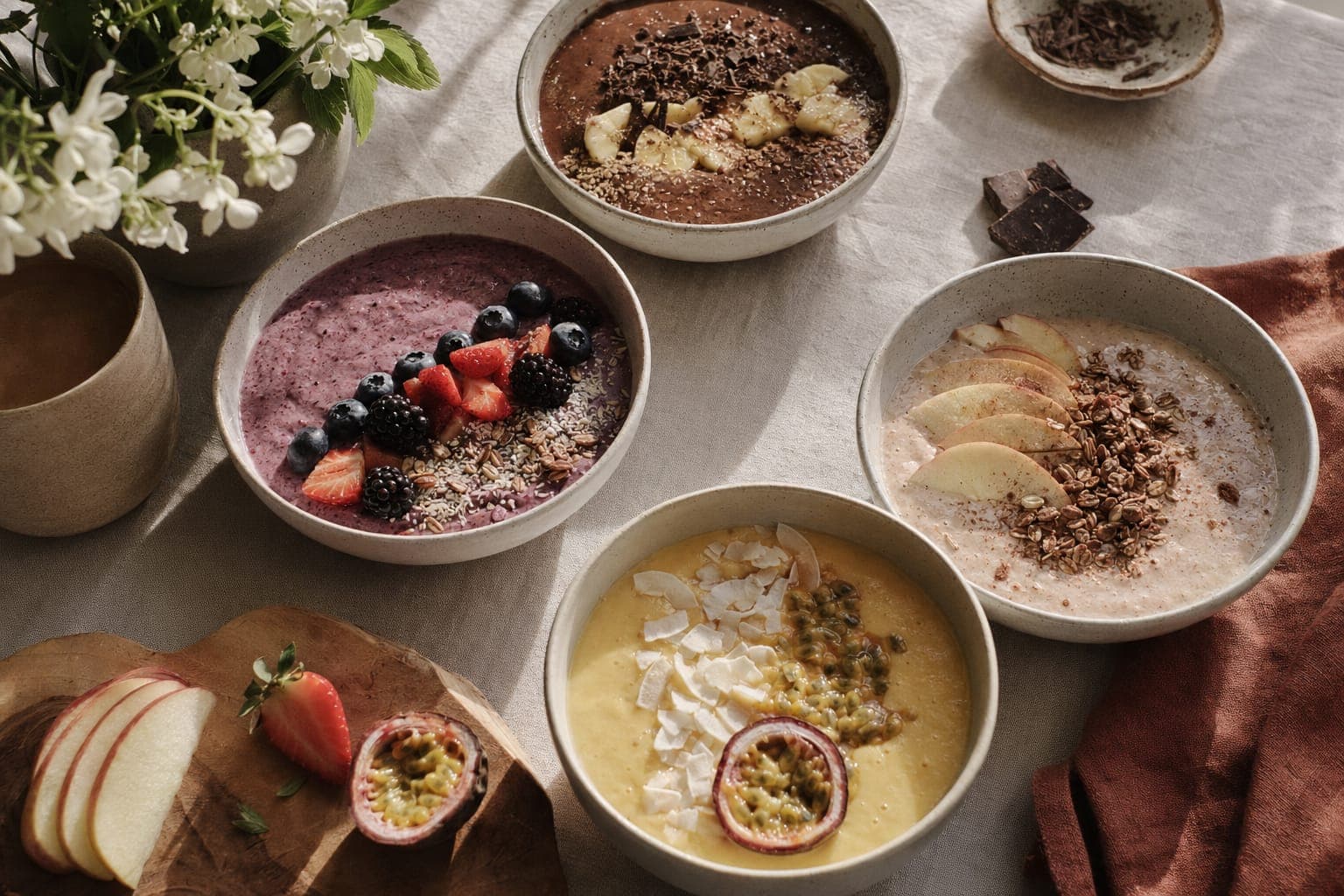
Organised Smoothie Bowl Recipes for Every Season
Four seasonal smoothie bowl recipes using Organised. Berry in summer, apple-cinnamon in autumn, tropical in spring, warming chocolate in winter.


 Join over 100,000+ members
Build a better food system with us
The Organised community is thousands of people choosing real food and backing the farmers who grow it, all of us trying to leave the world a little better than we found it. If that is what you care about too, you belong here.