Glycine and Sleep: How Collagen Might Help You Rest Better
Your body signals sleep onset through temperature. As core body temperature drops, your nervous system shifts from active to restful. Glycine is the amino acid that makes that temperature drop happen. Without it, your body temperature stays elevated. Deep sleep doesn't come.

By Niall Kiddle, Founder, Organised

Reviewed by Pedro Rodrigues, Agronomist (farming and sourcing only) ·
5 min read · Published · Updated · 4 cited sources
Makers of the Organised Daily blend, a grass-fed beef organ supplement from regenerative UK farms


What is glycine and why you need it
Glycine is the smallest amino acid. Your body can synthesise it from other amino acids, but typically not in quantities sufficient for optimal function. Most people need to get glycine from food.
Glycine makes up roughly 30% of collagen.1 Collagen is the connective tissue in your skin, bones, tendons, ligaments, and the gelatinous parts of animals. When you eat bone broth, skin, joints, or gelatinous cuts of meat, you're eating collagen. Your digestive system breaks it down into amino acids, including glycine.
Glycine is unique among amino acids. It's not just a building block. It has specific effects on the nervous system and on body temperature regulation. These effects are what make it crucial for sleep.
How glycine lowers body temperature
Glycine promotes vasodilation, the widening of blood vessels.3 This is particularly pronounced in the extremities, hands and feet. When blood vessels in your hands and feet widen, blood flow increases to those areas. Your body radiates more heat from the periphery. Your core temperature drops.
This temperature drop is one of the primary signals for sleep onset. Your hypothalamus (the part of your brain that controls sleep-wake cycles) detects the falling core temperature and initiates sleep. If your core temperature stays elevated, this signal never arrives. You struggle to fall asleep or fall asleep shallowly.
Research shows that glycine supplementation before bed reduces the time it takes to fall asleep and increases sleep quality, particularly deep sleep stages (non-REM sleep).2 The effect is measurable. People report falling asleep faster and waking fewer times during the night.
Glycine allows your body temperature to drop. Temperature drop allows deep sleep to happen. No temperature drop, no deep sleep.
Glycine and the nervous system
Beyond its effects on temperature, glycine has direct nervous system effects. It binds to glycine receptors, particularly in the spinal cord and brainstem, reducing excitation. It's one of the few amino acids that actively calms the nervous system.
Glycine is also a precursor to glutathione, your body's master antioxidant.4 During sleep, your brain undergoes significant detoxification. Glycine supports this process. Better detoxification during sleep means better cognitive function and mood the next day.
Additionally, glycine is involved in the synthesis of creatine, which is crucial for energy production in cells, including neurons. Better neuronal energy means better sleep quality and better cognitive recovery during sleep.

From collagen to glycine
Collagen-rich foods are the natural source of glycine. Bone broth is the obvious one. A single serving (roughly 250 mL) contains 1-2 grams of glycine. Drink it daily and you'll get consistent glycine intake.
But bone broth isn't the only source. Skin from chicken, fish or pork carries collagen. Gelatinous cuts of beef, lamb, or pork (chuck, shank, brisket) contain it. Tendons, ligaments, connective tissue. These parts of the animal are glycine-rich.
If you eat nose-to-tail, including the gelatinous parts, drinking bone broth daily, you're getting substantial glycine. If you eat only muscle meat and avoid the collagenous parts, you're probably deficient.
Supplemental glycine powder is available and works. 3-5 grams before bed improves sleep quality. But food is better. Your body recognises whole food patterns and responds more robustly than to isolated amino acids.
How much you need
Research suggests 3-5 grams of glycine daily for sleep benefits.2 A single serving of bone broth provides roughly 1-2 grams. If you're eating collagenous animal foods regularly, you might be hitting 2-3 grams from food alone.
If you're also supplementing, 3 grams from a supplement plus 2 grams from food gets you to optimal levels. If you prefer to do it all through food, aim to include bone broth daily and eat a portion of collagenous animal food (braised meat, skin, etc.) most days.
More isn't necessarily better. Beyond 5-10 grams, glycine's sleep-promoting effects plateau. Very high intakes (above 15 grams) can cause mild digestive upset. Aim for the 3-5 gram range for sleep benefit.
Get health guides like this, free
Two short reads a week on eating for energy, gut health, skin, sleep and more.
By signing up you agree to receive emails from us. No spam, unsubscribe anytime.
The practical approach
Start with bone broth. A single serving (250 mL) in the morning or an hour before bed provides glycine along with minerals and other amino acids that support sleep. Do this daily for a week and notice sleep changes. The warmth also supports the parasympathetic shift toward sleep.
Add collagenous animal foods to meals. Braised beef short ribs. Chicken thighs with skin. Fish head soup. Oxtail stew. These foods taste good and provide glycine in food matrix rather than as an isolated supplement. The synergistic effects of the full nutrient package (glycine plus minerals plus other amino acids) often exceed what glycine supplementation alone provides.
If you want to be more precise, supplement 3 grams of glycine powder before bed. Mix it with warm water or bone broth. The effect is usually noticeable within 3-5 days. Consistency matters more than precision. Glycine benefits accumulate over time.
If you're currently sleeping poorly, don't expect one night of good nutrition to fix it. Your body needs consistent signalling. Sleep depth improves measurably within a week of consistent glycine intake, but reaches full effect within 4-6 weeks as your nervous system adapts and your core temperature regulation stabilises.
Glycine from whole foods is more reliable than from supplements alone, but glycine supplementation works. Use whichever approach fits your life.
Individual variation and timing
Some people notice sleep improvements within one night of glycine supplementation. Others need a week of consistent intake. This variance is normal and depends on how depleted your baseline glycine status is and how sensitive your nervous system is to amino acid shifts.
Timing matters. Glycine works best when taken 30 minutes to an hour before bed. This allows time for absorption and for the temperature-lowering effect to manifest as you're attempting sleep. If you take it immediately before bed, you might miss the window.

1 of 9
Daily blend
100,000+ thriving families4.9 on Trustpilot
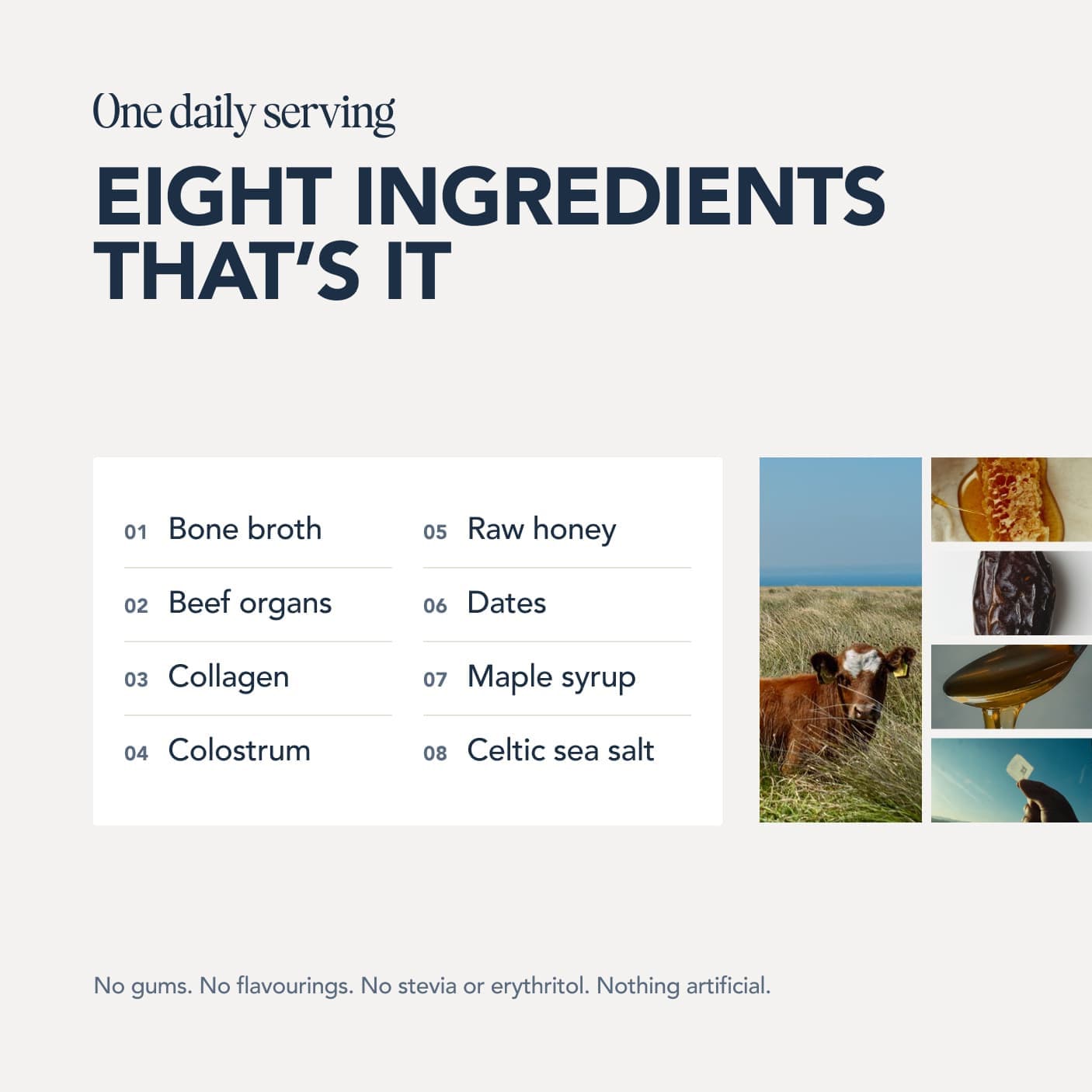
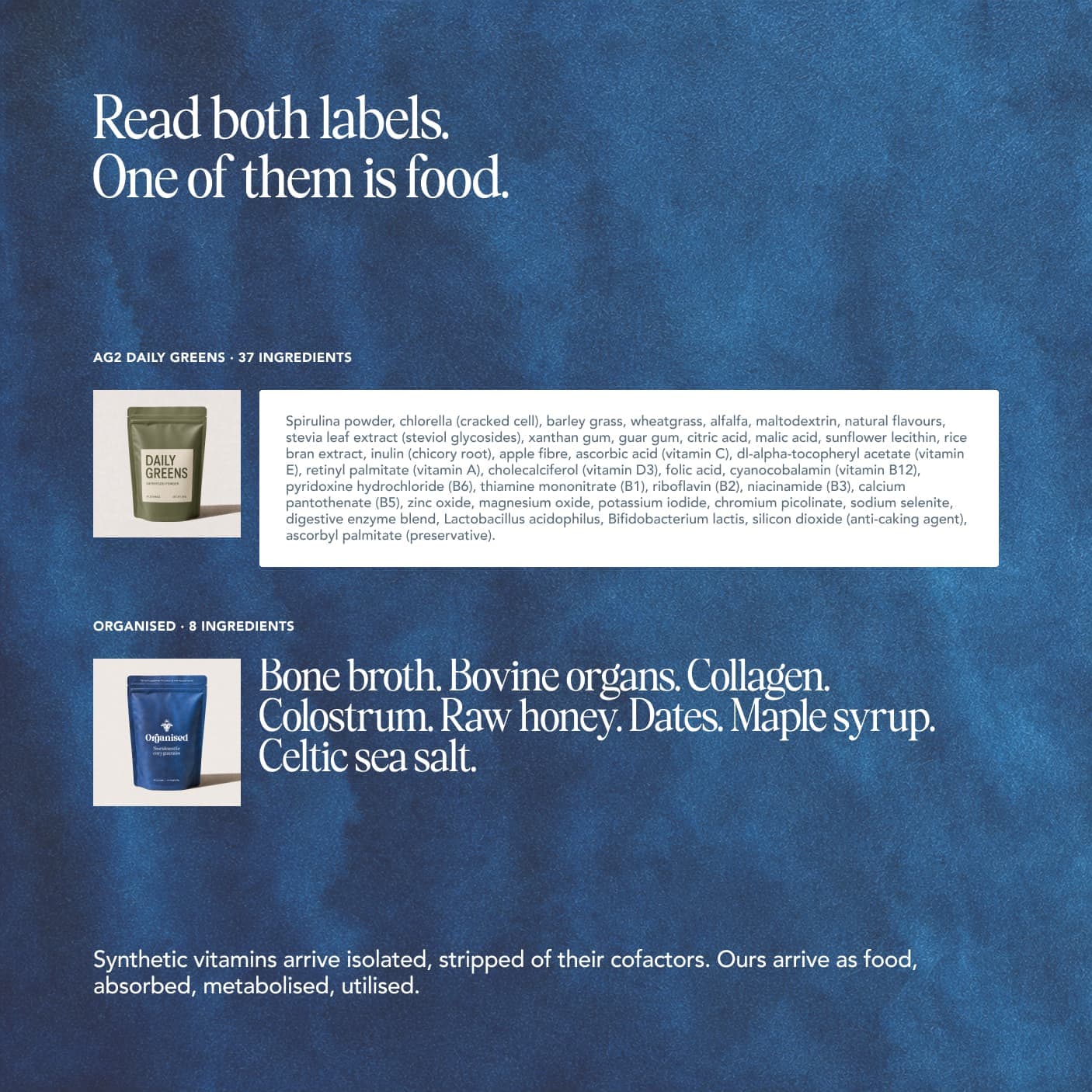
Eight real ingredients built around grass-fed beef organs, collagen and colostrum. Nothing synthetic added.
Free with your first order, worth £38. Plus £10 off the pouch with a subscription.

Free UK shipping · Made in England · 100 day money back guarantee on your first pouch · Skip, pause or cancel anytime
Glycine works synergistically
Glycine works best when paired with other sleep-supporting nutrients. Magnesium relaxes muscles and supports nervous system function. B6 supports neurotransmitter synthesis. Adequate carbohydrates in the evening (white rice, fruit, honey) stabilise blood sugar and support the shift toward parasympathetic dominance. Tryptophan-rich foods (turkey, eggs, cheese) provide the precursor for serotonin synthesis.
Glycine alone is helpful. Glycine plus magnesium plus these other nutrients is transformative. Think of it as layers: glycine lowers temperature, magnesium allows tension release, B vitamins allow neurotransmitter synthesis, carbohydrates signal safety. Together, they create the biochemistry of deep sleep.
The bottom line
Sleep depth is partly a matter of body chemistry. Your core temperature has to drop. Your nervous system has to relax. Glycine is the amino acid that enables both. You can't force deep sleep. But you can feed your body what it needs to fall into it naturally. Bone broth, collagenous meats, and glycine supplementation are the tools. Use them consistently, and your sleep will deepen.
References
Every source below was checked on 27 August 2026. Each PubMed, PMC and DOI identifier was resolved against NCBI or Crossref, and what it opens is printed under the citation, so you can see the link goes where the citation says without leaving the page. Where a citation and its identifier disagreed, the citation was corrected to the record or the reference was deleted along with the sentence marker that pointed at it, and where the resolved paper turned out not to support the sentence, the sentence was cut back to what it does support. Borrowed authority is worse than none, because it looks like rigour.
- Ricard-Blum S. The Collagen Family. Cold Spring Harbor Perspectives in Biology, 2011. PMC3003457.Checked 27 August 2026: PMC3003457 opens Ricard-Blum S, The collagen family. Cold Spring Harb Perspect Biol 2011;3(1):a004978. PubMed indexes it as: Review.
- Bannai M, Kawai N. New therapeutic strategy for amino acid medicine: glycine improves the quality of sleep. Journal of Pharmacological Sciences, 2012. PMID 22293292.Checked 27 August 2026: PMID 22293292 opens Bannai M, Kawai N, New therapeutic strategy for amino acid medicine: glycine improves the quality of sleep. J Pharmacol Sci 2012;118(2):145-8. PubMed indexes it as: Review.
- Kawai N et al. The Sleep-Promoting and Hypothermic Effects of Glycine are Mediated by NMDA Receptors in the Suprachiasmatic Nucleus. Neuropsychopharmacology, 2015. PMC4397399.Checked 27 August 2026: PMC4397399 opens Kawai N, Sakai N, Okuro M et al, The sleep-promoting and hypothermic effects of glycine are mediated by NMDA receptors in the suprachiasmatic nucleus. Neuropsychopharmacology 2015;40(6):1405-16.
- Wang W, Wu Z et al. Glycine metabolism in animals and humans: implications for nutrition and health. Amino Acids, 2013. PMID 23615880.Checked 27 August 2026: PMID 23615880 opens Wang W, Wu Z, Dai Z et al, Glycine metabolism in animals and humans: implications for nutrition and health. Amino Acids 2013;45(3):463-77. PubMed indexes it as: Review.
Who wrote and reviewed this guide
Niall Kiddle
Author · Founder, Organised
Niall is the founder of Organised. He started the company in 2024 after fixing his own health the slow way: in 2022 he swapped a cupboard of synthetic supplements for real food, raw milk, organ meats, bone broth and honey, and felt the difference within months.
Areas of expertise: Ancestral nutrition, Organ meats, Whole-food supplementation, Gut health, Regenerative sourcing
Read Niall's full profile
Pedro Rodrigues
Reviewer · Agronomist (farming and sourcing only)
Pedro is the agronomist Organised works with on farming and sourcing. His job on the guides is to keep the science honest: he reviews what we publish about soil health, regenerative agriculture, grazing and the way food is actually produced.
Areas of expertise: Regenerative agriculture, Agronomy, Soil health, Grass-fed farming, Food sourcing
Reviewed this guide on
Read Pedro's full profileMore on sleep
View allBrowse the guides library
All guidesKeep reading

Health goals
Bone Broth for Gut Health: What the Science Says
What bone broth actually does for your gut. The specific amino acids, the mechanism, what the research shows, and how to use it effectively.
Health goals
The Microbiome: A Beginner's Guide to the Bacteria in Your Gut
Your gut holds around 100 trillion bacteria, some helpful, some harmful. See how fibre, polyphenols and fermented foods feed the good ones for better health.

Health goals
Autoimmune Conditions and Nutrition: What the Research Shows
Explore autoimmune nutrition and what the research actually shows about diet, inflammation and symptoms, so you can make informed, food-first choices.
Real food, made effortless
Start my daily blendA few ways to use it
All recipes
Organ Bolognese: The Family Dinner That Heals
Practical organ meat recipe using fresh beef liver and heart. Family-friendly bolognese that bridges supplements to whole food.
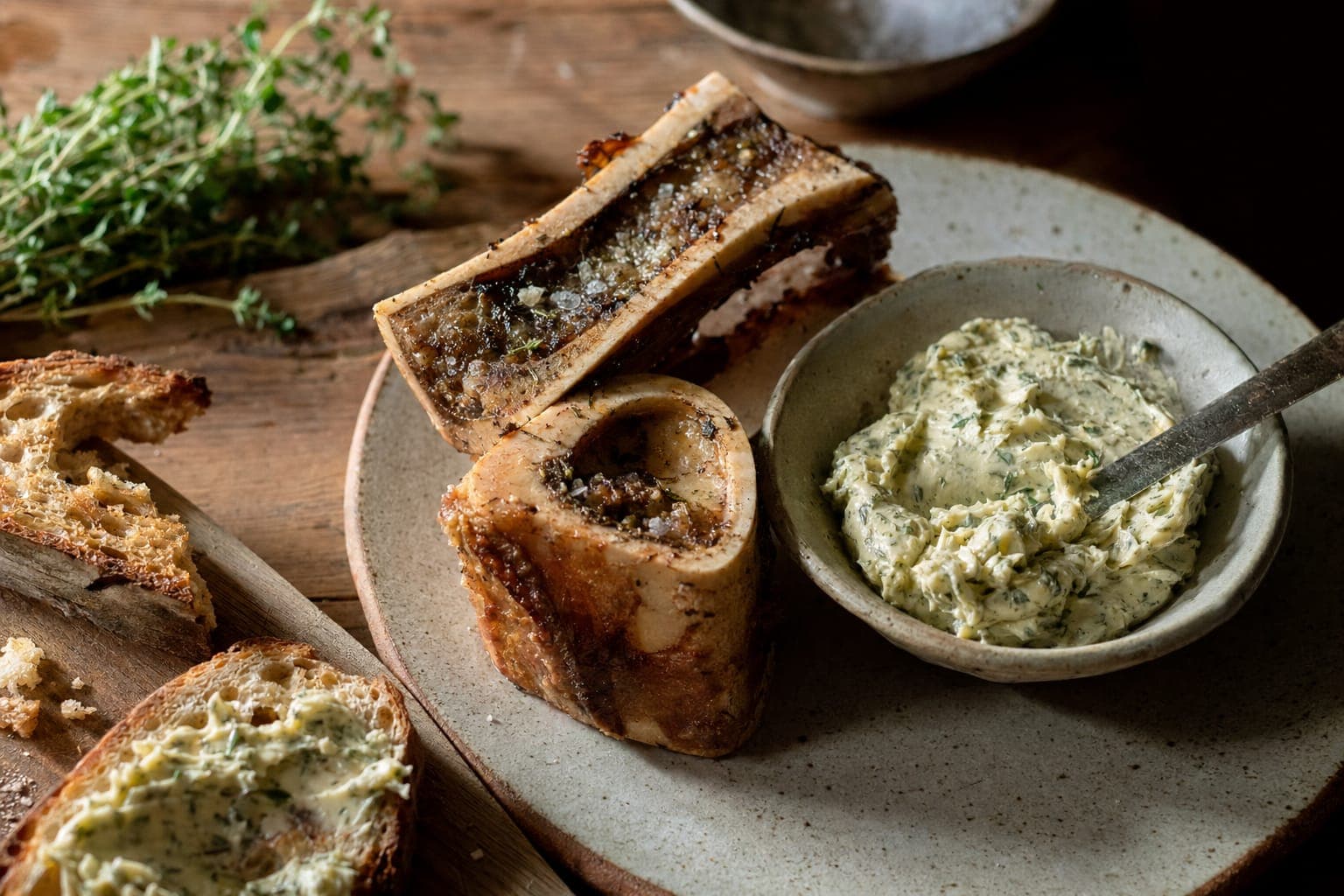
How to Make Bone Marrow Butter
Roast grass-fed marrow bones, scoop the marrow, and mix with butter and herbs. A nutrient-dense spread with fat-soluble vitamins.
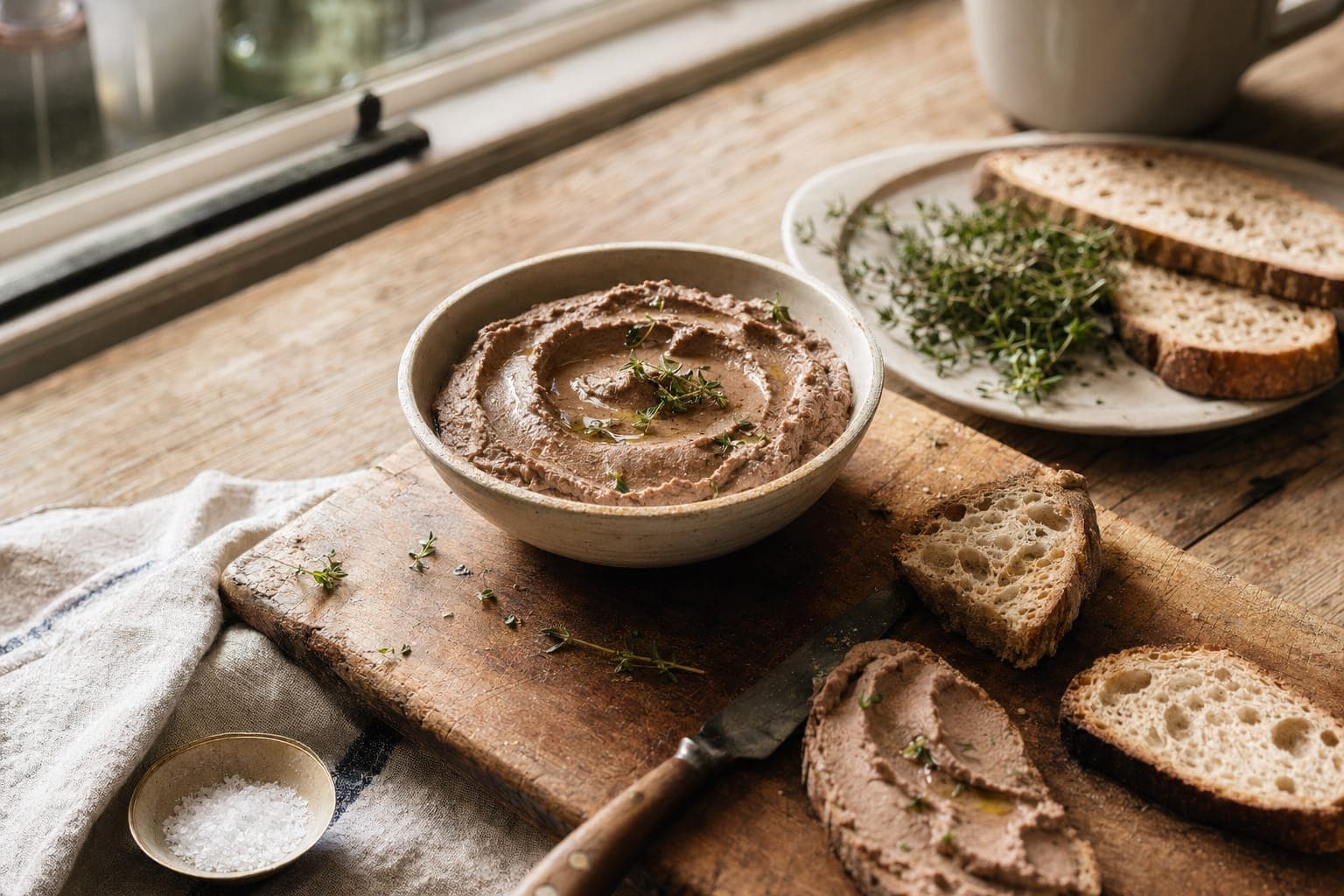
Liver Pate for Beginners: A Gentle Introduction to Organ Meats
Simple liver pate recipe to start eating organ meats. Chicken liver, butter, and herbs. Gentle introduction to nutrient-dense whole foods.


 Join over 100,000+ members
Build a better food system with us
The Organised community is thousands of people choosing real food and backing the farmers who grow it, all of us trying to leave the world a little better than we found it. If that is what you care about too, you belong here.