The Microbiome: A Beginner's Guide to the Bacteria in Your Gut
Your body is not just yours. It's a community. Right now, inside your gut, there are 100 trillion bacteria. They outnumber your human cells by 10 to 1. They're not invaders. They're meant to be there. And their health determines your health.

By Niall Kiddle, Founder, Organised

Reviewed by Pedro Rodrigues, Agronomist (farming and sourcing only) ·
7 min read · Published · Updated · 5 cited sources
Makers of the Organised Daily blend, a grass-fed beef organ supplement from regenerative UK farms
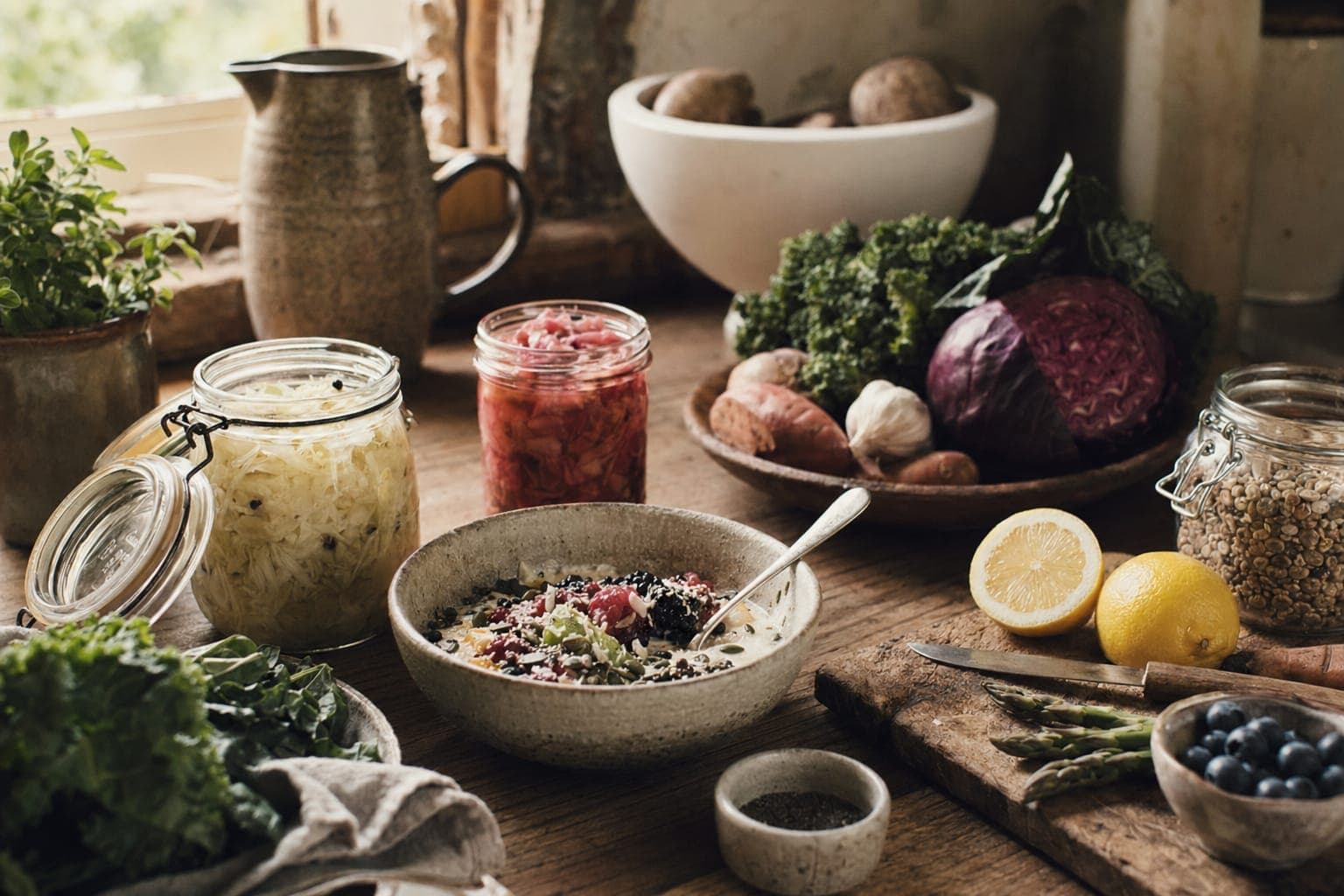
Your microbiome is as much you as your brain or your heart. It's responsible for a large portion of your immune function. It produces neurotransmitters that influence your mood. It determines how much energy you extract from food. It influences whether you stay lean or gain weight.
Understanding your microbiome is understanding yourself.
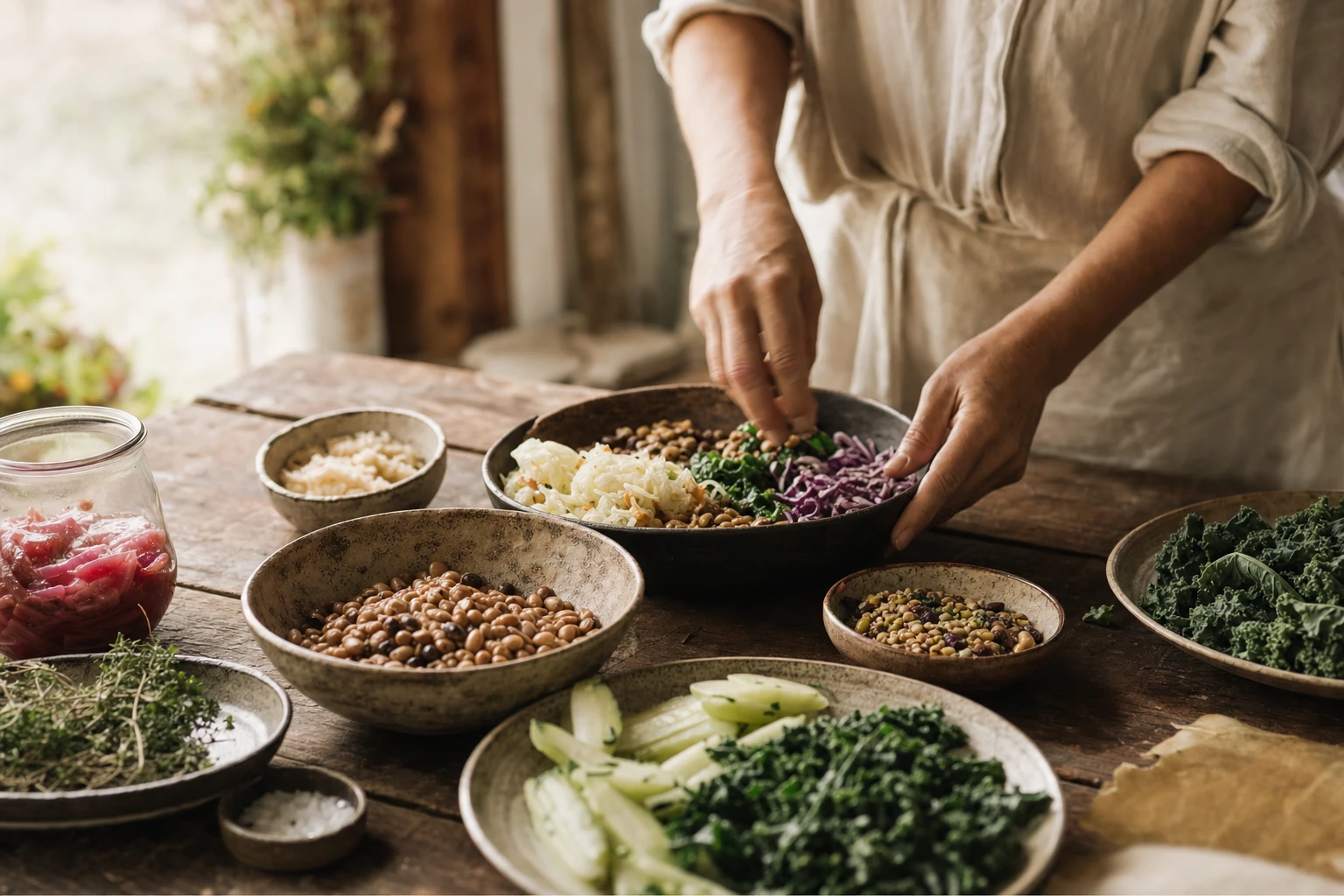
You are a colony
The bacteria in your gut are not a monolith. There are thousands of different species. Different families. Different functions.
Some of these bacteria are so ancient and so integrated with human health that we've co-evolved with them. They do things for us. We do things for them. It's mutualism.
Other bacteria are neutral. They occupy space and eat what they can, but they don't help or harm. They're commensals.
A third category is genuinely pathogenic. These bacteria produce toxins. They damage the gut lining. They trigger inflammation. In a healthy microbiome, they're kept in check. In a dysbiotic microbiome (one that's become imbalanced), they proliferate and cause problems.
Your gut isn't trying to be sterile. It's trying to be balanced. A healthy microbiome contains all three types, but in ratios where the beneficial bacteria dominate.
The organisms that dominate vary by region of the gut. The small intestine is more sparsely populated, dominated by different species than the colon. The colon is where the bulk of the bacteria live, in extraordinary density and diversity.
Commensal bacteria: your allies
The bacteria most people should care about are the ones that actually help you. Bacteroides, Faecalibacterium, Bifidobacterium, Roseburia, and others.
These organisms have several functions:
- Short-chain fatty acid production: They ferment fibre into butyrate, propionate, and acetate. These fatty acids feed the cells of your colon, reduce inflammation, and support the blood-brain barrier.2 Butyrate especially is profoundly important for health.
- Vitamin synthesis: Some bacteria produce B vitamins and vitamin K2. You're not wholly dependent on food for these. Your microbiome manufactures them.
- Immune training: Your beneficial bacteria teach your immune system what's a threat and what's safe. Without them, your immune system becomes dysregulated.
- Pathogen suppression: They produce compounds that suppress pathogenic bacteria, essentially out-competing them for resources and space.
- Neurotransmitter production: They produce GABA, serotonin precursors, and other compounds that influence your mood and nervous system function.3
These organisms are called "commensal" when the relationship is mutual benefit. But if you're being strict, the relationship is more mutualistic. They benefit you. You feed them. Everyone wins.
Pathogenic bacteria: the problem organisms
Every gut contains some pathogenic bacteria. That's normal. The issue is balance. In a healthy microbiome, pathogenic organisms are outnumbered and suppressed.
When the balance shifts, when pathogenic organisms proliferate, problems emerge. They damage the gut lining. They produce lipopolysaccharide (LPS), an endotoxin that crosses into the bloodstream and triggers systemic inflammation.4 They produce other toxins. They increase intestinal permeability.
Common culprits include certain strains of E. coli, Clostridium species, and Salmonella. Most people carry these, but in numbers that don't matter. When dysbiosis occurs, they explode in abundance.
Dysbiosis isn't an infection. It's an imbalance where the organisms that should be suppressed have taken over because the ones that suppress them have vanished.
The mechanism is usually clear: you took antibiotics (which kill both beneficial and pathogenic bacteria indiscriminately), then you ate a diet that favours pathogenic organisms (processed food, refined carbs, no fibre). The beneficial bacteria couldn't recover. The pathogenic organisms filled the void.
The balance that matters
Your microbiome isn't about one species or one family. It's about the overall balance and diversity.
A healthy microbiome contains hundreds of different species. That diversity is protective.5 If one becomes pathogenic, the others suppress it. If one is depleted, others fill the ecological niche.
A dysbiotic microbiome loses that diversity. You get dominated by two or three species. Often pathogenic or inflammatory. The community that protected you is gone.
The marker of a healthy microbiome is high diversity. The marker of dysbiosis is low diversity, often dominated by Firmicutes at the expense of Bacteroides, or vice versa.
This is why probiotic supplements are often disappointing. You're adding a single strain of bacteria to a system that needs ecosystem diversity. It's like restocking a rainforest with a single species of bird. Nice, but insufficient.
Fibre as microbial food
Your beneficial bacteria eat fibre. Not the fibre you eat directly. But the fibre your digestive system can't break down.
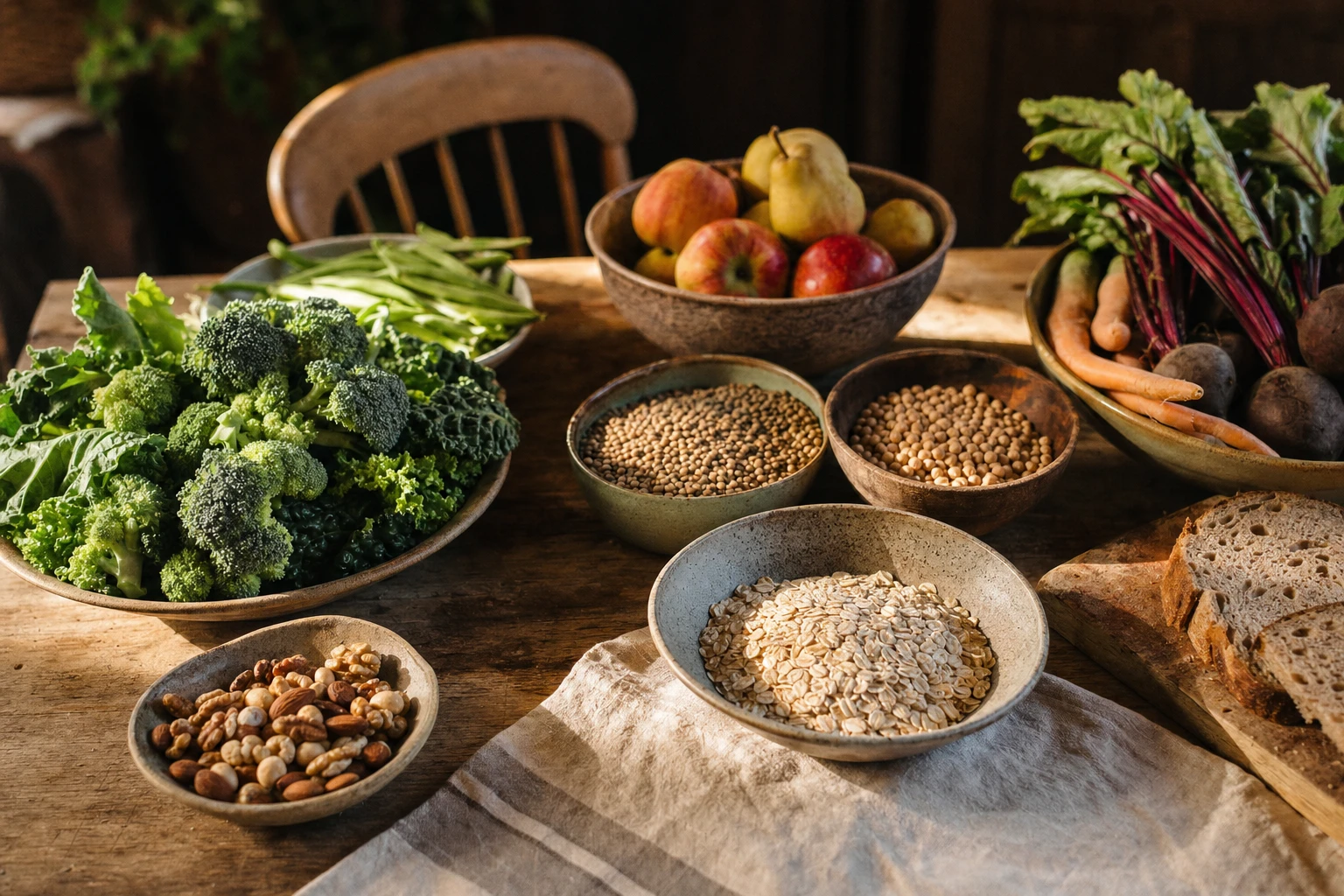
Soluble fibre (from vegetables, fruits, legumes, oats) is particularly valuable. Your bacteria ferment it into short-chain fatty acids, which feed your colon and reduce inflammation.
Insoluble fibre (from vegetables, whole grains, seeds) supports motility and feeds different bacterial species.
Most modern diets are fibre-depleted. People are eating refined carbs, processed food, and very few vegetables. The bacteria that feed on fibre starve. They die off. The bacteria that feed on refined sugar and processed food explosively proliferate.
If you want a healthy microbiome, you have to feed the bacteria you want. That means fibre. A lot of fibre.
Soluble fibre targets: oats, barley, vegetables, legumes, fruit (particularly berries and apples with the skin on). Work up gradually. Sudden massive fibre increases cause digestive distress. Your bacteria adapt to processing fibre, and the adaptation takes days or weeks.
Get health guides like this, free
Two short reads a week on eating for energy, gut health, skin, sleep and more.
By signing up you agree to receive emails from us. No spam, unsubscribe anytime.
Fermented foods and beneficial bacteria
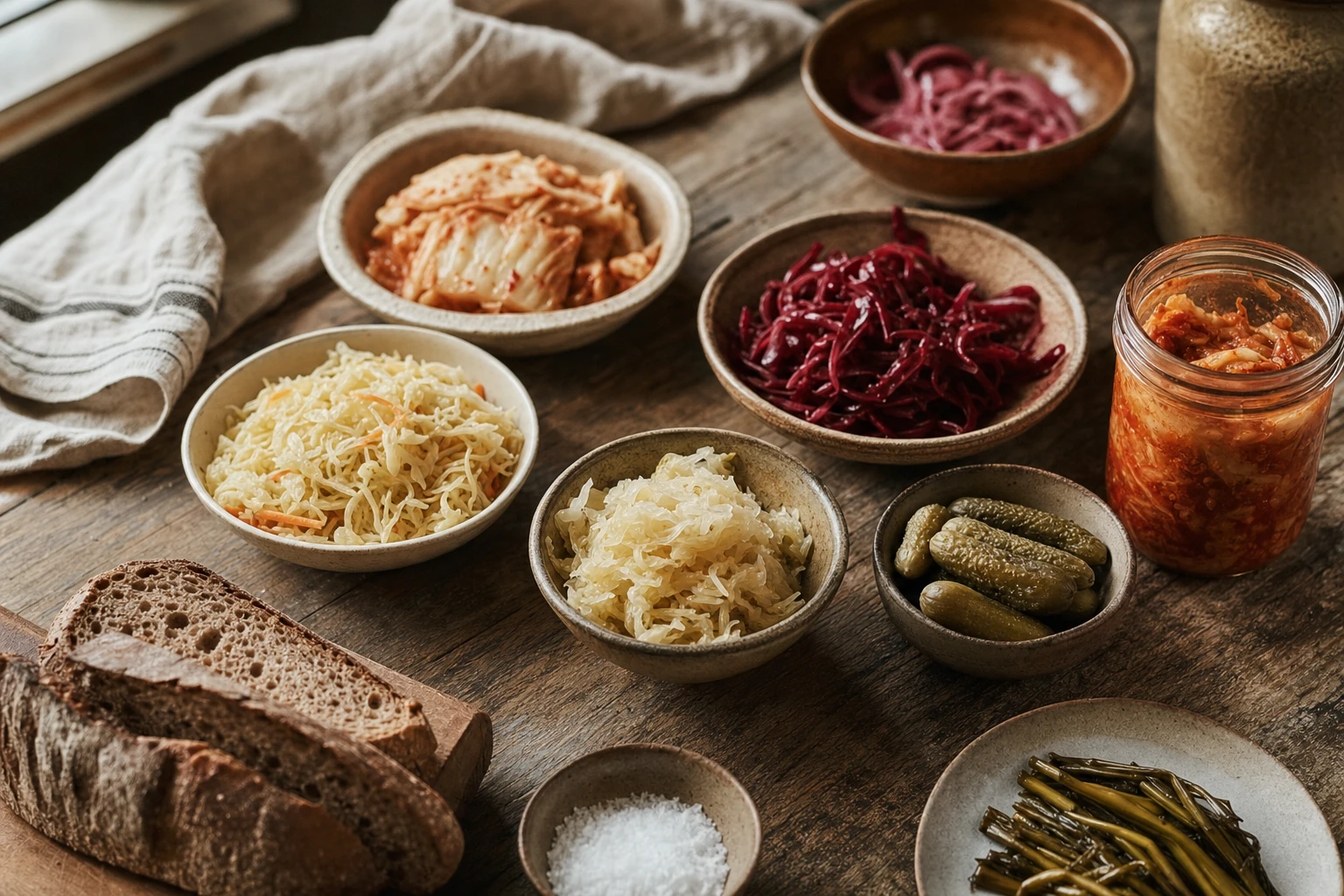
Fermented foods contain live bacteria that are beneficial to the gut. Sauerkraut, kimchi, miso, tempeh, kefir, yogurt, aged cheese, sourdough.
These aren't replacements for fibre. They're supplements to fibre. They introduce beneficial bacteria directly. These bacteria can colonise your gut and contribute to diversity and health.
The key is that the fermentation must be real. Pasteurised sauerkraut from a supermarket has been heat-treated. The bacteria are dead. You're getting the fibre but not the living bacteria.
Unpasteurised, refrigerated fermented foods contain living bacteria. These are the ones that matter.
A small amount daily is sufficient. A tablespoon of sauerkraut, a small portion of miso, a few ounces of kefir. You're not trying to eat huge quantities. You're introducing diversity.
Polyphenols: plant compounds that feed the good bacteria
Polyphenols are plant compounds found in colourful foods: berries, dark leafy greens, tea, coffee, red wine, dark chocolate, legumes.
Your body can't digest polyphenols directly. But your beneficial bacteria can. They ferment polyphenols into compounds that reduce inflammation and support health.
This is why the research shows that polyphenol-rich foods correlate with better health markers. It's not the polyphenol itself. It's what your bacteria do with it.
When you eat polyphenol-rich foods, you're not just feeding yourself. You're feeding your microbiome.
Sources: berries (blueberries, raspberries, blackberries), dark leafy greens (spinach, kale), black tea, coffee, dark chocolate (70% cacao or higher), legumes (beans, lentils), red cabbage, colourful peppers.
Building a microbiome-friendly diet
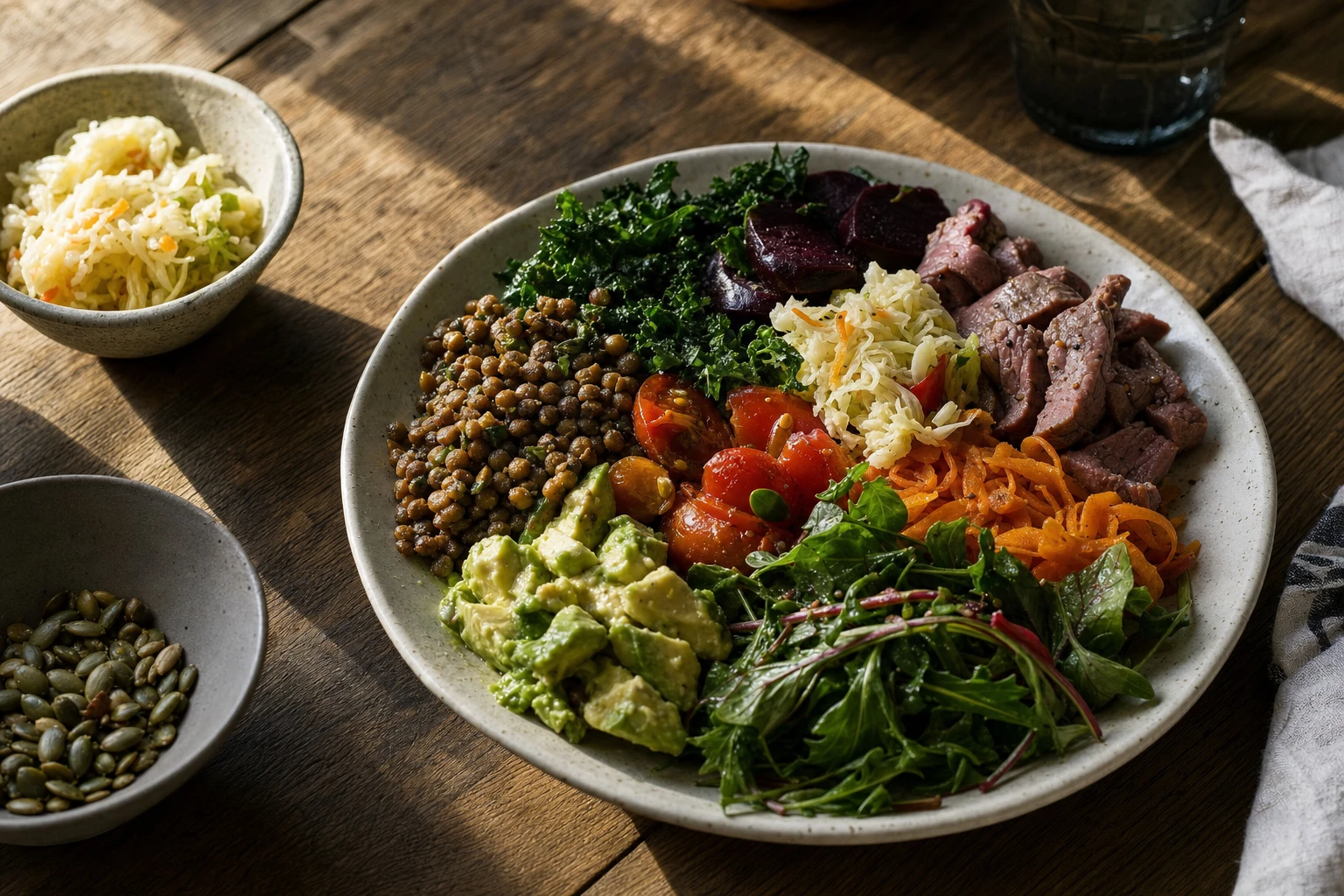
A microbiome-friendly diet is remarkably simple. It's not trendy. It's not complicated. It's the diet humans have eaten for most of history.
- Vegetables: Aim for variety. Coloured vegetables contain polyphenols. Leafy greens are nutrient-dense. Root vegetables provide resistant starch that feeds beneficial bacteria. Aim for at least 3 to 5 portions daily, more if possible.
- Fruit: Berries particularly. They're polyphenol-dense. Whole fruit, not juice. The fibre matters.
- Legumes: Beans, lentils, chickpeas. They're high in fibre and contain compounds that feed beneficial bacteria. If they cause digestive distress, cook them well and start with small amounts.
- Whole grains: If you tolerate them. Oats, barley, brown rice. They provide fibre and resistant starch.
- Fermented foods: Unpasteurised sauerkraut, miso, tempeh, kefir, yogurt. A small amount daily introduces beneficial bacteria.
- Healthy fats: Olive oil, avocado, fish, nuts. Fat supports nutrient absorption and satisfies. It's not the enemy.
- Protein: Red meat, fish, poultry, eggs, legumes. Variety matters.
What to minimise: refined carbs, processed food, sugar. These feed the pathogenic bacteria. A modern Western diet with bread, pasta, sweets, and processed snacks is essentially fertiliser for dysbiosis.
That doesn't mean elimination. But if you're eating refined carbs at every meal, you're actively selecting for dysbiosis.



1 of 9
Daily blend
100,000+ thriving families4.9 on Trustpilot
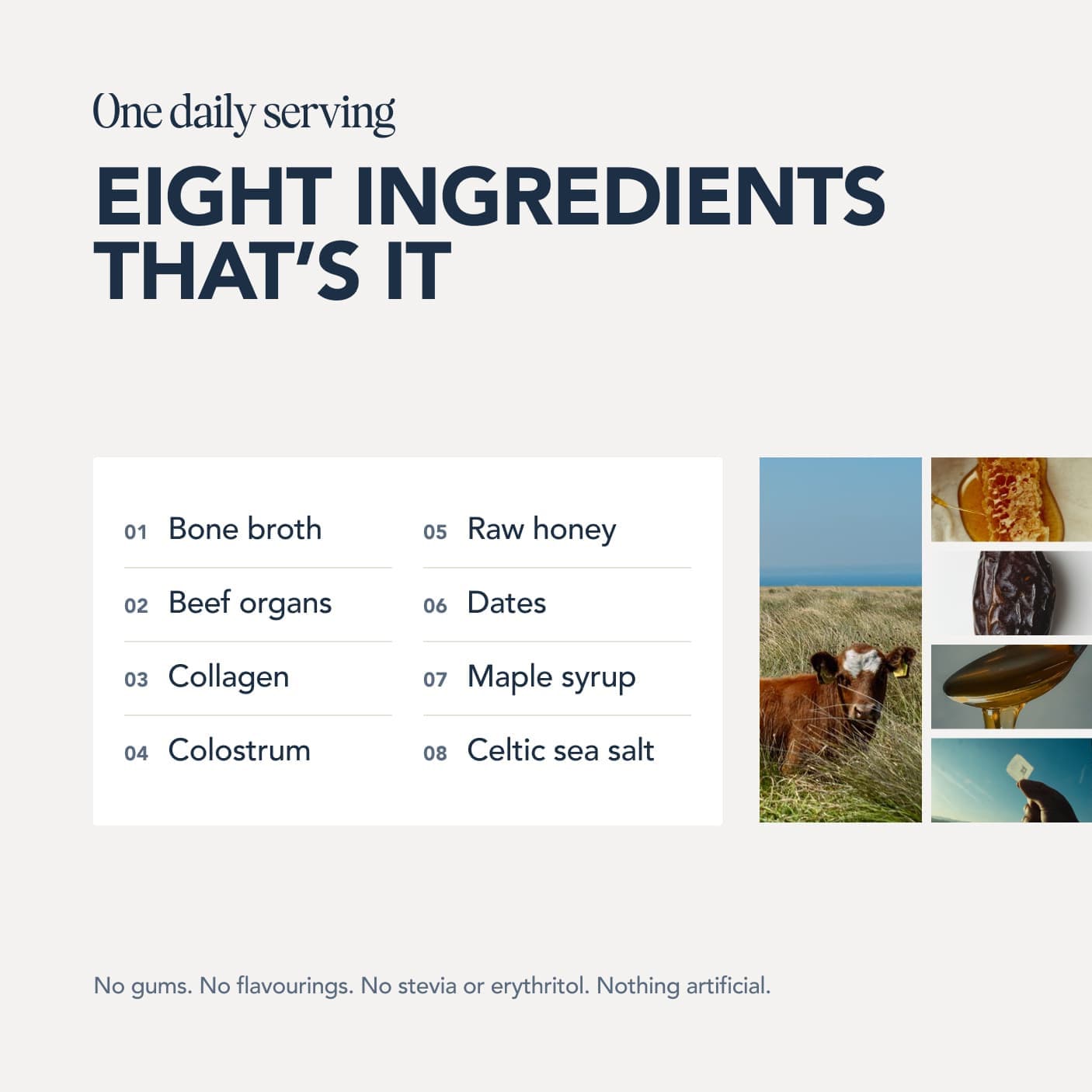
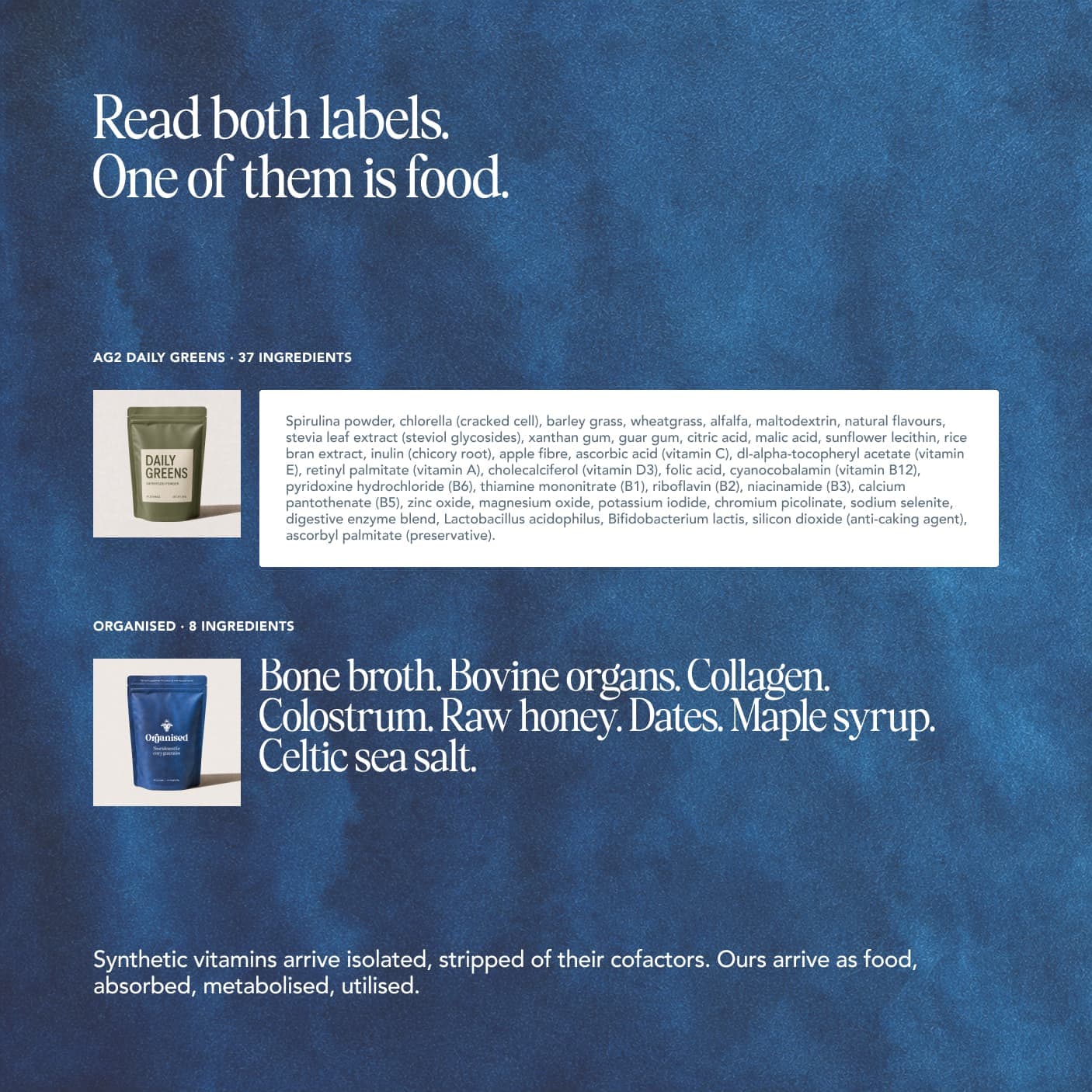
Eight real ingredients built around grass-fed beef organs, collagen and colostrum. Nothing synthetic added.
Free with your first order, worth £38. Plus £10 off the pouch with a subscription.



Free UK shipping · Made in England · 100 day money back guarantee on your first pouch · Skip, pause or cancel anytime
The bottom line
Your microbiome is as important as your heart or your brain. More important, arguably, because the bacteria in your gut influence both of those organs.
A healthy microbiome requires two things: diversity and food. You achieve diversity by eating varied whole foods, adding fermented foods, and avoiding processed food and antibiotics where possible. You feed the good bacteria by eating fibre and polyphenol-rich foods.
This isn't complicated. It's not a hack. It's the return to eating like humans evolved to eat. Real food. Vegetables. Fermented foods. Variety.
Your bacteria are part of you. Treat them well, and they'll treat you well.
References
Every source below was checked on 27 August 2026. Each PubMed, PMC and DOI identifier was resolved against NCBI or Crossref, and what it opens is printed under the citation, so you can see the link goes where the citation says without leaving the page. Where a citation and its identifier disagreed, the citation was corrected to the record or the reference was deleted along with the sentence marker that pointed at it, and where the resolved paper turned out not to support the sentence, the sentence was cut back to what it does support. Borrowed authority is worse than none, because it looks like rigour.
- Sender R, Fuchs S, Milo R. Revised estimates for the number of human and bacteria cells in the body. PLOS Biology, 2016. PMID 27541692.Checked 27 August 2026: PMID 27541692 opens Sender R, Fuchs S, Milo R, Revised Estimates for the Number of Human and Bacteria Cells in the Body. PLoS Biol 2016;14(8):e1002533.The authors' own declaration, from the record: The authors have declared that no competing interests exist.
- Koh A et al. From Dietary Fiber to Host Physiology: Short-Chain Fatty Acids as Key Bacterial Metabolites. Cell, 2016. PMID 27259147.Checked 27 August 2026: PMID 27259147 opens Koh A, De Vadder F, Kovatcheva-Datchary P et al, From Dietary Fiber to Host Physiology: Short-Chain Fatty Acids as Key Bacterial Metabolites. Cell 2016;165(6):1332-1345. PubMed indexes it as: Review.
- Strandwitz P. Neurotransmitter modulation by the gut microbiota. Brain Research, 2018. PMID 29903615.Checked 27 August 2026: PMID 29903615 opens Strandwitz P, Neurotransmitter modulation by the gut microbiota. Brain Res 2018;1693(Pt B):128-133. PubMed indexes it as: Review.
- Cani PD et al. Metabolic endotoxemia initiates obesity and insulin resistance. Diabetes, 2007. PMID 17456850.Checked 27 August 2026: PMID 17456850 opens Cani PD, Amar J, Iglesias MA et al, Metabolic endotoxemia initiates obesity and insulin resistance. Diabetes 2007;56(7):1761-72.
- Lozupone CA et al. Diversity, stability and resilience of the human gut microbiota. Nature, 2012. PMID 22972295.Checked 27 August 2026: PMID 22972295 opens Lozupone CA, Stombaugh JI, Gordon JI et al, Diversity, stability and resilience of the human gut microbiota. Nature 2012;489(7415):220-30. PubMed indexes it as: Review.
Who wrote and reviewed this guide
Niall Kiddle
Author · Founder, Organised
Niall is the founder of Organised. He started the company in 2024 after fixing his own health the slow way: in 2022 he swapped a cupboard of synthetic supplements for real food, raw milk, organ meats, bone broth and honey, and felt the difference within months.
Areas of expertise: Ancestral nutrition, Organ meats, Whole-food supplementation, Gut health, Regenerative sourcing
Read Niall's full profile
Pedro Rodrigues
Reviewer · Agronomist (farming and sourcing only)
Pedro is the agronomist Organised works with on farming and sourcing. His job on the guides is to keep the science honest: he reviews what we publish about soil health, regenerative agriculture, grazing and the way food is actually produced.
Areas of expertise: Regenerative agriculture, Agronomy, Soil health, Grass-fed farming, Food sourcing
Reviewed this guide on
Read Pedro's full profileMore on gut health
View all- The Complete Guide to Healing Your Gut with Whole Foods
- Why Your Gut Health Affects Everything (Not Just Digestion)
- 5 Foods You Think Are Healthy (But Are Secretly Ruining Your Gut)
- Acid Reflux and Low Stomach Acid: A Nutritional Perspective
- Bloating After Eating: Common Causes and Whole Food Solutions
- Bone Broth for Gut Health: What the Science Says
- Candida Overgrowth: What It Is and How Nutrition Can Help
- Histamine Intolerance: Could Your Gut Be the Cause?
- How Colostrum and Collagen Work Together to Repair the Gut Lining
- How Stress Destroys Your Gut (And What to Do About It)
- How to Recognise the Early Signs of Poor Gut Health
- How to Reset Your Gut After Antibiotics
Browse the guides library
All guidesKeep reading

Health goals
Can What You Eat Affect Your Anxiety?
Your anxiety might not be psychological. It might be nutritional. How gut health, blood sugar, magnesium, and seed oils fuel anxiety (and how to stop).
Health goals
Candida Overgrowth: What It Is and How Nutrition Can Help
Candida overgrowth is common and manageable. See the symptoms, causes, and how the right foods can help starve excess yeast and support gut balance.

Health goals
Collagen for Anti-Ageing: What the Clinical Trials Show
What does the science actually show about collagen supplementation for anti-ageing? We review the key clinical trials and what they mean for your skin.
Real food, made effortless
Start my daily blendA few ways to use it
All recipes
How to Make Your Own Gelatine Gummies
A simple recipe for homemade gelatine gummies using grass-fed gelatine, fresh juice, and raw honey. Better than shop-bought, kids love them.
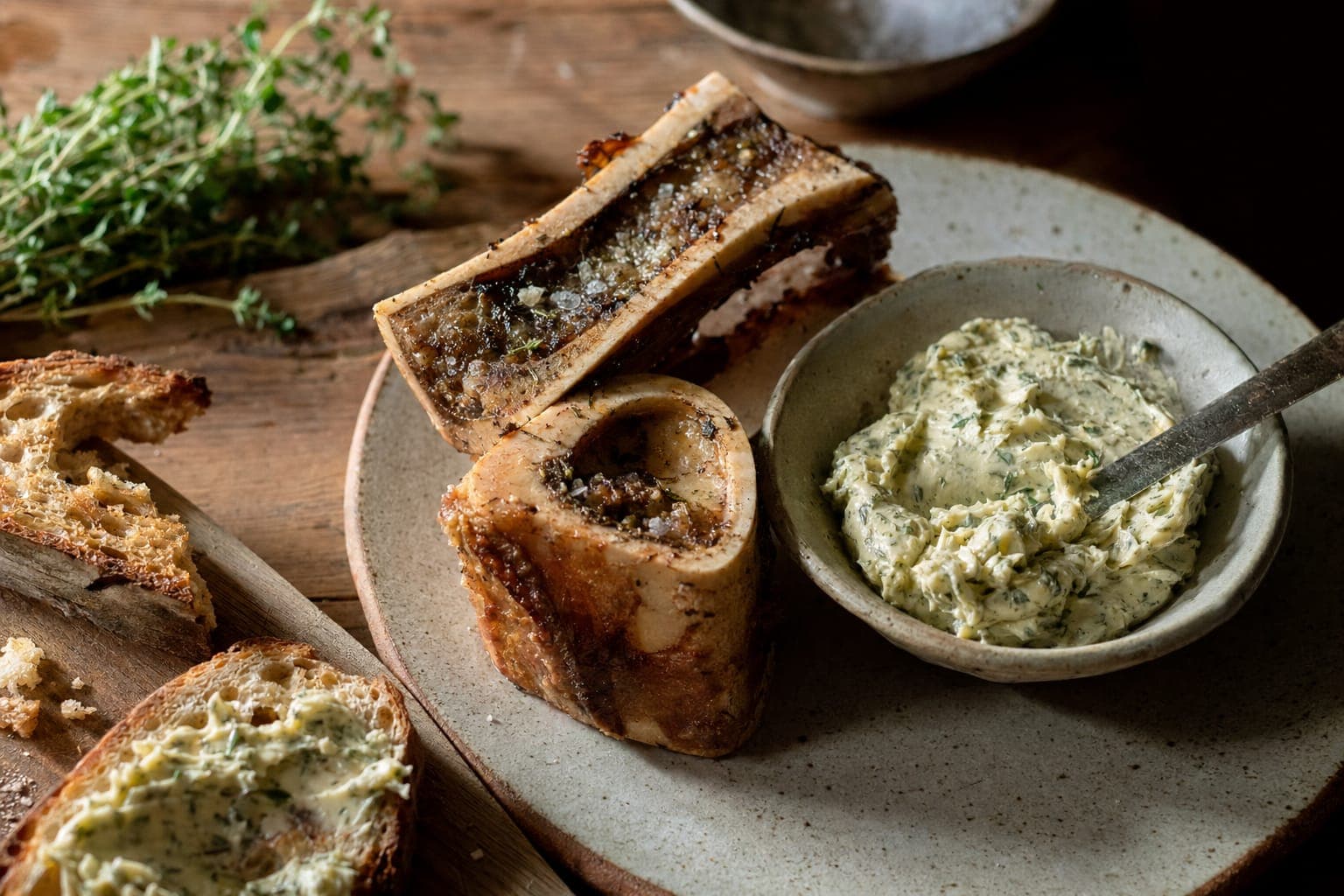
How to Make Bone Marrow Butter
Roast grass-fed marrow bones, scoop the marrow, and mix with butter and herbs. A nutrient-dense spread with fat-soluble vitamins.
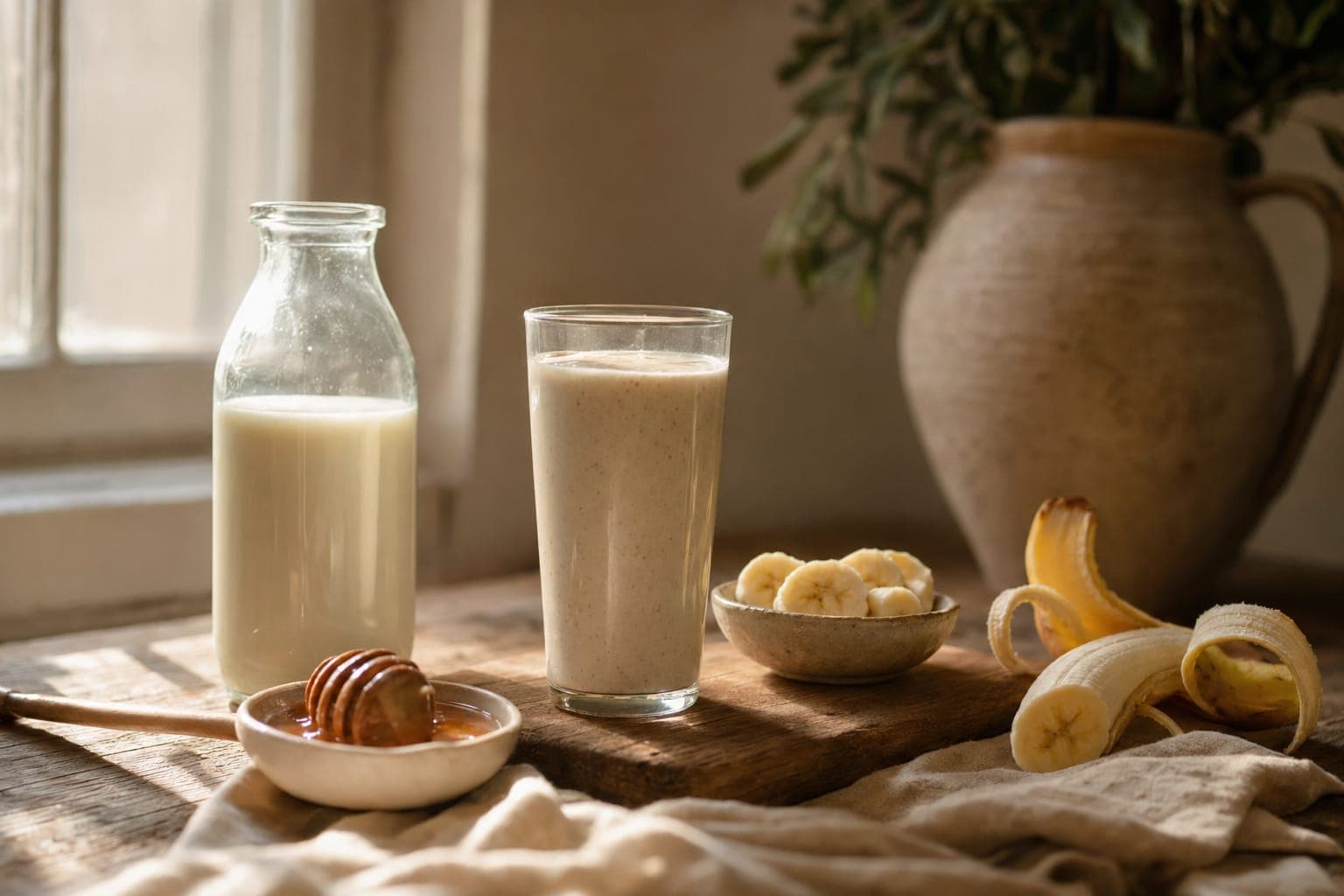
The Perfect Organised Morning Shake: Our Favourite Recipe
Our signature morning shake: Organised, raw milk, banana, honey. Simple, nourishing, and optimised for an empty stomach.


 Join over 100,000+ members
Build a better food system with us
The Organised community is thousands of people choosing real food and backing the farmers who grow it, all of us trying to leave the world a little better than we found it. If that is what you care about too, you belong here.