Histamine Intolerance: Could Your Gut Be the Cause?
You're not allergic to histamine. Your gut isn't working properly. Fix the gut, and you might eat aged cheese and tomatoes without symptoms. Here's how.
By Niall Kiddle, Founder, Organised

Reviewed by Pedro Rodrigues, Agronomist (farming and sourcing only) ·
7 min read · Published · Updated · 4 cited sources
Makers of the Organised Daily blend, a grass-fed beef organ supplement from regenerative UK farms
Histamine intolerance is increasingly diagnosed, and the standard recommendation is restrictive: avoid aged cheeses, cured meats, fermented foods, tomatoes, avocado, spinach, eggplant, and alcohol indefinitely. But for many people, the real problem isn't histamine itself. It's the enzyme responsible for breaking it down. Fix that enzyme, and the restriction becomes unnecessary.
What histamine intolerance actually is
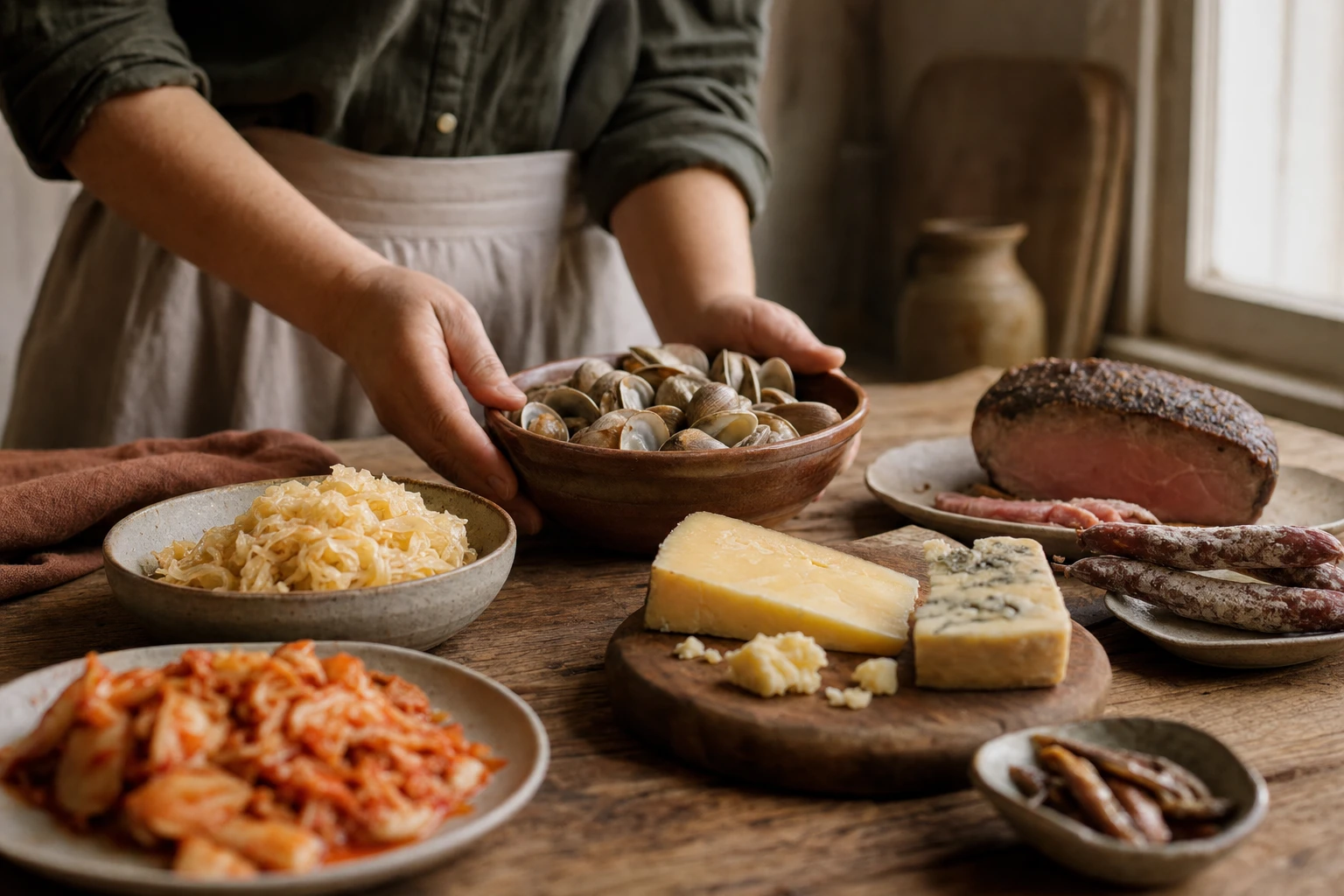
Histamine is a compound produced and stored in immune and digestive cells. It's released in response to allergens, and it's also present in certain foods, particularly aged, fermented, or stored foods where bacteria have had time to accumulate and produce it. Curing and fermentation increase histamine content significantly.
Histamine intolerance occurs when the body accumulates too much histamine relative to its capacity to break it down.1 The symptoms (flushing, headaches, itching, digestive disturbance, sleep issues, hives, and brain fog) are the result of excess histamine in the bloodstream. The body can't manage what it's receiving and metabolising.
The standard assumption is that the person is simply sensitive to the histamine in food. But research increasingly shows that the real issue is often an enzyme deficiency, not a food allergy or true intolerance.
The DAO enzyme is the real issue
DAO (diamine oxidase) is the enzyme responsible for breaking down ingested histamine.1 It's produced in the small intestine and works in the intestinal lining to deactivate histamine before it enters the bloodstream. Without adequate DAO, histamine passes through unchanged and accumulates.
If DAO is insufficient, histamine accumulates. The person consumes a normal amount of histamine (from aged cheese, say), but the DAO can't process it quickly enough, so blood levels spike and symptoms appear immediately. The person feels a reaction within minutes of eating.
The person is diagnosed with histamine intolerance and told to avoid histamine foods permanently. But the root cause remains unaddressed: inadequate DAO enzyme production. It's like treating the symptom of thirst without addressing dehydration.
Most histamine intolerance is actually DAO insufficiency. Fix the enzyme, and the foods become tolerable.
Copper deficiency silently kills DAO
DAO production is dependent on adequate copper. Copper is a cofactor in DAO synthesis.2 Without it, the intestine cannot produce sufficient enzyme regardless of genetics or age. You can have perfect genes but still be DAO-deficient because you're copper-deficient.
Copper deficiency is common in modern diets, particularly in people eating only lean muscle meat and avoiding organs. Organ meats (especially liver and kidneys), shellfish (particularly oysters), nuts, and seeds are the richest sources. Most people eating processed food or vegetarian diets are copper-deficient without realising it.
A person with copper deficiency develops DAO insufficiency, experiences histamine intolerance, and is told to restrict foods permanently. The restriction is unnecessary. The copper deficiency is the problem. Getting copper levels checked and supplementing or eating copper-rich foods often improves histamine tolerance within weeks.
Vitamin B6 and histamine regulation
B6 (pyridoxine) is involved in histamine metabolism and regulation at the cellular level.3 B6 deficiency impairs the body's ability to regulate histamine, which can exacerbate intolerance even if DAO is adequate. Histamine receptors don't function properly without B6.
B6 is abundant in liver, poultry, fish, chickpeas, potatoes, and bananas. Most people eating whole foods have adequate B6. People eating processed food are often deficient. Older people have lower B6 absorption even with adequate intake.
Addressing B6 deficiency, through food first (liver, fish, poultry, potatoes) and supplementation if needed, often improves histamine symptoms, particularly alongside copper repletion. The UK Expert Group on Vitamins and Minerals (EVM, 2003) set a precautionary safe upper level of 10 mg/day from supplements for ongoing use, anchored on case reports of peripheral neuropathy at high chronic doses (typically above 200 mg/day for months). Clinical doses for histamine and nausea contexts have historically been higher (25 to 100 mg/day, often as the activated P5P form for short-term use). If you're considering supplemental B6 above the SACN limit, do it under clinician supervision, prefer P5P over high-dose pyridoxine, and treat it as a short-term intervention rather than a permanent regime.
The gut barrier connection
A compromised gut barrier (leaky gut) allows larger histamine molecules to cross into the bloodstream that would normally be excluded. This increases blood histamine even if DAO is adequate. The intestinal lining should be impermeable to large molecules; if it's not, histamine gets through intact.
An inflamed gut lining also produces more immune cells that release histamine in response to minor provocations. The entire system becomes hypersensitive to histamine. Everything becomes a trigger.
Healing the gut barrier requires removing inflammatory foods (seed oils, refined carbohydrates, heavily processed foods, excess sugar), adding gut-healing foods (bone broth, gelatinous meats, butter, fermented foods from whole sources), and supporting the microbiome with diverse whole foods. This process takes 8 to 12 weeks but dramatically improves histamine tolerance.
A leaky gut amplifies histamine symptoms. A sealed gut minimises them, even with the same dietary histamine load.
Why fermented foods complicate things
Fermented foods are nutritionally valuable and support the microbiome, but they contain elevated histamine because the fermentation process allows bacteria to produce it. Someone with compromised DAO and a leaky gut will struggle with high-histamine fermented foods immediately.
But this is contextual, not absolute. A person who has repaired their gut barrier, addressed copper deficiency, and restored adequate B6 can often tolerate fermented foods that previously triggered symptoms. The restriction becomes unnecessary once the underlying problem is fixed.
The restriction on fermented foods should be temporary, a tool while the underlying problem is being fixed, not permanent.
Get health guides like this, free
Two short reads a week on eating for energy, gut health, skin, sleep and more.
By signing up you agree to receive emails from us. No spam, unsubscribe anytime.
Aged cheeses and slow-fermented foods
Aged cheeses (Parmesan, mature cheddar, blue cheese) have high histamine because they've been aged months or years, allowing bacteria to accumulate and produce it. Cured meats have high histamine for similar reasons. These foods trigger real reactions in people with low DAO.
Slow-fermented foods (real sourdough with proper fermentation, sauerkraut, kimchi, kefir) also contain elevated histamine, though the fermentation also provides beneficial bacteria and nutrients. For someone with intact DAO and gut barrier, these foods are beneficial. For someone with compromised DAO and leaky gut, they're problematic.
The goal is to get to a place where these foods can be consumed, because they're nutrient-dense and beneficial. The pathway is not eternal restriction, but fixing the underlying enzymatic and gut health deficits.
How to rebuild DAO enzyme capacity
Start by addressing copper deficiency. Eat liver (the richest source) once or twice weekly, or supplement with 2 to 3 mg of copper daily for 8 to 12 weeks whilst monitored. Check baseline and follow-up copper levels if possible.
Add B6-rich foods: liver again, poultry, fish, potatoes, or supplement 50 to 100 mg daily. Most people see improvement within two weeks of adequate B6.
Heal the gut barrier. Remove seed oils, minimise refined carbohydrates, add bone broth and gelatinous meats, ensure adequate fat. This takes 8 to 12 weeks but produces dramatic improvement in histamine tolerance.
During this time, temporarily restrict high-histamine foods (aged cheeses, cured meats, fermented foods, tomatoes, avocado, spinach, alcohol). But track tolerance weekly. As DAO rebuilds and gut heals, tolerance often improves visibly. Foods that triggered reactions at week 2 are often tolerated by week 8.
Histamine intolerance is reversible if you address the enzyme deficiency and gut barrier, not just the food.

1 of 9
Daily blend
100,000+ thriving families4.9 on Trustpilot
Eight real ingredients built around grass-fed beef organs, collagen and colostrum. Nothing synthetic added.
Free with your first order, worth £38. Plus £10 off the pouch with a subscription.
Free UK shipping · Made in England · 100 day money back guarantee on your first pouch · Skip, pause or cancel anytime
Distinguishing histamine intolerance from true allergy
True food allergy involves IgE antibodies, mast cell degranulation, and can be immediately life-threatening.4 Histamine intolerance involves the inability to efficiently degrade dietary histamine, typically because DAO production is low or the person is chronically inflamed.
If you have true food allergy (peanuts, shellfish, tree nuts), your reaction is immediate and severe. Swelling of lips, throat, or breathing difficulty. Anaphylaxis risk. You know you have it.
Histamine intolerance is different. You eat aged cheese or fermented vegetables and feel headachy, flushed, or nauseated an hour or two later. You might have bloating or loose stool. The symptoms seem disproportionate to the amount of food. This isn't IgE-mediated. It's DAO-enzyme related.
The confusion arises because both involve food reactions. But the treatment is entirely different. True allergy means permanent avoidance. Histamine intolerance often improves when you heal your gut lining and stabilise your inflammatory load. Many people with presumed food allergies are actually histamine intolerant. Treating the intolerance (healing the gut, reducing inflammation) often resolves the reaction.
If you suspect histamine intolerance (not allergy), the first step is eliminating high-histamine foods temporarily whilst improving gut health. Then, as your DAO production improves and inflammation decreases, carefully reintroduce fermented and aged foods. Most people regain tolerance. You're not broken permanently; you're temporarily overwhelmed.
Histamine intolerance is a symptom of an inflamed gut, not a permanent food allergy. Heal the gut and tolerances often return.
The bottom line
Most people diagnosed with histamine intolerance don't actually have a permanent food allergy. They have a DAO enzyme deficiency (usually from copper deficiency) and/or a compromised gut barrier. Both are fixable. Start with copper and B6, heal your gut with real food, and reintroduce fermented and aged foods gradually as your tolerance improves. The goal is not a lifetime of restriction. It's restoring your enzyme capacity and gut integrity so that you can eat the full range of whole foods without symptoms.
References
Every source below was checked on 27 August 2026. Each PubMed, PMC and DOI identifier was resolved against NCBI or Crossref, and what it opens is printed under the citation, so you can see the link goes where the citation says without leaving the page. Where a citation and its identifier disagreed, the citation was corrected to the record or the reference was deleted along with the sentence marker that pointed at it, and where the resolved paper turned out not to support the sentence, the sentence was cut back to what it does support. Borrowed authority is worse than none, because it looks like rigour.
- Maintz L, Novak N. Histamine and histamine intolerance. American Journal of Clinical Nutrition, 2007. PMID 17490952.Checked 27 August 2026: PMID 17490952 opens Maintz L, Novak N, Histamine and histamine intolerance. Am J Clin Nutr 2007;85(5):1185-96. PubMed indexes it as: Review.
- National Institutes of Health, Office of Dietary Supplements. Copper — Health Professional Fact Sheet.
- National Institutes of Health, Office of Dietary Supplements. Vitamin B6 — Health Professional Fact Sheet.
- NHS. Food allergy.
Who wrote and reviewed this guide
Niall Kiddle
Author · Founder, Organised
Niall is the founder of Organised. He started the company in 2024 after fixing his own health the slow way: in 2022 he swapped a cupboard of synthetic supplements for real food, raw milk, organ meats, bone broth and honey, and felt the difference within months.
Areas of expertise: Ancestral nutrition, Organ meats, Whole-food supplementation, Gut health, Regenerative sourcing
Read Niall's full profile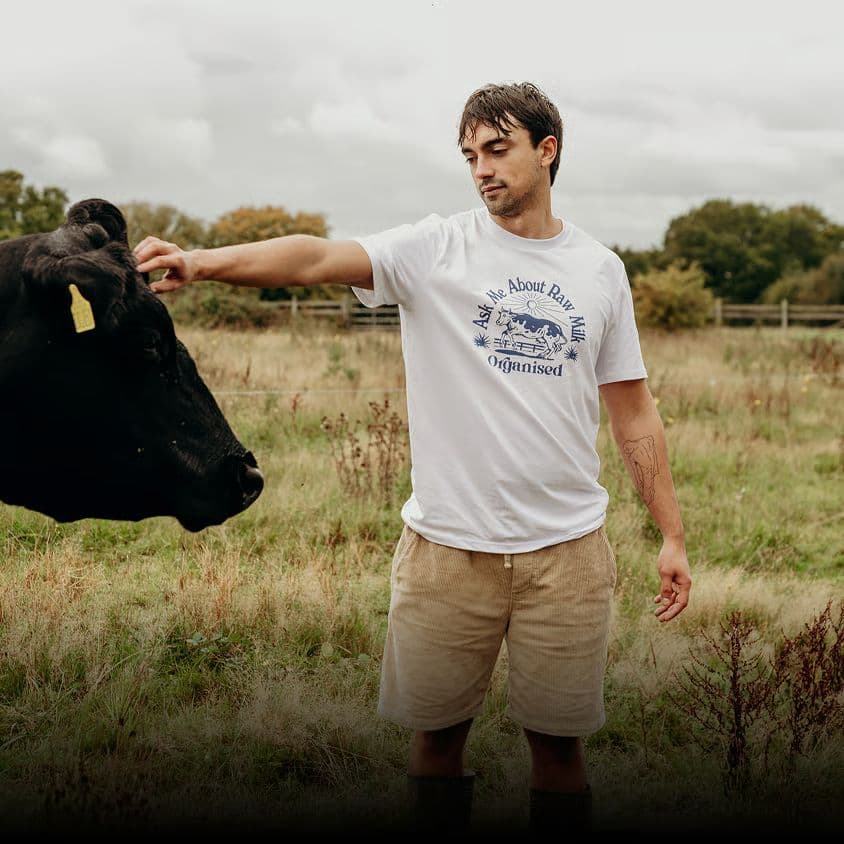
Pedro Rodrigues
Reviewer · Agronomist (farming and sourcing only)
Pedro is the agronomist Organised works with on farming and sourcing. His job on the guides is to keep the science honest: he reviews what we publish about soil health, regenerative agriculture, grazing and the way food is actually produced.
Areas of expertise: Regenerative agriculture, Agronomy, Soil health, Grass-fed farming, Food sourcing
Reviewed this guide on
Read Pedro's full profileMore on gut health
View all- The Complete Guide to Healing Your Gut with Whole Foods
- Why Your Gut Health Affects Everything (Not Just Digestion)
- 5 Foods You Think Are Healthy (But Are Secretly Ruining Your Gut)
- Acid Reflux and Low Stomach Acid: A Nutritional Perspective
- Bloating After Eating: Common Causes and Whole Food Solutions
- Bone Broth for Gut Health: What the Science Says
- Candida Overgrowth: What It Is and How Nutrition Can Help
- How Colostrum and Collagen Work Together to Repair the Gut Lining
- How Stress Destroys Your Gut (And What to Do About It)
- How to Recognise the Early Signs of Poor Gut Health
- How to Reset Your Gut After Antibiotics
- IBS and Nutrition: A Whole Food Approach
Browse the guides library
All guidesKeep reading

Health goals
Why Your Grandparents Ate Better Than You
Explore the nutritional shift since the 1970s. Your grandparents' whole-food diet contained far more nutrient density than modern food. Here's what changed.

Health goals
How to Build Collagen Naturally Without Injections
Build collagen from the inside out. Bone broth, connective tissue cuts, vitamin C, and glycine create more youthful skin than any injection.

Health goals
Perimenopause Nutrition: What Changes and What to Eat
Perimenopause isn't a deficiency disease. It's a transition requiring nutritional adjustment. Here's what changes and what to prioritise.
Real food, made effortless
Start my daily blendA few ways to use it
All recipes
Organised Protein Pancakes: A Weekend Favourite
A high-protein pancake recipe using beef protein, eggs, and raw milk. Cooked in cast iron, naturally sweetened with banana and honey. Real food breakfast.
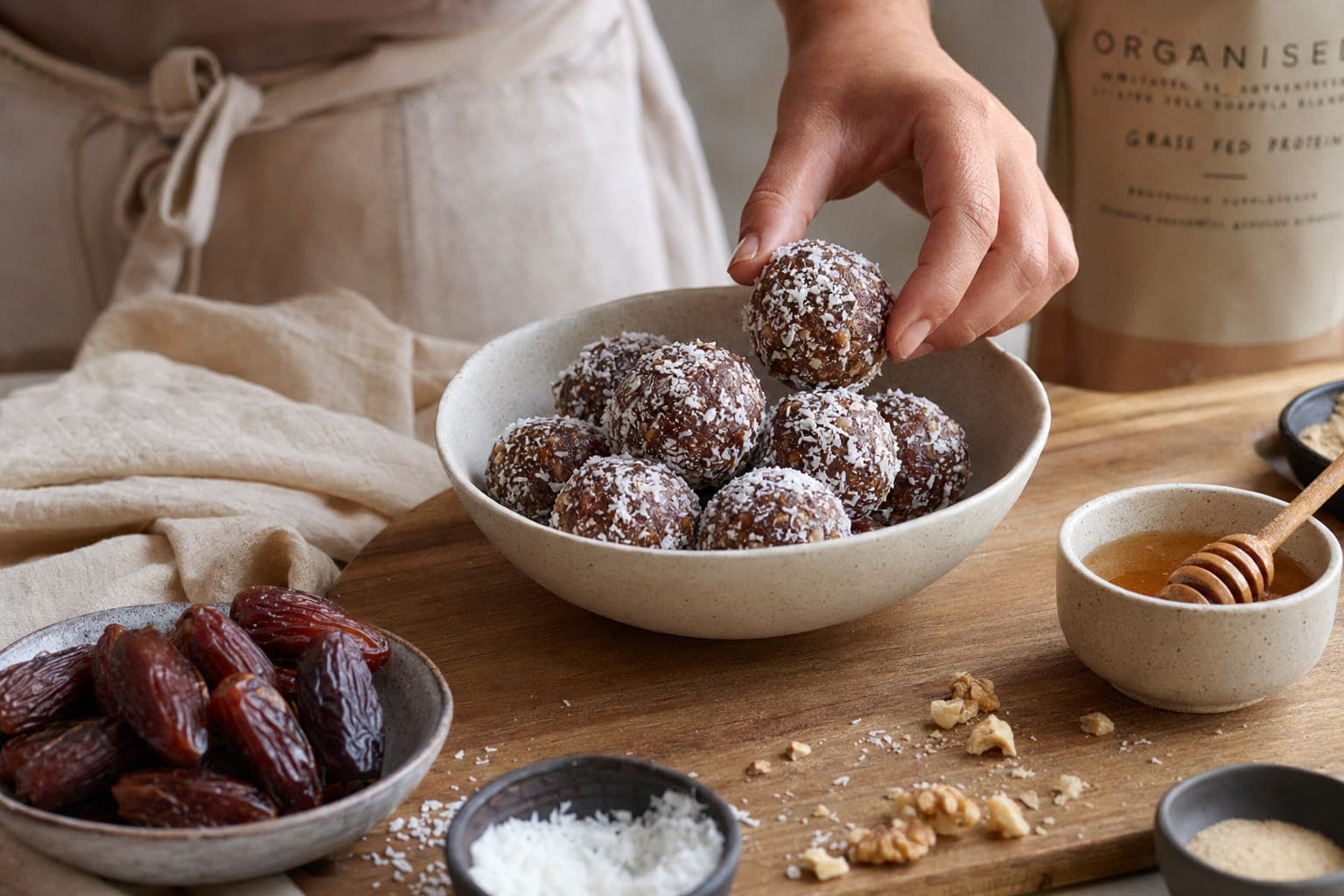
Energy Balls with Organised, Dates and Raw Honey
Make no-bake energy balls with Organised, dates, and raw honey. Perfect lunch box, pre-workout, or on-the-go snack. Simple recipe.
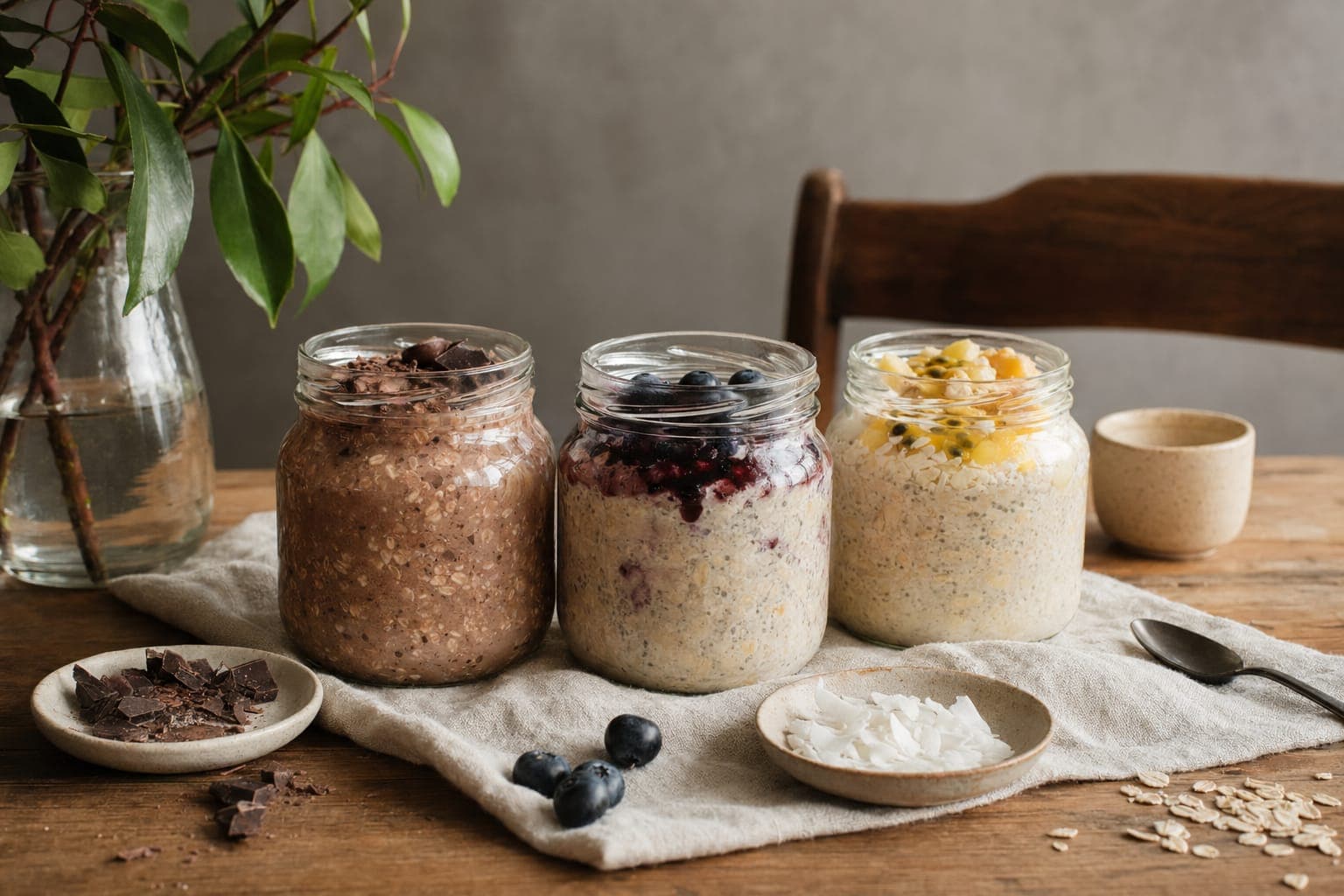
Organised Overnight Oats: 3 Variations
Three delicious overnight oats variations with Organised. Chocolate, berry, tropical flavours. Make them Sunday, eat them all week.


 Join over 100,000+ members
Build a better food system with us
The Organised community is thousands of people choosing real food and backing the farmers who grow it, all of us trying to leave the world a little better than we found it. If that is what you care about too, you belong here.