Hormonal Health Starts in the Kitchen: A Whole Food Guide
You feel off. Your hormones are all over the place. Your period is irregular. Your mood swings are extreme. You're exhausted but can't sleep. You've been told it's just how women are. But hormonal dysfunction isn't inevitable. It's nutritional. And it's fixable by what you eat.

By Niall Kiddle, Founder, Organised

Reviewed by Pedro Rodrigues, Agronomist (farming and sourcing only) ·
9 min read · Published · Updated · 6 cited sources
Makers of the Organised Daily blend, a grass-fed beef organ supplement from regenerative UK farms

But hormonal dysfunction isn't inevitable. It's nutritional. And it's fixable by what you eat.
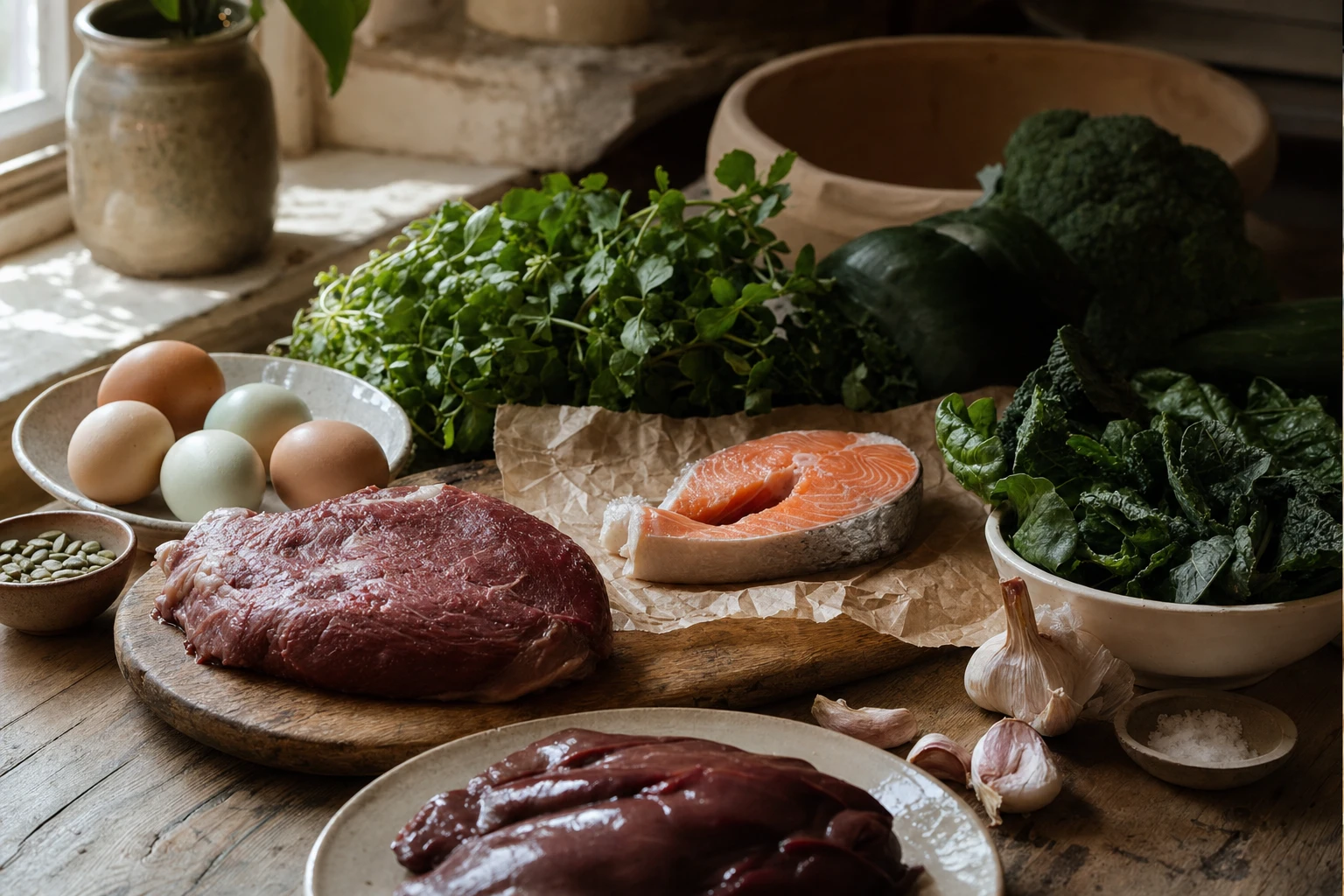
Cholesterol is the foundation of all hormones
Your body makes all steroid hormones (oestrogen, progesterone, testosterone, cortisol, DHEA) from cholesterol.1 When your cholesterol is too low, your hormone production fails.
Cholesterol is the precursor for every steroid hormone the body makes — pregnenolone, progesterone, oestrogen, testosterone, cortisol, DHEA. Aggressive cholesterol lowering, whether through statin therapy or chronic low-fat eating, reduces the substrate available for that pathway. The hormonal side-effects reported in some statin users (libido changes, mood changes, fatigue) are consistent with that mechanism, even where causality in any individual case is hard to prove. The point isn't to tell anyone to abandon prescribed medication; the point is that if you have hormonal problems on a statin, that's a conversation worth having with your prescriber, alongside discussion of newer cardiovascular markers (ApoB, particle size, Lp(a), triglyceride/HDL ratio, fasting insulin) that the LDL-only model misses.
Your body needs cholesterol. Not excessive amounts, but adequate amounts. A healthy total cholesterol is 150-250 mg/dL. Below 150 and your hormones suffer.
Cholesterol comes from dietary fat, particularly saturated fat. Butter, eggs, meat, and dairy are rich sources. These aren't luxuries. They're foundational for hormone health.
Without adequate cholesterol, your body cannot make adequate hormones. Low-fat diets and statin drugs destroy hormonal health in women. This is not opinion. This is endocrinology.
Saturated fat is needed for hormone production
Saturated fat has been demonised, but your hormonal system requires it. Saturated fat is the substrate for hormone synthesis. It's also part of your cell membranes and is required for vitamin A and D absorption.
Butter, coconut oil, beef fat, and the fat in eggs and dairy are healthy saturated fats. They're what your ancestors ate for millennia without epidemic levels of hormonal dysfunction.
Modern seed oils (vegetable oil, canola oil, sunflower oil) are oxidised and inflammatory. They disrupt hormone signalling and increase oestrogen dysregulation. Replacing seed oils with butter and coconut oil transforms hormonal health.
The women with the most stable hormones eat full-fat dairy, butter-rich cooking, and beef fat. Not low-fat everything.
Cruciferous vegetables for oestrogen clearance
Oestrogen is made by your ovaries, but it's also recycled through your liver. If your liver function is poor, oestrogen recirculates instead of being excreted. This causes oestrogen dominance: too much oestrogen relative to progesterone.
Oestrogen dominance causes heavy periods, mood swings, breast tenderness, water retention, and fat storage around the hips and thighs. It's driven by poor oestrogen clearance, not by making too much oestrogen.
Cruciferous vegetables (broccoli, cabbage, kale, cauliflower) contain indoles and sulforaphane, compounds that support phase III liver detoxification, which is specifically the phase that clears oestrogen.2
Eating crucifers 3-4 times weekly significantly improves oestrogen balance. Cook them with fat to improve nutrient absorption.

Liver detoxification requires specific nutrients
Your liver's job is to detoxify hormones so they can be excreted. This requires phase I, phase II, and phase III enzymes. Phase I requires B vitamins and minerals. Phase II requires amino acids like glycine and taurine. Phase III requires sulphur-containing compounds.
If your liver isn't detoxifying efficiently, hormones recirculate and cause dysfunction.
Organ meats, particularly liver itself, provide the exact nutrients your liver needs to function. Beef liver contains B vitamins, iron, copper, and other cofactors required for detoxification.
Bone broth provides gelatin and glycine, which support phase II detoxification. This is why bone broth and liver together are so powerful for hormonal health.
Insulin dysregulation disrupts female hormones
When your blood sugar spikes and crashes repeatedly, your insulin becomes chronically elevated. High insulin drives excessive androgen production by your ovaries, causing acne, facial hair, and irregular periods.
This is the mechanism behind polycystic ovary syndrome (PCOS). It's insulin-driven ovarian androgen excess, not primary ovarian disease.3
Stabilising blood sugar stabilises insulin, which stabilises androgen production, which restores regular periods and clears acne. No medication needed if insulin is controlled.
Stabilising blood sugar means eating protein and fat with every meal, avoiding refined carbohydrates, and maintaining consistent meal timing.
PCOS is driven by insulin dysregulation, not ovarian disease. Fix your blood sugar and your periods become regular, your skin clears, and your hormones stabilise. Most PCOS is nutritional.
Thyroid hormones regulate metabolism and mood
Your thyroid produces T4 and T3, which regulate your metabolic rate, body temperature, mood, and energy. Hypothyroidism (low thyroid function) causes weight gain, fatigue, depression, and hormonal irregularities.
Thyroid function depends on iodine, selenium, iron, and zinc.4 Deficiencies in any of these cause hypothyroidism.
Beef liver, oysters, and fish provide selenium and iodine. Most people don't eat enough to support thyroid function.
Get your TSH and free T3 tested. If your TSH is elevated and free T3 is low, improve your mineral status before assuming you need thyroid medication.
Progesterone requires adequate nutrition
Progesterone is the calming hormone. Without adequate progesterone, you experience anxiety, sleep disruption, and mood instability, especially in the luteal phase of your cycle.
Progesterone production requires cholesterol, adequate body weight (fat cells produce oestrogen, which supports progesterone production), and vitamin B6 (a cofactor for progesterone synthesis).
Women who restrict calories too aggressively often become progesterone-deficient, which manifests as horrible PMS, anxiety, and insomnia. Eating more, not less, often fixes this.
Beef liver and other meats provide B6. Adequate dietary fat supports cholesterol availability. Together these support progesterone production.
The protocol for hormonal health
- Eat organ meats 2-3 times weekly. Beef liver provides all the nutrients your liver and hormones need.
- Eat red meat 4-5 times weekly. Provides iron, B vitamins, and cholesterol (yes, dietary cholesterol supports hormone production).
- Eat fat with every meal. Butter, olive oil, coconut oil, beef fat. Don't fear saturated fat.
- Eat cruciferous vegetables 3-4 times weekly. Broccoli, cabbage, kale support oestrogen clearance.
- Drink bone broth 3-4 times weekly. Supports liver detoxification and provides glycine.
- Eliminate seed oils. Replace with butter, olive oil, coconut oil. Seed oils disrupt hormone signalling.
- Stabilise blood sugar. Eat protein and fat with every meal. Avoid refined carbohydrates.
- Get mineral testing. Zinc, selenium, iodine, iron. Supplement if deficient.
Oestrogen metabolism and the microbiome
Your microbiome directly affects oestrogen metabolism. Beneficial bacteria (particularly Bacteroides fragilis) produce beta-glucuronidase, an enzyme that breaks down and recycles oestrogen through the enterohepatic circulation.5
When your microbiome is healthy, oestrogen is recycled efficiently, which prevents oestrogen dominance. When dysbiosis occurs from antibiotics, poor diet, or stress, oestrogen recirculates and accumulates, causing oestrogen-dominance symptoms.
This is why fermented foods and fibre are so important for hormonal health. They feed the bacteria that metabolise oestrogen properly.
Get health guides like this, free
Two short reads a week on eating for energy, gut health, skin, sleep and more.
By signing up you agree to receive emails from us. No spam, unsubscribe anytime.
PMS and nutritional deficiency
Premenstrual syndrome is fundamentally a nutritional disorder. Women with adequate magnesium, calcium, B vitamins, and protein experience minimal PMS. Women with deficiencies experience severe symptoms.
The luteal phase of your cycle (after ovulation) requires extra magnesium for mood stability and calcium for water retention prevention. Without these minerals, PMS is severe.
Magnesium supplementation and bone broth (rich in minerals) during the luteal phase transforms PMS from debilitating to manageable or gone.
Timeline for hormonal recovery
Weeks 1-4. Your gut begins to heal from seed oil elimination. Inflammation drops slightly. You don't feel dramatically different yet.
Weeks 5-8. Your energy improves. Brain fog lifts. Your skin begins to clear. Mood stabilises.
Weeks 9-12. Your period becomes more regular. PMS decreases noticeably. Your mood in the luteal phase improves.
Months 4-6. Your hormones have significantly stabilised. Your period is regular. Your mood is stable throughout your cycle. Your skin is clear. Your energy is consistent.
This assumes you're consistent with the protocol. Hormonal recovery requires sustained dietary change, not temporary fixes.
Oestrogen receptor sensitivity and nutrition
Your cells have oestrogen receptors. Oestrogen binds to these receptors and activates hormonal responses. But receptor sensitivity depends on your nutritional status.
When you're deficient in zinc, selenium, and vitamin D, your oestrogen receptors become less sensitive. This means you need more oestrogen to achieve the same effect. Deficiency thus contributes to oestrogen dominance.
Fixing mineral deficiencies improves receptor sensitivity, so existing oestrogen levels achieve appropriate effects. This is why nutritional therapy often works better than hormone therapy for mild hormonal dysfunction.
Alcohol and hormonal disruption
Alcohol interferes with liver detoxification of oestrogen.6 Regular alcohol consumption raises oestrogen levels and promotes oestrogen dominance.
Women with hormonal dysfunction should reduce or eliminate alcohol. Even small amounts can disrupt hormonal balance.
If you choose to drink, do so during the follicular phase of your cycle when your tolerance is higher, and avoid the luteal phase when alcohol sensitivity increases.
Inflammation and hormonal dysfunction
Chronic inflammation promotes oestrogen dominance through multiple mechanisms. Inflammatory cytokines increase oestrogen production and decrease oestrogen clearance.
Seed oils are pro-inflammatory. Gut dysbiosis is pro-inflammatory. Poor sleep is pro-inflammatory. Sugar is pro-inflammatory.
Fixing inflammation through dietary change (eliminating seed oils, healing the gut, improving sleep) directly improves hormonal balance.
Testing hormonal status
Don't guess at your hormonal status. Get tested. Standard testing includes FSH, LH, oestrogen, progesterone, and testosterone.
Saliva testing for cortisol throughout the day is valuable if stress is suspected as a cause.
Once you know your baseline, you can measure improvement from dietary intervention without guessing whether changes are real.
Xenoestrogens and environmental oestrogen disruption
Xenoestrogens are synthetic chemicals that mimic oestrogen in your body. They're found in plastics, pesticides, personal care products, and industrial chemicals.
Exposure to xenoestrogens contributes to oestrogen dominance even when dietary oestrogen is adequate. Reducing exposure matters.
Avoid storing food in plastic. Use glass containers. Choose organic produce to reduce pesticide residues. Read ingredient lists on personal care products and choose products without xenoestrogen-mimicking chemicals.
This alone won't fix hormonal dysfunction, but it removes an ongoing source of disruption while you're working to fix nutrition.
1 of 9
Daily blend
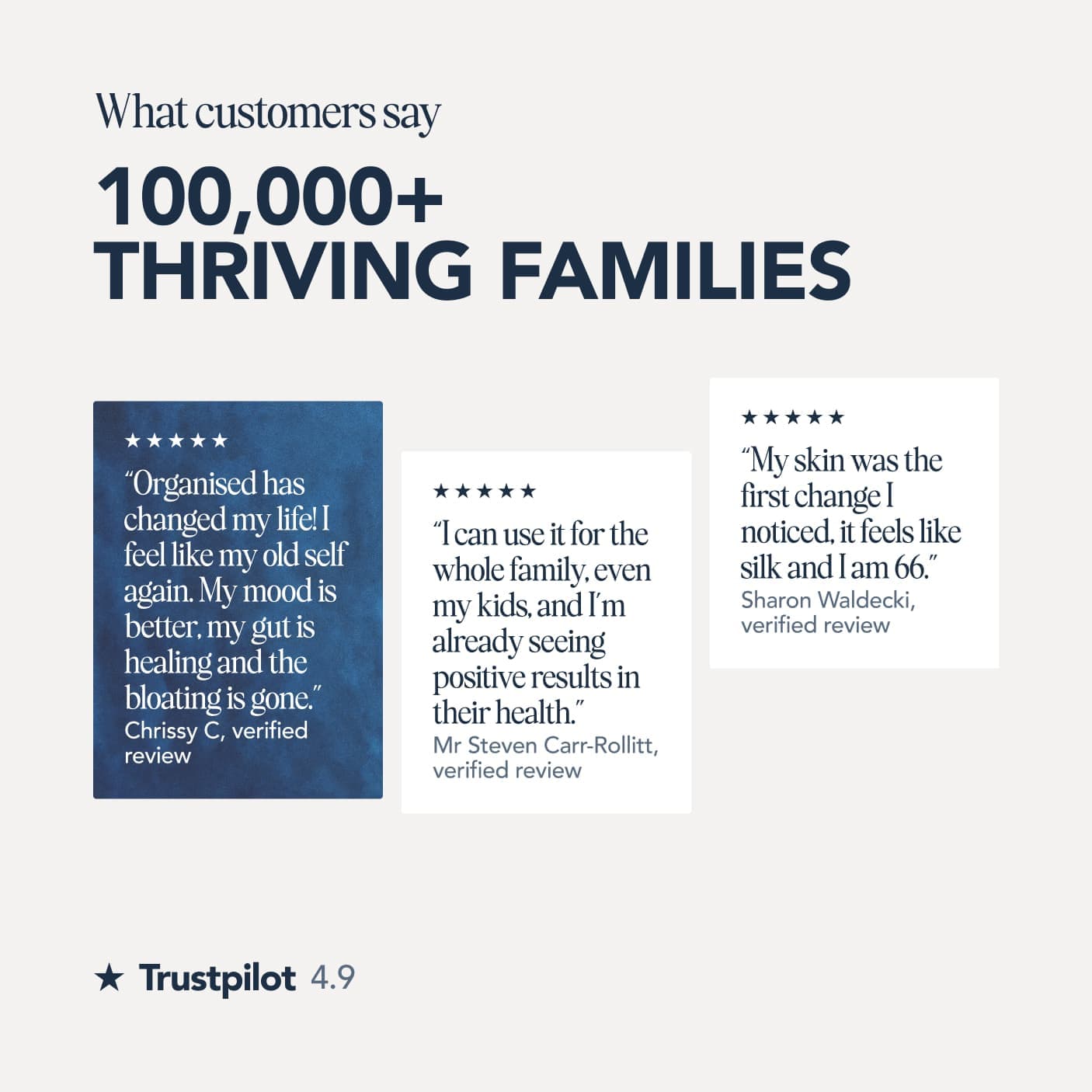
100,000+ thriving families4.9 on Trustpilot
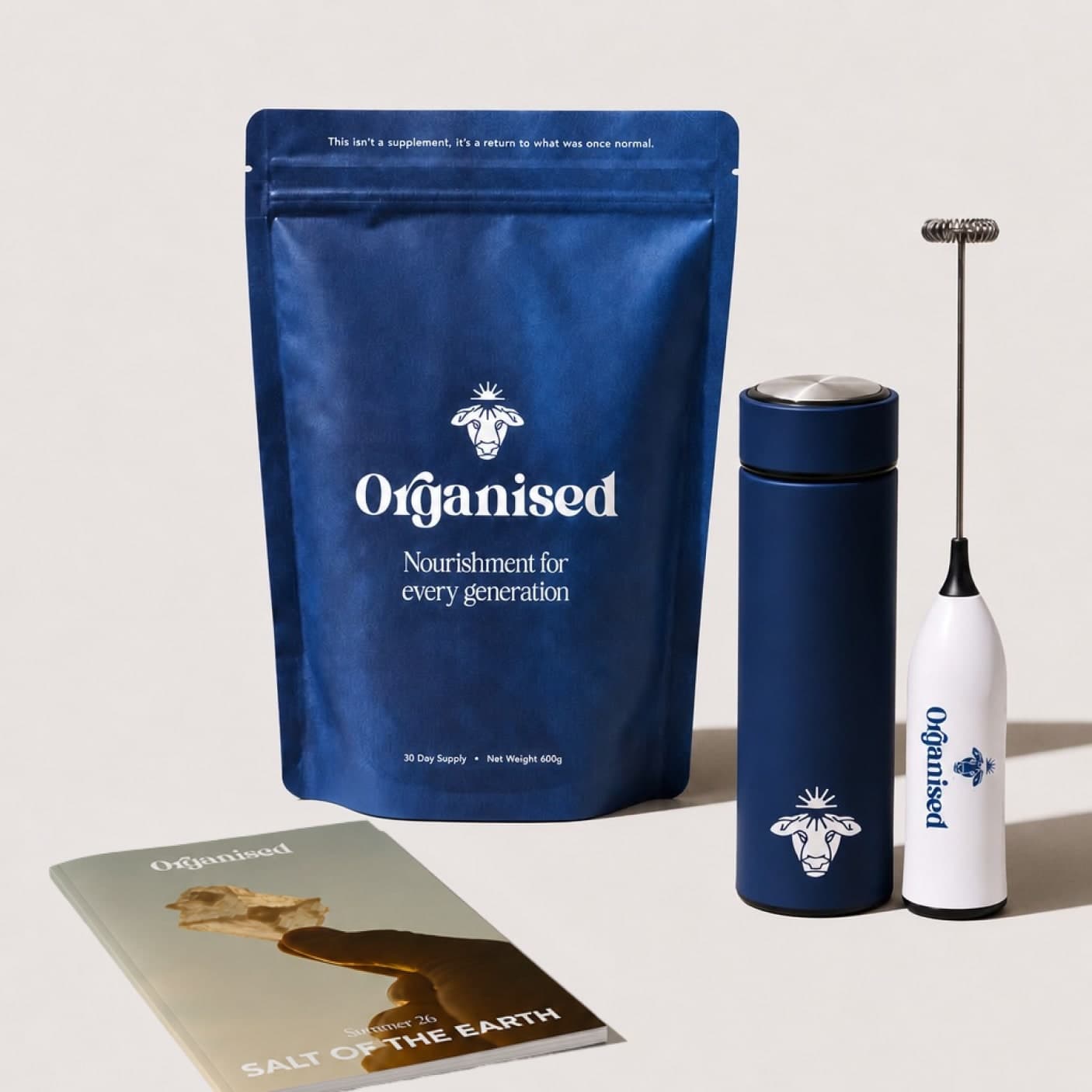
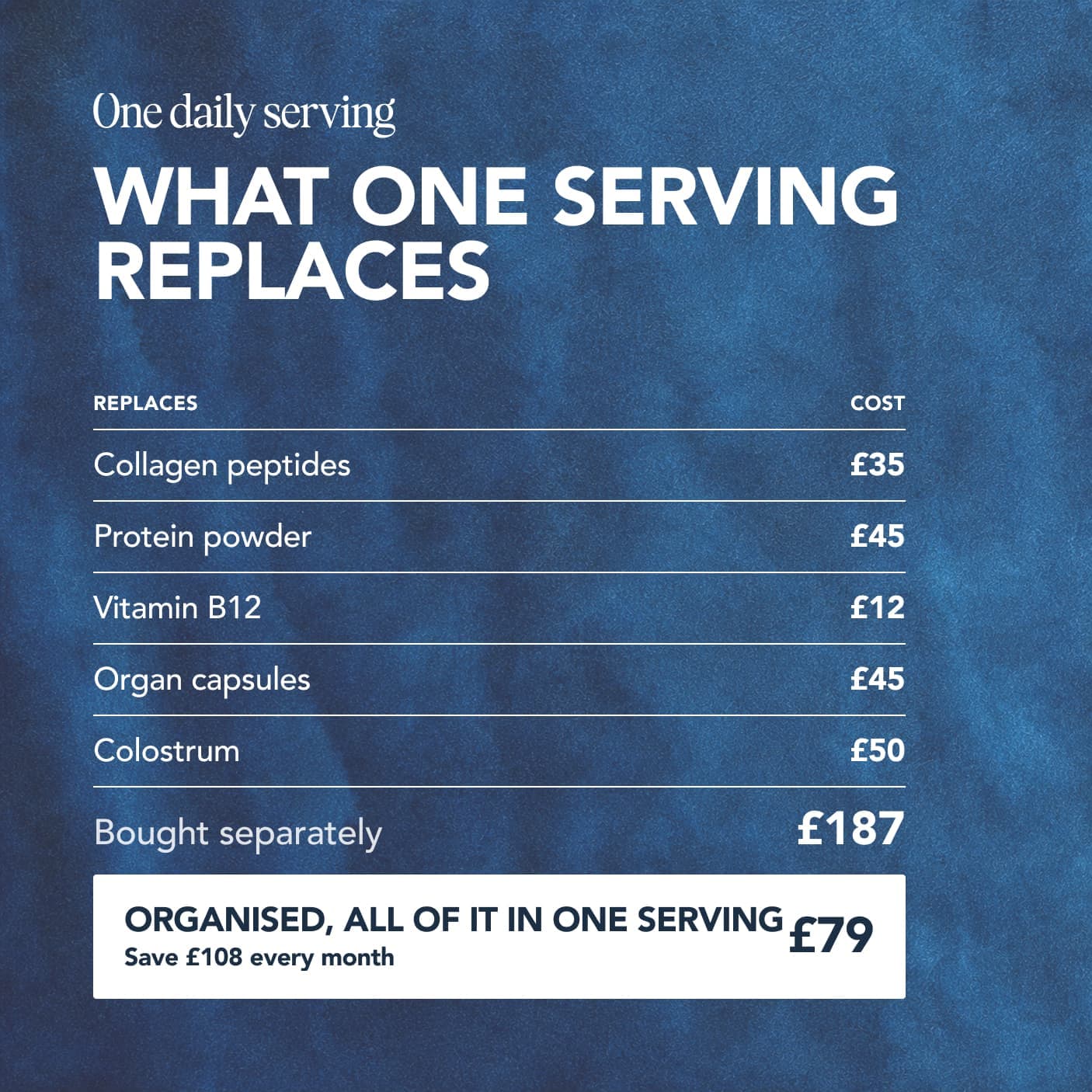
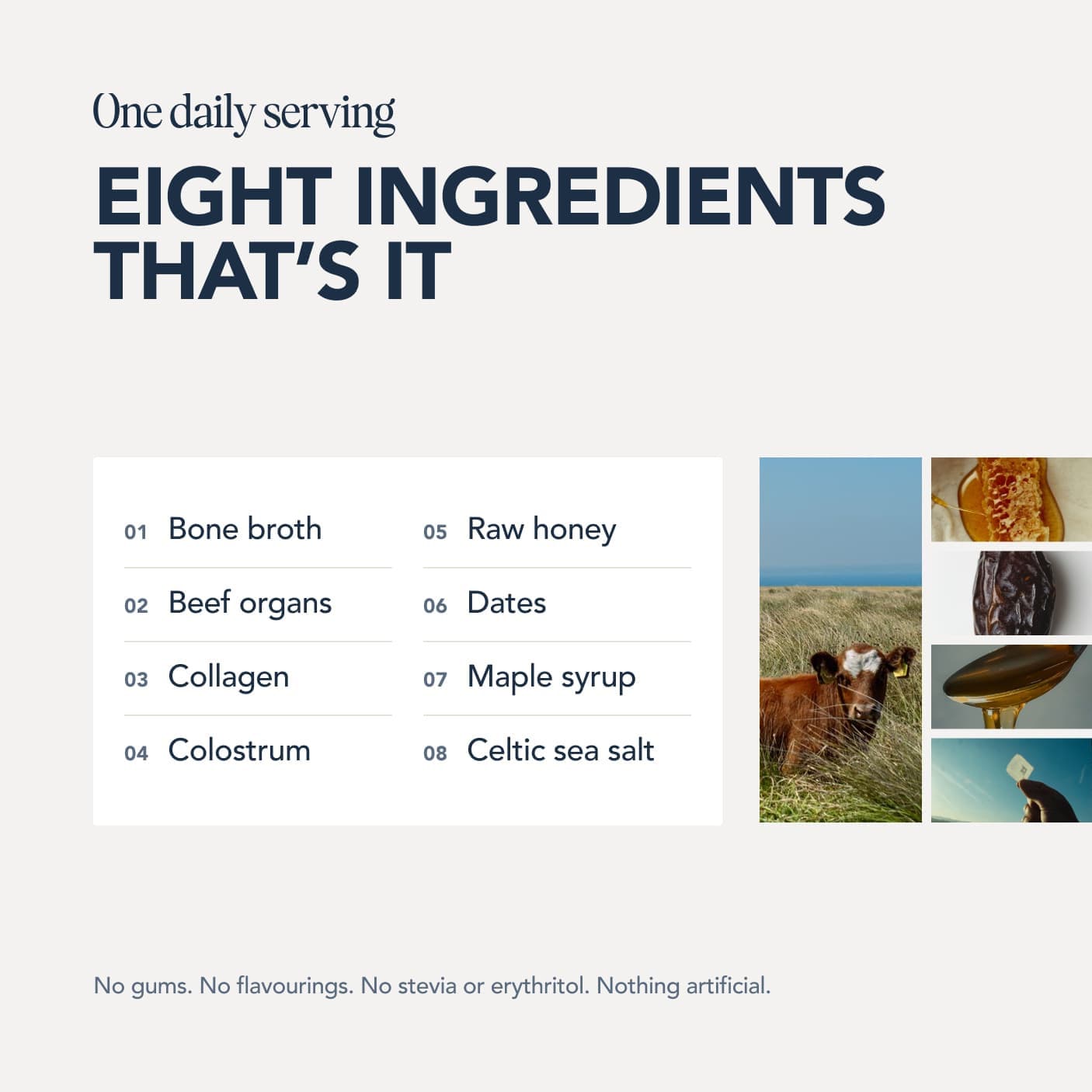
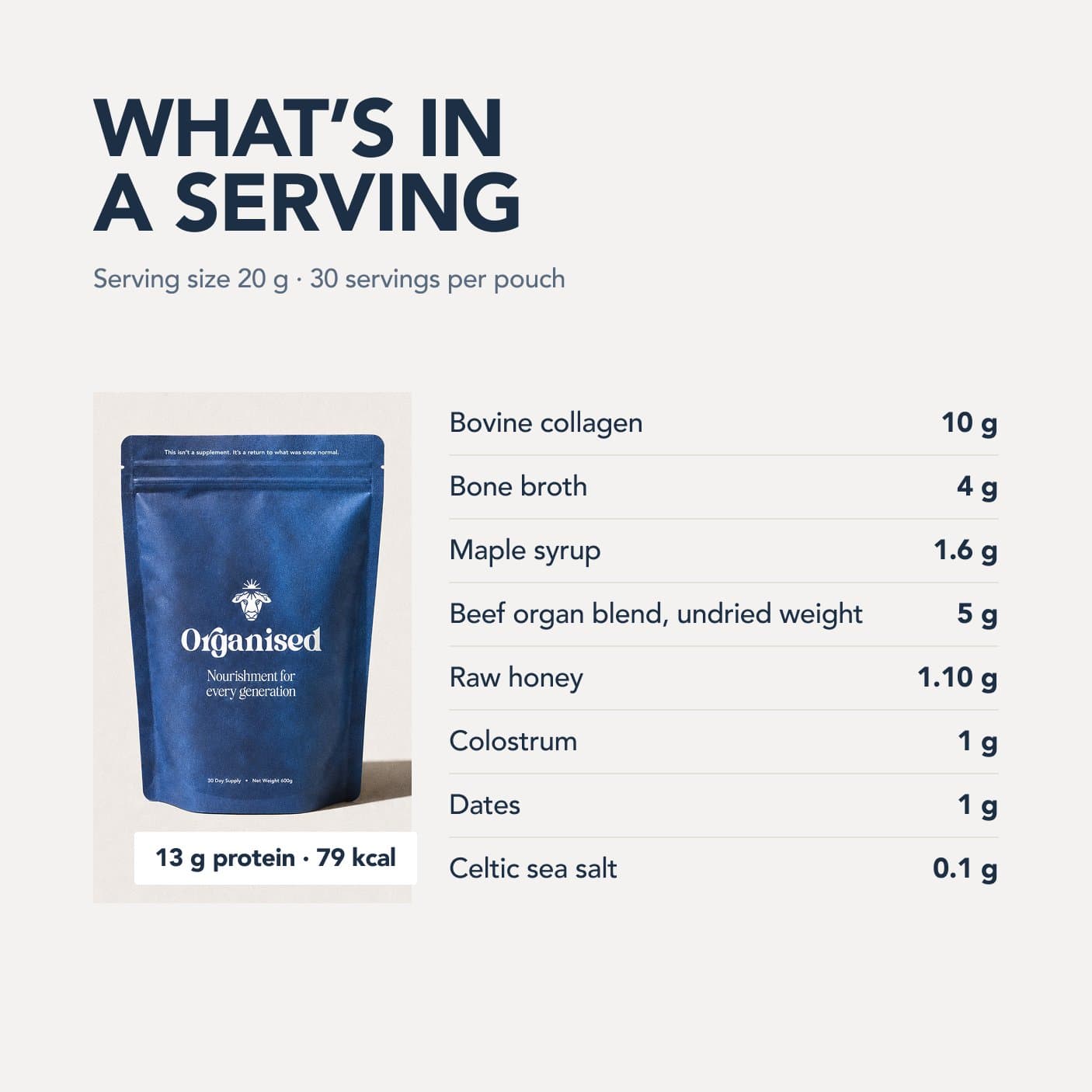
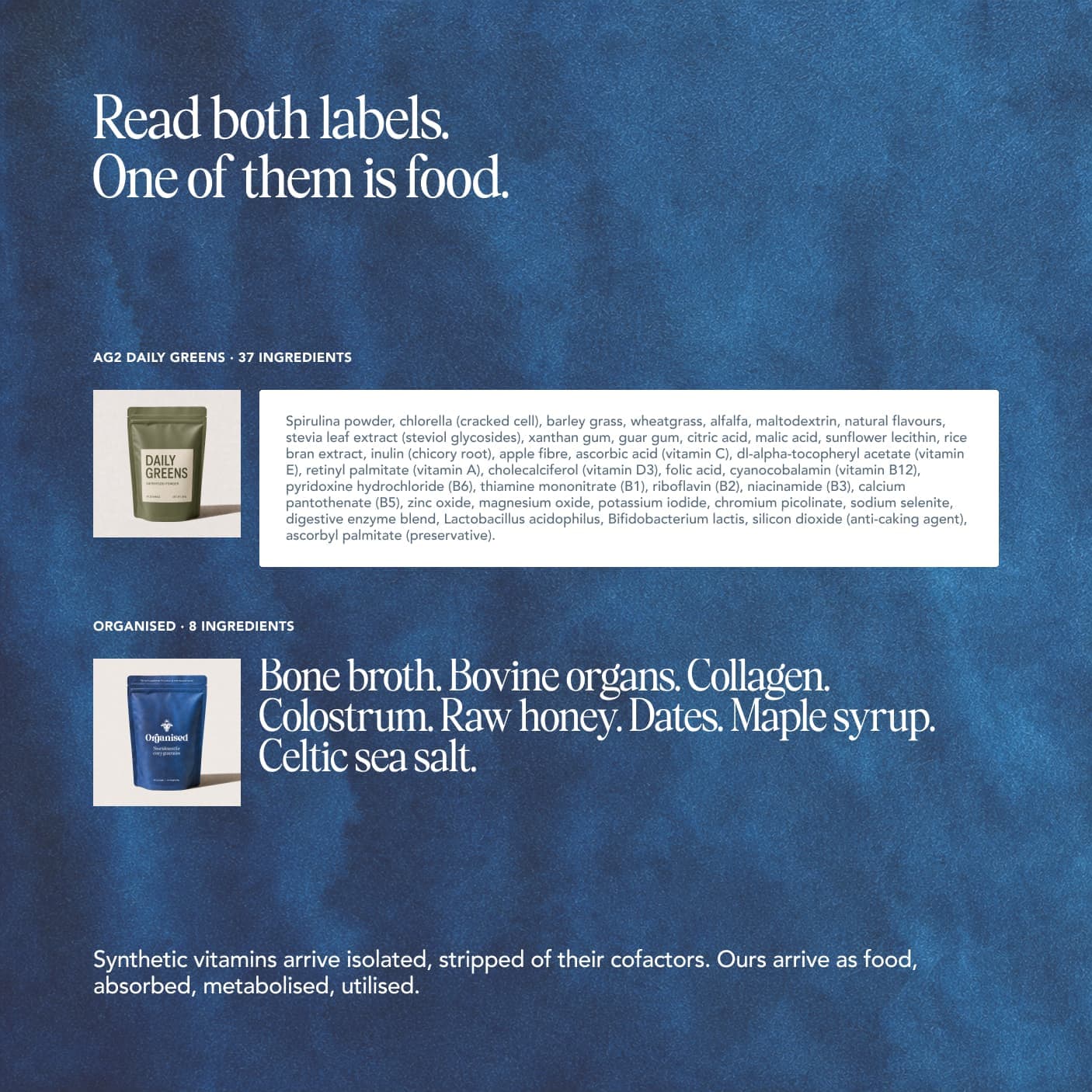
Eight real ingredients built around grass-fed beef organs, collagen and colostrum. Nothing synthetic added.
Free with your first order, worth £38. Plus £10 off the pouch with a subscription.
Free UK shipping · Made in England · 100 day money back guarantee on your first pouch · Skip, pause or cancel anytime
The role of adequate calories in hormonal health
Women who restrict calories too severely often develop hormonal dysfunction. Their body interprets calorie restriction as starvation and suppresses reproduction (hormones related to reproduction).
This manifests as irregular periods, missed periods, low libido, and poor mood. The solution isn't more restriction. It's eating more.
Adequate calories signal to your body that food is available and reproduction is safe. This allows normal hormonal cycling.
Women with hormonal dysfunction should eat until satisfied at meals, not restrict portions. Hormonal health requires sufficient energy intake.
Exercise and hormonal health
Excessive exercise, especially excessive cardio combined with calorie restriction, disrupts hormonal balance. It raises cortisol chronically and suppresses reproductive hormones.
Moderate exercise (strength training 2-3 times weekly, walking or yoga 3-4 times weekly) supports hormonal health. Excessive exercise without adequate nutrition disrupts it.
Women with hormonal dysfunction should reduce excessive cardio, add strength training, and eat more. This combination restores hormonal balance more effectively than any supplement.
Alcohol, caffeine and hormonal disruption
Both alcohol and excessive caffeine disrupt hormonal balance by interfering with liver function and sleep quality.
Alcohol impairs oestrogen clearance. Caffeine, particularly in the luteal phase, increases anxiety and disrupts sleep, which worsens hormonal symptoms.
Reducing or eliminating alcohol and limiting caffeine to morning hours only significantly improves hormonal function within weeks.
Tracking hormonal status and recovery
Keep a simple tracker of your symptoms: period regularity, PMS severity, mood, energy, skin condition. Review monthly.
After implementing dietary changes, most women notice improvement by month two. Continued improvement occurs through month six.
The bottom line
Hormonal health is built on cholesterol, saturated fat, and nutrient density. Your body makes all hormones from cholesterol. Your liver clears hormones through detoxification. Both processes require whole food.
Eat organ meats. Eat red meat. Eat fat. Eat cruciferous vegetables. Drink bone broth. Your hormones will stabilise. Your period will become regular. Your mood will stabilise. Your skin will clear. This isn't temporary fix. This is foundational health.
References
Every source below was checked on 27 August 2026. Each PubMed, PMC and DOI identifier was resolved against NCBI or Crossref, and what it opens is printed under the citation, so you can see the link goes where the citation says without leaving the page. Where a citation and its identifier disagreed, the citation was corrected to the record or the reference was deleted along with the sentence marker that pointed at it, and where the resolved paper turned out not to support the sentence, the sentence was cut back to what it does support. Borrowed authority is worse than none, because it looks like rigour.
- Miller WL, Auchus RJ. The Molecular Biology, Biochemistry, and Physiology of Human Steroidogenesis and Its Disorders. Endocrine Reviews, 2011. PMID 21051590.Checked 27 August 2026: PMID 21051590 opens Miller WL, Auchus RJ, The molecular biology, biochemistry, and physiology of human steroidogenesis and its disorders. Endocr Rev 2011;32(1):81-151. PubMed indexes it as: Review.
- Higdon JV et al. Cruciferous vegetables and human cancer risk: epidemiologic evidence and mechanistic basis. Pharmacological Research, 2007. PMID 17317210.Checked 27 August 2026: PMID 17317210 opens Higdon JV, Delage B, Williams DE et al, Cruciferous vegetables and human cancer risk: epidemiologic evidence and mechanistic basis. Pharmacol Res 2007;55(3):224-36. PubMed indexes it as: Review.
- Diamanti-Kandarakis E, Dunaif A. Insulin resistance and the polycystic ovary syndrome revisited: an update on mechanisms and implications. Endocrine Reviews, 2012. PMID 23065822.Checked 27 August 2026: PMID 23065822 opens Diamanti-Kandarakis E, Dunaif A, Insulin resistance and the polycystic ovary syndrome revisited: an update on mechanisms and implications. Endocr Rev 2012;33(6):981-1030. PubMed indexes it as: Review.
- Rayman MP. Multiple nutritional factors and thyroid disease, with particular reference to autoimmune thyroid disease. Proceedings of the Nutrition Society, 2019. PMID 30208979.Checked 27 August 2026: PMID 30208979 opens Rayman MP, Multiple nutritional factors and thyroid disease, with particular reference to autoimmune thyroid disease. Proc Nutr Soc 2019;78(1):34-44. PubMed indexes it as: Review.
- Kwa M et al. The Intestinal Microbiome and Estrogen Receptor-Positive Female Breast Cancer. JNCI, 2016. PMID 27107051.Checked 27 August 2026: PMID 27107051 opens Kwa M, Plottel CS, Blaser MJ et al, The Intestinal Microbiome and Estrogen Receptor-Positive Female Breast Cancer. J Natl Cancer Inst 2016;108(8). PubMed indexes it as: Review.
- Schliep KC et al. Alcohol intake, reproductive hormones, and menstrual cycle function: a prospective cohort study. American Journal of Clinical Nutrition, 2015. PMID 26289438.Checked 27 August 2026: PMID 26289438 opens Schliep KC, Zarek SM, Schisterman EF et al, Alcohol intake, reproductive hormones, and menstrual cycle function: a prospective cohort study. Am J Clin Nutr 2015;102(4):933-42.
Who wrote and reviewed this guide
Niall Kiddle
Author · Founder, Organised
Niall is the founder of Organised. He started the company in 2024 after fixing his own health the slow way: in 2022 he swapped a cupboard of synthetic supplements for real food, raw milk, organ meats, bone broth and honey, and felt the difference within months.
Areas of expertise: Ancestral nutrition, Organ meats, Whole-food supplementation, Gut health, Regenerative sourcing
Read Niall's full profile
Pedro Rodrigues
Reviewer · Agronomist (farming and sourcing only)
Pedro is the agronomist Organised works with on farming and sourcing. His job on the guides is to keep the science honest: he reviews what we publish about soil health, regenerative agriculture, grazing and the way food is actually produced.
Areas of expertise: Regenerative agriculture, Agronomy, Soil health, Grass-fed farming, Food sourcing
Reviewed this guide on
Read Pedro's full profileMore on hormones
View all- Perimenopause Nutrition: What Changes and What to Eat
- Coming Off the Pill? How to Support Your Body's Transition
- Cortisol, Stress and Nutrition: Breaking the Cycle
- Eating for Each Phase of Your Menstrual Cycle
- How Blood Sugar Instability Wrecks Your Hormones
- How Liver Supports Oestrogen Detoxification
- How Seed Oils Disrupt Your Hormones
- Insulin Resistance: The Silent Metabolic Crisis
- Is Polyester Bad For Hormones? Your Guide To Hormone Safe Clothing
- PCOS and Nutrition: A Whole Food Approach
- Testosterone and Nutrition: What Men Need to Know
- Thyroid Health: The Nutrients Your Thyroid Needs to Function
Browse the guides library
All guidesKeep reading

Health goals
Eating for Each Phase of Your Menstrual Cycle
Sync your food to your cycle for steadier energy. See the nutrient needs of the follicular, ovulatory, luteal, and menstrual phases, with simple swaps.

Health goals
Endocrine Disruptors in Your Kitchen (And How to Avoid Them)
BPA, phthalates, and non-stick chemicals are hiding in your kitchen. Discover what they are, where they hide, and simple swaps that reduce your exposure.

Health goals
Is Polyester Bad For Hormones? Your Guide To Hormone Safe Clothing
You probably do not think much about the fibres that sit against your skin all day. The leggings you live in. The sports bra you sweat in. The school
Real food, made effortless
Start my daily blendA few ways to use it
All recipes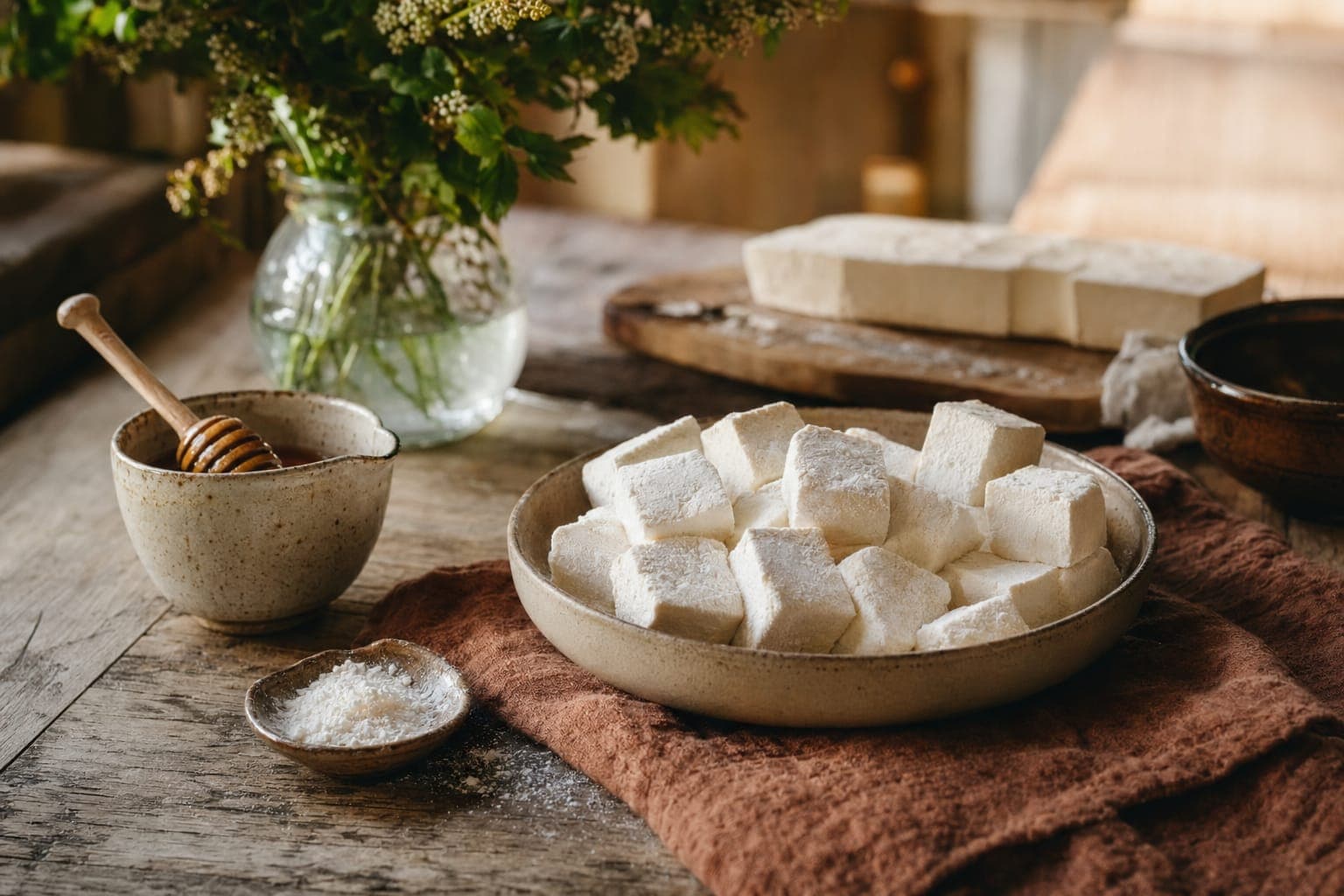
Gut-Healing Marshmallows with Collagen and Raw Honey
Learn to make gut-healing marshmallows with collagen and raw honey. A shareable treat that sneaks nutrition into every bite. Easy recipe with video tips.
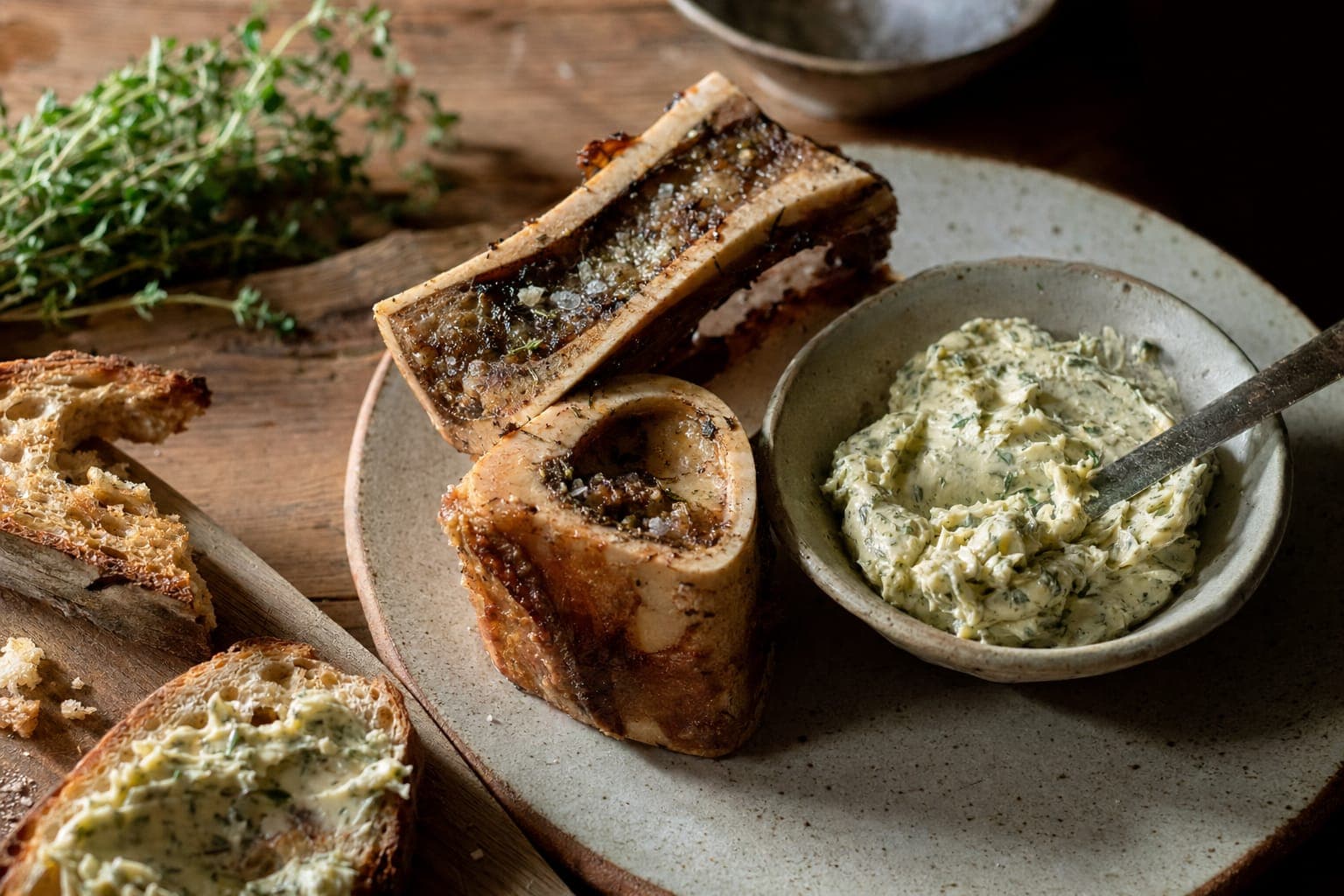
How to Make Bone Marrow Butter
Roast grass-fed marrow bones, scoop the marrow, and mix with butter and herbs. A nutrient-dense spread with fat-soluble vitamins.
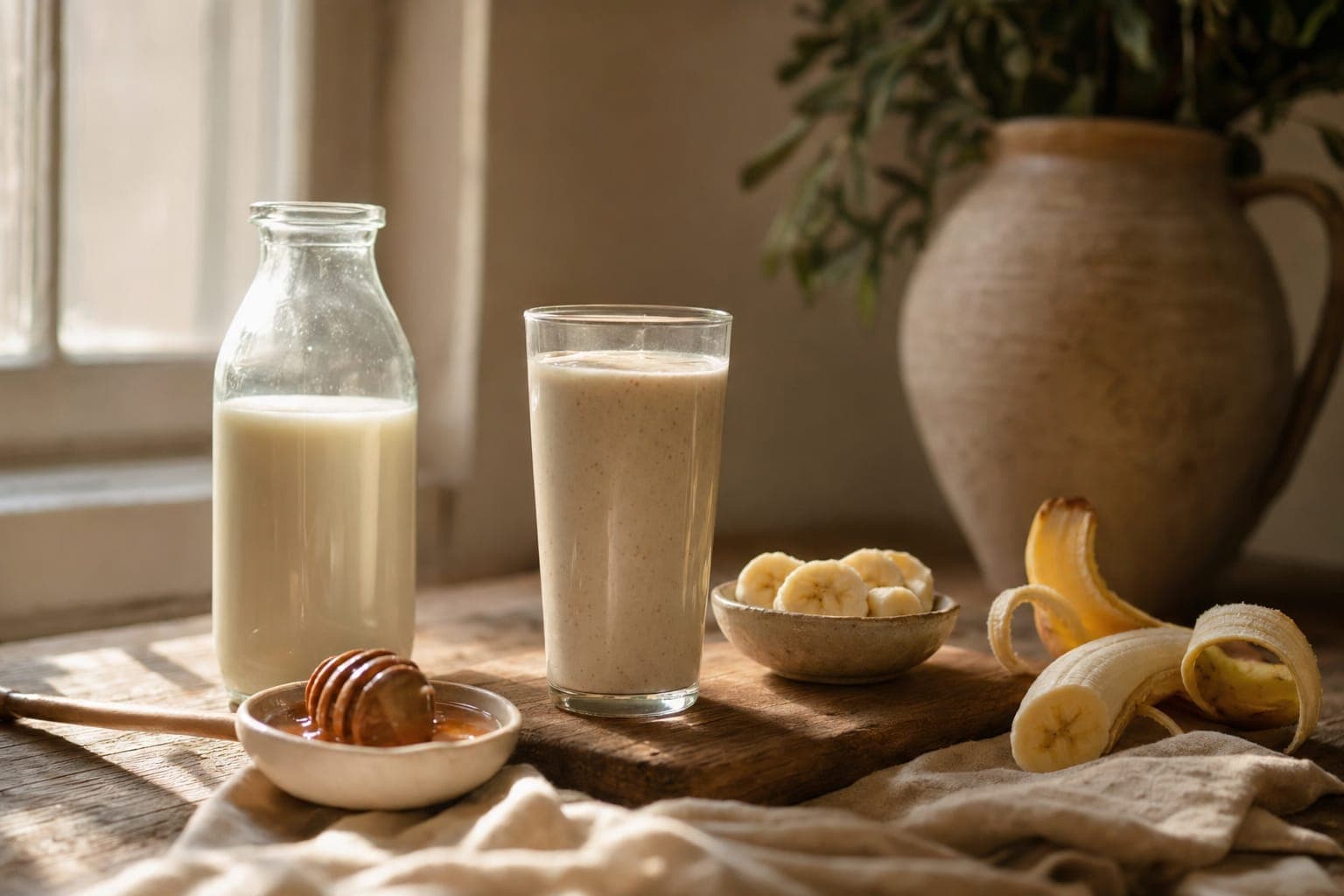
The Perfect Organised Morning Shake: Our Favourite Recipe
Our signature morning shake: Organised, raw milk, banana, honey. Simple, nourishing, and optimised for an empty stomach.


 Join over 100,000+ members
Build a better food system with us
The Organised community is thousands of people choosing real food and backing the farmers who grow it, all of us trying to leave the world a little better than we found it. If that is what you care about too, you belong here.