How Liver Supports Oestrogen Detoxification
Oestrogen-related symptoms are everywhere. Heavy periods, PMS, hormonal acne, endometriosis, breast tenderness, fibroids. And the conventional answer is usually birth control, which suppresses the symptom but doesn't address the root cause. The root cause is almost always a liver that's struggling to process oestrogen efficiently.
By Niall Kiddle, Founder, Organised

Reviewed by Pedro Rodrigues, Agronomist (farming and sourcing only) ·
6 min read · Published · Updated · 4 cited sources
Makers of the Organised Daily blend, a grass-fed beef organ supplement from regenerative UK farms
The root cause is almost always a liver that's struggling to process oestrogen efficiently.
What oestrogen detoxification actually is
Your liver doesn't make oestrogen. What it does is process oestrogen that your ovaries produce, break it down into inactive forms, and prepare it for elimination. When your liver is working well, oestrogen levels stay balanced. When your liver is struggling, oestrogen builds up. High circulating oestrogen drives heavy bleeding, mood changes, tender breasts, and exacerbates conditions like endometriosis.
The detoxification of oestrogen happens in three phases. All three need to work properly. If any one phase breaks down, oestrogen backs up and you get symptoms.
This process happens continuously throughout your cycle. But the burden is heaviest in the luteal phase (second half of your cycle) when oestrogen and progesterone are both circulating. If your liver is already struggling, the luteal phase is when symptoms peak. This is why many women notice that PMS is worst in the days just before menstruation. It's not weakness. It's the liver's processing capacity being overwhelmed.
The oestrogen you produce isn't the problem. The problem is that your liver can't process it efficiently.
Phase 1: Activation
Phase 1 detoxification happens in the liver's cytochrome P450 enzyme system.1 These enzymes break oestrogen into intermediates. This requires B vitamins, magnesium, and antioxidants like vitamin C. If these are deficient, phase 1 stalls. Oestrogen starts backing up.
Phase 1 also depends on your liver having adequate energy. This means it needs glucose, B vitamins, and iron for electron transport. If you're skipping breakfast, running on coffee, or eating a lot of ultra-processed food, your liver doesn't have the fuel it needs to work.
The fix: eat regular meals with adequate carbohydrate, eat liver (which is packed with B vitamins and iron), and ensure you're not deficient in magnesium or vitamin C. These are non-negotiable if you have hormonal symptoms.
Stress impairs phase 1 as well. Under stress, your body prioritises cortisol metabolism over oestrogen metabolism. The cytochrome P450 enzymes are busy processing stress hormones and are less available for oestrogen. This is why so many women notice their hormonal symptoms get worse during stressful periods, even if their diet is perfect. The liver simply can't keep up.
Phase 2: Conjugation
Phase 2 is where oestrogen is actually made water-soluble so it can be excreted. This process is called conjugation, and it requires a number of cofactors, most importantly glutathione, a powerful antioxidant your liver makes from the amino acid glycine.2
Glycine is found almost exclusively in animal foods, particularly in collagen-rich foods like bone broth, gelatinous cuts of meat, and skin. If you're not eating these, your body can't make enough glutathione. Without glutathione, oestrogen doesn't get properly conjugated, and it re-circulates. You're stuck with high oestrogen.
Phase 2 also requires methylation pathways, which depend on folate, B12, choline, and betaine. Folate is found in some vegetables, but the most absorbable form is in liver and eggs. B12 is found only in animal foods. Choline is in eggs and meat.
This is why you see women with hormonal symptoms improve dramatically when they start eating liver and bone broth. They're finally getting the raw materials their liver needs to process oestrogen.
One often-overlooked factor is sufficient stomach acid. You need adequate HCl to break down protein and absorb these nutrients properly. As you age, stomach acid naturally declines. This is one reason why hormonal symptoms often worsen in the perimenopause years. The nutrients are there but they're not being absorbed efficiently. Bitter herbs before meals, bone broth, and ensuring adequate mineral intake (sea salt) all support stomach acid production.
Phase 3: Elimination
Once oestrogen is conjugated in the liver, it's excreted into bile and dumped into your intestines. Here's where it gets tricky: your gut bacteria reactivate it. A specific enzyme, beta-glucuronidase, produced by gut bacteria, deconjugates oestrogen back to its active form, and your intestines reabsorb it.3 It gets recirculated.
This is called oestrobolism, and it's a major driver of high oestrogen. The solution is supporting your gut bacteria diversity, which keeps beta-glucuronidase-producing bacteria in check, and ensuring you have adequate fibre to bind oestrogen in your intestines so it gets excreted instead of reabsorbed.
Cruciferous vegetables (broccoli, cabbage, Brussels sprouts) contain compounds that inhibit beta-glucuronidase, reducing oestrogen reabsorption.4 This is the real reason people mention cruciferous vegetables for hormone health. It's not magic. It's preventing oestrogen from being reabsorbed.
Constipation is a hidden driver of high oestrogen. If oestrogen sits in your gut too long, it gets reabsorbed. Regular bowel movements (at least once daily) are crucial. Adequate fibre, magnesium, and hydration all support this. It's not glamorous, but it matters.
Get health guides like this, free
Two short reads a week on eating for energy, gut health, skin, sleep and more.
By signing up you agree to receive emails from us. No spam, unsubscribe anytime.
What breaks the system
Several things stop your liver from processing oestrogen efficiently. Nutrient deficiency is the biggest one. B vitamins, magnesium, glycine, choline are absolutely required. If you're deficient in any of these, phase 1 and phase 2 stall.
Chronic stress breaks it too. Stress increases cortisol, which competes with oestrogen for liver resources. Your body prioritises cortisol metabolism, and oestrogen processing gets shunted aside. Heavy bleeding and PMS often get worse during stressful periods for this reason.
Alcohol is a heavy load on the liver. If you're drinking regularly and experiencing hormonal symptoms, that's likely a major contributor. The liver uses the same detoxification pathways for both alcohol and oestrogen. If it's busy processing alcohol, oestrogen backs up.
Seed oils and ultra-processed food drive inflammation, which damages liver function. Dysbiosis (bad gut bacteria) increases oestrobolism. Constipation means oestrogen sits in your gut longer and gets reabsorbed.
How to support it
Support your liver's ability to process oestrogen by feeding it the nutrients it needs. Eat liver twice a week. Liver is loaded with B vitamins, iron, folate, and choline, everything your liver needs to detoxify oestrogen. Eat bone broth or gelatinous cuts of meat regularly for glycine. Eat eggs for choline and folate. Eat sea salt and mineral-rich foods for magnesium.
Add cruciferous vegetables, cooked is fine (cooking reduces the goitrogenic compounds). Broccoli, cabbage, and Brussels sprouts all contain sulforaphane and indole-3-carbinol, compounds that directly support phase 1 and phase 2 detoxification.
Remove seed oils completely. They inflame your liver and impair detoxification. Remove ultra-processed food. Stay hydrated. Don't constipate yourself. Get adequate fibre from vegetables and whole foods to ensure oestrogen is excreted rather than reabsorbed.
Expect hormonal symptoms to improve within three to four weeks if nutrient deficiency was the primary driver. Heavier periods normalise. PMS eases. Breast tenderness resolves. This happens because your liver finally has the nutrients it needs to work.
If you're not seeing improvement after four weeks, there may be other drivers. Food sensitivities (particularly gluten or dairy) can exacerbate hormonal symptoms. Dysbiosis may require targeted intervention. Work with a practitioner who can investigate further if the basic nutritional approach alone isn't enough.
1 of 9
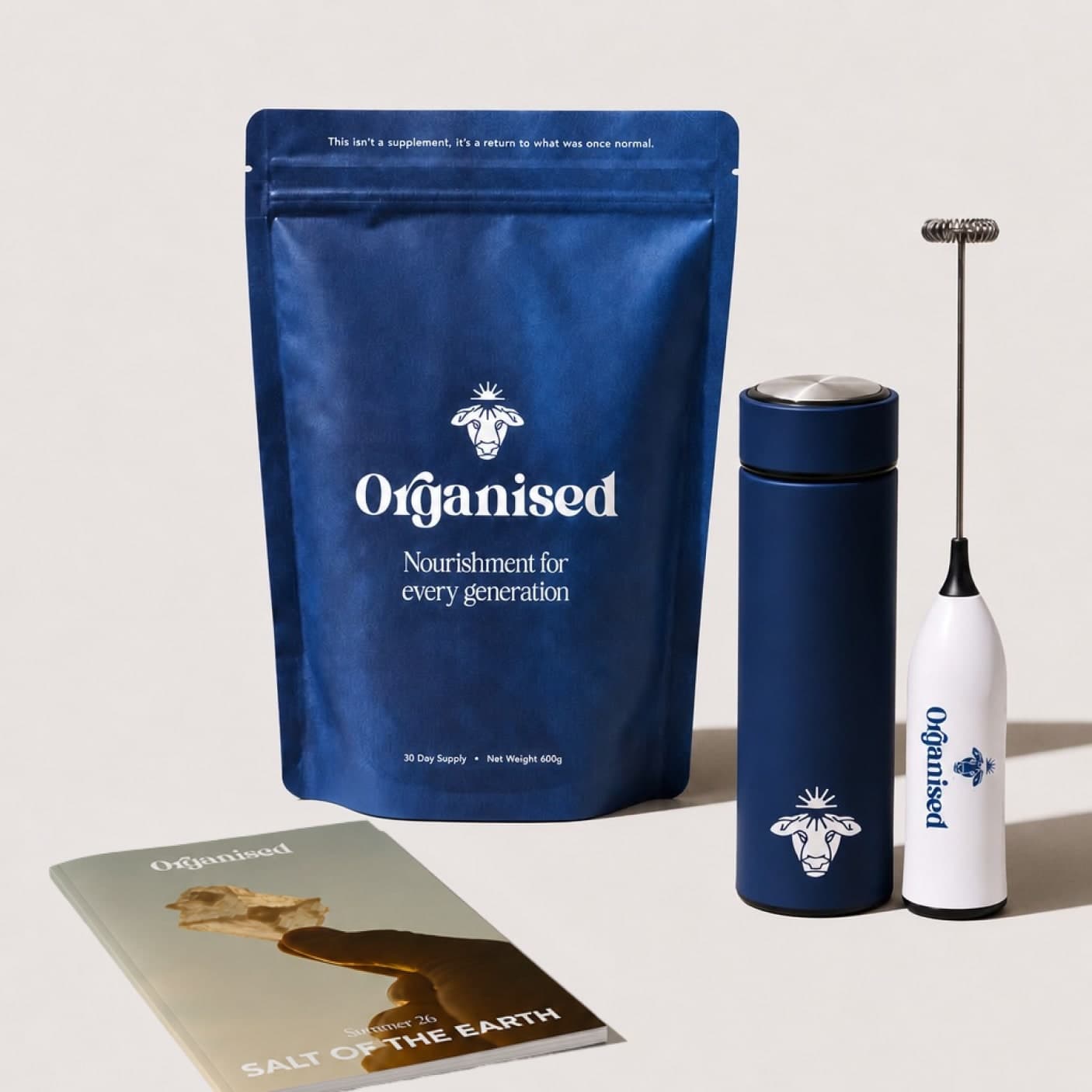
Daily blend
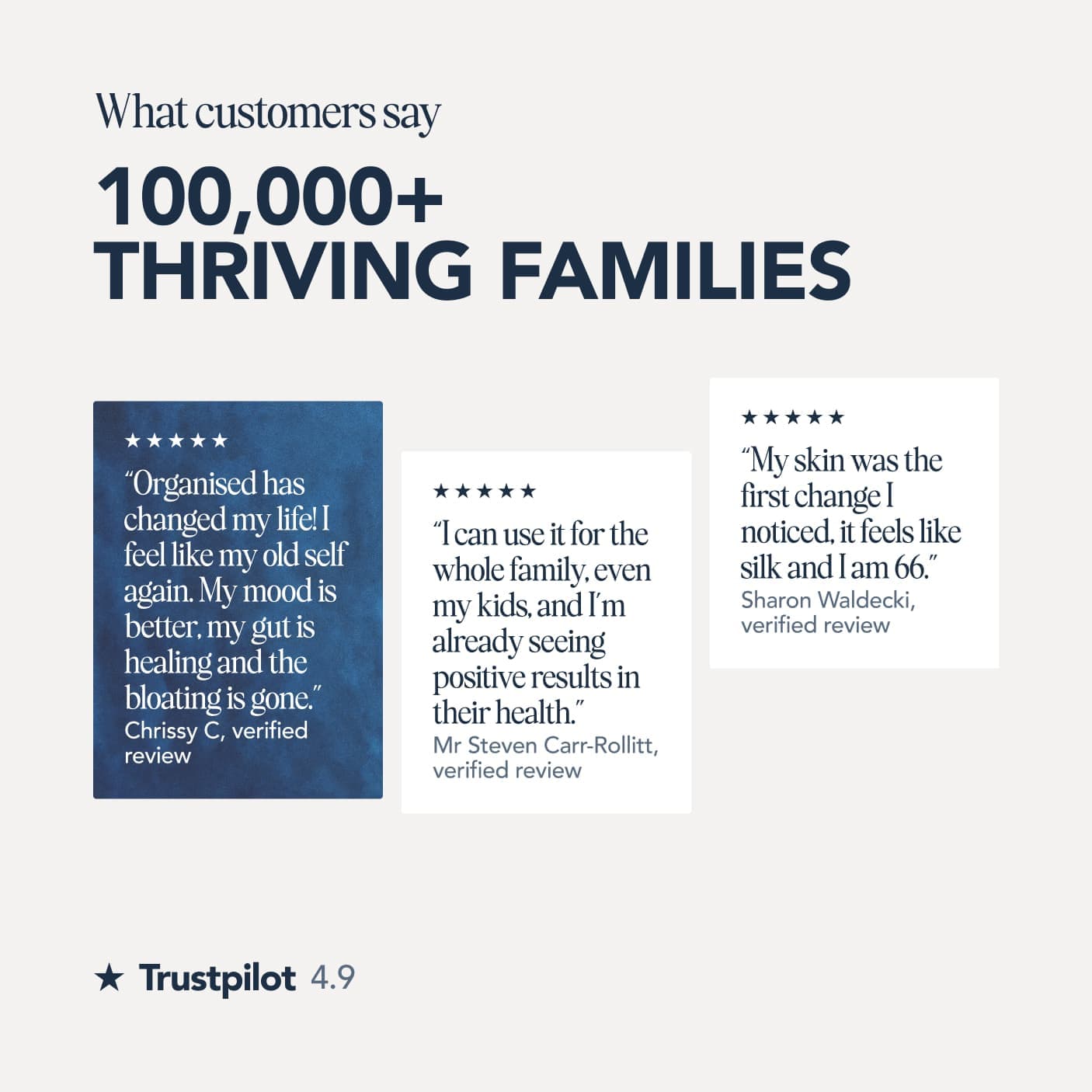
100,000+ thriving families4.9 on Trustpilot
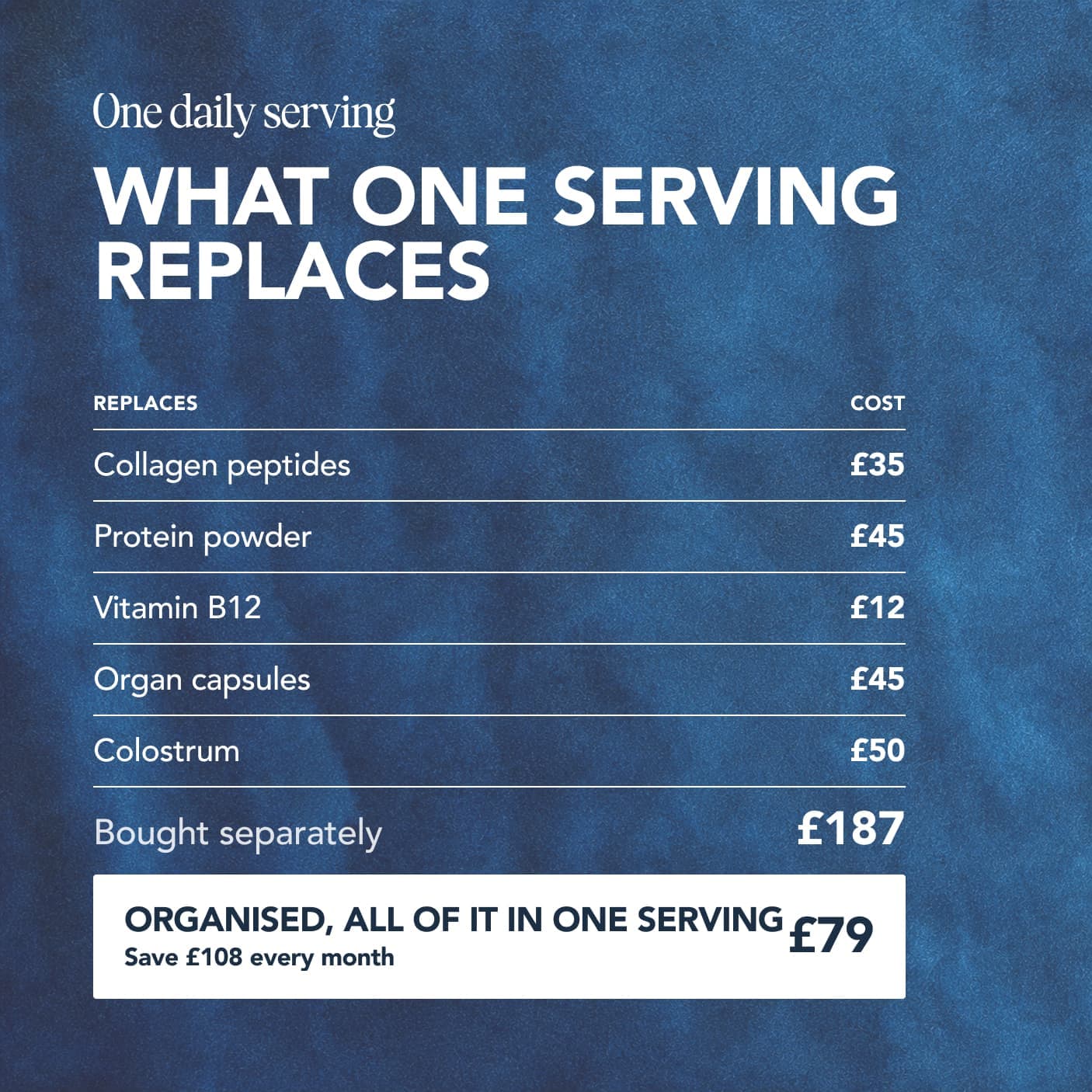
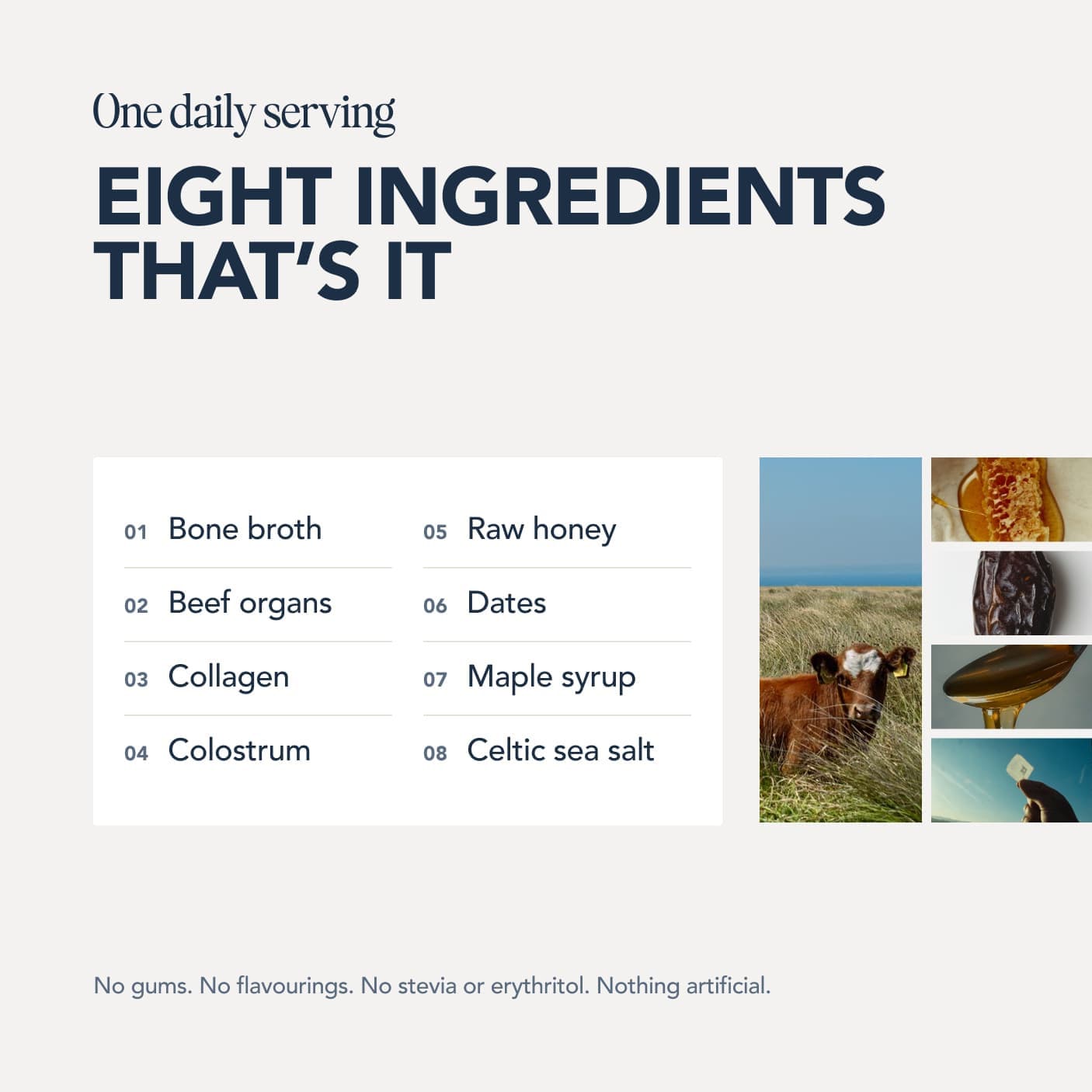
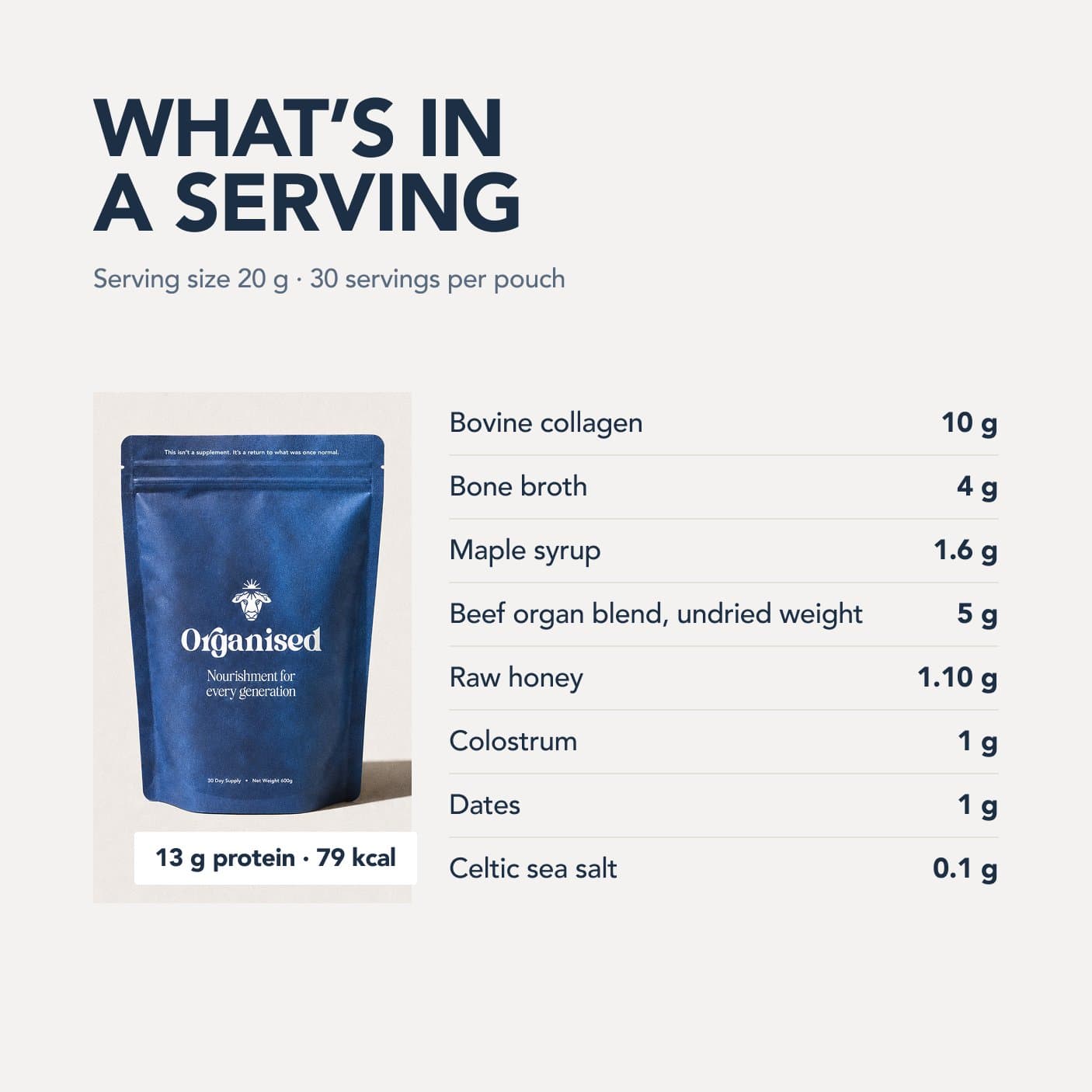
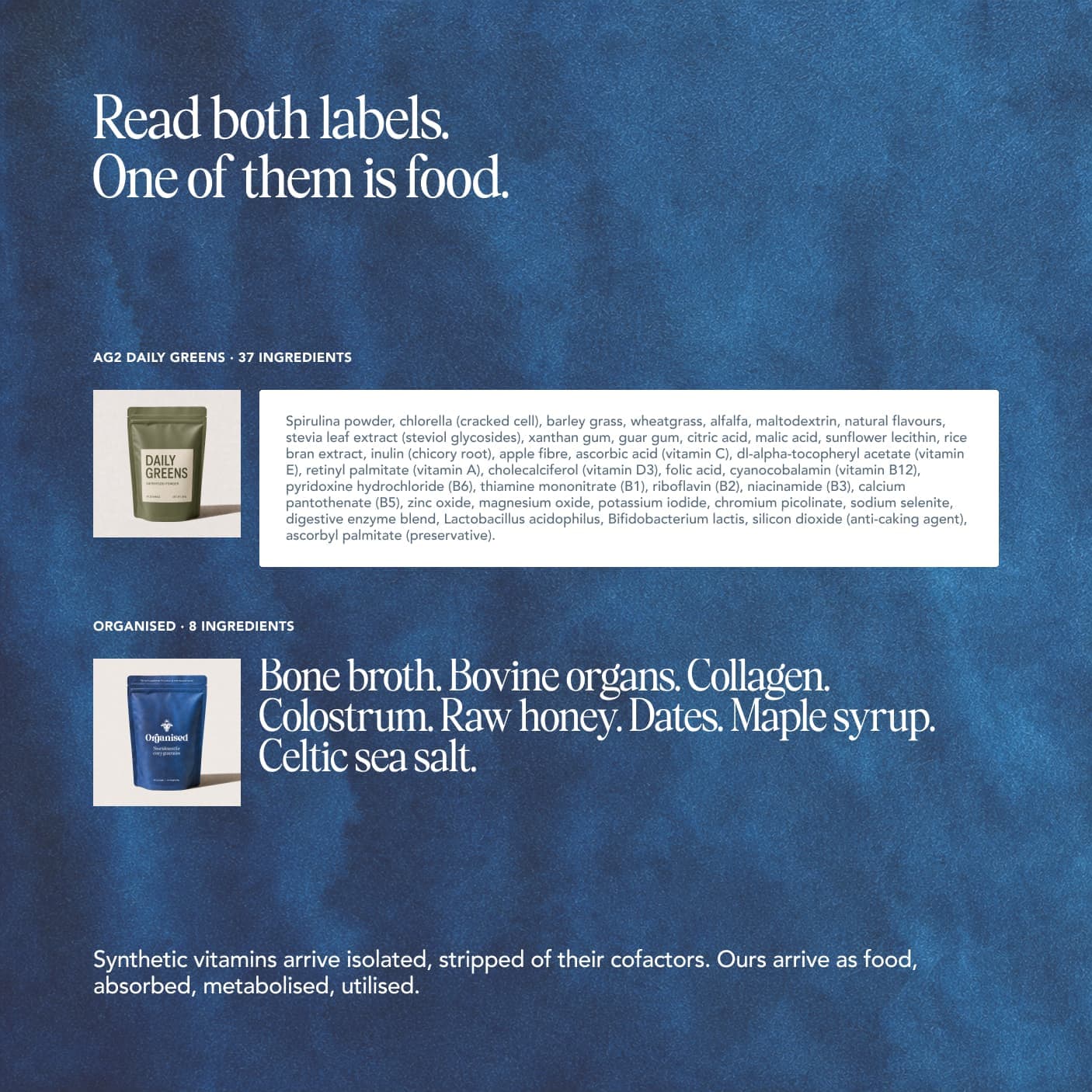
Eight real ingredients built around grass-fed beef organs, collagen and colostrum. Nothing synthetic added.
Free with your first order, worth £38. Plus £10 off the pouch with a subscription.
Free UK shipping · Made in England · 100 day money back guarantee on your first pouch · Skip, pause or cancel anytime
The bottom line
Your hormonal symptoms aren't your fault and they're not permanent. Your liver is just trying to do its job without the tools it needs. Feed your liver what it needs to process oestrogen. Liver, bone broth, eggs, cruciferous vegetables, minerals. Your hormones will stabilise themselves.
References
Every source below was checked on 27 August 2026. Each PubMed, PMC and DOI identifier was resolved against NCBI or Crossref, and what it opens is printed under the citation, so you can see the link goes where the citation says without leaving the page. Where a citation and its identifier disagreed, the citation was corrected to the record or the reference was deleted along with the sentence marker that pointed at it, and where the resolved paper turned out not to support the sentence, the sentence was cut back to what it does support. Borrowed authority is worse than none, because it looks like rigour.
- Tsuchiya Y et al. Cytochrome P450-mediated metabolism of estrogens and its regulation in human. Cancer Letters, 2005. PMID 16112414.Checked 27 August 2026: PMID 16112414 opens Tsuchiya Y, Nakajima M, Yokoi T, Cytochrome P450-mediated metabolism of estrogens and its regulation in human. Cancer Lett 2005;227(2):115-24. PubMed indexes it as: Review.
- Wang W, Wu Z et al. Glycine metabolism in animals and humans: implications for nutrition and health. Amino Acids, 2013. PMID 23615880.Checked 27 August 2026: PMID 23615880 opens Wang W, Wu Z, Dai Z et al, Glycine metabolism in animals and humans: implications for nutrition and health. Amino Acids 2013;45(3):463-77. PubMed indexes it as: Review.
- Kwa M et al. The Intestinal Microbiome and Estrogen Receptor-Positive Female Breast Cancer. JNCI, 2016. PMID 27107051.Checked 27 August 2026: PMID 27107051 opens Kwa M, Plottel CS, Blaser MJ et al, The Intestinal Microbiome and Estrogen Receptor-Positive Female Breast Cancer. J Natl Cancer Inst 2016;108(8). PubMed indexes it as: Review.
- Higdon JV et al. Cruciferous vegetables and human cancer risk: epidemiologic evidence and mechanistic basis. Pharmacological Research, 2007. PMID 17317210.Checked 27 August 2026: PMID 17317210 opens Higdon JV, Delage B, Williams DE et al, Cruciferous vegetables and human cancer risk: epidemiologic evidence and mechanistic basis. Pharmacol Res 2007;55(3):224-36. PubMed indexes it as: Review.
Corrections
What this page used to say, and why it no longer says it. Corrections are dated and are never removed, because deleting the record of an error is a second error. Every guide we have corrected is listed at our corrections log.
- 27 August 2026. “Cruciferous vegetables contain compounds that inhibit beta-glucuronidase” is not a mechanism the cited review describes; that one is normally attributed to calcium-D-glucarate. The page now reports what Higdon et al. do cover, that indole-3-carbinol and DIM alter urinary oestrogen metabolite profiles in women, and that what the shift means for health is not established.
Who wrote and reviewed this guide
Niall Kiddle
Author · Founder, Organised
Niall is the founder of Organised. He started the company in 2024 after fixing his own health the slow way: in 2022 he swapped a cupboard of synthetic supplements for real food, raw milk, organ meats, bone broth and honey, and felt the difference within months.
Areas of expertise: Ancestral nutrition, Organ meats, Whole-food supplementation, Gut health, Regenerative sourcing
Read Niall's full profile
Pedro Rodrigues
Reviewer · Agronomist (farming and sourcing only)
Pedro is the agronomist Organised works with on farming and sourcing. His job on the guides is to keep the science honest: he reviews what we publish about soil health, regenerative agriculture, grazing and the way food is actually produced.
Areas of expertise: Regenerative agriculture, Agronomy, Soil health, Grass-fed farming, Food sourcing
Reviewed this guide on
Read Pedro's full profileMore on hormones
View all- Hormonal Health Starts in the Kitchen: A Whole Food Guide
- Perimenopause Nutrition: What Changes and What to Eat
- Coming Off the Pill? How to Support Your Body's Transition
- Cortisol, Stress and Nutrition: Breaking the Cycle
- Eating for Each Phase of Your Menstrual Cycle
- How Blood Sugar Instability Wrecks Your Hormones
- How Seed Oils Disrupt Your Hormones
- Insulin Resistance: The Silent Metabolic Crisis
- Is Polyester Bad For Hormones? Your Guide To Hormone Safe Clothing
- PCOS and Nutrition: A Whole Food Approach
- Testosterone and Nutrition: What Men Need to Know
- Thyroid Health: The Nutrients Your Thyroid Needs to Function
Browse the guides library
All guidesKeep reading

Health goals
Hormonal Health Starts in the Kitchen: A Whole Food Guide
Your hormones are built from food. Learn the hormonal health nutrition basics that support oestrogen, progesterone, and thyroid, starting in your kitchen.

Health goals
Protein Timing: Does It Really Matter?
Does protein timing really matter? We unpack the anabolic window myth and what research says about timing protein for muscle, so you can train smarter.
Health goals
Leaky Gut: What It Is, What Causes It, and How to Fix It
What is leaky gut? Learn about zonulin, gluten, stress, and the foods causing intestinal permeability. Practical healing protocol included.
Real food, made effortless
Start my daily blendA few ways to use it
All recipes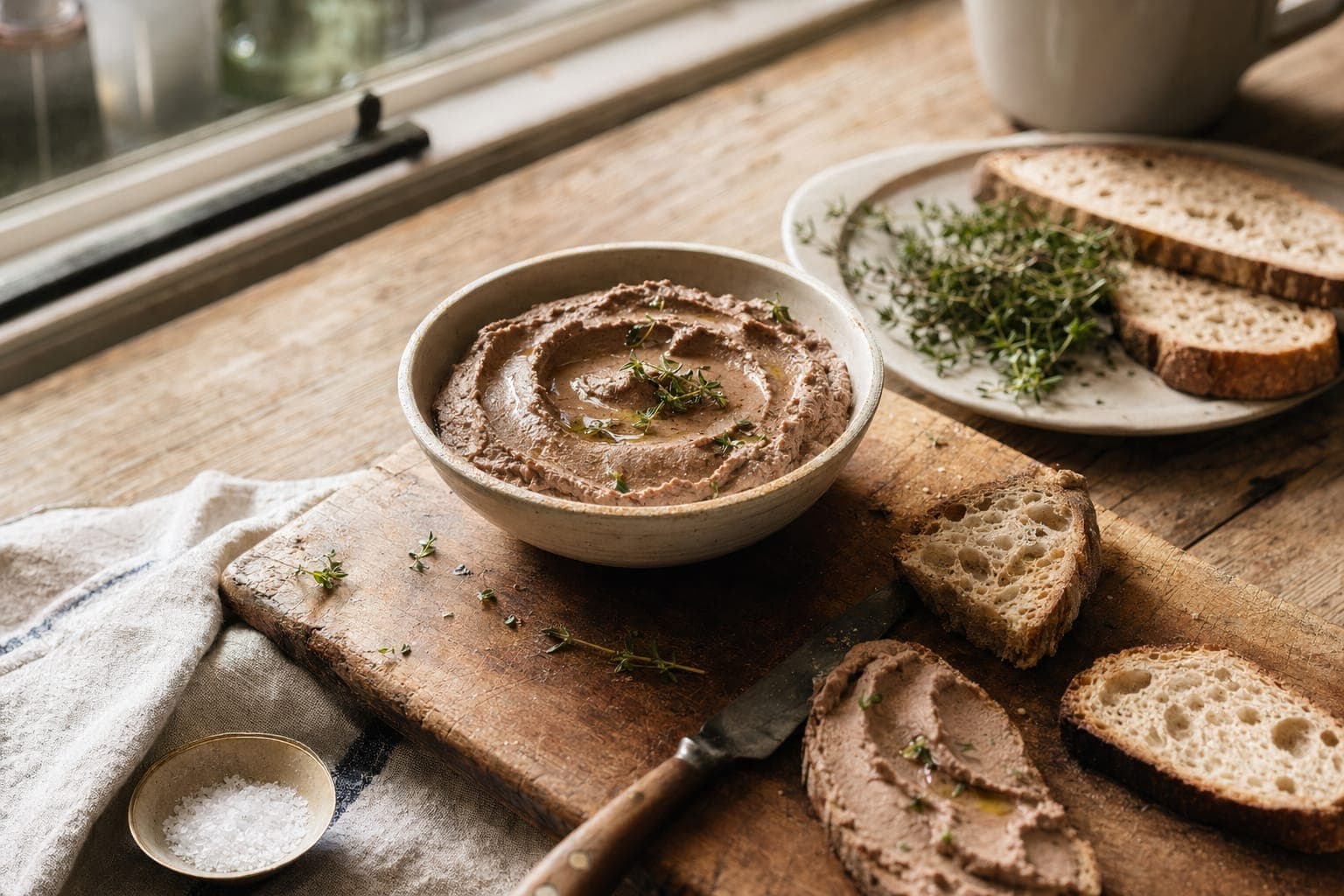
Liver Pate for Beginners: A Gentle Introduction to Organ Meats
Simple liver pate recipe to start eating organ meats. Chicken liver, butter, and herbs. Gentle introduction to nutrient-dense whole foods.
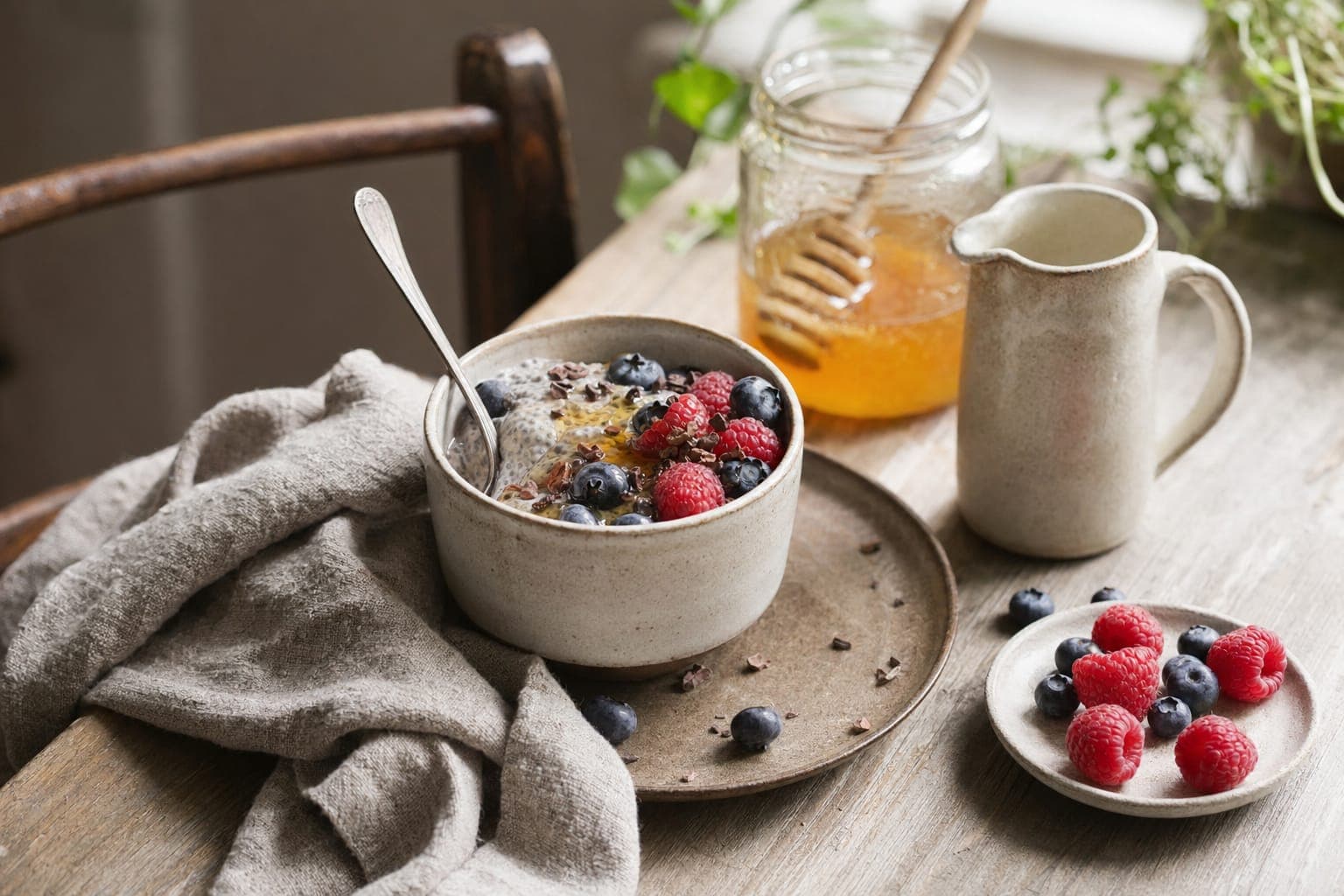
Organised Chia Pudding with Raw Honey and Berries
A no-cook chia seed pudding made with raw milk, collagen, berries, and raw honey. Prep it the night before and eat for breakfast.
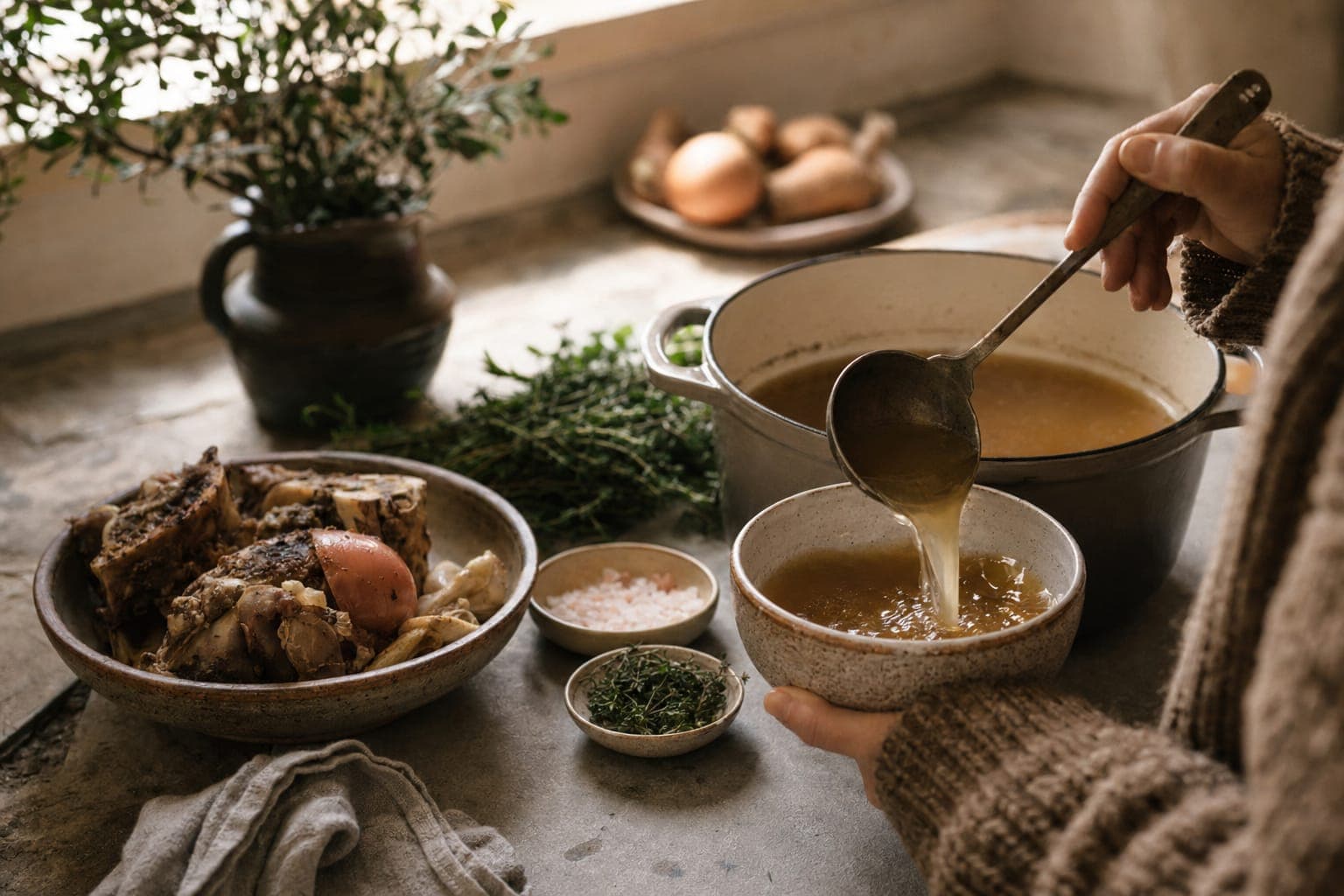
Bone Broth from Scratch: A Step-by-Step Guide
Step-by-step guide to making bone broth at home. Stovetop, slow cooker, and Instant Pot methods. Rich in collagen and gut-healing minerals.


 Join over 100,000+ members
Build a better food system with us
The Organised community is thousands of people choosing real food and backing the farmers who grow it, all of us trying to leave the world a little better than we found it. If that is what you care about too, you belong here.