Leaky Gut: What It Is, What Causes It, and How to Fix It
You've probably heard the term 'leaky gut' and assumed it was marketing hype. It's not. Intestinal permeability is a real measurable condition with a clear biochemical mechanism. When your gut is permeable, molecules that should stay in your digestive tract cross into your bloodstream. Your immune system treats them as invaders. The inflammation that follows can appear anywhere in your body.
By Niall Kiddle, Founder, Organised

Reviewed by Pedro Rodrigues, Agronomist (farming and sourcing only) ·
8 min read · Published · Updated · 5 cited sources
Makers of the Organised Daily blend, a grass-fed beef organ supplement from regenerative UK farms

What leaky gut actually is
Your gut lining is only one cell thick in most places. That single layer of cells acts as a barrier. Nutrients get through. Pathogens don't. That's the theory. The reality is more nuanced.
Between each intestinal cell are proteins that form tight junctions. Think of them as interlocking seals. They're selective. Water-soluble nutrients pass through easily. Large molecules, bacteria, and partially digested food do not. When these junctions stay sealed, your gut does its job: absorbing what you need and blocking what you don't.
When these junctions loosen, the barrier becomes porous. Undigested food particles, bacterial lipopolysaccharides (LPS), and other molecules slip through into the lamina propria (the layer beneath the epithelium). Your immune system detects them. Your white blood cells respond. Inflammation results.
Leaky gut isn't a disease. It's a symptom of something damaging your intestinal barrier. Find the cause and you can fix it.
The zonulin mechanism
Zonulin is the key protein that controls how tight (or loose) your tight junctions are.1 It's a reversible process. Zonulin is released, junctions open slightly to allow nutrient absorption. Then zonulin is reabsorbed, junctions tighten. This happens continuously throughout the day, and it's normal and healthy.
The problem arises when zonulin remains chronically elevated. This keeps tight junctions perpetually loose. The barrier becomes permeable. Research has identified several triggers that cause sustained zonulin release.
Gluten. In people with coeliac disease or non-coeliac gluten sensitivity, the protein gliadin (a component of gluten) binds to zonulin receptors and triggers release.2 This is dose-dependent and consistent. Remove gluten, zonulin normalises, and tight junctions reseal within days to weeks for sensitive individuals.
Lipopolysaccharides (LPS) from gram-negative bacteria. When your microbiome is dysbiotic (overgrown with inflammatory species), these bacteria release LPS into your gut. LPS also triggers zonulin release.1 This creates a feedback loop: dysbiosis triggers zonulin, zonulin increases permeability, permeability worsens dysbiosis.
Certain lectins. Lectins are carbohydrate-binding proteins found in some plants, particularly raw legumes and some grains. They can trigger zonulin release. Cooking usually inactivates them, which is why traditionally prepared beans and grains are less problematic than raw or improperly cooked versions.
Artificial sweeteners. Some evidence suggests that certain non-nutritive sweeteners (particularly sucralose and aspartame) trigger zonulin release in some people, though the research is still evolving.
NSAIDs. If you've been taking ibuprofen, naproxen, or aspirin regularly, you're directly damaging the intestinal lining and mucus layer that protects it. NSAIDs impair the production of protective prostaglandins and can increase zonulin.3 Chronic use significantly increases permeability risk.

The primary drivers of permeability
Gluten and dysbiosis account for most cases of elevated zonulin. But other factors compound the problem.
Seed oils. Oils extracted from seeds (soya, canola, sunflower, safflower) are high in linoleic acid and oxidised products. They promote inflammation in the gut and elsewhere. Chronic consumption of seed oils increases intestinal permeability independent of zonulin. Eliminate them completely during healing.
Ultra-processed foods. Emulsifiers, thickeners, artificial flavours, and preservatives all alter your microbiome composition in ways that favour inflammatory species. Your gut barrier weakens over time. The ingredients list matters more than the marketing label.
Alcohol. Ethanol damages the intestinal epithelium directly and alters the microbiome. Even moderate consumption can increase permeability if your gut is already compromised. During active healing, avoid it.
Sugar and refined carbohydrates. These feed pathogenic microbes preferentially. Your dysbiosis worsens. LPS production increases. Permeability increases. It's a cascading effect.
Most people with leaky gut have it because of food choices, not genetics. Change the food, and the gut seals.
Why stress matters more than you think
Chronic stress elevates cortisol. Elevated cortisol suppresses IgA (secretory immunoglobulin A), the antibody that protects your gut lining from pathogens. It also suppresses tight junction proteins directly.5 When cortisol is chronically high, your gut becomes more permeable even if you're eating perfectly.
This is why two people can eat the same food and one gets symptoms while the other doesn't. The stressed person's gut is more permeable. Their immune system is primed. The inflammatory response is larger.
Stress also impairs stomach acid production and digestive enzyme secretion. Food isn't broken down as thoroughly. Larger particles reach the small intestine. They trigger immune reactions. More inflammation. More permeability.
The mechanism is real. Your stress state directly affects your gut barrier integrity.

How to test and know for sure
If you suspect leaky gut, you have options. The most practical is an elimination-reintroduction protocol. Remove gluten, seed oils, and ultra-processed foods for 6-8 weeks. Track your symptoms closely. If you improve significantly, you've likely addressed the primary permeability drivers.
If you want objective measurement, functional medicine labs offer serum zonulin tests and tests for intestinal permeability (using sugars like mannitol and lactulose, measuring their appearance in urine).4 These are more sensitive than standard gastroenterology testing and can confirm increased permeability. The lactulose-mannitol ratio is particularly informative. A high ratio confirms increased permeability at the tight junction level, whereas a high mannitol level alone suggests damage to the intestinal lining itself.
Most people don't need a test to know something's wrong. If you have chronic bloating, brain fog, joint pain, skin problems, or food sensitivities that emerged over time, your gut is likely permeable. The constellation of symptoms is usually telling enough. Address the causes and observe the response.
Common symptoms that suggest leaky gut include unexplained joint pain, autoimmune flare-ups after eating, histamine sensitivity (reactions to fermented foods), and the feeling that you're reacting to foods that shouldn't bother you. You might also notice that your sensitivities wax and wane depending on stress levels, which is a clue that permeability is driving the problem rather than true food allergy.

Get health guides like this, free
Two short reads a week on eating for energy, gut health, skin, sleep and more.
By signing up you agree to receive emails from us. No spam, unsubscribe anytime.
The practical fix
Healing leaky gut means addressing zonulin triggers and giving your intestinal lining time to reseal. Here's the protocol.
Remove zonulin triggers. Cut gluten completely (at least 90 days initially). Eliminate seed oils. Stop NSAIDs unless medically essential. Reduce alcohol. Choose whole foods over processed.
Restore your microbiome. Add fermented foods (sauerkraut, kimchi, aged cheeses, kefir). These introduce beneficial bacteria and short-chain fatty acids that feed the intestinal lining. Also include prebiotic-rich foods like underripe banana, onion, and garlic, which feed beneficial bacteria you already have.
Provide repair nutrients. Consume bone broth daily (1-2 cups). Include organ meats 2-3 times weekly. Ensure adequate zinc (oysters, grass-fed beef), vitamin A (liver), and vitamin D (sunlight, egg yolks, fatty fish). These nutrients are required for tight junction protein synthesis and epithelial cell turnover.
Manage cortisol. Tight junctions reseal faster when you're not in chronic stress. Prioritise sleep (7-9 hours nightly). Take walks outdoors. Reduce screen time after sunset. Do activities you find genuinely calming. Your nervous system state directly impacts your gut barrier.
Follow this protocol consistently for 8-12 weeks. Most people see significant improvement in symptoms by week 6. Full epithelial regeneration (your gut lining completely replaces itself) takes 3-6 months depending on severity.
Your leaky gut didn't happen overnight. It won't heal overnight either. But it will heal if you remove the cause and provide the inputs.
Common mistakes in healing leaky gut
Most people fail at healing leaky gut not because the protocol is flawed, but because they don't follow it thoroughly or long enough. The commonest mistakes: trying to reintroduce gluten too early (before 12 weeks minimum); assuming bone broth supplementation alone will fix it (you need the whole protocol); expecting results in 2-3 weeks (epithelial turnover takes 3-6 months); and continuing to eat seed oils while removing gluten (both matter).
Another frequent mistake is treating leaky gut without addressing dysbiosis. You can reseal the barrier, but if pathogenic bacteria are still dominant, they'll keep damaging the lining. Fermented foods and whole foods are critical for rebalancing your microbiome. Probiotics can help, but they're not a substitute for removing the foods that fed the dysbiosis in the first place.
Stress management is also routinely underestimated. You can eat perfectly but if cortisol is chronically elevated, your tight junctions won't seal. This is why some people see rapid improvement once they change jobs or end a stressful relationship. The food matters, but the nervous system state matters equally.


1 of 9
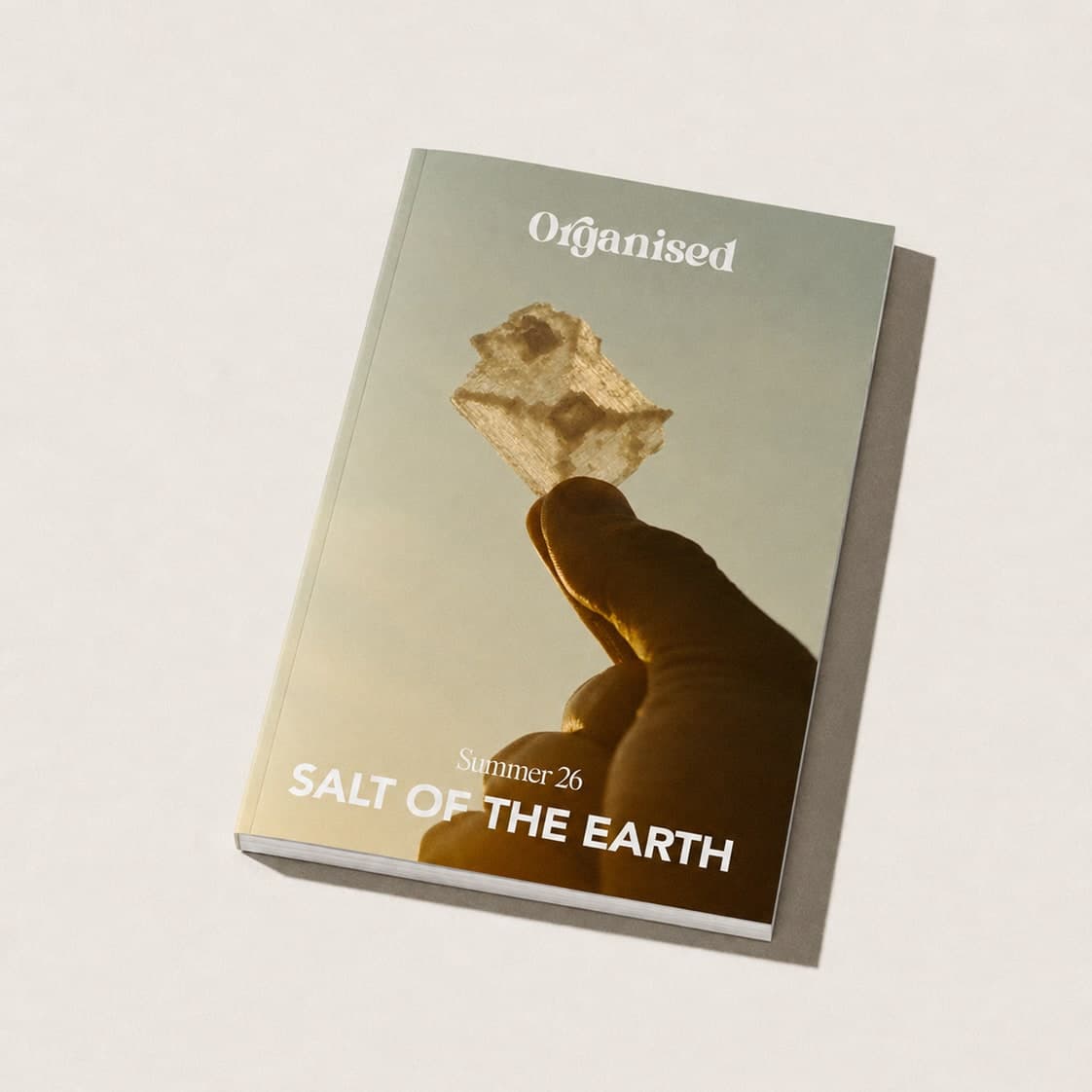
Daily blend
100,000+ thriving families4.9 on Trustpilot
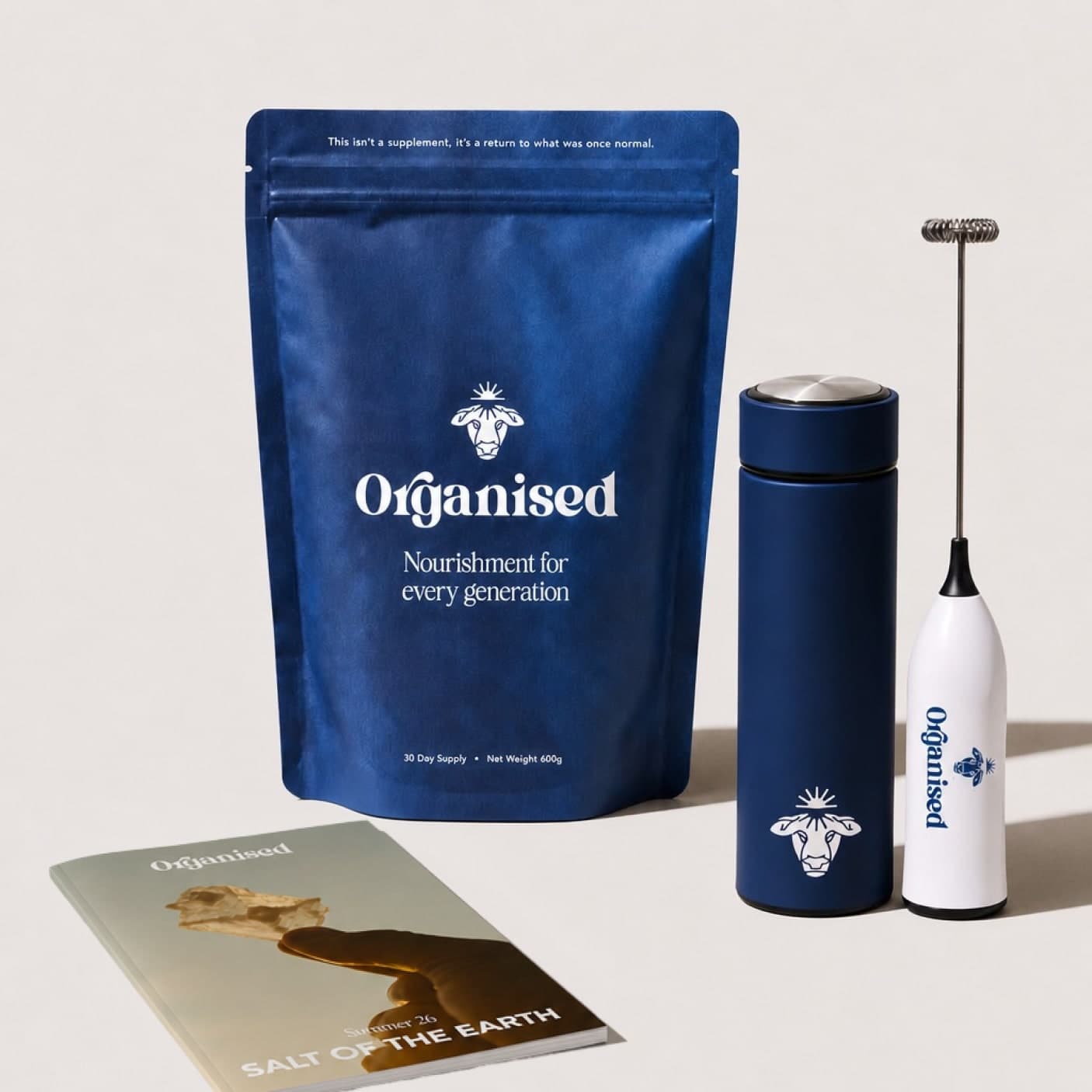
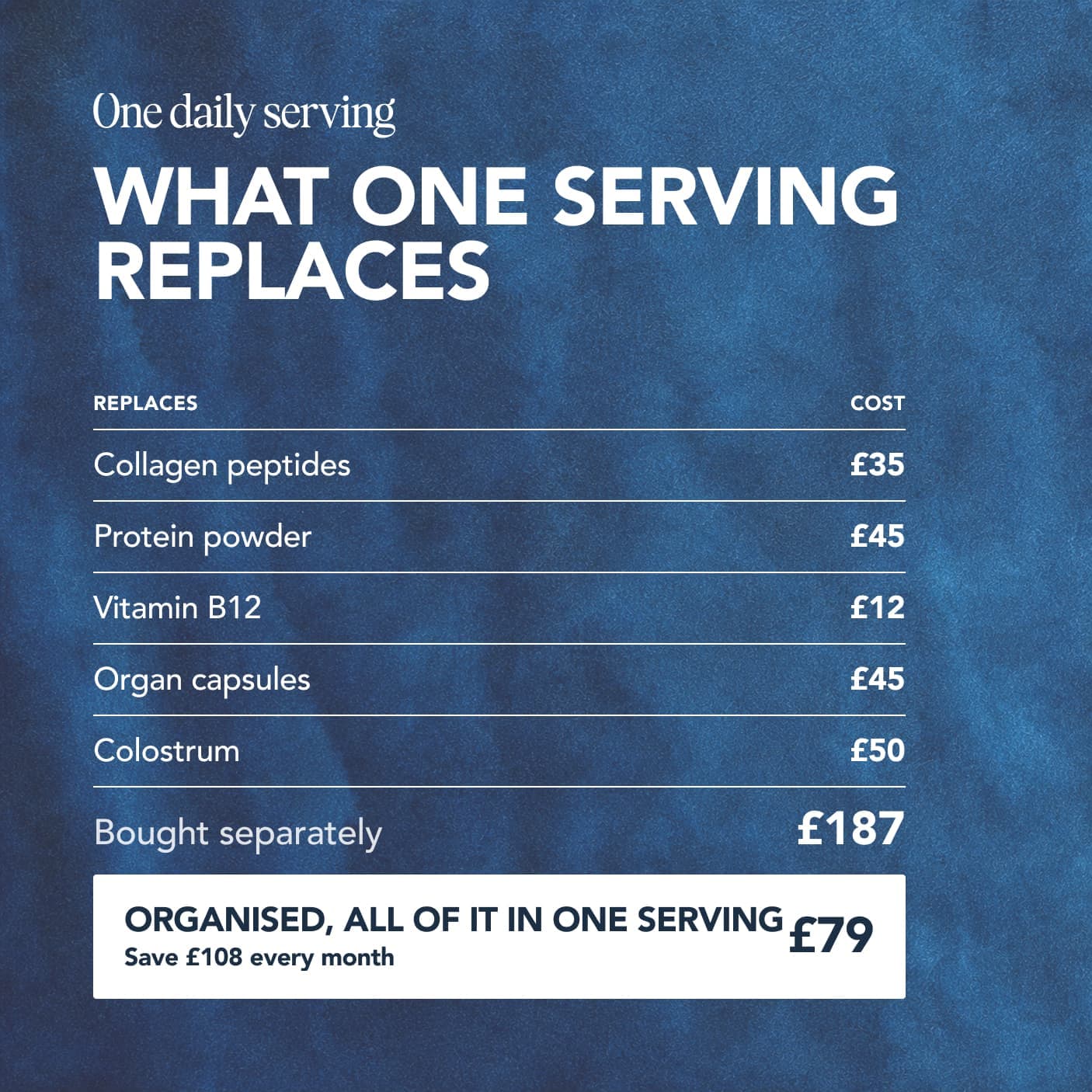
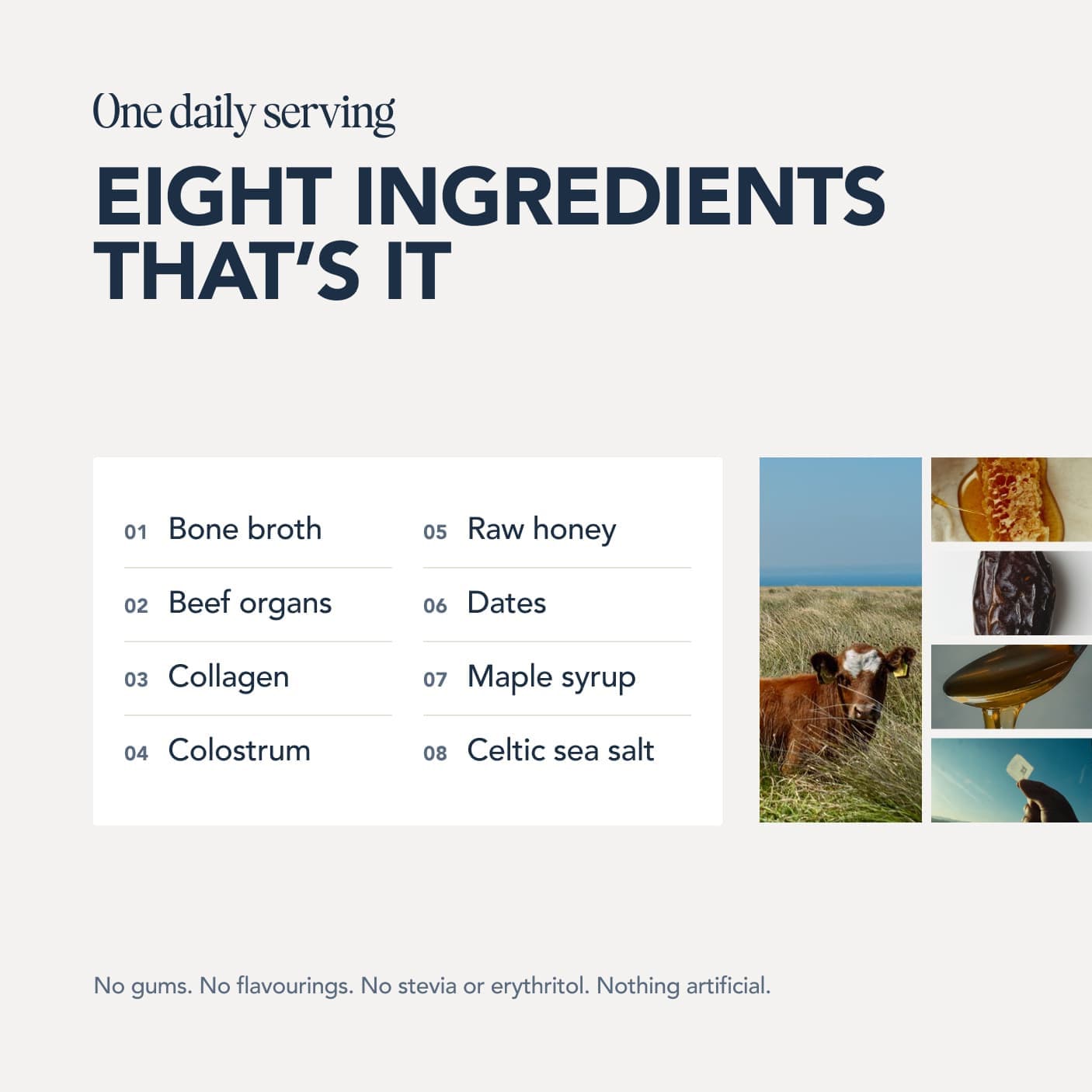
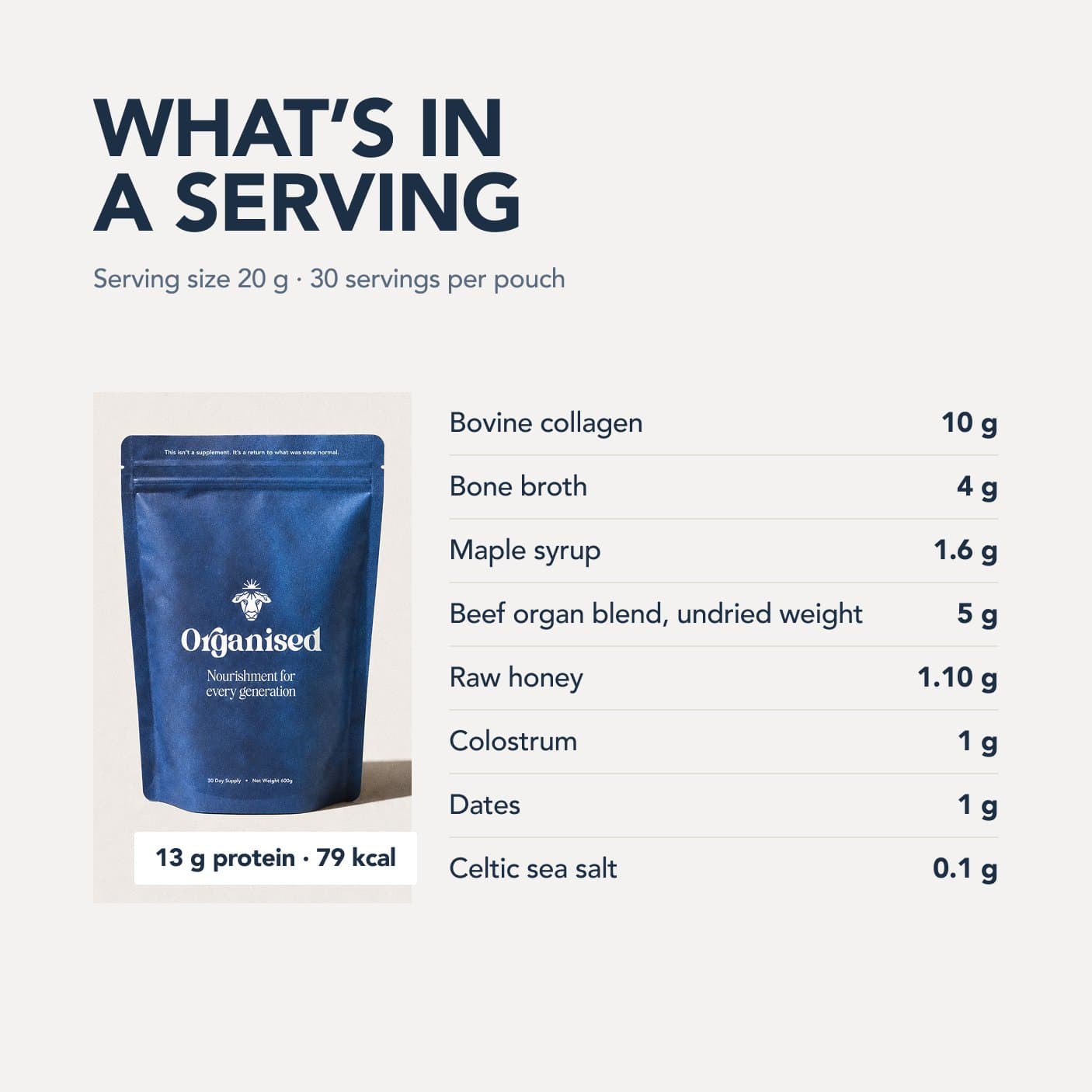
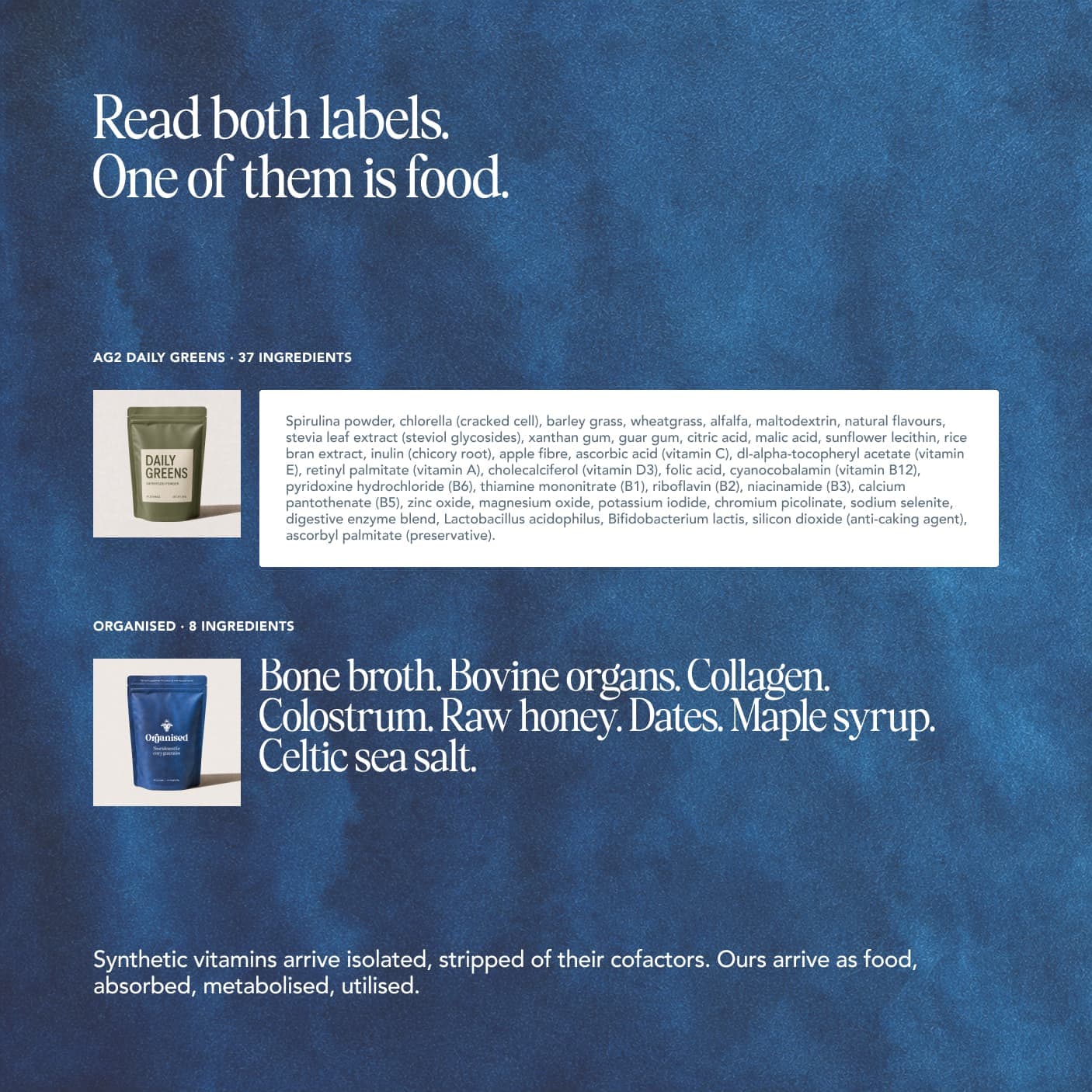
Eight real ingredients built around grass-fed beef organs, collagen and colostrum. Nothing synthetic added.
Free with your first order, worth £38. Plus £10 off the pouch with a subscription.
Free UK shipping · Made in England · 100 day money back guarantee on your first pouch · Skip, pause or cancel anytime
The recovery timeline you should expect
Most people feel dramatic changes within the first two weeks of removing gluten and seed oils. Bloating decreases. Brain fog lifts. Your energy stabilises. But symptom improvement doesn't mean full healing. Your intestinal epithelium is still rebuilding.
Weeks three through eight see the bulk of cellular repair. Stool consistency normalises. Food sensitivities that developed over months begin resolving. Your digestion becomes honest again, meaning you can eat and not spend the next four hours uncomfortably full or bloated. Many people sleep better during this window too, as their nervous system stands down from constant inflammation vigilance.
By month four, the new baseline is established. You've likely regained tolerance to foods that bothered you before. Your immune system has reset. You feel markedly different from when you started. This is what normal gut function feels like. You were sick so gradually that you forgot what healthy felt like. Now you remember.
Not everyone follows the same timeline. If you have concurrent dysbiosis, multiple food sensitivities, or unmanaged chronic stress, healing can take six months or longer. The protocol remains the same; just the timeline extends. The important point is to give your body adequate time and proper inputs, then observe rather than constantly troubleshoot.
Your gut didn't break in a month. Don't expect it to fully heal in a month either. The rewards for consistency are worth the patience.
The bottom line
Leaky gut is a measurable increase in intestinal permeability caused primarily by zonulin elevation or direct epithelial damage. Gluten sensitivity, dysbiosis, seed oils, NSAIDs, and chronic stress are the main culprits. The fix is straightforward: remove the triggers, restore beneficial bacteria, provide nutrient support, and manage your stress load.
Your gut lining is composed of cells. Cells respond to inputs. Feed them properly and they seal. The barrier tightens. Zonulin normalises. Inflammation decreases. Symptoms resolve. For a deeper look at the complete healing protocol and food sources for each repair nutrient, see our comprehensive gut healing guide.
References
Every source below was checked on 27 August 2026. Each PubMed, PMC and DOI identifier was resolved against NCBI or Crossref, and what it opens is printed under the citation, so you can see the link goes where the citation says without leaving the page. Where a citation and its identifier disagreed, the citation was corrected to the record or the reference was deleted along with the sentence marker that pointed at it, and where the resolved paper turned out not to support the sentence, the sentence was cut back to what it does support. Borrowed authority is worse than none, because it looks like rigour.
- Fasano A. All disease begins in the (leaky) gut: role of zonulin-mediated gut permeability in the pathogenesis of some chronic inflammatory diseases. F1000Res. 2020;9:F1000 Faculty Rev-69.Checked 27 August 2026: PMC6996528 opens Fasano A, All disease begins in the (leaky) gut: role of zonulin-mediated gut permeability in the pathogenesis of some chronic inflammatory diseases. F1000Res 2020;9. PubMed indexes it as: Review.The authors' own declaration, from the record: Competing interests: The author is co-founder and stock holder of Alba Therapeutics, a company developing treatments complementary to the gluten-free diet by exploiting gut permeability.No competing interests were disclosed.No competing interests were disclosed.No competing interests were disclosed.
- Drago S et al. Gliadin, zonulin and gut permeability: effects on celiac and non-celiac intestinal mucosa and intestinal cell lines. Scand J Gastroenterol. 2006;41(4):408-19. PMID: 16635908.Checked 27 August 2026: PMID 16635908 opens Drago S, El Asmar R, Di Pierro M et al, Gliadin, zonulin and gut permeability: Effects on celiac and non-celiac intestinal mucosa and intestinal cell lines. Scand J Gastroenterol 2006;41(4):408-19.
- Bjarnason I et al. Mechanisms of damage to the gastrointestinal tract from nonsteroidal anti-inflammatory drugs. Gastroenterology. 2018;154(3):500-514. PMID: 29221664.Checked 27 August 2026: PMID 29221664 opens Bjarnason I, Scarpignato C, Holmgren E et al, Mechanisms of Damage to the Gastrointestinal Tract From Nonsteroidal Anti-Inflammatory Drugs. Gastroenterology 2018;154(3):500-514. PubMed indexes it as: Review.
- Fasano A. Intestinal permeability and its regulation by zonulin: diagnostic and therapeutic implications. Clin Gastroenterol Hepatol. 2012;10(10):1096-100.Checked 27 August 2026: PMC3458511 opens Fasano A, Intestinal permeability and its regulation by zonulin: diagnostic and therapeutic implications. Clin Gastroenterol Hepatol 2012;10(10):1096-100. PubMed indexes it as: Review.The authors' own declaration, from the record: Conflicts of interest: The author is a share-holder of Alba Therapeutics
- Vanuytsel T et al. Psychological stress and corticotropin-releasing hormone increase intestinal permeability in humans by a mast cell-dependent mechanism. Gut. 2014;63(8):1293-9. PMID: 24153250.Checked 27 August 2026: PMID 24153250 opens Vanuytsel T, van Wanrooy S, Vanheel H et al, Psychological stress and corticotropin-releasing hormone increase intestinal permeability in humans by a mast cell-dependent mechanism. Gut 2014;63(8):1293-9.
Who wrote and reviewed this guide
Niall Kiddle
Author · Founder, Organised
Niall is the founder of Organised. He started the company in 2024 after fixing his own health the slow way: in 2022 he swapped a cupboard of synthetic supplements for real food, raw milk, organ meats, bone broth and honey, and felt the difference within months.
Areas of expertise: Ancestral nutrition, Organ meats, Whole-food supplementation, Gut health, Regenerative sourcing
Read Niall's full profile
Pedro Rodrigues
Reviewer · Agronomist (farming and sourcing only)
Pedro is the agronomist Organised works with on farming and sourcing. His job on the guides is to keep the science honest: he reviews what we publish about soil health, regenerative agriculture, grazing and the way food is actually produced.
Areas of expertise: Regenerative agriculture, Agronomy, Soil health, Grass-fed farming, Food sourcing
Reviewed this guide on
Read Pedro's full profileMore on gut health
View all- The Complete Guide to Healing Your Gut with Whole Foods
- Why Your Gut Health Affects Everything (Not Just Digestion)
- 5 Foods You Think Are Healthy (But Are Secretly Ruining Your Gut)
- Acid Reflux and Low Stomach Acid: A Nutritional Perspective
- Bloating After Eating: Common Causes and Whole Food Solutions
- Bone Broth for Gut Health: What the Science Says
- Candida Overgrowth: What It Is and How Nutrition Can Help
- Histamine Intolerance: Could Your Gut Be the Cause?
- How Colostrum and Collagen Work Together to Repair the Gut Lining
- How Stress Destroys Your Gut (And What to Do About It)
- How to Recognise the Early Signs of Poor Gut Health
- How to Reset Your Gut After Antibiotics
Browse the guides library
All guidesKeep reading
Health goals
The Complete Guide to Healing Your Gut with Whole Foods
Learn how to heal your gut lining with whole foods. Covers the five Rs protocol, nutrients, and specific foods that repair intestinal permeability.
Health goals
Egg Quality and Nutrition: What the Research Suggests
Pastured eggs contain 3x more omega-3s and higher carotenoids. Research on egg quality, choline content, and why your egg source matters.
Health goals
How to Reset Your Gut After Antibiotics
Rebuild your microbiome after antibiotics with fermented foods, bone broth, glutamine, and prebiotics. Evidence-based recovery timeline.
Real food, made effortless
Start my daily blendA few ways to use it
All recipes
Gut-Healing Marshmallows with Collagen and Raw Honey
Learn to make gut-healing marshmallows with collagen and raw honey. A shareable treat that sneaks nutrition into every bite. Easy recipe with video tips.
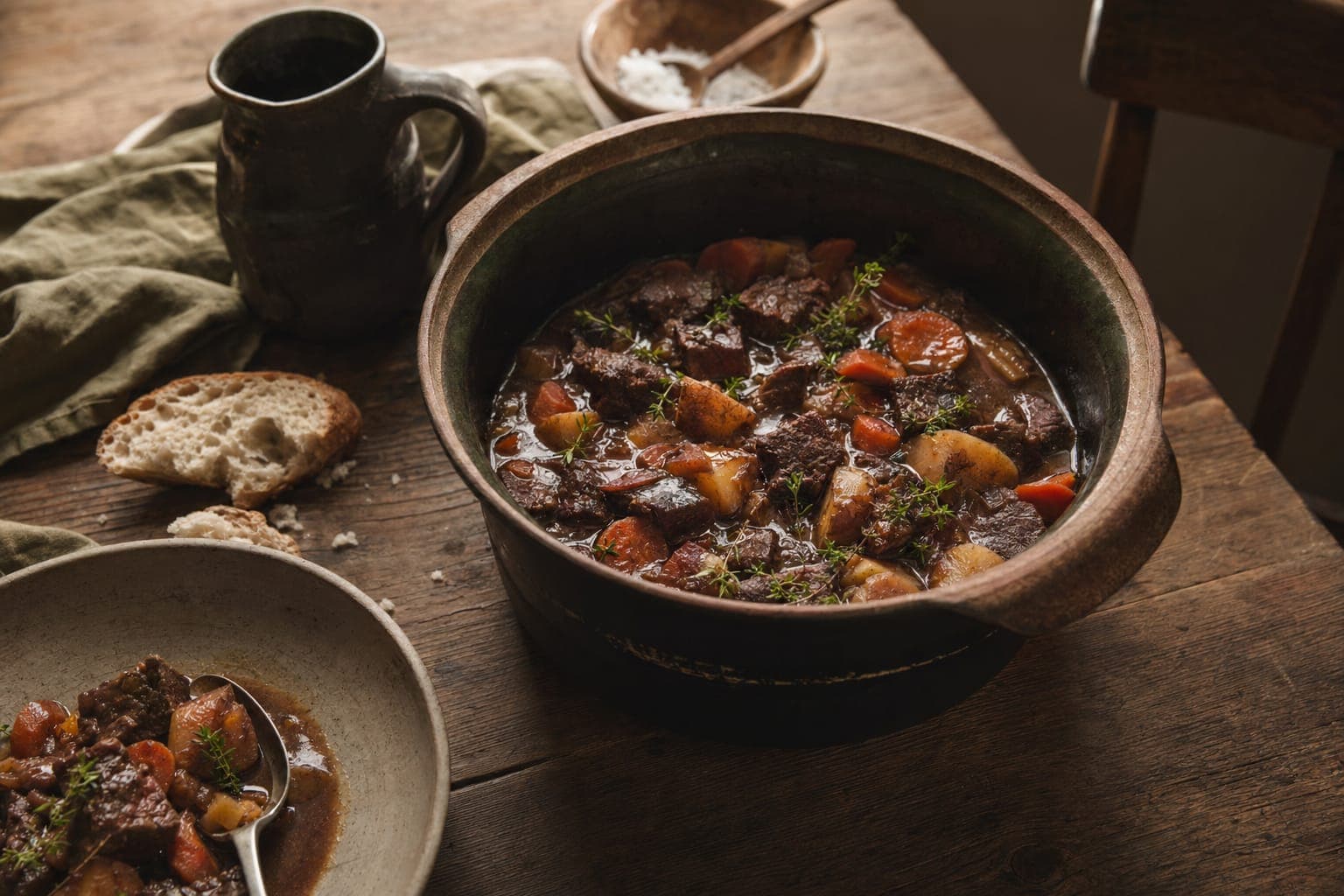
Collagen-Rich Beef Stew: Slow-Cooked Nourishment
Beef stew that delivers collagen from connective tissue and bone broth. Winter comfort food that actually nourishes. Simple slow cooker recipe.

Ancestral Breakfast Ideas from Around the World
Traditional breakfast recipes from cultures that got nutrition right. Japanese, Turkish, Scottish, and more. Whole-food breakfast inspiration.


 Join over 100,000+ members
Build a better food system with us
The Organised community is thousands of people choosing real food and backing the farmers who grow it, all of us trying to leave the world a little better than we found it. If that is what you care about too, you belong here.