How Long Should You Prepare Your Body Before Trying to Conceive?
Conception is a sprint you should run as a marathon. The body needs time to prepare, and that preparation happens at the cellular level long before conception occurs.
By Niall Kiddle, Founder, Organised

Reviewed by Pedro Rodrigues, Agronomist (farming and sourcing only) ·
6 min read · Published · Updated · 6 cited sources
Makers of the Organised Daily blend, a grass-fed beef organ supplement from regenerative UK farms

Most people think about preconception health about two weeks before trying. By then, it's too late. The sperm are already committed to their trajectory. The egg is already in its final maturation phase. If the body is deficient in key nutrients, you're starting with a cellular disadvantage that no amount of last-minute optimisation can fix.
The 90-day sperm cycle
Sperm take approximately 90 days to develop from start to finish. This is called spermatogenesis1, and it's relentless. The body is constantly generating new sperm, and the quality of those sperm depends entirely on the nutritional and lifestyle environment they develop in.
If a man has been eating seed oils, skipping minerals, under-sleeping, and chronically stressed for six months, those poor conditions are embedded in the sperm that will be present at conception. Three months of good nutrition doesn't erase three months of poor choices, but it does create the foundation for the next generation of higher-quality sperm.
You cannot fix sperm quality overnight. The 90-day window is your only real opportunity to improve it before conception.
Zinc deficiency is endemic in modern diets, and zinc is absolutely essential for male fertility. Deficiency reduces sperm count, motility, and morphology. It also lowers testosterone, which further impacts fertility.2 A man who has been zinc-deficient for years won't recover full sperm quality in four weeks. But three months of consistent zinc repletion (from oysters, liver, red meat, pumpkin seeds) will measurably improve sperm parameters.
Eggs need at least three months
Women are born with all the eggs they'll ever have. Those eggs don't regenerate. But what does change is the quality of the environment surrounding the egg as it matures through the final phases before ovulation.
The final maturation of the egg (meiosis) happens in the three months immediately before ovulation.3 During this window, the egg is sensitive to nutritional status, oxidative stress, and hormone balance. An egg that matures in a well-nourished, calm, mineral-replete body will be structurally sounder and more likely to divide correctly after fertilisation.
An egg that matures in a depleted, inflamed, stressed body carries a higher risk of chromosomal abnormality, miscarriage, and developmental issues.
Why six months is even better
Three months is the biological minimum to see meaningful change. Six months allows the body to fully restore depleted nutrient stores, to stabilise hormones, to heal a compromised gut, and to establish new habits so completely that they're automatic by conception.
If a woman has been on a long-term restrictive diet, she needs time to rebuild fat stores, to restore oestrogen production (which lives in body fat), and to recover from the metabolic damage of undereating. Three months might get her back to baseline. Six months allows true optimisation.
If someone has been dealing with food sensitivities or gut inflammation, three months of healing might bring relief, but six months allows the gut barrier to fully rebuild and the microbiome to rebalance.
Think of preconception preparation not as a deadline, but as an investment in the robustness of conception and early pregnancy.
Fat-soluble vitamins are foundational
Vitamins A, D, K2, and E are fat-soluble. They're stored in the body's fat and used for everything from immune function to hormone balance to the proper development of the embryo. Many women going into conception are deficient in all four, especially if they've been following low-fat dietary advice for years.
Vitamin A is essential for the development of the embryo's organs and systems. Deficiency increases miscarriage risk. The best sources are organ meats (liver is the richest), full-fat dairy, eggs, and seafood.
Vitamin D regulates immune tolerance (crucial to prevent the mother's immune system from attacking the developing embryo). Deficiency is associated with infertility, miscarriage, and gestational diabetes.6 The best source is sunlight, but supplementation or fatty fish becomes necessary in winter months.
Vitamin K2 works with calcium to direct it to bones and teeth rather than soft tissues. Deficiency might not affect the mother acutely, but it impacts fetal skeletal development. K2 is found in grass-fed butter, aged cheeses, and fermented foods.
Get health guides like this, free
Two short reads a week on eating for energy, gut health, skin, sleep and more.
By signing up you agree to receive emails from us. No spam, unsubscribe anytime.
Folate vs folic acid matters
Here's where supplement marketing and actual biology diverge sharply. Folic acid is the synthetic form of folate used in most prenatal vitamins and fortified foods. The body has to convert folic acid to its usable forms, and many people carry genetic variations (MTHFR mutations) that make this conversion inefficient.4
Natural folate is found in liver, leafy greens, legumes, and asparagus. Some people absorb natural folate more efficiently than they absorb folic acid. If you're going to supplement, methylfolate (the most bioavailable form of synthetic folate) is preferable to standard folic acid.
Deficiency in folate increases neural tube defects and miscarriage risk5, so addressing this is non-negotiable. But the form matters as much as the dosage.
Zinc is the mineral nobody mentions
Zinc is required for DNA synthesis, gene expression, and cell division. It's essential for both egg and sperm quality. It also regulates hormone balance and immune function. And it's chronically deficient in most modern diets.
Red meat is the richest source, followed by oysters, pumpkin seeds, and nuts. A woman planning conception should eat red meat at least twice weekly and include other zinc sources daily. A man should do the same.
Zinc supplementation in deficient individuals improves sperm count and motility within three months.2 In women, adequate zinc supports regular ovulation and better egg quality.
If you're only optimising one mineral for conception, make it zinc. The return on investment is dramatic.
Gut health sets the ceiling
A compromised gut lining (leaky gut) creates chronic inflammation, which impairs hormone balance and immune regulation. Both of these are critical for conception and pregnancy. If the gut is inflamed, nutrient absorption is poor, so even a perfectly planned diet won't deliver the benefits.
Healing the gut takes time. It requires removing inflammatory foods (seed oils, refined carbohydrates, heavily processed foods), adding gut-healing foods (bone broth, gelatinous meats, fermented foods), and supporting the microbiome with diverse whole foods. Three to six months allows this foundation to be properly established.
1 of 9
Daily blend
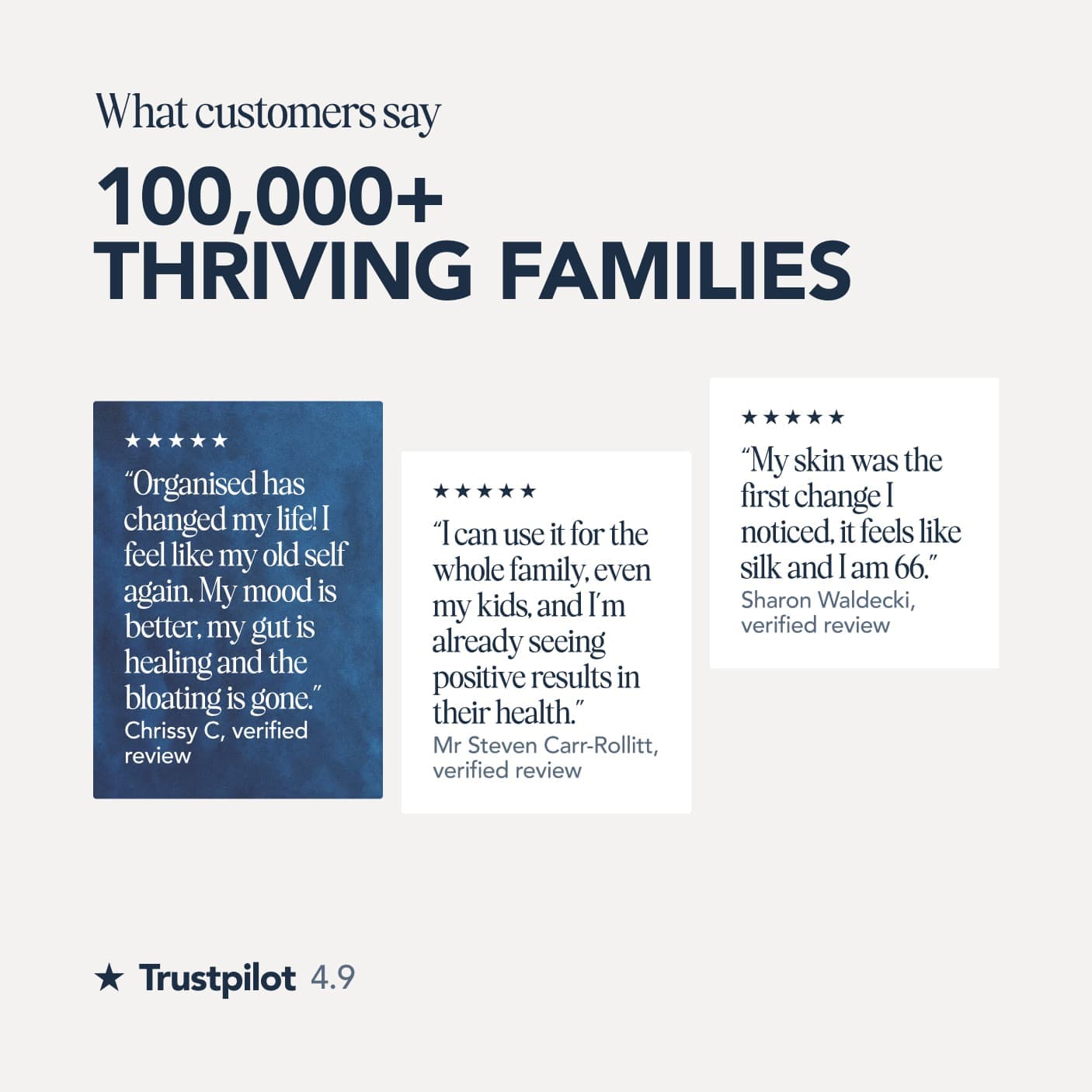
100,000+ thriving families4.9 on Trustpilot
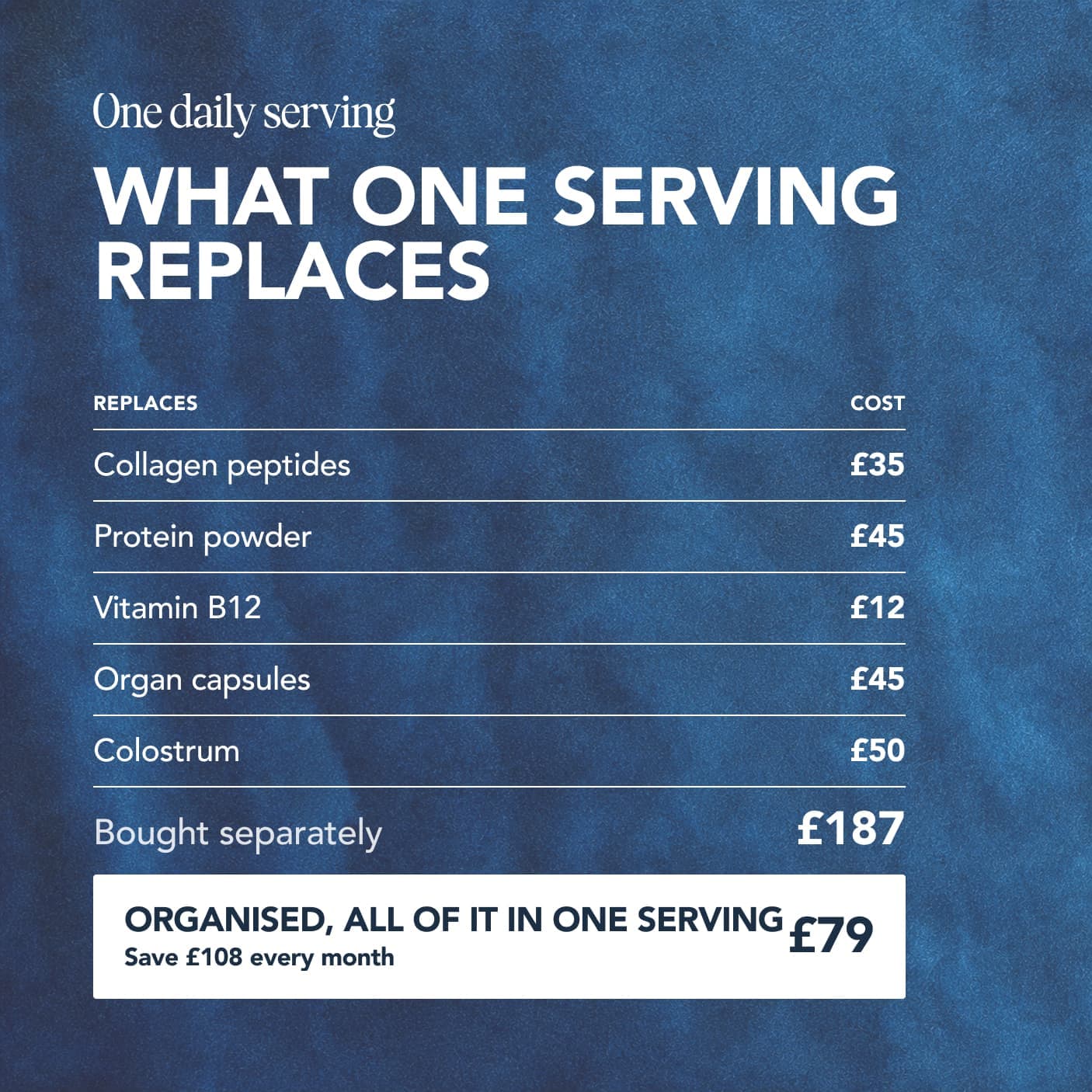
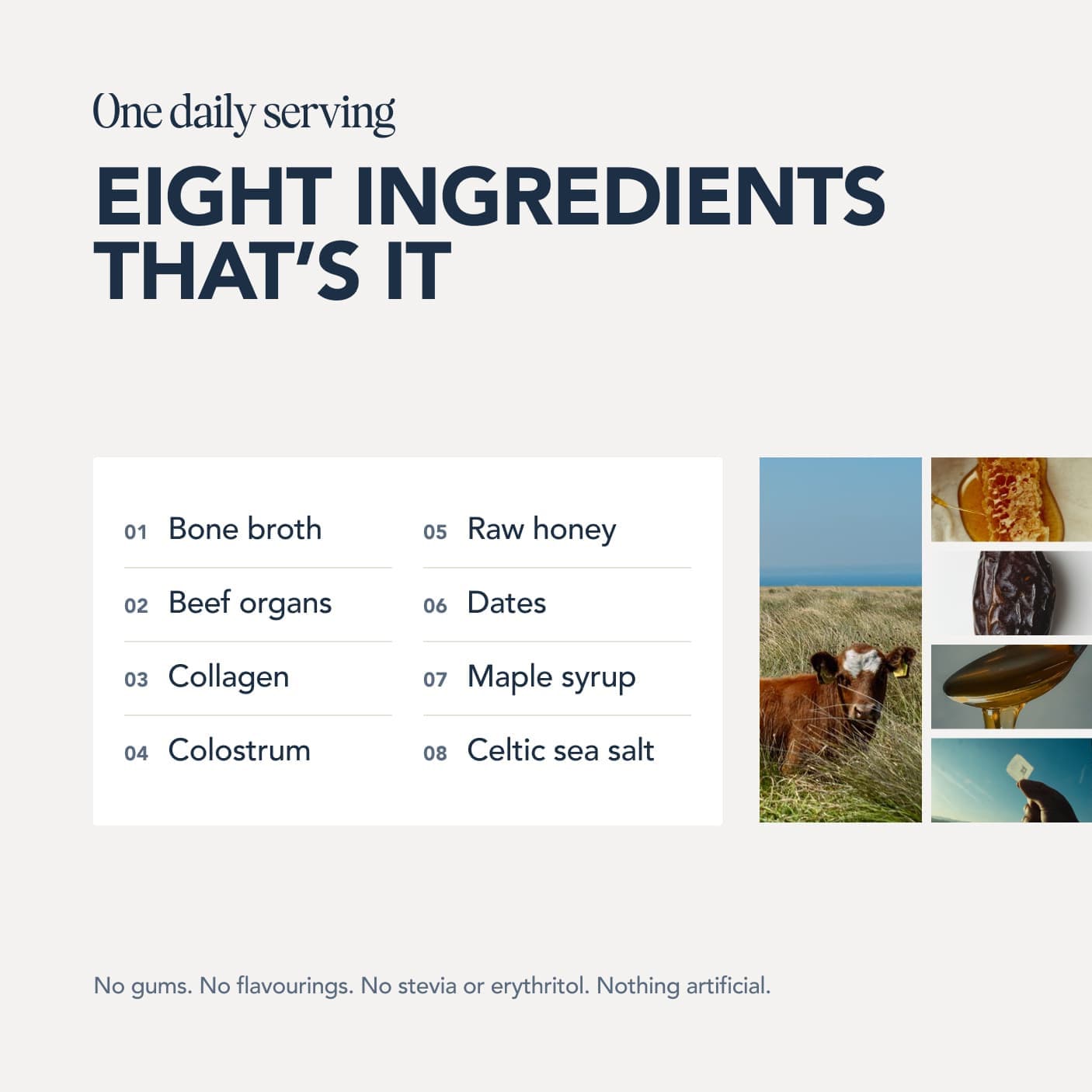
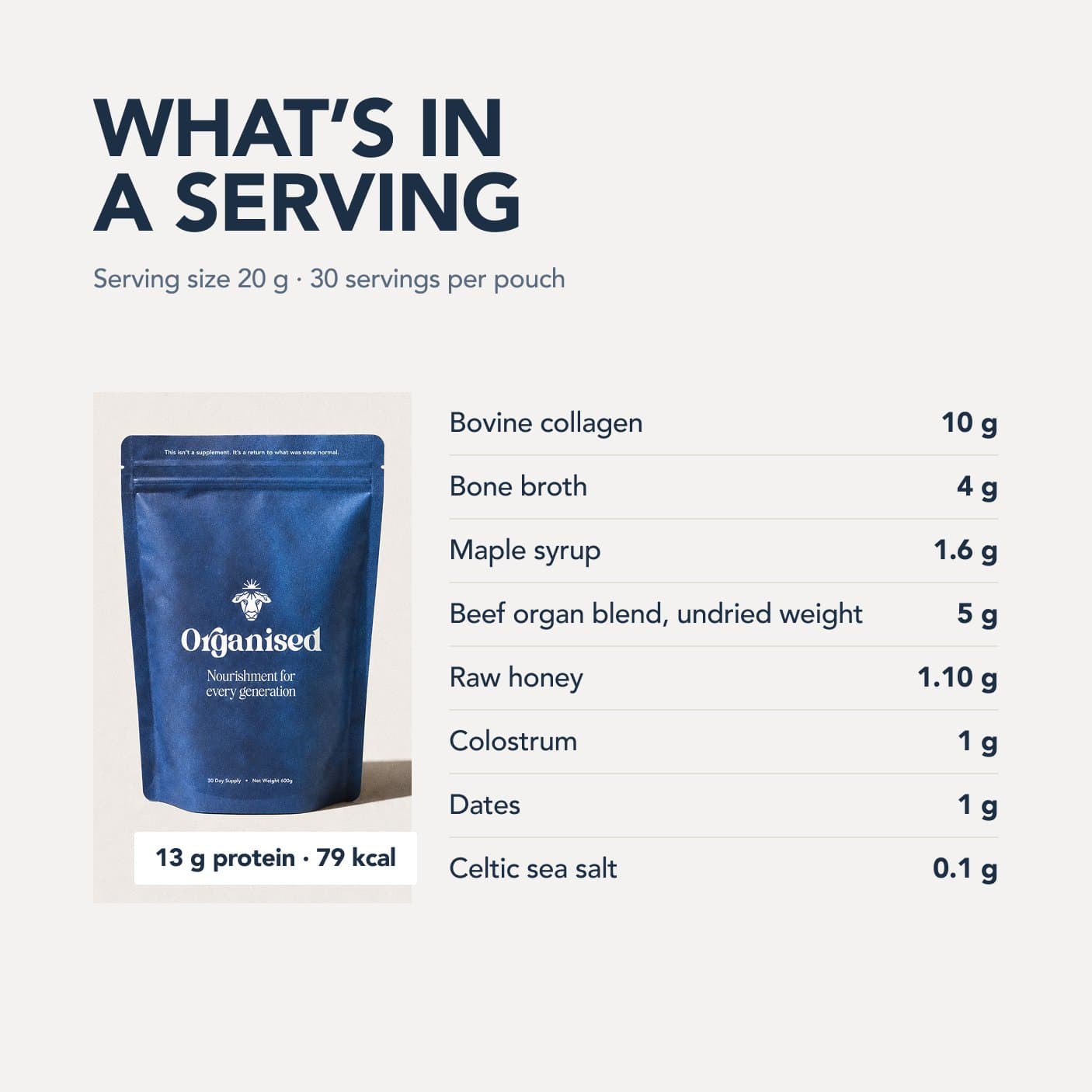
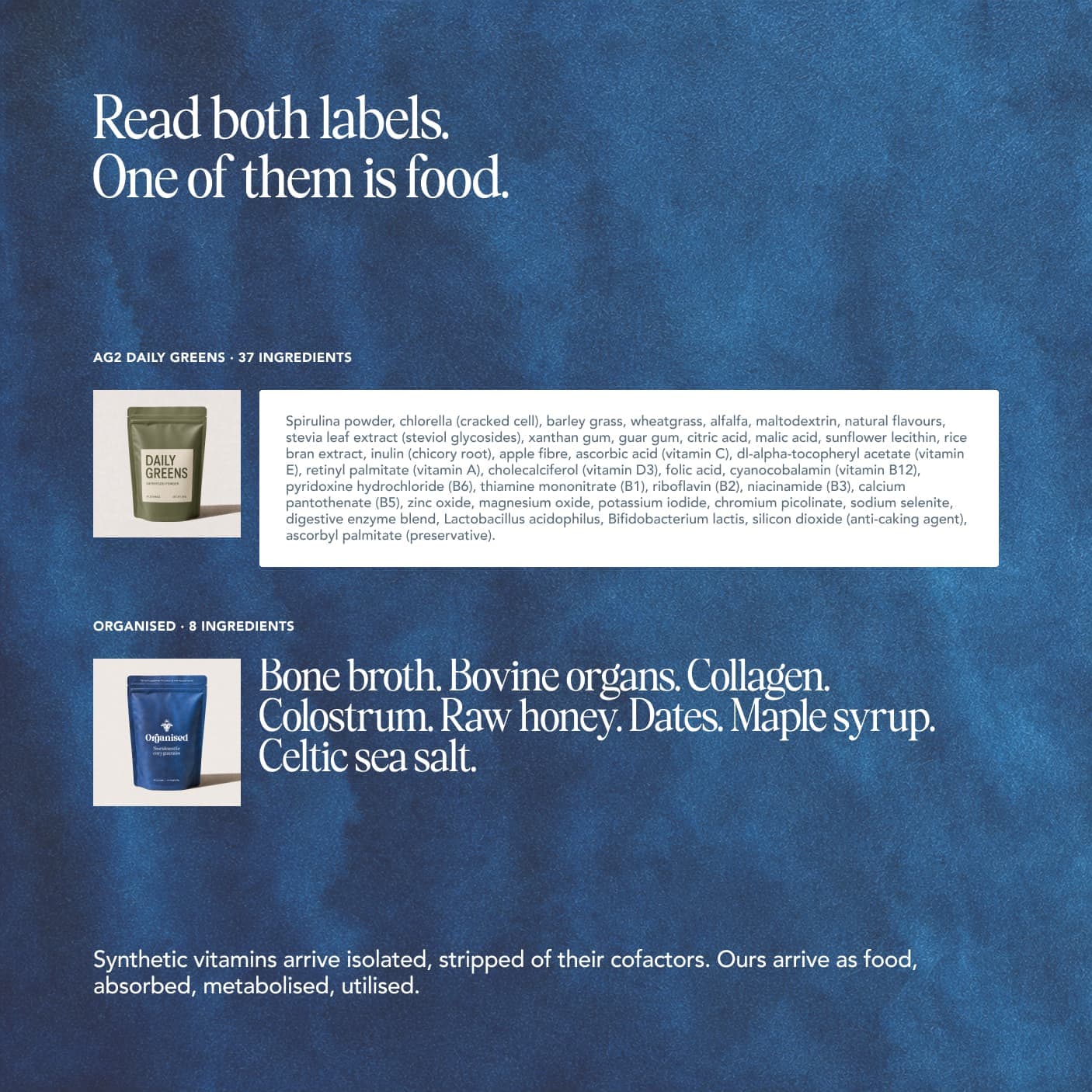
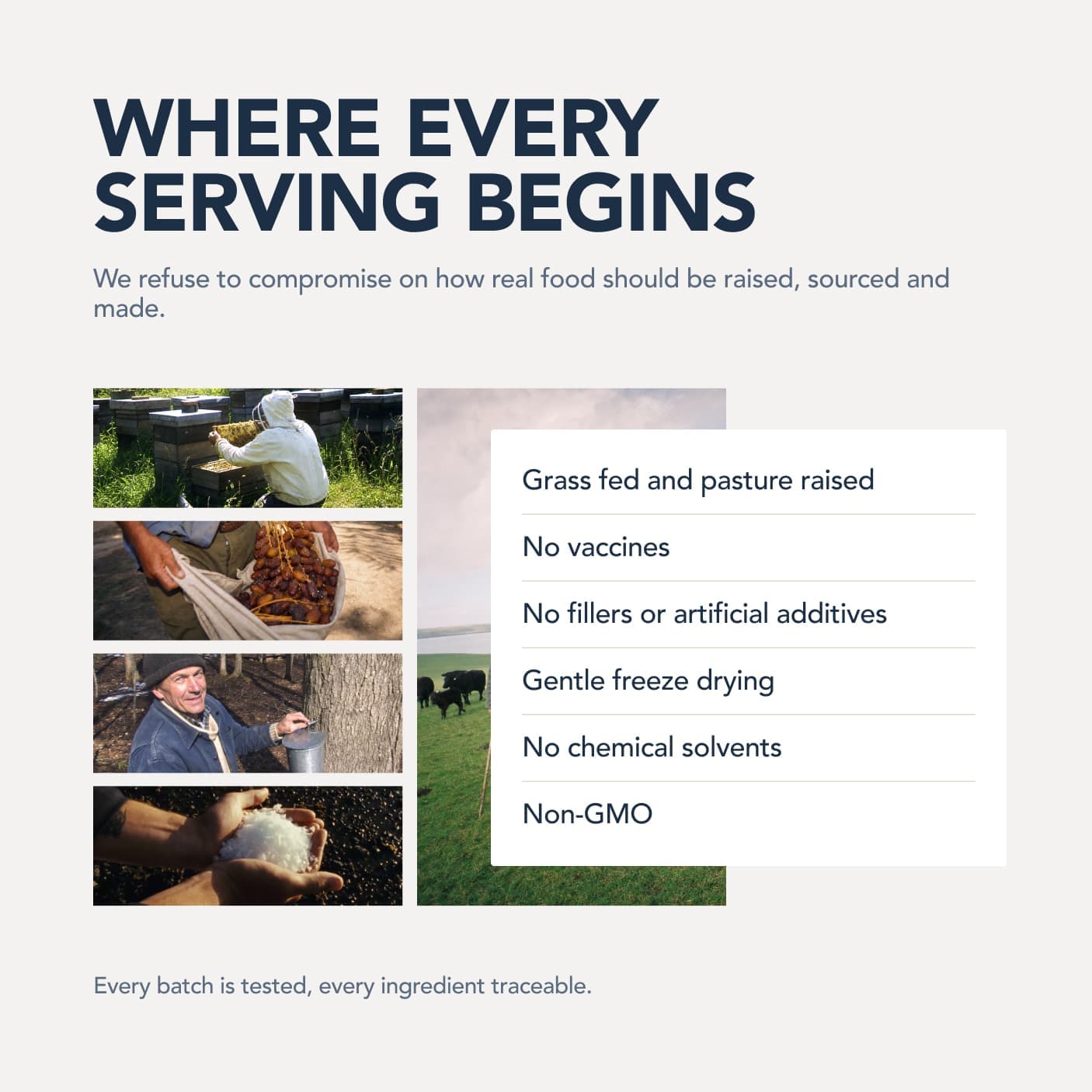
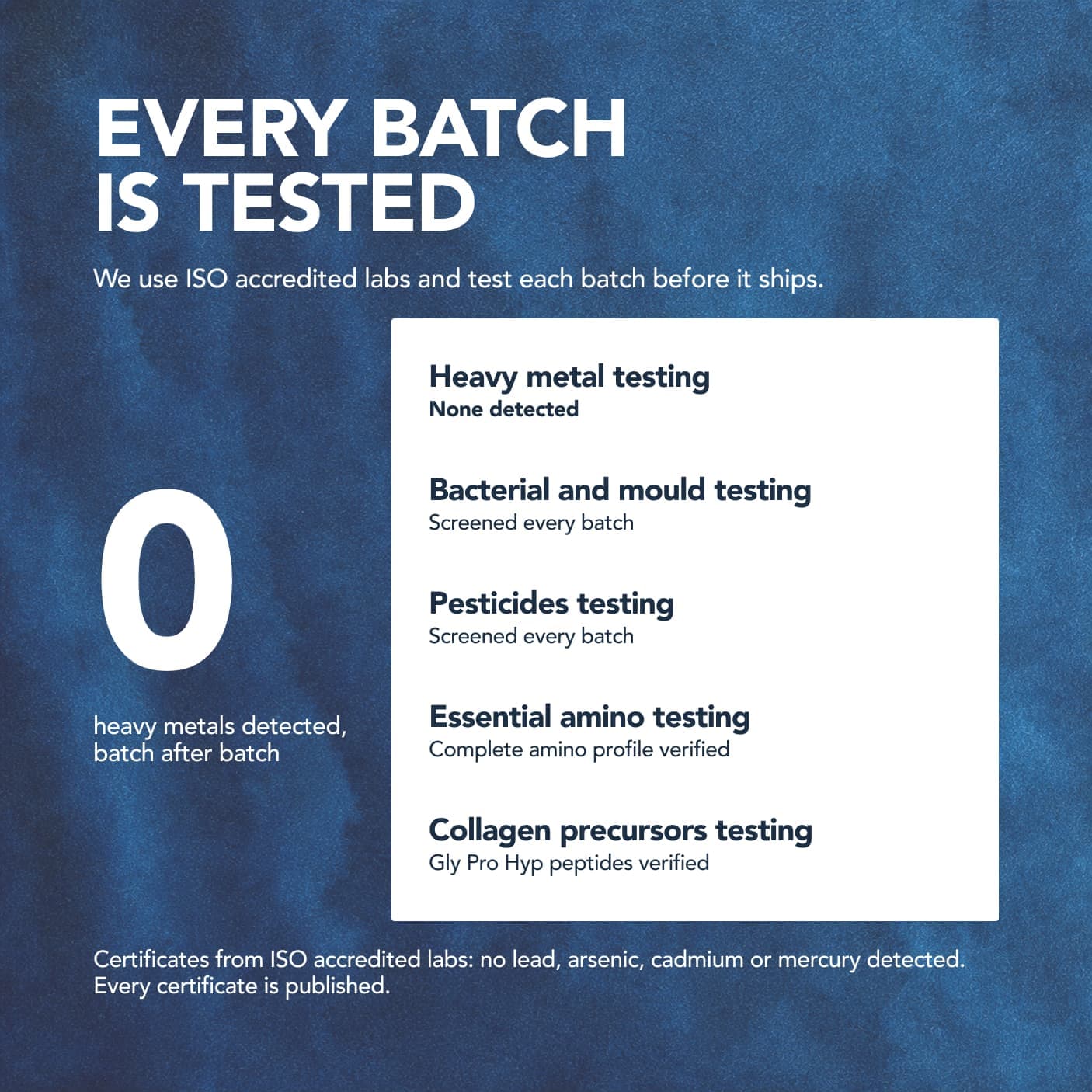
Eight real ingredients built around grass-fed beef organs, collagen and colostrum. Nothing synthetic added.
Free with your first order, worth £38. Plus £10 off the pouch with a subscription.
Free UK shipping · Made in England · 100 day money back guarantee on your first pouch · Skip, pause or cancel anytime
How to start today
You don't need to wait for the perfect moment or overhaul everything simultaneously. Start with the most impactful changes: add liver or high-quality red meat twice weekly, introduce grass-fed butter and full-fat dairy, ensure adequate sun exposure or vitamin D supplementation, and eliminate seed oils from cooking.
Within two weeks, add a source of zinc daily. Within a month, assess your gut (do you have bloating, irregular stools, or food sensitivities?). If so, remove the most problematic foods and add bone broth.
Set a conception date at least three to six months away. Use that time not to stress, but to nourish. The cellular environment you create now is the environment your baby develops in.
The bottom line
Conception isn't something that happens in a single moment. It's the culmination of months of cellular health. A man's sperm have been developing for 90 days. A woman's egg has been maturing for three months. The body you're building now is the body that will conceive, carry, and birth your child. Give it the time and the nutrition it deserves.
References
Every source below was checked on 27 August 2026. Each PubMed, PMC and DOI identifier was resolved against NCBI or Crossref, and what it opens is printed under the citation, so you can see the link goes where the citation says without leaving the page. Where a citation and its identifier disagreed, the citation was corrected to the record or the reference was deleted along with the sentence marker that pointed at it, and where the resolved paper turned out not to support the sentence, the sentence was cut back to what it does support. Borrowed authority is worse than none, because it looks like rigour.
- Griswold MD. Spermatogenesis: the commitment to meiosis. Physiol Rev. 2016;96(1):1-17. PMID: 26537427.Checked 27 August 2026: PMID 26537427 opens Griswold MD, Spermatogenesis: The Commitment to Meiosis. Physiol Rev 2016;96(1):1-17. PubMed indexes it as: Review.
- Allouche-Fitoussi D, Breitbart H. The role of zinc in male fertility. Int J Mol Sci. 2020;21(20):7796. PMID: 33096823.Checked 27 August 2026: PMID 33096823 opens Allouche-Fitoussi D, Breitbart H, The Role of Zinc in Male Fertility. Int J Mol Sci 2020;21(20). PubMed indexes it as: Review.The authors' own declaration, from the record: The authors declare no conflict of interest.
- Sánchez F, Smitz J. Molecular control of oogenesis. Biochim Biophys Acta. 2012;1822(12):1896-912. PMID: 22634430.Checked 27 August 2026: PMID 22634430 opens Sánchez F, Smitz J, Molecular control of oogenesis. Biochim Biophys Acta 2012;1822(12):1896-912. PubMed indexes it as: Review.
- Liew SC, Gupta ED. Methylenetetrahydrofolate reductase (MTHFR) C677T polymorphism: epidemiology, metabolism and the associated diseases. Eur J Med Genet. 2015;58(1):1-10. PMID: 25449138.Checked 27 August 2026: PMID 25449138 opens Liew SC, Gupta ED, Methylenetetrahydrofolate reductase (MTHFR) C677T polymorphism: epidemiology, metabolism and the associated diseases. Eur J Med Genet 2015;58(1):1-10. PubMed indexes it as: Review.
- National Institutes of Health, Office of Dietary Supplements. Folate: Fact Sheet for Health Professionals.
- National Institutes of Health, Office of Dietary Supplements. Vitamin D: Fact Sheet for Health Professionals.
Who wrote and reviewed this guide
Niall Kiddle
Author · Founder, Organised
Niall is the founder of Organised. He started the company in 2024 after fixing his own health the slow way: in 2022 he swapped a cupboard of synthetic supplements for real food, raw milk, organ meats, bone broth and honey, and felt the difference within months.
Areas of expertise: Ancestral nutrition, Organ meats, Whole-food supplementation, Gut health, Regenerative sourcing
Read Niall's full profile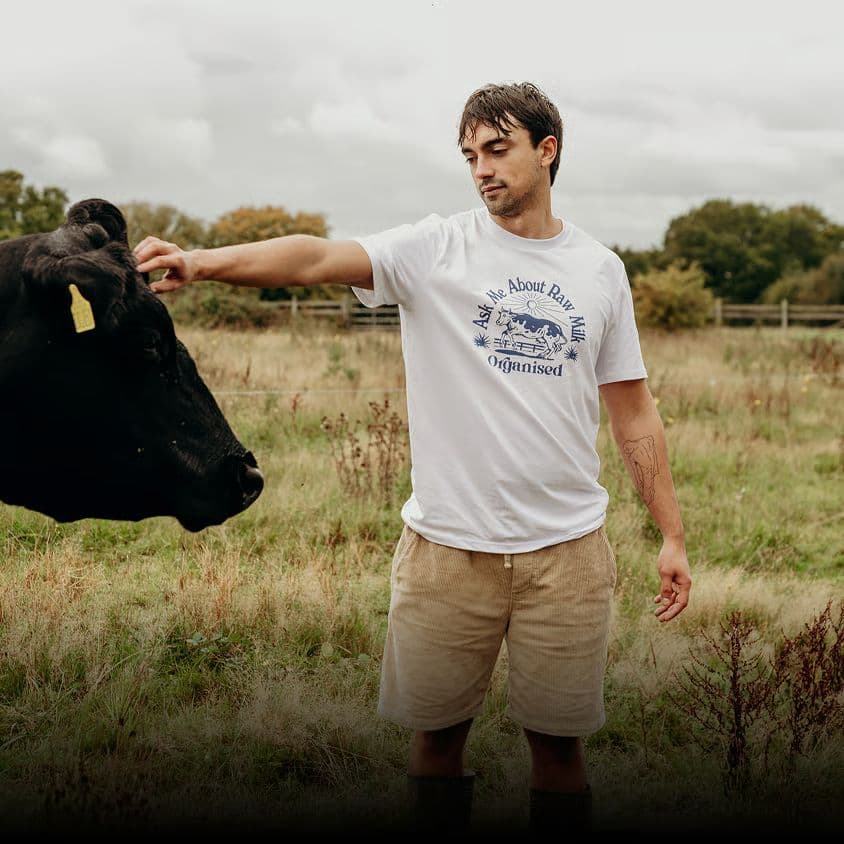
Pedro Rodrigues
Reviewer · Agronomist (farming and sourcing only)
Pedro is the agronomist Organised works with on farming and sourcing. His job on the guides is to keep the science honest: he reviews what we publish about soil health, regenerative agriculture, grazing and the way food is actually produced.
Areas of expertise: Regenerative agriculture, Agronomy, Soil health, Grass-fed farming, Food sourcing
Reviewed this guide on
Read Pedro's full profileMore on fertility
View allBrowse the guides library
All guidesKeep reading

Health goals
Why Your Grandparents Ate Better Than You
Explore the nutritional shift since the 1970s. Your grandparents' whole-food diet contained far more nutrient density than modern food. Here's what changed.

Health goals
The Desk Worker's Guide to Staying Strong and Energised
Desk work erodes energy and muscle. This guide fixes it with protein timing, movement breaks, light exposure, and cortisol management.

Health goals
How to Build Collagen Naturally Without Injections
Build collagen from the inside out. Bone broth, connective tissue cuts, vitamin C, and glycine create more youthful skin than any injection.
Real food, made effortless
Start my daily blendA few ways to use it
All recipes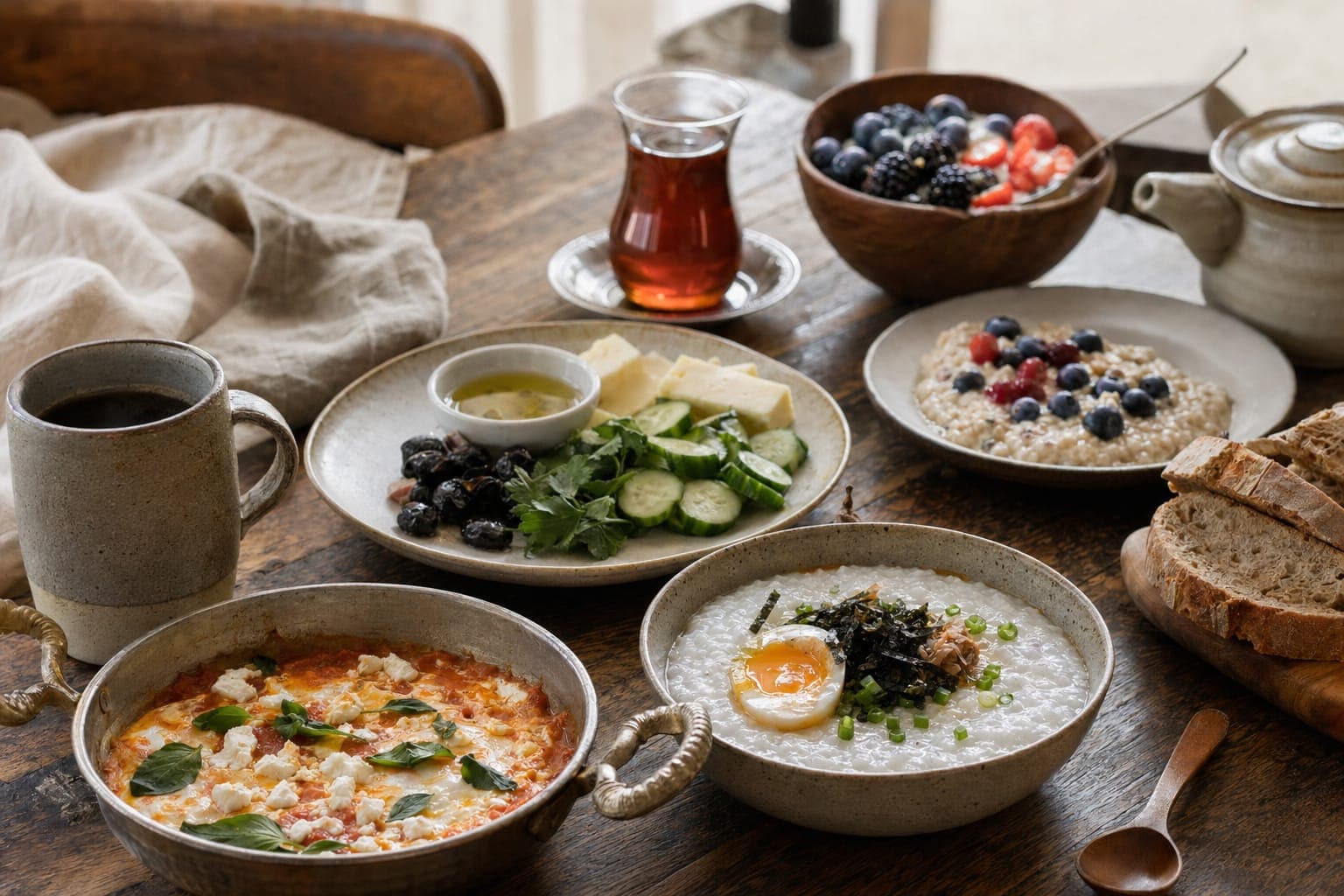
Ancestral Breakfast Ideas from Around the World
Traditional breakfast recipes from cultures that got nutrition right. Japanese, Turkish, Scottish, and more. Whole-food breakfast inspiration.

How to Make Your Own Gelatine Gummies
A simple recipe for homemade gelatine gummies using grass-fed gelatine, fresh juice, and raw honey. Better than shop-bought, kids love them.

Raw Milk Hot Chocolate with Collagen
A nourishing evening hot chocolate made with raw milk, grass-fed collagen, raw cacao, and honey. A nighttime ritual that supports sleep and gut health.


 Join over 100,000+ members
Build a better food system with us
The Organised community is thousands of people choosing real food and backing the farmers who grow it, all of us trying to leave the world a little better than we found it. If that is what you care about too, you belong here.