How Seed Oils Disrupt Your Hormones
Your hormones are made from cholesterol and fat. If you're cooking in seed oils, you're introducing rancid polyunsaturates that oxidise inside your body, trigger inflammation, and actively undermine the very endocrine system you're trying to feed. This isn't theoretical. It's biochemistry.

By Niall Kiddle, Founder, Organised

Reviewed by Pedro Rodrigues, Agronomist (farming and sourcing only) ·
7 min read · Published · Updated · 3 cited sources
Makers of the Organised Daily blend, a grass-fed beef organ supplement from regenerative UK farms

Why seed oils are different from traditional fats
Not all fat is the same. Your body evolved eating fat from animals, from nuts, from whole foods. These fats were stable. They didn't break down at body temperature.
Seed oils like soybean, canola, sunflower, and safflower are extracted using industrial processing. They're high in polyunsaturated fats (PUFAs), which means they have multiple double bonds in their chemical structure. These bonds are fragile. When heated, stored, or exposed to oxygen, they break apart, creating oxidised metabolites called lipid peroxides and aldehydes.3
When you cook with seed oil, you're not just eating fat. You're eating chemically damaged fat that your body has to process like a toxin.
Your liver and immune system recognise this damage. They mount an inflammatory response. And inflammation, when chronic, is one of the most potent endocrine disruptors on the planet.
Omega-6 overload and the inflammatory cascade
Seed oils are roughly 50-70% linoleic acid, an omega-6 polyunsaturate.1 This isn't inherently evil, but the ratio matters enormously.
For most of human history, humans ate omega-6 and omega-3 fats in roughly a 1:1 or 2:1 ratio. Today, the average Western diet contains omega-6 to omega-3 at ratios of 20:1 or even 50:1.2 Seed oils are the primary driver.
Here's what happens: high levels of linoleic acid get converted in the body to arachidonic acid, a precursor to powerful inflammatory signalling molecules called eicosanoids.2 When your system is flooded with arachidonic acid from a diet heavy in seed oils, you get an excess of pro-inflammatory eicosanoids like leukotriene and thromboxane. Your body shifts into a chronically inflamed state.
And hormones? They're exquisitely sensitive to inflammation. The cells that produce oestrogen, progesterone, testosterone, and thyroid hormone all live in environments governed by inflammatory tone. Dial up the inflammation, and you dial down clean hormone production.
How oxidative stress disrupts hormone production
Beyond the omega-6 imbalance, oxidised seed oils trigger something else: oxidative stress.
When you consume oxidised polyunsaturates, your cells have to detoxify them using antioxidant systems like glutathione and vitamin E. If the burden is chronic and heavy, you deplete these systems faster than you can replenish them. You end up with a state of net oxidative stress.
Your endocrine glands are extremely sensitive to oxidative damage. The cells of your ovaries, testes, thyroid, and adrenals all rely on intact mitochondria to produce hormones efficiently. Oxidative stress damages mitochondria. It damages the enzymes involved in steroid hormone synthesis. It increases the likelihood that oestrogen, once made, gets metabolised down dysfunctional pathways.
Studies in animals show that diets high in oxidised PUFAs reduce testosterone, impair ovulation, and compromise thyroid hormone production.3 The effect is dose-dependent. Higher oxidised PUFA intake, worse the endocrine outcome.

The oestrogen and progesterone connection
Women seem to notice seed oil damage first. And there's a reason.
Oestrogen metabolism is exquisitely dependent on the liver, the gut microbiome, and the inflammatory environment those tissues operate in. The pathway by which oestrogen is produced, used, and excreted is so tightly linked to phase 1 and phase 2 detoxification that if your liver is busy detoxifying oxidised seed oil metabolites, it has less capacity to manage oestrogen efficiently.
The result? Oestrogen stalls in the body longer than it should. It gets reabsorbed in the gut. Oestrogen levels rise. Your cycle destabilises. You experience heavier periods, more painful cramping, worse PMS, sometimes loss of cycle altogether.
Progesterone suffers too. Progesterone production requires cholesterol transport into mitochondria, a process governed by proteins called StAR proteins. Oxidative stress and chronic inflammation impair StAR protein function. Progesterone output drops. The ratio of oestrogen to progesterone skews badly.
You can be eating enough fat and enough calories and still be hormonally broken if that fat is oxidised seed oil.
What to do instead
The fix is straightforward: remove seed oils entirely and replace them with fats that are stable.
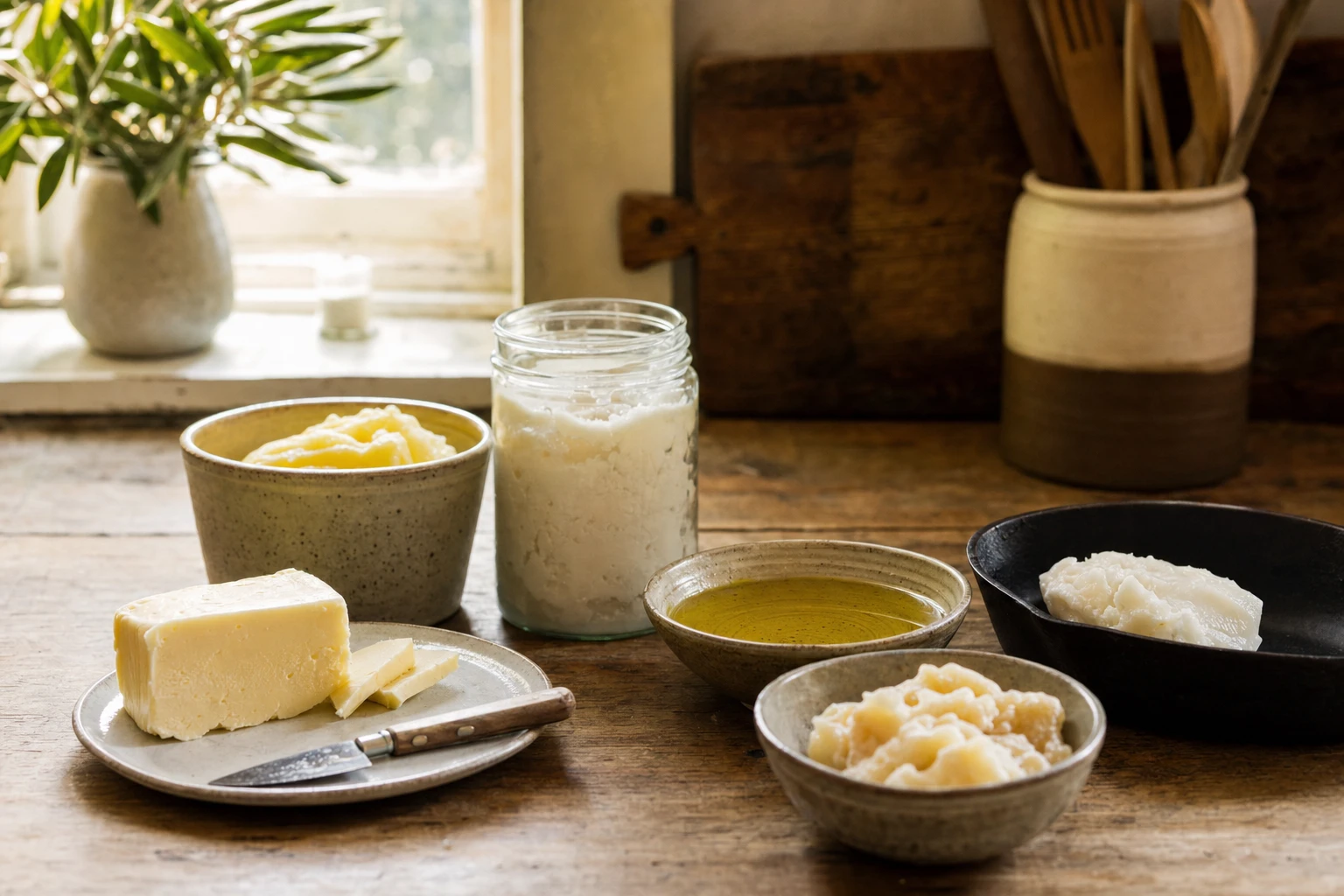
Saturated fats are your allies. Butter from grass-fed cows, beef tallow, ghee, coconut oil. These fats have no double bonds or very few. They're stable at body temperature and under heat. Your body can use them without mounting an inflammatory response. Add them back, and you remove one major endocrine saboteur.
Animal-based fats come with a bonus: they contain nutrients your endocrine system actually needs. Butter carries fat-soluble vitamins A, D, and K2, all of which are required for healthy hormone signalling. Organ meats, especially liver and kidney, carry zinc and selenium, two minerals essential for the enzymes that synthesise and metabolise hormones.
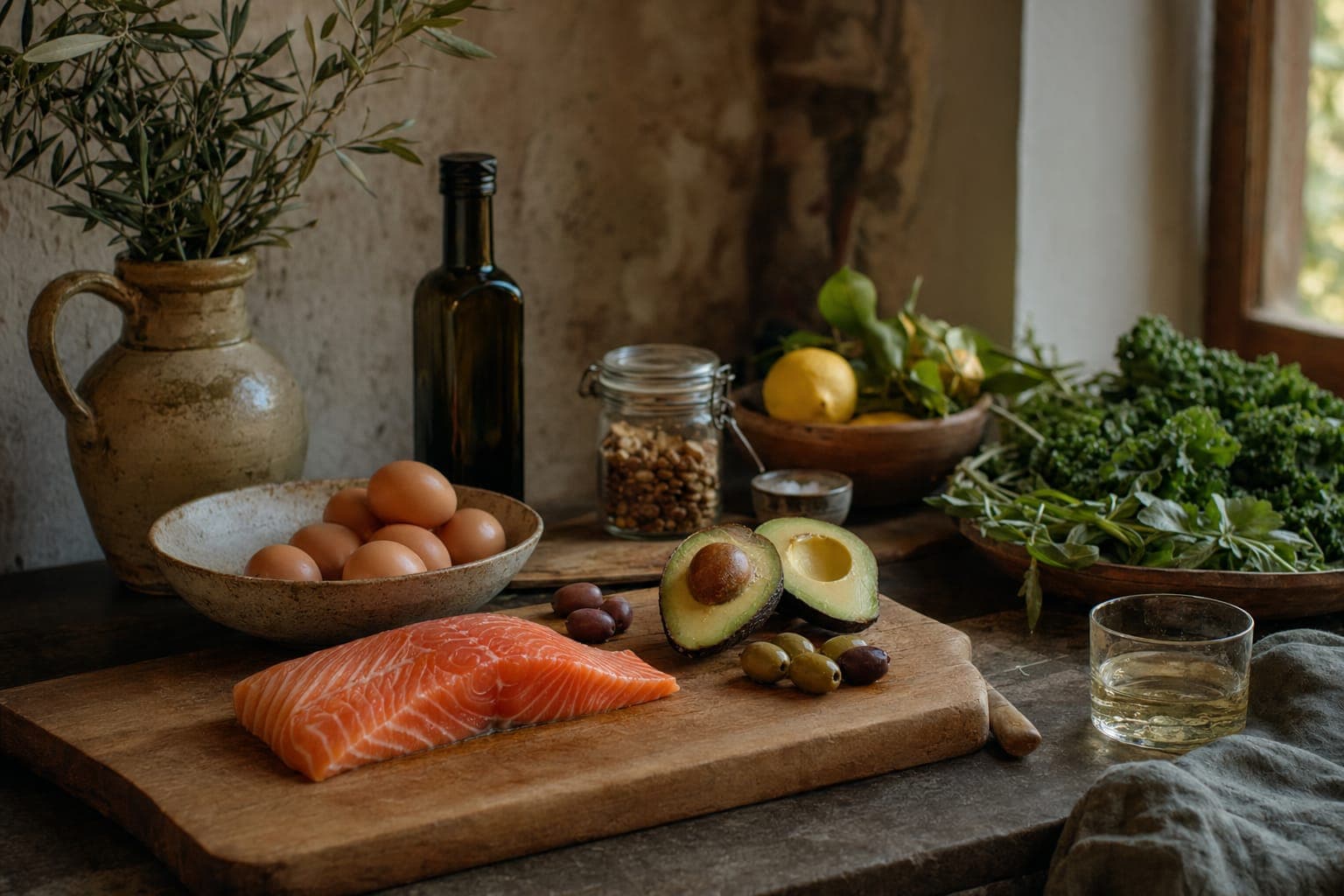
Olive oil and avocado oil are monounsaturated fats. They're more stable than seed oils, though still best used unheated or at low temperatures. Cold-pressed, quality olive oil can be part of a healthy diet without the oxidative burden of seed oils.
Nuts and seeds, eaten as occasional whole foods, are not the same problem as a litre of sunflower oil in the deep fryer. The vitamin E and polyphenols inside the whole nut do offer some protection against oxidation. But they are still concentrated polyunsaturated fat, and the linoleic acid you eat from them accumulates in tissue the same way it does from the bottle. Treat them as flavour, not as a daily staple, and the body's stored fat profile slowly rebuilds toward what your hormones actually need.
Get health guides like this, free
Two short reads a week on eating for energy, gut health, skin, sleep and more.
By signing up you agree to receive emails from us. No spam, unsubscribe anytime.
The role of phospholipids and cell membrane integrity
Your cell membranes are built from phospholipids. The type of fat you consume gets incorporated into these membranes. If you're eating oxidised seed oils, your cell membranes become oxidised. They lose fluidity. They become more fragile. This matters because hormone receptors live embedded in cell membranes. If the membrane is damaged, the receptor doesn't function properly.
Your endocrine cells are particularly sensitive to membrane damage because they're producing hormones at high rates and have lots of metabolic activity. Feed them oxidised fats, and their receptor signalling falls apart. Feed them saturated and monounsaturated fats, and membrane integrity is preserved. Hormone signalling works cleanly.
How long until you notice change
Your hormones don't work on a monthly cycle because tradition dictates it. They work on a roughly monthly cycle because your biology is exquisitely tuned to respond to your nutritional status month to month.
Remove seed oils and reintroduce saturated fat? Most women notice shifts within one to three cycles. Periods normalise. Cramping eases. Energy improves. Some notice within weeks. Others take longer. Depends on how deep the damage was, how inflamed the system is, whether you also address other endocrine stressors like stress, sleep, and micronutrient deficiency.
For men, testosterone often responds faster. Remove oxidative stress from seed oils, add in whole foods rich in zinc and cholesterol, and testosterone can improve measurably within 8-12 weeks.


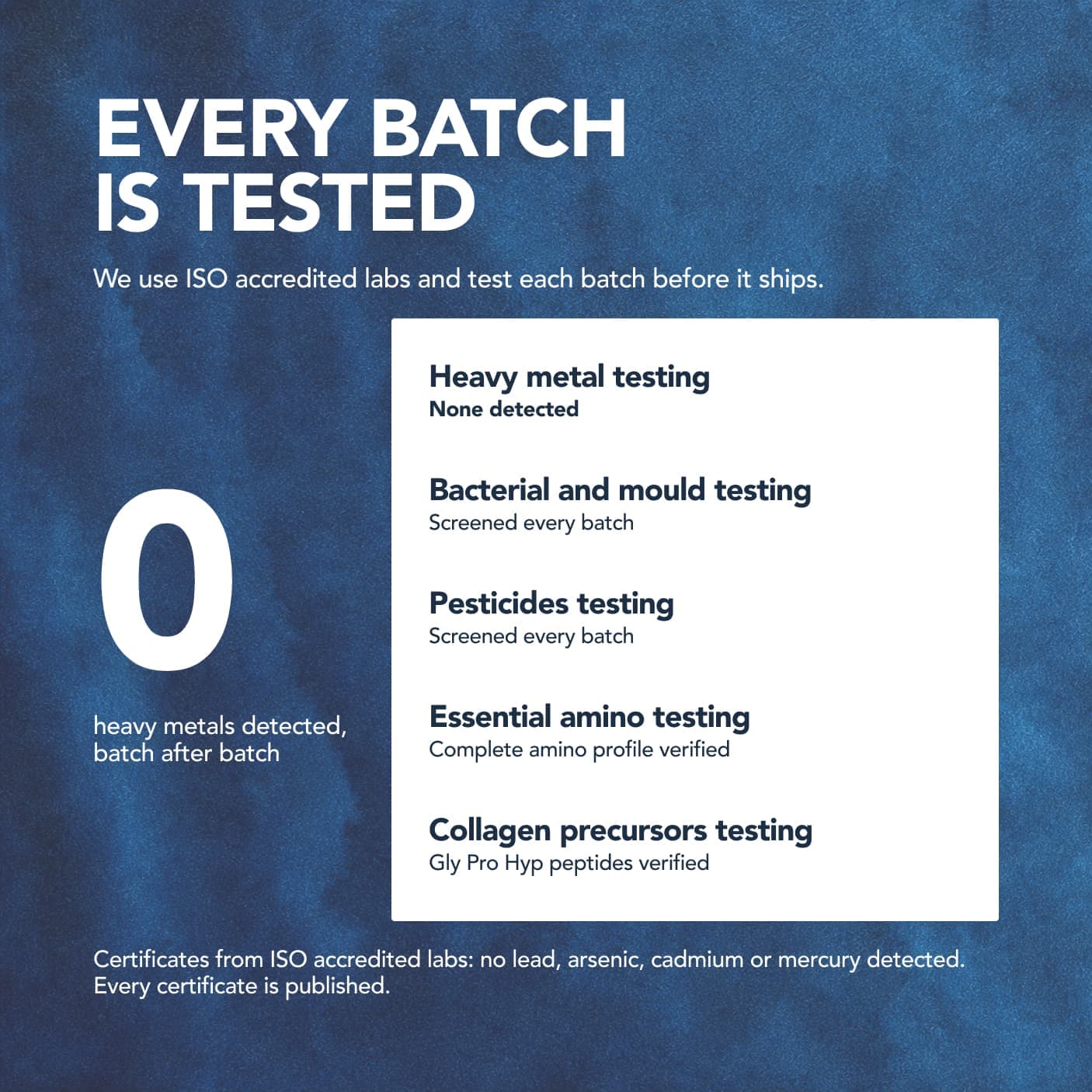
1 of 9
Daily blend
100,000+ thriving families4.9 on Trustpilot
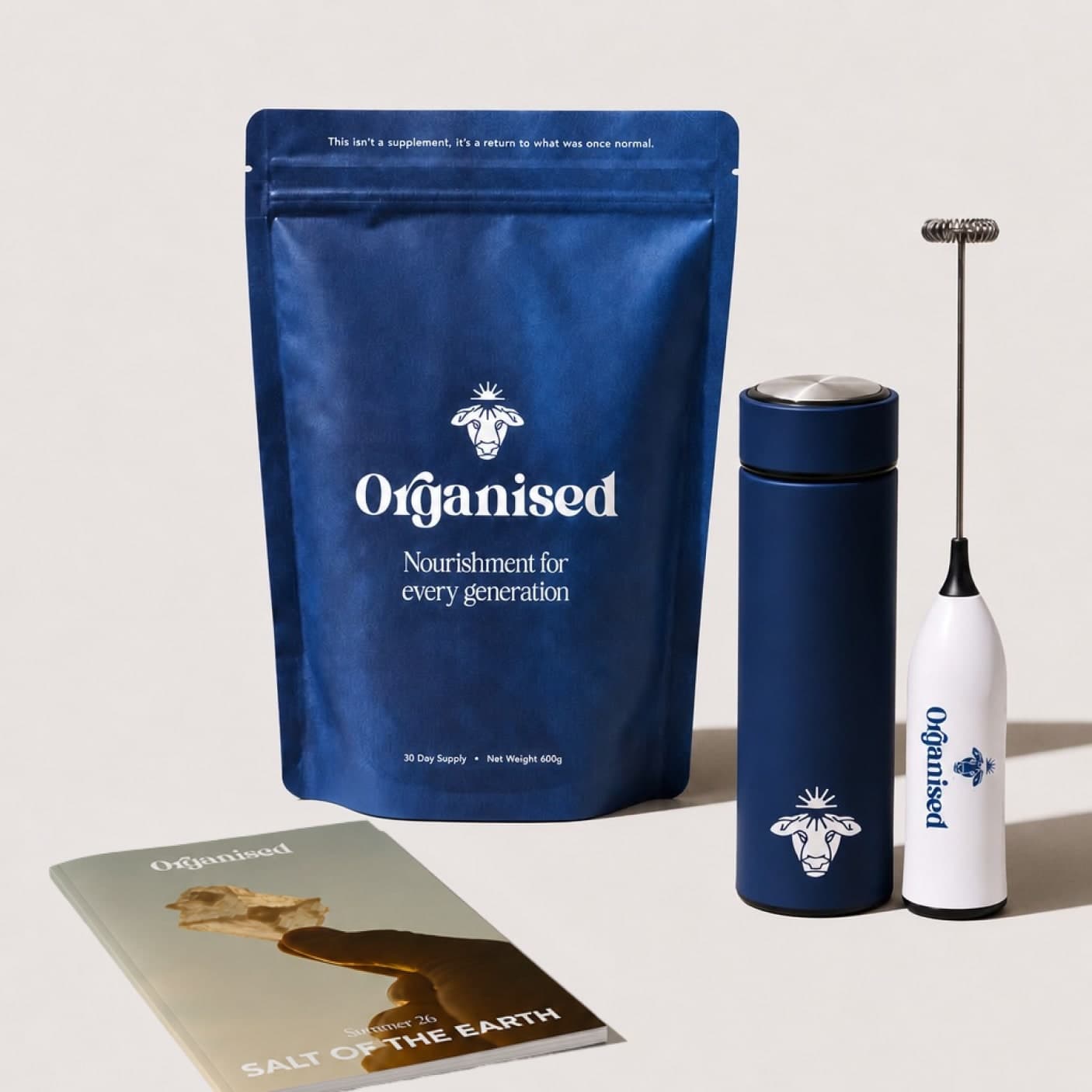
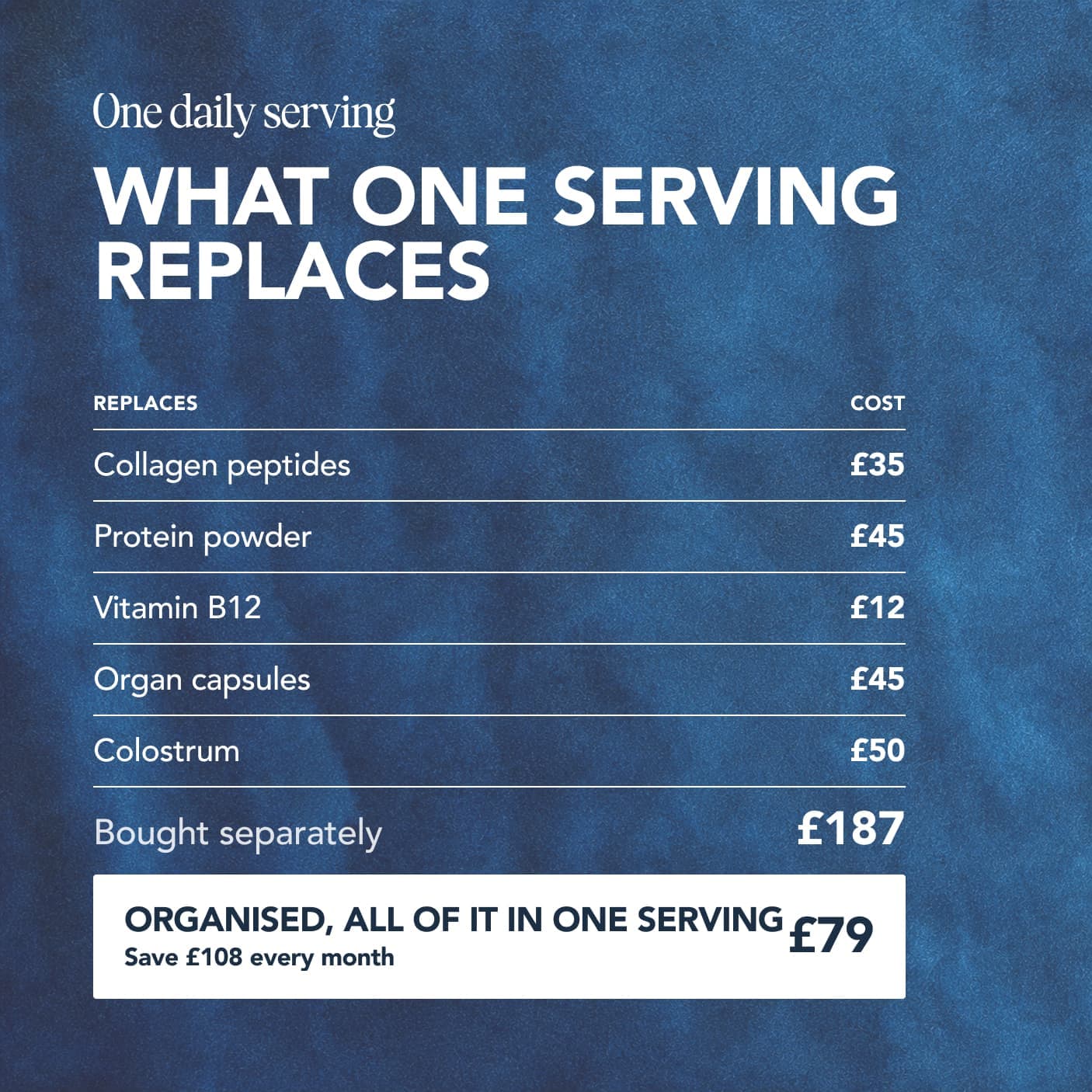
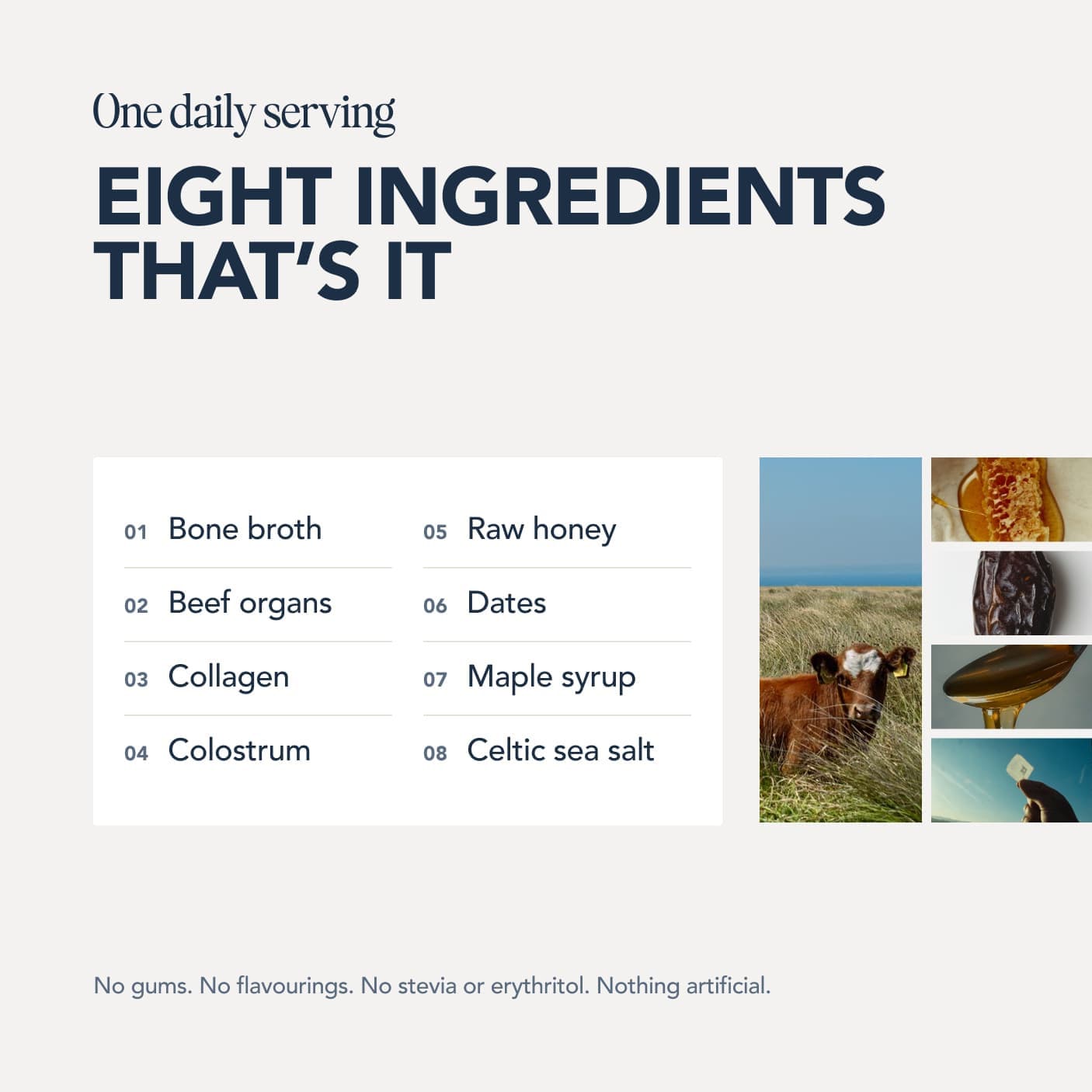
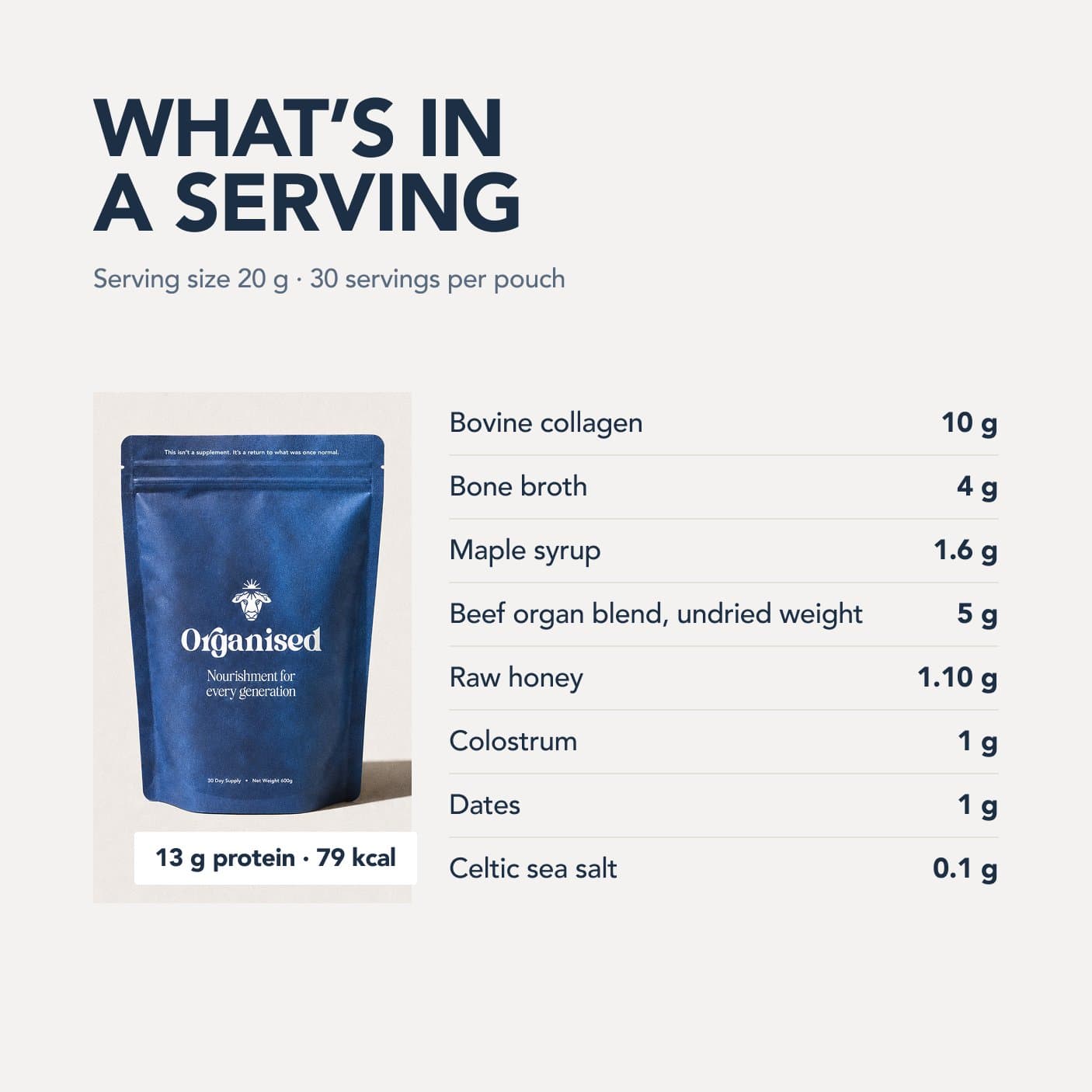
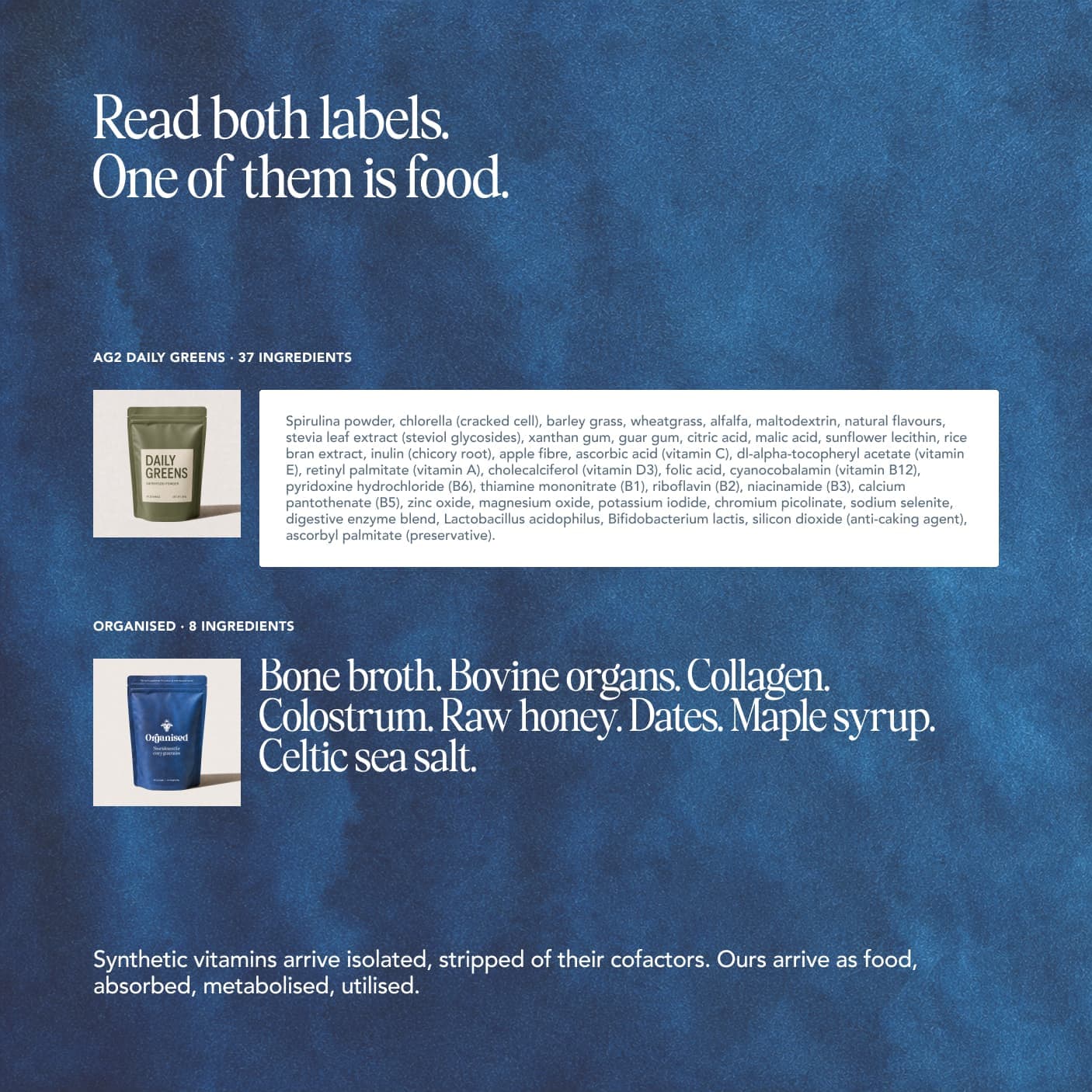
Eight real ingredients built around grass-fed beef organs, collagen and colostrum. Nothing synthetic added.
Free with your first order, worth £38. Plus £10 off the pouch with a subscription.
Free UK shipping · Made in England · 100 day money back guarantee on your first pouch · Skip, pause or cancel anytime
The bottom line
Seed oils are a modern experiment. Your body has no ancestral experience with rancid, oxidised polyunsaturates in such quantity. Your endocrine system suffers the consequences.
The good news is that this particular damage reverses quickly. Your hormones are metabolically active. Feed your body stable fat, remove the inflammatory trigger, restore the minerals and vitamins your endocrine glands need, and they respond. Not always immediately. But reliably. The system wants to work. You've just been feeding it fuel that makes the job harder.
Stop cooking in seed oils. Use butter, ghee, coconut oil, beef tallow. Eat liver and oysters. Let your hormones rebuild on a foundation that actually supports them.
Why this matters more than you think
The shift from saturated fats to seed oils happened only in the past 50-70 years. Before that, humans cooked in butter, lard, and tallow. These were stable, nutrient-dense fats that supported hormon production cleanly. The transition to seed oils was driven by industrial agriculture and marketing, not by health science. It was a profoundly consequential mistake.
What makes it worse is that the damage is subtle enough to be invisible. You don't get acutely sick from seed oils. You get chronically inflamed. Chronically inflamed endocrine systems. Your cycle gets weird. Your mood becomes unstable. Your energy crashes. You assume it's just how you are. It's not. It's what you're cooking in.
The good news is that reversal is both possible and fast. Unlike some health problems that take years to heal, endocrine disruption from seed oils can reverse within weeks to months once you remove the trigger and provide the right nutrients. Your body wants to work. Give it the chance.
References
Every source below was checked on 27 August 2026. Each PubMed, PMC and DOI identifier was resolved against NCBI or Crossref, and what it opens is printed under the citation, so you can see the link goes where the citation says without leaving the page. Where a citation and its identifier disagreed, the citation was corrected to the record or the reference was deleted along with the sentence marker that pointed at it, and where the resolved paper turned out not to support the sentence, the sentence was cut back to what it does support. Borrowed authority is worse than none, because it looks like rigour.
- U.S. Department of Agriculture, FoodData Central. Soybean oil and sunflower oil — fatty acid composition.
- Simopoulos AP. The importance of the omega-6/omega-3 fatty acid ratio in cardiovascular disease and other chronic diseases. Exp Biol Med. 2008;233(6):674-88. PMID: 18408140.Checked 27 August 2026: PMID 18408140 opens Simopoulos AP, The importance of the omega-6/omega-3 fatty acid ratio in cardiovascular disease and other chronic diseases. Exp Biol Med (Maywood) 2008;233(6):674-88. PubMed indexes it as: Review.
- Grootveld M et al. Evidence-based challenges to the continued recommendation and use of peroxidatively-susceptible polyunsaturated fatty acid-rich culinary oils for high-temperature frying practises. Front Nutr. 2022;8:711640.Checked 27 August 2026: PMC8769064 opens Grootveld M, Evidence-Based Challenges to the Continued Recommendation and Use of Peroxidatively-Susceptible Polyunsaturated Fatty Acid-Rich Culinary Oils for High-Temperature Frying Practises: Experimental Revelations Focused on Toxic Aldehydic Lipid Oxidation Products. Front Nutr 2021;8:711640. PubMed indexes it as: Review.The authors' own declaration, from the record: The author declares that the research was conducted in the absence of any commercial or financial relationships that could be construed as a potential conflict of interest.
Who wrote and reviewed this guide
Niall Kiddle
Author · Founder, Organised
Niall is the founder of Organised. He started the company in 2024 after fixing his own health the slow way: in 2022 he swapped a cupboard of synthetic supplements for real food, raw milk, organ meats, bone broth and honey, and felt the difference within months.
Areas of expertise: Ancestral nutrition, Organ meats, Whole-food supplementation, Gut health, Regenerative sourcing
Read Niall's full profile
Pedro Rodrigues
Reviewer · Agronomist (farming and sourcing only)
Pedro is the agronomist Organised works with on farming and sourcing. His job on the guides is to keep the science honest: he reviews what we publish about soil health, regenerative agriculture, grazing and the way food is actually produced.
Areas of expertise: Regenerative agriculture, Agronomy, Soil health, Grass-fed farming, Food sourcing
Reviewed this guide on
Read Pedro's full profileMore on hormones
View all- Hormonal Health Starts in the Kitchen: A Whole Food Guide
- Perimenopause Nutrition: What Changes and What to Eat
- Coming Off the Pill? How to Support Your Body's Transition
- Cortisol, Stress and Nutrition: Breaking the Cycle
- Eating for Each Phase of Your Menstrual Cycle
- How Blood Sugar Instability Wrecks Your Hormones
- How Liver Supports Oestrogen Detoxification
- Insulin Resistance: The Silent Metabolic Crisis
- Is Polyester Bad For Hormones? Your Guide To Hormone Safe Clothing
- PCOS and Nutrition: A Whole Food Approach
- Testosterone and Nutrition: What Men Need to Know
- Thyroid Health: The Nutrients Your Thyroid Needs to Function
Browse the guides library
All guidesKeep reading

Health goals
Neuroinflammation: The Hidden Driver of Brain Fog and Low Mood
Brain fog isn't laziness. It's inflammation in your brain. Here's how it develops and the nutritional strategies that actually reverse it.

Health goals
The Nutrients That Help You Sleep Deeper
Sleep deeper with the right nutrients for better sleep. We cover glycine, magnesium, B6 and gut serotonin, plus the whole-food approach to restorative rest.

Health goals
How to Stop Hair Shedding with Ancestral Nutrition
Hair shedding is a sign of nutritional deficiency. Learn the minerals that stop hair loss and the protocol that reverses it.
Real food, made effortless
Start my daily blendA few ways to use it
All recipes
10 Ways to Use Organised That Aren't Just a Shake
Move beyond the basic shake. Discover 10 creative ways to use Organised in smoothie bowls, oats, yoghurt, baking, and more.
Matcha Latte Gummies with Collagen and Gelatine
Make visually stunning matcha latte gummies infused with collagen and gelatine. Simple recipe for gut-healing sweets you'll actually want to eat.

Whole Food Snacks for Busy Days
Practical whole food snacks that travel well and sustain energy. No refined carbs, no seed oils. Real food options for when you're busy.


 Join over 100,000+ members
Build a better food system with us
The Organised community is thousands of people choosing real food and backing the farmers who grow it, all of us trying to leave the world a little better than we found it. If that is what you care about too, you belong here.