How to Reset Your Gut After Antibiotics
Antibiotics are a lifesaving medicine. They're also a scorched-earth approach to your gut. When the infection clears, the collateral damage remains: your microbiome, which took years to build, has been dismantled. The good news is that recovery doesn't have to be complicated, but it does require intention.
By Niall Kiddle, Founder, Organised

Reviewed by Pedro Rodrigues, Agronomist (farming and sourcing only) ·
7 min read · Published · Updated · 4 cited sources
Makers of the Organised Daily blend, a grass-fed beef organ supplement from regenerative UK farms
The good news is that recovery doesn't have to be complicated, but it does require intention.
Why antibiotics destroy your gut
Broad-spectrum antibiotics affect both pathogenic and commensal bacteria, with documented effects on gut microbiome diversity that can persist for months after treatment.4 They're blunt instruments. The result is dysbiosis: a state where the microbial landscape has been so thoroughly disrupted that beneficial bacteria are outnumbered or absent entirely.
This matters because your gut bacteria do more than digest food. They synthesise B vitamins, modulate immune function, produce neurotransmitters, and contribute to the integrity of your gut lining.1 When they're depleted, all of these functions suffer.
Your microbiome is an ecosystem. Antibiotics don't just damage it. They create a vacant landscape where opportunistic pathogens do well and inflammation flourishes.
The bacterial species that recover first are often not the ones you want. Dysbiosis sets the stage for food sensitivities, bloating, irregular digestion, and dysregulated immune function that can persist for months or even years if left unaddressed.
The recovery timeline: what to expect
Microbiome recovery isn't linear. The first three weeks after finishing antibiotics are critical. This is when the landscape is most vulnerable and when intervention is most effective.
The first month involves rebuilding the foundational bacterial species. You might notice improved digestion and energy within 2-3 weeks. The second through sixth months see deeper restoration of microbial diversity and the emergence of species that support longer-term health.
Full recovery typically takes 6-12 months, but the bulk of restoration happens in the first 3-6 months if you're intentional about it. Without intervention, dysbiosis can persist for years.
Fermented foods: rebuilding from scratch
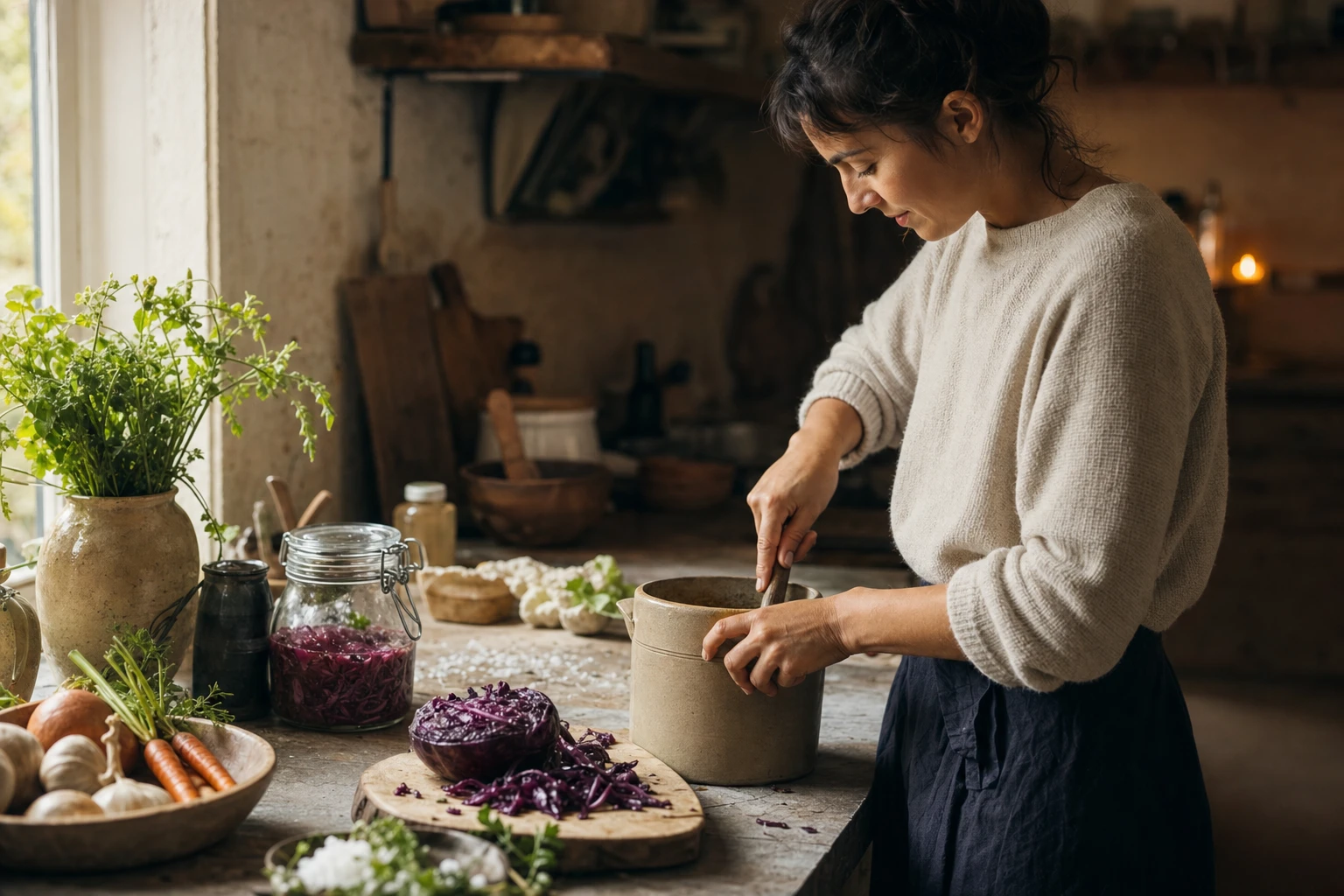
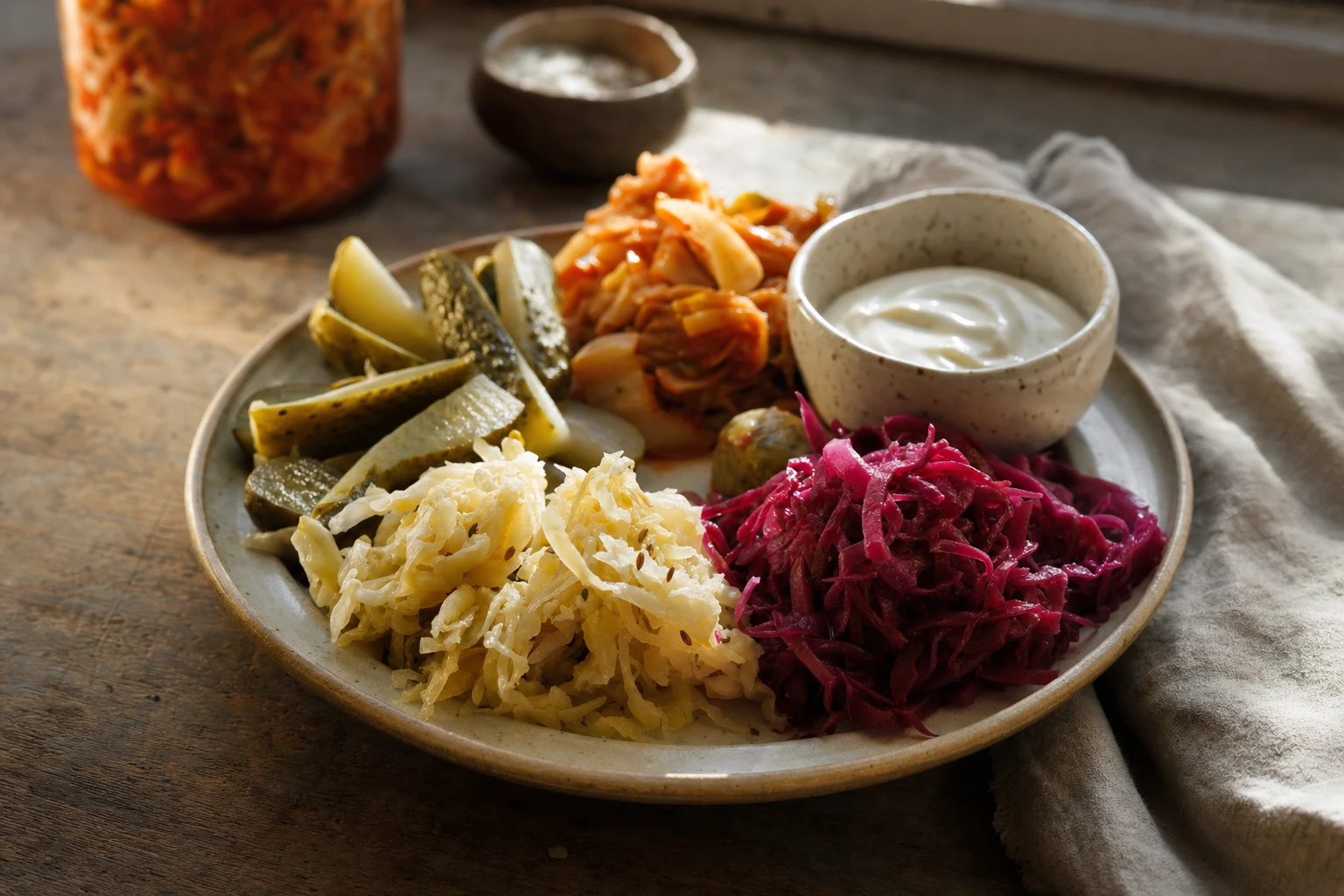
Fermented foods are the foundation of post-antibiotic recovery because they introduce live beneficial bacteria directly into your gut. This is not theoretical. Your gut is currently a vacant lot. Fermented foods are seeds.
Start conservatively. If you've just finished antibiotics, introduce fermented foods slowly: a small spoonful of sauerkraut or kimchi with one meal daily for the first week. Increase gradually. The goal is to avoid overwhelming your already-sensitive digestive system with a sudden bacterial influx.
The best fermented foods for microbiome recovery are those that are genuinely fermented, not vinegar-based:
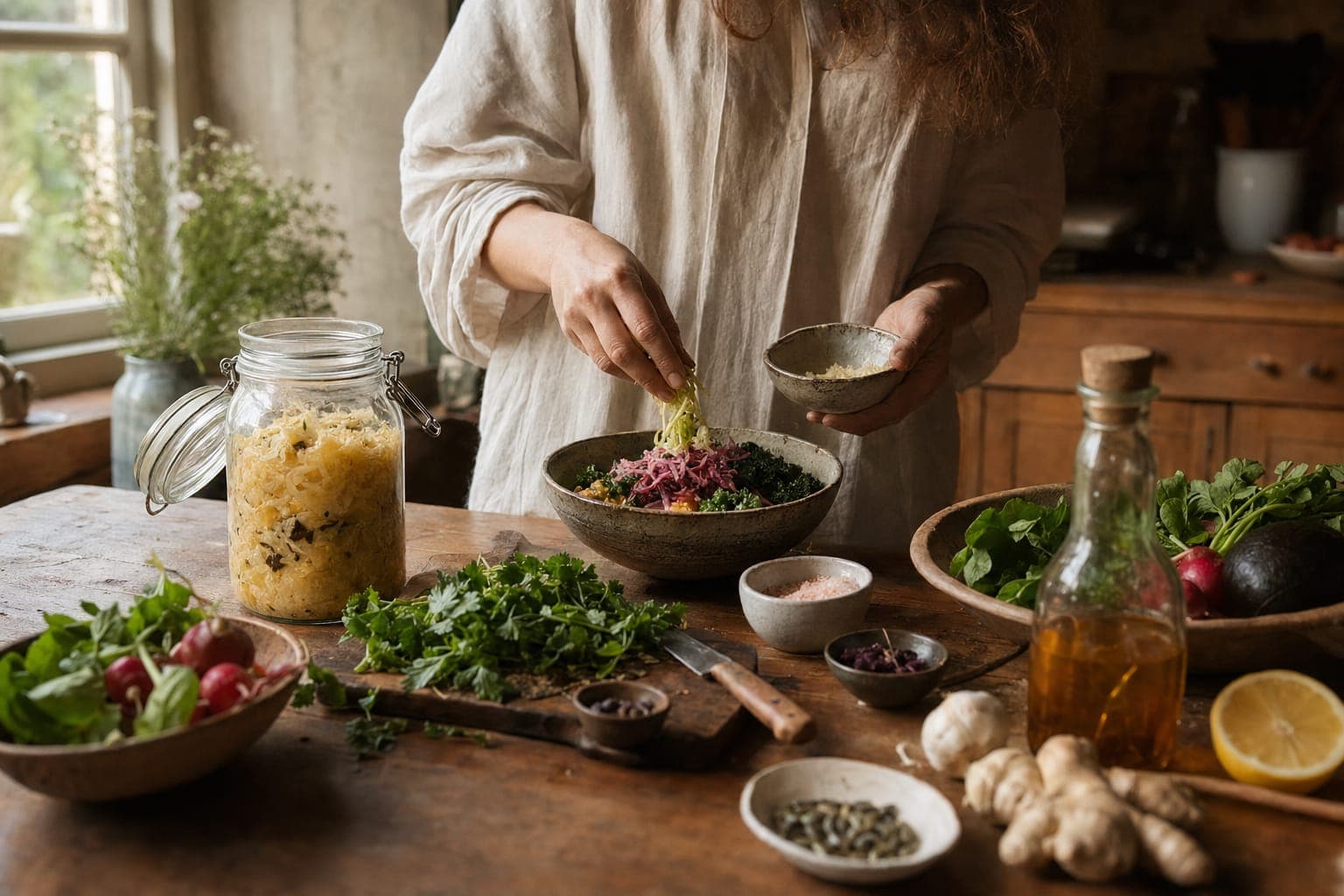
- Sauerkraut (raw, unpasteurised, found in the chilled section, not the shelf) with lactobacillus plantarum and other lactic acid bacteria
- Kimchi with similar bacteria to sauerkraut, with added heat and spice that supports digestion
- Kefir (if you tolerate dairy) with polyculture of bacteria and yeasts, richer diversity than yoghurt
- Kombucha fermented with SCOBY, contains acetic acid bacteria and beneficial yeasts
- Miso fermented soy, contains lactobacillus and aspergillus strains
- Aged cheeses with lactobacillus and other bacteria that survive the fermentation and ageing process
Fermentation isn't just preservation. It's a living process. The bacteria inside a jar of sauerkraut are metabolically active, producing organic acids and metabolites that support your own gut health.
Bone broth: the foundation
Bone broth isn't a trend. It's a direct intervention for gut integrity. After antibiotics, your gut lining is compromised. Dysbiosis allows bacterial lipopolysaccharides to cross the intestinal barrier, triggering inflammation.
Bone broth contains gelatine, glycine, and collagen. These amino acids are the literal building blocks of intestinal tissue. Glycine is so important for gut repair that many practitioners use it in isolation, but bone broth delivers it alongside other cofactors that amplify absorption and utilisation.
Aim for 200-300ml of bone broth daily for the first 3 months post-antibiotics. Homemade is best (simmered for 18-24 hours, bones from pasture-raised animals), but quality shop-bought is acceptable if it contains recognisable ingredients and no seed oils.
Glutamine: sealing the gaps
L-glutamine is an amino acid that your gut epithelial cells use as fuel. After dysbiosis, these cells are inflamed and depleted. Glutamine is specific for intestinal repair and is one of the few supplements worth considering in the first 3 months post-antibiotics.
Glutamine has been studied for gut barrier support at doses ranging from a few grams to 30 g/day in clinical settings.2 It tastes faintly sweet and dissolves in water. Take it between meals so it reaches the small intestine where it's absorbed most efficiently. Most people notice reduced bloating and improved digestion within 1-2 weeks.
You can also obtain glutamine from food: bone broth (as above), grass-fed beef, eggs, and aged cheeses. The amounts are smaller, but they contribute to overall intake.
Prebiotics: feeding the good bacteria
A prebiotic is food for bacteria. You can introduce all the beneficial bacteria you want, but if you don't feed them, they'll starve out and die. This is where prebiotics come in.
The problem with many prebiotic supplements is that they're too aggressive. Raw inulin powder, for instance, can ferment violently in a dysbiotic gut and cause bloating, cramping, and gas. Instead, use food-based prebiotics that are already partially broken down or gentle enough for a healing gut:
- Cooked onions and garlic (cooked reduces the FODMAP load, retains the prebiotic fibre)
- Cooked asparagus with inulin, but gentle
- Potato starch (cooked, then cooled) as resistant starch that feeds butyrate-producing bacteria
- Ripe banana with pectin and resistant starch
- Apple (cooked is easier to digest) with pectin
- Bone broth itself contains collagen peptides that support beneficial bacteria
Prebiotics are pointless without the bacteria to feed. This is why you introduce them after fermented foods are established, not before.
Get health guides like this, free
Two short reads a week on eating for energy, gut health, skin, sleep and more.
By signing up you agree to receive emails from us. No spam, unsubscribe anytime.
Soil-based probiotics: nature's reset button
Standard probiotics (Lactobacillus and Bifidobacterium strains from yoghurt or supplements) are helpful, but they're like grass seed on pavement: they might take, but the environment is hostile. Soil-based organism (SBO) probiotics are different.
SBOs are spore-forming bacteria that survive stomach acid, reach the colon intact, and produce compounds that make the gut inhospitable to pathogens. Spore-forming Bacillus species (e.g. B. subtilis, B. coagulans) have been studied as probiotics for their stability through gastric acid and effects on gut symptoms.3
A single-species SBO supplement (containing 1-2 billion CFU of one strain) taken for 3 months post-antibiotics can accelerate recovery. They're more resistant than standard probiotics and work better in the hostile dysbiotic environment.

What you're actually doing
This recovery protocol has four pillars: introducing beneficial bacteria (fermented foods, SBO probiotics), sealing the gut lining (bone broth, glutamine), feeding the bacteria that take hold (prebiotics), and giving it time.
You're not just restocking an ecosystem. You're replanting a garden. Some seeds will do well, others won't. But if you keep feeding the soil and introducing good varieties, you'll eventually get a thriving garden back.
The timeline matters. Too much too soon causes bloating and discomfort. Too slow and dysbiosis persists. Gentle, consistent intervention for 3-6 months is the sweet spot.
1 of 9
Daily blend
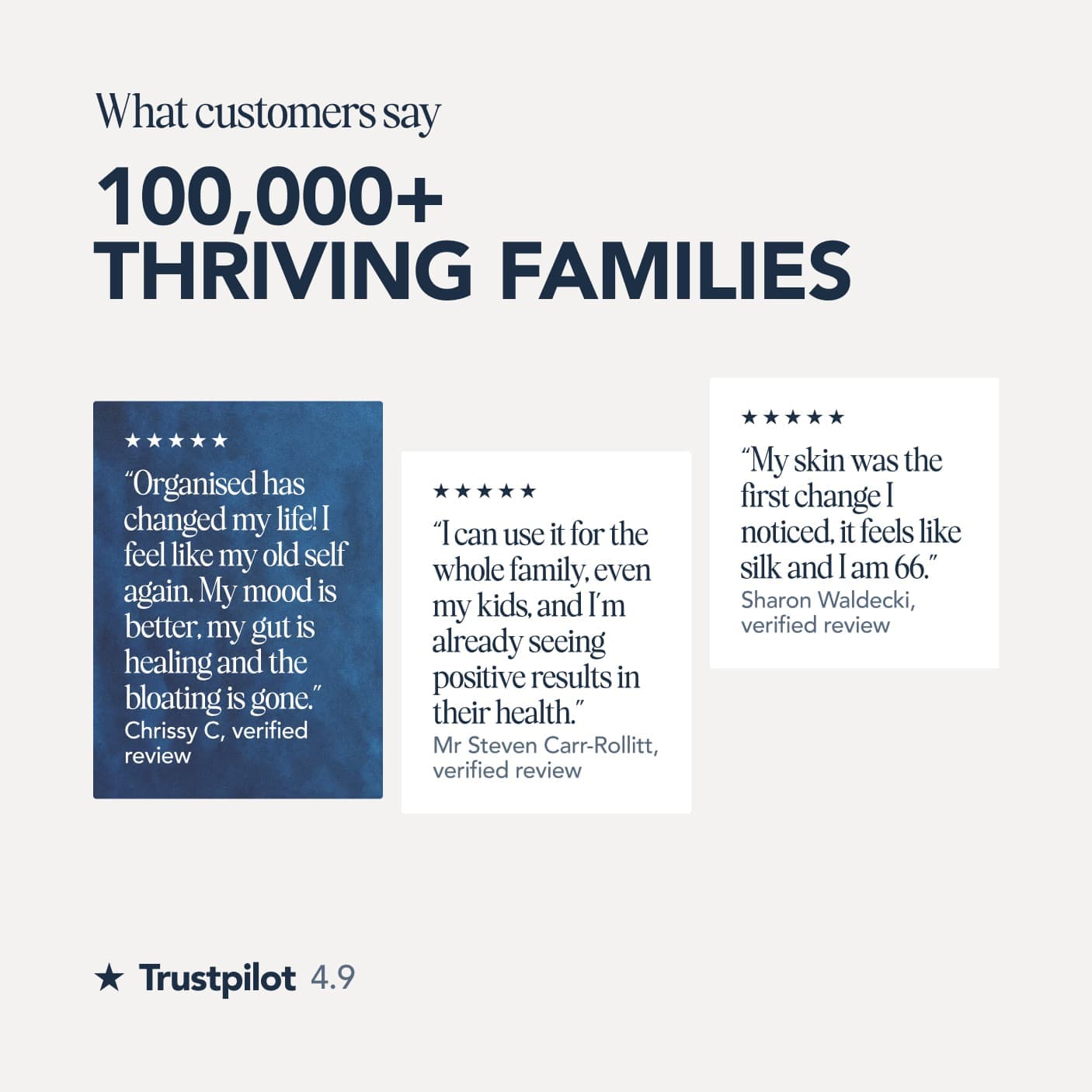
100,000+ thriving families4.9 on Trustpilot
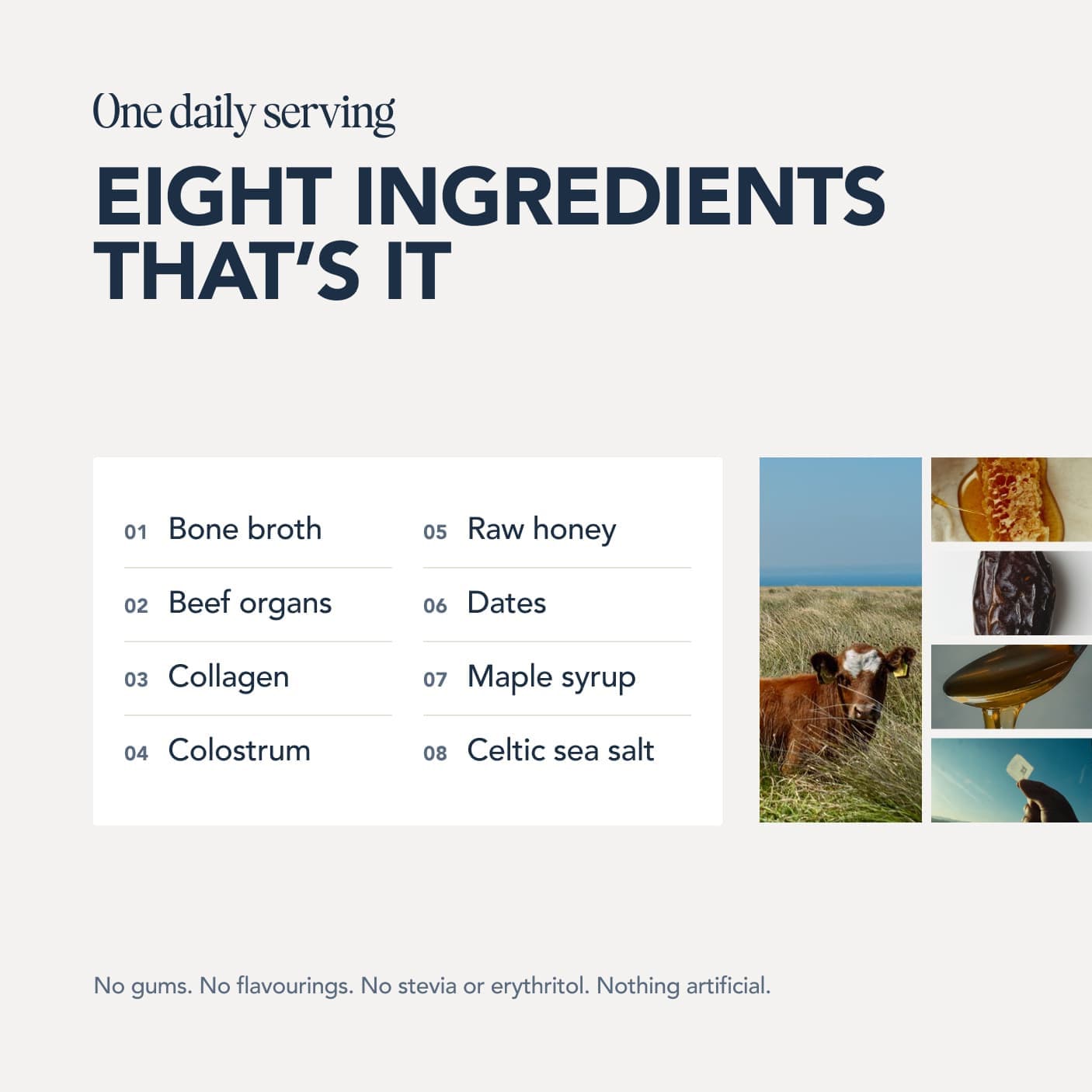
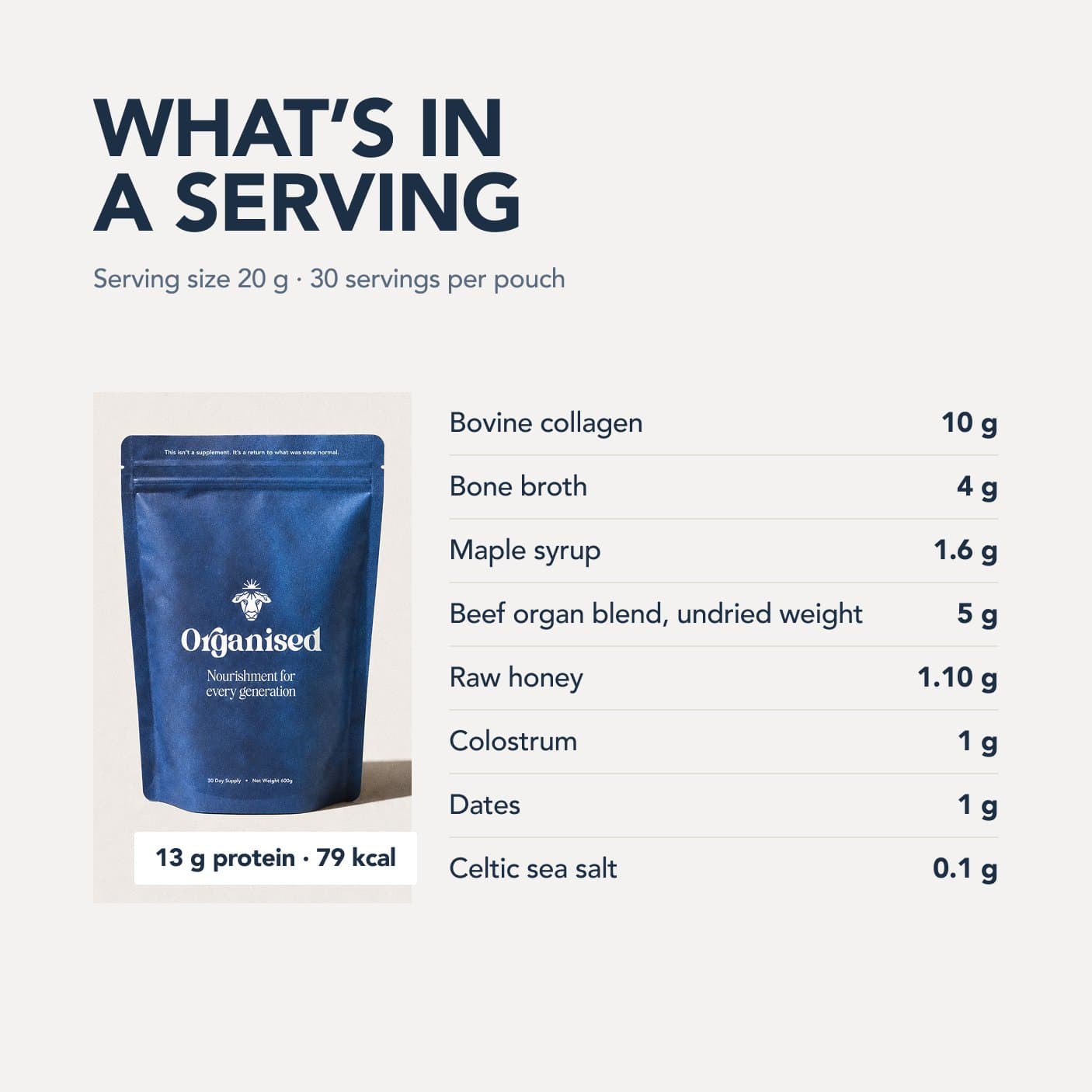
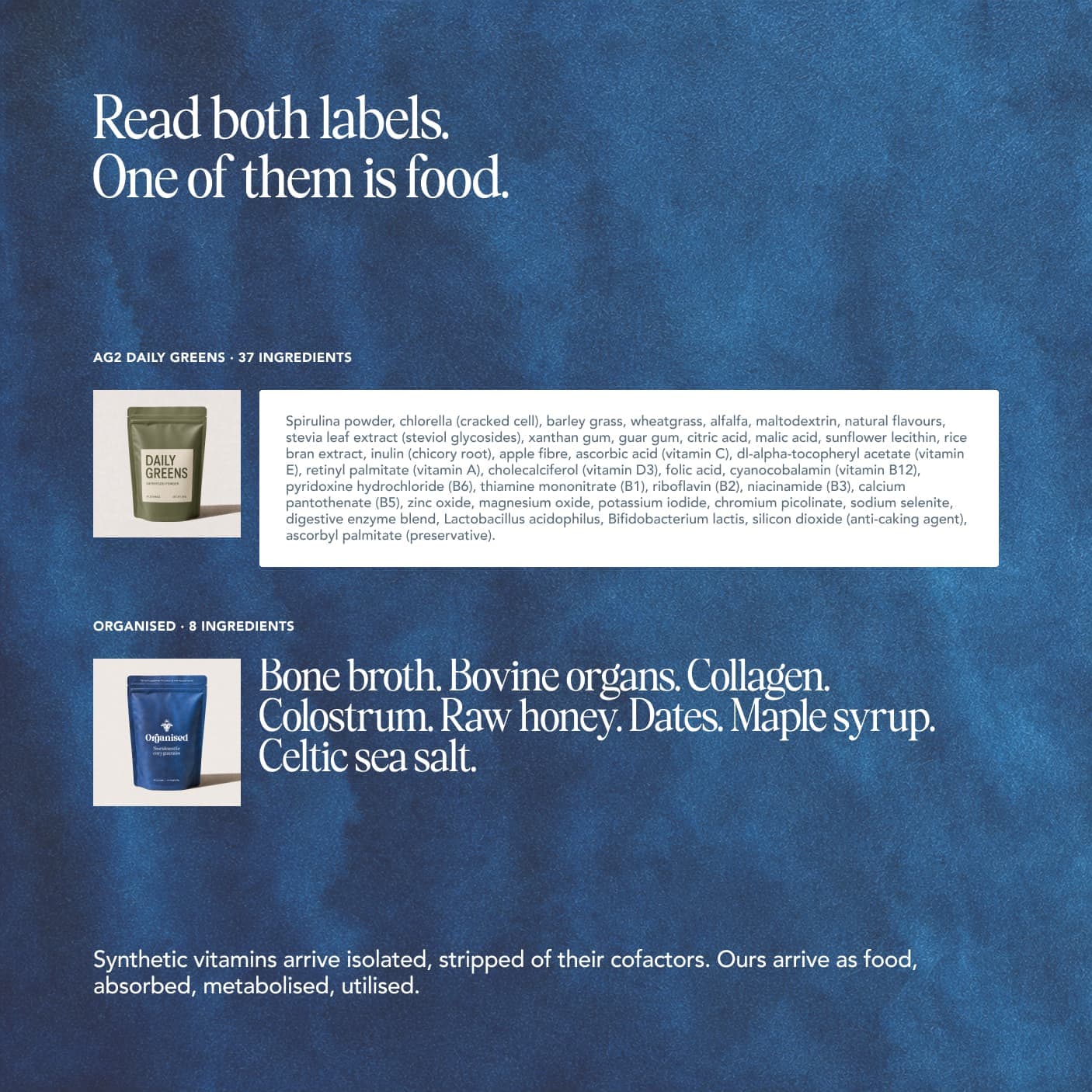
Eight real ingredients built around grass-fed beef organs, collagen and colostrum. Nothing synthetic added.
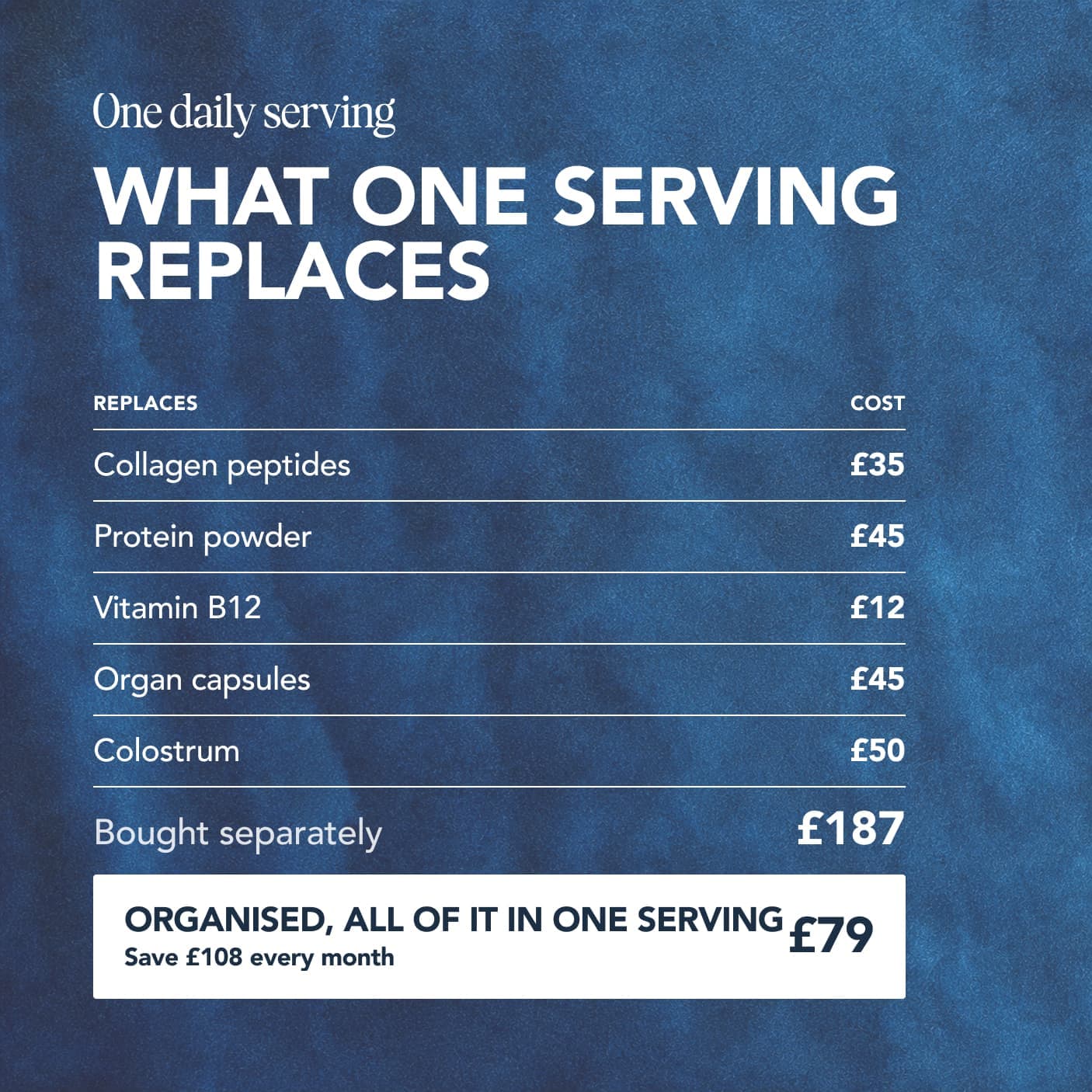
Free with your first order, worth £38. Plus £10 off the pouch with a subscription.
Free UK shipping · Made in England · 100 day money back guarantee on your first pouch · Skip, pause or cancel anytime
The timeline of microbiome recovery and realistic expectations
Broad-spectrum antibiotics can take your microbiome from healthy to nearly sterile in days. The recovery timeline is longer than most people anticipate. Beneficial bacteria begin repopulating within 2-3 days of finishing antibiotics, but full diversity takes weeks to months.
Week one after antibiotics: focus on removing the inflammatory foods that antibiotics can't address anyway. Cut seed oils, ultra-processed foods, and excess sugar. These are feeding grounds for opportunistic species that do well when beneficial bacteria are depleted. Introduce fermented foods daily (sauerkraut, kimchi, aged cheeses, kefir).
Week two through four: the key is consistency. Every meal should include fermented foods or prebiotic foods that feed beneficial bacteria. Eat substantial amounts of bone broth (your gut lining is often damaged by the same infection that required antibiotics). Include organ meats for minerals and micronutrients that support immune recovery.
Month two and beyond: most people notice improved digestion, stable energy, and clearer skin by this point. Your microbiome is repopulating, your gut lining is sealing, and dysbiosis-related symptoms are resolving. Full microbiome diversity can take six months to normalise completely, but the bulk of recovery happens in the first 4-6 weeks if you support it actively.
Common mistake: taking probiotics as a shortcut and stopping dietary changes. Probiotics are helpful, but they're not a substitute for removing the foods that fed dysbiosis and adding the foods that feed beneficial bacteria. The diet matters more than the supplement.
Your microbiome recovery is a lifestyle shift for several months, not a quick fix. The good news is you'll feel dramatically better if you do it consistently.
The bottom line
Antibiotics save lives. Their gut damage is real, but it's not permanent. Recovery is straightforward: start with fermented foods and bone broth in week one, add glutamine if you're experiencing bloating or gut pain, introduce prebiotics once fermentation feels tolerable, and consider an SBO probiotic in month one.
Most people notice substantial improvement in digestion, energy, and regularity within 3-6 months. Full recovery takes longer, but the foundation is built quickly with intention. Your microbiome is resilient. Give it the right conditions and it will rebuild.
References
Every source below was checked on 27 August 2026. Each PubMed, PMC and DOI identifier was resolved against NCBI or Crossref, and what it opens is printed under the citation, so you can see the link goes where the citation says without leaving the page. Where a citation and its identifier disagreed, the citation was corrected to the record or the reference was deleted along with the sentence marker that pointed at it, and where the resolved paper turned out not to support the sentence, the sentence was cut back to what it does support. Borrowed authority is worse than none, because it looks like rigour.
- Thursby E, Juge N. Introduction to the human gut microbiota. Biochem J. 2017;474(11):1823-1836. PMC5433529Checked 27 August 2026: PMC5433529 opens Thursby E, Juge N, Introduction to the human gut microbiota. Biochem J 2017;474(11):1823-1836. PubMed indexes it as: Review.The authors' own declaration, from the record: The Authors declare that there are no competing interests associated with the manuscript.
- Kim MH, Kim H. The Roles of Glutamine in the Intestine and Its Implication in Intestinal Diseases. Int J Mol Sci. 2017;18(5):1051. PMC5454963Checked 27 August 2026: PMC5454963 opens Kim MH, Kim H, The Roles of Glutamine in the Intestine and Its Implication in Intestinal Diseases. Int J Mol Sci 2017;18(5). PubMed indexes it as: Review.The authors' own declaration, from the record: The authors declare no conflict of interest.
- Elshaghabee FMF, et al. Bacillus As Potential Probiotics: Status, Concerns, and Future Perspectives. Front Microbiol. 2017;8:1490. PMC5554123Checked 27 August 2026: PMC5554123 opens Elshaghabee FMF, Rokana N, Gulhane RD et al, Bacillus As Potential Probiotics: Status, Concerns, and Future Perspectives. Front Microbiol 2017;8:1490. PubMed indexes it as: Review.
- Dethlefsen L, Relman DA. Incomplete recovery and individualized responses of the human distal gut microbiota to repeated antibiotic perturbation. Proc Natl Acad Sci USA. 2011;108 Suppl 1:4554-61. PMID 20847294Checked 27 August 2026: PMID 20847294 opens Dethlefsen L, Relman DA, Incomplete recovery and individualized responses of the human distal gut microbiota to repeated antibiotic perturbation. Proc Natl Acad Sci U S A 2011;108 Suppl 1(Suppl 1):4554-61.The authors' own declaration, from the record: The authors declare no conflict of interest.
Who wrote and reviewed this guide
Niall Kiddle
Author · Founder, Organised
Niall is the founder of Organised. He started the company in 2024 after fixing his own health the slow way: in 2022 he swapped a cupboard of synthetic supplements for real food, raw milk, organ meats, bone broth and honey, and felt the difference within months.
Areas of expertise: Ancestral nutrition, Organ meats, Whole-food supplementation, Gut health, Regenerative sourcing
Read Niall's full profile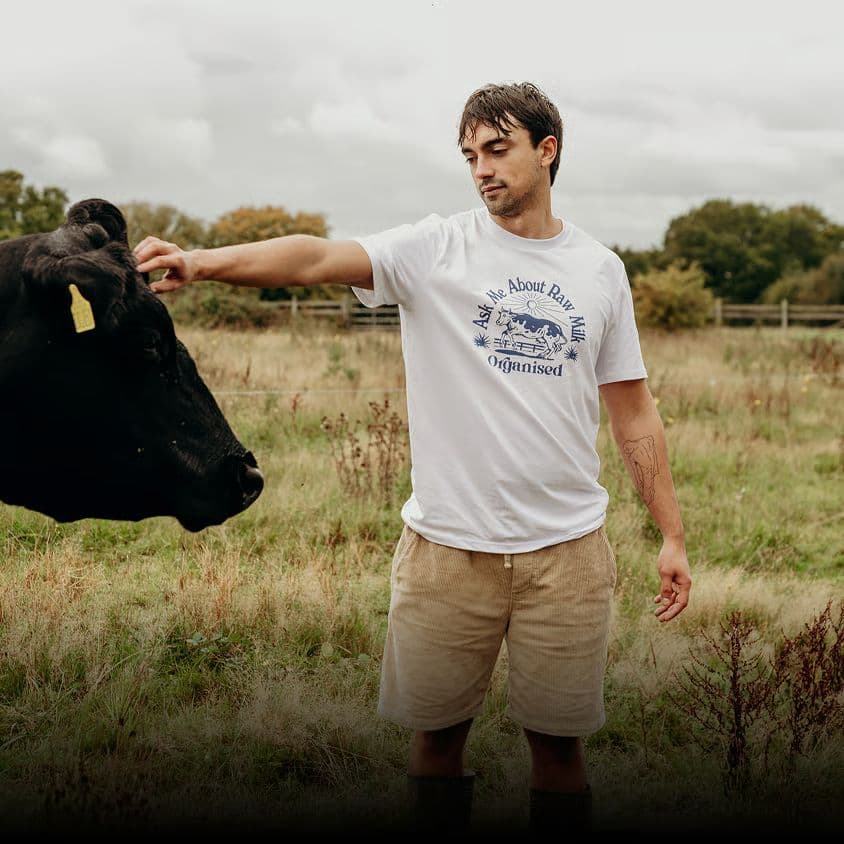
Pedro Rodrigues
Reviewer · Agronomist (farming and sourcing only)
Pedro is the agronomist Organised works with on farming and sourcing. His job on the guides is to keep the science honest: he reviews what we publish about soil health, regenerative agriculture, grazing and the way food is actually produced.
Areas of expertise: Regenerative agriculture, Agronomy, Soil health, Grass-fed farming, Food sourcing
Reviewed this guide on
Read Pedro's full profileMore on gut health
View all- The Complete Guide to Healing Your Gut with Whole Foods
- Why Your Gut Health Affects Everything (Not Just Digestion)
- 5 Foods You Think Are Healthy (But Are Secretly Ruining Your Gut)
- Acid Reflux and Low Stomach Acid: A Nutritional Perspective
- Bloating After Eating: Common Causes and Whole Food Solutions
- Bone Broth for Gut Health: What the Science Says
- Candida Overgrowth: What It Is and How Nutrition Can Help
- Histamine Intolerance: Could Your Gut Be the Cause?
- How Colostrum and Collagen Work Together to Repair the Gut Lining
- How Stress Destroys Your Gut (And What to Do About It)
- How to Recognise the Early Signs of Poor Gut Health
- IBS and Nutrition: A Whole Food Approach
Browse the guides library
All guidesKeep reading
Health goals
Why Your Gut Health Affects Everything (Not Just Digestion)
Around 70% of your immune system lives in your gut. Learn how the gut-brain axis, gut-skin axis, and microbiome influence health system-wide.
Health goals
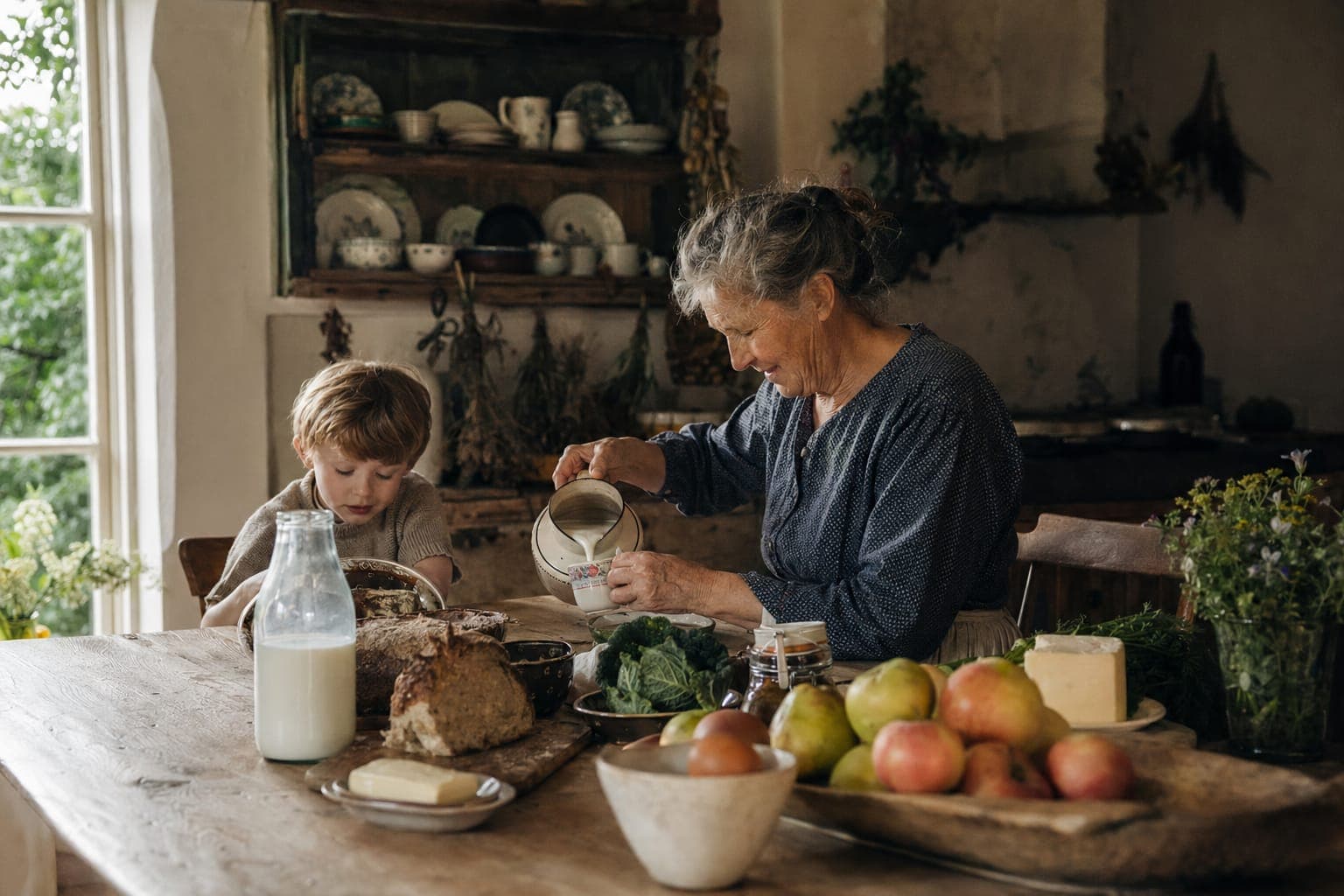
Why Your Grandparents Ate Better Than You
Explore the nutritional shift since the 1970s. Your grandparents' whole-food diet contained far more nutrient density than modern food. Here's what changed.

Health goals
The Desk Worker's Guide to Staying Strong and Energised
Desk work erodes energy and muscle. This guide fixes it with protein timing, movement breaks, light exposure, and cortisol management.
Real food, made effortless
Start my daily blendA few ways to use it
All recipes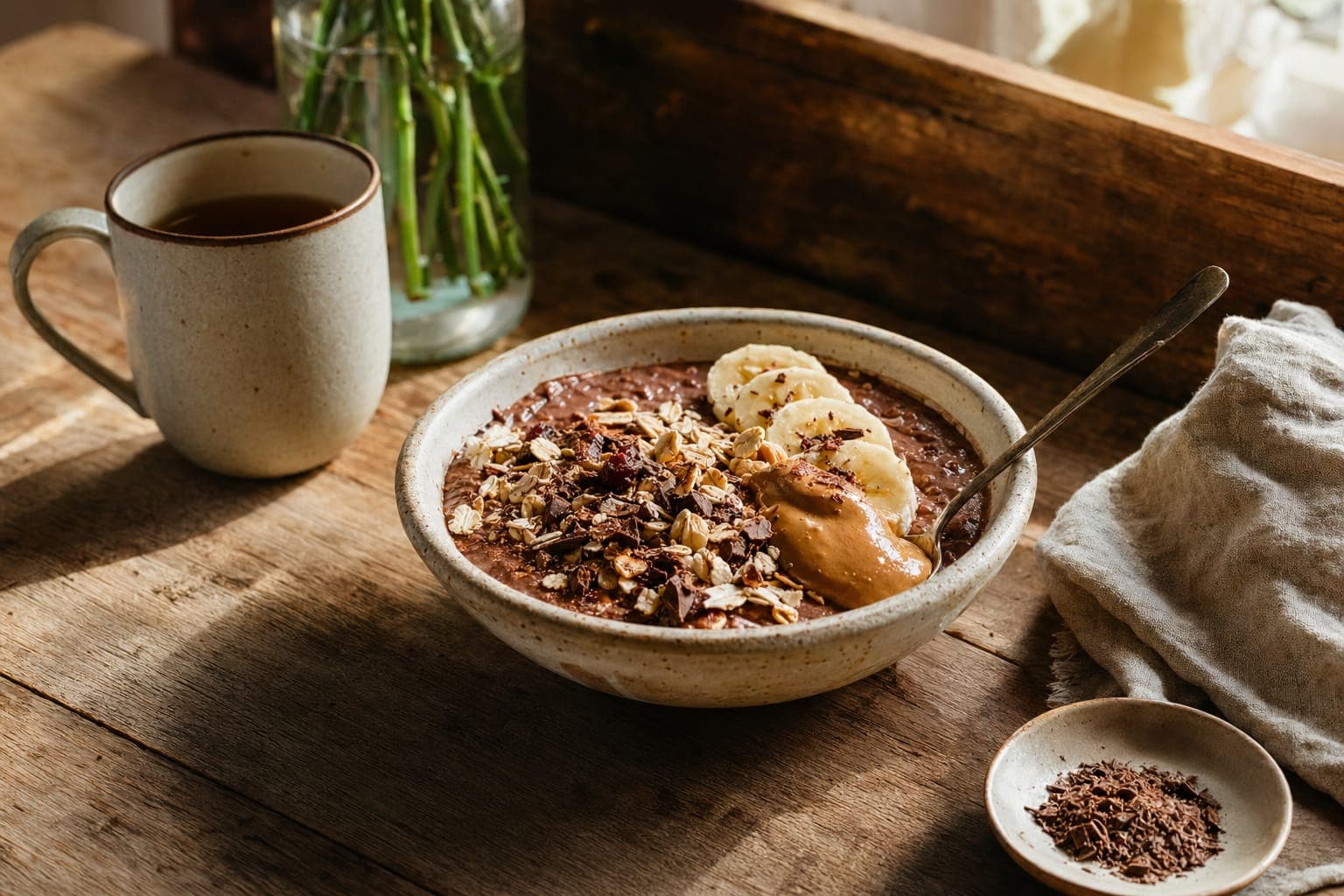
10 Ways to Use Organised That Aren't Just a Shake
Move beyond the basic shake. Discover 10 creative ways to use Organised in smoothie bowls, oats, yoghurt, baking, and more.
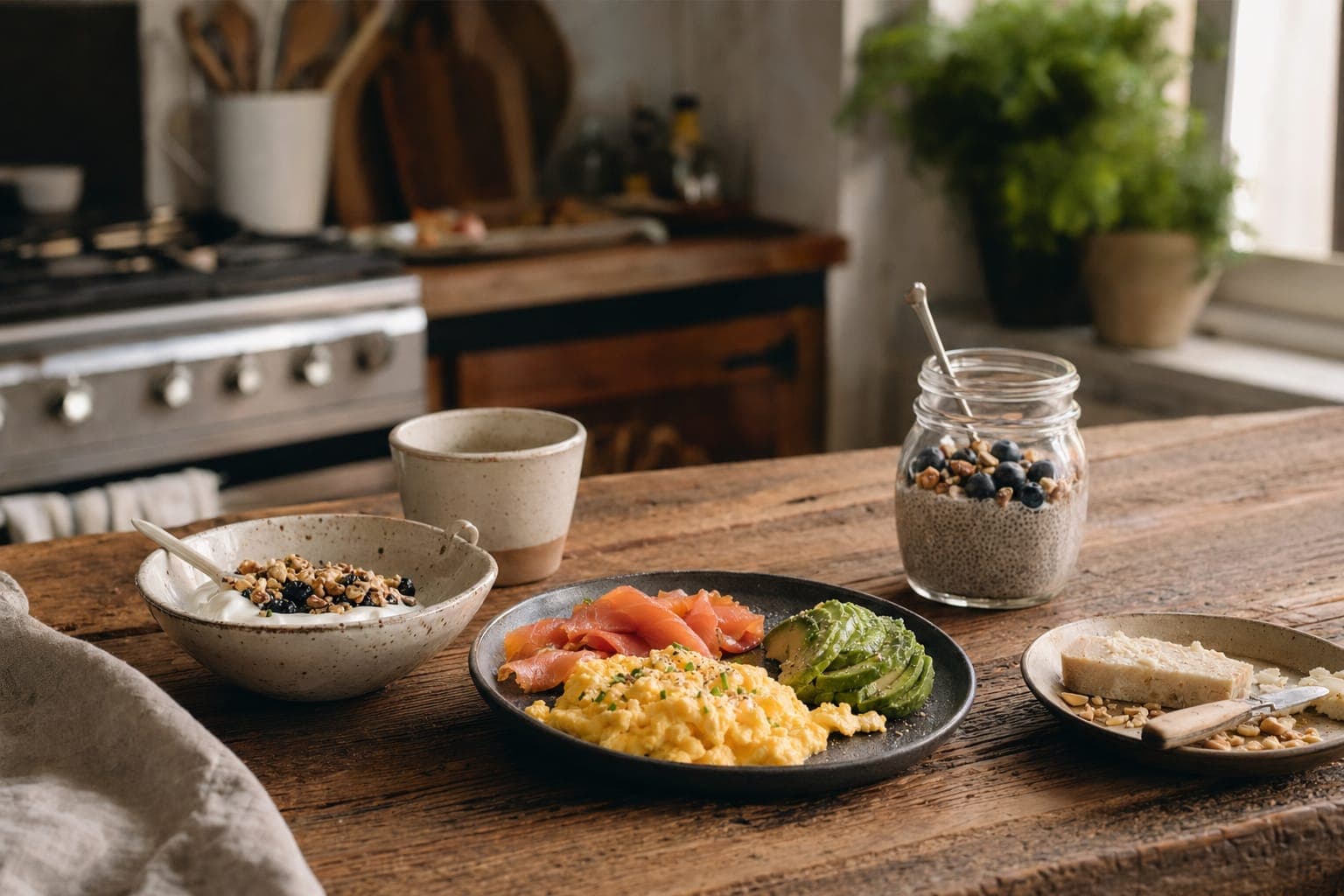
5-Minute High-Protein Breakfasts Using Organised
Quick, high-protein breakfast ideas using Organised. Five recipes you can make in minutes with real food. No fussing around.
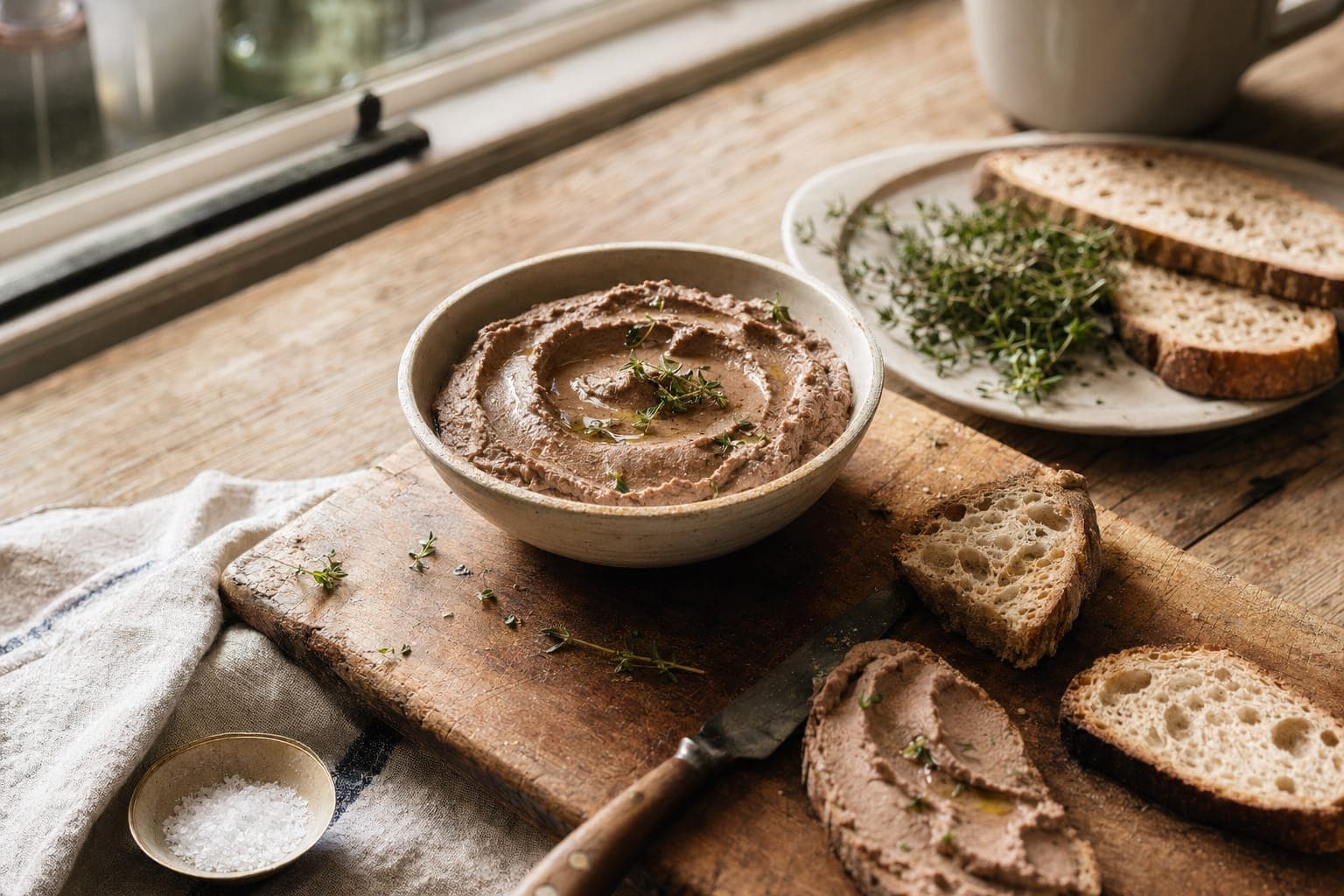
Liver Pate for Beginners: A Gentle Introduction to Organ Meats
Simple liver pate recipe to start eating organ meats. Chicken liver, butter, and herbs. Gentle introduction to nutrient-dense whole foods.


 Join over 100,000+ members
Build a better food system with us
The Organised community is thousands of people choosing real food and backing the farmers who grow it, all of us trying to leave the world a little better than we found it. If that is what you care about too, you belong here.