How to Eat for a Natural Glow (Without Products)
Your skin is built from the inside out. The topical creams and serums you're using can't change what's happening in your living skin cells. Skin rebuilds every 28 days. The quality of your new skin depends on the nutrients you're eating. No amount of expensive skincare will overcome poor nutrition.

By Niall Kiddle, Founder, Organised

Reviewed by Pedro Rodrigues, Agronomist (farming and sourcing only) ·
6 min read · Published · Updated · 3 cited sources
Makers of the Organised Daily blend, a grass-fed beef organ supplement from regenerative UK farms
Why nutrition matters more than products
Your outer skin layer is dead cells. Skincare products can't reach living skin. They can moisturise the surface, they can feel nice, but they can't create actual cellular health. Only nutrition can do that.
Your living skin is created by keratinocytes and fibroblasts underneath the surface. These cells need nutrients to reproduce and function properly. Vitamin A controls cell turnover.2 Collagen provides structure. Vitamin C supports collagen synthesis.3 Fat provides the lipid barrier. Zinc heals damage.
Feed your skin cells these nutrients and you get radiant, clear, resilient skin. Starve them and no amount of moisturiser helps. This is why people with poor nutrition have poor skin despite expensive skincare routines.
Your skin doesn't need the most expensive cream. It needs adequate nutrition from real food.
The nutrients that create radiant skin
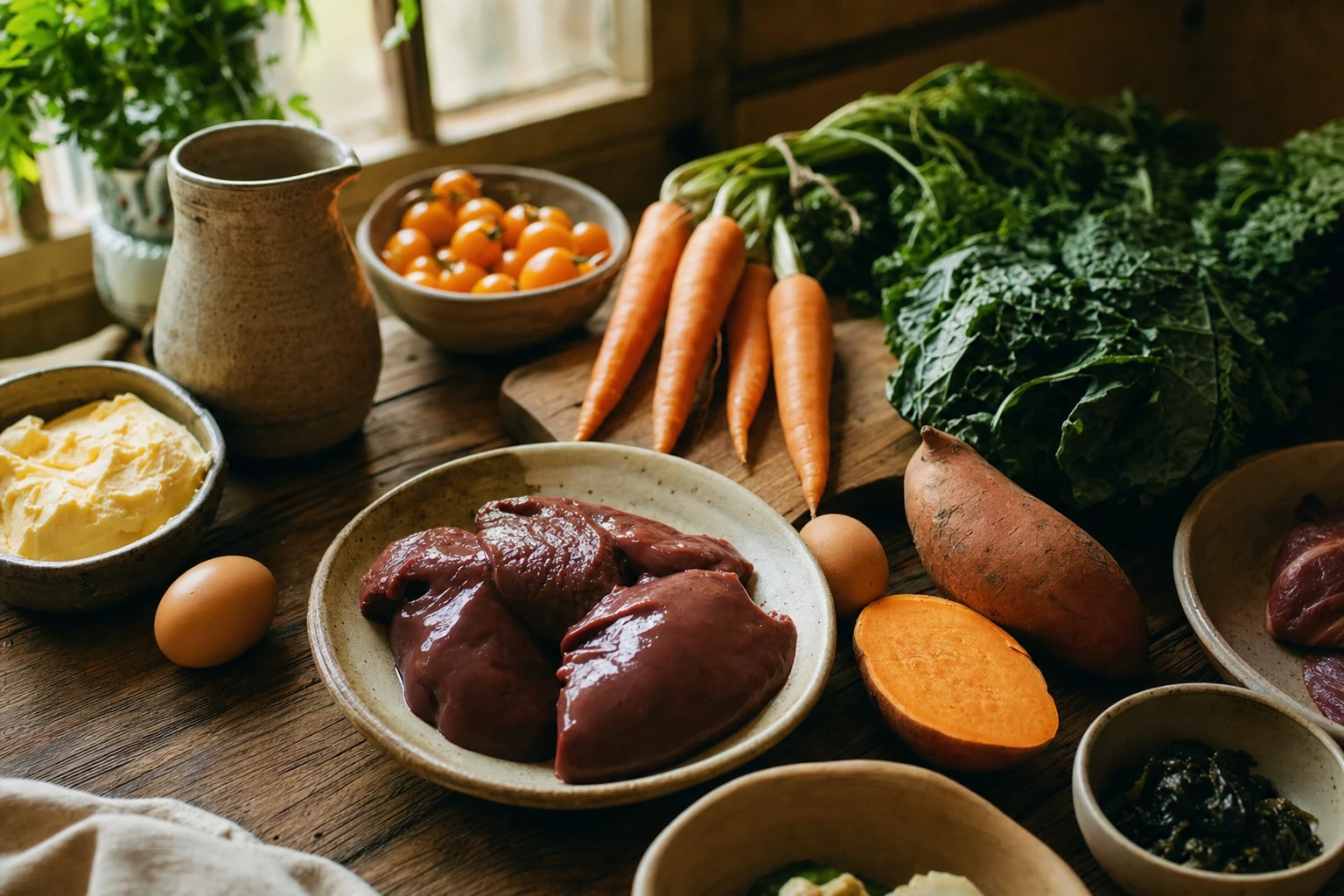
Retinol (vitamin A) is the most powerful nutrient for skin. It controls cell turnover, increases collagen production, strengthens the barrier, and has anti-inflammatory effects. The richest source is beef liver. One serving of liver per week provides more retinol than you can get from eating carrots for a month.
Collagen is the structural protein that keeps skin plump and elastic. Collagen synthesis requires vitamin C, copper, and adequate protein. Vitamin C from food (not supplements) is absorbed better and works synergistically with other nutrients. Copper is found in oysters, beef, and organ meats.
Zinc heals the skin barrier, reduces inflammation, and supports collagen cross-linking. Oysters, red meat, and pumpkin seeds are your best sources. Most people eating modern food are deficient in zinc.
Fat-soluble vitamins (A, D, E, K2) regulate skin health at the genetic level. They're only found in animal foods or are poorly absorbed from plants. Full-fat dairy, eggs, fatty fish, and liver provide all of them.
Selenium protects skin from oxidative stress. Brazil nuts are the richest source, but you only need one or two daily. Too much selenium is toxic.
Radiant skin is built from retinol, collagen, zinc, and fat-soluble vitamins. These are nutrients, not skincare ingredients.
The foods that deliver them
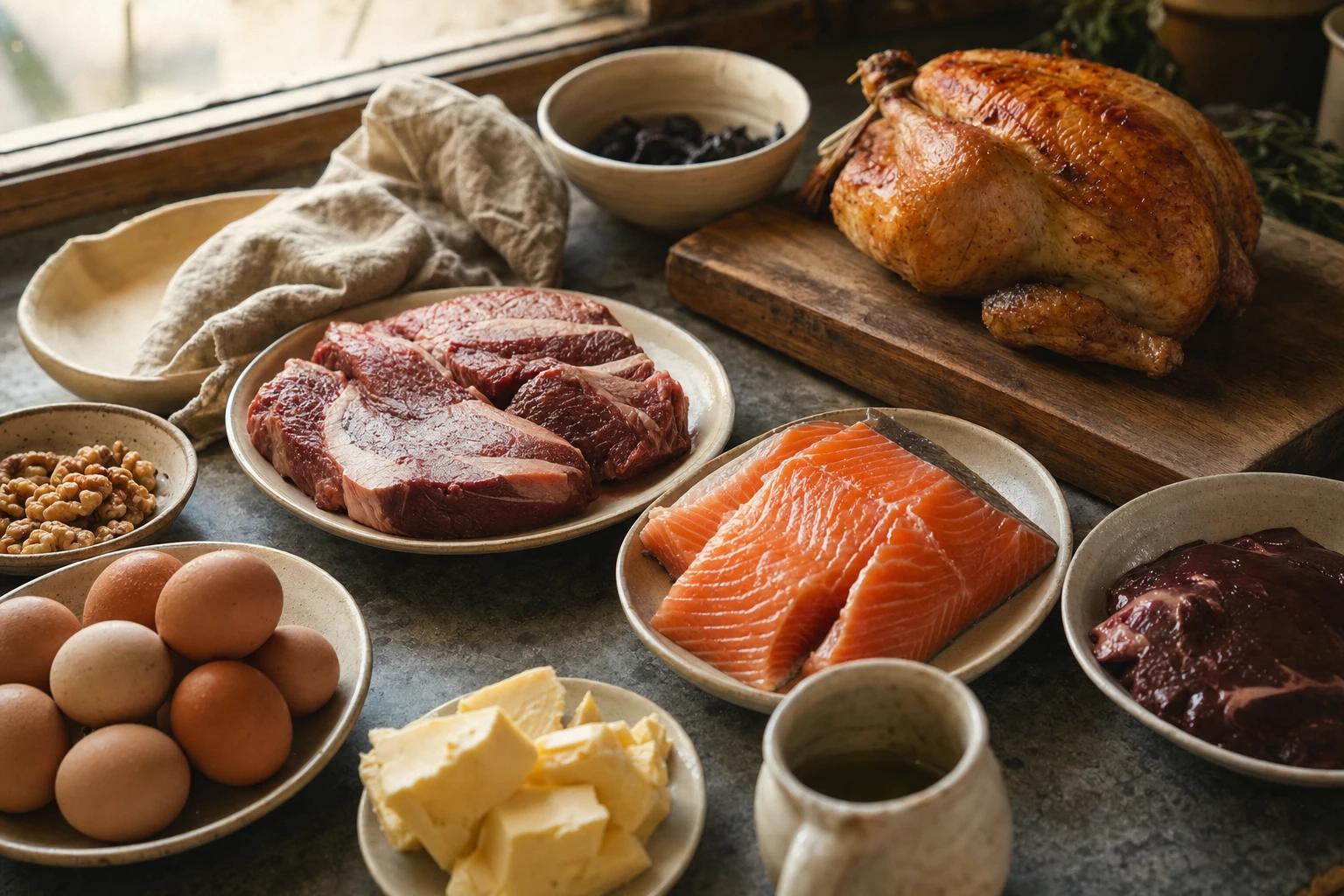
Here's your skin-building shopping list.
- Beef liver - retinol, copper, B vitamins. Once or twice weekly.
- Eggs - lutein for eye health, choline for brain function, complete protein. Three to four daily.
- Oysters - zinc, copper, selenium. Twice weekly if accessible, or less frequently if not.
- Fatty fish - salmon, mackerel, sardines. Omega-3 fats, vitamin D, selenium. Twice weekly.
- Grass-fed beef - complete protein, iron, zinc, B vitamins. Three servings weekly.
- Full-fat dairy - vitamin A, D, K2, calcium. One to two servings daily if tolerated.
- Bone broth - collagen, glycine, minerals. Daily.
- Citrus and berries - vitamin C, antioxidants. Daily.
That's the entire system. Notice there are no expensive superfoods. No goji berries or collagen powder. Just real food that happens to contain the nutrients your skin needs.
Hydration and fat balance
Skin is roughly 30 percent water. You need adequate hydration, but obsessing over eight glasses daily misses the point. Your hydration status depends on your electrolyte balance (sodium, potassium, magnesium). Drink water without electrolytes and you're just peeing it out.
Salt your food generously. It improves water retention and electrolyte balance. Your skin will be more hydrated.
Fat balance matters. The omega-6 to omega-3 ratio in your diet affects skin inflammation. Modern diets are high in omega-6 from seed oils and low in omega-3 from fish. This imbalance drives inflammation. Reduce seed oils. Add fish and shellfish. Your skin will be less inflamed.
And don't fear dietary fat. The idea that fat clogs your skin is a myth. Fat-soluble vitamins require dietary fat to be absorbed. Your skin barrier is made of lipids. Fat is essential for radiant skin.
Adequate salt, adequate fat, and omega-3 rich foods support hydration and skin barrier health.

The practical protocol
For four weeks, eat like this.
- Breakfast: eggs with butter and toast or fruit
- Lunch: red meat or fish with white rice or potatoes and vegetables
- Dinner: similar to lunch
- Once or twice weekly: beef liver instead of other meat
- Twice weekly: oysters or shellfish
- Daily: bone broth if you can, or at least citrus or berries
- Daily: adequate salt on food
- Minimal seed oils, processed foods, sugar
This isn't restrictive. You're just prioritising nutrient-dense whole food. In four weeks, your skin will shift. You'll notice: clearer complexion, fewer breakouts, improved texture, less dryness, more glow. These aren't subtle changes. People notice.
Eat for skin health consistently and you'll have better skin at 40 than you did at 20. Nutrition beats genetics, beats age, beats expensive products.

Get health guides like this, free
Two short reads a week on eating for energy, gut health, skin, sleep and more.
By signing up you agree to receive emails from us. No spam, unsubscribe anytime.
The specific nutrients that create visible skin glow
Skin glow is not mystical. It is the visual result of good blood flow, low inflammation, and adequate hydration. Certain nutrients directly support these conditions.
Vitamin A from animal sources (liver, egg yolks, butter) is the most powerful nutrient for skin health. It supports skin cell turnover, reduces sebum production, and strengthens your skin barrier. A single serving of beef liver provides more vitamin A than most people need in a week. This is not supplementation. This is food as medicine.
Zinc supports collagen synthesis and reduces inflammation that drives acne and rosacea. Oysters are the richest source, but red meat and seeds provide substantial amounts. Zinc deficiency is common in people with chronic skin problems.
Hydration from water and electrolytes (sodium, potassium, magnesium) supports blood flow to your skin. Properly hydrated skin looks plump and glowing. Dehydrated skin looks dull and emphasises wrinkles. This is why sea salt and mineral-rich foods matter for skin appearance.
Omega-3 fats reduce systemic inflammation and support your skin barrier function. The fats in your skin come from the fats you eat. Eating fatty fish provides the exact fats your skin needs.
Glowing skin is built from liver, eggs, fish, salt, and mineral water. Not creams. Not supplements. Real food.


1 of 9
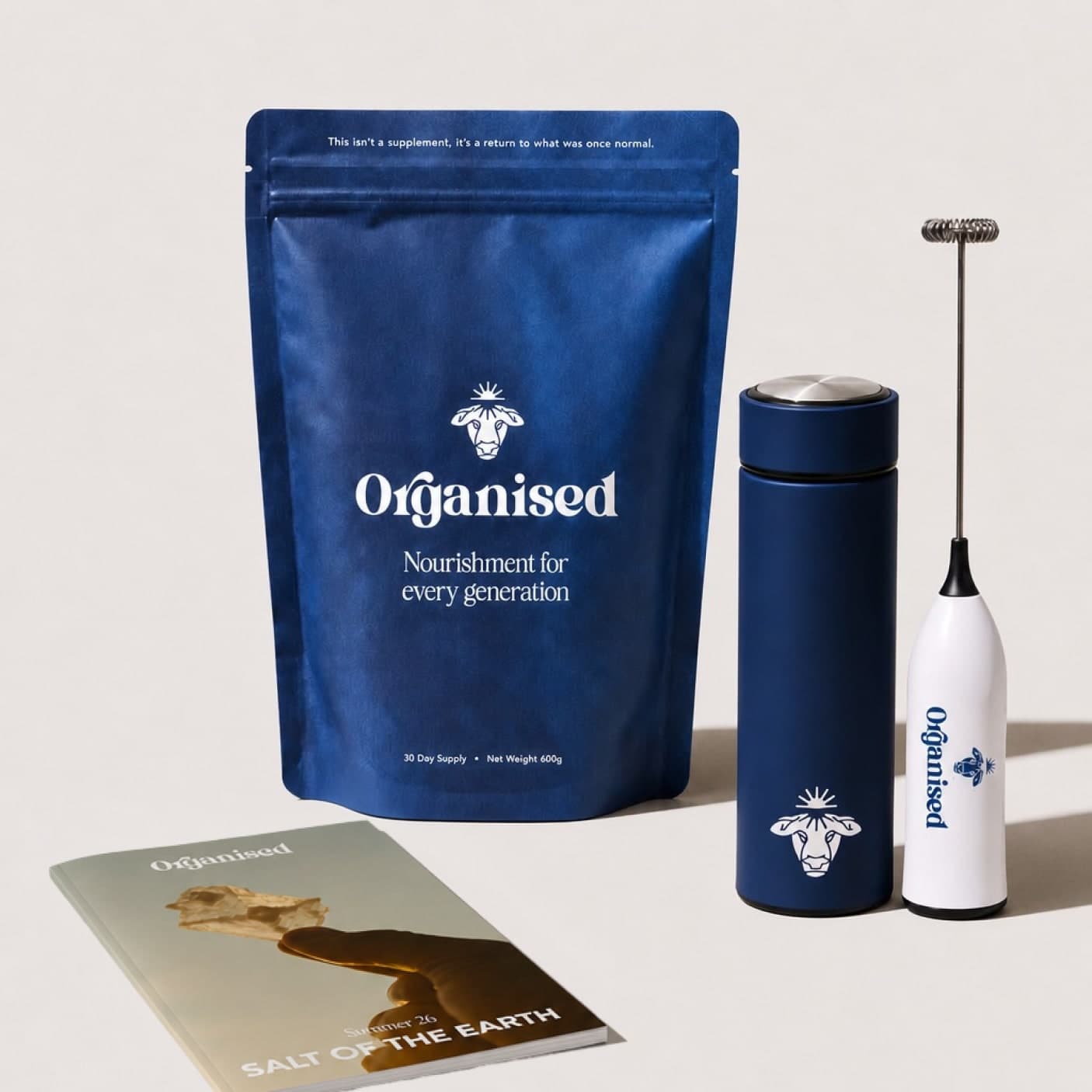
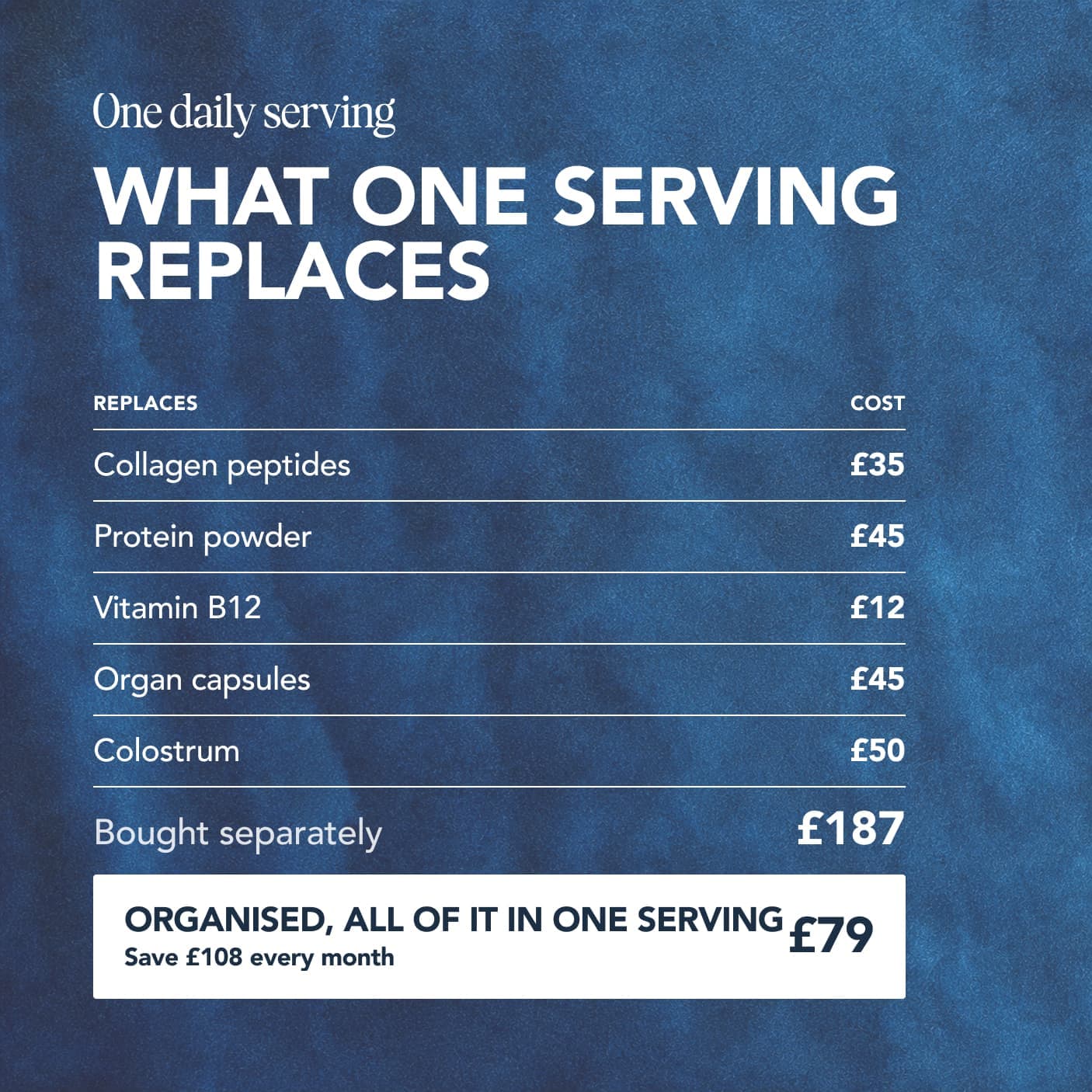
Daily blend
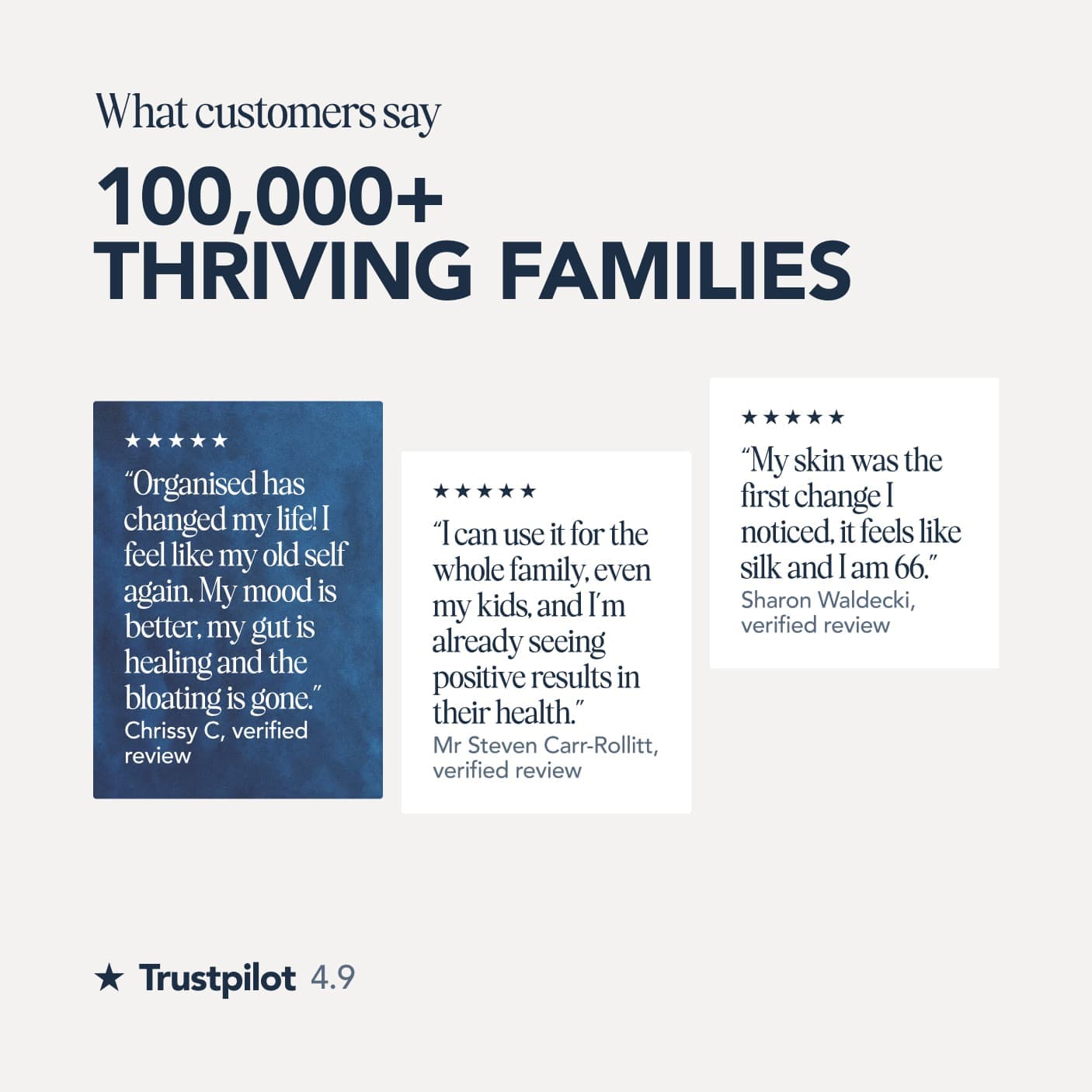
100,000+ thriving families4.9 on Trustpilot
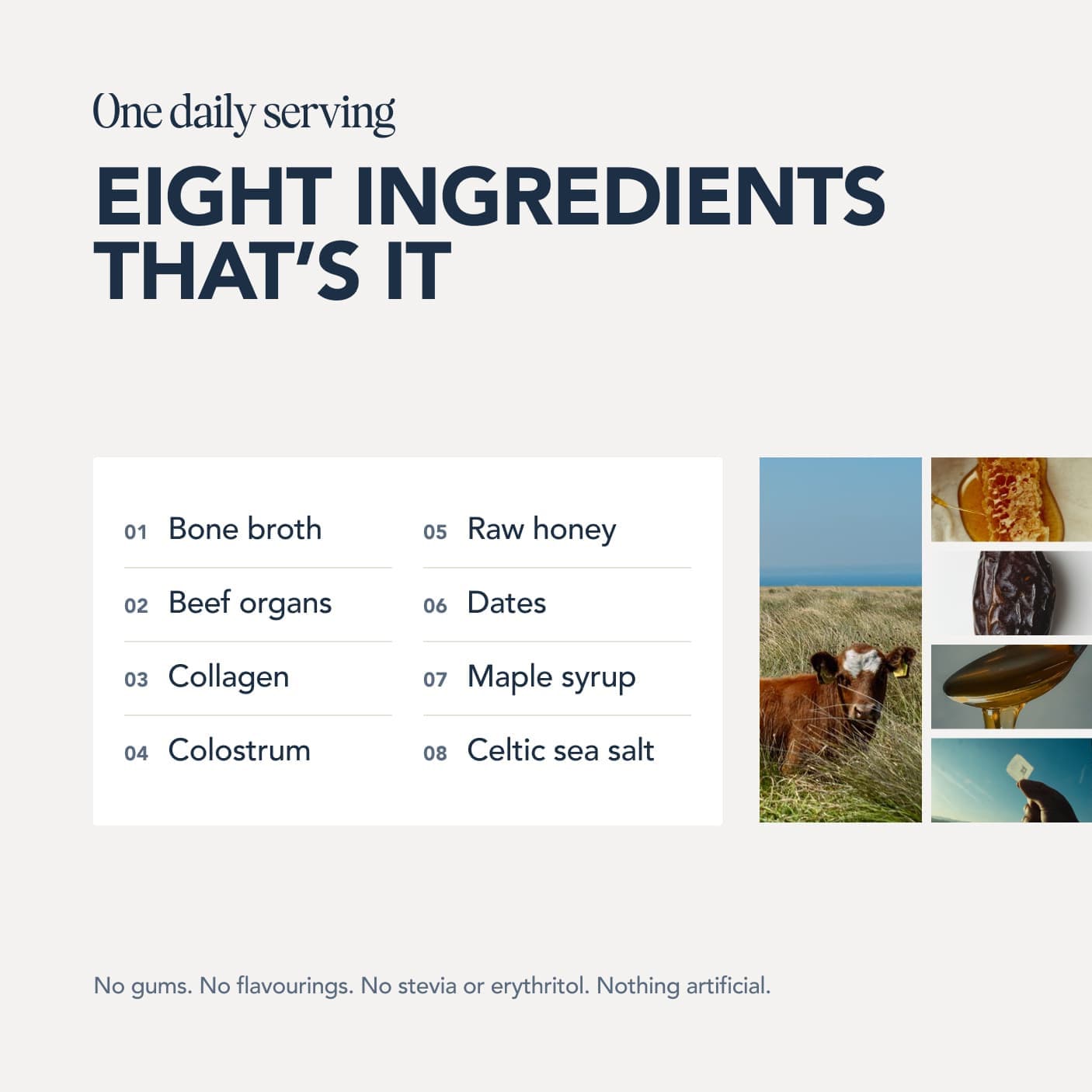
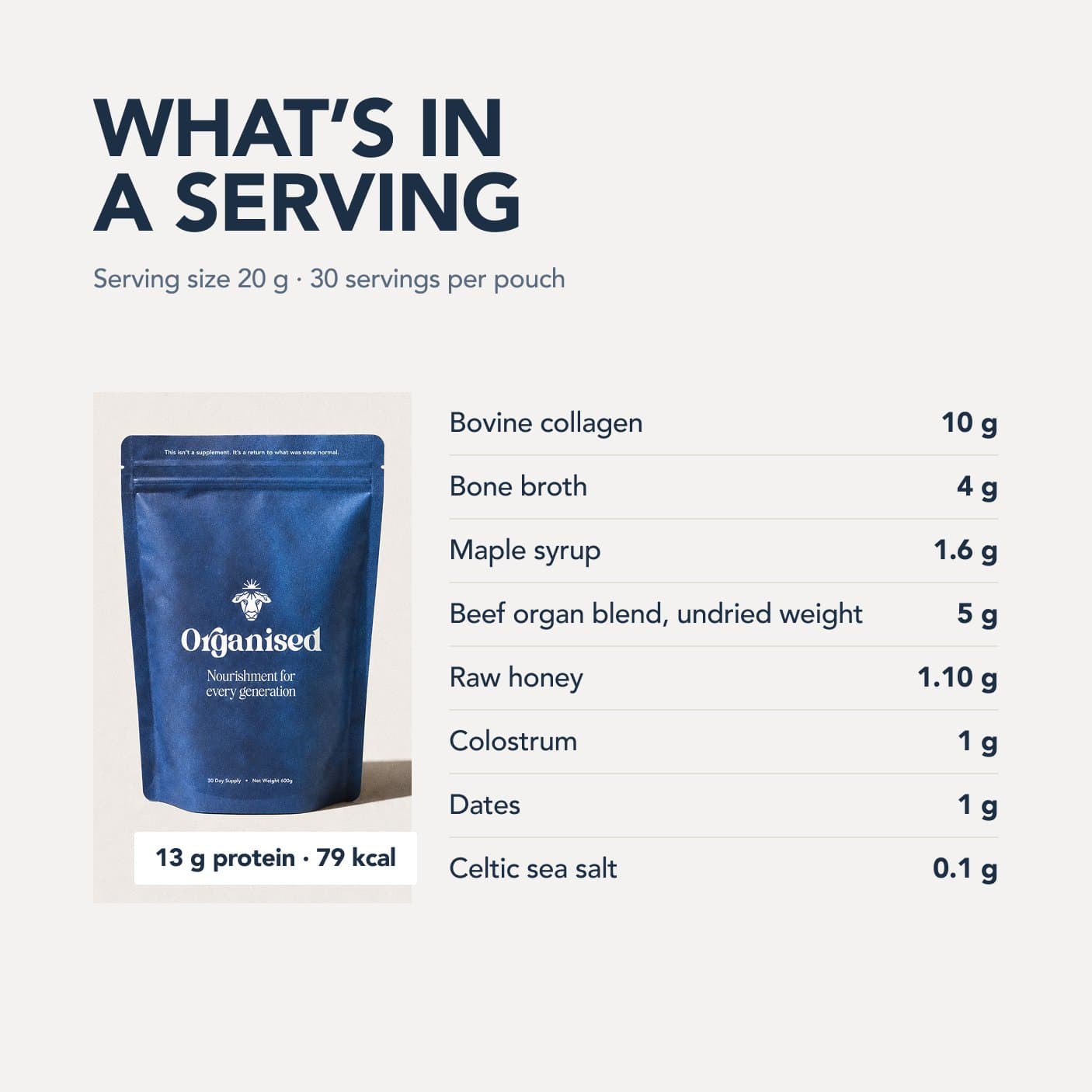
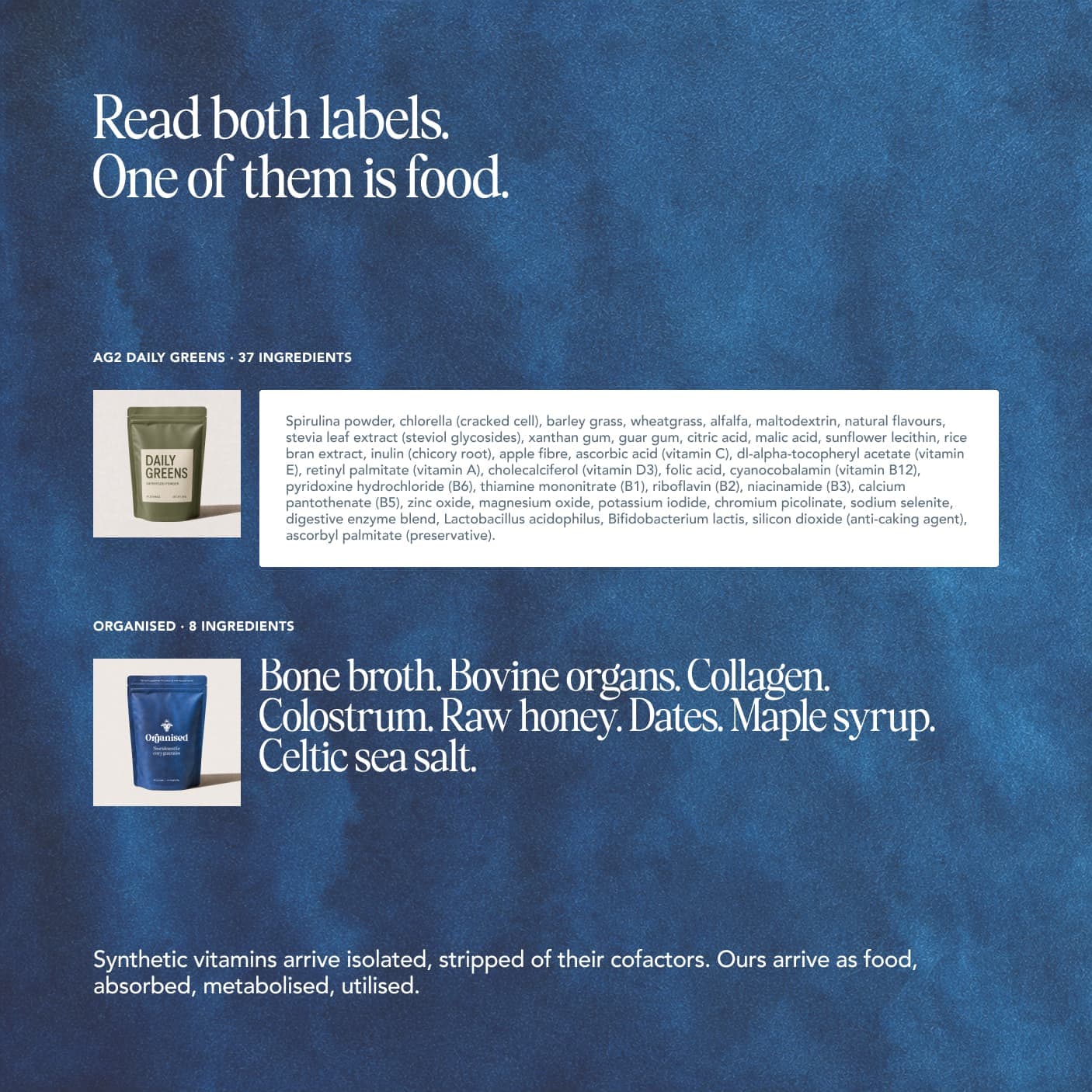
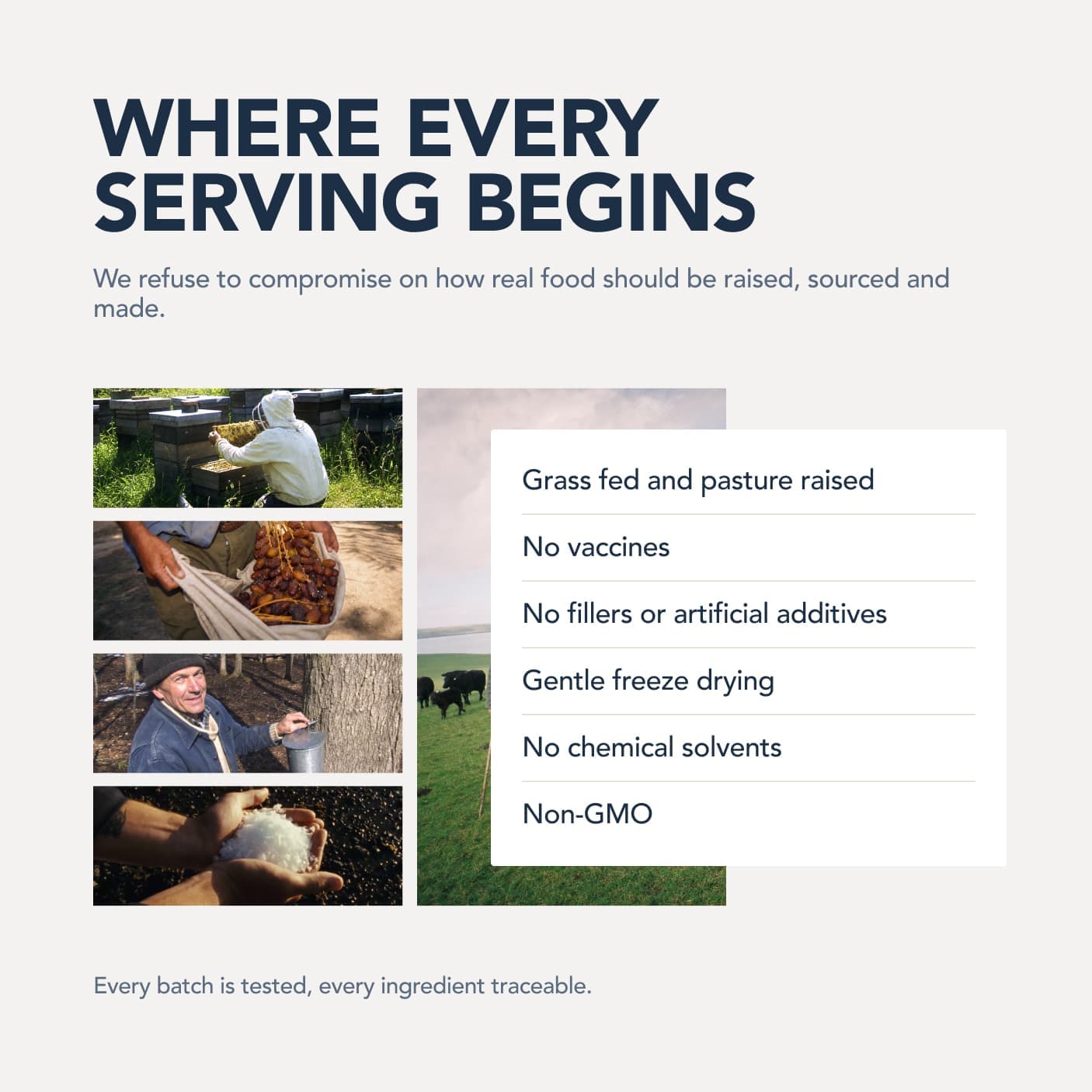
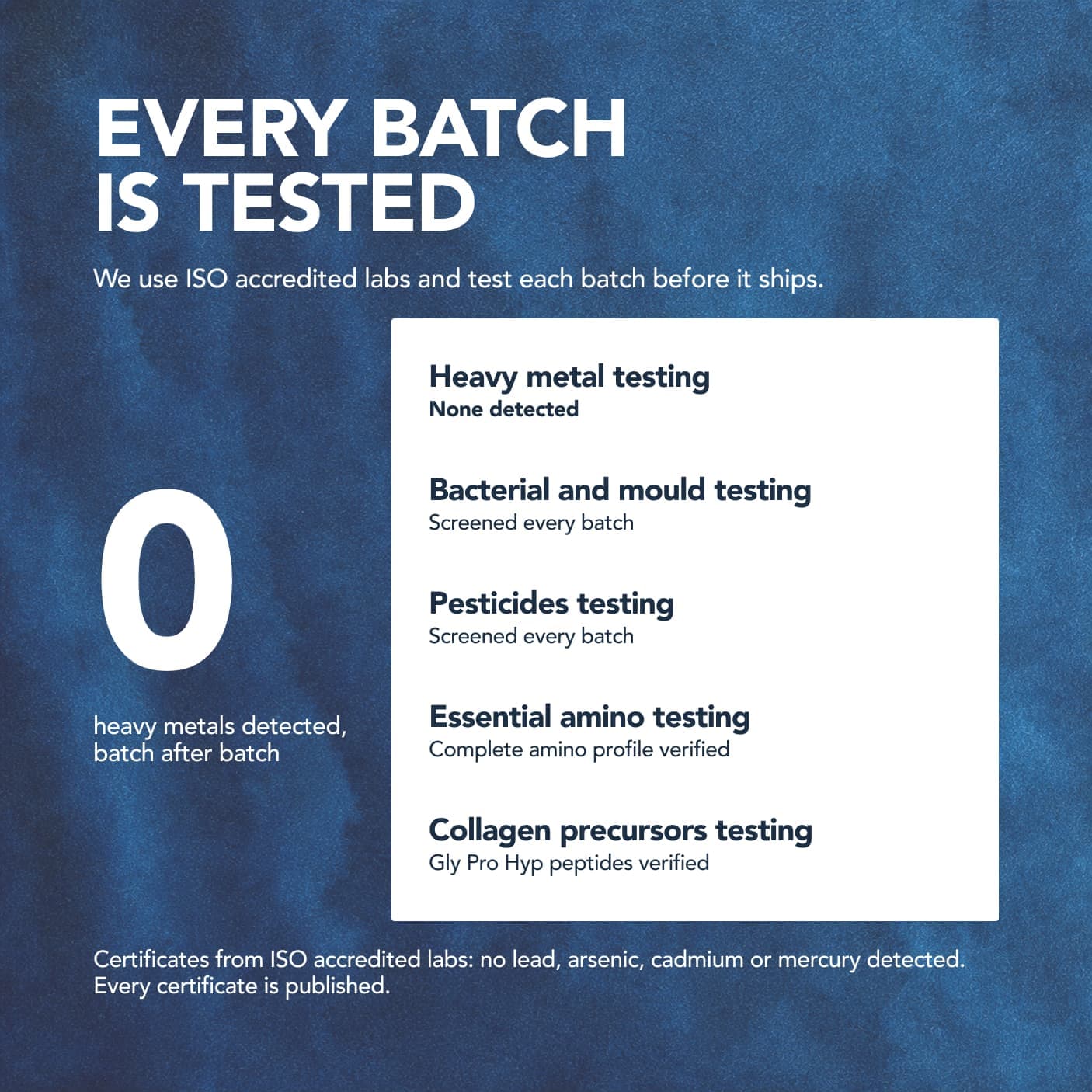
Eight real ingredients built around grass-fed beef organs, collagen and colostrum. Nothing synthetic added.
Free with your first order, worth £38. Plus £10 off the pouch with a subscription.

Free UK shipping · Made in England · 100 day money back guarantee on your first pouch · Skip, pause or cancel anytime
How dietary changes improve skin visibly
The timeline for visible skin improvement from dietary changes is faster than most people expect. Your skin barrier rebuilds every 2 to 4 weeks. Your skin cells completely turnover every 28 days. This means dietary changes can visibly impact your skin within a month.
In the first two weeks, most people notice clearer, less irritated skin. Inflammatory foods are removed. Nutrient-dense foods are added. Your skin immediately has what it needs to repair.
By week four, the skin glow becomes visible. Your skin looks more luminous, fuller, and plumper. This is not placebo. This is the result of improved hydration, reduced inflammation, and adequate nutrients for skin cell production.
By eight to twelve weeks, friends notice. Your skin texture improves. Acne clears. Rosacea calms. Age spots may fade slightly. Your complexion looks years younger. This is the cumulative effect of consistent nutrient density and low inflammation.
The improvement continues. By six months, the change is often dramatic. People who have struggled with chronic skin issues for years sometimes have clear skin for the first time in decades. This is not because they finally found the right cream. It is because they finally fed their body what it actually needed.
Your skin changes with your diet. Give it four weeks of nutrient-dense food and notice how it transforms.
The foundational foods for skin glow
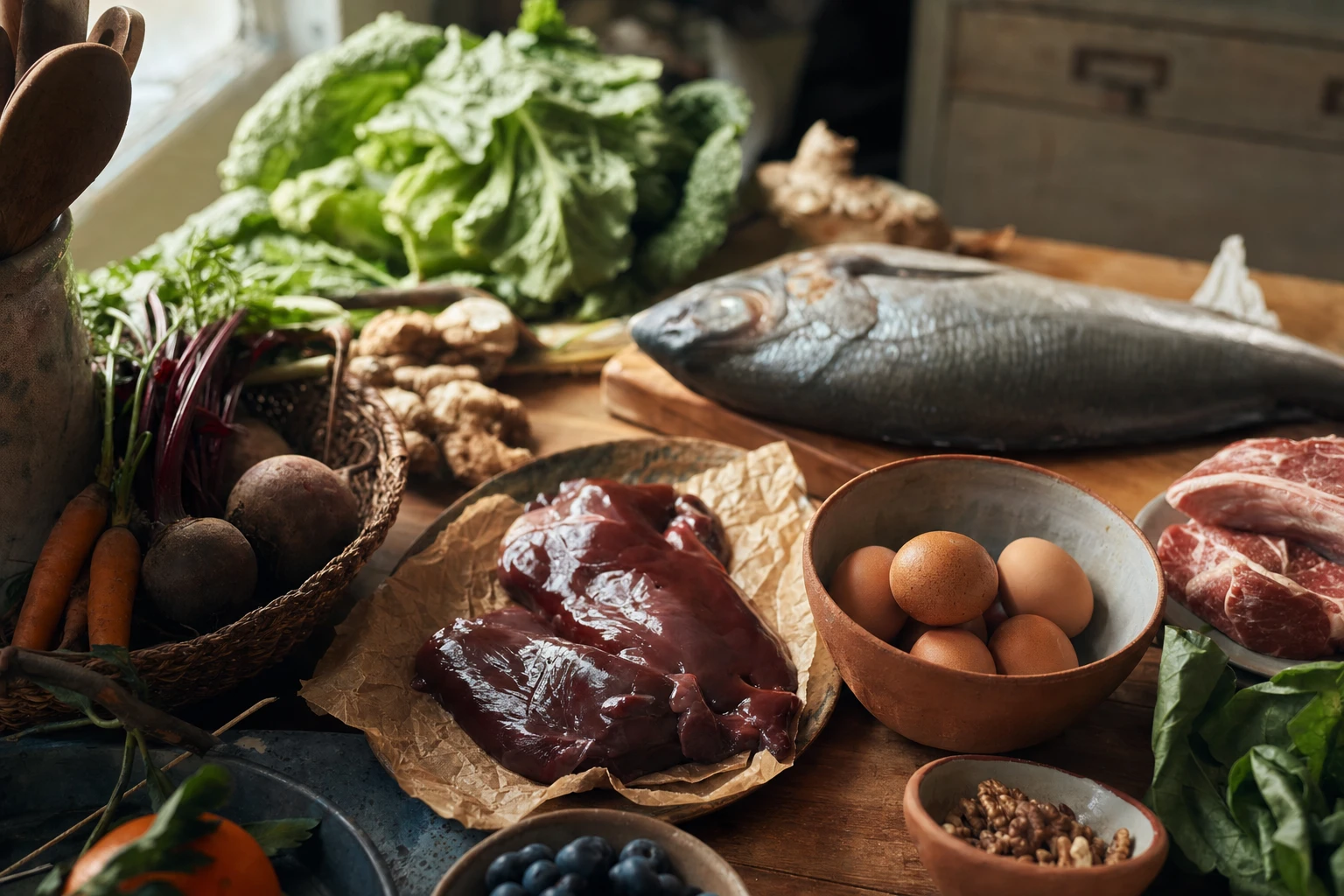
If you want to build glowing skin, these foods are non-negotiable.
- Liver - weekly, ideally twice. The most nutrient-dense food for skin.
- Egg yolks - daily. Vitamin A, choline, lutein all support skin health.
- Fatty fish - twice weekly. Omega-3 fats and vitamin D support skin resilience.
- Bone broth - daily. Collagen and minerals support skin elasticity and hydration.
- Full-fat dairy - if tolerated. Fat-soluble vitamins support skin barrier.
- Mineral water and sea salt - daily. Hydration and electrolytes support blood flow to skin.
- Leafy greens - daily. Magnesium and antioxidants support skin health.
Those seven foods are your skin glow protocol. Consistency matters more than perfection. Eat these foods 80 percent of the time and your skin will glow.
The bottom line
Stop buying skincare products. Buy retinol-rich organs, eggs, fish, and bone broth instead. Your skin will improve more dramatically than it would from any skincare line. Not because skincare is useless, but because it's treating symptoms while nutrition treats the cause. Radiant skin comes from proper nutrition, good sleep, sun protection, and time. That's the entire system. Everything else is marketing.
References
Every source below was checked on 27 August 2026. Each PubMed, PMC and DOI identifier was resolved against NCBI or Crossref, and what it opens is printed under the citation, so you can see the link goes where the citation says without leaving the page. Where a citation and its identifier disagreed, the citation was corrected to the record or the reference was deleted along with the sentence marker that pointed at it, and where the resolved paper turned out not to support the sentence, the sentence was cut back to what it does support. Borrowed authority is worse than none, because it looks like rigour.
- Koster MI. Making an epidermis. Ann N Y Acad Sci. 2009. PMC2861991.Checked 27 August 2026: PMC2861991 opens Koster MI, Making an epidermis. Ann N Y Acad Sci 2009;1170:7-10. PubMed indexes it as: Review.
- NIH Office of Dietary Supplements. Vitamin A and carotenoids fact sheet. ods.od.nih.gov/factsheets/VitaminA-HealthProfessional.
- Pullar JM, et al. The roles of vitamin C in skin health. Nutrients. 2017. PMC5579659.Checked 27 August 2026: PMC5579659 opens Pullar JM, Carr AC, Vissers MCM, The Roles of Vitamin C in Skin Health. Nutrients 2017;9(8). PubMed indexes it as: Review.The authors' own declaration, from the record: The authors declare no conflict of interest. Zespri International, a partial funder, had no influence on the selection of material to cover, nor on the focus and interpretation of the studies reviewed.
Who wrote and reviewed this guide
Niall Kiddle
Author · Founder, Organised
Niall is the founder of Organised. He started the company in 2024 after fixing his own health the slow way: in 2022 he swapped a cupboard of synthetic supplements for real food, raw milk, organ meats, bone broth and honey, and felt the difference within months.
Areas of expertise: Ancestral nutrition, Organ meats, Whole-food supplementation, Gut health, Regenerative sourcing
Read Niall's full profile
Pedro Rodrigues
Reviewer · Agronomist (farming and sourcing only)
Pedro is the agronomist Organised works with on farming and sourcing. His job on the guides is to keep the science honest: he reviews what we publish about soil health, regenerative agriculture, grazing and the way food is actually produced.
Areas of expertise: Regenerative agriculture, Agronomy, Soil health, Grass-fed farming, Food sourcing
Reviewed this guide on
Read Pedro's full profileMore on skin
View all- How to Build Collagen Naturally Without Injections
- How to Feed Your Skin from the Inside Out
- A Whole Food Skincare Routine: Morning to Night
- Collagen for Anti-Ageing: What the Clinical Trials Show
- Dark Circles Under Your Eyes? It Might Be a Nutrient Deficiency
- Eczema and Nutrition: What the Research Suggests
- How Zinc, Copper and Selenium Work Together for Clear Skin
- Psoriasis and Nutrition: What Helps and What Hinders
- Retinol from Beef Liver vs Retinol in Skincare: Which Actually Works?
- Rosacea and Gut Health: Is There a Connection?
- The Foods That Age Your Skin Fastest
- Why Your Skin Looks Better When You Eat Organ Meats
Browse the guides library
All guidesKeep reading
Health goals
How to Feed Your Skin from the Inside Out
The complete guide to skin nutrition. Learn which nutrients transform your skin and the specific food sources to eat them from.
Health goals
Candida Overgrowth: What It Is and How Nutrition Can Help
Candida overgrowth is common and manageable. See the symptoms, causes, and how the right foods can help starve excess yeast and support gut balance.
Health goals
The Ancestral Guide to Fertility Nutrition
Fertility depends on fat-soluble vitamins A, D, K2, choline, B12, iodine, zinc, and selenium. Here's what both partners need to conceive and thrive.
Real food, made effortless
Start my daily blendA few ways to use it
All recipes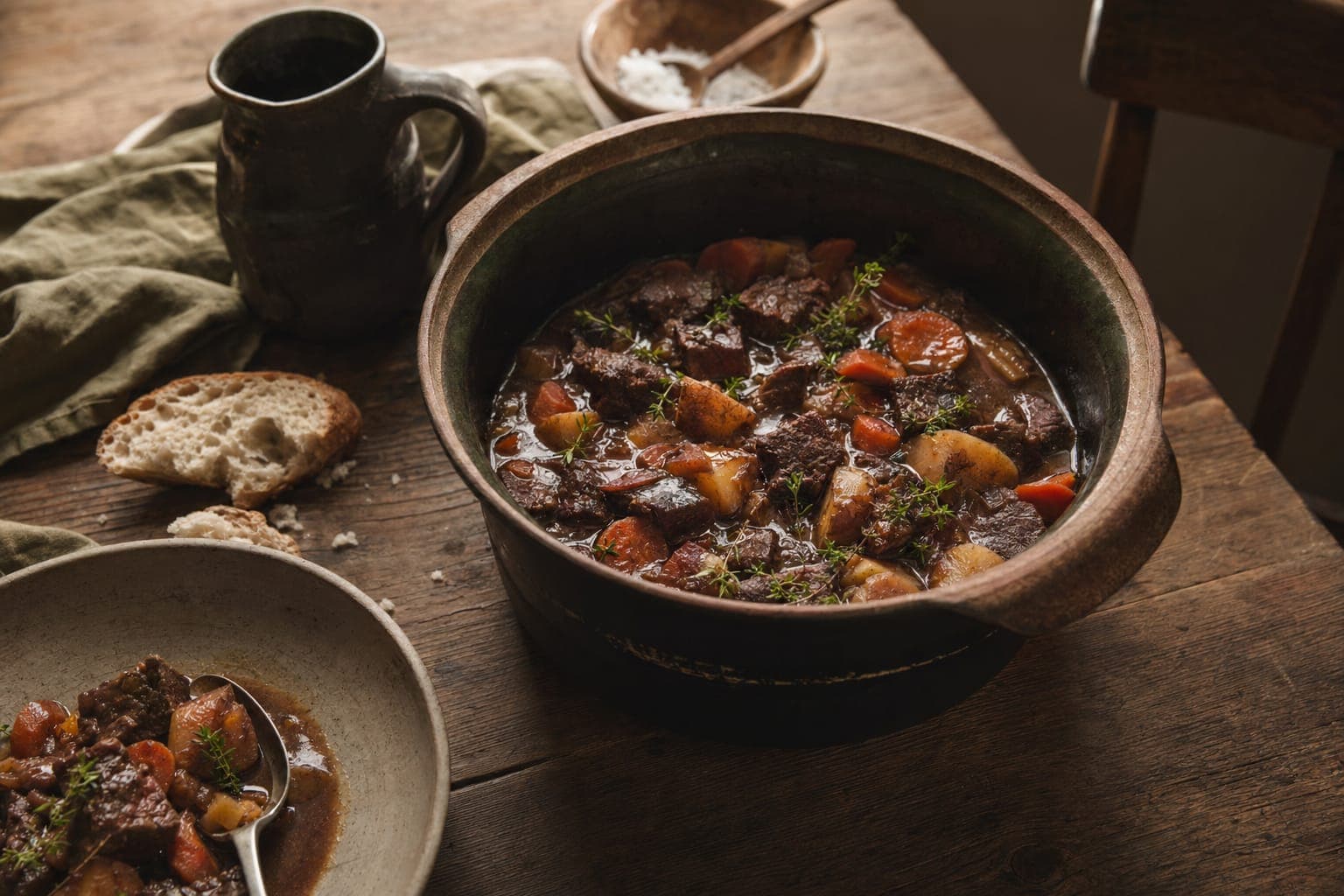
Collagen-Rich Beef Stew: Slow-Cooked Nourishment
Beef stew that delivers collagen from connective tissue and bone broth. Winter comfort food that actually nourishes. Simple slow cooker recipe.

Organ Bolognese: The Family Dinner That Heals
Practical organ meat recipe using fresh beef liver and heart. Family-friendly bolognese that bridges supplements to whole food.

5-Minute High-Protein Breakfasts Using Organised
Quick, high-protein breakfast ideas using Organised. Five recipes you can make in minutes with real food. No fussing around.


 Join over 100,000+ members
Build a better food system with us
The Organised community is thousands of people choosing real food and backing the farmers who grow it, all of us trying to leave the world a little better than we found it. If that is what you care about too, you belong here.