How to Recognise the Early Signs of Poor Gut Health
Your gut health doesn't stay in your gut. When your digestive system is compromised, the symptoms appear everywhere: in your skin, your energy levels, your mood, your mental clarity, and even your joints. Most people treat each symptom separately without realising they're all connected to one underlying issue: poor gut integrity.
By Niall Kiddle, Founder, Organised

Reviewed by Pedro Rodrigues, Agronomist (farming and sourcing only) ·
6 min read · Published · Updated · 4 cited sources
Makers of the Organised Daily blend, a grass-fed beef organ supplement from regenerative UK farms


Beyond digestive symptoms
You might assume poor gut health shows up as digestive complaints. Bloating, diarrhoea, constipation, heartburn. And yes, those are signs. But many people with severely compromised gut health don't have obvious digestive issues. Instead, their symptoms show up everywhere else. That's what makes poor gut health so insidious. People never connect their skin problems, fatigue, or anxiety to their gut.
Your gut lining is the barrier between your internal environment and the outside world. If that barrier becomes permeable (leaky gut), undigested food particles and bacterial fragments slip into your bloodstream. Your immune system treats them as threats. It creates inflammation. The inflammation shows up as skin issues, joint pain, brain fog, and mood disruption.
Poor gut health rarely announces itself as a digestive problem. It shows up as fatigue, skin problems, mood issues, and brain fog.

The visible signs of poor gut health
If your skin is breaking out, especially in your thirties and beyond when acne should have stopped, your gut is probably compromised. Acne in adults is almost always driven by systemic inflammation, and gut permeability is the most common source.2 Not every breakout is gut-driven, but chronic acne is worth investigating from a gut perspective.
Eczema, psoriasis, dermatitis, and other inflammatory skin conditions are similarly gut-related. The skin is your largest eliminatory organ. When your gut isn't eliminating properly and your immune system is in overdrive, it expresses through your skin.
Dark circles under your eyes are another sign. These indicate either poor sleep (which can be gut-driven) or chronic immune activation. If dark circles persist despite adequate sleep, your immune system is probably working overtime to fight something.
Unexplained weight gain, especially around your midsection, often points to a compromised gut. Poor gut health leads to poor nutrient absorption and dysbiosis (imbalanced gut bacteria). Dysbiosis increases hunger signals and cravings. You eat more despite not getting nourished.
Acne, eczema, dark circles, and unexplained weight gain are all skin-level expressions of poor gut health.

The invisible signs you're missing
Fatigue that doesn't improve with sleep is a classic sign. If you're sleeping eight hours and still exhausted, your gut is probably stealing your energy. A compromised gut doesn't absorb nutrients well. B vitamins, iron, zinc, magnesium all slip through without being absorbed properly. Your body is nutrient-starved despite eating.
Brain fog that feels like cotton in your head, difficulty concentrating, and memory issues are all linked to gut permeability. Your immune system spends energy fighting the invaders that leak through your gut barrier. Your brain gets less resources. Cognitive function suffers.
Anxiety, depression, and mood swings are gut-driven more often than people realise. Ninety percent of your serotonin is produced in your gut.1 If your gut bacteria are dysbiotic, serotonin production drops. Your mood follows. Most people are prescribed antidepressants when they actually need to heal their gut.
Persistent joint pain, especially if it's diffuse (all over) rather than from a specific injury, often indicates systemic inflammation driven by poor gut health. Your body is inflaming against the perceived threat from gut permeability.
Unexplained bloating, even if it's not severe, is a direct sign of dysbiosis. Your gut bacteria are producing gas. The imbalance is affecting how your gut processes food.
Fatigue, brain fog, anxiety, joint pain, and gas are all signs your gut barrier is compromised. They're not separate problems. They're one problem expressing through different systems.

How these symptoms develop
The process happens gradually. You eat foods that damage your gut lining (seed oils, gluten, highly processed foods with artificial sweeteners). Your gut barrier gradually weakens. Undigested food particles start slipping through. Your immune system notices and creates inflammation.
At first, the inflammation is mild and vague. You feel a bit more tired. Your skin looks slightly off. You dismiss it as stress. But the process continues. Every day you eat the same damaging foods. Every day your barrier gets more compromised. The inflammation slowly spreads through your system.
Eventually, you wake up with multiple complaints. Acne appeared last year and won't go away. You're exhausted despite sleeping. Your anxiety has intensified. You have joint pain. You're frustrated because you're eating less but gaining weight. You visit various specialists who treat each symptom separately and miss the root cause.
What to do about it
The protocol is straightforward. Remove the foods that damage your gut: seed oils, gluten, artificial sweeteners, ultra-processed foods. Add foods that repair it: bone broth, organ meats (especially liver), fatty fish, full-fat dairy if tolerated, and sea salt for minerals.
Give it time. Your gut lining rebuilds every three to five days, but complete healing takes weeks to months depending on severity.4 Most people notice significant improvement within 6 to 12 weeks.
Fix your gut barrier and your skin clears, your energy returns, your mood stabilises, and your brain fog lifts. It all connected. Fix the root and the branches follow.

Get health guides like this, free
Two short reads a week on eating for energy, gut health, skin, sleep and more.
By signing up you agree to receive emails from us. No spam, unsubscribe anytime.
Why diagnosing gut health is so difficult
The frustrating part of poor gut health is that standard medical testing often misses it. Your GP might run a full blood count and chemistry panel. Everything looks normal. Your symptoms persist. You are left wondering if it is all in your head.
The issue is that early gut permeability (leaky gut) does not show up on standard tests. There is no blood marker that directly measures gut barrier integrity. By the time your blood work shows systemic inflammation or your stool test shows dysbiosis, the problem has been developing for months or years.
This is why functional medicine practitioners use different testing. Zonulin is a marker of gut permeability. LPS (lipopolysaccharide) is a marker of bacterial translocation.3 Stool testing can reveal dysbiosis patterns that standard cultures miss. These tests are not perfect, but they give you information about what is actually happening in your gut.
The practical reality is that you likely do not need a test. If you have acne, fatigue, brain fog, or joint pain, and standard medical evaluation found nothing wrong, your gut is probably the issue. The absence of diagnosis is not the absence of disease. It is often the absence of the right testing.
Poor gut health is often invisible to standard medicine because standard medicine is not looking for it. Trust your symptoms.


1 of 9
Daily blend
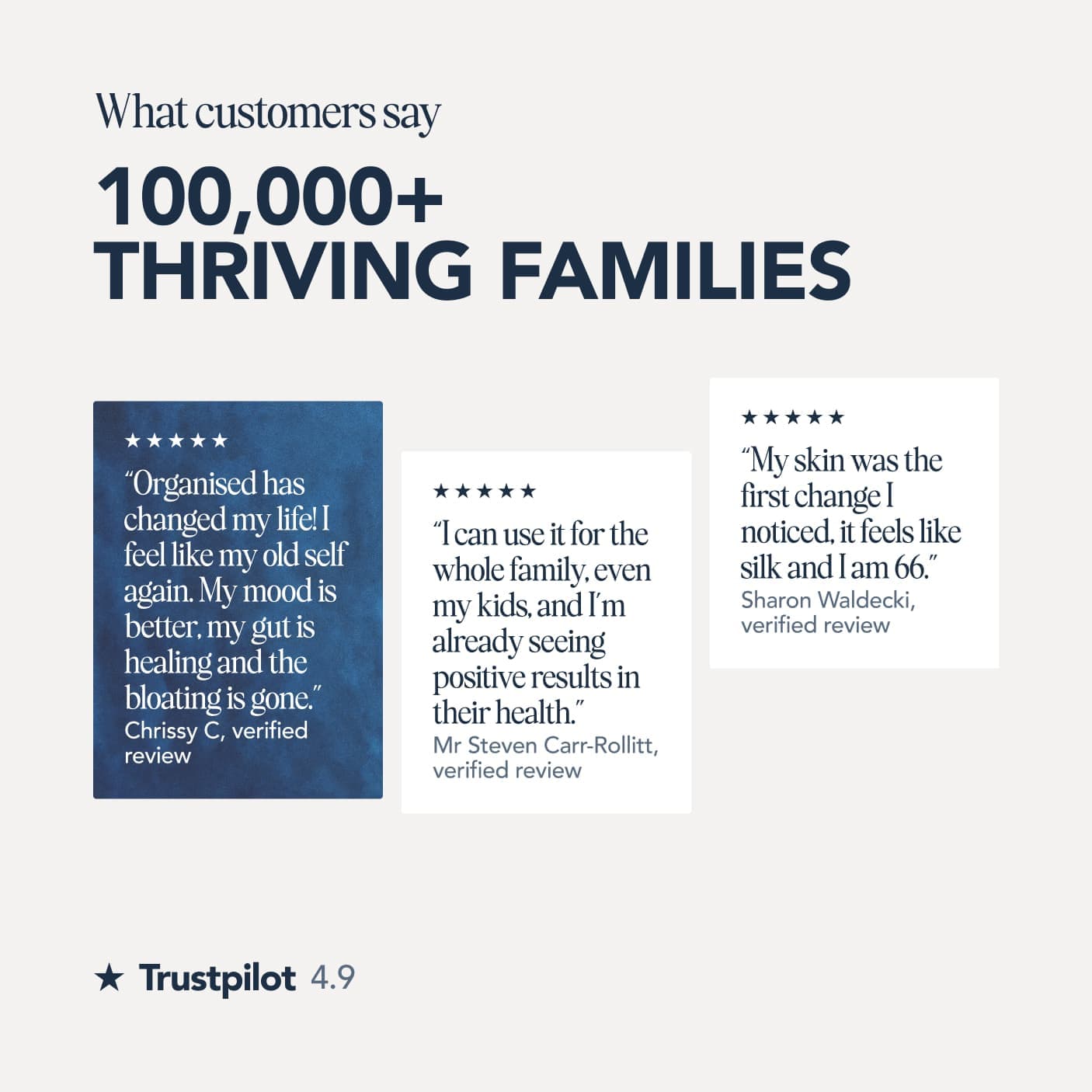
100,000+ thriving families4.9 on Trustpilot
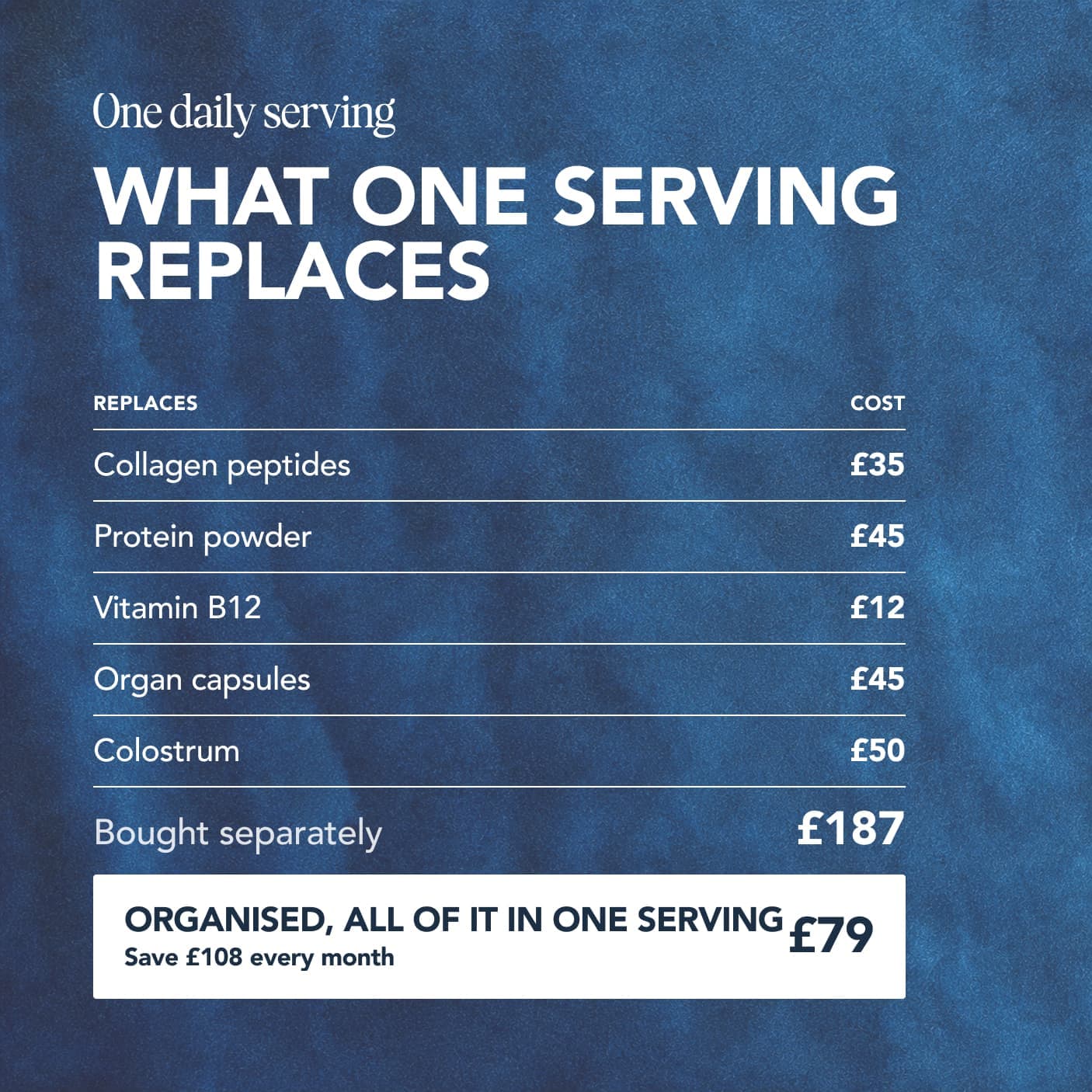
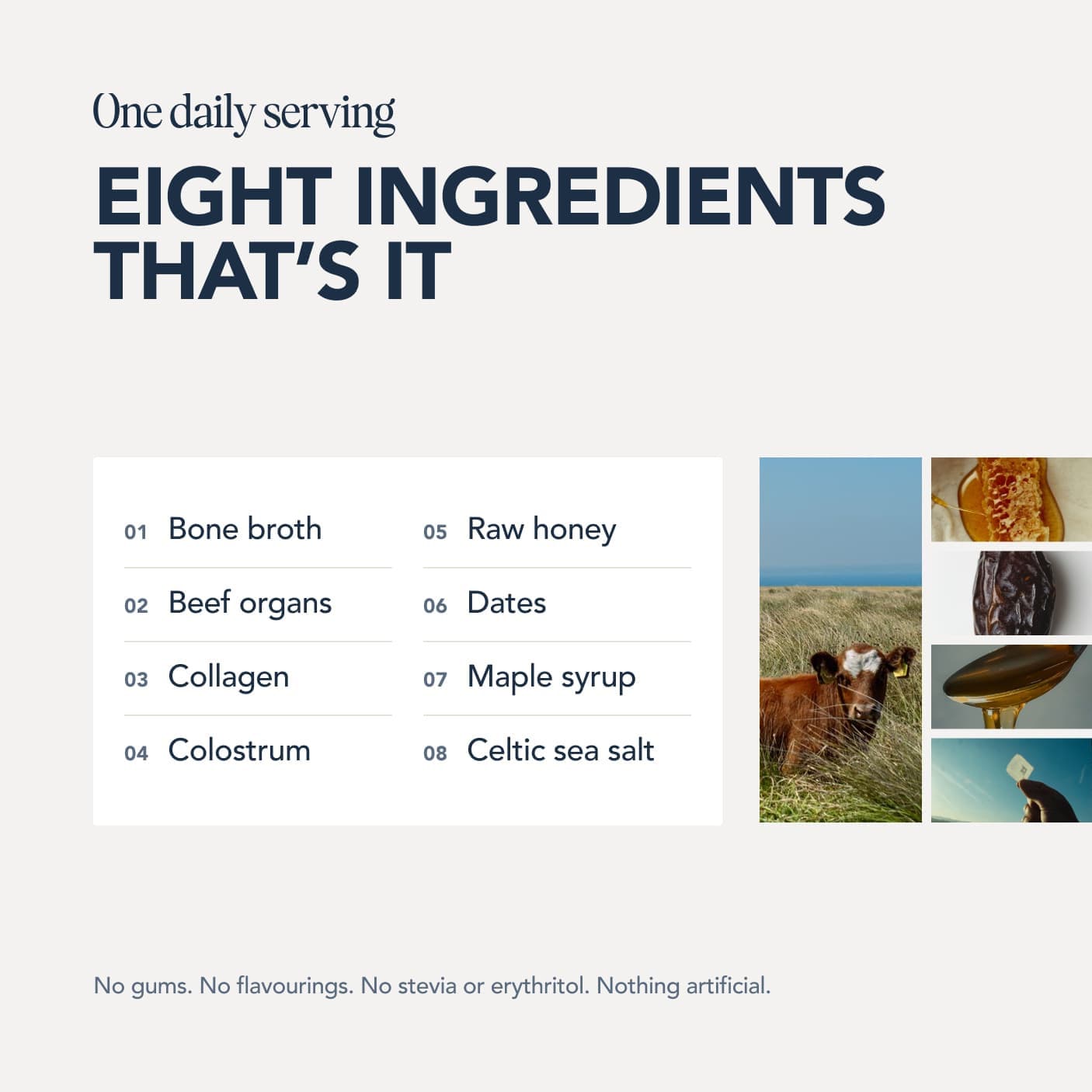
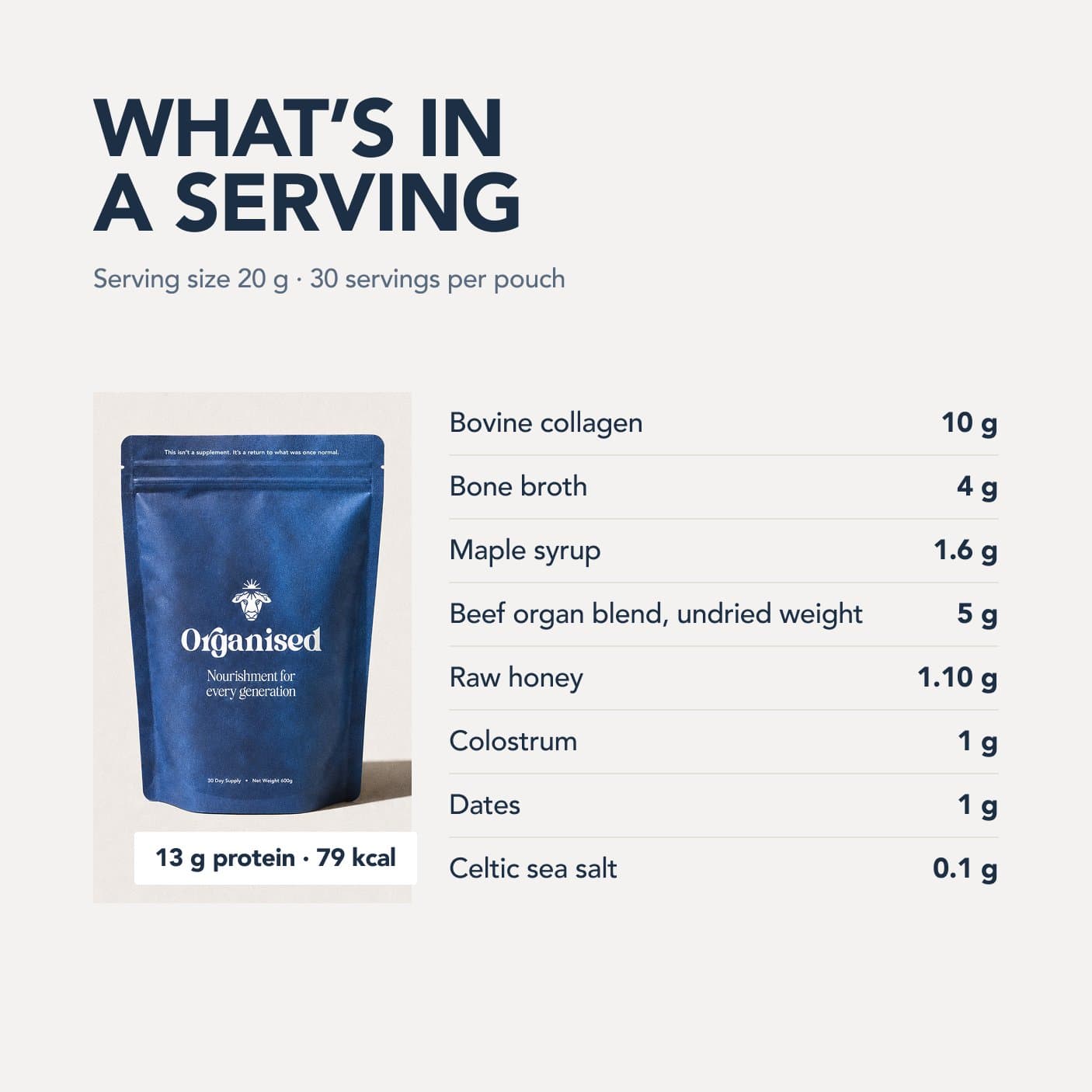
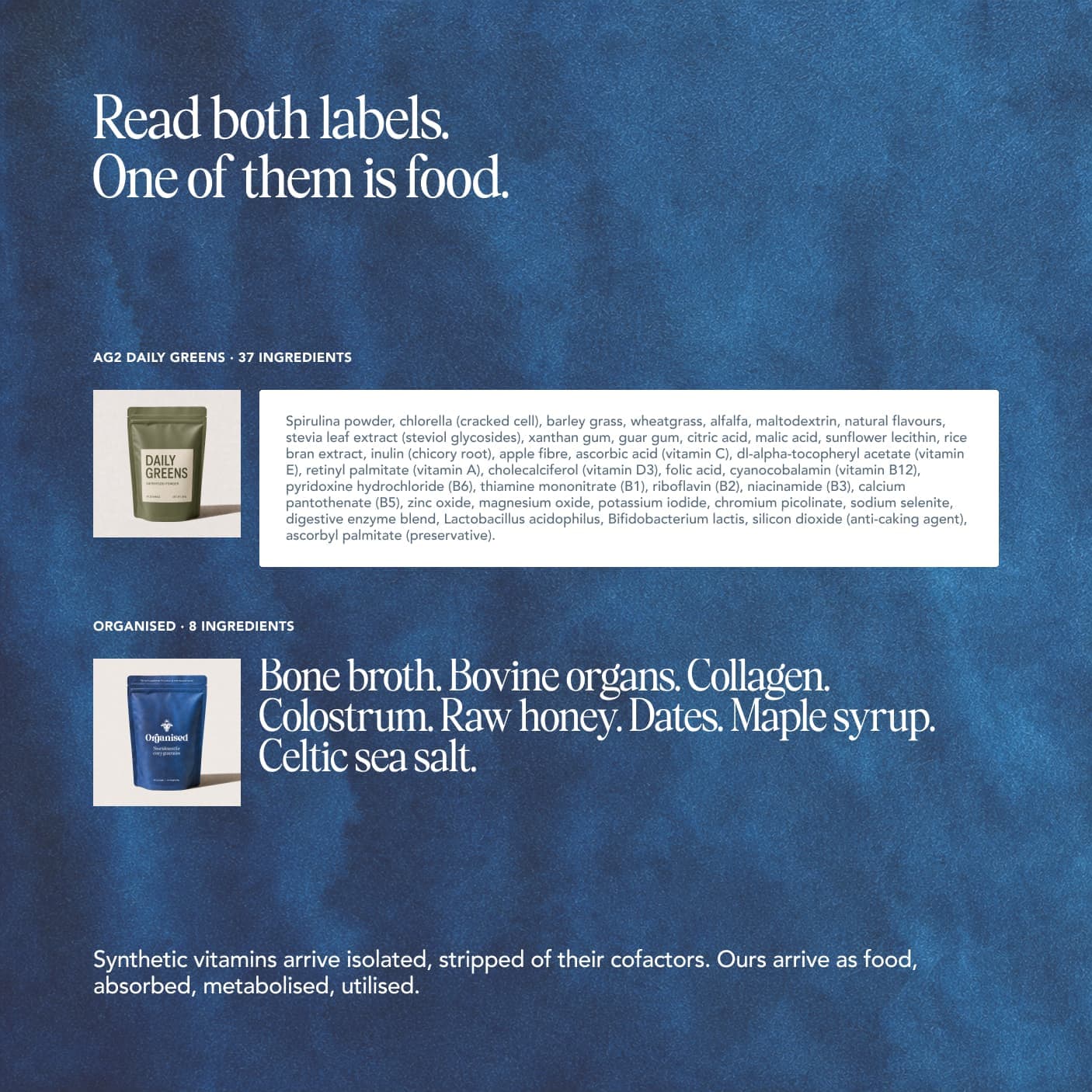
Eight real ingredients built around grass-fed beef organs, collagen and colostrum. Nothing synthetic added.
Free with your first order, worth £38. Plus £10 off the pouch with a subscription.
Free UK shipping · Made in England · 100 day money back guarantee on your first pouch · Skip, pause or cancel anytime
Common mistakes people make trying to heal their gut
Most people trying to heal their gut make at least one costly mistake that undermines their progress.
The first mistake is adding too much at once. They read about bone broth and fermented foods and probiotics and eliminate everything, then add everything. Their digestive system becomes stressed by the rapid change. They develop bloating or constipation. They conclude that the healing approach isn't working and revert to their old patterns.
The correct approach is simple: remove the worst first (seed oils, artificial sweeteners, gluten), then add the best (bone broth, organ meats, full-fat dairy). Give each change two to three weeks before adding the next. Your gut lining rebuilds at its own pace. Rushing slows actual healing.
The second mistake is supplementing too early. People buy probiotics, glutamine, collagen peptides, and assume these will fix the problem. Supplements are useful, but only after you have removed the foods damaging the gut. Healing the gut is 80 percent removing the harmful, 20 percent adding the helpful. Too many people focus on the 20 percent.
The third mistake is giving up too soon. Most people expect their gut to heal in two to four weeks. Real healing takes eight to twelve weeks at minimum. Your gut lining rebuilds every three to five days, but the immune system recalibrates over months. Patience is the most important nutrient.
Gut healing is not complicated. Remove inflammatory foods, add nutrient-dense foods, wait longer than you want to. That is the entire protocol.
The bottom line
If you have acne, fatigue, brain fog, anxiety, or mysterious joint pain, before you accept that it's just part of life or reach for medications, investigate your gut health. The symptoms aren't separate problems. They're all expressions of one compromised system. Heal your gut barrier with real food and time, and watch your entire health profile shift. It's not glamorous. It's not novel. But it works.
References
Every source below was checked on 27 August 2026. Each PubMed, PMC and DOI identifier was resolved against NCBI or Crossref, and what it opens is printed under the citation, so you can see the link goes where the citation says without leaving the page. Where a citation and its identifier disagreed, the citation was corrected to the record or the reference was deleted along with the sentence marker that pointed at it, and where the resolved paper turned out not to support the sentence, the sentence was cut back to what it does support. Borrowed authority is worse than none, because it looks like rigour.
- Bertrand PP, Bertrand RL. Serotonin release and uptake in the gastrointestinal tract. Auton Neurosci. PMID:19729349.Checked 27 August 2026: PMID 19729349 opens Bertrand PP, Bertrand RL, Serotonin release and uptake in the gastrointestinal tract. Auton Neurosci 2010;153(1-2):47-57. PubMed indexes it as: Review.
- Bowe WP, Logan AC. Acne vulgaris, probiotics and the gut-brain-skin axis. Gut Pathog. PMC3038963.Checked 27 August 2026: PMC3038963 opens Bowe WP, Logan AC, Acne vulgaris, probiotics and the gut-brain-skin axis - back to the future? Gut Pathog 2011;3(1):1.
- Fasano A. Zonulin and its regulation of intestinal barrier function. Physiol Rev. PMID:21248165.Checked 27 August 2026: PMID 21248165 opens Fasano A, Zonulin and its regulation of intestinal barrier function: the biological door to inflammation, autoimmunity, and cancer. Physiol Rev 2011;91(1):151-75. PubMed indexes it as: Review.
- Barker N. Adult intestinal stem cells: critical drivers of epithelial homeostasis and regeneration. Nat Rev Mol Cell Biol. PubMed PMID: 24326621.Checked 27 August 2026: PMID 24326621 opens Barker N, Adult intestinal stem cells: critical drivers of epithelial homeostasis and regeneration. Nat Rev Mol Cell Biol 2014;15(1):19-33. PubMed indexes it as: Review.
Corrections
What this page used to say, and why it no longer says it. Corrections are dated and are never removed, because deleting the record of an error is a second error. Every guide we have corrected is listed at our corrections log.
- 27 August 2026. Reference 2 named Fasano's Physiological Reviews paper on zonulin but linked a different Fasano paper. It now links the paper it names.
Who wrote and reviewed this guide
Niall Kiddle
Author · Founder, Organised
Niall is the founder of Organised. He started the company in 2024 after fixing his own health the slow way: in 2022 he swapped a cupboard of synthetic supplements for real food, raw milk, organ meats, bone broth and honey, and felt the difference within months.
Areas of expertise: Ancestral nutrition, Organ meats, Whole-food supplementation, Gut health, Regenerative sourcing
Read Niall's full profile
Pedro Rodrigues
Reviewer · Agronomist (farming and sourcing only)
Pedro is the agronomist Organised works with on farming and sourcing. His job on the guides is to keep the science honest: he reviews what we publish about soil health, regenerative agriculture, grazing and the way food is actually produced.
Areas of expertise: Regenerative agriculture, Agronomy, Soil health, Grass-fed farming, Food sourcing
Reviewed this guide on
Read Pedro's full profileMore on gut health
View all- The Complete Guide to Healing Your Gut with Whole Foods
- Why Your Gut Health Affects Everything (Not Just Digestion)
- 5 Foods You Think Are Healthy (But Are Secretly Ruining Your Gut)
- Acid Reflux and Low Stomach Acid: A Nutritional Perspective
- Bloating After Eating: Common Causes and Whole Food Solutions
- Bone Broth for Gut Health: What the Science Says
- Candida Overgrowth: What It Is and How Nutrition Can Help
- Histamine Intolerance: Could Your Gut Be the Cause?
- How Colostrum and Collagen Work Together to Repair the Gut Lining
- How Stress Destroys Your Gut (And What to Do About It)
- How to Reset Your Gut After Antibiotics
- IBS and Nutrition: A Whole Food Approach
Browse the guides library
All guidesKeep reading

Health goals
The Complete Guide to Healing Your Gut with Whole Foods
Learn how to heal your gut lining with whole foods. Covers the five Rs protocol, nutrients, and specific foods that repair intestinal permeability.
Health goals
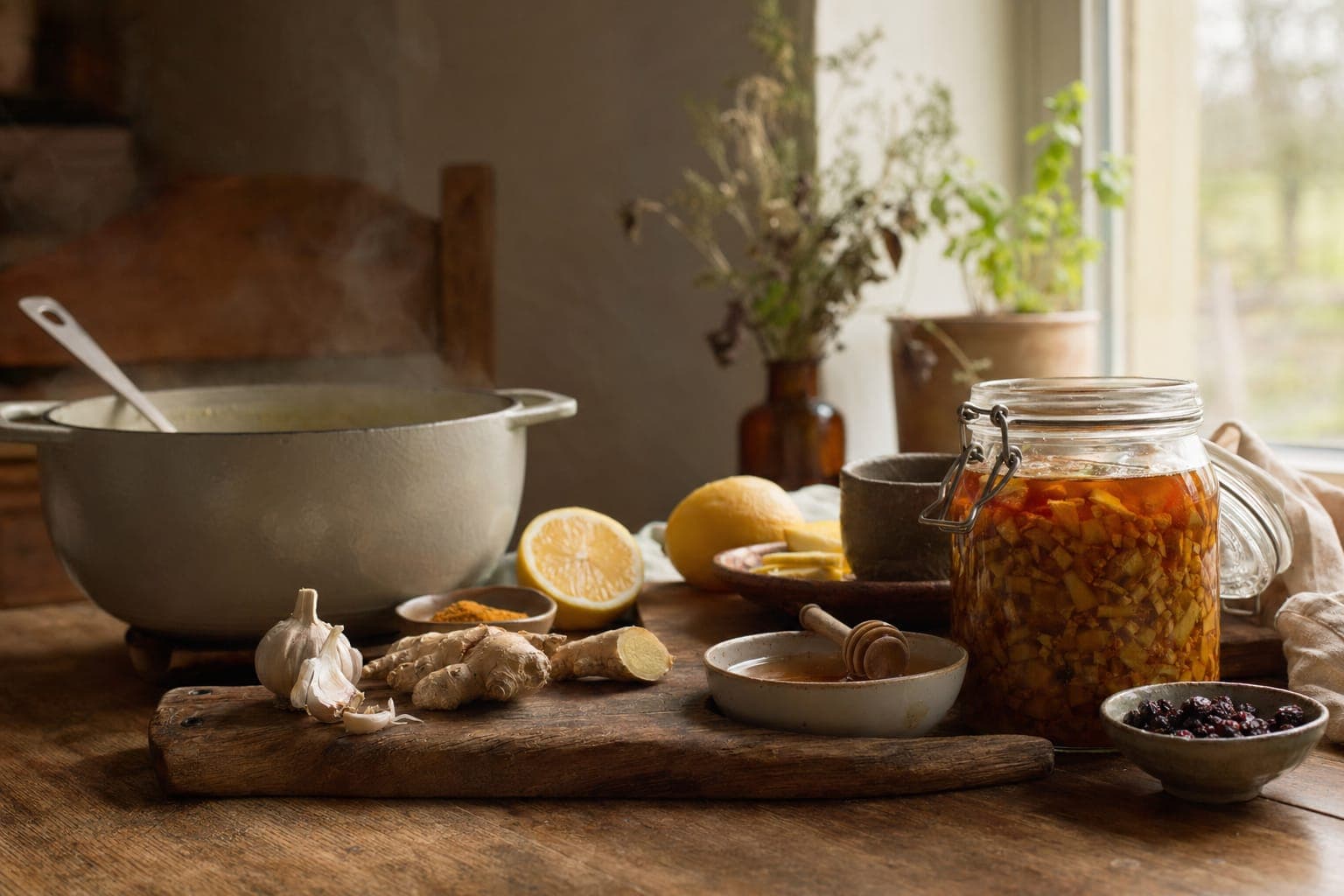
The Best Nutrients for Fighting Off Colds and Flu
The best nutrients for cold and flu support, from zinc and vitamin C to fire cider and bone broth. Build your whole-food kit before the season hits.

Health goals
Why Athletes Are Turning to Organ Meats
Elite athletes recognise organ meats as the most nutrient-dense foods available. Liver, heart, kidney support recovery, energy, and resilience.
Real food, made effortless
Start my daily blendA few ways to use it
All recipes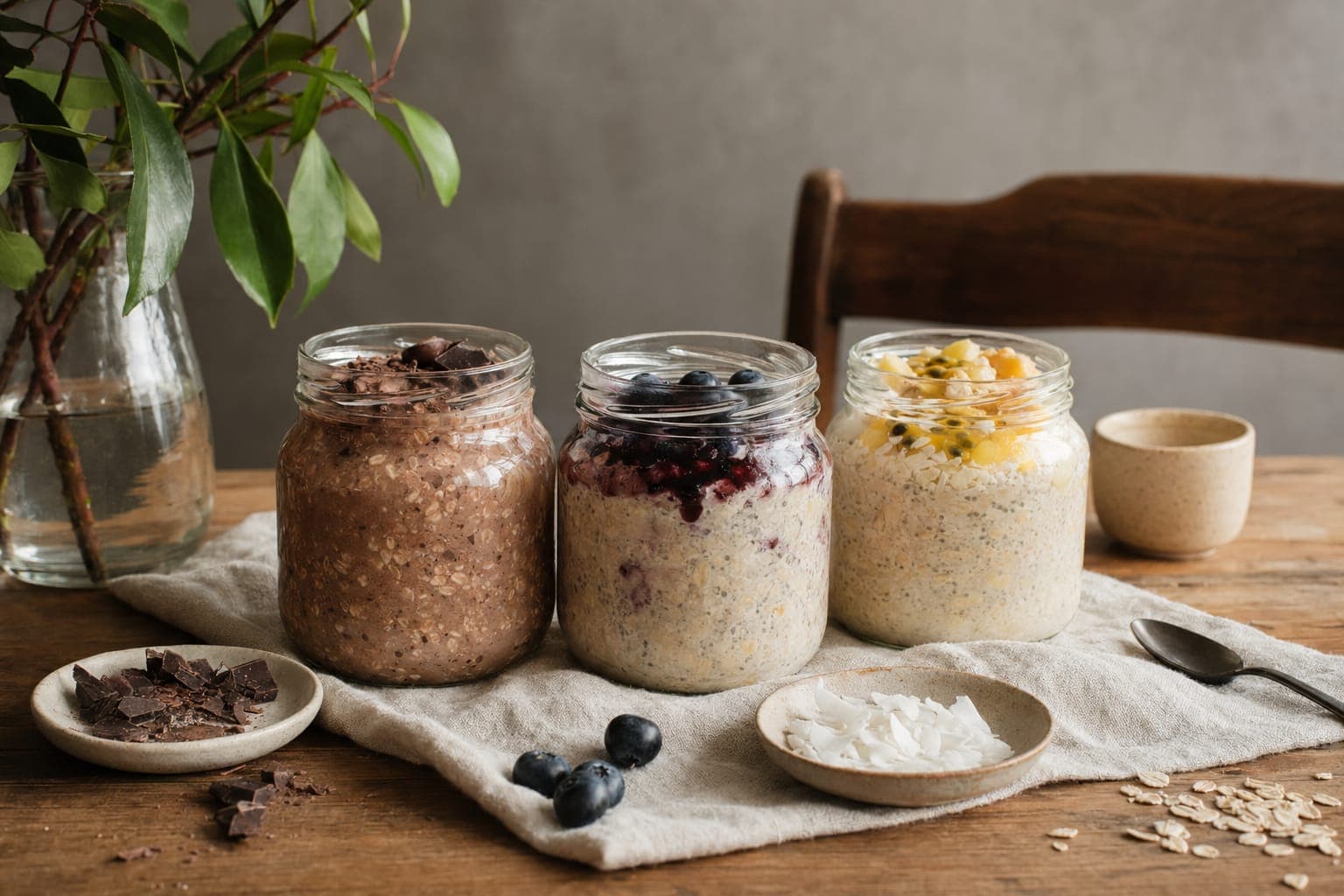
Organised Overnight Oats: 3 Variations
Three delicious overnight oats variations with Organised. Chocolate, berry, tropical flavours. Make them Sunday, eat them all week.

Ancestral Breakfast Ideas from Around the World
Traditional breakfast recipes from cultures that got nutrition right. Japanese, Turkish, Scottish, and more. Whole-food breakfast inspiration.
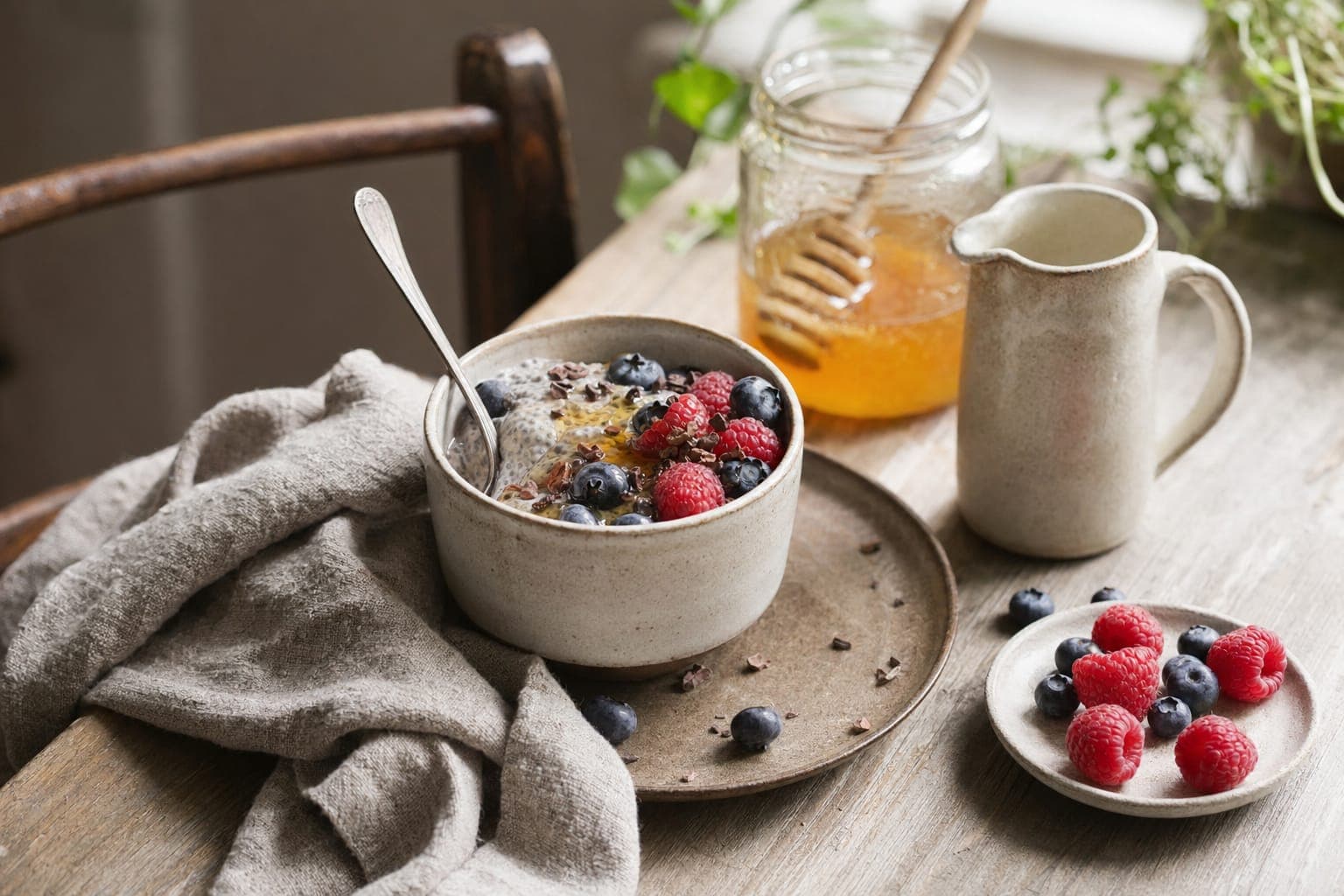
Organised Chia Pudding with Raw Honey and Berries
A no-cook chia seed pudding made with raw milk, collagen, berries, and raw honey. Prep it the night before and eat for breakfast.


 Join over 100,000+ members
Build a better food system with us
The Organised community is thousands of people choosing real food and backing the farmers who grow it, all of us trying to leave the world a little better than we found it. If that is what you care about too, you belong here.