The Best Nutrients for Fighting Off Colds and Flu
You feel it coming. A scratchy throat. A slight headache. Within hours, you're flat in bed. But you don't have to let it happen. If you act immediately, you can abort the infection or reduce its severity. The nutrients that do this aren't mysterious. They're food.

By Niall Kiddle, Founder, Organised

Reviewed by Pedro Rodrigues, Agronomist (farming and sourcing only) ·
6 min read · Published · Updated · 3 cited sources
Makers of the Organised Daily blend, a grass-fed beef organ supplement from regenerative UK farms
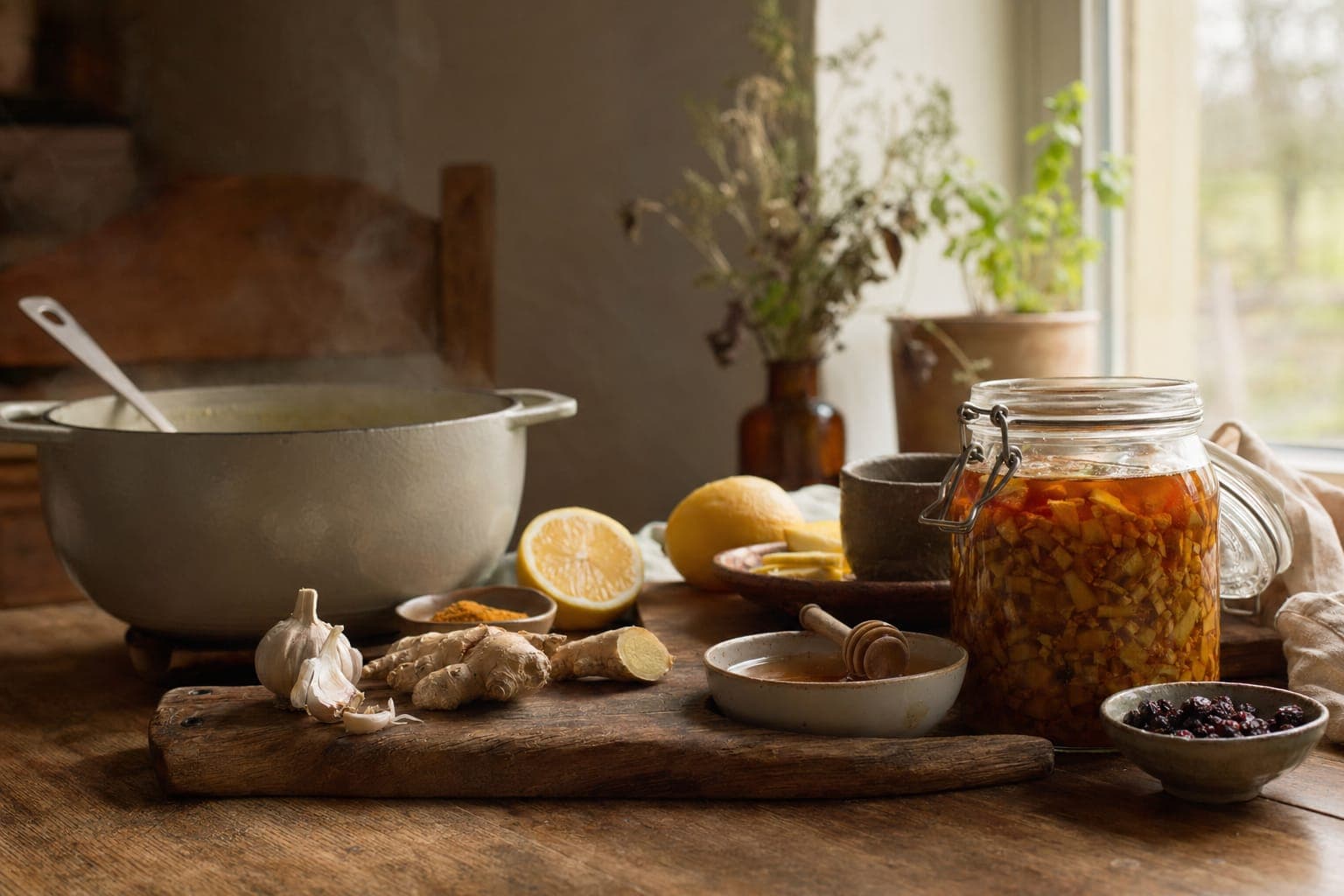
You feel it coming. A scratchy throat. A slight headache. Within hours, you're flat in bed. Full-blown cold or flu.
But you don't have to let it happen. If you act immediately, you can abort the infection or dramatically reduce its severity. The nutrients that do this aren't mysterious. They're food.
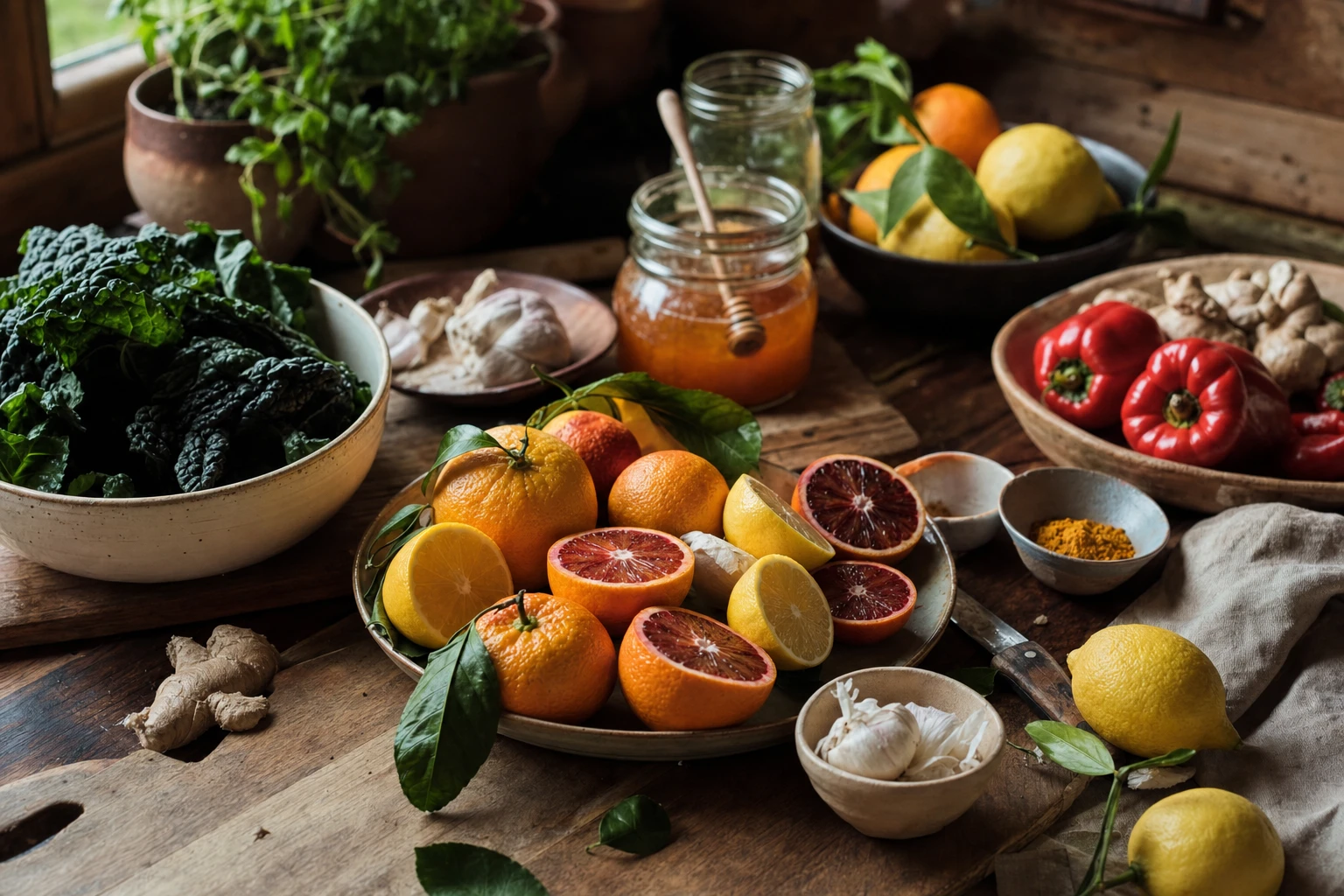
Zinc stops viruses cold
Zinc is the nutrient that stops viral infection in its tracks, but only if you take it immediately. If you wait until day three, it's too late.
The moment you feel a sore throat or scratchy feeling, take zinc. Zinc lozenges dissolve in your mouth, coating your throat and killing viruses on contact. The research is clear: zinc taken within 24 hours of symptom onset reduces cold duration by 50 percent and reduces severity dramatically.1
Some studies show cold duration reduced from seven days to three or four with immediate high-dose zinc.
Keep zinc lozenges in your house. When symptoms start, take one every two hours for the first day, then every four hours. The amount matters. You need at least 15 mg per lozenge.1
Zinc lozenges work only if you start them immediately.3 Day one of symptoms, not day three. This is the difference between a three-day cold and a seven-day cold.
Vitamin C with bioflavonoids
Vitamin C alone is less effective than vitamin C combined with bioflavonoids.2 Bioflavonoids are plant compounds that enhance vitamin C absorption and antiviral action.
Rather than buying synthetic vitamin C supplements, eat citrus fruits with the pith (where bioflavonoids concentrate). Eat oranges, lemons, and grapefruit. The combination is more powerful than either nutrient alone.
When you're fighting a virus, take 2-3g of vitamin C daily from whole food sources. Don't rely on supplements. Whole food provides the cofactors that make it work.
Fire cider for immediate action
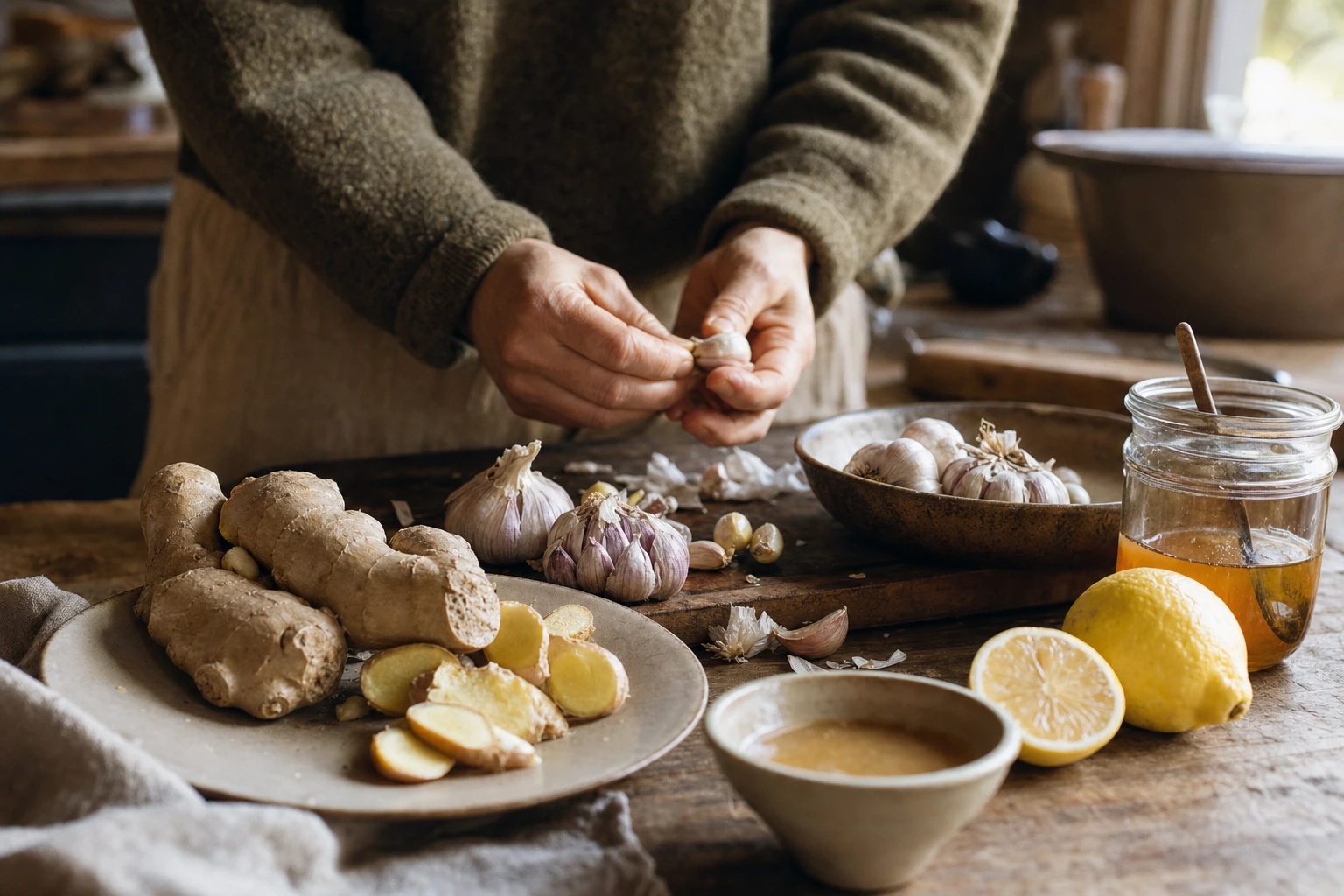
Fire cider is a traditional remedy made from raw apple cider vinegar, garlic, ginger, cayenne, horseradish, and turmeric. It's potent, spicy, and immediately activates your immune system.
The raw vinegar provides enzymes and beneficial bacteria. The garlic and ginger have antimicrobial properties. The cayenne increases circulation and helps your immune cells reach affected tissues.
When you feel illness coming on, take a shot of fire cider (2 tablespoons undiluted or mixed in water). Do this every 2-3 hours on the first day. The burn is part of the action.
Bone broth for recovery
When you're sick, your body needs dense nutrition without the work of digestion. Bone broth is ideal. It provides minerals, gelatin, glycine, and amino acids your immune system needs to fight the infection.
Drink bone broth 3-4 times daily when you're fighting a virus. Your body will recover faster and your symptoms will be less severe.
Bone broth also helps rebuild your gut barrier after the infection damages it.
Elderberry and thyme tea
Elderberry has centuries of traditional use for colds and flu. Modern research supports this. Elderberry extract reduces cold duration and severity.
Thyme tea is antimicrobial and supports respiratory function. Make a tea from fresh or dried thyme and drink it 3-4 times daily.
Combining elderberry, thyme, and ginger creates a powerful antiviral tea. Simmer them together and drink warm.
Traditional cold remedies work because they contain compounds our immune system recognises. Modern medicine dismissed them. Research is proving they were right all along.
Warm salt water gargle
When your throat is sore, warm salt water gargle is powerful. The salt kills bacteria and viruses on contact. Gargling coats your throat with mineral-rich water that your immune cells can use.
Mix 1 teaspoon of sea salt in warm water and gargle every 2-3 hours. The warm water is soothing and the salt is antimicrobial.
The protocol for acute infection
The moment you feel symptoms:
- Take zinc lozenges immediately. 15-25 mg every 2 hours on day one, then every 4-6 hours.
- Drink warm bone broth 3-4 times daily.
- Take fire cider every 2-3 hours for the first day.
- Drink thyme and ginger tea throughout the day.
- Gargle with warm salt water every 2-3 hours.
- Sleep as much as possible. Sleep is when your immune system fights hardest.
- Stay hydrated with mineral-rich water.
The critical 24-hour window
This cannot be overstated. Zinc lozenges work only if started within 24 hours of symptom onset. If you wait until day two, efficacy drops dramatically. If you wait until day three, zinc won't help at all.
This is why keeping zinc in your bag is critical. The moment you feel that scratchy throat, take it. Don't wait for confirmation that you're actually getting sick. Act on suspicion.
Most people wait too long. They tell themselves it's probably nothing, give it a day, then by then it's too late. This is the difference between a three-day cold and a seven-day cold.
Get health guides like this, free
Two short reads a week on eating for energy, gut health, skin, sleep and more.
By signing up you agree to receive emails from us. No spam, unsubscribe anytime.
Hygiene and virus prevention
During cold season, wash your hands regularly. Viruses spread through touching your face after touching contaminated surfaces. Hand washing breaks this chain.
Stay away from sick people when possible. If someone in your household is sick, isolate them and wear a mask. Viral load matters. Exposure to a high viral load is more likely to cause infection than low exposure.
But even with perfect hygiene, if your immune system is compromised through poor nutrition or stress, you'll still catch illness. Prevention starts with nutrition.
Prevention is better than treatment
Rather than waiting for illness and then treating it, build immune resilience year-round.
- Eat organ meats weekly. Beef liver provides vitamin A.
- Eat oysters or shellfish weekly. Provides zinc and selenium.
- Drink bone broth 3-4 times weekly.
- Sleep 7-9 hours nightly. Sleep is your primary immune defence.
- Reduce stress. Stress suppresses immunity.
- Keep zinc lozenges stocked. Act the moment symptoms appear.
Distinguishing cold from flu
Colds come on gradually. Symptoms worsen over 2-3 days. Sore throat, runny nose, cough develop in sequence.
Flu comes on suddenly. Within hours you have high fever, body aches, and fatigue. Flu is much worse acutely but usually shorter duration.
Both benefit from zinc lozenges, bone broth, and rest. But flu requires more aggressive intervention. With flu, get medical assessment. Antiviral medications (oseltamivir) work better within the first 48 hours.


1 of 9
Daily blend
100,000+ thriving families4.9 on Trustpilot
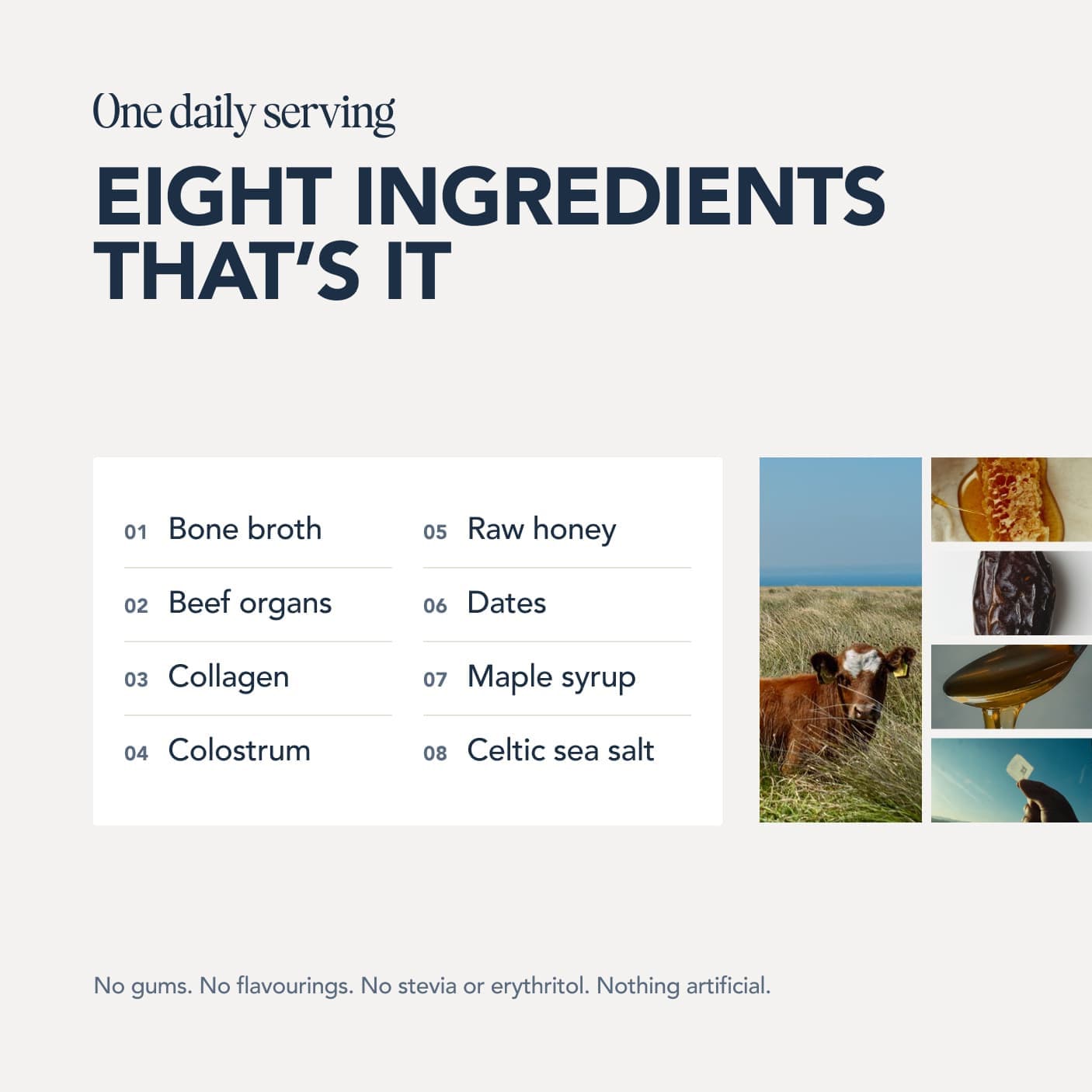
Eight real ingredients built around grass-fed beef organs, collagen and colostrum. Nothing synthetic added.
Free with your first order, worth £38. Plus £10 off the pouch with a subscription.

Free UK shipping · Made in England · 100 day money back guarantee on your first pouch · Skip, pause or cancel anytime
When to seek medical attention
Most colds and flu resolve with the protocol outlined. But seek medical attention if:
- Fever remains high (above 38.5C) after three days
- Cough produces blood
- Shortness of breath develops
- You experience severe chest pain
- Symptoms worsen after initially improving
These signs suggest bacterial superinfection or pneumonia, which requires antibiotics.
Recovery and reinfection risk
After a cold or flu, your body is weakened. Your nutrient stores are depleted. This is when reinfection is most likely.
Continue bone broth, organ meats, and extra sleep for 1-2 weeks after acute symptoms resolve. Your immune system is still recovering.
Many people experience back-to-back colds because they return to normal activity too soon, before nutrient stores are replenished.
Hydration during acute infection
Viruses create inflammation, which makes your body lose fluids through sweating and mucus production. Dehydration worsens symptoms and slows recovery.
Drink water, bone broth, herbal tea, and electrolyte-containing beverages (not sugary sports drinks). The warm liquids are soothing and provide minerals your immune system needs.
Herbal teas with warming spices (ginger, cinnamon, clove) increase circulation and help your immune cells reach affected tissues.
Post-infection recovery nutrition
After acute symptoms resolve, your body still needs recovery time. You've lost muscle, depleted nutrient stores, and your gut lining is damaged from inflammation.
Eat nutrient-dense foods (liver, meat, eggs) for two weeks post-infection. Bone broth supports gut healing. Sleep remains important for immune consolidation.
Many people relapse into a second cold or develop bacterial superinfection (like ear infection or sinusitis) because they return to normal eating and activity too quickly before recovery is complete.
The bottom line
Cold and flu are viral infections that your immune system can fight effectively if you give it the right nutrients and tools. Zinc, vitamin C, fire cider, and bone broth are your arsenal. Use them immediately when symptoms appear. Your cold that would have lasted seven days lasts three. Your illness is halted before it starts.
References
Every source below was checked on 27 August 2026. Each PubMed, PMC and DOI identifier was resolved against NCBI or Crossref, and what it opens is printed under the citation, so you can see the link goes where the citation says without leaving the page. Where a citation and its identifier disagreed, the citation was corrected to the record or the reference was deleted along with the sentence marker that pointed at it, and where the resolved paper turned out not to support the sentence, the sentence was cut back to what it does support. Borrowed authority is worse than none, because it looks like rigour.
- Hemilä H, et al. Zinc lozenges and the common cold: a meta-analysis. JRSM Open. 2017. PMC5418896.Checked 27 August 2026: PMC5418896 opens Hemilä H, Zinc lozenges and the common cold: a meta-analysis comparing zinc acetate and zinc gluconate, and the role of zinc dosage. JRSM Open 2017;8(5):2054270417694291.
- NIH Office of Dietary Supplements. Vitamin C fact sheet for health professionals. ods.od.nih.gov/factsheets/VitaminC-HealthProfessional.
- NIH Office of Dietary Supplements. Zinc fact sheet for health professionals. ods.od.nih.gov/factsheets/Zinc-HealthProfessional.
Who wrote and reviewed this guide
Niall Kiddle
Author · Founder, Organised
Niall is the founder of Organised. He started the company in 2024 after fixing his own health the slow way: in 2022 he swapped a cupboard of synthetic supplements for real food, raw milk, organ meats, bone broth and honey, and felt the difference within months.
Areas of expertise: Ancestral nutrition, Organ meats, Whole-food supplementation, Gut health, Regenerative sourcing
Read Niall's full profile
Pedro Rodrigues
Reviewer · Agronomist (farming and sourcing only)
Pedro is the agronomist Organised works with on farming and sourcing. His job on the guides is to keep the science honest: he reviews what we publish about soil health, regenerative agriculture, grazing and the way food is actually produced.
Areas of expertise: Regenerative agriculture, Agronomy, Soil health, Grass-fed farming, Food sourcing
Reviewed this guide on
Read Pedro's full profileMore on immunity
View allBrowse the guides library
All guidesKeep reading
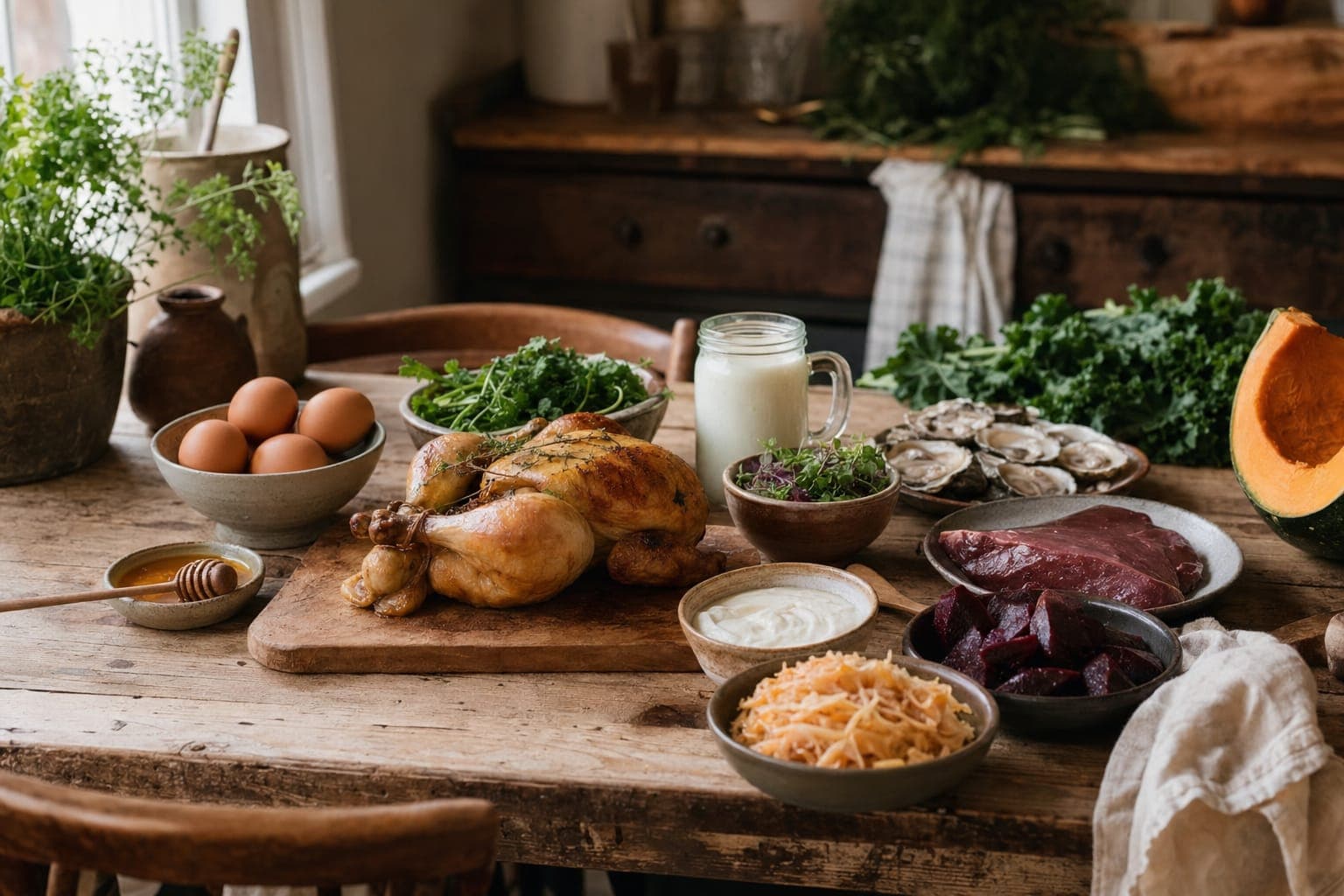
Health goals
Building Immune Resilience with Whole Food Nutrition
Build lasting immune resilience through whole food nutrition. We explain how vitamin A, zinc, colostrum and gut health work together to support your defences.
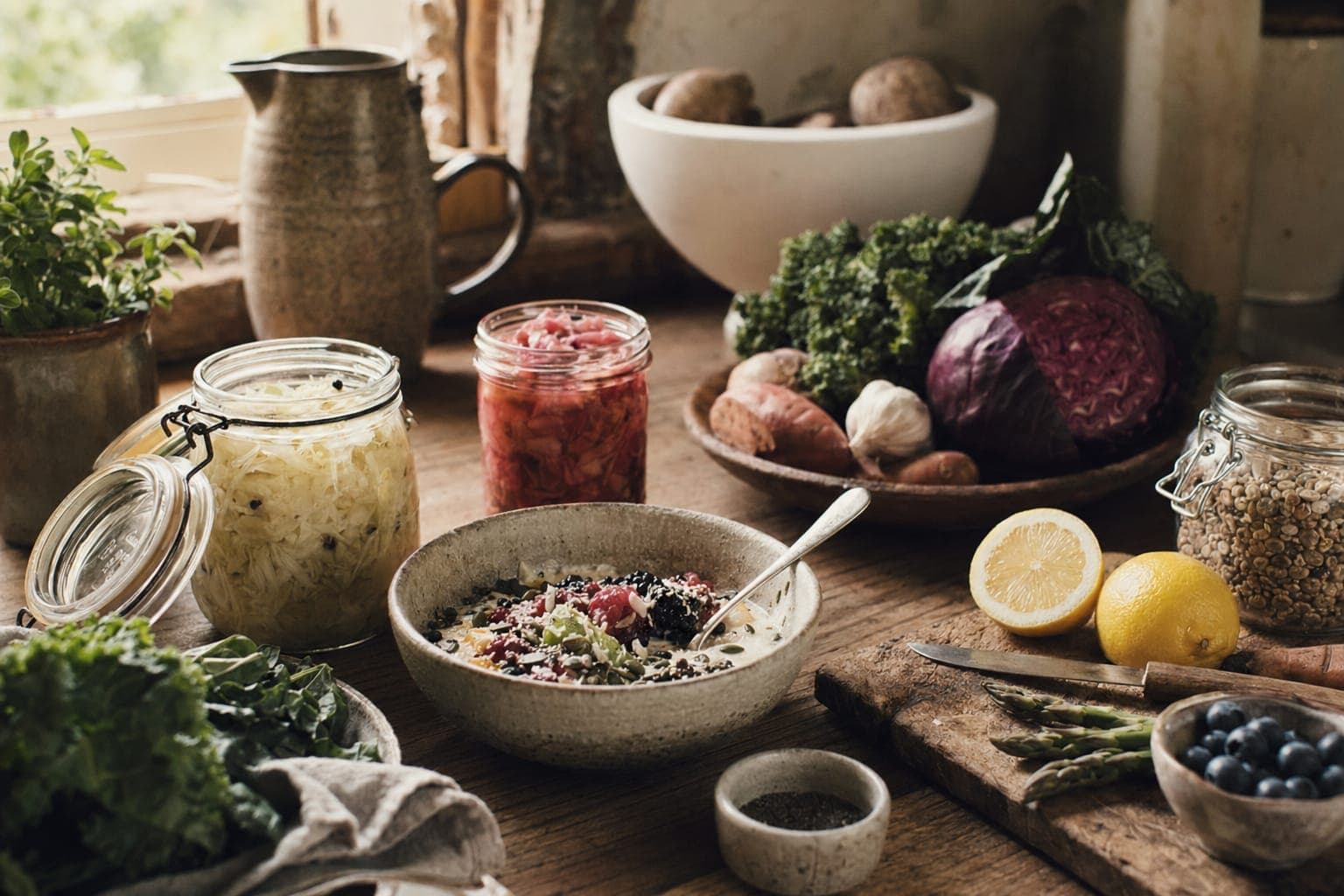
Health goals
The Microbiome: A Beginner's Guide to the Bacteria in Your Gut
Your gut holds around 100 trillion bacteria, some helpful, some harmful. See how fibre, polyphenols and fermented foods feed the good ones for better health.

Health goals
How Colostrum Trains Your Immune System
Colostrum doesn't boost immunity. It trains it. Learn how this nutrient teaches your immune system to respond appropriately to threats.
Real food, made effortless
Start my daily blendA few ways to use it
All recipes
Organised Protein Pancakes: A Weekend Favourite
A high-protein pancake recipe using beef protein, eggs, and raw milk. Cooked in cast iron, naturally sweetened with banana and honey. Real food breakfast.
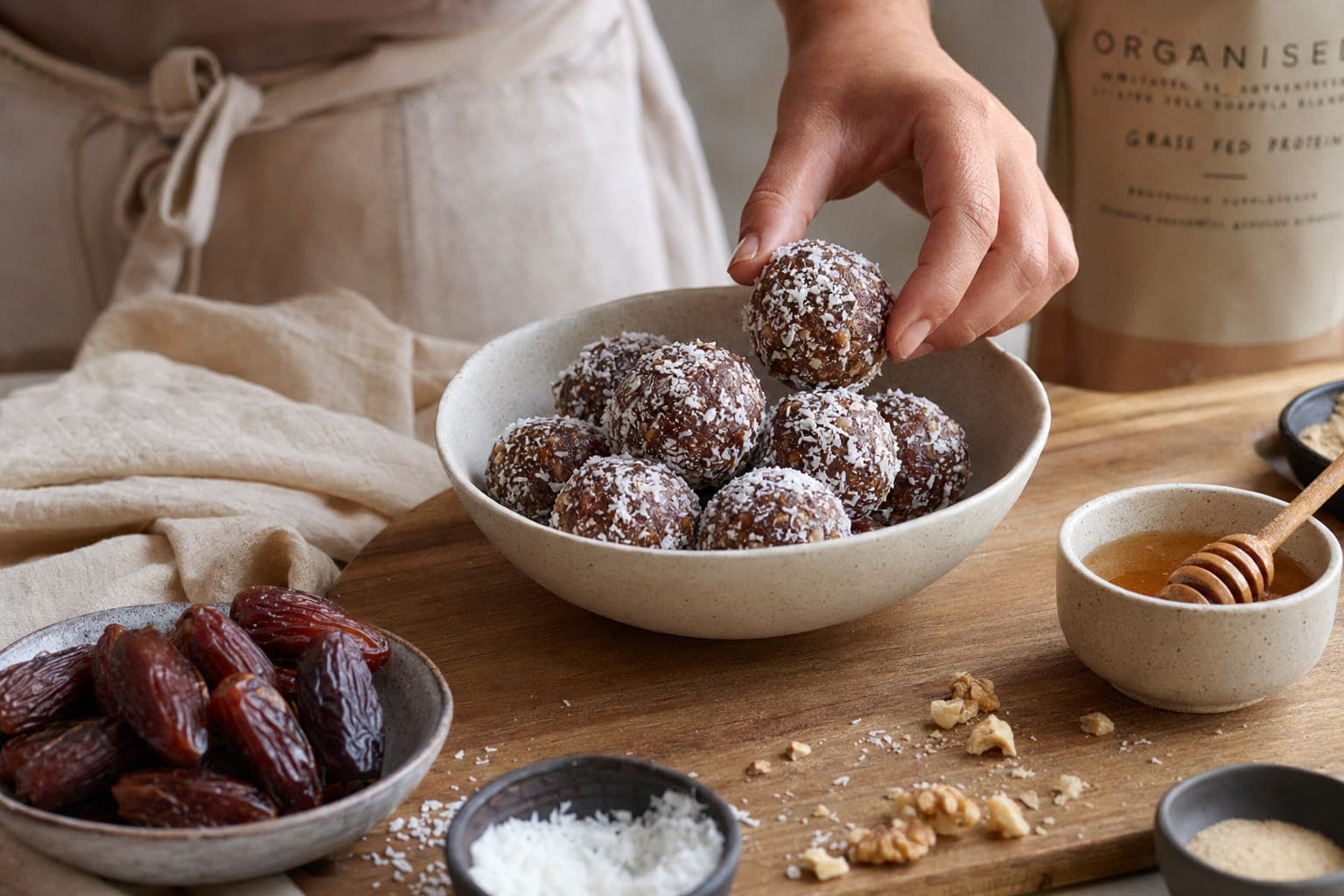
Energy Balls with Organised, Dates and Raw Honey
Make no-bake energy balls with Organised, dates, and raw honey. Perfect lunch box, pre-workout, or on-the-go snack. Simple recipe.
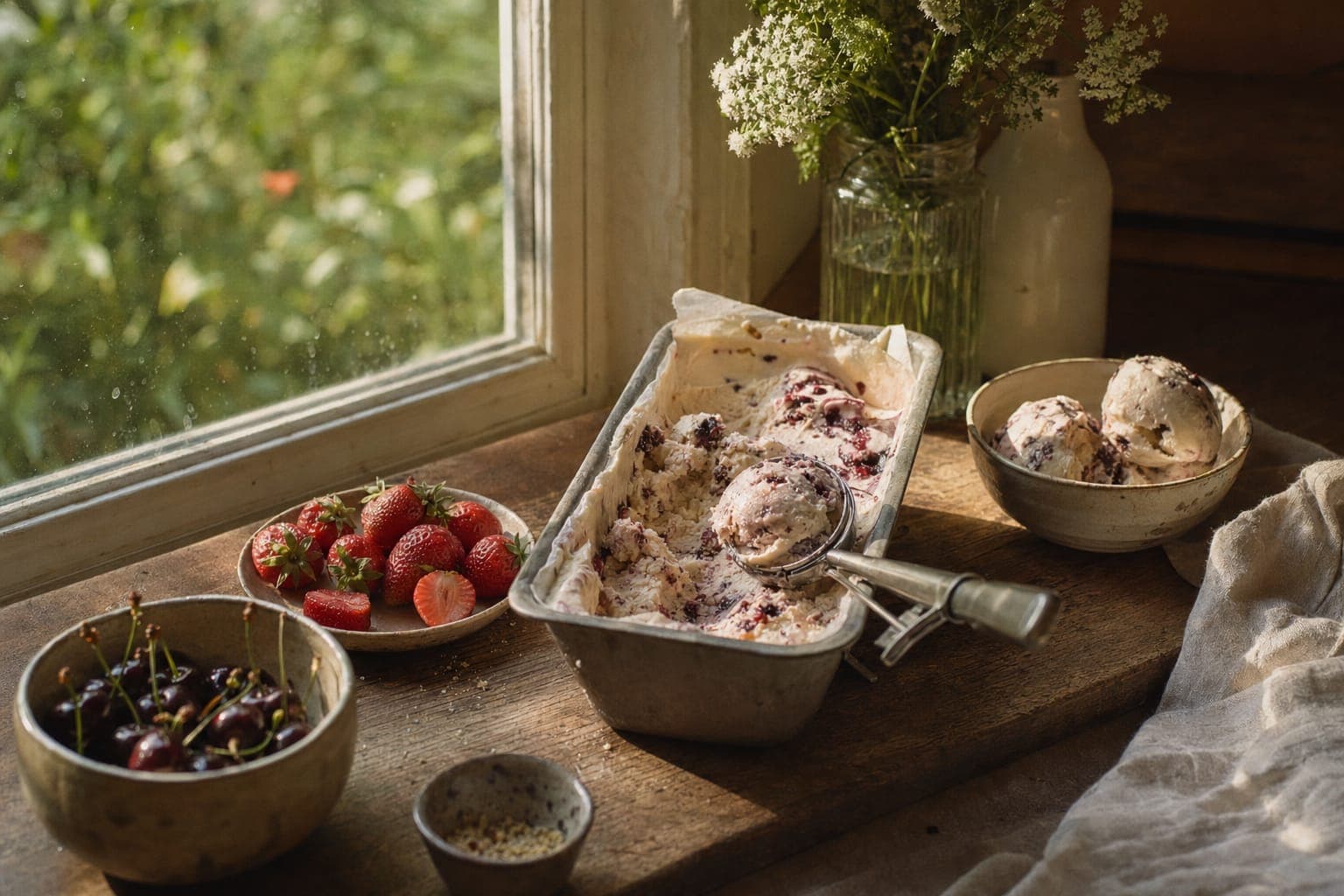
Raw Milk Ice Cream with Organised
Make raw milk ice cream at home with Organised for a seasonal, nutrient-dense treat. Three simple flavours to try whenever the craving strikes.


 Join over 100,000+ members
Build a better food system with us
The Organised community is thousands of people choosing real food and backing the farmers who grow it, all of us trying to leave the world a little better than we found it. If that is what you care about too, you belong here.