IBS and Nutrition: A Whole Food Approach
IBS is not one condition. It's a catchall label for digestive symptoms that medicine can't quite explain: cramping, irregular bowel patterns, bloating, food sensitivities that seem to change week to week. The standard response is to manage symptoms with medication. But the nutritional root cause is often overlooked. You don't have to live inside your symptoms.
By Niall Kiddle, Founder, Organised

Reviewed by Pedro Rodrigues, Agronomist (farming and sourcing only) ·
6 min read · Published · Updated · 2 cited sources
Makers of the Organised Daily blend, a grass-fed beef organ supplement from regenerative UK farms
The standard response is to manage symptoms with medication. But the nutritional root cause is often overlooked. You don't have to live inside your symptoms.
What IBS actually is
IBS is a disorder of gut-brain interaction. Your intestines are sensitive, your gut lining is compromised, your bacterial diversity is skewed, and your nervous system is in a state of low-grade hypervigilance around food.
This isn't psychological (though stress exacerbates it). There are real physical changes: increased intestinal permeability, dysbiosis, impaired GABA production, disrupted serotonin signalling, heightened visceral sensitivity. The gut is inflamed. The brain is listening too closely.
The problem with standard IBS management is that it treats the symptom (use antispasmodics, increase soluble fibre) without addressing the cause (heal the lining, restore diversity, lower the inflammatory load). Nutrition is where this changes.
The FODMAP rabbit hole
FODMAPs (Fermentable Oligosaccharides, Disaccharides, Monosaccharides, and Polyols) are short-chain carbohydrates that are poorly absorbed in the small intestine and ferment in the colon. The low-FODMAP diet was developed at Monash University and is supported by clinical evidence for reducing IBS symptoms in many patients.1
The low-FODMAP diet works for some people in the short term. But it's restrictive, it's not meant to be permanent, and it doesn't heal the gut. It just removes the foods that trigger symptoms. Once you understand that FODMAPs are a trigger, not the root cause, you can move beyond restriction.
FODMAPs aren't the enemy. A permeable gut lining and dysbiotic microbiome are. Fix those, and FODMAP tolerance often improves.
The better approach: identify your FODMAP triggers without dwelling in restriction. You likely tolerate some FODMAP foods fine. Garlic and onions might trigger you, but ripe banana probably won't. Start by removing the worst offenders, then reintroduce systematically.
Low-histamine eating and IBS
Histamine is a biogenic amine present in aged, fermented and processed foods, and the enzyme diamine oxidase (DAO) is the primary mechanism for breaking down dietary histamine in the small intestine. Reduced DAO activity has been associated with histamine-intolerance-like symptoms.2
If you have IBS and your symptoms worsen after fermented foods, aged cheeses, cured meats, or tomato sauce, you might be histamine intolerant. The solution isn't to avoid all those foods forever. It's to heal the lining and restore DAO production.
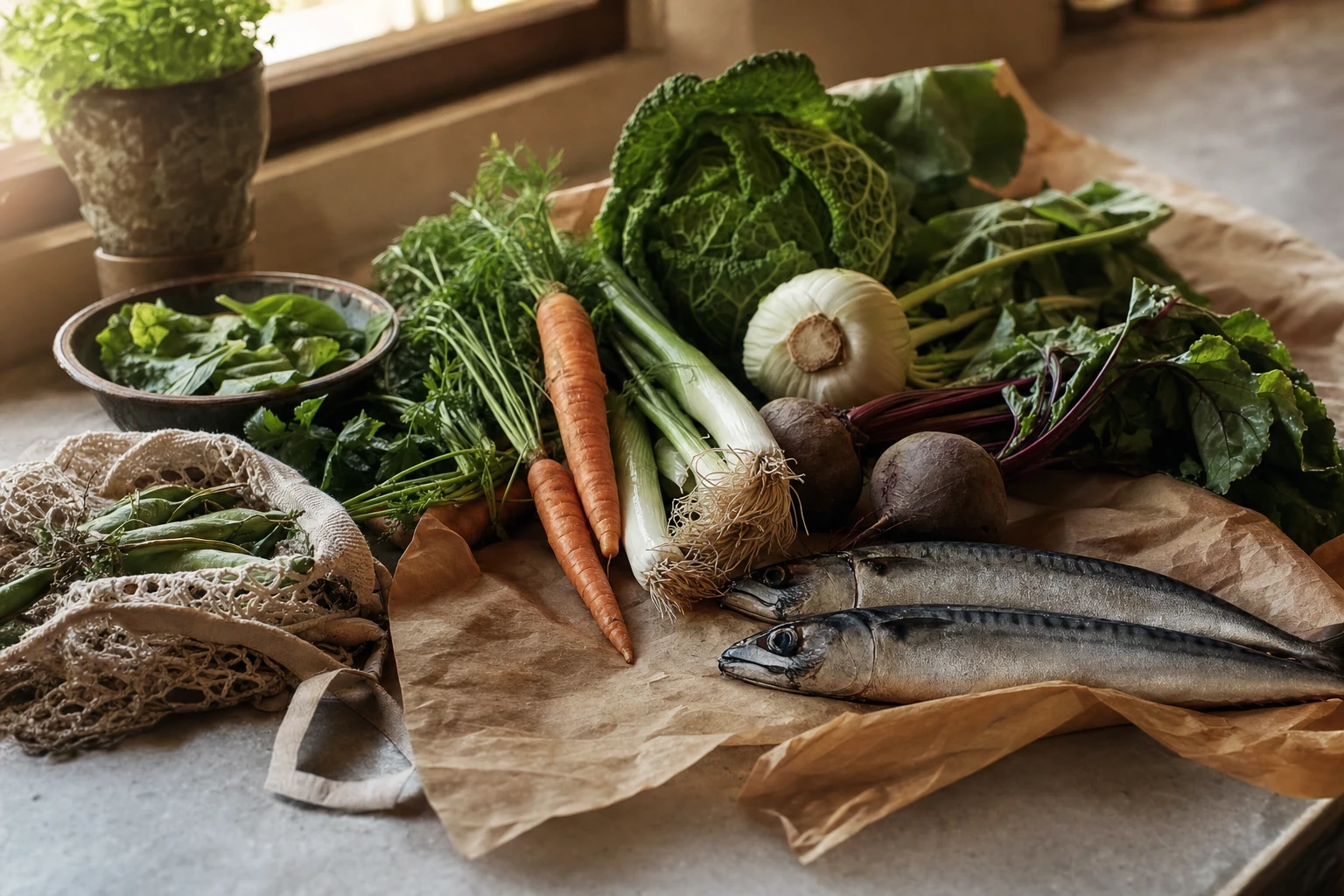
In the meantime, favour fresh foods:
- Fresh meat and fish (shop-bought within 2-3 days, not aged or smoked)
- Fresh vegetables (cooked is often easier than raw)
- Fresh eggs
- Fresh fruit (not dried or overripe)
- Plain rice, potatoes, oats
- Bone broth (made fresh, used within 4 days)
Low-histamine doesn't mean eating boring food. It means eating food that's fresh, properly stored, and prepared simply. Most of the best foods are already low-histamine.
The elimination and reintroduction protocol
Start with a structured elimination phase: 4-6 weeks eating only foods that are unlikely to trigger IBS. This isn't punishment. It's detective work.
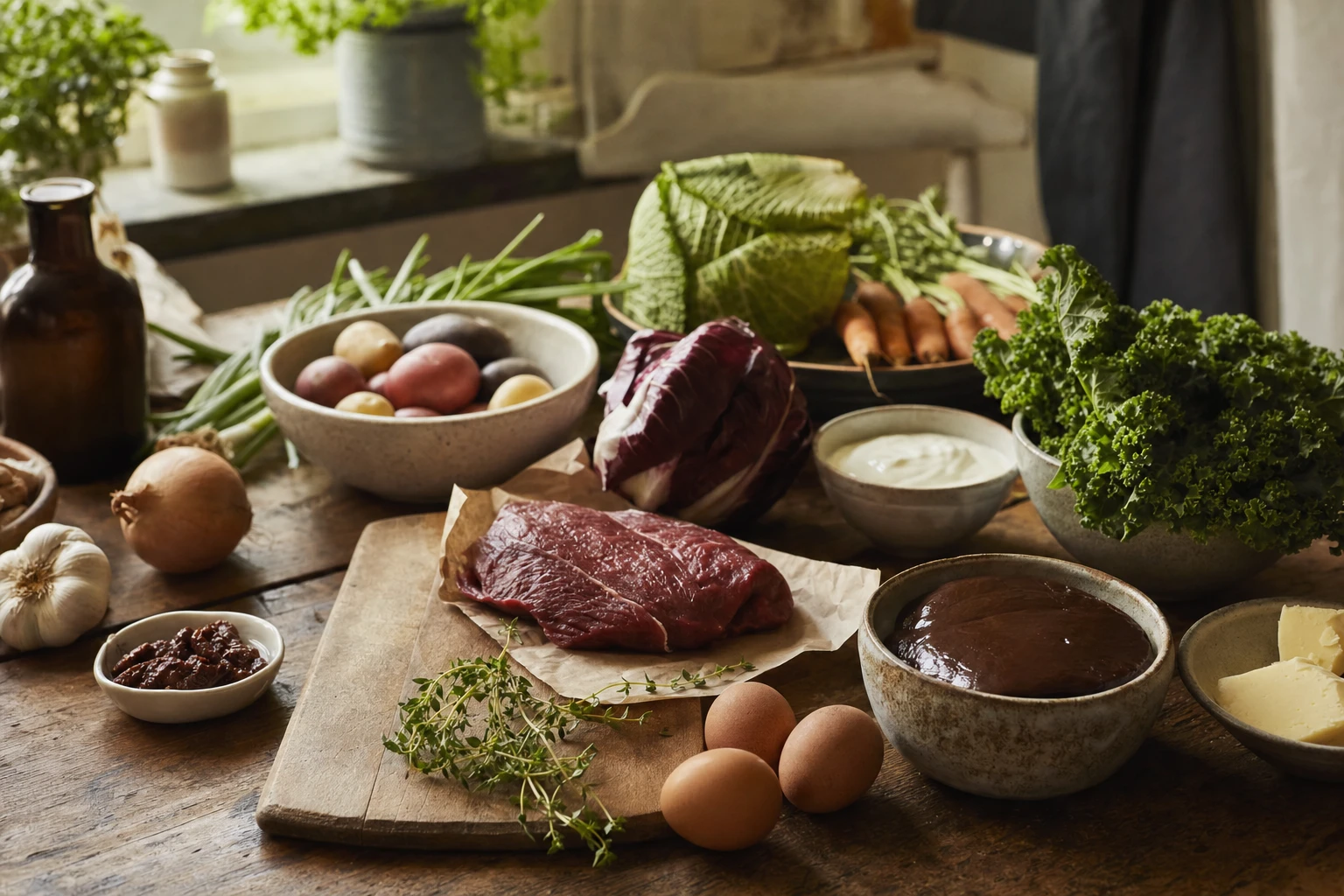
During elimination, eat: rice, potatoes, sweet potatoes, cooked vegetables (carrots, courgettes, broccoli, green beans), fresh meat and fish, eggs, olive oil, sea salt, bone broth, and rice milk or oat milk if you need one. Boring, yes. But tolerable.
After 4-6 weeks, your symptoms should reduce noticeably. This tells you the problem was food-related. Now the work begins: reintroduction. Introduce one new food every 3-5 days. Track your response. If a food doesn't trigger symptoms, keep it. If it does, remove it for another month and try again later.
Most people can expand their diet significantly once the gut is less inflamed. You might tolerate fermented foods, garlic, onions, and higher-FODMAP vegetables in ways you couldn't during the flare.
Why bone broth and broth matter
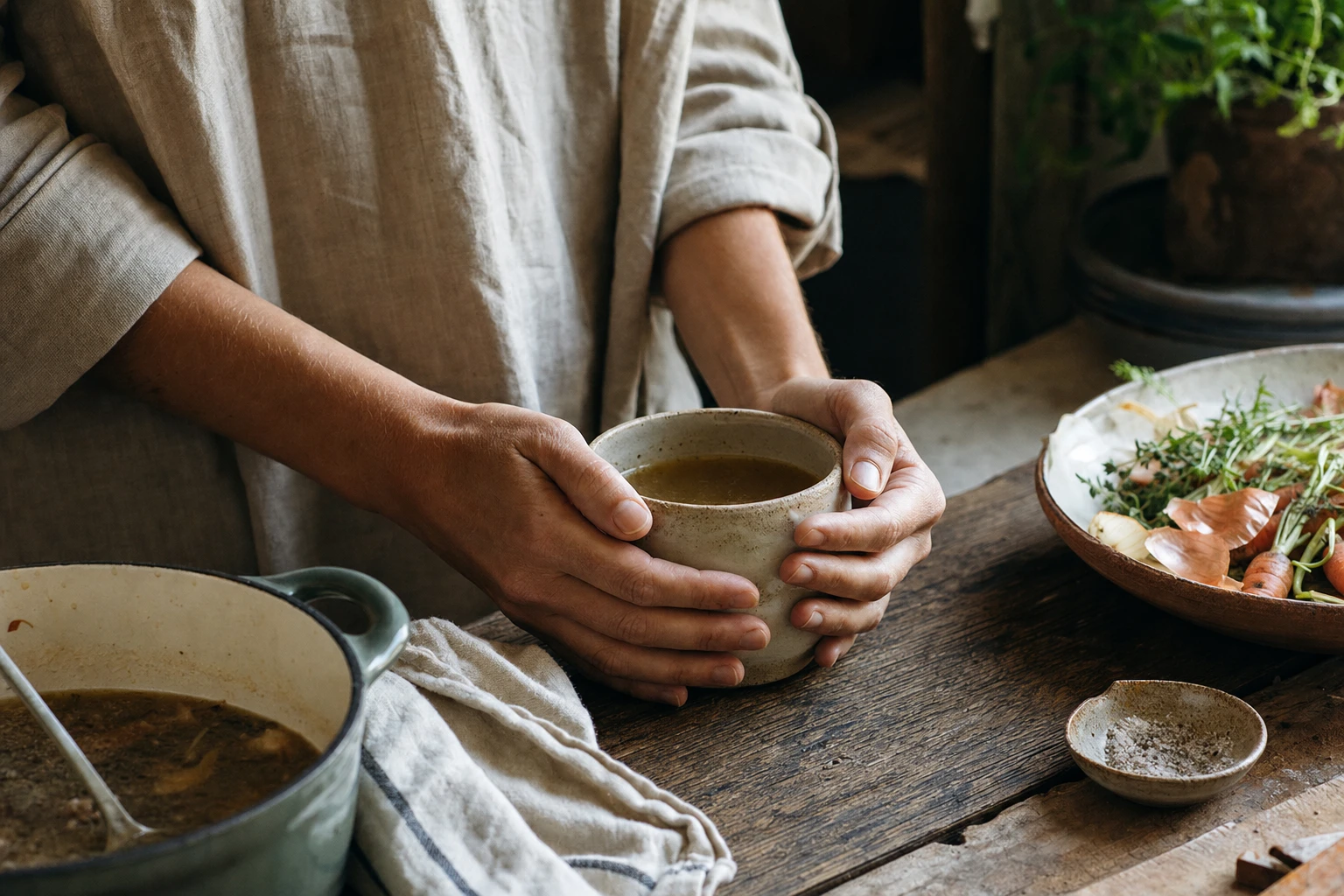
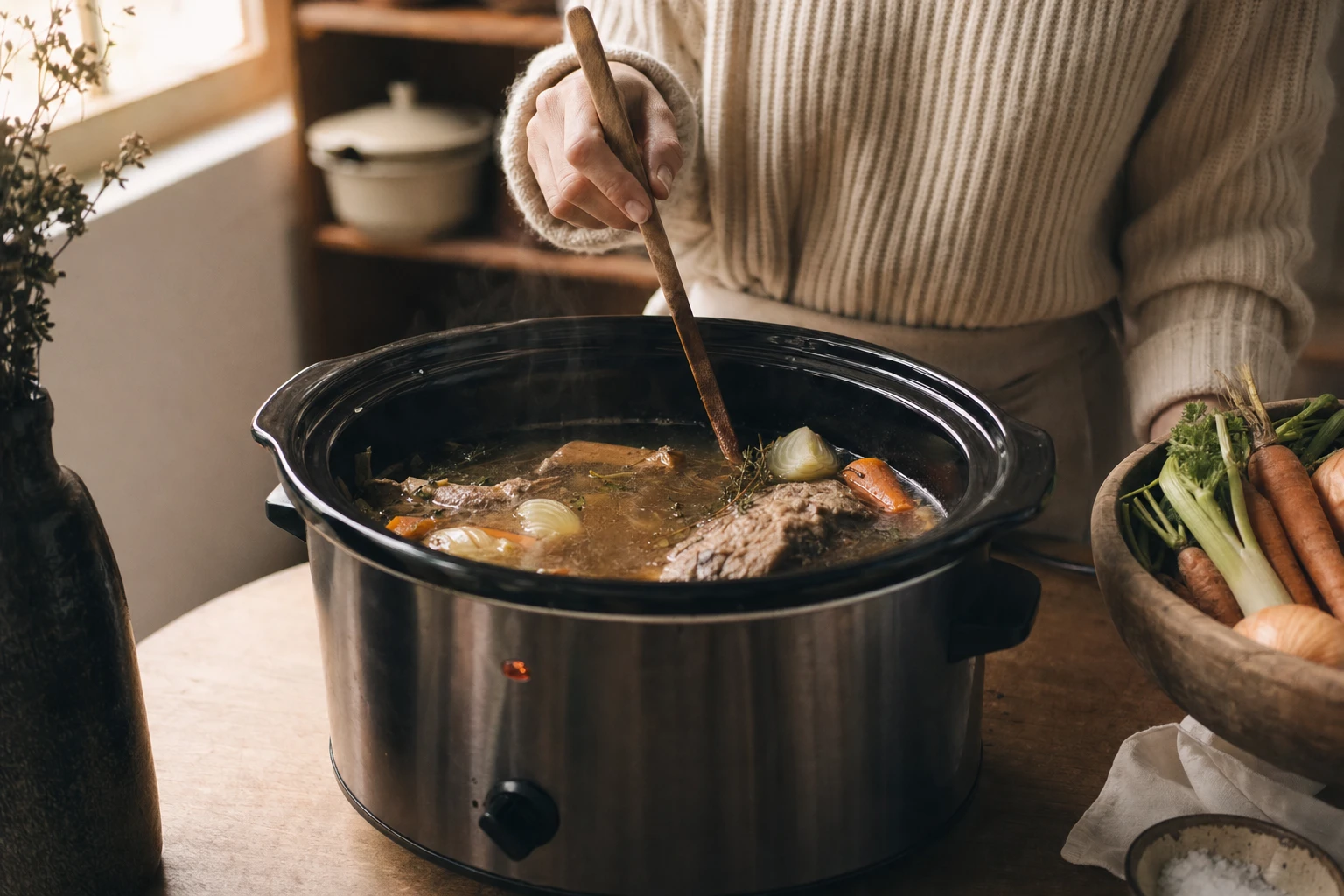
Bone broth should be a staple in IBS management. It's not a supplement or a hack. It's food that your inflamed gut actually wants to heal.
Broth contains gelatin, collagen, glycine, and glutamate. Gelatin and collagen are literally used to rebuild intestinal tight junctions. Glycine is an inhibitory neurotransmitter that calms the gut-brain axis. Glutamate supports enterocyte (gut cell) health. You're not guessing or hoping. You're feeding the tissue that needs repair.
Aim for 250-500ml of bone broth daily during the worst flares. Make it at home (chicken or beef bones, simmered 18-24 hours) or buy quality version without additives. Drink it warm or use it as the base for rice and vegetables.
The slow fermentation approach
Once your gut has settled (usually 8-12 weeks of careful eating), you can begin slowly reintroducing fermented foods. But go slowly. Your dysbiosis is still healing.
Start with sauerkraut or kimchi: one teaspoon with lunch. Wait 3 days. If you tolerate it, increase to one tablespoon. After two weeks at this dose, you can try kefir or another fermented food.
This isn't about speed. It's about seeding your microbiome with beneficial bacteria in a way that doesn't overwhelm a still-sensitive system. The fermentation process also partially breaks down some components (like histamine precursors), making fermented foods easier to tolerate as your DAO recovers.
Get health guides like this, free
Two short reads a week on eating for energy, gut health, skin, sleep and more.
By signing up you agree to receive emails from us. No spam, unsubscribe anytime.
Complementary to medical care
Nutrition cannot replace medication if you're in acute flare. But it can prevent flares and reduce the need for medication over time. Work with your GP or a gastroenterologist whilst you're making dietary changes. Some people find they need less medication within 3 months. Others need months or years. Both are valid.
If you also have small intestinal bacterial overgrowth (SIBO), the elimination protocol is similar, but timing differs. If you have inflammatory bowel disease (Crohn's or ulcerative colitis), the approach is different still. IBS is the diagnosis, but the underlying mechanism matters.
Food sensitivities and histamine: the hidden driver
Many people with IBS aren't actually reacting to FODMAPs or fibre. They're reacting to histamine. Histamine is a compound produced during food storage, cooking, fermentation, and ageing. High-histamine foods trigger symptoms in people with histamine intolerance, which is often underlying IBS.
Common high-histamine foods include aged meats, cured meats, fermented foods, aged cheeses, tomato sauce, chocolate, avocado, spinach, aubergine, and alcohol (especially wine and beer). A person eating IBS-friendly foods but still symptomatic might be reacting to histamine, not to the food structure itself.
The enzyme DAO breaks down dietary histamine in the small intestine. If your gut is inflamed or dysbiotic, DAO production decreases. Histamine enters the bloodstream and triggers mast cells to release more histamine, perpetuating the problem. The solution is eating fresh foods whilst healing the lining that produces DAO.
Low-histamine eating during the acute phase (fresh meats, fresh fish, fresh vegetables, rice, potatoes, bone broth) gives your gut lining time to heal and your DAO production time to recover. Once the lining is repaired, histamine tolerance usually improves substantially. You can reintroduce aged cheeses, fermented foods, and tomato sauce without triggering symptoms.
If you're following low-FODMAP perfectly and still symptomatic, check histamine. It's the overlooked driver of IBS symptoms that look like food intolerance.

1 of 9
Daily blend
100,000+ thriving families4.9 on Trustpilot
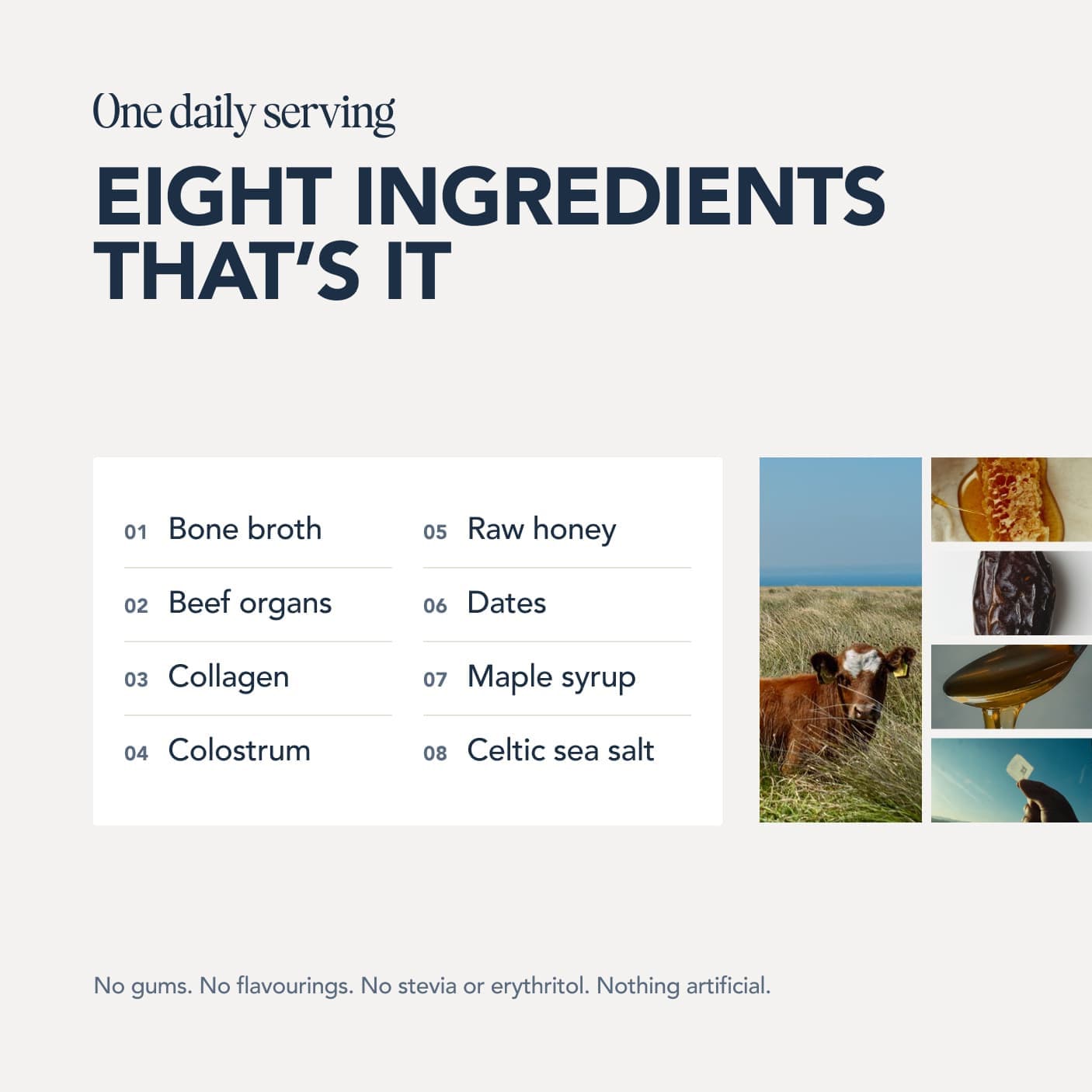
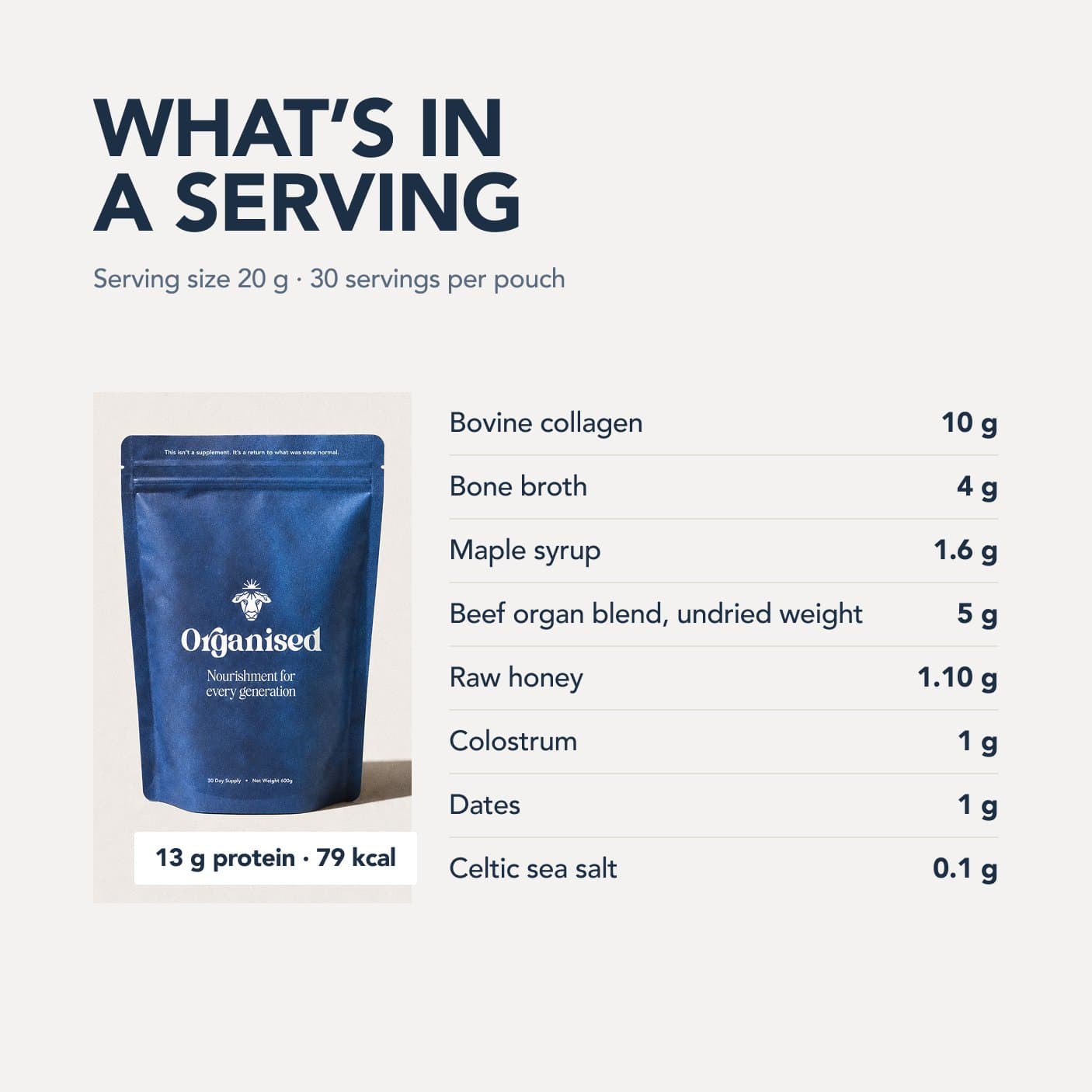
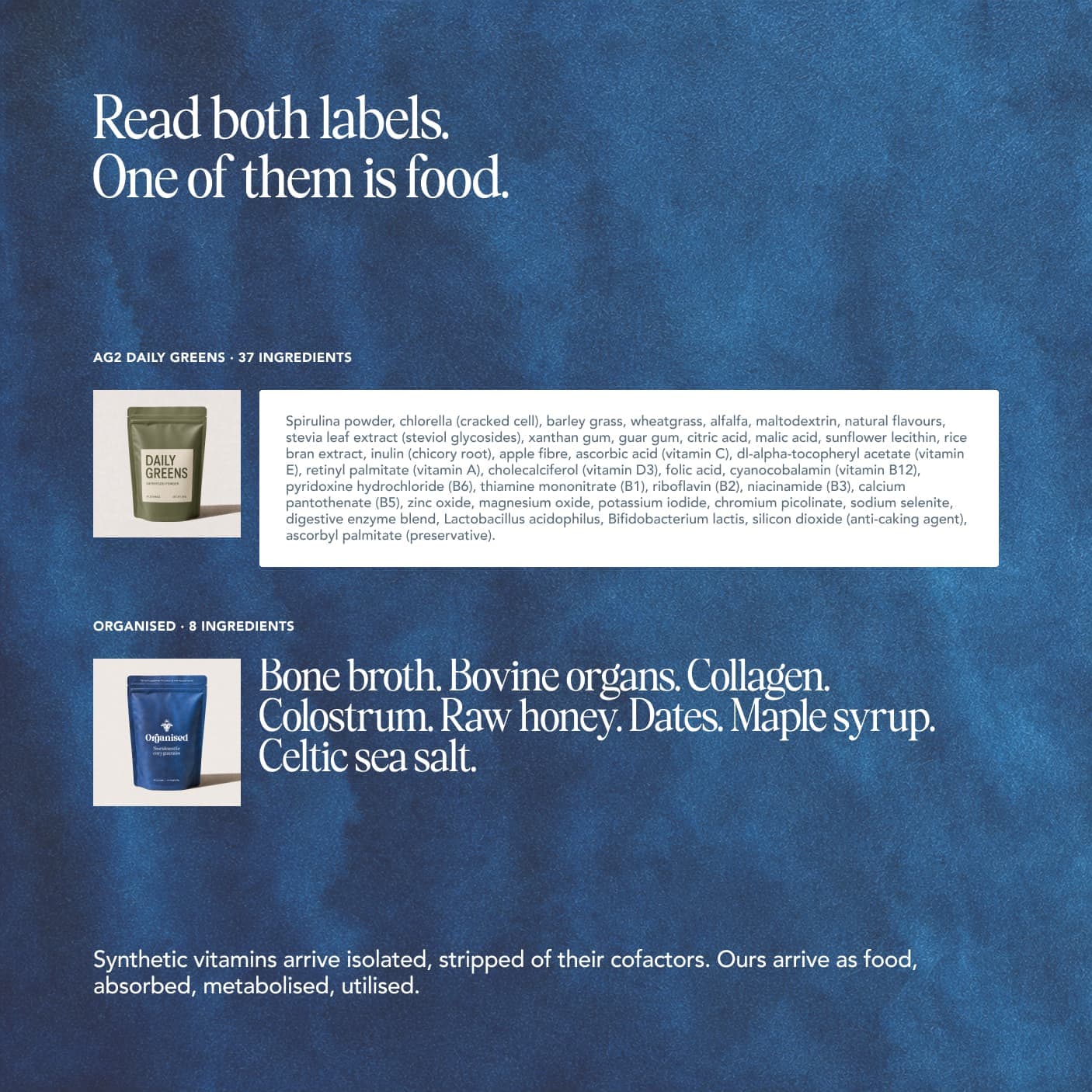
Eight real ingredients built around grass-fed beef organs, collagen and colostrum. Nothing synthetic added.
Free with your first order, worth £38. Plus £10 off the pouch with a subscription.
Free UK shipping · Made in England · 100 day money back guarantee on your first pouch · Skip, pause or cancel anytime
IBS and motility: the overlooked mechanism
IBS is classified by symptoms (diarrhoea-predominant, constipation-predominant, or alternating). But underlying most IBS is impaired gut motility. The muscles of your small and large intestine aren't contracting in a coordinated way. Food moves too fast or too slow. Transit time is dysregulated.
This is why certain foods trigger symptoms in IBS but not in healthy people. A healthy gut with normal motility handles those foods fine. A dysrhythmic gut struggles.
Bone broth helps with this. Gelatin and glycine actually relax intestinal smooth muscle, improving the coordination of contractions. Some people with IBS notice that bone broth alone improves their symptoms noticeably within days.
Stress and sleep also regulate motility. The vagus nerve controls intestinal contractions. When you're chronically stressed, your vagus nerve is in sympathetic (fight-or-flight) mode. Digestion gets suppressed. Motility becomes dysrhythmic. The IBS symptoms worsen. Reducing stress and prioritising sleep can be as powerful as dietary changes.
The bottom line
IBS responds to a combination of elimination (remove the triggers), healing (bone broth, glutamine, whole foods), and careful reintroduction (expand your diet once tolerance improves). This takes patience. You won't heal in two weeks. Most people need 3-6 months of consistent attention to see substantial change.
But within that timeframe, cramping reduces, regularity improves, and the anxiety around food often disappears. You begin to feel like food is something that nourishes you, not something you need to defend against. That shift is worth waiting for.
References
Every source below was checked on 27 August 2026. Each PubMed, PMC and DOI identifier was resolved against NCBI or Crossref, and what it opens is printed under the citation, so you can see the link goes where the citation says without leaving the page. Where a citation and its identifier disagreed, the citation was corrected to the record or the reference was deleted along with the sentence marker that pointed at it, and where the resolved paper turned out not to support the sentence, the sentence was cut back to what it does support. Borrowed authority is worse than none, because it looks like rigour.
- Halmos EP, Power VA, Shepherd SJ, Gibson PR, Muir JG. A diet low in FODMAPs reduces symptoms of irritable bowel syndrome. Gastroenterology. 2014. https://pubmed.ncbi.nlm.nih.gov/24076059/Checked 27 August 2026: PMID 24076059 opens Halmos EP, Power VA, Shepherd SJ et al, A diet low in FODMAPs reduces symptoms of irritable bowel syndrome. Gastroenterology 2014;146(1):67-75.e5. PubMed indexes it as: Randomized Controlled Trial.
- Maintz L, Novak N. Histamine and histamine intolerance. Am J Clin Nutr. 2007. https://pubmed.ncbi.nlm.nih.gov/17490952/Checked 27 August 2026: PMID 17490952 opens Maintz L, Novak N, Histamine and histamine intolerance. Am J Clin Nutr 2007;85(5):1185-96. PubMed indexes it as: Review.
Who wrote and reviewed this guide
Niall Kiddle
Author · Founder, Organised
Niall is the founder of Organised. He started the company in 2024 after fixing his own health the slow way: in 2022 he swapped a cupboard of synthetic supplements for real food, raw milk, organ meats, bone broth and honey, and felt the difference within months.
Areas of expertise: Ancestral nutrition, Organ meats, Whole-food supplementation, Gut health, Regenerative sourcing
Read Niall's full profile
Pedro Rodrigues
Reviewer · Agronomist (farming and sourcing only)
Pedro is the agronomist Organised works with on farming and sourcing. His job on the guides is to keep the science honest: he reviews what we publish about soil health, regenerative agriculture, grazing and the way food is actually produced.
Areas of expertise: Regenerative agriculture, Agronomy, Soil health, Grass-fed farming, Food sourcing
Reviewed this guide on
Read Pedro's full profileMore on gut health
View all- The Complete Guide to Healing Your Gut with Whole Foods
- Why Your Gut Health Affects Everything (Not Just Digestion)
- 5 Foods You Think Are Healthy (But Are Secretly Ruining Your Gut)
- Acid Reflux and Low Stomach Acid: A Nutritional Perspective
- Bloating After Eating: Common Causes and Whole Food Solutions
- Bone Broth for Gut Health: What the Science Says
- Candida Overgrowth: What It Is and How Nutrition Can Help
- Histamine Intolerance: Could Your Gut Be the Cause?
- How Colostrum and Collagen Work Together to Repair the Gut Lining
- How Stress Destroys Your Gut (And What to Do About It)
- How to Recognise the Early Signs of Poor Gut Health
- How to Reset Your Gut After Antibiotics
Browse the guides library
All guidesKeep reading
Health goals
SIBO: What It Is and How Nutrition Can Help
Understand SIBO, the migrating motor complex, and how nutrition supports recovery. Meal spacing, bitters, and non-fermented approaches.
Health goals
Why Your Gut Health Affects Everything (Not Just Digestion)
Around 70% of your immune system lives in your gut. Learn how the gut-brain axis, gut-skin axis, and microbiome influence health system-wide.

Health goals
The Fertility Diet: What to Eat When Trying to Conceive
A practical fertility diet guide on what to eat when trying to conceive, with the foods that support reproductive health for both partners. Start here.
Real food, made effortless
Start my daily blendA few ways to use it
All recipes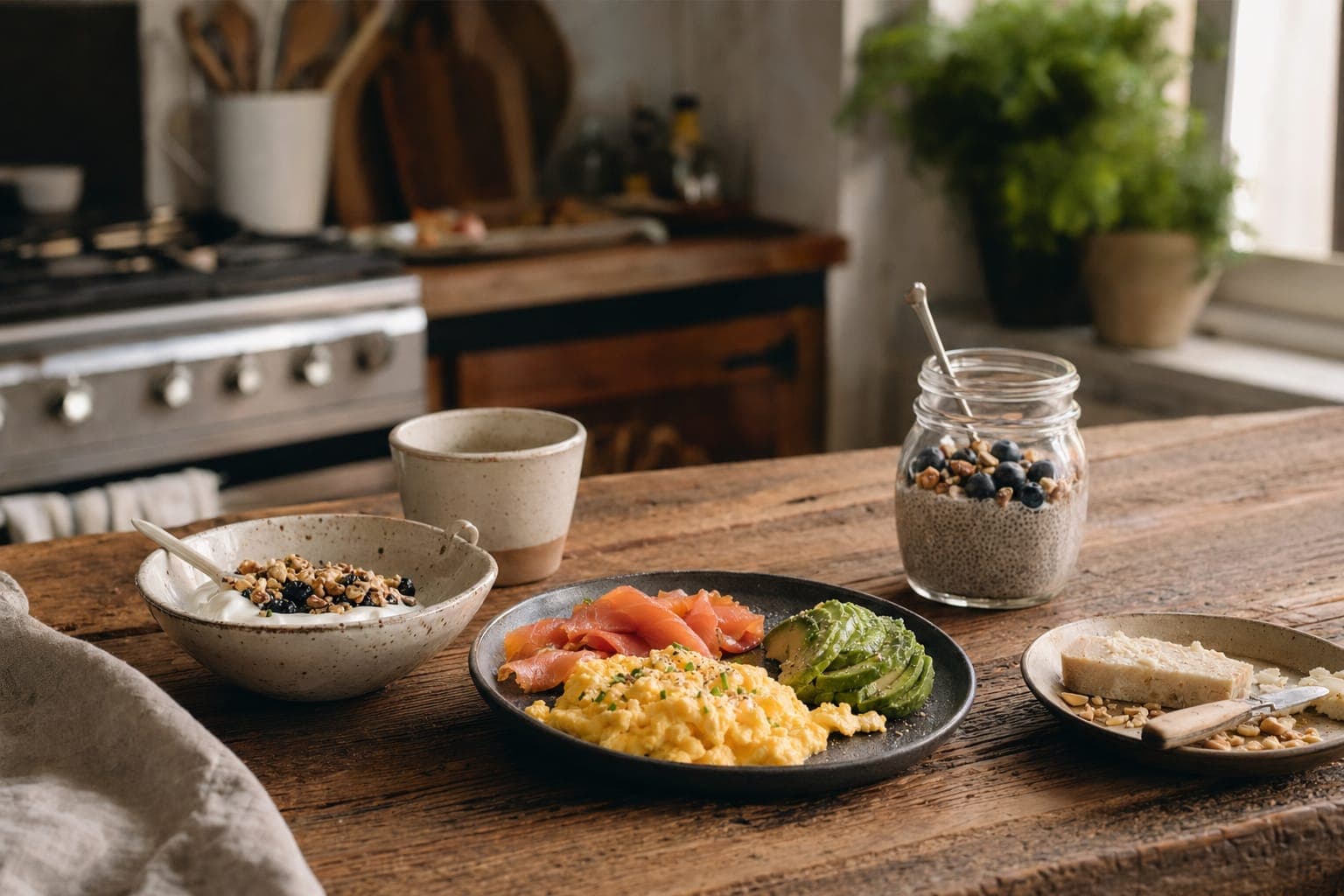
5-Minute High-Protein Breakfasts Using Organised
Quick, high-protein breakfast ideas using Organised. Five recipes you can make in minutes with real food. No fussing around.
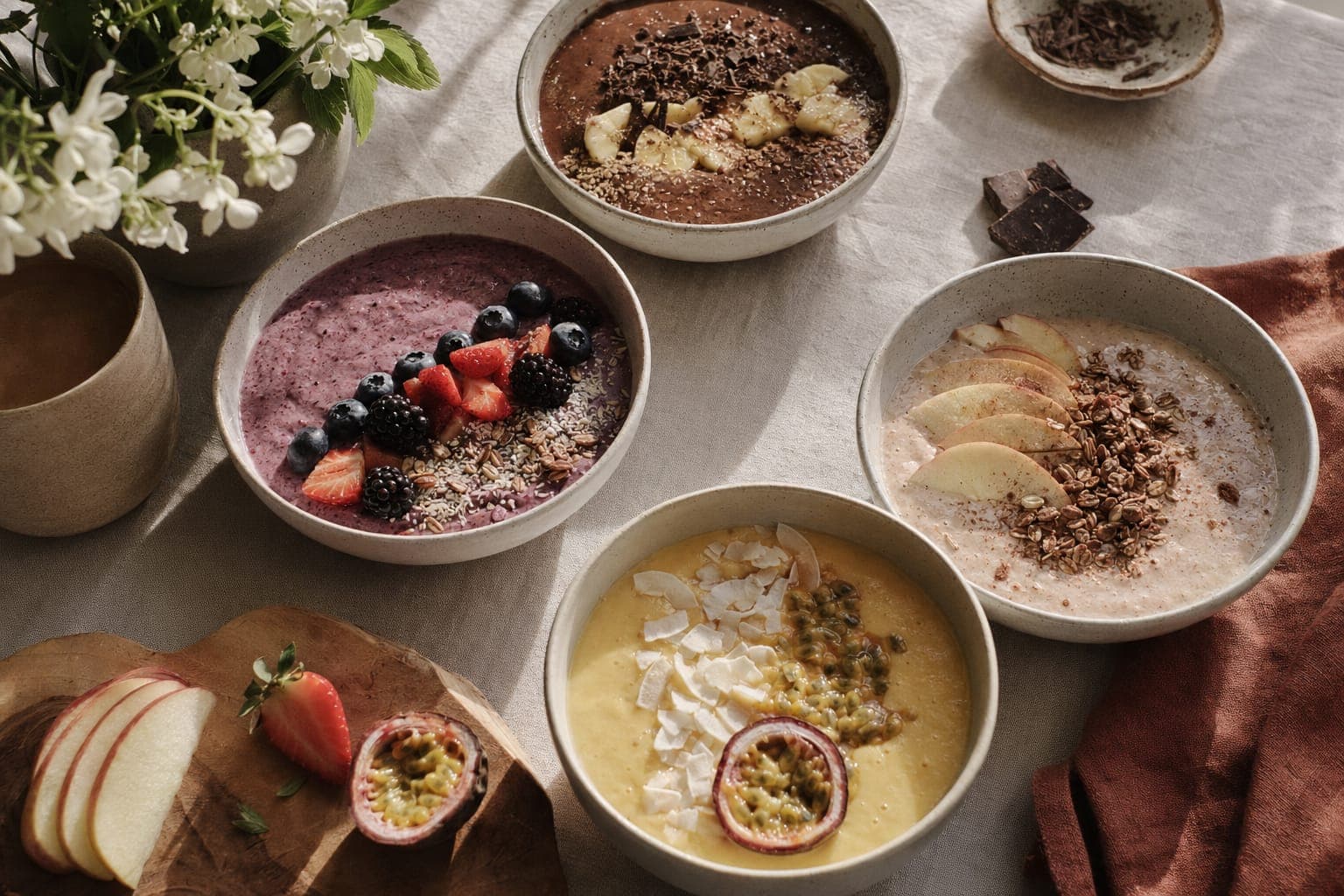
Organised Smoothie Bowl Recipes for Every Season
Four seasonal smoothie bowl recipes using Organised. Berry in summer, apple-cinnamon in autumn, tropical in spring, warming chocolate in winter.
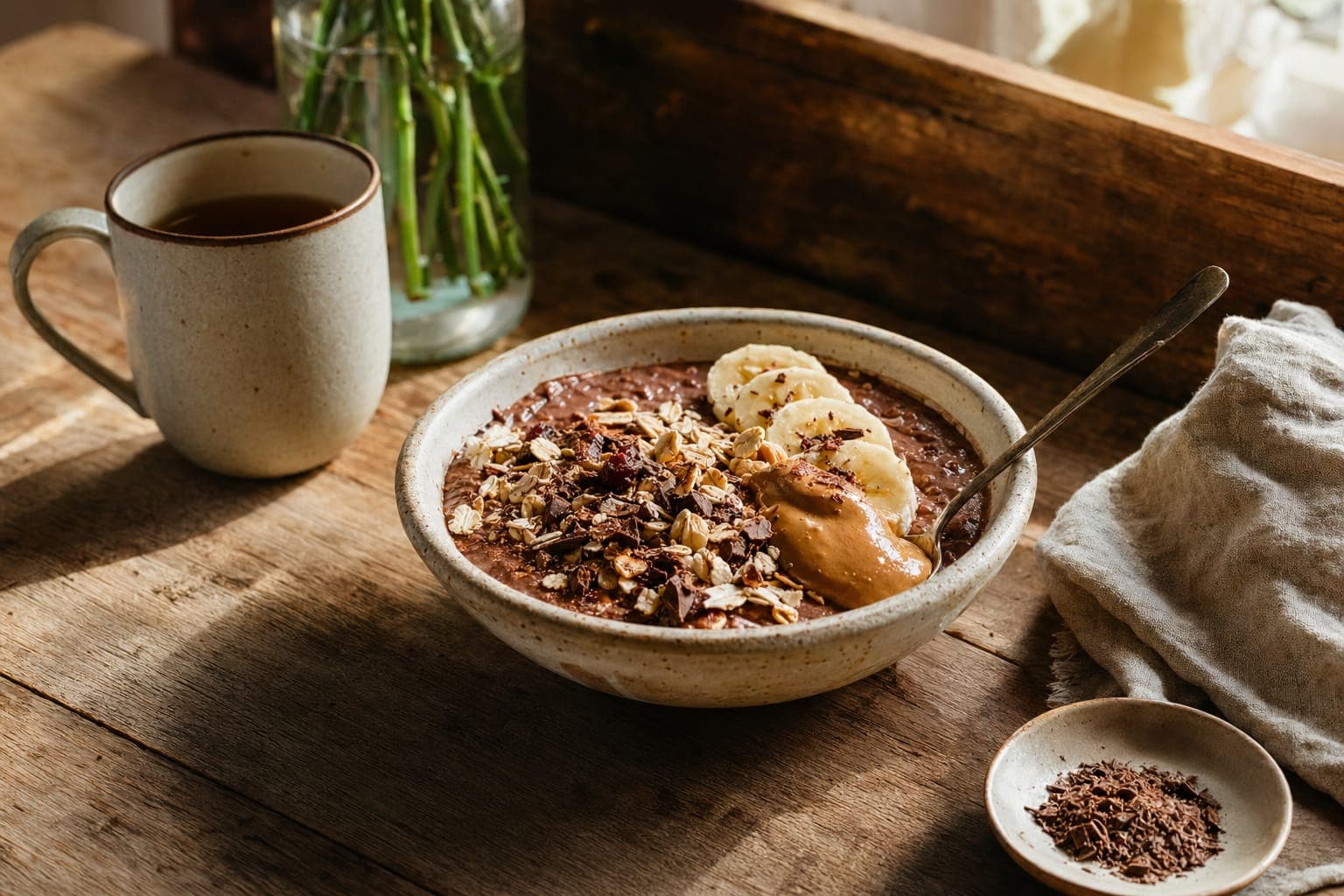
10 Ways to Use Organised That Aren't Just a Shake
Move beyond the basic shake. Discover 10 creative ways to use Organised in smoothie bowls, oats, yoghurt, baking, and more.


 Join over 100,000+ members
Build a better food system with us
The Organised community is thousands of people choosing real food and backing the farmers who grow it, all of us trying to leave the world a little better than we found it. If that is what you care about too, you belong here.