Insulin Resistance: The Silent Metabolic Crisis
You feel fine. Your weight is stable. Your energy is okay. And yet, inside your cells, something is breaking. Your body is becoming resistant to insulin. It's happening right now, silently, in millions of people who have no idea. By the time you notice the symptoms, the damage has often been years in the making.
By Niall Kiddle, Founder, Organised

Reviewed by Pedro Rodrigues, Agronomist (farming and sourcing only) ·
7 min read · Published · Updated · 5 cited sources
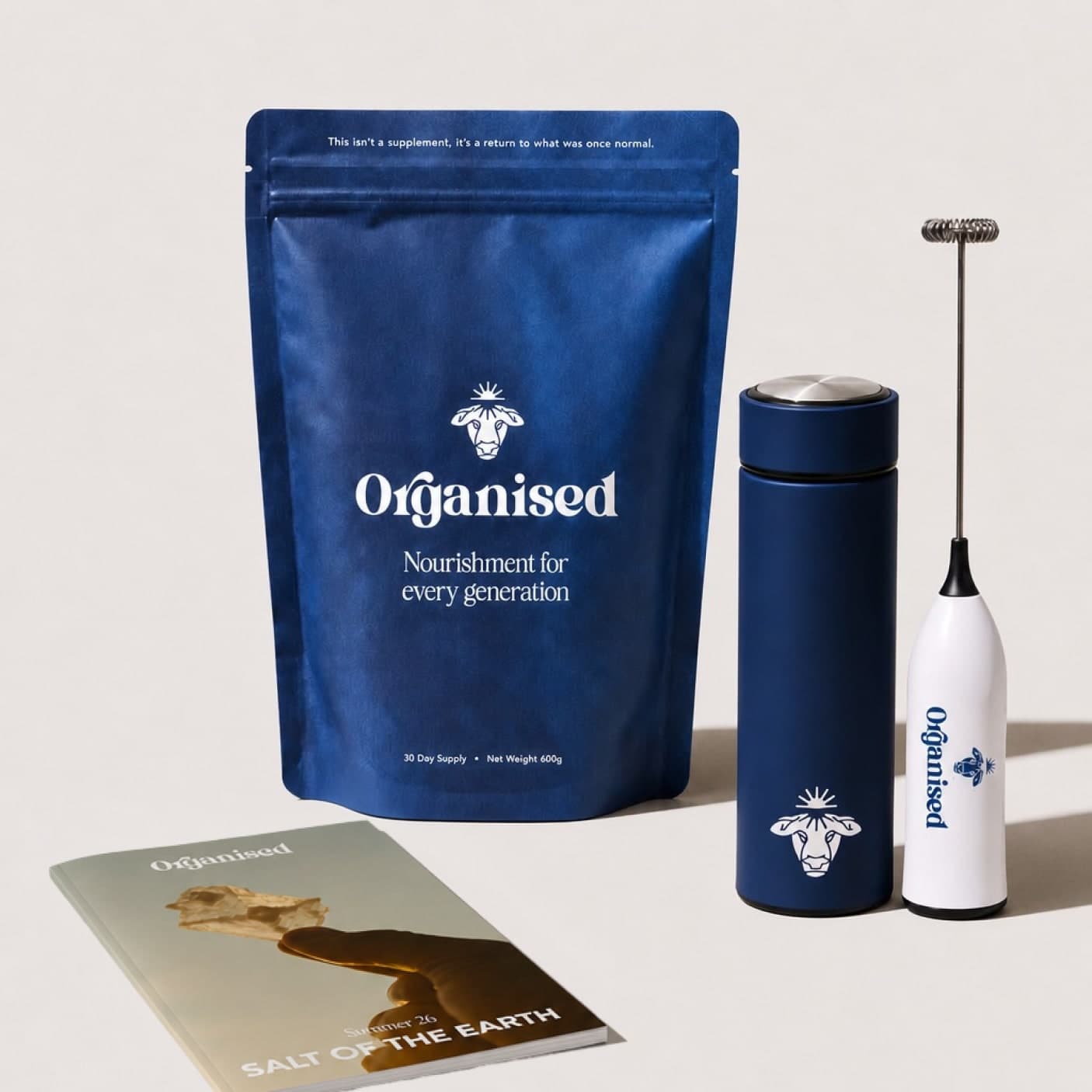
Makers of the Organised Daily blend, a grass-fed beef organ supplement from regenerative UK farms
By the time you notice the symptoms, the damage has often been years in the making.

What insulin resistance actually is
Insulin is a hormone released by your pancreas in response to blood sugar rising. Its job is to open the doors of your cells so that glucose can enter and be used for energy or stored. It's a signalling system. It says, "blood sugar is high, cells, take up this glucose."
In insulin resistance, the cells stop listening. Insulin arrives, knocks on the door, and the cells don't open.1 The glucose stays in the bloodstream. Your pancreas senses this and releases more insulin, trying harder to force the message through. More insulin. More glucose in the blood. More insulin. A vicious cycle.
On the surface, your blood glucose might still look normal because the pancreas is working overtime to keep it in range. But the cost is high. Your pancreas is exhausted. Your cells are flooded with excess insulin. Your metabolism is fundamentally broken.
The scary part is that insulin resistance typically has no symptoms. You don't feel it. There's no alarm. You might notice that weight is harder to lose, that energy dips in the afternoon, that you're hungry despite eating. But these are subtle. Many people don't connect them to insulin resistance until years later when they're diagnosed with prediabetes or type 2 diabetes.
Insulin resistance is metabolic damage without a visible wound. But the wound is real, and it's spreading.
The mechanics of metabolic decline
Your cells become resistant to insulin for a reason. It's not random. It's usually because they're already overloaded with fuel. When cells are chronically fed a surplus of refined carbohydrates and poor-quality fats, they accumulate triglycerides and free fatty acids inside the mitochondria. The mitochondria becomes dysfunctional. It can't process energy properly.
At the same time, the constant blood sugar spikes trigger chronic inflammation. Inflammatory molecules like TNF-alpha and IL-6 are released, and they interfere with insulin signalling at the cellular level.2 The cells literally resist the signal because they're inflamed.
This is why insulin resistance is not just a blood sugar problem. It's an inflammatory problem. It's a mitochondrial problem. It's a problem with the quality of the fuel you're putting in.
The liver also becomes resistant to insulin. When the liver is insulin-resistant, it keeps releasing glucose into the bloodstream even when blood sugar is high. This is why fasting blood sugar starts creeping up. It's the liver dumping glucose when it shouldn't.
Why refined carbohydrates are the primary driver
Refined carbohydrates are carbohydrates stripped of their fibre and their accompanying nutrients. White bread, white rice, processed cereals, sugary drinks, most supermarket granola bars. When you eat these, the carbohydrate is absorbed rapidly. Blood sugar spikes. Insulin spikes.
If this happened once, it wouldn't matter. Your body could handle it. But it happens three times a day, every day. Blood sugar spike, insulin spike, crash, hunger, reach for another refined carb, repeat. Your pancreas and your cells are never given a break. They're constantly signalling and constantly being overloaded.
Whole-food carbohydrates, by contrast, come packaged with fibre. The fibre slows absorption. Blood sugar rises gradually. Insulin rises gradually. The system stays calm.
The difference between eating 50 grams of refined carbs and 50 grams of whole-food carbs is dramatic. One creates a metabolic crisis. One does not.
Every refined carb you eat teaches your body to become more insulin-resistant. Every whole-food carb teaches it to become more sensitive.
Seed oils and cellular inflammation
Seed oils (vegetable oil, sunflower oil, soybean oil, canola oil) are high in omega-6 polyunsaturated fats. In excess, they promote inflammation. They're also easily oxidised when heated, creating inflammatory compounds that further damage cells and promote insulin resistance.
Most processed foods contain seed oils. Most restaurants use them. Most baked goods are made with them. The average person is now consuming omega-6 fats at ratios as high as 20:1 to omega-3, when evolutionary biology suggests we evolved on something closer to 1:1 or 2:1.
This inflammatory imbalance directly sabotages insulin sensitivity. Your cells become inflamed. Insulin signalling breaks down. Resistance develops.
Butter, animal fat, and olive oil, by contrast, are less inflammatory and in many cases anti-inflammatory. They don't create the same metabolic damage.
The nutrient deficiency angle
This one is often overlooked. Many minerals and nutrients are essential for insulin signalling. Chromium enhances insulin function.4 Magnesium is required for glucose metabolism and insulin secretion.3 Zinc is involved in insulin storage and release.
When these minerals are deficient, insulin resistance worsens. And guess what depletes these minerals? Refined carbohydrates. White sugar, white flour, and other refined grains are processed so heavily that the nutrients are stripped out. You're left with fast-absorbing carbohydrate with no magnesium, no chromium, no fibre. It's metabolic sabotage.
Organ meats, red meat, leafy greens, nuts, and seeds are rich in these minerals. The traditional approach to eating, which centred on whole foods with minimal processing, maintained these nutrient levels. Modern processed-food eating depletes them.
Get health guides like this, free
Two short reads a week on eating for energy, gut health, skin, sleep and more.
By signing up you agree to receive emails from us. No spam, unsubscribe anytime.
How to reclaim insulin sensitivity
The first step is removing the worst offenders: refined carbohydrates, seed oils, and processed food. Not necessarily forever. But for a period long enough for your cells to recover. Three to six months is usually enough to restore significant insulin sensitivity.
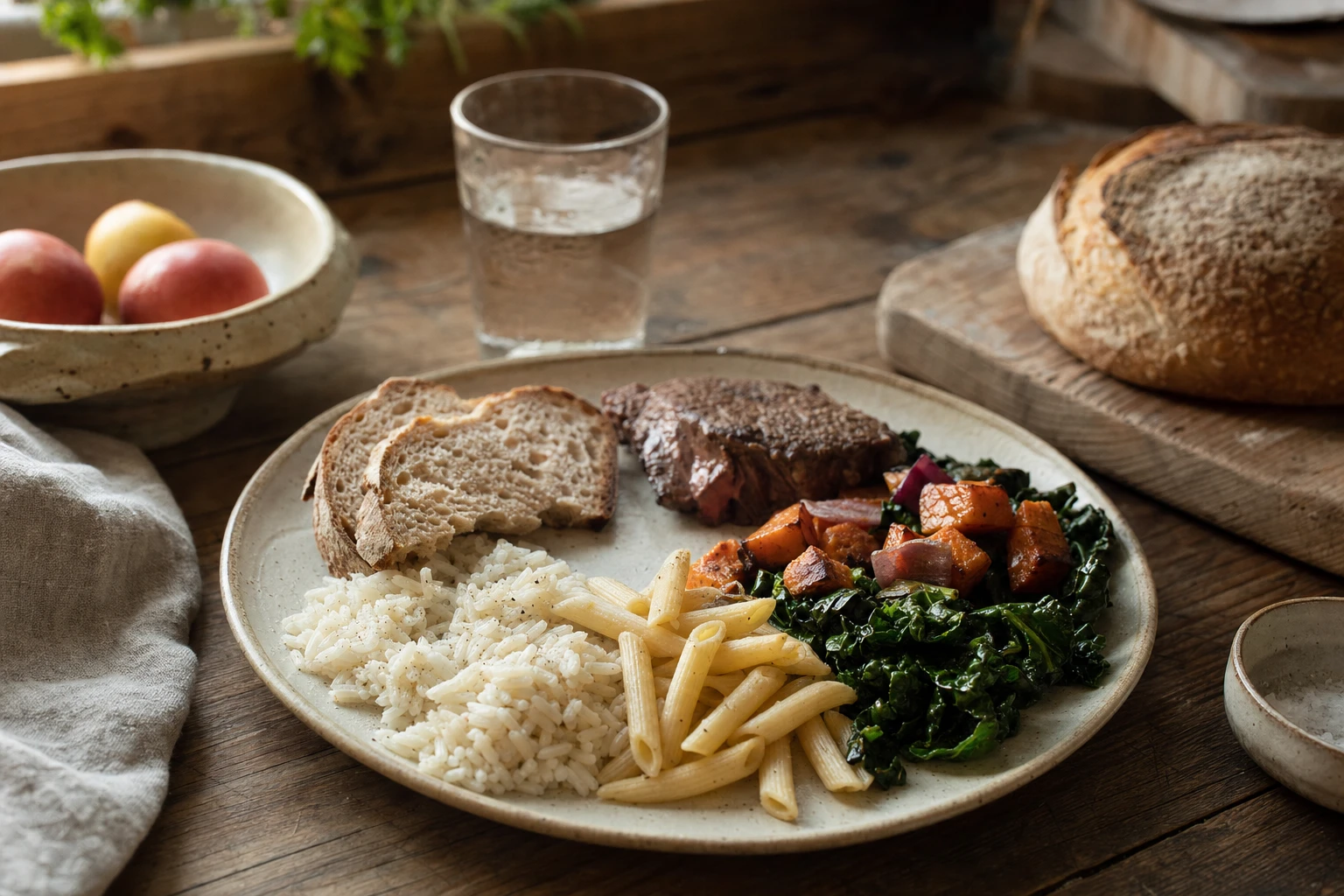
Replace refined carbs with whole-food alternatives. White rice becomes brown rice or sourdough. Granola becomes eggs. Biscuits become nuts. The goal isn't to eat zero carbs. It's to eat carbs that don't create metabolic chaos.
Increase your mineral intake. Add a serving of liver once or twice a week. Eat red meat several times a week. Use butter and animal fat instead of seed oils. Eat leafy greens daily. Add nuts and seeds. These foods rebuild the nutrient foundation that insulin sensitivity depends on.
Prioritise protein at breakfast. Protein and fat slow glucose absorption and keep blood sugar stable throughout the morning. This breaks the spike-crash-hunger cycle that drives refined carb consumption.
Insulin sensitivity isn't restored by willpower or calorie restriction. It's restored by eating whole food and giving your body the minerals it needs to function.

The progression from normal insulin sensitivity to resistance
Insulin resistance does not appear overnight. It develops gradually through years of metabolic stress. Understanding this progression helps you catch it before it becomes clinical diabetes.
In the beginning, your insulin sensitivity is normal. Your pancreas produces insulin, your cells respond, and glucose is processed efficiently. You have stable energy and steady weight.
Then the stress accumulates. You eat processed food regularly. You experience chronic stress. You sleep poorly. Your body tissues become gradually less responsive to insulin. Your pancreas detects this and produces more insulin to compensate. You still have normal blood glucose, but your insulin levels are elevated. This is the beginning of insulin resistance.
Over time, your pancreas produces more and more insulin trying to achieve the same effect. Your cells become even less responsive. Your insulin levels keep climbing. You start experiencing symptoms: weight gain (especially around your midsection), increased hunger, afternoon energy crashes, and skin issues from the hormonal dysregulation.
Eventually, your pancreas cannot produce enough insulin to overcome the resistance. Your fasting blood glucose starts to rise. You have moved from insulin resistance to impaired fasting glucose. If this continues, you develop type 2 diabetes. By the time you are diagnosed, your pancreas has been struggling for years.
Insulin resistance is not a sudden disease. It is a gradual metabolic decline you can arrest at any stage by changing your food and lifestyle.


1 of 9
Daily blend
100,000+ thriving families4.9 on Trustpilot
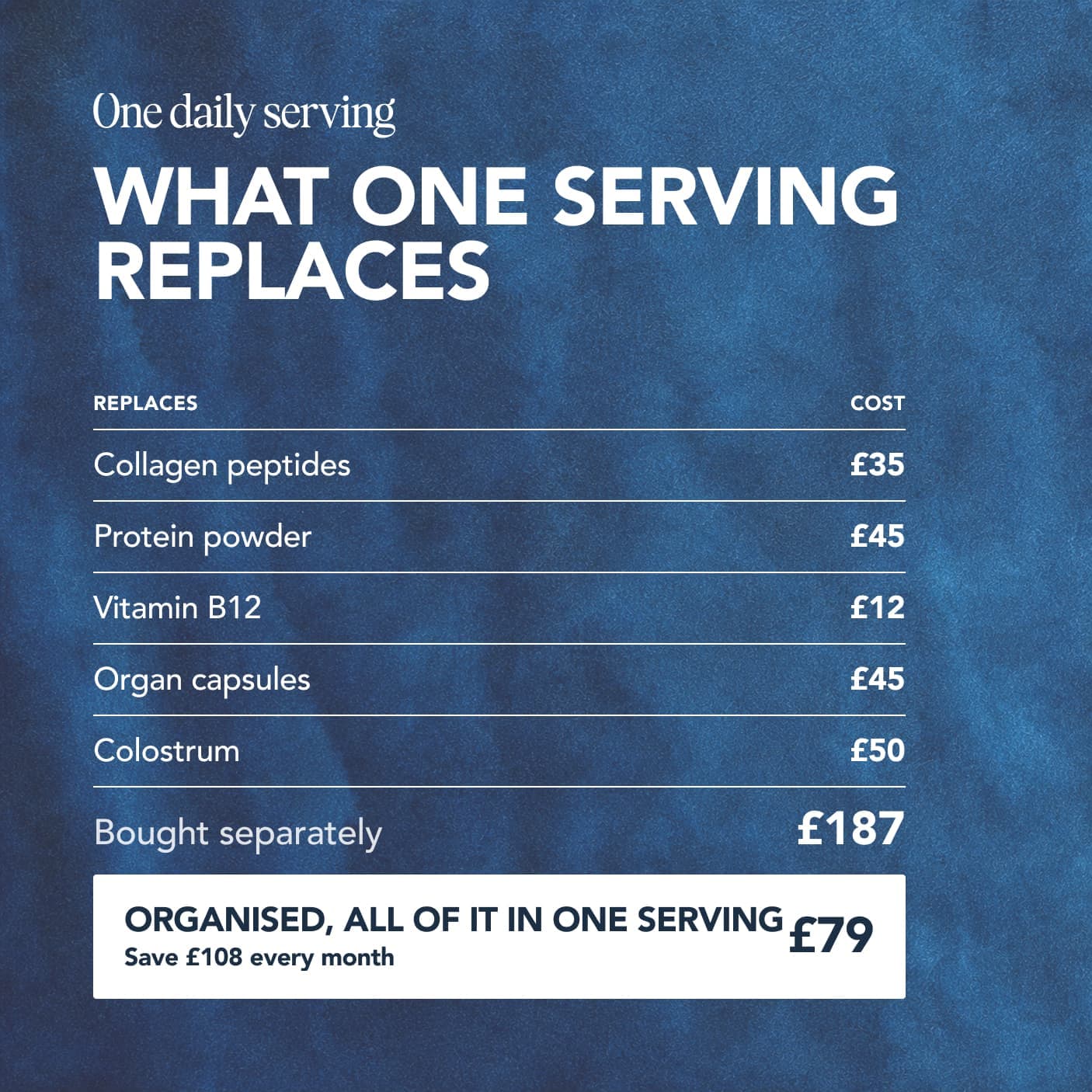
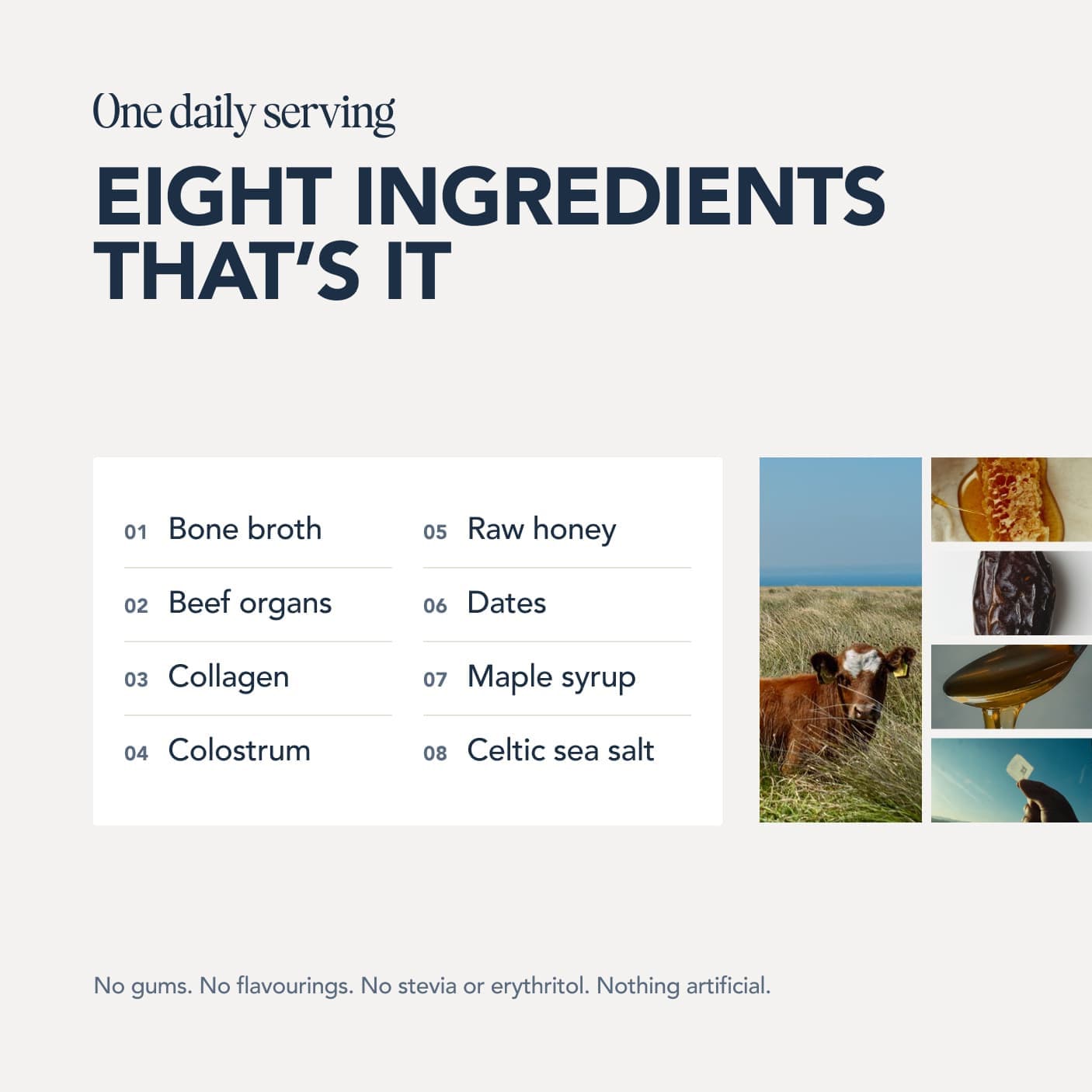
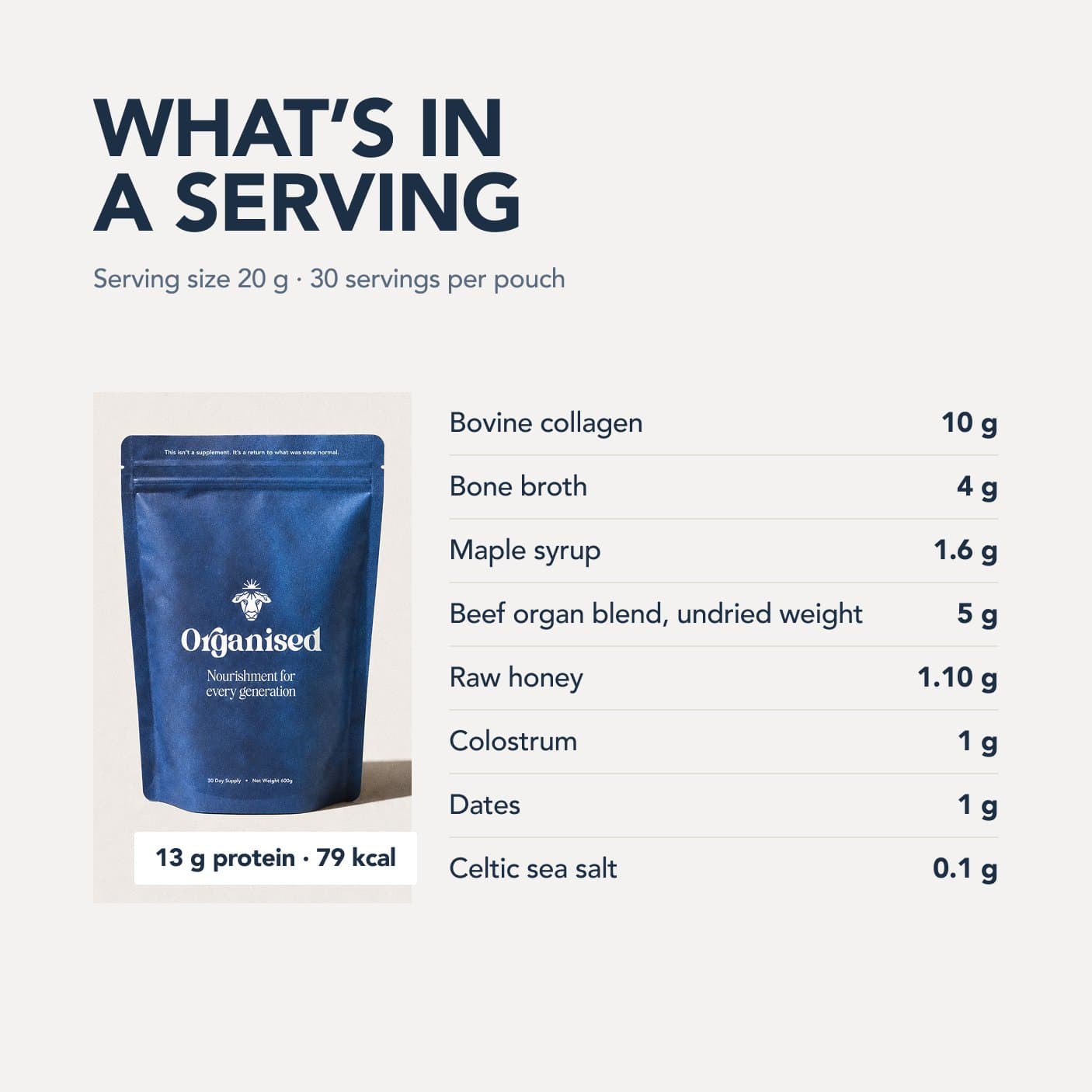
Eight real ingredients built around grass-fed beef organs, collagen and colostrum. Nothing synthetic added.
Free with your first order, worth £38. Plus £10 off the pouch with a subscription.


Free UK shipping · Made in England · 100 day money back guarantee on your first pouch · Skip, pause or cancel anytime
The nutrients that improve insulin sensitivity
Beyond removing refined carbohydrates and seed oils, certain nutrients actively restore insulin sensitivity.
Chromium supports insulin action. It is found in meat, particularly organ meats. Brewer's yeast is rich in chromium, but whole food sources are superior.
Magnesium is essential for insulin signalling. Deficiency is incredibly common and directly contributes to insulin resistance. Leafy greens, nuts, seeds, and mineral water all provide magnesium. Supplementation (300 to 400 mg daily) is often necessary.
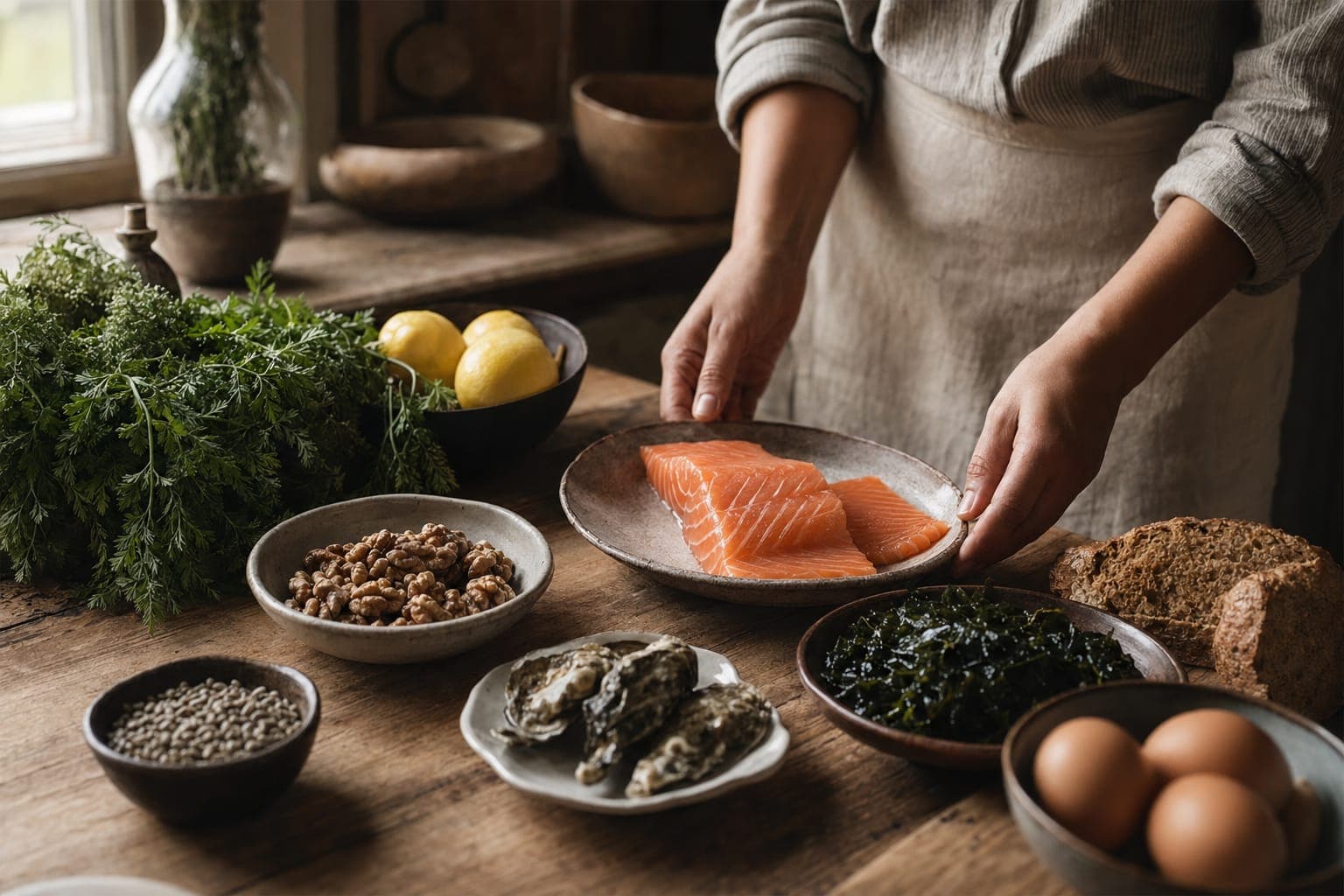
Zinc supports pancreatic function and insulin secretion. Oysters, red meat, and pumpkin seeds are excellent sources.
Alpha-lipoic acid (ALA), an antioxidant made by your body, supports insulin sensitivity. It is found in spinach, broccoli, and organ meats. Supplementation (200 to 600 mg daily) may be useful if you have established insulin resistance.
Inositol, particularly myo-inositol, improves insulin sensitivity in women with polycystic ovary syndrome (PCOS), where insulin resistance is central. Food sources are limited, so supplementation (2 to 4 grams daily) is common for PCOS.
Restore insulin sensitivity through nutrient-dense food, adequate movement, sleep, and stress management. Add targeted supplementation if resistance is advanced.
None of these nutrients alone will reverse insulin resistance if your diet remains high in processed carbohydrates and seed oils. They work best as part of a comprehensive dietary and lifestyle overhaul.
The bottom line
Insulin resistance is the metabolic disease of modern eating. It develops silently, worsening over years, until suddenly you're pre-diabetic and scrambling to fix what should never have been broken in the first place. The good news is that it's reversible, especially in the early stages.5 Remove the processed food. Eat whole foods rich in nutrients. Stabilise your blood sugar. Give your cells a chance to recover. In most cases, insulin sensitivity returns.
References
Every source below was checked on 27 August 2026. Each PubMed, PMC and DOI identifier was resolved against NCBI or Crossref, and what it opens is printed under the citation, so you can see the link goes where the citation says without leaving the page. Where a citation and its identifier disagreed, the citation was corrected to the record or the reference was deleted along with the sentence marker that pointed at it, and where the resolved paper turned out not to support the sentence, the sentence was cut back to what it does support. Borrowed authority is worse than none, because it looks like rigour.
- Saltiel AR, Kahn CR. Insulin signalling and the regulation of glucose and lipid metabolism. Nature. PubMed PMID: 11742412.Checked 27 August 2026: PMID 11742412 opens Saltiel AR, Kahn CR, Insulin signalling and the regulation of glucose and lipid metabolism. Nature 2001;414(6865):799-806.
- Hotamisligil GS. Inflammation and metabolic disorders. Nature. PubMed PMID: 17167474.Checked 27 August 2026: PMID 17167474 opens Hotamisligil GS, Inflammation and metabolic disorders. Nature 2006;444(7121):860-7. PubMed indexes it as: Review.
- Barbagallo M, Dominguez LJ. Magnesium and type 2 diabetes. World J Diabetes. PMC4549665.Checked 27 August 2026: PMC4549665 opens Barbagallo M, Dominguez LJ, Magnesium and type 2 diabetes. World J Diabetes 2015;6(10):1152-7. PubMed indexes it as: Review.
- Anderson RA. Chromium, glucose intolerance and diabetes. J Am Coll Nutr. PubMed PMID: 9853533.Checked 27 August 2026: PMID 9853533 opens Anderson RA, Chromium, glucose intolerance and diabetes. J Am Coll Nutr 1998;17(6):548-55. PubMed indexes it as: Review.
- Lean ME et al. Primary care-led weight management for remission of type 2 diabetes (DiRECT): an open-label, cluster-randomised trial. Lancet. PubMed PMID: 29221645.Checked 27 August 2026: PMID 29221645 opens Lean ME, Leslie WS, Barnes AC et al, Primary care-led weight management for remission of type 2 diabetes (DiRECT): an open-label, cluster-randomised trial. Lancet 2018;391(10120):541-551. PubMed indexes it as: Randomized Controlled Trial.
Who wrote and reviewed this guide
Niall Kiddle
Author · Founder, Organised
Niall is the founder of Organised. He started the company in 2024 after fixing his own health the slow way: in 2022 he swapped a cupboard of synthetic supplements for real food, raw milk, organ meats, bone broth and honey, and felt the difference within months.
Areas of expertise: Ancestral nutrition, Organ meats, Whole-food supplementation, Gut health, Regenerative sourcing
Read Niall's full profile
Pedro Rodrigues
Reviewer · Agronomist (farming and sourcing only)
Pedro is the agronomist Organised works with on farming and sourcing. His job on the guides is to keep the science honest: he reviews what we publish about soil health, regenerative agriculture, grazing and the way food is actually produced.
Areas of expertise: Regenerative agriculture, Agronomy, Soil health, Grass-fed farming, Food sourcing
Reviewed this guide on
Read Pedro's full profileMore on hormones
View all- Hormonal Health Starts in the Kitchen: A Whole Food Guide
- Perimenopause Nutrition: What Changes and What to Eat
- Coming Off the Pill? How to Support Your Body's Transition
- Cortisol, Stress and Nutrition: Breaking the Cycle
- Eating for Each Phase of Your Menstrual Cycle
- How Blood Sugar Instability Wrecks Your Hormones
- How Liver Supports Oestrogen Detoxification
- How Seed Oils Disrupt Your Hormones
- Is Polyester Bad For Hormones? Your Guide To Hormone Safe Clothing
- PCOS and Nutrition: A Whole Food Approach
- Testosterone and Nutrition: What Men Need to Know
- Thyroid Health: The Nutrients Your Thyroid Needs to Function
Browse the guides library
All guidesKeep reading

Health goals
Hormonal Health Starts in the Kitchen: A Whole Food Guide
Your hormones are built from food. Learn the hormonal health nutrition basics that support oestrogen, progesterone, and thyroid, starting in your kitchen.

Health goals
How Stress Affects Fertility (And What to Do About It)
Trying to conceive? High stress and cortisol are disrupting your hormones. Here's how to restore the nervous system balance that conception requires.
Health goals
Psoriasis and Nutrition: What Helps and What Hinders
Manage psoriasis with targeted nutrition: vitamin D, omega-3 balance, zinc, elimination trials. Complementary to medical care.
Real food, made effortless
Start my daily blendA few ways to use it
All recipes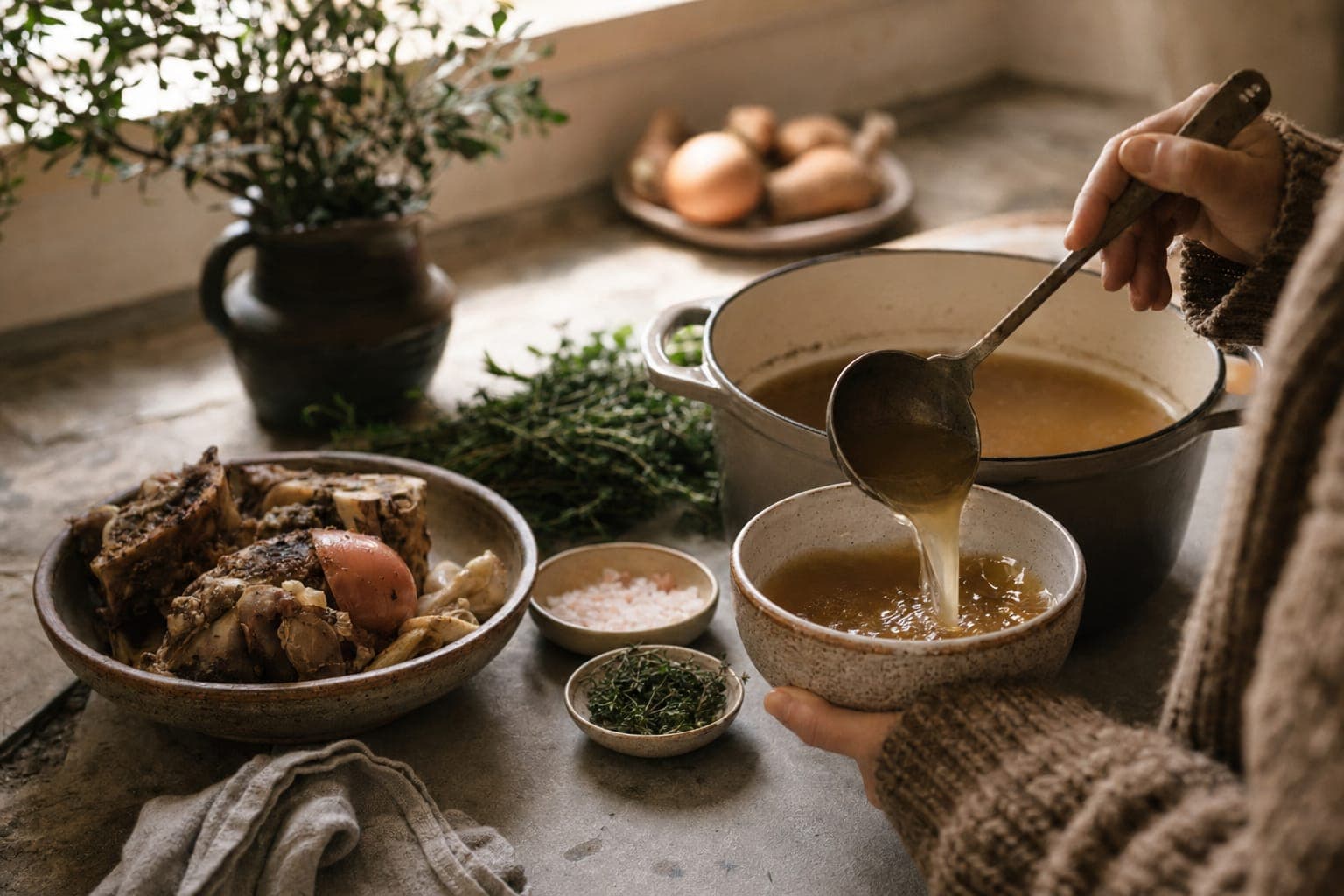
Bone Broth from Scratch: A Step-by-Step Guide
Step-by-step guide to making bone broth at home. Stovetop, slow cooker, and Instant Pot methods. Rich in collagen and gut-healing minerals.
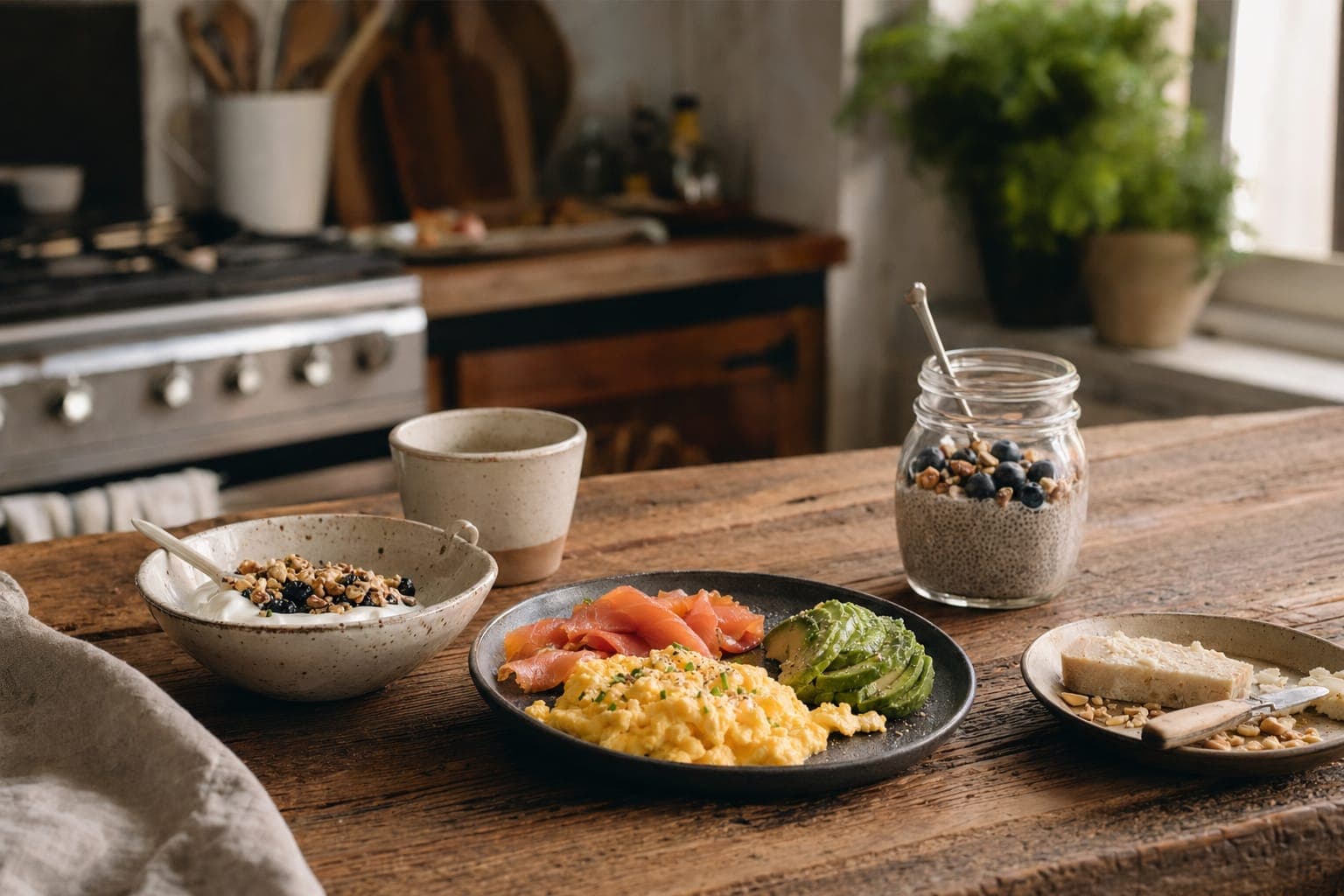
5-Minute High-Protein Breakfasts Using Organised
Quick, high-protein breakfast ideas using Organised. Five recipes you can make in minutes with real food. No fussing around.

Raw Milk Hot Chocolate with Collagen
A nourishing evening hot chocolate made with raw milk, grass-fed collagen, raw cacao, and honey. A nighttime ritual that supports sleep and gut health.


 Join over 100,000+ members
Build a better food system with us
The Organised community is thousands of people choosing real food and backing the farmers who grow it, all of us trying to leave the world a little better than we found it. If that is what you care about too, you belong here.