Psoriasis and Nutrition: What Helps and What Hinders
Psoriasis isn't a skin disease. It's an immune disease that shows up on the skin. Your dermatologist knows this, but treating it is still often about topical creams whilst the underlying immune dysregulation is ignored. Nutrition can shift the underlying state. It won't replace medical care, but it can reduce flares, extend remission periods, and sometimes clear plaques that seemed permanent.

By Niall Kiddle, Founder, Organised

Reviewed by Pedro Rodrigues, Agronomist (farming and sourcing only) ·
6 min read · Published · Updated · 5 cited sources
Makers of the Organised Daily blend, a grass-fed beef organ supplement from regenerative UK farms
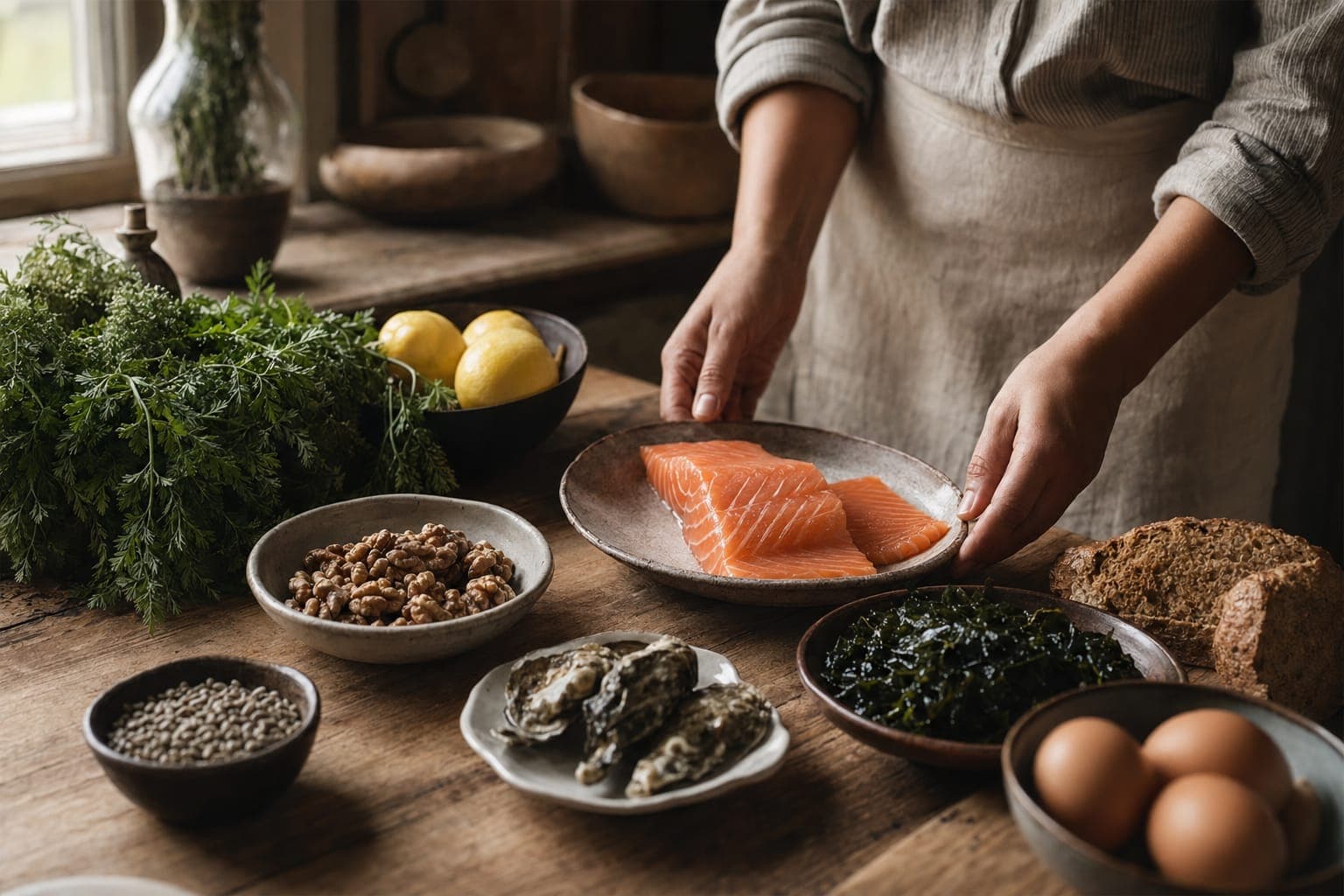
Nutrition can shift the underlying state. It won't replace medical care, but it can reduce flares, extend remission periods, and sometimes clear plaques that seemed permanent.
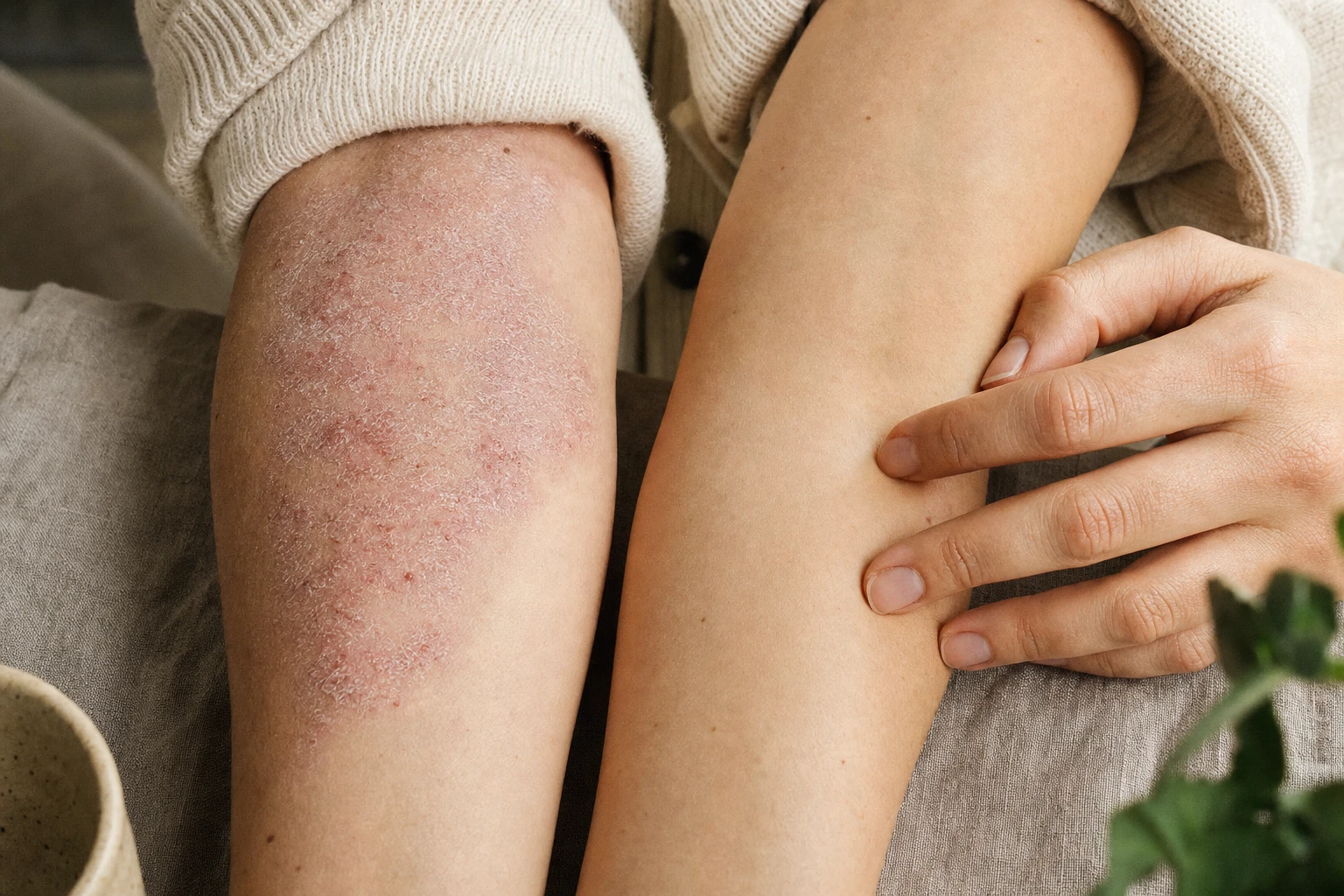
Why psoriasis is an immune disease, not a skin disease
Psoriasis develops when your immune system mistakes skin cells for pathogens and attacks them. Specifically, T helper 17 cells become hyperactive, producing excessive IL-17 and TNF-alpha (pro-inflammatory cytokines).1 The skin cells respond by proliferating rapidly, creating the thickened, scaly plaques.
This is why topical steroids only work temporarily. You're not addressing the immune dysregulation. You're suppressing the inflammation locally. But the underlying immune state remains unchanged.
Nutritional intervention works differently. It doesn't suppress immune function. It recalibrates it, reducing the Th17 dominance and shifting the immune balance toward regulatory T cells (Tregs), which actively reduce inflammation.
Psoriasis is a systemic condition with a skin manifestation. Treating the skin without treating the system is like bailing water from a sinking boat without fixing the hole.

Vitamin D: the missing piece
Vitamin D is not really a vitamin. It's a hormone. And it's critical for immune regulation. Vitamin D deficiency is associated with virtually every autoimmune condition, including psoriasis.2
The reason: vitamin D activates regulatory T cells (Tregs), which suppress excessive Th17 activation. Without sufficient vitamin D, your immune system remains in an inflammatory state.
Check your vitamin D levels. Most psoriasis sufferers are deficient (below 30 ng/ml). The optimal range for immune regulation is 40-60 ng/ml, potentially higher for autoimmune conditions.
If you're deficient, vitamin D supplementation often reduces psoriasis flares and extends remission periods. The dose that shows benefit in research is 2,000-4,000 IU daily.2 Some people need more, depending on baseline levels and geographic location (people in northern climates with less sun exposure need higher supplementation).
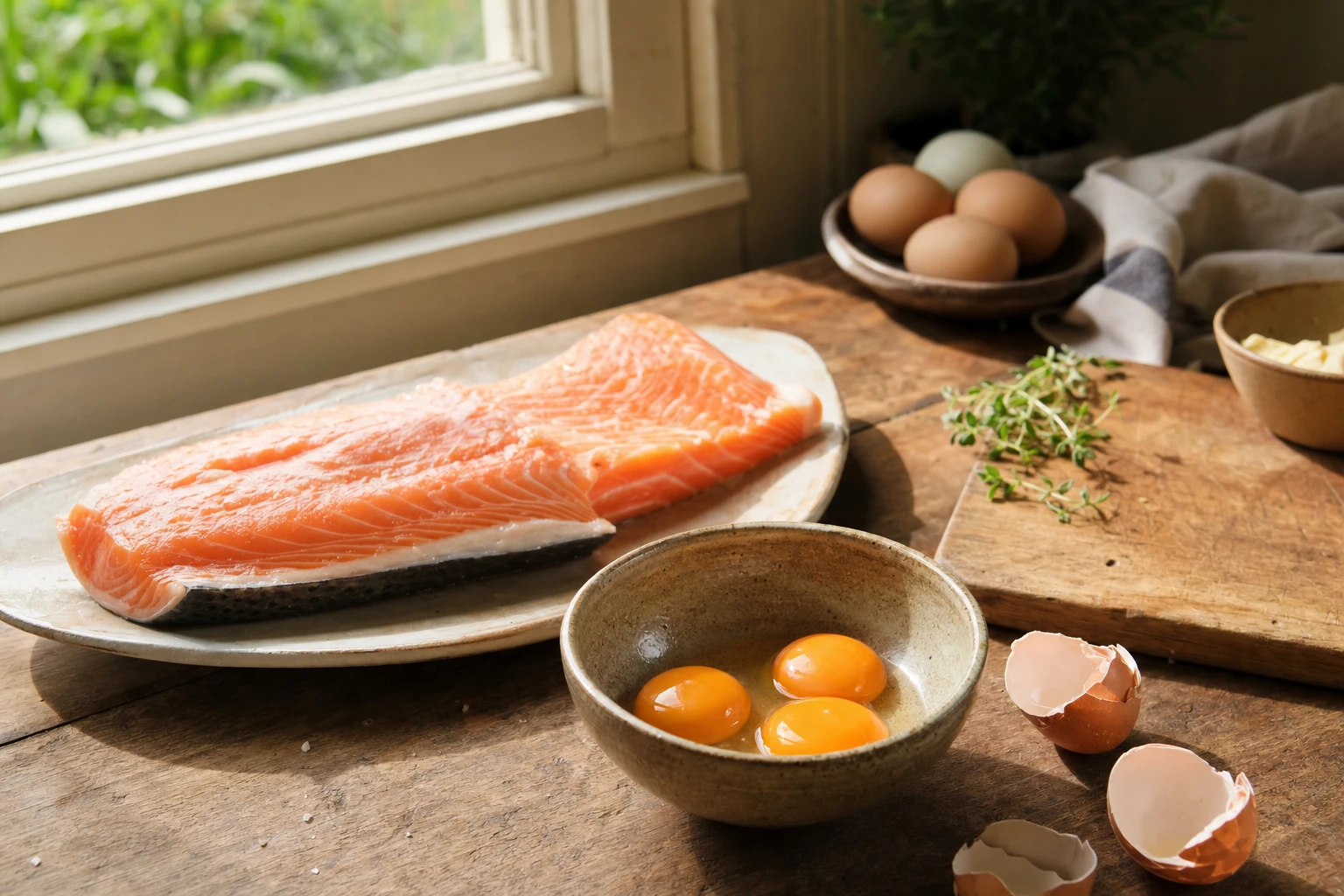
You can also obtain vitamin D from food: fatty fish (salmon, mackerel, sardines), egg yolks, and mushrooms exposed to sunlight. But food sources alone rarely provide enough. Supplementation plus sun exposure is typically necessary.
Omega-3 to omega-6 balance: the critical ratio
Your modern diet is saturated with seed oils (omega-6 polyunsaturated fat). Sunflower oil, safflower oil, soy oil, corn oil. These are oxidised, inflammatory at high doses, and they skew your omega-3 to omega-6 ratio dramatically in favour of omega-6.
The historical human ratio was around 1:1 (omega-3 to omega-6). Modern ratio is typically 1:20 or worse.3 This skew drives Th17 activation and increases psoriasis risk and severity.
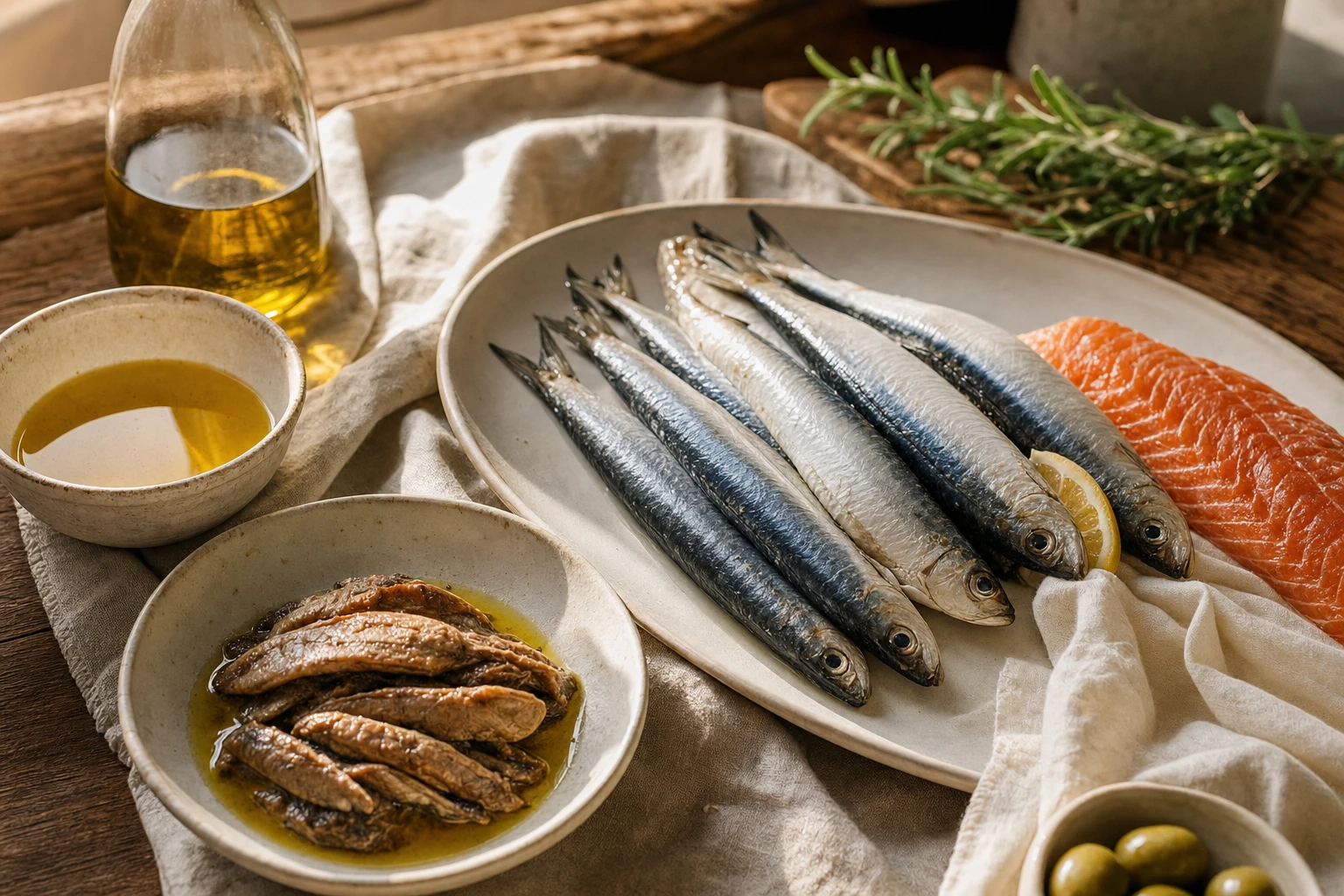
Reversing this: eliminate seed oils completely. Avoid processed foods made with them (which is most ultraprocessed foods). Use only olive oil, avocado oil, ghee, and butter for cooking and dressing. Then, add omega-3 from oily fish: wild salmon, mackerel, sardines, anchovies. Aim for 2-3 servings weekly.
This alone often reduces inflammatory markers within 4-6 weeks. People frequently report that psoriasis plaques thin, itch decreases, and flares become less frequent once the omega ratio rebalances.4
Seed oils didn't exist 50 years ago. Your skin didn't evolve to handle them. Remove them and your immune system often calms down.
Zinc: the immunity mineral
Zinc is essential for T cell development and function. Deficiency impairs immune regulation and increases susceptibility to autoimmune flares. Many people with psoriasis are zinc deficient, either because they're not consuming enough or because their absorption is impaired (often due to gut dysbiosis).
The richest food sources are: oysters (by far), beef, lamb, pumpkin seeds, cashews, and cheese. If you eat meat and shellfish, you can likely obtain sufficient zinc (12-15mg daily for women, 15-18mg for men) from food alone.
If you're vegetarian or not eating the richest sources regularly, supplementation (15-25mg elemental zinc daily) can reduce psoriasis severity and support immune tolerance.5 Zinc works synergistically with vitamin D: together, they're more powerful than either alone.

Foods that trigger flares: the elimination protocol
Some foods commonly trigger psoriasis flares. The most common are: wheat (gluten), dairy, nightshade vegetables (tomatoes, peppers, aubergine, potatoes), alcohol (especially beer), and processed foods with seed oils and sugar.
But not everyone is triggered by all of these. Your triggers might be unique. The only way to know is systematic elimination and reintroduction.
Eliminate the common triggers for 4 weeks. Eat instead: rice, sweet potatoes, meat, fish, vegetables (excluding nightshades), eggs, olive oil, fruit, and nuts. Track your skin every day. Photo document plaques weekly. After 4 weeks, reintroduce one food every 3-5 days. If plaques flare, remove it and wait another 4 weeks before trying again.
Most people identify 1-3 consistent triggers. Some triggers are absolute (gluten, for instance, triggers Th17 activation in genetically susceptible people). Others are dose-dependent: you might tolerate a small amount of dairy but flare with large amounts.
Get health guides like this, free
Two short reads a week on eating for energy, gut health, skin, sleep and more.
By signing up you agree to receive emails from us. No spam, unsubscribe anytime.
What to reintroduce and why
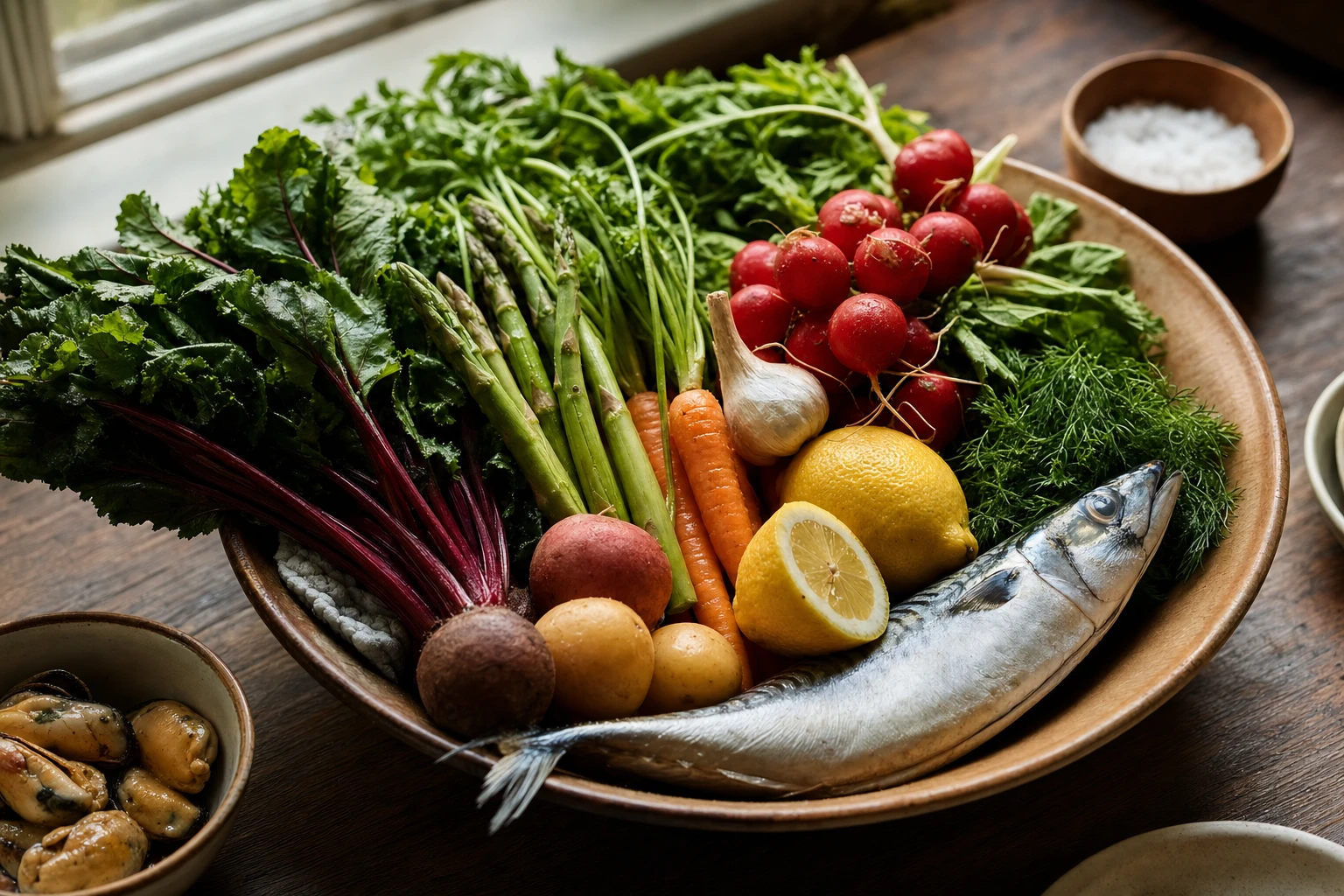
Some foods actively support psoriasis remission. Prioritise reintroducing these even if you tolerated the trigger foods:
- Fatty fish (salmon, mackerel, sardines) omega-3, vitamin D, reduces Th17 activation
- Berries (especially blueberries and blackberries) polyphenols, antioxidants, anti-inflammatory
- Leafy greens (spinach, kale) folate, magnesium, chlorophyll
- Bone broth collagen, gelatin, glycine, heals gut lining
- Turmeric (with black pepper for absorption) curcumin is a powerful Th17 suppressor
- Ginger gingerol reduces pro-inflammatory cytokines
- Extra virgin olive oil polyphenols, oleocanthal mimics NSAID effects
Reintroduction isn't about returning to your old diet. It's about identifying which foods serve your immune system and which ones work against it.
Complementary to medical care
Nutritional intervention is powerful, but it's not fast. Plaques that developed over months or years won't clear in weeks. Expect 8-12 weeks to see noticeable improvement in severity, extent, and flare frequency.
If you're on immunosuppressive medications (biologics, methotrexate), continue them. Nutrition supports medical treatment; it doesn't replace it. Some people find they can reduce medication doses under medical supervision once nutrition is optimised. Others need consistent medication regardless. Both are valid outcomes.
Work with your dermatologist. Share your dietary changes. They're increasingly aware that nutrition influences psoriasis and may adjust your treatment plan accordingly.


1 of 9
Daily blend
100,000+ thriving families4.9 on Trustpilot
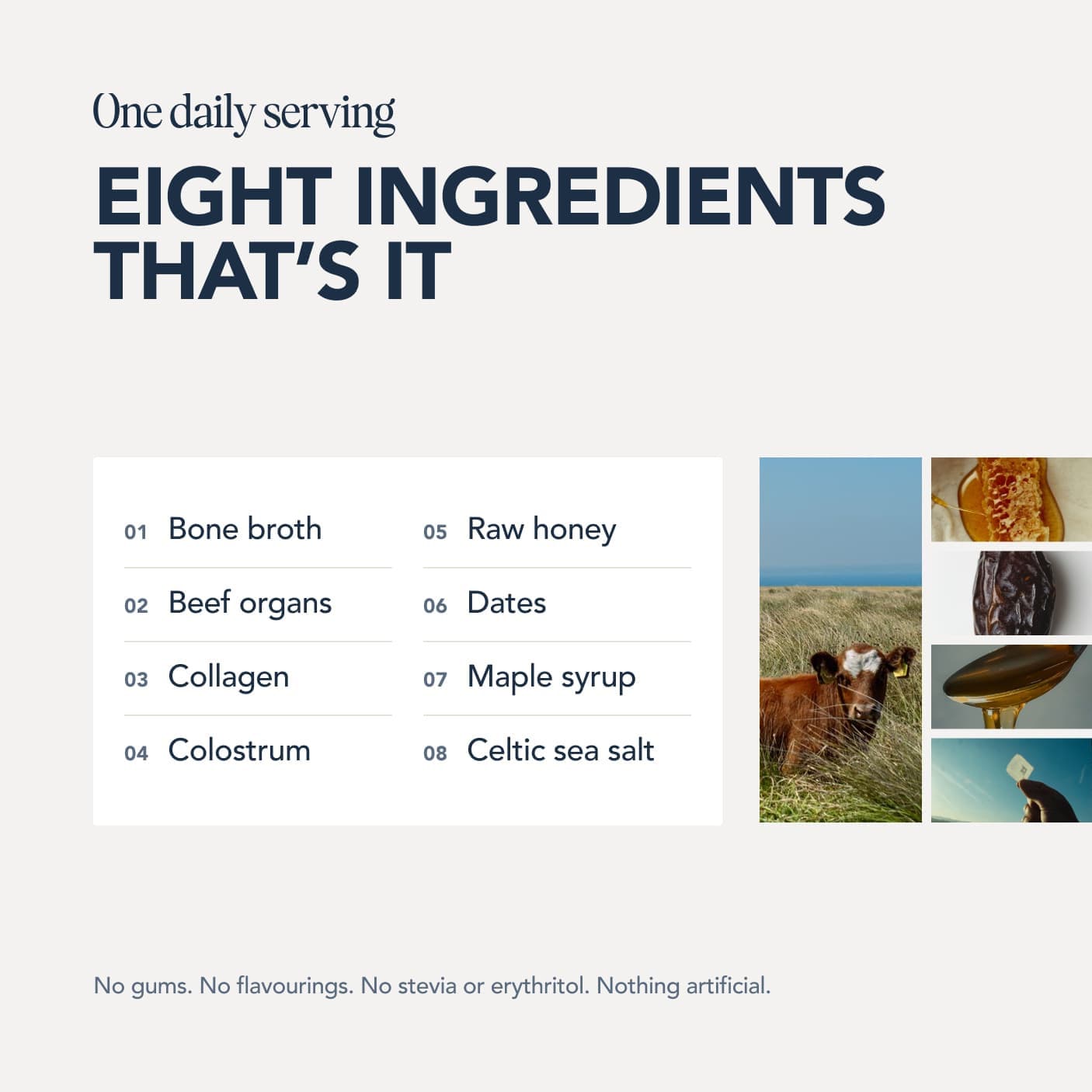
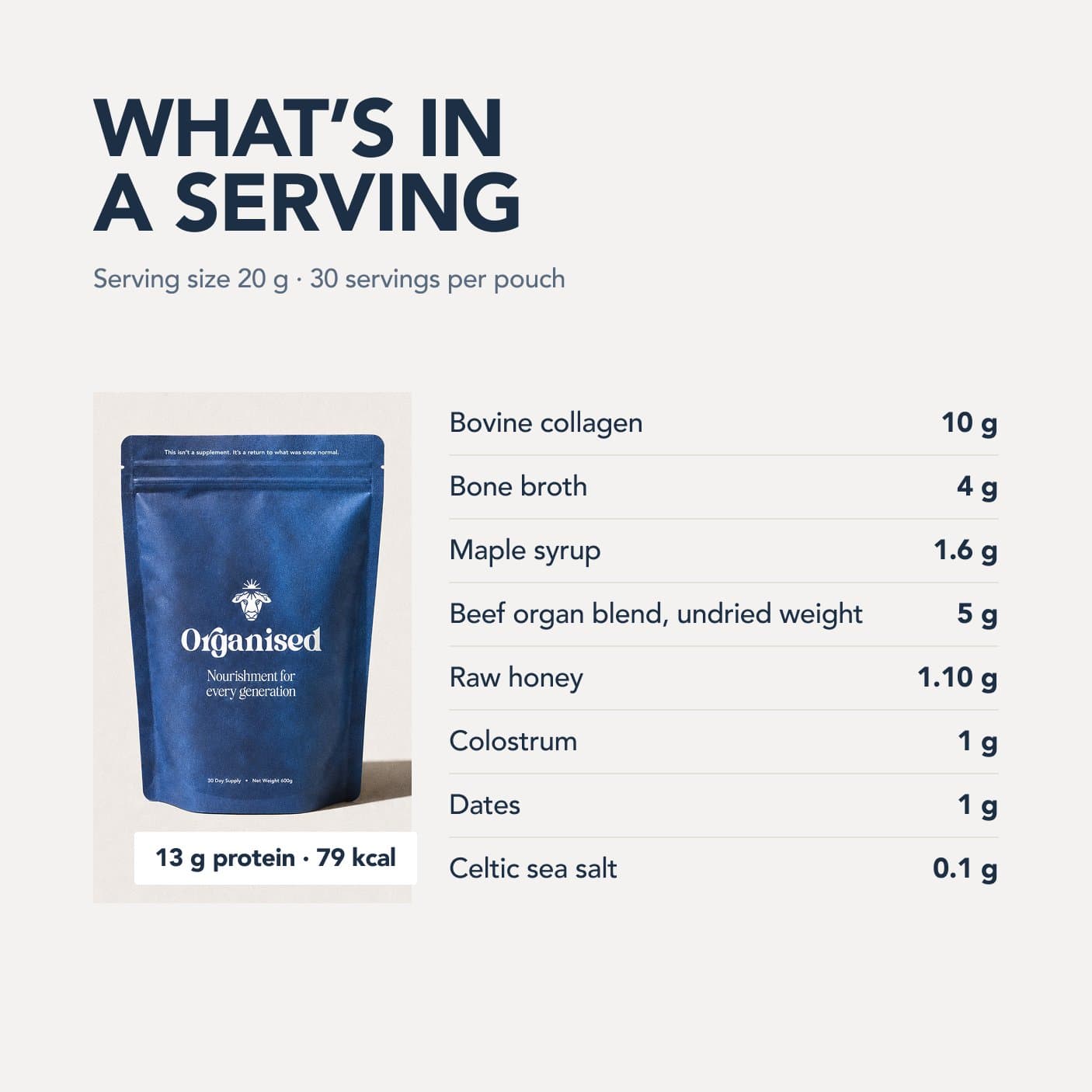
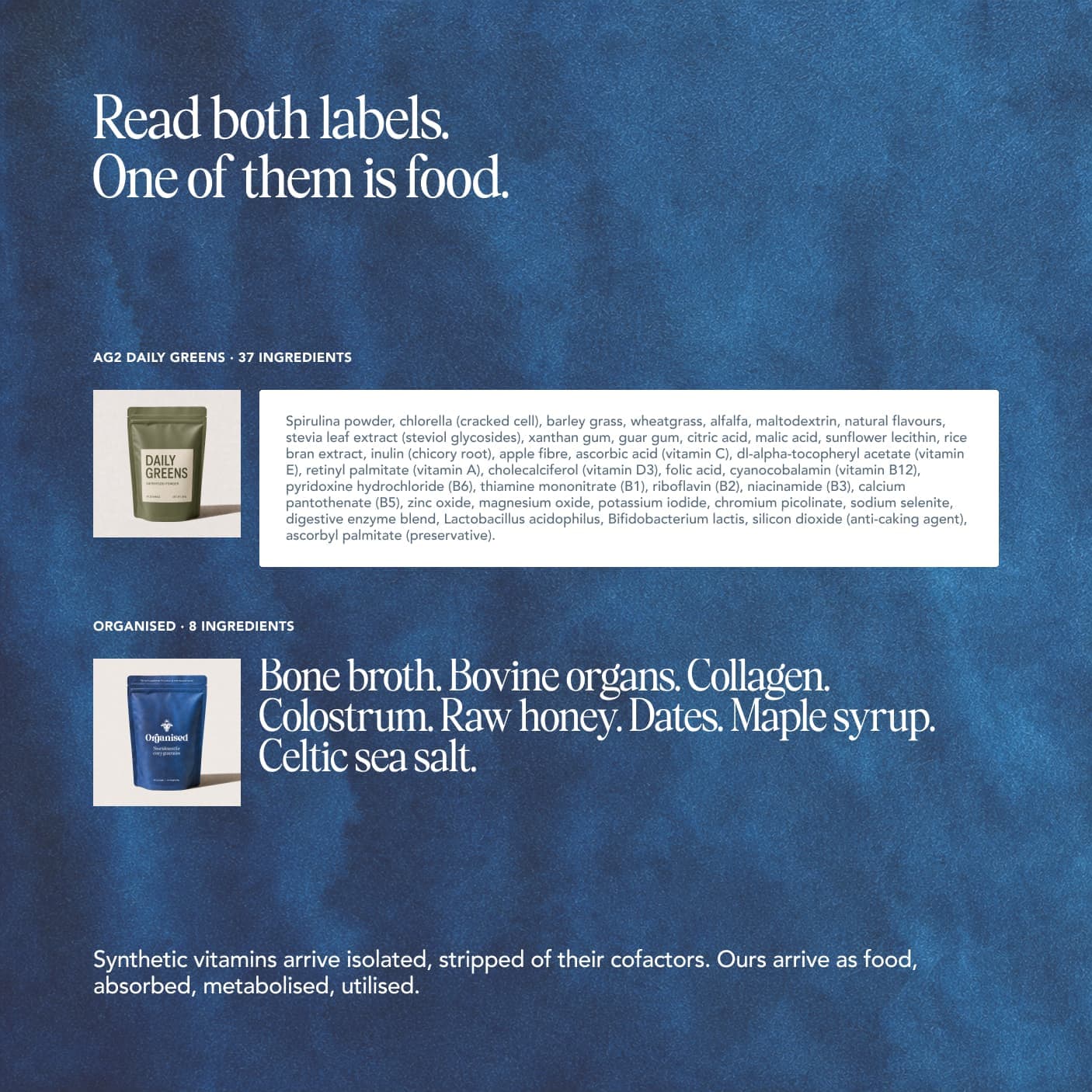
Eight real ingredients built around grass-fed beef organs, collagen and colostrum. Nothing synthetic added.
Free with your first order, worth £38. Plus £10 off the pouch with a subscription.

Free UK shipping · Made in England · 100 day money back guarantee on your first pouch · Skip, pause or cancel anytime
Living with psoriasis: long-term management
Psoriasis is a chronic condition, not one you cure and forget about. But the good news is that once you understand what drives your flares, you can manage it without constant medical intervention. The framework becomes maintenance rather than crisis response.
Most people find that after addressing vitamin D, omega-3 balance, zinc, and trigger foods, they enter remission or significant reduction within 3 to 6 months. At that point, the question becomes: what's the minimum intervention to maintain this state? Some people find they can reduce medication doses under medical supervision. Others find they need consistent medication but far fewer flares because the nutritional foundation is strong.
The key is consistency. You don't return to seed oils because you're "in remission." You don't drop vitamin D supplementation because levels look good for one test. You maintain the interventions that worked. This isn't restrictive once you adjust to it. It's how you stay clear.
Psoriasis management is like steering a ship: small course corrections daily prevent the need for dramatic corrections later. Feed your immune system consistently and flares remain distant.
The bottom line
Psoriasis responds to: adequate vitamin D (40-60 ng/ml), omega-3 to omega-6 rebalancing (eliminate seed oils, add oily fish), sufficient zinc (from food or supplementation), elimination of personal trigger foods, and consistent consumption of anti-inflammatory whole foods.
This takes patience and intention. You're not treating a local skin condition. You're rebalancing a systemic immune dysregulation. Within 3-6 months, most people see substantial improvement in plaque severity, flare frequency, and overall skin stability. Remission periods often extend. Quality of life often improves markedly.
References
Every source below was checked on 27 August 2026. Each PubMed, PMC and DOI identifier was resolved against NCBI or Crossref, and what it opens is printed under the citation, so you can see the link goes where the citation says without leaving the page. Where a citation and its identifier disagreed, the citation was corrected to the record or the reference was deleted along with the sentence marker that pointed at it, and where the resolved paper turned out not to support the sentence, the sentence was cut back to what it does support. Borrowed authority is worse than none, because it looks like rigour.
- Rendon A, Schakel K. Psoriasis pathogenesis and treatment. International Journal of Molecular Sciences. 2019;20(6):1475. https://pmc.ncbi.nlm.nih.gov/articles/PMC6471628/Checked 27 August 2026: PMC6471628 opens Rendon A, Schäkel K, Psoriasis Pathogenesis and Treatment. Int J Mol Sci 2019;20(6). PubMed indexes it as: Review.The authors' own declaration, from the record: The authors declare no conflict of interest.
- National Institutes of Health, Office of Dietary Supplements. Vitamin D: Fact Sheet for Health Professionals. https://ods.od.nih.gov/factsheets/VitaminD-HealthProfessional/ [accessed May 2026].
- Simopoulos AP. The importance of the ratio of omega-6/omega-3 essential fatty acids. Biomedicine & Pharmacotherapy. 2002;56(8):365-379. https://pubmed.ncbi.nlm.nih.gov/12442909/Checked 27 August 2026: PMID 12442909 opens Simopoulos AP, The importance of the ratio of omega-6/omega-3 essential fatty acids. Biomed Pharmacother 2002;56(8):365-79. PubMed indexes it as: Comparative Study, Review.
- Yang SJ, Chi CC. Effects of fish oil supplement on psoriasis: a meta-analysis of randomized controlled trials. BMC Complementary and Alternative Medicine. 2019;19(1):95. See also: https://pubmed.ncbi.nlm.nih.gov/31805911/Checked 27 August 2026: PMID 31805911 opens Yang SJ, Chi CC, Effects of fish oil supplement on psoriasis: a meta-analysis of randomized controlled trials. BMC Complement Altern Med 2019;19(1):354. PubMed indexes it as: Meta-Analysis, Systematic Review.The authors' own declaration, from the record: The authors declare that they have no competing interests.
- National Institutes of Health, Office of Dietary Supplements. Zinc: Fact Sheet for Health Professionals. https://ods.od.nih.gov/factsheets/Zinc-HealthProfessional/ [accessed May 2026].
Who wrote and reviewed this guide
Niall Kiddle
Author · Founder, Organised
Niall is the founder of Organised. He started the company in 2024 after fixing his own health the slow way: in 2022 he swapped a cupboard of synthetic supplements for real food, raw milk, organ meats, bone broth and honey, and felt the difference within months.
Areas of expertise: Ancestral nutrition, Organ meats, Whole-food supplementation, Gut health, Regenerative sourcing
Read Niall's full profile
Pedro Rodrigues
Reviewer · Agronomist (farming and sourcing only)
Pedro is the agronomist Organised works with on farming and sourcing. His job on the guides is to keep the science honest: he reviews what we publish about soil health, regenerative agriculture, grazing and the way food is actually produced.
Areas of expertise: Regenerative agriculture, Agronomy, Soil health, Grass-fed farming, Food sourcing
Reviewed this guide on
Read Pedro's full profileMore on skin
View all- How to Build Collagen Naturally Without Injections
- How to Feed Your Skin from the Inside Out
- A Whole Food Skincare Routine: Morning to Night
- Collagen for Anti-Ageing: What the Clinical Trials Show
- Dark Circles Under Your Eyes? It Might Be a Nutrient Deficiency
- Eczema and Nutrition: What the Research Suggests
- How to Eat for a Natural Glow (Without Products)
- How Zinc, Copper and Selenium Work Together for Clear Skin
- Retinol from Beef Liver vs Retinol in Skincare: Which Actually Works?
- Rosacea and Gut Health: Is There a Connection?
- The Foods That Age Your Skin Fastest
- Why Your Skin Looks Better When You Eat Organ Meats
Browse the guides library
All guidesKeep reading

Health goals
Why Your Gut Health Affects Everything (Not Just Digestion)
Around 70% of your immune system lives in your gut. Learn how the gut-brain axis, gut-skin axis, and microbiome influence health system-wide.

Health goals
The Foods That Age Your Skin Fastest
Sugar causes glycation and collagen cross-linking. Seed oils oxidise and inflame. Alcohol and processed foods accelerate visible aging.

Health goals
Dark Circles Under Your Eyes? It Might Be a Nutrient Deficiency
Dark circles signal iron, B12, or folate deficiency. Or allergies, liver congestion, or poor sleep. Investigate before assuming exhaustion.
Real food, made effortless
Start my daily blendA few ways to use it
All recipes
Organ Bolognese: The Family Dinner That Heals
Practical organ meat recipe using fresh beef liver and heart. Family-friendly bolognese that bridges supplements to whole food.

5-Minute High-Protein Breakfasts Using Organised
Quick, high-protein breakfast ideas using Organised. Five recipes you can make in minutes with real food. No fussing around.

Raw Milk Ice Cream with Organised
Make raw milk ice cream at home with Organised for a seasonal, nutrient-dense treat. Three simple flavours to try whenever the craving strikes.


 Join over 100,000+ members
Build a better food system with us
The Organised community is thousands of people choosing real food and backing the farmers who grow it, all of us trying to leave the world a little better than we found it. If that is what you care about too, you belong here.