Neuroinflammation: The Hidden Driver of Brain Fog and Low Mood
You're in a conversation and suddenly forget what you were saying mid-sentence. You read a paragraph three times and still can't remember it. You feel cloudy, distant, like you're operating behind a pane of frosted glass. Your brain isn't broken. It's inflamed. And that inflammation has a source.

By Niall Kiddle, Founder, Organised

Reviewed by Pedro Rodrigues, Agronomist (farming and sourcing only) ·
7 min read · Published · Updated · 5 cited sources
Makers of the Organised Daily blend, a grass-fed beef organ supplement from regenerative UK farms

Your brain isn't broken. It's inflamed. And that inflammation has a source.

What neuroinflammation actually is
The brain, unlike the rest of the body, doesn't have a traditional immune system. Instead, it has microglia. Microglia are resident immune cells of the central nervous system.1 Their job is to clear away dead cells, debris, and anything that looks like a threat. They're the brain's janitors and security guards.
When the brain is healthy, microglia stay calm. They do their job quietly. But when something triggers them, they switch modes. They become activated. They start releasing inflammatory molecules. These molecules, called cytokines, are meant to fight threats. But when they're released chronically, they damage brain tissue instead of protecting it.
This is neuroinflammation. It's not infection. It's misguided inflammation. And the symptoms are profound: brain fog, poor concentration, memory loss, slow thinking, low mood, anxiety, and sometimes depression.
The scary part is that neuroinflammation often has no obvious cause, at least not one that a standard doctor would identify. You're not in pain. You're not running a fever. You just can't think clearly. So you assume it's stress, or you're just getting older, or you're not sleeping enough. You might supplement with coffee and push harder. Which usually makes it worse.
Brain fog is your brain telling you it's inflamed. The inflammation is real. The cause is fixable. You just have to find it.
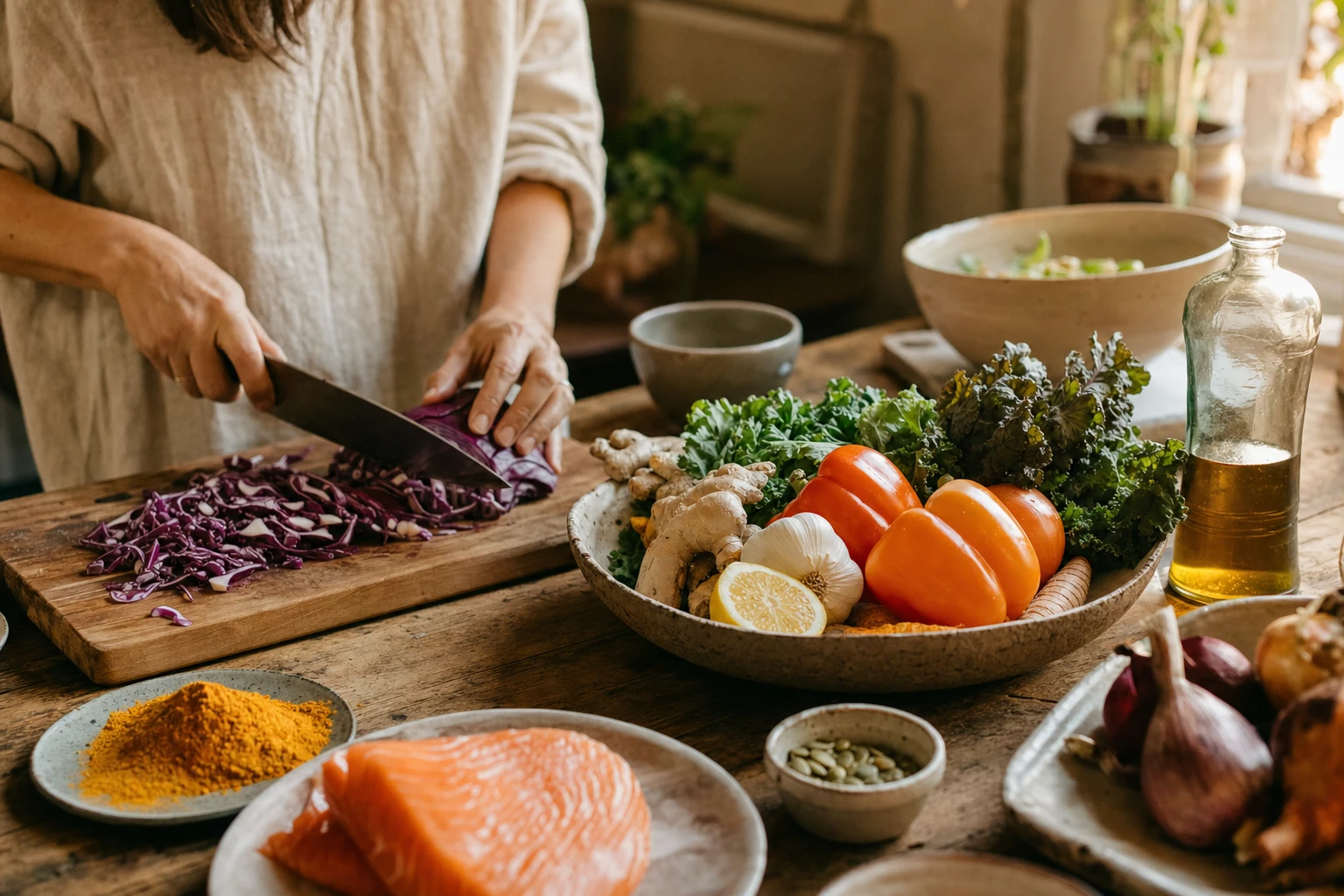
Microglial activation and brain fog
Microglia become activated by several triggers. One of the most common is a molecule called lipopolysaccharide (LPS). LPS is an endotoxin from the outer membrane of gram-negative bacteria in your gut. Normally, it stays in your gut, contained by a healthy gut barrier.2
But when the gut barrier is damaged, LPS leaks into the bloodstream. From there, it can cross the blood-brain barrier and trigger microglial activation in the brain. Once activated, microglia release inflammatory molecules that damage the very brain tissue they're supposed to protect.
This process can happen chronically. Day after day, LPS leaking into the bloodstream, day after day, microglia releasing inflammatory molecules. Over weeks and months, the damage compounds. Brain function declines. Brain fog sets in.
The inflammation can also directly damage synapses, the connections between brain cells. This is why memory becomes poor and thinking becomes slow. The physical infrastructure of thought is being damaged by inflammation.
The gut-brain inflammatory pathway
The gut-brain axis is the communication network between your digestive system and your brain. When your gut is healthy, the brain is calm. When your gut is inflamed, the brain becomes inflamed.
This happens through multiple pathways. LPS, as described above, is one. But there's also dysbiosis, where the beneficial bacteria in your gut are depleted and replaced by inflammatory species. These inflammatory bacteria produce toxic metabolites that cross the gut barrier and trigger neuroinflammation.
The vagus nerve also carries signals from the gut to the brain. If the gut is inflamed, those signals are inflammatory. The brain receives constant low-grade danger signals. Microglia stay activated. Inflammation continues.
Chronic constipation, another sign of dysbiosis, allows bacterial metabolites to stay in the colon longer, increasing absorption and systemic inflammation.
You cannot think clearly if your gut is broken. Brain fog is often a gut problem wearing a brain mask.
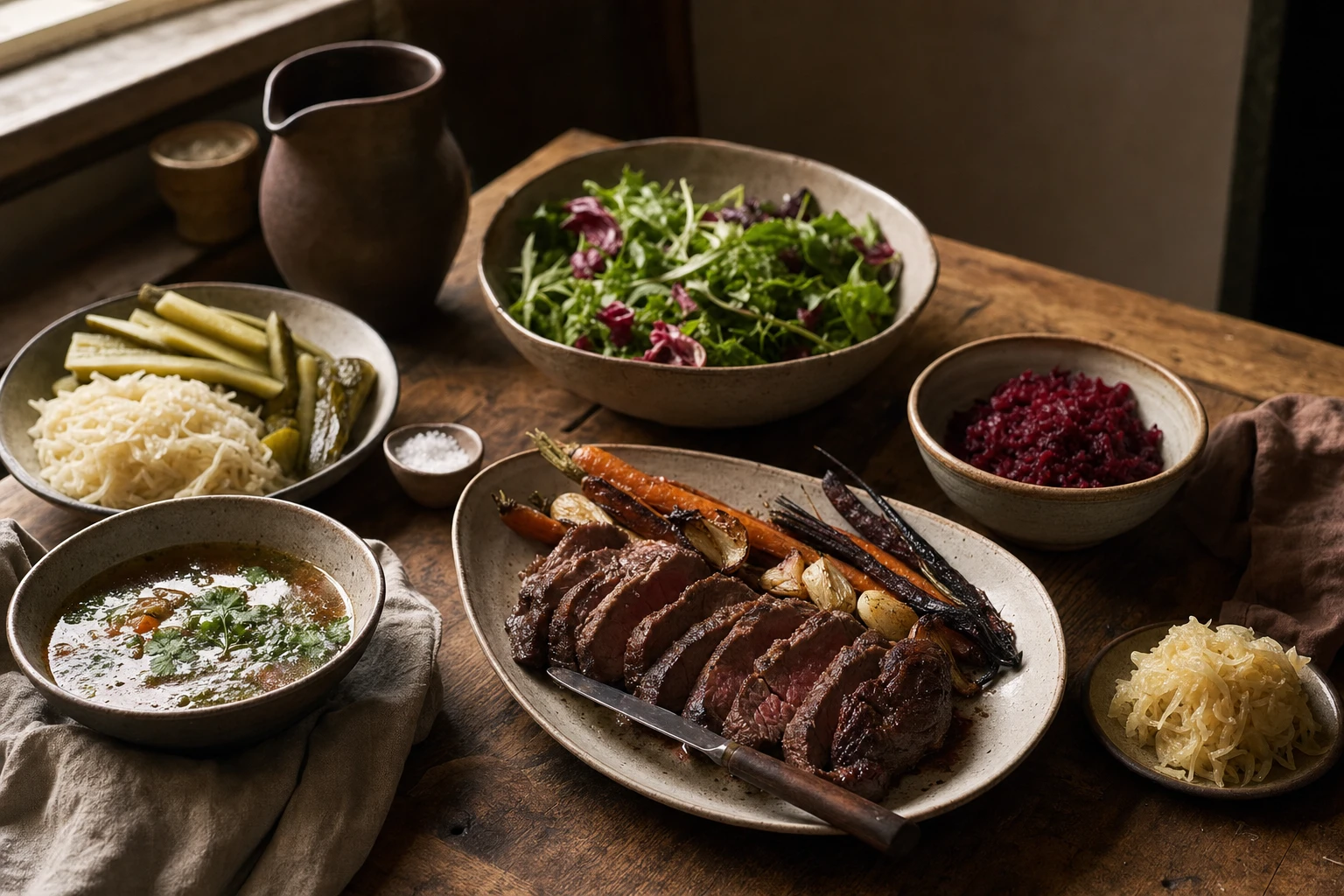
Seed oils and the omega-6 problem
Seed oils are high in omega-6 polyunsaturated fats. In excess, they are pro-inflammatory. They're incorporated into cell membranes, including neuronal membranes. Once incorporated, they shift the membrane toward a more inflammatory state.
The modern Western diet is wildly omega-6 dominant. Vegetable oils are in almost every processed food. Nuts and seeds are eaten in large quantities. The ratio of omega-6 to omega-3 in Western diets is much higher than ancestral estimates, often cited as 15:1 or higher.3
This imbalance directly promotes neuroinflammation. High omega-6 combined with low omega-3 creates a brain environment that favours inflammation.
Omega-3 fats, especially EPA and DHA from fish, have anti-inflammatory effects in the brain.4 They're incorporated into neuronal membranes and promote brain health. They also reduce microglial activation directly.
How LPS breaches the blood-brain barrier
The blood-brain barrier is supposed to be impermeable to large molecules like LPS. It's a protective layer. But when the gut barrier is compromised, systemic inflammation increases. This systemic inflammation can actually damage the blood-brain barrier itself, making it permeable to LPS and other inflammatory molecules.
It's a cascade. Gut damage leads to systemic inflammation, which damages the blood-brain barrier, which allows LPS into the brain, which activates microglia, which causes neuroinflammation, which causes brain fog and low mood.
The good news is that this cascade is reversible if you address the root cause: gut barrier integrity.
Anti-inflammatory nutrition for the brain
First, remove seed oils entirely if you can. Cook with butter, ghee, lard, or olive oil instead. Avoid processed foods that contain vegetable oil. This single change reduces the inflammatory load on your brain significantly.
Second, dramatically increase omega-3 intake. Eat fatty fish like mackerel, sardines, and wild salmon three to four times a week. Each meal should be 150 to 200 grams. If you don't eat fish, supplement with fish oil, aiming for 2 to 3 grams of EPA and DHA combined daily.
Third, heal the gut barrier. Bone broth, gelatinous cuts of meat, fermented foods like sauerkraut and kefir, and organic vegetables all support gut barrier integrity. Eliminate foods that damage the barrier: refined grains, seed oils, and excessive sugar.
Fourth, support your microbiome with fibre and fermented foods. A healthy microbiome produces short-chain fatty acids like butyrate, which reduce inflammation and support brain health. Eat fermented vegetables daily. Eat soluble fibre from root vegetables and fruit.
Finally, consider magnesium supplementation. Magnesium is a critical cofactor for mitochondrial function. Many adults consume below the recommended intake.5 Supplementing with magnesium glycinate, 300 to 500 milligrams daily, often improves brain fog noticeably.
Brain fog usually resolves within four to eight weeks once you've removed seed oils, increased omega-3, and healed your gut. The brain heals faster than you'd expect.
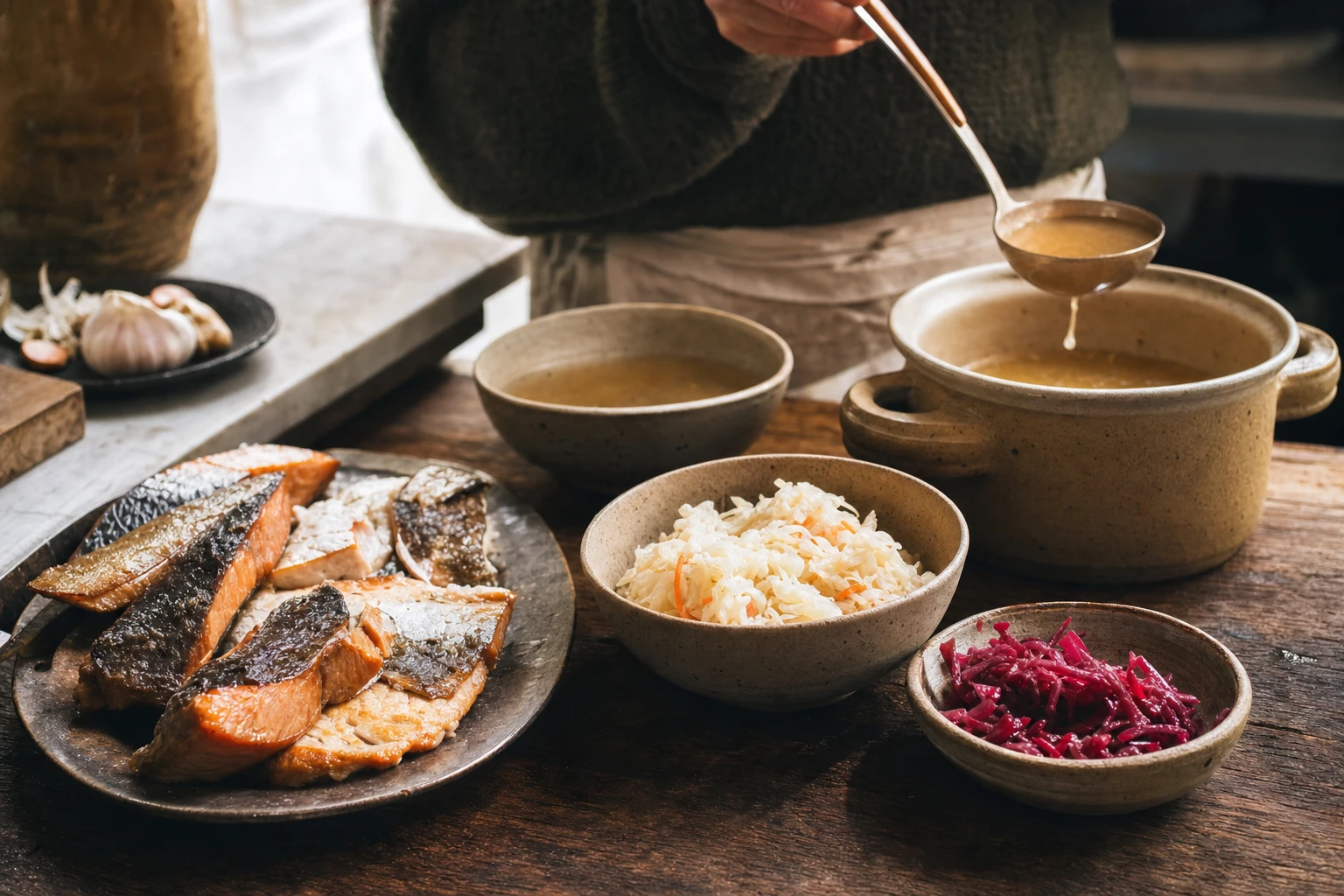

Get health guides like this, free
Two short reads a week on eating for energy, gut health, skin, sleep and more.
By signing up you agree to receive emails from us. No spam, unsubscribe anytime.
How gut-brain inflammation develops and persists
The pathway from gut inflammation to brain fog is direct and well-established. Your gut and brain are connected through the vagus nerve. They also communicate through molecular messengers that travel through your bloodstream.
When your gut lining is compromised, bacterial lipopolysaccharides (LPS) leak into your bloodstream. Your immune system recognises these as threats and mounts an inflammatory response. This inflammation is not localised to your gut. It travels throughout your body, including across the blood-brain barrier.
In your brain, microglia (immune cells) detect the inflammatory signals. They activate and begin cleaning up perceived threats. This activation is necessary sometimes, but chronic activation damages healthy neurons. You experience brain fog, memory issues, difficulty concentrating, and mood changes.
The cascade is self-perpetuating. Brain fog reduces your ability to manage stress. Stress impairs your gut barrier further. More LPS leaks into your bloodstream. More neuroinflammation develops. You become trapped in a fog.
Breaking this cycle requires addressing both the gut inflammation and the neuroinflammation. Healing the gut reduces the source of inflammatory signals. Supporting anti-inflammatory nutrition reduces the brain inflammation. The two work together.
Brain fog is not a neurological problem. It is a systemic inflammation problem centred in your gut.
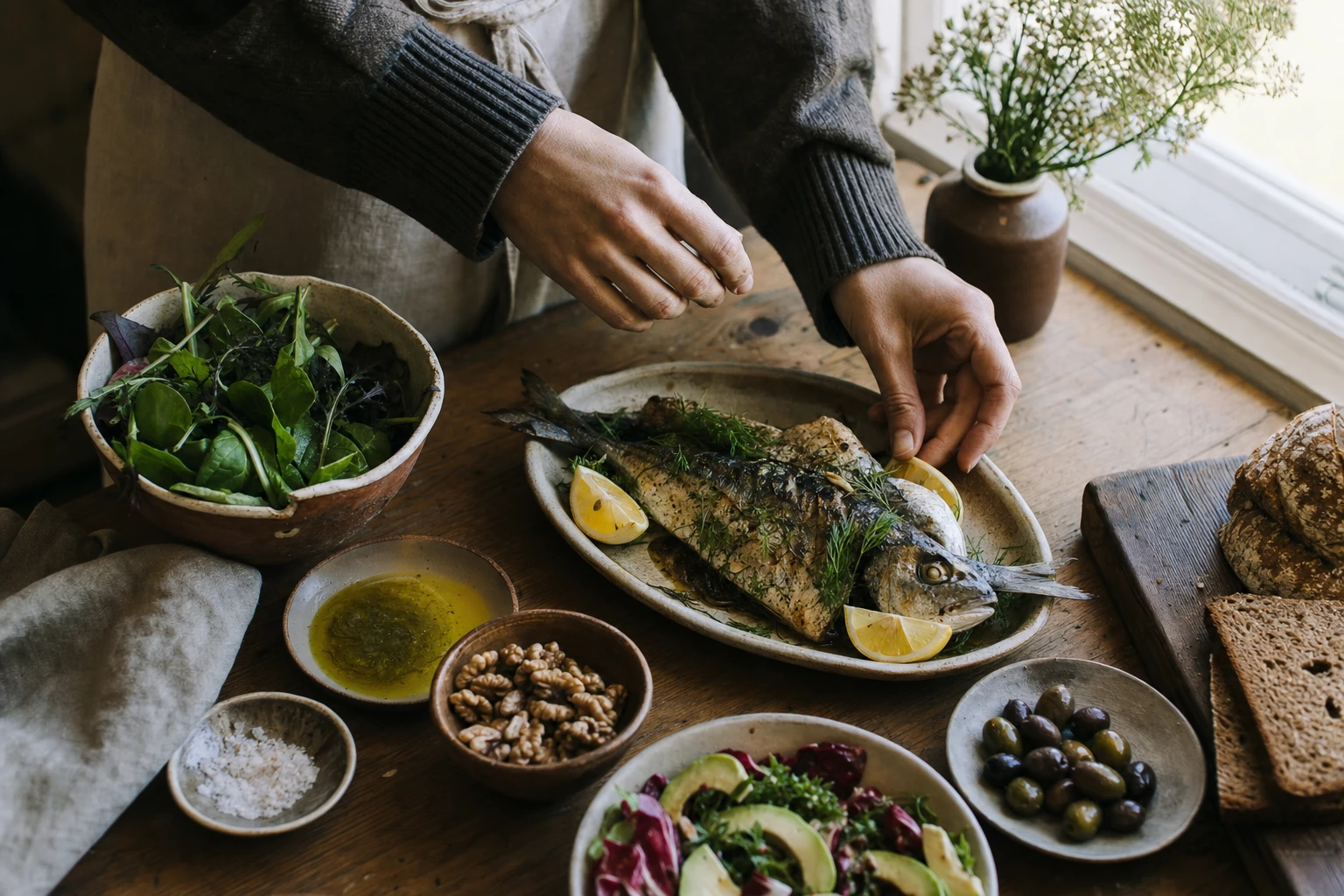

1 of 9
Daily blend
100,000+ thriving families4.9 on Trustpilot
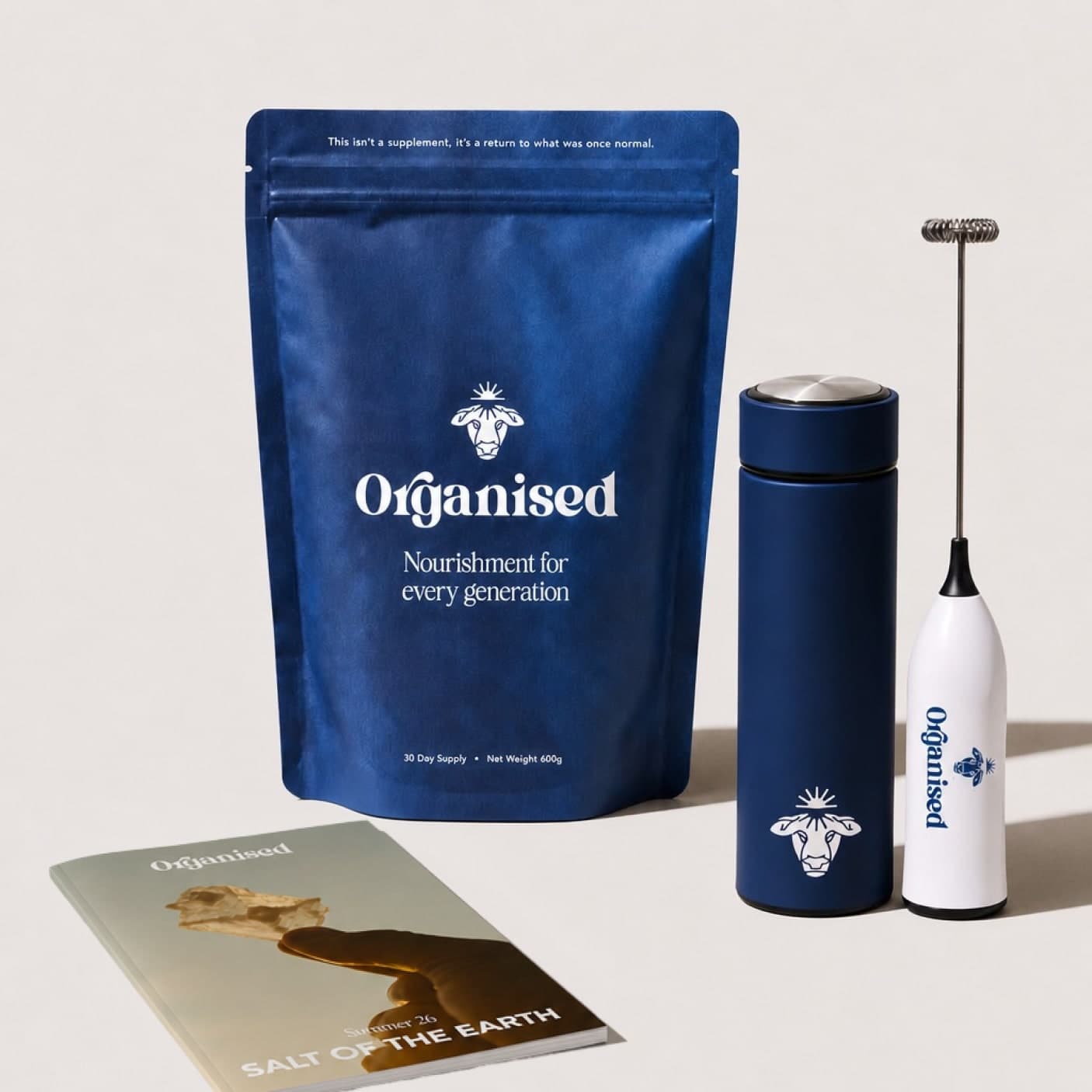
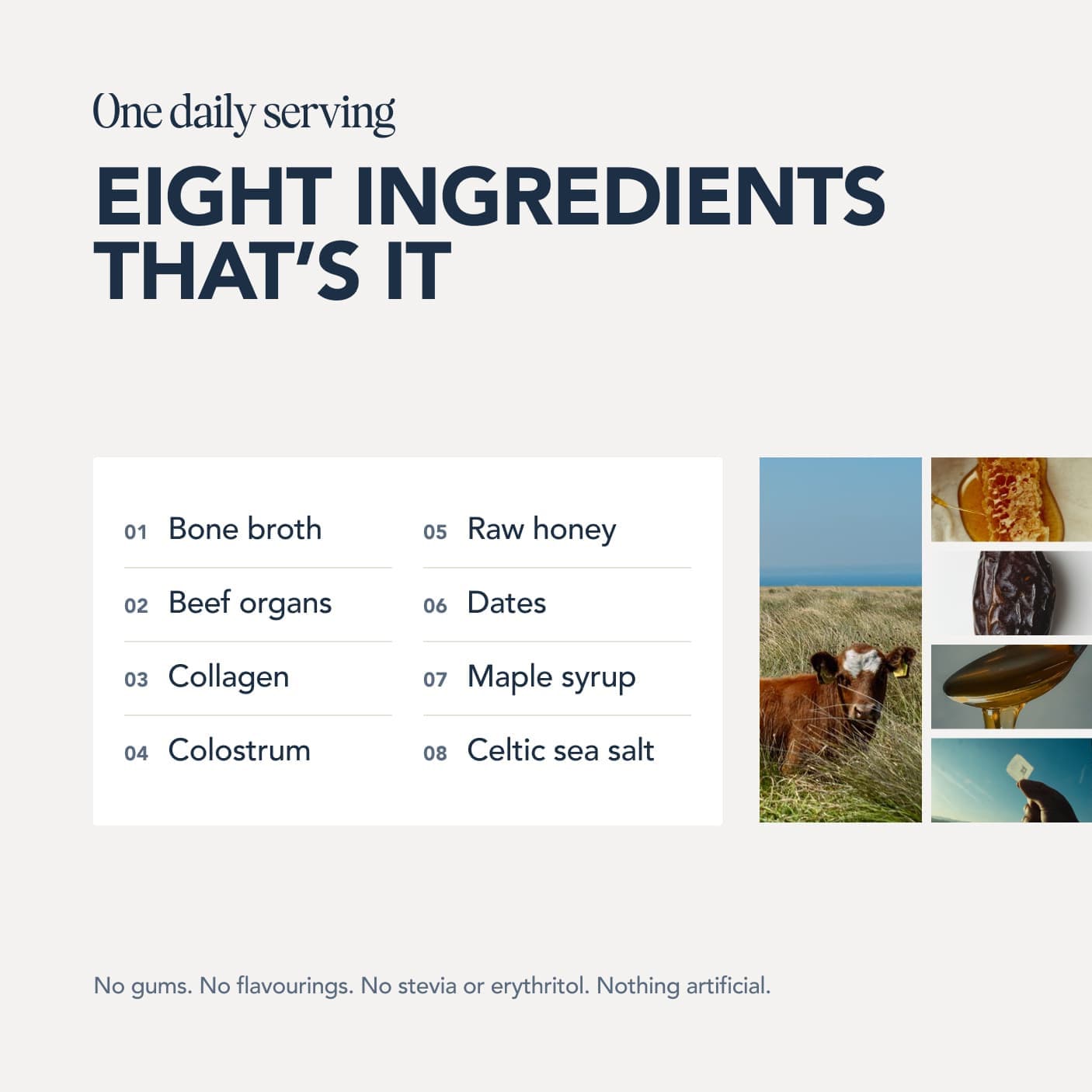
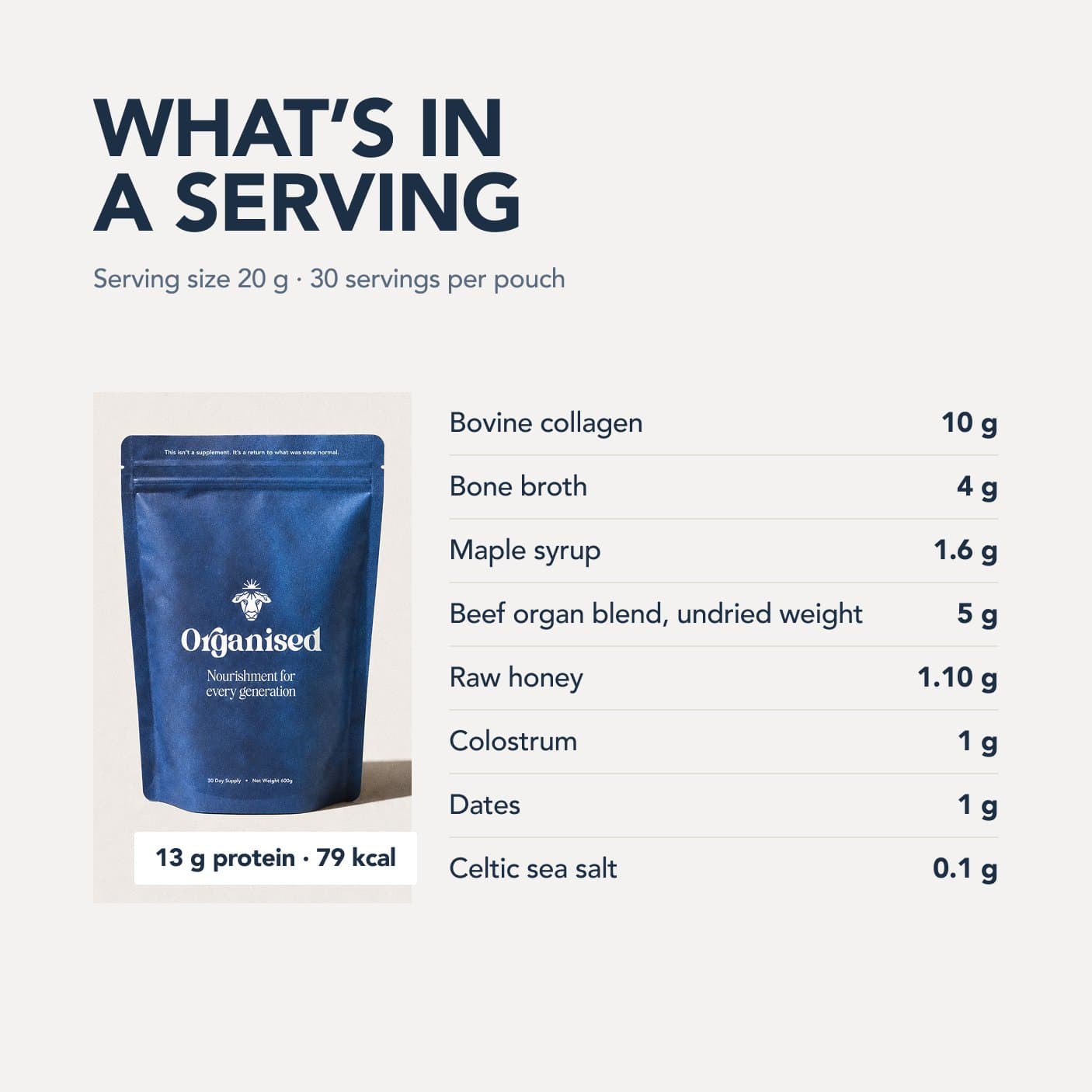
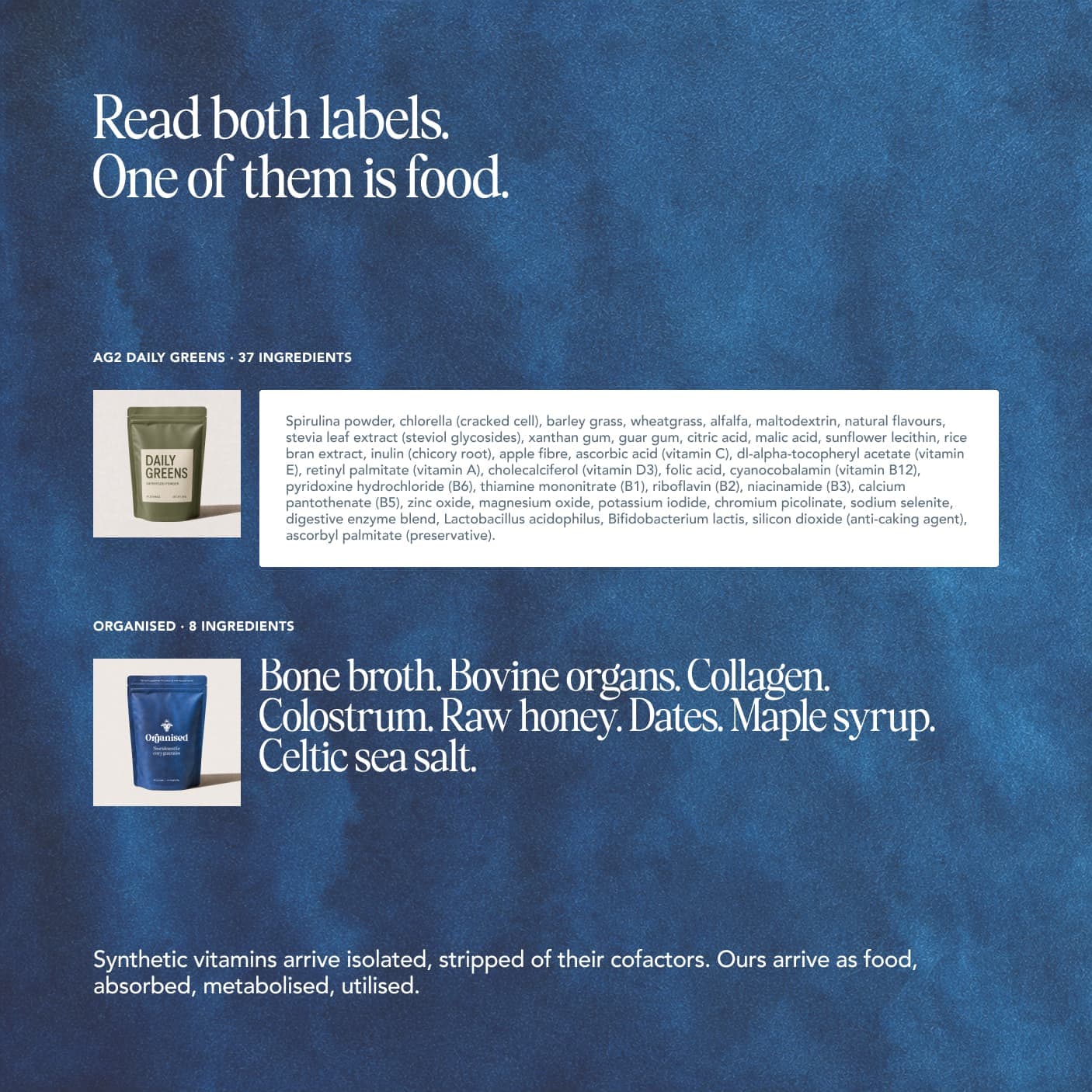
Eight real ingredients built around grass-fed beef organs, collagen and colostrum. Nothing synthetic added.
Free with your first order, worth £38. Plus £10 off the pouch with a subscription.

Free UK shipping · Made in England · 100 day money back guarantee on your first pouch · Skip, pause or cancel anytime
The specific anti-inflammatory strategy for brain health
Beyond removing inflammatory foods (seed oils, processed food, sugar), certain foods actively reduce neuroinflammation.
Omega-3 fatty acids, particularly from fatty fish, reduce microglial activation and neuroinflammation. Wild salmon, mackerel, and sardines are ideal. If you are vegetarian, flax and chia seeds provide some omega-3, though the conversion to usable forms is limited. Aim for fatty fish twice weekly or an algae-based omega-3 supplement if you are not eating fish.
Bone broth contains compounds (hyaluronic acid, collagen peptides) that support your blood-brain barrier integrity. A compromised blood-brain barrier allows more inflammatory molecules to reach your brain. Daily bone broth is brain medicine.
Organ meats, particularly liver, contain high levels of antioxidants and B vitamins that support brain function and reduce oxidative stress. Oxidative stress drives microglial activation. Liver consumption directly opposes this.
Polyphenol-rich foods (dark berries, dark chocolate, green tea, olive oil) contain compounds that reduce neuroinflammation. These are genuinely neuroprotective. A small square of dark chocolate daily or a handful of blueberries with breakfast contributes meaningfully to reducing brain inflammation.
Support your brain by eating fatty fish, bone broth, liver, and antioxidant-rich foods. Your brain fog will clear as your neuroinflammation resolves.
The timeline for cognitive improvement is longer than for other symptoms. Expect 4 to 6 weeks before you notice clarity returning. By 8 to 12 weeks on anti-inflammatory nutrition, the shift is often dramatic. Many people regain focus and memory they thought were lost to ageing.
The bottom line
Brain fog is not a character flaw. It's not a sign that you're getting old. It's inflammation. Your microglia are activated. Your brain is being damaged by chronic low-grade immune activation. The source is almost always gut inflammation, fed by seed oils and dysbiosis. Fix the gut, increase anti-inflammatory fats, and your brain will recover. The clarity you get back is remarkable.
References
Every source below was checked on 27 August 2026. Each PubMed, PMC and DOI identifier was resolved against NCBI or Crossref, and what it opens is printed under the citation, so you can see the link goes where the citation says without leaving the page. Where a citation and its identifier disagreed, the citation was corrected to the record or the reference was deleted along with the sentence marker that pointed at it, and where the resolved paper turned out not to support the sentence, the sentence was cut back to what it does support. Borrowed authority is worse than none, because it looks like rigour.
- Kettenmann H et al. Physiology of microglia. Physiol Rev. 2011;91(2):461-553. PMID: 21527731.Checked 27 August 2026: PMID 21527731 opens Kettenmann H, Hanisch UK, Noda M et al, Physiology of microglia. Physiol Rev 2011;91(2):461-553. PubMed indexes it as: Review.
- Cani PD et al. Metabolic endotoxemia initiates obesity and insulin resistance. Diabetes. 2007;56(7):1761-72. PMID: 17456850.Checked 27 August 2026: PMID 17456850 opens Cani PD, Amar J, Iglesias MA et al, Metabolic endotoxemia initiates obesity and insulin resistance. Diabetes 2007;56(7):1761-72.
- Simopoulos AP. The importance of the omega-6/omega-3 fatty acid ratio in cardiovascular disease and other chronic diseases. Exp Biol Med. 2008;233(6):674-88. PMID: 18408140.Checked 27 August 2026: PMID 18408140 opens Simopoulos AP, The importance of the omega-6/omega-3 fatty acid ratio in cardiovascular disease and other chronic diseases. Exp Biol Med (Maywood) 2008;233(6):674-88. PubMed indexes it as: Review.
- Calder PC. Omega-3 fatty acids and inflammatory processes: from molecules to man. Biochem Soc Trans. 2017;45(5):1105-1115. PMID: 28900017.Checked 27 August 2026: PMID 28900017 opens Calder PC, Omega-3 fatty acids and inflammatory processes: from molecules to man. Biochem Soc Trans 2017;45(5):1105-1115. PubMed indexes it as: Review.
- National Institutes of Health, Office of Dietary Supplements. Magnesium: Fact Sheet for Health Professionals.
Who wrote and reviewed this guide
Niall Kiddle
Author · Founder, Organised
Niall is the founder of Organised. He started the company in 2024 after fixing his own health the slow way: in 2022 he swapped a cupboard of synthetic supplements for real food, raw milk, organ meats, bone broth and honey, and felt the difference within months.
Areas of expertise: Ancestral nutrition, Organ meats, Whole-food supplementation, Gut health, Regenerative sourcing
Read Niall's full profile
Pedro Rodrigues
Reviewer · Agronomist (farming and sourcing only)
Pedro is the agronomist Organised works with on farming and sourcing. His job on the guides is to keep the science honest: he reviews what we publish about soil health, regenerative agriculture, grazing and the way food is actually produced.
Areas of expertise: Regenerative agriculture, Agronomy, Soil health, Grass-fed farming, Food sourcing
Reviewed this guide on
Read Pedro's full profileMore on brain & cognition
View all- Feeding Your Brain: The Nutrients Behind Focus, Memory and Clarity
- ADHD and Nutrition: Emerging Research and Practical Approaches
- Brain Fog: Nutritional Causes and How to Clear It
- Choline and Brain Development: From Pregnancy to Old Age
- Memory and Nutrition: Feeding Your Brain at Every Age
- The Link Between Iron Deficiency and Poor Concentration
Browse the guides library
All guidesKeep reading

Health goals
Feeding Your Brain: The Nutrients Behind Focus, Memory and Clarity
Discover which nutrients power your brain: DHA, choline, B12, iron, zinc, creatine. Food sources for lasting focus, memory, and mental clarity.

Health goals
Perimenopause Nutrition: What Changes and What to Eat
Perimenopause isn't a deficiency disease. It's a transition requiring nutritional adjustment. Here's what changes and what to prioritise.

Health goals
What Does Your Afternoon Slump Actually Mean?
That 3pm energy crash isn't random. It's your body telling you something about your breakfast. Discover what it means and how to fix it.
Real food, made effortless
Start my daily blendA few ways to use it
All recipes
Ancestral Breakfast Ideas from Around the World
Traditional breakfast recipes from cultures that got nutrition right. Japanese, Turkish, Scottish, and more. Whole-food breakfast inspiration.

The Perfect Organised Morning Shake: Our Favourite Recipe
Our signature morning shake: Organised, raw milk, banana, honey. Simple, nourishing, and optimised for an empty stomach.

Organised Protein Pancakes: A Weekend Favourite
A high-protein pancake recipe using beef protein, eggs, and raw milk. Cooked in cast iron, naturally sweetened with banana and honey. Real food breakfast.


 Join over 100,000+ members
Build a better food system with us
The Organised community is thousands of people choosing real food and backing the farmers who grow it, all of us trying to leave the world a little better than we found it. If that is what you care about too, you belong here.