What to Eat Before Bed for Better Sleep
You fall asleep fine. But then you're awake at 2 AM, and you're awake for an hour. Or you sleep deeply for four hours and then your sleep fragments. Or you wake up and can't get back to sleep no matter what you do. You've tried sleep apps, blackout curtains, white noise machines. Nothing works.

By Niall Kiddle, Founder, Organised

Reviewed by Pedro Rodrigues, Agronomist (farming and sourcing only) ·
6 min read · Published · Updated · 5 cited sources
Makers of the Organised Daily blend, a grass-fed beef organ supplement from regenerative UK farms

The answer might be simpler than you think. Your sleep quality is partly determined by what you ate at dinner.
Sleep is partly nutritional
Sleep isn't purely neurological. It's also nutritional. Your body needs specific amino acids and minerals to produce neurotransmitters and hormones that enable sleep. If those nutrients are missing, sleep suffers.
Glycine, magnesium, tryptophan, and taurine all play roles in sleep initiation and sleep depth. If your diet is chronically deficient in these compounds, you might fall asleep fine but struggle with sleep maintenance and deep sleep.
Most processed food diets are deficient in these nutrients. You can address this with supplements, but far better is food. Bone broth, red meat, fish, eggs, and dairy all provide sleep-supporting nutrients. The difference in sleep quality when these foods are part of your regular diet is often dramatic.
Fragmented sleep or sleep that doesn't refresh you is often a sign of nutritional insufficiency. Fix the nutrition and your sleep fixes itself.
The key is to understand which nutrients matter for sleep and which foods provide them. Once you do, you can shape your evening meal to actively support sleep rather than sabotage it.

Glycine and deep sleep
Glycine is a simple amino acid that's essential for sleep. It's used by the body to produce glutathione (a master antioxidant) and creatine (essential for cellular energy).5 But more directly relevant to sleep, glycine reduces core body temperature and activates GABA receptors, which promotes sleep onset and sleep depth.
Research shows that glycine supplementation improves sleep quality, reduces time to sleep onset, and increases deep sleep time.1 But you don't need to supplement. Glycine is found in significant amounts in bone broth, skin-on chicken, gelatinous meat cuts (like bone-in ribs or stew meat), and fish skin.
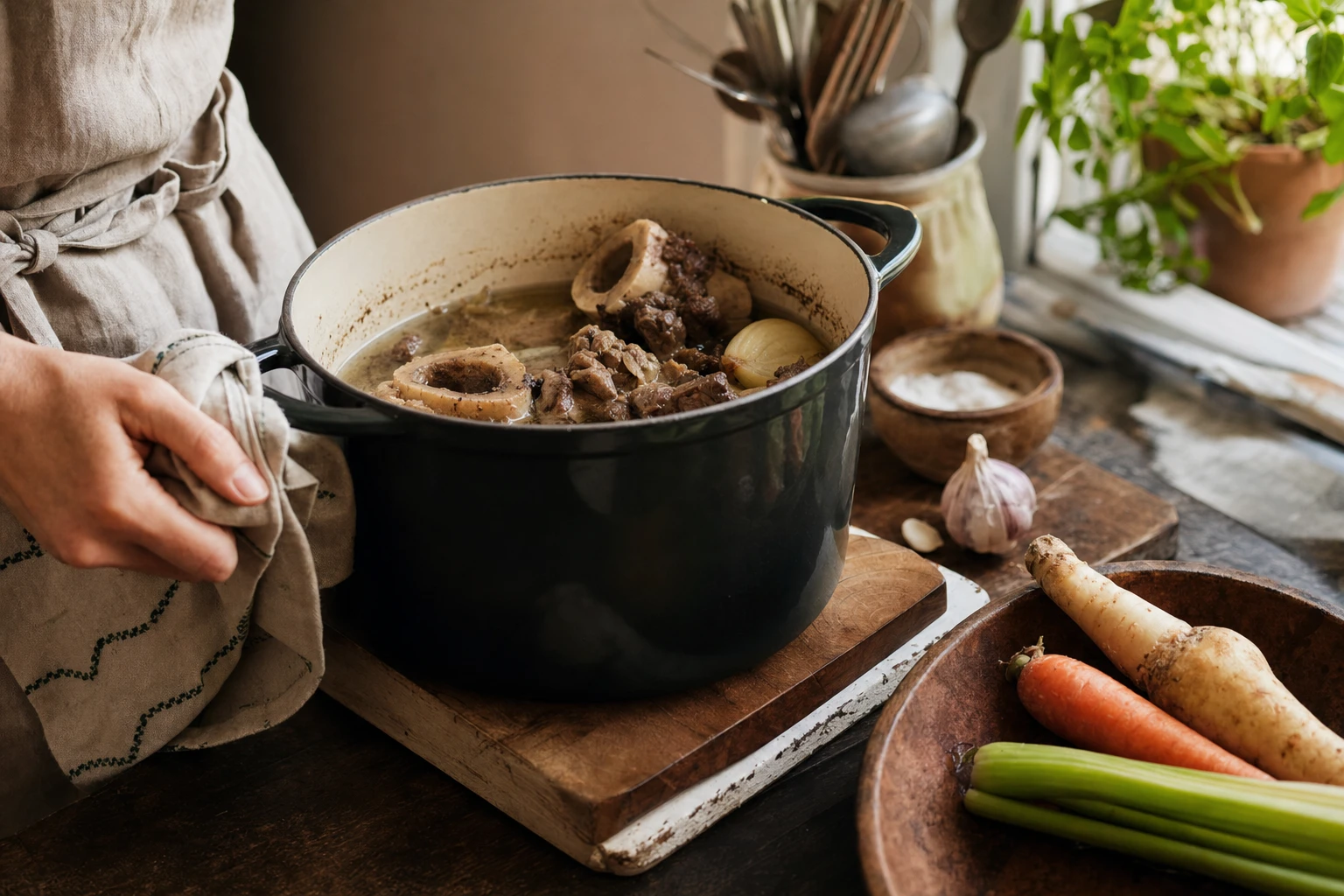
The most practical source is bone broth. A cup of bone broth before bed provides meaningful amounts of glycine, magnesium, and minerals that all support sleep. Many people report that adding bone broth to their evening routine improves their sleep within a single night.
Bone broth at dinner or before bed is arguably the single simplest intervention for improving sleep quality. The glycine content alone makes it worth doing.
If you're making your own bone broth, longer simmering times (12-24 hours) extract more gelatin and glycine. Store-bought bone broth also works, though the longer-simmered homemade versions are superior.
Magnesium and sleep quality
Magnesium is responsible for over 300 enzymatic reactions in the body, and it's essential for nervous system relaxation and sleep.2 Magnesium activates the parasympathetic nervous system (rest and digest), which is required for sleep onset. It also helps regulate GABA and serotonin, both critical for sleep.
Most people are chronically deficient in magnesium. The modern diet provides inadequate amounts, and stress, caffeine, and alcohol deplete magnesium stores further. The result is that many people are literally unable to relax deeply because their nervous system doesn't have the mineral resources to shift into parasympathetic mode.
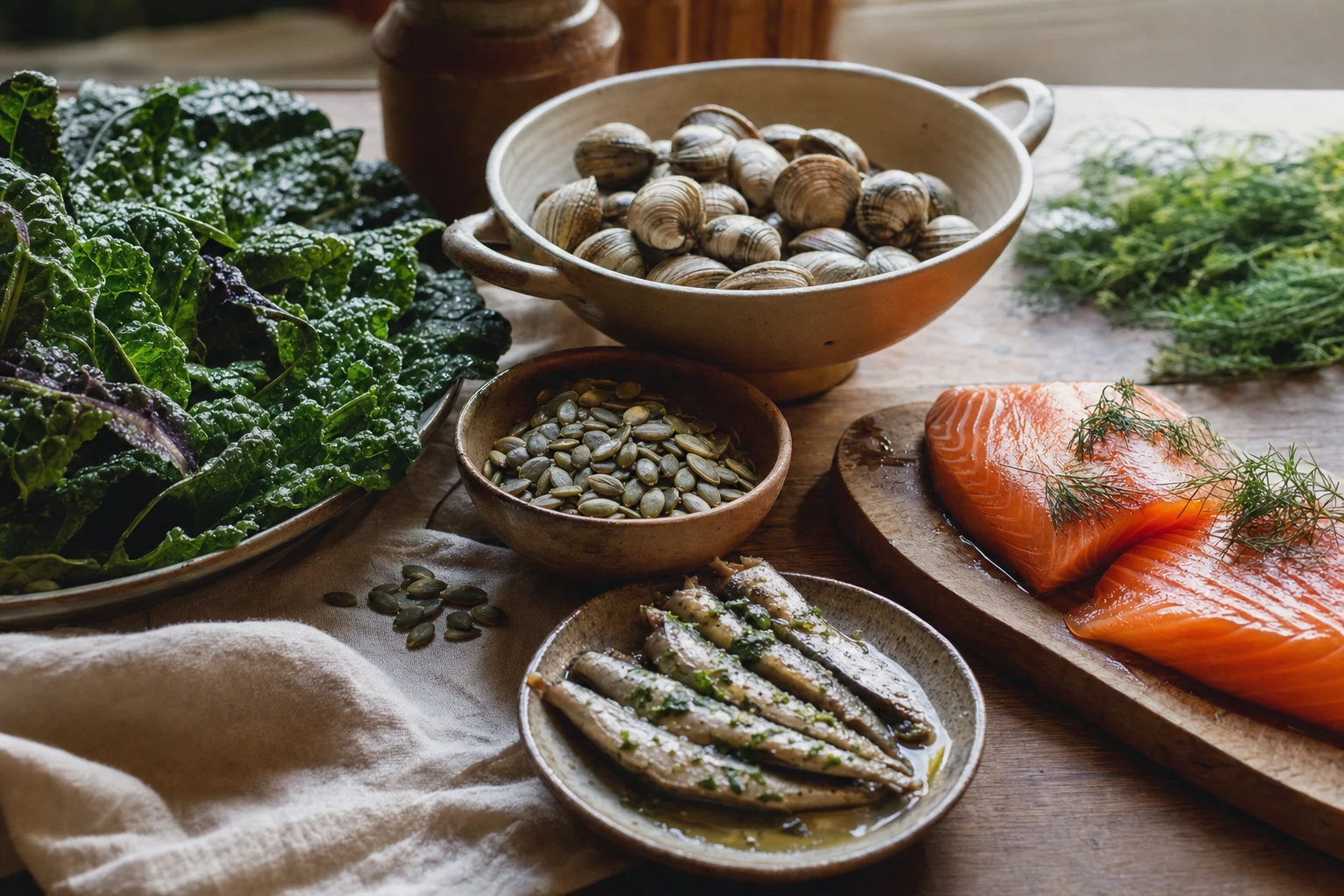
Food sources of magnesium: leafy greens, particularly dark greens like spinach and kale (though raw greens contain oxalates that inhibit mineral absorption, so cooked is better), pumpkin seeds, almonds, fish, and shellfish. If you're eating these foods regularly, magnesium status is probably adequate. If your diet lacks these foods, magnesium deficiency is likely.
If you can't fall asleep or can't stay asleep, magnesium deficiency should be your first hypothesis. A simple swap toward magnesium-rich foods often resolves the problem within a week.
Practical evening approach: include leafy greens or shellfish at dinner. If that's not appealing, magnesium supplementation (200-400 mg before bed) is reasonable. Magnesium glycinate is particularly useful because you get both the magnesium and the glycine benefit.
Get health guides like this, free
Two short reads a week on eating for energy, gut health, skin, sleep and more.
By signing up you agree to receive emails from us. No spam, unsubscribe anytime.
The protein and carbohydrate balance
A common sleep mistake is eating pure protein in the evening (meat and vegetables, no carbs). Whilst this is fine for general metabolism, it's suboptimal for sleep. Tryptophan, the amino acid precursor to serotonin, needs carbohydrates to be absorbed effectively across the blood-brain barrier.3
The mechanism: carbohydrates cause an insulin spike, which removes other amino acids from the bloodstream, allowing tryptophan to cross into the brain more readily. Without carbohydrates, tryptophan stays in the body but doesn't reach the brain as effectively.
The ideal evening meal: protein and fat (for satiety and nutrients) plus carbohydrates (for tryptophan absorption and serotonin production). This doesn't mean refined carbs or sugar. It means whole carbs: white rice, potatoes, sweet potatoes, or even just more leafy greens to get carbohydrate content up moderately.
If you're struggling to fall asleep despite adequate protein intake, the issue might be that you're not eating enough carbohydrates. Add white rice or potatoes to dinner and observe the effect on sleep.
The ratio matters less than the presence of both macronutrients. Some people do well with a 3:1 protein-to-carb ratio. Others prefer more balanced. The key is experimenting to see what your individual nervous system needs.
Tart cherry and natural melatonin
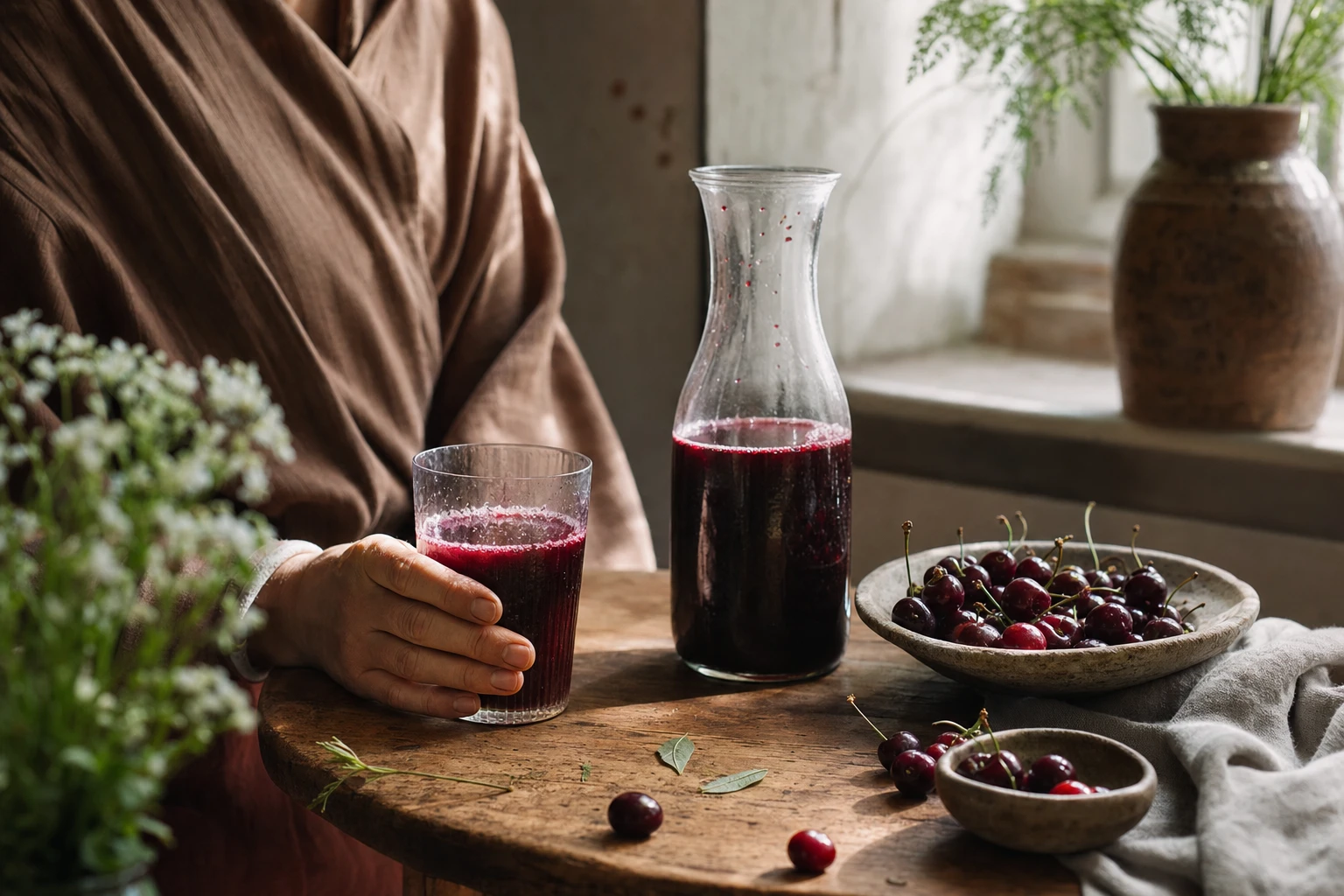
Tart cherry juice is one of the few foods that naturally contains meaningful amounts of melatonin, the hormone that regulates sleep-wake cycles. Tart cherry has been shown in research to improve sleep onset and sleep quality, particularly in people with mild insomnia.4
The mechanism is straightforward: tart cherry increases melatonin availability, which shifts circadian rhythm and promotes sleep. Unlike melatonin supplements, which can create dependence, tart cherry is a food and doesn't carry the same risks.
A small amount (one to two ounces, or a small glass) of tart cherry juice before bed can meaningfully improve sleep. Some people prefer tart cherry extract in powdered form (mixed into bone broth or other evening beverages) to avoid the sugar content of juice.
Tart cherry is one of the few food sources of natural melatonin. A small serving before bed often improves sleep within days.
Timing matters slightly. Tart cherry works best consumed 30-60 minutes before bed, giving the melatonin time to be absorbed and to begin shifting your circadian rhythm.

1 of 9
Daily blend
100,000+ thriving families4.9 on Trustpilot
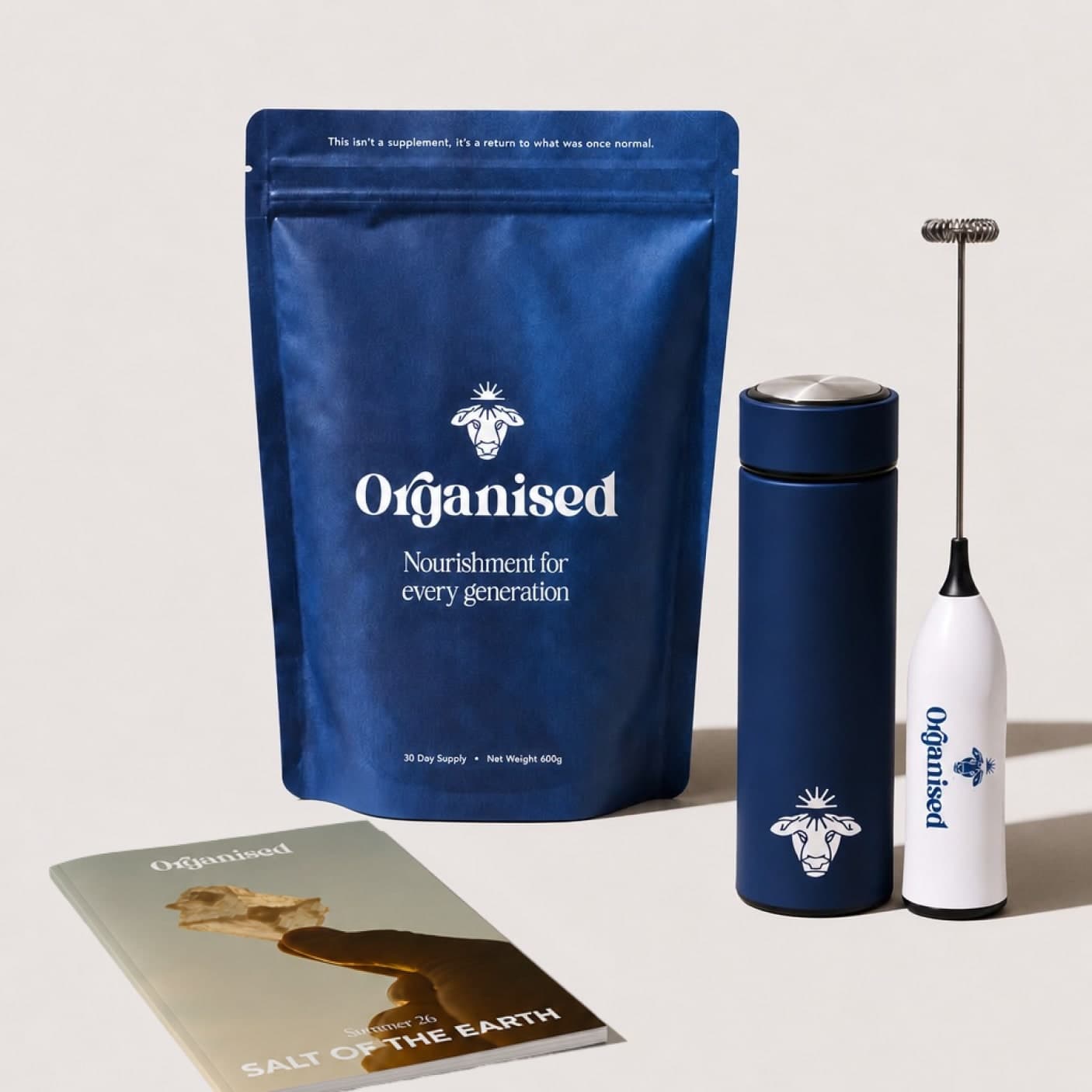
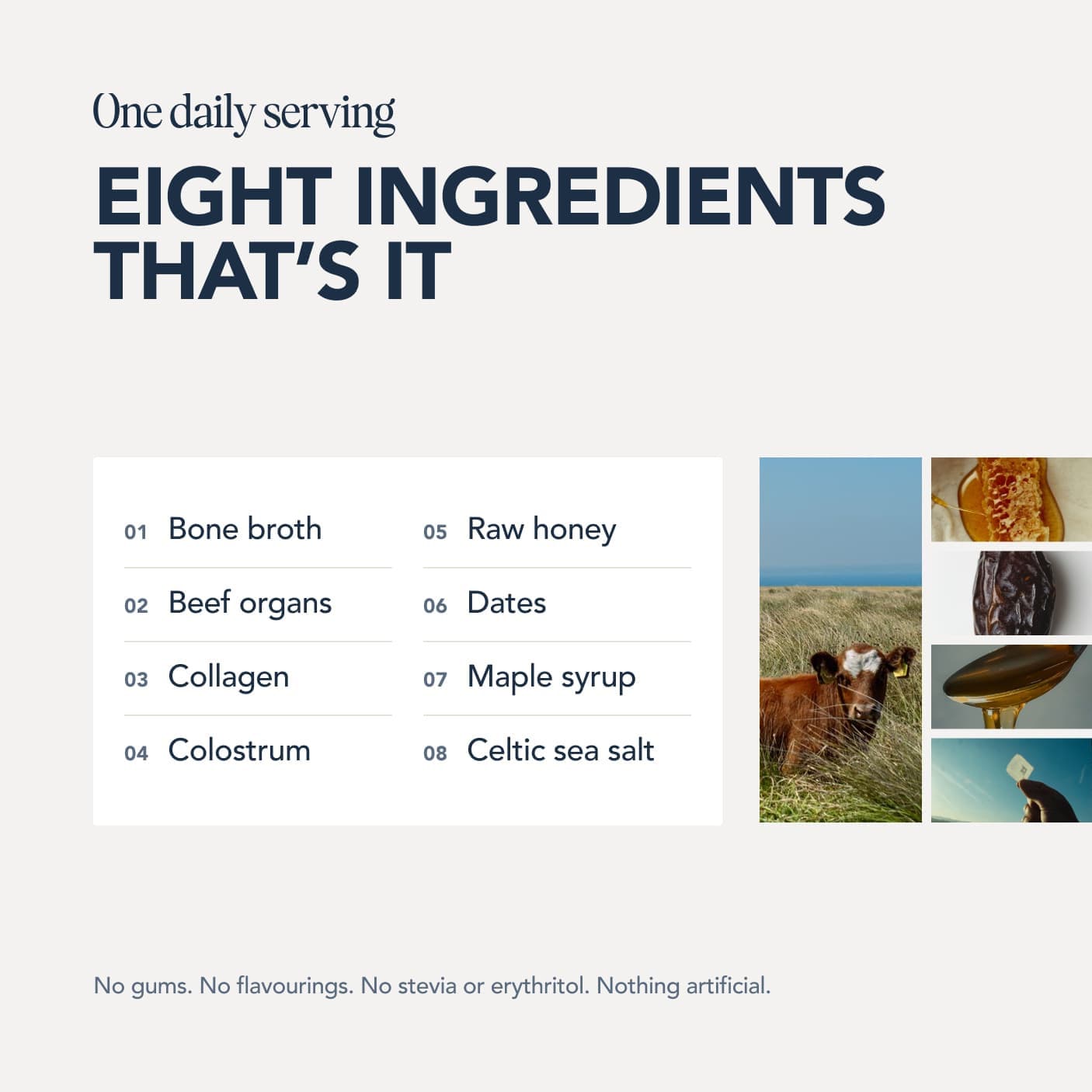
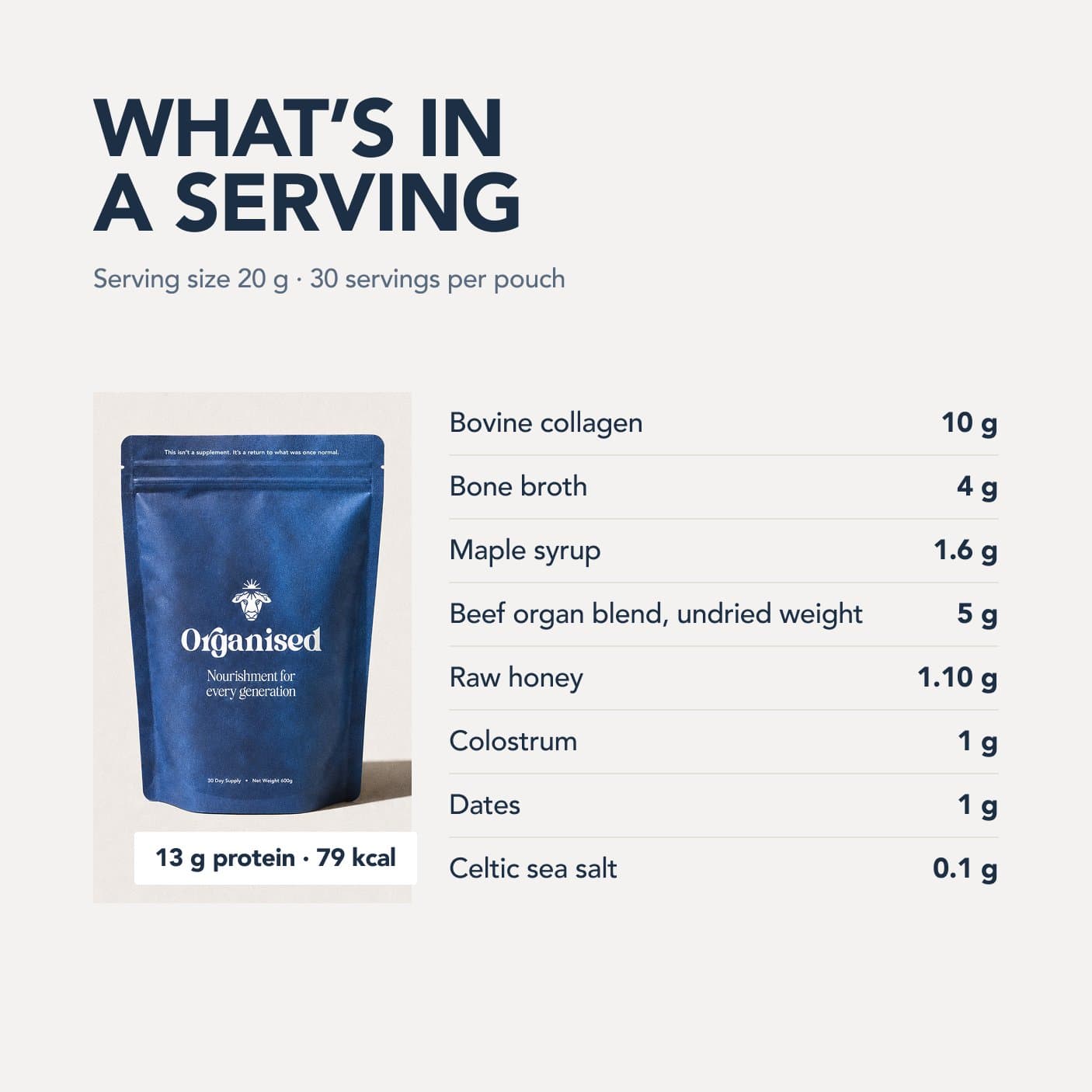
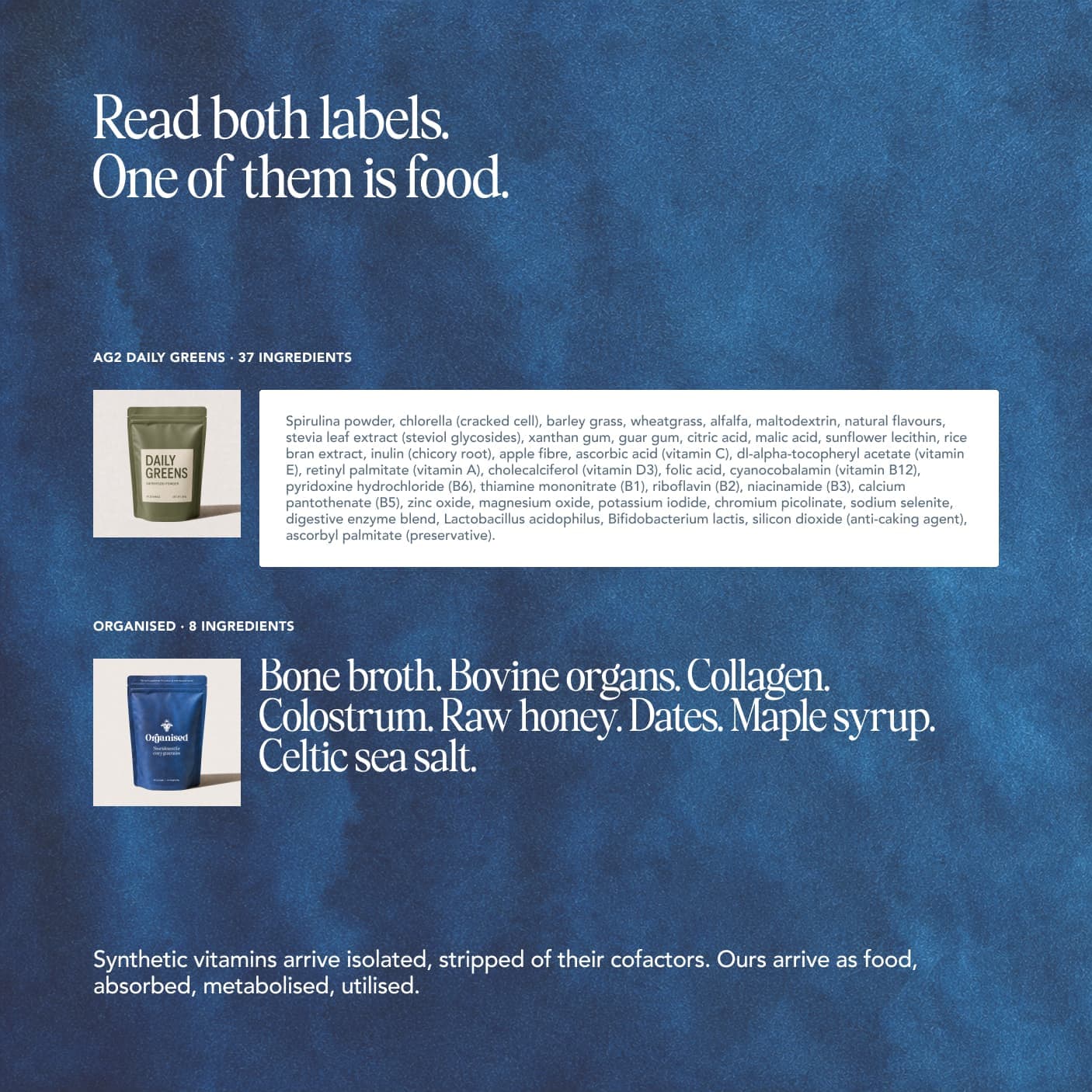
Eight real ingredients built around grass-fed beef organs, collagen and colostrum. Nothing synthetic added.
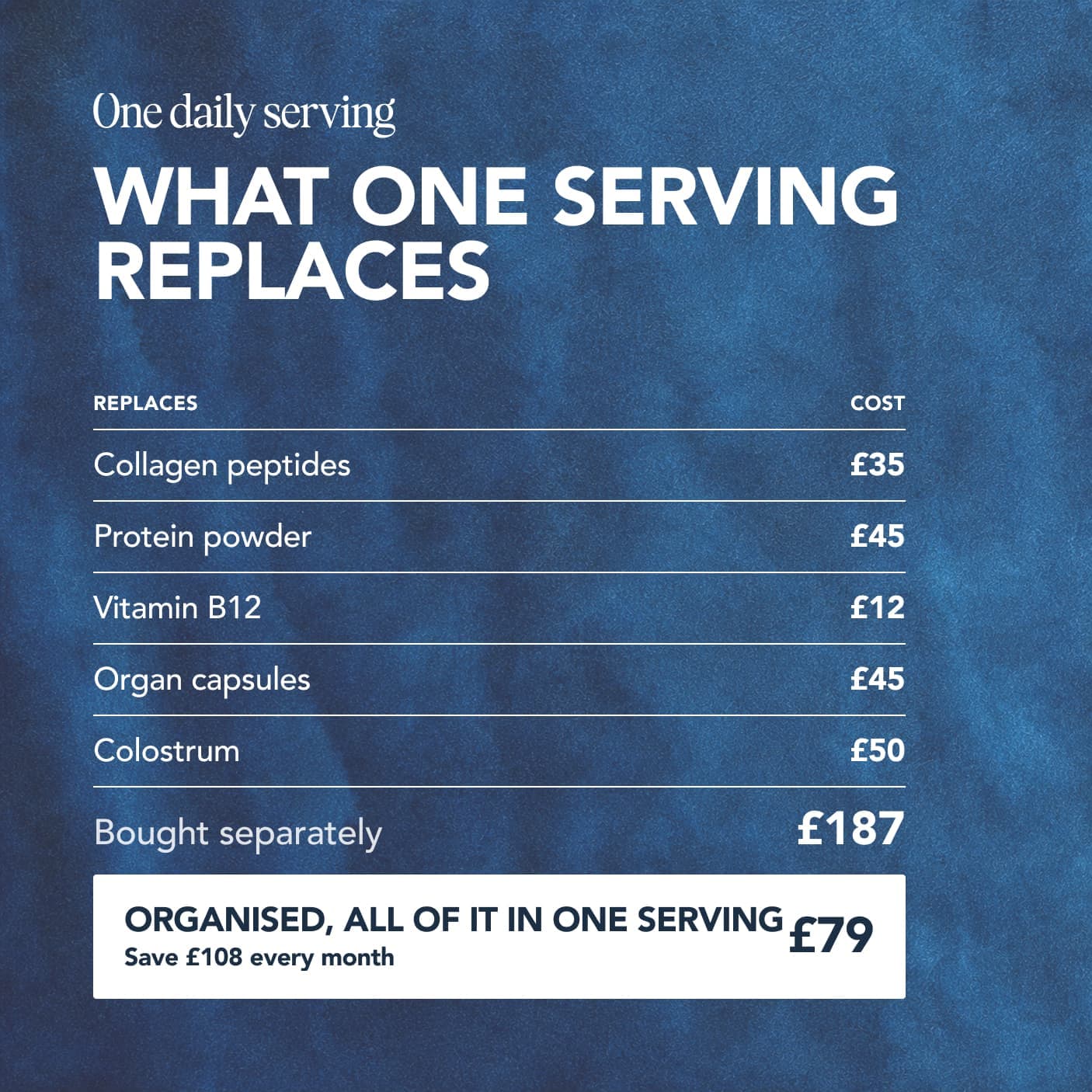
Free with your first order, worth £38. Plus £10 off the pouch with a subscription.

Free UK shipping · Made in England · 100 day money back guarantee on your first pouch · Skip, pause or cancel anytime
The practical evening meal
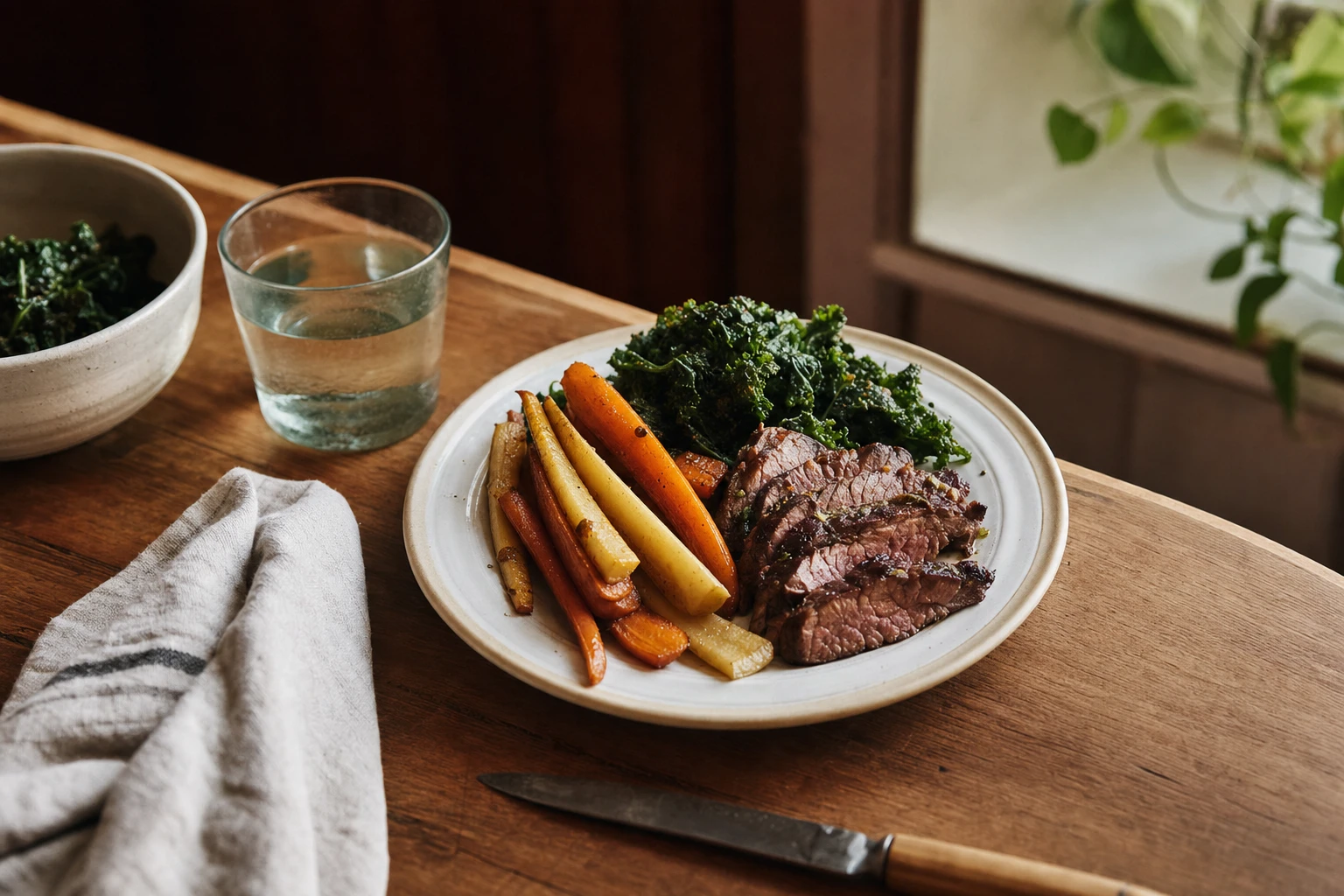
A sleep-supporting evening meal looks like this: a serving of protein (fish, meat, eggs, or dairy), a substantial serving of carbohydrates (white rice, potato, sweet potato, or root vegetables), plenty of cooked green vegetables (magnesium and minerals), and good fat (butter, olive oil, or tallow). Add bone broth as a beverage or as the cooking base.
If you want a simple pre-bed snack: bone broth with a small amount of white rice or potato stirred in, or a small amount of tart cherry juice mixed with bone broth. This combination provides glycine, magnesium, tryptophan, and natural melatonin, all working together to support sleep.
The timing: heavy meals close to bedtime (within 30 minutes) can interfere with sleep. Ideal is to eat your main meal 2-3 hours before bed, allowing time for initial digestion. A lighter pre-bed snack (bone broth, perhaps) 30-60 minutes before bed is fine and often helpful.
Your evening meal is a sleep preparation tool. Use it intentionally to provide the nutrients your nervous system needs to shift into parasympathetic mode and sleep deeply.
This approach usually improves sleep within 3-7 days. People report falling asleep more easily, staying asleep longer, and waking more refreshed. Once you've experienced sleep supported by proper nutrition, you'll never go back to relying on sleep aids or prescription medications.
References
Every source below was checked on 27 August 2026. Each PubMed, PMC and DOI identifier was resolved against NCBI or Crossref, and what it opens is printed under the citation, so you can see the link goes where the citation says without leaving the page. Where a citation and its identifier disagreed, the citation was corrected to the record or the reference was deleted along with the sentence marker that pointed at it, and where the resolved paper turned out not to support the sentence, the sentence was cut back to what it does support. Borrowed authority is worse than none, because it looks like rigour.
- Bannai M, Kawai N. New therapeutic strategy for amino acid medicine: glycine improves the quality of sleep. Journal of Pharmacological Sciences. 2012;118(2):145-148. https://pubmed.ncbi.nlm.nih.gov/22293292/Checked 27 August 2026: PMID 22293292 opens Bannai M, Kawai N, New therapeutic strategy for amino acid medicine: glycine improves the quality of sleep. J Pharmacol Sci 2012;118(2):145-8. PubMed indexes it as: Review.
- National Institutes of Health, Office of Dietary Supplements. Magnesium: Fact Sheet for Health Professionals. https://ods.od.nih.gov/factsheets/Magnesium-HealthProfessional/ [accessed May 2026].
- Richard DM, Dawes MA, Mathias CW, et al. L-tryptophan: basic metabolic functions, behavioral research and therapeutic indications. International Journal of Tryptophan Research. 2009;2:45-60. https://pmc.ncbi.nlm.nih.gov/articles/PMC2908021/Checked 27 August 2026: PMC2908021 opens Richard DM, Dawes MA, Mathias CW et al, L-Tryptophan: Basic Metabolic Functions, Behavioral Research and Therapeutic Indications. Int J Tryptophan Res 2009;2:45-60.
- Howatson G, Bell PG, Tallent J, Middleton B, McHugh MP, Ellis J. Effect of tart cherry juice (Prunus cerasus) on melatonin levels and enhanced sleep quality. European Journal of Nutrition. 2012;51(8):909-916. https://pubmed.ncbi.nlm.nih.gov/22038497/Checked 27 August 2026: PMID 22038497 opens Howatson G, Bell PG, Tallent J et al, Effect of tart cherry juice (Prunus cerasus) on melatonin levels and enhanced sleep quality. Eur J Nutr 2012;51(8):909-16. PubMed indexes it as: Randomized Controlled Trial.
- Razak MA, Begum PS, Viswanath B, Rajagopal S. Multifarious beneficial effect of nonessential amino acid, glycine: a review. Oxidative Medicine and Cellular Longevity. 2017;2017:1716701. https://pmc.ncbi.nlm.nih.gov/articles/PMC5350494/Checked 27 August 2026: PMC5350494 opens Razak MA, Begum PS, Viswanath B et al, Multifarious Beneficial Effect of Nonessential Amino Acid, Glycine: A Review. Oxid Med Cell Longev 2017;2017:1716701. PubMed indexes it as: Review.The authors' own declaration, from the record: The authors declare that they have no competing interests.
Who wrote and reviewed this guide
Niall Kiddle
Author · Founder, Organised
Niall is the founder of Organised. He started the company in 2024 after fixing his own health the slow way: in 2022 he swapped a cupboard of synthetic supplements for real food, raw milk, organ meats, bone broth and honey, and felt the difference within months.
Areas of expertise: Ancestral nutrition, Organ meats, Whole-food supplementation, Gut health, Regenerative sourcing
Read Niall's full profile
Pedro Rodrigues
Reviewer · Agronomist (farming and sourcing only)
Pedro is the agronomist Organised works with on farming and sourcing. His job on the guides is to keep the science honest: he reviews what we publish about soil health, regenerative agriculture, grazing and the way food is actually produced.
Areas of expertise: Regenerative agriculture, Agronomy, Soil health, Grass-fed farming, Food sourcing
Reviewed this guide on
Read Pedro's full profileMore on sleep
View allBrowse the guides library
All guidesKeep reading

Health goals
How to Stop Hair Shedding with Ancestral Nutrition
Hair shedding is a sign of nutritional deficiency. Learn the minerals that stop hair loss and the protocol that reverses it.
Health goals
Why Your Skin Looks Better When You Eat Organ Meats
Organ meats are the most nutrient-dense foods on the planet. Here's exactly how they change your skin, from the inside out.
Health goals
The Nutritional Root Causes of Hair Loss
Discover the nutritional causes of hair loss, from iron, zinc and biotin to thyroid health, and how nutrient-dense whole foods can help support regrowth.
Real food, made effortless
Start my daily blendA few ways to use it
All recipes
Whole Food Snacks for Busy Days
Practical whole food snacks that travel well and sustain energy. No refined carbs, no seed oils. Real food options for when you're busy.

Organised Protein Pancakes: A Weekend Favourite
A high-protein pancake recipe using beef protein, eggs, and raw milk. Cooked in cast iron, naturally sweetened with banana and honey. Real food breakfast.
Gut-Healing Marshmallows with Collagen and Raw Honey
Learn to make gut-healing marshmallows with collagen and raw honey. A shareable treat that sneaks nutrition into every bite. Easy recipe with video tips.


 Join over 100,000+ members
Build a better food system with us
The Organised community is thousands of people choosing real food and backing the farmers who grow it, all of us trying to leave the world a little better than we found it. If that is what you care about too, you belong here.