Type II Collagen and Cartilage: What the Research Shows
There's a specific form of collagen called type II collagen that makes up roughly 85% of cartilage. And there's emerging research suggesting that consuming undenatured type II collagen may trigger an immune mechanism that helps protect and rebuild that cartilage. Here's what the science actually shows.
By Niall Kiddle, Founder, Organised

Reviewed by Pedro Rodrigues, Agronomist (farming and sourcing only) ·
6 min read · Published · Updated · 4 cited sources
Makers of the Organised Daily blend, a grass-fed beef organ supplement from regenerative UK farms

Here's what the science actually shows, what remains speculative, and how type II collagen fits into a broader approach to joint health.
What is type II collagen
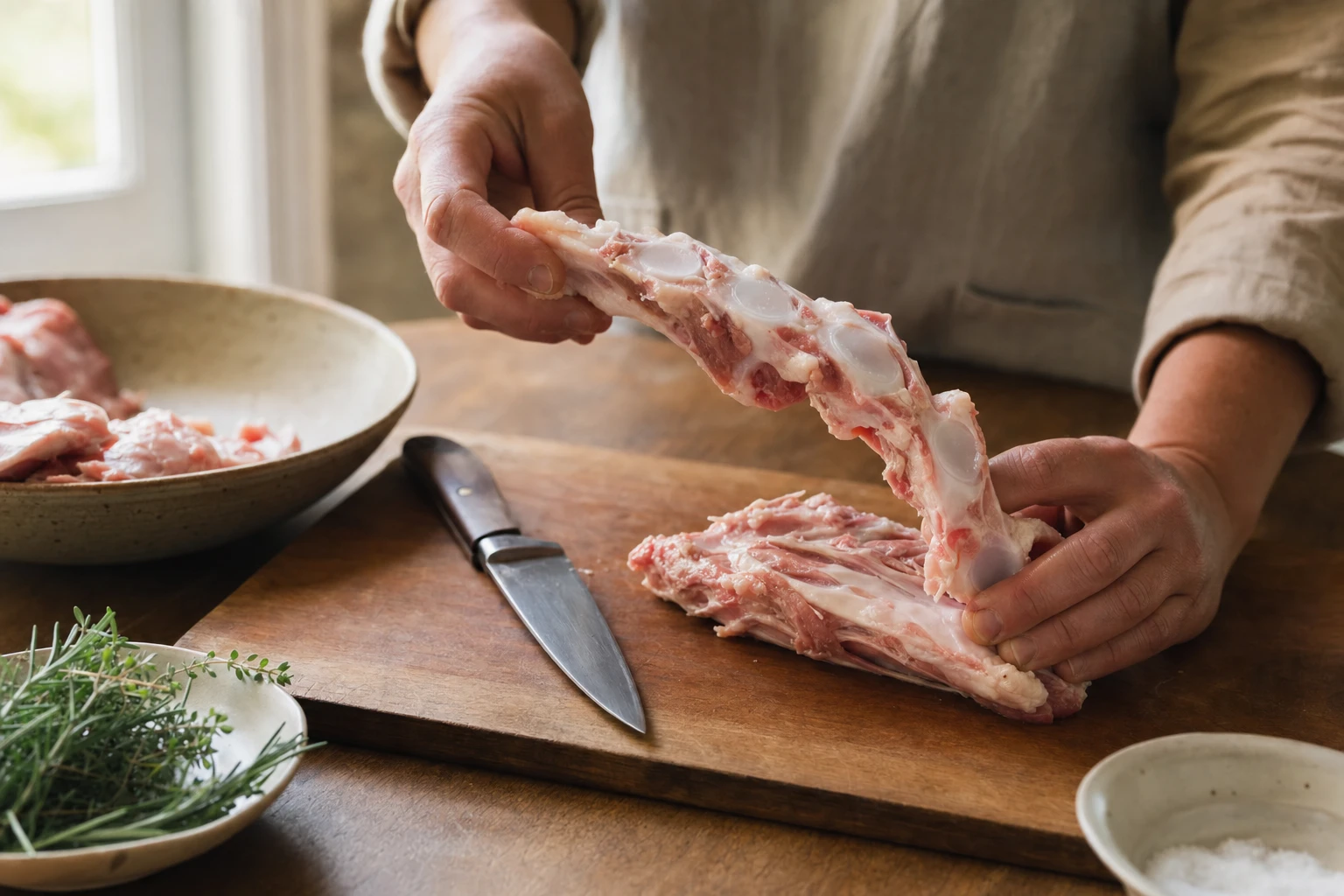
Type II collagen is the predominant collagen in cartilage. It's a triple-helix protein molecule that provides tensile strength and resilience to cartilage tissue.1 When you eat bone broth or gelatin, you're consuming denatured collagen, mostly type I with some type II.
Undenatured type II collagen is collagen that hasn't been broken down by heat. It retains its molecular structure. UC-II is a brand of undenatured type II collagen derived from chicken sternum cartilage. It's used in research and supplements specifically because it maintains its structure.
The theory is that when undenatured type II collagen is consumed, the body's immune system recognises it as cartilage. Through a mechanism called oral tolerance, the immune system may then become more protective of cartilage tissue rather than attacking it.4 This is speculative but biologically plausible.
Type II versus other collagen types
Your body contains at least sixteen types of collagen. Type I is the most abundant and makes up most bone, skin, and tendon. Type II is specific to cartilage. Type III is found in skin and blood vessels.
Generic collagen supplements are usually type I derived from beef. Collagen peptides are hydrolysed collagen, broken down into smaller molecules. These are useful but they're not specifically type II.
UC-II and other undenatured type II collagen supplements are specifically sourced from cartilage and processed to preserve the intact collagen molecule. This is what distinguishes them from generic collagen supplements.
The oral tolerance mechanism
Oral tolerance is an immune mechanism where the gut recognises certain antigens as non-threatening and shifts toward tolerance rather than attack. When you consume a protein repeatedly through the mouth, the immune system can learn to tolerate it.
The theory with undenatured type II collagen is that when the body encounters cartilage in food form, it learns that cartilage is not a threat. The immune system then becomes less likely to attack your own cartilage. This would theoretically reduce cartilage degradation and possibly allow repair.
This is biologically plausible but difficult to prove definitively. The research suggests it happens, but the effect sizes are modest and the mechanism isn't fully understood.
UC-II and chicken sternum
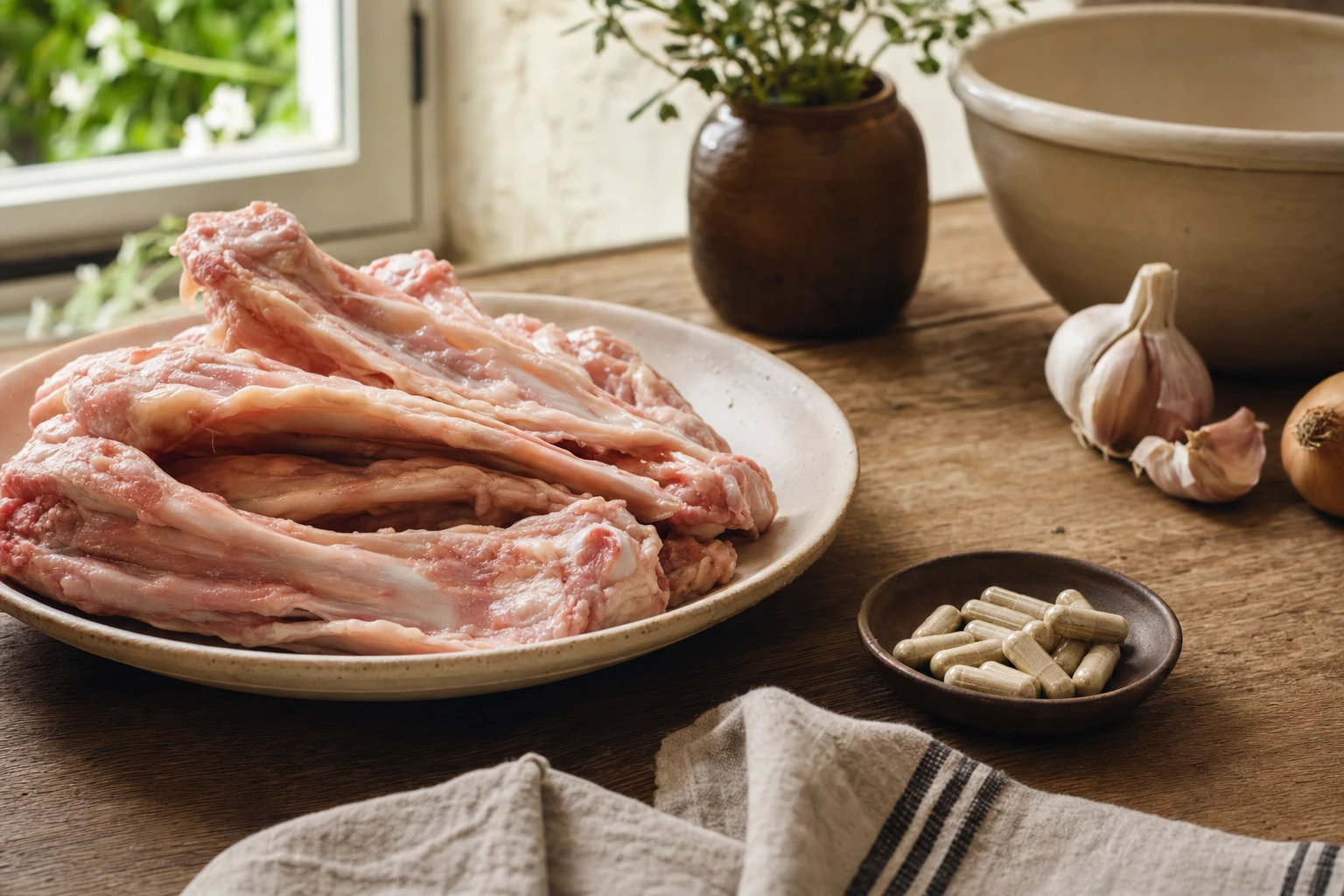
UC-II is undenatured collagen type II derived from chicken sternum cartilage. It's been processed to remove fat and other tissues whilst preserving the collagen molecule's structure.
Chicken sternum is naturally high in type II collagen, making it a logical source. You could theoretically get UC-II benefits by consuming chicken sternum regularly, though the dosages used in research are usually higher than would be practical to consume from food alone.
UC-II supplements typically contain 10-40 mg per dose. A serving of chicken sternum might contain a few milligrams of undenatured type II collagen. The supplements provide a concentrated, standardised dose.
Research on joint comfort
Research suggests that undenatured type II collagen supplementation reduces joint pain and improves comfort. Studies typically show improvements in people with joint discomfort, particularly in athletes and active individuals.
One study in athletes found that UC-II supplementation at 40 mg daily reduced joint pain during exercise and improved recovery.2 Another found improvements in knee pain and function in people with joint discomfort.3 The research isn't enormous, but it's consistent across multiple independent studies.
The effect sizes are modest. UC-II is not a cure. But research suggests it works somewhat better than generic collagen supplements, likely because of the oral tolerance mechanism. This aligns with the biological theory, though the evidence remains preliminary.
Importantly, UC-II appears to work best in people who already have some joint concern rather than for pure prevention. This makes sense from a mechanistic standpoint. If your immune system is already attacking cartilage, oral tolerance to cartilage would shift that balance. If your joints are healthy, there's less for UC-II to protect against.

Get health guides like this, free
Two short reads a week on eating for energy, gut health, skin, sleep and more.
By signing up you agree to receive emails from us. No spam, unsubscribe anytime.
Dosage and duration
Studies typically use 10-40 mg of UC-II daily. Most results show up after 8-12 weeks of consistent supplementation.2 This is not an acute effect. It's a gradual improvement over weeks and months.
The mechanism appears to work through immune tolerance, which requires time to develop. Start low, stay consistent, and give it at least 8-12 weeks before evaluating whether it's working for you.
Does it actually work
The honest answer is that research suggests it works, but the effect is modest. UC-II appears to work better than generic collagen supplements, and the theory explaining why is compelling. But UC-II alone is not a magic fix.
The research most clearly supports UC-II for people who are already dealing with joint discomfort and want to improve recovery and comfort during activity. For prevention in healthy joints, the evidence is much weaker.
UC-II is not a replacement for adequate intake of vitamin C, glycine, and general collagen from bone broth and whole foods. It's a potential addition to those foundational elements, not a substitute for them.
How it fits into broader nutrition
A rational approach to joint health is this. First, nail the fundamentals. Remove inflammatory foods. Consume bone broth and collagen-rich whole foods. Ensure adequate vitamin C. Move regularly. These do most of the work.
Second, consider UC-II supplementation if you have existing joint concerns or if you're very active and want to optimise recovery. UC-II is not necessary for healthy joints, but it may help if joints are already compromised or heavily used.
Don't replace bone broth and whole food collagen with UC-II supplements. Use UC-II as an addition, not a substitute. The whole food sources provide glycine, minerals, and other compounds that supplements cannot replicate.
1 of 9
Daily blend
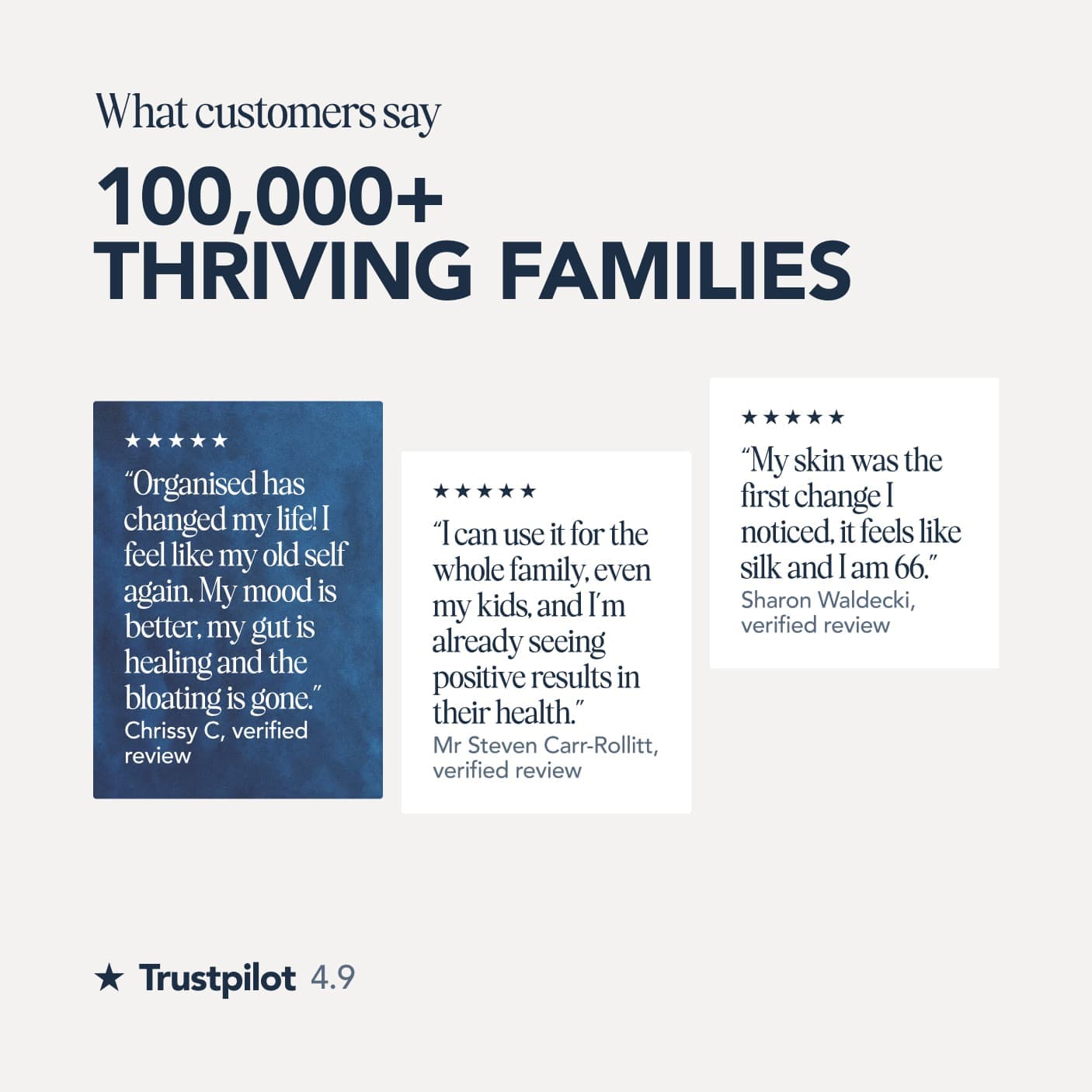
100,000+ thriving families4.9 on Trustpilot
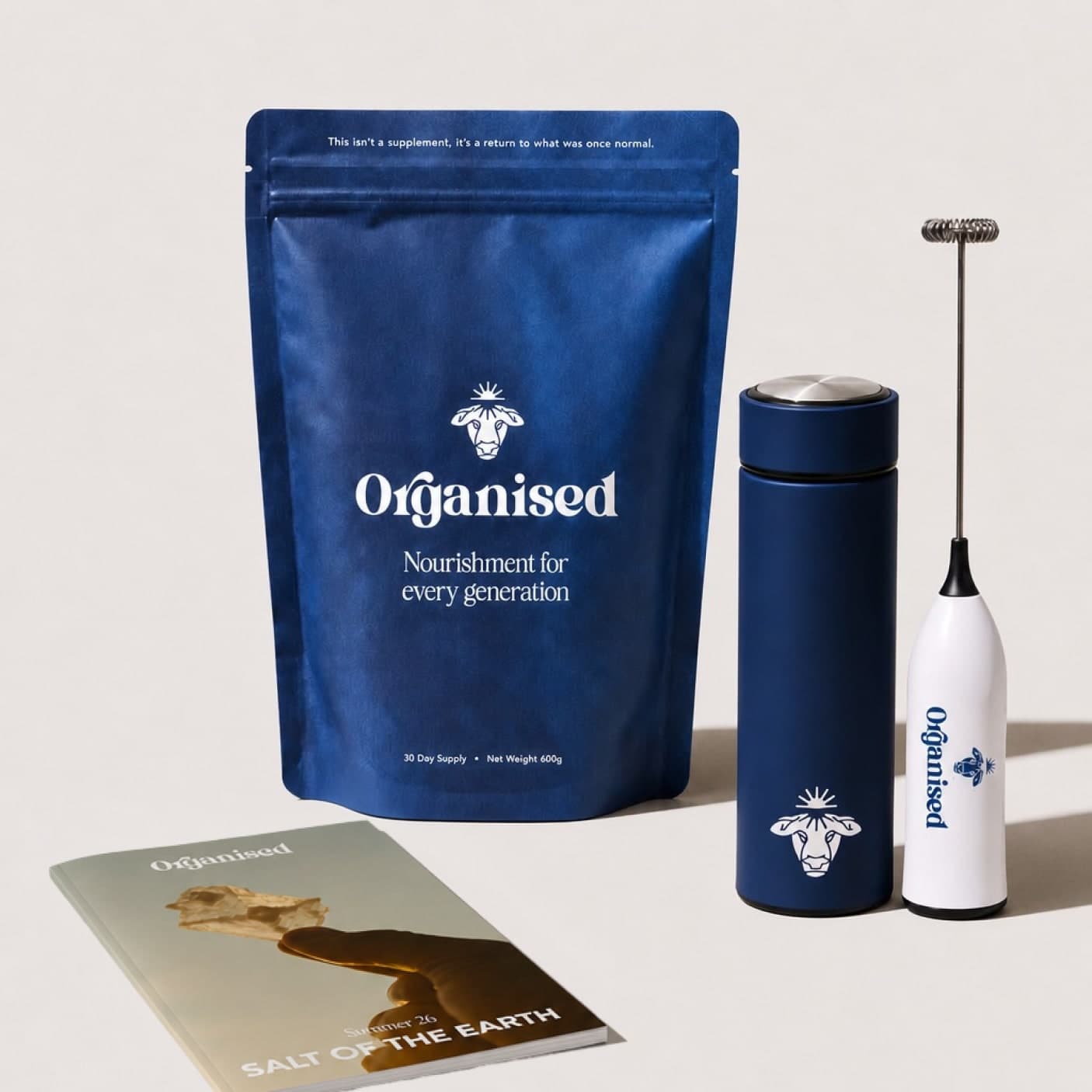
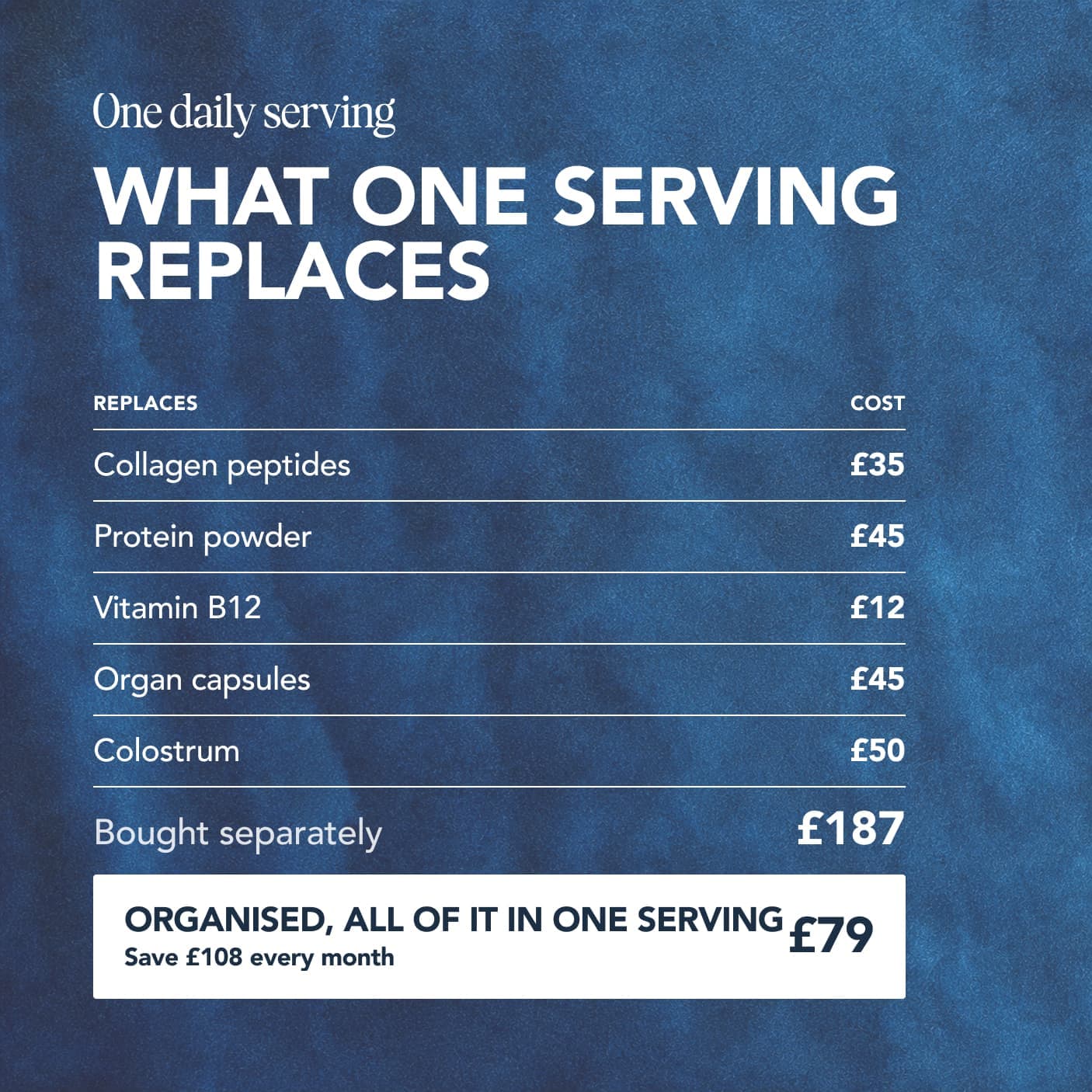
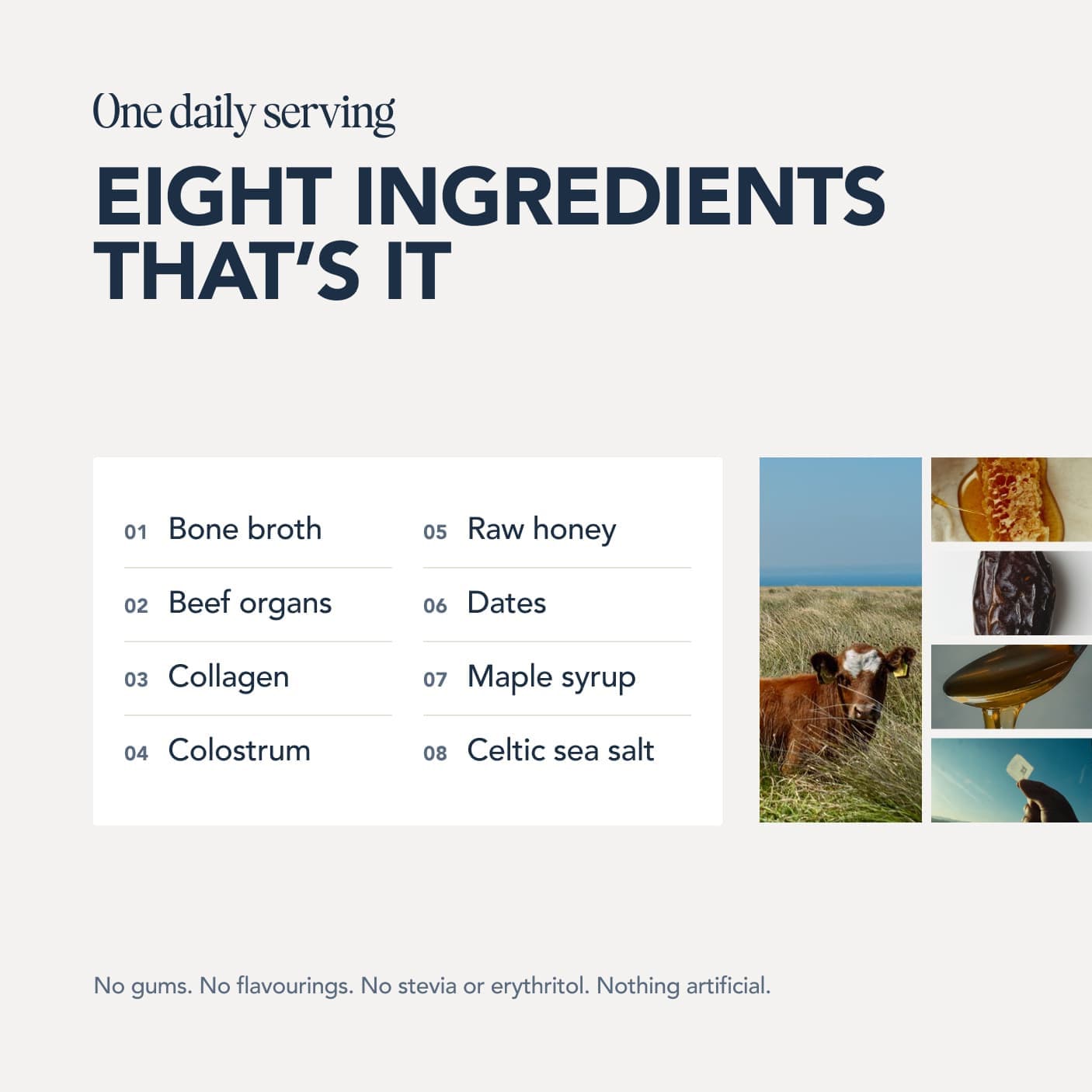
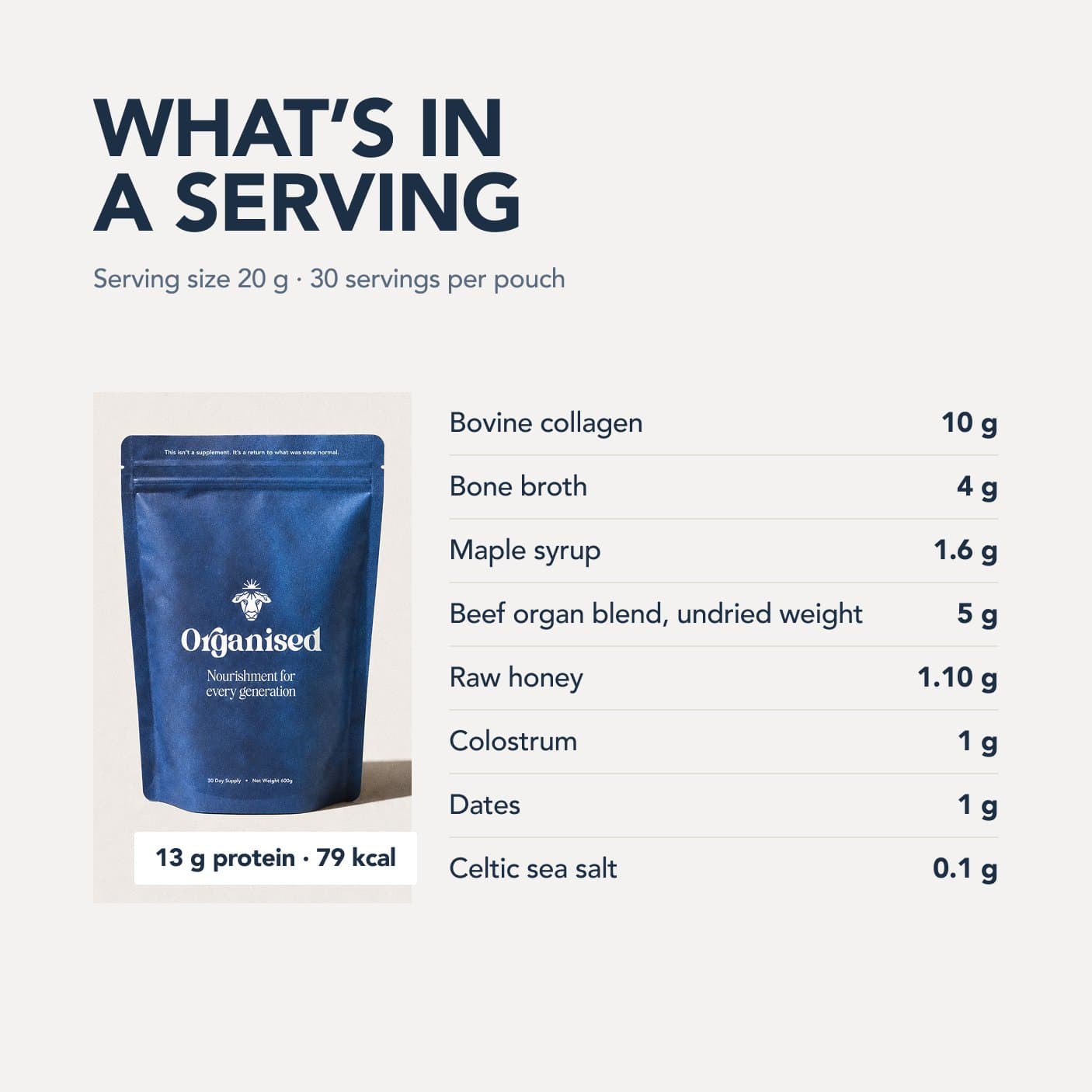
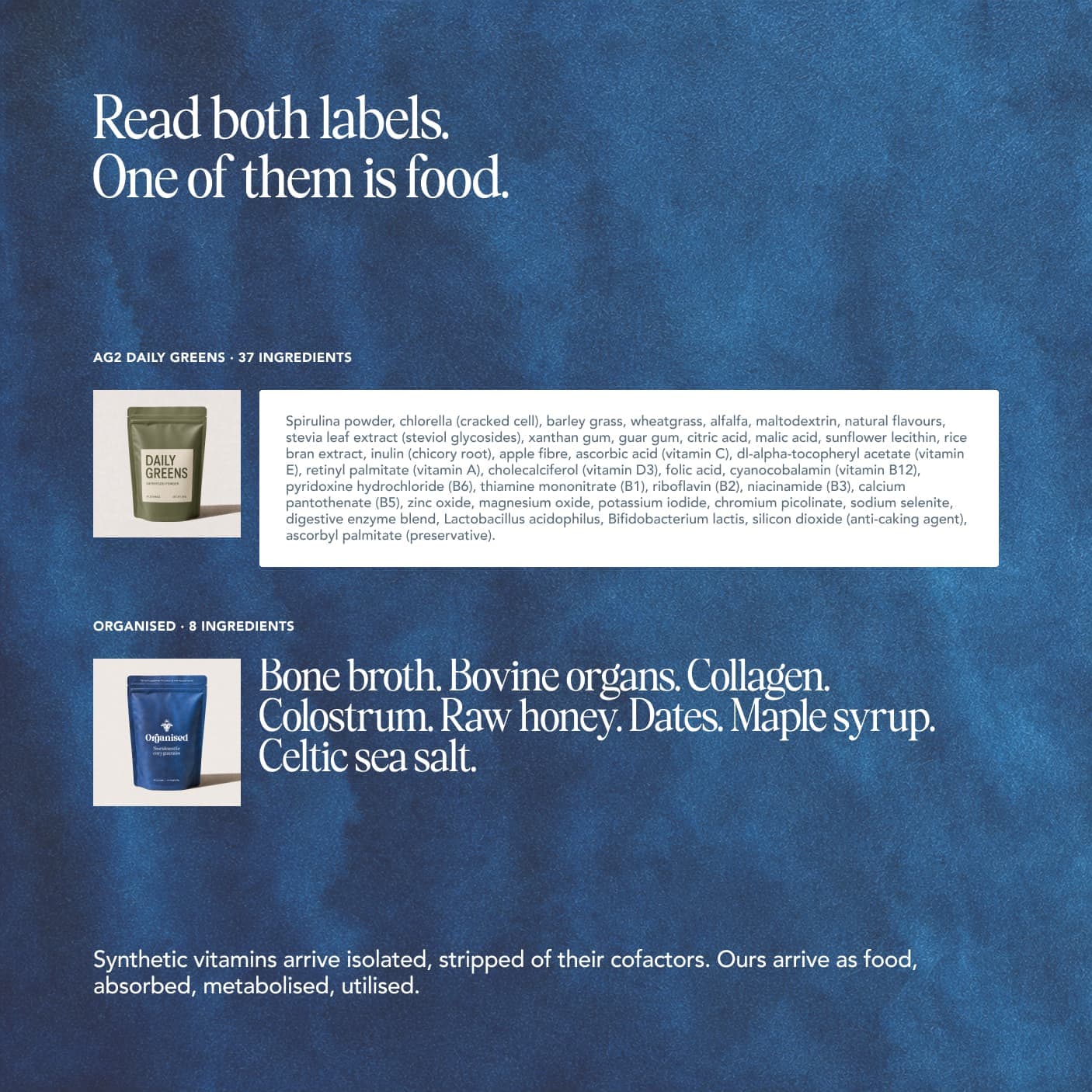
Eight real ingredients built around grass-fed beef organs, collagen and colostrum. Nothing synthetic added.
Free with your first order, worth £38. Plus £10 off the pouch with a subscription.

Free UK shipping · Made in England · 100 day money back guarantee on your first pouch · Skip, pause or cancel anytime
The bottom line
Type II collagen from chicken sternum, particularly in undenatured form like UC-II, may support cartilage health through an oral tolerance mechanism. Research suggests it works, particularly for people with existing joint concerns. The effect is modest but measurable.
UC-II is a reasonable addition to a broader joint health strategy that prioritises whole foods, vitamin C, bone broth, and regular movement. It's not necessary for everyone, but for people dealing with joint discomfort or very heavy activity, the research supports giving it a try.
Start with 10-20 mg daily, stay consistent for 8-12 weeks, and track whether your joint comfort improves. If it does, continue. If not, focus your energy on the fundamentals. The base of joint health is always whole foods and movement. UC-II is the refinement, not the foundation.
Most importantly, remember that UC-II is just one tool in a comprehensive joint health strategy. It works best when combined with bone broth, vitamin C, adequate glycine intake, movement that strengthens tissues, and a diet that reduces inflammation. Use it as a complement to these fundamentals, not as a replacement for them.
References
Every source below was checked on 27 August 2026. Each PubMed, PMC and DOI identifier was resolved against NCBI or Crossref, and what it opens is printed under the citation, so you can see the link goes where the citation says without leaving the page. Where a citation and its identifier disagreed, the citation was corrected to the record or the reference was deleted along with the sentence marker that pointed at it, and where the resolved paper turned out not to support the sentence, the sentence was cut back to what it does support. Borrowed authority is worse than none, because it looks like rigour.
- Shoulders MD, Raines RT. Collagen structure and stability. Annual Review of Biochemistry. 2009;78:929-958. https://pmc.ncbi.nlm.nih.gov/articles/PMC2846778/Checked 27 August 2026: PMC2846778 opens Shoulders MD, Raines RT, Collagen structure and stability. Annu Rev Biochem 2009;78:929-58. PubMed indexes it as: Review.
- Lugo JP, Saiyed ZM, Lane NE. Efficacy and tolerability of an undenatured type II collagen supplement in modulating knee osteoarthritis symptoms: a multicenter randomized, double-blind, placebo-controlled study. Nutrition Journal. 2016;15:14. https://pubmed.ncbi.nlm.nih.gov/26822714/Checked 27 August 2026: PMID 26822714 opens Lugo JP, Saiyed ZM, Lane NE, Efficacy and tolerability of an undenatured type II collagen supplement in modulating knee osteoarthritis symptoms: a multicenter randomized, double-blind, placebo-controlled study. Nutr J 2016;15:14. PubMed indexes it as: Multicenter Study, Randomized Controlled Trial.
- Lugo JP, Saiyed ZM, Lau FC, et al. Undenatured type II collagen (UC-II) for joint support: a randomized, double-blind, placebo-controlled study in healthy volunteers. Journal of the International Society of Sports Nutrition. 2013;10(1):48. https://pubmed.ncbi.nlm.nih.gov/24153020/Checked 27 August 2026: PMID 24153020 opens Lugo JP, Saiyed ZM, Lau FC et al, Undenatured type II collagen (UC-II®) for joint support: a randomized, double-blind, placebo-controlled study in healthy volunteers. J Int Soc Sports Nutr 2013;10(1):48.
- Bagchi D, Misner B, Bagchi M, et al. Effects of orally administered undenatured type II collagen against arthritic inflammatory diseases: a mechanistic exploration. International Journal of Clinical Pharmacology Research. 2002;22(3-4):101-110. https://pubmed.ncbi.nlm.nih.gov/12837047/Checked 27 August 2026: PMID 12837047 opens Bagchi D, Misner B, Bagchi M et al, Effects of orally administered undenatured type II collagen against arthritic inflammatory diseases: a mechanistic exploration. Int J Clin Pharmacol Res 2002;22(3-4):101-10. PubMed indexes it as: Clinical Trial, Comparative Study.
Corrections
What this page used to say, and why it no longer says it. Corrections are dated and are never removed, because deleting the record of an error is a second error. Every guide we have corrected is listed at our corrections log.
- 27 August 2026. Reference 3 listed an author, Lerman RH, who is not on the record.
- 27 August 2026. The two UC-II trials were described the wrong way round: the knee osteoarthritis trial was presented as a study in athletes. Both sentences now describe the trial they cite, with its population and duration.
Who wrote and reviewed this guide
Niall Kiddle
Author · Founder, Organised
Niall is the founder of Organised. He started the company in 2024 after fixing his own health the slow way: in 2022 he swapped a cupboard of synthetic supplements for real food, raw milk, organ meats, bone broth and honey, and felt the difference within months.
Areas of expertise: Ancestral nutrition, Organ meats, Whole-food supplementation, Gut health, Regenerative sourcing
Read Niall's full profile
Pedro Rodrigues
Reviewer · Agronomist (farming and sourcing only)
Pedro is the agronomist Organised works with on farming and sourcing. His job on the guides is to keep the science honest: he reviews what we publish about soil health, regenerative agriculture, grazing and the way food is actually produced.
Areas of expertise: Regenerative agriculture, Agronomy, Soil health, Grass-fed farming, Food sourcing
Reviewed this guide on
Read Pedro's full profileMore on joints & bones
View allBrowse the guides library
All guidesKeep reading

Health goals
Protecting Your Joints as You Age: A Nutritional Blueprint
Protect your joints as you age. The role of collagen, glycine, vitamin C, glucosamine, and real food in joint longevity.
Health goals
Traditional Fertility Foods from Around the World
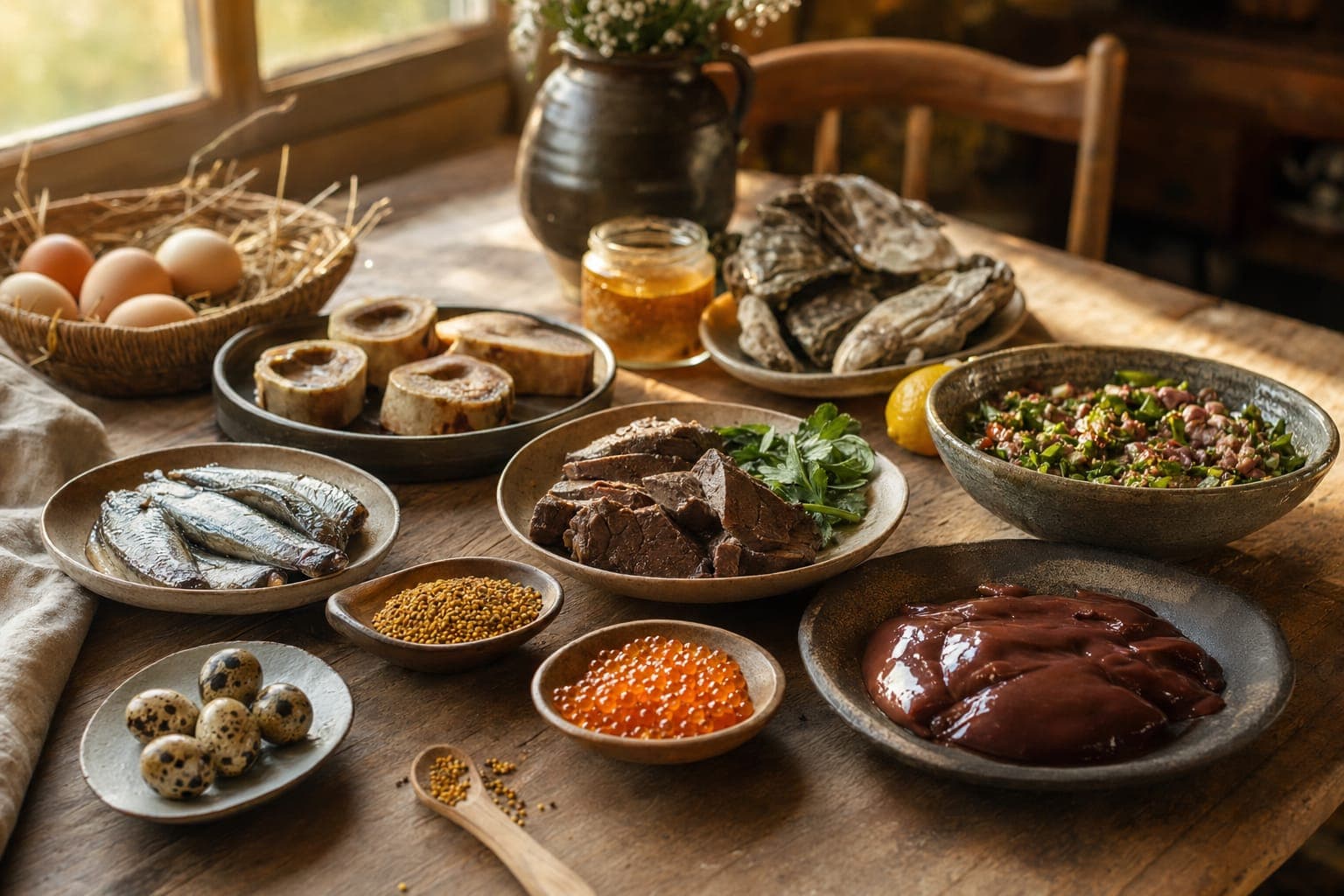
Cultures around the world recognised specific foods for reproductive health. Fish eggs in Japan, organ meats in Africa, liver in Russia, bee pollen globally.

Health goals
Testosterone and Nutrition: What Men Need to Know
Testosterone production depends on zinc, selenium, cholesterol, and vitamin D. Here's what men need to eat to optimise it.
Real food, made effortless
Start my daily blendA few ways to use it
All recipes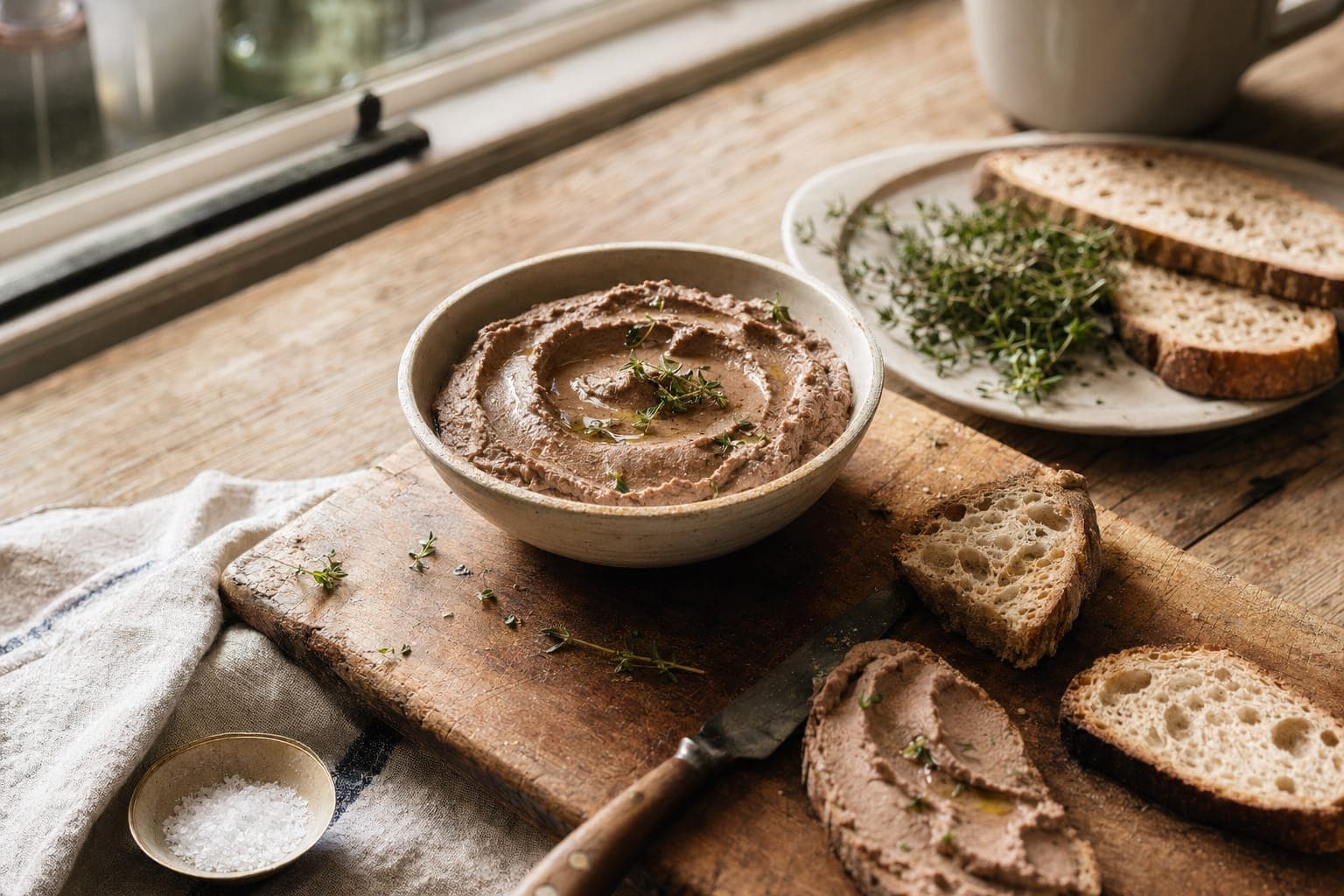
Liver Pate for Beginners: A Gentle Introduction to Organ Meats
Simple liver pate recipe to start eating organ meats. Chicken liver, butter, and herbs. Gentle introduction to nutrient-dense whole foods.

10 Ways to Use Organised That Aren't Just a Shake
Move beyond the basic shake. Discover 10 creative ways to use Organised in smoothie bowls, oats, yoghurt, baking, and more.
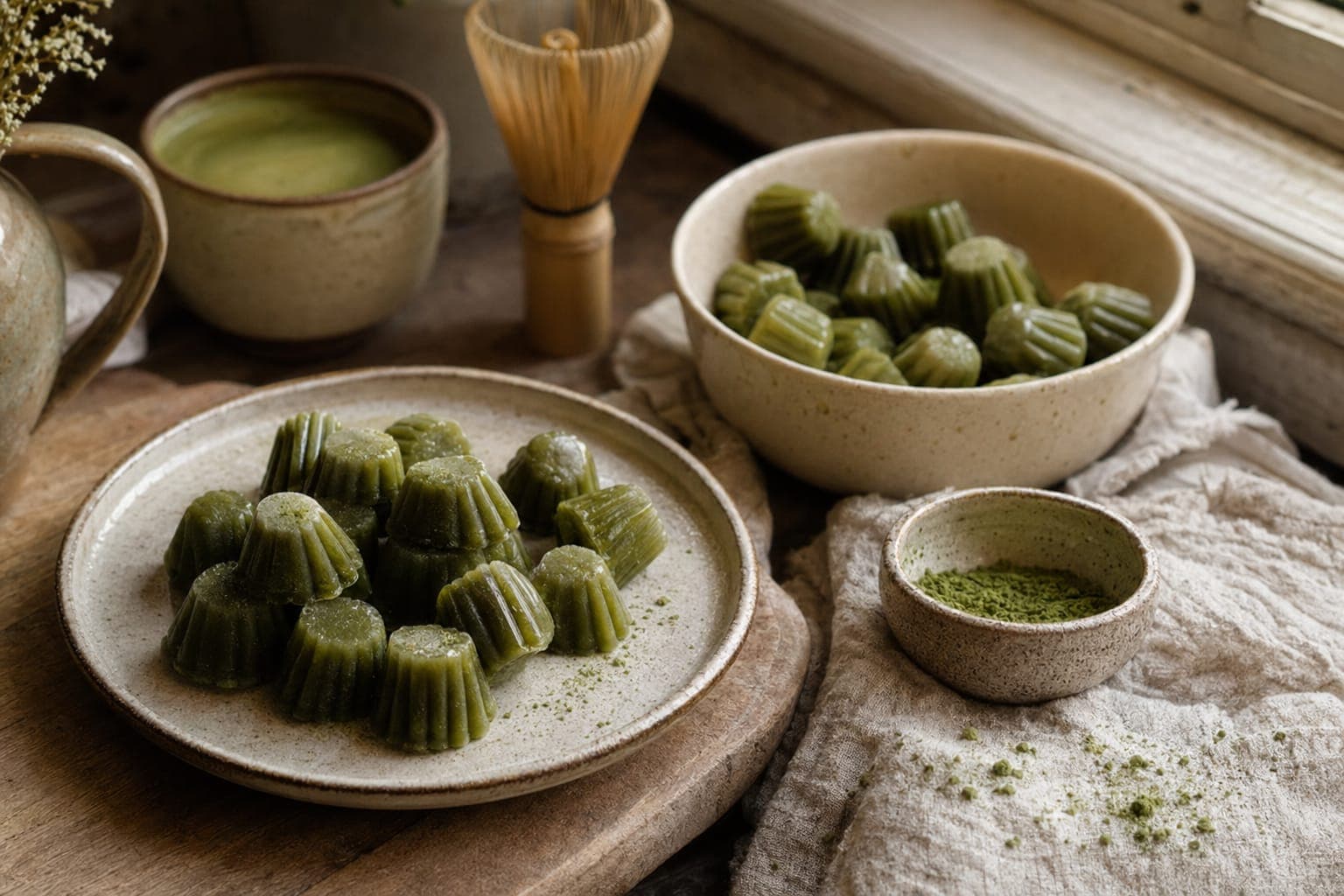
Matcha Latte Gummies with Collagen and Gelatine
Make visually stunning matcha latte gummies infused with collagen and gelatine. Simple recipe for gut-healing sweets you'll actually want to eat.


 Join over 100,000+ members
Build a better food system with us
The Organised community is thousands of people choosing real food and backing the farmers who grow it, all of us trying to leave the world a little better than we found it. If that is what you care about too, you belong here.