Rosacea and Gut Health: Is There a Connection?
Rosacea is described as a skin condition. You see a dermatologist. They prescribe a topical cream. It doesn't work. You try antibiotics. Temporary improvement. You try laser therapy. More money, questionable results. But rosacea isn't starting in your skin. It's starting in your gut. Treat the skin and rosacea persists. Treat the gut and rosacea often resolves.
By Niall Kiddle, Founder, Organised

Reviewed by Pedro Rodrigues, Agronomist (farming and sourcing only) ·
6 min read · Published · Updated · 2 cited sources
Makers of the Organised Daily blend, a grass-fed beef organ supplement from regenerative UK farms
What rosacea actually is
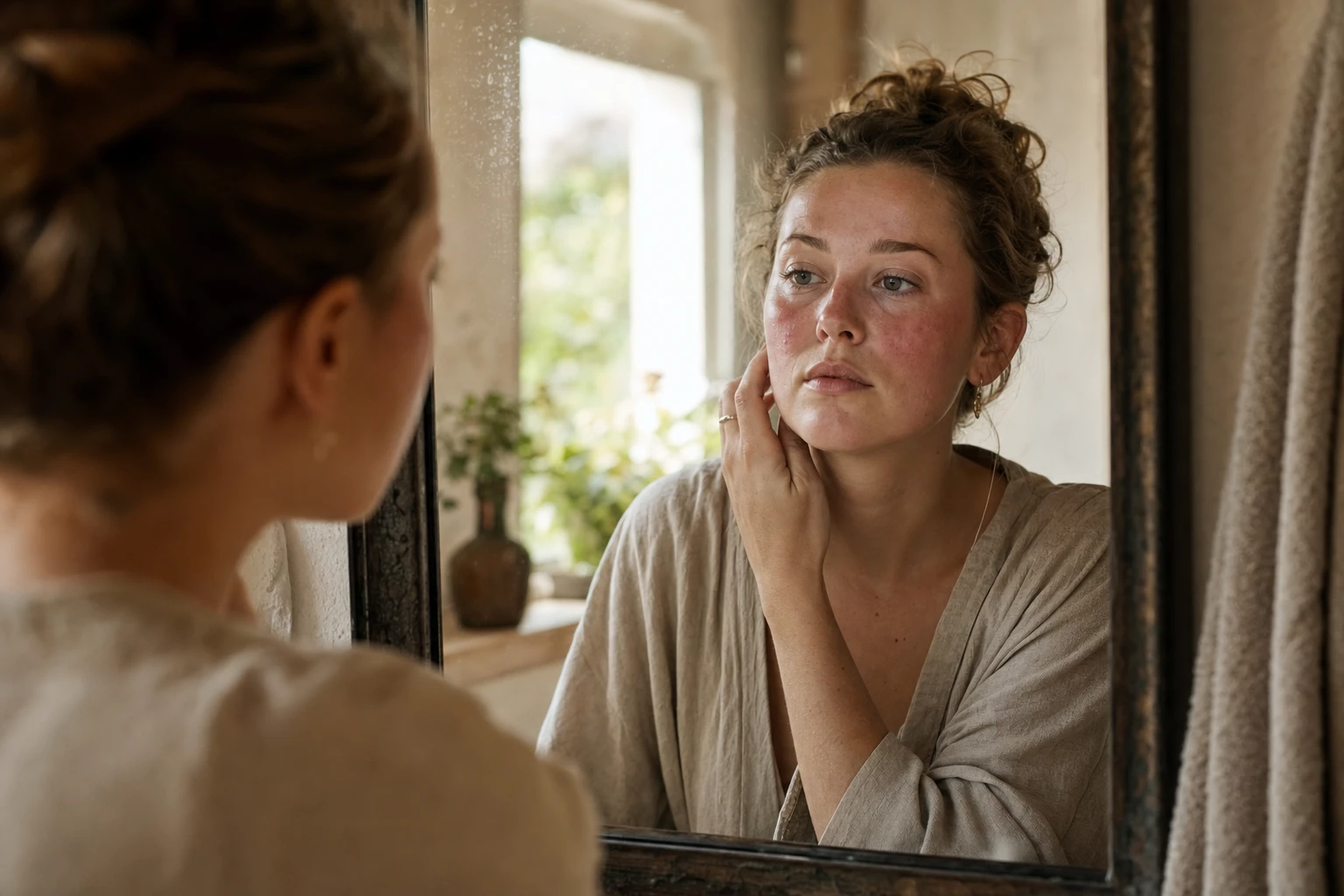
Rosacea is chronic facial flushing, redness, and sometimes pustules. It primarily affects the cheeks, nose, forehead, and chin. It gets worse with heat, alcohol, spicy food, and stress. Standard dermatology treats it as a skin condition with topical agents and oral antibiotics.
But the underlying mechanism isn't primarily in the skin. It's inflammatory. Your blood vessels are dilating excessively. Your immune system is activated. Histamine (the chemical released during immune response) is elevated. Your skin cells are inflamed.
The question is: why? Why is your immune system activated and your histamine elevated? The answer, research increasingly suggests, is your gut.
Rosacea isn't a skin disease. It's a manifestation of systemic inflammation driven by gut dysfunction.
The SIBO-rosacea connection
SIBO is small intestinal bacterial overgrowth. Bacteria that should live in your colon have migrated to your small intestine, where they ferment food and produce gas, bloating, and toxins. Growing evidence links SIBO and rosacea.
Studies have reported high rates of small intestinal bacterial overgrowth (SIBO) in rosacea patients; one Italian study by Parodi and colleagues (2008) found SIBO prevalence of 46% in rosacea patients versus 5% in matched controls, and rosacea symptoms improved after eradication of SIBO with rifaximin.1
Why? SIBO produces toxins that increase intestinal permeability. They trigger systemic inflammation. They increase histamine production. Your immune system becomes chronically activated. The inflammation expresses through your skin as rosacea.
This is why antibiotics temporarily help rosacea. They kill the bacteria causing SIBO. The inflammation decreases. Rosacea improves. But once you stop the antibiotics, the bacteria return. SIBO returns. Rosacea returns. You're treating the symptom, not the cause.
Rosacea patients with SIBO improve when their SIBO is treated. This isn't coincidence. It's causation.
The gut-skin axis
The gut-skin axis is an emerging area of dermatology research; alterations in gut microbiota have been associated with several skin conditions including rosacea, acne, atopic dermatitis and psoriasis.2
Your gut lining and your skin barrier are both epithelial tissues. They both depend on tight junction integrity. If your gut lining is permeable, your skin barrier is often compromised too. Dysbiosis damages one and likely damages the other.
The inflammatory molecules produced by dysbiotic bacteria travel through your bloodstream. They activate blood vessel cells. They increase histamine release. Your facial blood vessels dilate. You get rosacea.
This explains why rosacea gets worse with alcohol and spicy food. These increase intestinal permeability and histamine release. They worsen the underlying dysbiosis. Your skin responds with increased flushing and inflammation.
Histamine and inflammation
Dysbiotic bacteria and intestinal permeability increase histamine production and reduce histamine breakdown. Histamine causes blood vessel dilation, immune activation, and flushing. Your face becomes more reactive to normal triggers.
This is why antihistamine foods help rosacea. Foods rich in quercetin and other natural antihistamines (onions, berries, leafy greens) reduce histamine load. Your skin becomes less reactive.
But again, this is managing symptoms, not treating cause. The real fix is restoring your gut bacteria, healing your intestinal lining, and reducing systemic inflammation.
Histamine is the mechanism through which gut dysfunction becomes facial rosacea.
Treating rosacea from the inside
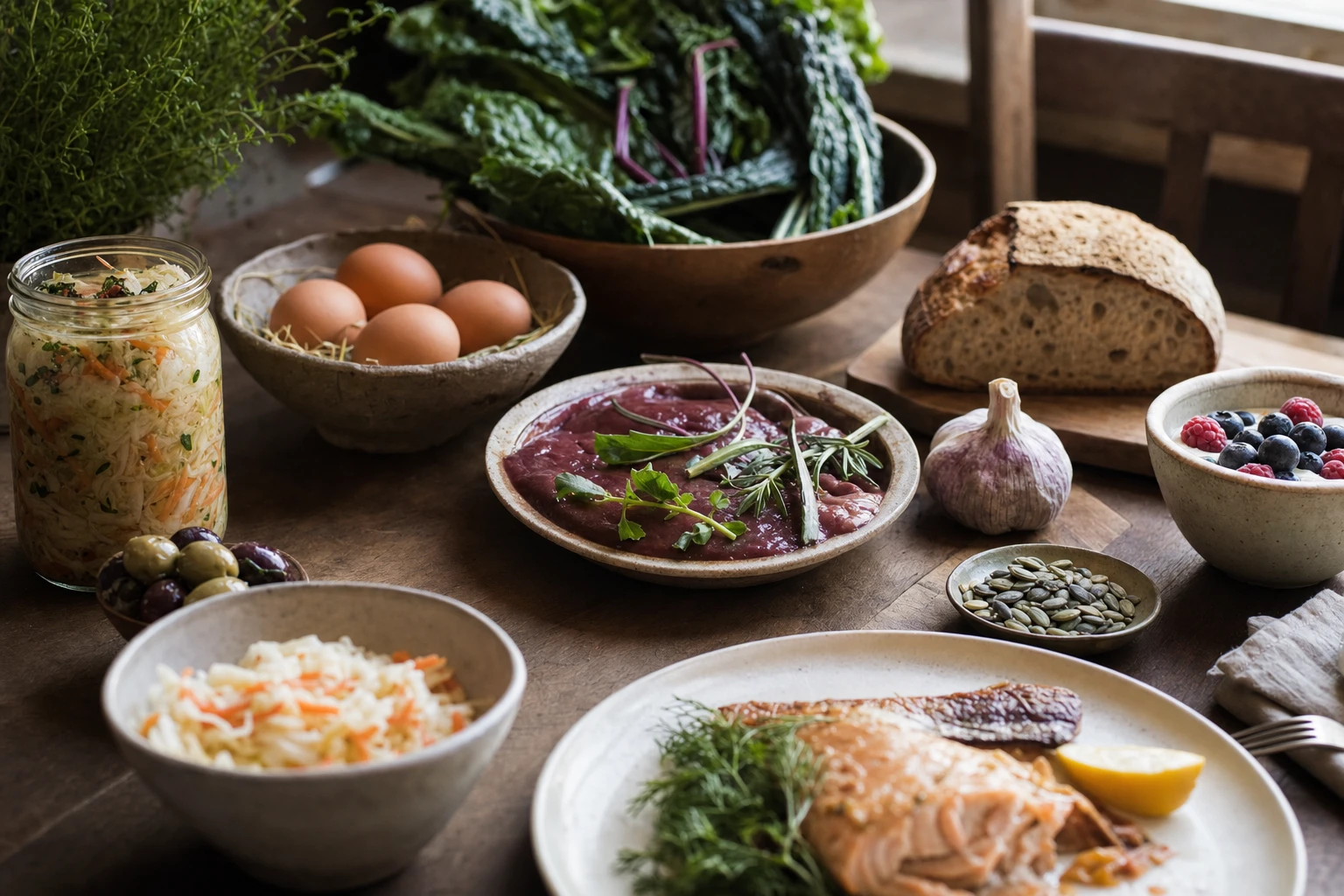
The protocol is the standard gut-healing protocol: remove foods that damage your barrier (seed oils, processed foods, high-histamine foods like aged cheese and fermented foods initially), add foods that heal (bone broth, organ meats, fresh vegetables), restore your bacteria (fermented foods once your gut is stable), and give it time.
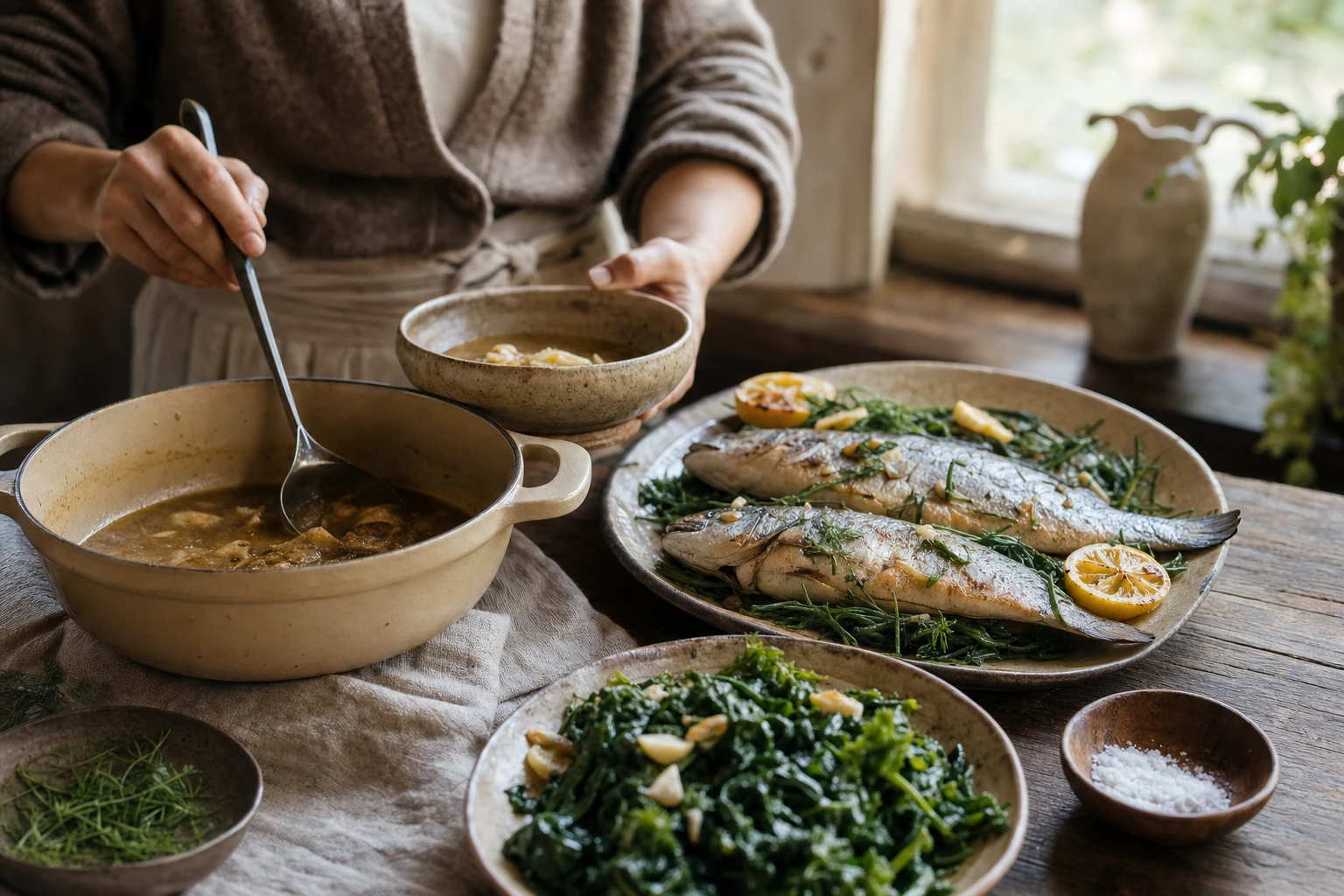
Specific foods that help: freshly cooked meat and fish (low histamine), fresh vegetables (not aged or processed), bone broth (heals barrier), and sea salt (provides minerals). Avoid: aged cheeses, cured meats, fermented foods initially, excess alcohol, spicy foods.
Most rosacea patients see significant improvement within 4 to 8 weeks of consistent gut healing. Some see complete resolution within three months. Not everyone resolves entirely, but most improve substantially. More importantly, they improve without long-term antibiotics or topical medications.
Heal your gut, and your skin often follows. Rosacea improves faster when you treat the source rather than the symptom.
SIBO: The rosacea culprit most people miss
Small intestinal bacterial overgrowth (SIBO) is increasingly recognised as a driver of rosacea. In SIBO, bacteria that should primarily live in your colon migrate to your small intestine. They ferment carbohydrates, producing gas, bloating, and inflammation. The inflammation is not localised to your gut. It spreads systemically, including to your skin.
SIBO and rosacea often co-occur. People with rosacea frequently have SIBO. People with SIBO frequently develop rosacea. The connection is so strong that treating SIBO sometimes resolves rosacea without any additional skin intervention.
SIBO develops when your gut motility (the movement of food through your digestive tract) is impaired. Stress suppresses motility. Low stomach acid impairs the normal antibacterial function of your gut. Poor diet compromises your bacterial balance. Over time, bacteria overgrow in your small intestine. The inflammation triggers rosacea in susceptible individuals.
Testing for SIBO uses a breath test that measures hydrogen and methane production (the gases bacteria produce). Some labs now offer more sensitive testing. If you have rosacea and chronic bloating or gas, SIBO testing is worth pursuing.
Many cases of rosacea that do not respond to skin treatments improve dramatically when the underlying SIBO is treated.
Get health guides like this, free
Two short reads a week on eating for energy, gut health, skin, sleep and more.
By signing up you agree to receive emails from us. No spam, unsubscribe anytime.
The gut-skin axis in rosacea: beyond just inflammation
The rosacea connection is not just inflammation. Your gut microbiome produces compounds that directly affect your skin barrier. Dysbiosis (imbalanced gut bacteria) reduces the production of short-chain fatty acids like butyrate, which strengthen your gut barrier. When your gut barrier is compromised, the systemic inflammation increases.
Your gut microbiome also produces neurotransmitters. Dysbiosis reduces serotonin and GABA production. These neurochemicals regulate blood vessel dilation and immune response. When they are depleted, blood vessels dilate excessively (flushing in rosacea) and immune response becomes overactive (the inflammatory response of rosacea).
Additionally, dysbiotic bacteria produce metabolites that trigger histamine release. Rosacea sufferers often have elevated histamine levels. Dysbiosis is a direct driver of this histamine elevation.
The practical implication is that healing rosacea requires addressing the underlying dysbiosis and gut permeability. Topical treatments can temporarily suppress symptoms. But without fixing your microbiome, rosacea will persist or recur.
Rosacea is not a skin disease. It is a skin expression of gut dysbiosis and permeability. Treat the gut and the skin follows.
1 of 9
Daily blend
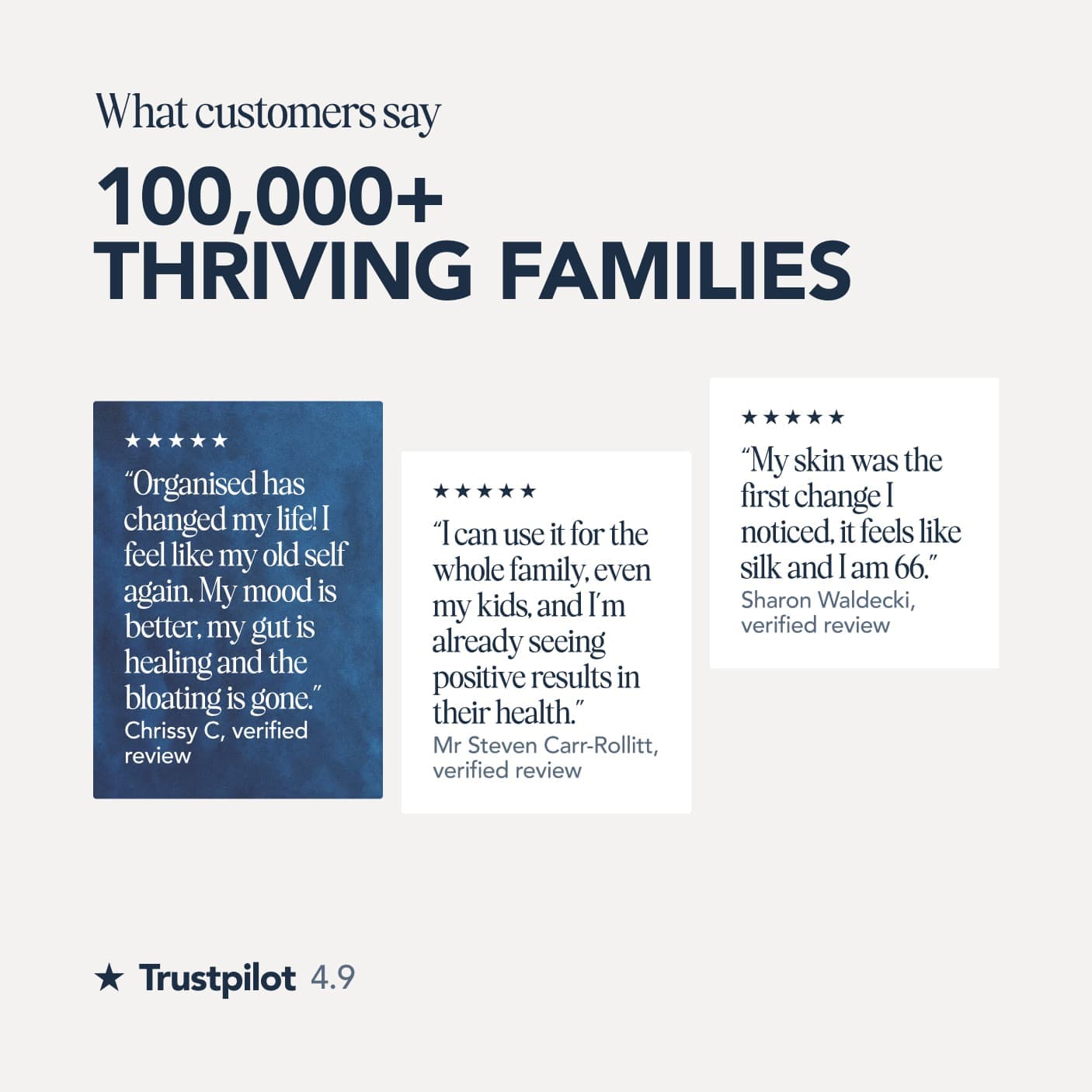
100,000+ thriving families4.9 on Trustpilot
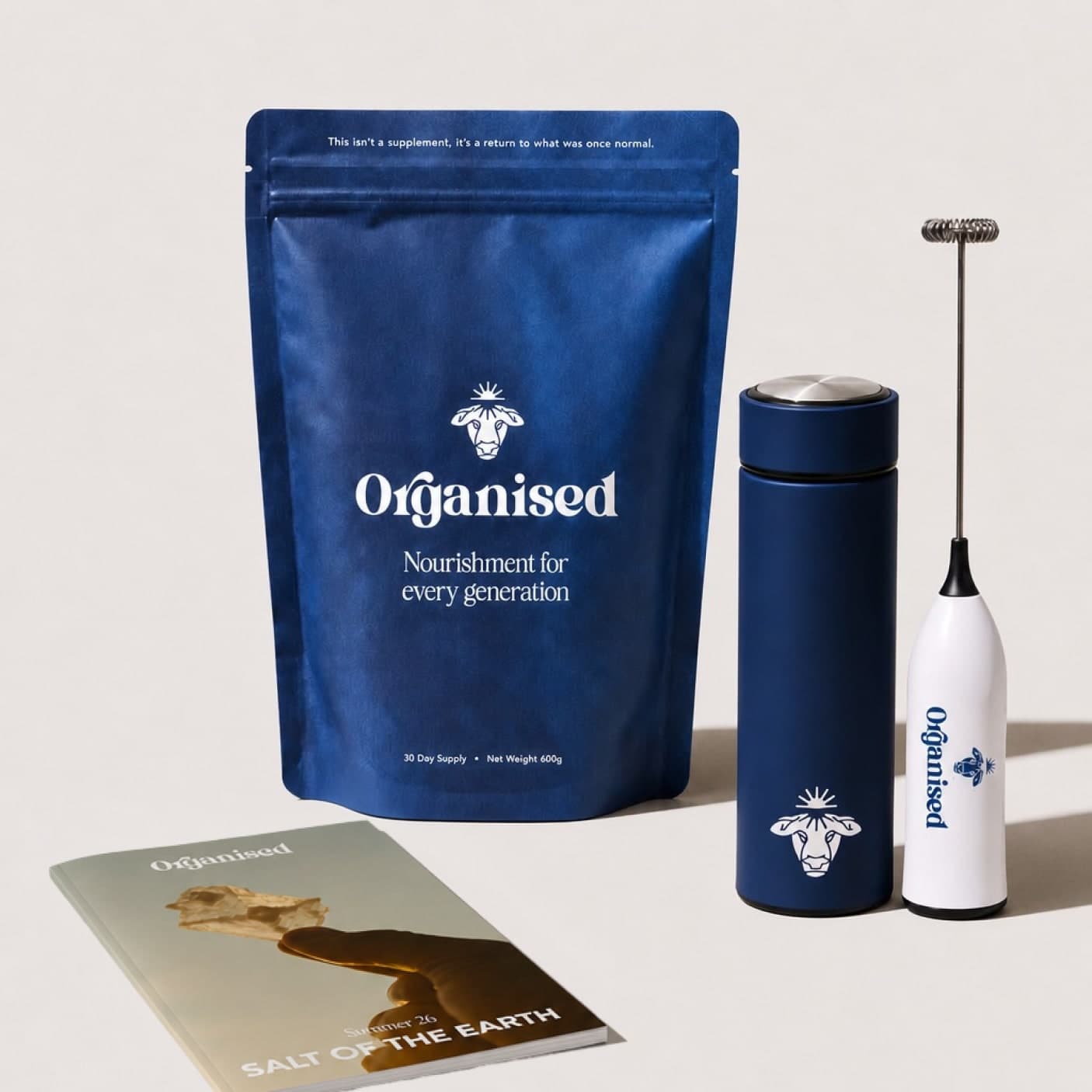
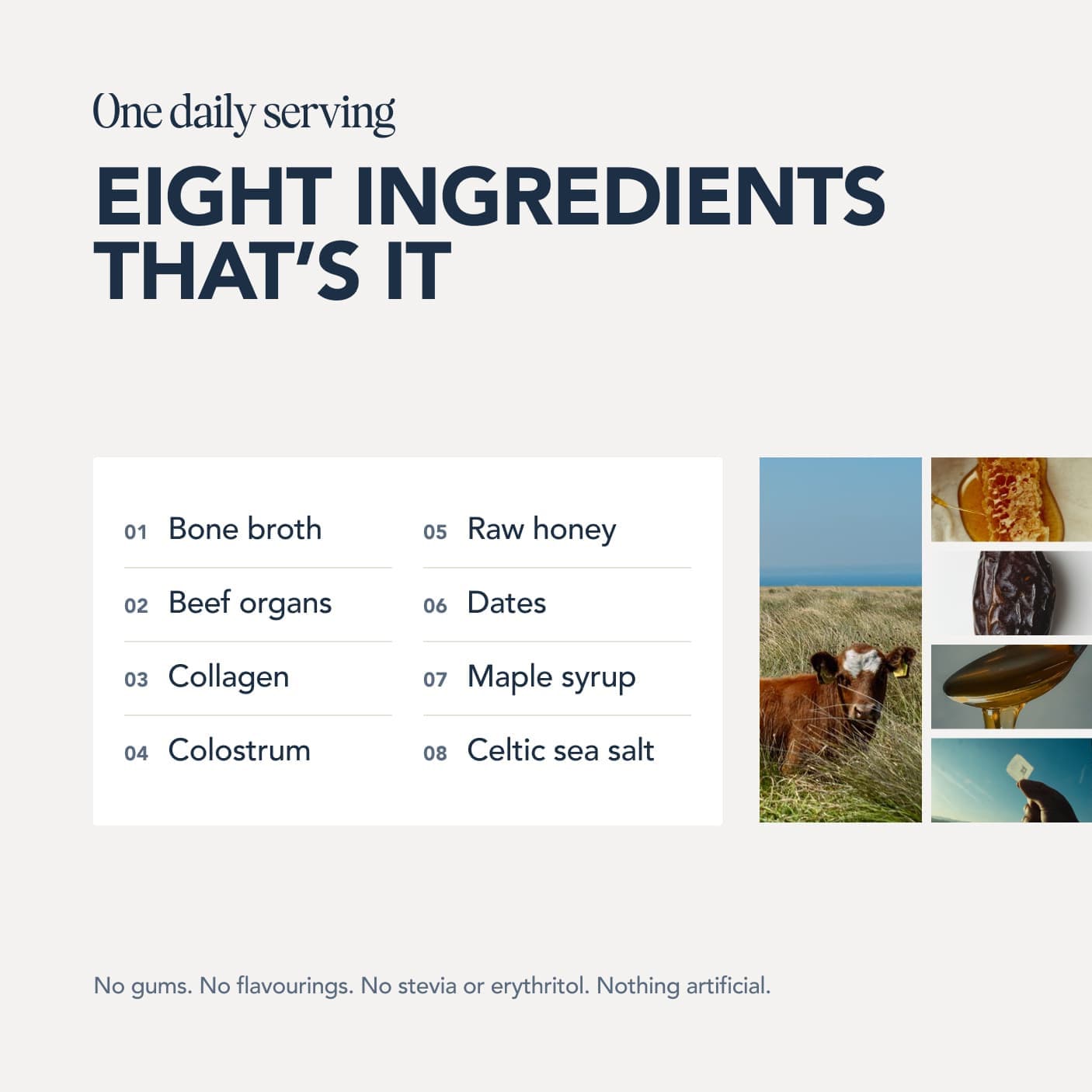
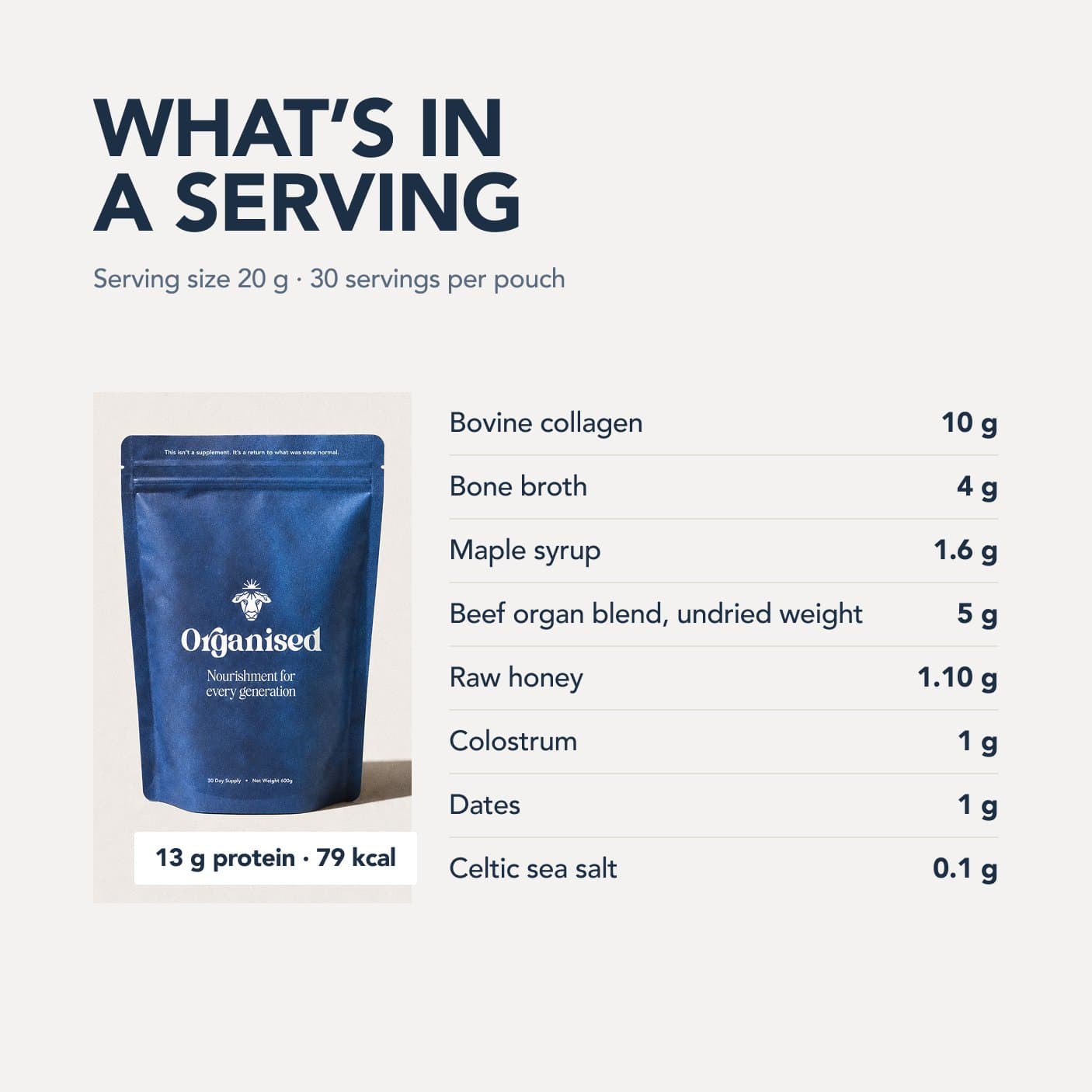
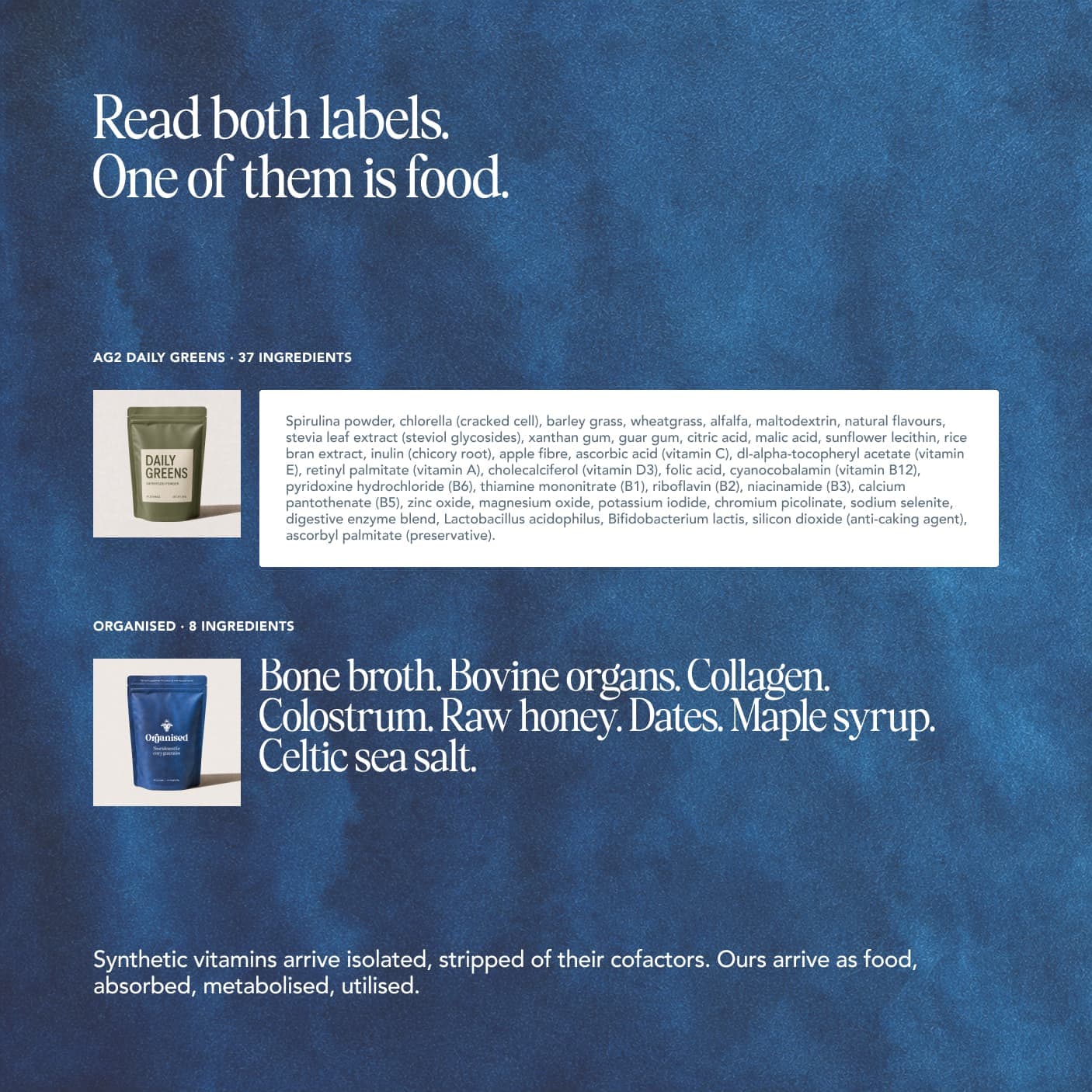
Eight real ingredients built around grass-fed beef organs, collagen and colostrum. Nothing synthetic added.
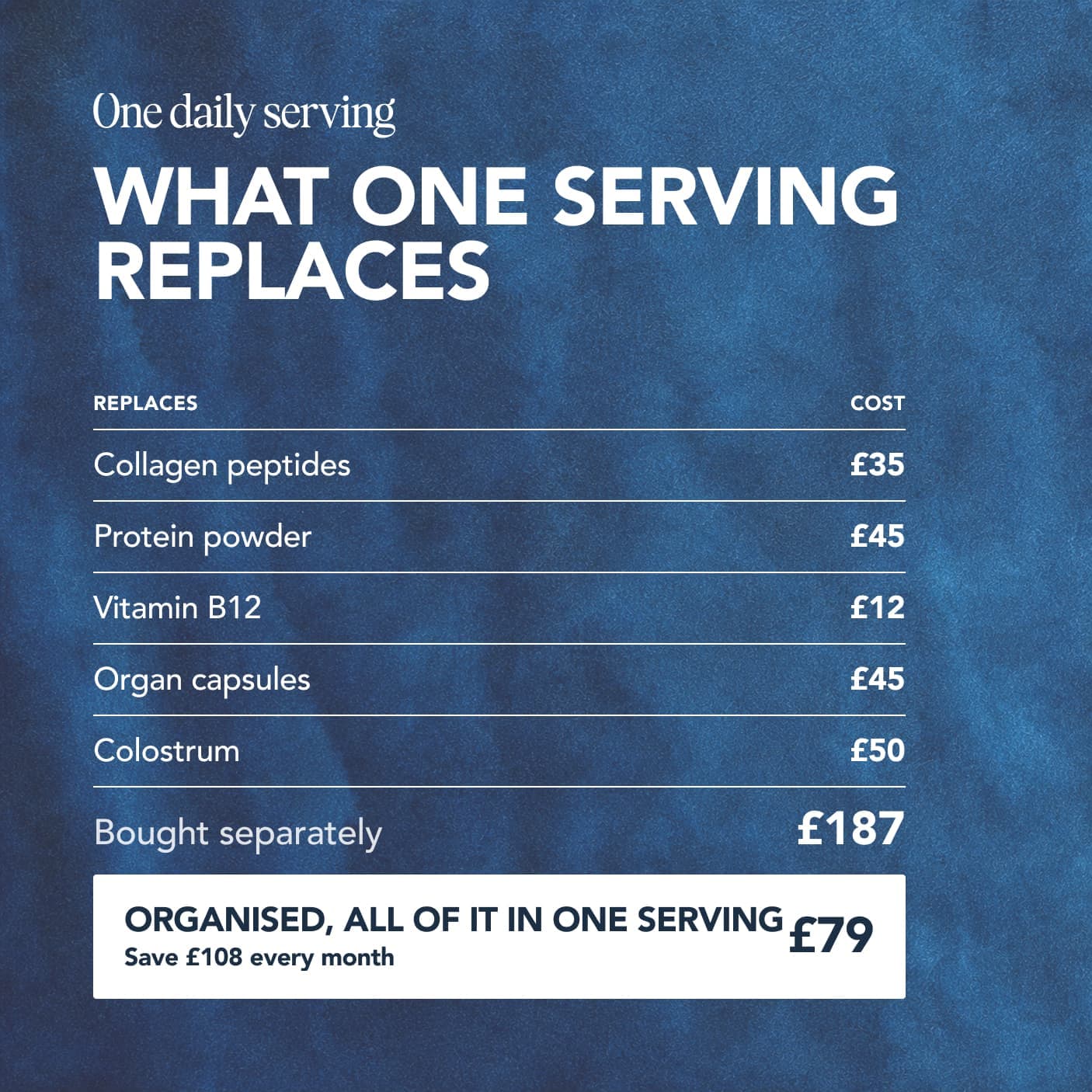
Free with your first order, worth £38. Plus £10 off the pouch with a subscription.
Free UK shipping · Made in England · 100 day money back guarantee on your first pouch · Skip, pause or cancel anytime
The rosacea-specific nutrition protocol
Beyond general gut healing, certain foods and practices are particularly helpful for rosacea.
Fatty fish rich in omega-3 fats reduce inflammation directly and support the production of beneficial bacteria. Three servings weekly is ideal for rosacea sufferers. The omega-3 fats reduce the inflammatory cascade that drives facial flushing.
Bone broth provides the amino acids (glutamine, glycine) that seal your gut barrier. It also contains compounds that reduce histamine. For rosacea specifically, bone broth is therapeutic. Daily consumption often improves symptoms within two to four weeks.
Foods high in vitamin A (liver, leafy greens, eggs) support skin barrier integrity and reduce excessive immune response in the skin. Vitamin A deficiency is common in people with rosacea.
Histamine-low foods become important. Aged cheeses, cured meats, fermented foods, and leftovers are high in histamine. Fresh foods are low. For rosacea sufferers with dysbiosis-driven histamine excess, shifting toward fresh foods and away from aged/fermented foods (despite their probiotic benefits) often helps.
Importantly, remove triggers. For many people with rosacea, spicy foods, alcohol, and caffeine trigger flushing. This is not because these foods are inherently harmful, but because dysbiosis has made your system sensitive to them. As you heal your gut, these triggers often become tolerable again.
Rosacea improves with omega-3 rich fish, daily bone broth, vitamin A foods, and fresh foods low in histamine. The improvement happens gradually as your gut heals.
The timeline is longer for rosacea than for other gut-driven skin conditions because rosacea involves more complex immune dysregulation. Expect six to twelve weeks of consistent protocol before you see substantial improvement. Most people see at least 50 percent improvement within this timeframe.
The bottom line
If you have rosacea, get tested for SIBO. Whether the test is positive or not, treat your gut as if dysbiosis is present. Remove inflammatory foods. Add healing foods. Support your gut bacteria and barrier. Give it time. Your skin will respond. Not because you're applying a better cream or taking a stronger antibiotic. But because you're finally addressing the actual source of the inflammation.
References
Every source below was checked on 27 August 2026. Each PubMed, PMC and DOI identifier was resolved against NCBI or Crossref, and what it opens is printed under the citation, so you can see the link goes where the citation says without leaving the page. Where a citation and its identifier disagreed, the citation was corrected to the record or the reference was deleted along with the sentence marker that pointed at it, and where the resolved paper turned out not to support the sentence, the sentence was cut back to what it does support. Borrowed authority is worse than none, because it looks like rigour.
- Parodi A, Paolino S, Greco A, et al. Small intestinal bacterial overgrowth in rosacea: clinical effectiveness of its eradication. Clin Gastroenterol Hepatol. 2008. https://pubmed.ncbi.nlm.nih.gov/18456568/Checked 27 August 2026: PMID 18456568 opens Parodi A, Paolino S, Greco A et al, Small intestinal bacterial overgrowth in rosacea: clinical effectiveness of its eradication. Clin Gastroenterol Hepatol 2008;6(7):759-64. PubMed indexes it as: Randomized Controlled Trial.
- Salem I, Ramser A, Isham N, Ghannoum MA. The Gut Microbiome as a Major Regulator of the Gut-Skin Axis. Frontiers in Microbiology. 2018. https://pmc.ncbi.nlm.nih.gov/articles/PMC6048199/Checked 27 August 2026: PMC6048199 opens Salem I, Ramser A, Isham N et al, The Gut Microbiome as a Major Regulator of the Gut-Skin Axis. Front Microbiol 2018;9:1459. PubMed indexes it as: Review.
Who wrote and reviewed this guide
Niall Kiddle
Author · Founder, Organised
Niall is the founder of Organised. He started the company in 2024 after fixing his own health the slow way: in 2022 he swapped a cupboard of synthetic supplements for real food, raw milk, organ meats, bone broth and honey, and felt the difference within months.
Areas of expertise: Ancestral nutrition, Organ meats, Whole-food supplementation, Gut health, Regenerative sourcing
Read Niall's full profile
Pedro Rodrigues
Reviewer · Agronomist (farming and sourcing only)
Pedro is the agronomist Organised works with on farming and sourcing. His job on the guides is to keep the science honest: he reviews what we publish about soil health, regenerative agriculture, grazing and the way food is actually produced.
Areas of expertise: Regenerative agriculture, Agronomy, Soil health, Grass-fed farming, Food sourcing
Reviewed this guide on
Read Pedro's full profileMore on skin
View all- How to Build Collagen Naturally Without Injections
- How to Feed Your Skin from the Inside Out
- A Whole Food Skincare Routine: Morning to Night
- Collagen for Anti-Ageing: What the Clinical Trials Show
- Dark Circles Under Your Eyes? It Might Be a Nutrient Deficiency
- Eczema and Nutrition: What the Research Suggests
- How to Eat for a Natural Glow (Without Products)
- How Zinc, Copper and Selenium Work Together for Clear Skin
- Psoriasis and Nutrition: What Helps and What Hinders
- Retinol from Beef Liver vs Retinol in Skincare: Which Actually Works?
- The Foods That Age Your Skin Fastest
- Why Your Skin Looks Better When You Eat Organ Meats
Browse the guides library
All guidesKeep reading
Health goals
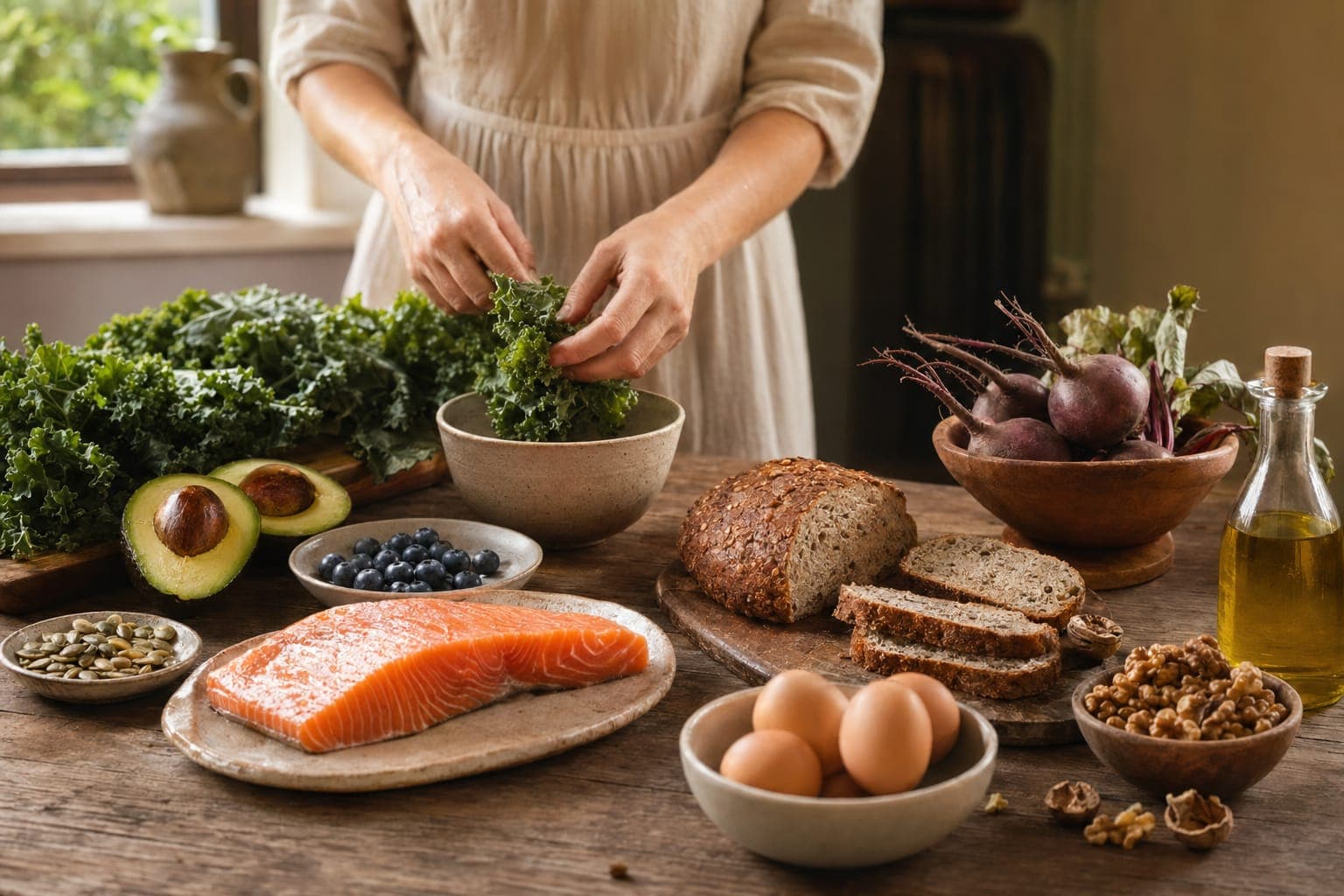
How to Feed Your Skin from the Inside Out
The complete guide to skin nutrition. Learn which nutrients transform your skin and the specific food sources to eat them from.
Health goals
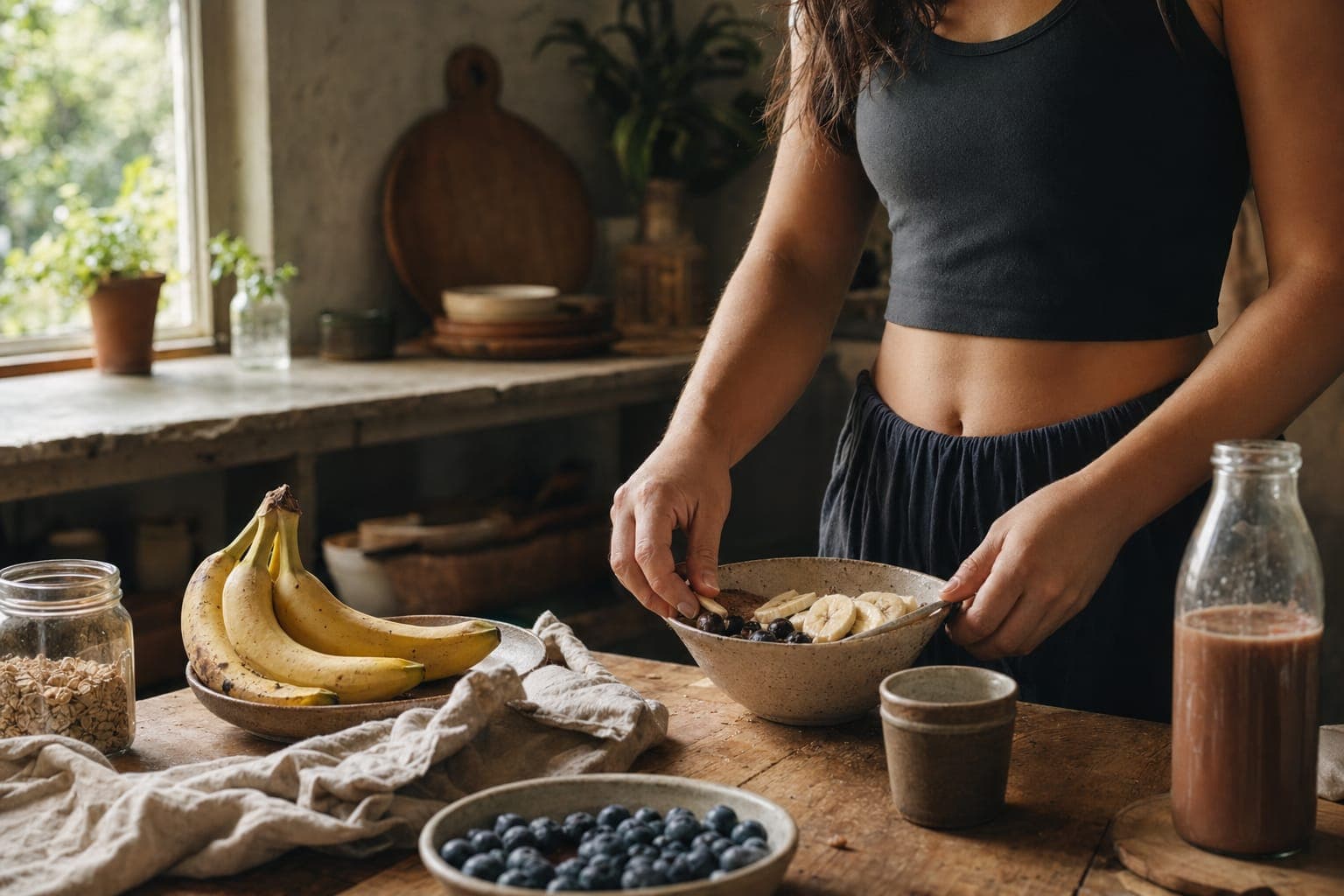
How to Fuel a Workout Without Synthetic Supplements
Power your training with natural workout fuel instead of synthetic supplements. Simple whole food energy strategies for before, during, and after exercise.

Health goals
Memory and Nutrition: Feeding Your Brain at Every Age
Discover how memory and nutrition connect at every life stage, with the specific nutrients your brain needs and the whole foods that help you stay sharp.
Real food, made effortless
Start my daily blendA few ways to use it
All recipes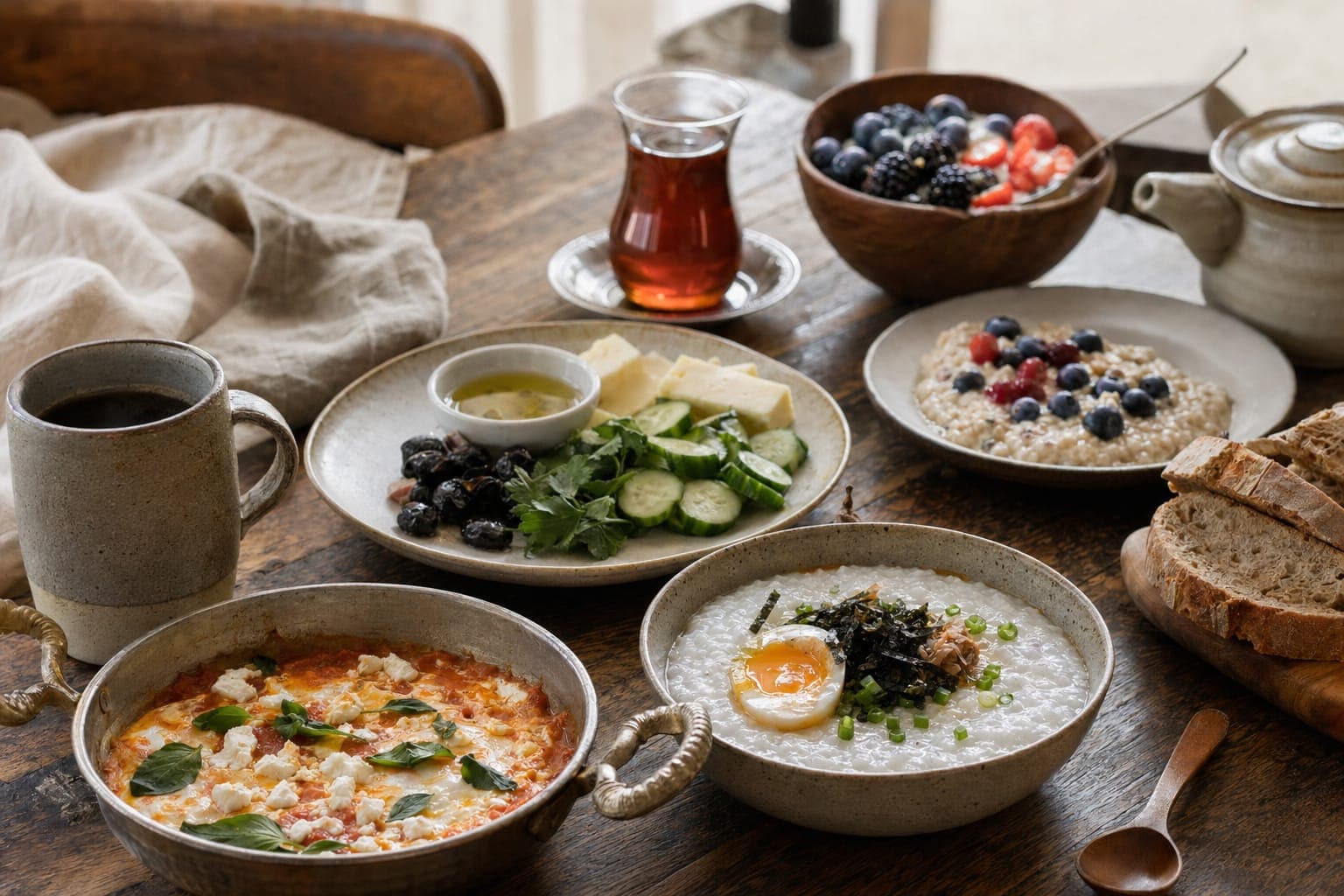
Ancestral Breakfast Ideas from Around the World
Traditional breakfast recipes from cultures that got nutrition right. Japanese, Turkish, Scottish, and more. Whole-food breakfast inspiration.
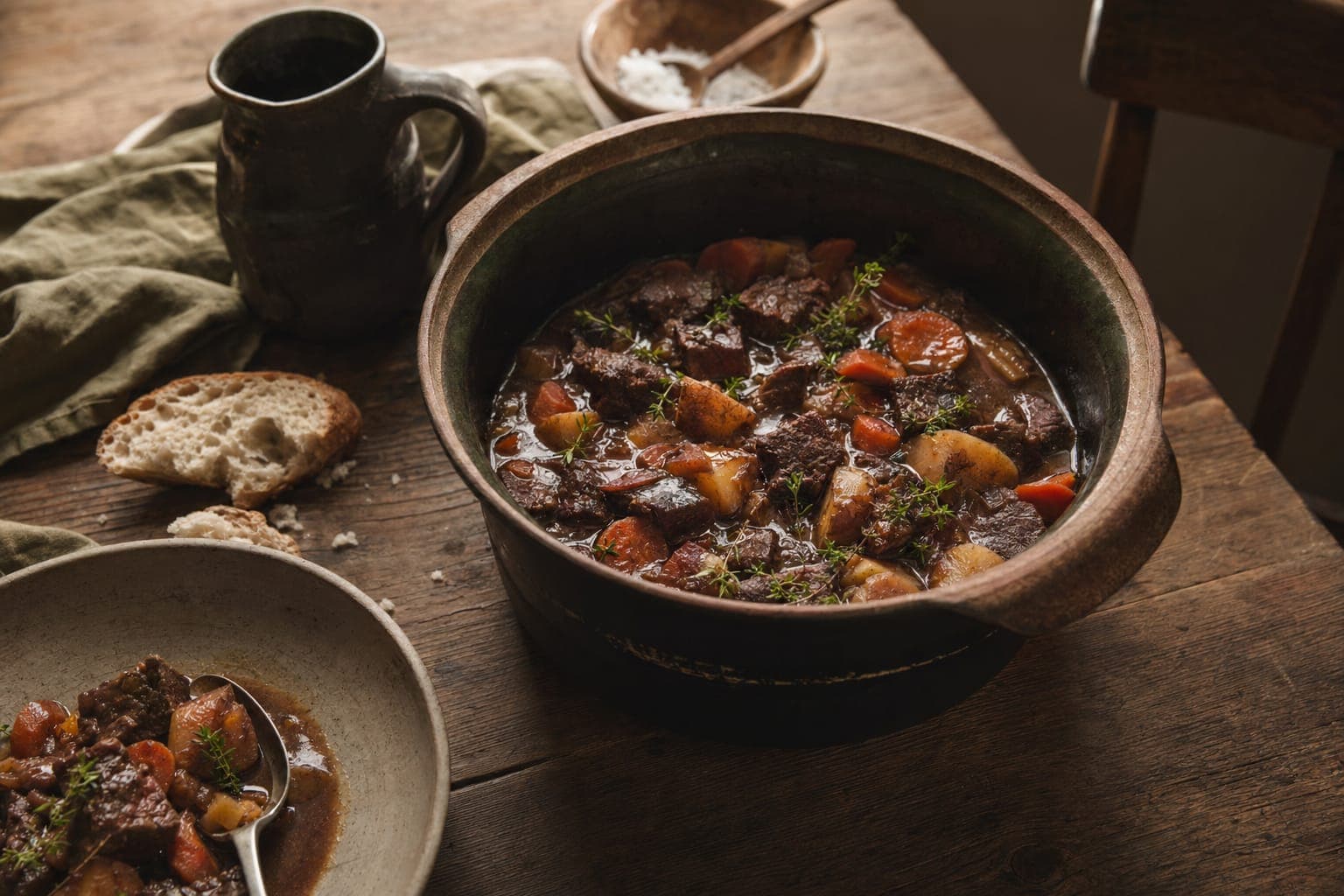
Collagen-Rich Beef Stew: Slow-Cooked Nourishment
Beef stew that delivers collagen from connective tissue and bone broth. Winter comfort food that actually nourishes. Simple slow cooker recipe.
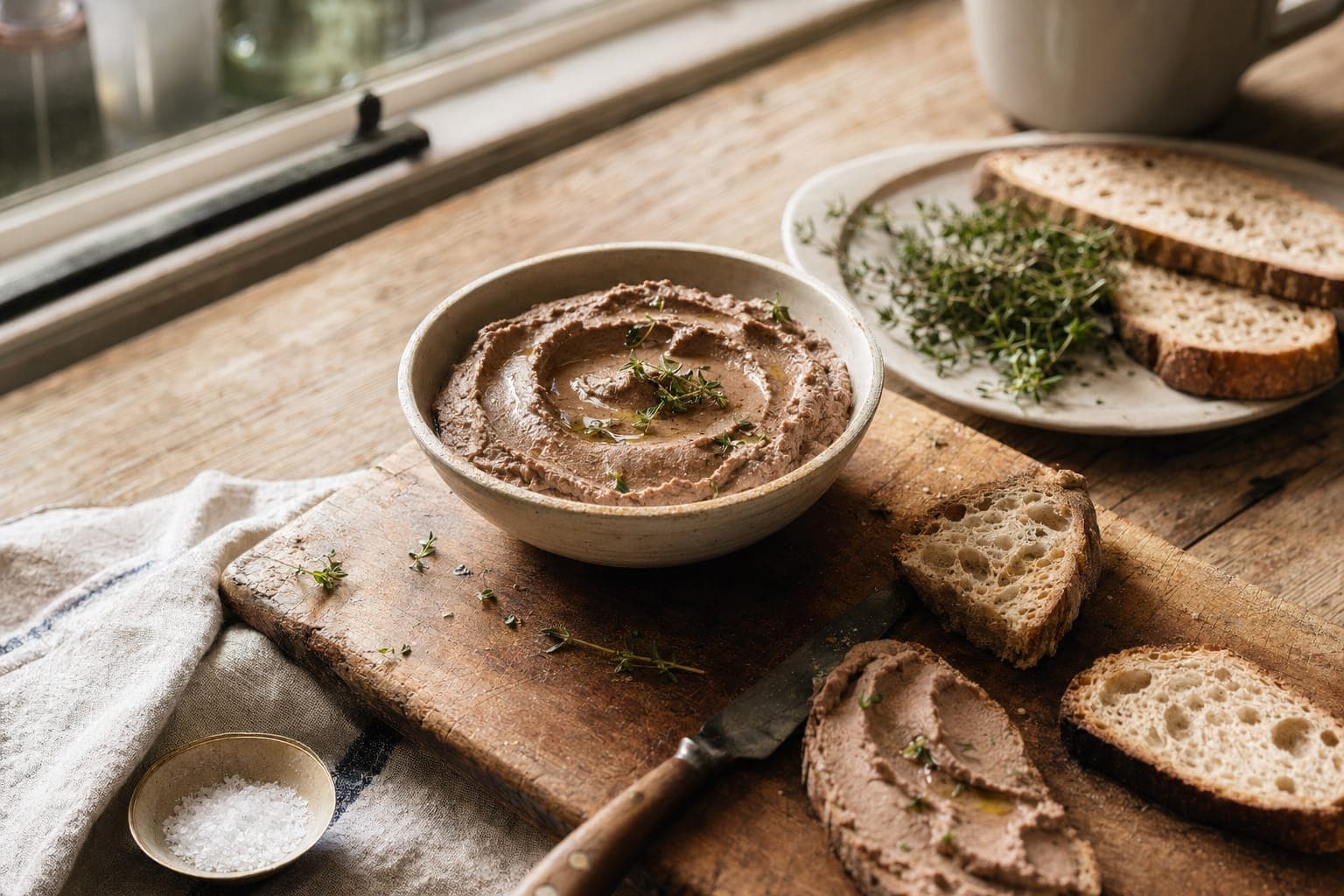
Liver Pate for Beginners: A Gentle Introduction to Organ Meats
Simple liver pate recipe to start eating organ meats. Chicken liver, butter, and herbs. Gentle introduction to nutrient-dense whole foods.


 Join over 100,000+ members
Build a better food system with us
The Organised community is thousands of people choosing real food and backing the farmers who grow it, all of us trying to leave the world a little better than we found it. If that is what you care about too, you belong here.