Scalp Health: Why It Matters for Hair Growth
You can buy every expensive shampoo on the market. You can massage your scalp every morning. You can take every hair vitamin going. But if your scalp isn't healthy, nothing else matters. Hair doesn't grow from the bottle. It grows from the soil. And that soil is your scalp.

By Niall Kiddle, Founder, Organised

Reviewed by Pedro Rodrigues, Agronomist (farming and sourcing only) ·
5 min read · Published · Updated · 5 cited sources
Makers of the Organised Daily blend, a grass-fed beef organ supplement from regenerative UK farms

Hair doesn't grow from the bottle. It grows from the soil. And that soil is your scalp.
The scalp is the foundation
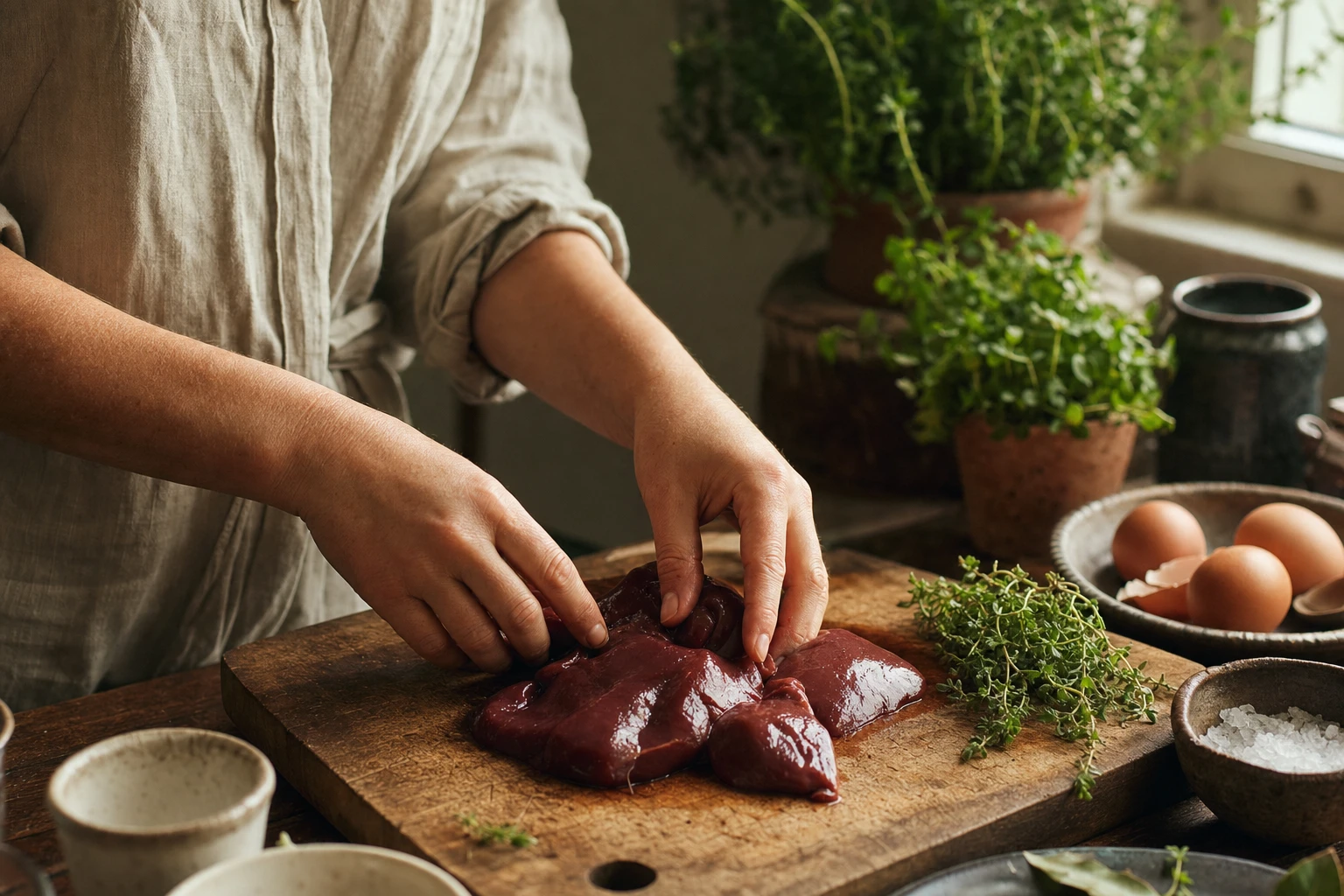
Most people think about hair loss from the perspective of the hair itself. The strand is brittle, thin, falling out. They buy thickening shampoo. They get a fancy cut. They take collagen supplements. But this is addressing the symptom, not the cause.
Hair grows from the follicle, which sits in the scalp. The follicle is fed by tiny blood vessels. Nutrients arrive through the bloodstream, delivered to the dermal papilla at the base of the follicle. If that blood flow is compromised, if those nutrients aren't present, the hair has nothing to work with. It's weak before it even emerges.
The scalp is not some passive surface. It's living tissue. It has an immune system. It has a microbiome. It responds to inflammation, poor circulation, and nutrient deficiency the same way the rest of your body does. But because it's the scalp, the signals show up as hair loss before they show up anywhere else.
Your hair is a barometer of your internal health. If your scalp is struggling, your hair will show it first.
Blood flow and nutrient delivery
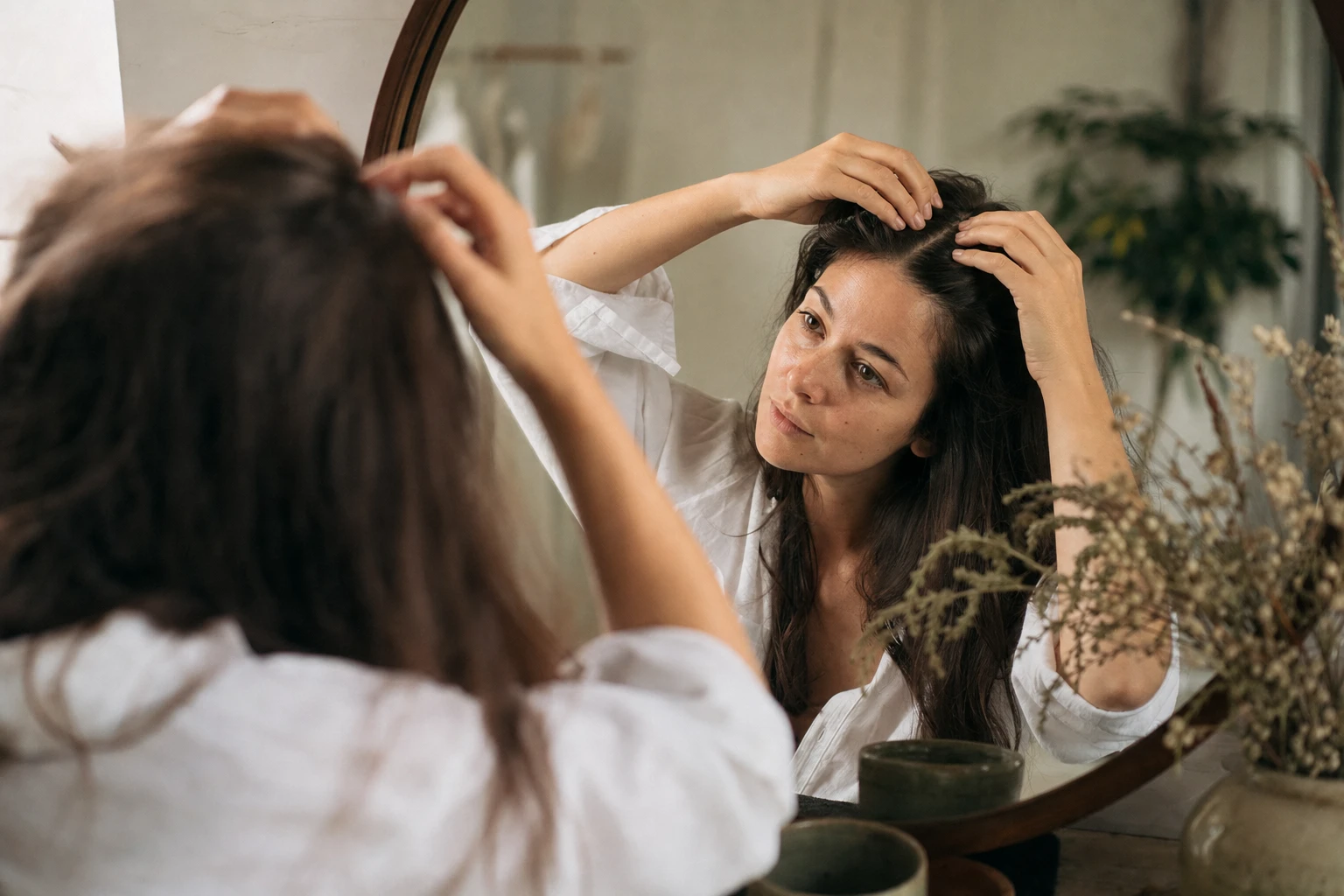
Scalp circulation is surprisingly fragile. If you spend eight hours hunched at a desk, if you're chronically stressed, if your neck and shoulders are permanently tight, blood flow to the scalp decreases. The follicles don't get oxygen. They don't get nutrients. They go dormant.
This is why you often see hair loss paired with tension headaches and neck pain. The root cause isn't separate. It's the same thing. Chronically poor circulation and chronically tight muscles interrupting blood flow.
The good news is that circulation can be restored. Gentle scalp massage, five minutes a day, using your fingertips to work in small circles across the scalp, increases blood flow. But massage alone isn't enough. You need the nutrients flowing through that blood.
Heat also helps. A warm shower, time spent in a sauna, even a hot-water rinse at the end of your shower dilates blood vessels and increases scalp circulation. This is why people often report better hair growth when they're spending more time outdoors or living somewhere warmer.
The nutrients your scalp needs
Zinc is foundational. It's involved in protein synthesis, which is essential for building new hair.5 It also regulates oil balance on the scalp, preventing it from becoming either too dry or too sebum-heavy. Zinc deficiency shows up as thinning hair, brittle nails, and often dermatitis or itchy scalp.
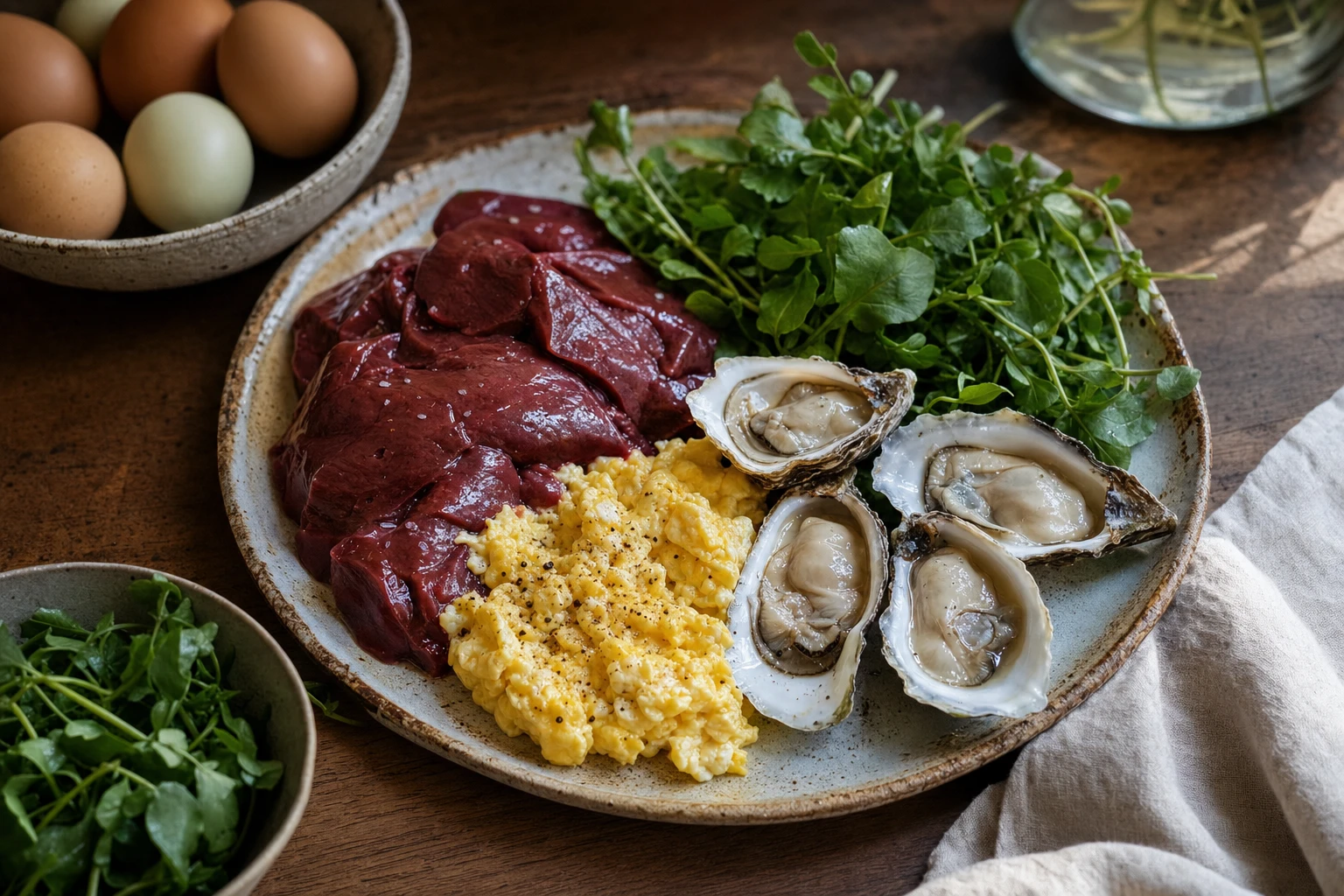
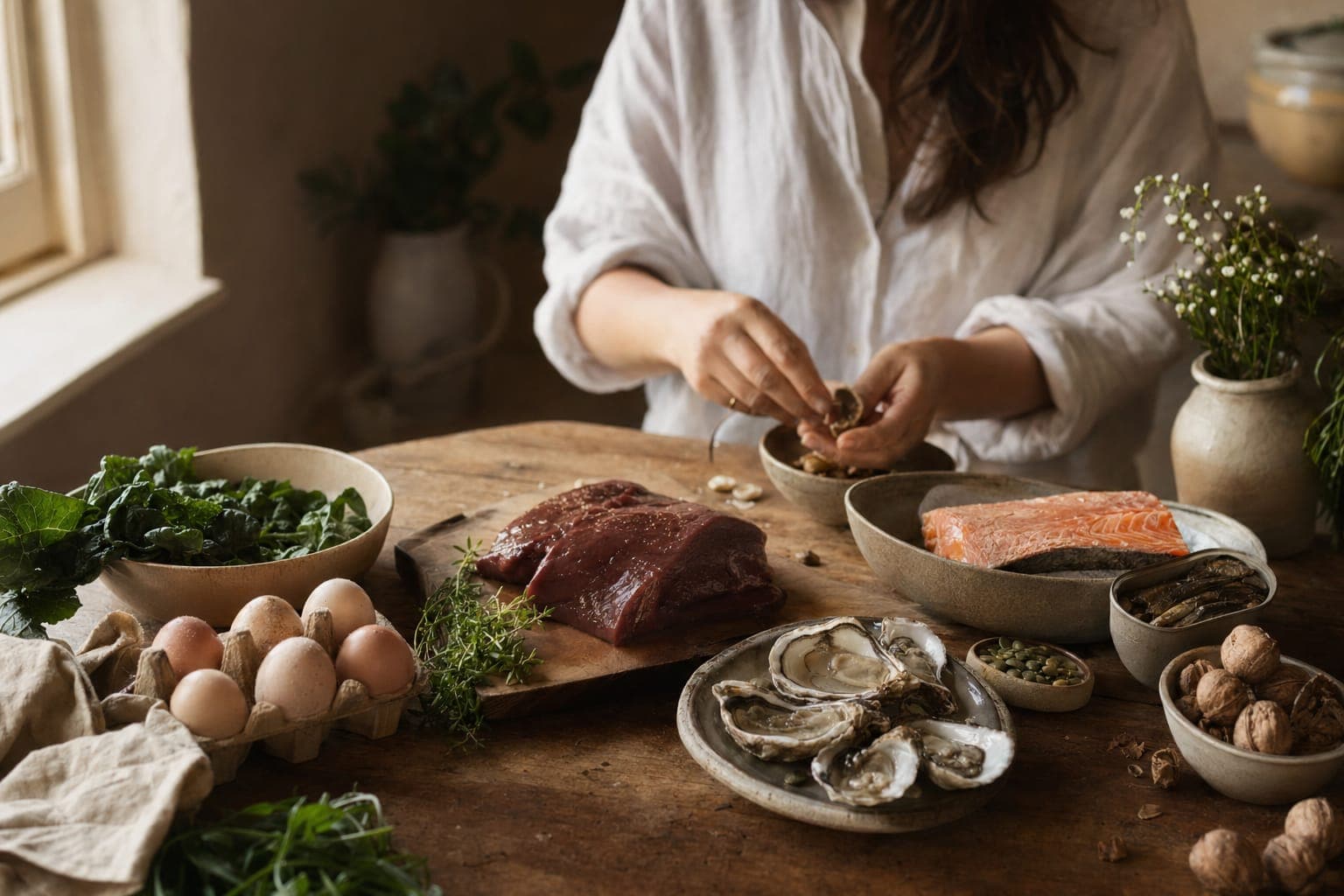
The best sources are red meat, oysters, and pumpkin seeds. If you're plant-based, you need substantially more pumpkin seeds to get equivalent zinc, and absorption is lower.
Selenium works with zinc to regulate the immune system on the scalp and to protect hair follicles from oxidative stress. It's found in Brazil nuts (two or three a day is plenty), fish, and eggs.
Iron carries oxygen to the follicles. When iron is low, the follicle shifts into a resting phase and hair falls out.2 This is especially common in women with heavy periods or those who've been restricting red meat. Liver is the most bioavailable source, followed by red meat and oysters.
Vitamin A regulates cell turnover on the scalp, preventing excessive shedding and maintaining a healthy microbiome.3 It's found in liver, eggs, and orange vegetables. The body can convert beta-carotene from plants into vitamin A, but the conversion is poor (around 3 to 6 per cent), so preformed vitamin A from animal sources is more reliable.4
Zinc, selenium, iron, and vitamin A are the four minerals your follicles cannot function without. If you're deficient in any of them, hair loss is often the first sign.
Get health guides like this, free
Two short reads a week on eating for energy, gut health, skin, sleep and more.
By signing up you agree to receive emails from us. No spam, unsubscribe anytime.
When inflammation sabotages growth
Scalp inflammation is a silent killer of hair growth. It can be triggered by food sensitivities, by chronic gut dysbiosis, or by autoimmune activation. When the scalp is inflamed, the immune system treats the follicle as a threat. It attacks. Hair falls out.
This is why people with coeliac disease, with unmanaged Hashimoto's, or with severe dysbiosis often experience dramatic hair loss. It's not that they're not eating enough protein. It's that their scalp is in a state of chronic immune activation.
Food sensitivities show up on the scalp faster than anywhere else. If gluten, dairy, or a specific food is triggering inflammation in your gut, your scalp will respond first. You might notice increased shedding a week or two after eating the trigger food.
Chronic stress also inflames the scalp indirectly, by dysregulating the immune system and raising cortisol. High cortisol shifts the body into a catabolic state, breaking down tissue rather than building it. Hair falls into the resting phase earlier than it should.
Rebuilding scalp health
Start with the basics. Scalp massage for five minutes daily, using your fingertips to work in small circles. Warm water at the end of your shower to dilate blood vessels. And if you can, rosemary oil. Research suggests that rosemary oil applied topically is as effective as minoxidil for stimulating hair growth, and it works by increasing circulation and reducing inflammation.1
Make sure you're eating enough protein, especially animal protein, which contains all the amino acids needed to build hair. Aim for liver at least once a week, red meat several times a week, and eggs most days. If you're not eating meat, you need to be particularly deliberate about zinc, iron, and vitamin A supplementation, as plant sources are poorly absorbed.
Identify and remove food sensitivities. Keep a food and symptom diary for six weeks. Note increased shedding or scalp irritation alongside what you ate. Common triggers are gluten, dairy, and seed oils.
Manage stress through movement, time outside, and nervous system support. A calm nervous system maintains normal hair growth cycles. A stressed nervous system shuts hair growth down to conserve energy.
Hair health is a delayed indicator. It takes three to six months to see changes because that's how long the hair growth cycle is. But rebuilding the scalp now means healthier, thicker hair three months from now.
1 of 9
Daily blend
100,000+ thriving families4.9 on Trustpilot
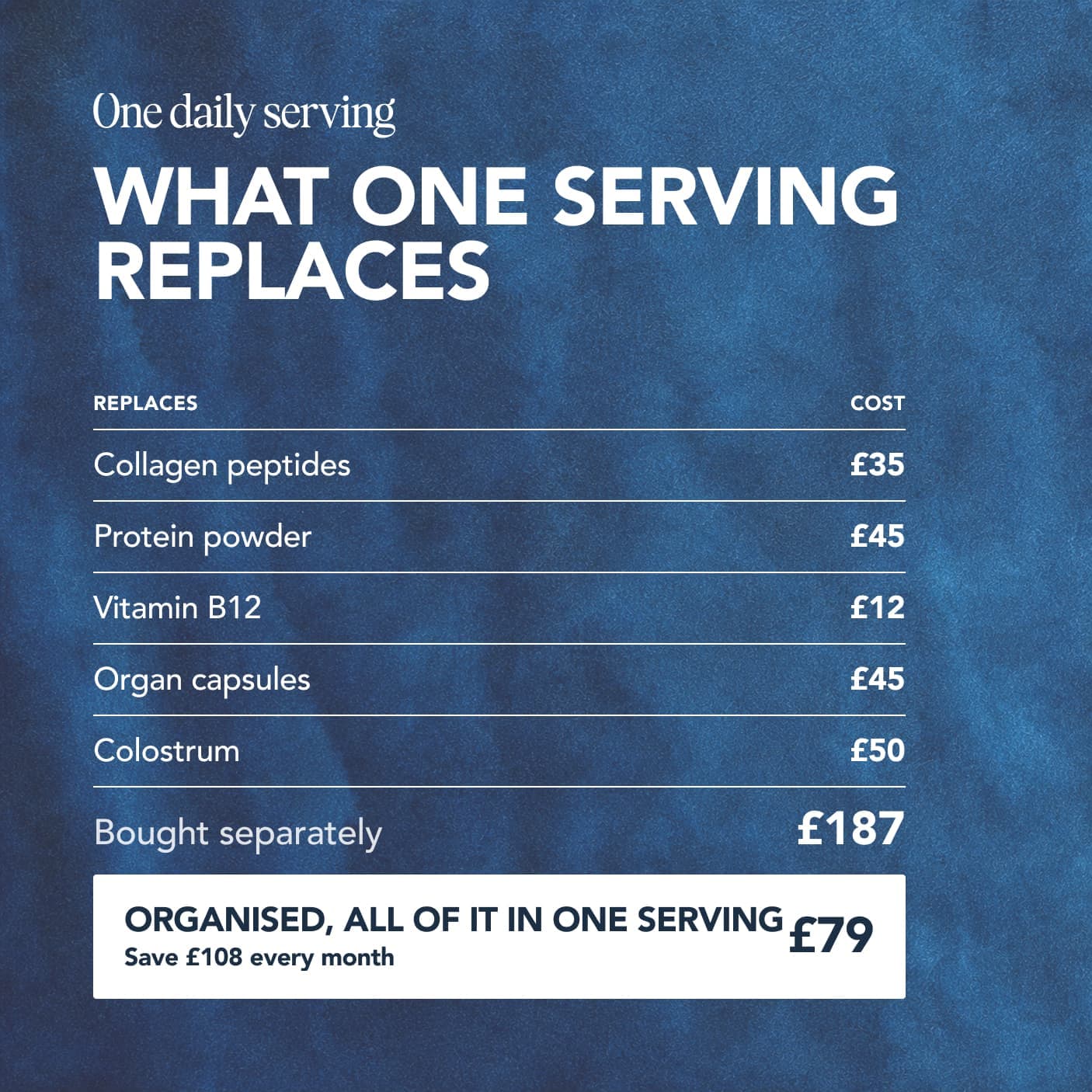
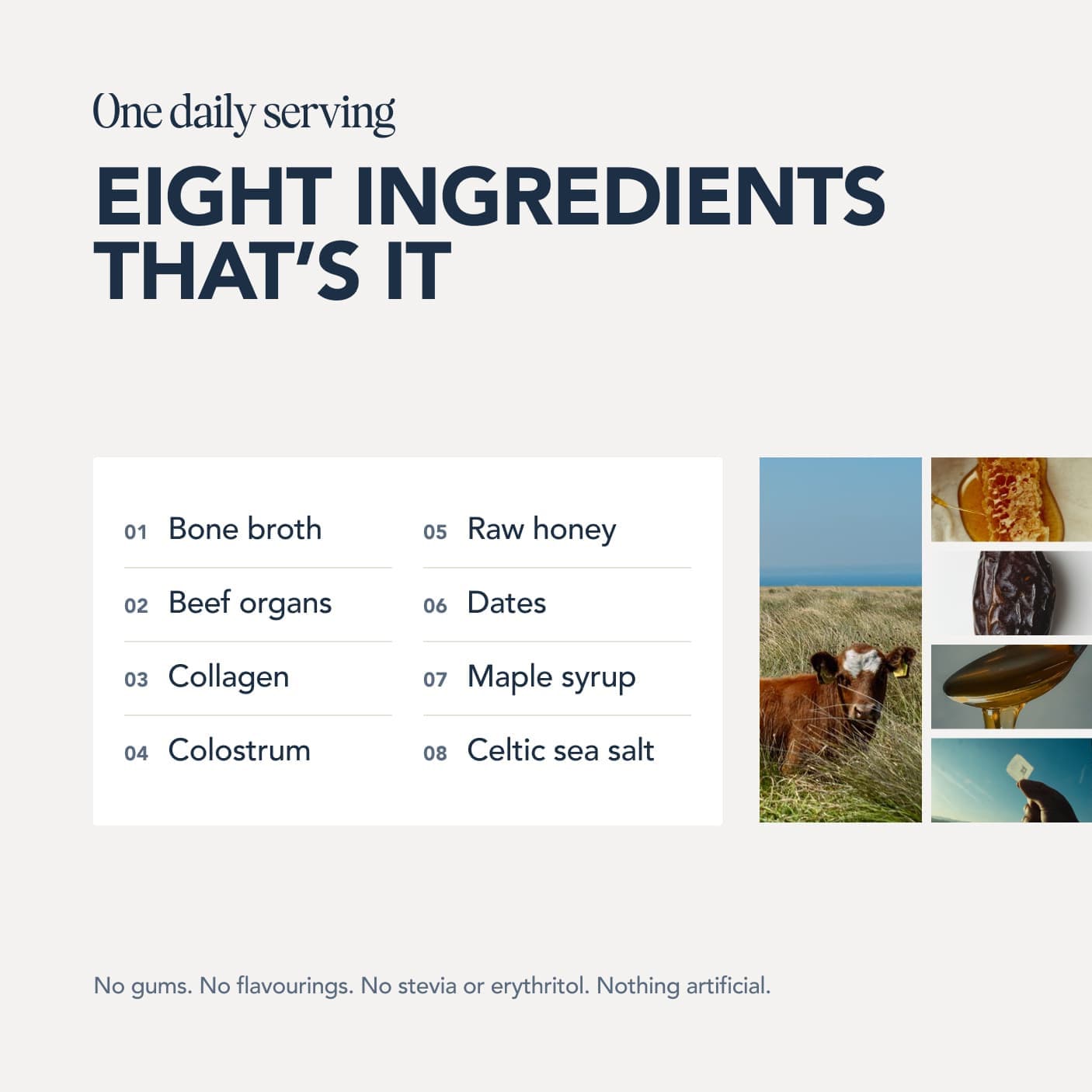
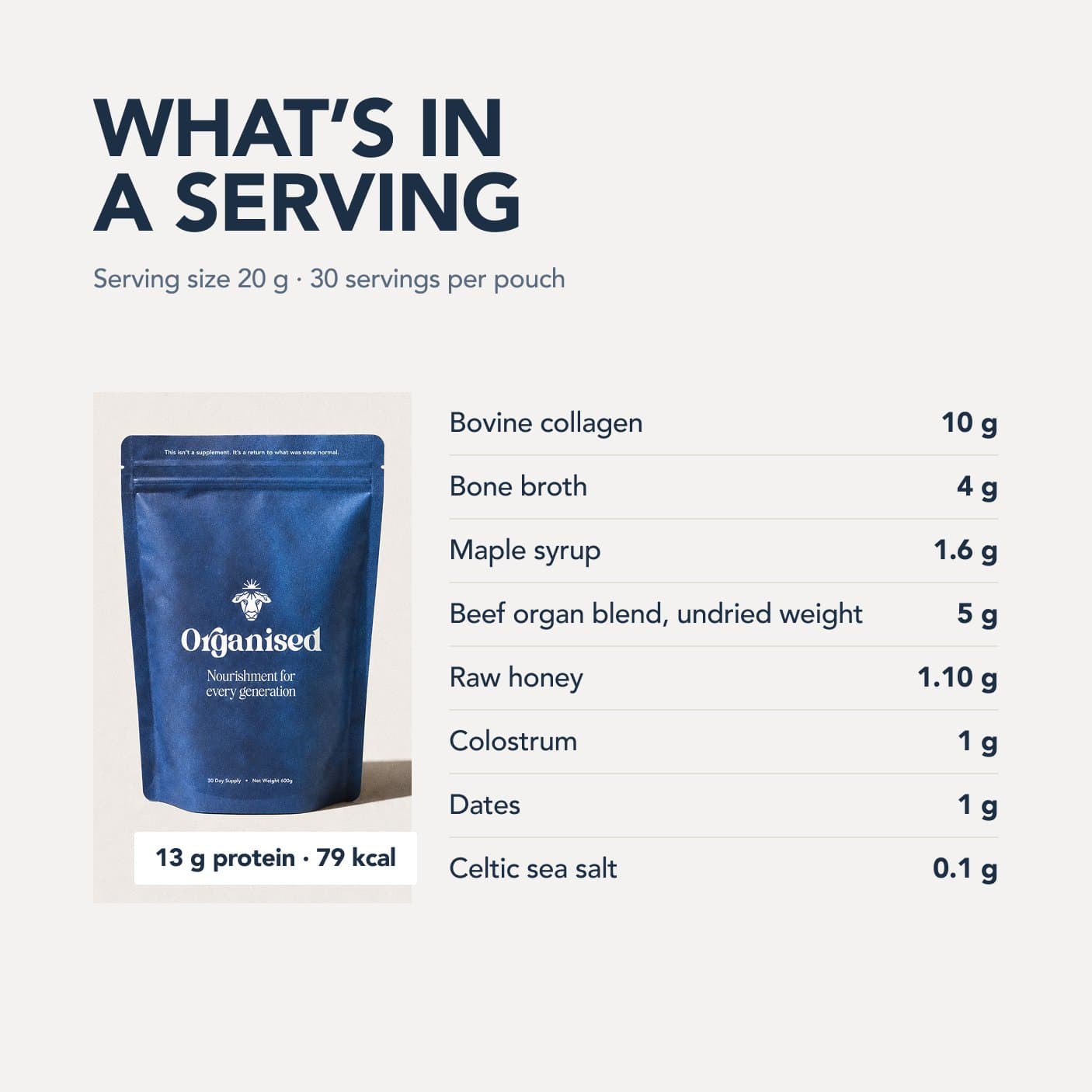
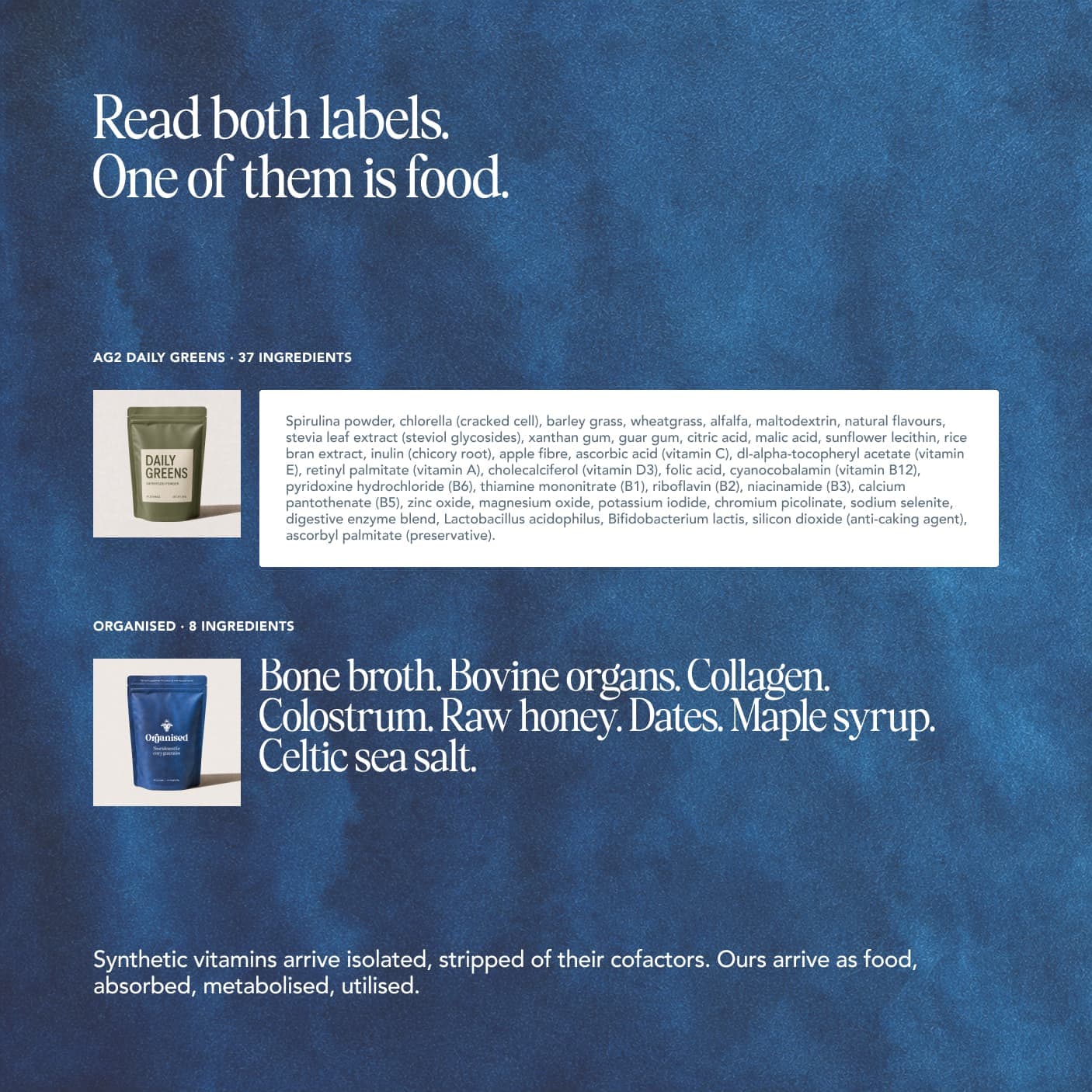
Eight real ingredients built around grass-fed beef organs, collagen and colostrum. Nothing synthetic added.
Free with your first order, worth £38. Plus £10 off the pouch with a subscription.
Free UK shipping · Made in England · 100 day money back guarantee on your first pouch · Skip, pause or cancel anytime
The bottom line
Hair loss almost never means you need better shampoo. It means something is wrong with the soil where the hair grows. Fix the scalp. Feed it. Circulate blood through it. Calm inflammation. Address nutrient deficiency. And then wait. Hair grows on its own timeline, but a healthy scalp will always produce healthy hair.
References
Every source below was checked on 27 August 2026. Each PubMed, PMC and DOI identifier was resolved against NCBI or Crossref, and what it opens is printed under the citation, so you can see the link goes where the citation says without leaving the page. Where a citation and its identifier disagreed, the citation was corrected to the record or the reference was deleted along with the sentence marker that pointed at it, and where the resolved paper turned out not to support the sentence, the sentence was cut back to what it does support. Borrowed authority is worse than none, because it looks like rigour.
- Panahi Y, Taghizadeh M, Marzony ET, Sahebkar A. Rosemary oil vs minoxidil 2% for the treatment of androgenetic alopecia: a randomized comparative trial. Skinmed. 2015;13(1):15-21. https://pubmed.ncbi.nlm.nih.gov/25842469/Checked 27 August 2026: PMID 25842469 opens Panahi Y, Taghizadeh M, Marzony ET et al, Rosemary oil vs minoxidil 2% for the treatment of androgenetic alopecia: a randomized comparative trial. Skinmed 2015;13(1):15-21. PubMed indexes it as: Comparative Study, Randomized Controlled Trial.
- Almohanna HM, Ahmed AA, Tsatalis JP, Tosti A. The role of vitamins and minerals in hair loss: a review. Dermatology and Therapy. 2019;9(1):51-70. https://pmc.ncbi.nlm.nih.gov/articles/PMC6380979/Checked 27 August 2026: PMC6380979 opens Almohanna HM, Ahmed AA, Tsatalis JP et al, The Role of Vitamins and Minerals in Hair Loss: A Review. Dermatol Ther (Heidelb) 2019;9(1):51-70. PubMed indexes it as: Review.
- National Institutes of Health, Office of Dietary Supplements. Vitamin A and Carotenoids: Fact Sheet for Health Professionals. https://ods.od.nih.gov/factsheets/VitaminA-HealthProfessional/ [accessed May 2026].
- Lietz G, Oxley A, Leung W, Hesketh J. Single nucleotide polymorphisms upstream from the beta-carotene 15,15'-monoxygenase gene influence provitamin A conversion efficiency in female volunteers. Journal of Nutrition. 2012;142(1):161S-165S. https://pubmed.ncbi.nlm.nih.gov/22113863/Checked 27 August 2026: PMID 22113863 opens Lietz G, Oxley A, Leung W et al, Single nucleotide polymorphisms upstream from the β-carotene 15,15'-monoxygenase gene influence provitamin A conversion efficiency in female volunteers. J Nutr 2012;142(1):161S-5S.
- National Institutes of Health, Office of Dietary Supplements. Zinc: Fact Sheet for Health Professionals. https://ods.od.nih.gov/factsheets/Zinc-HealthProfessional/ [accessed May 2026].
Who wrote and reviewed this guide
Niall Kiddle
Author · Founder, Organised
Niall is the founder of Organised. He started the company in 2024 after fixing his own health the slow way: in 2022 he swapped a cupboard of synthetic supplements for real food, raw milk, organ meats, bone broth and honey, and felt the difference within months.
Areas of expertise: Ancestral nutrition, Organ meats, Whole-food supplementation, Gut health, Regenerative sourcing
Read Niall's full profile
Pedro Rodrigues
Reviewer · Agronomist (farming and sourcing only)
Pedro is the agronomist Organised works with on farming and sourcing. His job on the guides is to keep the science honest: he reviews what we publish about soil health, regenerative agriculture, grazing and the way food is actually produced.
Areas of expertise: Regenerative agriculture, Agronomy, Soil health, Grass-fed farming, Food sourcing
Reviewed this guide on
Read Pedro's full profileMore on hair
View all- The Nutritional Root Causes of Hair Loss
- Hair Loss in Men: Nutrition Beyond Finasteride
- How to Stop Hair Shedding with Ancestral Nutrition
- Keratin Supplements Are a Waste of Money. Here's Why.
- Postpartum Hair Loss: Why It Happens and How to Recover
- The Best Foods for Thicker, Stronger Hair
- Thinning Hair After 40: What Your Body Is Trying to Tell You
Browse the guides library
All guidesKeep reading
Health goals
The Nutritional Root Causes of Hair Loss
Discover the nutritional causes of hair loss, from iron, zinc and biotin to thyroid health, and how nutrient-dense whole foods can help support regrowth.

Health goals
Can What You Eat Affect Your Anxiety?
Your anxiety might not be psychological. It might be nutritional. How gut health, blood sugar, magnesium, and seed oils fuel anxiety (and how to stop).

Health goals
Do Beef Organs Help with Fertility? An Ancestral Guide
If you’ve been trying to conceive (or just thinking ahead), you’ve probably fallen down the usual rabbit holes: fertility diets, seed cycling, supplements
Real food, made effortless
Start my daily blendA few ways to use it
All recipes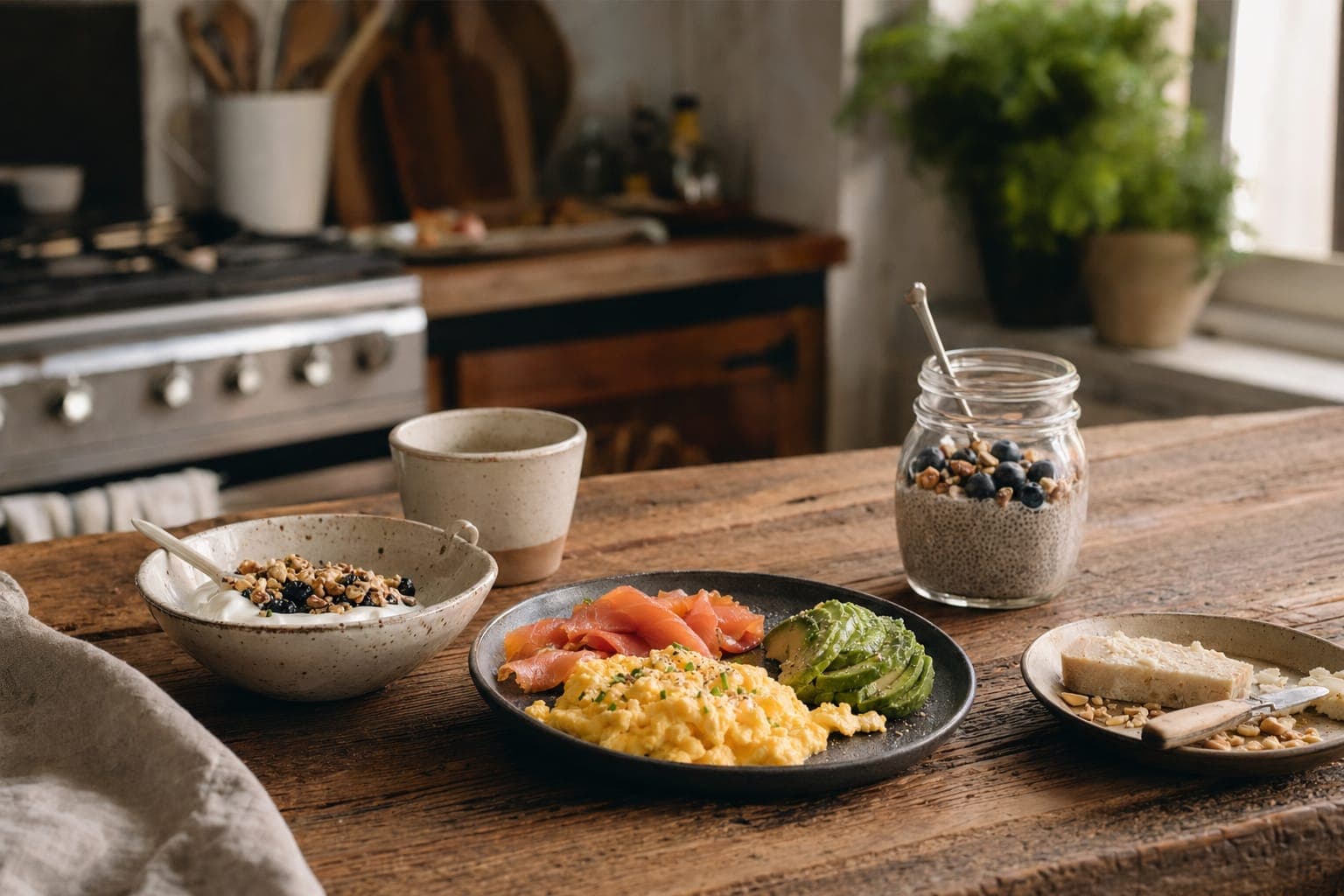
5-Minute High-Protein Breakfasts Using Organised
Quick, high-protein breakfast ideas using Organised. Five recipes you can make in minutes with real food. No fussing around.
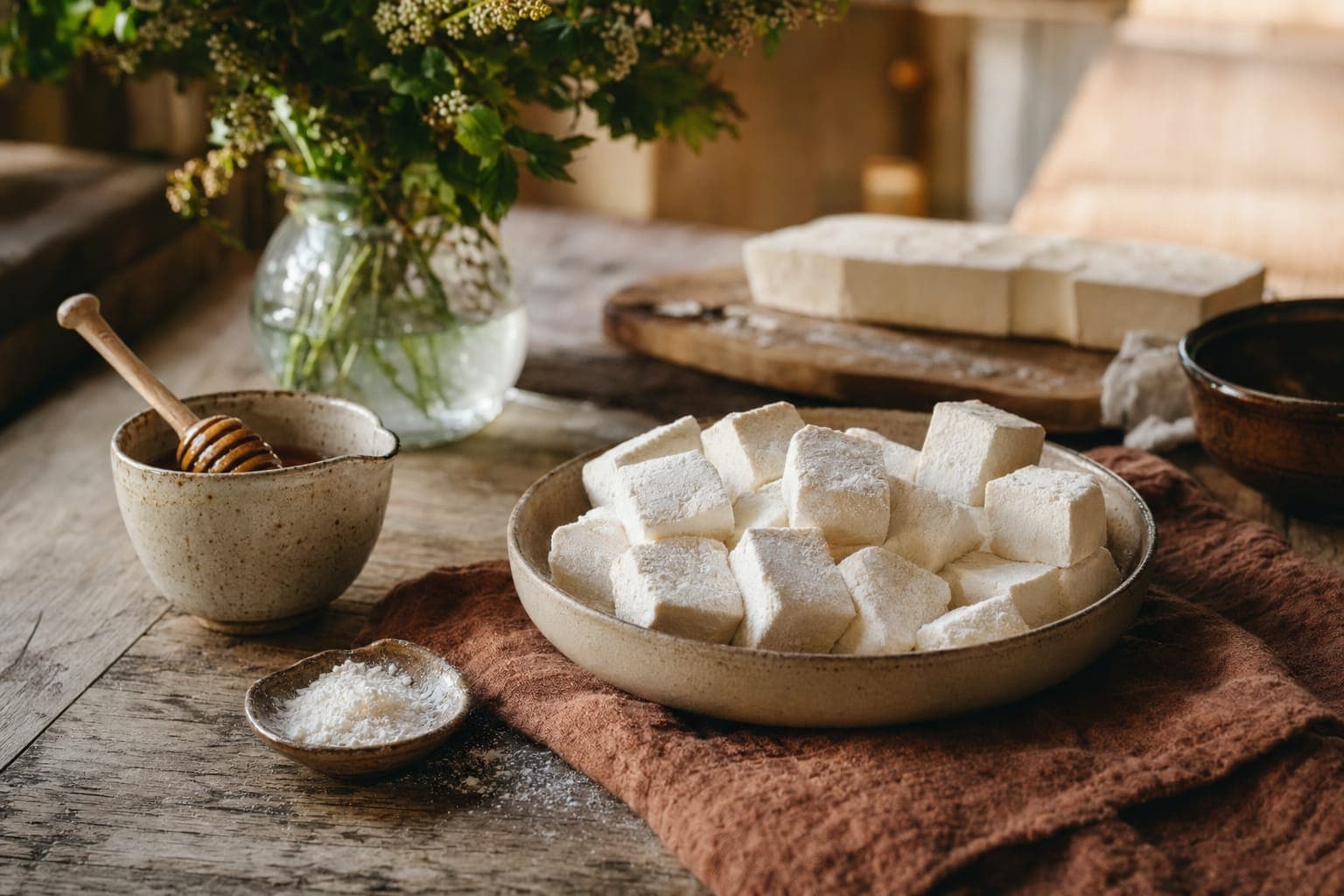
Gut-Healing Marshmallows with Collagen and Raw Honey
Learn to make gut-healing marshmallows with collagen and raw honey. A shareable treat that sneaks nutrition into every bite. Easy recipe with video tips.
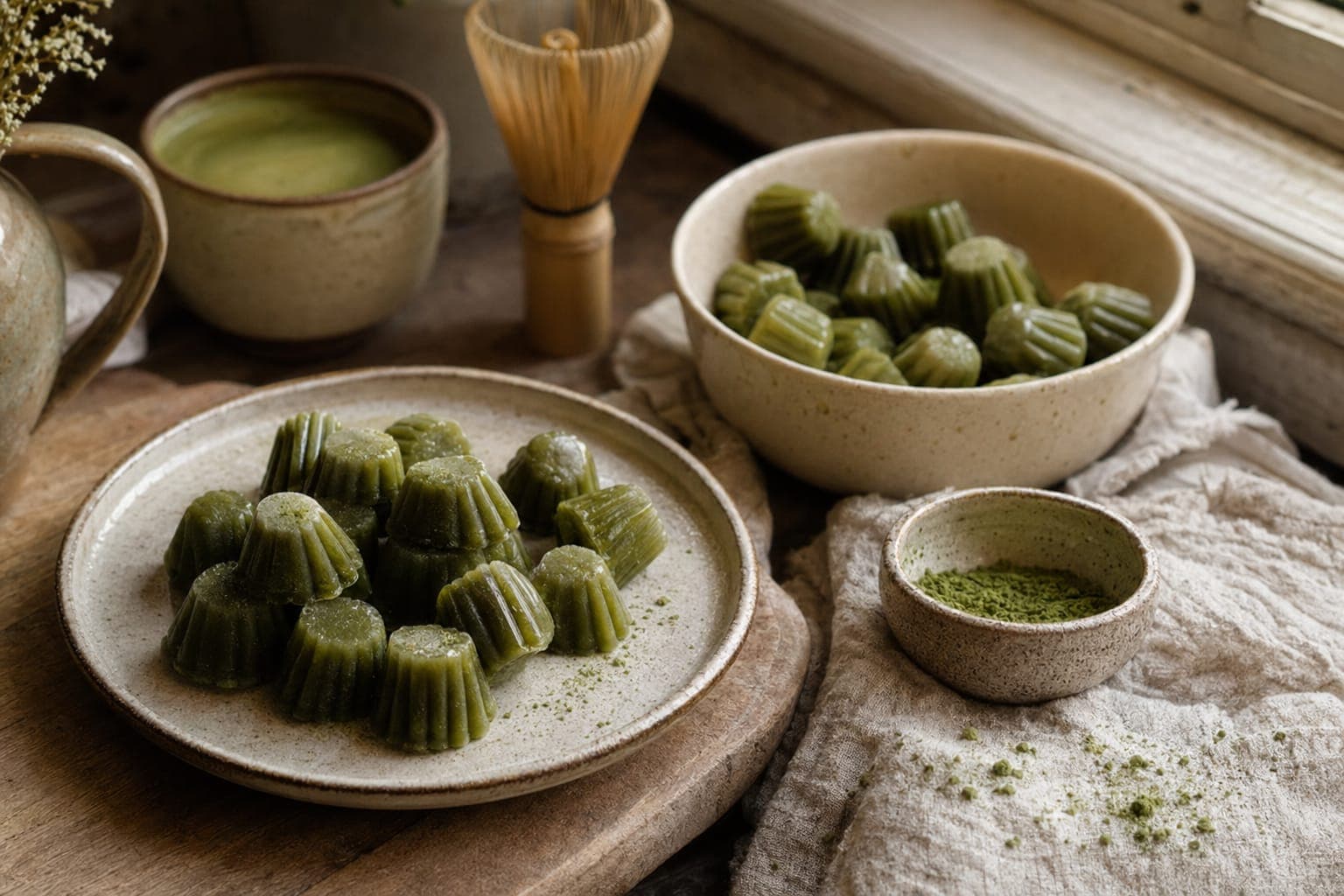
Matcha Latte Gummies with Collagen and Gelatine
Make visually stunning matcha latte gummies infused with collagen and gelatine. Simple recipe for gut-healing sweets you'll actually want to eat.


 Join over 100,000+ members
Build a better food system with us
The Organised community is thousands of people choosing real food and backing the farmers who grow it, all of us trying to leave the world a little better than we found it. If that is what you care about too, you belong here.