Seasonal Illness: A Whole Food Survival Kit
Cold and flu season isn't about luck. Some people catch everything that goes around whilst others stay well year after year. The difference isn't genetics or good fortune. It's nutritional status. If your immune system isn't properly resourced, it can't fight off pathogens. And if it does, recovery is slow and complications are common.

By Niall Kiddle, Founder, Organised

Reviewed by Pedro Rodrigues, Agronomist (farming and sourcing only) ·
7 min read · Published · Updated · 4 cited sources
Makers of the Organised Daily blend, a grass-fed beef organ supplement from regenerative UK farms
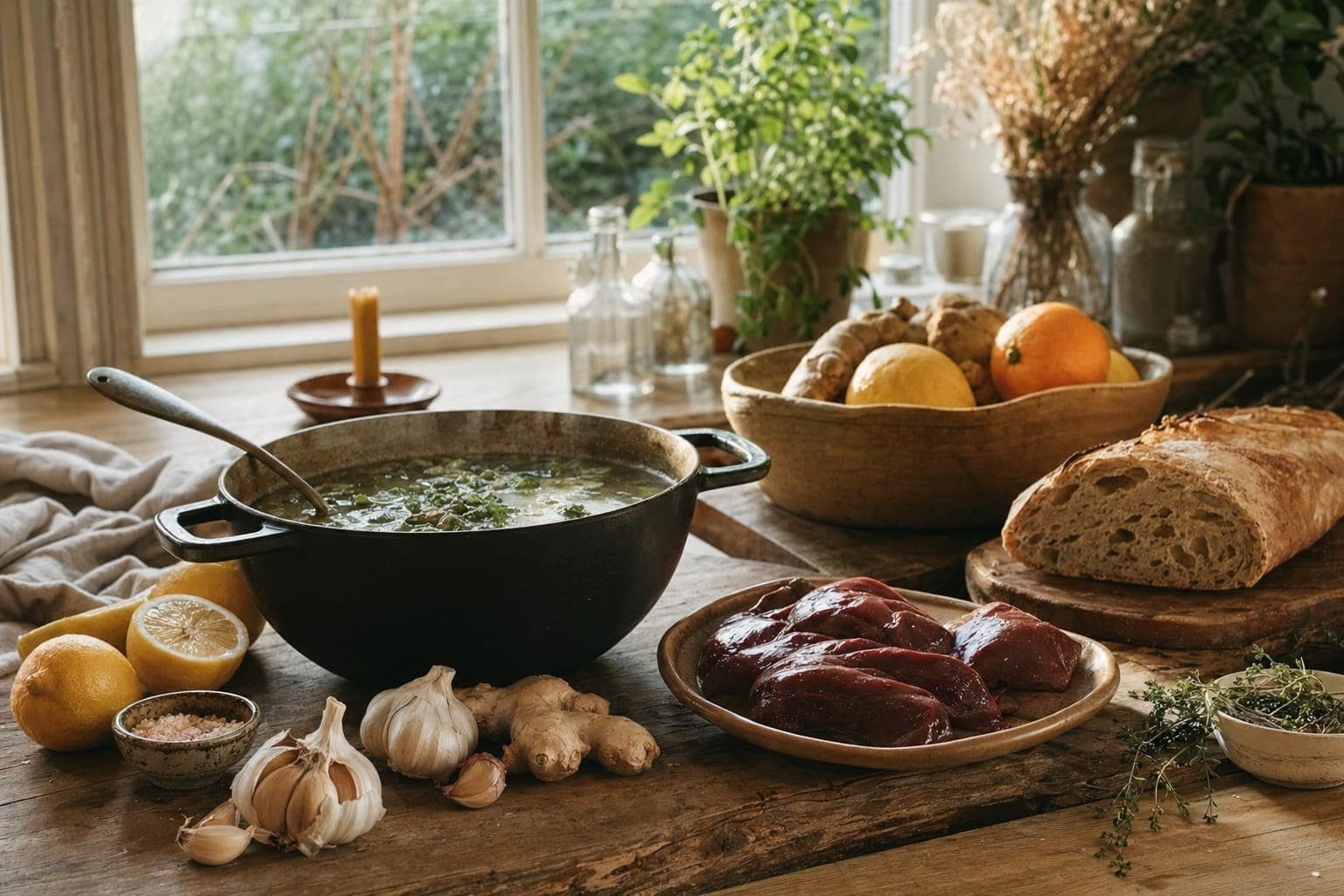
Your immune system is made of cells. Those cells are made of protein, minerals, and fatty acids. If you're deficient in any of these, immunity suffers. The solution isn't complicated. It's nutrient-dense whole food.
Why immunity is nutrition
Your immune system has two main components: the innate immune system (which responds immediately to threats) and the adaptive immune system (which learns and remembers pathogens). Both require adequate nutrition to function optimally.
White blood cells, antibodies, cytokines, and all the signalling molecules your immune system relies on are made from the nutrients you eat. If those nutrients are lacking, immune response is blunted. Your body might still fight off the pathogen, but slowly and incompletely. This is why nutritionally deficient people get sicker, stay sick longer, and experience worse outcomes.
Most modern diets are chronically deficient in the nutrients immunity demands: protein (for immune cell production), vitamin A (for mucosal immunity and cell regulation)3, zinc (for immune cell proliferation)4, iron (for oxygen transport and immune function), and vitamin C and minerals broadly. People eating processed food are fighting off pathogens on an empty stomach nutritionally.
Your immune system cannot protect you from a virus if you haven't given it the raw materials to build and activate immune cells. Nutrition isn't optional during illness. It's the primary treatment.
This is not theoretical. Controlled studies show that adequate zinc, vitamin A, vitamin C, and protein intake meaningfully reduce both the incidence of infections and the severity and duration when infection occurs.1 These aren't marginal improvements. They're substantial.
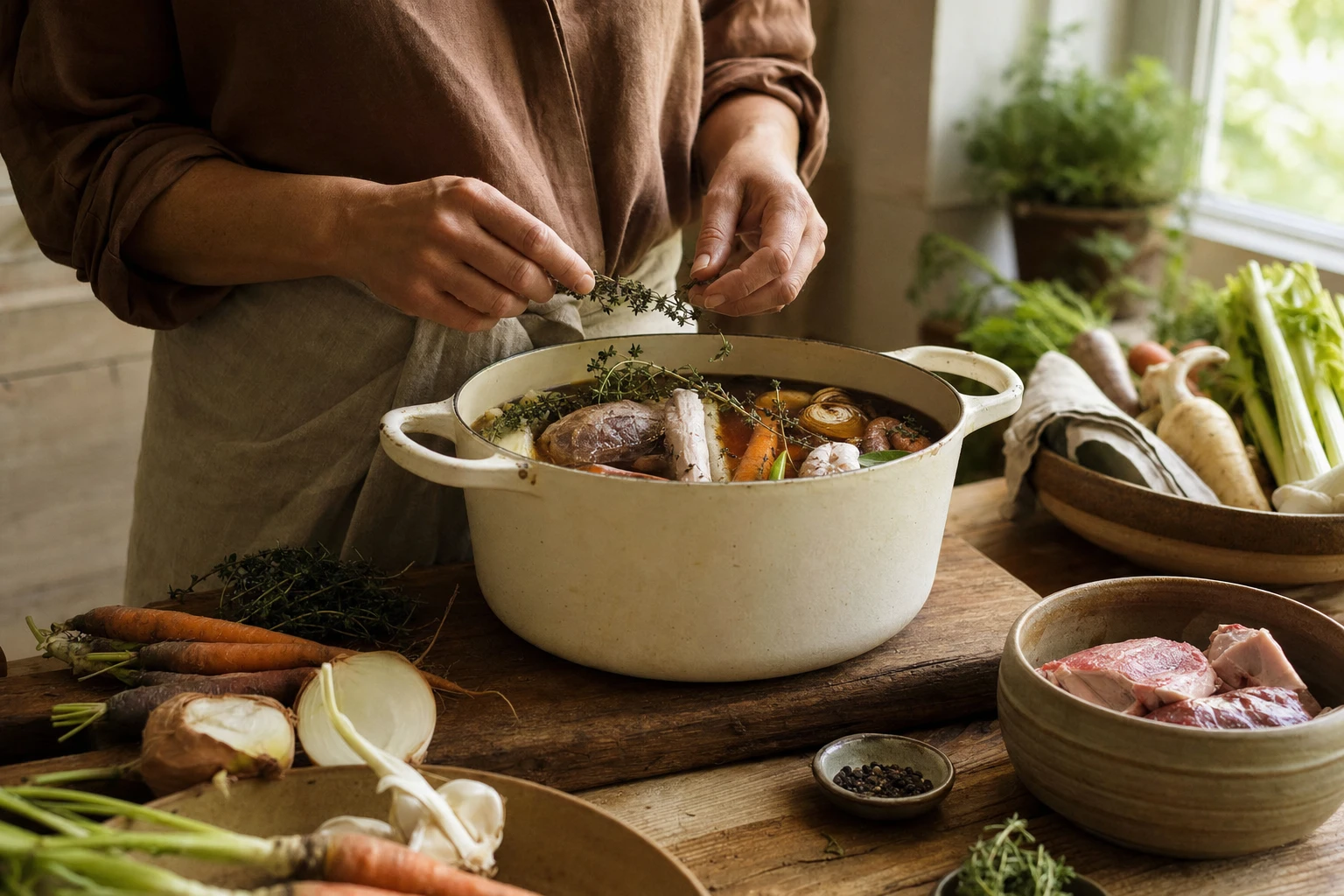
Bone broth is your foundation
Bone broth is the foundational food for immune recovery and general winter wellness. It provides gelatin and collagen (which support intestinal integrity and reduce systemic inflammation), amino acids like glycine and proline (which are building blocks for immune cells), minerals like calcium and magnesium (which support nervous system recovery during illness), and amino acids like carnosine (which have anti-inflammatory properties).
When you're fighting off infection, your body is in a catabolic state (breaking down tissue for energy and resources). Bone broth is easily digested, nutrient-dense, and provides the amino acids your body needs without requiring the digestive effort that whole food might demand when you're unwell.
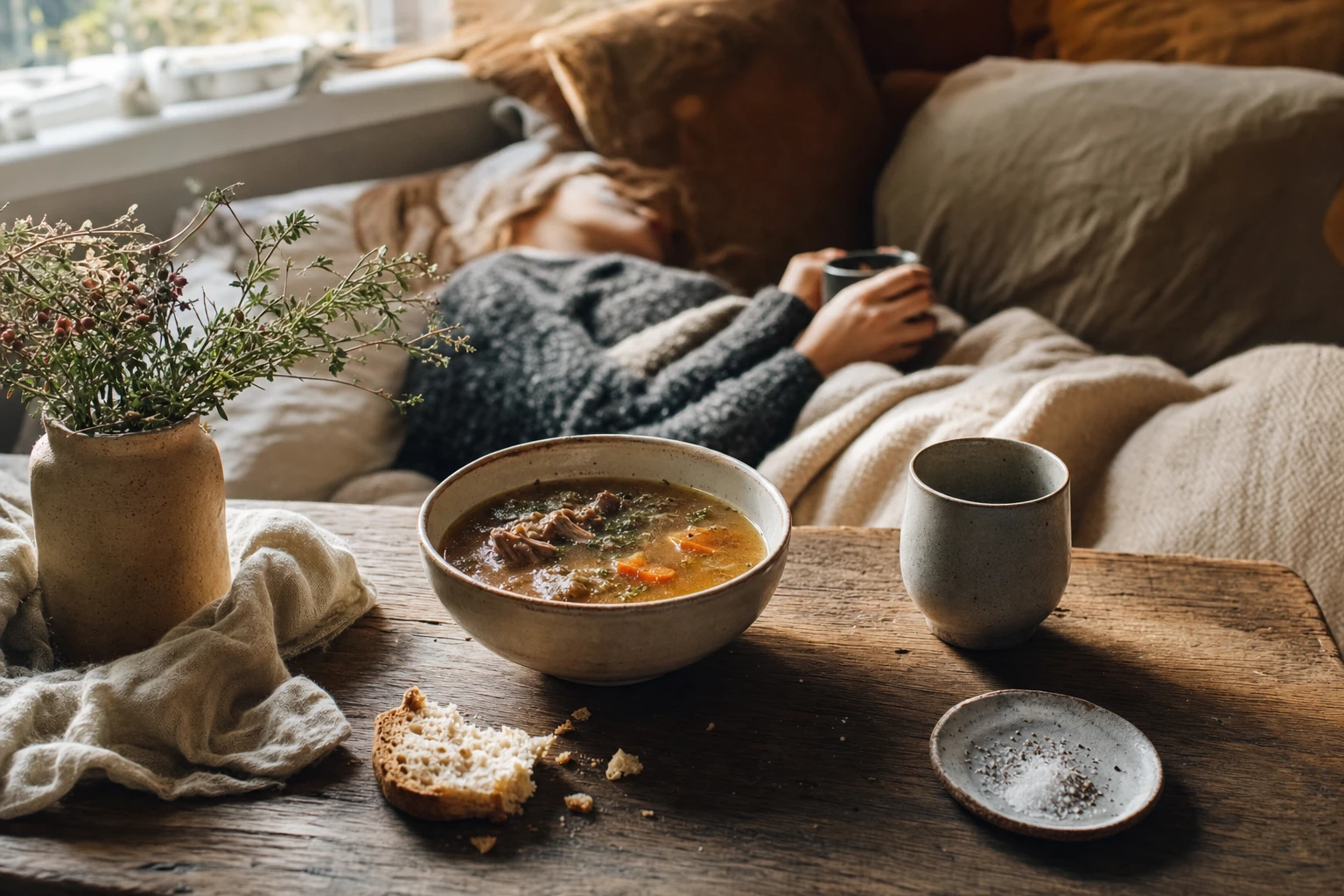
The protocol when illness hits: make or obtain bone broth. Drink it plain or with salt and good fat. Sip it throughout the day. Your body will use the nutrients to mount an effective immune response and to suppress inflammation appropriately. This is far more effective than the oversimplified drink water and rest advice that's given to people with colds.
When you're ill, bone broth does the nutritional heavy lifting. It's easily absorbed, packed with immune-supporting amino acids and minerals, and it's simple to consume when you don't feel like eating.
Approximately two to four cups daily, warmed, with a pinch of salt. If you can add grass-fed butter or beef tallow, do so. The fat-soluble nutrients and the additional calories support recovery. Some people recover faster on bone broth than on any other intervention, and the cost is negligible compared to medications or supplements.
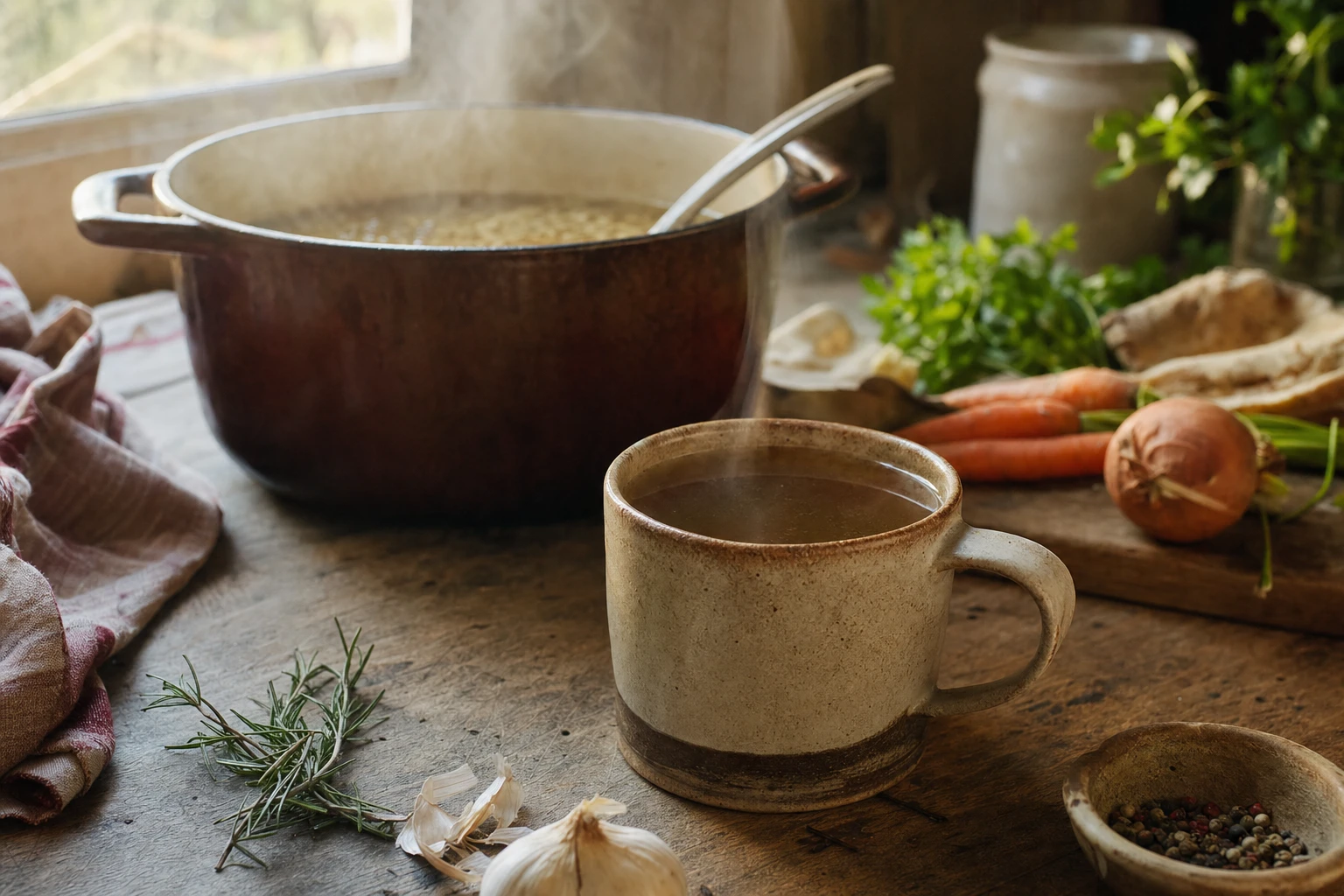
Garlic and allicin
Garlic has been used as a medicinal food for thousands of years, and modern research confirms why. Garlic contains allicin, a sulphur compound released when the cell walls are damaged (by cutting or chewing). Allicin has antimicrobial, antibiotic-like properties.
Importantly, allicin is heat-sensitive. Raw or gently warmed garlic contains more active allicin than heavily cooked garlic. So during acute illness, raw or very lightly cooked garlic is more effective.
The protocol: chop fresh garlic finely and eat it immediately (the allicin is produced in the moment). Some people prefer to chew it, others to swallow it whole. Eaten with food or on its own, garlic during the acute phase of illness (the first 24-72 hours) can meaningfully reduce symptom severity and duration. One to three cloves, one to three times daily.
This tastes rough, and it smells rough. But it works. Your immune system has the resources to fight pathogens when you give it the raw materials, and garlic is one of the most potent immune-supportive foods available.
Garlic's antimicrobial power only appears when the cell walls are broken (chopped raw, chewed). Cooked garlic is delicious, but for acute immune support, raw is superior.
Fermented garlic (garlic in honey or lacto-fermented) is an alternative if raw garlic is too aggressive. The fermentation preserves some allicin and creates beneficial metabolites that support immunity.
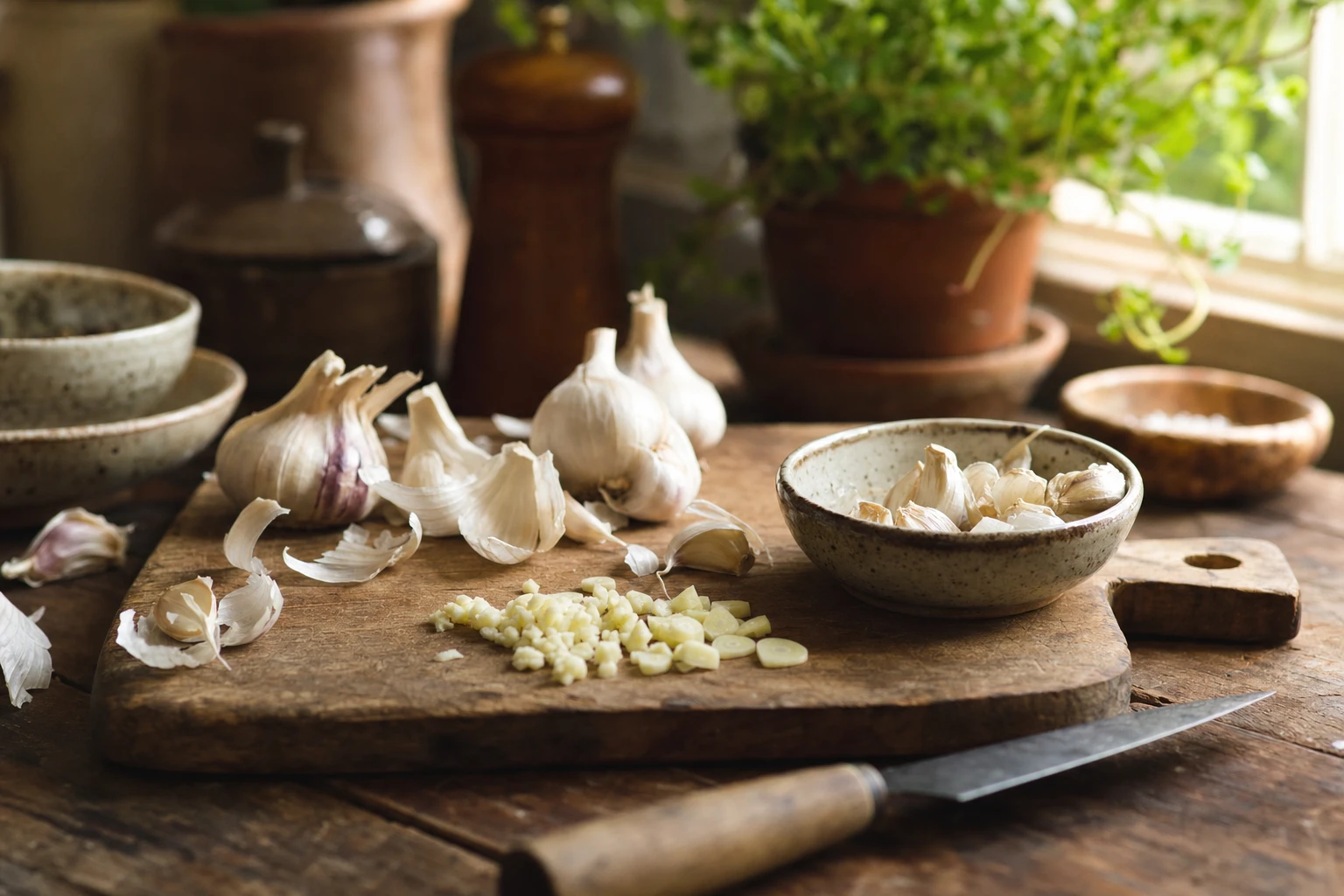
Liver and vitamin A
Vitamin A is essential for immune function at every level: it supports the production of white blood cells, strengthens mucosal barriers (the first line of defence against pathogens), and regulates immune cell behaviour so that inflammation is appropriate and not excessive or deficient.
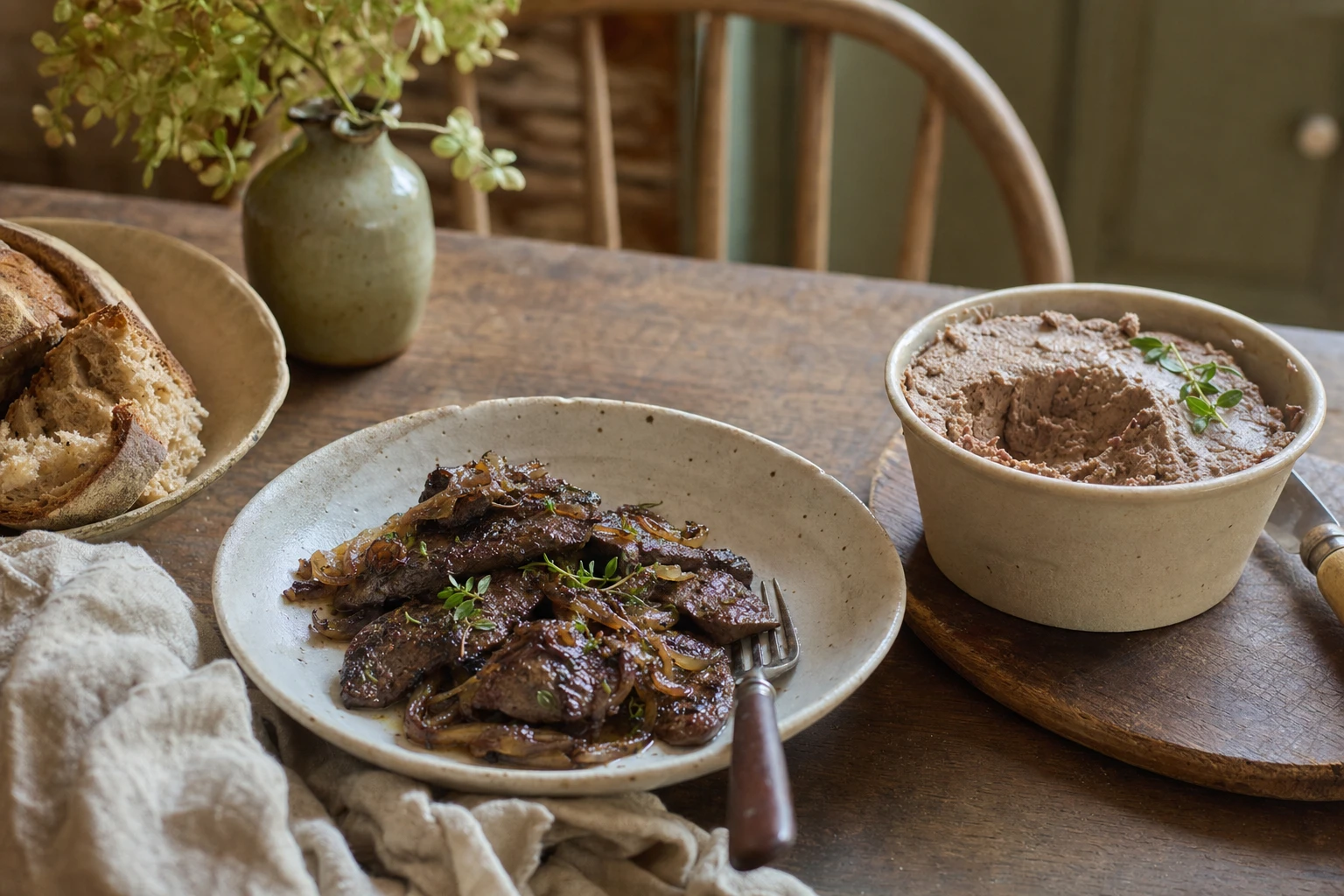
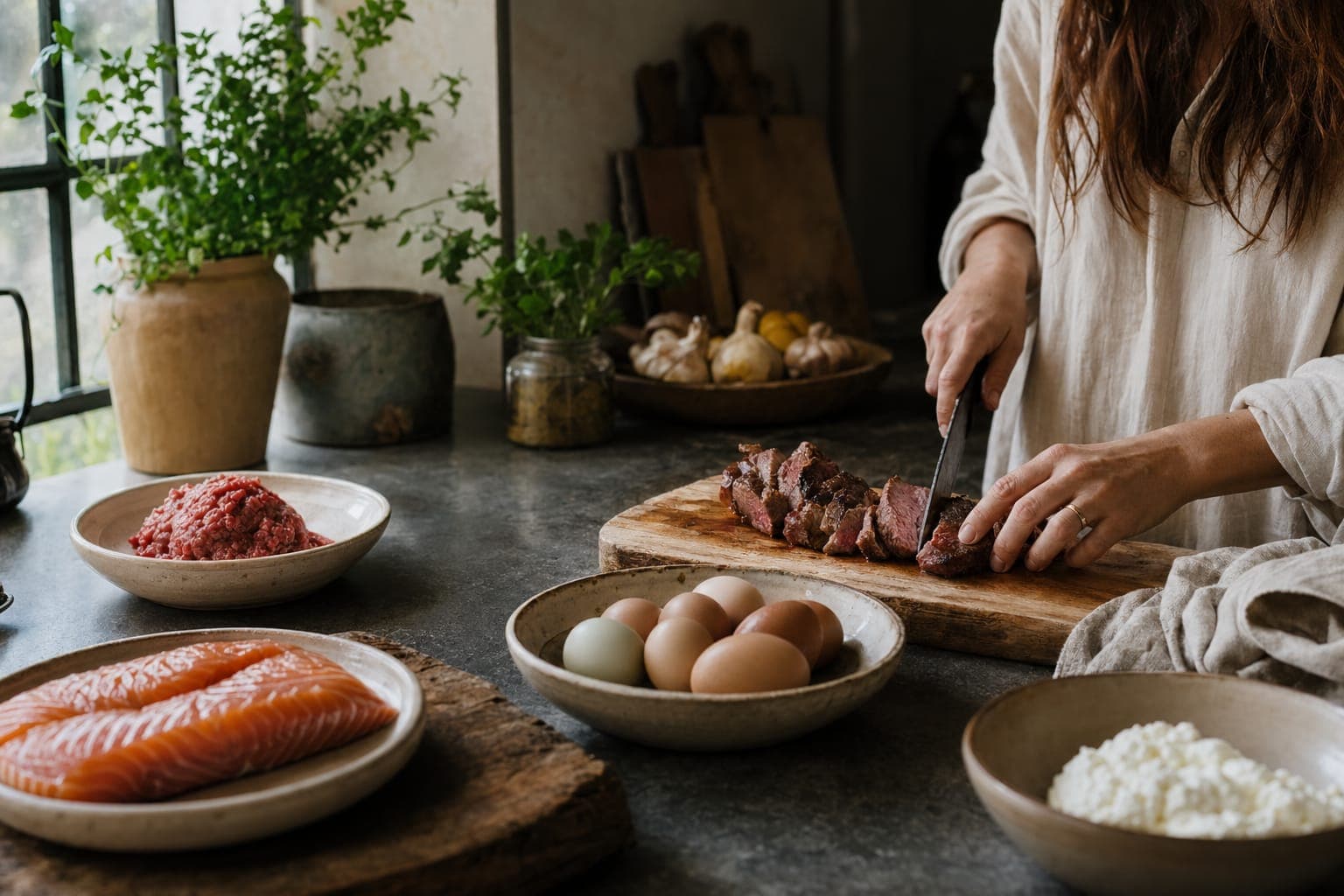
Vitamin A is found almost exclusively in animal foods, particularly organ meats. Beef liver is the richest source by far. A small serving of liver (50-100 grams) provides weeks' worth of daily vitamin A requirements. This is why populations eating nose-to-tail diets have always had superior immune function during seasonal illness.
The challenge is that many people find liver off-putting. Solutions: pâté (which is often more palatable), mixing finely chopped liver into mince, or taking a desiccated liver supplement. Some people will eat raw liver during illness when they wouldn't otherwise.
If you can tolerate it, beef liver during the acute phase of illness is powerful. One small serving provides a dose of vitamin A that directly supports immune cell production and maturation. This is why liver was traditionally eaten during recovery from serious infections.
Liver isn't a supplement. It's the most nutrient-dense food on the planet. During illness, one serving addresses multiple nutritional gaps simultaneously.
If liver is genuinely unappealing, fish roe (caviar or fish eggs) and egg yolks are the next best sources of retinol. These are more palatable to many people whilst still providing meaningful vitamin A.
Get health guides like this, free
Two short reads a week on eating for energy, gut health, skin, sleep and more.
By signing up you agree to receive emails from us. No spam, unsubscribe anytime.
Zinc is the critical mineral
Zinc is perhaps the single most important mineral for immune function. It's essential for the production and function of white blood cells, for antibody formation, and for cytokine production (the signalling molecules that coordinate immune response).
Zinc deficiency is common in the modern population, particularly in people eating processed food. During illness, zinc requirements increase, and deficiency becomes a real problem. This is why supplementing zinc at the first sign of illness (or even prophylactically during high-risk periods) can meaningfully reduce symptom severity and duration.
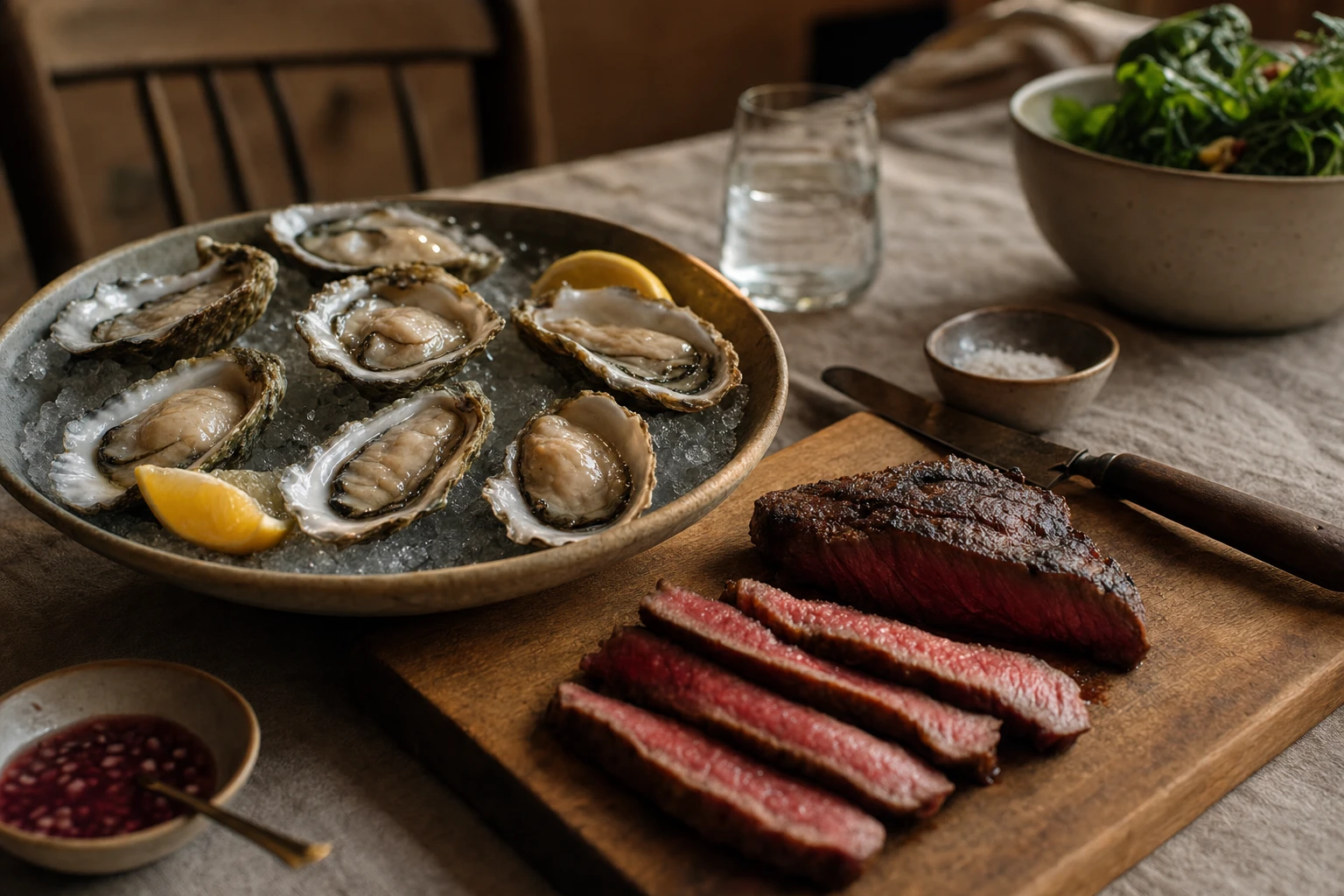
Food sources of zinc: oysters (by far the richest), red meat, pumpkin seeds, and to a lesser extent, poultry and dairy. If you can access oysters, eat them. If not, beef or lamb meat provides reasonable amounts. The challenge is that the zinc in plant foods is bound by phytic acid and is poorly absorbed.
Zinc supplementation at the first sign of illness (15-30 mg daily) meaningfully shortens cold duration. If you can get it from oysters or red meat, even better.
Timing matters. Zinc is most effective if started within the first 24-48 hours of symptom onset. Starting zinc three days into an illness is less effective than starting at the first sneeze.
1 of 9
Daily blend
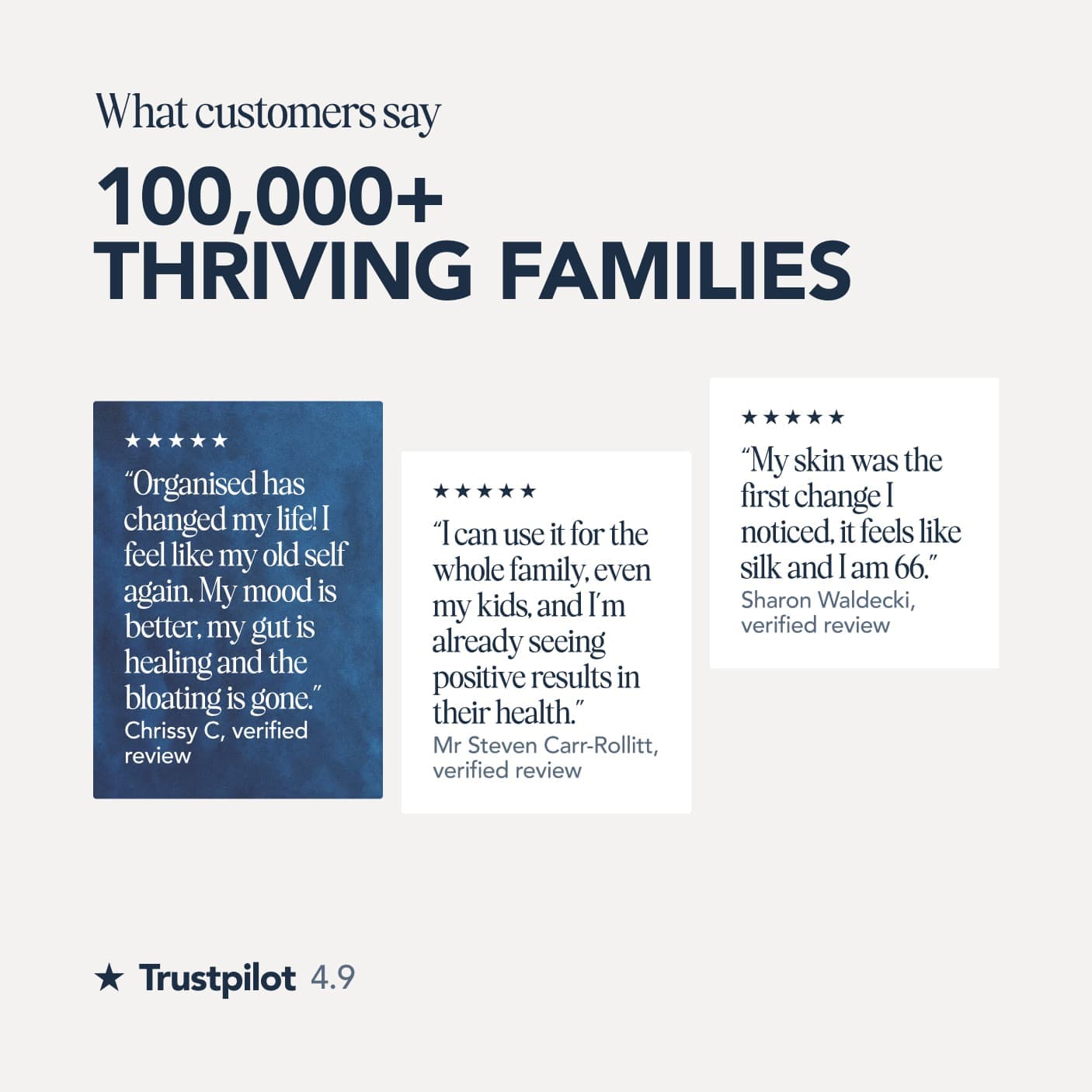
100,000+ thriving families4.9 on Trustpilot
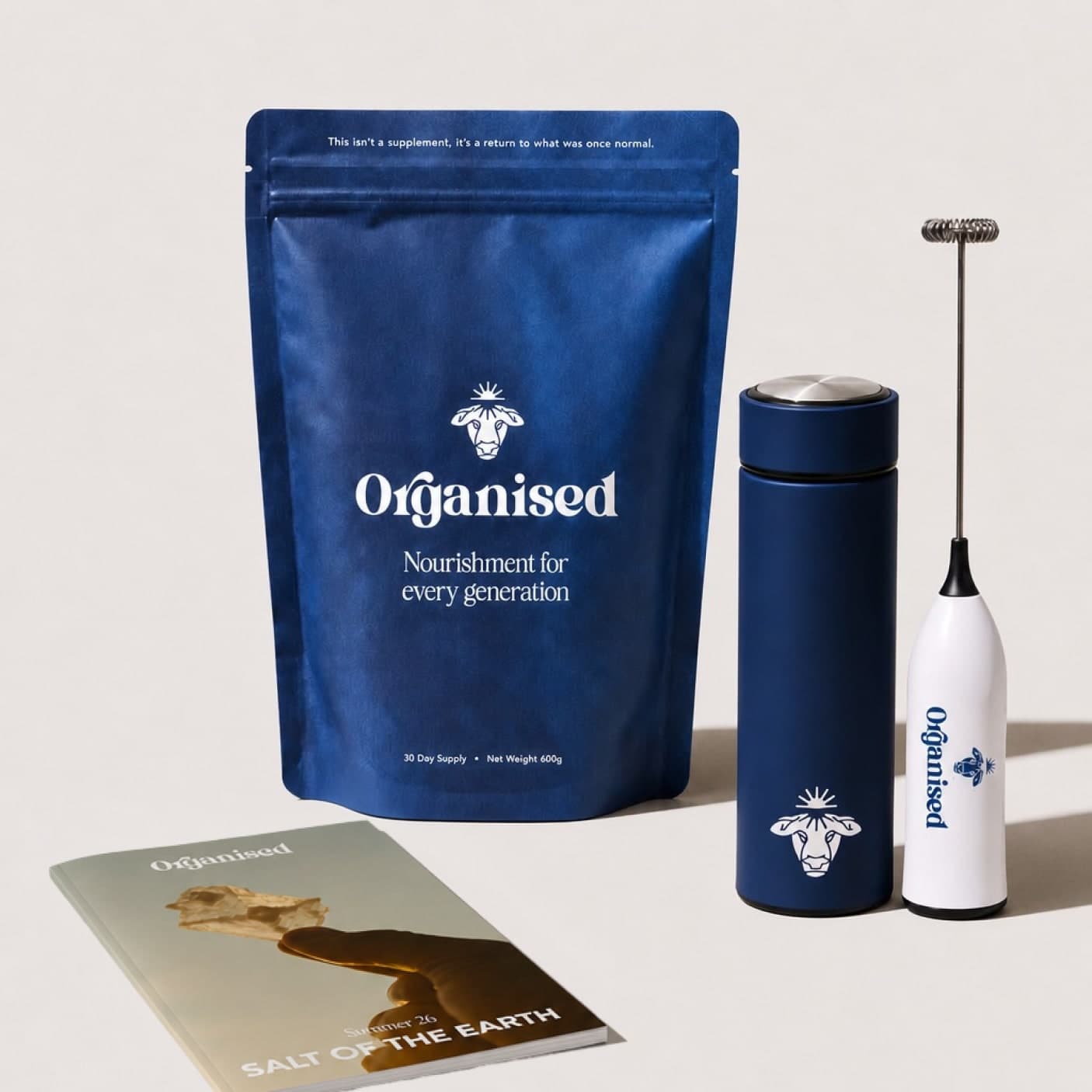
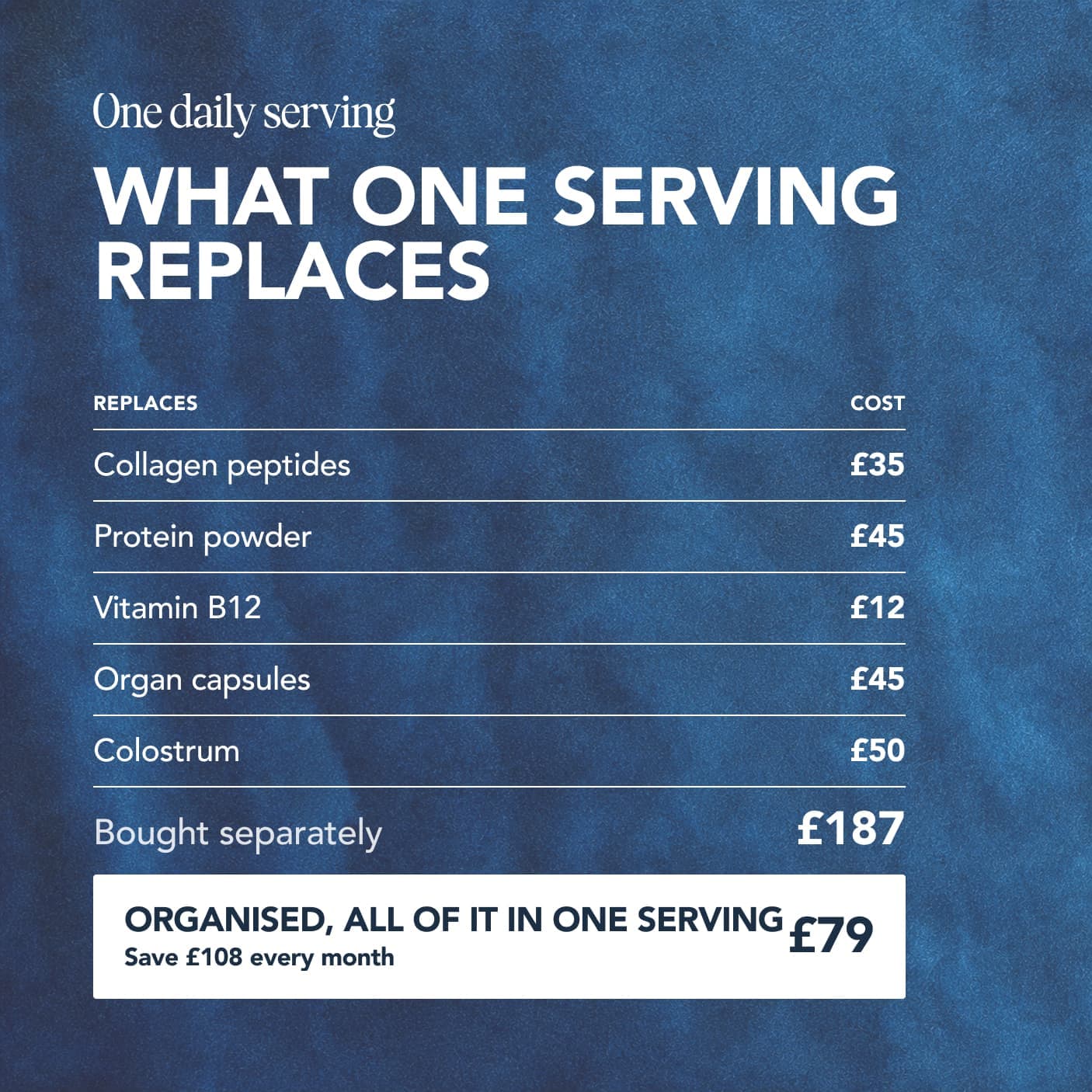
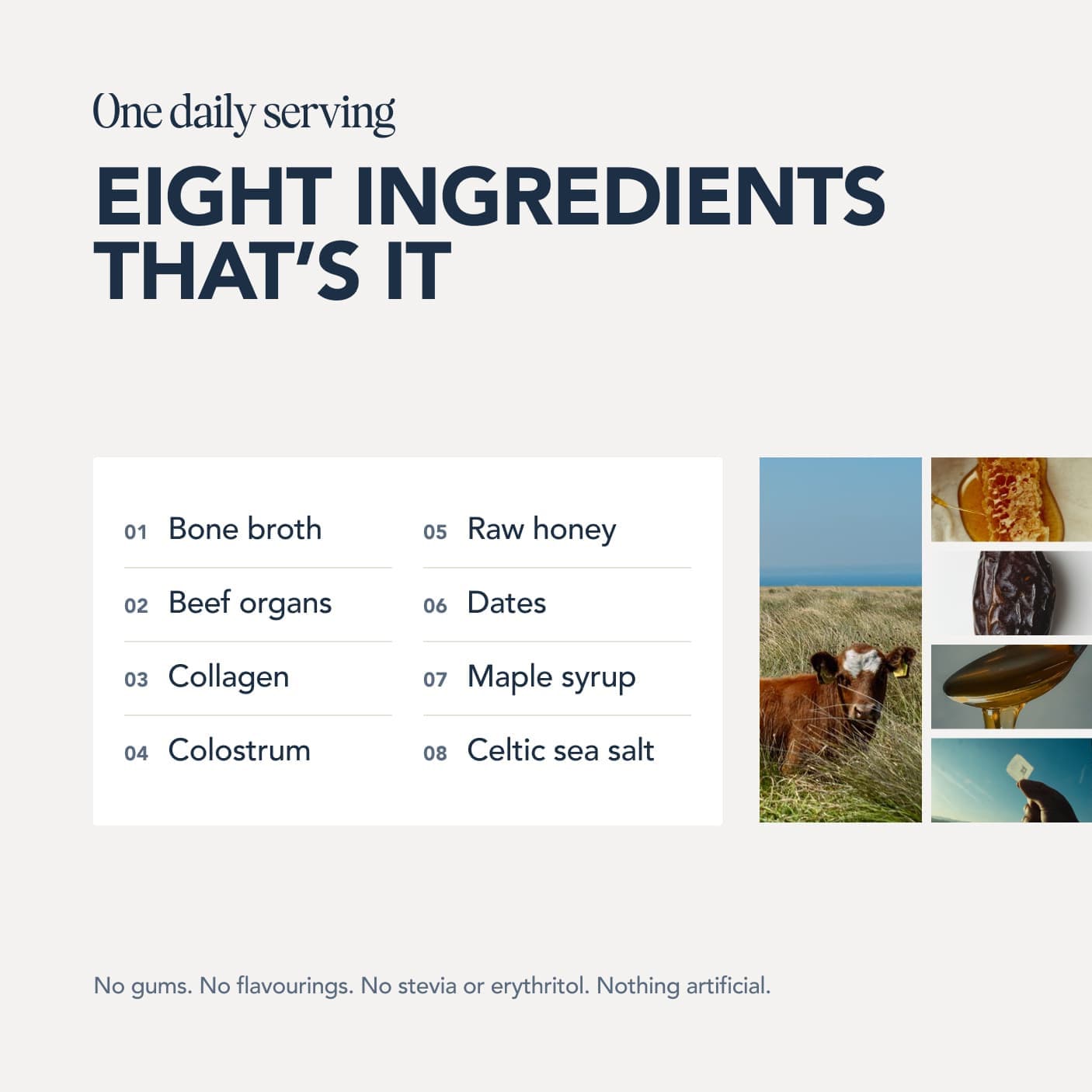
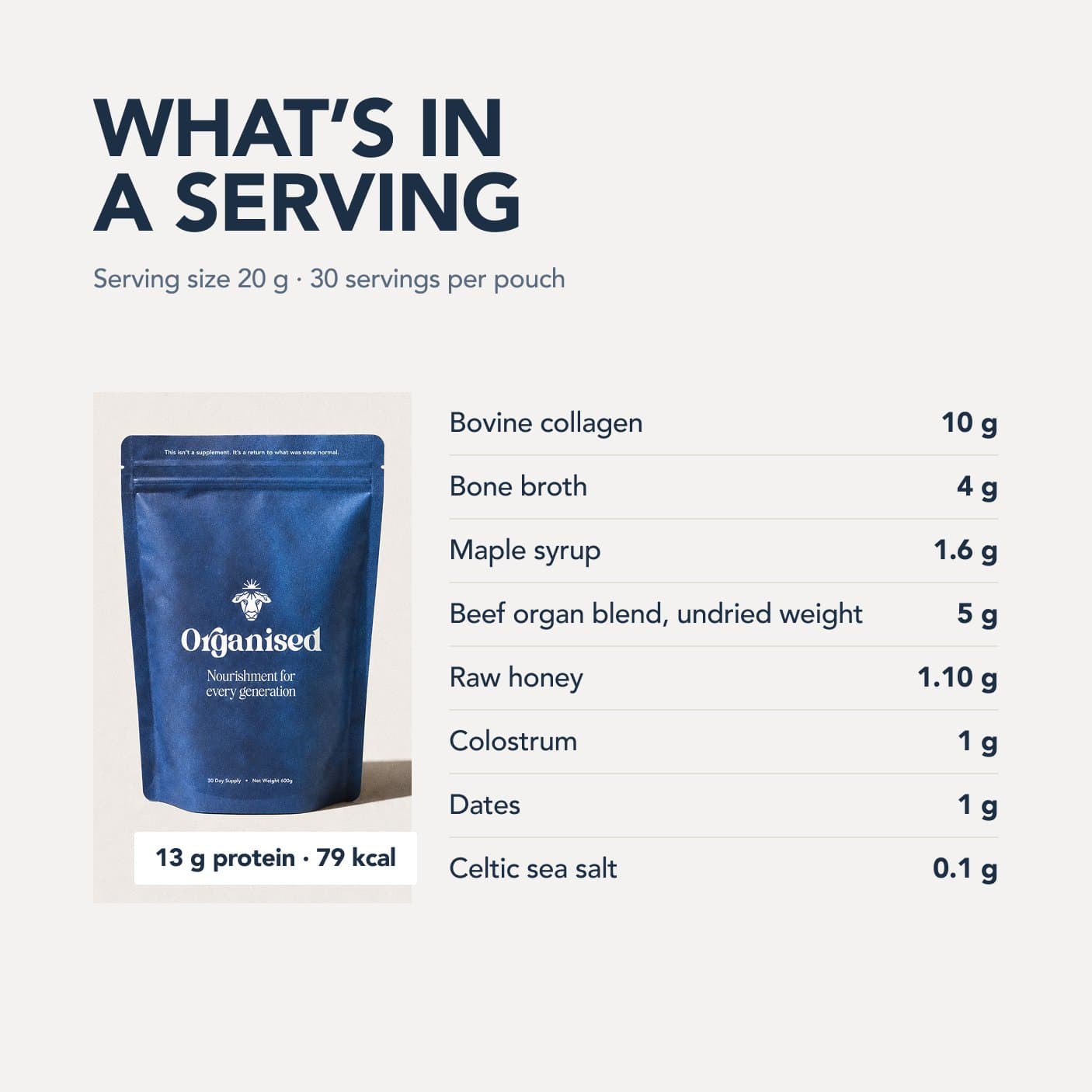
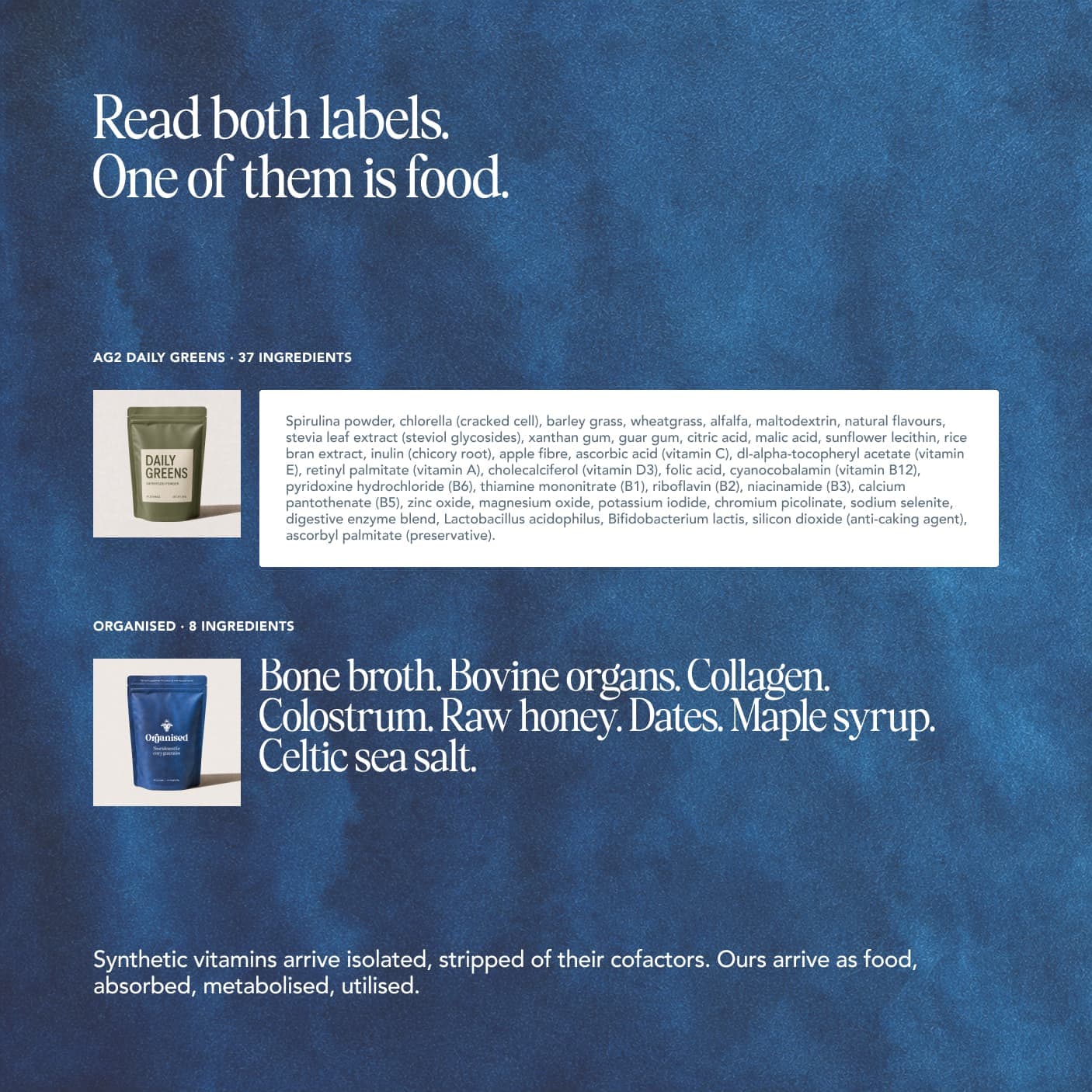
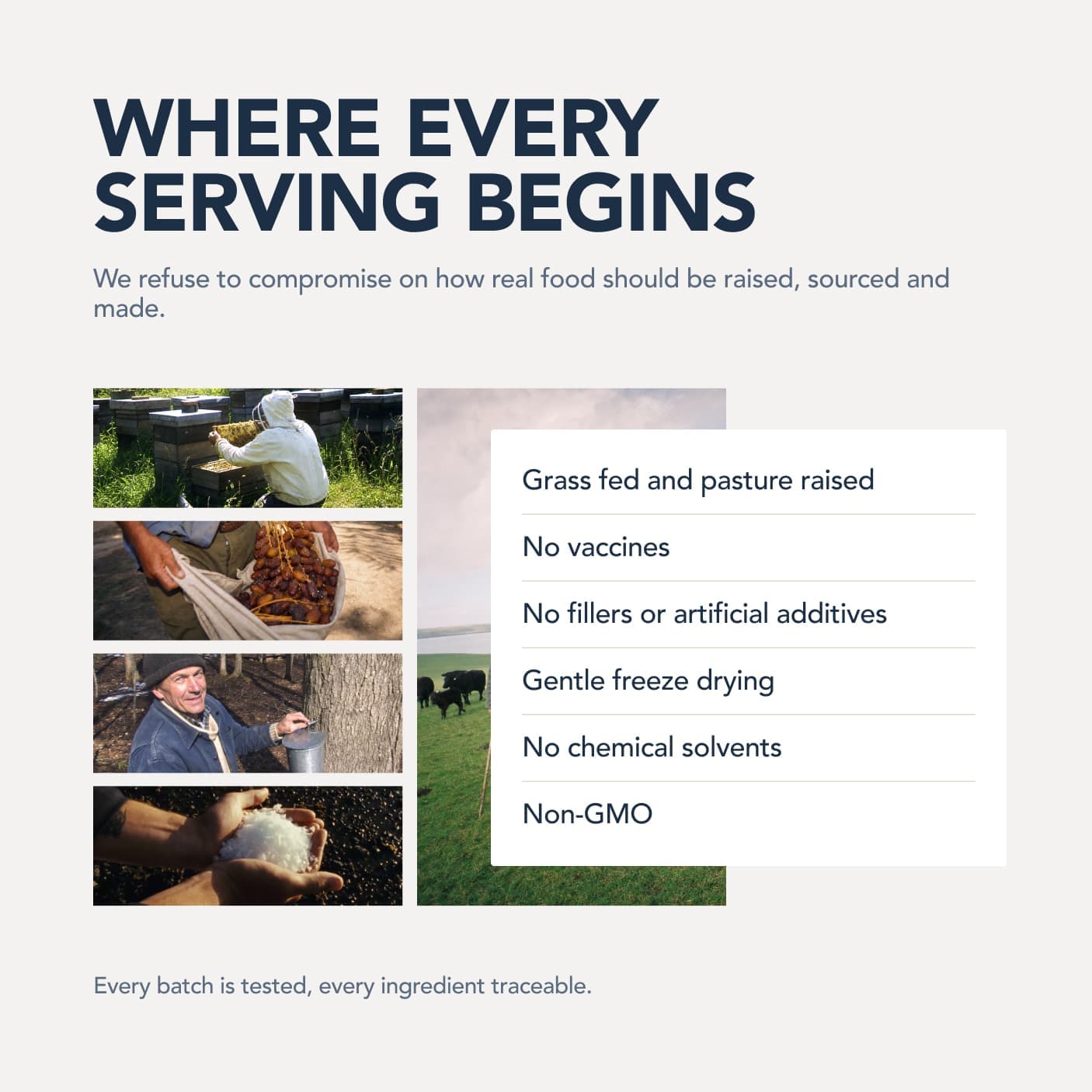
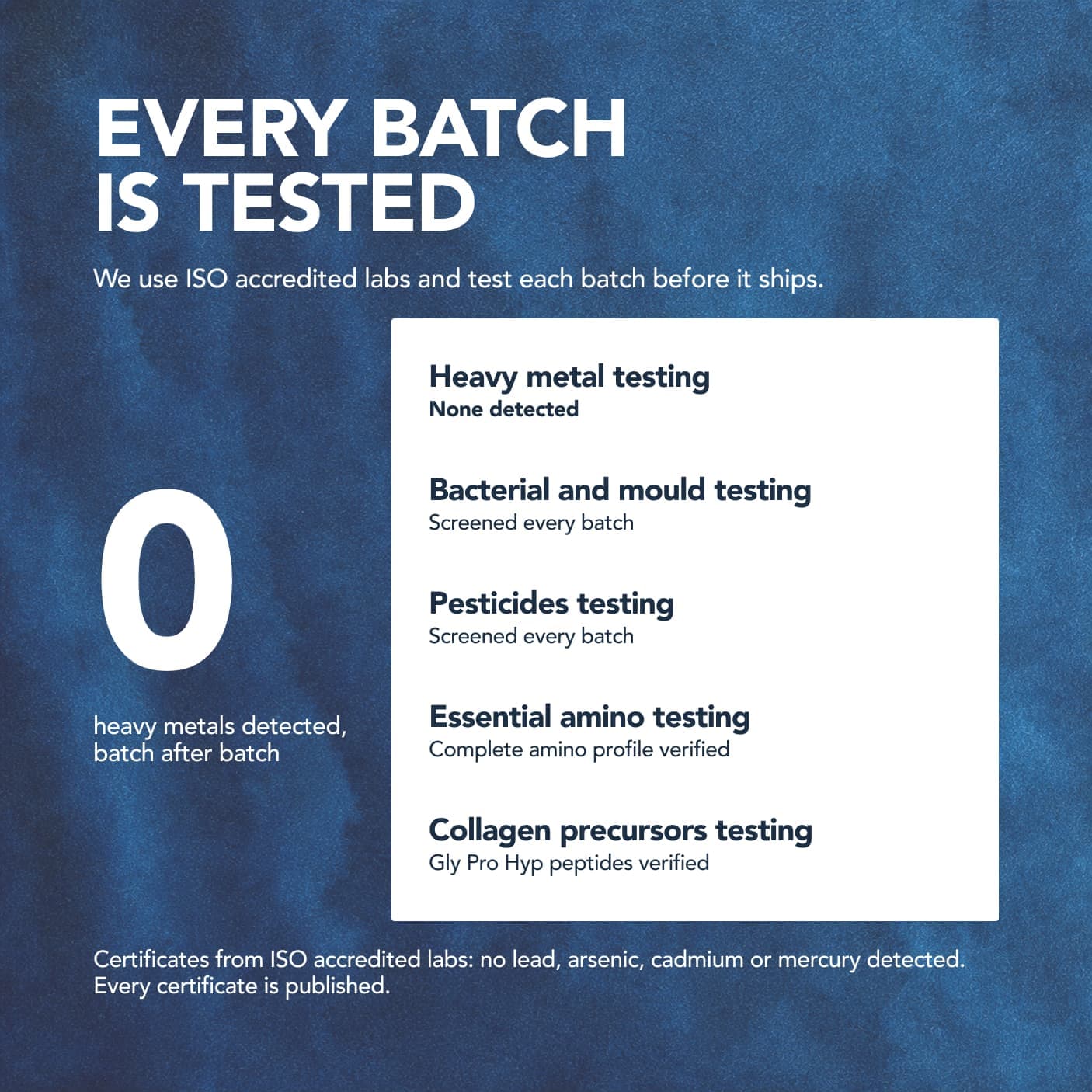
Eight real ingredients built around grass-fed beef organs, collagen and colostrum. Nothing synthetic added.
Free with your first order, worth £38. Plus £10 off the pouch with a subscription.
Free UK shipping · Made in England · 100 day money back guarantee on your first pouch · Skip, pause or cancel anytime
Elderberry and rest
Elderberry has been used traditionally for centuries and is supported by modern research. It contains compounds that inhibit viral replication and support immune function. Unlike some herbal remedies, elderberry has decent evidence supporting its use for cold and flu duration reduction.2
Elderberry syrup, lozenges, or extract can be used prophylactically throughout winter or acutely when illness appears. Dosing varies by form, but generally follows label recommendations. It's not a replacement for nutrition, but it's a reasonable adjunct.
However, the most important intervention during illness is rest. Rest is when recovery happens. Your immune system is most effective when you're not expending energy on work, exercise, or other demands. This is why people who rest properly during illness recover faster than people who try to push through.
Rest isn't laziness. It's when your body allocates resources to fighting infection. Work against this and recovery stalls. Support it and you heal faster.
The protocol: bone broth, nutrient-dense foods, garlic, liver, zinc, rest, and adequate sleep. This combination addresses the nutritional foundation of immunity whilst also supporting the physical recovery that illness demands. Most people recover fully within 7-10 days on this protocol. Those who try to push through or who rely on processed food often suffer prolonged illness, secondary infections, or slow recovery.
The bottom line
Seasonal illness is not inevitable. Nutritional status determines who gets sick, how sick they get, and how quickly they recover. If you maintain good nutrition year-round (particularly during winter, when food diversity decreases and infectious pressure increases), you're less likely to get sick. If you do get sick, the recovery is faster.
When illness strikes, the intervention is nutrition. Bone broth, organ meats, garlic, zinc, and rest. Not complicated. Not expensive. But extraordinarily effective. Stop fighting illness with willpower and caffeine. Start fighting it with food.
References
Every source below was checked on 27 August 2026. Each PubMed, PMC and DOI identifier was resolved against NCBI or Crossref, and what it opens is printed under the citation, so you can see the link goes where the citation says without leaving the page. Where a citation and its identifier disagreed, the citation was corrected to the record or the reference was deleted along with the sentence marker that pointed at it, and where the resolved paper turned out not to support the sentence, the sentence was cut back to what it does support. Borrowed authority is worse than none, because it looks like rigour.
- NIH Office of Dietary Supplements. Dietary supplements for immune function and infectious diseases. ods.od.nih.gov/factsheets/ImmuneFunction-HealthProfessional.
- Hawkins J, et al. Black elderberry (Sambucus nigra) supplementation effectively treats upper respiratory symptoms: a meta-analysis. Complement Ther Med. 2019. PMID 30670267.Checked 27 August 2026: PMID 30670267 opens Hawkins J, Baker C, Cherry L et al, Black elderberry (Sambucus nigra) supplementation effectively treats upper respiratory symptoms: A meta-analysis of randomized, controlled clinical trials. Complement Ther Med 2019;42:361-365. PubMed indexes it as: Meta-Analysis.
- NIH Office of Dietary Supplements. Vitamin A and carotenoids fact sheet. ods.od.nih.gov/factsheets/VitaminA-HealthProfessional.
- NIH Office of Dietary Supplements. Zinc fact sheet for health professionals. ods.od.nih.gov/factsheets/Zinc-HealthProfessional.
Who wrote and reviewed this guide
Niall Kiddle
Author · Founder, Organised
Niall is the founder of Organised. He started the company in 2024 after fixing his own health the slow way: in 2022 he swapped a cupboard of synthetic supplements for real food, raw milk, organ meats, bone broth and honey, and felt the difference within months.
Areas of expertise: Ancestral nutrition, Organ meats, Whole-food supplementation, Gut health, Regenerative sourcing
Read Niall's full profile
Pedro Rodrigues
Reviewer · Agronomist (farming and sourcing only)
Pedro is the agronomist Organised works with on farming and sourcing. His job on the guides is to keep the science honest: he reviews what we publish about soil health, regenerative agriculture, grazing and the way food is actually produced.
Areas of expertise: Regenerative agriculture, Agronomy, Soil health, Grass-fed farming, Food sourcing
Reviewed this guide on
Read Pedro's full profileMore on immunity
View allBrowse the guides library
All guidesKeep reading
Health goals
Protein, Satiety and Why Diets Fail
Most diets fail because they ignore how protein controls hunger. Learn the protein leverage hypothesis and why 30g per meal matters.
Health goals
Histamine Intolerance: Could Your Gut Be the Cause?
Histamine intolerance often isn't an allergy. It's a gut barrier and enzyme deficiency problem. Here's how to address it.
Health goals
Why Your Skin Looks Better When You Eat Organ Meats
Organ meats are the most nutrient-dense foods on the planet. Here's exactly how they change your skin, from the inside out.
Real food, made effortless
Start my daily blendA few ways to use it
All recipes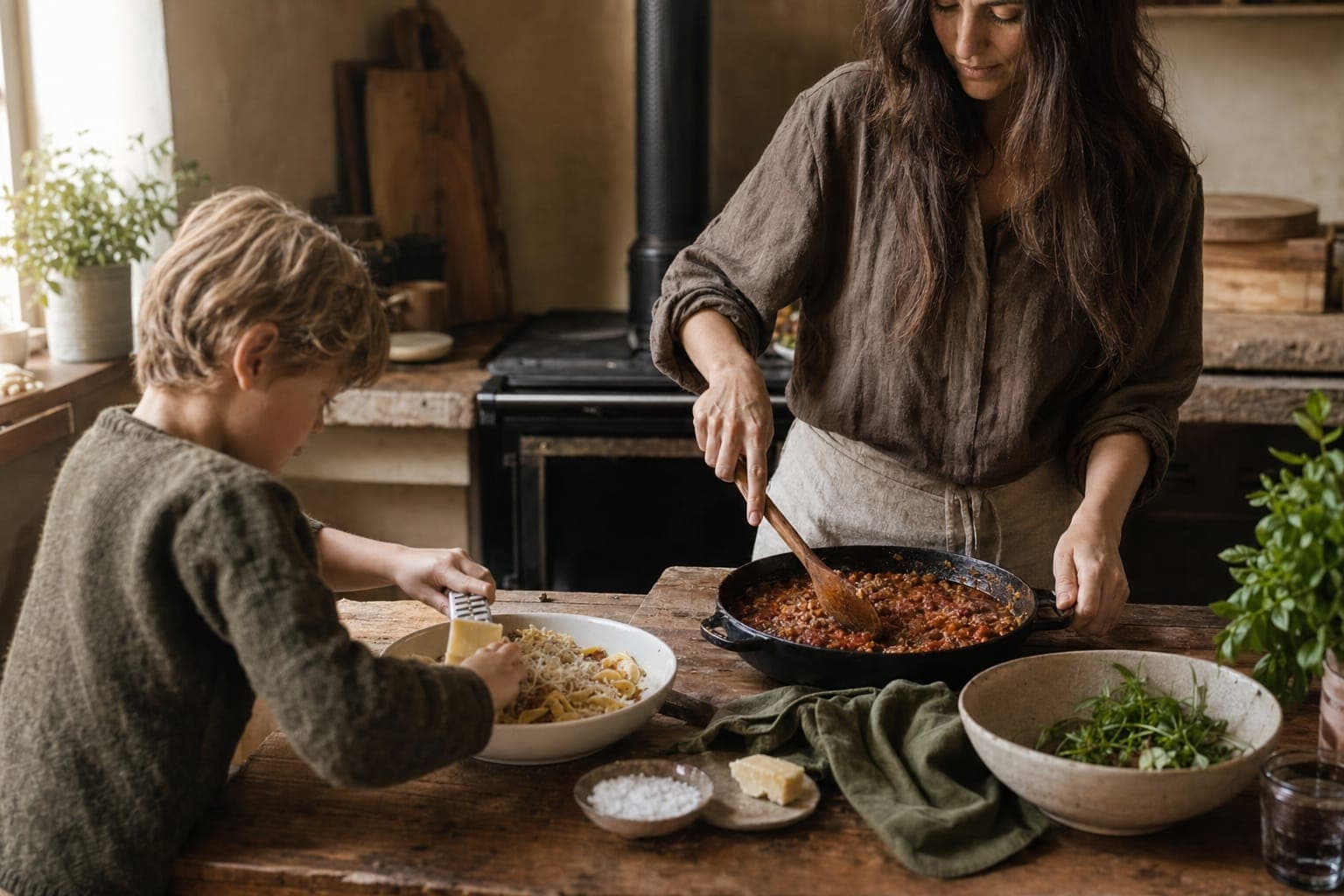
Organ Bolognese: The Family Dinner That Heals
Practical organ meat recipe using fresh beef liver and heart. Family-friendly bolognese that bridges supplements to whole food.
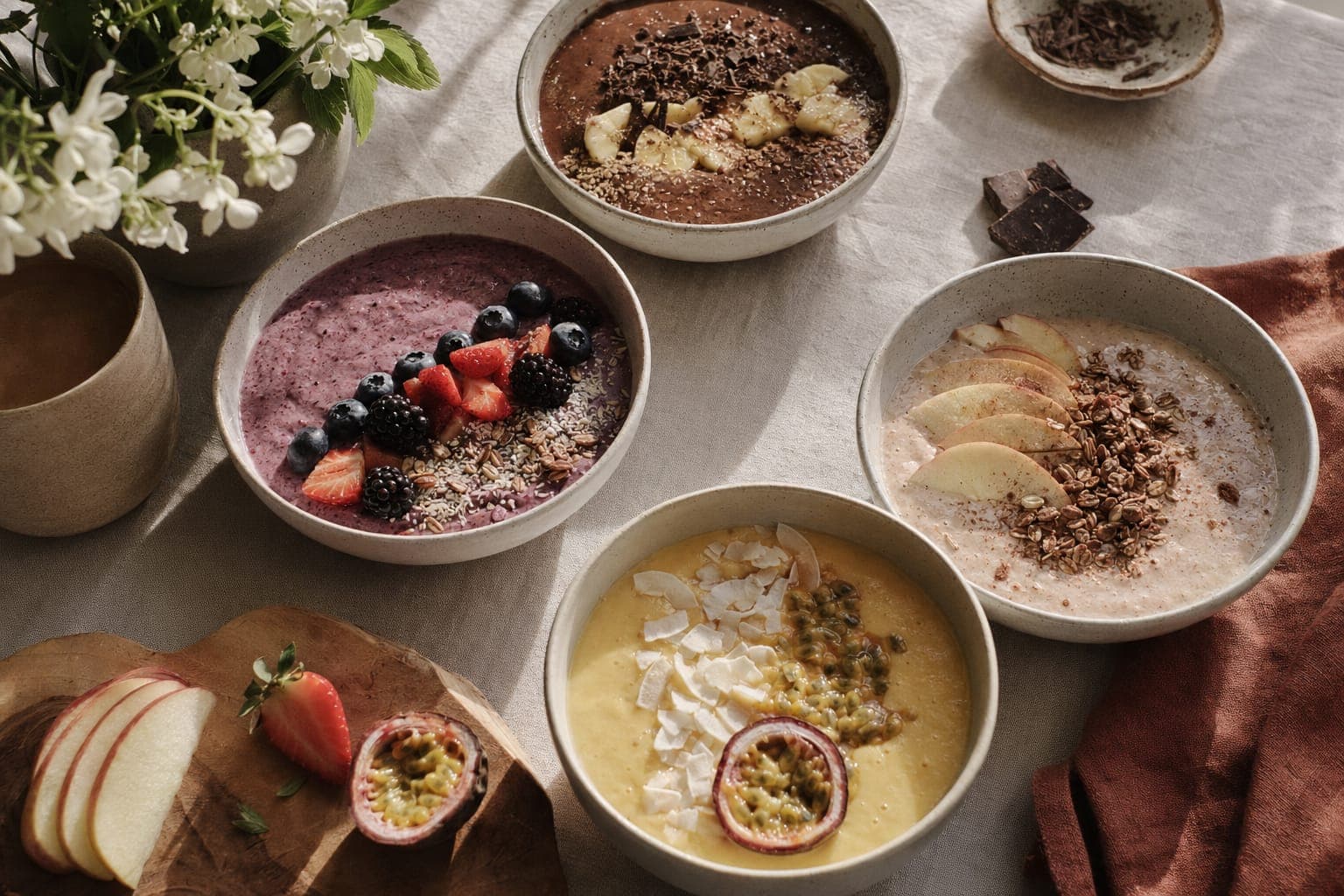
Organised Smoothie Bowl Recipes for Every Season
Four seasonal smoothie bowl recipes using Organised. Berry in summer, apple-cinnamon in autumn, tropical in spring, warming chocolate in winter.
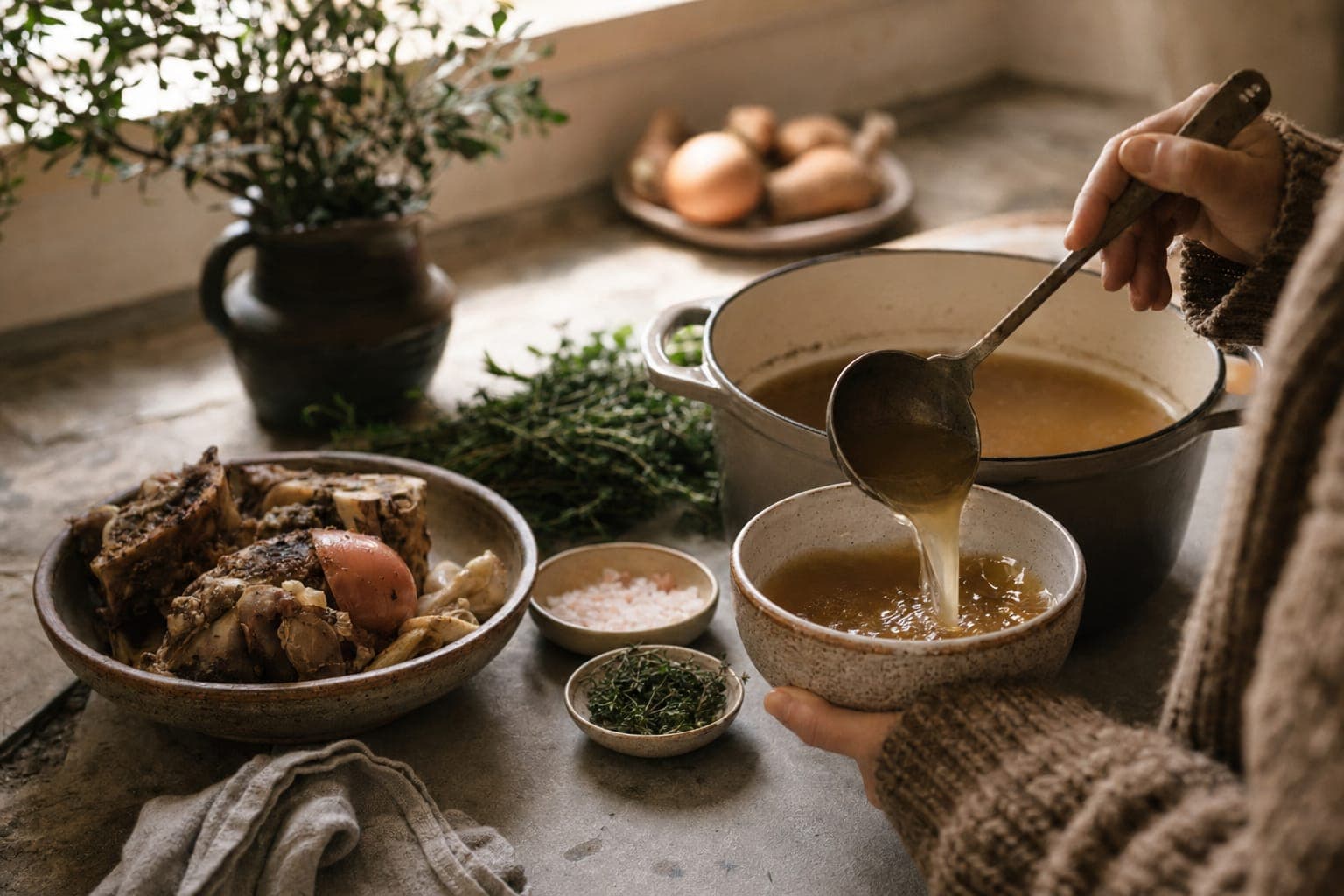
Bone Broth from Scratch: A Step-by-Step Guide
Step-by-step guide to making bone broth at home. Stovetop, slow cooker, and Instant Pot methods. Rich in collagen and gut-healing minerals.


 Join over 100,000+ members
Build a better food system with us
The Organised community is thousands of people choosing real food and backing the farmers who grow it, all of us trying to leave the world a little better than we found it. If that is what you care about too, you belong here.