Testosterone and Nutrition: What Men Need to Know
Testosterone isn't made from willpower or discipline. It's made from cholesterol, zinc, and specific vitamins that your body can't synthesise on its own. Feed your endocrine system properly, and your testosterone responds. Feed it poorly, and it doesn't matter how much you train.
By Niall Kiddle, Founder, Organised

Reviewed by Pedro Rodrigues, Agronomist (farming and sourcing only) ·
6 min read · Published · Updated · 5 cited sources
Makers of the Organised Daily blend, a grass-fed beef organ supplement from regenerative UK farms

Why testosterone matters
Testosterone isn't just a fertility hormone. It drives muscle building, bone density, confidence, cognitive clarity, mood stability, and energy production. Low testosterone shows up as fatigue, brain fog, poor recovery from training, loss of muscle mass despite work, mood issues, and a kind of flatness that no amount of sleep seems to fix.
The problem is systemic. Travison and colleagues (2007) documented a population-level decline in serum testosterone in American men, independent of age and not fully explained by changes in obesity or smoking.1
Testosterone production is a matter of nutrition and environment. You can optimise it without drugs. But you have to feed your endocrine system correctly.
The cholesterol foundation
Testosterone is synthesised in the testes from cholesterol via a multi-step pathway (cholesterol → pregnenolone → progesterone → androstenedione → testosterone), with cholesterol serving as the starting substrate.2
This is why the anti-cholesterol narrative has been so damaging to men's health. For decades, men were told to minimise egg yolks, avoid butter, cut saturated fat. The result? Lower testosterone, lower vitamin D (cholesterol is the precursor), weaker bones, worse metabolism, less muscle.
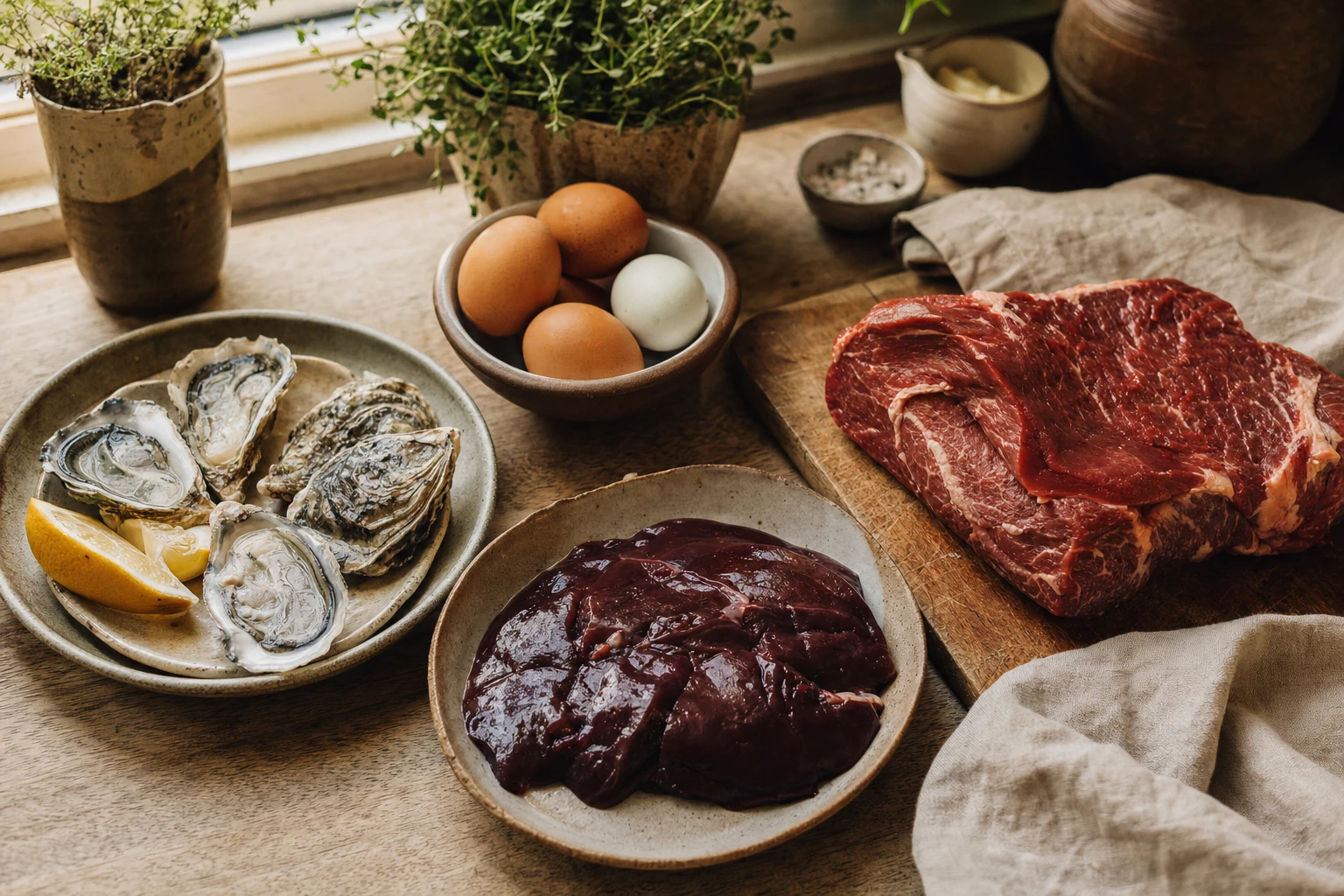
Your testes, where testosterone is primarily synthesised, are basically made of cholesterol. They need constant replenishment. Eggs (the whole egg, not just whites), red meat with the fat, butter, full-fat dairy. These aren't indulgences. They're physiological necessities.
If you've been eating low-cholesterol for years, expect your testosterone to be suppressed. Add back whole eggs, butter, and fatty cuts of meat, and you'll see shifts within weeks. Not because cholesterol is magic, but because you're now providing the raw material your body needs.
Zinc is non-negotiable
Zinc is the single most important micronutrient for testosterone production. It's involved in every step of synthesis. It's a cofactor for the enzymes that convert cholesterol to pregnenolone, then to progesterone, then ultimately to testosterone.
Zinc is also critical for sperm production and sexual function. Low zinc shows up as erectile dysfunction, reduced libido, and low sperm count. It's one of the first things to check when any of those are happening.
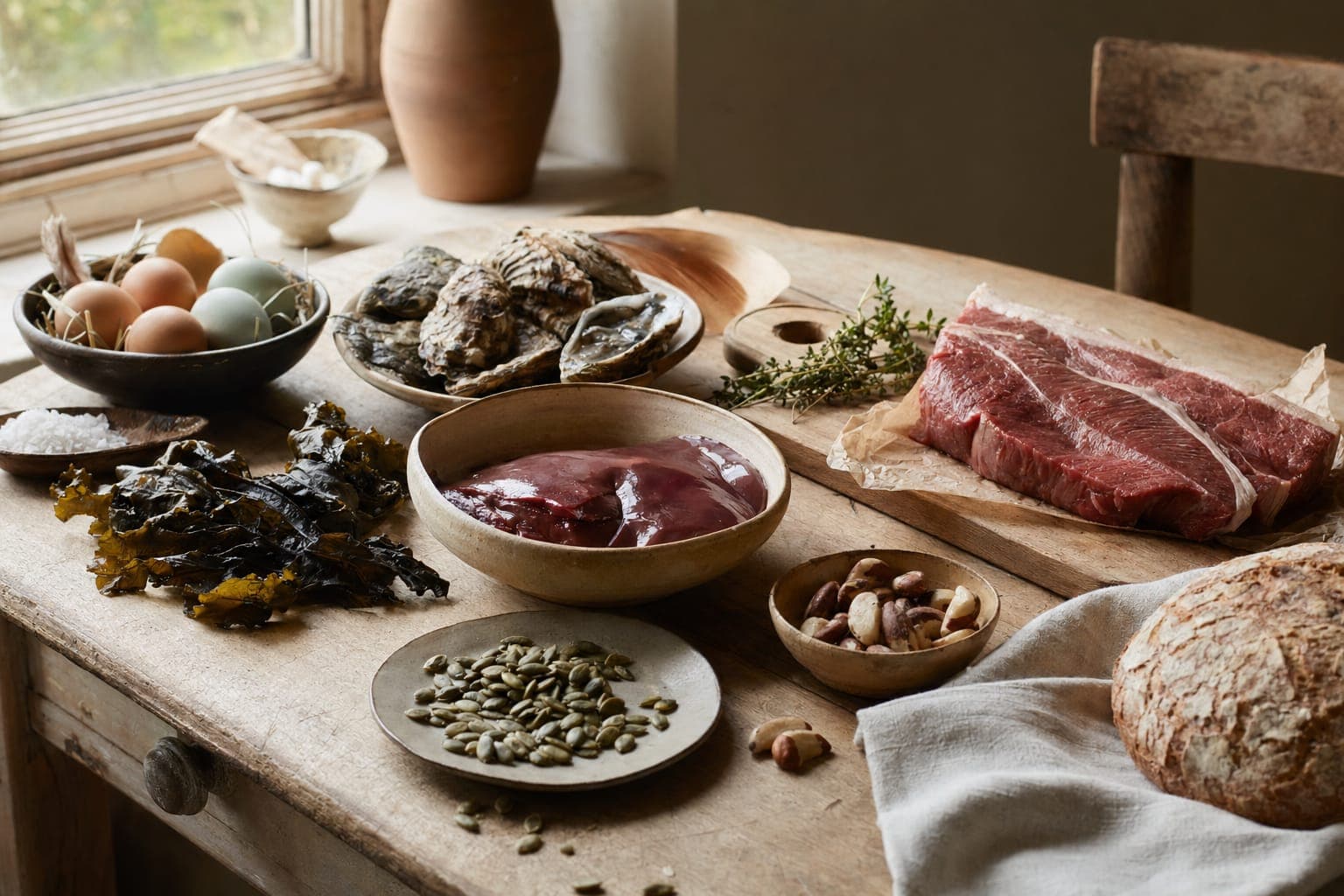
The problem is that zinc is found primarily in animal foods, especially animal organs. Beef, lamb, oysters, clams, liver, kidney. Plant foods contain zinc, but it's bound to phytates and oxalates that reduce absorption. If you're eating primarily plant-based, you're probably zinc-deficient.
The Recommended Dietary Allowance for zinc is 11 mg/day for adult men, with oysters, red meat and liver among the densest dietary sources.3
If you've been low in zinc for a long time, testosterone production will be dampened. Add back oysters, beef, and liver, and you'll see recovery. But it takes time. Give it 8-12 weeks for the system to reboot.
Selenium and the thyroid connection
Testosterone doesn't exist in isolation. It works alongside thyroid hormone, growth hormone, and other endocrine signals. If your thyroid is compromised, everything suffers, including testosterone.
Selenium is required for the activity of the deiodinase enzymes that convert thyroxine (T4) to the active thyroid hormone (T3); selenoproteins are central to thyroid hormone metabolism.5
Selenium is found in organ meats, seafood (especially shellfish), eggs, and Brazil nuts. Beef kidney is extraordinarily rich in selenium. A single serving covers your entire daily need.
The synergy matters. Zinc plus selenium plus cholesterol plus vitamin D plus adequate protein. These aren't independent factors. They work together. Missing one creates bottlenecks in the whole system.
Vitamin D and the sunlight fallacy
Vitamin D is synthesised in the skin from cholesterol when exposed to sunlight. But in the modern world, most men spend their days indoors. Even with sun exposure, latitude and season affect vitamin D production significantly.
Vitamin D acts as a steroid hormone in the body, and observational studies have associated low vitamin D status with lower testosterone in men, although randomised trials of supplementation have produced mixed results.4
You can't rely on sunlight alone, especially in winter or if you live far from the equator. Food sources are limited. Fatty fish like salmon and mackerel carry it. Egg yolks. Organ meats. But amounts are modest.
Vitamin D3 supplementation is legitimate here. 2000-4000 IU daily is reasonable for most men, though some need more depending on baseline levels. Blood testing will tell you where you stand. Aim for 40-60 ng/mL.
Vitamin D deficiency is rampant in modern men, and it's one of the easiest things to address and one of the highest-leverage interventions for testosterone production.
Get health guides like this, free
Two short reads a week on eating for energy, gut health, skin, sleep and more.
By signing up you agree to receive emails from us. No spam, unsubscribe anytime.
The mineral matrix
Beyond zinc and selenium, a few other minerals matter for testosterone: magnesium, copper, iron, and sodium.
Magnesium is involved in the transport of testosterone and in androgen receptor function. Low magnesium suppresses testosterone. Magnesium is found in leafy greens, nuts, seeds, and mineral water. Most modern men are deficient.
Copper and zinc exist in a ratio. Too much zinc (from supplementation without balance) can suppress copper, which then suppresses testosterone. Eating whole foods rather than supplementing excess zinc is safer.
Iron is essential for testosterone production and for carrying oxygen to the tissues that make it. Iron deficiency is less common in men than in women, but it still happens, especially if you're vegan or vegetarian. Beef, liver, shellfish.
Sodium is often vilified, but it's essential for hormone production and for the nervous system to function well. Adequate salt (roughly 3-5 grams daily from whole foods) supports testosterone production. Very low salt intake suppresses it.
What to eat, what to avoid
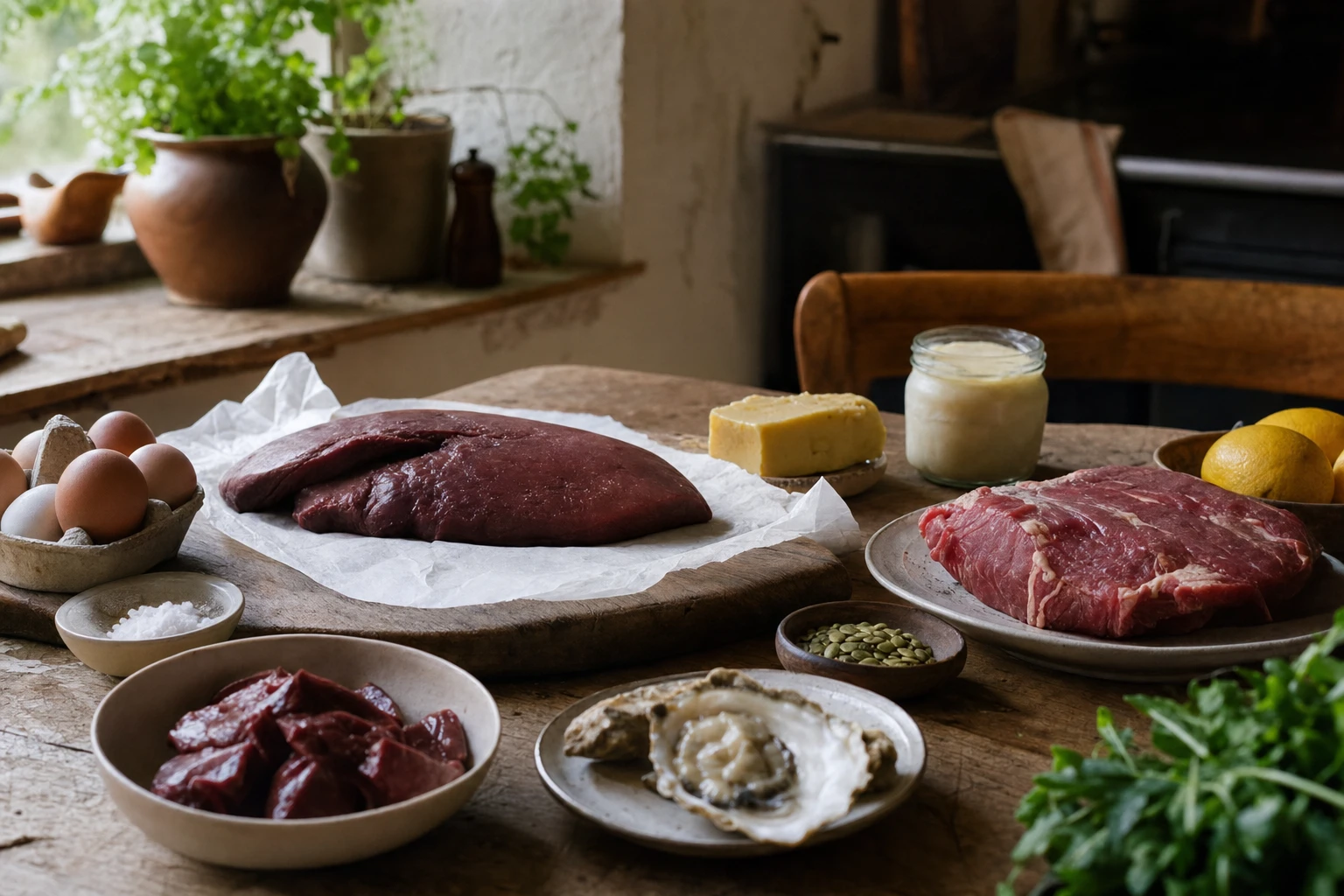
Testosterone-supporting foods. Prioritise these: beef and lamb (especially organs like liver and kidney), eggs (whole eggs, not just whites), oysters and shellfish, fatty fish like salmon, full-fat dairy (if you tolerate it), butter, coconut oil, honey, white rice, fruit, and colourful vegetables.
These foods provide cholesterol, zinc, selenium, vitamins A and D, B vitamins, and the caloric density and nutrient density your body needs to synthesise hormones.
What to minimise: seed oils (they disrupt endocrine function), excessive alcohol (suppresses testosterone production and damages the liver), refined sugar in excess (destabilises blood sugar and increases inflammation), and very high-volume endurance exercise without adequate nutrition (creates metabolic stress that suppresses testosterone).
Resistance training supports testosterone. But if you're training hard and under-eating, you're fighting yourself. Eat enough. Especially eat enough protein and fat. Aim for roughly 1 gram of protein per pound of bodyweight, and don't fear fat.
1 of 9
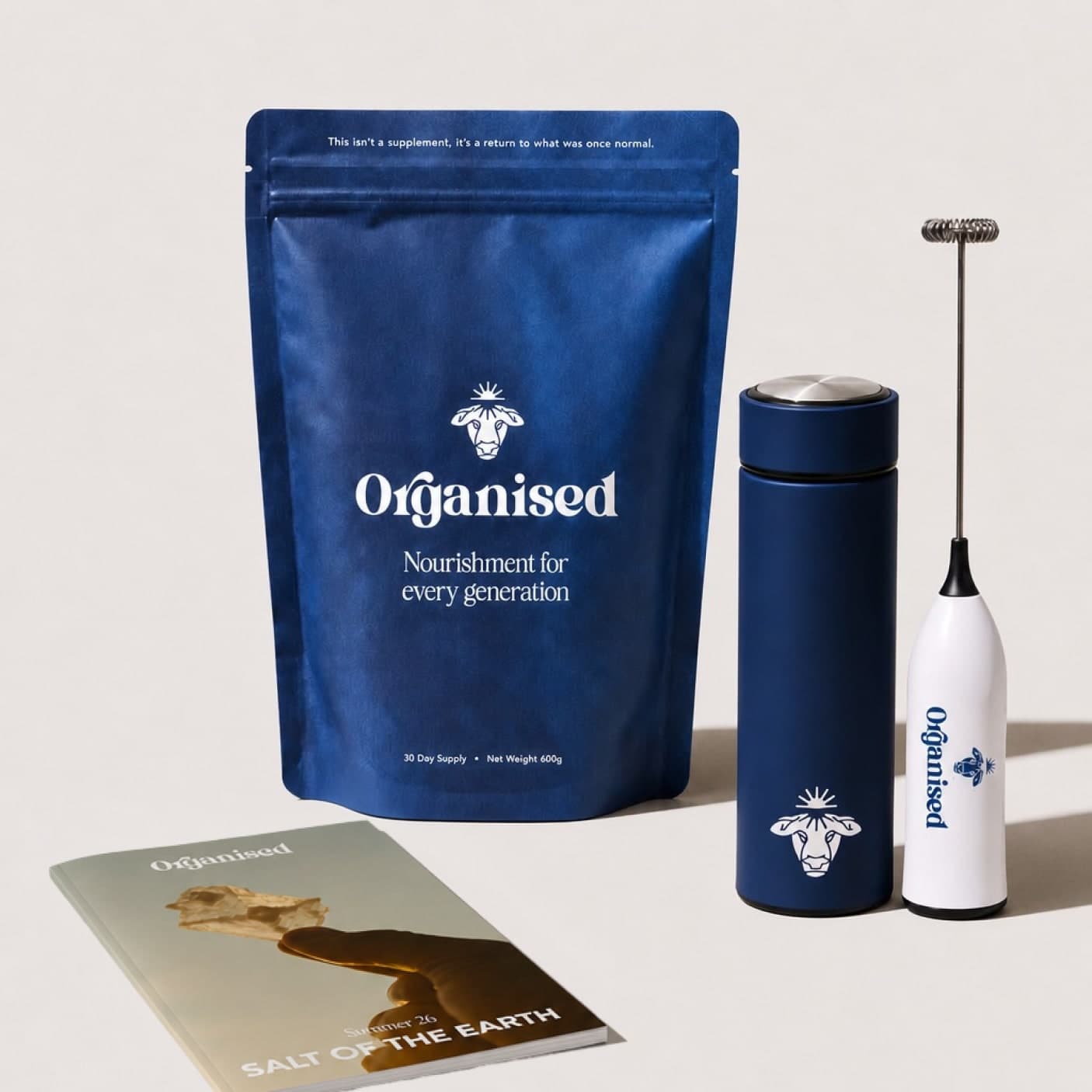
Daily blend
100,000+ thriving families4.9 on Trustpilot
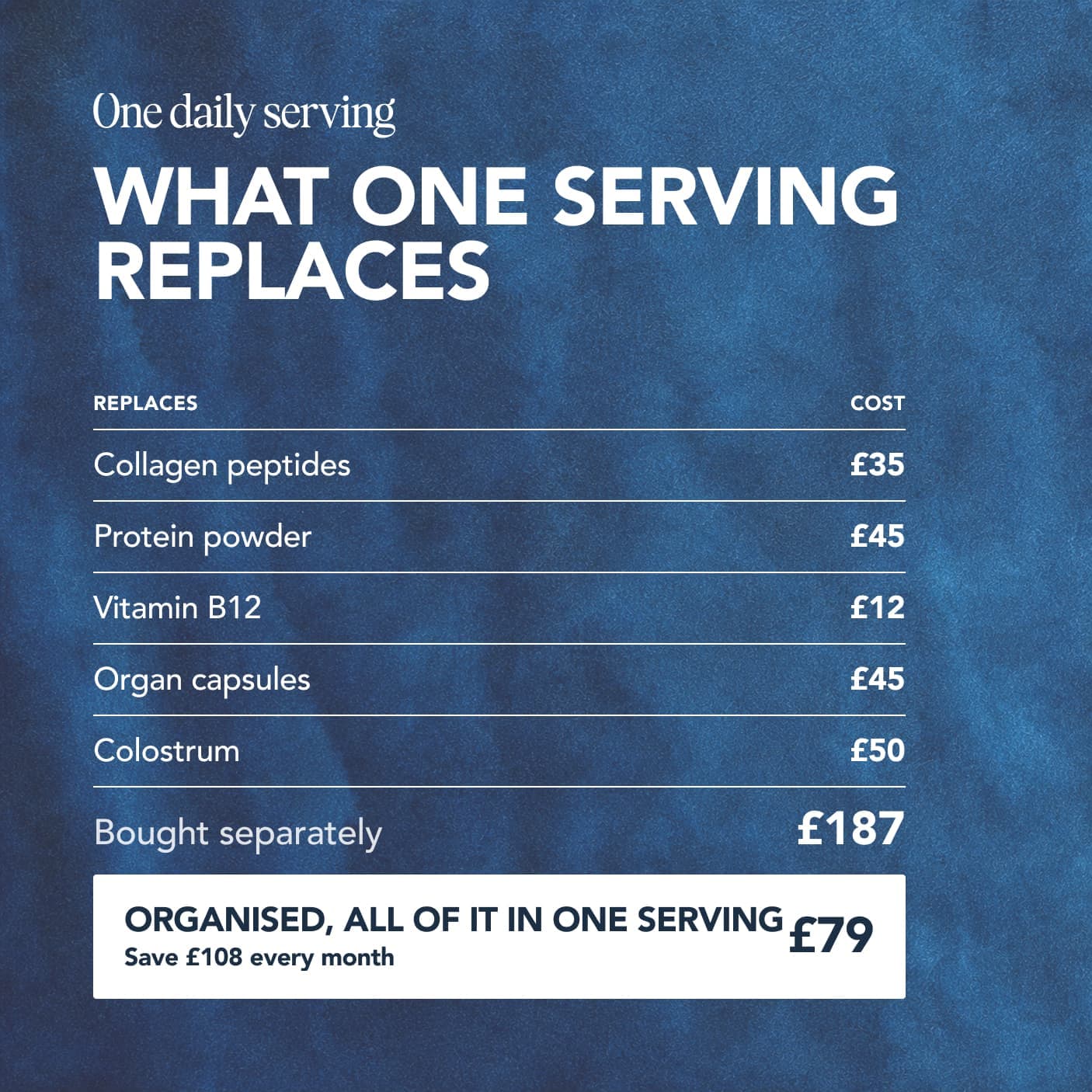
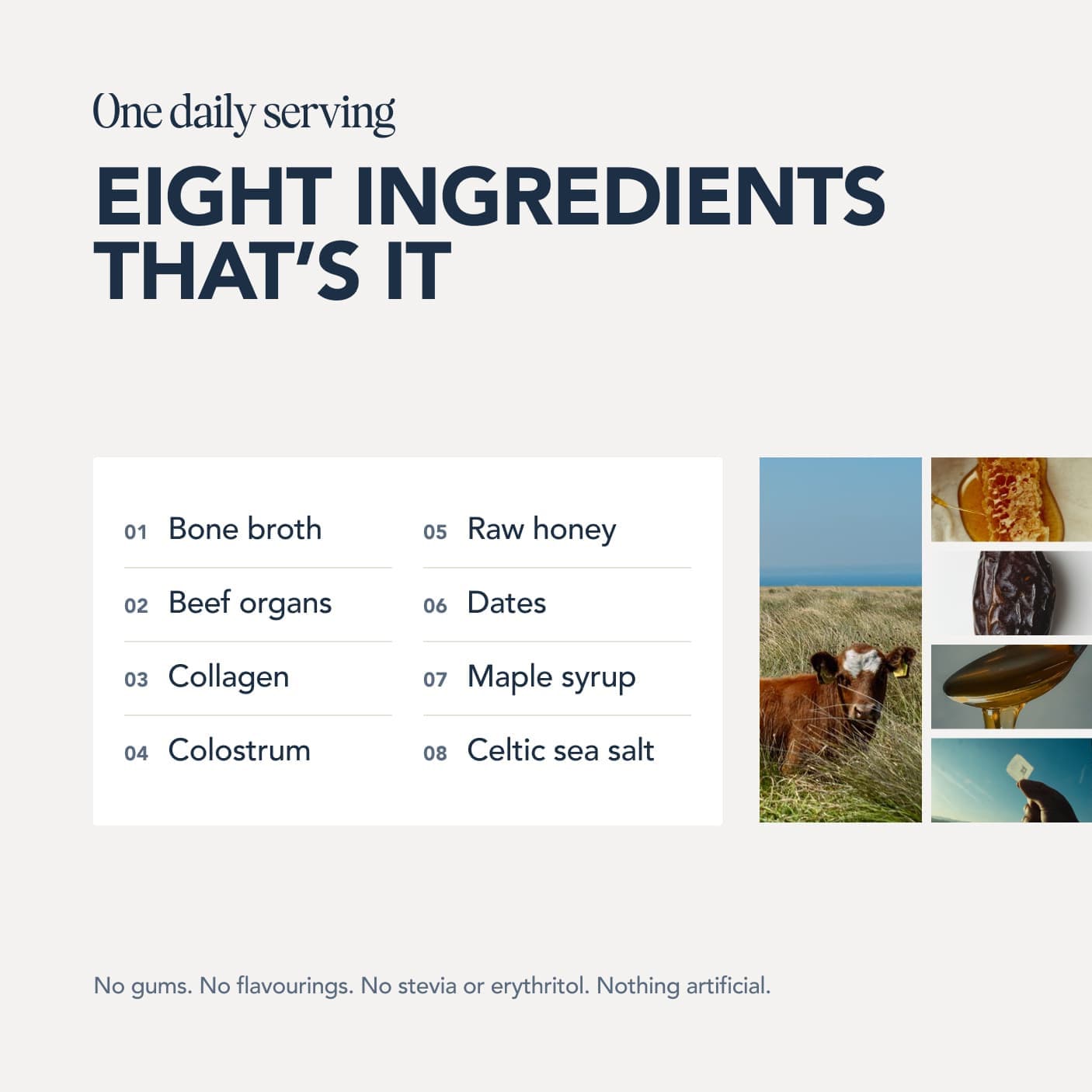
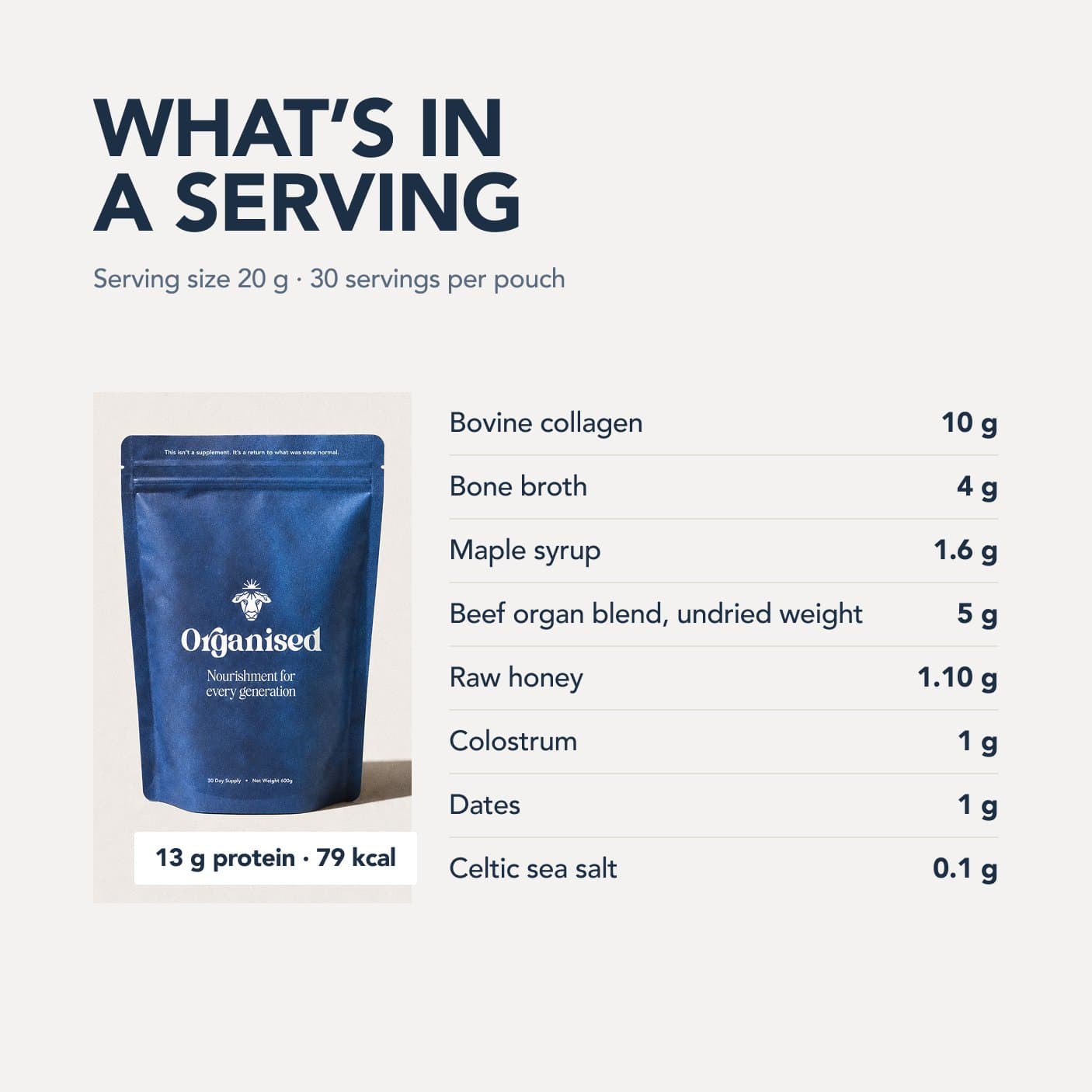
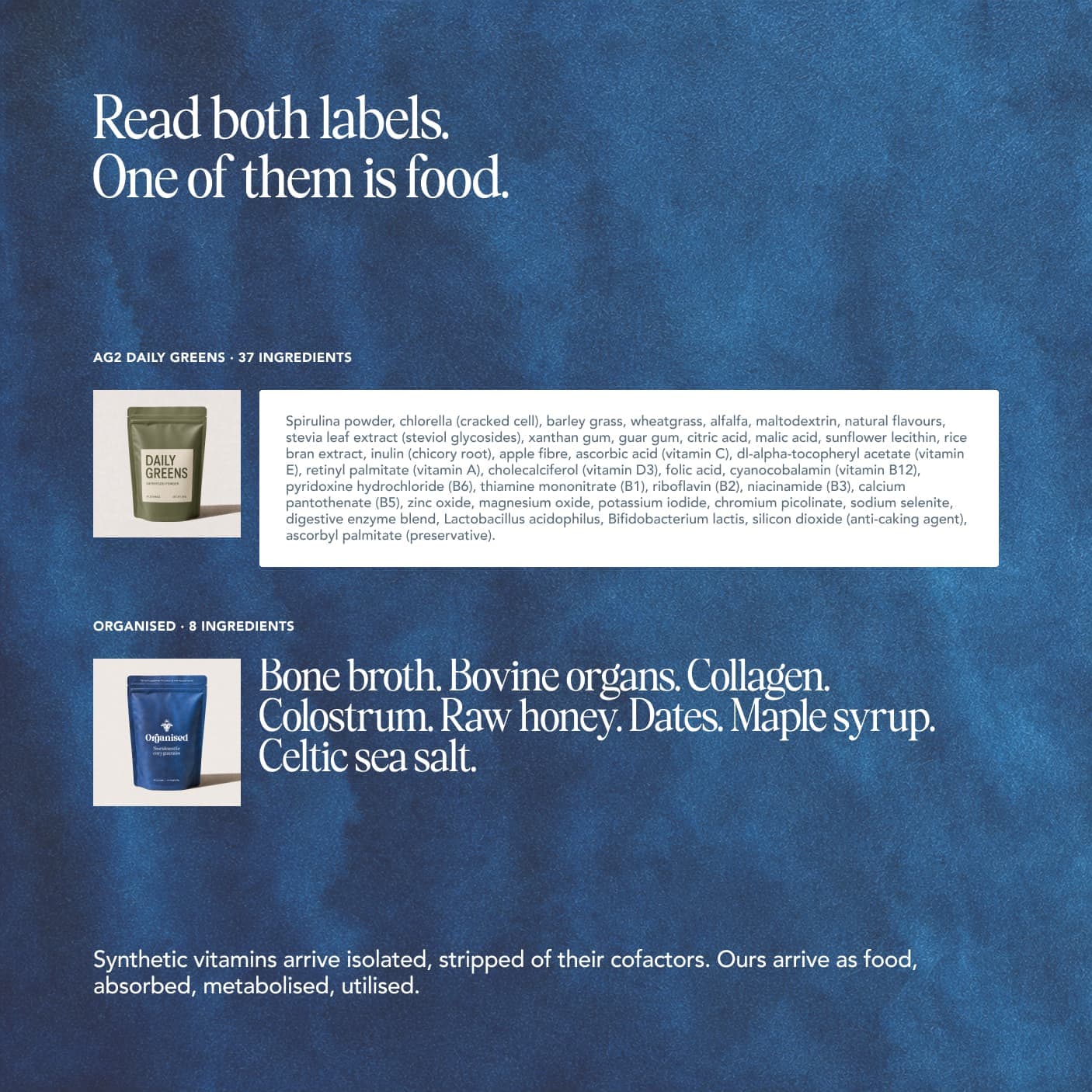
Eight real ingredients built around grass-fed beef organs, collagen and colostrum. Nothing synthetic added.
Free with your first order, worth £38. Plus £10 off the pouch with a subscription.
Free UK shipping · Made in England · 100 day money back guarantee on your first pouch · Skip, pause or cancel anytime
The timeline
If you've been eating poorly, testosterone recovery doesn't happen overnight. Your system has to rebuild the nutritional foundation. Most men see measurable improvements in how they feel within 4-8 weeks. Energy returns first. Mood stabilises. Recovery from training improves. Sexual function improves.
If you get blood work, testosterone often shows improvement by 8-12 weeks, sometimes faster. But don't obsess over numbers. How you feel is more honest than a single number on a test.
Consistency matters more than perfection. Eating organ meats three times a week and whole eggs daily will get you there. You don't need elaborate supplementation or exotic interventions. Just real food.
Training and recovery matter too
Nutrition is only part of the picture. Resistance training signals to your body that testosterone is needed. But the signal only works if recovery is adequate. Sleep, stress management, and nutritional adequacy all matter.
If you're training hard but under-eating, over-stressed, or chronically sleep-deprived, testosterone production is suppressed. The training stimulus is there, but your body is too stressed to respond. You have to address the whole picture: nutrition, training, sleep, stress.
The bottom line
Testosterone is optimised through nutrition. Cholesterol is the raw material. Zinc and selenium are the catalysts. Vitamin D is the regulatory signal. Magnesium is the transport mechanism. Eat whole foods rich in these nutrients, eat enough calories, train intelligently, get adequate sleep, and your testosterone will respond. This isn't a shortcut. It's how male physiology actually works.
References
Every source below was checked on 27 August 2026. Each PubMed, PMC and DOI identifier was resolved against NCBI or Crossref, and what it opens is printed under the citation, so you can see the link goes where the citation says without leaving the page. Where a citation and its identifier disagreed, the citation was corrected to the record or the reference was deleted along with the sentence marker that pointed at it, and where the resolved paper turned out not to support the sentence, the sentence was cut back to what it does support. Borrowed authority is worse than none, because it looks like rigour.
- Travison TG, Araujo AB, O'Donnell AB, Kupelian V, McKinlay JB. A population-level decline in serum testosterone levels in American men. J Clin Endocrinol Metab. 2007. https://pubmed.ncbi.nlm.nih.gov/17062768/Checked 27 August 2026: PMID 17062768 opens Travison TG, Araujo AB, O'Donnell AB et al, A population-level decline in serum testosterone levels in American men. J Clin Endocrinol Metab 2007;92(1):196-202.
- Miller WL, Auchus RJ. The molecular biology, biochemistry, and physiology of human steroidogenesis and its disorders. Endocrine Reviews. (Steroid biosynthesis pathway.) See also: National Institutes of Health, Office of Dietary Supplements. Cholesterol overview / Vitamin D — Health Professional Fact Sheet. https://ods.od.nih.gov/factsheets/VitaminD-HealthProfessional/
- National Institutes of Health, Office of Dietary Supplements. Zinc — Health Professional Fact Sheet. https://ods.od.nih.gov/factsheets/Zinc-HealthProfessional/
- Pilz S, et al. Effect of vitamin D supplementation on testosterone levels in men. Hormone and Metabolic Research. 2011. https://pubmed.ncbi.nlm.nih.gov/21154195/Checked 27 August 2026: PMID 21154195 opens Pilz S, Frisch S, Koertke H et al, Effect of vitamin D supplementation on testosterone levels in men. Horm Metab Res 2011;43(3):223-5. PubMed indexes it as: Randomized Controlled Trial.
- National Institutes of Health, Office of Dietary Supplements. Selenium — Health Professional Fact Sheet. https://ods.od.nih.gov/factsheets/Selenium-HealthProfessional/
Who wrote and reviewed this guide
Niall Kiddle
Author · Founder, Organised
Niall is the founder of Organised. He started the company in 2024 after fixing his own health the slow way: in 2022 he swapped a cupboard of synthetic supplements for real food, raw milk, organ meats, bone broth and honey, and felt the difference within months.
Areas of expertise: Ancestral nutrition, Organ meats, Whole-food supplementation, Gut health, Regenerative sourcing
Read Niall's full profile
Pedro Rodrigues
Reviewer · Agronomist (farming and sourcing only)
Pedro is the agronomist Organised works with on farming and sourcing. His job on the guides is to keep the science honest: he reviews what we publish about soil health, regenerative agriculture, grazing and the way food is actually produced.
Areas of expertise: Regenerative agriculture, Agronomy, Soil health, Grass-fed farming, Food sourcing
Reviewed this guide on
Read Pedro's full profileMore on hormones
View all- Hormonal Health Starts in the Kitchen: A Whole Food Guide
- Perimenopause Nutrition: What Changes and What to Eat
- Coming Off the Pill? How to Support Your Body's Transition
- Cortisol, Stress and Nutrition: Breaking the Cycle
- Eating for Each Phase of Your Menstrual Cycle
- How Blood Sugar Instability Wrecks Your Hormones
- How Liver Supports Oestrogen Detoxification
- How Seed Oils Disrupt Your Hormones
- Insulin Resistance: The Silent Metabolic Crisis
- Is Polyester Bad For Hormones? Your Guide To Hormone Safe Clothing
- PCOS and Nutrition: A Whole Food Approach
- Thyroid Health: The Nutrients Your Thyroid Needs to Function
Browse the guides library
All guidesKeep reading
Health goals
Thyroid Health: The Nutrients Your Thyroid Needs to Function
Support healthy thyroid function with the right nutrition: iodine, selenium, zinc, and iron all matter. Learn which everyday whole foods deliver each one.

Health goals
Ageing Well: The Nutrients That Support Healthy Longevity
Ageing well requires specific nutrients: collagen, B12, magnesium, K2, glutathione. Here's where to find them and why they matter.
Health goals
Insulin Resistance: The Silent Metabolic Crisis
Insulin resistance develops quietly, but the damage is profound. Here's how it happens and the whole-food strategies that actually work.
Real food, made effortless
Start my daily blendA few ways to use it
All recipes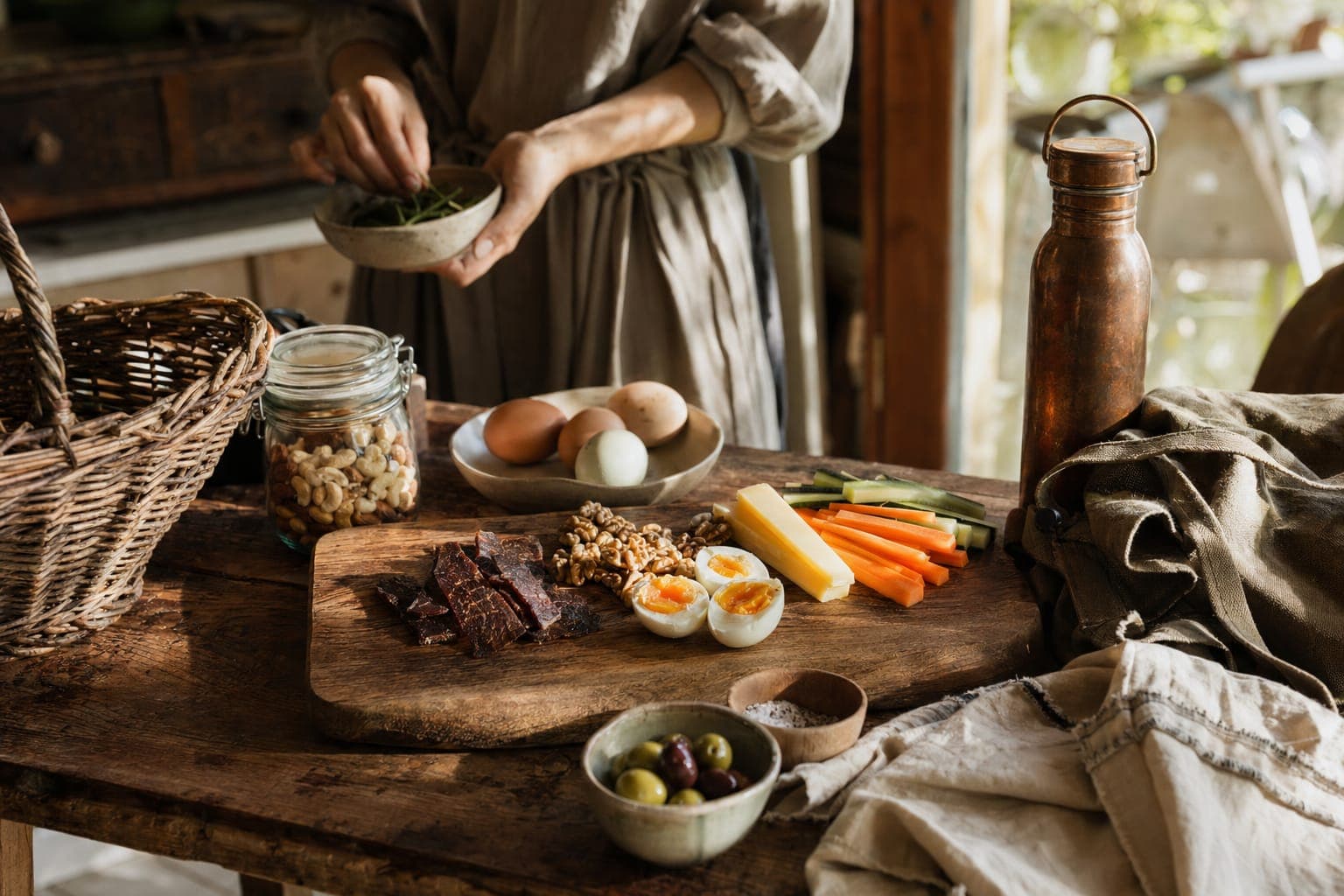
Whole Food Snacks for Busy Days
Practical whole food snacks that travel well and sustain energy. No refined carbs, no seed oils. Real food options for when you're busy.
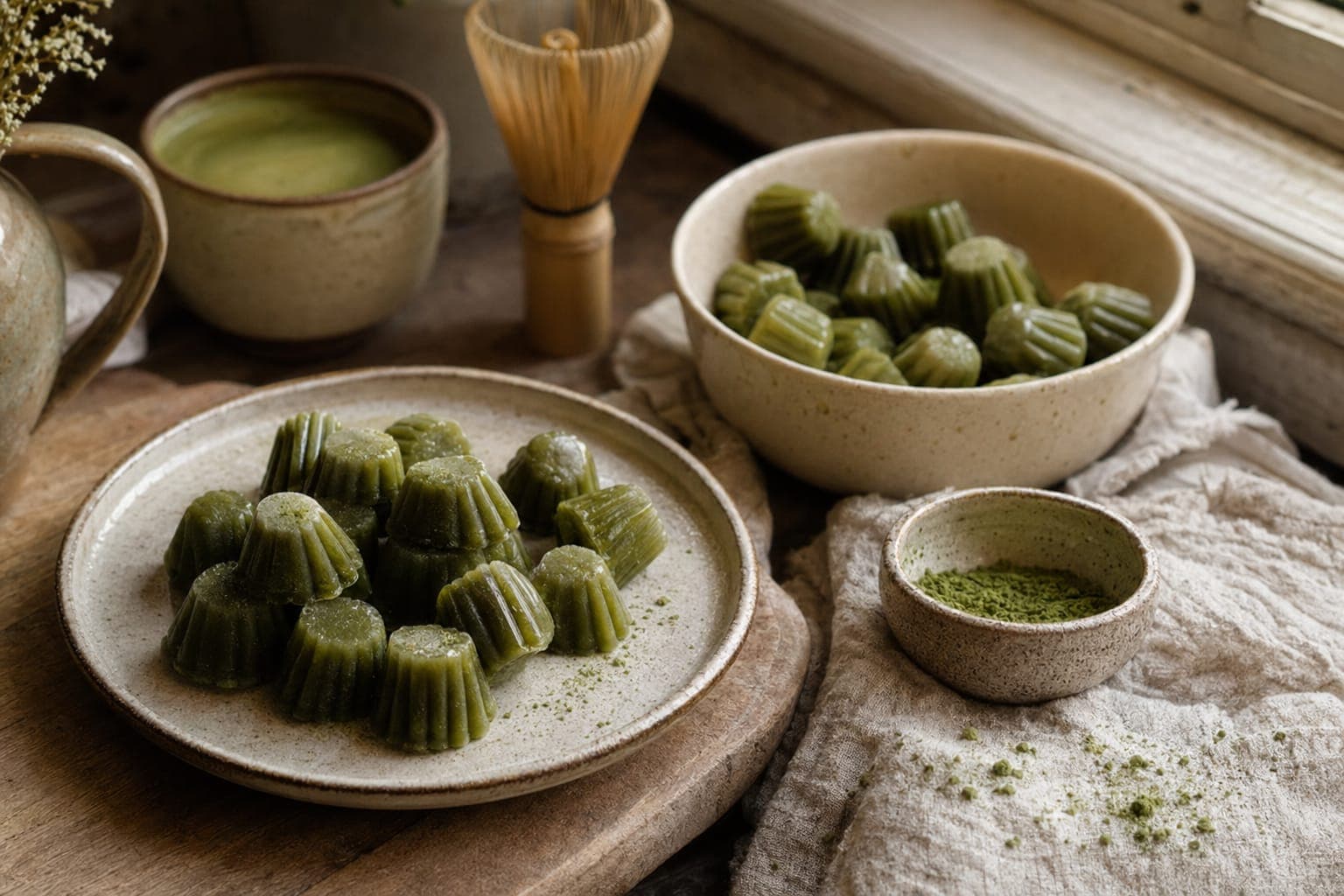
Matcha Latte Gummies with Collagen and Gelatine
Make visually stunning matcha latte gummies infused with collagen and gelatine. Simple recipe for gut-healing sweets you'll actually want to eat.
Gut-Healing Marshmallows with Collagen and Raw Honey
Learn to make gut-healing marshmallows with collagen and raw honey. A shareable treat that sneaks nutrition into every bite. Easy recipe with video tips.


 Join over 100,000+ members
Build a better food system with us
The Organised community is thousands of people choosing real food and backing the farmers who grow it, all of us trying to leave the world a little better than we found it. If that is what you care about too, you belong here.