The Connection Between Gut Health and Skin Breakouts
You've tried every skin product. Topical creams, exfoliants, moisturisers, you name it. Your skin improved briefly, then got worse again. You assumed you have problematic skin. You actually have a problematic gut.

By Niall Kiddle, Founder, Organised

Reviewed by Pedro Rodrigues, Agronomist (farming and sourcing only) ·
6 min read · Published · Updated · 5 cited sources
Makers of the Organised Daily blend, a grass-fed beef organ supplement from regenerative UK farms

The skin is often the first place systemic problems show up. Your skin is constantly turning over, constantly regenerating. If your body is inflamed, if you're nutritionally deficient, if your microbiome is dysbiotic, it shows on your face before it shows anywhere else.

The gut-skin axis is real
Your gut microbiome produces metabolites that are absorbed into your bloodstream. These metabolites influence systemic inflammation, immune function, and how your skin barrier functions.1 Dysbiotic bacteria produce different metabolites than beneficial bacteria. Dysbiotic metabolites are pro-inflammatory.
When these inflammatory metabolites circulate, your body mounts an immune response. One place this shows up is your skin. Your sebaceous glands become inflamed. Your skin barrier becomes compromised. Pathogenic bacteria colonise. Acne develops.
This is why you can use the best skincare products in the world and still have acne. The problem isn't your skincare. The problem is your gut producing inflammatory metabolites that are driving skin inflammation from the inside.
Your skin isn't separate from your gut. They're part of the same system. Fix your gut, and your skin often follows.
How dysbiosis manifests as acne
Dysbiotic bacteria produce different byproducts than beneficial bacteria. They're often more inflammatory. They proliferate when you eat the foods that feed them: refined sugars, seed oils, artificial sweeteners, processed foods.
When dysbiosis is present, these inflammatory-producing bacteria dominate your microbiome. They produce metabolites that shift your immune system toward an inflammatory state. Your skin responds by becoming inflamed, producing excess sebum, and becoming colonised by acne-causing bacteria like Cutibacterium acnes.
The acne isn't caused by Cutibacterium acnes directly. It's caused by the inflammatory environment dysbiosis creates.1 Fix the dysbiosis, and Cutibacterium acnes becomes harmless. It can live on your skin without causing acne.
Topical antibiotics work temporarily by killing the surface bacteria. But they don't fix the underlying dysbiosis driving the inflammation. So the acne returns as soon as you stop the antibiotics.

Leaky gut and systemic inflammation
When your gut lining is permeable, bacterial lipopolysaccharides (LPS) and food particles cross into your bloodstream. Your immune system attacks them. This creates chronic, systemic inflammation.
This inflammatory state manifests throughout your body. Joint pain, brain fog, mood issues, fatigue. And notably, inflamed skin. Your sebaceous glands become inflamed. Your skin barrier becomes compromised. Acne develops and persists.
Many people with persistent acne also have other inflammatory markers: digestive issues, joint pain, seasonal allergies, autoimmune tendencies. These aren't coincidences. They're all manifestations of the same underlying problem: leaky gut.
Acne that won't respond to topical treatments is usually a sign your gut is leaking.
Nutrient deficiencies and skin health
Clear skin requires specific nutrients. Zinc is essential for skin barrier function, immune regulation, and sebum production. Deficiency causes acne.2 Vitamin A regulates sebum production and skin cell turnover. Deficiency causes clogged pores and acne.3 Selenium supports skin immunity. Deficiency increases acne severity.4
These nutrients are richly available in whole foods: organs for zinc and vitamin A, seafood for selenium and zinc, eggs for vitamins A and D. But if your gut isn't absorbing nutrients properly, if you have dysbiosis or a compromised gut lining, you won't absorb these nutrients even if you're eating them.
Many people with persistent acne have adequate nutrient intake but poor nutrient absorption. Fixing the gut often fixes the deficiencies and clears the acne.
What actually clears skin
Start with gut health. Remove the foods that drive dysbiosis: seed oils, refined sugars, artificial sweeteners, processed foods with emulsifiers. Most people see skin improvement within two to three weeks of removing these alone.
Add fermented foods daily. Sauerkraut, kefir, miso, aged cheese, sourdough. These inoculate beneficial bacteria. Your skin often clears as your microbiome rebalances.
Add nutrient-dense whole foods. Organs, shellfish, eggs, full-fat dairy. These provide the zinc, vitamin A, and selenium your skin needs to regenerate properly.
If you have severe acne or if it doesn't improve with dietary changes within four weeks, you likely have significant leaky gut. Consider colostrum and collagen to repair your gut lining. Skin clears quickly once the gut barrier heals.
Talk to your dermatologist about the underlying drivers. Long-term oral antibiotics for acne kill commensal gut and skin bacteria, deepening dysbiosis without fixing the root cause, and the acne typically returns when the course ends. Hormonal contraceptives can mask symptoms without addressing the metabolic and gut drivers underneath. None of this means you should stop a prescribed medication on your own. It does mean that asking your prescriber what the underlying driver is, and working on diet, gut health and metabolic markers in parallel, gives you a chance of resolving the actual problem rather than managing it indefinitely.

Get health guides like this, free
Two short reads a week on eating for energy, gut health, skin, sleep and more.
By signing up you agree to receive emails from us. No spam, unsubscribe anytime.
The timeline
Week 1-2: Removing inflammatory foods often produces a minor flare as your body detoxifies. This passes by week two. Then skin begins to improve.
Week 3-4: New breakouts reduce noticeably. Existing breakouts begin to heal. Your skin tone becomes more even. Many people report their skin looks healthier than it has in years.
Week 6-8: Old acne scars seem to fade (actually your skin texture improves as inflammation decreases). Your skin barrier visibly strengthens. Sensitivity and redness decrease.
Week 8-12: Complete skin transformation is often visible. Skin is clear, resilient, naturally glowing. This is what healthy skin looks like when inflammation isn't driving it.
Your skin took months or years to develop its problems. Give your gut eight to twelve weeks to fix them. The transformation is often dramatic.
Why dysbiosis worsens sebum production
Low zinc levels increase sebum production. When dysbiosis is present, zinc absorption decreases because dysbiotic bacteria produce inflammatory metabolites that impair intestinal barrier function and nutrient absorption. This creates a vicious cycle: dysbiosis impairs zinc absorption, zinc deficiency increases sebum production, excess sebum feeds acne-causing bacteria, acne worsens.
Breaking this cycle requires two things simultaneously: restore beneficial bacteria through fermented foods and whole foods, and ensure adequate zinc intake from rich sources like oysters, beef liver, or pumpkin seeds. As dysbiosis resolves and your gut barrier heals, zinc absorption improves, sebum production normalises, and acne improves dramatically.

1 of 9
Daily blend
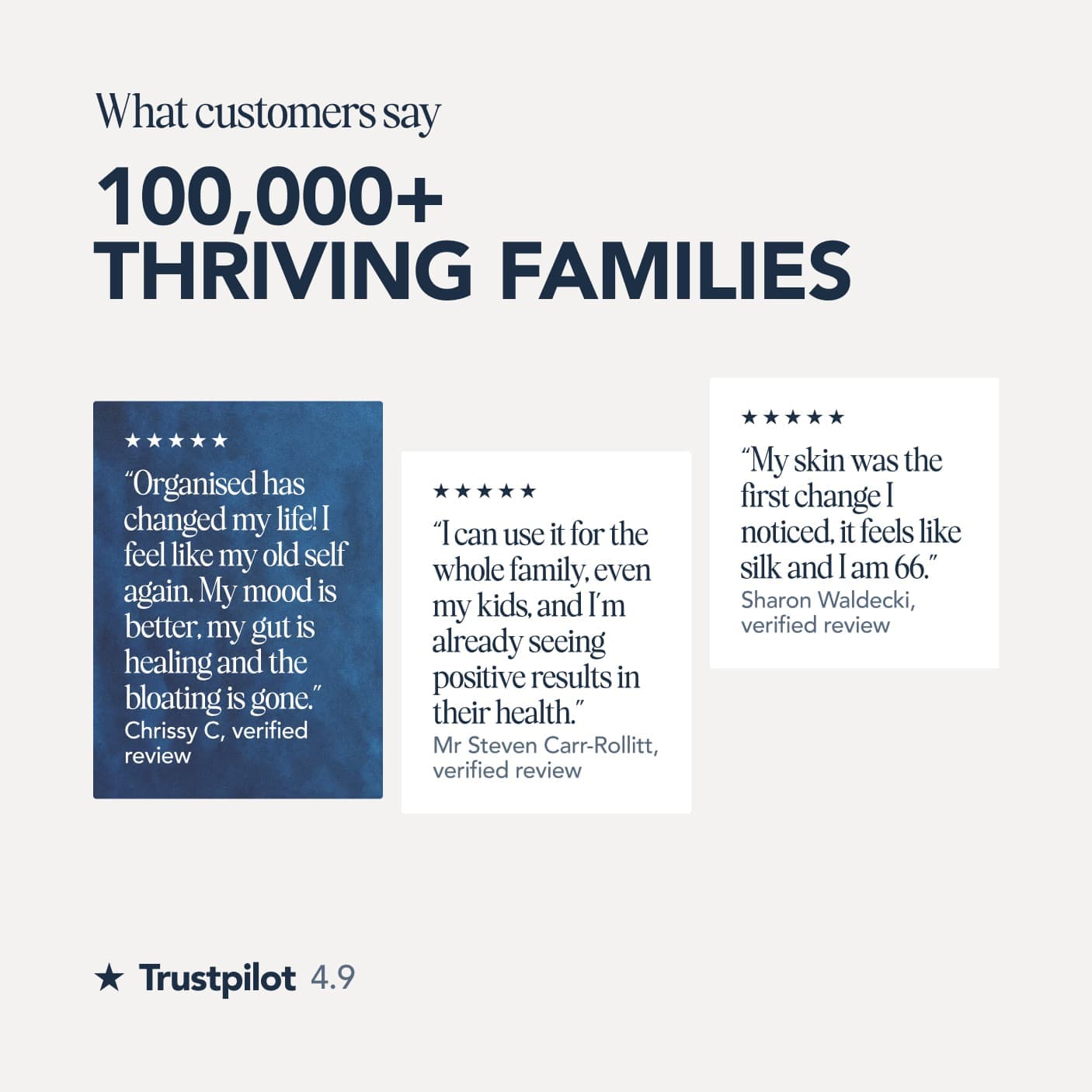
100,000+ thriving families4.9 on Trustpilot
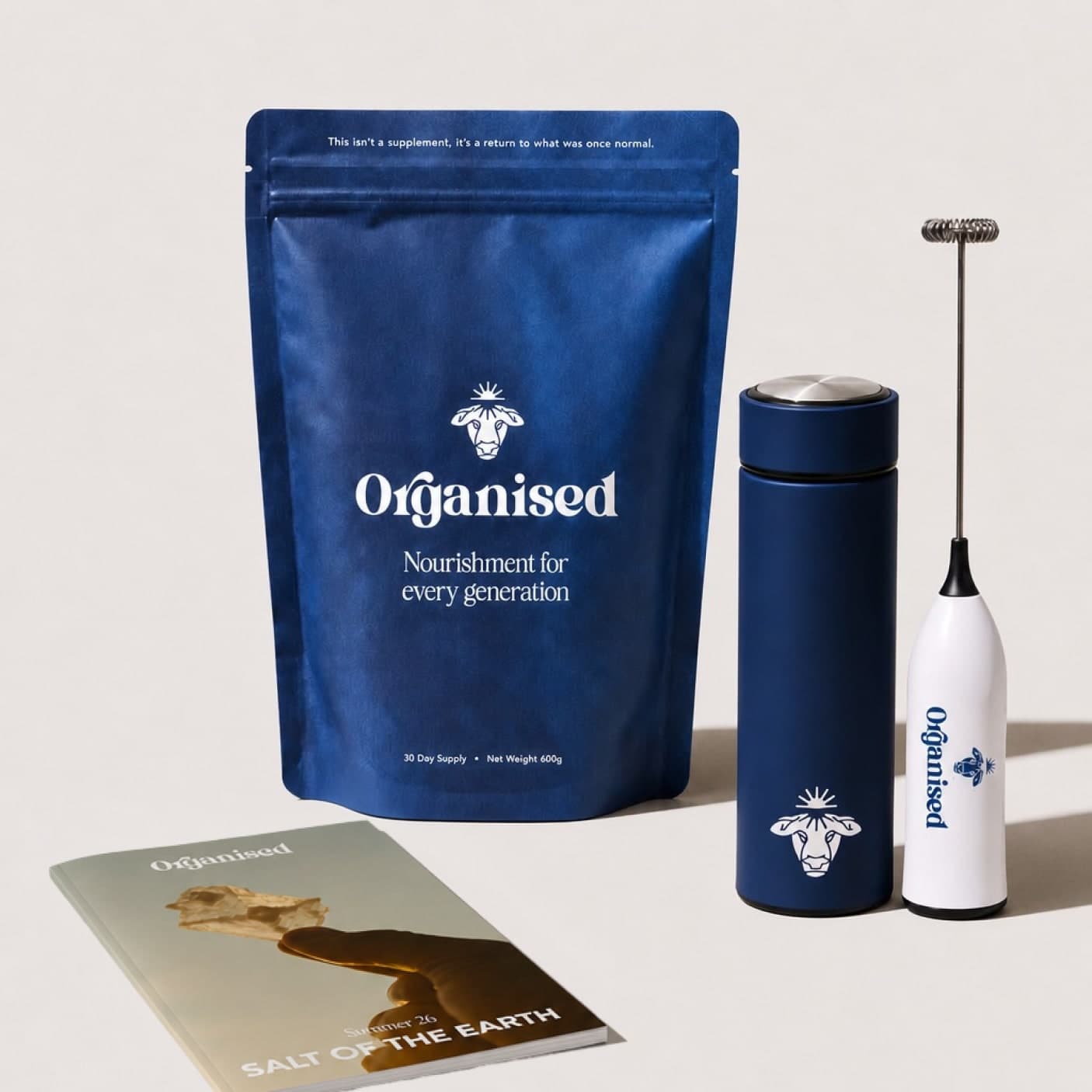
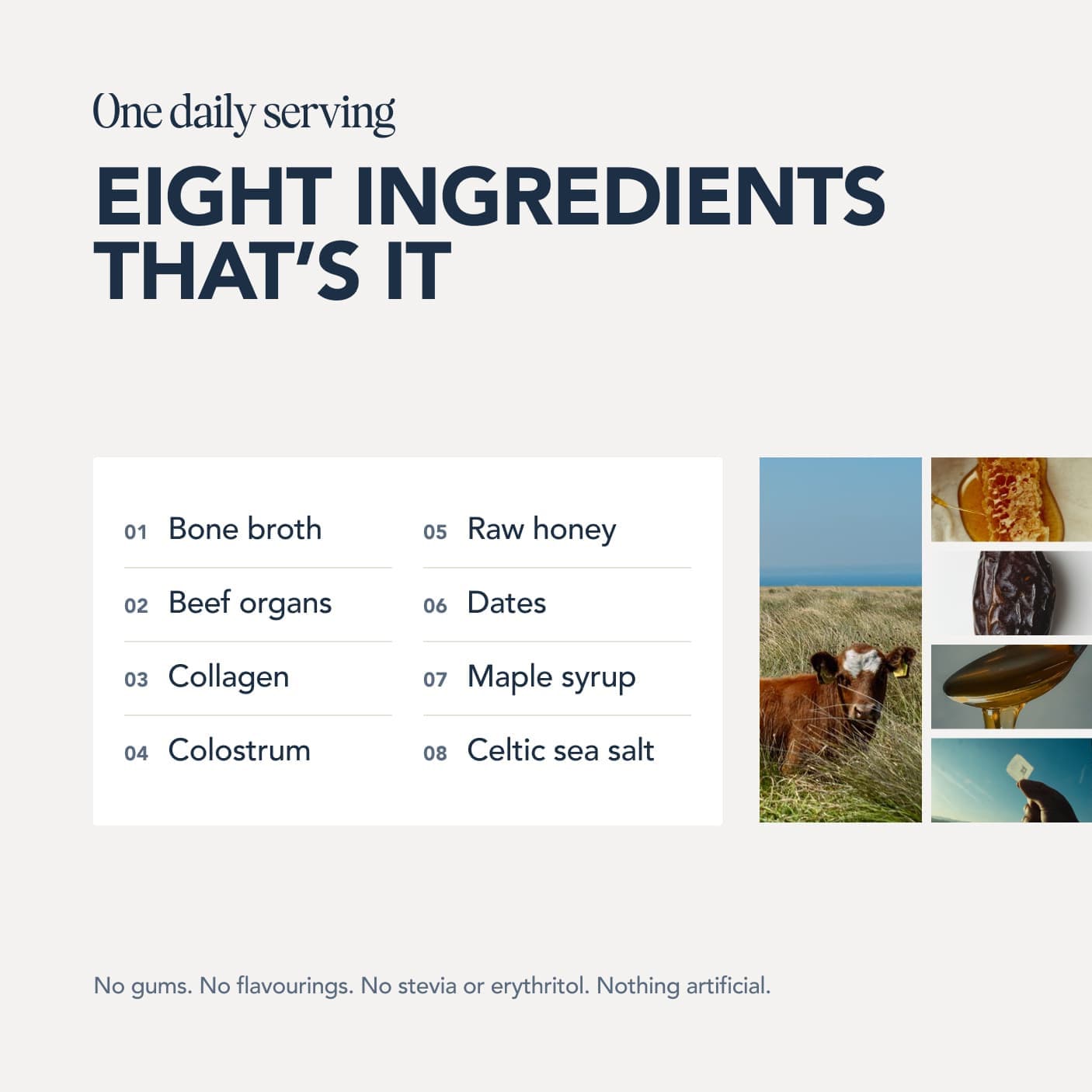
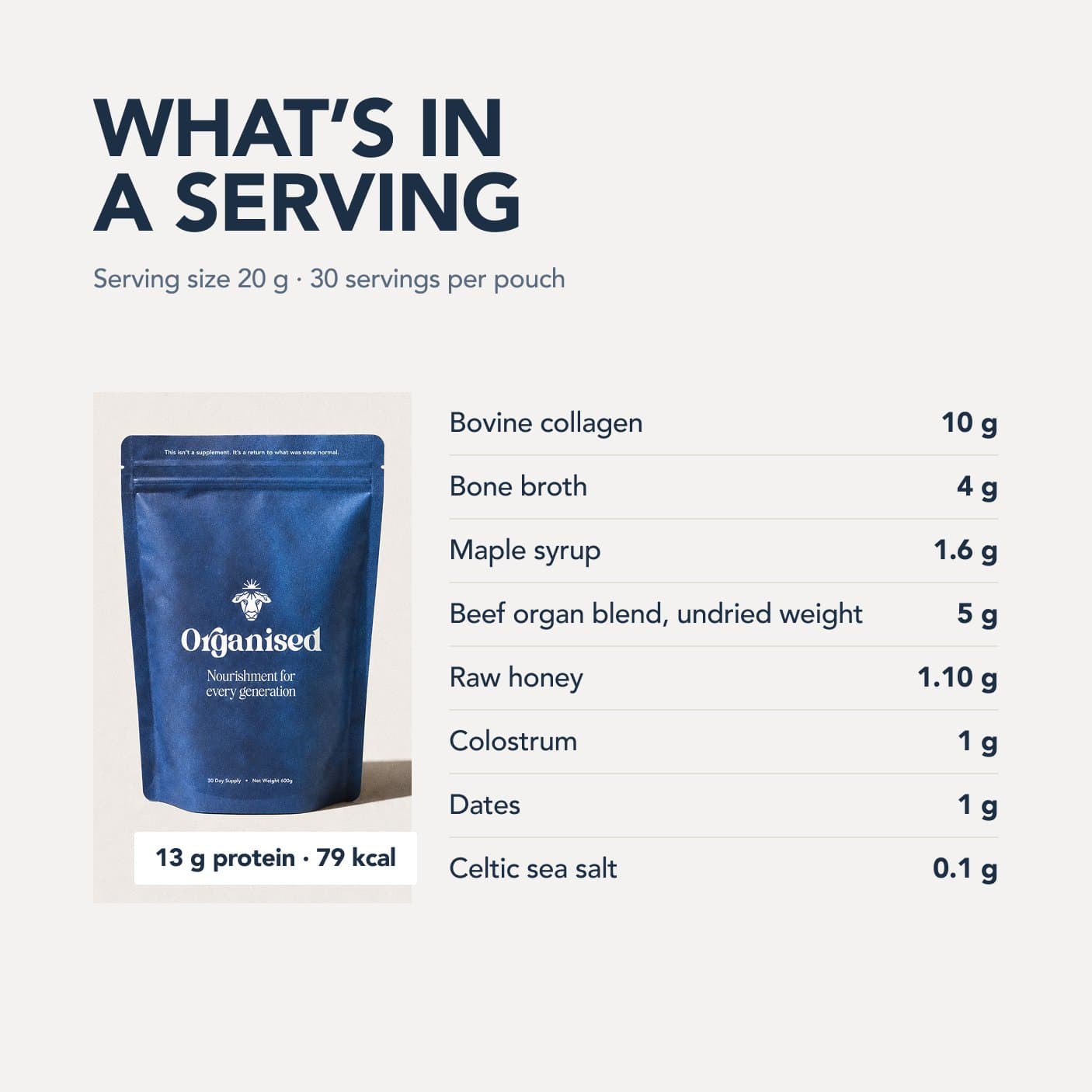
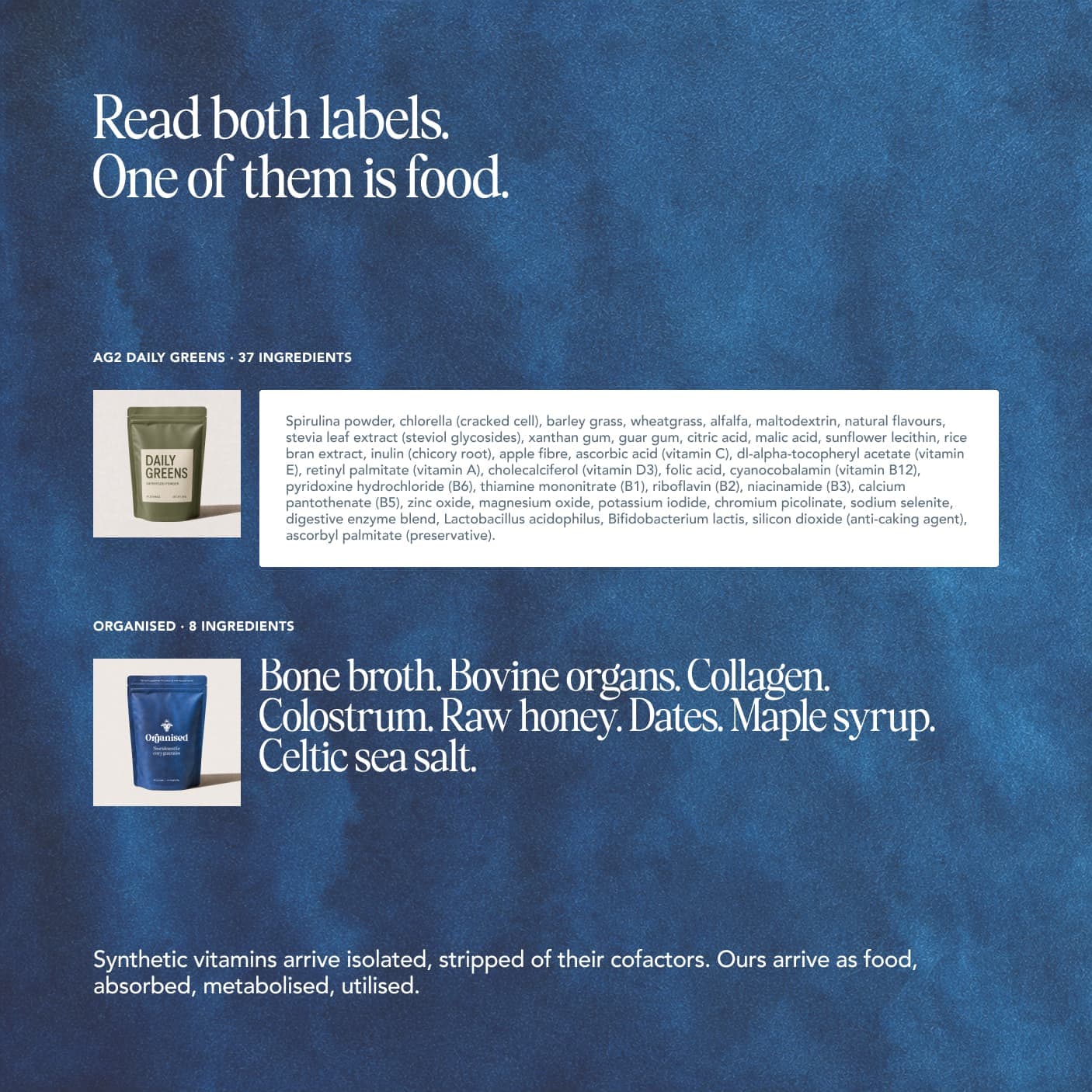
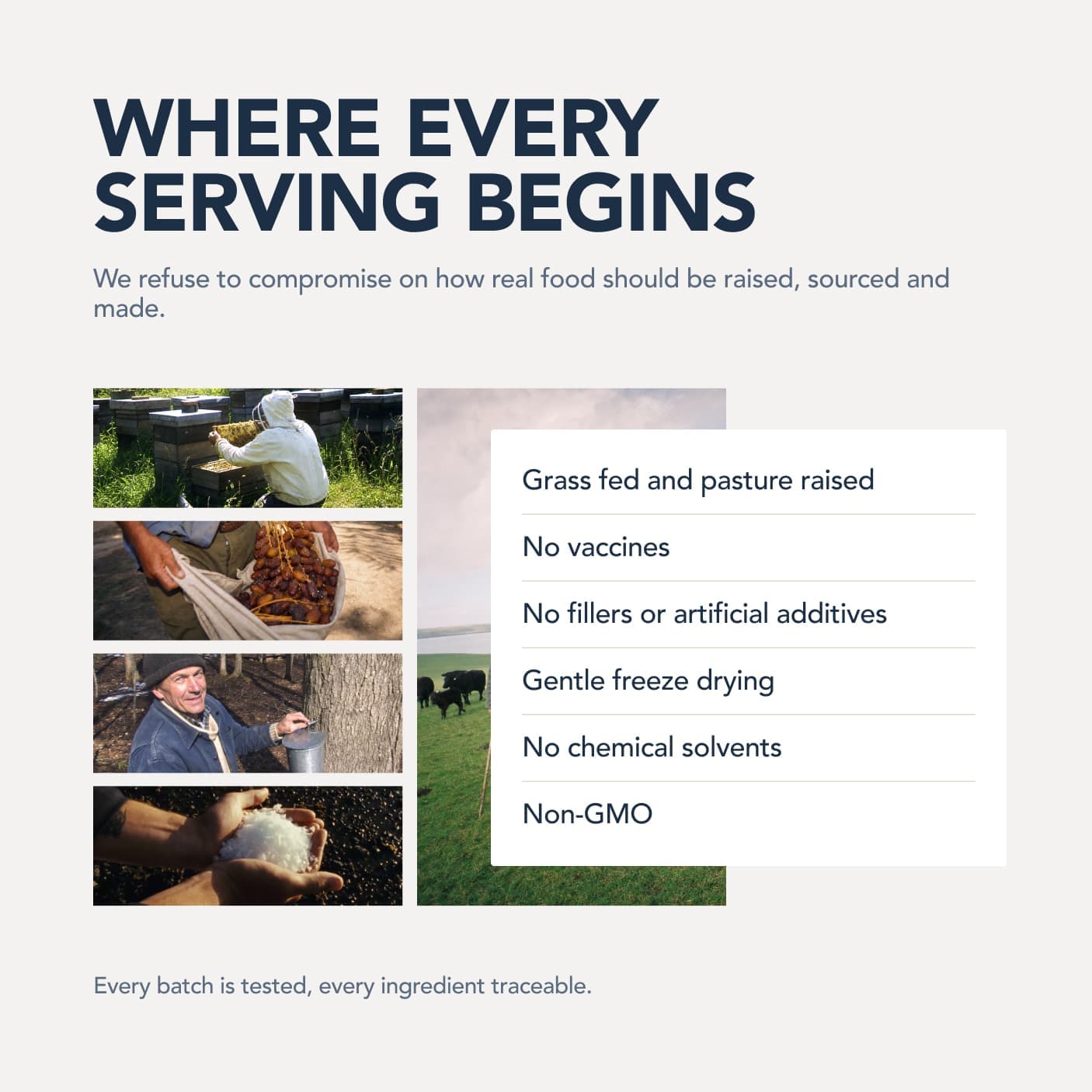
Eight real ingredients built around grass-fed beef organs, collagen and colostrum. Nothing synthetic added.
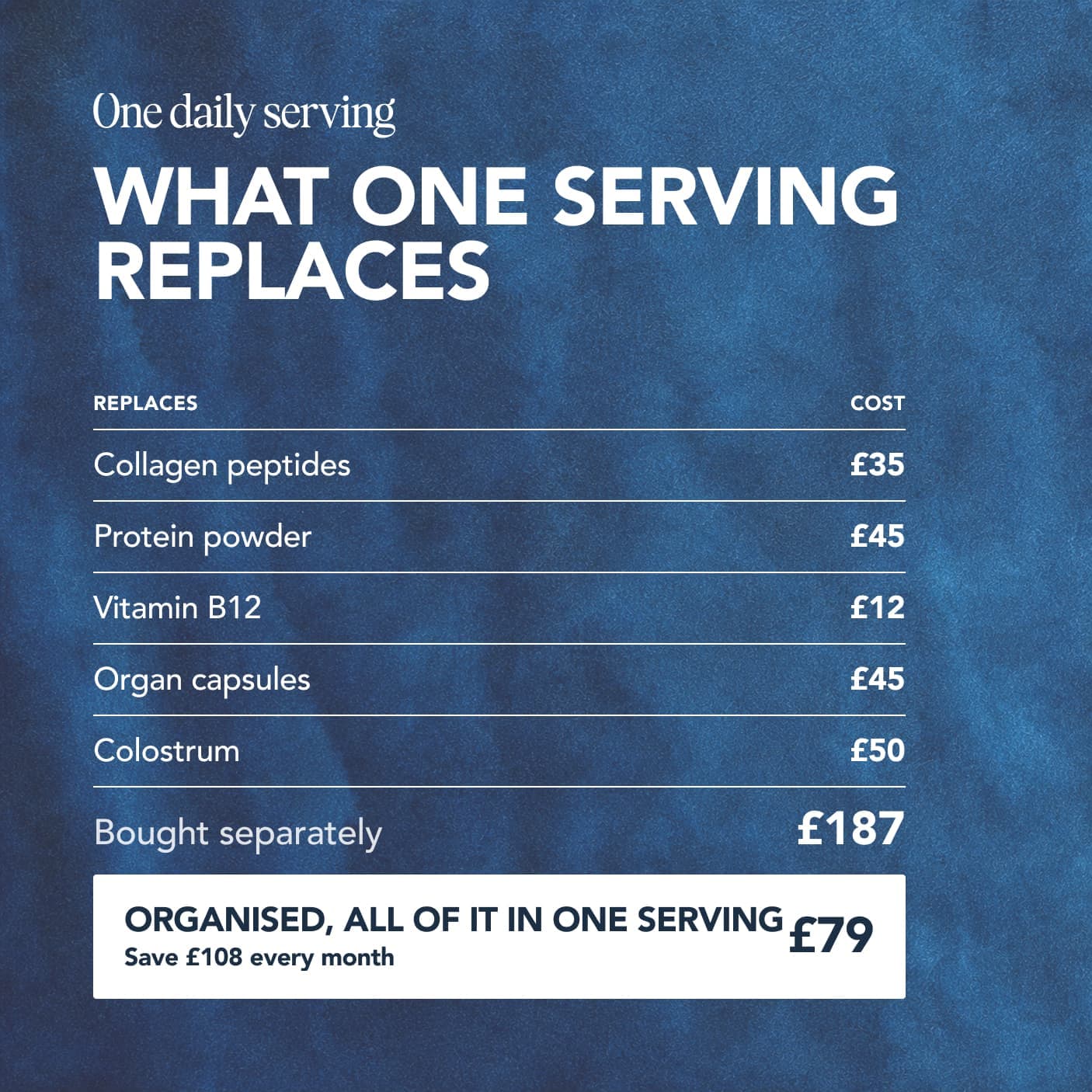
Free with your first order, worth £38. Plus £10 off the pouch with a subscription.
Free UK shipping · Made in England · 100 day money back guarantee on your first pouch · Skip, pause or cancel anytime
Common mistakes in treating acne through the gut
Most people expect their skin to clear as soon as they remove inflammatory foods. Skin doesn't work that fast. Your skin's turnover cycle is 28 days.5 You won't see meaningful improvement in less than 3 weeks, and often not until 6-8 weeks. Expecting overnight results, people abandon the protocol too early.
Another mistake is treating dysbiosis without addressing leaky gut. If your gut lining is permeable, you'll continue producing inflammatory metabolites even as your bacterial composition improves. Heal the gut barrier using bone broth, colostrum, and collagen whilst also rebalancing bacteria. Both happen simultaneously.
Finally, many people assume they can use topical acne treatments whilst fixing the gut. Topical tretinoin, benzoyl peroxide, and antibiotic creams actually suppress your skin immunity and can worsen dysbiosis if the antibiotics are absorbed systemically. Stop these treatments and let your cleared skin speak for itself.
The bottom line
Acne isn't a skin problem. It's a gut problem expressing through your skin. You can treat the skin symptomatically forever, or you can treat the cause by fixing your gut. The choice is yours, but one actually works. The path is consistent: remove dysbiosis drivers, add dysbiosis fixers, heal your gut lining, and allow 8-12 weeks for your skin barrier to regenerate. Most people who follow this path experience the clearest skin of their lives.
References
Every source below was checked on 27 August 2026. Each PubMed, PMC and DOI identifier was resolved against NCBI or Crossref, and what it opens is printed under the citation, so you can see the link goes where the citation says without leaving the page. Where a citation and its identifier disagreed, the citation was corrected to the record or the reference was deleted along with the sentence marker that pointed at it, and where the resolved paper turned out not to support the sentence, the sentence was cut back to what it does support. Borrowed authority is worse than none, because it looks like rigour.
- Bowe WP, Logan AC. Acne vulgaris, probiotics and the gut-brain-skin axis — back to the future? Gut Pathogens, 2011. PMID 21281494.Checked 27 August 2026: PMID 21281494 opens Bowe WP, Logan AC, Acne vulgaris, probiotics and the gut-brain-skin axis - back to the future? Gut Pathog 2011;3(1):1.
- National Institutes of Health, Office of Dietary Supplements. Zinc — Health Professional Fact Sheet.
- National Institutes of Health, Office of Dietary Supplements. Vitamin A and Carotenoids — Health Professional Fact Sheet.
- National Institutes of Health, Office of Dietary Supplements. Selenium — Health Professional Fact Sheet.
- Hoath SB, Leahy DG. The organization of human epidermis: functional epidermal units and phi proportionality. Journal of Investigative Dermatology, 2003. PMID 14675195.Checked 27 August 2026: PMID 14675195 opens Hoath SB, Leahy DG, The organization of human epidermis: functional epidermal units and phi proportionality. J Invest Dermatol 2003;121(6):1440-6. PubMed indexes it as: Review.
Who wrote and reviewed this guide
Niall Kiddle
Author · Founder, Organised
Niall is the founder of Organised. He started the company in 2024 after fixing his own health the slow way: in 2022 he swapped a cupboard of synthetic supplements for real food, raw milk, organ meats, bone broth and honey, and felt the difference within months.
Areas of expertise: Ancestral nutrition, Organ meats, Whole-food supplementation, Gut health, Regenerative sourcing
Read Niall's full profile
Pedro Rodrigues
Reviewer · Agronomist (farming and sourcing only)
Pedro is the agronomist Organised works with on farming and sourcing. His job on the guides is to keep the science honest: he reviews what we publish about soil health, regenerative agriculture, grazing and the way food is actually produced.
Areas of expertise: Regenerative agriculture, Agronomy, Soil health, Grass-fed farming, Food sourcing
Reviewed this guide on
Read Pedro's full profileMore on gut health
View all- The Complete Guide to Healing Your Gut with Whole Foods
- Why Your Gut Health Affects Everything (Not Just Digestion)
- 5 Foods You Think Are Healthy (But Are Secretly Ruining Your Gut)
- Acid Reflux and Low Stomach Acid: A Nutritional Perspective
- Bloating After Eating: Common Causes and Whole Food Solutions
- Bone Broth for Gut Health: What the Science Says
- Candida Overgrowth: What It Is and How Nutrition Can Help
- Histamine Intolerance: Could Your Gut Be the Cause?
- How Colostrum and Collagen Work Together to Repair the Gut Lining
- How Stress Destroys Your Gut (And What to Do About It)
- How to Recognise the Early Signs of Poor Gut Health
- How to Reset Your Gut After Antibiotics
Browse the guides library
All guidesKeep reading

Health goals
The Gut-Brain Axis: How Your Digestion Affects Your Mind
Understand the gut-brain connection and how your digestion shapes mood, anxiety, and focus, plus simple ways to support both your gut and mind together.

Health goals
5 Foods You Think Are Healthy (But Are Secretly Ruining Your Gut)
What you think is healthy food might be quietly damaging your gut. Discover the five sneaky culprits sabotaging your digestion, and what to eat instead.

Health goals
You Don't Need Another Probiotic. You Need to Fix the Foundation.
Most people take the wrong probiotic for the wrong reason. Here's what your gut actually needs to heal, and why probiotics alone will never fix it.
Real food, made effortless
Start my daily blendA few ways to use it
All recipes
Bone Broth from Scratch: A Step-by-Step Guide
Step-by-step guide to making bone broth at home. Stovetop, slow cooker, and Instant Pot methods. Rich in collagen and gut-healing minerals.
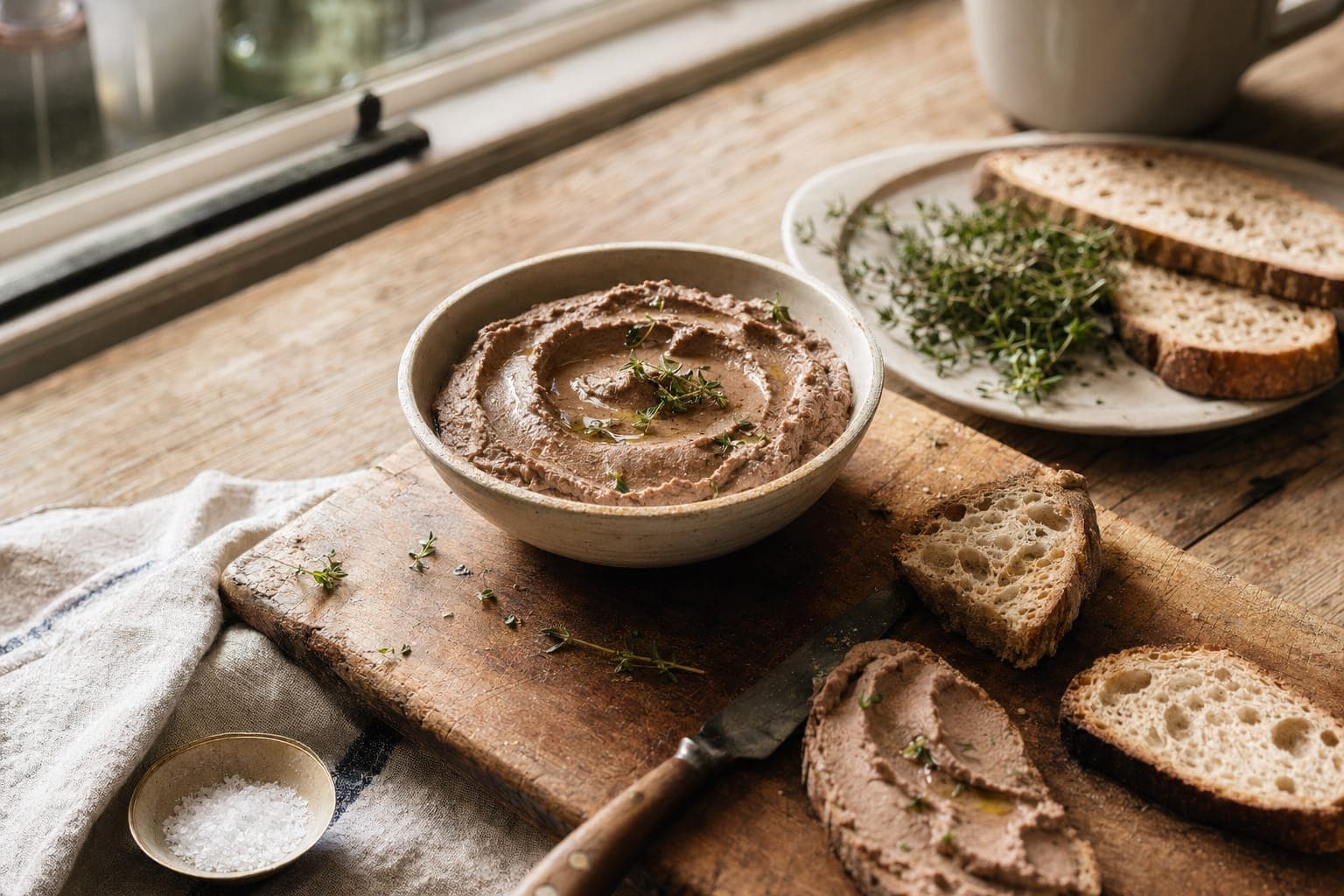
Liver Pate for Beginners: A Gentle Introduction to Organ Meats
Simple liver pate recipe to start eating organ meats. Chicken liver, butter, and herbs. Gentle introduction to nutrient-dense whole foods.

Energy Balls with Organised, Dates and Raw Honey
Make no-bake energy balls with Organised, dates, and raw honey. Perfect lunch box, pre-workout, or on-the-go snack. Simple recipe.


 Join over 100,000+ members
Build a better food system with us
The Organised community is thousands of people choosing real food and backing the farmers who grow it, all of us trying to leave the world a little better than we found it. If that is what you care about too, you belong here.