The Fertility Diet: What to Eat When Trying to Conceive
If you're trying to conceive, you're probably already thinking about timing, stress, and sleep. But there's something more fundamental happening inside your body that nobody talks about: nutrient density. Your reproductive system is extraordinarily expensive to run. If you're deficient in the micronutrients that support hormonal balance, egg quality, and sperm health, no amount of planning will make up for it.
By Niall Kiddle, Founder, Organised

Reviewed by Pedro Rodrigues, Agronomist (farming and sourcing only) ·
7 min read · Published · Updated · 3 cited sources
Makers of the Organised Daily blend, a grass-fed beef organ supplement from regenerative UK farms
Why nutrients matter more than calories
The fertility conversation has been hijacked by the calorie paradigm. Eat less, move more, and somehow that's supposed to optimise your hormones. It doesn't work that way. Your hormones don't respond to calorie restriction. They respond to nutrient adequacy.
Here's what's actually happening when you're trying to conceive. Your body needs to produce adequate oestrogen, progesterone, and testosterone. Your eggs (or sperm) need to develop normally. Your uterine lining needs to thicken appropriately. Your immune system needs to tolerate a pregnancy. None of that happens on deficient nutrition.
Fertility isn't about eating less. It's about eating foods so nutrient-dense that your body has everything it needs to reproduce.
The couples who shift their fertility outcomes most dramatically aren't the ones who diet aggressively. They're the ones who systematically pack their food with nutrients their bodies were previously starving for.
The minerals your fertility depends on
Four minerals rise to the top when you're building fertility: zinc, iron, selenium, and magnesium. Your body uses zinc to stabilise hormone receptors and support egg and sperm maturation. Iron supports healthy blood flow and prevents the anaemia that quietly sabotages fertility. Selenium protects reproductive tissues from oxidative stress. Magnesium helps regulate your menstrual cycle.
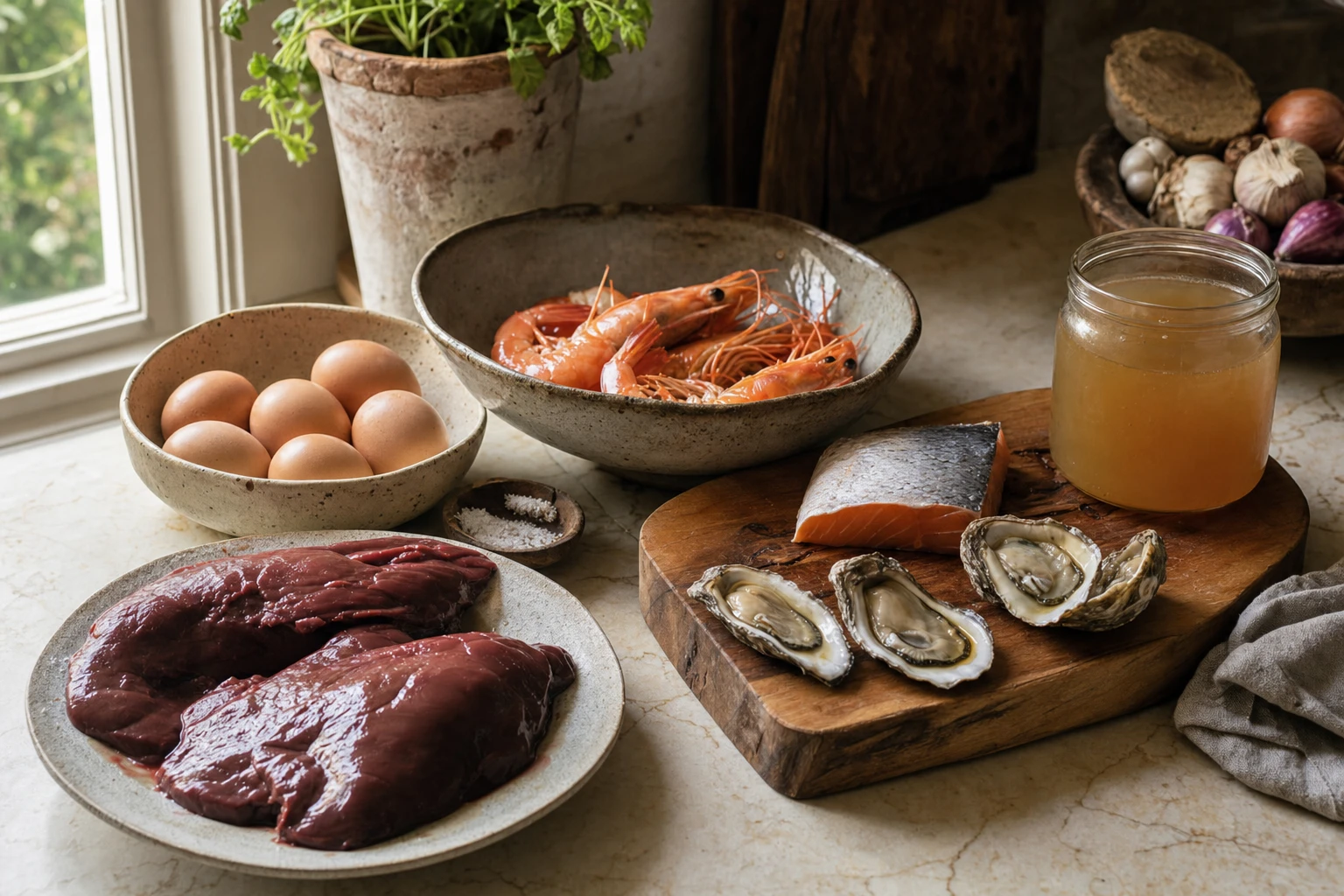
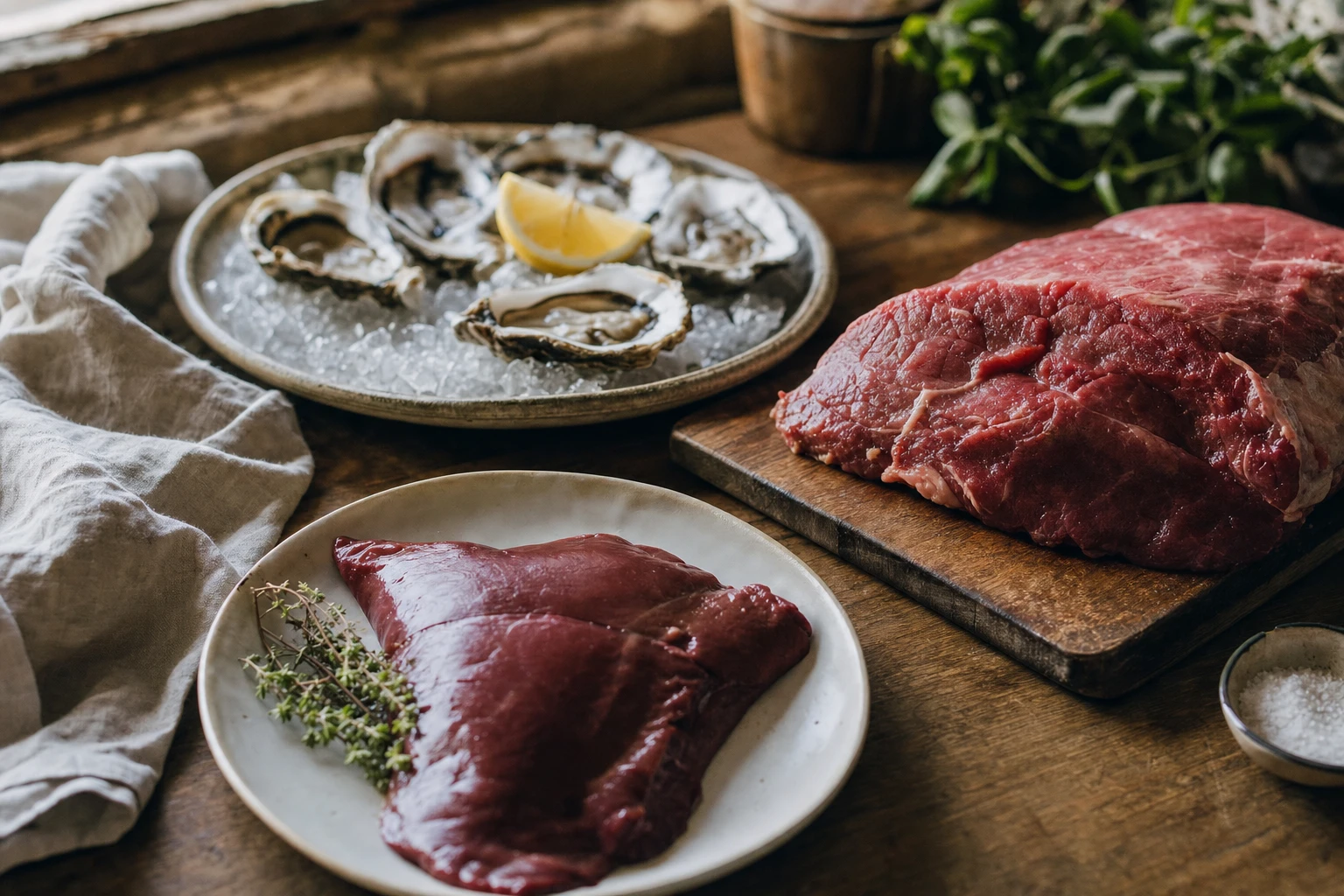
Zinc is required for normal spermatogenesis and testosterone production in men, and influences ovulatory function in women. Oysters, red meat and liver are the densest dietary sources.1
Iron from animal sources (haem iron) is far more absorbable than iron from plants. If you're vegetarian or vegan and trying to conceive, your iron status is worth checking. Anaemia, even mild anaemia, impairs your ability to conceive and support a pregnancy. Beef, lamb, and organ meats like liver are your richest sources.
Oysters, red meat, liver, and kidney aren't fertility superfoods because of marketing. They're critical because they contain the exact minerals your reproductive system needs to function.
Magnesium supports the progesterone that stabilises your cycle. Most people eating modern food are chronically deficient. Good food sources include leafy greens, nuts, and seeds, but the easiest shift is adding mineral water and sea salt to your diet, which also helps with electrolyte balance.
The fats and proteins fertility requires
Fertility is fundamentally a fat-dependent process. Your hormones are made from cholesterol and fat-soluble vitamins. If you've spent years eating low-fat food or high amounts of seed oils, your hormone production suffers.
This is where ancestral wisdom makes a comeback. Your great-grandparents ate butter, lard, and bone marrow without apology. They ate eggs with the yolk. They ate fatty cuts of meat. Their fertility rates were higher. Coincidence? No.
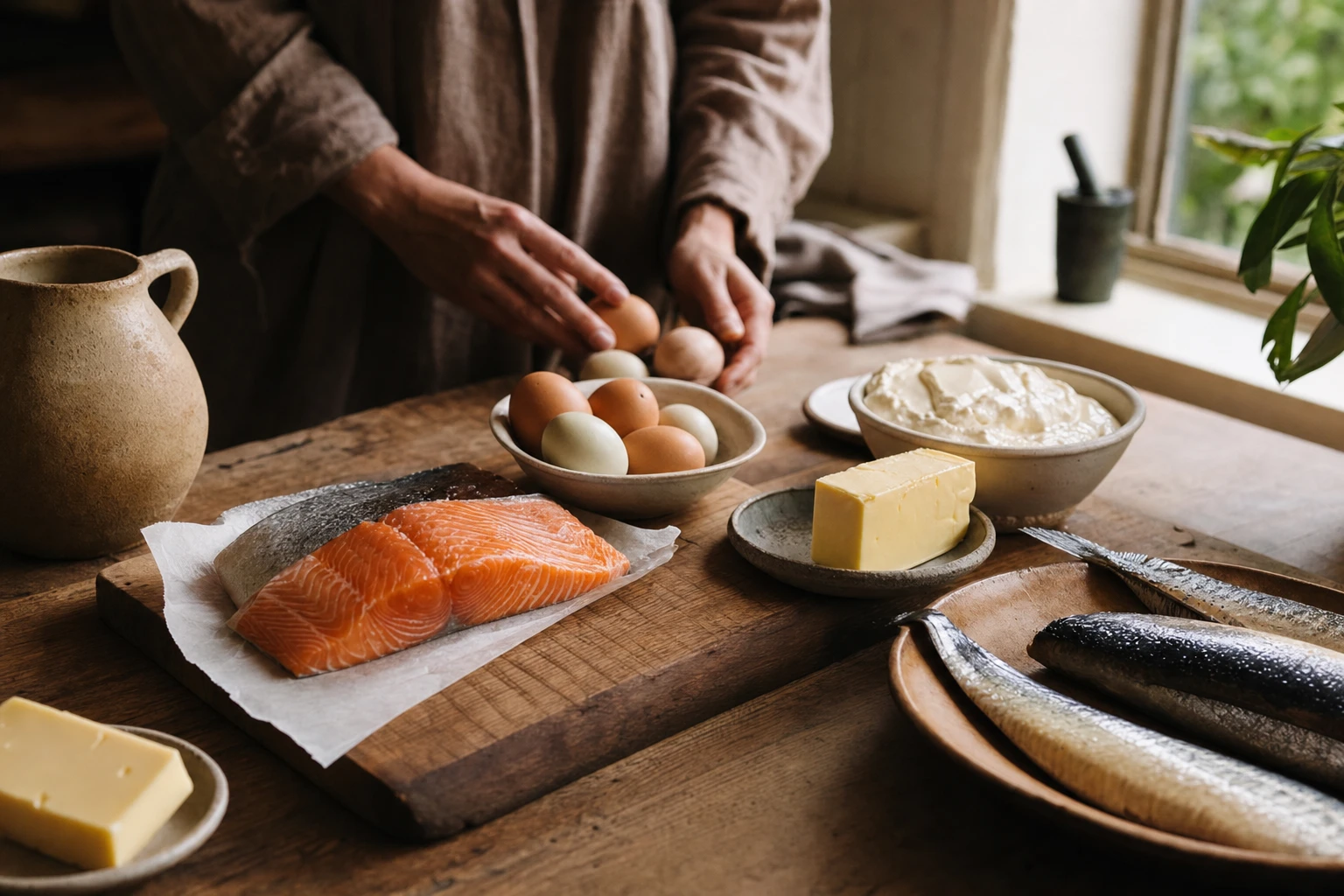
The fat-soluble vitamins (A, D, E, K2) are only available from animal foods or are poorly absorbed from plant foods. Vitamin A from liver is the most concentrated source anywhere. One serving of beef liver contains 6000 IU of vitamin A in the form your body actually uses. Vitamin D from egg yolks and fatty fish supports both your immune tolerance and hormone production. K2 from grass-fed dairy and liver supports bone health and cardiovascular function.
Protein quality matters. Your body needs enough amino acids to build the hormones and enzymes that drive reproduction. A woman trying to conceive needs roughly 0.8 to 1 gram of protein per pound of body weight, spread throughout the day. A man needs similar amounts. Most people aren't hitting this. Red meat, fish, eggs, and dairy are your easiest sources.
Adequate fat and protein aren't luxuries when you're trying to conceive. They're the raw materials your hormones need to exist.
The specific foods that shift the needle
If you're overwhelmed by the nutrient list, here are the foods that deliver the most fertility bang for your buck.
- Beef liver - the single most nutrient-dense food for reproductive health. Iron, zinc, selenium, vitamin A, B vitamins. Twice a week is ideal.
- Oysters - zinc-dense and easy. A dozen oysters contains more zinc than you need in a day.
- Eggs - complete protein, choline for fetal development, lutein for egg quality. Three to four daily is reasonable.
- Grass-fed beef - red meat with a superior fatty acid profile. Aim for three servings weekly.
- Wild salmon - omega-3 fats, vitamin D, selenium, and high-quality protein. Twice weekly.
- Bone broth - collagen and glycine support gut health, which modulates inflammation and hormone metabolism. Daily.
- Full-fat dairy - if tolerated, provides fat-soluble vitamins and calcium. One to two servings daily.
- Sea salt - mineral balance supports hormone stability. Liberal use.
These aren't exotic. They're the foods your ancestors ate. The difference is that you're eating them deliberately, knowing they're supporting your reproductive capacity.
Get health guides like this, free
Two short reads a week on eating for energy, gut health, skin, sleep and more.
By signing up you agree to receive emails from us. No spam, unsubscribe anytime.
Practical eating patterns when trying to conceive
Here's how this actually looks in real life. You're not counting macros or obsessing over calories. You're building eating patterns that guarantee micronutrient density.
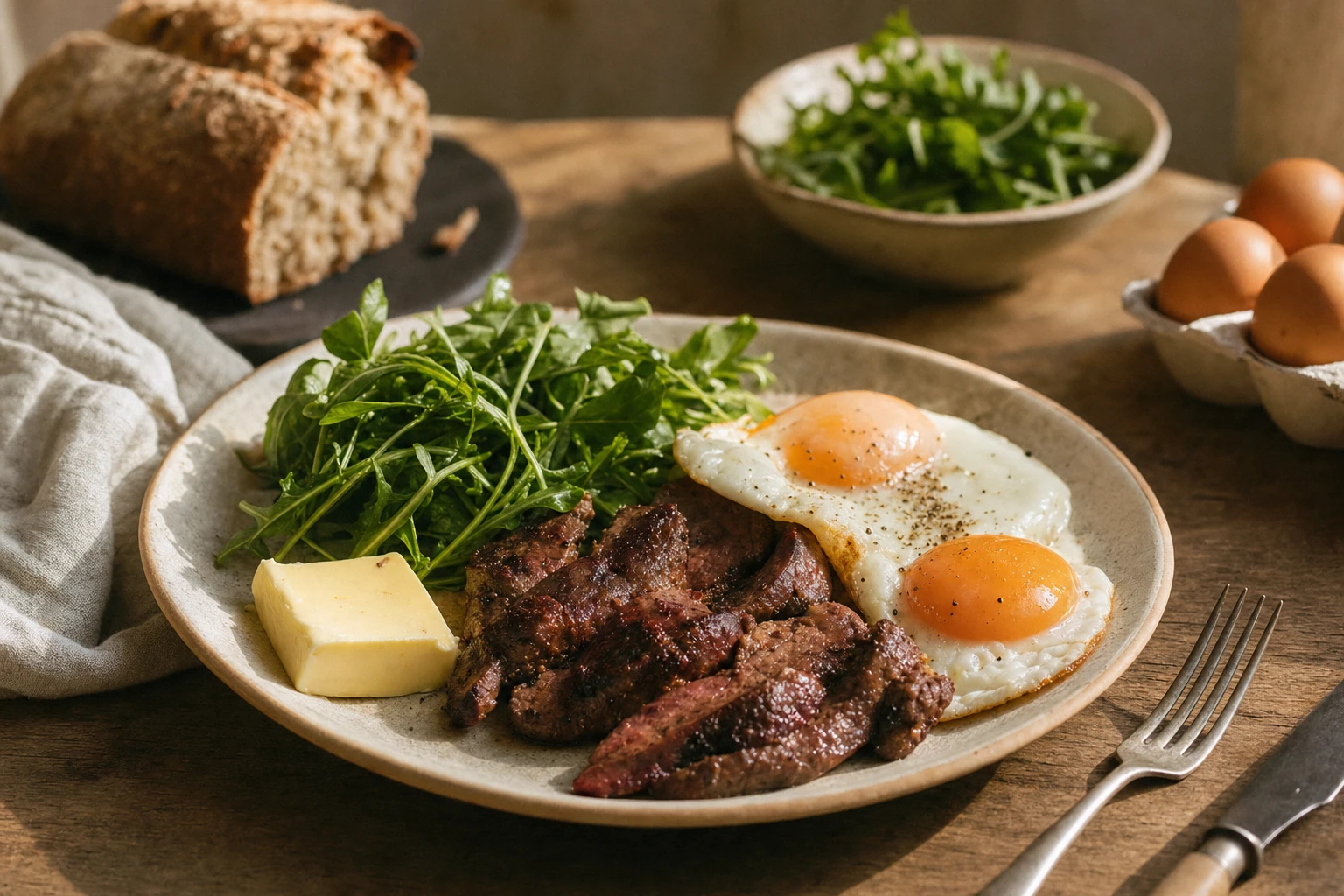
Breakfast includes eggs (protein, fat, nutrients for developing eggs), with butter or bacon fat cooked in (fat-soluble vitamin absorption), and a piece of fruit or toast (carbohydrates to stabilise cortisol). That's it. No yoghurt, no low-fat anything.
Lunch includes red meat or fish (zinc, iron, selenium), vegetables (fibre and micronutrients), and fat (salt and butter or olive oil). A steak with greens and ample seasoning. Simple.
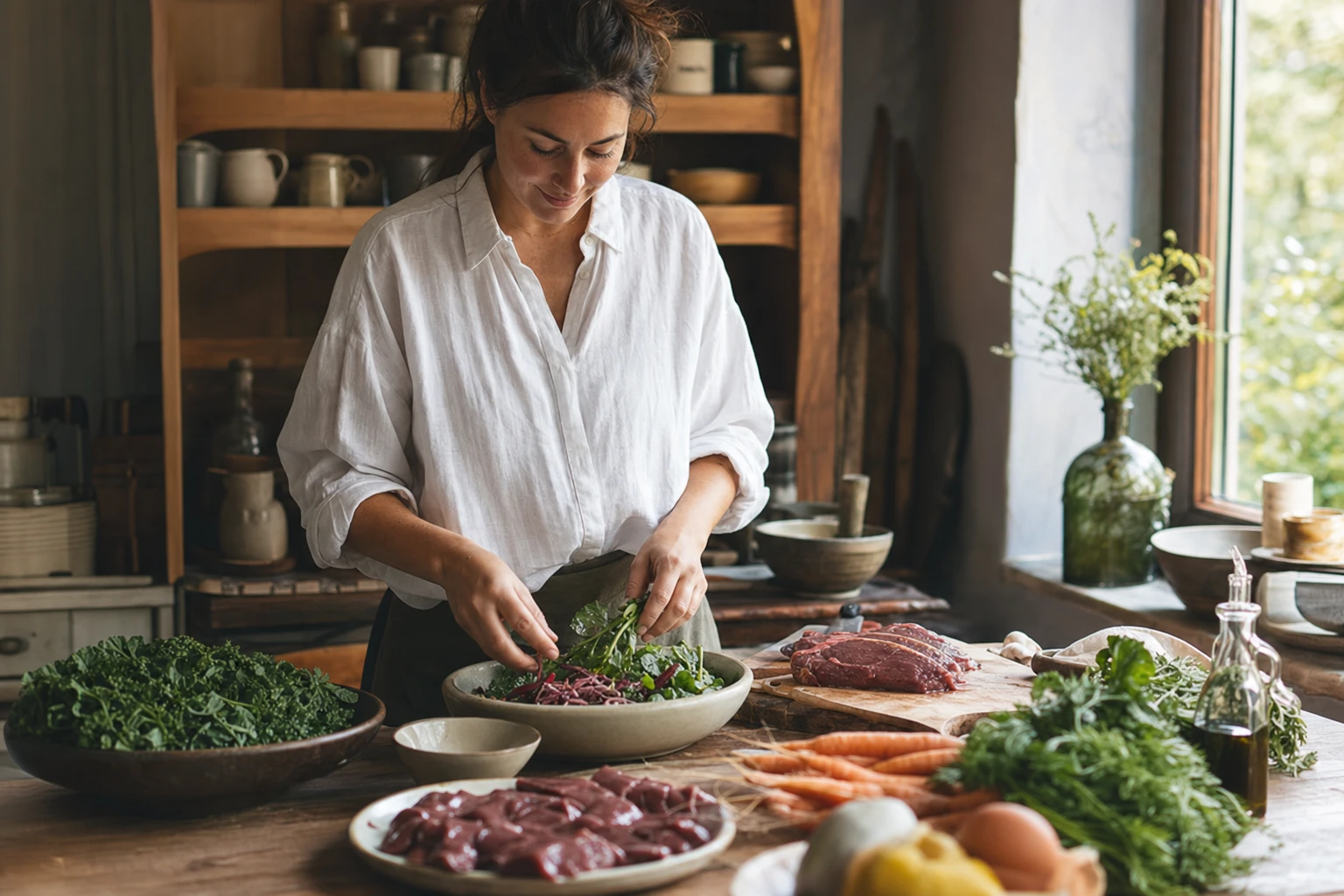
Dinner follows the same structure. If you have liver once or twice weekly, that's your fertility insurance policy. The nutrients are so dense that two servings weekly cover most of your gaps.
Snacks, if needed, are full-fat dairy, nuts, or a simple piece of fruit with butter. No low-fat processed foods. No excessive seed oil. No fake sugar.
Fertility eating isn't complicated. It's built on whole foods, adequate fat and protein, and a weekly dose of organ meats.
The shift happens quietly. Within four to six weeks on this pattern, most people notice clearer skin, steadier energy, better sleep, and improved digestion. And those changes are markers that your nutrient status is finally adequate. That's when fertility outcomes tend to improve.
1 of 9
Daily blend
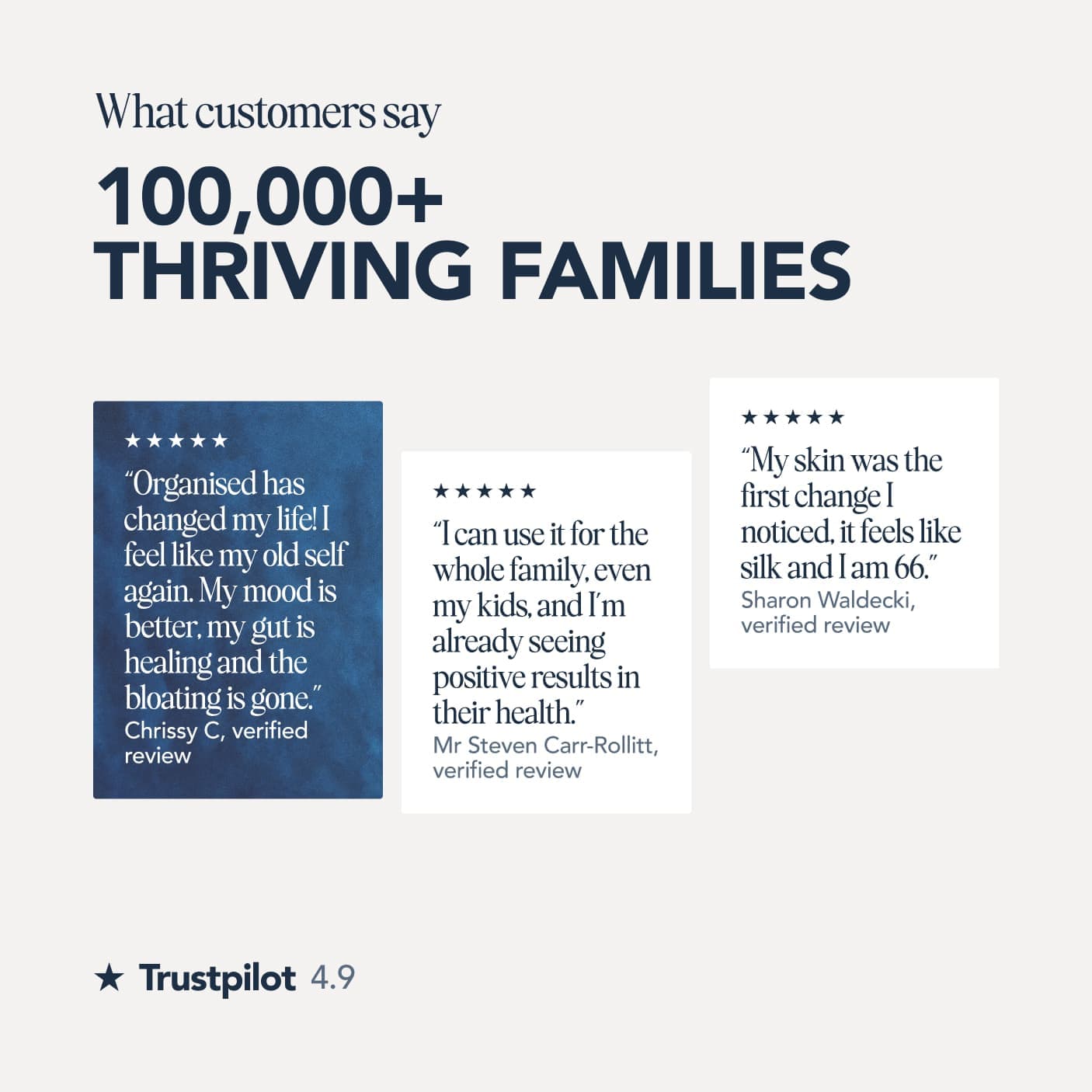
100,000+ thriving families4.9 on Trustpilot
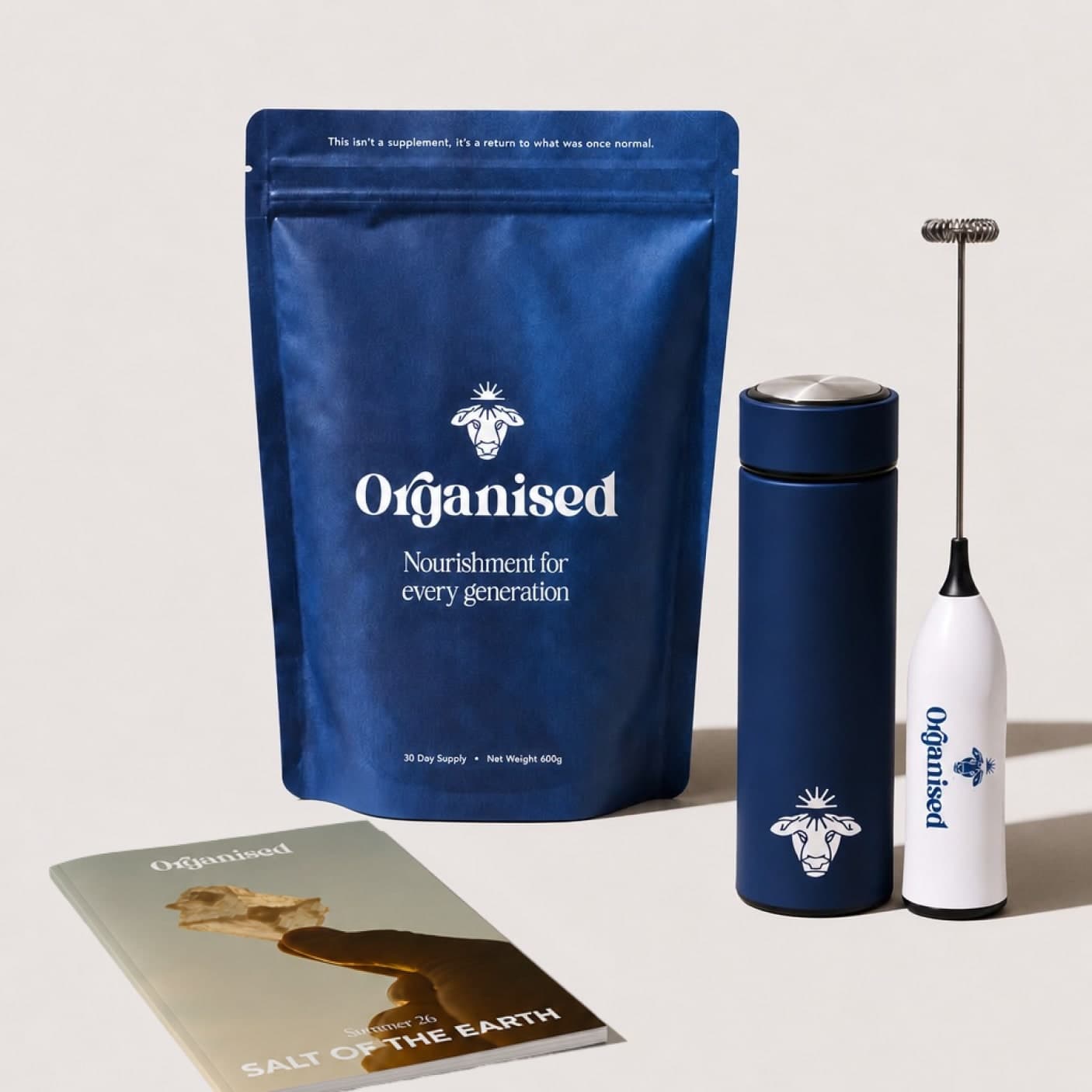
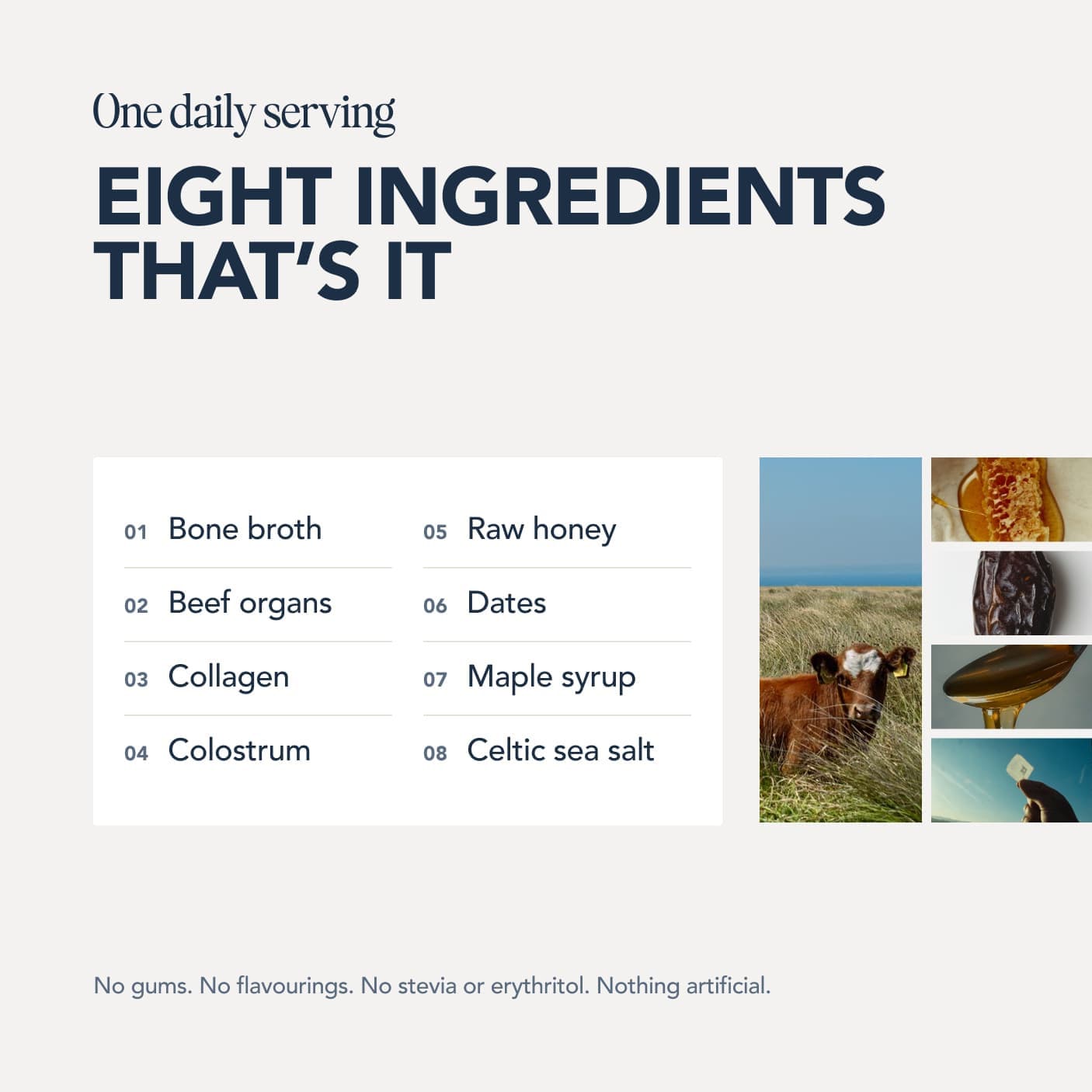
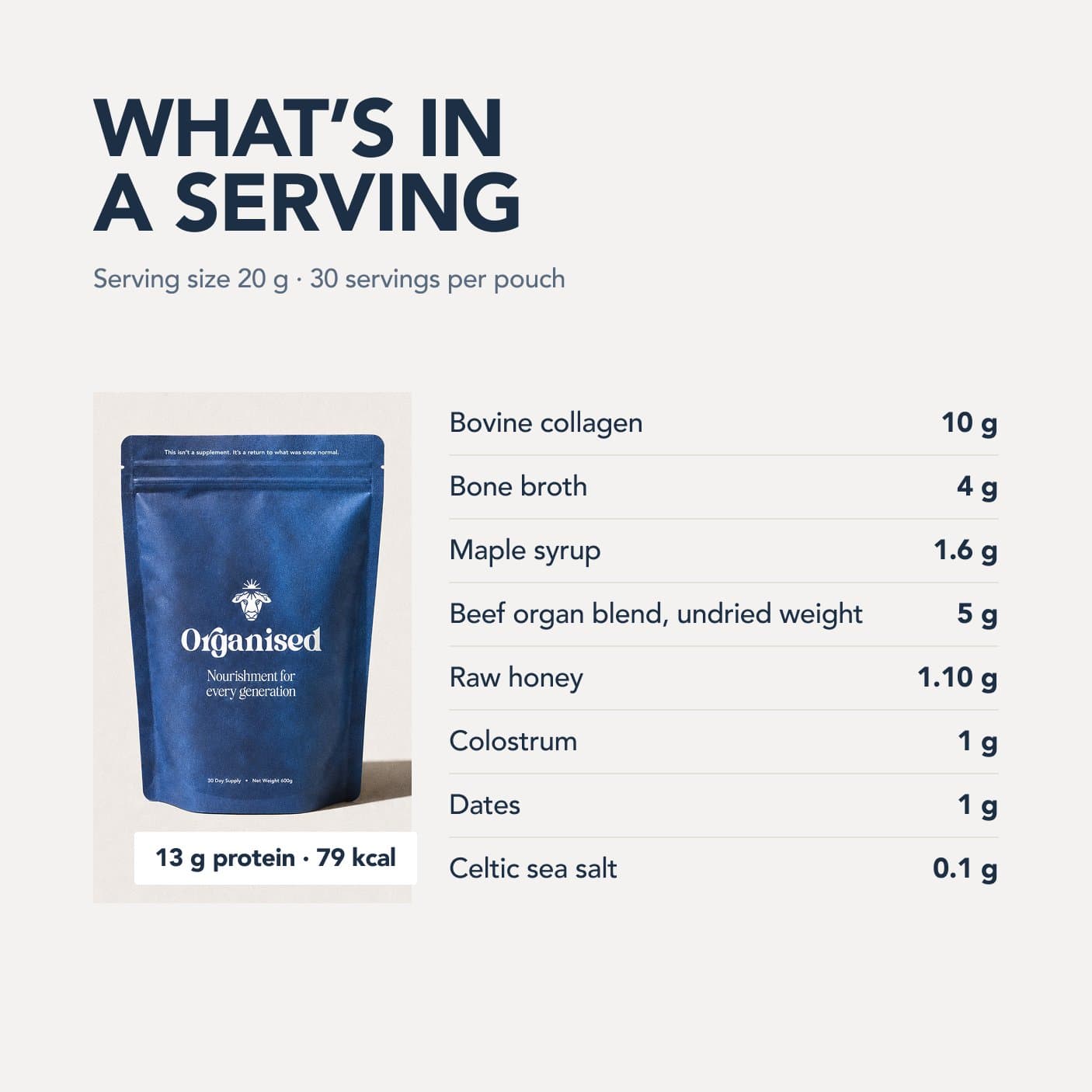
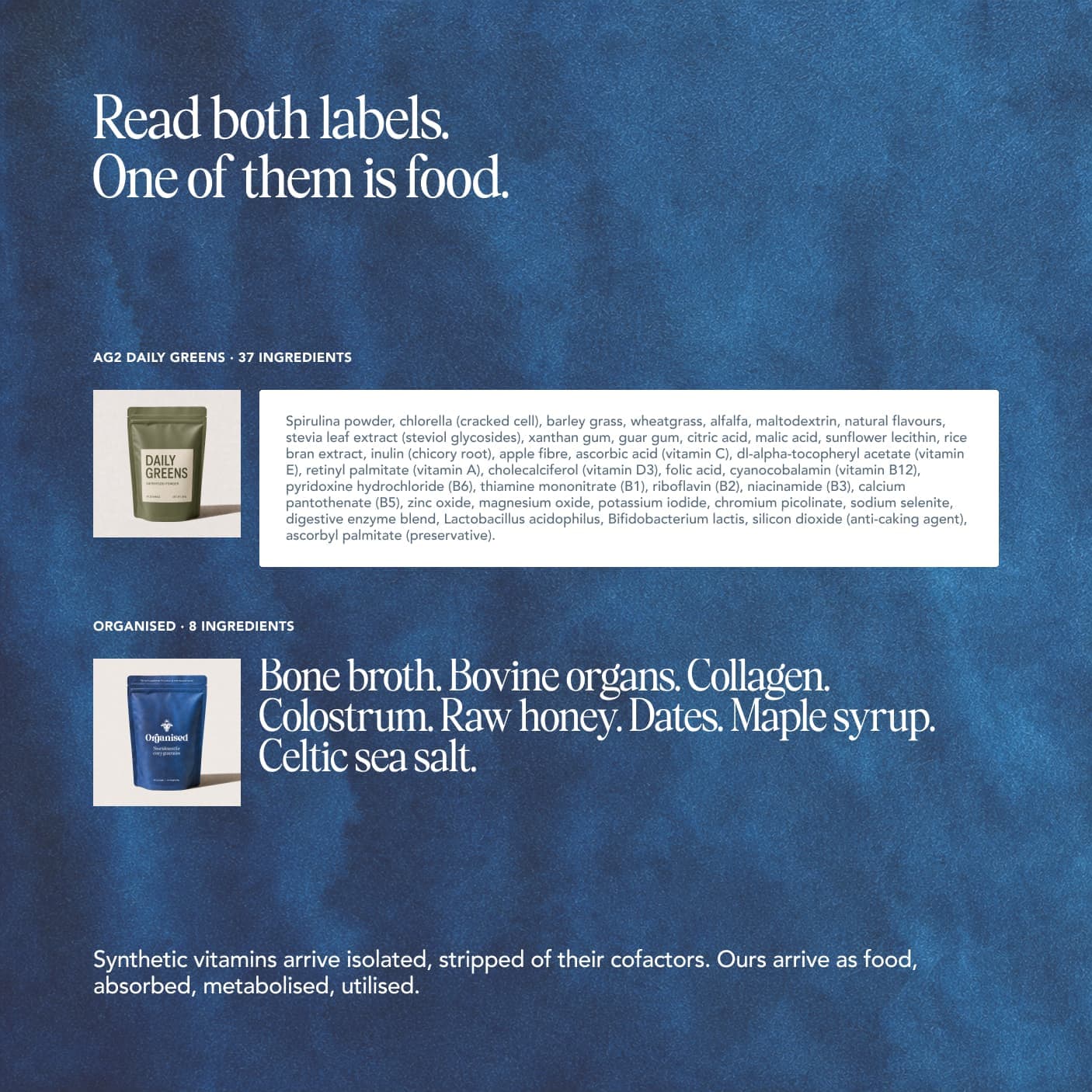
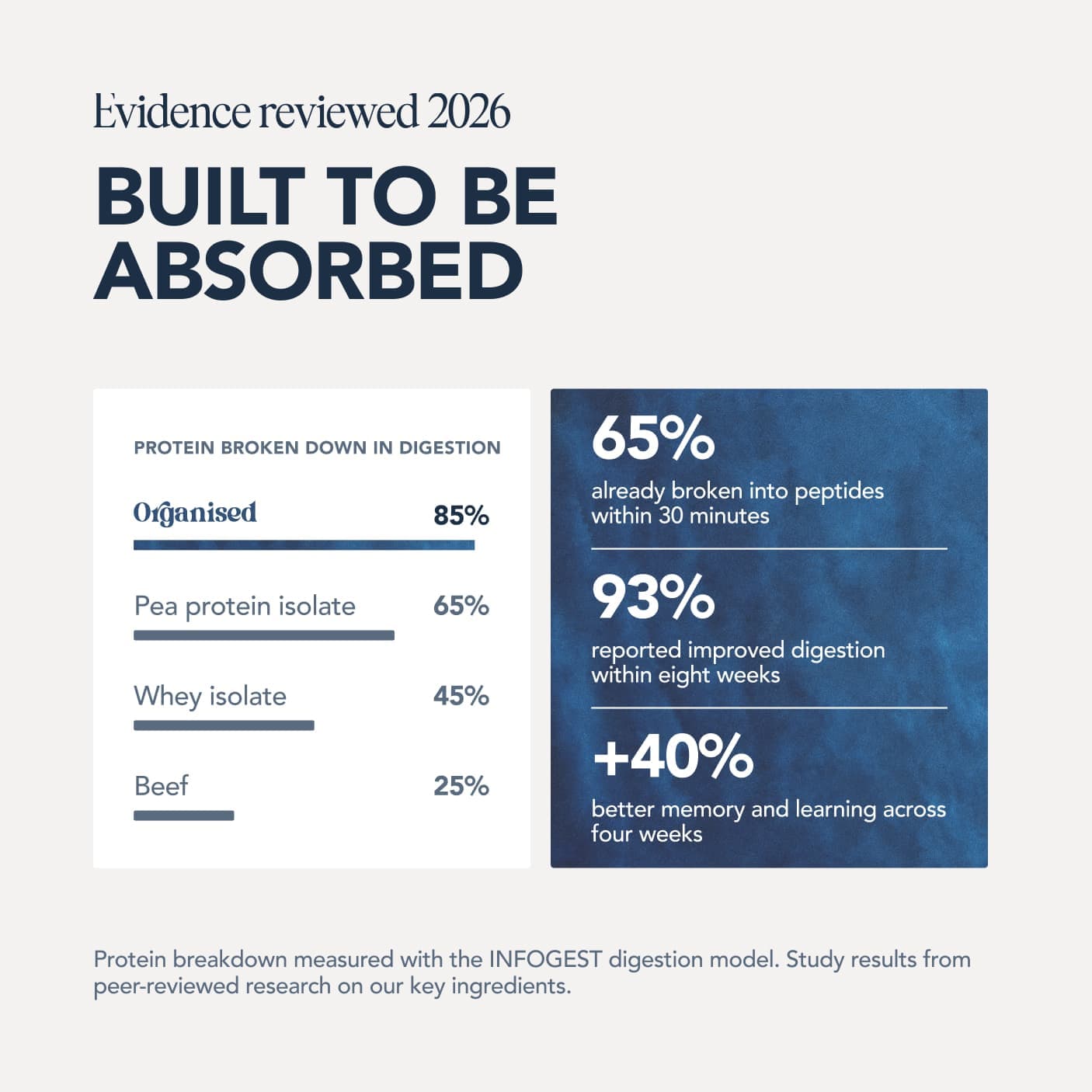
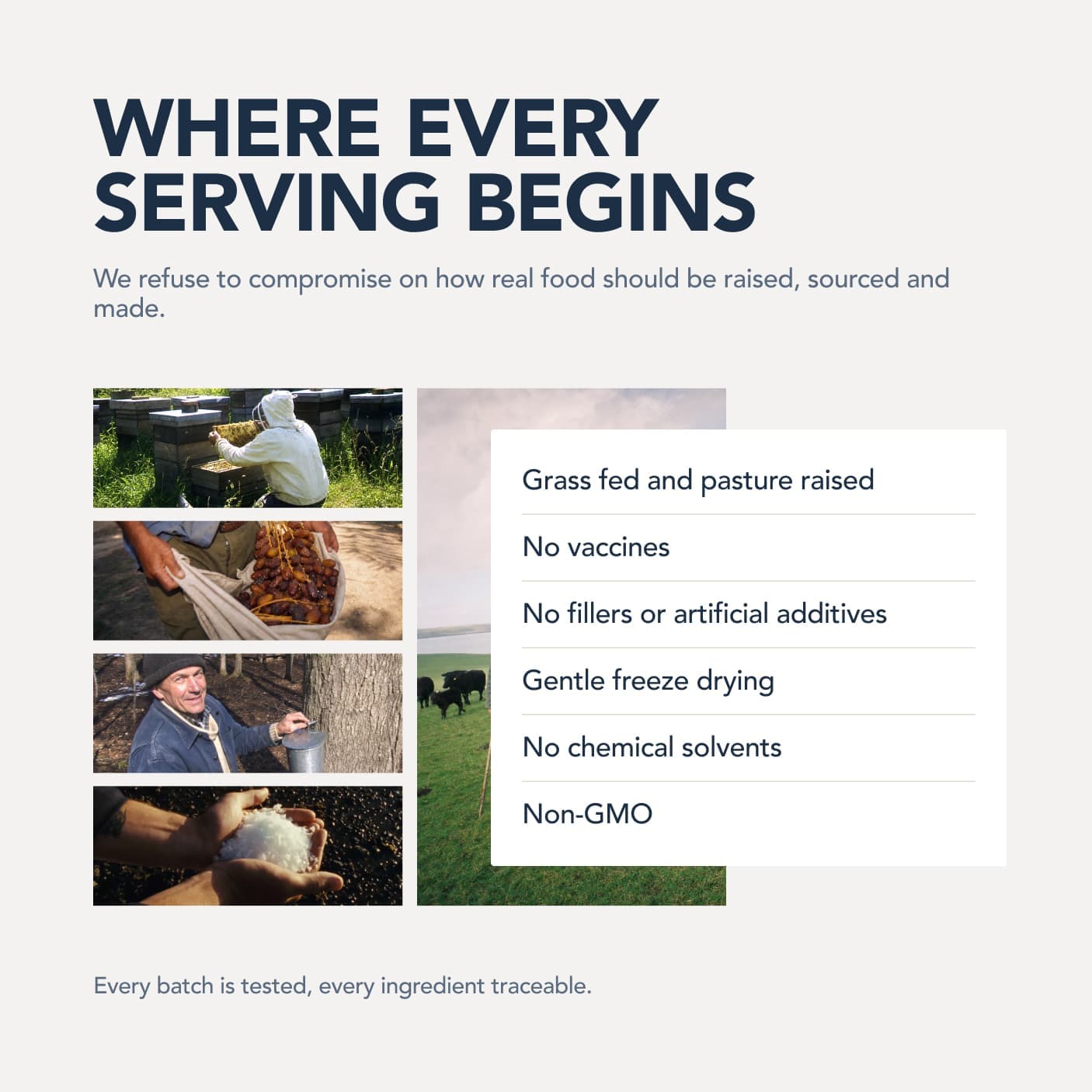
Eight real ingredients built around grass-fed beef organs, collagen and colostrum. Nothing synthetic added.
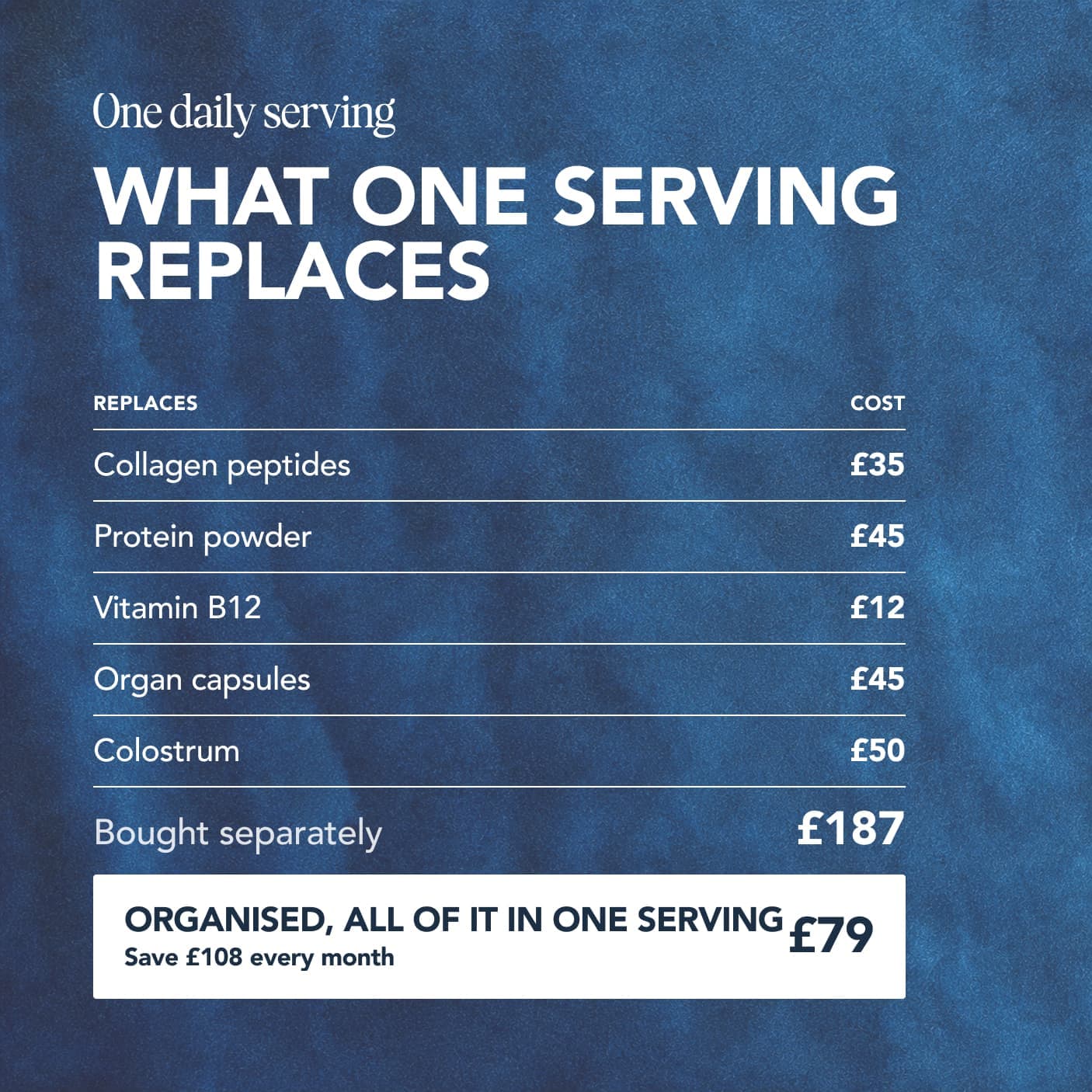
Free with your first order, worth £38. Plus £10 off the pouch with a subscription.
Free UK shipping · Made in England · 100 day money back guarantee on your first pouch · Skip, pause or cancel anytime
Nutrient timing matters too
Beyond which foods you eat, when you eat them shapes your nutrient absorption and hormone balance. Your reproductive hormones follow circadian rhythms. Oestrogen and progesterone peak at different times of day. Your cortisol (the stress hormone that competes with reproductive hormones) should be high in the morning and low at night. Eating patterns that support this rhythm amplify fertility.
Breakfast is the most critical meal. You've just woken from a fasted state. Your cortisol is naturally highest. Breaking that fast with protein and fat (not carbohydrate alone) sets your hormone tone for the day. Eggs and butter, or meat and fat, signal to your body that resources are available. Your reproductive system deprioritises itself when it perceives scarcity. Abundant breakfast tells your body reproduction is safe.
Eating at consistent times daily also matters. Your digestive system thrives on rhythm. Irregular eating patterns create metabolic confusion. Your body doesn't know when the next meal arrives. It hoards nutrients. It reduces fertility signalling. Eating three meals at roughly the same times daily, plus consistent sleep and wake times, optimises your metabolic environment.
Your hormones follow the sun and the clock. Eat breakfast prominently, eat at consistent times, and your reproductive system receives a security signal that permits fertility.
Some couples benefit from adding magnesium-rich foods in the evening (leafy greens, seeds, sea salt) to support progesterone in the luteal phase. Others benefit from increasing carbohydrate slightly in the second half of the cycle to support the serotonin that progesterone depletes. These are refinements. The foundation is consistent, nutrient-dense eating.
Supplements worth considering (and many worth avoiding)
Fertility is overwhelmingly driven by food, not supplements. That said, two micronutrients are worth discussing because they are difficult to get adequately from food alone in modern circumstances.
NHS guidance suggests UK adults consider taking 10 micrograms (400 IU) of vitamin D daily during autumn and winter, when skin synthesis from sunlight is limited. Higher doses are used in clinical settings where deficiency is documented but should be discussed with a clinician.3
Folate is essential for fetal neural tube development. Public health guidance recommends 400 mcg/day of folic acid from supplements or fortified foods for women who could become pregnant, ideally starting before conception and continuing through the first trimester. Folic acid is the only form of folate proven in clinical trials to reduce neural tube defect risk.2
Beyond those two, be sceptical. You don't need a fertility supplement stack. You need real food. If you are eating liver twice weekly, bone broth daily, eggs, red meat, fish, and full-fat dairy, you are meeting your nutrient needs. The fertility supplement industry exists because it is profitable, not because you need it.
Your fertility does not depend on supplements. It depends on food. Spend your money on the best quality meat and organs you can afford, not on capsules and powders.
The bottom line
Your fertility depends on nutrients, not willpower. If you're trying to conceive, the most powerful thing you can do is eat food so nutrient-dense that your body has no reason to withhold pregnancy. That means red meat, organ meats, eggs, fish, bone broth, and healthy fats. Not supplements or superfoods. Just real food in amounts that support your reproductive capacity.
Your body wants to reproduce. It's been built by evolution to do exactly that. But it needs the raw materials. Feed it properly, and everything gets easier.
References
Every source below was checked on 27 August 2026. Each link was requested and read. Where a citation and its identifier disagreed, the citation was corrected to the record or the reference was deleted along with the sentence marker that pointed at it, and where the resolved paper turned out not to support the sentence, the sentence was cut back to what it does support. Borrowed authority is worse than none, because it looks like rigour.
- National Institutes of Health, Office of Dietary Supplements. Zinc — Health Professional Fact Sheet. https://ods.od.nih.gov/factsheets/Zinc-HealthProfessional/
- National Institutes of Health, Office of Dietary Supplements. Folate — Health Professional Fact Sheet. https://ods.od.nih.gov/factsheets/Folate-HealthProfessional/
- NHS. Vitamin D. https://www.nhs.uk/conditions/vitamins-and-minerals/vitamin-d/
Who wrote and reviewed this guide
Niall Kiddle
Author · Founder, Organised
Niall is the founder of Organised. He started the company in 2024 after fixing his own health the slow way: in 2022 he swapped a cupboard of synthetic supplements for real food, raw milk, organ meats, bone broth and honey, and felt the difference within months.
Areas of expertise: Ancestral nutrition, Organ meats, Whole-food supplementation, Gut health, Regenerative sourcing
Read Niall's full profile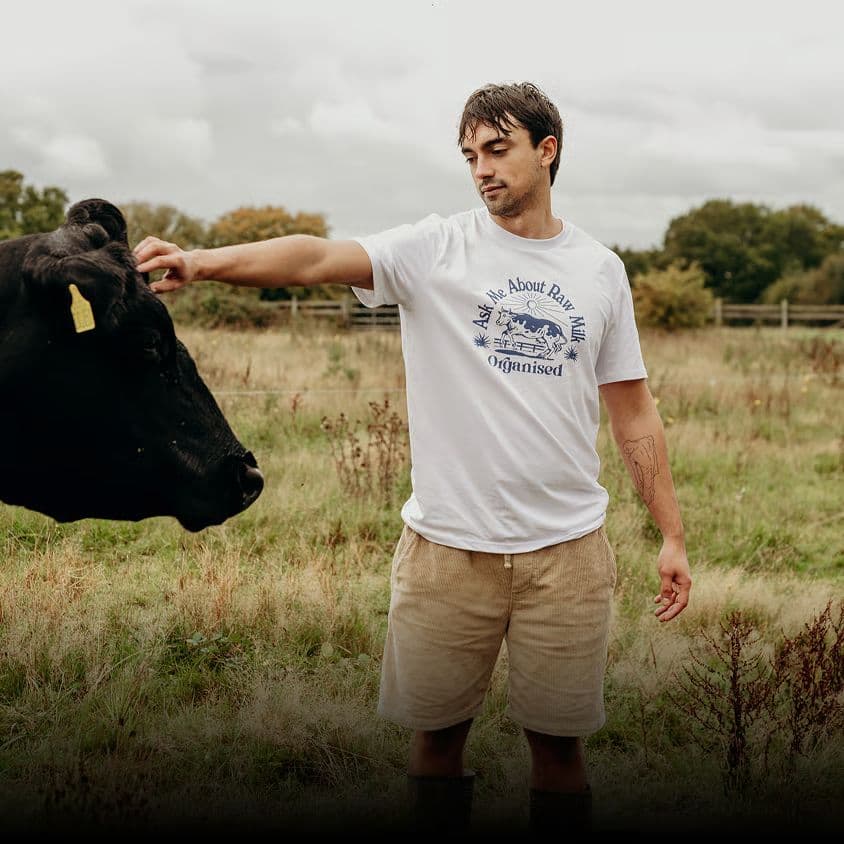
Pedro Rodrigues
Reviewer · Agronomist (farming and sourcing only)
Pedro is the agronomist Organised works with on farming and sourcing. His job on the guides is to keep the science honest: he reviews what we publish about soil health, regenerative agriculture, grazing and the way food is actually produced.
Areas of expertise: Regenerative agriculture, Agronomy, Soil health, Grass-fed farming, Food sourcing
Reviewed this guide on
Read Pedro's full profileMore on fertility
View allBrowse the guides library
All guidesKeep reading
Health goals
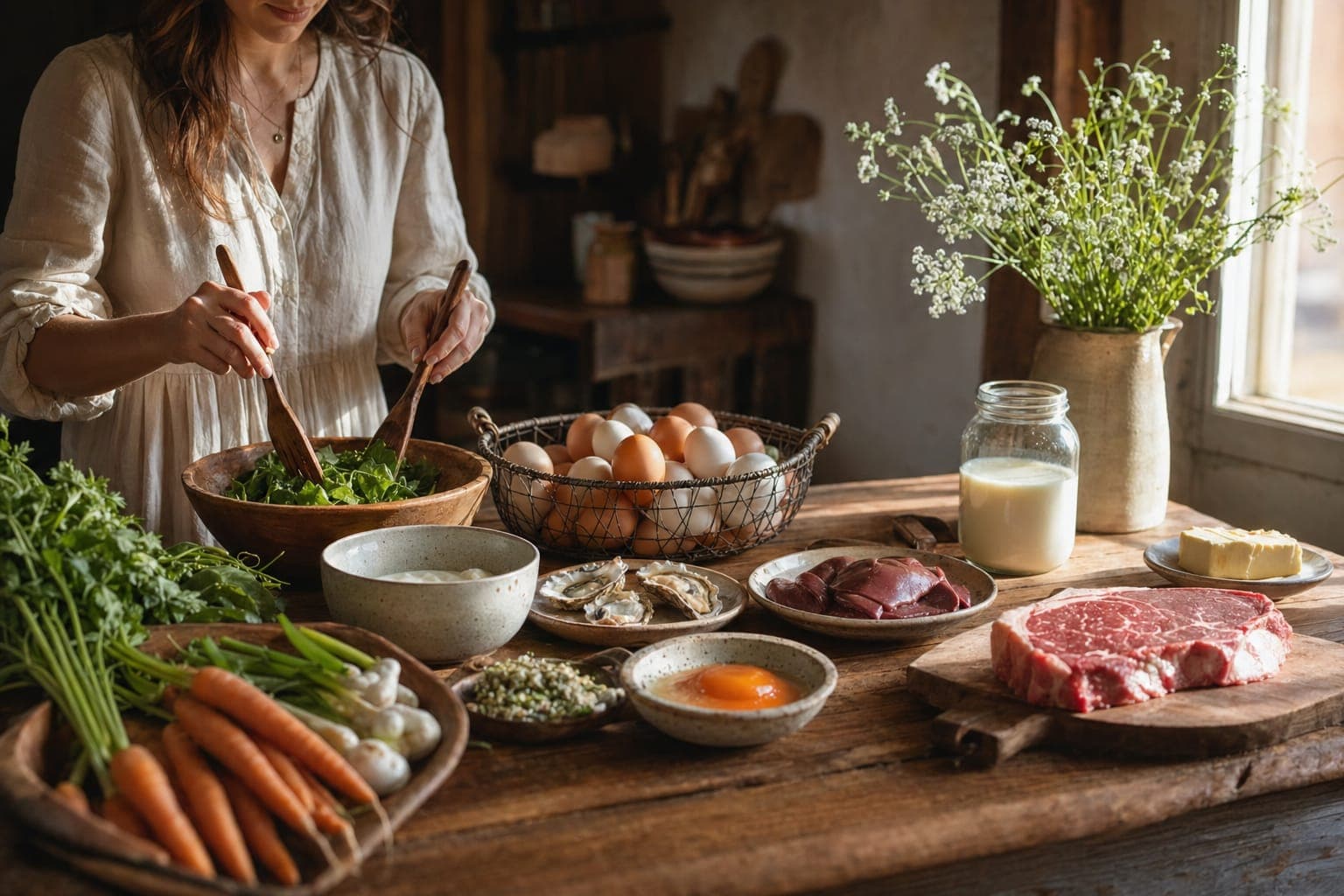
The Ancestral Guide to Fertility Nutrition
Fertility depends on fat-soluble vitamins A, D, K2, choline, B12, iodine, zinc, and selenium. Here's what both partners need to conceive and thrive.
Health goals
Autoimmune Conditions and Nutrition: What the Research Shows
Explore autoimmune nutrition and what the research actually shows about diet, inflammation and symptoms, so you can make informed, food-first choices.
Health goals
ADHD and Nutrition: Emerging Research and Practical Approaches
Explore the nutritional side of ADHD. See what the research suggests about iron, zinc and omega-3, and practical food approaches that may help support focus.
Real food, made effortless
Start my daily blendA few ways to use it
All recipes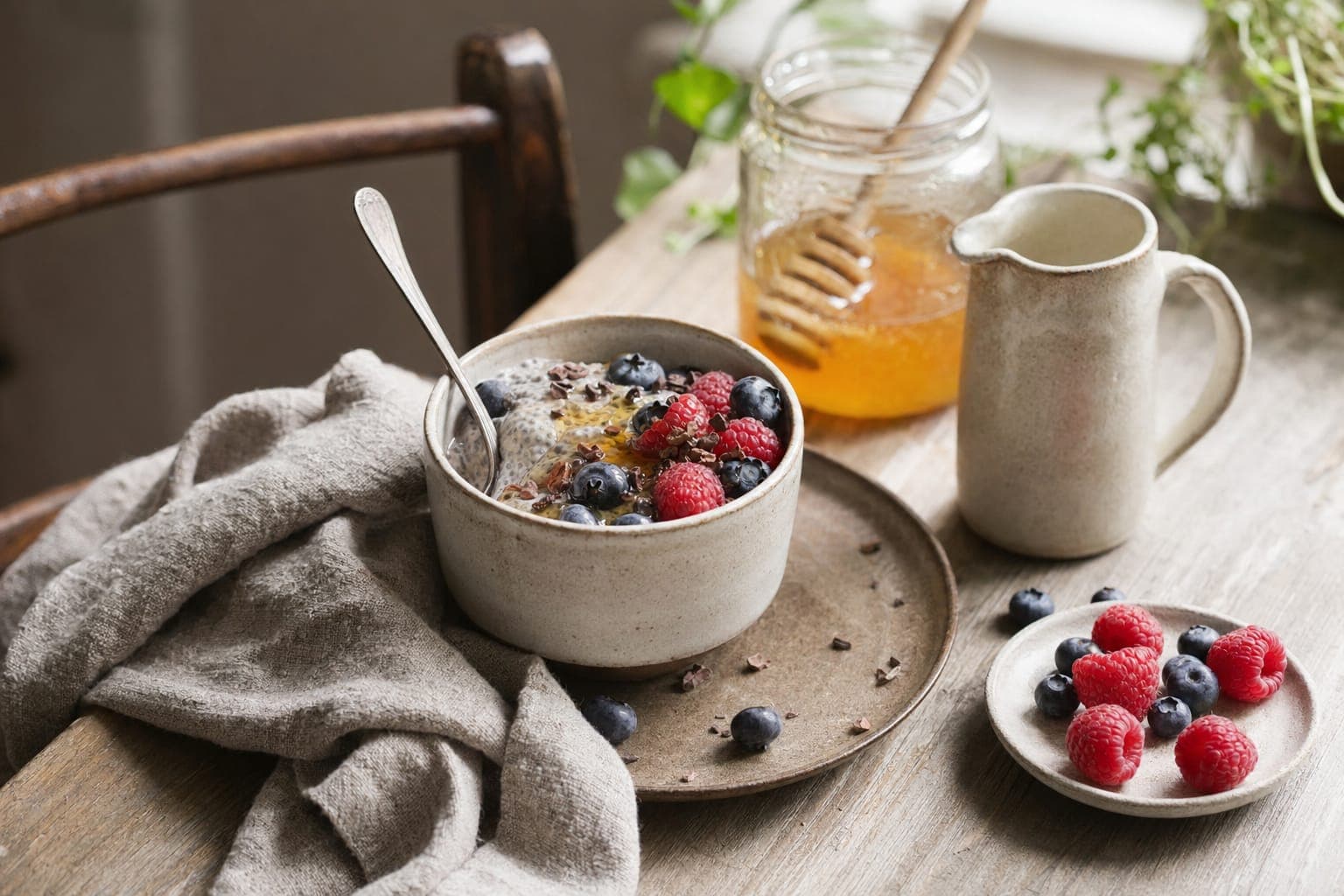
Organised Chia Pudding with Raw Honey and Berries
A no-cook chia seed pudding made with raw milk, collagen, berries, and raw honey. Prep it the night before and eat for breakfast.
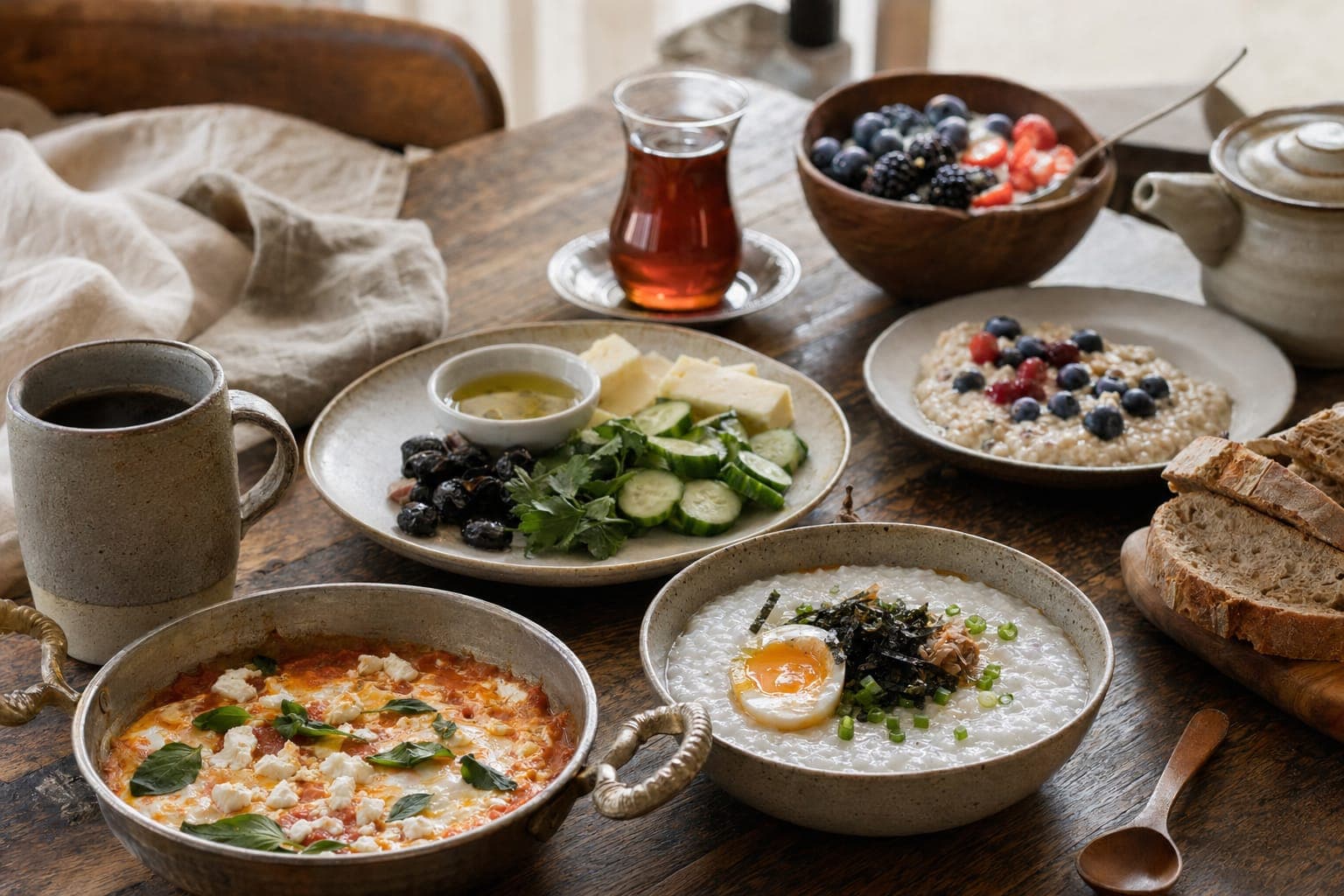
Ancestral Breakfast Ideas from Around the World
Traditional breakfast recipes from cultures that got nutrition right. Japanese, Turkish, Scottish, and more. Whole-food breakfast inspiration.
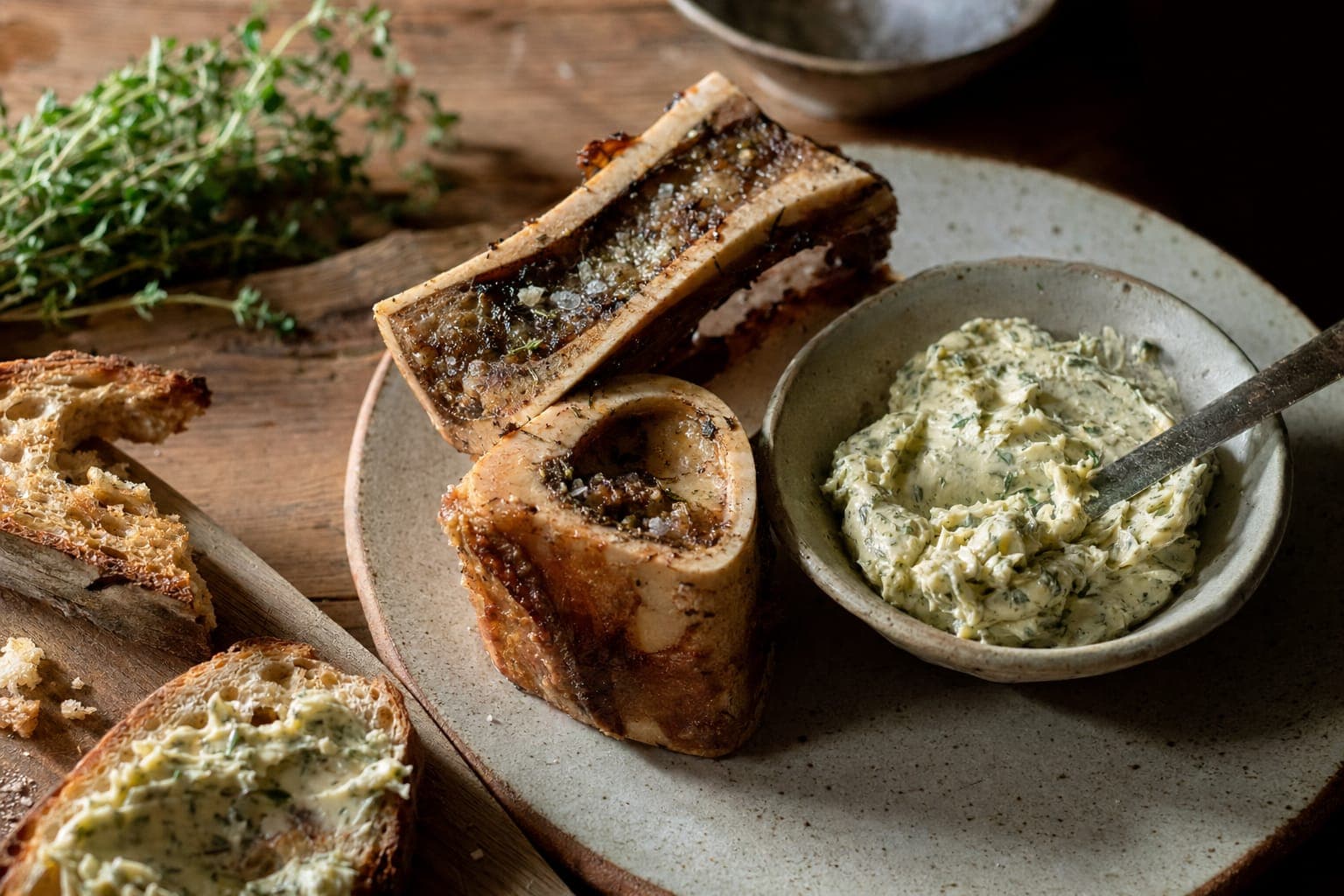
How to Make Bone Marrow Butter
Roast grass-fed marrow bones, scoop the marrow, and mix with butter and herbs. A nutrient-dense spread with fat-soluble vitamins.


 Join over 100,000+ members
Build a better food system with us
The Organised community is thousands of people choosing real food and backing the farmers who grow it, all of us trying to leave the world a little better than we found it. If that is what you care about too, you belong here.