The Role of Collagen in Ageing Gracefully
Collagen is quietly disappearing from your body. By your thirties, you're producing around one percent less collagen annually. By your forties, the decline accelerates. Your skin loses elasticity. Your joints stiffen. Your blood vessels become fragile. Your gut lining thins. And you're told this is inevitable ageing. It's not. It's collagen depletion, and it's preventable.
By Niall Kiddle, Founder, Organised

Reviewed by Pedro Rodrigues, Agronomist (farming and sourcing only) ·
7 min read · Published · Updated · 5 cited sources
Makers of the Organised Daily blend, a grass-fed beef organ supplement from regenerative UK farms

What collagen actually is
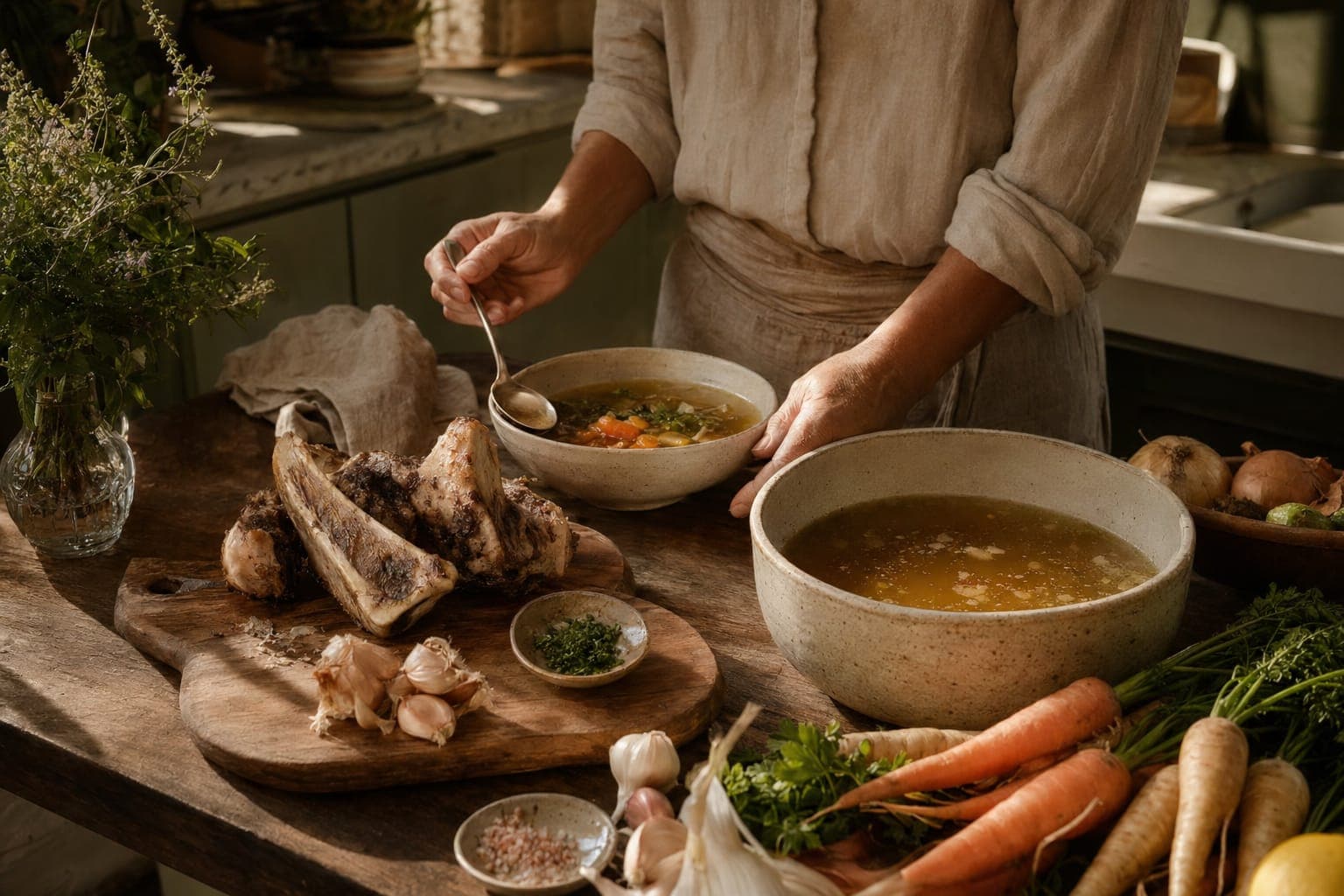
Collagen is the most abundant protein in your body. It makes up roughly one-third of all protein.2 It's not one thing, it's a family of proteins that provide structural integrity across multiple systems. Type I collagen is in your skin, tendons, and blood vessels. Type II is in cartilage. Type III is in your skin and blood vessels. Type IV is in your gut lining. Type V is in your hair and nails.
The common thread is structural support. Collagen is the glue that holds things together. Without adequate collagen, everything starts to sag, crack, and deteriorate.
The reason wrinkles increase with age isn't that skin is fundamentally doomed to wrinkle. It's that collagen density decreases and elastin (the protein that allows skin to bounce back) becomes fragmented. Same mechanism: loss of structural support.
Collagen is the difference between skin that sags and skin that maintains its architecture. It's the difference between supple joints and stiff ones.
Where collagen matters most
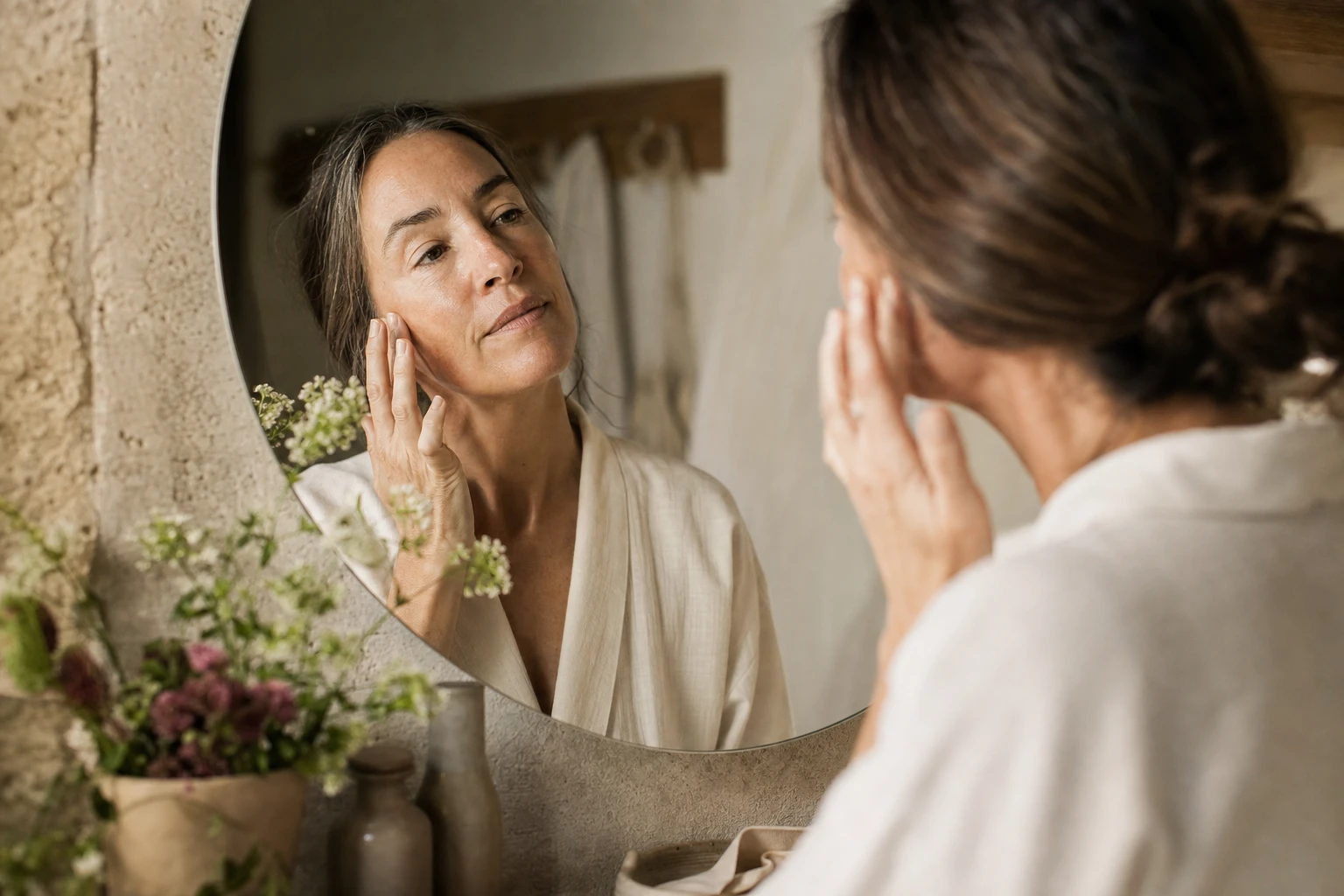
Skin is where you notice collagen loss first because it's visible. Lines deepen. Skin loses plumpness. The jawline softens. The neck starts to look loose. All collagen depletion.
But the more important collagen losses are happening internally. In your joints, collagen breakdown exceeds synthesis. You develop osteoarthritis not because you've worn out your joints, but because collagen and cartilage are degrading faster than your body replaces them.
In your blood vessels, collagen depletion contributes to arterial stiffness and increased risk of cardiovascular disease. In your gut lining, it's part of the structural integrity that keeps your gut barrier functioning. In your bones, collagen provides the matrix that mineral density fills.
The system-wide collagen loss is the actual mechanism of ageing. Address it and you slow ageing across multiple systems.
Why collagen declines with age
Two mechanisms drive collagen decline. First, collagen synthesis decreases. Your fibroblasts (the cells that produce collagen) gradually become less active. This is partly genetic, but largely driven by nutrient deficiency, chronic inflammation, and oxidative stress.
Second, collagen breakdown accelerates. Enzymes called matrix metalloproteinases (MMPs) degrade collagen and elastin. Chronic inflammation and UV damage increase MMP activity.3 Chronically high blood sugar accelerates collagen breakdown through glycation (where sugar molecules bind to collagen and damage it).
You're caught between declining production and accelerating breakdown. Without intervention, collagen density inevitably decreases.
Collagen loss isn't destiny. It's the predictable result of nutritional insufficiency, chronic inflammation, and poor blood sugar control.

How to preserve collagen through nutrition
Collagen synthesis requires specific nutrients. Vitamin C is absolutely critical. It's a cofactor for the enzymes that stabilise collagen.4 Without adequate C, collagen synthesis stalls. Copper supports collagen cross-linking. Zinc is required for collagen synthesis. Proline and glycine are the amino acids that form collagen's backbone.
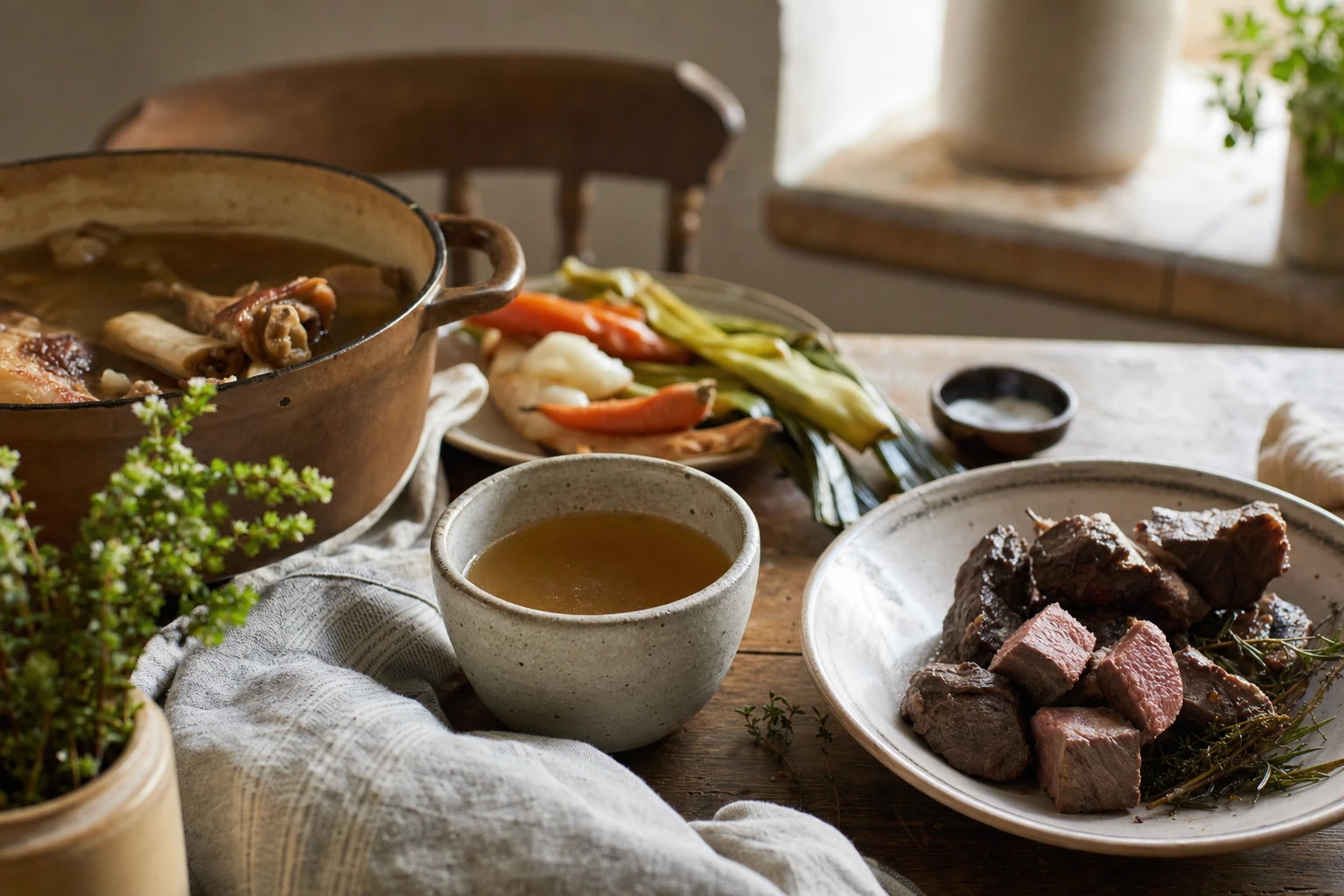
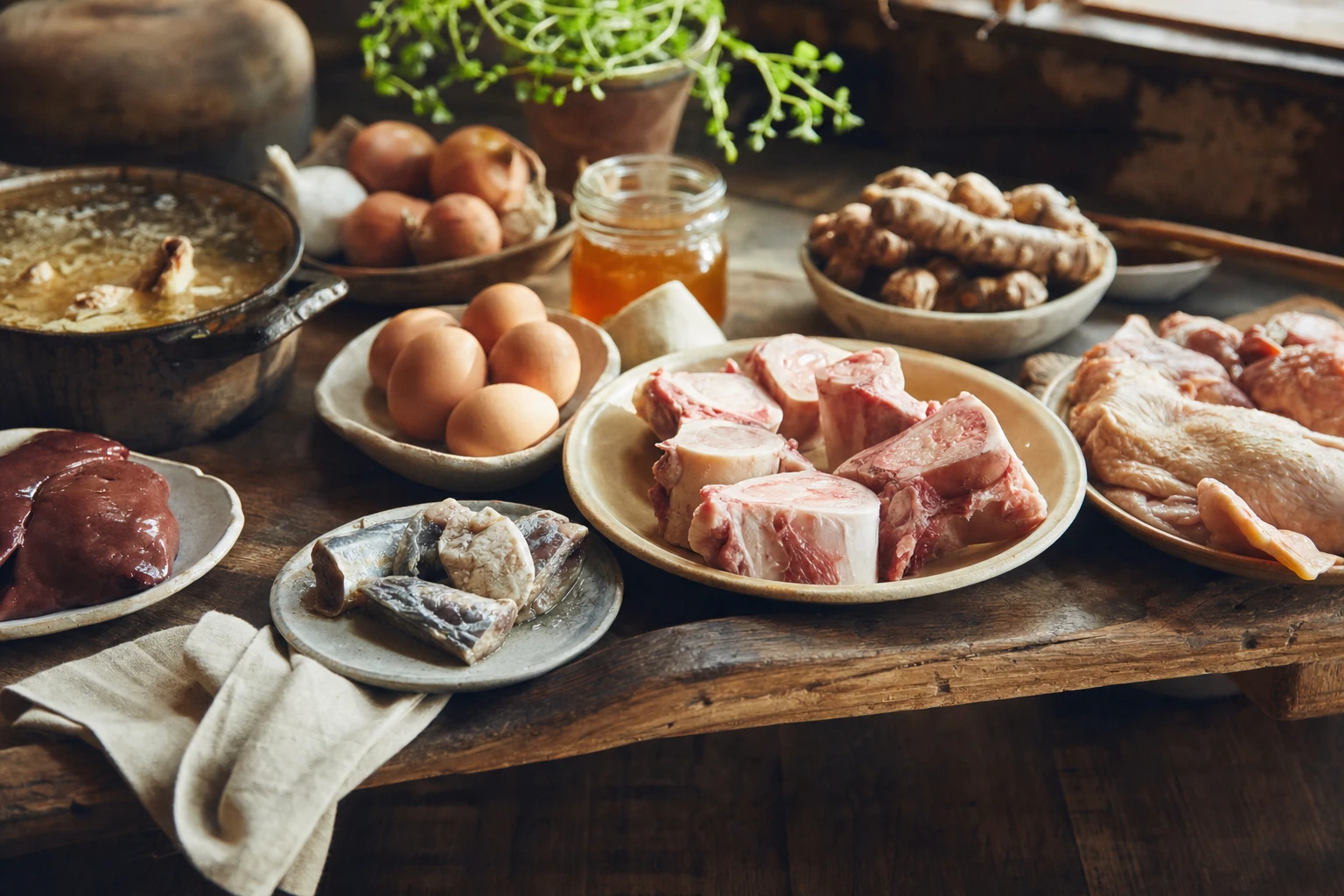
The most direct way to support collagen is to eat collagen. Bone broth is the ancestral collagen source. Gelatin is concentrated collagen. Connective tissue from meat (the bits most people discard) is pure collagen. Organ meats, particularly bone marrow, contain the nutrients that support collagen synthesis.
But you can't just eat collagen and expect it to end up in your skin and joints. Your body breaks it down and uses the amino acids and micronutrients. What matters is having the building blocks available when your fibroblasts are trying to synthesise new collagen.
That means adequate vitamin C (from food, not supplements if possible), adequate copper and zinc (from red meat and organ meats), and adequate protein generally. It also means managing inflammation and blood sugar, which are the two biggest drivers of collagen breakdown.
The foods and practices that support collagen
The practical protocol is straightforward.
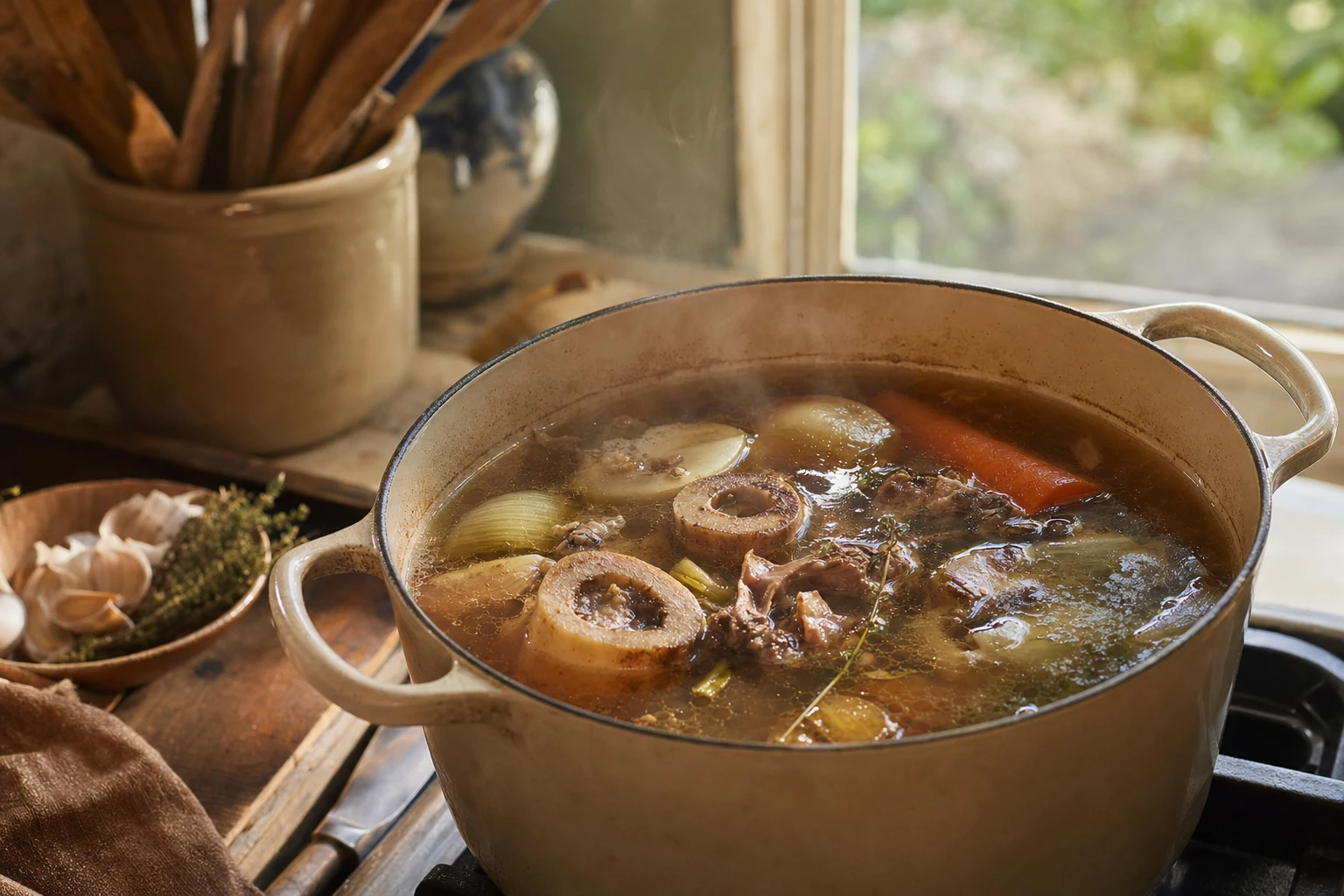
- Bone broth - consumed regularly (ideally daily). Provides collagen, minerals, and glycine to support collagen synthesis.
- Red meat - particularly the connective tissue and slower-cooked cuts like chuck or shin. Three to four servings weekly.
- Organ meats - liver provides vitamin A and copper, which support collagen stability and synthesis. Two to three servings weekly.
- Vitamin C from food - citrus, berries, leafy greens. At least one serving daily.
- Seafood - fish contains collagen and minerals that support skin health. Two to three servings weekly.
- Minimal sun exposure - UV damage is the single biggest driver of collagen breakdown in skin. Sun protection matters more than any supplement.
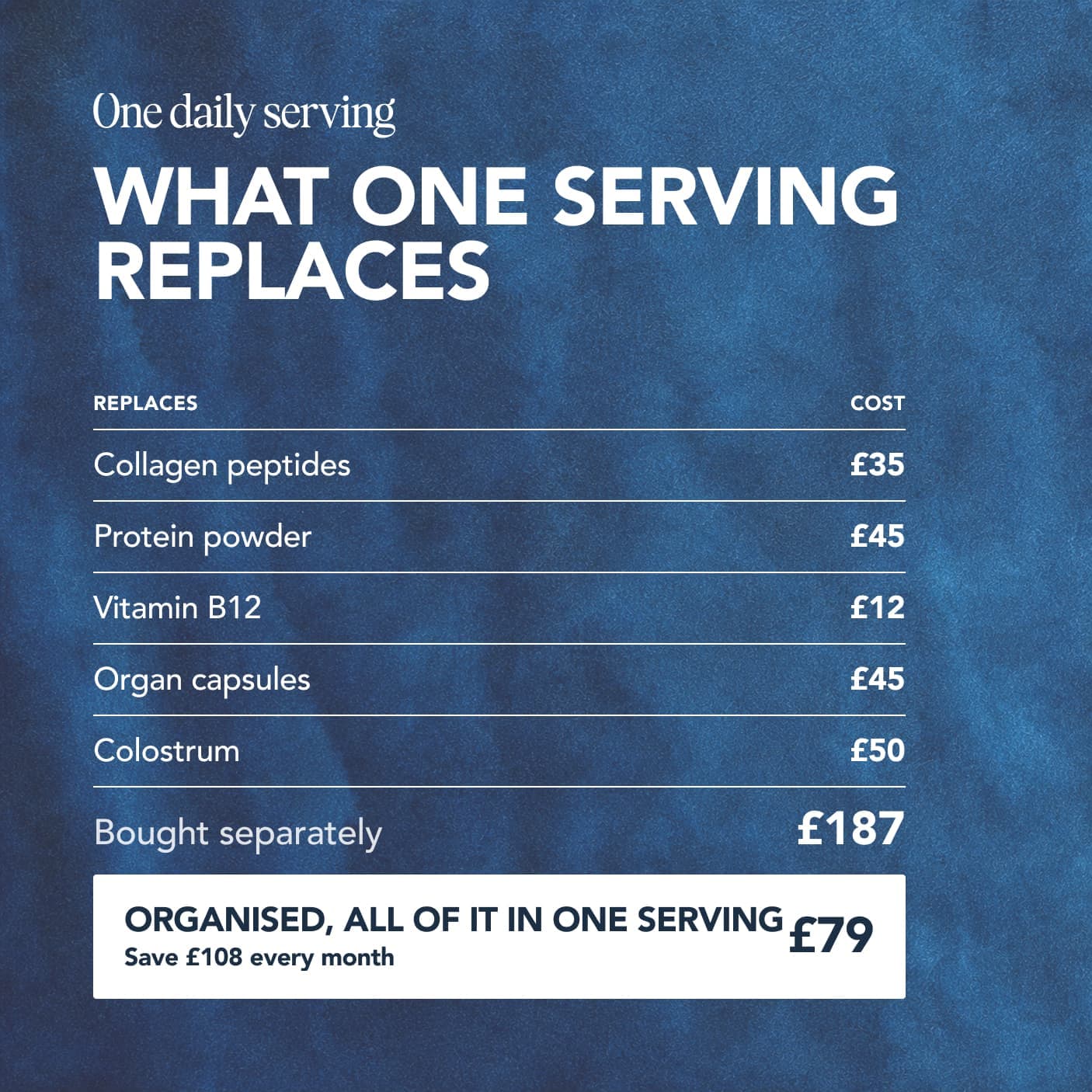
Notice what's missing: expensive collagen peptides and powders. Those aren't necessary if you're eating real food consistently. Bone broth is cheaper and works just as well.
Your ancestors aged beautifully on collagen-rich food. Bone broth, organ meats, and connective tissue. That's the entire system.
Get health guides like this, free
Two short reads a week on eating for energy, gut health, skin, sleep and more.
By signing up you agree to receive emails from us. No spam, unsubscribe anytime.
The difference between collagen supplementation and food-based collagen
The market for collagen supplements has exploded. Collagen peptides, collagen powder, liquid collagen, bone broth powder. The marketing promise is seductive: consume hydrolysed collagen and it will end up in your skin, joints, and hair. The reality is more nuanced.
When you consume collagen (whether from supplements or bone broth), your digestive system breaks it down into amino acids and dipeptides. Your body doesn't absorb "collagen" as such. It absorbs the building blocks. Those amino acids are then used by your body for whatever it needs most urgently. Some go to your muscles, some to your immune system, some to your skin and joints.
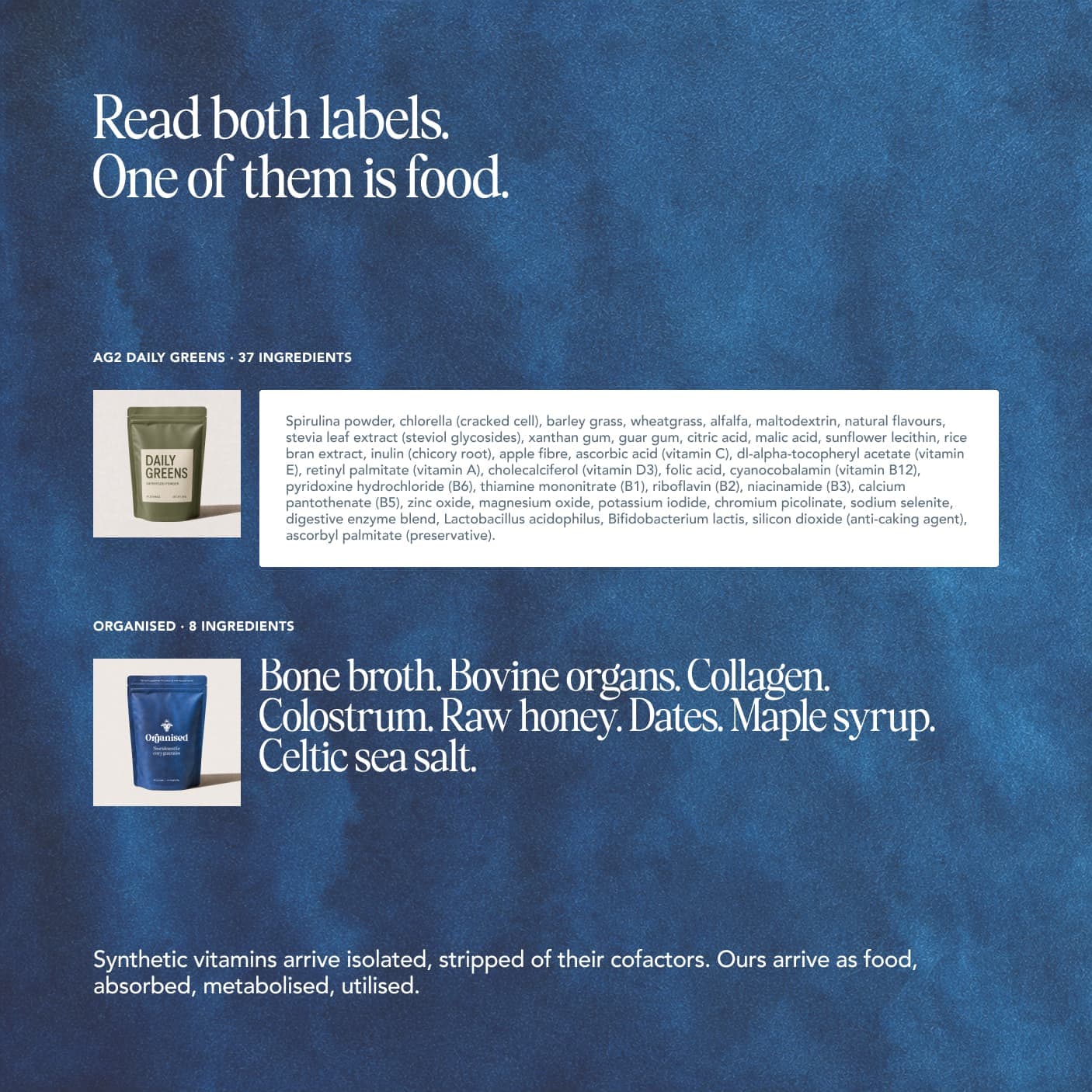
The advantage of whole food collagen (bone broth, connective tissue, gelatine) over supplements is that it comes packaged with minerals, fat-soluble vitamins, and compounds like hyaluronic acid that support collagen function. A bowl of bone broth provides not just the amino acids to build collagen, but the micronutrient cofactors your body needs to synthesise it.
A collagen supplement provides isolated amino acids. If your diet is already rich in micronutrients, this is fine. If your diet is deficient (which is common in modern eating), the collagen supplement will not deliver the results you expect because your body cannot synthesise new collagen without the necessary cofactors.
Collagen supplements work best alongside nutrient-dense food, not instead of it. Whole food collagen is superior because it comes with its nutritional context.
1 of 9
Daily blend
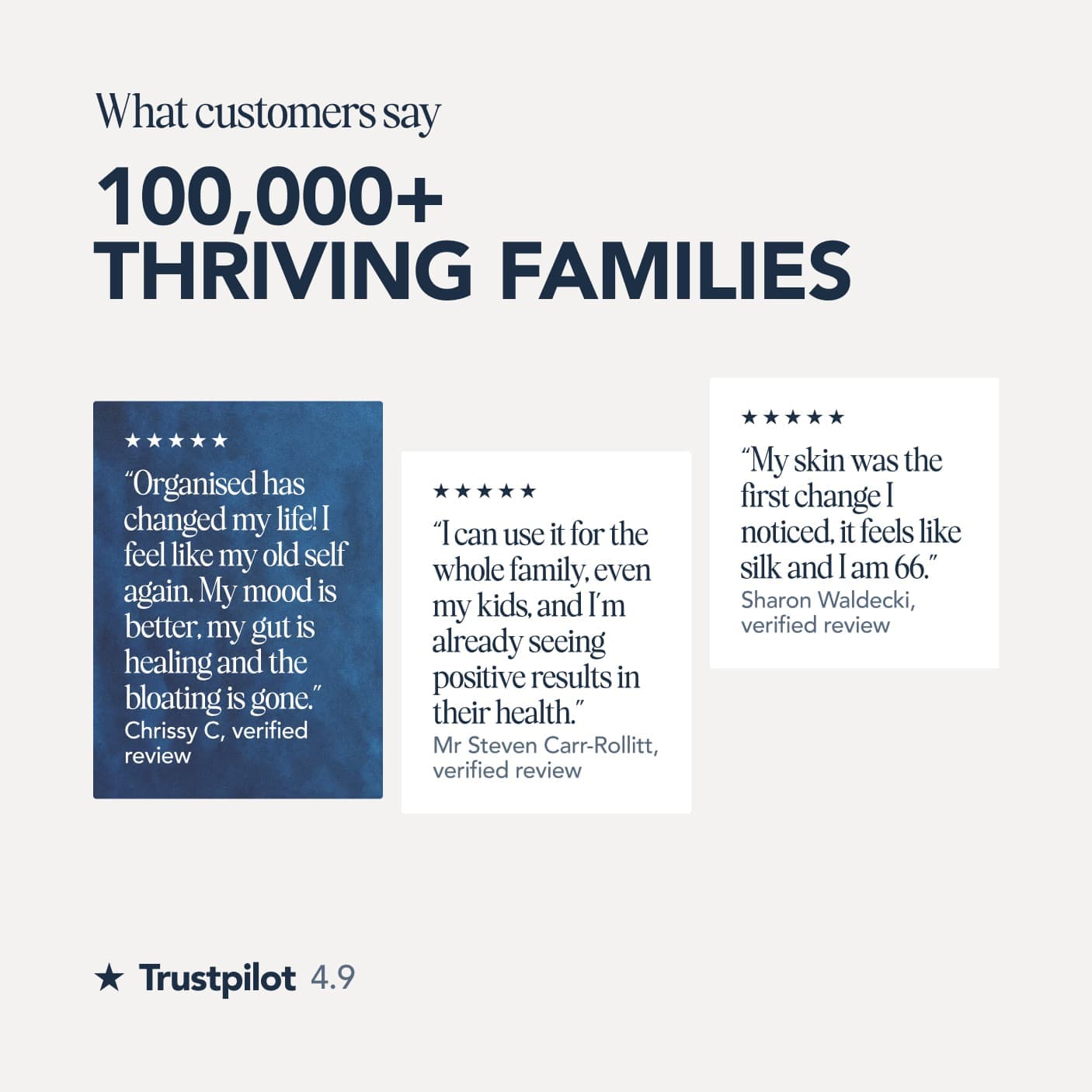
100,000+ thriving families4.9 on Trustpilot
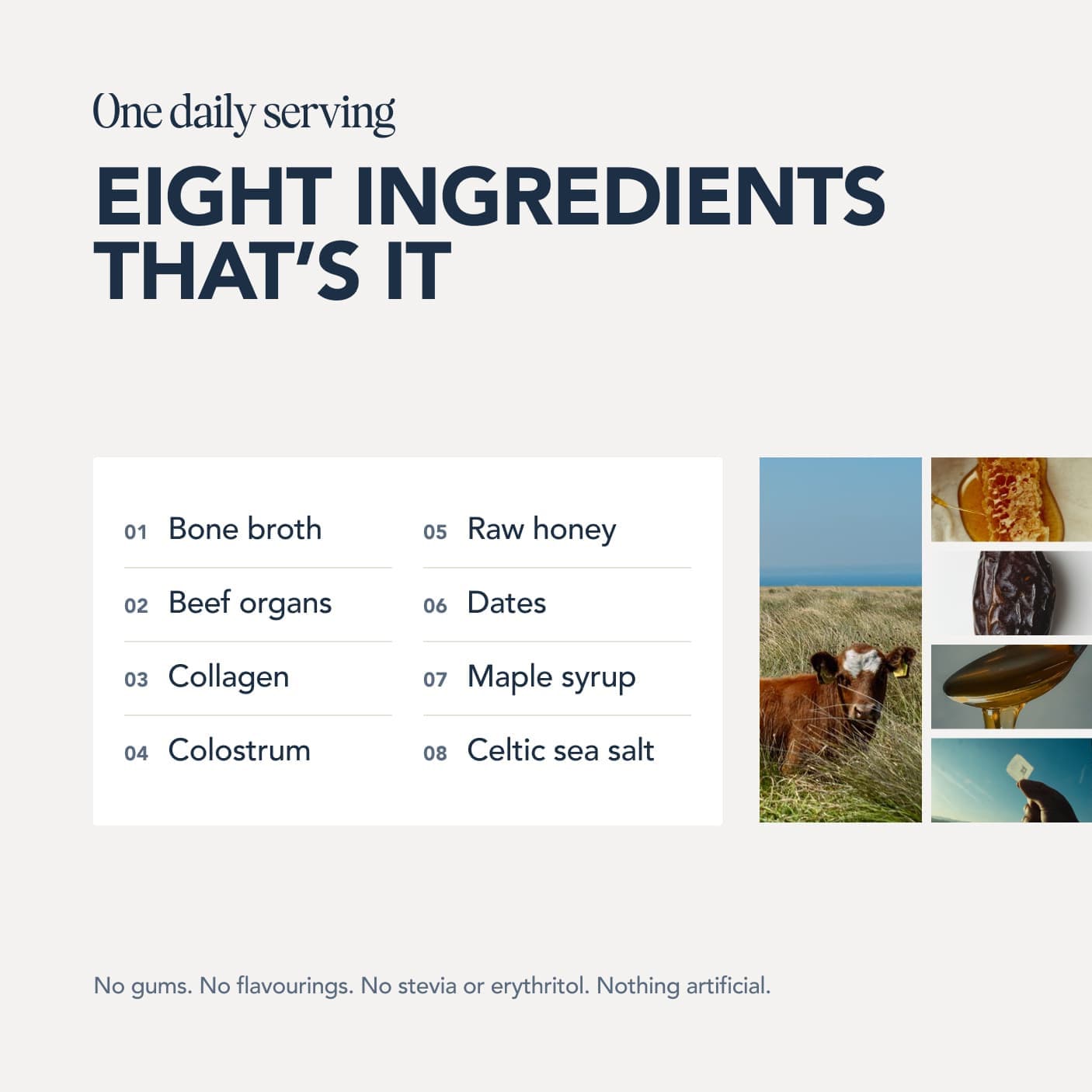
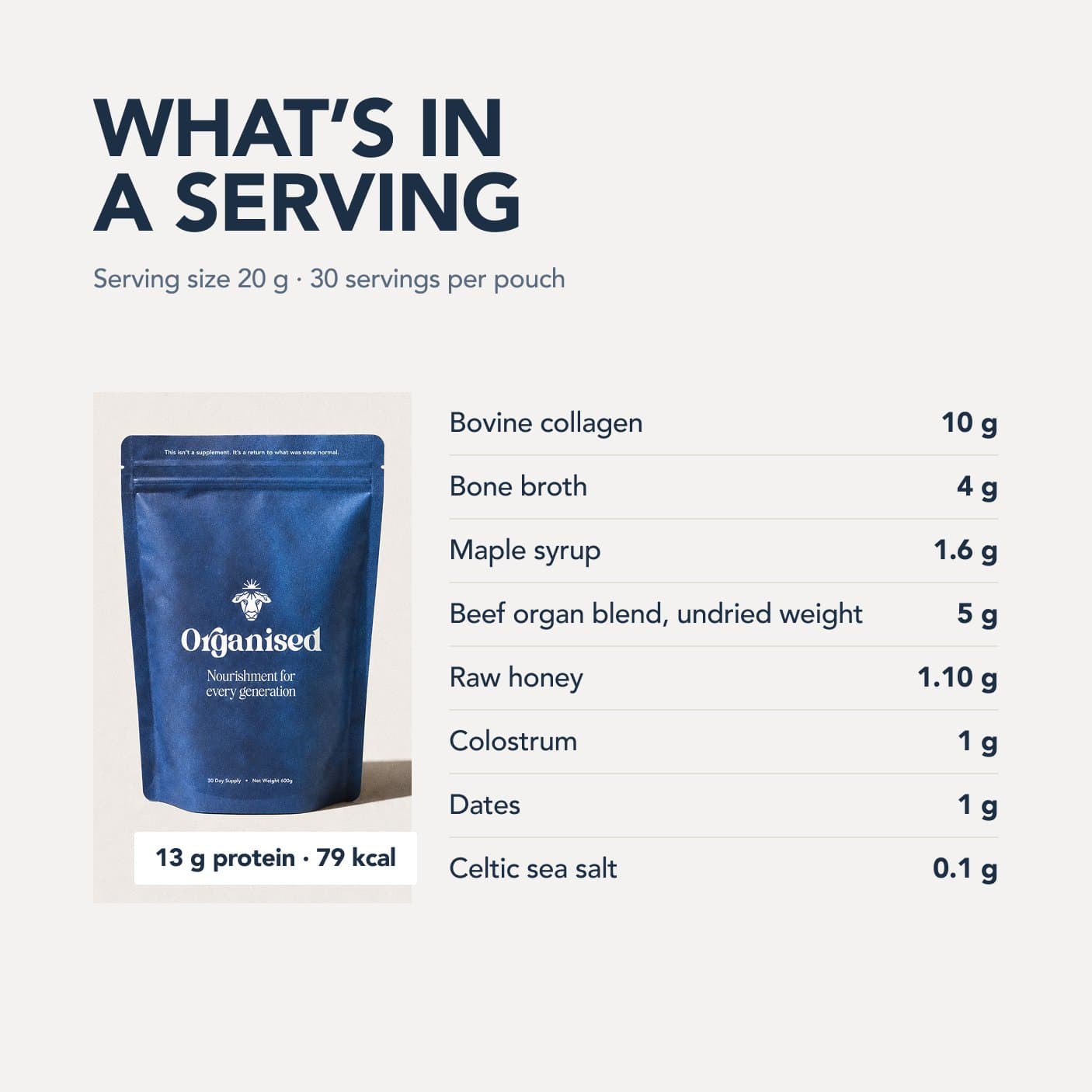
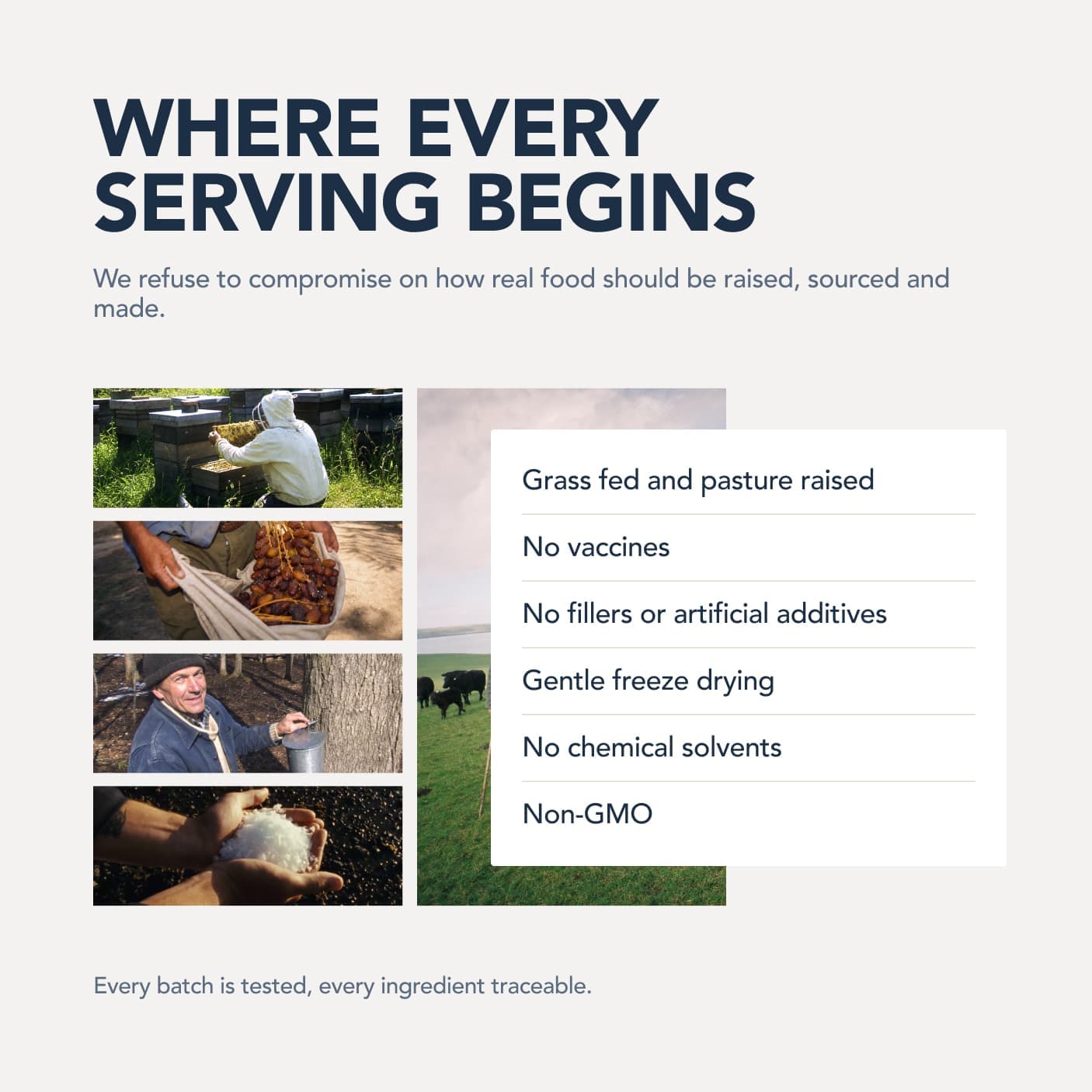
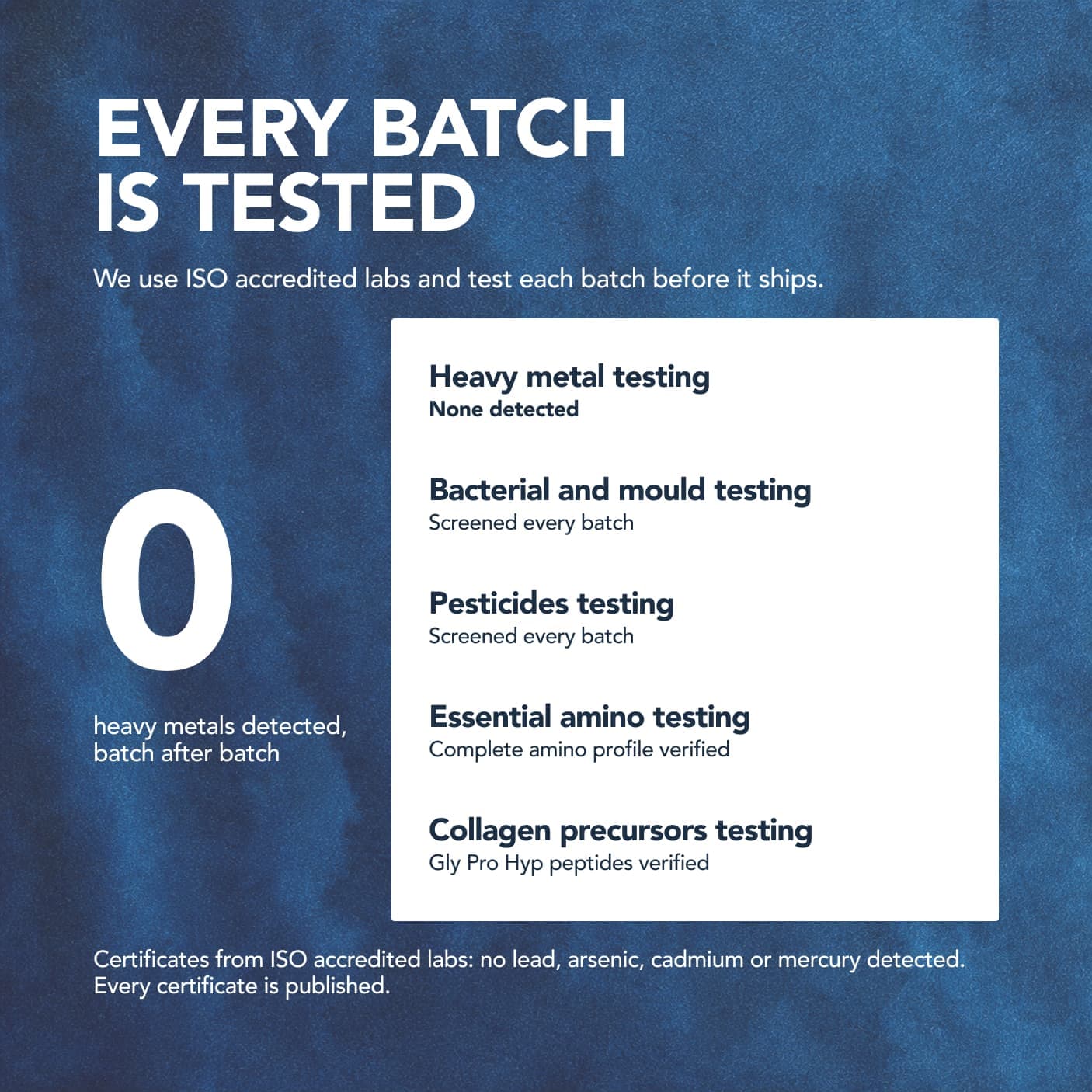
Eight real ingredients built around grass-fed beef organs, collagen and colostrum. Nothing synthetic added.
Free with your first order, worth £38. Plus £10 off the pouch with a subscription.

Free UK shipping · Made in England · 100 day money back guarantee on your first pouch · Skip, pause or cancel anytime
Lifestyle factors that preserve collagen equally matter
Nutrition is foundational, but behaviour matters equally. Three lifestyle factors directly shape collagen density across your lifespan.
Resistance training signals your body to maintain muscle and connective tissue. When you lift weights or do bodyweight training, you are creating micro-tears in muscle fibres and putting tension on tendons and ligaments. Your body responds by synthesising more collagen to reinforce these structures. This is why lifters typically have better skin quality and more resilient joints than sedentary people eating the same food.
Sleep is when collagen synthesis happens. Growth hormone, which drives collagen production, peaks during deep sleep.5 If you are sleeping five hours, you are suppressing your collagen synthesis regardless of how much bone broth you drink. Seven to nine hours of consistent sleep is part of the collagen protocol.
Sun protection matters intensely for skin collagen. UV radiation damages collagen directly through a process called photoaging. Over time, chronic sun exposure destroys more collagen than your body can repair. This is why sun-exposed skin (face, neck, hands) shows more visible ageing than protected skin (inner arms, torso). Protecting yourself from excessive sun is collagen preservation.
These three factors (resistance training, adequate sleep, sun protection) matter as much as nutrition. You cannot out-supplement poor habits. You cannot eat enough bone broth to counteract chronic sleep deprivation. The full picture requires attention across all domains.
Collagen is preserved through nutrition, resistance training, sleep, and sun protection. Neglect any one pillar and your efforts on the others yield diminishing returns.
The bottom line
Ageing gracefully isn't about avoiding time. It's about maintaining collagen. That means eating collagen-supporting foods consistently, managing blood sugar and inflammation, protecting your skin from sun damage, and doing the structural work (resistance training, adequate recovery) that signals your body to maintain muscle and connective tissue.
Do that and your skin remains plump and elastic well into your sixties and beyond. Your joints stay mobile. Your blood vessels remain flexible. Your gut maintains its integrity. You don't just look younger. Your internal systems function like someone younger.
Stop waiting for the perfect supplement. Eat bone broth. Eat red meat and organs. Protect yourself from the sun. Do resistance training. Give your body the signal that it's worth maintaining the collagen you have. Your future self will thank you.
References
Every source below was checked on 27 August 2026. Each PubMed, PMC and DOI identifier was resolved against NCBI or Crossref, and what it opens is printed under the citation, so you can see the link goes where the citation says without leaving the page. Where a citation and its identifier disagreed, the citation was corrected to the record or the reference was deleted along with the sentence marker that pointed at it, and where the resolved paper turned out not to support the sentence, the sentence was cut back to what it does support. Borrowed authority is worse than none, because it looks like rigour.
- Shuster S et al. The influence of age and sex on skin thickness, skin collagen and density. British Journal of Dermatology, 1975. PMID 1220811.Checked 27 August 2026: PMID 1220811 opens Shuster S, Black MM, McVitie E, The influence of age and sex on skin thickness, skin collagen and density. Br J Dermatol 1975;93(6):639-43.
- Ricard-Blum S. The Collagen Family. Cold Spring Harbor Perspectives in Biology, 2011. PMC3003457.Checked 27 August 2026: PMC3003457 opens Ricard-Blum S, The collagen family. Cold Spring Harb Perspect Biol 2011;3(1):a004978. PubMed indexes it as: Review.
- Pittayapruek P et al. Role of Matrix Metalloproteinases in Photoaging and Photocarcinogenesis. International Journal of Molecular Sciences, 2016. PMID 27271600.Checked 27 August 2026: PMID 27271600 opens Pittayapruek P, Meephansan J, Prapapan O et al, Role of Matrix Metalloproteinases in Photoaging and Photocarcinogenesis. Int J Mol Sci 2016;17(6). PubMed indexes it as: Review.
- National Institutes of Health, Office of Dietary Supplements. Vitamin C — Health Professional Fact Sheet.
- Van Cauter E, Plat L. Physiology of growth hormone secretion during sleep. Journal of Pediatrics, 1996. PMID 8627466.Checked 27 August 2026: PMID 8627466 opens Van Cauter E, Plat L, Physiology of growth hormone secretion during sleep. J Pediatr 1996;128(5 Pt 2):S32-7.
Who wrote and reviewed this guide
Niall Kiddle
Author · Founder, Organised
Niall is the founder of Organised. He started the company in 2024 after fixing his own health the slow way: in 2022 he swapped a cupboard of synthetic supplements for real food, raw milk, organ meats, bone broth and honey, and felt the difference within months.
Areas of expertise: Ancestral nutrition, Organ meats, Whole-food supplementation, Gut health, Regenerative sourcing
Read Niall's full profile
Pedro Rodrigues
Reviewer · Agronomist (farming and sourcing only)
Pedro is the agronomist Organised works with on farming and sourcing. His job on the guides is to keep the science honest: he reviews what we publish about soil health, regenerative agriculture, grazing and the way food is actually produced.
Areas of expertise: Regenerative agriculture, Agronomy, Soil health, Grass-fed farming, Food sourcing
Reviewed this guide on
Read Pedro's full profileMore on longevity & ageing
View allBrowse the guides library
All guidesKeep reading
Health goals
Ageing Well: The Nutrients That Support Healthy Longevity
Ageing well requires specific nutrients: collagen, B12, magnesium, K2, glutathione. Here's where to find them and why they matter.
Health goals
Why Your Grandparents Ate Better Than You
Explore the nutritional shift since the 1970s. Your grandparents' whole-food diet contained far more nutrient density than modern food. Here's what changed.

Health goals
How to Build Collagen Naturally Without Injections
Build collagen from the inside out. Bone broth, connective tissue cuts, vitamin C, and glycine create more youthful skin than any injection.
Real food, made effortless
Start my daily blendA few ways to use it
All recipes
Organised Chia Pudding with Raw Honey and Berries
A no-cook chia seed pudding made with raw milk, collagen, berries, and raw honey. Prep it the night before and eat for breakfast.
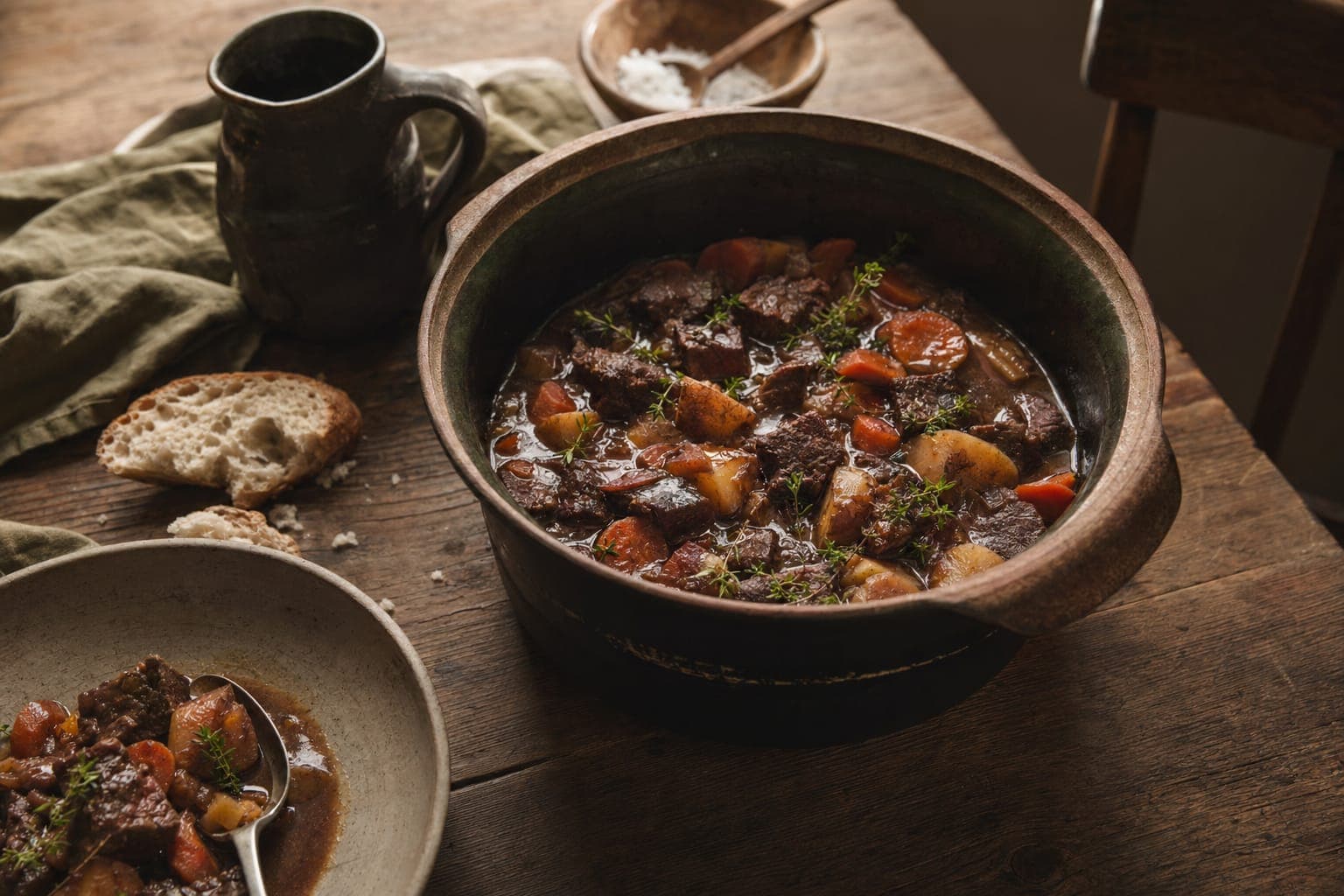
Collagen-Rich Beef Stew: Slow-Cooked Nourishment
Beef stew that delivers collagen from connective tissue and bone broth. Winter comfort food that actually nourishes. Simple slow cooker recipe.
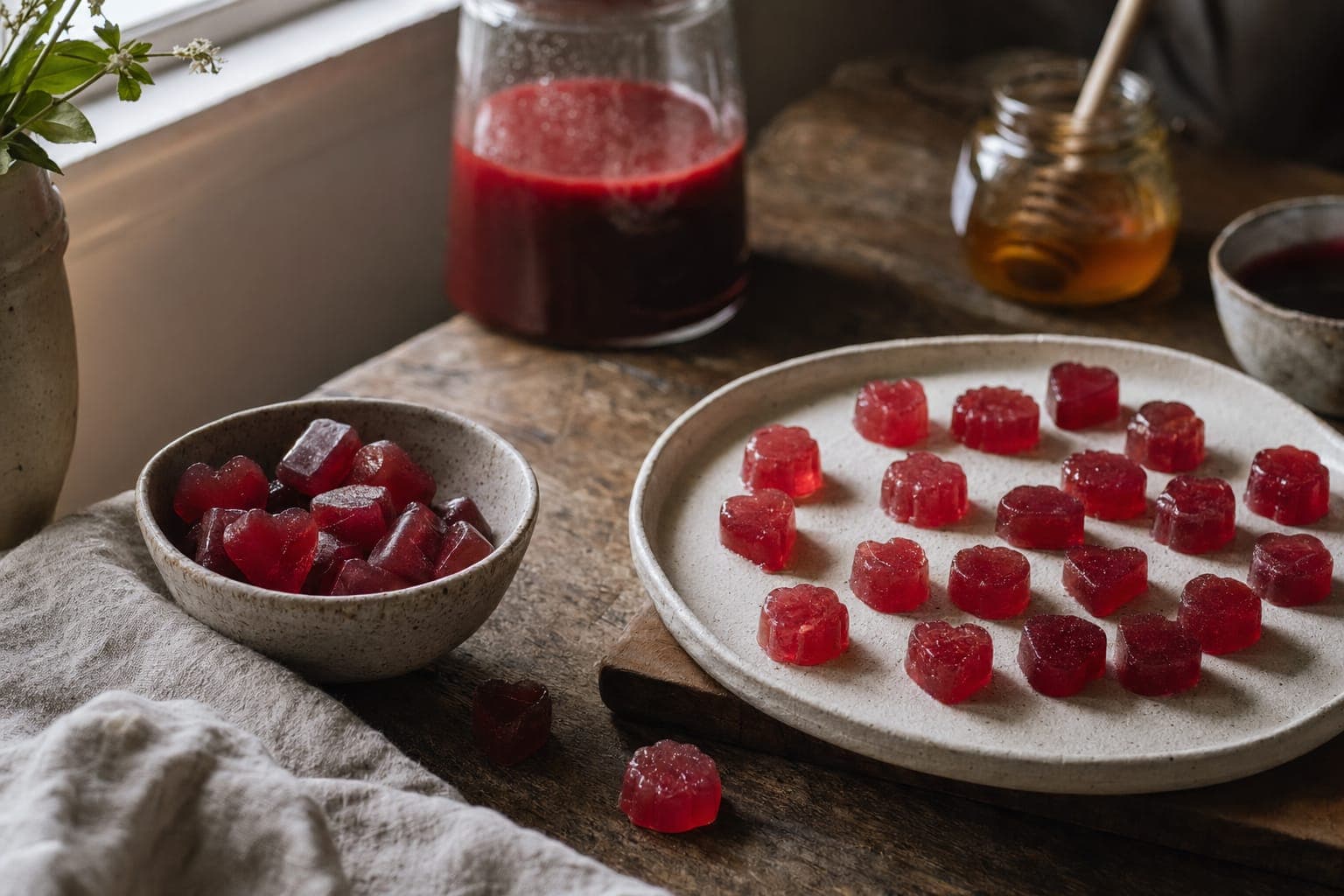
How to Make Your Own Gelatine Gummies
A simple recipe for homemade gelatine gummies using grass-fed gelatine, fresh juice, and raw honey. Better than shop-bought, kids love them.


 Join over 100,000+ members
Build a better food system with us
The Organised community is thousands of people choosing real food and backing the farmers who grow it, all of us trying to leave the world a little better than we found it. If that is what you care about too, you belong here.