Thinning Hair After 40: What Your Body Is Trying to Tell You
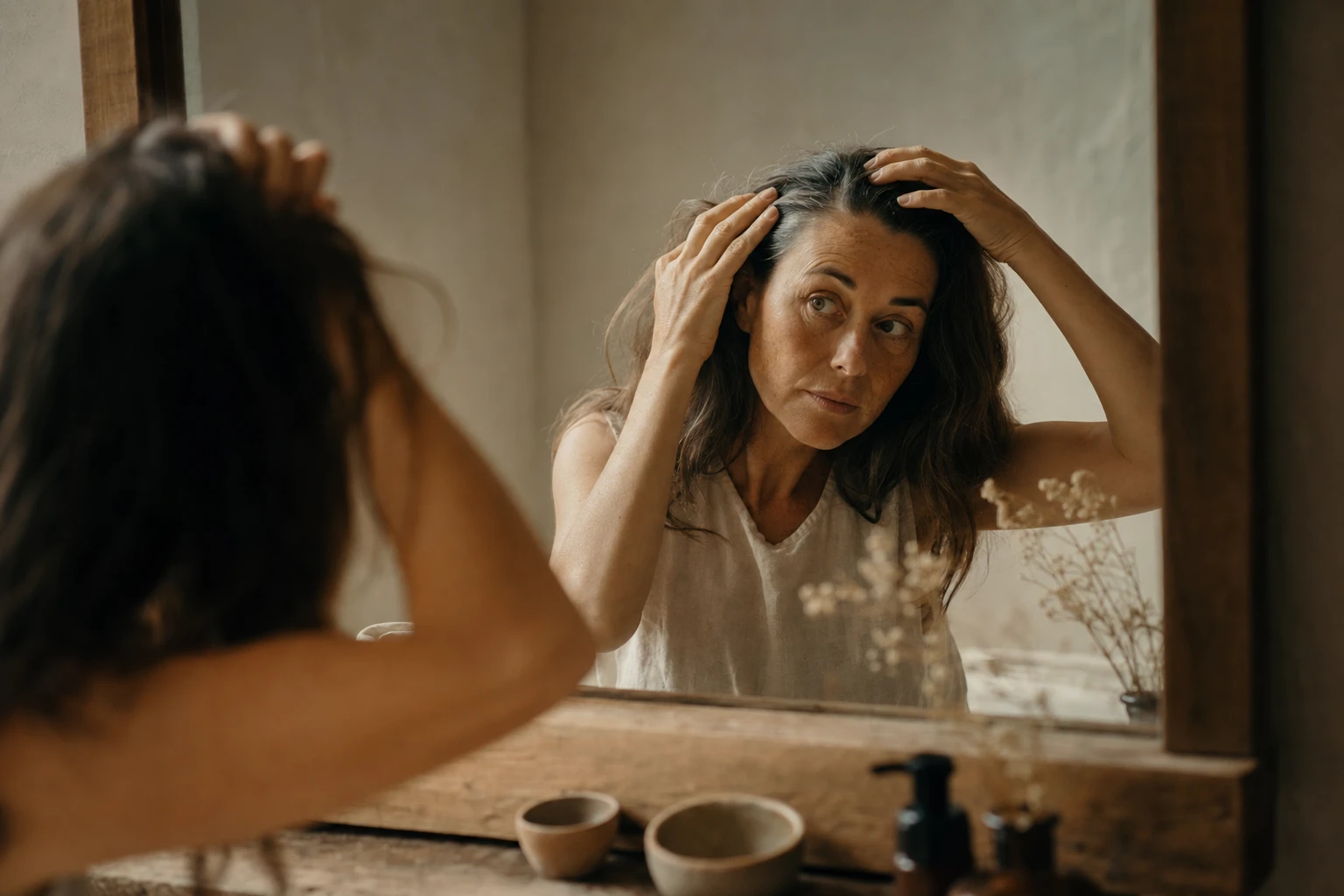
You pull your hair back and notice it's thinner than it used to be. You shed more in the shower. You're not imagining it. Something shifts around 40. But it's not just ageing. Your body is telling you it's short on the nutrients it needs to maintain thick, strong hair when the demands are changing.
By Niall Kiddle, Founder, Organised

Reviewed by Pedro Rodrigues, Agronomist (farming and sourcing only) ·
6 min read · Published · Updated · 3 cited sources
Makers of the Organised Daily blend, a grass-fed beef organ supplement from regenerative UK farms

But it's not just ageing. Your body is telling you it's short on the nutrients it needs to maintain thick, strong hair when the demands are changing.
The real cause of hair thinning after 40
Hair thinning after 40 has three primary drivers: iron loss, thyroid slowdown, and hormonal shifts.3 These three things happen almost simultaneously around midlife, and they compound each other. Fix all three and your hair changes. Leave them unaddressed and thinning accelerates.
This is different from genetic male pattern baldness. Women in particular experience telogen effluvium, a condition where a larger percentage of your hair shifts into the resting phase simultaneously because of stress, nutrient loss, or hormonal change.1 Instead of a receding hairline, you get diffuse thinning all over. It's your body pulling resources back because it's running low on something critical.
Hair thinning after 40 is almost never just bad genes. It's your body's way of saying it needs something you're not giving it.
How iron loss drives it
Iron is essential for hair follicle function. Hair cells divide rapidly, building keratin and collagen. Iron is required for the enzymes that make that happen. When iron is low, hair growth slows, the growth phase shortens, and shedding increases.
After 40, iron needs actually stay the same (unlike during menstruating years), but absorption often worsens. Your stomach acid declines slightly with age, which reduces your ability to absorb iron from food. If you've been vegetarian for years, your iron stores may already be depleted. If you've had heavy periods, your reserves may never have fully recovered.
This is why hair thinning correlates so strongly with low ferritin. Ferritin is your body's iron storage, and when it drops below 70, hair thinning accelerates. Most women over 40 with thinning hair have ferritin below 50. This is fixable.
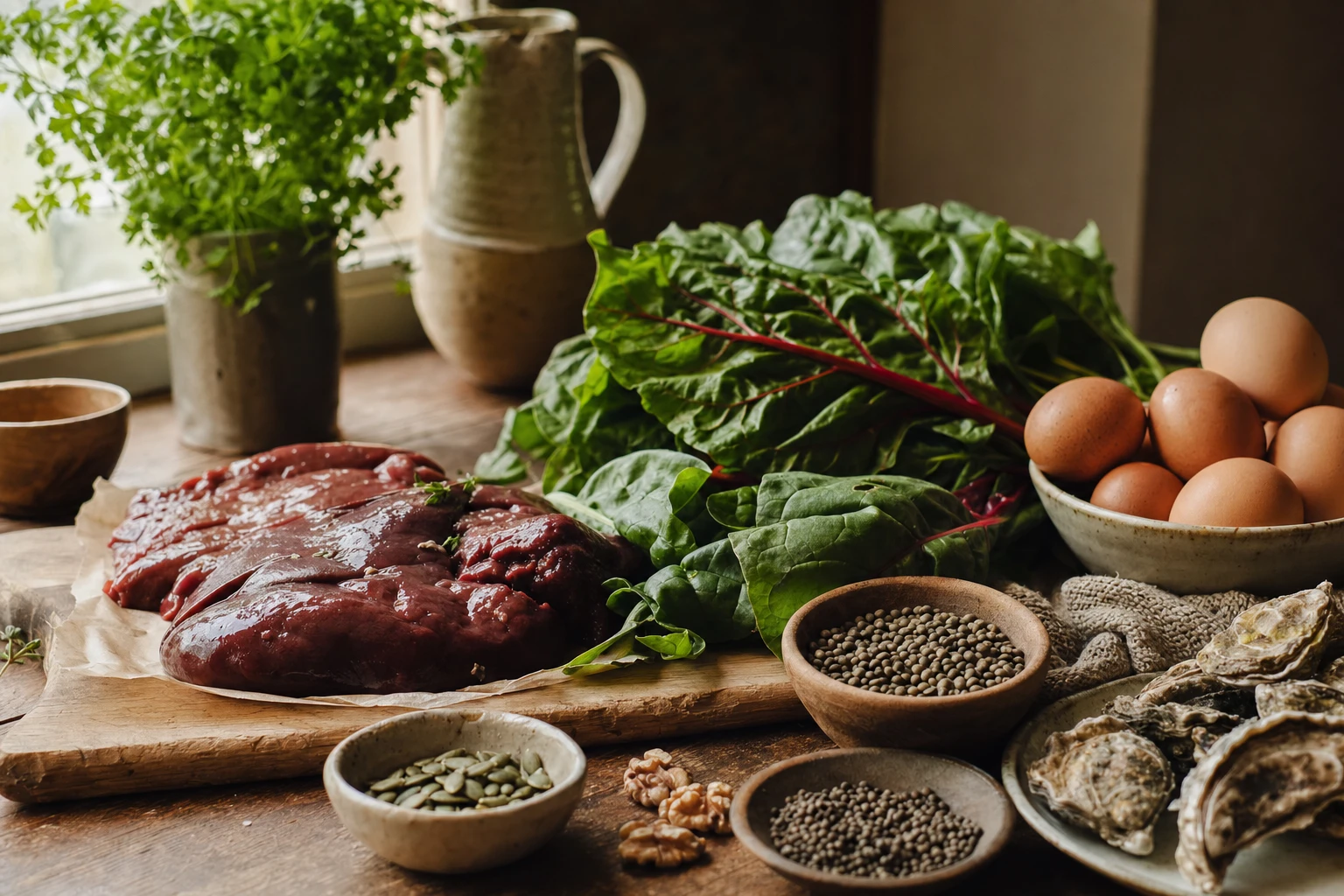
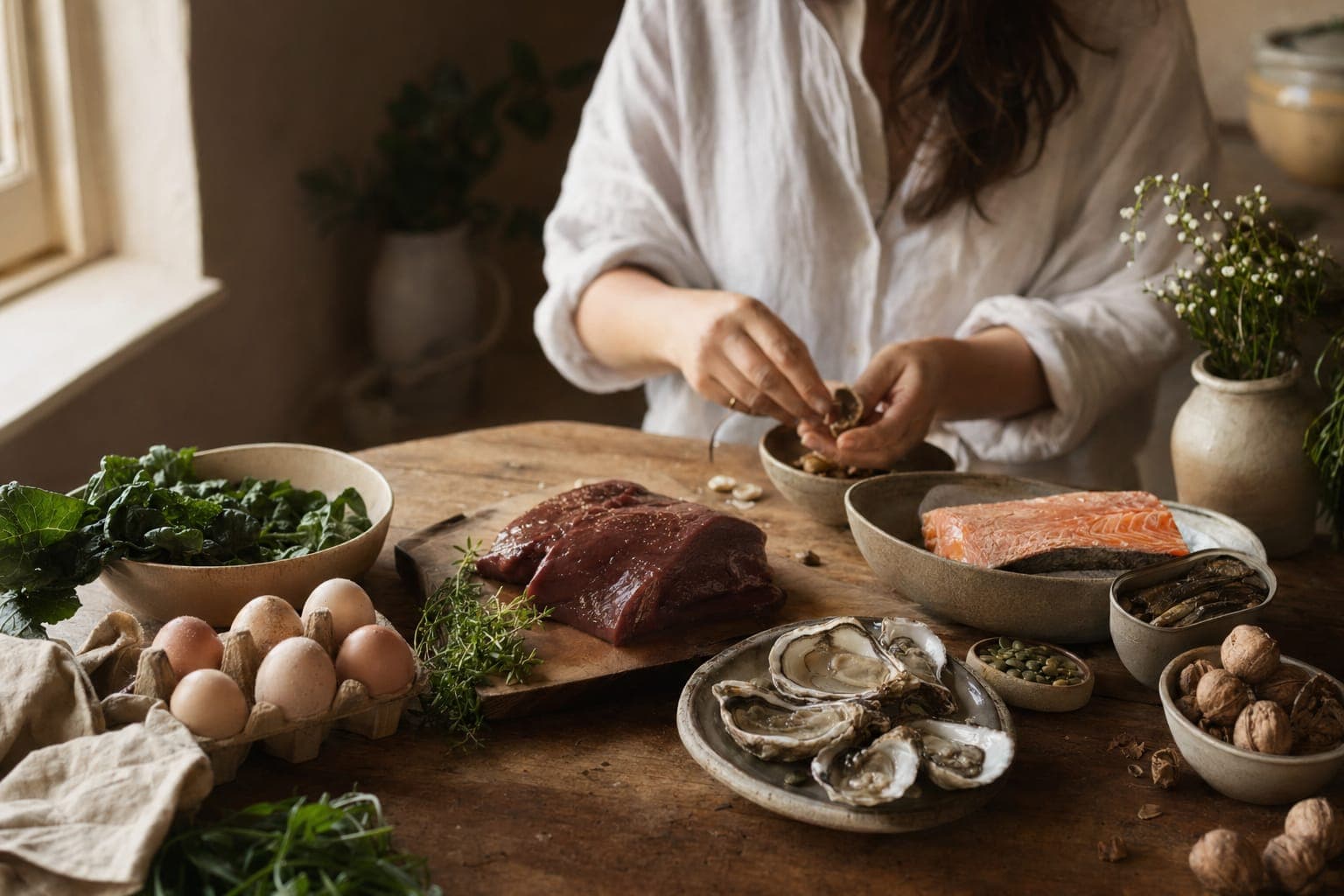
The richest sources of absorbable iron are liver, red meat, oysters, and eggs. A single serving of liver twice a week is often enough to rebuild depleted iron stores. It typically takes three to four months of consistent iron intake to restore ferritin to levels where hair regrows noticeably.
The thyroid connection
Thyroid function naturally slows slightly with age, but it shouldn't slow dramatically. Many women over 40 develop subclinical hypothyroidism, where their TSH creeps up and their T3 and T4 drop, but they're still told their thyroid is "fine" on standard testing.
When thyroid hormone is low, everything slows, including hair growth. The hair that grows is thinner. The growth phase is shorter. Shedding increases. This is particularly common in women who have been calorie-restricting or following low-carb diets for years, which suppress thyroid function chronically.
Iodine is the foundation of thyroid hormone. Most people are mildly iodine-deficient because we stopped using iodised salt. Selenium is required to convert T4 into active T3. Iron is required for the enzyme that synthesises thyroid hormone. So low iron causes both direct hair problems and indirect ones through thyroid suppression.
Feeding your thyroid means iodised salt or sea vegetables, Brazil nuts (two to three daily for selenium), and the iron sources above. This is non-negotiable after 40.
Hormonal shifts and hair
In perimenopause and menopause, oestrogen and progesterone decline. Both oestrogen and progesterone promote the growth phase of hair. When they drop, more hair shifts into the resting phase. Additionally, without oestrogen's protective effect, DHT sensitivity in hair follicles may increase, leading to androgenetic alopecia (female pattern hair thinning) in some women.
You can't replace those hormones with food (you'd need actual HRT for that), but you can optimise the nutrient foundations that make follicles more resilient to hormonal change. Zinc, iron, and adequate protein all help. Stress management helps because high cortisol accelerates shedding. Good sleep helps. Real food helps.
After 40, your hair needs: liver twice weekly, red meat three times weekly, eggs daily, adequate salt, adequate sleep, and zero seed oils.
How to rebuild your hair
If your hair is thinning after 40, the protocol is straightforward. First, get tested: ferritin, TSH, free T3, free T4, and zinc. Most women with hair thinning are deficient in at least two of these metrics.
Then, eat. Liver twice a week. Beef three to four times weekly. Oysters once a week if you can. Eggs daily. Bone broth regularly. These foods provide iron, zinc, copper, selenium, and B vitamins in forms your body actually absorbs and uses. Supplements help, particularly if your ferritin is very low, but food is the goal.
Remove seed oils completely. They drive systemic inflammation, which accelerates shedding and impairs nutrient absorption. Remove ultra-processed foods. They're nutrient-poor and calorie-dense, which means you're eating a lot but absorbing very little.
Be consistent. Hair cycles take three to six months. You won't see regrowth in four weeks. But if iron and thyroid function are your primary drivers, you should see reduced shedding by week 8 and noticeable regrowth by month 4 to 6.
Get health guides like this, free
Two short reads a week on eating for energy, gut health, skin, sleep and more.
By signing up you agree to receive emails from us. No spam, unsubscribe anytime.
Testing framework: understanding your specific drivers
Hair thinning after 40 has multiple potential causes. You could be low in iron, low in zinc, thyroid-dysregulated, or some combination. Guessing and trying interventions randomly wastes time. Testing tells you exactly what to address.
Request these tests from your GP: serum iron, ferritin, total iron-binding capacity (TIBC), zinc, vitamin D, TSH, free T4, and free T3. Ask for actual numbers, not just "normal" or "abnormal." Know your baseline.
If ferritin is below 70, iron is likely driving thinning. Restore ferritin to 100 to 150 through liver and red meat, supplementing iron if necessary (guided by testing, not indefinitely). Most people see reduced shedding within 8 weeks of iron restoration.
If TSH is elevated or free T3 is low, thyroid is involved. Implement the thyroid protocol: iodine, selenium (Brazil nuts), iron (liver). Most people see improvement within 4 to 6 weeks.
If vitamin D is low (below 30 ng/ml), it's contributing to thinning. Supplement to reach 40 to 60 ng/ml or get adequate sun exposure. Vitamin D improvement alone sometimes stops shedding within 6 weeks.
Most women over 40 with thinning hair are low in at least two of these. The good news is that addressing them produces measurable improvement. Hair regrowth takes time, but the cascade of change, reduced shedding, then thickening, then actual new growth, is predictable once you've identified and addressed your specific deficiencies.
1 of 9
Daily blend
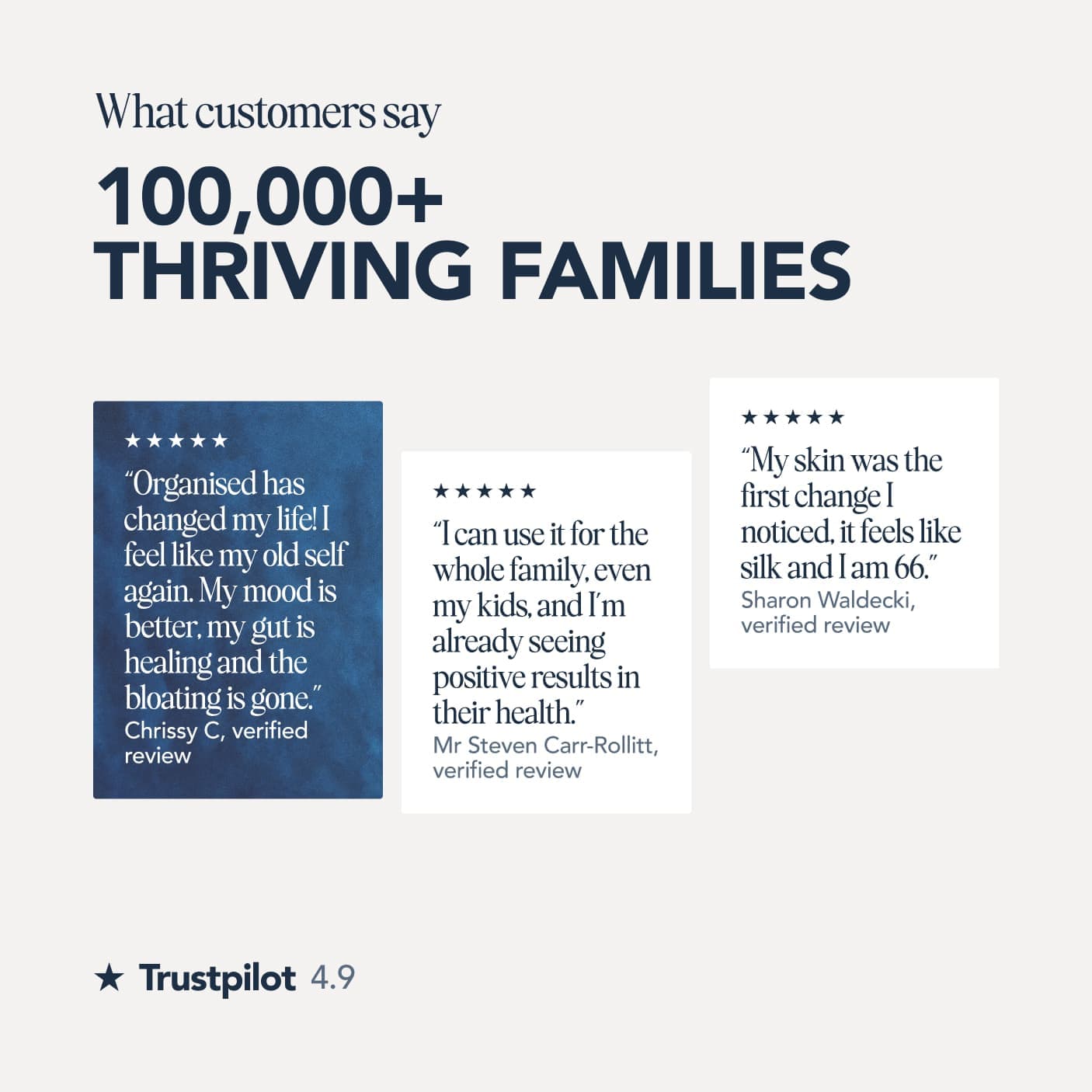
100,000+ thriving families4.9 on Trustpilot
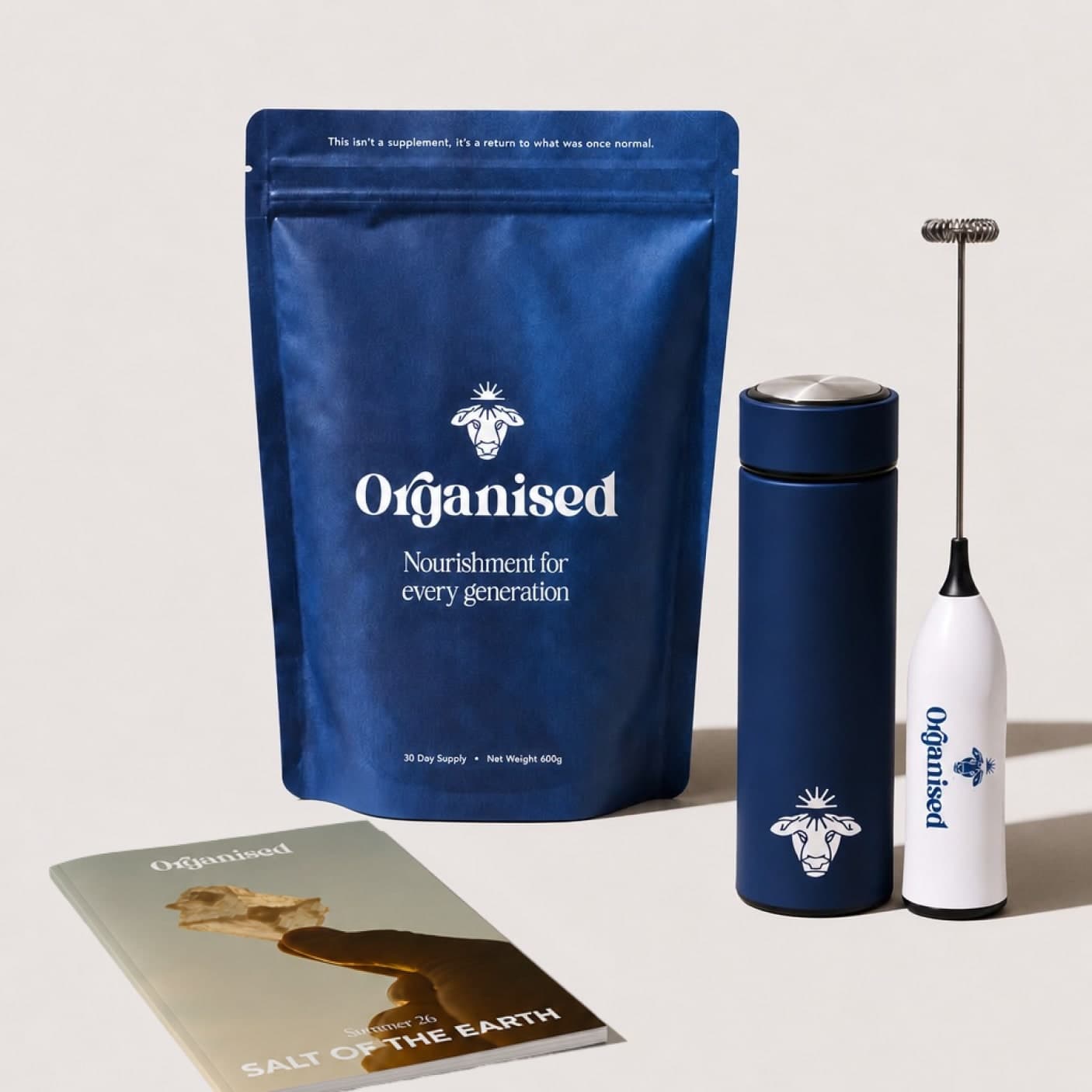
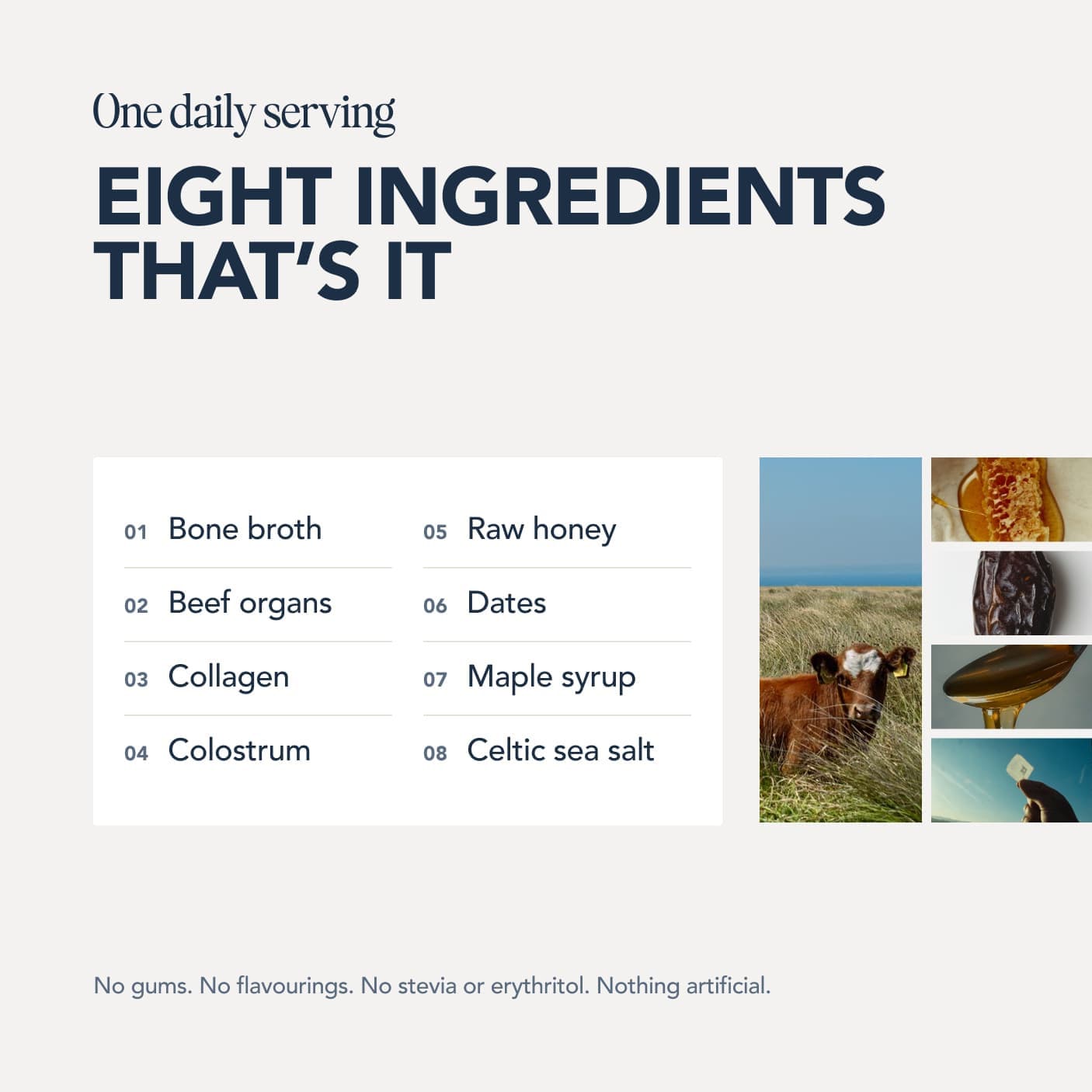
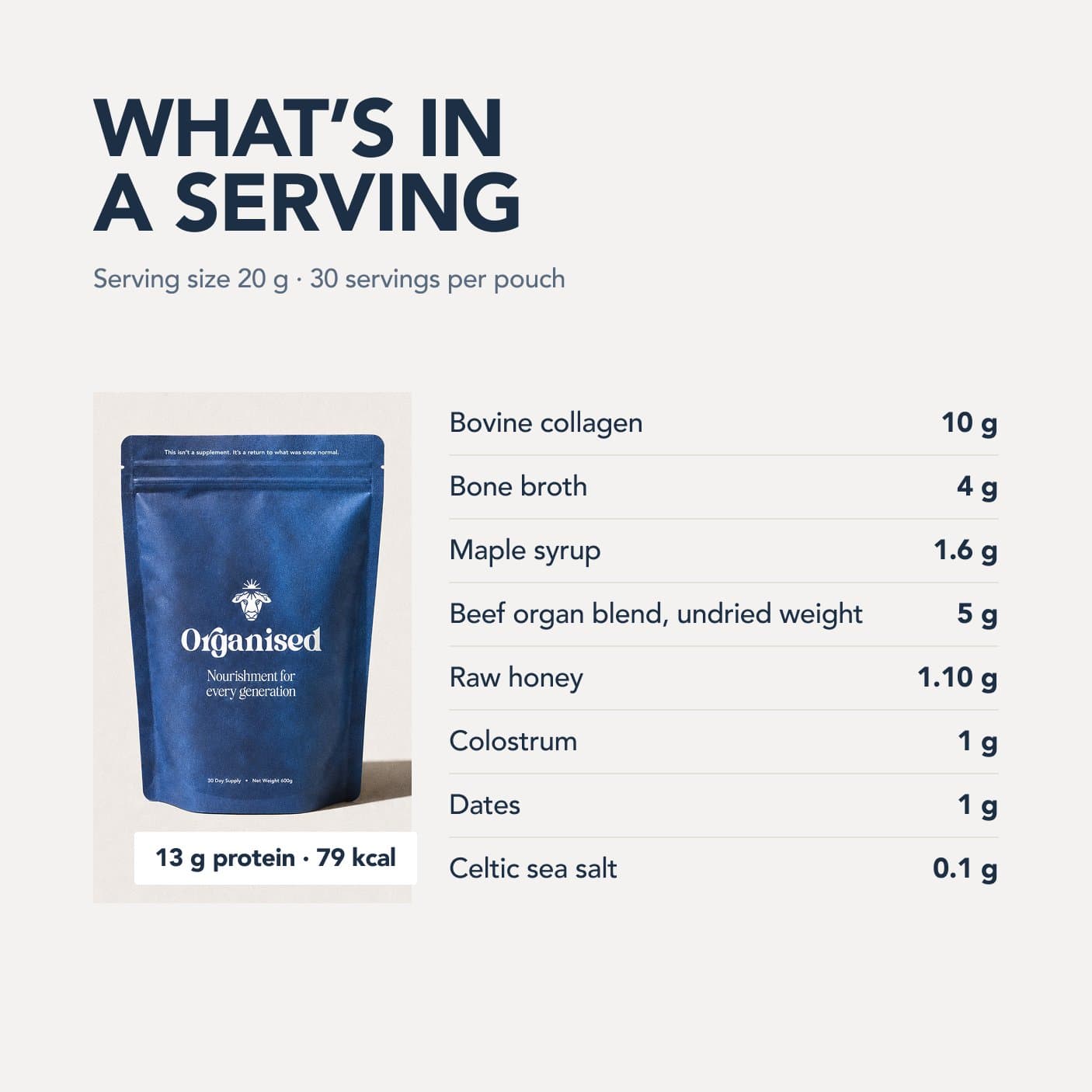
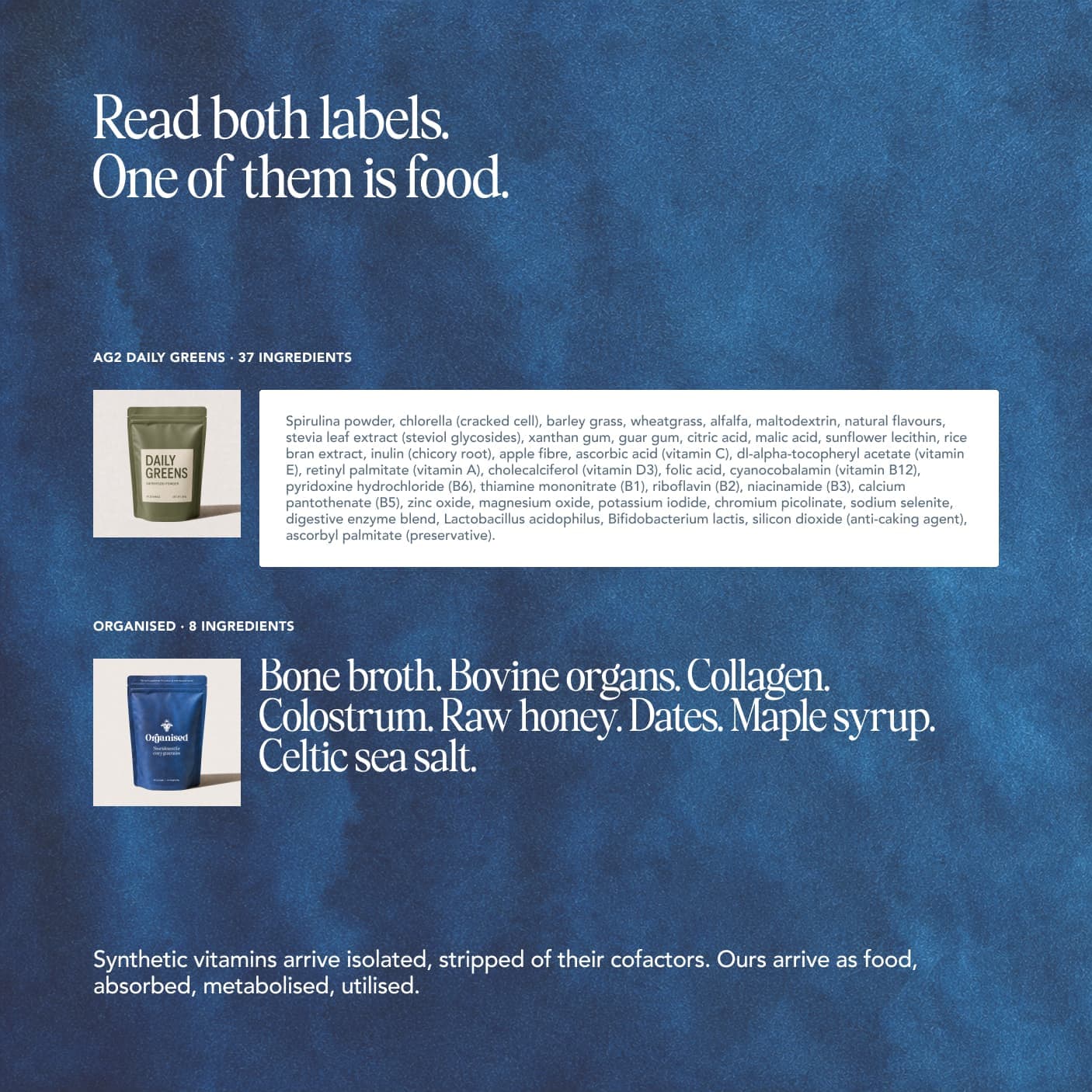
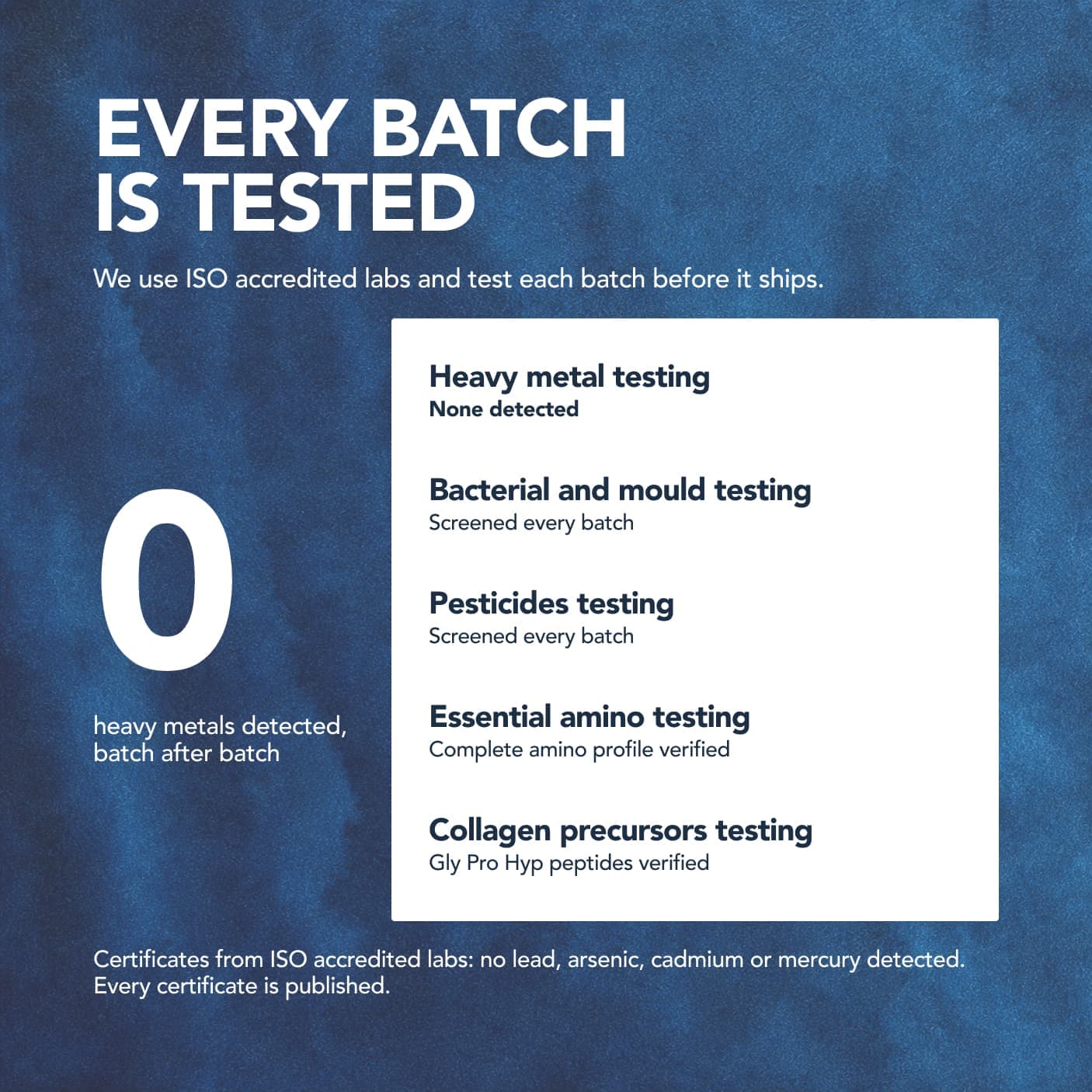
Eight real ingredients built around grass-fed beef organs, collagen and colostrum. Nothing synthetic added.
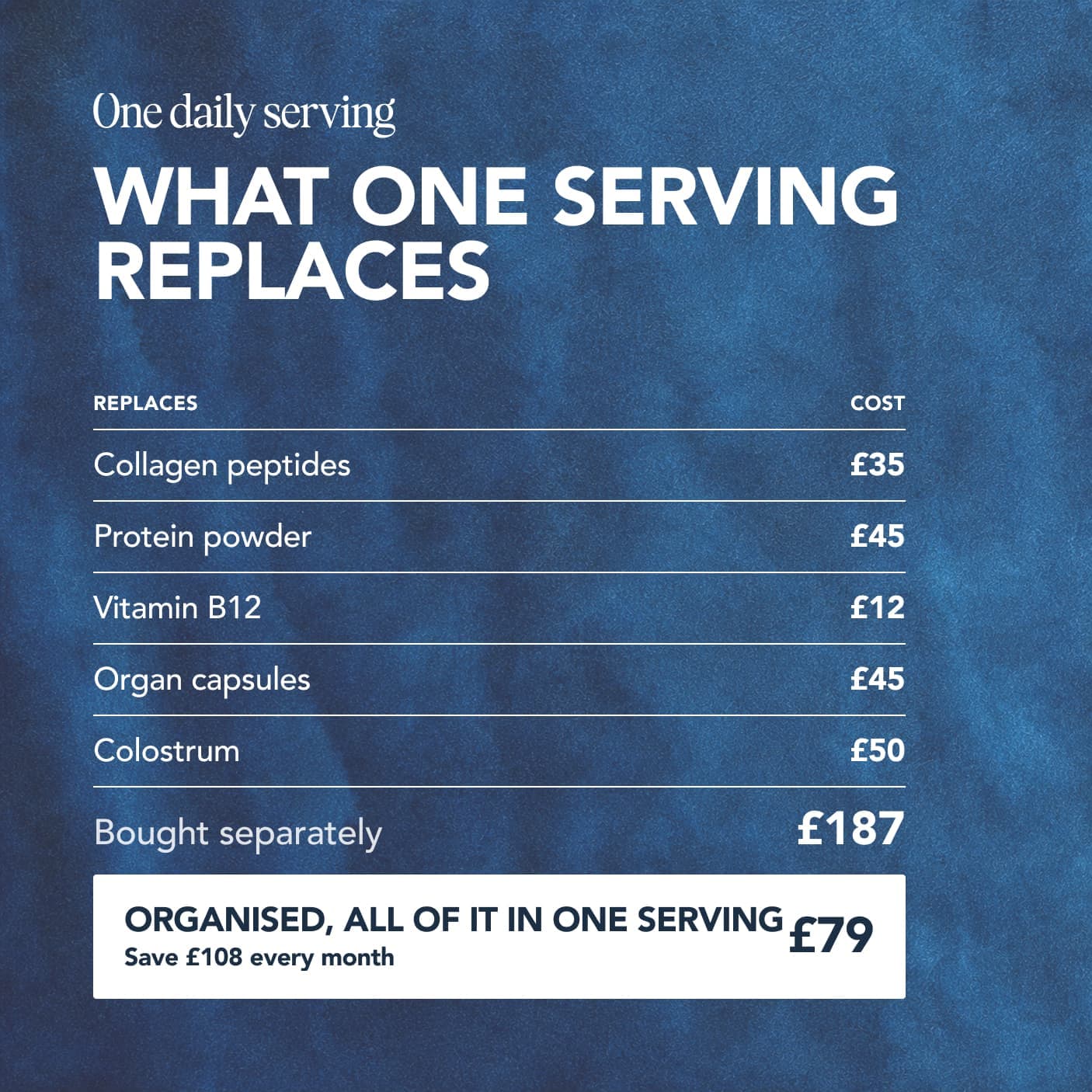
Free with your first order, worth £38. Plus £10 off the pouch with a subscription.
Free UK shipping · Made in England · 100 day money back guarantee on your first pouch · Skip, pause or cancel anytime
Hormonal changes and supplementation strategy
Women over 40 often require supplementation for iron and vitamin D because food alone may not meet the increased demands. But supplementation strategy matters.
For iron: high-dose iron supplementation taken long-term can cause issues. Better to get your ferritin tested, supplement to reach 100-120, then return to food-based maintenance. Iron from liver is better than pills because it comes with cofactors your body needs for absorption and utilisation.
For vitamin D: 2,000 to 4,000 IU daily is usually sufficient if you're also getting sun exposure. Higher doses are sometimes necessary in winter or if you're housebound, but 10,000+ IU daily should be monitored with blood tests.
For zinc: supplementation of 15-25 mg daily can help, but it's better as short-term intervention during recovery than as permanent supplement.2 Once zinc status improves through food, discontinue supplementation. Chronic high-dose zinc can impair copper absorption.2
The goal is supplementation as a tool to correct deficiencies, then food as maintenance. This prevents the trap of becoming dependent on supplements for health.
The bottom line
Thinning hair after 40 is your body's signal that something has shifted. Your iron stores are depleted. Your thyroid is slowing. Your hormones are changing. These aren't separate problems. They're interconnected. Feed all three. In three months, you'll notice your hair isn't coming out in the shower the way it was. In six months, you'll have volume back.
References
Every source below was checked on 27 August 2026. Each PubMed, PMC and DOI identifier was resolved against NCBI or Crossref, and what it opens is printed under the citation, so you can see the link goes where the citation says without leaving the page. Where a citation and its identifier disagreed, the citation was corrected to the record or the reference was deleted along with the sentence marker that pointed at it, and where the resolved paper turned out not to support the sentence, the sentence was cut back to what it does support. Borrowed authority is worse than none, because it looks like rigour.
- Almohanna HM, et al. The role of vitamins and minerals in hair loss: a review. Dermatol Ther. 2019. PMC6380979.Checked 27 August 2026: PMC6380979 opens Almohanna HM, Ahmed AA, Tsatalis JP et al, The Role of Vitamins and Minerals in Hair Loss: A Review. Dermatol Ther (Heidelb) 2019;9(1):51-70. PubMed indexes it as: Review.
- NIH Office of Dietary Supplements. Zinc fact sheet for health professionals. ods.od.nih.gov/factsheets/Zinc-HealthProfessional.
- NHS. Female pattern baldness. nhs.uk/conditions/hair-loss.
Who wrote and reviewed this guide
Niall Kiddle
Author · Founder, Organised
Niall is the founder of Organised. He started the company in 2024 after fixing his own health the slow way: in 2022 he swapped a cupboard of synthetic supplements for real food, raw milk, organ meats, bone broth and honey, and felt the difference within months.
Areas of expertise: Ancestral nutrition, Organ meats, Whole-food supplementation, Gut health, Regenerative sourcing
Read Niall's full profile
Pedro Rodrigues
Reviewer · Agronomist (farming and sourcing only)
Pedro is the agronomist Organised works with on farming and sourcing. His job on the guides is to keep the science honest: he reviews what we publish about soil health, regenerative agriculture, grazing and the way food is actually produced.
Areas of expertise: Regenerative agriculture, Agronomy, Soil health, Grass-fed farming, Food sourcing
Reviewed this guide on
Read Pedro's full profileMore on hair
View all- The Nutritional Root Causes of Hair Loss
- Hair Loss in Men: Nutrition Beyond Finasteride
- How to Stop Hair Shedding with Ancestral Nutrition
- Keratin Supplements Are a Waste of Money. Here's Why.
- Postpartum Hair Loss: Why It Happens and How to Recover
- Scalp Health: Why It Matters for Hair Growth
- The Best Foods for Thicker, Stronger Hair
Browse the guides library
All guidesKeep reading
Health goals
The Nutritional Root Causes of Hair Loss
Discover the nutritional causes of hair loss, from iron, zinc and biotin to thyroid health, and how nutrient-dense whole foods can help support regrowth.

Health goals
Why Your Skin Looks Dull in Winter (And How to Fix It From Within)
Winter skin dullness isn't inevitable. Discover the role of vitamin D, collagen, hydration, and nutrition in keeping skin radiant through the dark months.

Health goals
Coming Off the Pill? How to Support Your Body's Transition
Support your hormone recovery after stopping the pill with liver support, zinc, B6, folate, and magnesium through whole foods.
Real food, made effortless
Start my daily blendA few ways to use it
All recipes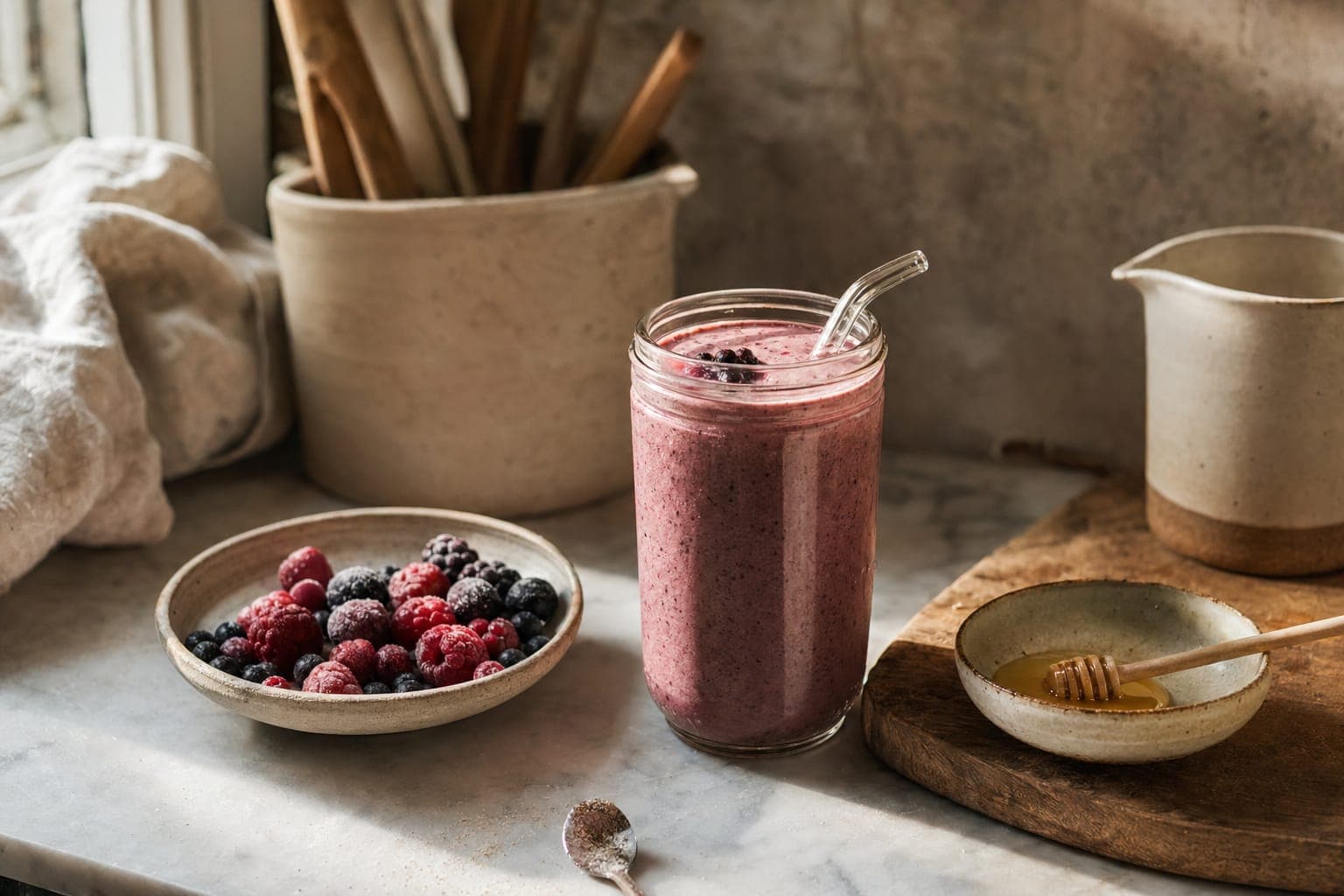
The Organised Recovery Smoothie for After Exercise
A recovery smoothie made with beef protein, raw milk, frozen berries, collagen, and honey. Optimal nutrition in the 30-minute window after exercise.
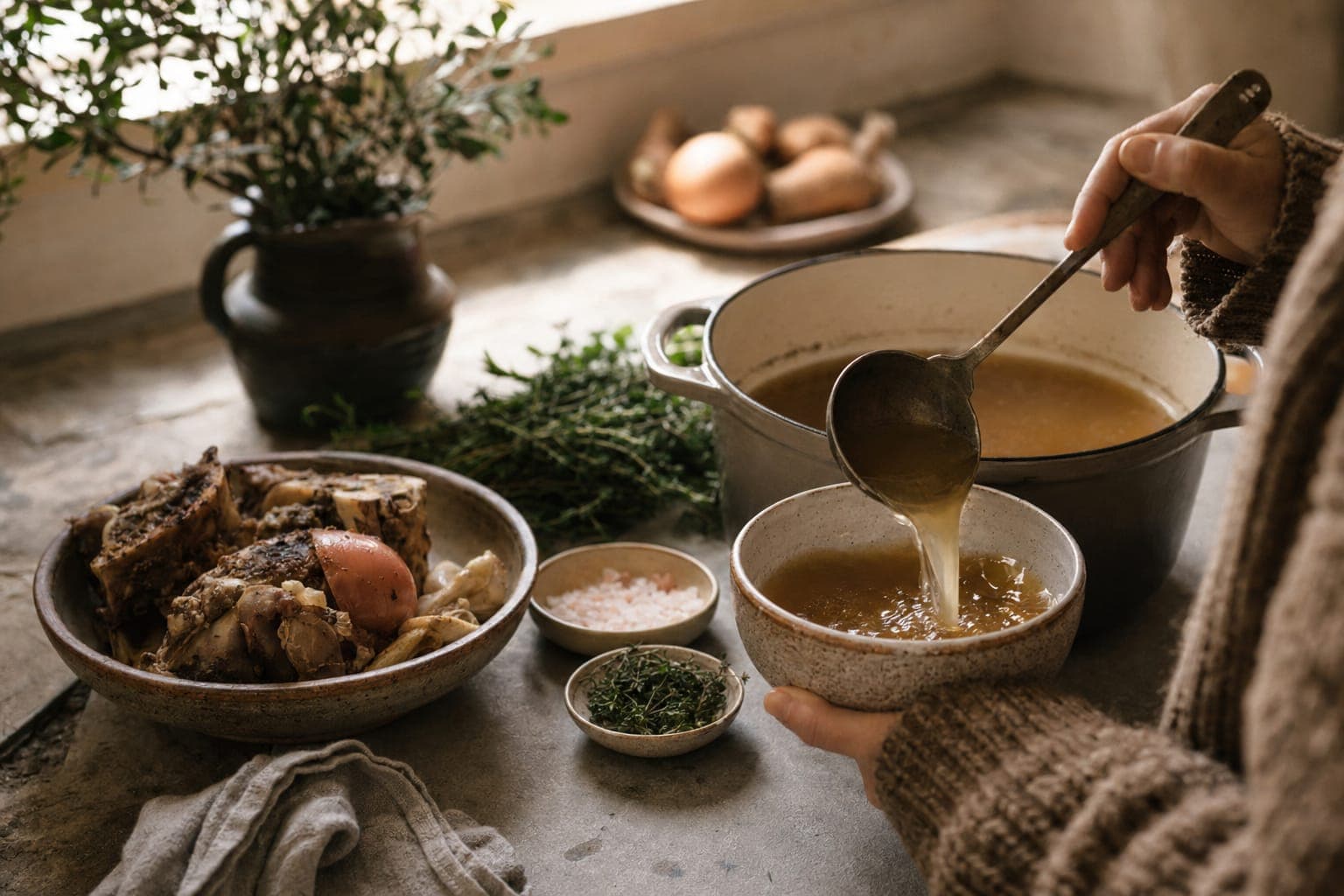
Bone Broth from Scratch: A Step-by-Step Guide
Step-by-step guide to making bone broth at home. Stovetop, slow cooker, and Instant Pot methods. Rich in collagen and gut-healing minerals.
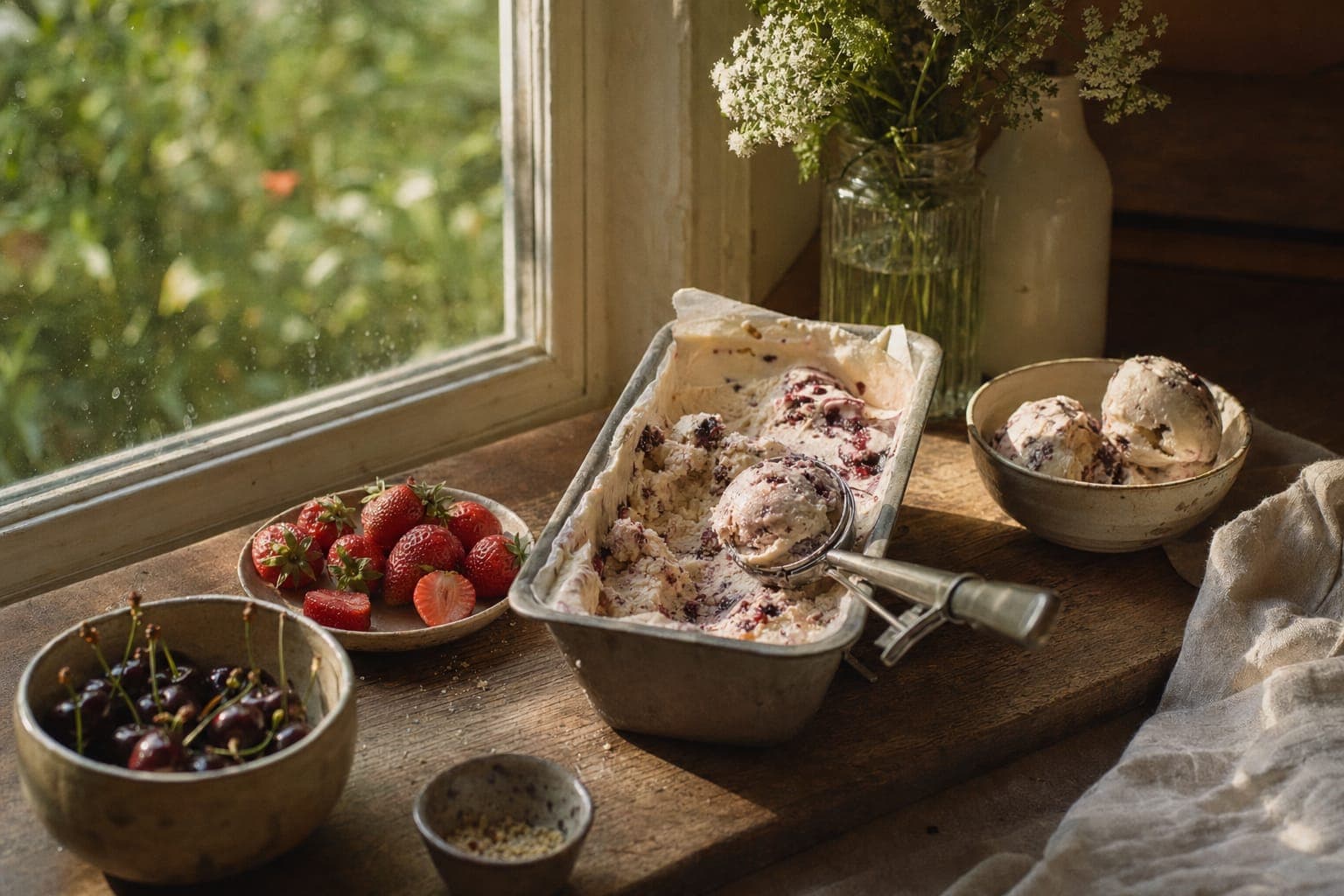
Raw Milk Ice Cream with Organised
Make raw milk ice cream at home with Organised for a seasonal, nutrient-dense treat. Three simple flavours to try whenever the craving strikes.


 Join over 100,000+ members
Build a better food system with us
The Organised community is thousands of people choosing real food and backing the farmers who grow it, all of us trying to leave the world a little better than we found it. If that is what you care about too, you belong here.