What Plant Defence Chemicals Do to Your Gut
Plants can't run away. So they evolved chemical defences. Lectins, oxalates, phytates, saponins. These compounds are designed to make the plant inedible, to poison insects, to damage the digestive system of anything that tries to eat it. We eat them thinking we're being healthy.
By Niall Kiddle, Founder, Organised

Reviewed by Pedro Rodrigues, Agronomist (farming and sourcing only) ·
7 min read · Published · Updated · 3 cited sources
Makers of the Organised Daily blend, a grass-fed beef organ supplement from regenerative UK farms
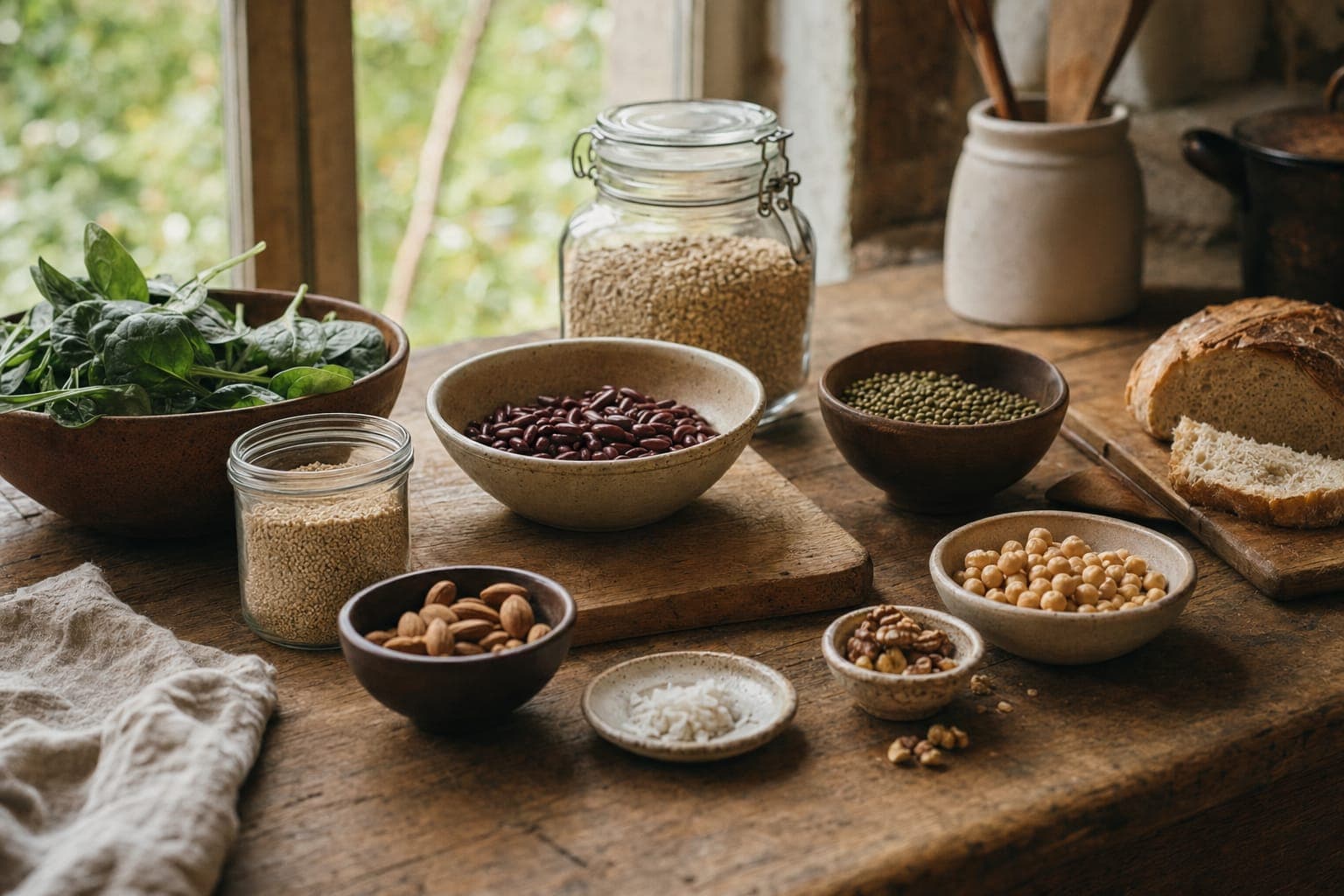
This isn't about demonising plant foods. Plant foods are valuable. But ignoring their defence mechanisms and how they interact with your gut is naive. They're weapons. Your gut should defend itself, and if it can't, they'll damage it.
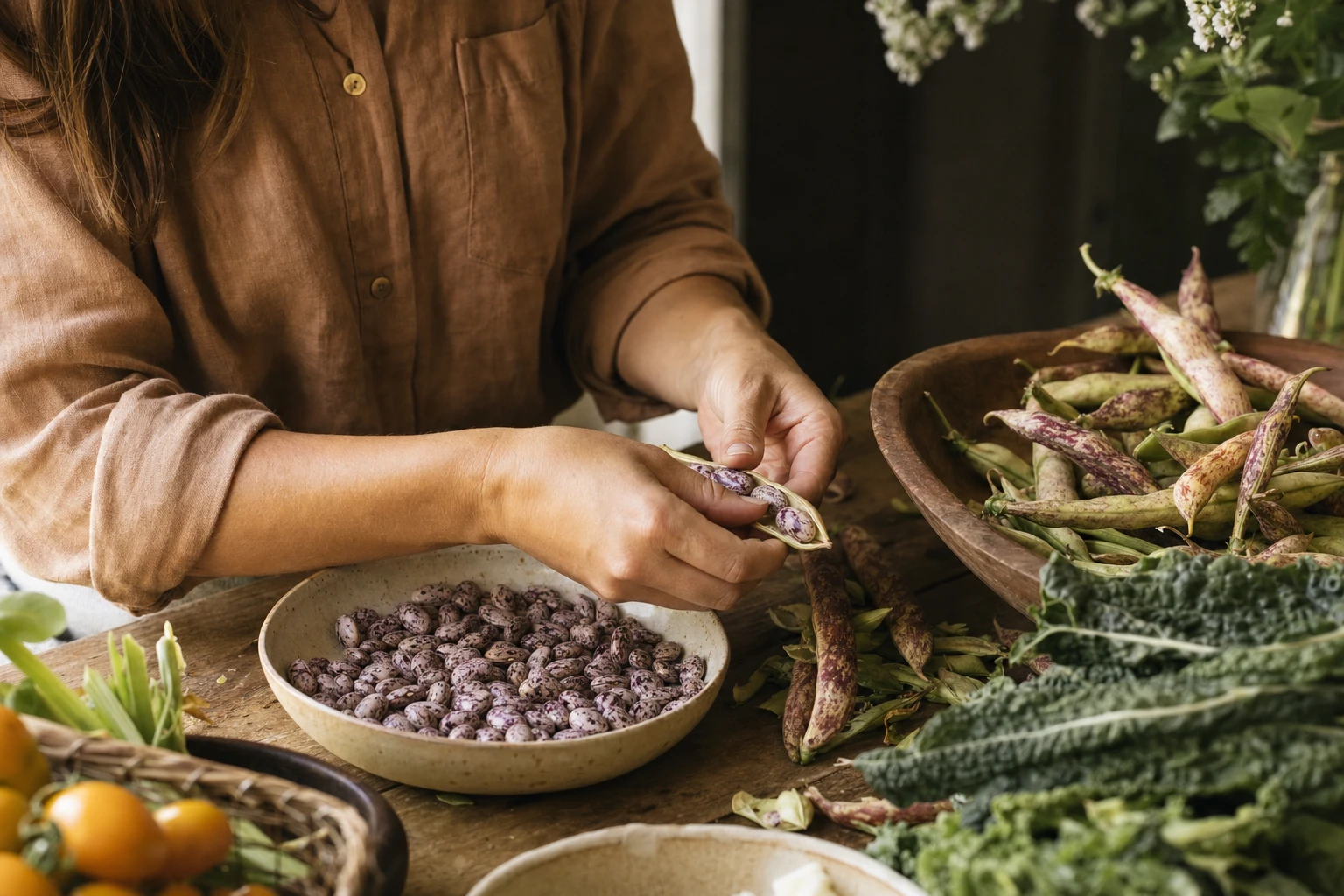
Plants have chemical defences
Lectins are in the seed coats of beans, legumes, whole grains, and some vegetables. Their purpose is to damage the digestive system of anything that eats the plant. They bind to the intestinal lining and trigger inflammation. They increase intestinal permeability. For insects with small guts, it's catastrophic. For humans, it's chronic low-grade damage.
Oxalates are needle-shaped crystals found in many plants (spinach, almonds, chocolate, beans). They bind to minerals like calcium and magnesium, making them unavailable for absorption. They also concentrate in your kidneys and can form kidney stones.
Phytates are compounds in grains, legumes, and seeds that bind to minerals and block their absorption. They're often called 'anti-nutrients' because they reduce the bioavailability of the minerals that are present in the food.1
Saponins are in legumes and some vegetables. They damage the intestinal lining and increase permeability. They're less discussed than lectins, but they're equally problematic.
These aren't accidentally present. They're not contaminants. They're intentional plant defences. The plant made them to prevent digestion.
Plant defence chemicals exist for a reason. Plants don't want to be eaten. When you eat plants, you're eating something designed to resist digestion.
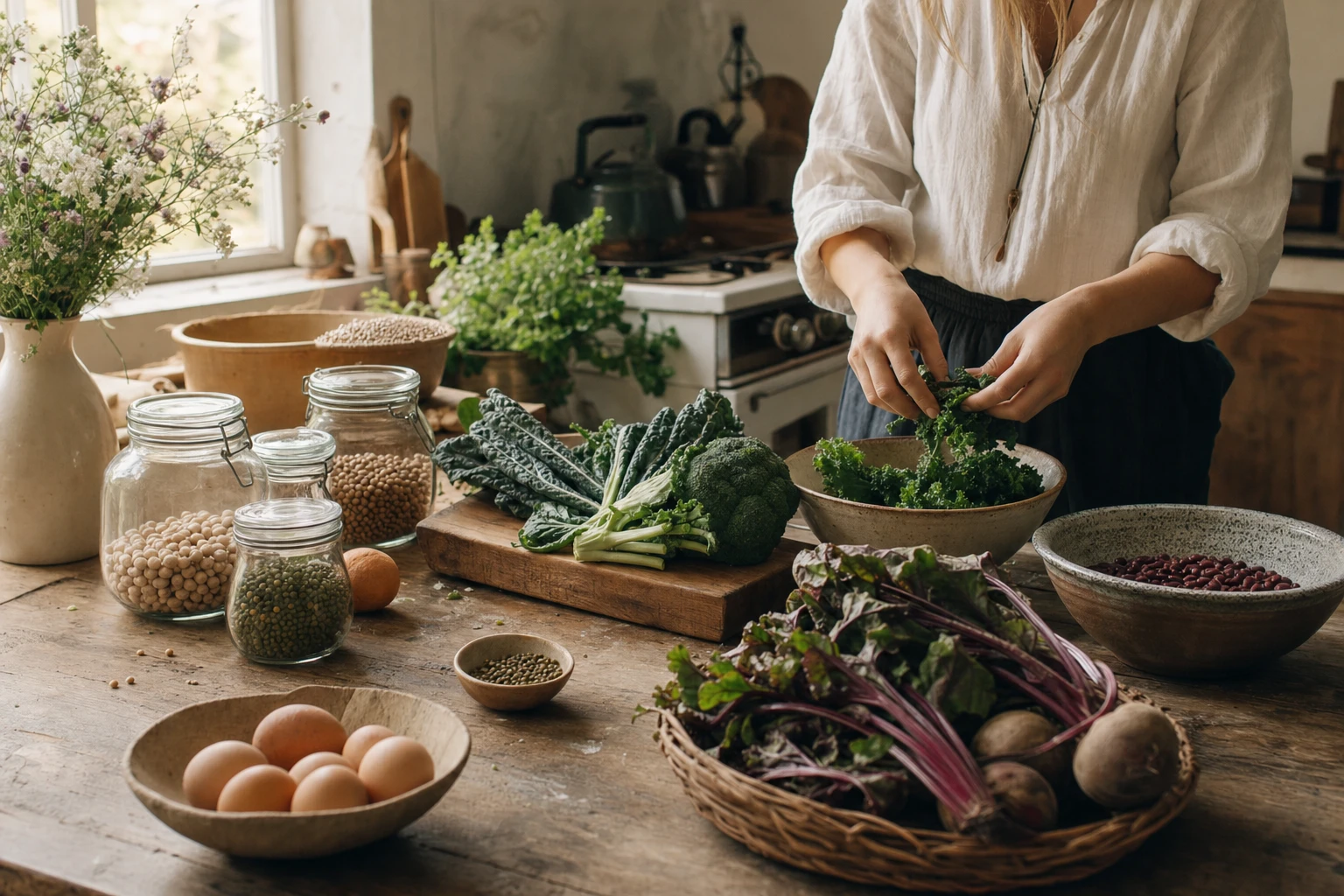
What lectins do to your gut
Lectins are proteins that bind to specific sugars on your intestinal lining. When they bind, they trigger inflammation. Tight junctions loosen. Intestinal permeability increases.2 You get leaky gut.
Raw lectins are most damaging. Cooking reduces lectin content significantly, but doesn't eliminate it entirely. Soaking and sprouting reduces lectins further. Fermentation reduces them dramatically.2 But standard grain preparation (just cooking) leaves substantial lectin content.
People eat whole wheat bread thinking they're getting more nutrients than white bread. Whole wheat flour is higher in lectins than white flour (the lectins are concentrated in the bran). So whole wheat bread is actually worse for your gut than white bread, if lectin exposure is the concern.
This is why people with digestive problems often report improvement when they cut out grains. It's not the carbohydrate or the fibre. It's the lectin content damaging their gut lining.
If you tolerate grains fine, your gut is likely intact enough to handle some lectin exposure. But if you have any gut symptoms, grains are worth eliminating to test.
Oxalates and mineral absorption
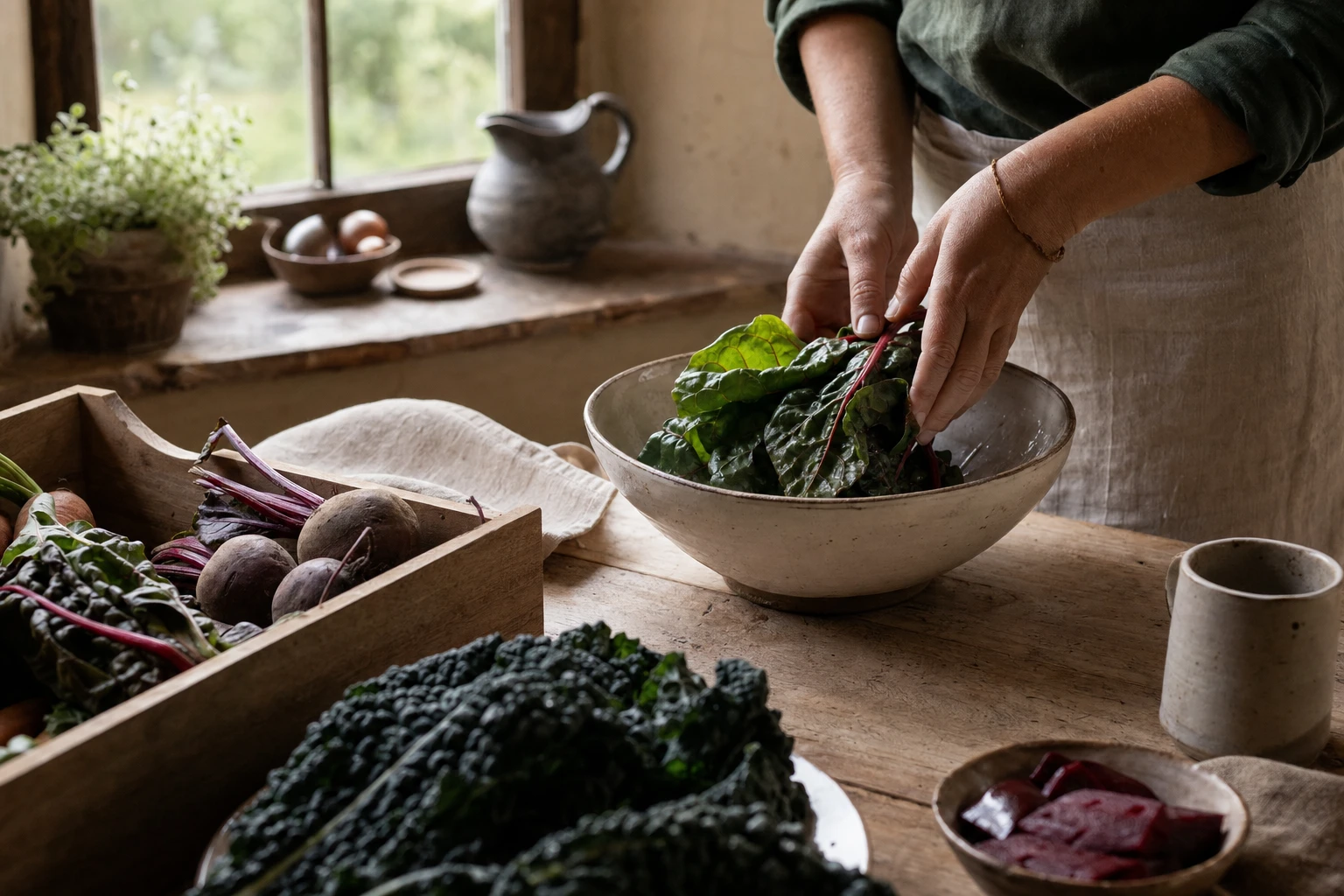
Oxalates bind to minerals like calcium, magnesium, zinc, and iron, forming insoluble complexes. Your body can't absorb these mineral-oxalate combinations.3 The minerals pass through your system unchanged. You eat a spinach salad thinking you're getting calcium and magnesium. You're not. The oxalates have locked it away.
High oxalate intake also increases kidney stone risk, particularly in people with kidney disease or genetic predisposition.3 It can contribute to gout and inflammatory arthritis.
Cooking reduces oxalate content moderately. Removing the cooking water reduces it further (oxalates leach into water). Soaking also helps. But the easiest approach is simply eating lower-oxalate vegetables: broccoli, cabbage, green beans, zucchini, asparagus. You get the vegetable nutrition without the mineral-blocking problem.
The irony is that people eat spinach because they think it's healthy. They're actually eating minerals they can't absorb, bound up by oxalates, whilst the oxalates potentially damage their health by promoting kidney stones.
Phytates and digestibility
Phytates bind to minerals and reduce their bioavailability. They're present in grains, legumes, nuts, and seeds in substantial amounts. When you eat beans, you're eating significant phytate content. Even after cooking, phytates remain.
The bioavailability of minerals from plant foods is substantially lower than from animal foods, partly because of phytate content. A serving of liver provides more bioavailable zinc than a serving of legumes, despite legumes having higher total zinc content.
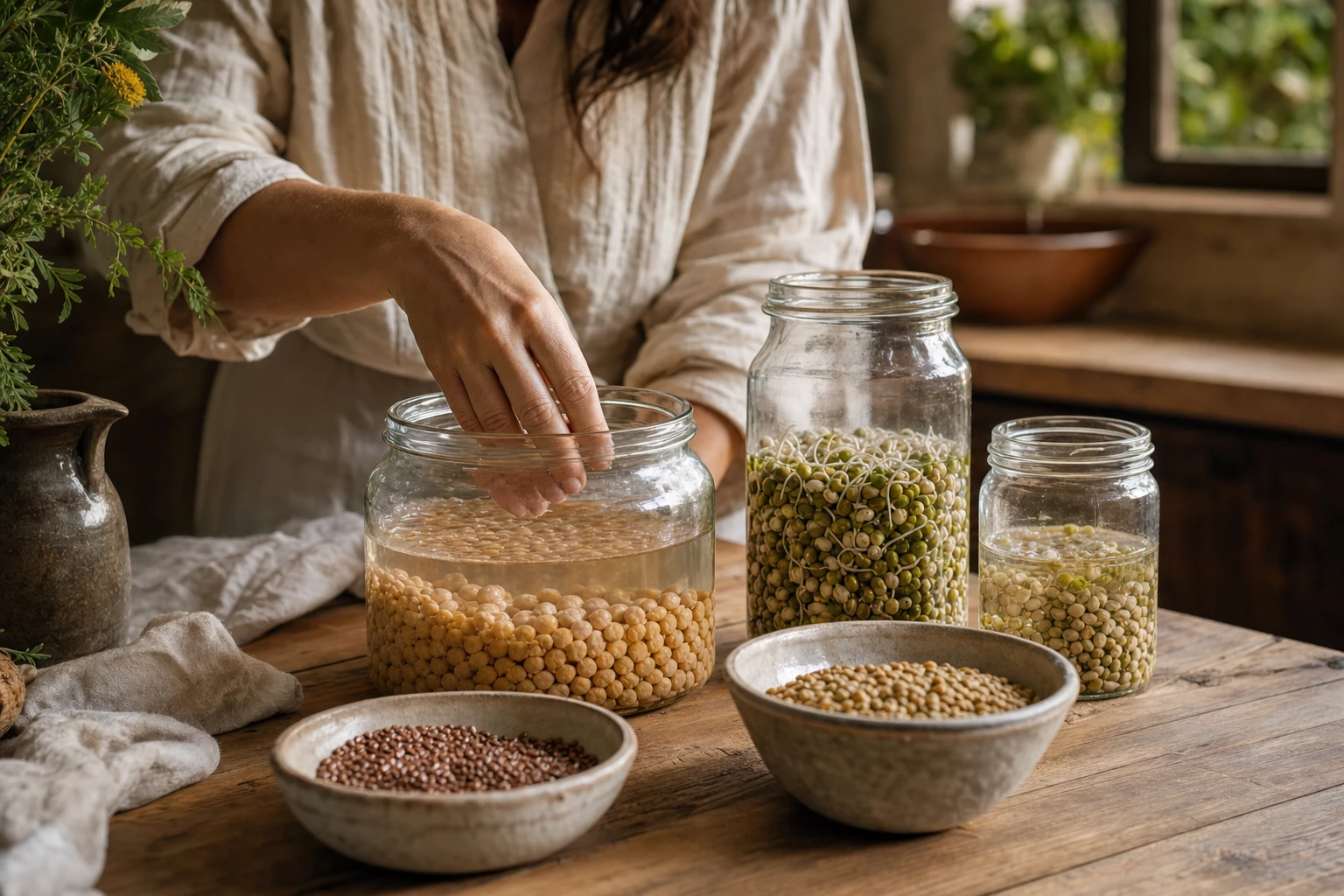
Soaking, sprouting, and fermenting all reduce phytate content.1 If you want to eat legumes and grains, prepare them traditionally. Soak overnight, drain, cook. Or sprout them. Or ferment them. Don't just cook them from dry. The phytate content will be dramatically higher.
Plant foods come with mineral content and mineral blockers. The blockers are often stronger than the content is useful.
How to prepare plant foods properly
If you want to include grains and legumes, preparation matters enormously.
- Soaking: Soak grains and legumes overnight in water. This activates enzymes that reduce phytate and lectin content. Discard the soaking water. Cook in fresh water.
- Sprouting: Germinate grains and legumes. Sprouted versions have lower lectin and phytate content and higher nutrient bioavailability. Sprouted grain bread is meaningfully different from whole wheat bread in terms of antinutrient content.
- Fermentation: Ferment grains (like sourdough bread) or legumes. Fermentation dramatically reduces antinutrient content and improves mineral bioavailability. Real sourdough (fermented for 18-24 hours) is substantially different from commercial whole wheat bread in terms of digestibility.
- Long cooking: Slow-cooked legumes (8+ hours) have lower antinutrient content than pressure-cooked legumes. If you're cooking legumes, use a slow cooker if possible.
Get health guides like this, free
Two short reads a week on eating for energy, gut health, skin, sleep and more.
By signing up you agree to receive emails from us. No spam, unsubscribe anytime.
You don't need to eliminate plants
Some people benefit from complete grain elimination (those with severe leaky gut or coeliac disease). Most people can tolerate properly prepared grains and legumes without issue.
The key is that they need to be prepared. The default modern preparation (cook from dry, eat immediately) is the worst possible approach. Traditional preparation (soak, ferment, slow-cook) makes these foods digestible and nutritious.
Vegetables don't need elimination. Most vegetables are low in antinutrients. The exceptions (spinach, almonds, high-oxalate plants) can simply be eaten in moderation or swapped for lower-oxalate alternatives.
The real problem plants are: grains and legumes eaten without proper preparation, and high-oxalate vegetables eaten in excess.
The balance
Your body can handle some plant defence chemicals. Your gut bacteria, your stomach acid, your digestive enzymes all help mitigate antinutrient exposure. If your gut is healthy, you tolerate plant foods fine.
But if your gut is damaged, if you have dysbiosis or leaky gut, plant defence chemicals will make it worse. In that case, temporarily reducing plant antinutrients (eating mostly vegetables with low antinutrient content, eliminating grains and legumes) whilst your gut heals is sensible.
Once your gut is healed, you can reintroduce grains and legumes, properly prepared, and tolerate them fine. But you'll need to prepare them correctly. Ignore their defence mechanisms, and your gut will notice.
Plants have spent millions of years evolving to resist digestion. Pretending those mechanisms don't exist, then wondering why you're bloated, is naive. Respect the defences, and they become manageable.
Indigenous preparation methods and why they mattered
Every traditional culture that relied on grains and legumes had specific preparation methods. Soaking, sprouting, fermenting. These weren't arbitrary rituals. They were practical solutions to making seeds digestible. Corn was soaked in lime (calcium hydroxide) before cooking. This reduced phytates and made nutrients bioavailable. Beans were soaked overnight before cooking. Grains were often fermented before eating. These practices existed for good reason: they made the food non-toxic and nutritious.
Modern food culture abandoned these methods because we assume industrial processing makes them unnecessary. A grain elevator can store grain indefinitely. Modern agriculture produces cheap legumes in bulk. Speed matters more than proper preparation. The result is that modern populations eat antinutrient-loaded grains and legumes that traditional populations would never have eaten in that form.
This is why many people with grain sensitivity tolerate sourdough bread (which ferments for 18-24 hours, dramatically reducing antinutrient content) far better than whole wheat bread (which is just cooked). The antinutrient load is completely different. Your gut recognises the difference immediately.


1 of 9
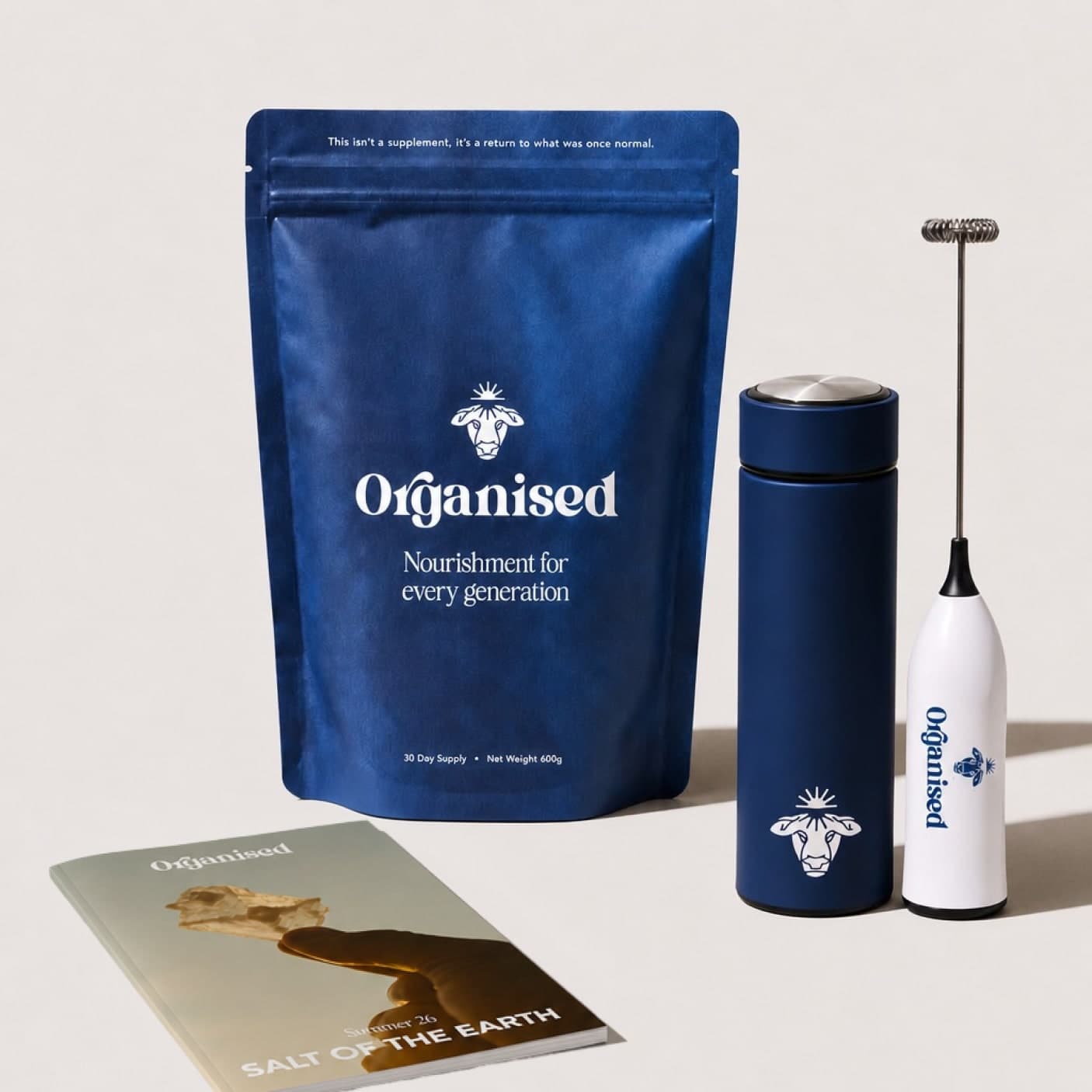
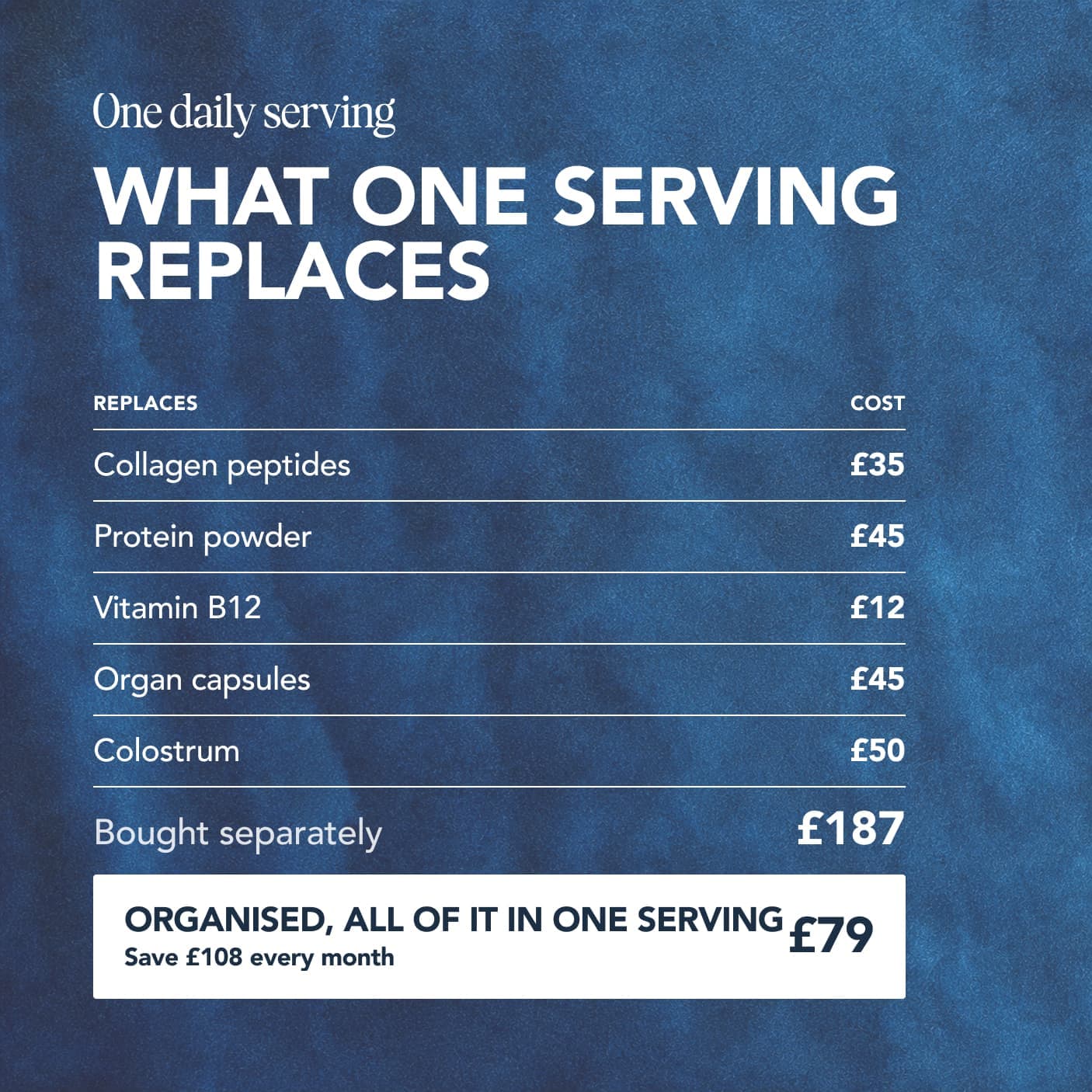
Daily blend
100,000+ thriving families4.9 on Trustpilot
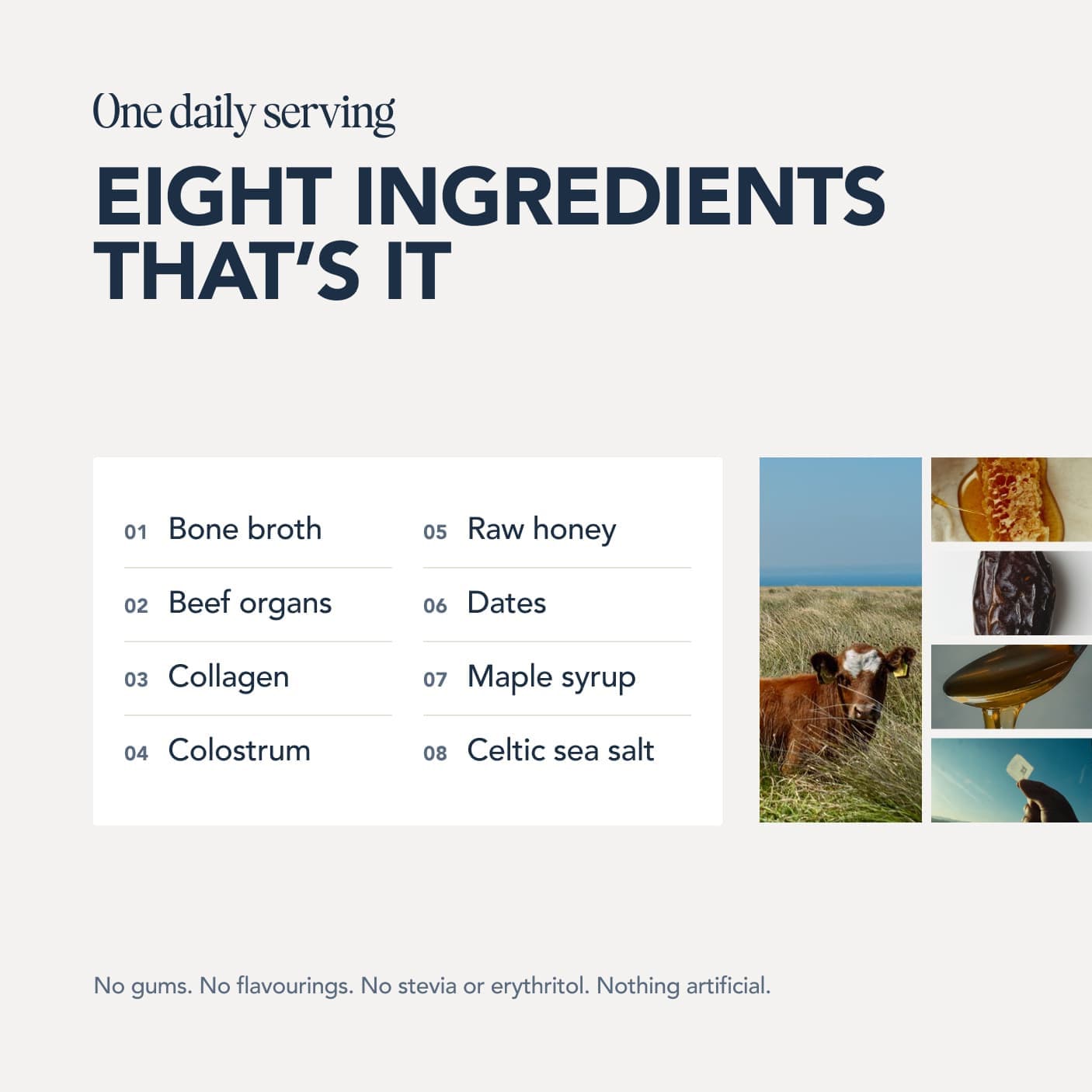
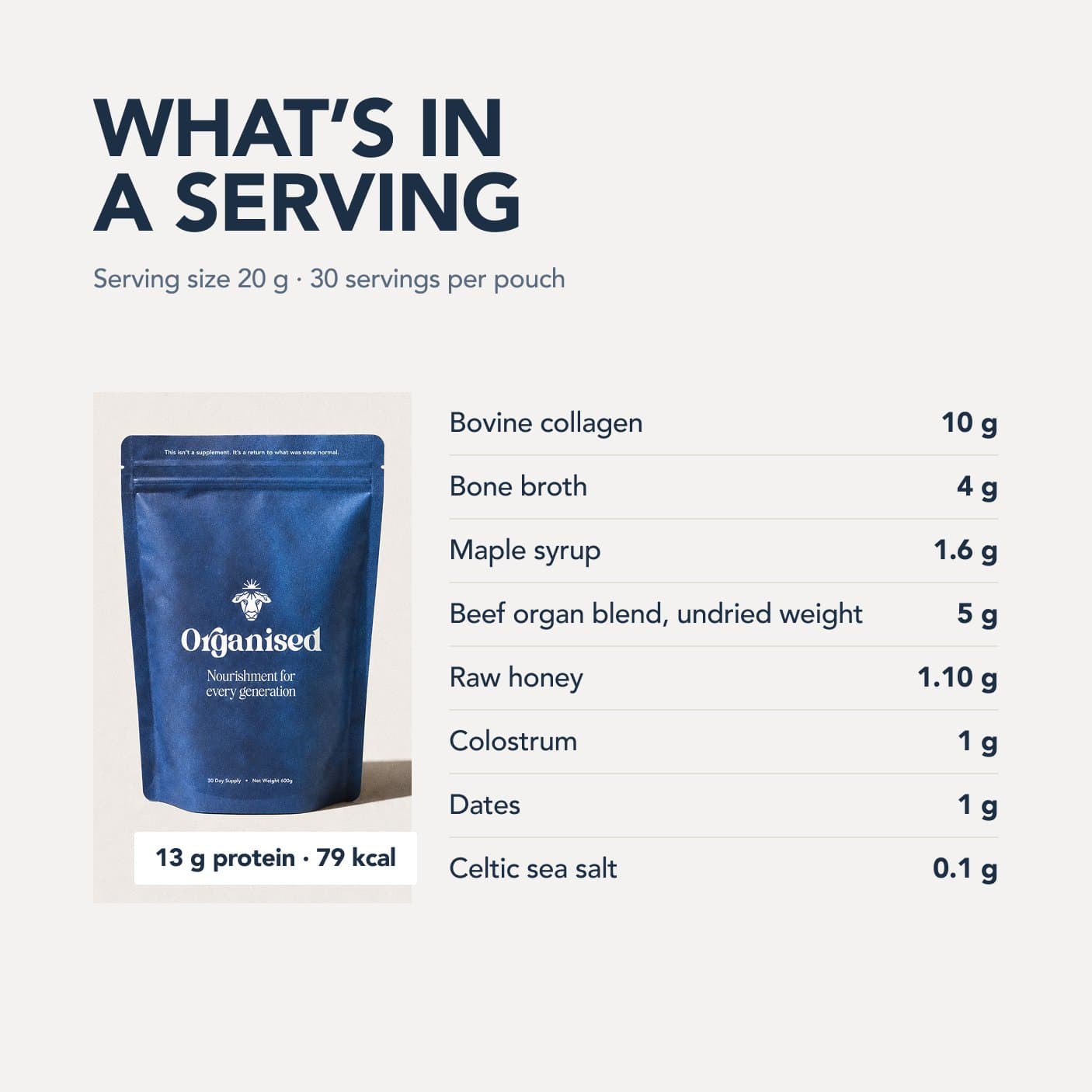
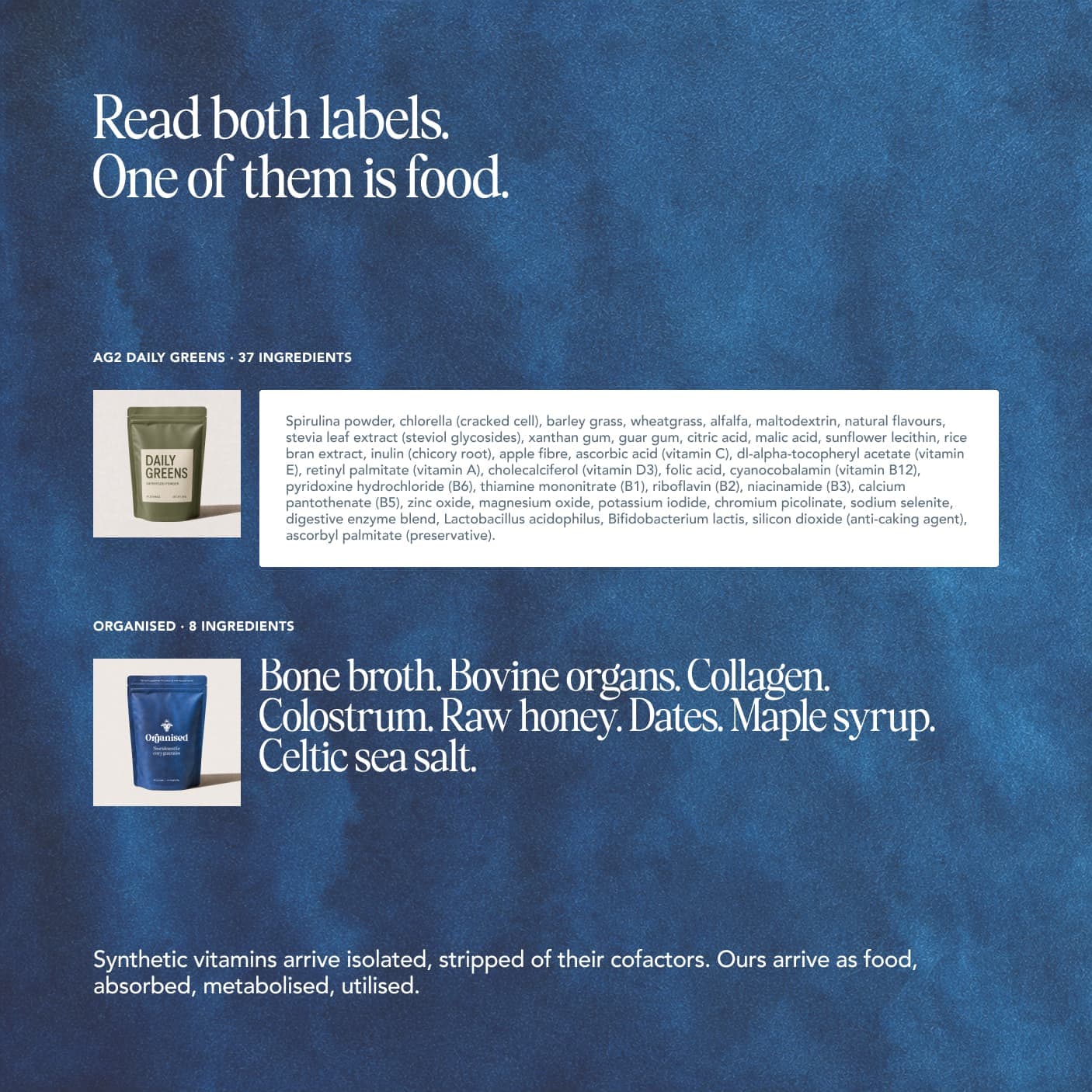
Eight real ingredients built around grass-fed beef organs, collagen and colostrum. Nothing synthetic added.
Free with your first order, worth £38. Plus £10 off the pouch with a subscription.


Free UK shipping · Made in England · 100 day money back guarantee on your first pouch · Skip, pause or cancel anytime
Tolerance builds as your gut heals
If you have a healthy gut, you tolerate plant defence chemicals fine. Your stomach acid is strong. Your digestive enzymes are abundant. Your microbiome is balanced. Your intestinal lining is intact. Plant defences become a non-issue.
But if your gut is damaged, if you have low stomach acid, dysbiosis, or leaky gut, plant defence chemicals will aggravate the problem. In this phase, reducing antinutrient exposure is sensible. But it's temporary. As your gut heals, your tolerance builds. You can reintroduce properly prepared grains and legumes and tolerate them fine.
The mistake most people make is thinking they need to eliminate plant foods permanently. You don't. You need to heal your gut, then reintroduce foods properly prepared. Your tolerance will improve dramatically as your digestion improves.
The bottom line
Lectins, oxalates, phytates and saponins are real chemical defences. Plants spent millions of years evolving them precisely so you wouldn't get away with eating the seed for free. The body can handle some exposure, especially when the food has been soaked, sprouted, fermented, or slow-cooked the way traditional cultures actually prepared it. It can't handle modern industrial defaults: grains and legumes thrown straight from dry into the pot, then eaten three times a day, on top of a gut already inflamed by seed oils and ultra-processed food. The honest hierarchy is the one Niall's grandmother already knew: animal foods, organs, raw dairy, eggs, fruit and honey form the foundation. Plants are useful, sometimes wonderful, supporting players, prepared properly and eaten in proportion to how well your gut is currently coping. They are not the foundation, and pretending they are is how people end up bloated and confused for decades.
References
Every source below was checked on 27 August 2026. Each PubMed, PMC and DOI identifier was resolved against NCBI or Crossref, and what it opens is printed under the citation, so you can see the link goes where the citation says without leaving the page. Where a citation and its identifier disagreed, the citation was corrected to the record or the reference was deleted along with the sentence marker that pointed at it, and where the resolved paper turned out not to support the sentence, the sentence was cut back to what it does support. Borrowed authority is worse than none, because it looks like rigour.
- Gibson RS et al. A review of phytate, iron, zinc, and calcium concentrations in plant-based complementary foods used in low-income countries and implications for bioavailability. Food Nutr Bull. 2010;31(2 Suppl):S134-46.Checked 27 August 2026: doi:10.1177/15648265100312s206 opens Gibson RS, Bailey KB, Gibbs M et al, A Review of Phytate, Iron, Zinc, and Calcium Concentrations in Plant-Based Complementary Foods Used in Low-Income Countries and Implications for Bioavailability Food and Nutrition Bulletin 2010;31(2_suppl2):S134-S146.
- Vasconcelos IM, Oliveira JT. Antinutritional properties of plant lectins. Toxicon. 2004;44(4):385-403. PMID: 15302522.Checked 27 August 2026: PMID 15302522 opens Vasconcelos IM, Oliveira JT, Antinutritional properties of plant lectins. Toxicon 2004;44(4):385-403. PubMed indexes it as: Review.
- Mitchell T et al. Dietary oxalate and kidney stone formation. Am J Physiol Renal Physiol. 2019;316(3):F409-F413. PMID: 30566003.Checked 27 August 2026: PMID 30566003 opens Mitchell T, Kumar P, Reddy T et al, Dietary oxalate and kidney stone formation. Am J Physiol Renal Physiol 2019;316(3):F409-F413. PubMed indexes it as: Review.The authors' own declaration, from the record: No conflicts of interest, financial or otherwise, are declared by the authors.
Who wrote and reviewed this guide
Niall Kiddle
Author · Founder, Organised
Niall is the founder of Organised. He started the company in 2024 after fixing his own health the slow way: in 2022 he swapped a cupboard of synthetic supplements for real food, raw milk, organ meats, bone broth and honey, and felt the difference within months.
Areas of expertise: Ancestral nutrition, Organ meats, Whole-food supplementation, Gut health, Regenerative sourcing
Read Niall's full profile
Pedro Rodrigues
Reviewer · Agronomist (farming and sourcing only)
Pedro is the agronomist Organised works with on farming and sourcing. His job on the guides is to keep the science honest: he reviews what we publish about soil health, regenerative agriculture, grazing and the way food is actually produced.
Areas of expertise: Regenerative agriculture, Agronomy, Soil health, Grass-fed farming, Food sourcing
Reviewed this guide on
Read Pedro's full profileMore on gut health
View all- The Complete Guide to Healing Your Gut with Whole Foods
- Why Your Gut Health Affects Everything (Not Just Digestion)
- 5 Foods You Think Are Healthy (But Are Secretly Ruining Your Gut)
- Acid Reflux and Low Stomach Acid: A Nutritional Perspective
- Bloating After Eating: Common Causes and Whole Food Solutions
- Bone Broth for Gut Health: What the Science Says
- Candida Overgrowth: What It Is and How Nutrition Can Help
- Histamine Intolerance: Could Your Gut Be the Cause?
- How Colostrum and Collagen Work Together to Repair the Gut Lining
- How Stress Destroys Your Gut (And What to Do About It)
- How to Recognise the Early Signs of Poor Gut Health
- How to Reset Your Gut After Antibiotics
Browse the guides library
All guidesKeep reading

Health goals
The Gut-Brain Axis: How Your Digestion Affects Your Mind
Understand the gut-brain connection and how your digestion shapes mood, anxiety, and focus, plus simple ways to support both your gut and mind together.
Health goals
5 Foods You Think Are Healthy (But Are Secretly Ruining Your Gut)
What you think is healthy food might be quietly damaging your gut. Discover the five sneaky culprits sabotaging your digestion, and what to eat instead.
Health goals
Bloating After Eating: Common Causes and Whole Food Solutions
Discover the real reasons you bloat after meals and which whole foods actually help. Not all bloating is the same, and the fix isn't always less food.
Real food, made effortless
Start my daily blendA few ways to use it
All recipes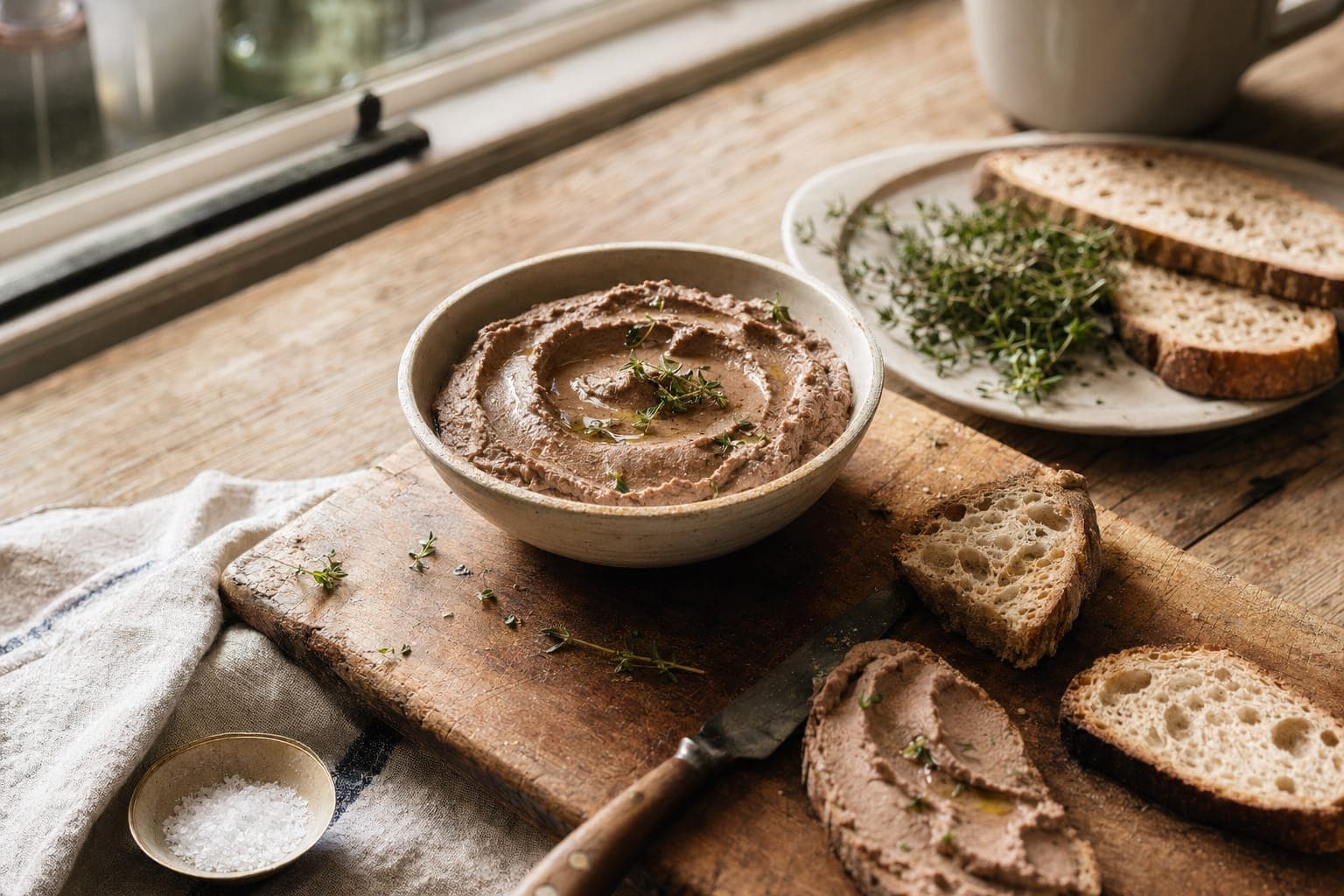
Liver Pate for Beginners: A Gentle Introduction to Organ Meats
Simple liver pate recipe to start eating organ meats. Chicken liver, butter, and herbs. Gentle introduction to nutrient-dense whole foods.
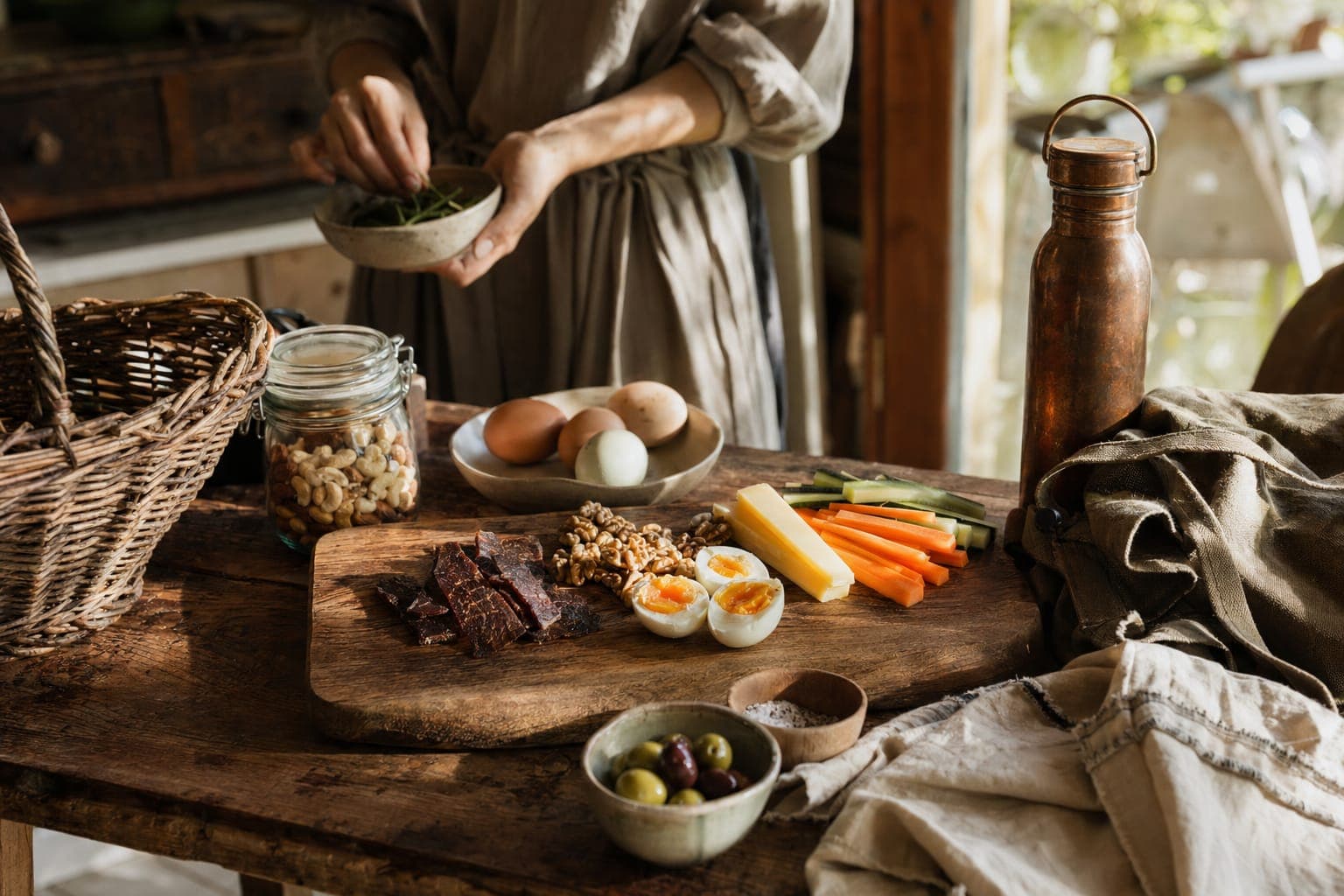
Whole Food Snacks for Busy Days
Practical whole food snacks that travel well and sustain energy. No refined carbs, no seed oils. Real food options for when you're busy.

How to Make Your Own Gelatine Gummies
A simple recipe for homemade gelatine gummies using grass-fed gelatine, fresh juice, and raw honey. Better than shop-bought, kids love them.


 Join over 100,000+ members
Build a better food system with us
The Organised community is thousands of people choosing real food and backing the farmers who grow it, all of us trying to leave the world a little better than we found it. If that is what you care about too, you belong here.