Why Zinc Is the Most Underrated Immune Nutrient
Vitamin C gets the spotlight. Vitamin D gets the research funding. But zinc, quietly, is doing the real work. It governs T cell development and function. Without adequate zinc, your immune system can't recognise threats. Can't build memory. Can't respond appropriately. And yet most people are silently deficient.
By Niall Kiddle, Founder, Organised

Reviewed by Pedro Rodrigues, Agronomist (farming and sourcing only) ·
6 min read · Published · Updated · 4 cited sources
Makers of the Organised Daily blend, a grass-fed beef organ supplement from regenerative UK farms
Vitamin C gets the spotlight. Vitamin D gets the research funding. But zinc, quietly, is doing the real work.
It governs T cell development and function. Without adequate zinc, your immune system can't recognise threats. Can't build memory. Can't respond appropriately. And yet most people are silently deficient.
T cells need zinc
T cells are the immune system's trained response. They're the cells that remember past infections and respond quickly to repeat exposure. They're the cells that distinguish self from non-self, preventing autoimmunity. They're the cells that govern inflammatory responses, preventing excessive inflammation.
All of this requires zinc. Zinc is a cofactor for the enzymes that develop T cells in the thymus. Without adequate zinc, T cell development is impaired.1 The immune system becomes naive, unable to recognise familiar threats. It also becomes prone to either under-responding or over-responding, because the regulatory T cells that keep the immune system balanced depend on zinc.
This is why zinc deficiency presents as recurrent infections. The T cell response is sluggish. Infections linger. Recovery is slow. The immune memory isn't built properly. People catch the same cold multiple times in a season because their T cells can't remember the pathogen.
Your T cells are zinc-dependent. Without zinc, you have an immune system that forgot how to remember.
Zinc also governs the production of cytokines, the signalling molecules that control inflammation.2 When zinc is adequate, your body produces the right balance of inflammatory and anti-inflammatory cytokines. When zinc is deficient, the balance tips toward excessive inflammation or inadequate response.
Additionally, zinc is essential for the barrier function of your skin, lungs, and gut. These are your primary defence against pathogenic entry.3 Without adequate zinc, these barriers become permeable. Pathogens cross more easily. Infections become more frequent and more severe.

How deficiency damages immunity
Zinc deficiency is more common than most people realise. The soil is depleted, meaning foods grown in that soil contain less zinc. Industrial agriculture prioritises yield over nutrient density. Processing removes zinc. Stress depletes zinc. Chronic inflammation increases zinc demand because the immune system burns through it.
The result is a population that's subtly deficient. Not acutely deficient like you'd see in a developing country. But chronically low enough that immune function is impaired. The deficiency is silent.
People with chronic deficiency get recurrent colds and flus. They have slow wound healing. They develop food sensitivities because the gut barrier is permeable. They're prone to autoimmune flares because the regulatory T cells that should dampen the immune response are underactive.
Chronic zinc deficiency is silent. You don't collapse. You just get sick more often.
Pregnancy depletes zinc stores significantly. Breastfeeding demands zinc. Digestive disorders impair zinc absorption. Stress hormones increase zinc excretion. If any of these apply to you, your zinc status is likely compromised.
The fix is not complicated, but it requires understanding that supplements are less effective than food. Zinc from food is absorbed better, is less likely to interfere with other minerals, and comes packaged with other immune nutrients.
Why supplements miss the mark
Zinc supplements are often taken as lozenges during acute illness, or as isolated supplements for immune support. They're rarely adequate because they're poorly absorbed, and they often interfere with copper absorption, creating new deficiencies. This is a classic case of fixing one thing and breaking another.4
Additionally, the body regulates zinc absorption based on need. When you consume whole foods rich in zinc, your gut absorbs what it needs and leaves the rest. When you take a large supplement dose, the body absorbs less efficiently and may actually restrict absorption as a defensive mechanism against zinc toxicity.
Zinc from oysters, beef, pumpkin seeds is bioavailable. Your gut absorbs it readily because it's packaged in a food matrix that your body recognises. This is why food-based zinc consistently outperforms supplemental zinc in research comparing immune function.
Supplement zinc is less bioavailable and more likely to disrupt mineral balance. Oyster zinc is recognised by your body and absorbed properly.
Furthermore, when you eat an oyster for zinc, you're also getting selenium, iron, copper, iodine, vitamin A. These nutrients work synergistically. Zinc alone doesn't build immunity. Zinc in the context of the full mineral profile does.
Get health guides like this, free
Two short reads a week on eating for energy, gut health, skin, sleep and more.
By signing up you agree to receive emails from us. No spam, unsubscribe anytime.
Where to get bioavailable zinc
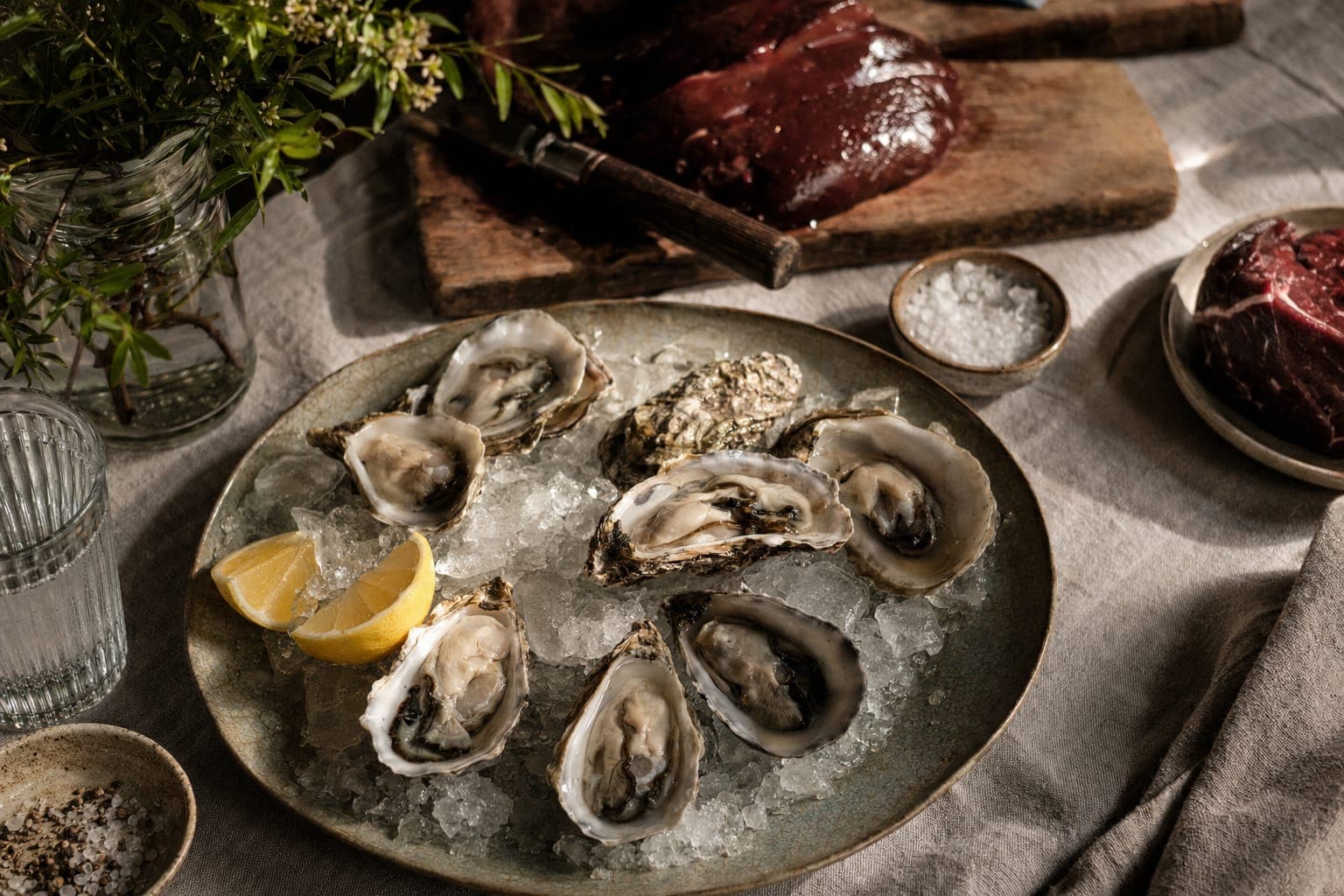
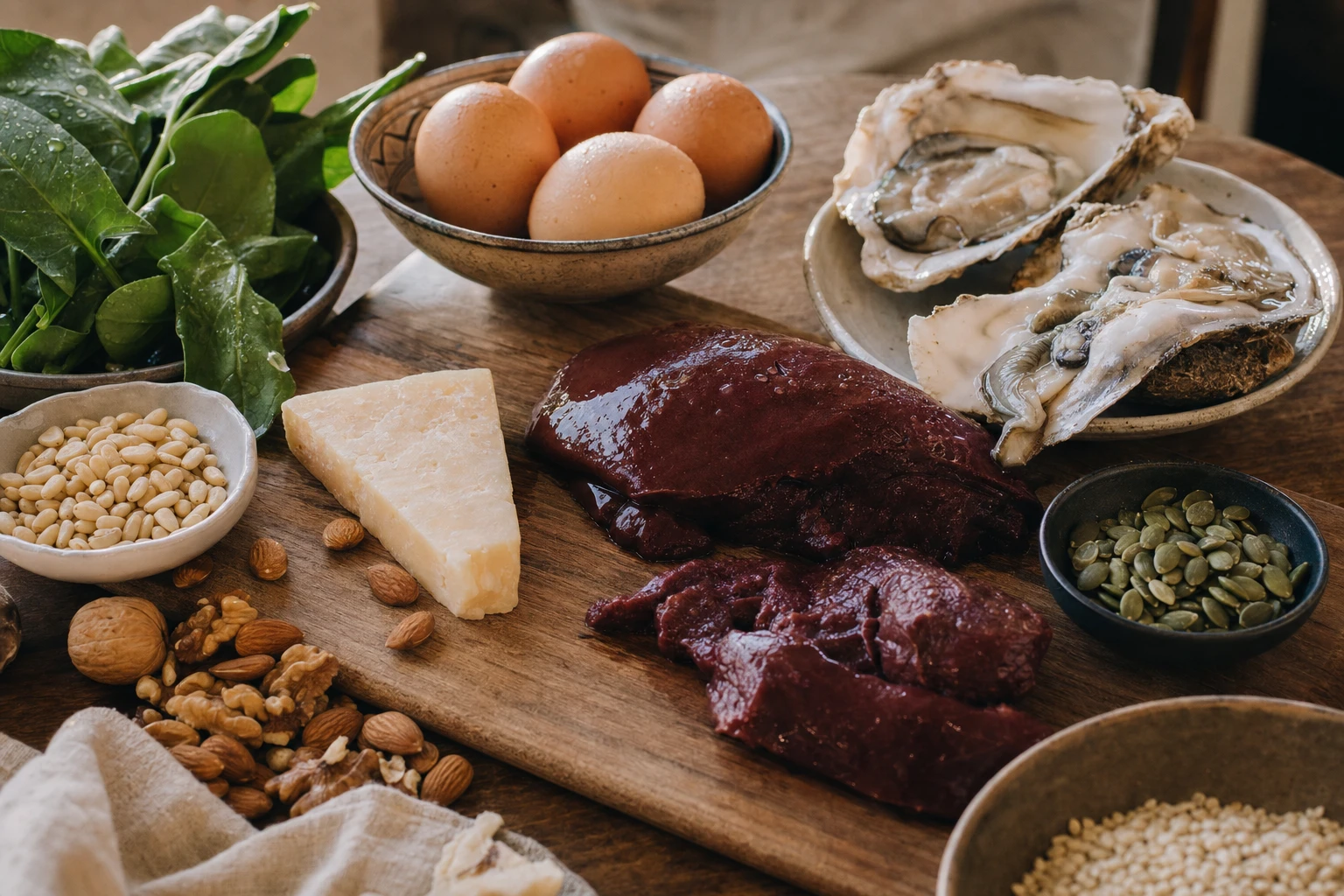
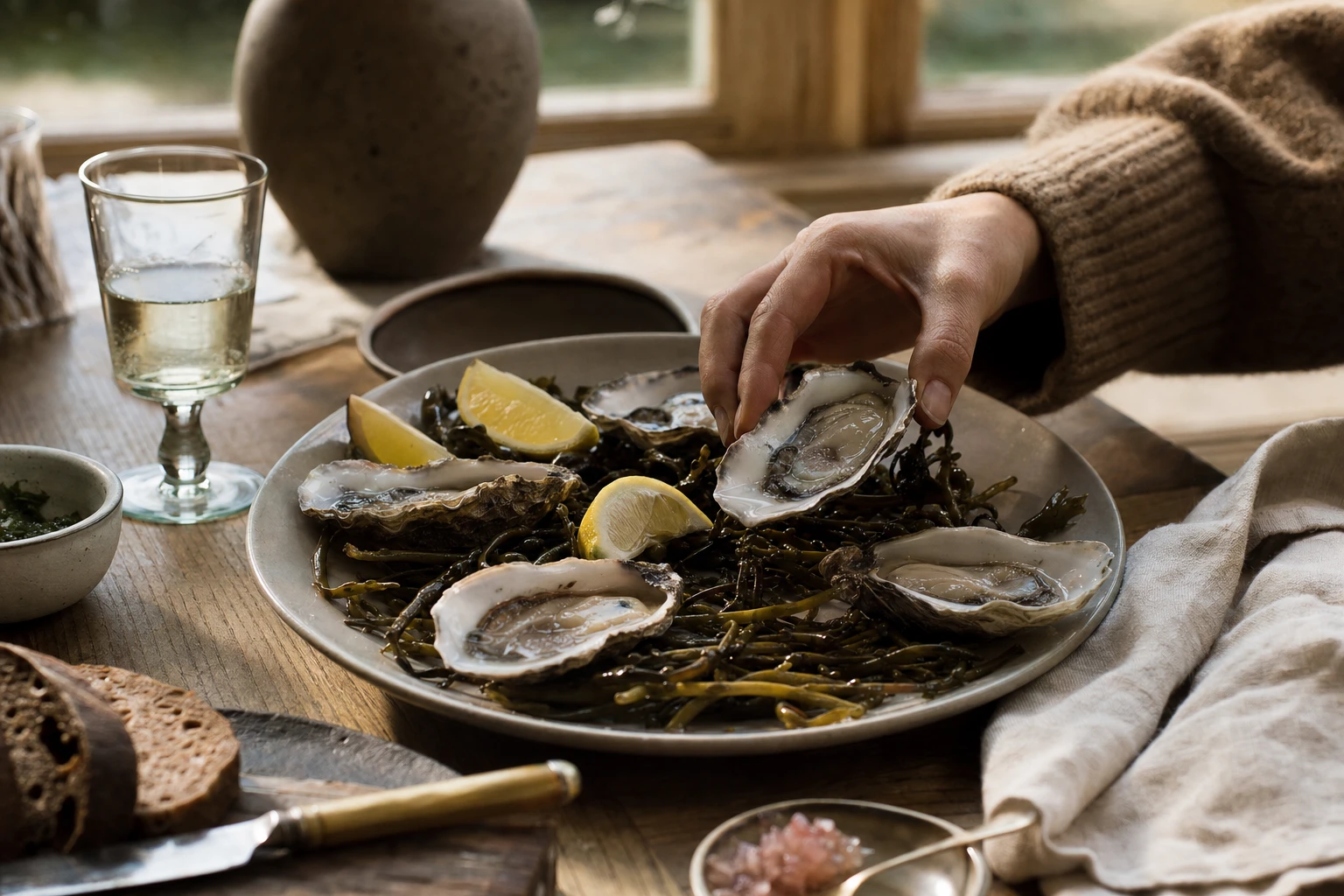
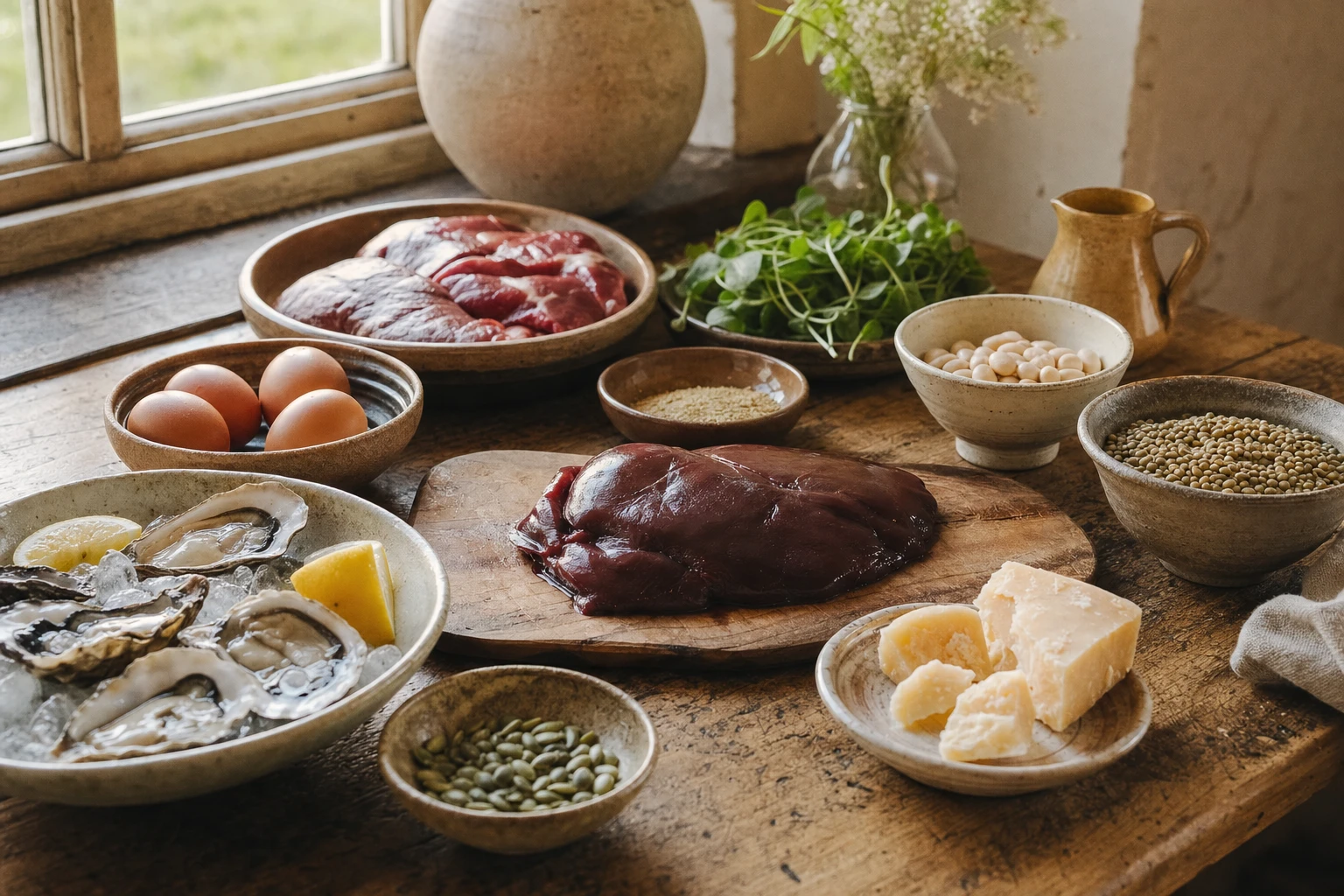
Oysters contain more zinc per gram than any other food except liver. A dozen oysters weekly will replete zinc status within weeks.3 They're also rich in selenium, iodine, and iron, the other core immune minerals.
Beef, particularly organ meats, contains substantial zinc. Beef liver combines zinc with vitamin A, iron, and copper. Beef kidney adds selenium. A meal of organs weekly alongside oysters creates an immune-supporting mineral profile that's difficult to match otherwise.
Pumpkin seeds are an underrated source. A quarter cup of raw pumpkin seeds provides meaningful zinc. They're cheaper than oysters, shelf-stable, and delicious roasted with salt. Combine with iron-rich foods to enhance overall nutrient uptake.
Cashews, almonds, hemp seeds, and other nuts and seeds contain zinc, though slightly less bioavailable than animal sources. They're valuable additions alongside animal foods. Full-fat dairy also contains zinc, and the fat-soluble vitamins in dairy enhance mineral absorption. Eggs provide zinc alongside choline and lutein. None of these are exotic additions. They're foods your ancestors ate regularly for immune health.
Oysters weekly, organs monthly, pumpkin seeds daily. That's the mineral-rich immune foundation.
Zinc status and testing
Blood zinc testing is available but imperfect. Serum zinc doesn't always reflect intracellular zinc status. Look for symptoms: slow wound healing, hair loss, food sensitivities, recurrent infections. These are more reliable indicators than a single blood test.
The zinc-copper-iron balance
Zinc doesn't work alone. It works in concert with copper and iron. Too much zinc without adequate copper creates copper deficiency, which tanks immunity. Too much iron without copper impairs iron transport and causes oxidative stress. The key is balance through whole foods, where these minerals naturally co-exist in the right proportions for absorption and utilisation.
This is why oysters are superior to isolated zinc supplements. An oyster contains zinc, copper, iron, selenium, iodine. Your body knows how to process this combination. An isolated zinc supplement creates an imbalance that your body then has to correct by restricting absorption.
Beef liver is similarly balanced. Pumpkin seeds contain all three minerals. Whole foods provide the symphony. Supplements provide a solo instrument.
1 of 9
Daily blend
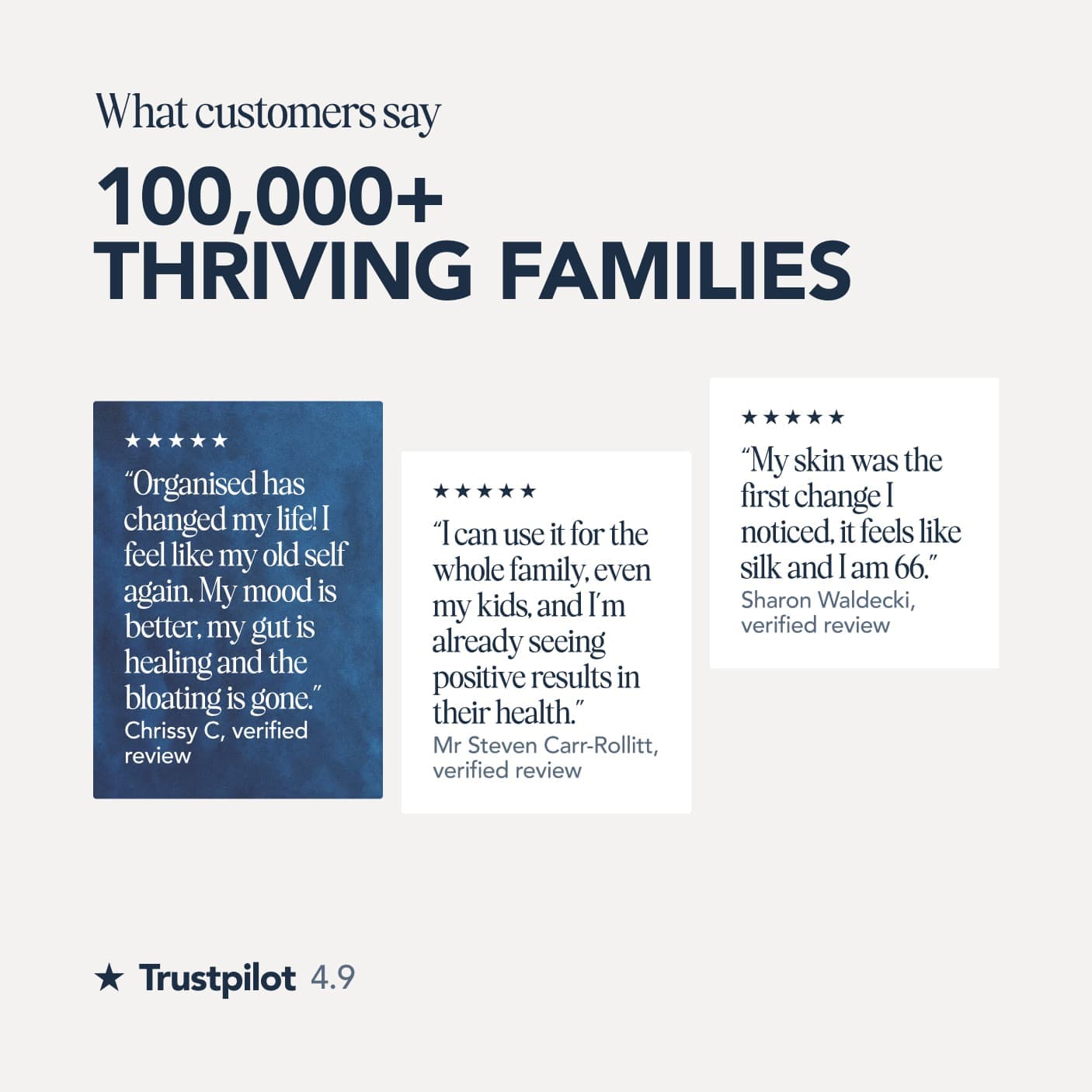
100,000+ thriving families4.9 on Trustpilot
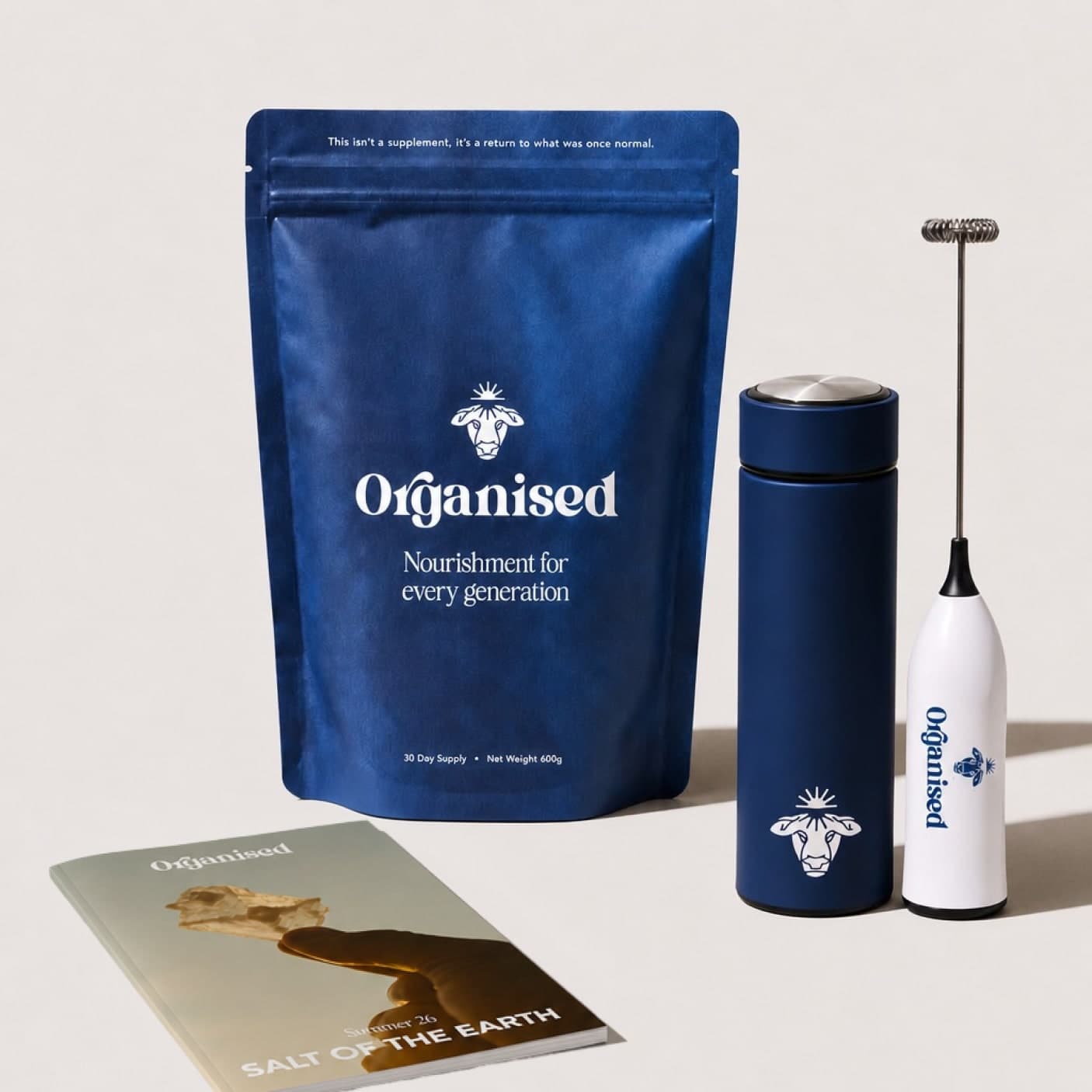
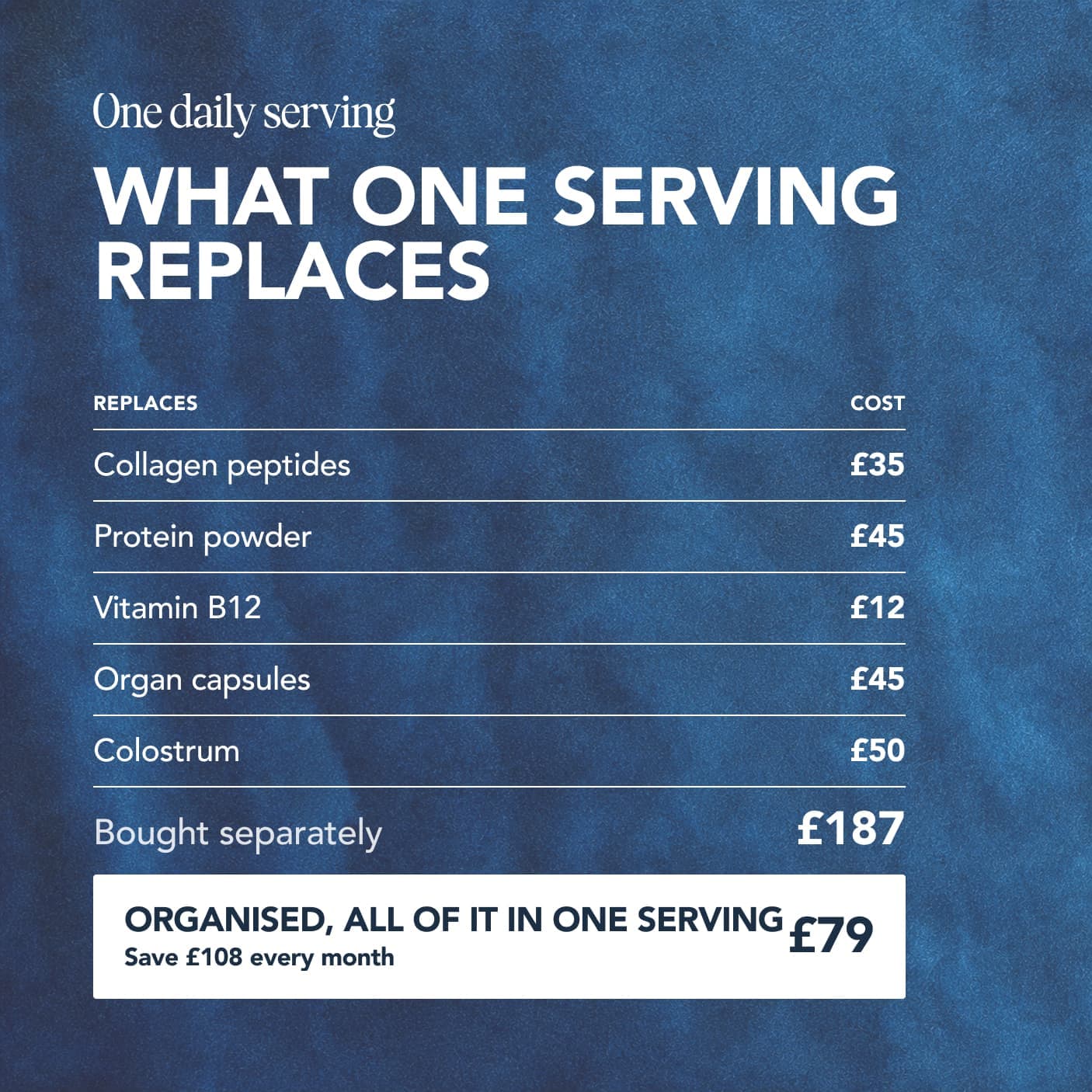
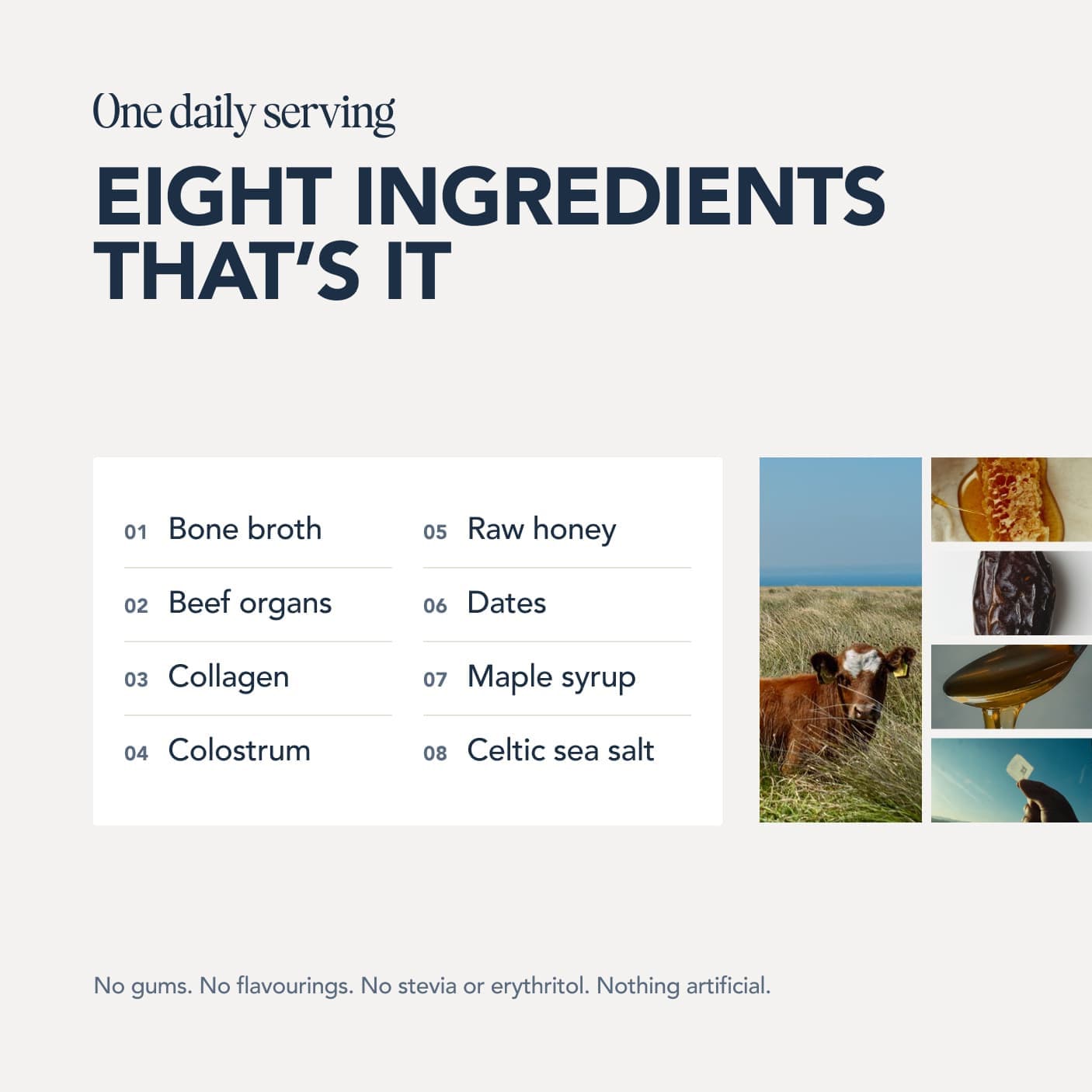
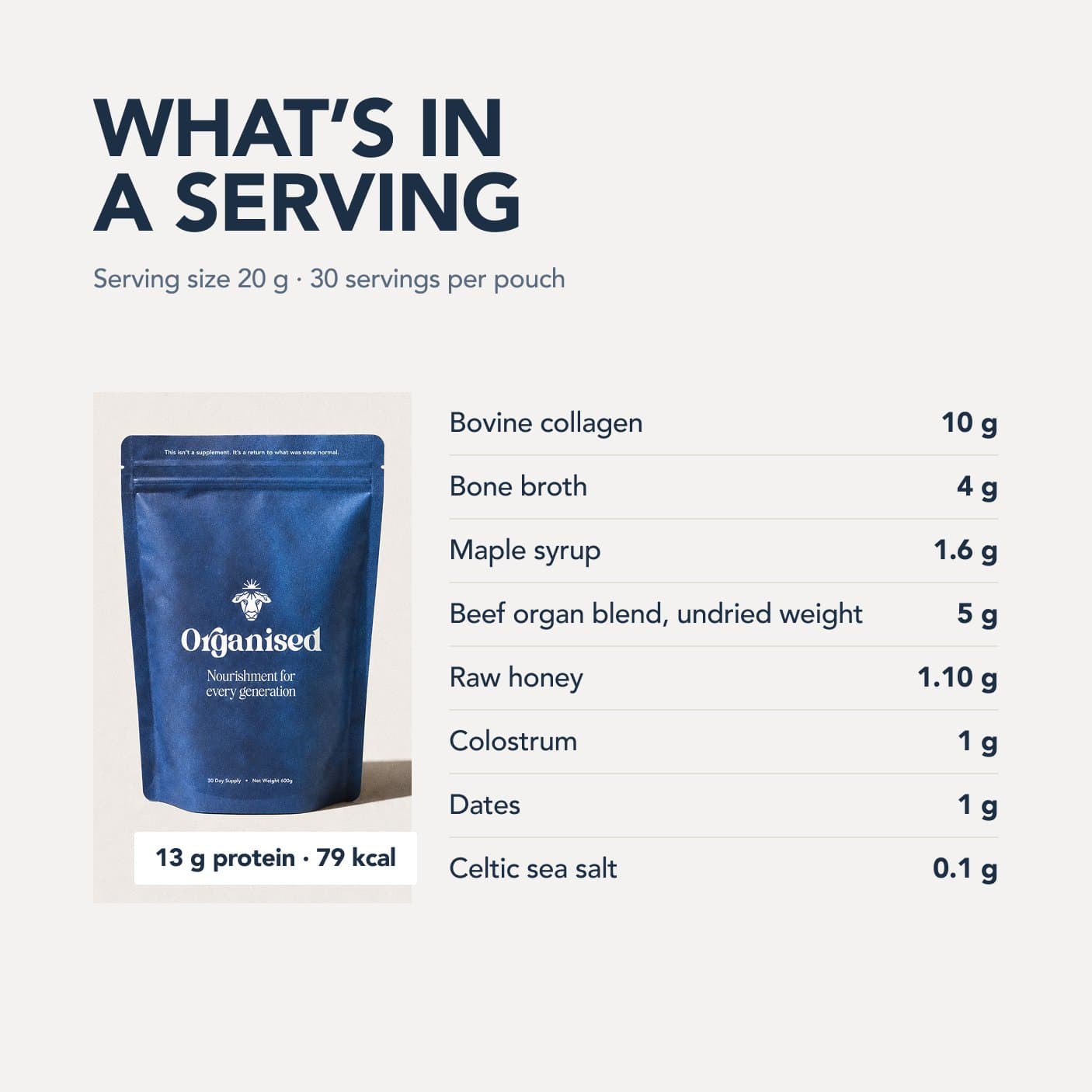
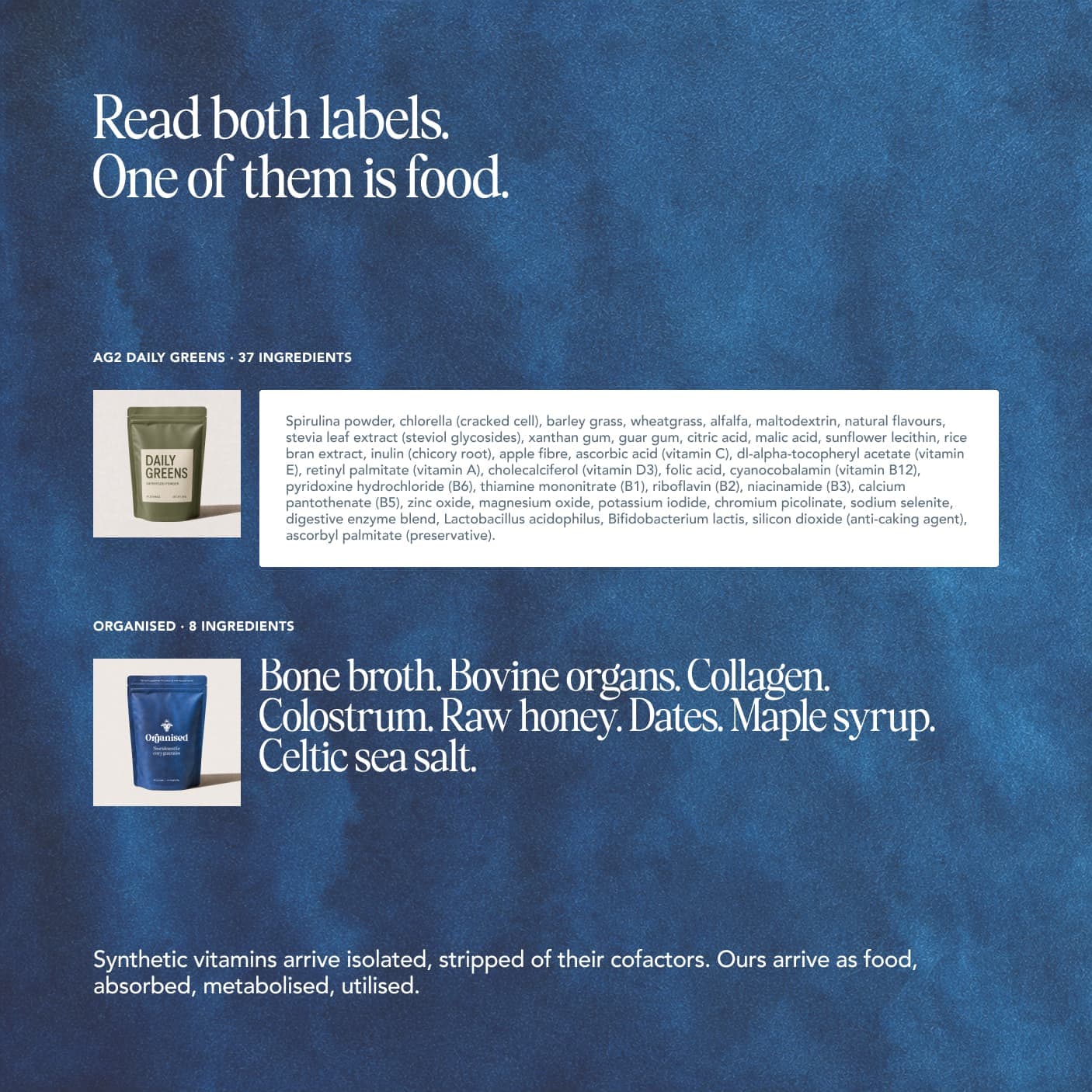
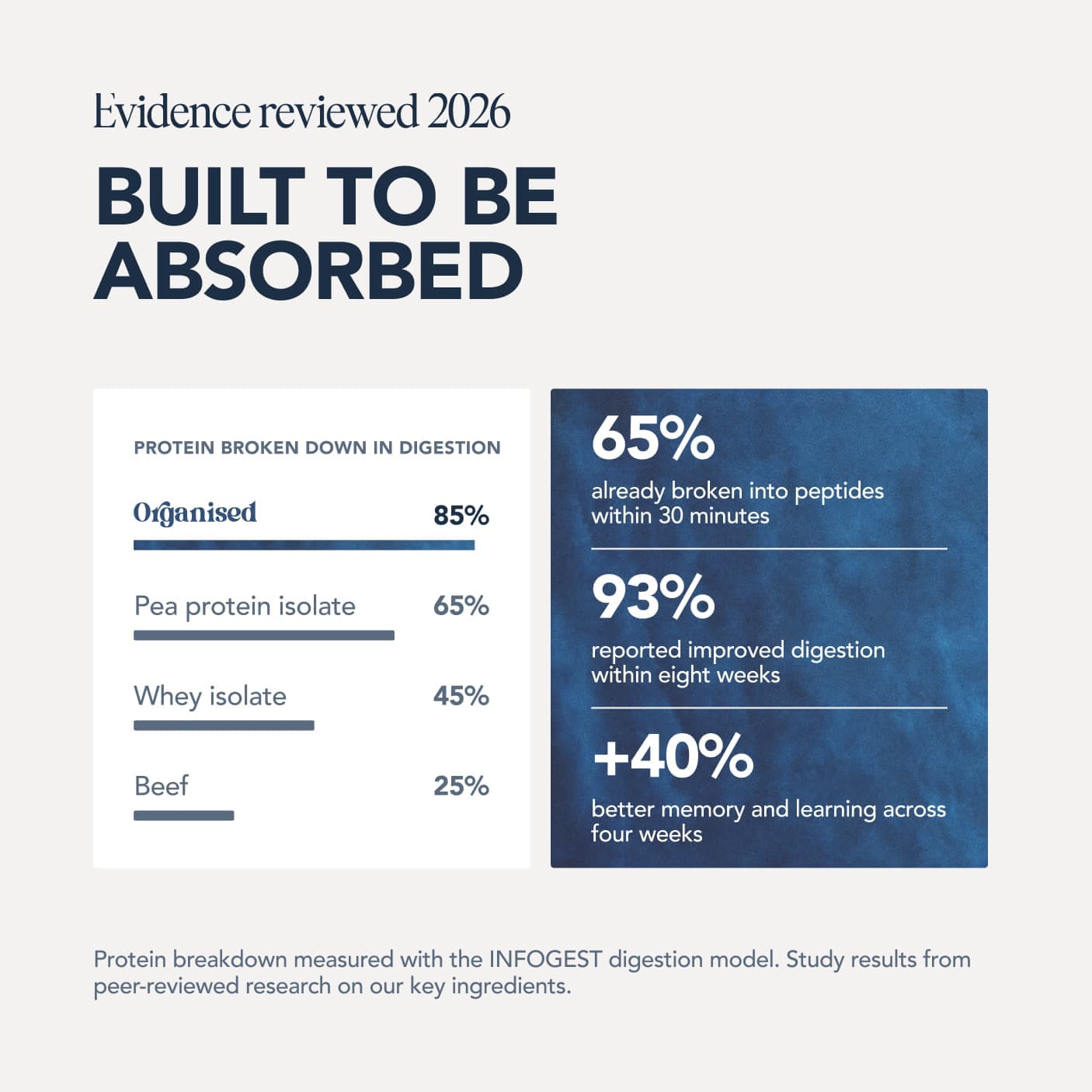
Eight real ingredients built around grass-fed beef organs, collagen and colostrum. Nothing synthetic added.
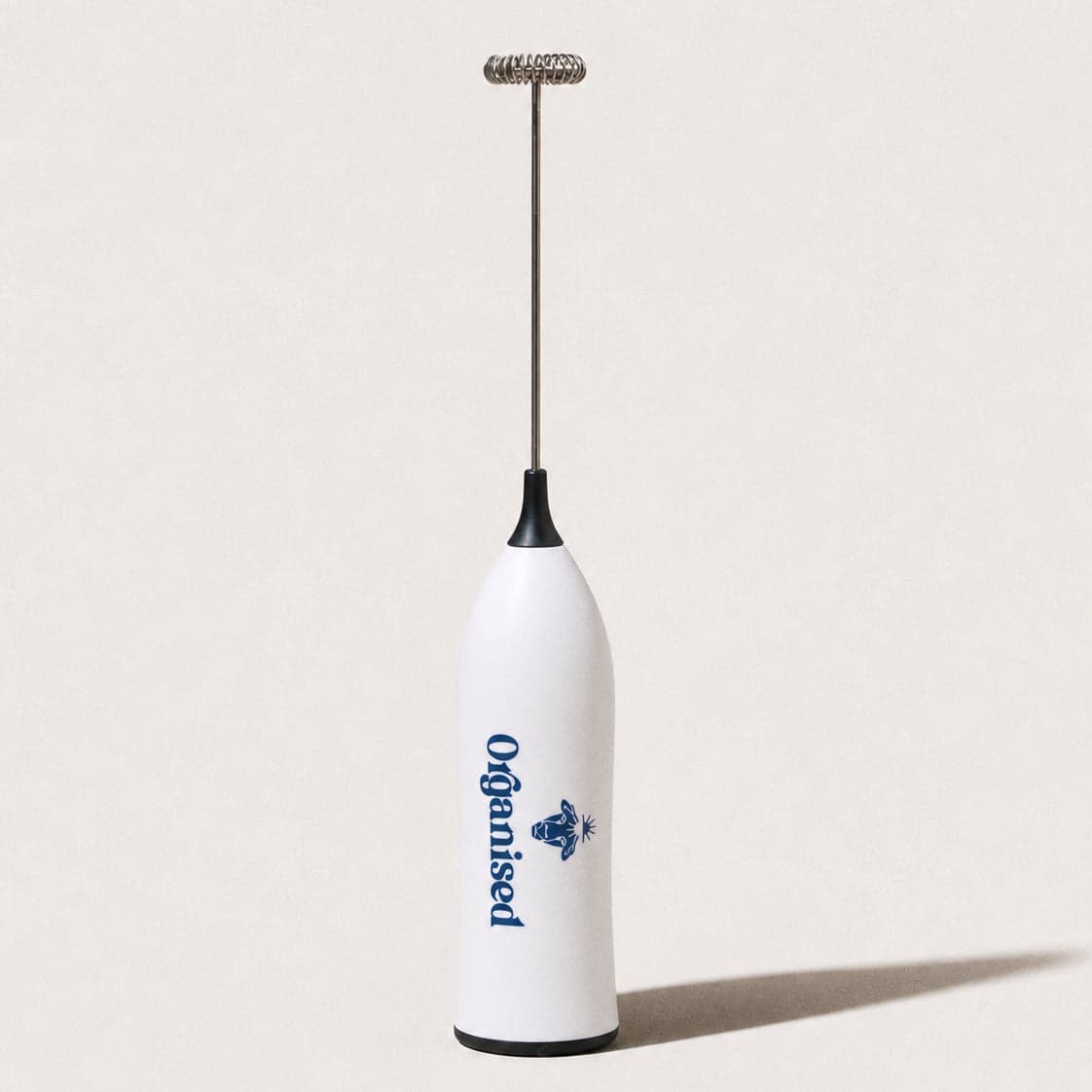
Free with your first order, worth £38. Plus £10 off the pouch with a subscription.
Free UK shipping · Made in England · 100 day money back guarantee on your first pouch · Skip, pause or cancel anytime
The practical intervention
You don't need to obsess over zinc levels or take supplements. Eat oysters, organs, and seeds regularly. Weeks of consistency beat months of sporadic effort. Your T cells and immune barriers rebuild on consistent mineral input, not on heroic effort. Set it and forget it: oysters weekly, organs monthly, seeds daily. That's the pattern that works.
The bottom line
Your immune system doesn't work without zinc. T cells don't develop, don't remember, don't regulate without it. Barriers don't stay sealed without it. Yet zinc remains the overlooked mineral, overshadowed by vitamin C and vitamin D marketing.
If you're catching every cold, recovering slowly from illness, or dealing with chronic inflammation, zinc deficiency is worth investigating. A blood test checking zinc status is simple. And the fix is simpler: eat oysters, organs, and pumpkin seeds regularly. Not as supplements. As food. That's immune support that actually works.
References
Every source below was checked on 27 August 2026. Each PubMed, PMC and DOI identifier was resolved against NCBI or Crossref, and what it opens is printed under the citation, so you can see the link goes where the citation says without leaving the page. Where a citation and its identifier disagreed, the citation was corrected to the record or the reference was deleted along with the sentence marker that pointed at it, and where the resolved paper turned out not to support the sentence, the sentence was cut back to what it does support. Borrowed authority is worse than none, because it looks like rigour.
- Wessels I, Maywald M, Rink L. Zinc as a gatekeeper of immune function. Nutrients. 2017;9(12):1286. https://pubmed.ncbi.nlm.nih.gov/29186856/Checked 27 August 2026: PMID 29186856 opens Wessels I, Maywald M, Rink L, Zinc as a Gatekeeper of Immune Function. Nutrients 2017;9(12). PubMed indexes it as: Review.The authors' own declaration, from the record: The authors declare that they have no conflict of interest.
- Prasad AS. Zinc in human health: effect of zinc on immune cells. Molecular Medicine. 2008;14(5-6):353-357. https://pmc.ncbi.nlm.nih.gov/articles/PMC2277319/Checked 27 August 2026: PMC2277319 opens Prasad AS, Zinc in human health: effect of zinc on immune cells. Mol Med 2008;14(5-6):353-7. PubMed indexes it as: Review.
- National Institutes of Health, Office of Dietary Supplements. Zinc: Fact Sheet for Health Professionals. https://ods.od.nih.gov/factsheets/Zinc-HealthProfessional/ [accessed May 2026].
- Willis MS, Monaghan SA, Miller ML, et al. Zinc-induced copper deficiency: a report of three cases initially recognized on bone marrow examination. American Journal of Clinical Pathology. 2005;123(1):125-131. https://pubmed.ncbi.nlm.nih.gov/15762288/Checked 27 August 2026: PMID 15762288 opens Willis MS, Monaghan SA, Miller ML et al, Zinc-induced copper deficiency: a report of three cases initially recognized on bone marrow examination. Am J Clin Pathol 2005;123(1):125-31. PubMed indexes it as: Case Reports.
Who wrote and reviewed this guide
Niall Kiddle
Author · Founder, Organised
Niall is the founder of Organised. He started the company in 2024 after fixing his own health the slow way: in 2022 he swapped a cupboard of synthetic supplements for real food, raw milk, organ meats, bone broth and honey, and felt the difference within months.
Areas of expertise: Ancestral nutrition, Organ meats, Whole-food supplementation, Gut health, Regenerative sourcing
Read Niall's full profile
Pedro Rodrigues
Reviewer · Agronomist (farming and sourcing only)
Pedro is the agronomist Organised works with on farming and sourcing. His job on the guides is to keep the science honest: he reviews what we publish about soil health, regenerative agriculture, grazing and the way food is actually produced.
Areas of expertise: Regenerative agriculture, Agronomy, Soil health, Grass-fed farming, Food sourcing
Reviewed this guide on
Read Pedro's full profileMore on immunity
View allBrowse the guides library
All guidesKeep reading
Health goals
Insulin Resistance: The Silent Metabolic Crisis
Insulin resistance develops quietly, but the damage is profound. Here's how it happens and the whole-food strategies that actually work.

Health goals
What Blue Zone Diets Actually Have in Common
Blue Zones (Sardinia, Okinawa, Nicoya, Ikaria, Loma Linda) don't share a single diet. They share one thing: whole food, community, and zero processed food.

Health goals
Chronic Fatigue and Nutrient Deficiency: What Blood Tests to Ask For
Bone-deep tired? Here are the exact blood tests and nutrient markers your GP should run when chronic fatigue isn't getting better with rest alone.
Real food, made effortless
Start my daily blendA few ways to use it
All recipes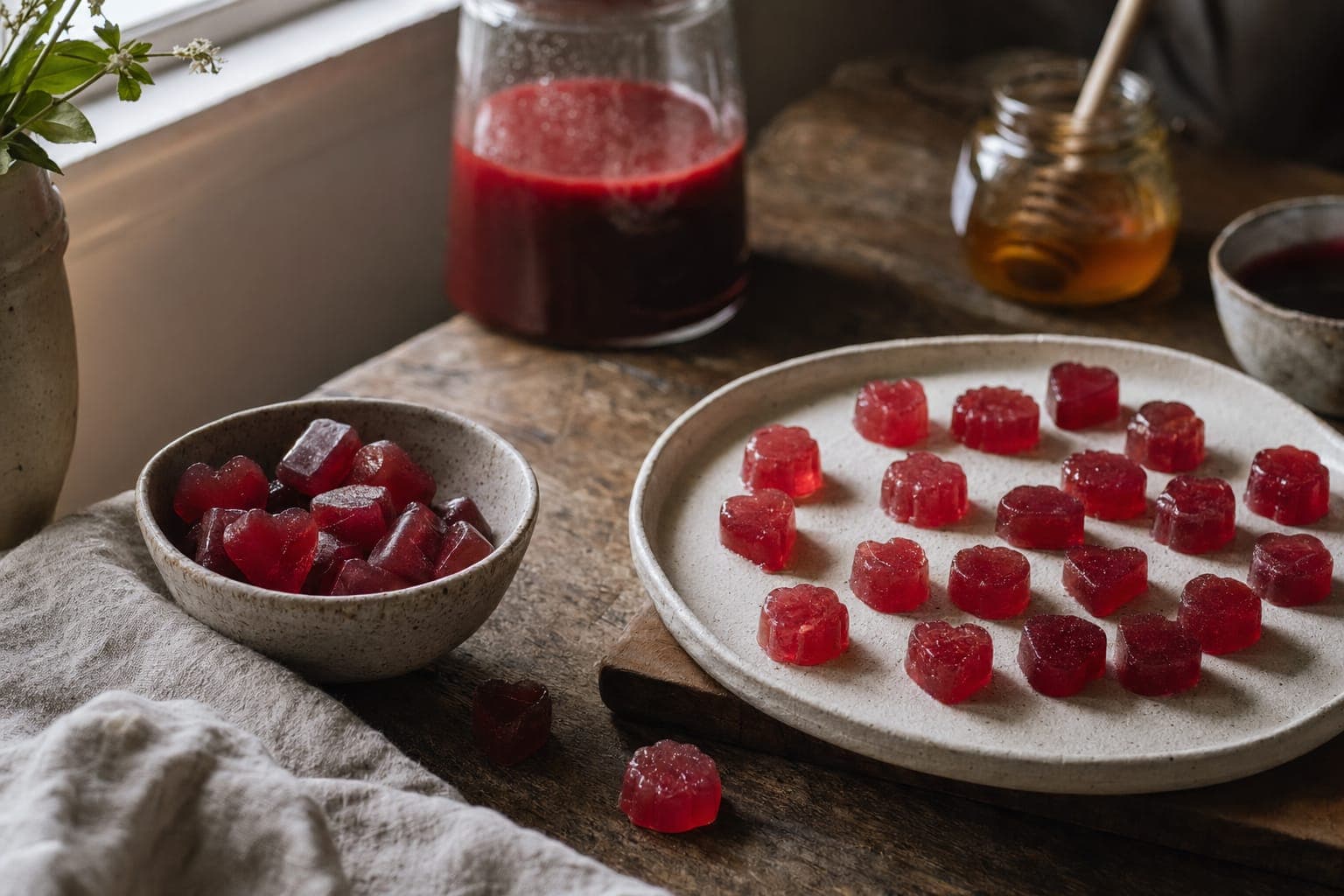
How to Make Your Own Gelatine Gummies
A simple recipe for homemade gelatine gummies using grass-fed gelatine, fresh juice, and raw honey. Better than shop-bought, kids love them.
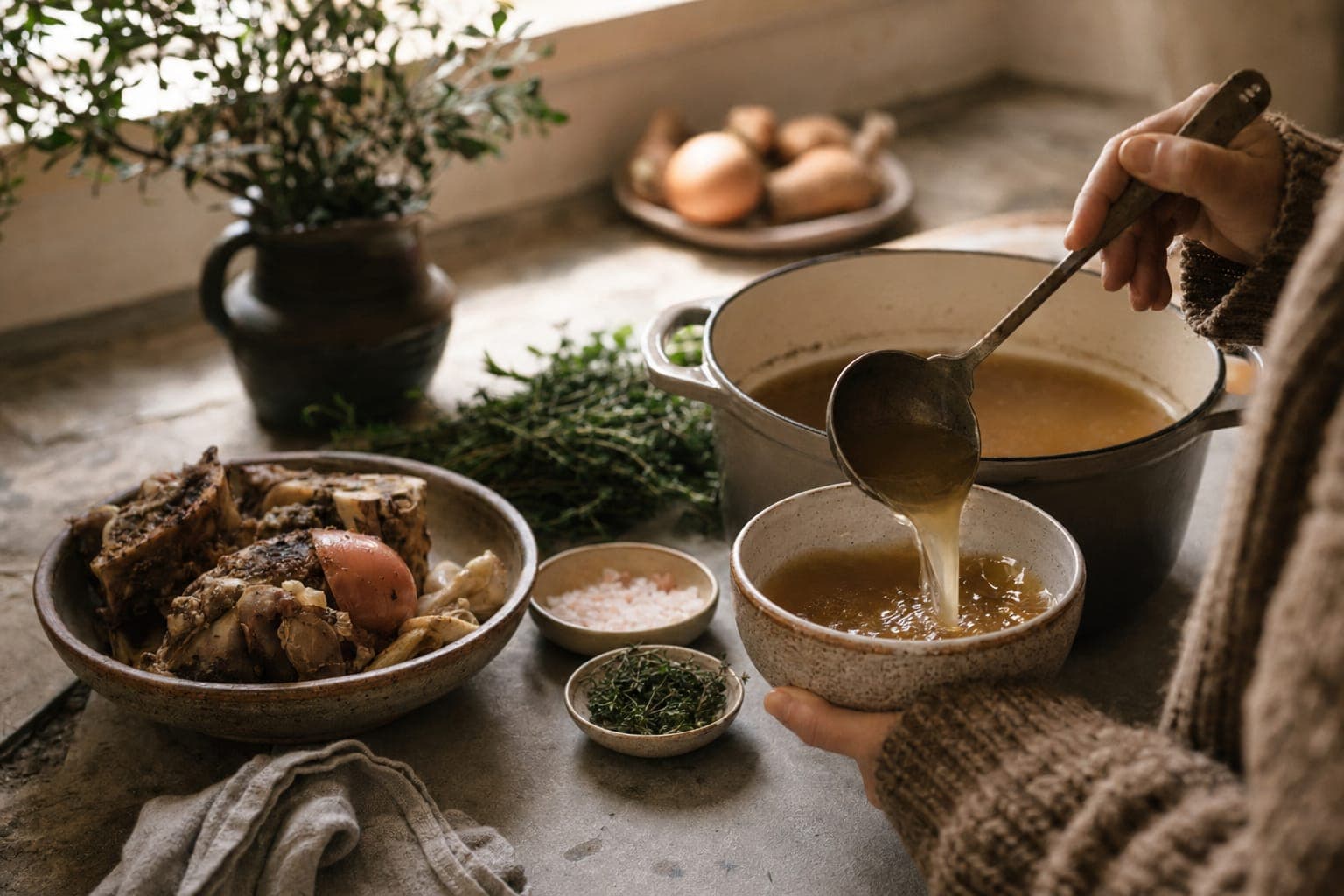
Bone Broth from Scratch: A Step-by-Step Guide
Step-by-step guide to making bone broth at home. Stovetop, slow cooker, and Instant Pot methods. Rich in collagen and gut-healing minerals.
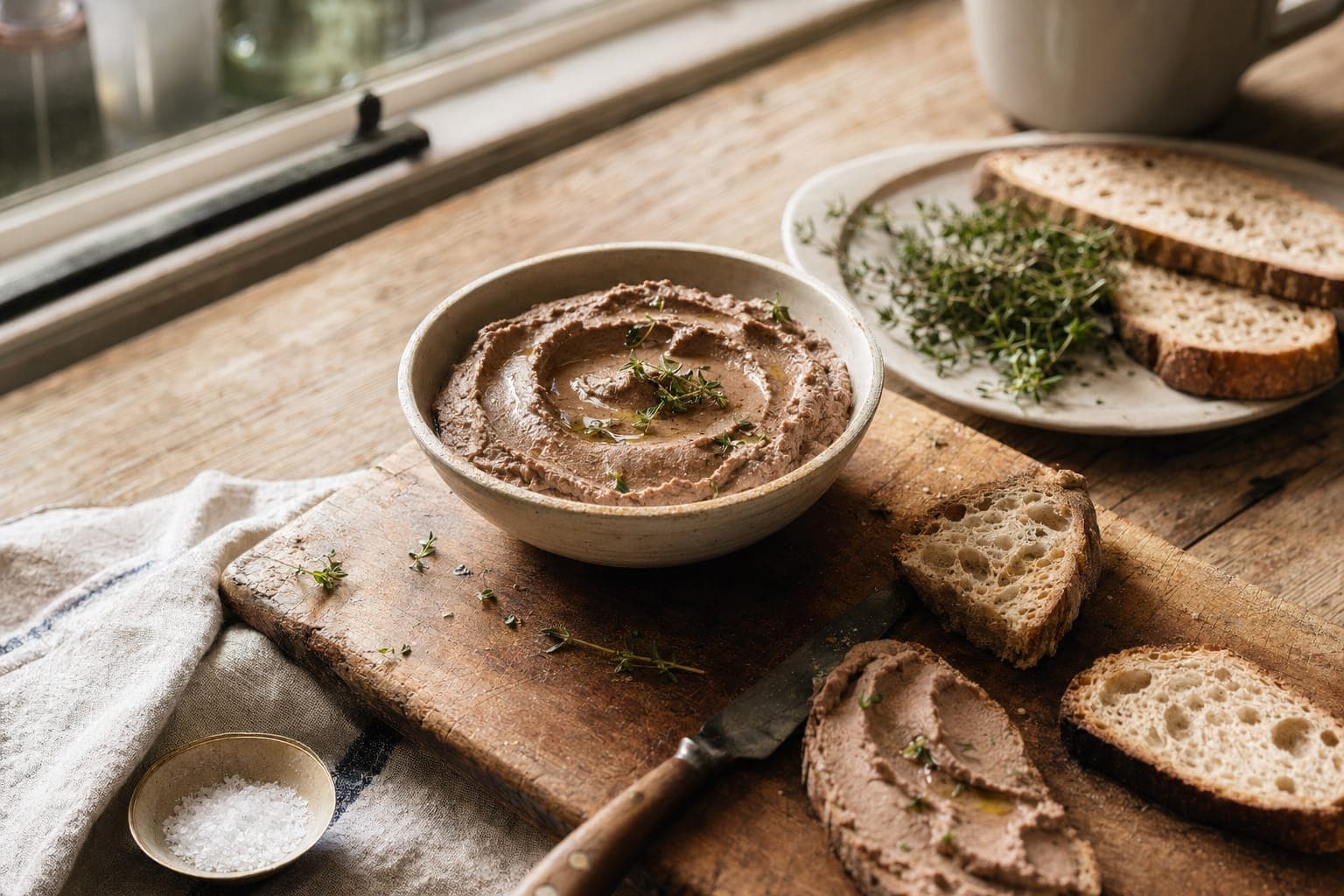
Liver Pate for Beginners: A Gentle Introduction to Organ Meats
Simple liver pate recipe to start eating organ meats. Chicken liver, butter, and herbs. Gentle introduction to nutrient-dense whole foods.


 Join over 100,000+ members
Build a better food system with us
The Organised community is thousands of people choosing real food and backing the farmers who grow it, all of us trying to leave the world a little better than we found it. If that is what you care about too, you belong here.