The Antimicrobial Power of Raw Honey
Most people think honey is just sugar. A sweet treat, calorie-dense, and fundamentally no different from any other sweetener. They're wrong. Raw honey is alive. It contains enzymes that have been working since the hive, antimicrobial compounds that kill bacteria, compounds so powerful that hospitals use honey to treat antibiotic-resistant infections. Processed honey loses nearly all of this. Raw honey retains it.

By Niall Kiddle, Founder, Organised

Reviewed by Pedro Rodrigues, Agronomist (farming and sourcing only) ·
5 min read · Published · Updated · 3 cited sources
Makers of the Organised Daily blend, a grass-fed beef organ supplement from regenerative UK farms
The honey industry doesn't advertise this because it doesn't help sell volume. But the science is unambiguous. Raw honey and processed honey are not the same food.
The difference between raw and processed honey
Raw honey is honey that has been minimally processed. It has been strained to remove large debris, but it has not been heated above 40 degrees Celsius. It retains the enzymes, the pollen, the propolis, and the living microorganisms that make honey more than just a sugar delivery mechanism.
Processed honey, the kind you find in most supermarkets, has been heated to 65 to 80 degrees Celsius and often higher. This heat kills the enzymes. It breaks down the volatile compounds. It removes the pollen. It kills the beneficial microorganisms. What remains is still honey. It still tastes sweet. But it has been fundamentally transformed.
You can't taste the difference with your tongue. But your body can feel it. Raw honey has biological activity. Processed honey is essentially just sugar with trace minerals.
This isn't a minor distinction. The antimicrobial, antioxidant, and enzyme activity of honey is why it has been used for wound healing for thousands of years. Processing destroys almost all of that activity.
Hydrogen peroxide and the bee enzyme
The first antimicrobial compound in honey is hydrogen peroxide. This might sound familiar because hydrogen peroxide is used in hospitals as a disinfectant. Raw honey contains it naturally. But here's the interesting part: honey doesn't just contain hydrogen peroxide. It contains an enzyme called glucose oxidase, which continuously produces hydrogen peroxide as long as the honey is in contact with moisture and the enzyme is active.1
When you apply raw honey to a wound, the glucose oxidase enzyme activates. It begins breaking down glucose, and in that process, it releases hydrogen peroxide directly into the wound. This is a slow, steady release of a proven antimicrobial agent. The enzyme is still working as long as the honey is raw.
Heat destroys glucose oxidase. Pasteurised honey contains no active enzyme, which means it produces no hydrogen peroxide. It's just sugar with antimicrobial memory, but no antimicrobial activity.
Studies on honey-treated wounds versus conventional antibiotics show comparable results, particularly for superficial wounds and infected areas.3 The hydrogen peroxide production is part of why. But there's more. The second antimicrobial compound in honey is methylglyoxal, or MGO. Unlike hydrogen peroxide, which is produced by enzyme activity, MGO is a naturally occurring compound that accumulates in honey during storage. Manuka honey, from New Zealand, is famous for its MGO content, but all raw honey contains it.2 MGO is a small molecule that can penetrate bacterial cell walls and disrupt their internal chemistry. It's particularly effective against Staphylococcus aureus and Pseudomonas aeruginosa, two of the most problematic and antibiotic-resistant bacteria humans face. In laboratory studies, MGO-rich honey kills antibiotic-resistant bacteria that pharmaceutical antibiotics cannot touch. The concentration of MGO varies by honey type. Manuka honey, produced in New Zealand from the manuka tree, can contain 200 to 800 mg/kg of MGO.2 Regular raw honey contains 20 to 50 mg/kg. Both work. Manuka is more concentrated. But the mechanism is the same. Methylglyoxal exists in raw honey. Heating destroys or reduces it significantly. Processed honey has lost much of its MGO content, which is why it has minimal antimicrobial effect. Beyond hydrogen peroxide and MGO, raw honey contains a full spectrum of antimicrobial and antioxidant compounds. Raw honey is not just a sweetener. It's a repository of living biological activity. Processed honey is stripped down to its carbohydrate core.
Methylglyoxal (MGO) and bacterial defence
Other bioactive compounds
Get ingredient guides like this, free
Two short reads a week on the ingredients that matter and how to actually use them.
By signing up you agree to receive emails from us. No spam, unsubscribe anytime.
How honey actually works
The antimicrobial action of raw honey works through multiple mechanisms simultaneously. First, the hydrogen peroxide production from glucose oxidase creates an environment hostile to bacterial growth. Second, the MGO and other polyphenols attack bacteria directly. Third, the osmotic pressure of honey (its high sugar content) draws water out of bacterial cells, causing them to dehydrate.
But there's a fourth mechanism that's often overlooked: honey promotes the growth of beneficial bacteria. The polyphenols in honey feed beneficial gut bacteria whilst killing pathogenic ones. This is why honey has been traditionally used not just for wound healing, but for digestive health.
The combination of these mechanisms is why honey works so effectively. It's not a single antimicrobial agent. It's a synergistic complex of multiple compounds working together. And that synergy is why processing destroys honey's healing properties so thoroughly. You can't just remove the water and keep the benefits. The benefits depend on the whole system remaining intact.
Why Organised chose raw honey
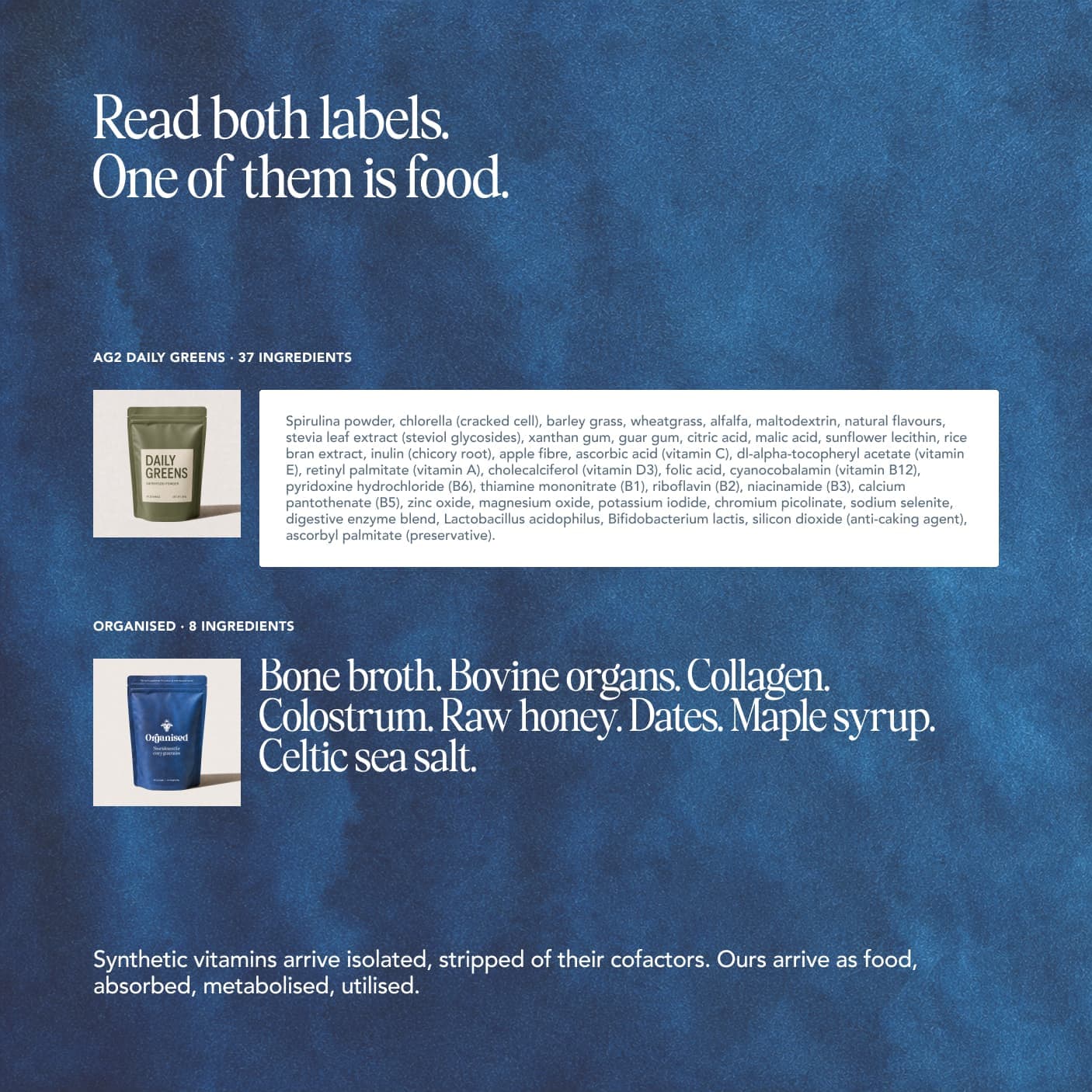
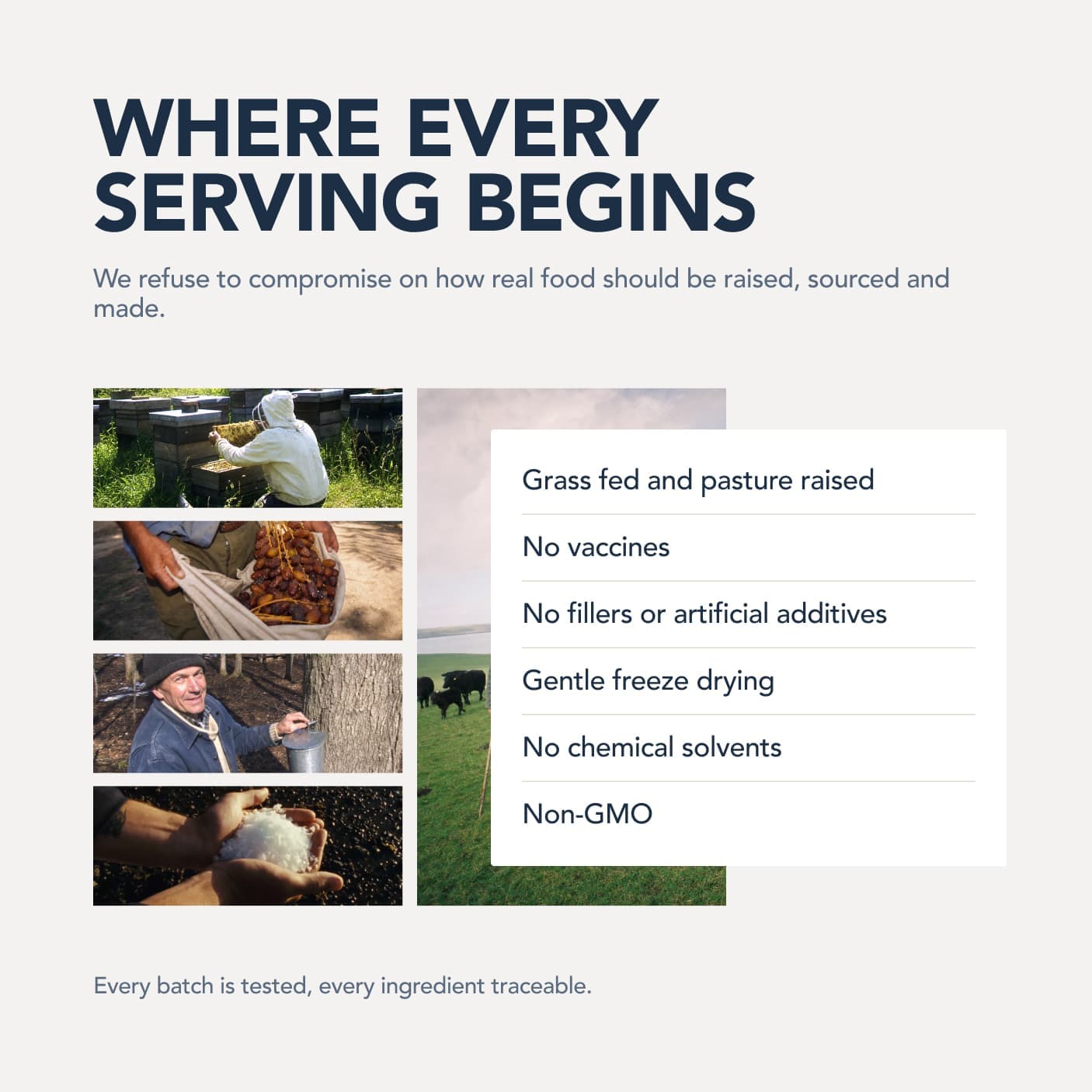
Organised includes raw honey in its formulations because raw honey is a legitimate whole food. It's not a supplement. It's not an extraction. It's the actual honey bees made, with all its biological activity intact. When you're building a product for ancestral health, you choose ingredients that humans have eaten for millennia. Raw honey fits that criterion perfectly.
Processed honey, stevia, erythritol, and other modern sweeteners are different categories of product. Stevia and erythritol have no antimicrobial activity, no enzyme activity, no pollen, no propolis. They are pure sweetness with no biological context. Processed honey is just sugar with a honey label.
Raw honey brings something these alternatives cannot: it brings the full spectrum of what honey is meant to be. It brings antimicrobial compounds. It brings antioxidants. It brings enzymes. It brings the pollen and propolis that bees engineered into it for a reason.


1 of 9
Daily blend
100,000+ thriving families4.9 on Trustpilot
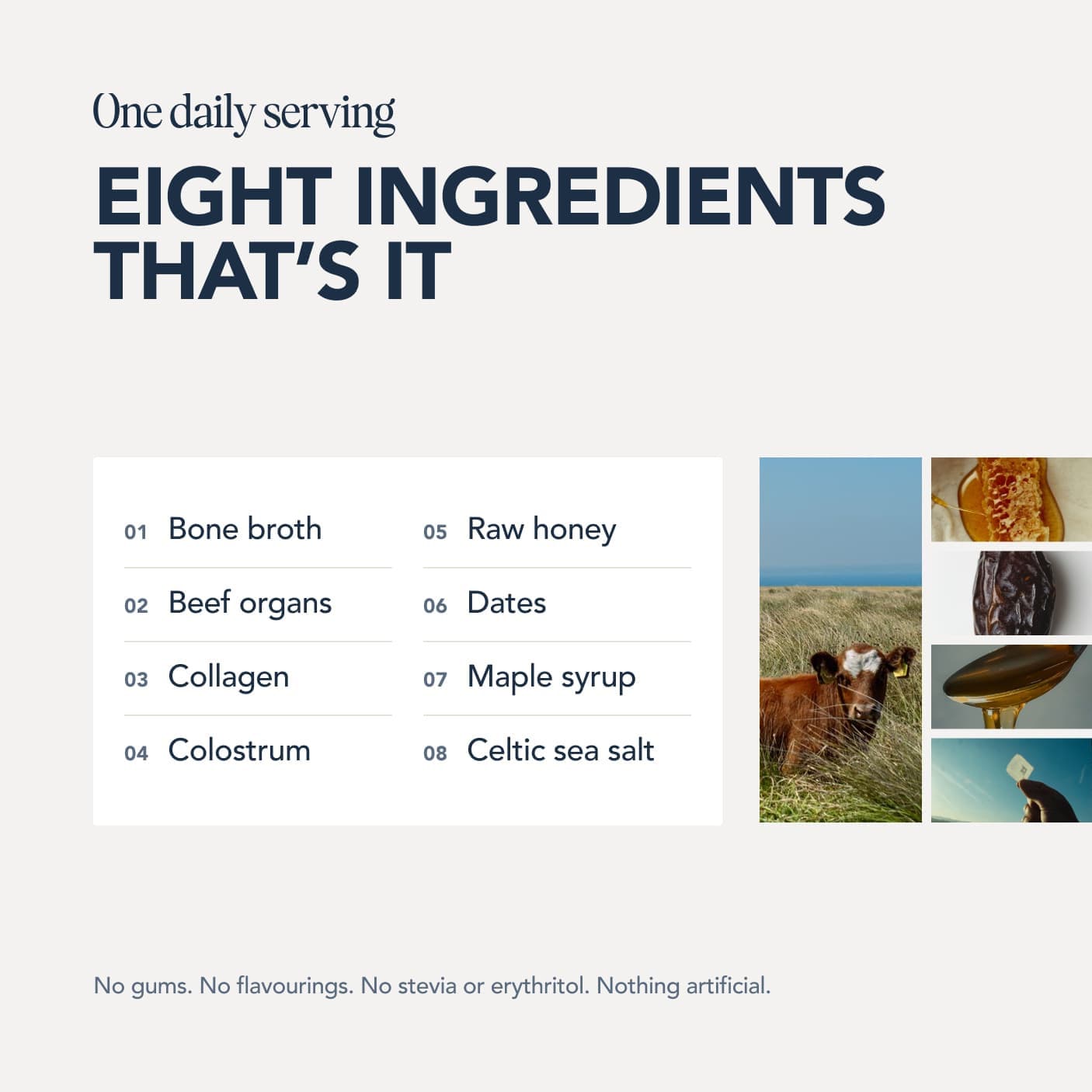
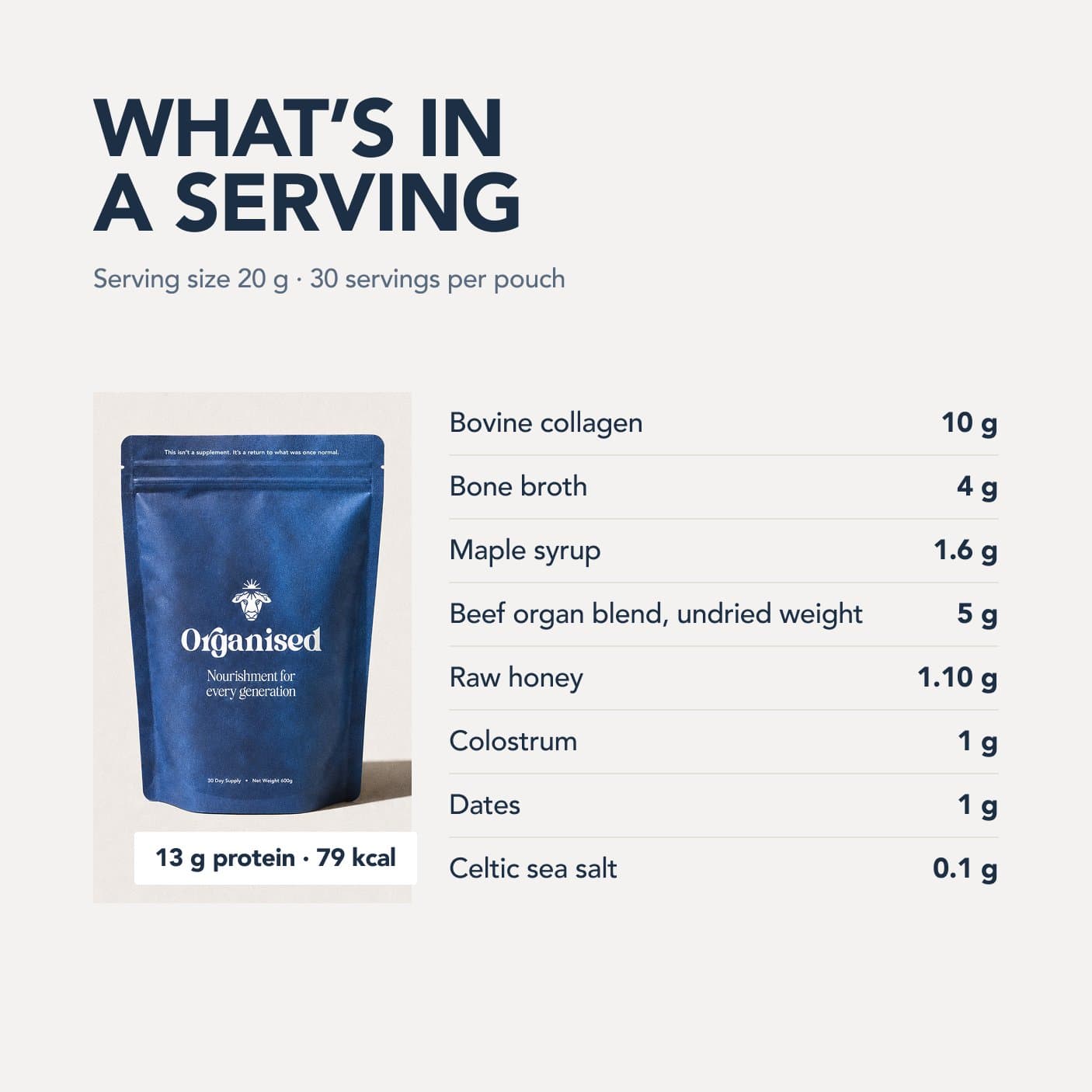
Eight real ingredients built around grass-fed beef organs, collagen and colostrum. Nothing synthetic added.
Free with your first order, worth £38. Plus £10 off the pouch with a subscription.
Free UK shipping · Made in England · 100 day money back guarantee on your first pouch · Skip, pause or cancel anytime
The bottom line
Raw honey is not just a sweetener. It's a food with genuine antimicrobial and antioxidant properties. These properties depend entirely on the honey being raw, unheated, and unprocessed. The moment you apply heat, you begin destroying the very compounds that make honey more than sugar.
If you're using honey, use raw honey. If it's been heated, it's not honey anymore. It's just a sweet delivery mechanism. Your body doesn't need another one of those.
References
Every source below was checked on 27 August 2026. Each PubMed, PMC and DOI identifier was resolved against NCBI or Crossref, and what it opens is printed under the citation, so you can see the link goes where the citation says without leaving the page. Where a citation and its identifier disagreed, the citation was corrected to the record or the reference was deleted along with the sentence marker that pointed at it, and where the resolved paper turned out not to support the sentence, the sentence was cut back to what it does support. Borrowed authority is worse than none, because it looks like rigour.
- Brudzynski K. Honey as an Ecological Reservoir of Antibacterial Compounds Produced by Antagonistic Microbial Interactions in Plant Nectars, Honey and Honey Bee. Antibiotics, 2021. PMC review on honey as a natural antimicrobial.Checked 27 August 2026: PMC8151657 opens Brudzynski K, Honey as an Ecological Reservoir of Antibacterial Compounds Produced by Antagonistic Microbial Interactions in Plant Nectars, Honey and Honey Bee. Antibiotics (Basel) 2021;10(5). PubMed indexes it as: Review.The authors' own declaration, from the record: The author declares no conflict of interest.
- Mavric E et al. Identification and quantification of methylglyoxal as the dominant antibacterial constituent of Manuka (Leptospermum scoparium) honeys from New Zealand. Molecular Nutrition & Food Research, 2008. PMID 18210383.Checked 27 August 2026: PMID 18210383 opens Mavric E, Wittmann S, Barth G et al, Identification and quantification of methylglyoxal as the dominant antibacterial constituent of Manuka (Leptospermum scoparium) honeys from New Zealand. Mol Nutr Food Res 2008;52(4):483-9.
- Mandal MD, Mandal S. Honey: its medicinal property and antibacterial activity. Asian Pacific Journal of Tropical Biomedicine, 2011. PMID 23569748.Checked 27 August 2026: PMID 23569748 opens Mandal MD, Mandal S, Honey: its medicinal property and antibacterial activity. Asian Pac J Trop Biomed 2011;1(2):154-60. PubMed indexes it as: Review.The authors' own declaration, from the record: Conflict of interest statement: We declare that we have no conflict of interest.
Corrections
What this page used to say, and why it no longer says it. Corrections are dated and are never removed, because deleting the record of an error is a second error. Every guide we have corrected is listed at our corrections log.
- 27 August 2026. Reference 1 named a Brudzynski paper and linked a 2025 review by Ogwu and Izah. The entry now names the linked review.
Who wrote and reviewed this guide
Niall Kiddle
Author · Founder, Organised
Niall is the founder of Organised. He started the company in 2024 after fixing his own health the slow way: in 2022 he swapped a cupboard of synthetic supplements for real food, raw milk, organ meats, bone broth and honey, and felt the difference within months.
Areas of expertise: Ancestral nutrition, Organ meats, Whole-food supplementation, Gut health, Regenerative sourcing
Read Niall's full profile
Pedro Rodrigues
Reviewer · Agronomist (farming and sourcing only)
Pedro is the agronomist Organised works with on farming and sourcing. His job on the guides is to keep the science honest: he reviews what we publish about soil health, regenerative agriculture, grazing and the way food is actually produced.
Areas of expertise: Regenerative agriculture, Agronomy, Soil health, Grass-fed farming, Food sourcing
Reviewed this guide on
Read Pedro's full profileMore on raw honey
View allBrowse the guides library
All guidesKeep reading

Ingredients
Beef Heart: The Organ Your Mitochondria Have Been Waiting For
Beef heart is one of the richest natural sources of CoQ10, the nutrient your mitochondria use to make energy. See how it supports recovery and longevity.

Ingredients
Adrenal Fatigue and Salt Cravings: What Your Body Is Telling You
Salt cravings aren't weakness. They're your body asking for electrolytes it genuinely needs. Aldosterone, cortisol, and real salt explained.

Ingredients
How Much Vitamin A Is in Beef Liver? (And Is It Too Much?)
Find out how much vitamin A (retinol) is in beef liver, whether you can take too much, and what the research shows about safe amounts for everyday eating.
Real food, made effortless
Try the organ blendA few ways to use it
All recipes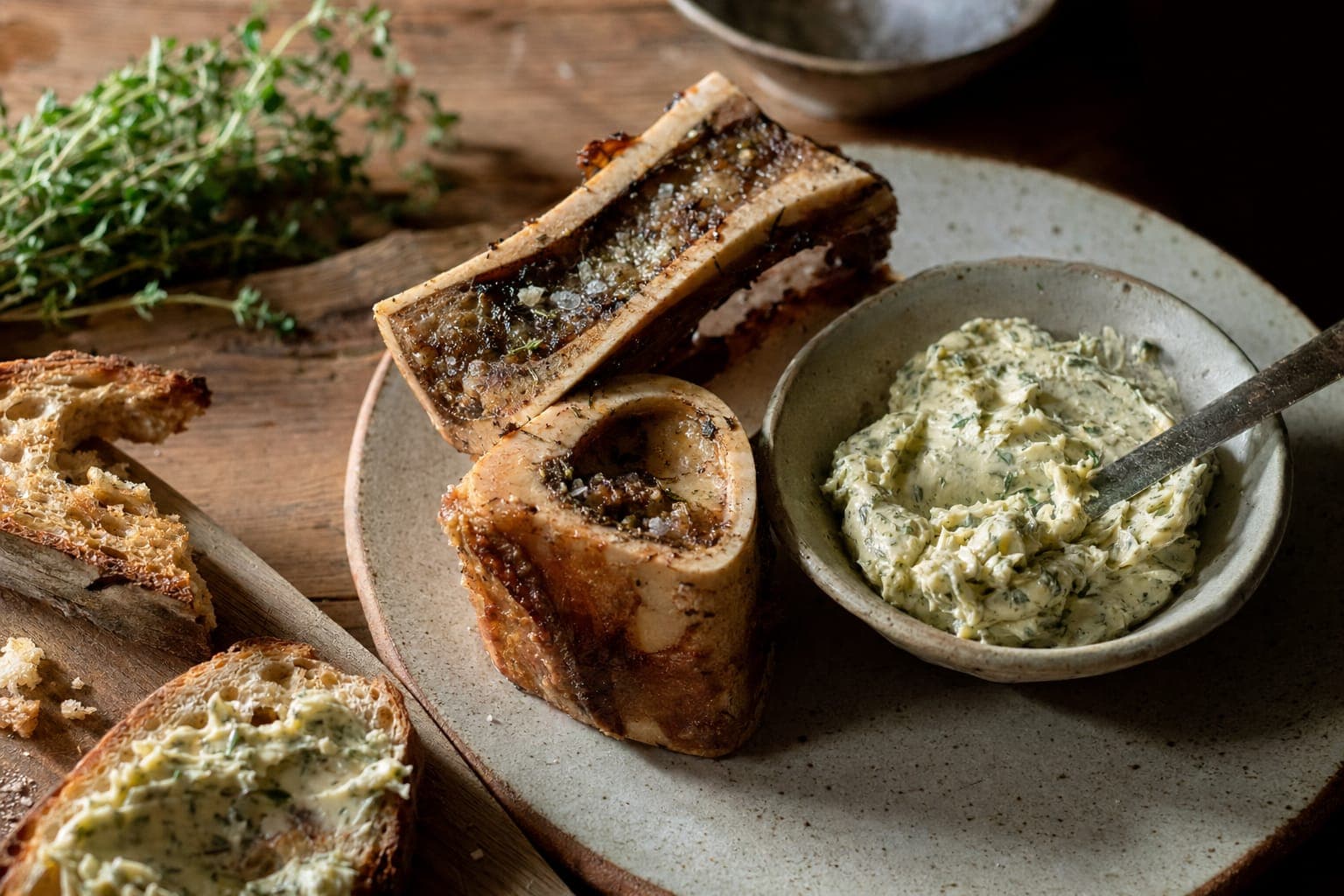
How to Make Bone Marrow Butter
Roast grass-fed marrow bones, scoop the marrow, and mix with butter and herbs. A nutrient-dense spread with fat-soluble vitamins.
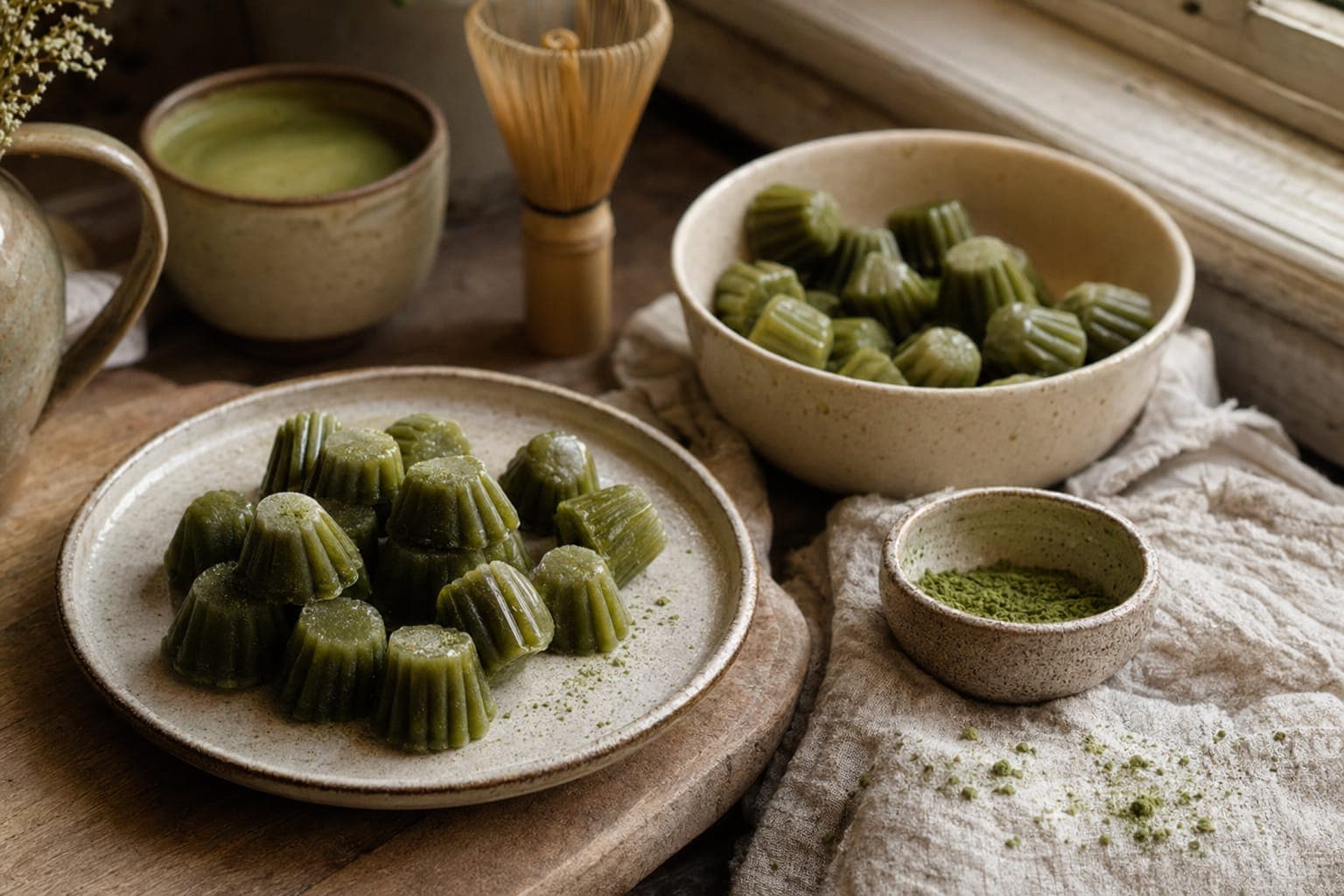
Matcha Latte Gummies with Collagen and Gelatine
Make visually stunning matcha latte gummies infused with collagen and gelatine. Simple recipe for gut-healing sweets you'll actually want to eat.
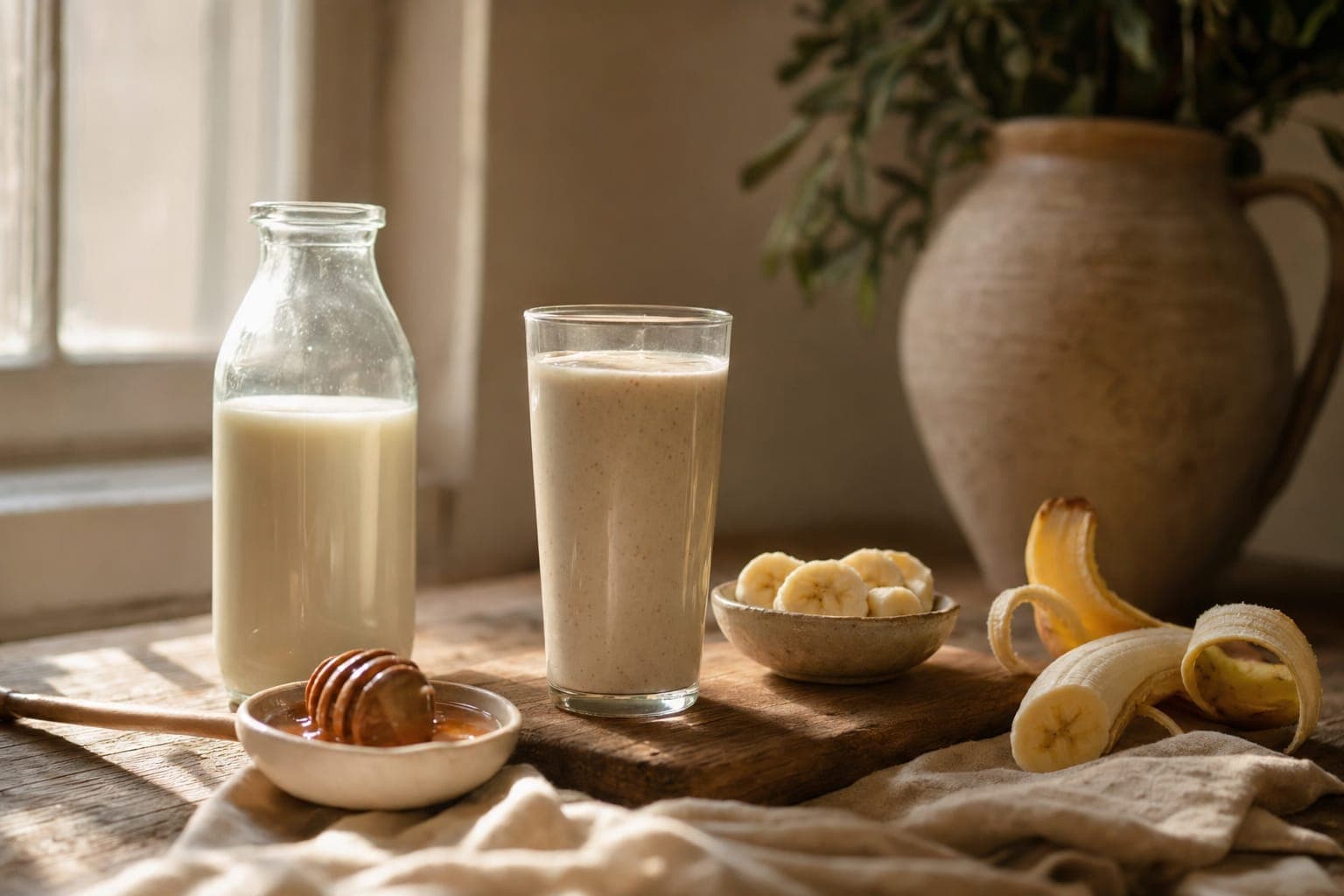
The Perfect Organised Morning Shake: Our Favourite Recipe
Our signature morning shake: Organised, raw milk, banana, honey. Simple, nourishing, and optimised for an empty stomach.


 Join over 100,000+ members
Build a better food system with us
The Organised community is thousands of people choosing real food and backing the farmers who grow it, all of us trying to leave the world a little better than we found it. If that is what you care about too, you belong here.