Beef Heart: The Organ Your Mitochondria Have Been Waiting For
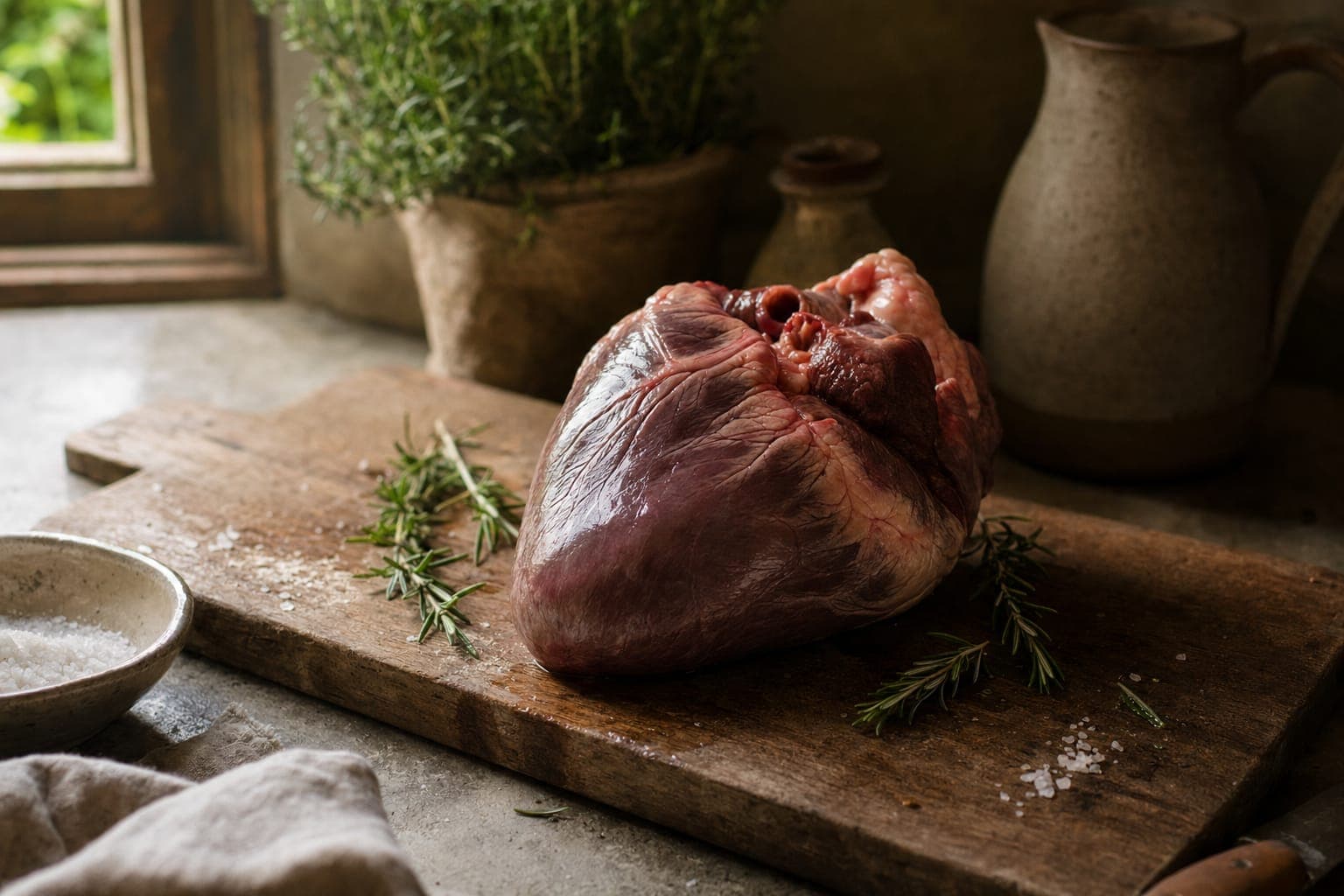
Your mitochondria are the power plants of your cells. They're working 24/7 to convert food into usable energy. But they need a very specific nutrient to do that job: CoQ10. And beef heart is the richest whole-food source on the planet.
By Niall Kiddle, Founder, Organised

Reviewed by Pedro Rodrigues, Agronomist (farming and sourcing only) ·
7 min read · Published · Updated · 5 cited sources
Makers of the Organised Daily blend, a grass-fed beef organ supplement from regenerative UK farms
Why your mitochondria matter
Every cell in your body needs energy. Your brain, your muscles, your immune cells, your gut cells. Energy comes from ATP (adenosine triphosphate), which is generated in the mitochondria through the process of cellular respiration. Your mitochondria are essentially the factories that keep you alive and functioning.
When mitochondrial function declines, everything declines. Energy crashes. Muscle doesn't build. Recovery slows. Your immune system doesn't work properly. Your brain becomes foggy. Fat loss becomes harder. Ageing accelerates.
Modern life is terrible for mitochondria. Chronic stress, poor sleep, processed foods, seed oils, and lack of movement all damage mitochondrial function. By middle age, most people have mitochondrial dysfunction at some level, and they don't even realise it. They just experience it as fatigue, inability to build muscle, and slow recovery.
CoQ10: the energy molecule
CoQ10 (ubiquinone) is a coenzyme that sits in the mitochondrial membrane and shuttles electrons through the electron transport chain. This is the fundamental process that generates ATP. Without CoQ10, this process stalls.1
Your body makes CoQ10, but production declines with age, particularly after 30. By 60, you might be producing 25% less CoQ10 than you were at 25. This is part of why ageing comes with fatigue and poor recovery.2
You can supplement CoQ10 artificially (ubiquinone or ubiquinol form), but the bioavailability is poor. Your gut absorbs maybe 30-40% of supplemented CoQ10, and the synthetic forms don't come packaged with the supporting nutrients your mitochondria need.Heart muscle is packed with CoQ10 because the heart is the most metabolically demanding organ. It beats 100,000 times per day and never rests. Its mitochondria are operating at maximal capacity, and they require massive amounts of CoQ10 to function. Eating beef heart, you're literally getting the CoQ10 that powered a heart for years.
Where CoQ10 comes from
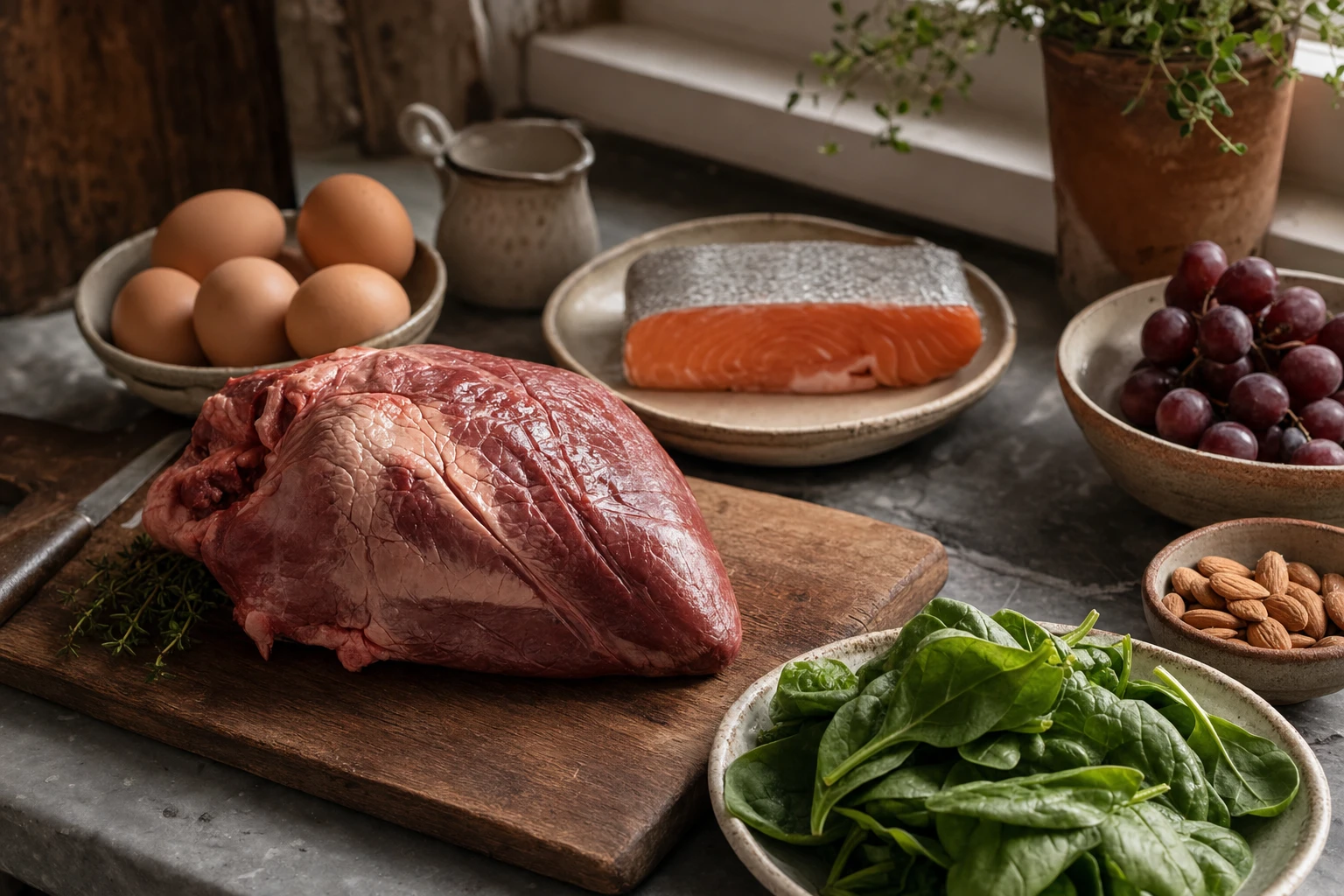
A 100-gram serving of beef heart contains approximately 10 to 15 milligrams of CoQ10 (Mattila et al. 2000 reports ~113 mg/kg, around 11 mg per 100 g). For comparison: a serving of fish contains 1-3 milligrams. Muscle meat contains trace amounts. Plant foods have virtually none.4
If you're supplementing CoQ10, you're looking at 100-200 milligrams per supplement, which sounds like more, but remember that supplemental CoQ10 has poor absorption. The CoQ10 from beef heart, absorbed alongside other nutrients that support mitochondrial function, is more bioavailable than synthetic CoQ10.
Get ingredient guides like this, free
Two short reads a week on the ingredients that matter and how to actually use them.
By signing up you agree to receive emails from us. No spam, unsubscribe anytime.
The practical angle
Beef heart is less popular than liver, so it's easier to find and cheaper. A 100-gram serving is small enough that it's not a huge undertaking to eat regularly. Pâté is easier than cooked heart if you don't like the texture or taste.
If you train hard, you age, or you struggle with fatigue, beef heart is non-negotiable. It's the most concentrated CoQ10 source available, and mitochondrial health depends on it.
Dosing: 100 grams once per week is sufficient for maintenance. Twice per week if you're training intensively or dealing with significant fatigue. Consistency matters more than high doses.
Why heart and nothing else
Organ meats vary dramatically in their micronutrient profiles. Liver is rich in B vitamins and iron. Kidney is rich in selenium. Thymus is rich in peptides. Heart is uniquely rich in CoQ10 because the heart is the most metabolically demanding organ in the body.
The heart beats roughly 100,000 times per day. It never rests. Every beat requires ATP (adenosine triphosphate) generated in mitochondria. This constant demand means heart tissue has more mitochondria, more energy flux, and higher CoQ10 than any other tissue in the body.
You cannot get significant CoQ10 from muscle meat (beef steak), from fish, or from plant foods. If you want dietary CoQ10, organ meats (particularly heart) are your only real option besides supplementation. And heart is the highest source available.
Heart supplements vs fresh heart
Eating fresh beef heart requires sourcing, preparation, and a tolerance for organ meat texture. Supplements make it accessible without the friction.
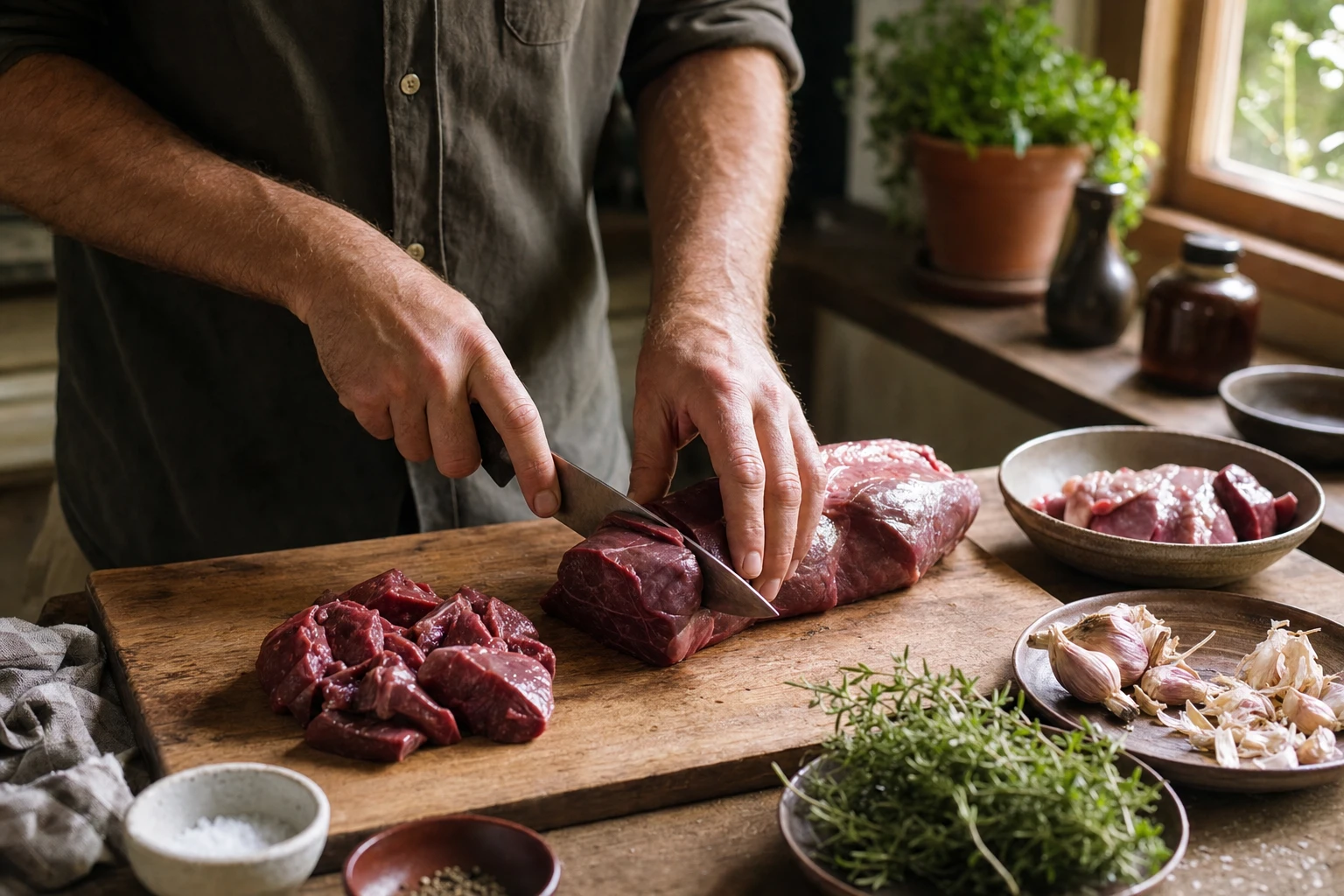
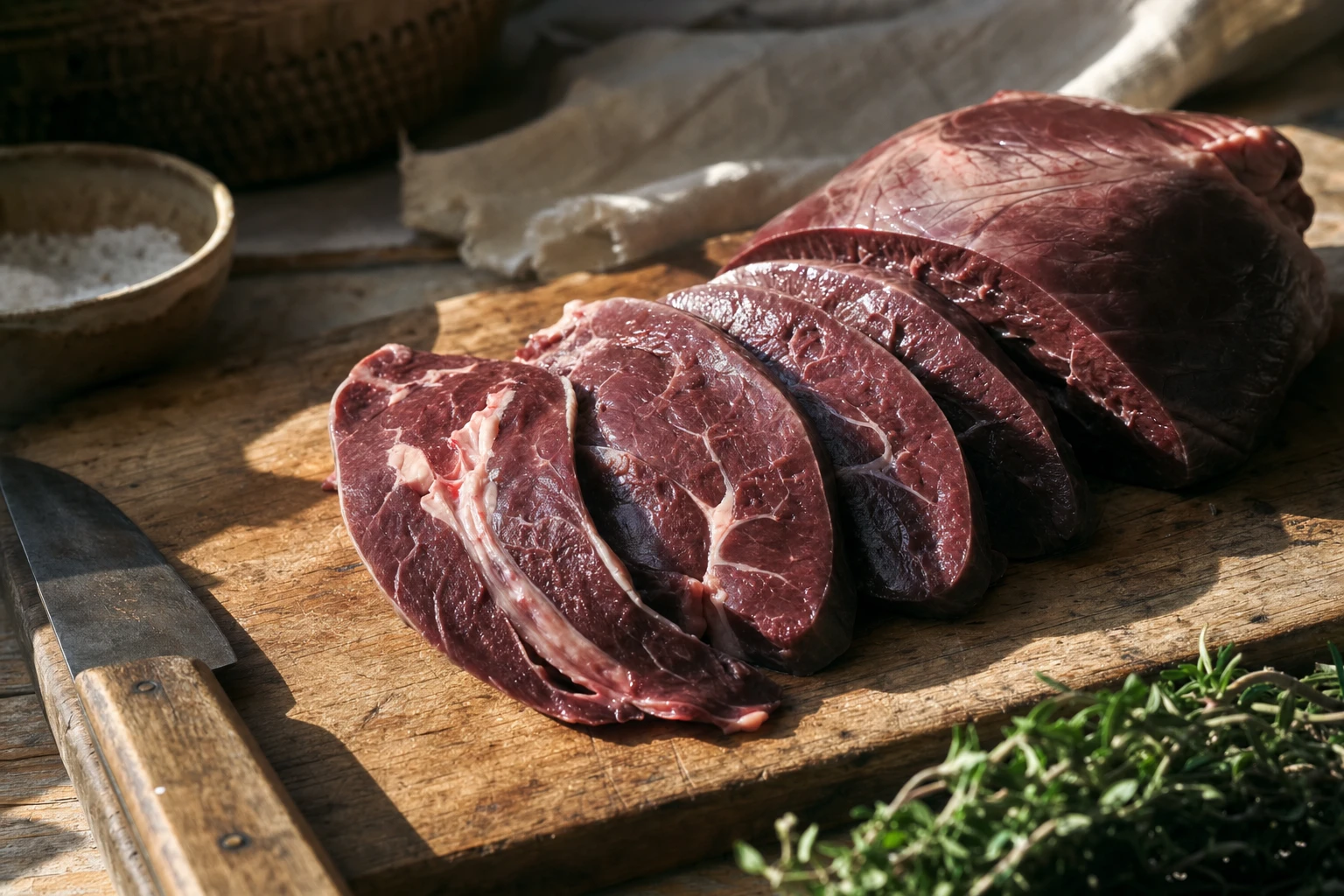
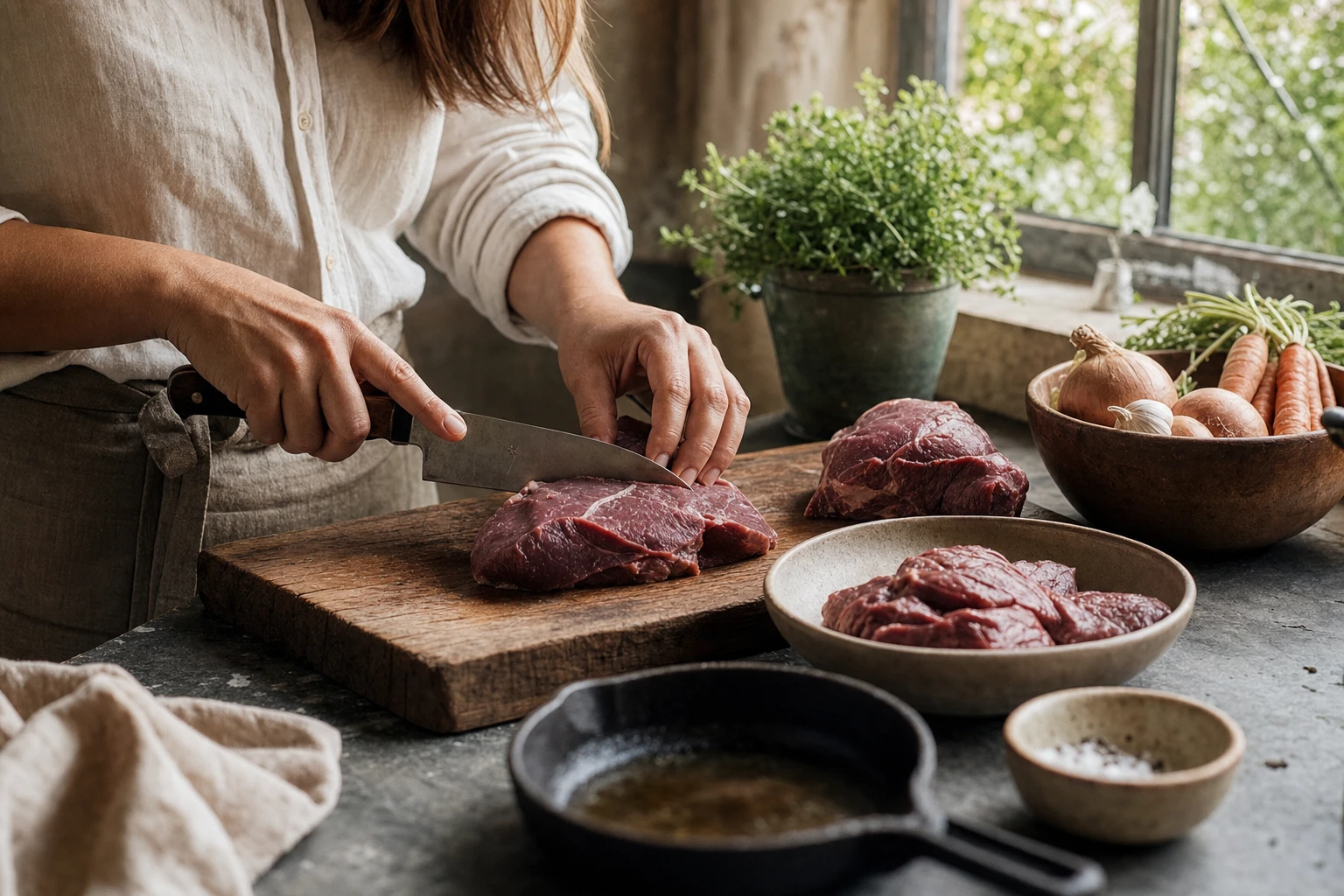
Fresh beef heart. If you enjoy organ meats, fresh heart is worth trying. It's milder in flavour than liver and can be sliced thin and seared quickly. A 100-gram serving (roughly the size of a playing card) is sufficient. Cooking should be minimal, high heat, brief time, to preserve the heat-sensitive CoQ10.
Heart supplements. Freeze-dried beef heart in capsule or powder form is far more practical for most people. A quality supplement preserves the CoQ10 and supporting nutrients (taurine, carnitine, B vitamins) that make heart valuable. Look for grass-fed sourcing and freeze-dried processing.
Whether fresh or supplemented, consistency matters more than form. The CoQ10 benefits appear only with regular consumption, ideally 2-3 times per week minimum.
Supporting mitochondria beyond CoQ10
Beef heart is powerful because it's packed with multiple nutrients that support mitochondrial function, not just CoQ10.
Taurine is an amino acid that regulates calcium inside mitochondria and protects them from damage. Your heart has extraordinarily high taurine concentrations because the heart is the most demanding tissue in your body. Eating heart gives you taurine in context with CoQ10 and other mitochondrial nutrients.L-carnitine is essential for transporting fatty acids into mitochondria for energy production. Again, heart is packed with it. Beef heart provides carnitine in forms (L-carnitine and acetyl-L-carnitine) that your mitochondria can use immediately.
B vitamins (especially B2, niacin, and B5) are cofactors in the mitochondrial electron transport chain. Without them, CoQ10 can't do its job. Heart provides all of these in the right ratios.
This is why synthetic CoQ10 supplements often disappoint people, they're missing the supporting nutrient ecosystem. Beef heart provides the entire mitochondrial support package in one food.
1 of 9
Daily blend
100,000+ thriving families4.9 on Trustpilot
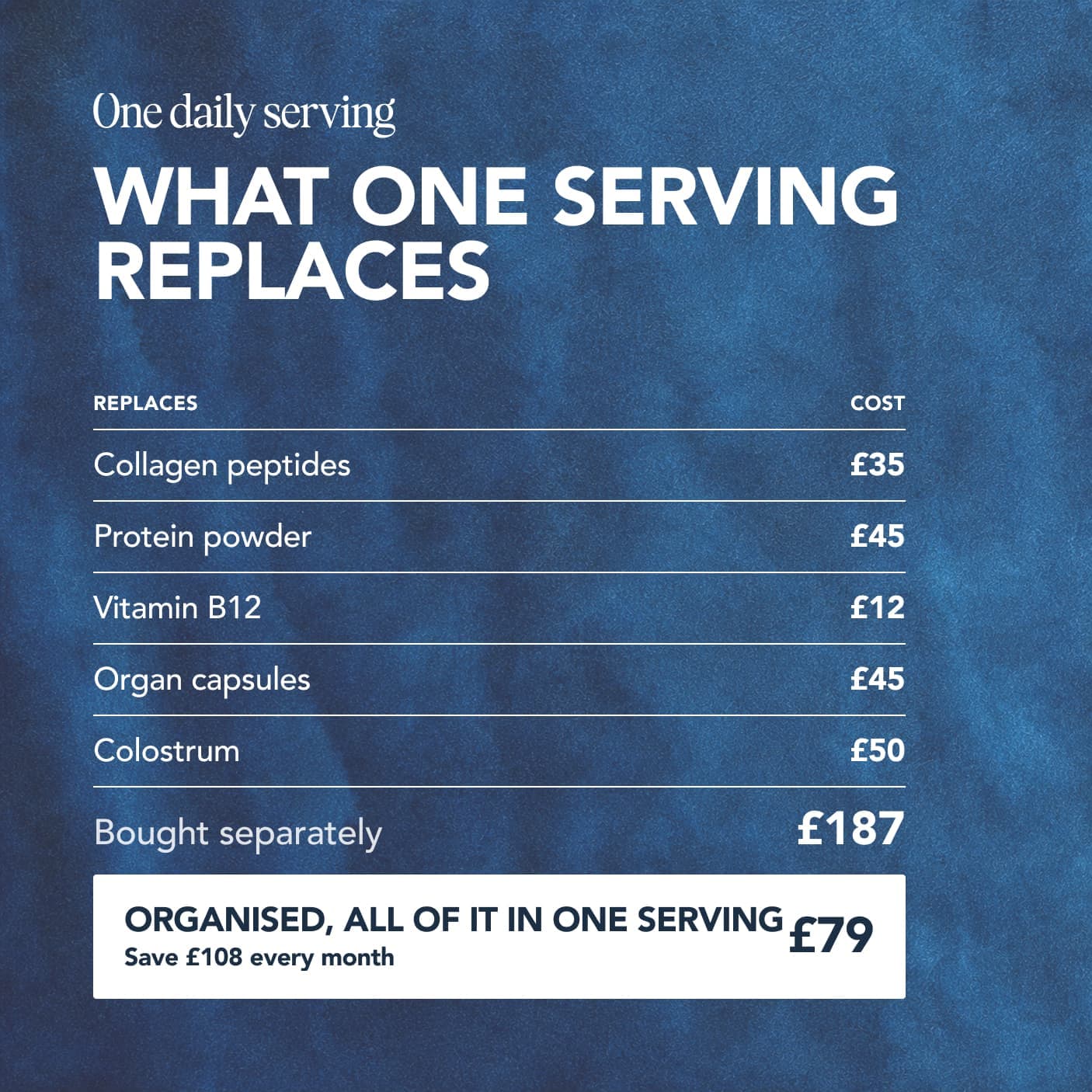
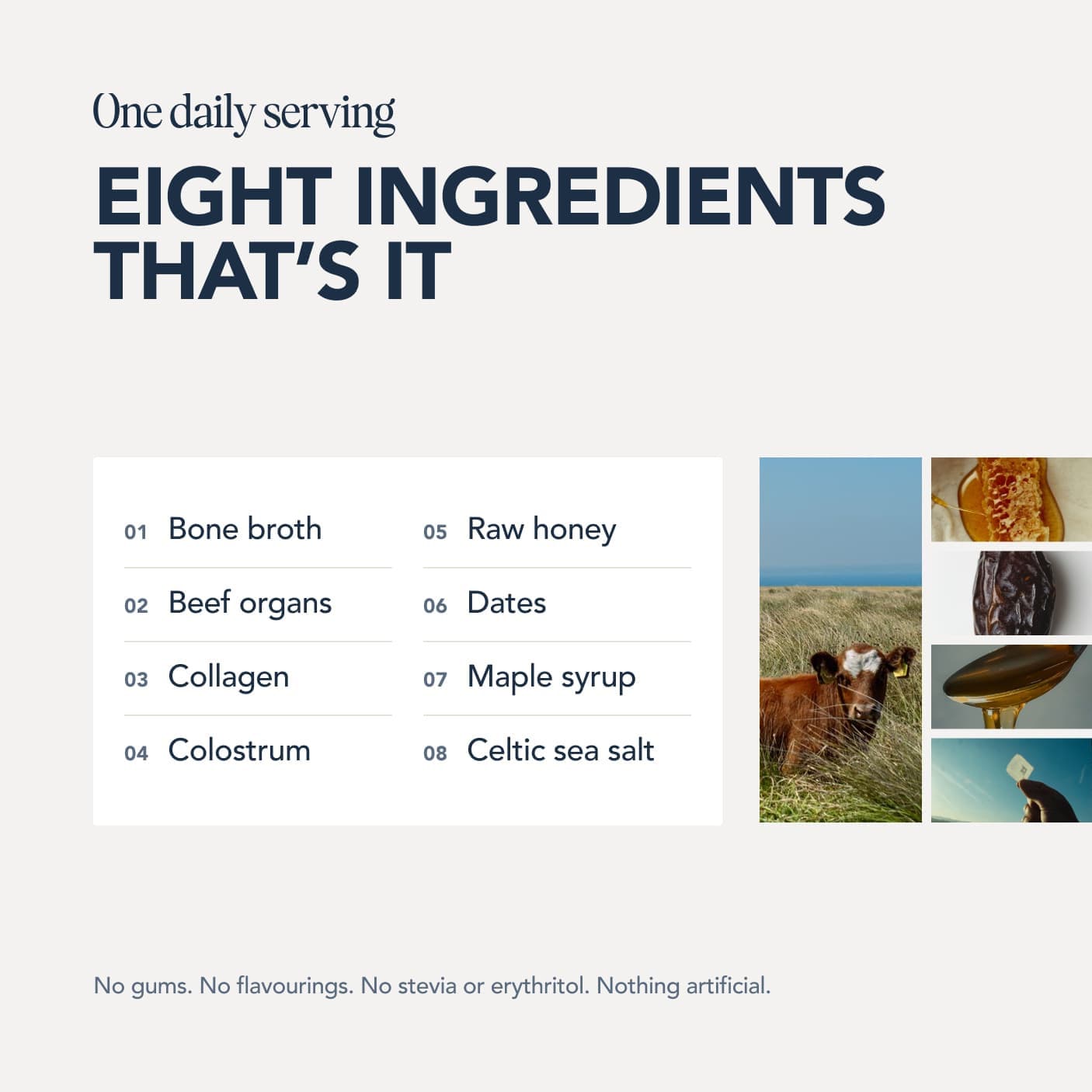
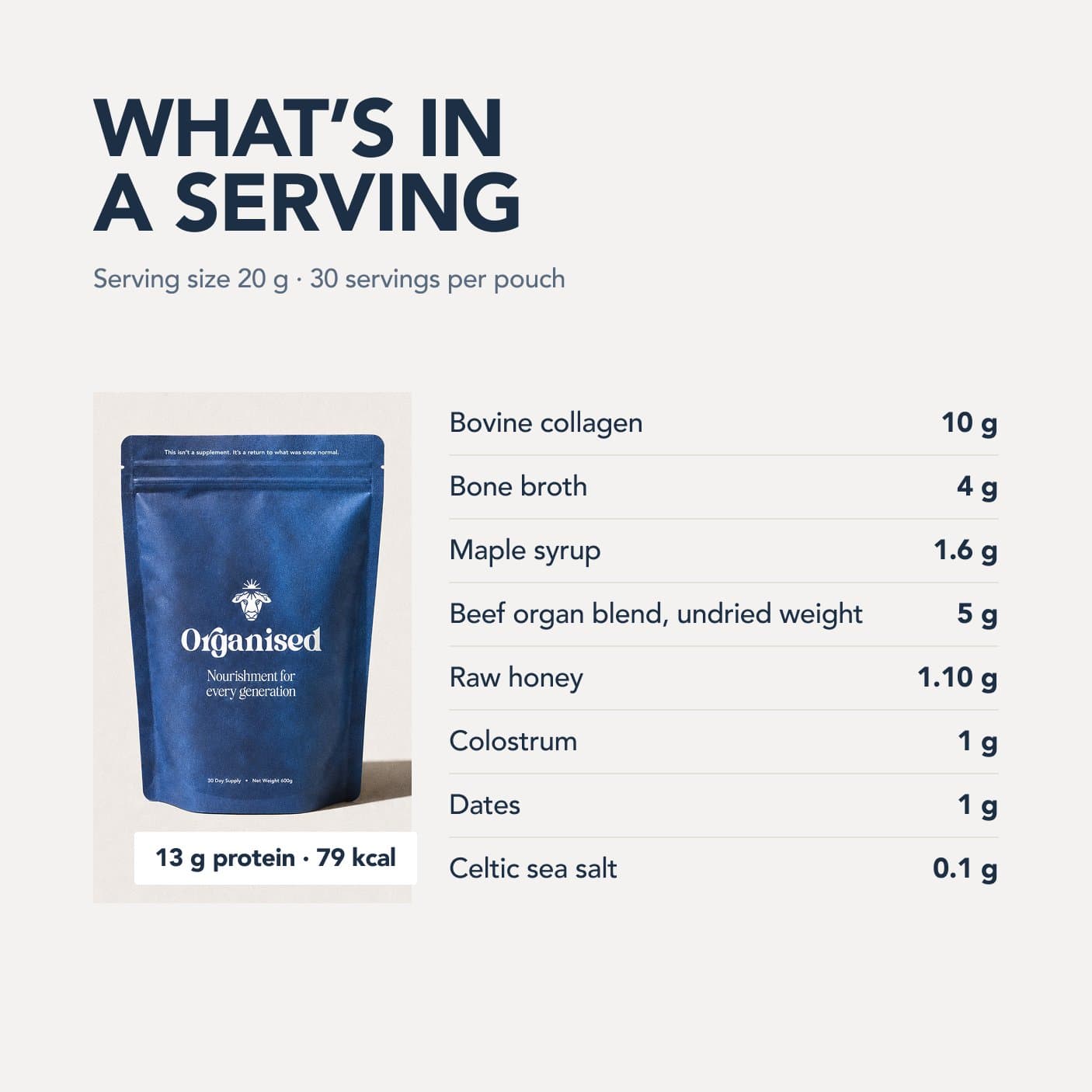
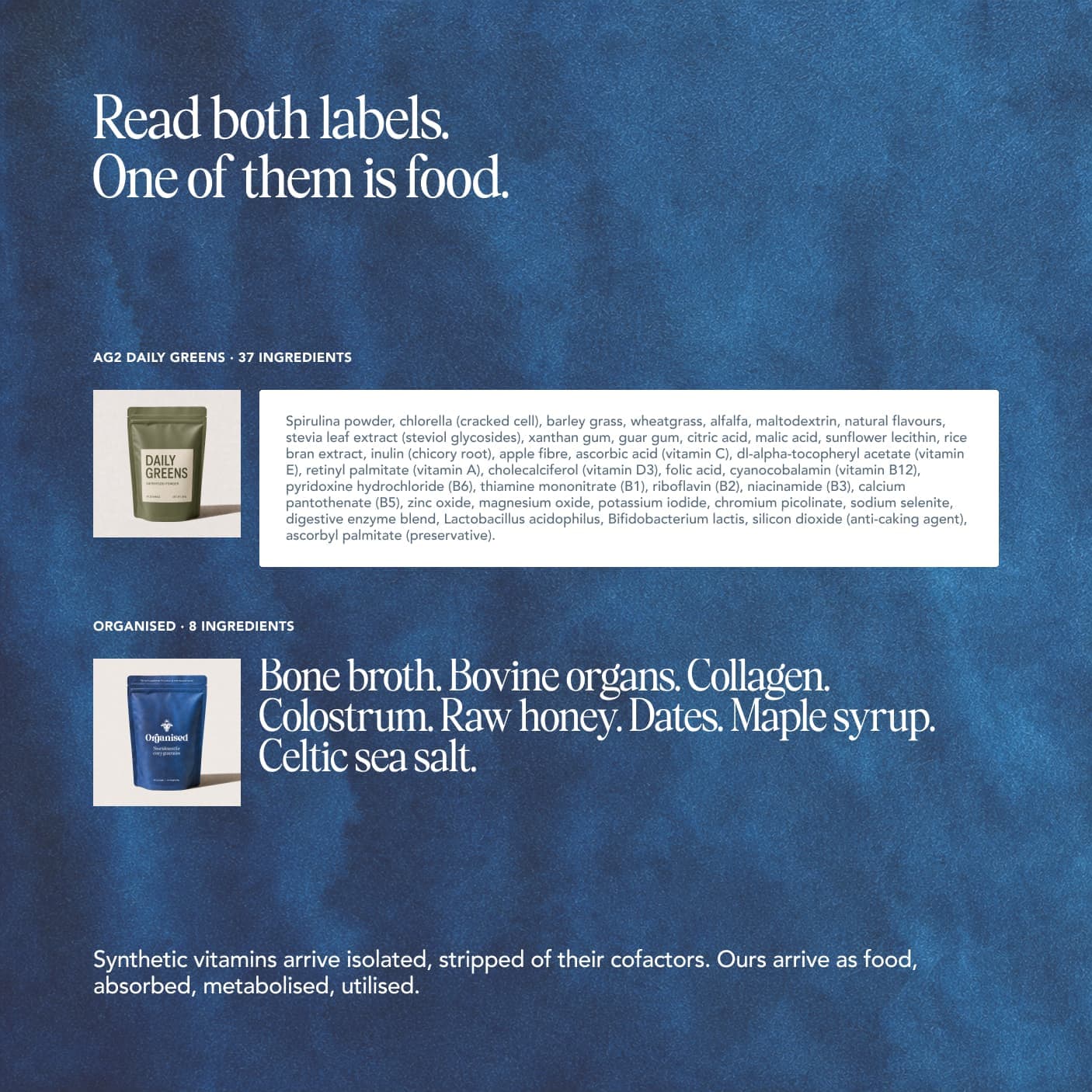
Eight real ingredients built around grass-fed beef organs, collagen and colostrum. Nothing synthetic added.
Free with your first order, worth £38. Plus £10 off the pouch with a subscription.
Free UK shipping · Made in England · 100 day money back guarantee on your first pouch · Skip, pause or cancel anytime
The bottom line
Your mitochondria run your life. CoQ10 is essential for them to function. Beef heart is the richest whole-food source of CoQ10 available, providing not just the nutrient but the supporting ecosystem your cells need to utilise it effectively. If you're training hard, recovering poorly, or concerned with longevity, beef heart is one of the most efficient nutritional investments you can make.
Start with 100 grams once per week. If you're an athlete in heavy training or dealing with fatigue, increase to twice weekly. Your energy, recovery, and long-term health will reflect the difference in your performance and how you feel. Given that mitochondrial function underlies every age-related disease, this is preventative medicine in food form.
References
Every source below was checked on 27 August 2026. Each PubMed, PMC and DOI identifier was resolved against NCBI or Crossref, and what it opens is printed under the citation, so you can see the link goes where the citation says without leaving the page. Where a citation and its identifier disagreed, the citation was corrected to the record or the reference was deleted along with the sentence marker that pointed at it, and where the resolved paper turned out not to support the sentence, the sentence was cut back to what it does support. Borrowed authority is worse than none, because it looks like rigour.
- Linus Pauling Institute, Oregon State University. Coenzyme Q10. Micronutrient Information Center. https://lpi.oregonstate.edu/mic/dietary-factors/coenzyme-Q10 [accessed May 2026].
- Hernandez-Camacho JD, Bernier M, Lopez-Lluch G, Navas P. Coenzyme Q10 supplementation in aging and disease. Frontiers in Physiology. 2018;9:44. https://pmc.ncbi.nlm.nih.gov/articles/PMC5807419/Checked 27 August 2026: PMC5807419 opens Hernández-Camacho JD, Bernier M, López-Lluch G et al, Coenzyme Q(10) Supplementation in Aging and Disease. Front Physiol 2018;9:44. PubMed indexes it as: Review.
- Pravst I, Zmitek K, Zmitek J. Coenzyme Q10 contents in foods and fortification strategies. Critical Reviews in Food Science and Nutrition. 2010;50(4):269-280. https://pubmed.ncbi.nlm.nih.gov/20301015/Checked 27 August 2026: PMID 20301015 opens Pravst I, Zmitek K, Zmitek J, Coenzyme Q10 contents in foods and fortification strategies. Crit Rev Food Sci Nutr 2010;50(4):269-80. PubMed indexes it as: Review.
- Ercan P, El SN. Changes in content of coenzyme Q10 in beef muscle, beef liver and beef heart with cooking and in vitro digestion. Journal of Food Composition and Analysis. 2011;24(8):1136-1140. https://www.sciencedirect.com/science/article/abs/pii/S0889157511001517
- Schaffer S, Kim HW. Effects and mechanisms of taurine as a therapeutic agent. Biomolecules & Therapeutics. 2018;26(3):225-241. See also Jong CJ, Sandal P, Schaffer SW. The role of taurine in mitochondria health: more than just an antioxidant. Molecules. 2021;26(16):4913. https://pmc.ncbi.nlm.nih.gov/articles/PMC8400259/Checked 27 August 2026: PMC8400259 opens Jong CJ, Sandal P, Schaffer SW, The Role of Taurine in Mitochondria Health: More Than Just an Antioxidant. Molecules 2021;26(16). PubMed indexes it as: Review.The authors' own declaration, from the record: The authors declare no conflict of interest.
Corrections
What this page used to say, and why it no longer says it. Corrections are dated and are never removed, because deleting the record of an error is a second error. Every guide we have corrected is listed at our corrections log.
- 27 August 2026. Three footnote links on this page were unterminated in the markup, which swallowed the paragraph after each of them in a browser. All three are fixed, and each was attached to a claim its reference did not carry, so the sentences were cut back to what the taurine review actually reports.
- 27 August 2026. “The CoQ10 from beef heart is more bioavailable than synthetic CoQ10” and an absorption figure of 30 to 40 percent for supplements were both removed. Neither is in the reviews cited here.
- 27 August 2026. The CoQ10 content of beef heart was given as 10 to 15 mg per 100 g, credited in the sentence to “Mattila et al. 2000”, a work that was not in this page's reference list, so the reader could not check it. Both the figure and the phantom credit are gone. The page now cites only the food-composition review it actually lists, and says plainly that USDA FoodData Central carries no CoQ10 value for beef heart.
- 27 August 2026. “By 60, you might be producing 25% less CoQ10 than you were at 25” was removed. The figure is not in the review it was credited to and we could not source it anywhere. The page now says levels fall with age and gives no number.
- 27 August 2026. Reference 5 led with a taurine review whose link opened a different paper. The linked paper (Jong, Sandal and Schaffer, Molecules 2021) is now the entry, and the other work is named as also consulted.
Who wrote and reviewed this guide
Niall Kiddle
Author · Founder, Organised
Niall is the founder of Organised. He started the company in 2024 after fixing his own health the slow way: in 2022 he swapped a cupboard of synthetic supplements for real food, raw milk, organ meats, bone broth and honey, and felt the difference within months.
Areas of expertise: Ancestral nutrition, Organ meats, Whole-food supplementation, Gut health, Regenerative sourcing
Read Niall's full profile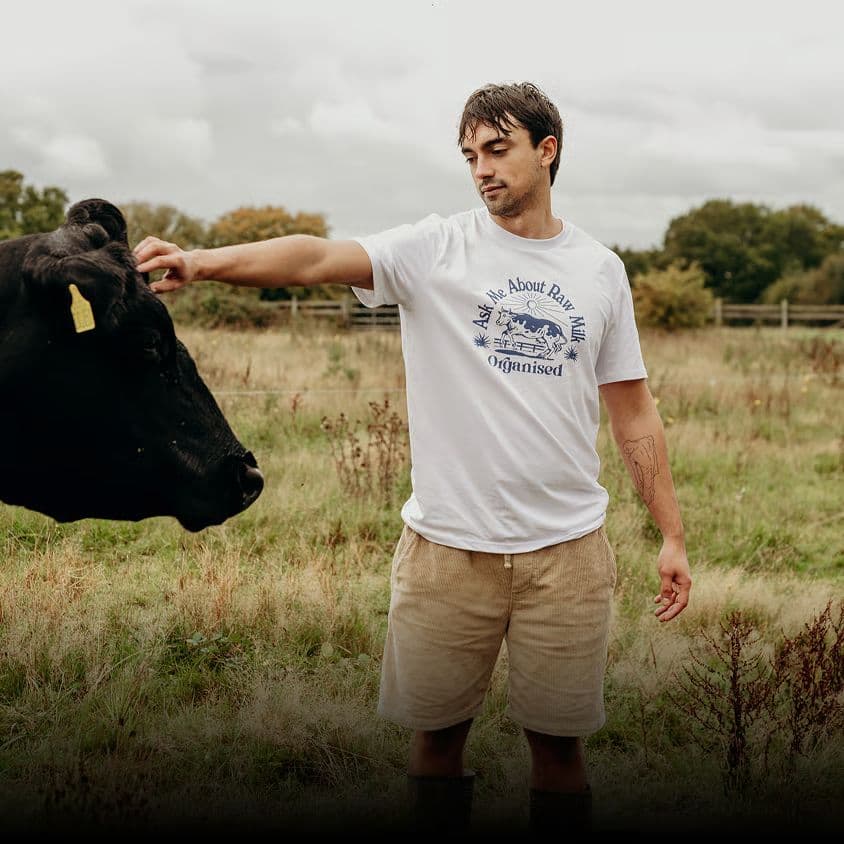
Pedro Rodrigues
Reviewer · Agronomist (farming and sourcing only)
Pedro is the agronomist Organised works with on farming and sourcing. His job on the guides is to keep the science honest: he reviews what we publish about soil health, regenerative agriculture, grazing and the way food is actually produced.
Areas of expertise: Regenerative agriculture, Agronomy, Soil health, Grass-fed farming, Food sourcing
Reviewed this guide on
Read Pedro's full profileMore on beef organs
View all- The Complete Guide to Beef Organ Supplements
- Are Beef Organs Safe? Everything You Need to Know
- Beef Lung: What It Contains and Why It Matters
- Benefits of Beef Organ Supplements: Nature's Multivitamins
- Choline: The Essential Nutrient Almost Nobody Gets Enough Of
- Freeze-Dried vs Fresh Organs: Does the Method Matter?
- How Much Vitamin A Is in Beef Liver? (And Is It Too Much?)
- Is Beef Liver Good for You? 7 Benefits of Eating Beef Liver
- Spleen: The Forgotten Organ That Powers Your Immune System
- The Nutrients You Can Only Get from Organ Meats
- What Does Beef Liver Actually Do for Your Body?
- Why Beef Kidney Deserves a Place in Your Daily Routine
Browse the guides library
All guidesKeep reading
Ingredients
The Complete Guide to Beef Organ Supplements
Beef organ supplements explained from the composition data: what each organ carries, how they compare to muscle meat, and the vitamin A ceiling that limits the dose.
Ingredients
What Does Beef Liver Actually Do for Your Body?
What does beef liver actually contain? Retinol, B12, folate, iron, choline. Plus why the toxin myth is completely wrong.
Ingredients
B12 from Organs vs B12 Supplements: Bioavailability Matters
B12 from liver comes in three active forms and with intrinsic factor for absorption. Supplements offer one isolated form. Here's why the difference matters.
Real food, made effortless
Try the organ blendA few ways to use it
All recipes
Bone Broth from Scratch: A Step-by-Step Guide
Step-by-step guide to making bone broth at home. Stovetop, slow cooker, and Instant Pot methods. Rich in collagen and gut-healing minerals.
Raw Milk Ice Cream with Organised
Make raw milk ice cream at home with Organised for a seasonal, nutrient-dense treat. Three simple flavours to try whenever the craving strikes.
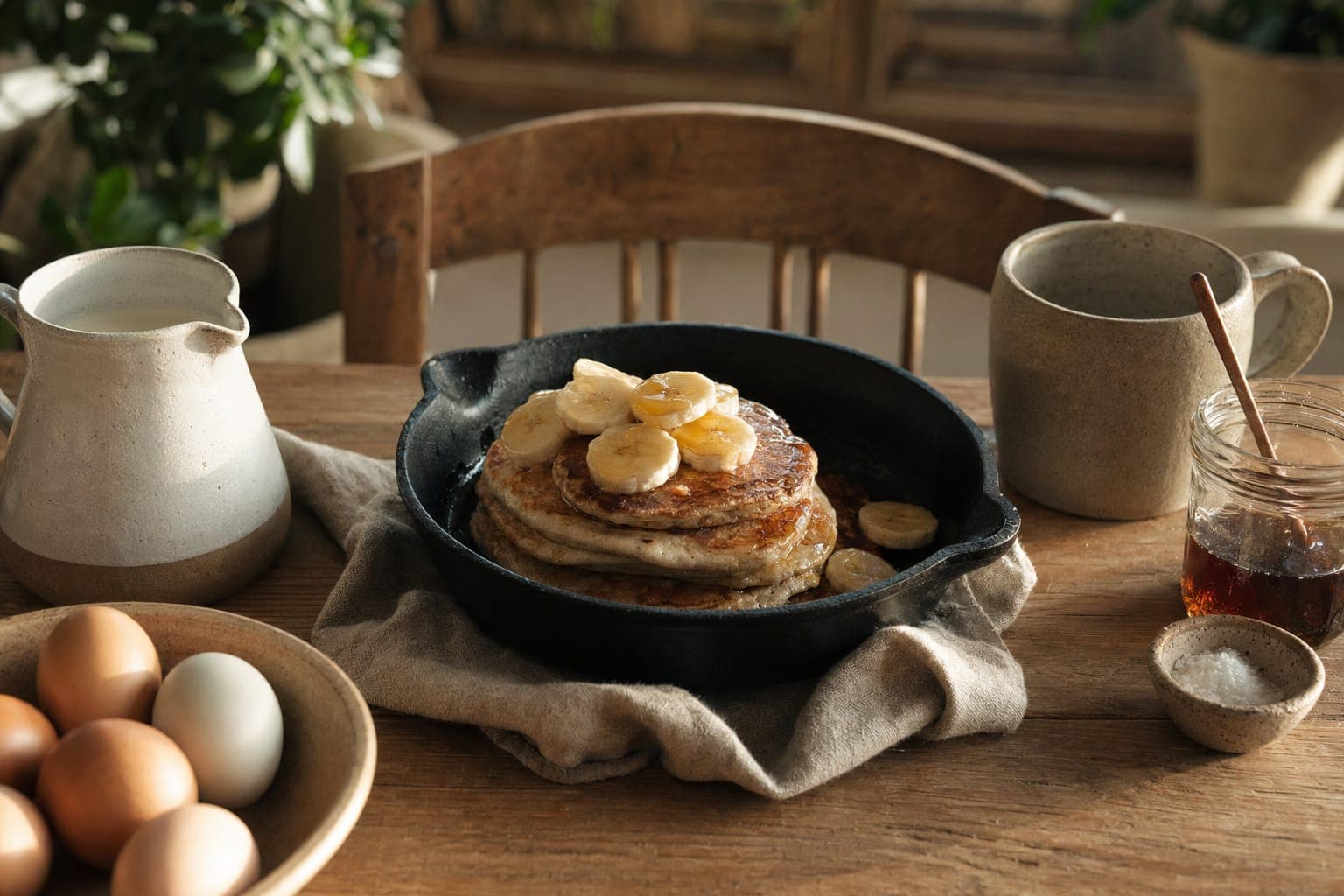
Organised Protein Pancakes: A Weekend Favourite
A high-protein pancake recipe using beef protein, eggs, and raw milk. Cooked in cast iron, naturally sweetened with banana and honey. Real food breakfast.


 Join over 100,000+ members
Build a better food system with us
The Organised community is thousands of people choosing real food and backing the farmers who grow it, all of us trying to leave the world a little better than we found it. If that is what you care about too, you belong here.