How Much Vitamin A Is in Beef Liver? (And Is It Too Much?)
Beef liver contains so much vitamin A that one concern comes up immediately: can you overdo it? The answer is yes, but not the way you think.
By Niall Kiddle, Founder, Organised

Reviewed by Pedro Rodrigues, Agronomist (farming and sourcing only) ·
7 min read · Published · Updated · 3 cited sources
Makers of the Organised Daily blend, a grass-fed beef organ supplement from regenerative UK farms
The vitamin A content
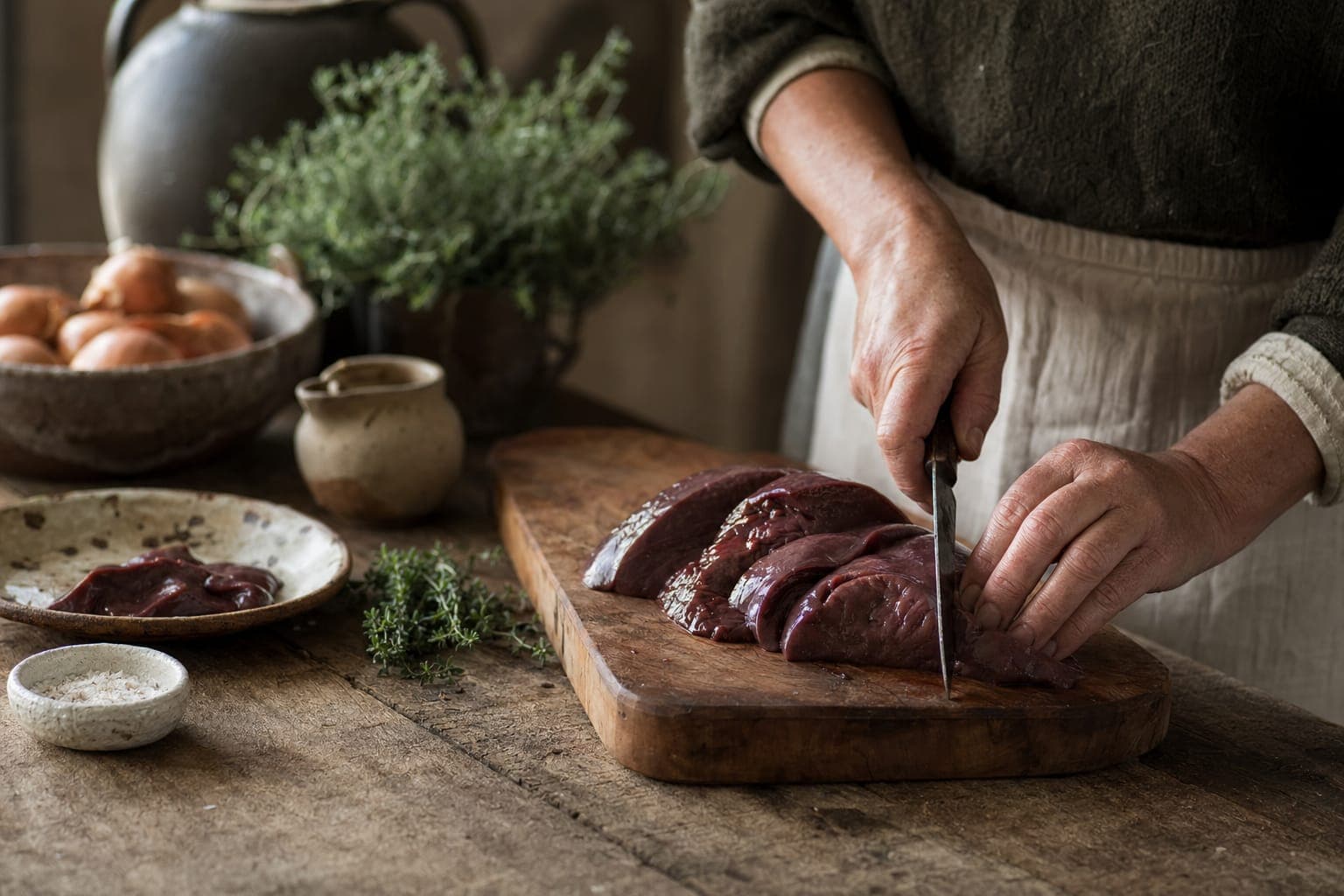
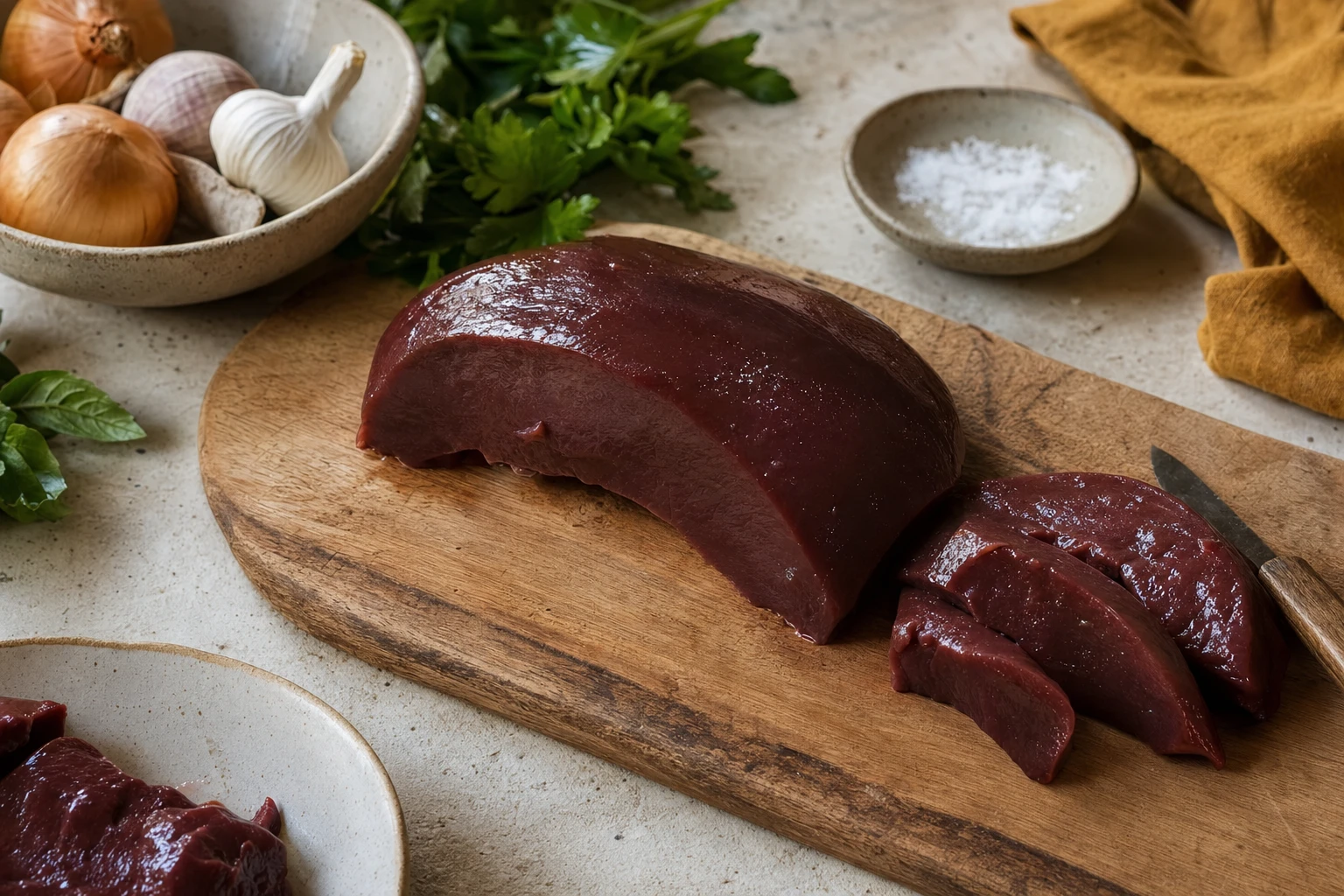
A 100-gram serving of beef liver contains approximately 7,000-10,000 micrograms of retinol (vitamin A in its active form).1 Your daily recommended intake is around 700-900 micrograms, depending on age and sex.2
A single serving of liver covers roughly ten days of vitamin A needs. A three-ounce portion (roughly the serving size most people eat) covers three days. This is genuinely concentrated.
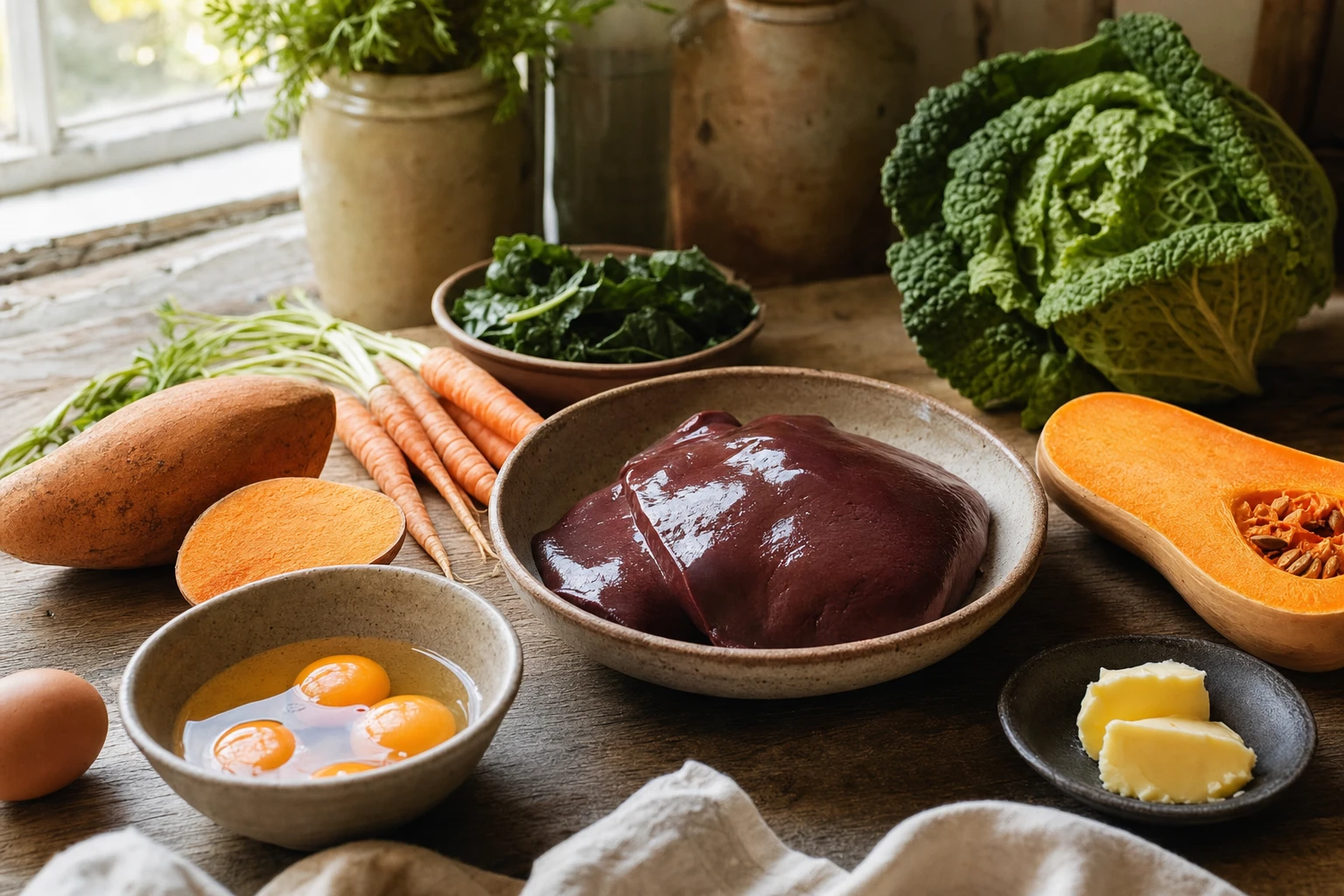
For context, a carrot (roughly 60 grams) contains 50-100 micrograms of beta-carotene, of which your body converts maybe 3-6% to retinol, yielding 1.5-6 micrograms of actual usable vitamin A. A single serving of beef liver is roughly 1,000 times more concentrated in vitamin A than a carrot.
Vitamin A toxicity: myth vs reality
The concern is valid but often exaggerated. Vitamin A toxicity is real, but it's caused by chronically excessive intakes, not from eating liver occasionally.
What causes toxicity: Chronic intakes of preformed retinol above roughly 7,500 to 15,000 micrograms (25,000 to 50,000 IU) per day, sustained over months, can lead to hypervitaminosis A, which causes headaches, dry skin, hair loss, joint pain, and in severe cases, liver damage and neurological symptoms.
What doesn't cause toxicity: Eating liver once or twice a week at 100 grams per serving (roughly 7,000-10,000 micrograms per serving) is not going to cause toxicity. You're consuming roughly 20,000-30,000 micrograms per week, which is well below the chronic-toxicity threshold of roughly 7,500-15,000 micrograms per day.
Vitamin A toxicity from food is extremely rare. You'd need to eat liver multiple times daily for months to reach toxic levels.
The confusion likely stems from medical literature on vitamin A toxicity, which discusses extreme cases (Arctic explorers eating polar bear liver, which can contain roughly 13,000-18,000 micrograms per gram (around 370,000-510,000 micrograms per ounce), or people taking excessive supplements). Normal liver consumption is nowhere near that range.
How much is too much?
The safe upper limit for vitamin A is roughly 3,000 micrograms daily.2 You can exceed this occasionally without consequence (your body stores vitamin A in the liver for later use), but chronically high intakes become problematic.
One 100-gram serving of liver (7,000-10,000 micrograms) puts you at roughly 2.5-3.3 times the daily upper limit for that day. But if you're only eating liver once a week, you're averaging about 1,000-1,400 micrograms daily, which is well within the safe range.
The sweet spot is 100 grams of liver, one to three times per week. This gives you the benefits (high retinol status, B vitamins, iron, choline) without pushing vitamin A into chronic excess.
Some sources recommend even lower intakes (50 grams, 1-2 times per week) if you're concerned with safety, but this is overcautious. The research supports the higher dosing as safe.
Preformed vitamin A vs beta-carotene
This is the critical distinction that most people miss. Vitamin A exists in two forms: preformed vitamin A (retinol) and provitamin A (beta-carotene and other carotenoids).
Preformed vitamin A (from beef liver) is already in the active form your body uses. Your intestines absorb it directly. It's then stored in your liver and used as needed. Your body has very little ability to regulate preformed vitamin A absorption; if you consume more than your body needs, it accumulates.
Beta-carotene (from carrots, sweet potatoes, leafy greens) is a provitamin A: your body must convert it to retinol in order to use it. This conversion is highly regulated and relatively inefficient: you absorb only a fraction of the beta-carotene you consume as usable vitamin A (NIH ODS uses conversion ratios of 1:12 for dietary beta-carotene).2 Excess beta-carotene simply gets excreted; it doesn't accumulate to toxic levels.
This is why you can eat unlimited carrots without worrying about vitamin A toxicity, but you need to be thoughtful about liver consumption. Liver provides preformed vitamin A, which can accumulate. Carrots provide provitamin A, which is tightly regulated.
Vitamin A's role in the body
Vitamin A is essential for vision (specifically, the formation of rhodopsin, the light-sensitive pigment in your retina). It's also essential for immune function, reproduction, bone health, and skin health.2 Deficiency causes night blindness, immunodeficiency, poor wound healing, and skin disorders.
Most Western people are mildly deficient in vitamin A because modern diets are low in organ meats (the richest source) and because plant-based beta-carotene is not efficiently converted to usable vitamin A. This deficiency contributes to poor immune function, vision issues, and skin problems.
Liver rapidly corrects this deficiency. Once your status is adequate, you don't need high doses to maintain health. The confusion arises because correcting a deficiency requires different dosing than maintaining adequate status.
Get ingredient guides like this, free
Two short reads a week on the ingredients that matter and how to actually use them.
By signing up you agree to receive emails from us. No spam, unsubscribe anytime.
The toxicity concern in context
Hypervitaminosis A (vitamin A toxicity) causes specific symptoms: headaches, dry skin, hair loss, joint pain, nausea, and in severe cases, liver damage and neurological symptoms.2 These symptoms are very specific and recognisable. You won't develop them unknowingly.
Historical cases of vitamin A toxicity come from extreme consumption: Arctic explorers eating polar bear liver3 (which contains millions of IU of vitamin A per 100 grams), or people supplementing tens of thousands of IU of retinol daily for months. Normal liver consumption (100 grams, once to three times per week) is nowhere near these levels.
Modern medical literature on vitamin A toxicity creates unnecessary fear. These papers discuss extreme cases, not normal food consumption. It's important to distinguish between pathological excess and normal dietary intake.
How to dose liver safely
For vitamin A repletion (correcting deficiency): 100 grams of liver, three times per week for 4-8 weeks. This rapidly increases vitamin A status from deficient to adequate. Then reduce to maintenance dosing. Most people will feel significantly better (improved energy, vision, immunity) within 4-6 weeks if they were deficient.
For maintenance (once vitamin A status is adequate): 100 grams of liver, once to twice per week. This maintains adequate vitamin A status indefinitely without accumulation. This is the long-term dosing for health maintenance.
For people concerned with safety or who already have high vitamin A status: 50 grams of liver, once or twice per week. Still delivers significant benefits (other liver nutrients like iron, B12, choline) without excessive vitamin A intake.
If taking other vitamin A sources: Account for them carefully. If you're supplementing vitamin A separately (common in multivitamins) or consuming other vitamin A-rich foods regularly (cod liver oil, fortified milk), reduce liver dosing to avoid chronic excess. This is rare, but it's the actual scenario where toxicity risk exists.
100 grams of liver, one to three times per week, is safe and effective. You don't need to worry about toxicity unless you're eating it multiple times daily for months or combining it with high-dose vitamin A supplements.
1 of 9
Daily blend
100,000+ thriving families4.9 on Trustpilot
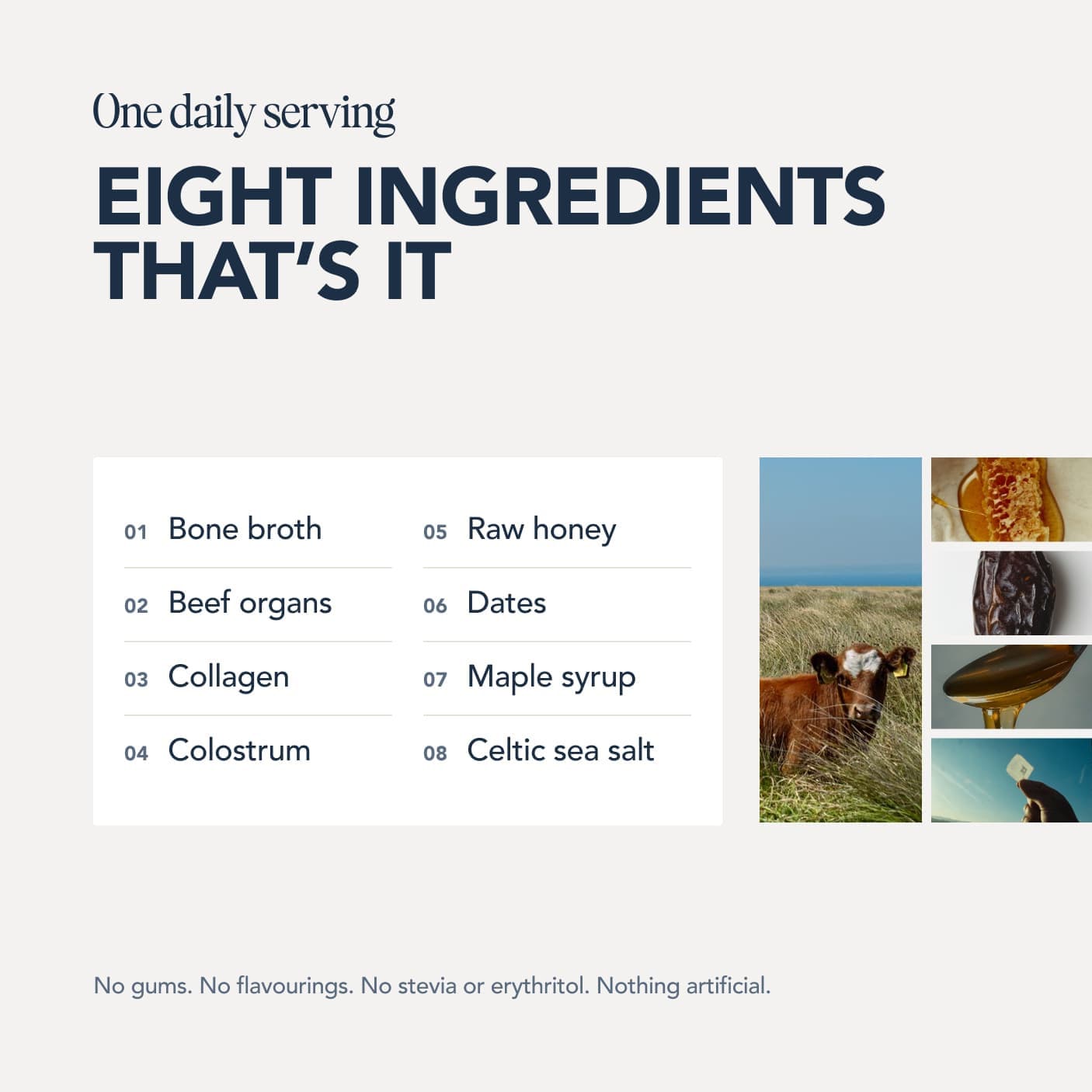
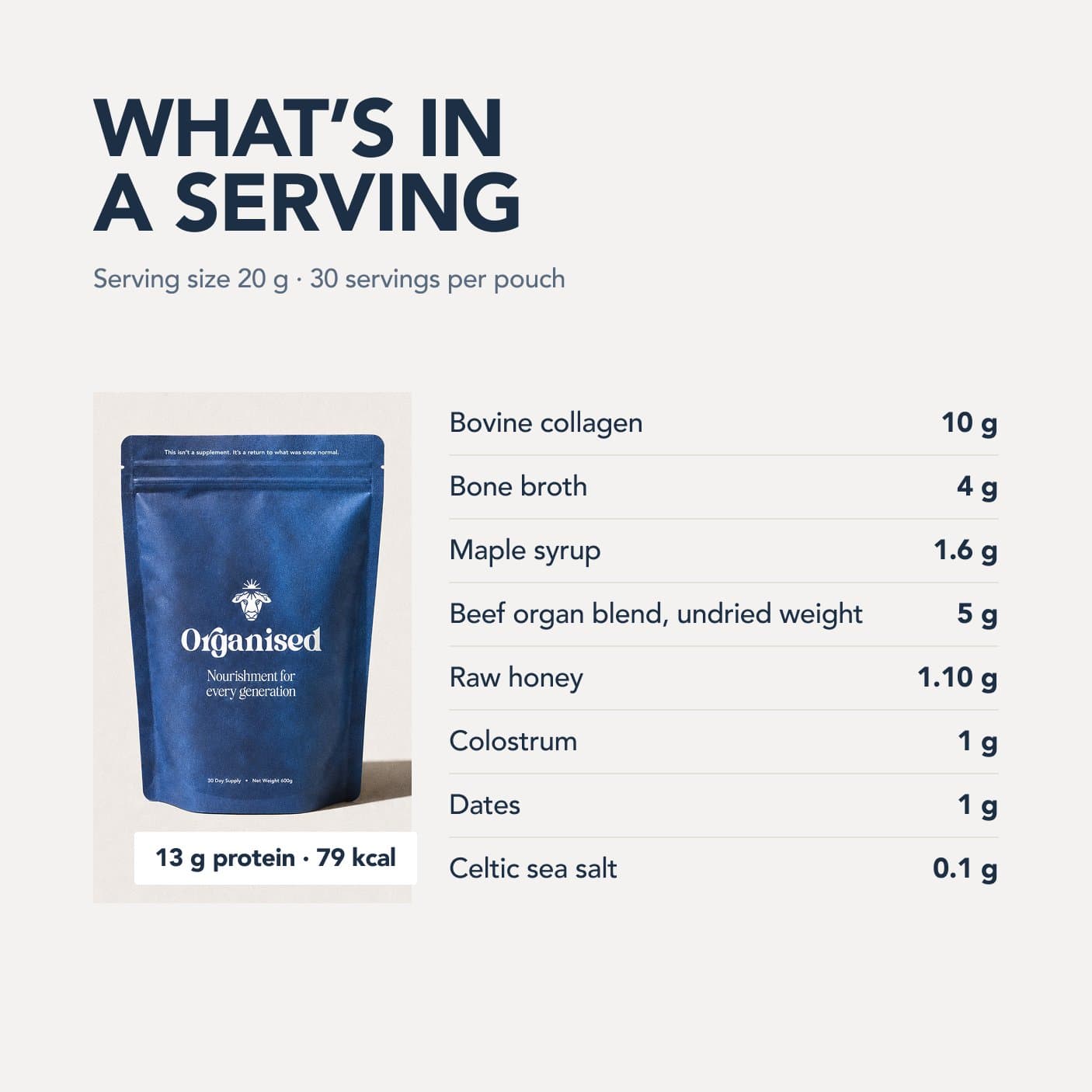
Eight real ingredients built around grass-fed beef organs, collagen and colostrum. Nothing synthetic added.
Free with your first order, worth £38. Plus £10 off the pouch with a subscription.
Free UK shipping · Made in England · 100 day money back guarantee on your first pouch · Skip, pause or cancel anytime
The bottom line
Beef liver contains genuinely high amounts of vitamin A, but the toxicity risk from occasional consumption is extremely low. Eat 100 grams once to three times per week and you'll get the benefits without any safety concern. The toxicity risk only becomes real if you're combining liver with high-dose vitamin A supplements or eating it excessively (multiple times daily).
If you're deficient in vitamin A (which most people are, particularly if you don't eat organ meats), liver will correct that deficit rapidly. Within 4-6 weeks, you'll likely notice improved energy, better night vision, clearer skin, and improved immunity. Once your status is adequate, maintenance dosing keeps it there indefinitely. The key is not to overthink it: liver is a food, not a pharmaceutical. Eat it regularly but not obsessively, and your body will handle the vitamin A content perfectly well.
A note on pregnancy
The NHS recommends pregnant women avoid liver and liver products entirely. The published threshold for retinol teratogenicity (Rothman 1995, NEJM) is around 10,000 IU per day chronic, equivalent to roughly 3,000 mcg RAE per day, which is also the NIH ODS Tolerable Upper Intake Level. A 100-gram cooked beef liver serving delivers roughly 7,800 to 11,100 mcg RAE (USDA FoodData Central; NIH ODS), well above the daily UL. The Rothman 1995 threshold is framed around habitual chronic intake, not single servings, so a 30-gram portion eaten weekly averages around 330 mcg RAE per day across the week, well within the UL. A 50-gram weekly portion averages around 600 mcg per day. The brand position: small, occasional liver portions are nutritionally valuable in pregnancy and consistent with traditional pregnancy diets observed by Weston Price; the NHS blanket-avoidance advice errs on the side of total caution. If you choose to include liver, keep portions modest, and discuss with your midwife or obstetrician — particularly if you are also supplementing with vitamin A, multivitamins containing retinol, or topical/oral retinoids for acne.
References
Every source below was checked on 27 August 2026. Each PubMed, PMC and DOI identifier was resolved against NCBI or Crossref, and what it opens is printed under the citation, so you can see the link goes where the citation says without leaving the page. Where a citation and its identifier disagreed, the citation was corrected to the record or the reference was deleted along with the sentence marker that pointed at it, and where the resolved paper turned out not to support the sentence, the sentence was cut back to what it does support. Borrowed authority is worse than none, because it looks like rigour.
- USDA FoodData Central. Beef, variety meats and by-products, liver, cooked. FoodData Central
- National Institutes of Health, Office of Dietary Supplements. Vitamin A and Carotenoids - Health Professional Fact Sheet. ods.od.nih.gov
- Rodahl K, Moore T. The vitamin A content and toxicity of bear and seal liver. Biochem J. 1943;37(2):166-8. PMC1257872Checked 27 August 2026: PMC1257872 opens Rodahl K, Moore T, The vitamin A content and toxicity of bear and seal liver. Biochem J 1943;37(2):166-8.
Who wrote and reviewed this guide
Niall Kiddle
Author · Founder, Organised
Niall is the founder of Organised. He started the company in 2024 after fixing his own health the slow way: in 2022 he swapped a cupboard of synthetic supplements for real food, raw milk, organ meats, bone broth and honey, and felt the difference within months.
Areas of expertise: Ancestral nutrition, Organ meats, Whole-food supplementation, Gut health, Regenerative sourcing
Read Niall's full profile
Pedro Rodrigues
Reviewer · Agronomist (farming and sourcing only)
Pedro is the agronomist Organised works with on farming and sourcing. His job on the guides is to keep the science honest: he reviews what we publish about soil health, regenerative agriculture, grazing and the way food is actually produced.
Areas of expertise: Regenerative agriculture, Agronomy, Soil health, Grass-fed farming, Food sourcing
Reviewed this guide on
Read Pedro's full profileMore on beef organs
View all- The Complete Guide to Beef Organ Supplements
- Are Beef Organs Safe? Everything You Need to Know
- Beef Heart: The Organ Your Mitochondria Have Been Waiting For
- Beef Lung: What It Contains and Why It Matters
- Benefits of Beef Organ Supplements: Nature's Multivitamins
- Choline: The Essential Nutrient Almost Nobody Gets Enough Of
- Freeze-Dried vs Fresh Organs: Does the Method Matter?
- Is Beef Liver Good for You? 7 Benefits of Eating Beef Liver
- Spleen: The Forgotten Organ That Powers Your Immune System
- The Nutrients You Can Only Get from Organ Meats
- What Does Beef Liver Actually Do for Your Body?
- Why Beef Kidney Deserves a Place in Your Daily Routine
Browse the guides library
All guidesKeep reading
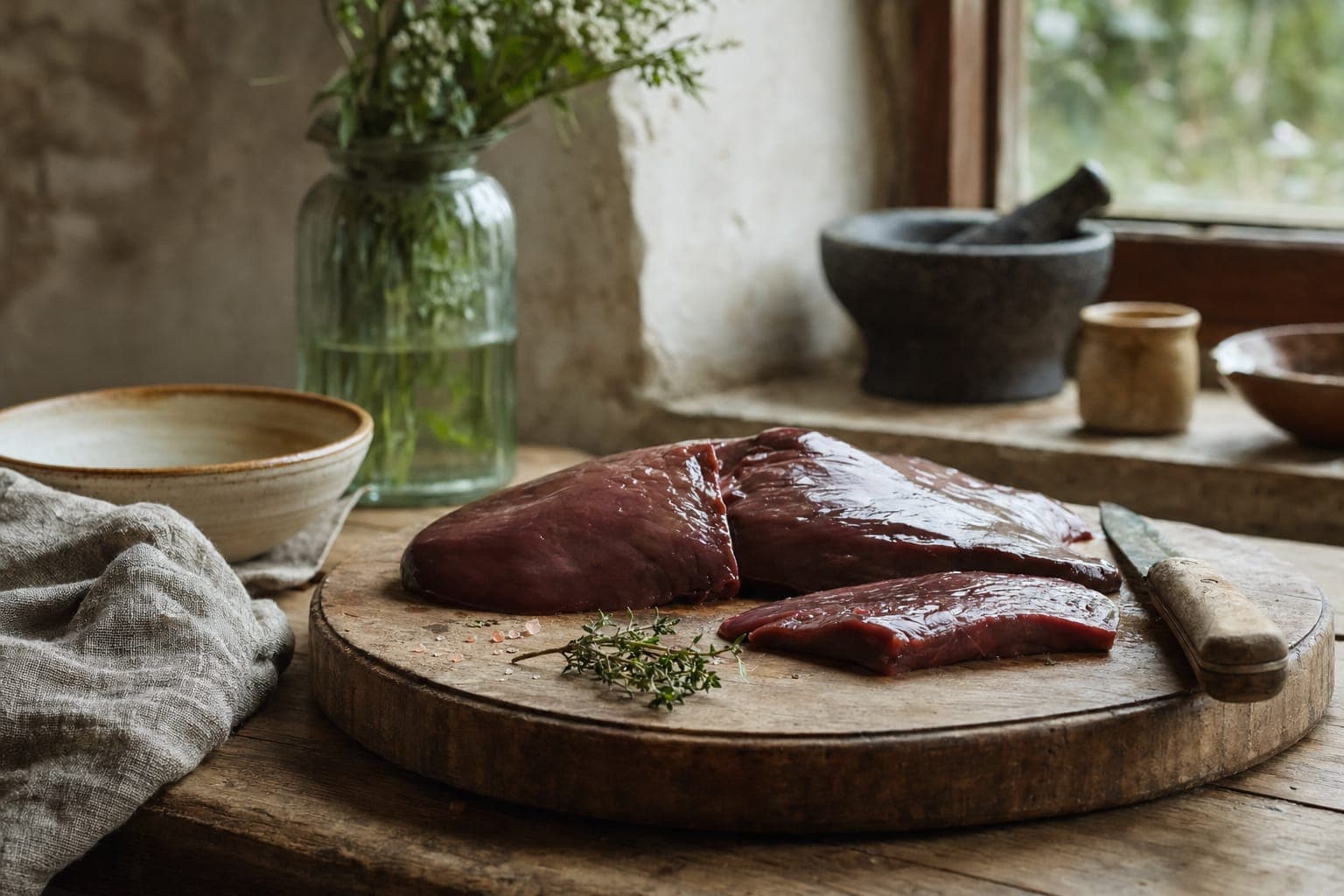
Ingredients
What Does Beef Liver Actually Do for Your Body?
What does beef liver actually contain? Retinol, B12, folate, iron, choline. Plus why the toxin myth is completely wrong.
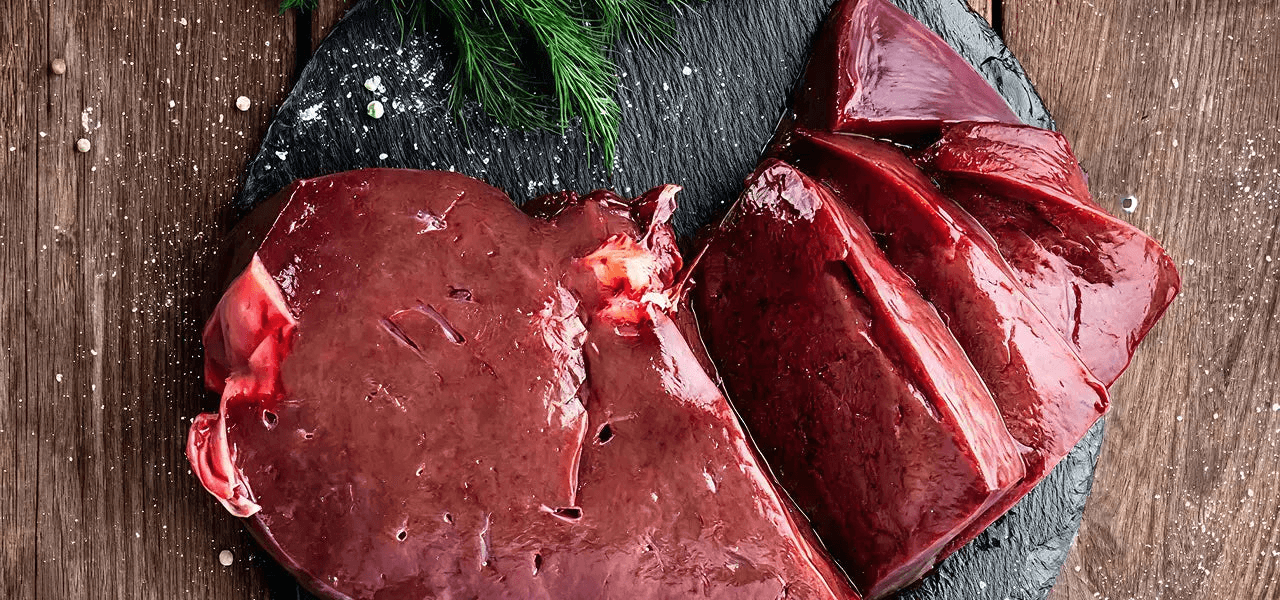
Ingredients
Is Beef Liver Good for You? 7 Benefits of Eating Beef Liver
Is beef liver good for you? Some foods just fill a gap, but beef liver does far more. Explore seven science-backed benefits of this nutrient powerhouse.
Ingredients
The Antioxidant Content of Pure Maple Syrup
Pure maple syrup is more than sugar. Research links its 24-plus maple syrup antioxidants, including polyphenols, to lower inflammation. See the detail.
Real food, made effortless
Try the organ blendA few ways to use it
All recipes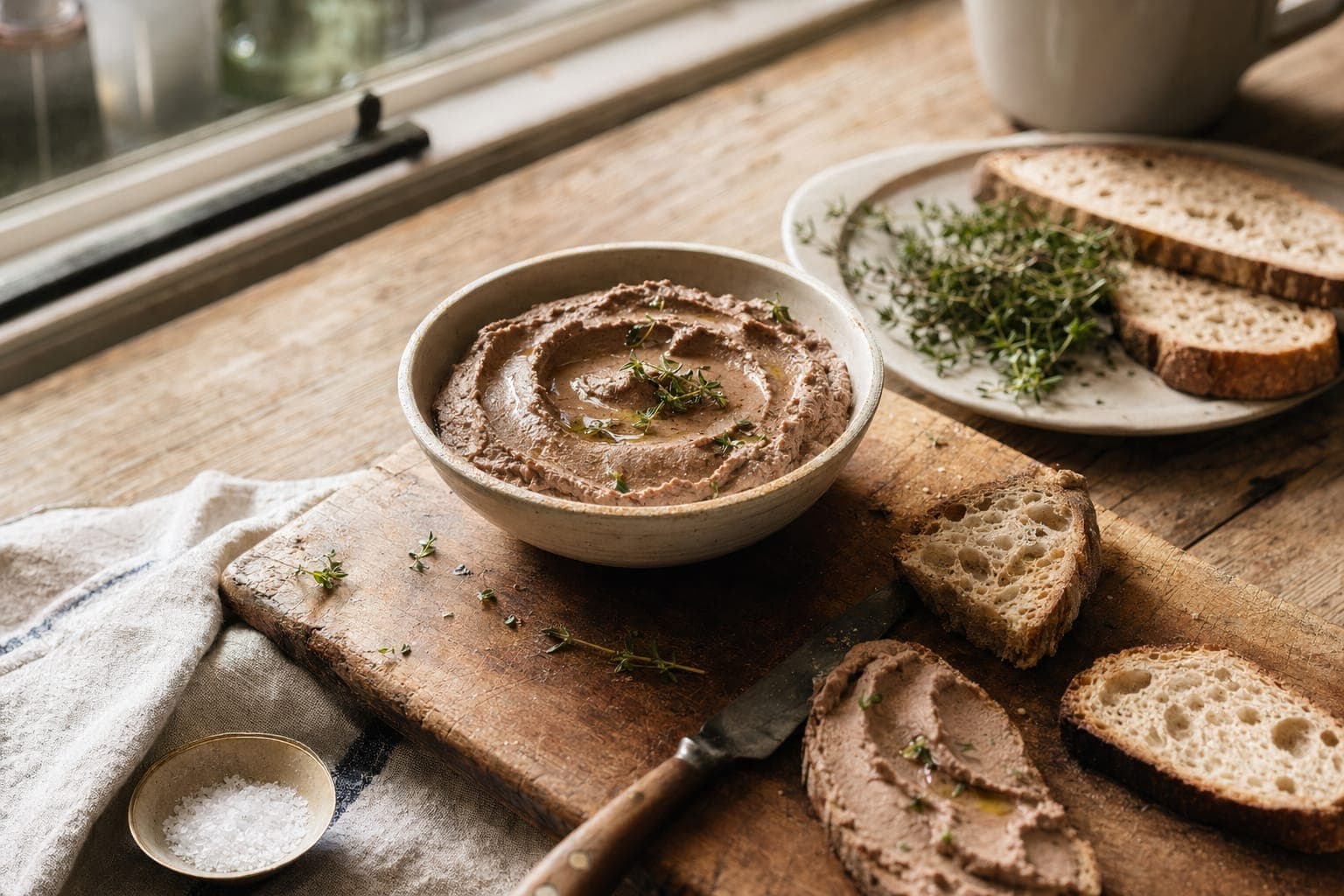
Liver Pate for Beginners: A Gentle Introduction to Organ Meats
Simple liver pate recipe to start eating organ meats. Chicken liver, butter, and herbs. Gentle introduction to nutrient-dense whole foods.

Organised Protein Pancakes: A Weekend Favourite
A high-protein pancake recipe using beef protein, eggs, and raw milk. Cooked in cast iron, naturally sweetened with banana and honey. Real food breakfast.
Bone Broth from Scratch: A Step-by-Step Guide
Step-by-step guide to making bone broth at home. Stovetop, slow cooker, and Instant Pot methods. Rich in collagen and gut-healing minerals.


 Join over 100,000+ members
Build a better food system with us
The Organised community is thousands of people choosing real food and backing the farmers who grow it, all of us trying to leave the world a little better than we found it. If that is what you care about too, you belong here.