The Complete Guide to Beef Organ Supplements
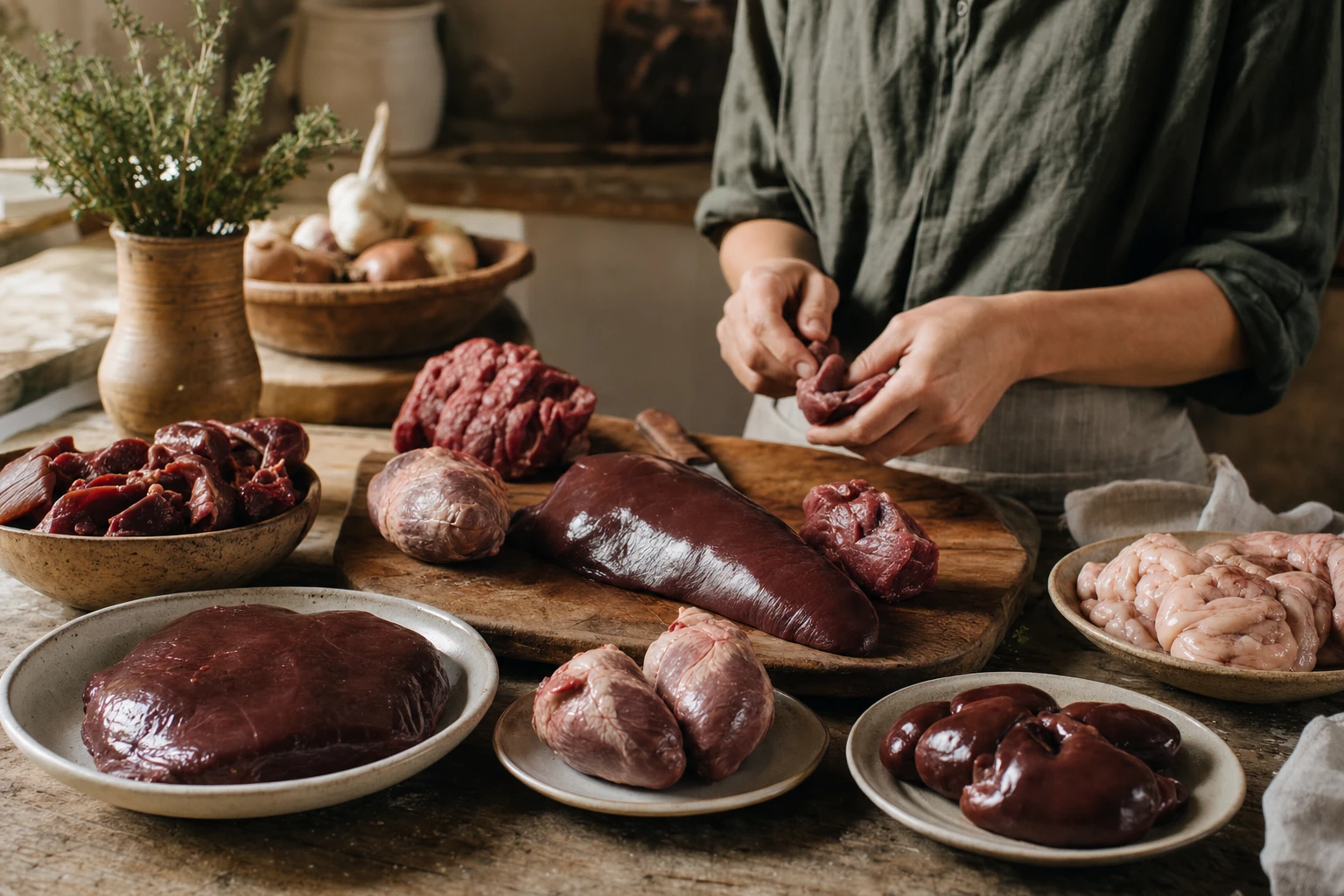
Your ancestors ate the whole animal. Nose to tail. Everything. They knew something we've forgotten: the organs contain nutrients so concentrated, so specific, that no amount of muscle meat can match them. This is what ancestral nutrition actually looks like.

By Niall Kiddle, Founder, Organised

Reviewed by Pedro Rodrigues, Agronomist (farming and sourcing only) ·
11 min read · Published · Updated · 5 cited sources
Makers of the Organised Daily blend, a grass-fed beef organ supplement from regenerative UK farms
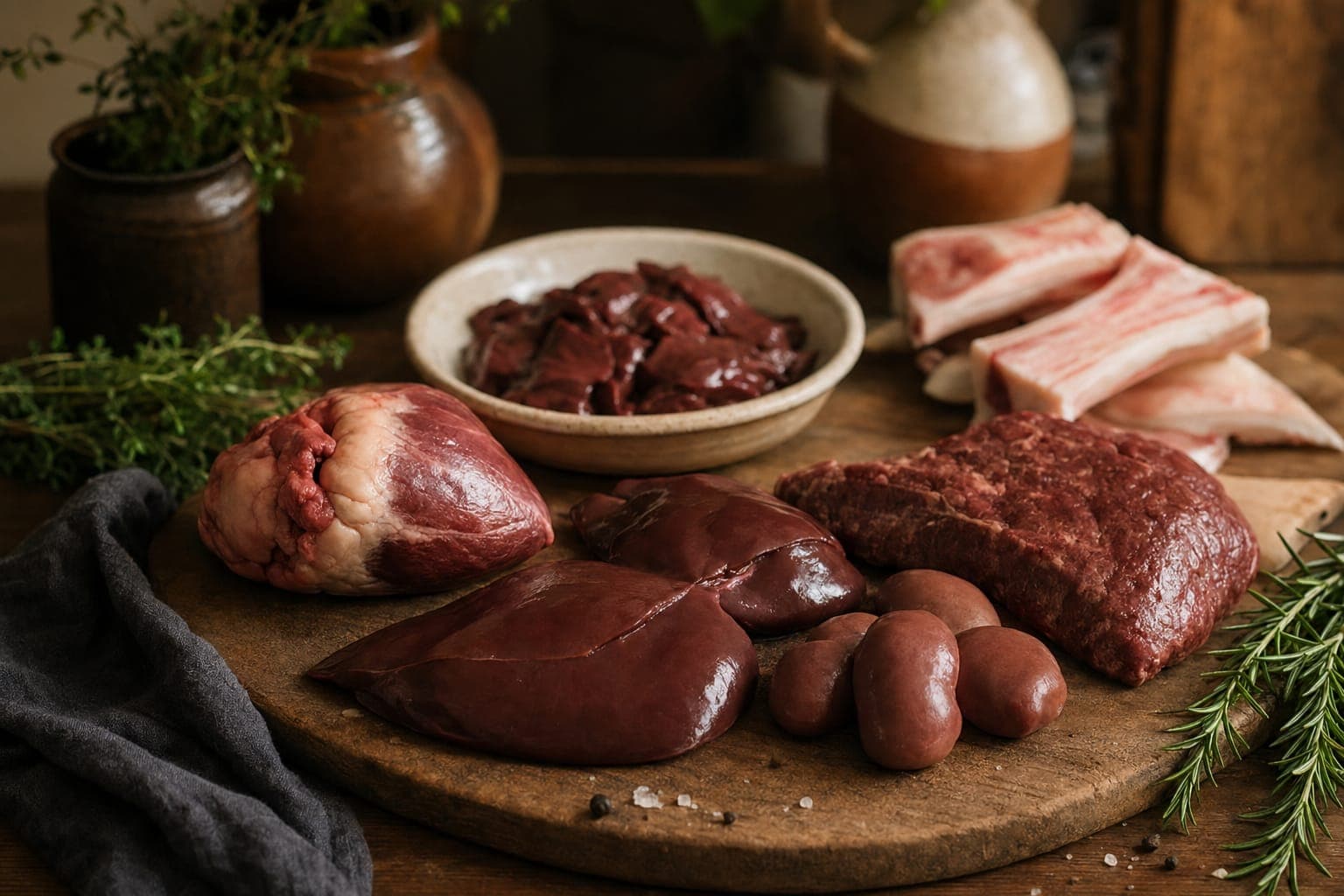
A single serving of liver contains more vitamin A, B12, folate, and iron than a kilogram of muscle meat could provide.1 The heart is packed with CoQ10, a nutrient so rare in food that most people default to buying supplements.2 The kidney holds selenium and DAO enzyme. The spleen carries immune-boosting peptides. These are not luxury foods. They are foundational.
And yet, somewhere along the way, the modern food system decided that organs were waste. Nose to tail became nose to landfill. The muscle meat industry took over and convinced us that that's what nutrition looks like.
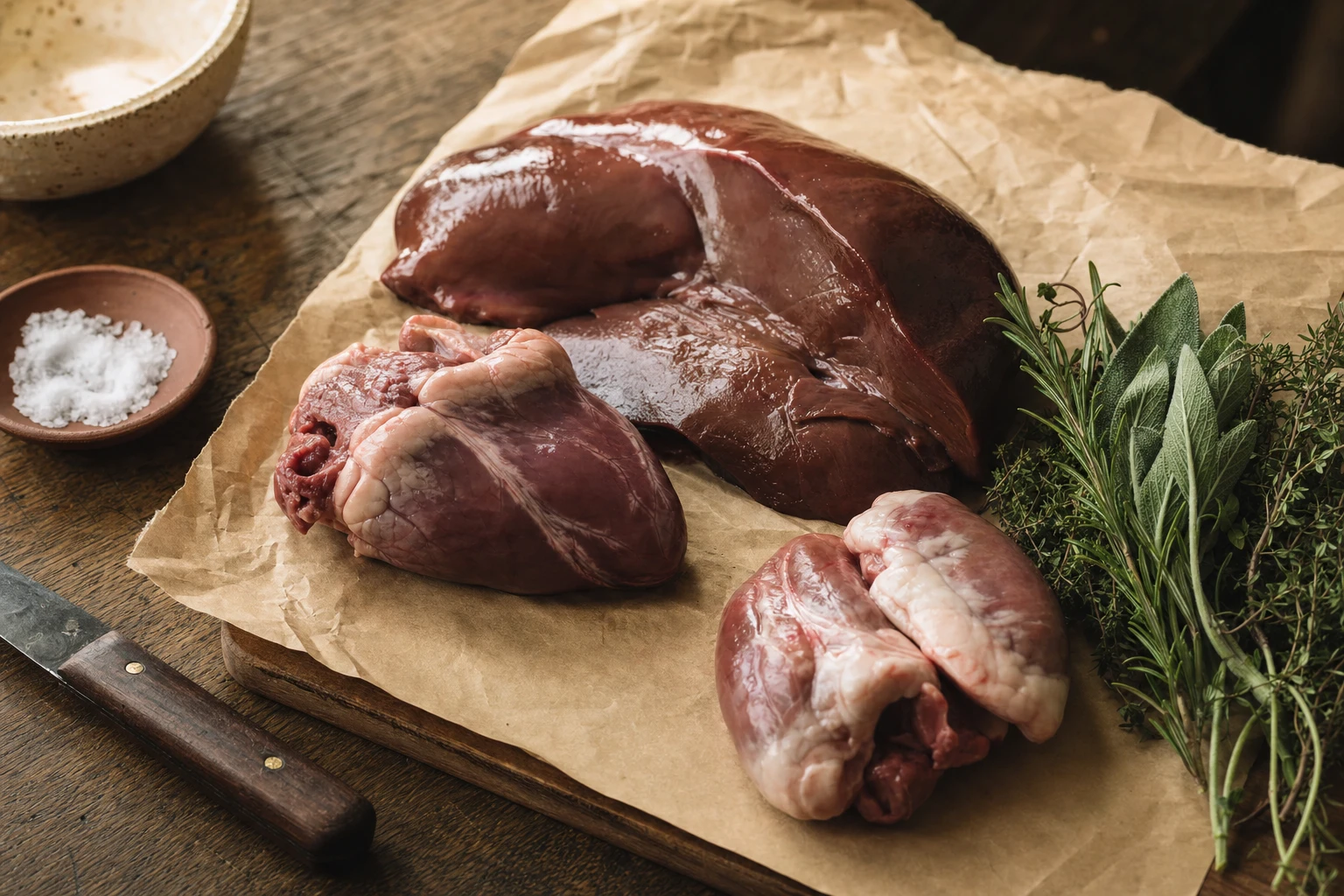
Why organs are in a category of their own
There's a reason ancestral cultures prized organs above everything else: they're nutrient density taken to an extreme.
An organ is essentially a functional system designed to do one specific job, efficiently and repeatedly. Every cell in that organ is packed with the nutrients required to make that job possible. Liver? It's the detoxification and storage centre, so it's loaded with the vitamins and minerals needed to manage that load. Heart? It runs 24/7, so it's brimming with CoQ10 and taurine to fuel constant contraction.2 Kidney? It filters and balances minerals, so it concentrates selenium and other trace elements.
This is the opposite of muscle meat, which is relatively low in micronutrients and exists primarily to provide protein and basic amino acids. Organs are where the real micronutrient density lives.
Organs aren't a side dish. They're the foundation. You can eat a lot of muscle meat and still be deficient in the nutrients your body actually needs to function.
And here's the thing: your body knows this. When you eat organs, the micronutrient density is so high that even small amounts can move the needle on your nutritional status. A single serving of liver covers your retinol needs for the week. A small portion of kidney gives you more selenium than most people get in a month.
This is why organ supplements exist. They capture that nutrient density and make it accessible in a form that doesn't require you to like the taste (or the texture) of cooked organs, which is fair enough.
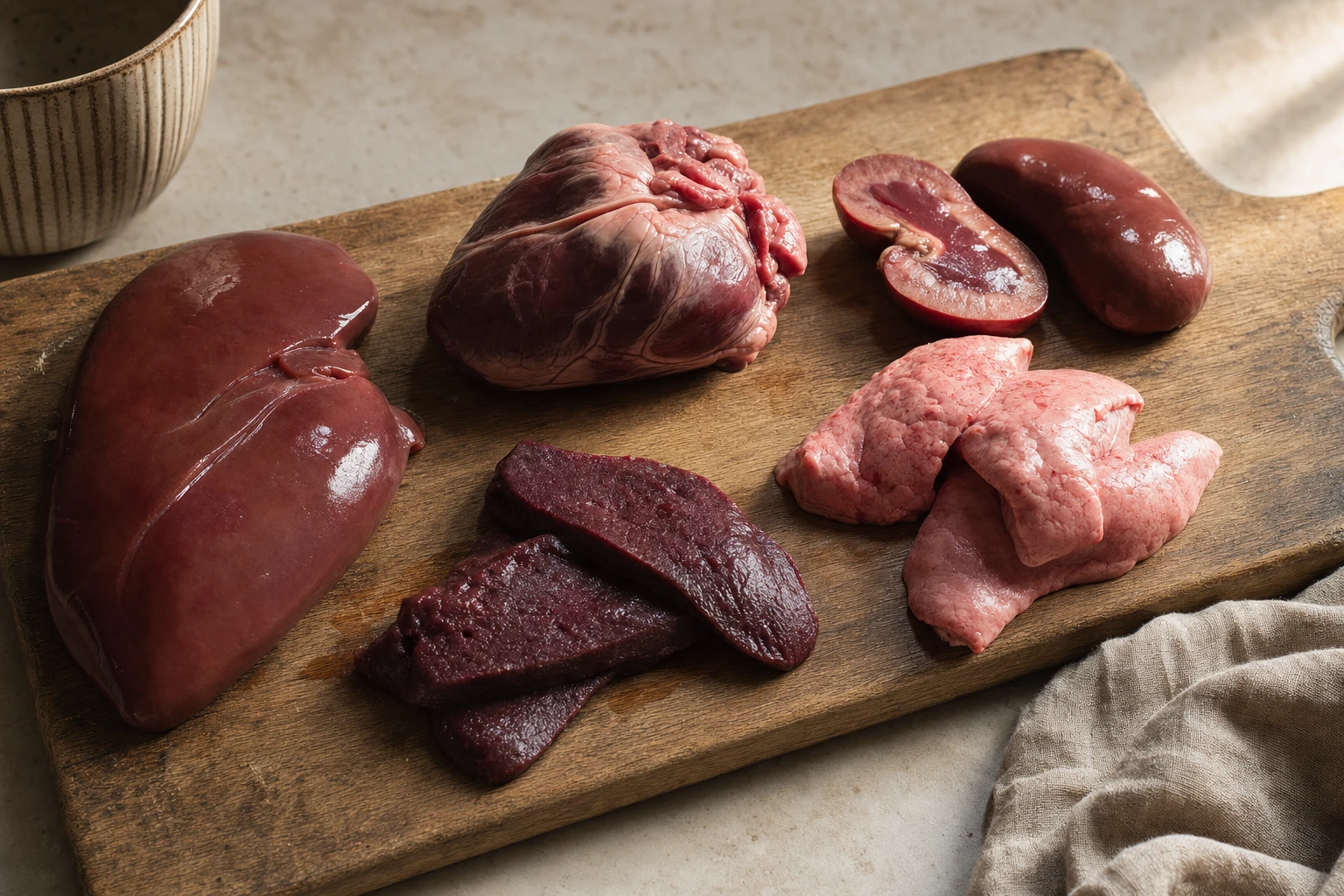
The five organs that matter most
Not all organs are created equal. Some are more nutrient-dense than others. Some address specific health gaps. Here's what you need to know.
Liver
Liver is the most searched, most supplemented, and most powerful organ for a reason. It's the nutrient storage centre of the body, which means it's packed with everything you need: retinol (the active form of vitamin A), all the B vitamins (especially B12 and folate), iron, copper, and choline.1
For anyone deficient in vitamin A (which is most people who don't eat liver regularly), liver supplementation changes the game. Retinol is the form your body actually uses, and the amount in a serving of liver is so significant that it can correct a deficiency in weeks.
Heart
Heart is the second most nutrient-dense organ and carries something you simply won't find in other foods: CoQ10. This mitochondrial nutrient is essential for energy production, and whilst you can supplement it artificially, the CoQ10 from heart comes packaged with the context your cells need to use it effectively.2
Athletes, people with chronic fatigue, anyone concerned with longevity or mitochondrial health: this is your organ.
Kidney
Kidney is severely underrated. It's the richest whole-food source of selenium, a trace mineral that's deficient in UK soils and essential for thyroid function, immunity, and fertility.3 Kidney also contains DAO enzyme, a compound that helps break down histamine.
If you're dealing with histamine sensitivity or you're concerned about selenium status, kidney is non-negotiable.
Spleen
Spleen is the immune organ, packed with tuftsin and other immune peptides.4 It's also loaded with iron in a form your body can use, plus vitamin A and B vitamins. It's the least known organ and the first-mover advantage on spleen supplementation is real: most people have no idea it exists.
Lung
Lung contains elastin and type II collagen, connective tissue support that matters for respiratory health and skin integrity. It's the least dense of the five organs but useful as part of a complete spectrum approach to ancestral nutrition.
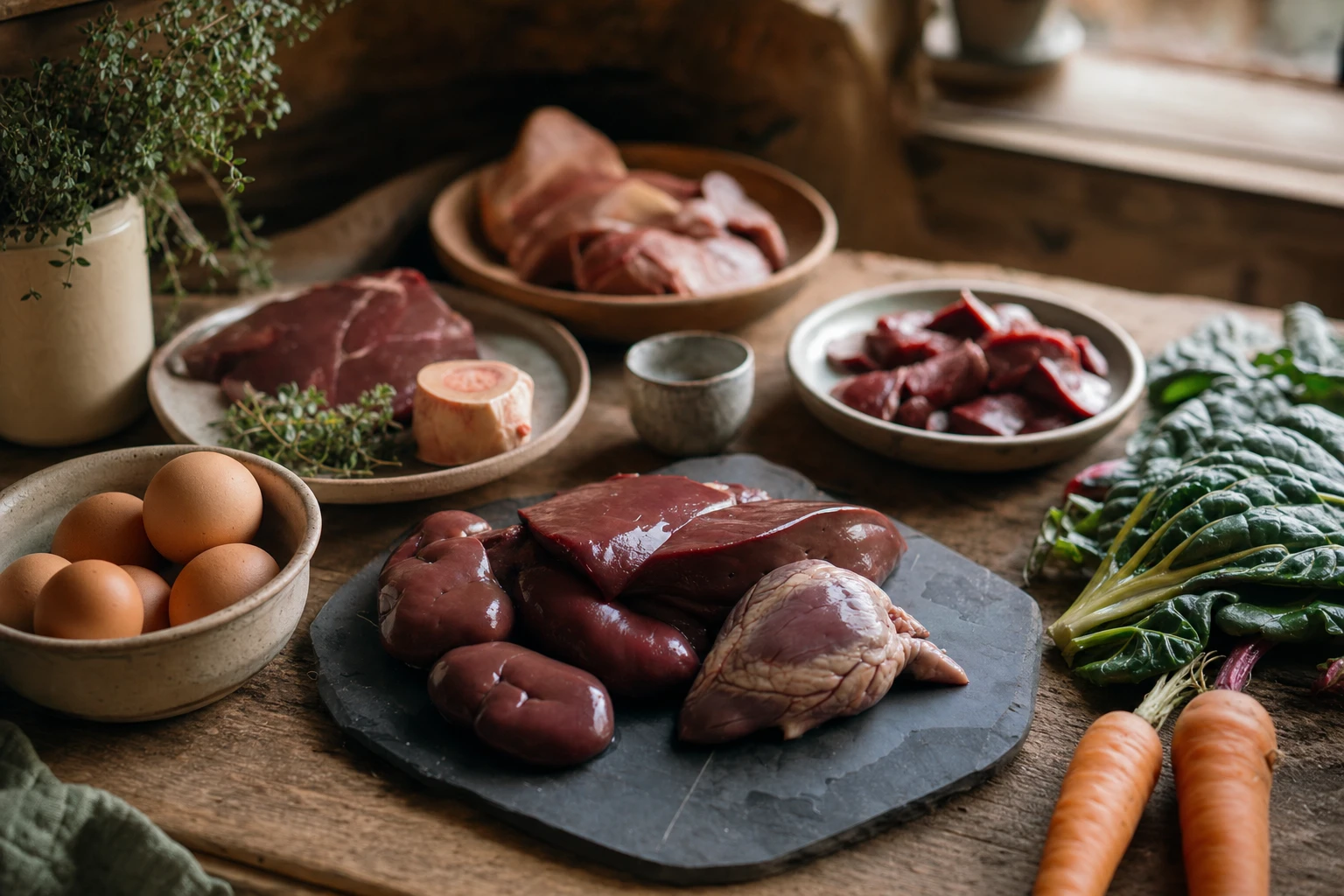
How organs are processed (and why it matters)
Here's where most people make their first mistake: they assume all organ supplements are the same. They're not.
The processing method determines what nutrients survive. Organs can be processed in three main ways: heat dehydration (destroys heat-sensitive B vitamins and CoQ10), freeze-drying (preserves most nutrients), and liquid extracts (concentrate specific compounds but lose others).
Gentle freeze-drying is the gold standard. It preserves the delicate vitamins, enzymes, and cofactors that make organs powerful in the first place.
Freeze-drying works like this: the organ is gently frozen, then the ice is removed via sublimation (ice converting directly to vapour) at low temperatures. The result? A powder that retains roughly 95% of its nutritional content, with none of the structural damage that heat processing causes.
When you're buying organ supplements, this matters enormously. A heat-processed liver powder might give you some of the nutrients, but you've lost a significant portion of the B vitamins and the CoQ10 from heart is destroyed entirely.
How to choose quality organ supplements
Not all organ supplements are created equal. Here's what to look for.
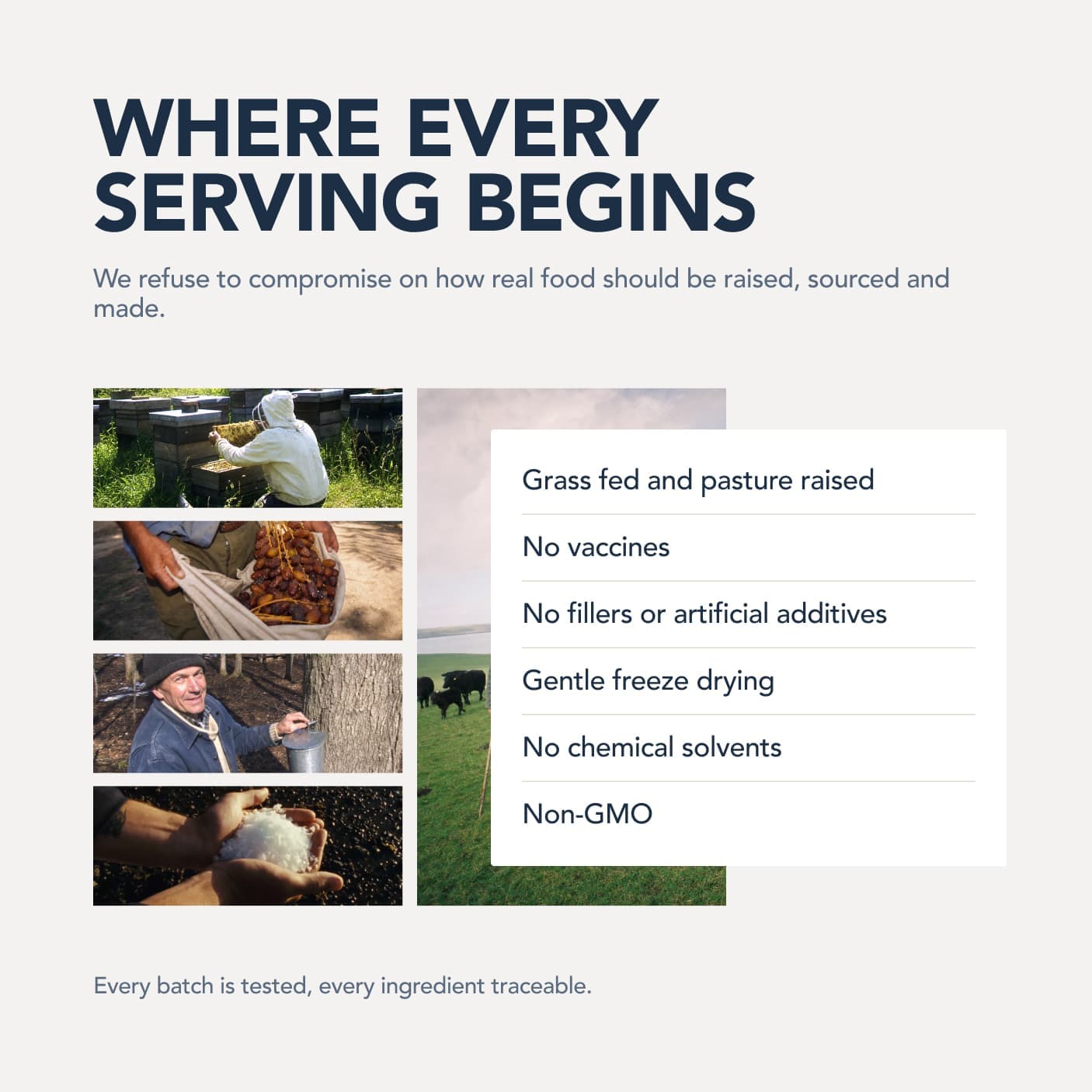
1. Grass-fed sourcing. Organ nutrient density is only as good as the animal it came from. Grass-fed beef from pasture-raised animals carries significantly higher levels of fat-soluble vitamins, omega-3 fatty acids, and micronutrients than grain-fed beef.5 Non-negotiable.
2. Freeze-dried processing. As above, this is the only processing method that preserves the delicate nutrients that make organs valuable. If the label doesn't say freeze-dried, ask. If they won't tell you, move on.
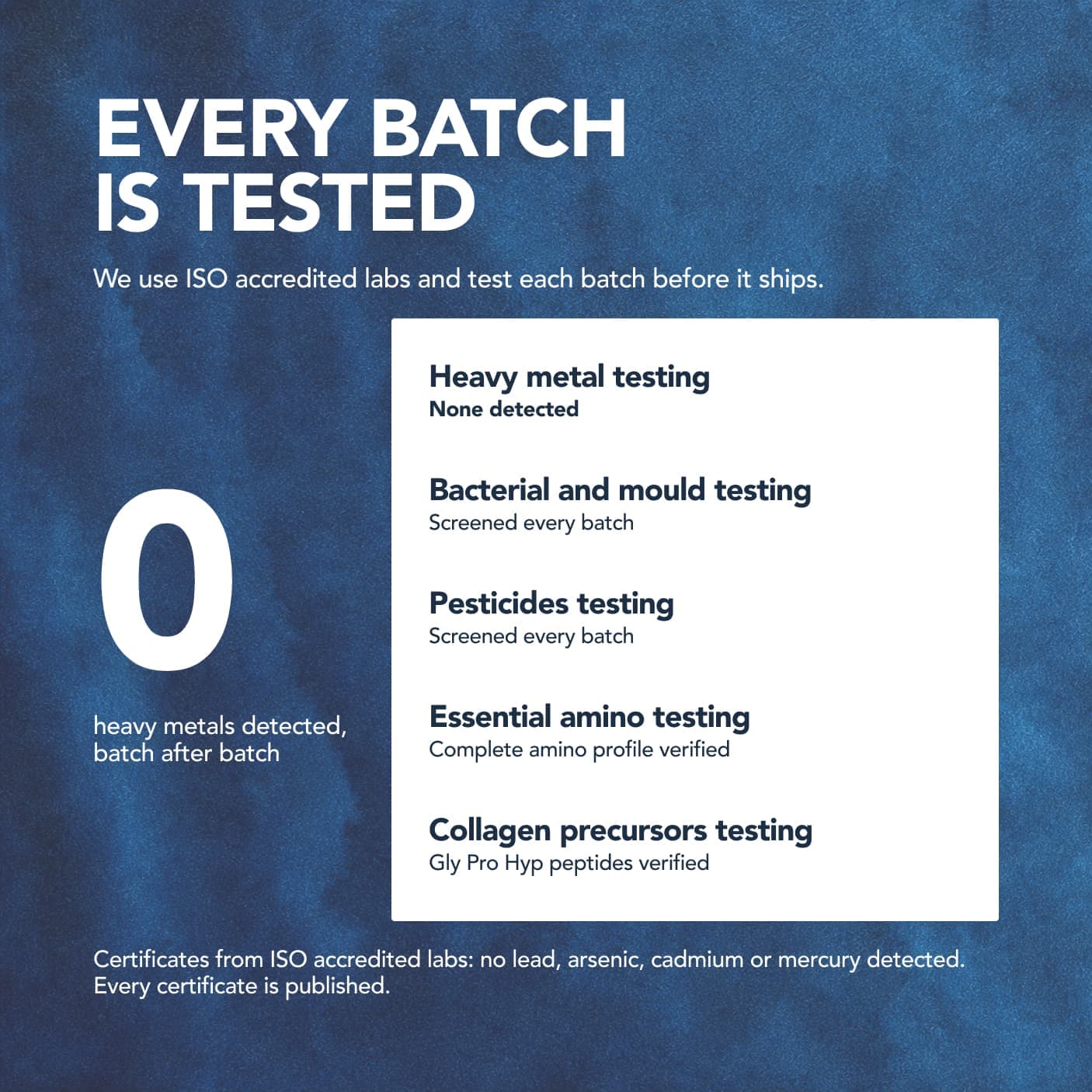
3. Third-party testing. Any credible organ supplement company tests for heavy metals, pathogens, and nutritional content. If they don't publish these results, that's a red flag. You're eating an organ. You need to know it's clean.
4. Single-organ powders over blends. Multi-organ blends seem efficient, but they usually sacrifice dosage. If you want liver benefits, you need enough liver to get them. A blend with 300mg of liver and 200mg each of heart, kidney, and spleen won't move the needle on any of them. Start with single-organ supplements, then layer in others as needed.
5. Rotation over consistency. The best approach is to rotate through different organs over time so your body gets the full spectrum. Liver for a month, then heart, then kidney. This is how your ancestors ate: they didn't have access to just one organ all year. They ate what the kill provided, and they rotated.
Bioavailability: why whole-food organ supplements work
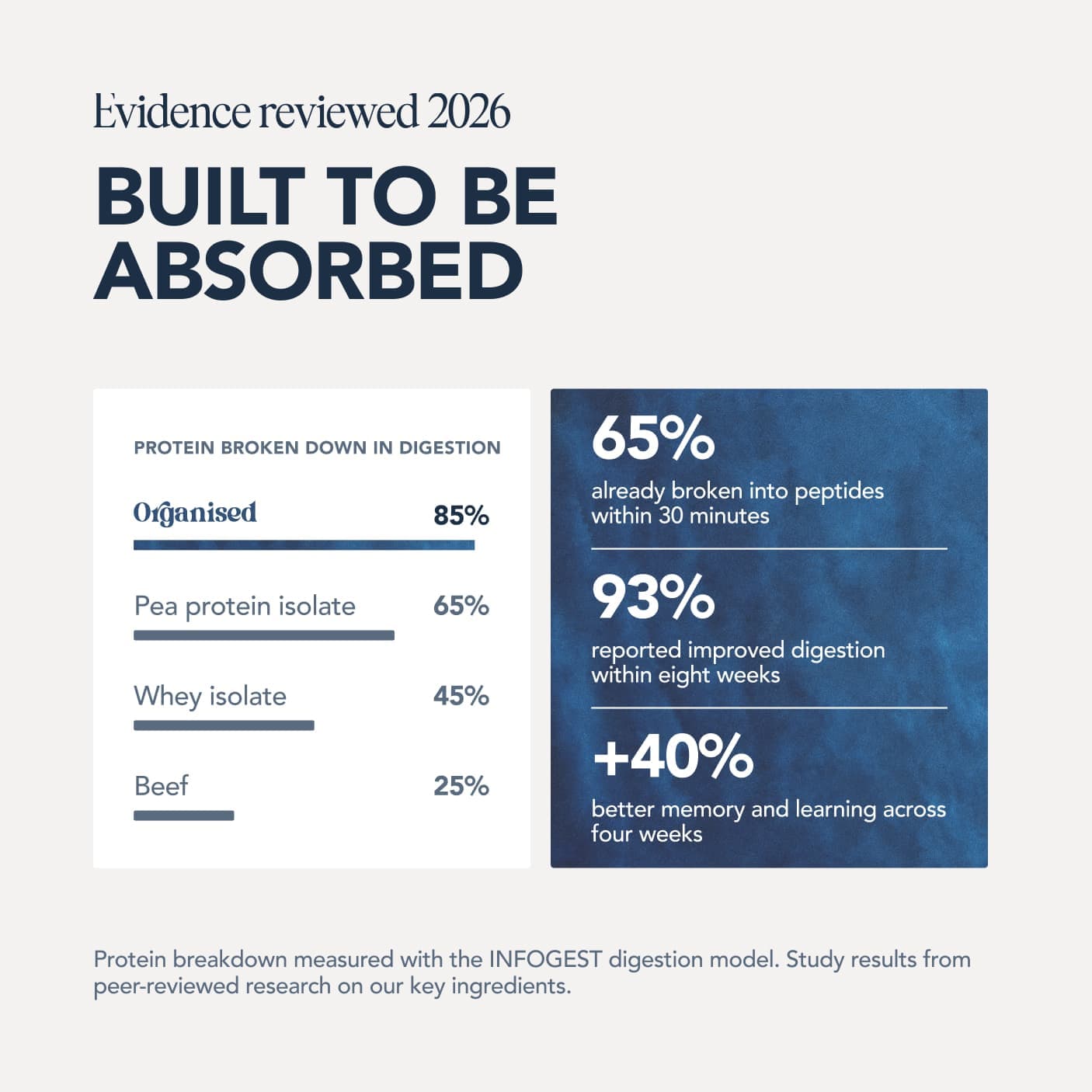
The nutrient content listed on a supplement label tells you only part of the story. What matters is how much your body actually absorbs and utilises.
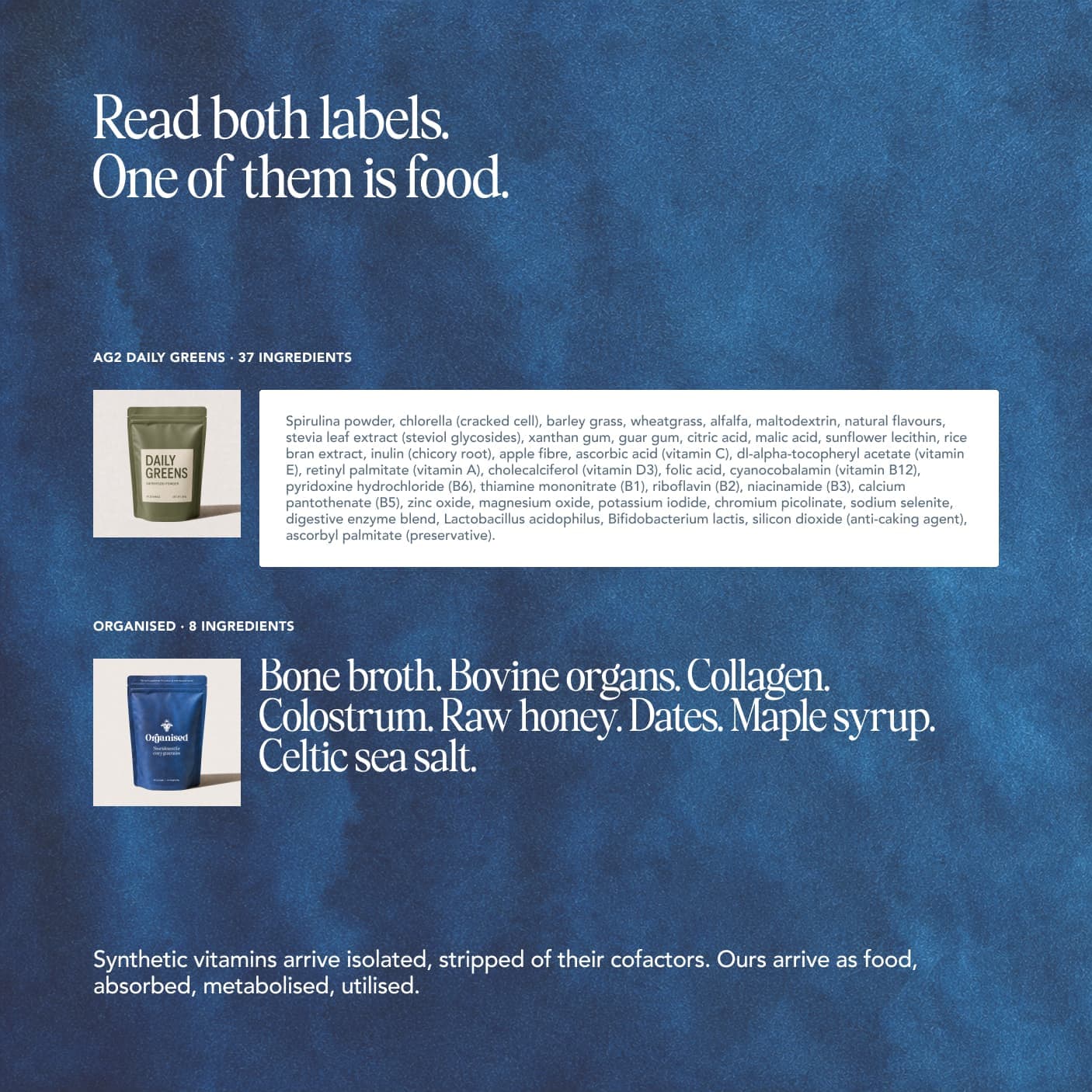
Isolated nutrients have poor bioavailability. Your body evolved to extract nutrients from whole foods, surrounded by cofactors, enzymes, and supporting compounds. When you isolate a single nutrient (like synthetic retinol or cyanocobalamin B12), your digestive system doesn't process it with the same efficiency as it would from whole food.
Organ supplements are different. They're whole foods, just concentrated and preserved. When you consume freeze-dried liver, you're getting retinol packaged with the fat, cholesterol, and supporting micronutrients that your body needs to absorb and utilise that retinol effectively. You're getting B12 with the full spectrum of B vitamins, cofactors that support B12 absorption, and the binding proteins your gut bacteria produce to help with uptake.
This is why a serving of liver supplement produces measurable results faster than synthetic vitamins at comparable doses. Your bioavailability is dramatically higher. Studies comparing food-based supplements to isolated nutrients consistently show 2-3x better absorption and utilisation from the whole-food form.
Bioavailability is where whole-food organ supplements beat isolated nutrients decisively. Your body knows how to extract maximum value from real food.
Get ingredient guides like this, free
Two short reads a week on the ingredients that matter and how to actually use them.
By signing up you agree to receive emails from us. No spam, unsubscribe anytime.
Supplement forms: capsules, powders, and what to avoid
Organ supplements come in three main forms: capsules, powders, and liquids. Each has tradeoffs.
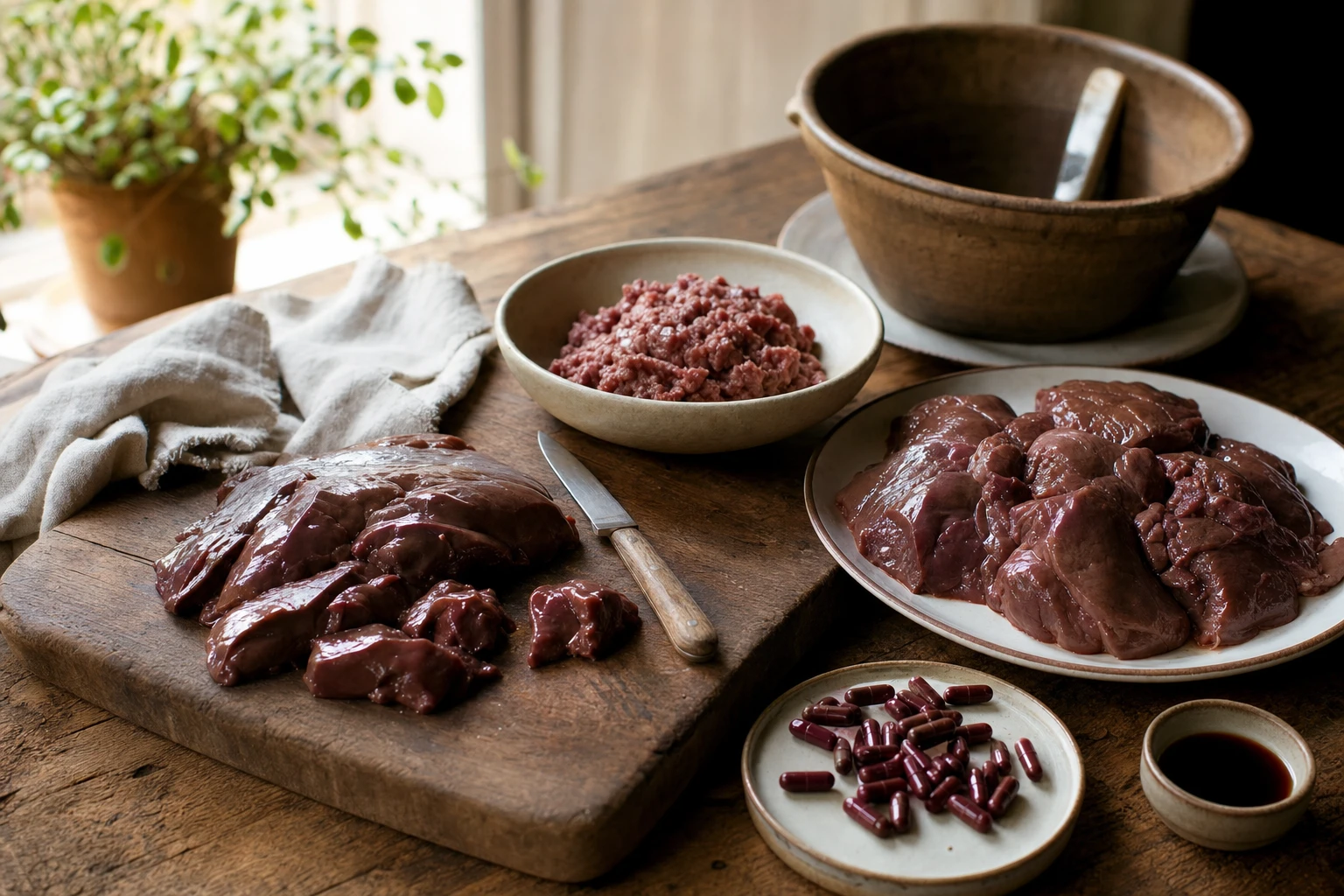
Capsules are convenient. They're convenient to take, easy to dose, and travel well. The downside is that capsules are often filled with lower-density powder (to keep them light), which means you get less actual organ per serving. A typical capsule contains 500-750mg of organ powder, which translates to roughly 50-75mg of freeze-dried organ tissue. For liver or heart, this is a meaningful dose. For kidney or spleen, it's less substantial. Capsules also have a longer transit time through your digestive system; your body needs time to break down the capsule and extract the powder.
Powders are more concentrated. A single teaspoon (roughly 5-6 grams) of organ powder contains significantly more freeze-dried tissue than a handful of capsules. The bioavailability is slightly higher because your stomach doesn't need to dissolve a capsule first. The downside is taste and convenience. Organ powders don't dissolve easily in water (they're best mixed into milk, bone broth, or blended drinks), and the flavour is decidedly organ-forward. If you can tolerate the taste, powders are the more efficient choice.
Liquids and extracts are less common. Some companies produce organ extracts that concentrate specific compounds (like CoQ10 from heart or DAO from kidney). The advantage is extreme concentration. The disadvantage is that extraction processes often lose supporting compounds. You're getting one nutrient in isolation rather than the full synergistic package.
Avoid proprietary blends. Many supplement companies list organ ingredients as "proprietary blend" without specifying the amount of each organ or the processing method. Avoid these. You should know exactly how much liver, heart, and kidney you're consuming, and the blend should always be listed by percentage weight or individual capsule content.
Dosing protocols that actually work
The right dose depends on your goal and starting nutritional status.
For maintenance (healthy and well-nourished): One to two capsules daily, or one-quarter teaspoon of powder daily. This keeps your micronutrient status topped up without pushing excess retinol or other fat-soluble vitamins. Consistency matters more than dose; daily is better than megadosing once per week.
For deficiency correction (diagnosed via blood work): Two to three capsules three times daily, or one-half to one teaspoon of powder daily, taken with a meal containing fat. If you're correcting a B12 deficiency or iron anaemia, higher doses accelerate correction. This phase typically lasts 8-12 weeks before dropping to maintenance.
For performance and recovery (athletes): Heart supplements specifically. Two to three capsules daily or one-quarter teaspoon, focusing on consistency through training cycles. The CoQ10 accumulates in your system; benefits appear within 4-6 weeks of consistent dosing.
Rotation protocol (ancestral approach): Cycle through different organs rather than taking the same organ indefinitely. Month one: liver (two capsules daily). Month two: heart (two capsules daily). Month three: kidney (two capsules daily). This mirrors how your ancestors ate, they consumed whatever organs were available, rotating seasonally and by kill. Rotation ensures you get the full nutrient spectrum without accumulating excessive amounts of any single nutrient.
Start low (one capsule daily) and observe for two weeks. Your body will tell you if the dose is right through changes in energy, digestion, and sense of wellbeing.

1 of 9
Daily blend
100,000+ thriving families4.9 on Trustpilot
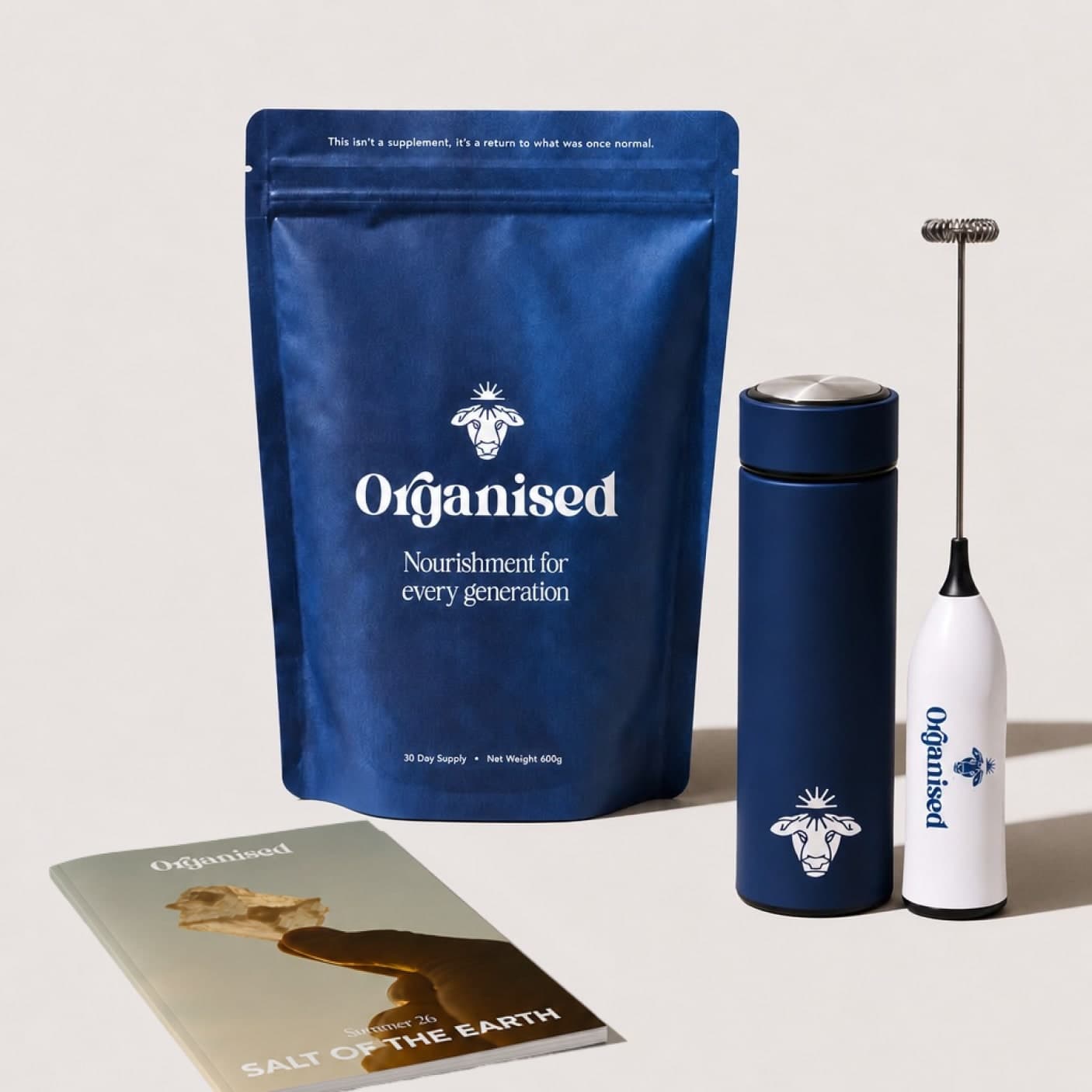
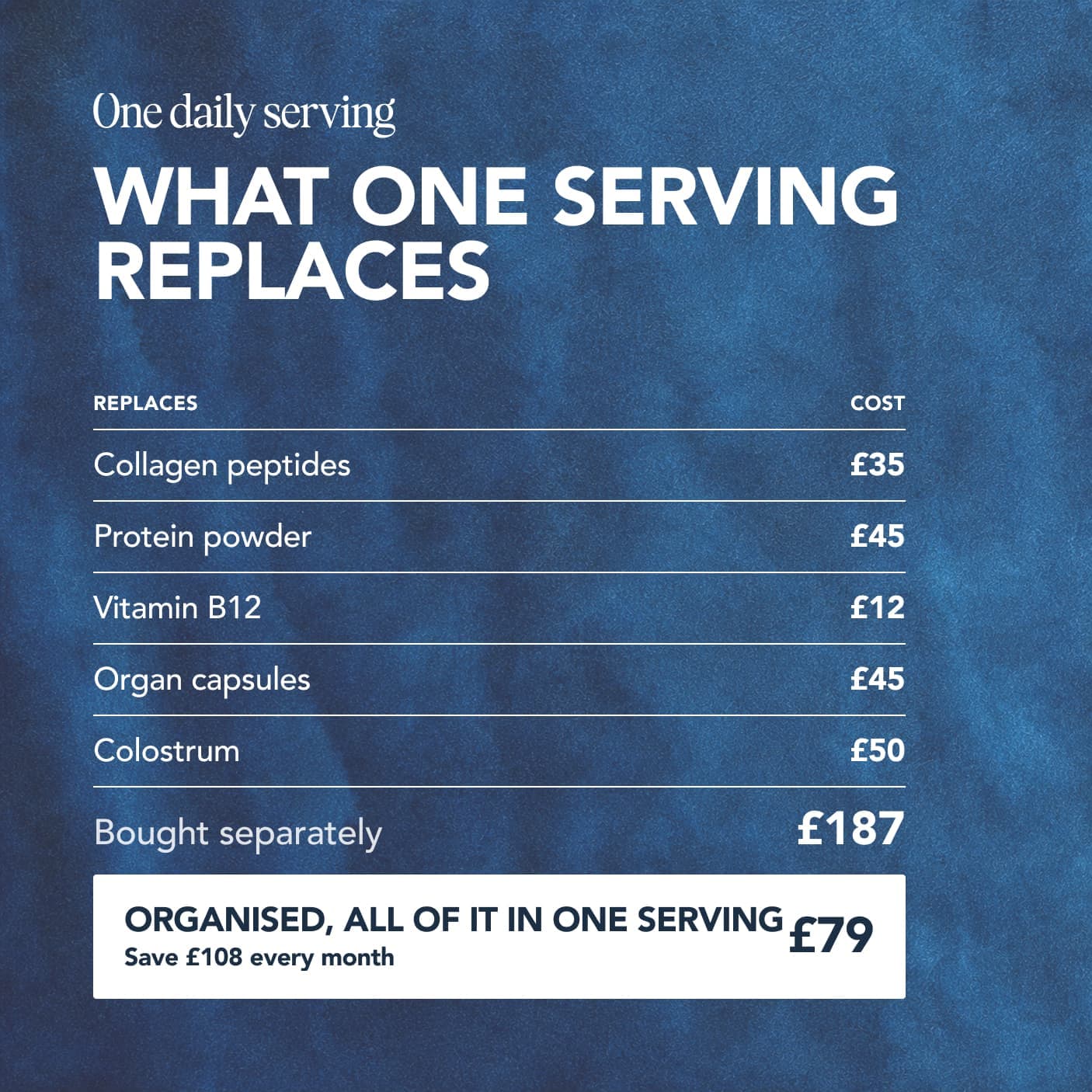
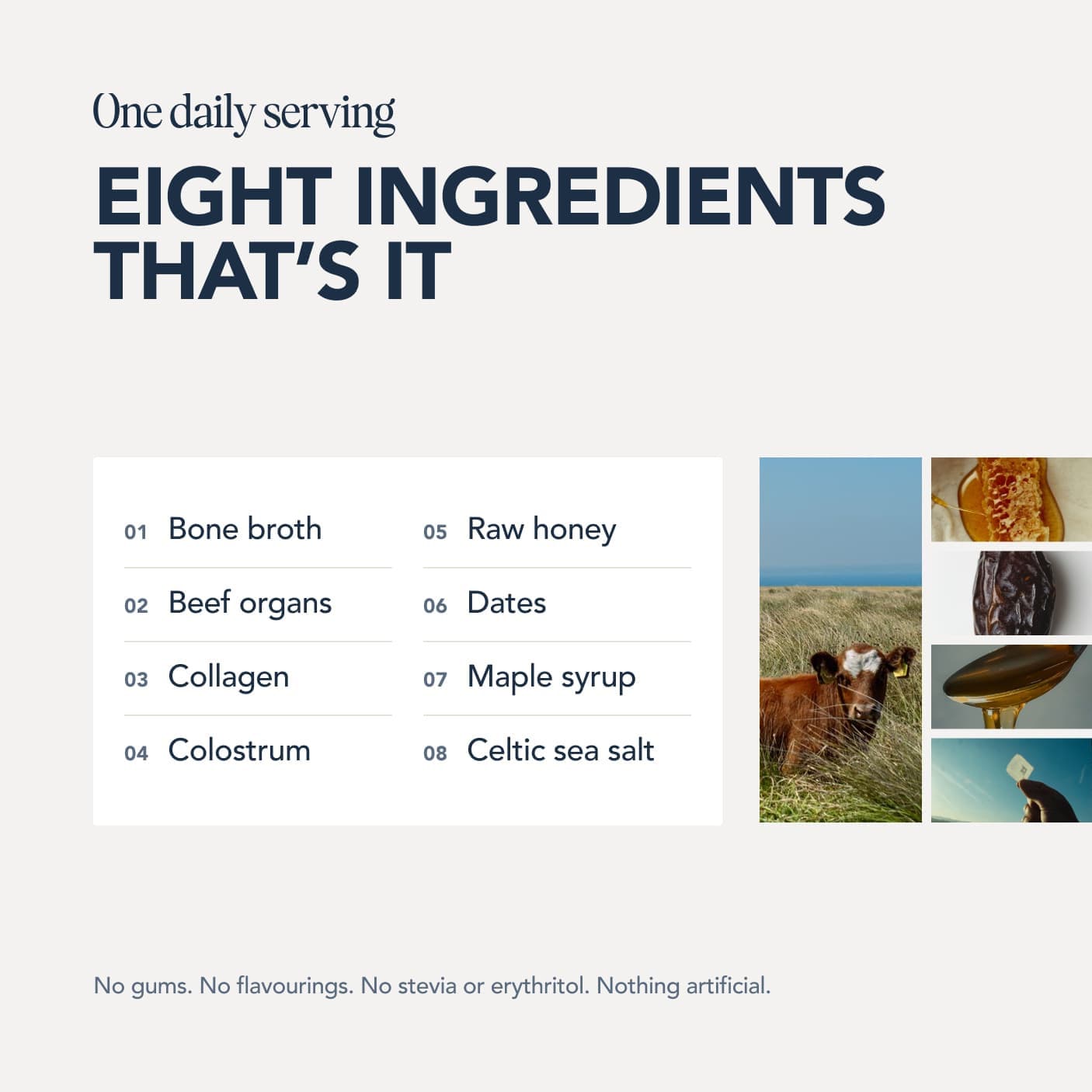
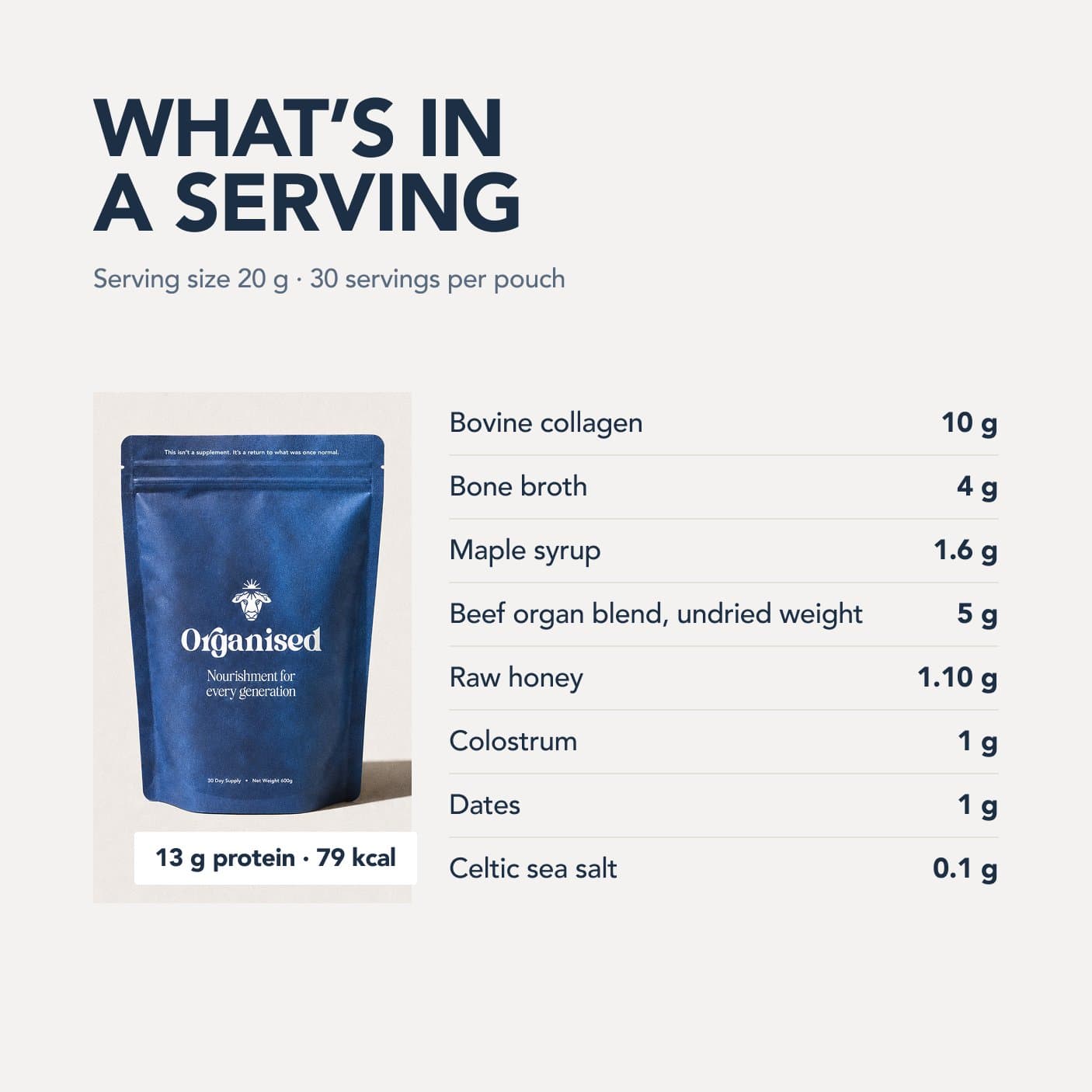
Eight real ingredients built around grass-fed beef organs, collagen and colostrum. Nothing synthetic added.
Free with your first order, worth £38. Plus £10 off the pouch with a subscription.


Free UK shipping · Made in England · 100 day money back guarantee on your first pouch · Skip, pause or cancel anytime
Who benefits most from organ supplements
Organ supplements are not a magic fix. They're a tool that works best for specific people and specific scenarios.
People with diagnosed micronutrient deficiencies. If your blood work shows you're low in vitamin A, B12, folate, iron, or selenium, organ supplements can correct that faster than food alone. Liver for retinol and B vitamins. Kidney for selenium. This is where supplementation shines.
People who can't tolerate organ meat as food. Cooked liver has a strong flavour and a particular texture that not everyone enjoys. If the idea of eating liver makes you gag, organ supplements give you the nutrients without the sensory challenge. That matters.
Athletes and people focused on performance. Heart and liver are packed with nutrients that support energy production, recovery, and endurance. If you're training hard and your recovery is lagging, organ supplements can help fill the gap faster than food alone.
People with gut health concerns. If your digestion is compromised, consuming whole organs in food form might be difficult. Organ supplements are pre-broken-down and easier to absorb. As your gut heals, you can transition to whole-food organs.
Anyone focused on ancestral health. If you're trying to eat the way your ancestors did, nose-to-tail nutrition is part of that picture. Organ supplements are the modern-world compromise. They give you the nutrient profile without requiring you to source and prepare whole organs, which is genuinely difficult in a modern supermarket food system.
Organs aren't a supplement hack. They're a return to how humans actually ate before the modern food system decided that only muscle meat was worth selling.
The bottom line
Organ supplements are one of the few supplement categories that genuinely moves the needle. They work because they're not isolated nutrients. They're whole foods, concentrated and preserved.
Start with liver if you're new to this. It's the most versatile, the most researched, and the most likely to have an immediate effect on your energy, skin, and hair. Then, if you're interested, layer in heart for energy and mitochondrial support, or kidney if you're concerned about selenium status.
This is what ancestral nutrition looks like when you're living in the modern world: you take the wisdom of nose-to-tail eating and you translate it into a form that actually fits your life. That's not cheating. That's being smart.
References
Every source below was checked on 27 August 2026. Each PubMed, PMC and DOI identifier was resolved against NCBI or Crossref, and what it opens is printed under the citation, so you can see the link goes where the citation says without leaving the page. Where a citation and its identifier disagreed, the citation was corrected to the record or the reference was deleted along with the sentence marker that pointed at it, and where the resolved paper turned out not to support the sentence, the sentence was cut back to what it does support. Borrowed authority is worse than none, because it looks like rigour.
- National Institutes of Health, Office of Dietary Supplements. Vitamin A and Carotenoids: Fact Sheet for Health Professionals. https://ods.od.nih.gov/factsheets/VitaminA-HealthProfessional/ [accessed May 2026]. See also the equivalent NIH ODS fact sheets for Vitamin B12, Folate, Iron, Copper and Choline, all of which list liver as among the densest dietary sources.
- Pravst I, Zmitek K, Zmitek J. Coenzyme Q10 contents in foods and fortification strategies. Critical Reviews in Food Science and Nutrition. 2010;50(4):269-280. https://pubmed.ncbi.nlm.nih.gov/20301015/Checked 27 August 2026: PMID 20301015 opens Pravst I, Zmitek K, Zmitek J, Coenzyme Q10 contents in foods and fortification strategies. Crit Rev Food Sci Nutr 2010;50(4):269-80. PubMed indexes it as: Review.
- British Nutrition Foundation. Selenium and Health (briefing paper). https://www.nutrition.org.uk/media/qu0hypl2/selenium-and-health-summary.pdf [accessed May 2026]. See also National Institutes of Health, Office of Dietary Supplements. Selenium: Fact Sheet for Health Professionals. https://ods.od.nih.gov/factsheets/Selenium-HealthProfessional/
- Siemion IZ, Kluczyk A. Tuftsin: on the 30-year anniversary of Victor Najjar's discovery. Peptides. 1999;20(5):645-674. PubMed entry: https://pubmed.ncbi.nlm.nih.gov/10465518/ (Najjar VA, Konopinska D. Tuftsin: its chemistry, biology, and clinical potential).Checked 27 August 2026: PMID 10465518 opens Siemion IZ, Kluczyk A, Tuftsin: on the 30-year anniversary of Victor Najjar's discovery. Peptides 1999;20(5):645-74. PubMed indexes it as: Review.
- Daley CA, Abbott A, Doyle PS, Nader GA, Larson S. A review of fatty acid profiles and antioxidant content in grass-fed and grain-fed beef. Nutrition Journal. 2010;9:10. https://pmc.ncbi.nlm.nih.gov/articles/PMC2846864/Checked 27 August 2026: PMC2846864 opens Daley CA, Abbott A, Doyle PS et al, A review of fatty acid profiles and antioxidant content in grass-fed and grain-fed beef. Nutr J 2010;9:10. PubMed indexes it as: Review.
Corrections
What this page used to say, and why it no longer says it. Corrections are dated and are never removed, because deleting the record of an error is a second error. Every guide we have corrected is listed at our corrections log.
- 27 August 2026. This page used to give capsule counts by goal, including two to three capsules three times daily to correct a deficiency, and a number of weeks it would take. Every one of those numbers was deleted. We could not source any of them, nobody here is a clinician, and capsule contents differ so widely between brands that a capsule count is not a dose. The public intake references and the arithmetic to apply them to a label are what stands in their place.
Who wrote and reviewed this guide
Niall Kiddle
Author · Founder, Organised
Niall is the founder of Organised. He started the company in 2024 after fixing his own health the slow way: in 2022 he swapped a cupboard of synthetic supplements for real food, raw milk, organ meats, bone broth and honey, and felt the difference within months.
Areas of expertise: Ancestral nutrition, Organ meats, Whole-food supplementation, Gut health, Regenerative sourcing
Read Niall's full profile
Pedro Rodrigues
Reviewer · Agronomist (farming and sourcing only)
Pedro is the agronomist Organised works with on farming and sourcing. His job on the guides is to keep the science honest: he reviews what we publish about soil health, regenerative agriculture, grazing and the way food is actually produced.
Areas of expertise: Regenerative agriculture, Agronomy, Soil health, Grass-fed farming, Food sourcing
Reviewed this guide on
Read Pedro's full profileMore on beef organs
View all- Are Beef Organs Safe? Everything You Need to Know
- Beef Heart: The Organ Your Mitochondria Have Been Waiting For
- Beef Lung: What It Contains and Why It Matters
- Benefits of Beef Organ Supplements: Nature's Multivitamins
- Choline: The Essential Nutrient Almost Nobody Gets Enough Of
- Freeze-Dried vs Fresh Organs: Does the Method Matter?
- How Much Vitamin A Is in Beef Liver? (And Is It Too Much?)
- Is Beef Liver Good for You? 7 Benefits of Eating Beef Liver
- Spleen: The Forgotten Organ That Powers Your Immune System
- The Nutrients You Can Only Get from Organ Meats
- What Does Beef Liver Actually Do for Your Body?
- Why Beef Kidney Deserves a Place in Your Daily Routine
Browse the guides library
All guidesKeep reading
Ingredients
What Does Beef Liver Actually Do for Your Body?
What does beef liver actually contain? Retinol, B12, folate, iron, choline. Plus why the toxin myth is completely wrong.
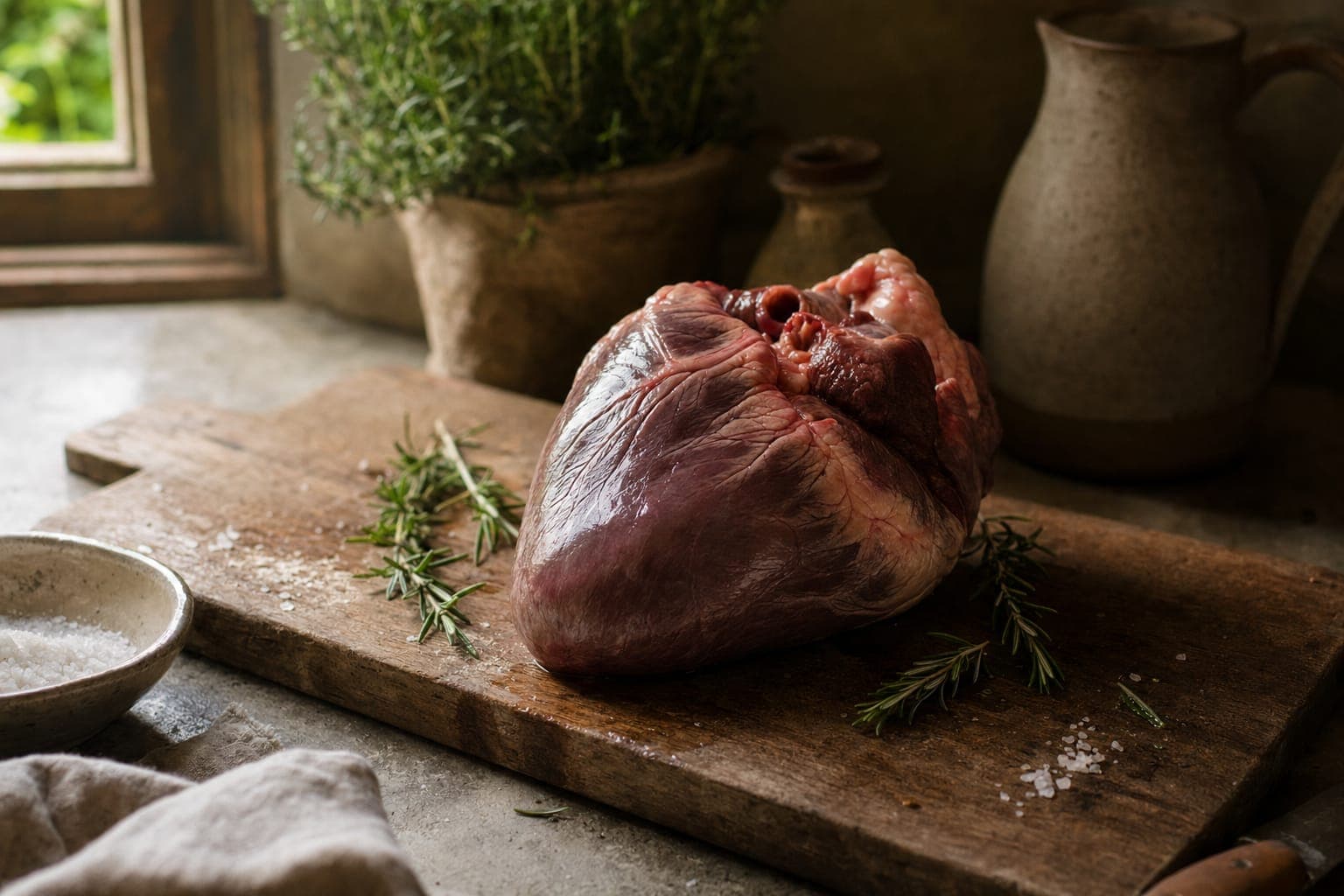
Ingredients
Beef Heart: The Organ Your Mitochondria Have Been Waiting For
Beef heart is one of the richest natural sources of CoQ10, the nutrient your mitochondria use to make energy. See how it supports recovery and longevity.
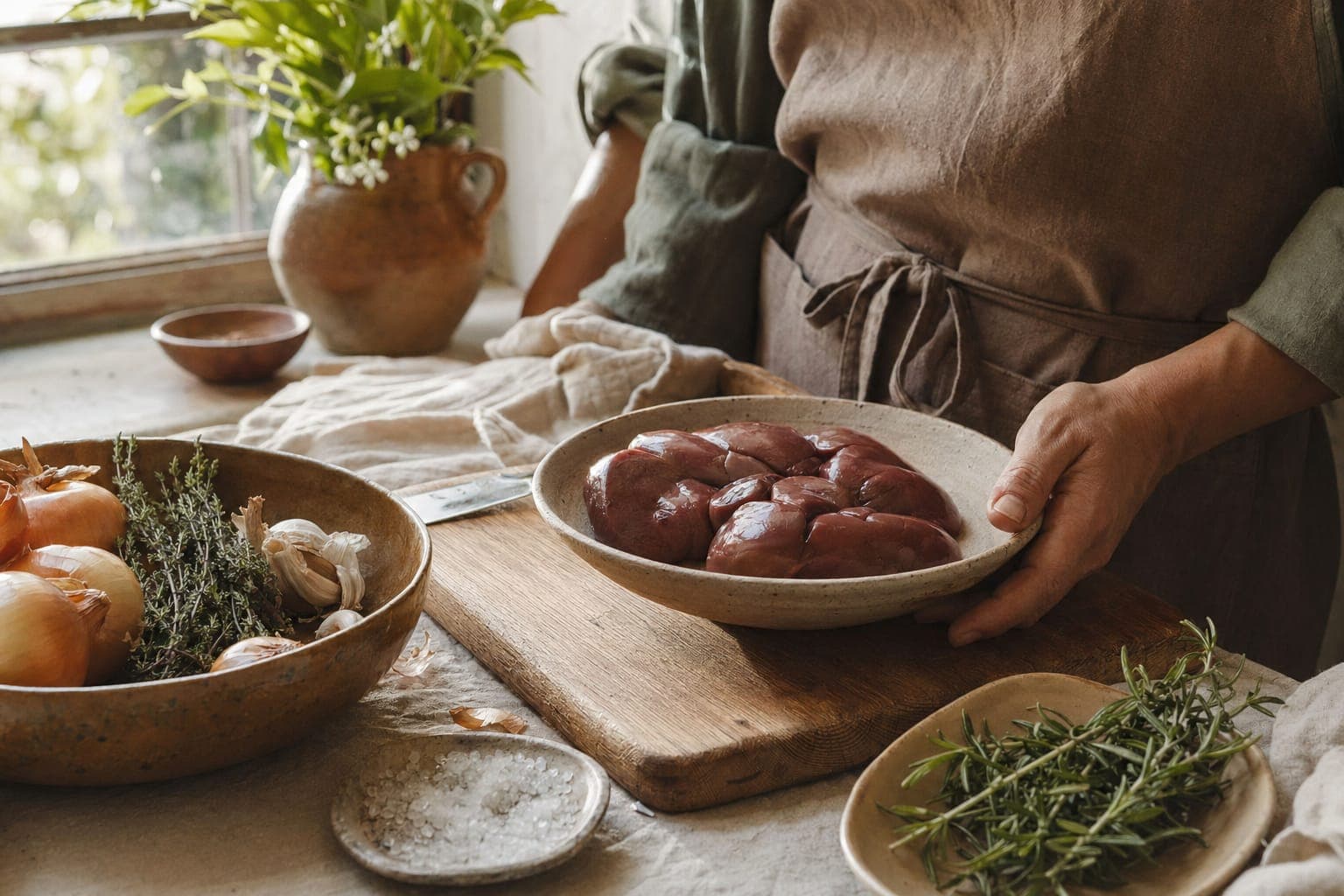
Ingredients
Why Beef Kidney Deserves a Place in Your Daily Routine
A beef kidney supplement is an underrated source of selenium for thyroid health, DAO enzyme for histamine balance, and B12. Here is why it deserves a spot.
Real food, made effortless
Try the organ blendA few ways to use it
All recipes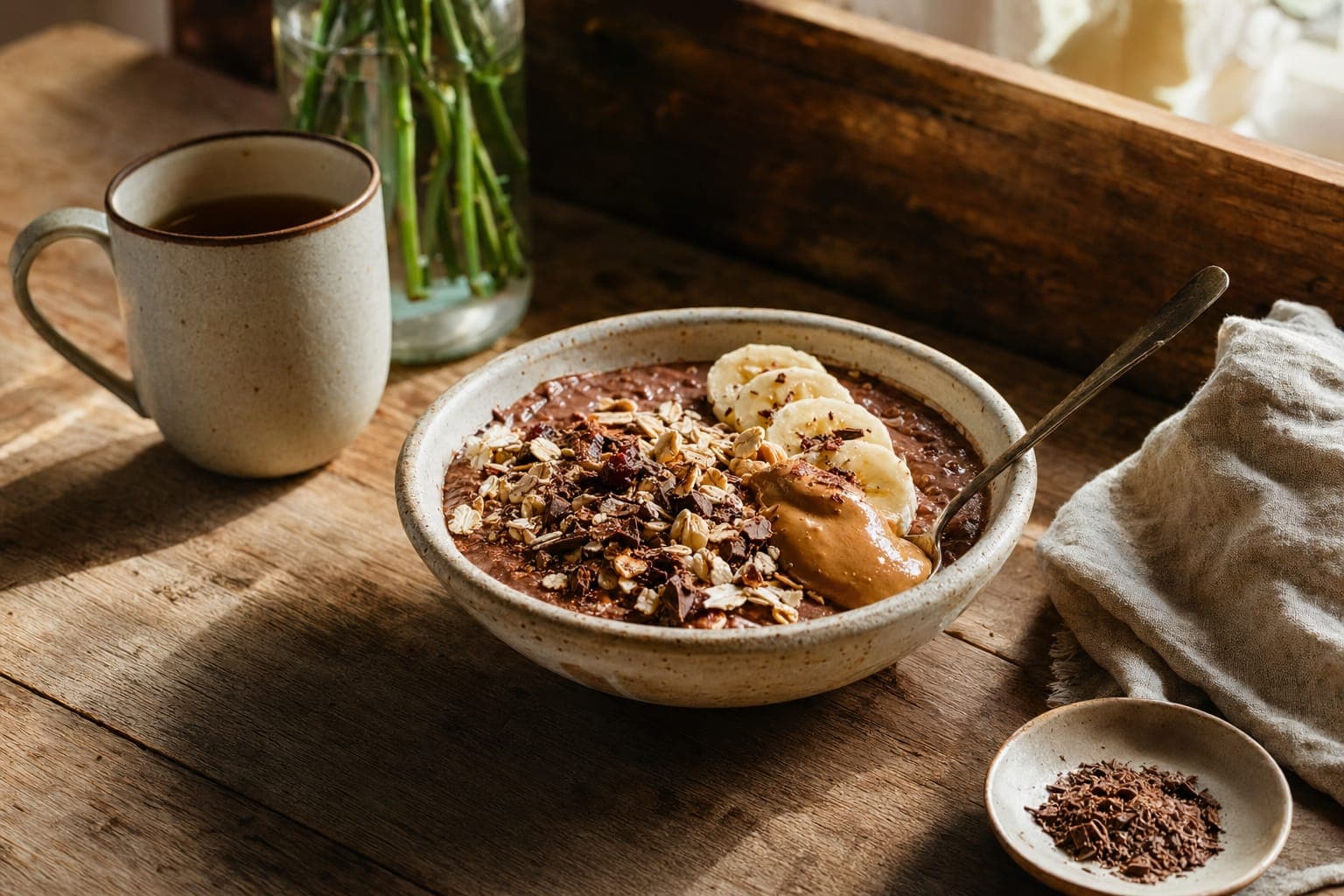
10 Ways to Use Organised That Aren't Just a Shake
Move beyond the basic shake. Discover 10 creative ways to use Organised in smoothie bowls, oats, yoghurt, baking, and more.
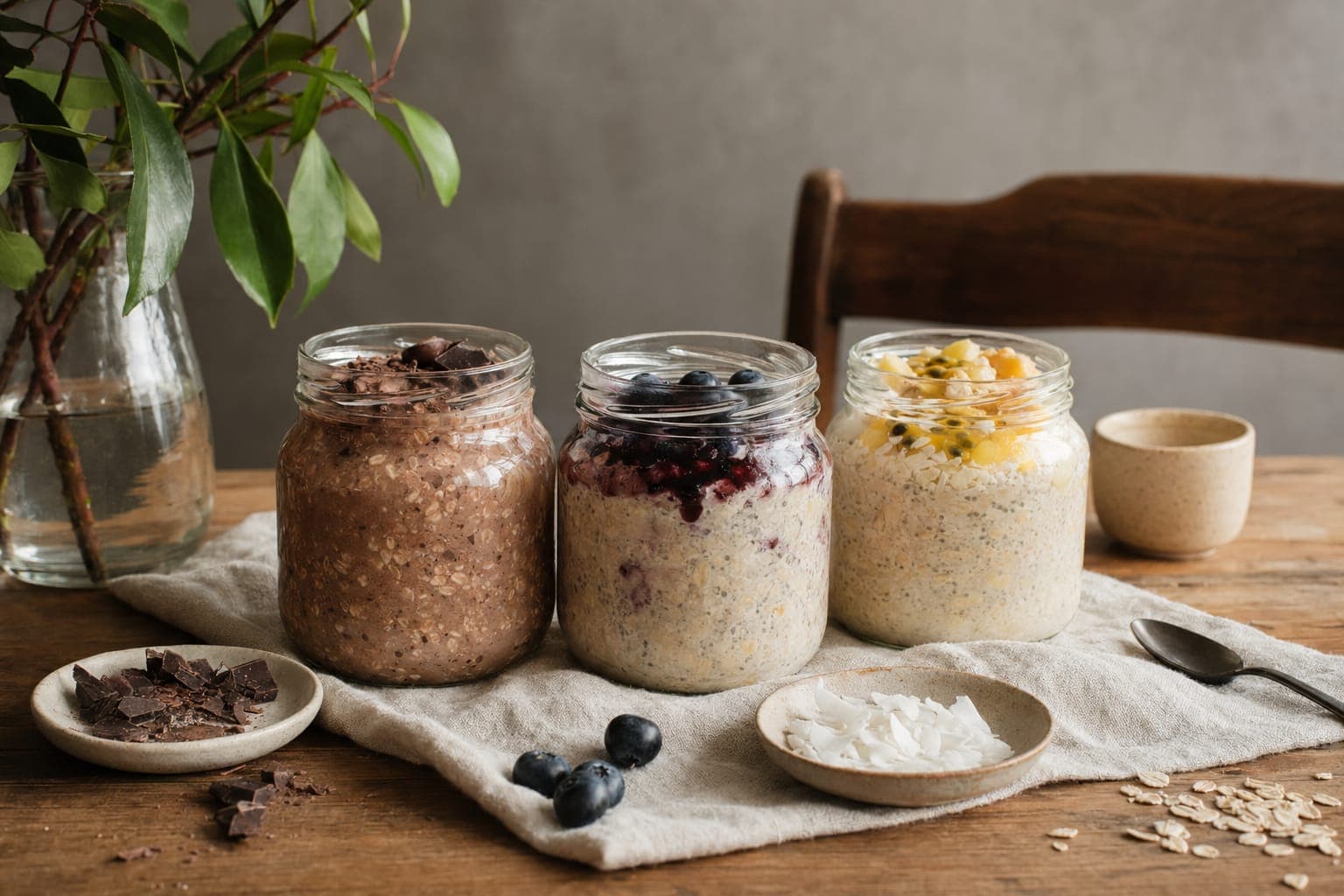
Organised Overnight Oats: 3 Variations
Three delicious overnight oats variations with Organised. Chocolate, berry, tropical flavours. Make them Sunday, eat them all week.
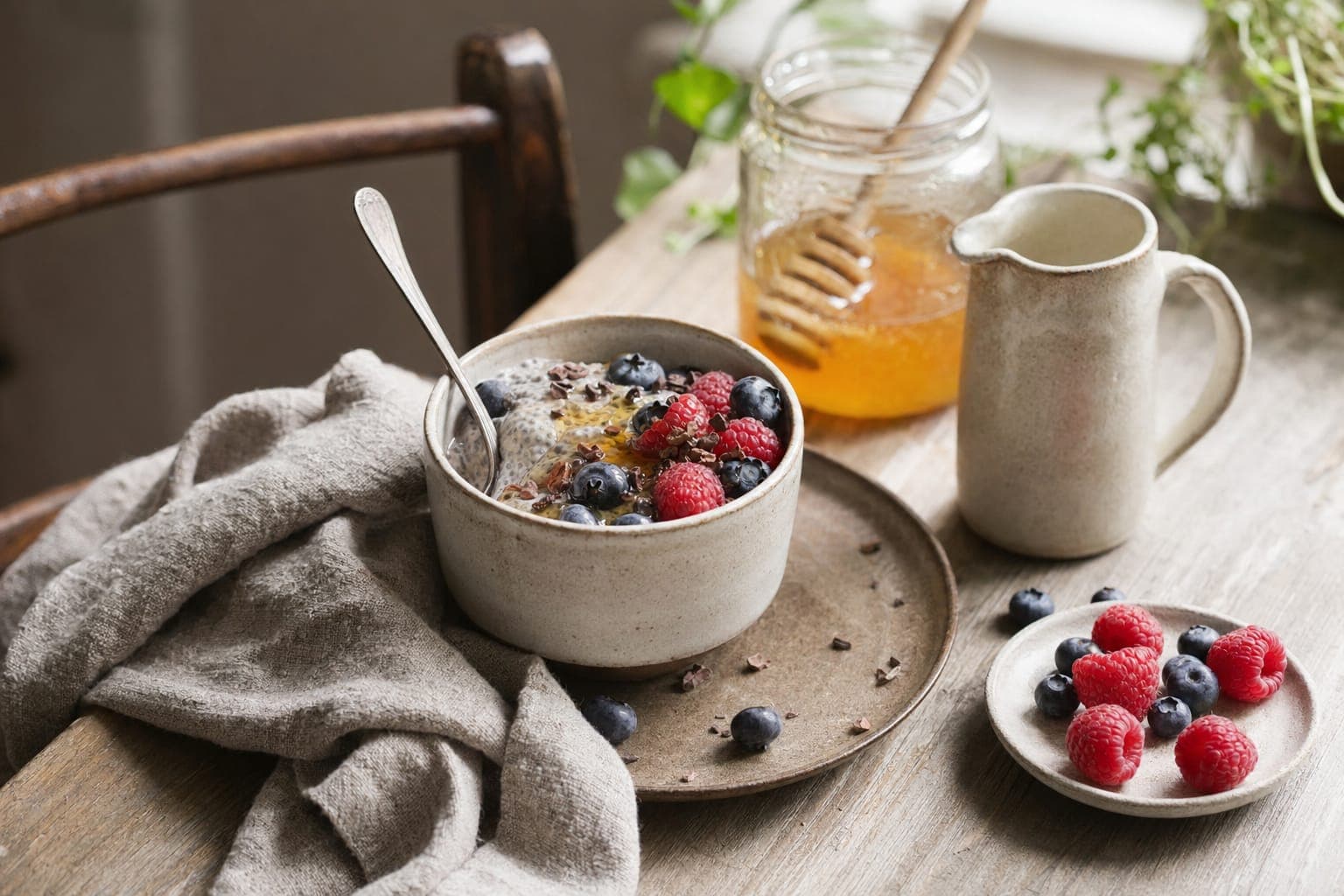
Organised Chia Pudding with Raw Honey and Berries
A no-cook chia seed pudding made with raw milk, collagen, berries, and raw honey. Prep it the night before and eat for breakfast.


 Join over 100,000+ members
Build a better food system with us
The Organised community is thousands of people choosing real food and backing the farmers who grow it, all of us trying to leave the world a little better than we found it. If that is what you care about too, you belong here.