The Antioxidant Content of Pure Maple Syrup
There's a misconception floating around that maple syrup is just another sugar with good marketing. It's not. Pure maple syrup from Quebec contains at least 24 identifiable antioxidants that your body uses actively to manage inflammation and oxidative stress.

By Niall Kiddle, Founder, Organised

Reviewed by Pedro Rodrigues, Agronomist (farming and sourcing only) ·
4 min read · Published · Updated · 3 cited sources
Makers of the Organised Daily blend, a grass-fed beef organ supplement from regenerative UK farms
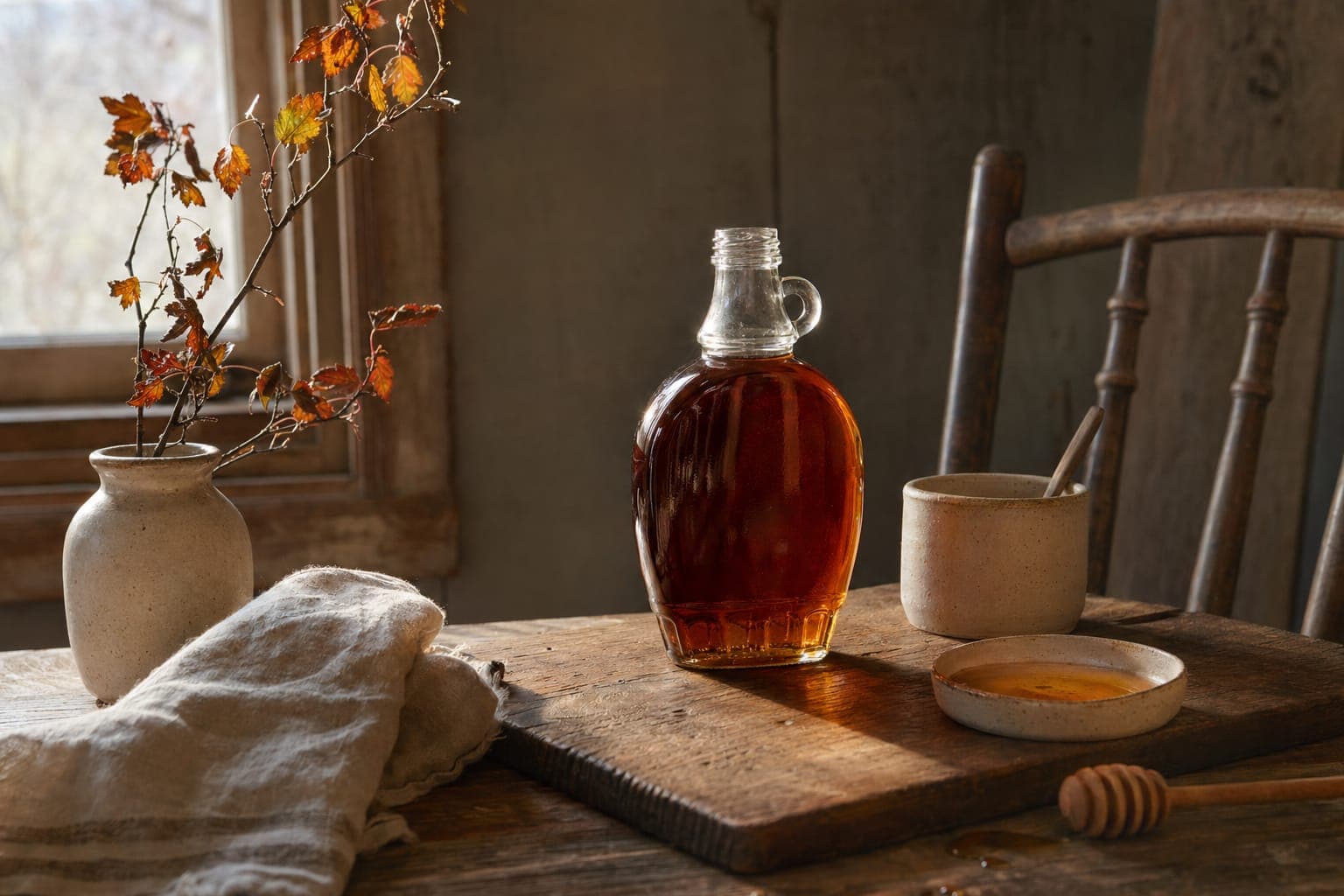
Yes, maple syrup contains sugar. But the sugar comes packaged with compounds that your body recognises and uses. That context matters.
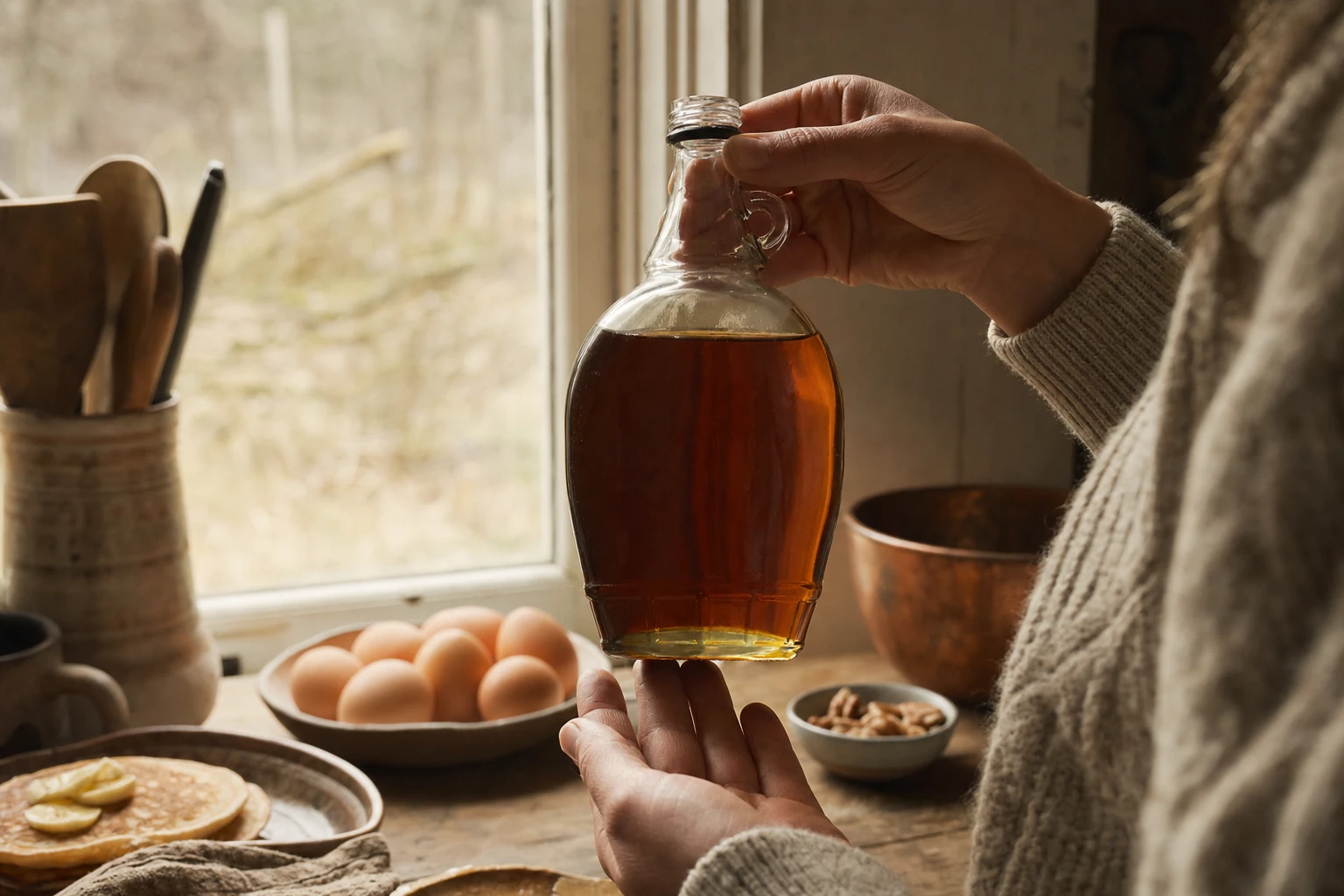
What makes maple syrup different from other sweeteners
Most sweeteners are either simple sugars (table sugar, high-fructose corn syrup) or artificial compounds. Maple syrup is neither. It's tree sap that's been concentrated by gentle heat and filtration, nothing else.
When you boil down maple sap, what remains is sugar, yes, but also the compounds that were in the sap itself: minerals, B vitamins, and most importantly, polyphenols and other antioxidants that the tree itself uses for protection and defence.
This is why 100 grams of maple syrup and 100 grams of white sugar have wildly different effects on your body, even though they're similar in calorie content. The context changes everything.
The 24 antioxidants identified in maple syrup
Quebec researchers analysed pure maple syrup and identified at least 24 distinct antioxidant compounds. Not all of them are common in other foods, which is part of what makes maple syrup unique.1
The primary categories are polyphenols, phenolic acids, and flavonoids, but beyond these broad categories, researchers have identified compounds like neuroprotectin and other specialized molecules that your nervous system uses for protection.
This isn't marketing language. These are compounds measurable by high-performance liquid chromatography, the gold standard for chemical analysis.
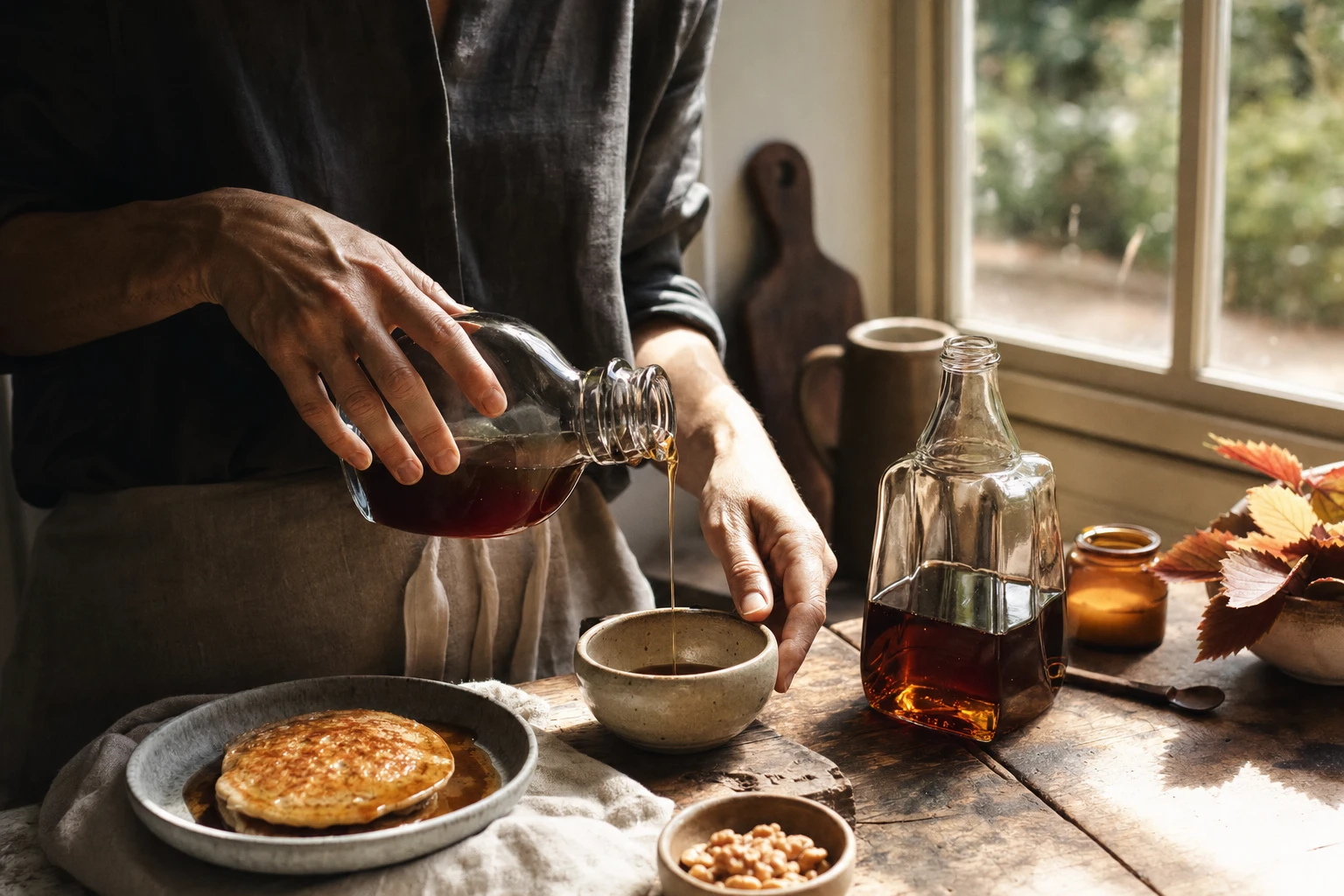
Polyphenols and inflammation
Polyphenols are plant compounds that have strong antioxidant and anti-inflammatory effects. Your body uses them to neutralise free radicals and calm down overactive immune responses.
When you consume a food rich in polyphenols (like pure maple syrup), these compounds circulate through your bloodstream and your gut microbiota. Your gut bacteria metabolise some of them into compounds that reduce inflammation at the cellular level.
This is not a minor effect. Chronic inflammation is implicated in nearly every modern disease: heart disease, diabetes, cancer, neurodegeneration, autoimmune conditions. Foods that reduce inflammation matter.
Pure maple syrup isn't a health food that makes illness disappear. It's a sweetener that doesn't actively promote inflammation the way refined sugar does.
How Quebec research revealed the truth
The most comprehensive antioxidant analysis of maple syrup comes from researchers at Universite Laval in Quebec, working with samples of pure maple syrup across different grades and harvest times.
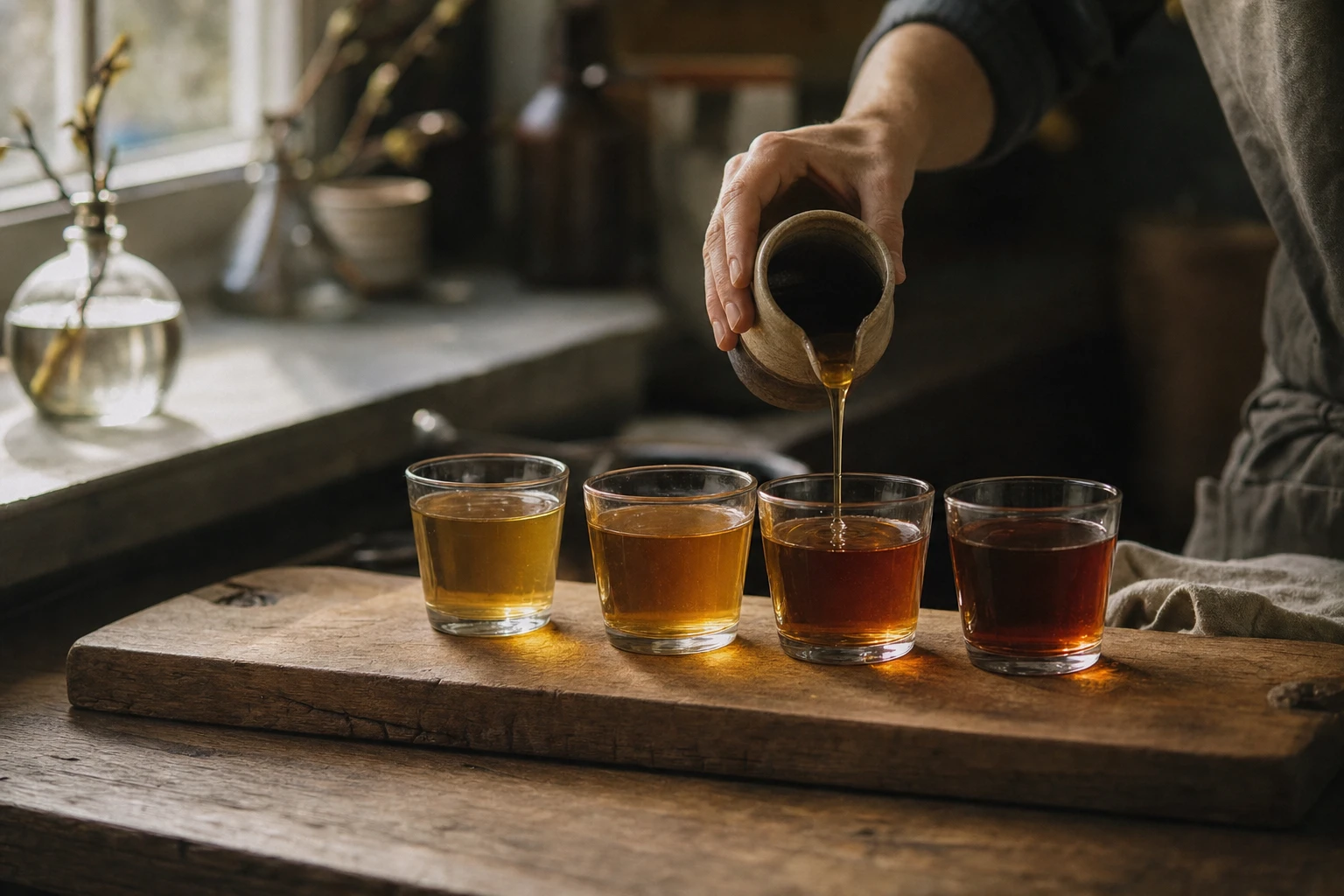
Their findings showed that darker varieties of maple syrup (which come from later in the season) actually contain higher polyphenol concentrations than lighter varieties.2 This matters because many people assume lighter is purer, when the opposite is often true: darker syrup has spent more time in the trees and accumulated more protective compounds.
The research also found that the antioxidant profile is remarkably stable through heating and storage, meaning that the benefits you get from the syrup in the bottle are representative of the benefits in the original sap.
Get ingredient guides like this, free
Two short reads a week on the ingredients that matter and how to actually use them.
By signing up you agree to receive emails from us. No spam, unsubscribe anytime.
Pure maple syrup vs refined products
Here's where the distinction matters: "maple-flavoured syrup" or "maple-blend syrup" on supermarket shelves is usually 5-20% actual maple syrup with the rest being corn syrup and caramel colouring. You're getting the antioxidant benefit of a pinch of the real thing in a sea of inflammatory sugar.
Pure maple syrup is 100% maple syrup. The label should say nothing else. Look for "pure maple syrup" from reputable sources (Canada, Vermont, Quebec specifically). Avoid anything that says "blend" or "flavoured".
The cost difference is real, but you're not paying for marketing. You're paying for the actual antioxidant density and the genuine nutritional difference.

The practical takeaway
If you're going to use a sweetener, pure maple syrup is genuinely superior to refined sugar or most alternatives (honey is comparable, but maple is often cheaper for equivalent antioxidant content).
Does this mean you should eat large quantities of maple syrup? No. It's still a concentrated sugar and overconsumption will still spike your blood glucose and drive inflammation. But in normal amounts (a few tablespoons per week as a sweetening agent), the antioxidant profile is genuinely beneficial.
100 millilitres of pure maple syrup contains roughly the same antioxidant content as several servings of antioxidant-rich vegetables. Context is everything.
Use pure maple syrup as your sweetener. Drizzle it on oats, bake with it, add it to coffee. You're getting the polyphenols and the 24 identifiable antioxidants that your body recognises and uses. That's not just sugar. That's nutrition.
Comparative antioxidant power
Maple syrup contains specific antioxidants (polyphenols, quebecol) that aren't found in other sweeteners. A 2011 study identified more than 50 different bioactive compounds in maple syrup, including the novel phenolic compound quebecol.3

1 of 9
Daily blend
100,000+ thriving families4.9 on Trustpilot
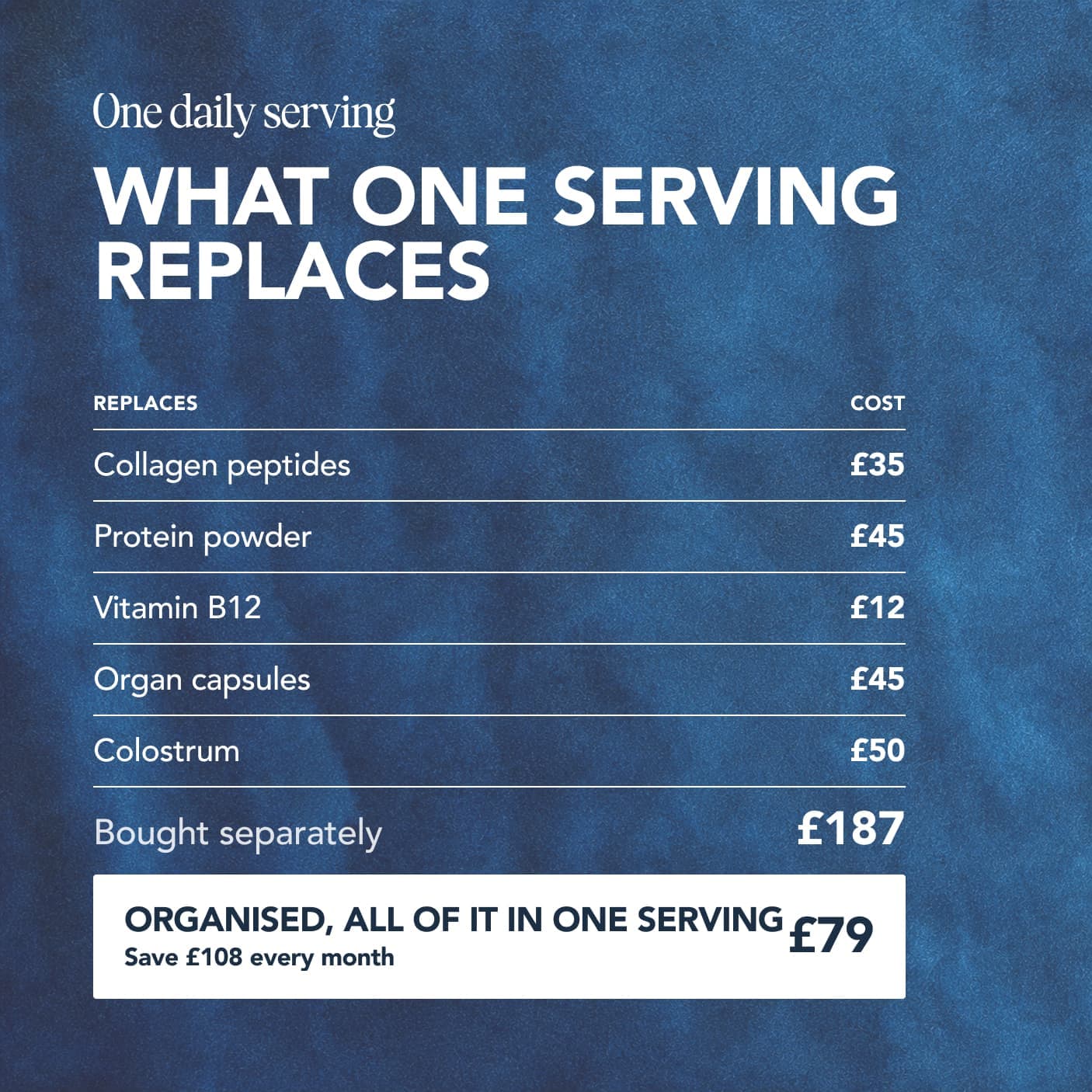
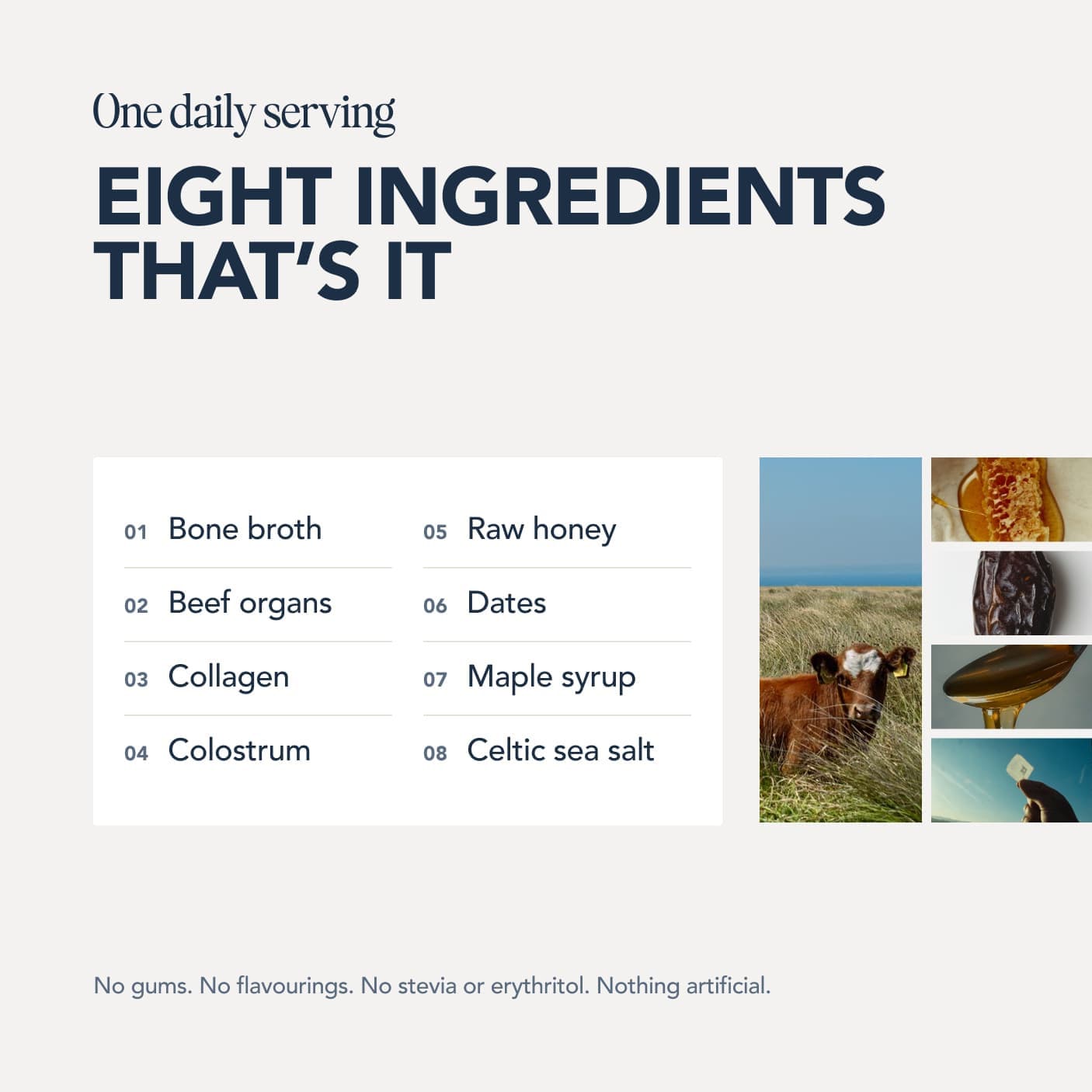
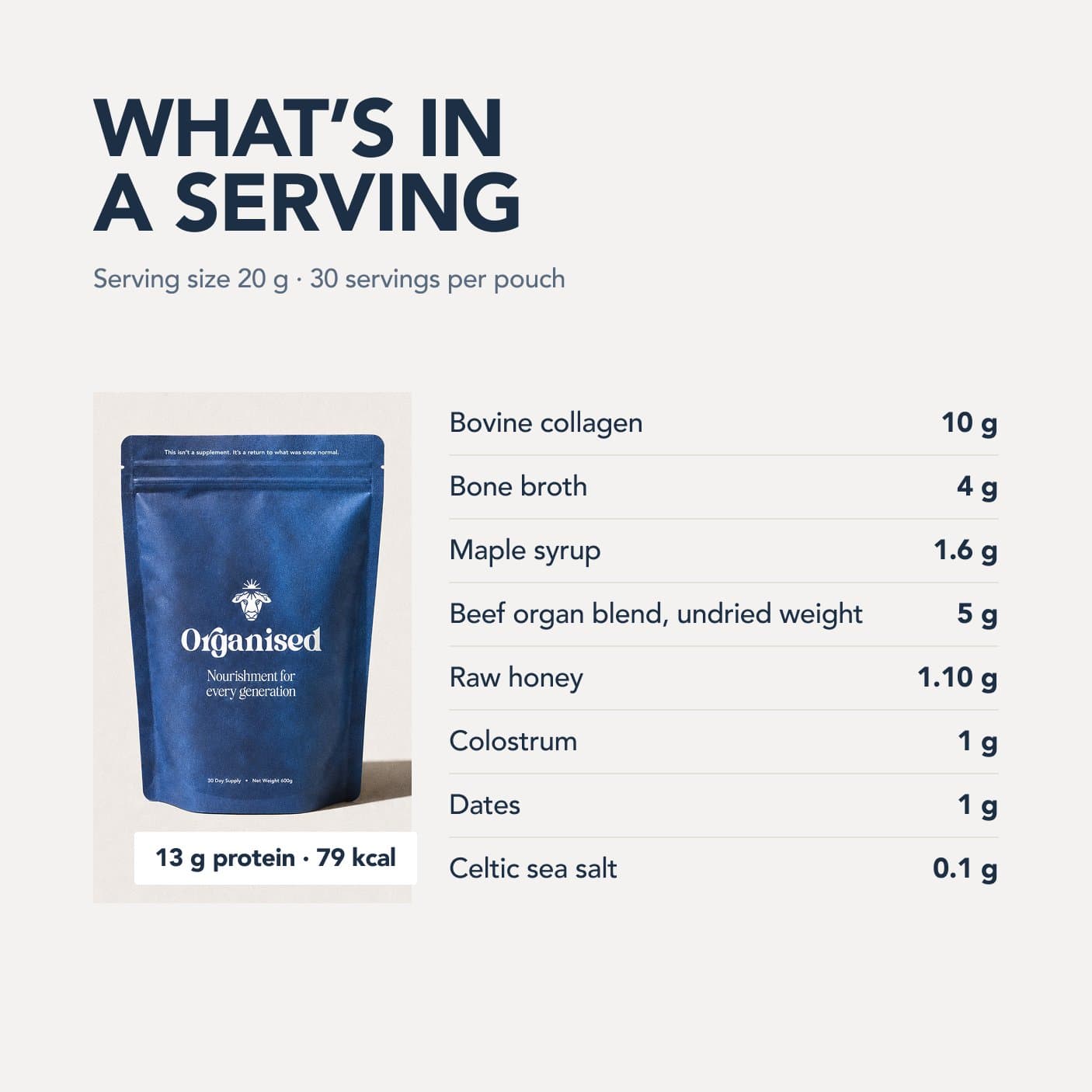
Eight real ingredients built around grass-fed beef organs, collagen and colostrum. Nothing synthetic added.
Free with your first order, worth £38. Plus £10 off the pouch with a subscription.
Free UK shipping · Made in England · 100 day money back guarantee on your first pouch · Skip, pause or cancel anytime
Using maple syrup strategically
If you're going to use sweetener, maple syrup is one of the few that comes with genuine nutritional benefits. It's not "healthy" in the sense that you should eat unlimited amounts, but it's nutritionally superior to honey, agave, and certainly to refined sugar or high-fructose corn syrup.
The bottom line
Pure maple syrup is not a superfood that cures inflammation. But it's a sweetener that contains 24 identifiable antioxidants and doesn't promote the same inflammatory cascade that refined sugar does.
If you're using any sweetener, pure maple syrup from Quebec or Canada is one of the few sweetening agents that actually delivers micronutrient density. The research backs it up, and your antioxidant status will thank you for making the swap.
References
Every source below was checked on 27 August 2026. Each PubMed, PMC and DOI identifier was resolved against NCBI or Crossref, and what it opens is printed under the citation, so you can see the link goes where the citation says without leaving the page. Where a citation and its identifier disagreed, the citation was corrected to the record or the reference was deleted along with the sentence marker that pointed at it, and where the resolved paper turned out not to support the sentence, the sentence was cut back to what it does support. Borrowed authority is worse than none, because it looks like rigour.
- Li L, Seeram NP. Maple Syrup Phytochemicals Include Lignans, Coumarins, a Stilbene, and Other Previously Unreported Antioxidant Phenolic Compounds. J Agric Food Chem. https://pubs.acs.org/doi/10.1021/jf1033398 [accessed May 2026].Checked 27 August 2026: doi:10.1021/jf1033398 opens Li L, Seeram NP, Maple Syrup Phytochemicals Include Lignans, Coumarins, a Stilbene, and Other Previously Unreported Antioxidant Phenolic Compounds Journal of Agricultural and Food Chemistry 2010;58(22):11673-11679.
- Singh AS, Jones AMP, Saxena PK. Variation and correlation of properties in different grades of maple syrup. Plant Foods Hum Nutr. https://pubmed.ncbi.nlm.nih.gov/24408861/ [accessed May 2026].Checked 27 August 2026: PMID 24408861 opens Singh AS, Jones AM, Saxena PK, Variation and correlation of properties in different grades of maple syrup. Plant Foods Hum Nutr 2014;69(1):50-6. PubMed indexes it as: Comparative Study.
- Li L, Seeram NP. Further Investigation Into Maple Syrup Yields Three New Lignans, a New Phenylpropanoid, and Twenty-Six Other Phytochemicals. https://pmc.ncbi.nlm.nih.gov/articles/PMC3140541/ [accessed May 2026].Checked 27 August 2026: PMC3140541 opens Li L, Seeram NP, Further investigation into maple syrup yields 3 new lignans, a new phenylpropanoid, and 26 other phytochemicals. J Agric Food Chem 2011;59(14):7708-16.
Who wrote and reviewed this guide
Niall Kiddle
Author · Founder, Organised
Niall is the founder of Organised. He started the company in 2024 after fixing his own health the slow way: in 2022 he swapped a cupboard of synthetic supplements for real food, raw milk, organ meats, bone broth and honey, and felt the difference within months.
Areas of expertise: Ancestral nutrition, Organ meats, Whole-food supplementation, Gut health, Regenerative sourcing
Read Niall's full profile
Pedro Rodrigues
Reviewer · Agronomist (farming and sourcing only)
Pedro is the agronomist Organised works with on farming and sourcing. His job on the guides is to keep the science honest: he reviews what we publish about soil health, regenerative agriculture, grazing and the way food is actually produced.
Areas of expertise: Regenerative agriculture, Agronomy, Soil health, Grass-fed farming, Food sourcing
Reviewed this guide on
Read Pedro's full profileMore on sweeteners & syrups
View allBrowse the guides library
All guidesKeep reading
Ingredients
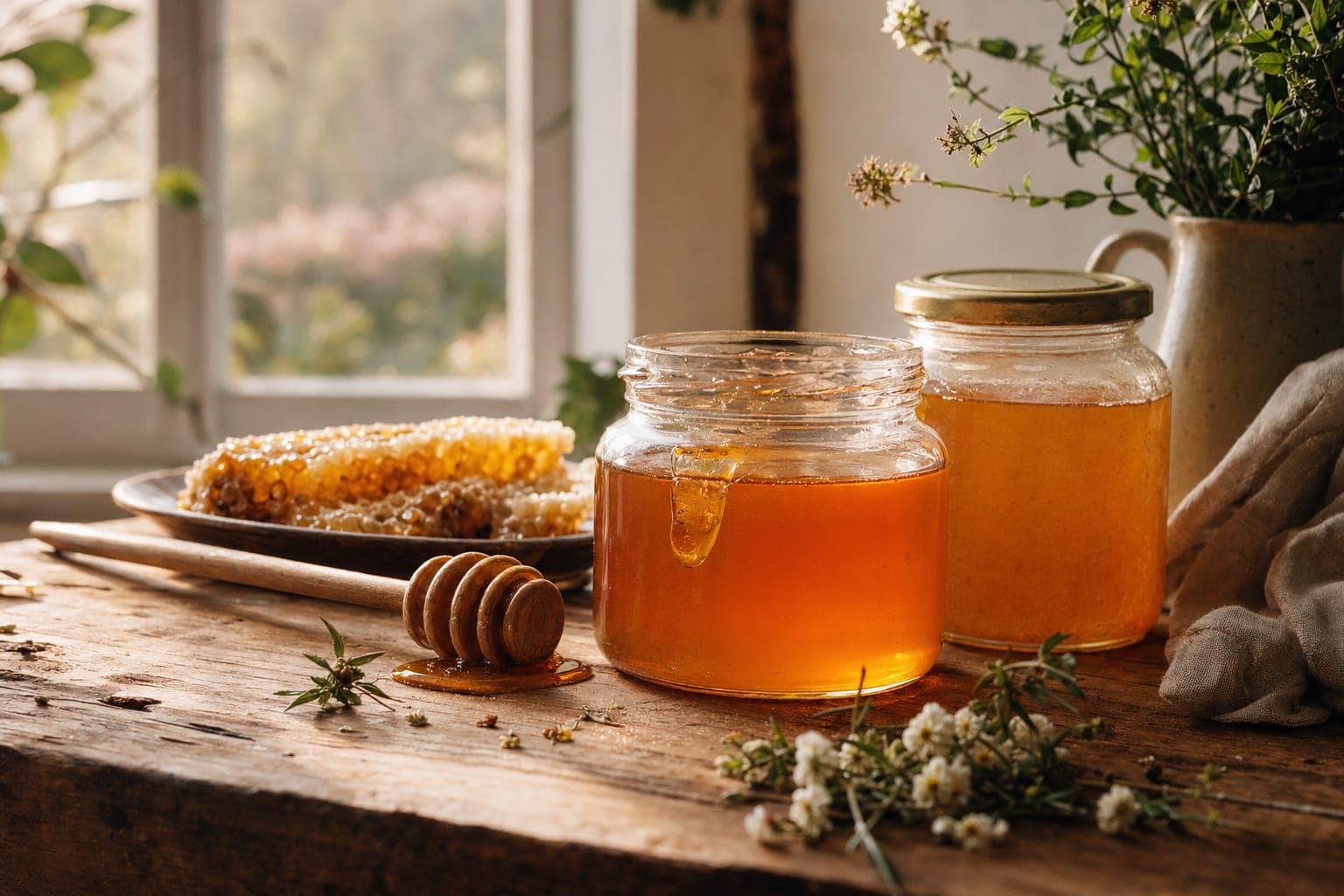
Raw Honey vs Processed Honey: What Gets Lost in Pasteurisation
Pasteurisation destroys honey's living enzymes, propolis, and pollen. Why raw honey is worlds apart from supermarket versions.
Ingredients
Spleen: The Forgotten Organ That Powers Your Immune System
Explore beef spleen benefits for immune health, from tuftsin and immune peptides to highly absorbable iron, in one of the most overlooked organ meats.
Ingredients
Honey and Gut Health: Prebiotic Properties You Might Not Know About
See how honey supports gut health, with oligosaccharides that feed beneficial bacteria, and learn what sets raw honey apart from processed supermarket jars.
Real food, made effortless
Try the organ blendA few ways to use it
All recipes
Organised Overnight Oats: 3 Variations
Three delicious overnight oats variations with Organised. Chocolate, berry, tropical flavours. Make them Sunday, eat them all week.
Collagen-Rich Beef Stew: Slow-Cooked Nourishment
Beef stew that delivers collagen from connective tissue and bone broth. Winter comfort food that actually nourishes. Simple slow cooker recipe.
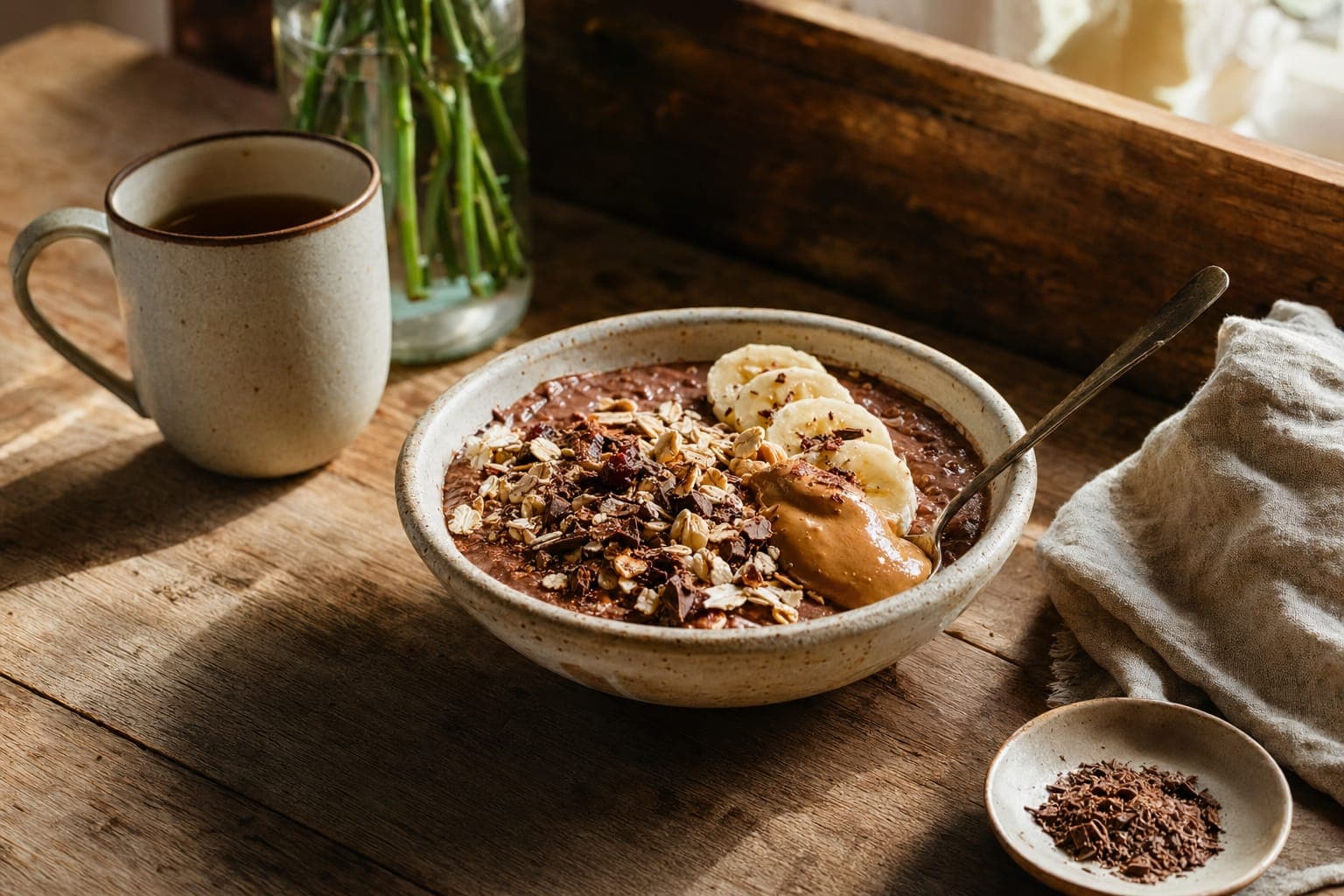
10 Ways to Use Organised That Aren't Just a Shake
Move beyond the basic shake. Discover 10 creative ways to use Organised in smoothie bowls, oats, yoghurt, baking, and more.


 Join over 100,000+ members
Build a better food system with us
The Organised community is thousands of people choosing real food and backing the farmers who grow it, all of us trying to leave the world a little better than we found it. If that is what you care about too, you belong here.