Choline: The Essential Nutrient Almost Nobody Gets Enough Of
There is a silent deficiency running through the modern world, one that damages memory, slows cognitive processing, and compromises fetal brain development. Almost nobody talks about it because almost nobody has heard of choline.

By Niall Kiddle, Founder, Organised

Reviewed by Pedro Rodrigues, Agronomist (farming and sourcing only) ·
7 min read · Published · Updated · 3 cited sources
Makers of the Organised Daily blend, a grass-fed beef organ supplement from regenerative UK farms
Choline is not a vitamin, though it is often grouped with B vitamins. It is an essential nutrient your body cannot synthesise in sufficient quantities to meet physiological demands. You must get it from food. And if you do not, the consequences compound quietly, year after year.
What choline is and why it matters
Choline is a precursor to acetylcholine, the primary neurotransmitter responsible for learning, memory formation, and muscle function. Without adequate choline, your brain cannot produce enough acetylcholine.1
Choline is also a critical component of phosphatidylcholine, a phospholipid that makes up the outer membrane of every single cell in your body. Your brain, which is roughly 60 percent fat by dry weight, is particularly dependent on adequate choline to maintain structural integrity. The myelin sheath that wraps around nerve fibres and allows electrical signals to travel efficiently contains phosphatidylcholine.1
Beyond the brain, choline is involved in methylation reactions throughout the body. These reactions regulate gene expression, support detoxification, and maintain cardiovascular health. Choline deficiency has been linked to elevated homocysteine (an independent cardiovascular risk factor), fatty liver disease, and impaired detoxification capacity.
And yet, despite its fundamental importance, most nutrition discussions skip over choline entirely. It is not as sexy as vitamin D or omega-3s. It does not have the marketing muscle of collagen. The result is widespread deficiency masquerading as normal ageing.
Choline is the nutrient your brain uses to make acetylcholine, the neurotransmitter that drives memory, learning, and focus. Without enough of it, cognitive decline is not a possibility. It is inevitable.
The cognitive consequences of deficiency
Research on choline deficiency shows a clear pattern: inadequate intake correlates with measurable cognitive decline. Studies in older adults show that those with lower choline intake have worse memory performance, reduced processing speed, and lower cognitive function scores overall.
The mechanism is straightforward. Your brain's acetylcholine production drops when choline is low. Acetylcholine is the neurotransmitter that encodes new memories and retrieves old ones. It is also the primary neurotransmitter at the neuromuscular junction, where your nerves communicate with your muscles. This is why choline deficiency shows up both as memory problems and as weakness or muscle fatigue.
Some of what people attribute to normal cognitive ageing is actually the result of choline deficiency. You do not have to lose your memory in your fifties. You do not have to find concentration harder. You do not have to walk into a room and forget why you came. These are signs that your brain is not getting what it needs.
The insidious part is that choline deficiency develops slowly. Most people do not wake up one day unable to remember things. Instead, it is a gradual slide. A few missed words here, a name you cannot quite recall there. Over months and years, this accumulates into noticeable cognitive decline.
The good news is that this is reversible. If you increase choline intake substantially, cognitive function can improve measurably within weeks. Not dramatically, but noticeably. Memory feels crisper. Concentration steadies. The mental fog that became background noise suddenly lifts.
Choline and pregnancy
If you are pregnant, planning pregnancy, or nursing, choline becomes non-negotiable. This is where the science is most compelling.
The developing fetus has an extraordinary demand for choline. The baby's brain is building from nothing, forming neural connections at an astonishing rate. During pregnancy, the maternal brain also has increased metabolic demand for choline, because the placental barrier preferentially transports choline to the fetus. This means the pregnant person's choline status directly determines the baby's choline status.
A randomised, double-blind, controlled feeding trial by Caudill and colleagues (2018) found that infants born to mothers consuming approximately 930 mg/day of choline during the third trimester showed faster information processing speed than those born to mothers consuming around 480 mg/day; follow-up at age 7 reported sustained benefits for attention.2
Conversely, inadequate choline during pregnancy has been linked to neural tube defects, reduced brain volume, and long-term cognitive and behavioural issues. The recommendations are clear: pregnant and lactating women should aim for 550 milligrams of choline daily (compared to 425-450 mg for non-pregnant women).
Most modern prenatal vitamins contain little to no choline. The standard advice to take folic acid is sound, but it is incomplete without adequate choline. They work together. Folic acid supports cell division and DNA synthesis. Choline supports brain development and neuronal function. You need both.
If you are pregnant, your choline needs increase dramatically. Your developing baby's brain depends on it. Most prenatal diets fall short, and most prenatal vitamins do not correct this.
Get ingredient guides like this, free
Two short reads a week on the ingredients that matter and how to actually use them.
By signing up you agree to receive emails from us. No spam, unsubscribe anytime.
Why beef liver is the richest source
Beef liver is one of the densest dietary sources of choline; a 100-gram cooked portion provides several hundred milligrams, covering a large fraction of the daily Adequate Intake.13
For comparison: chicken eggs contain roughly 125-150 mg per large egg. Cod contains roughly 80 mg per 100 grams. Salmon contains roughly 75 mg. Most plant foods contain negligible amounts. Broccoli has about 60 mg per cup. Chickpeas have about 30 mg per cup.
Beef liver is not just high in choline. It is absorbable choline. Your body recognises it as phosphatidylcholine (the form naturally present in animal tissues) and integrates it efficiently into cell membranes and brain tissue. The bioavailability is high.
Grass-fed beef liver carries additional benefits. It comes with superior micronutrient density: exceptional iron, copper, selenium, and B vitamins (particularly B12 and folate, which work synergistically with choline in methylation reactions). It carries more retinol (active vitamin A), which supports neural development and vision.
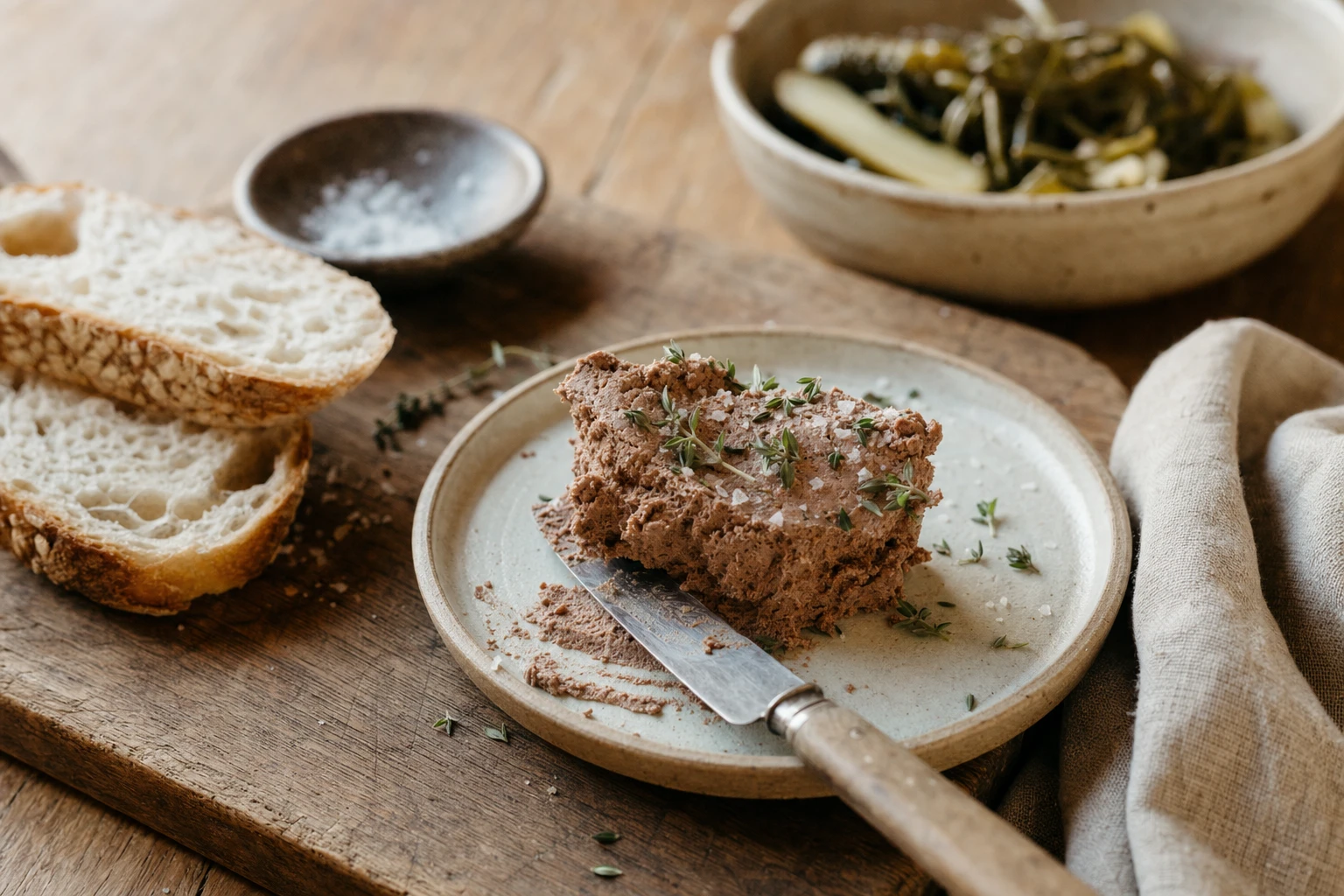
Liver tastes stronger than muscle meat, and many people find it unpalatising raw. Pâté is an excellent workaround. A small serving of liver pâté (roughly 40-50 grams) provides 100-200 milligrams of choline alongside nutrient density that is impossible to achieve with any other single food. It is also versatile: spread on crackers, mixed into ground beef, or eaten as is with a pinch of salt.
How much choline you actually need
The Adequate Intake (AI) for choline is 425 milligrams daily for adult women and 550 mg for pregnant women. For men, it is 550 milligrams daily. These are the amounts research suggests prevent deficiency symptoms, not the amounts that optimise cognitive function.1
If you are trying to support cognitive performance, pregnancy-related brain development, or recovery from cognitive decline, aiming higher makes sense. 600 to 800 milligrams daily is reasonable for most people. During pregnancy or if you are nursing, 700 to 900 milligrams is defensible given the fetal demand.
The challenge is hitting these targets without deliberate food choices. If you eat muscle meat, fish, eggs, and dairy but no organ meats, your choline intake is likely 200 to 350 milligrams daily. You are not deficient enough to show obvious symptoms, but you are not optimised either. Your memory is cloudier, your cognitive processing is slower, your fetal brain development is less supported than it could be.
Adding 100 grams of beef liver once or twice per week (or 40 grams of pâté more frequently) closes the gap entirely. Suddenly you are not just meeting the AI. You are supporting robust neurological function and, if pregnant, providing your developing baby with the nutrient density that determines lifelong cognitive capacity.
Aim for 600 to 800 milligrams of choline daily if cognitive function matters to you. One serving of beef liver provides 400 to 500 mg. It is the single most efficient way to close a widespread deficiency.
1 of 9
Daily blend
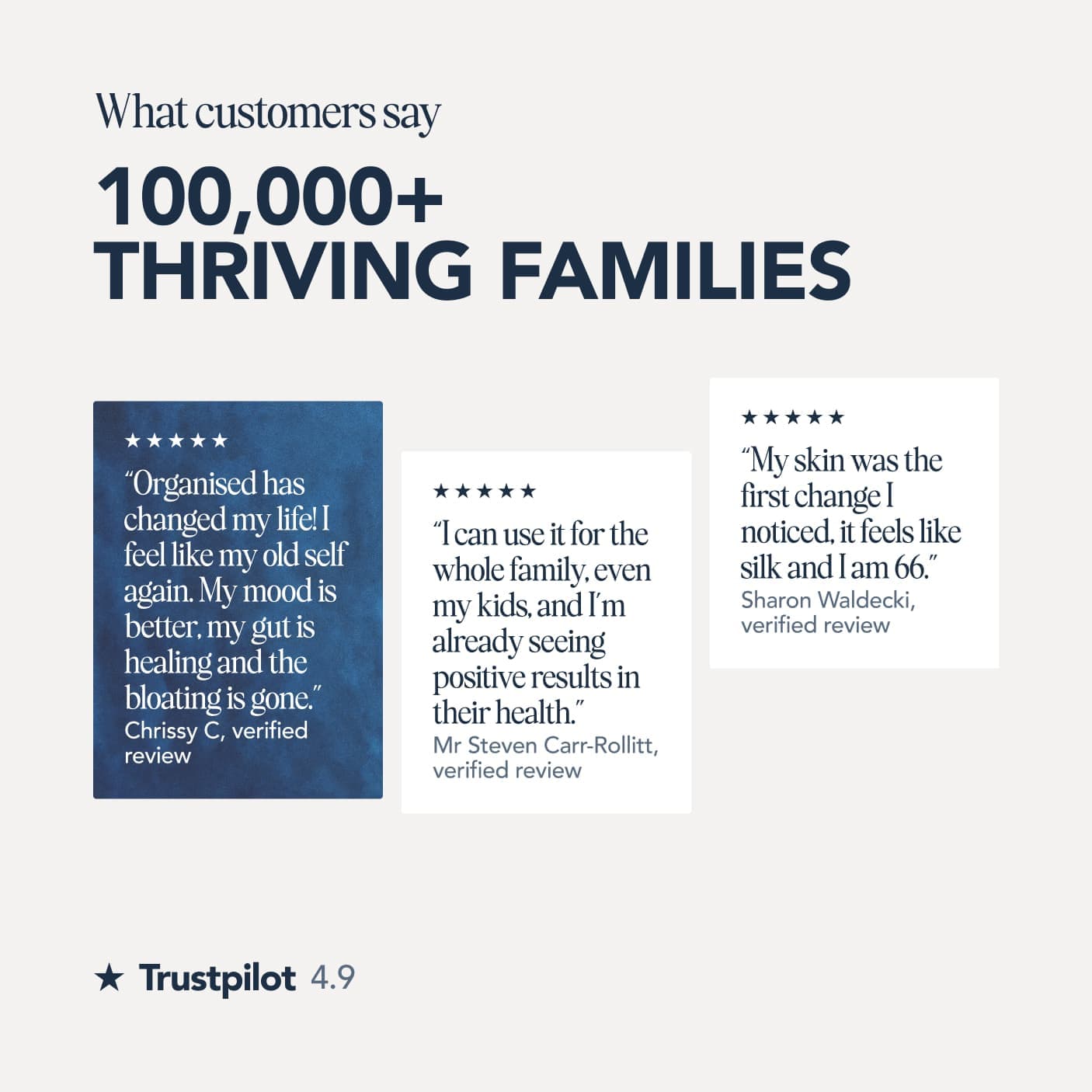
100,000+ thriving families4.9 on Trustpilot
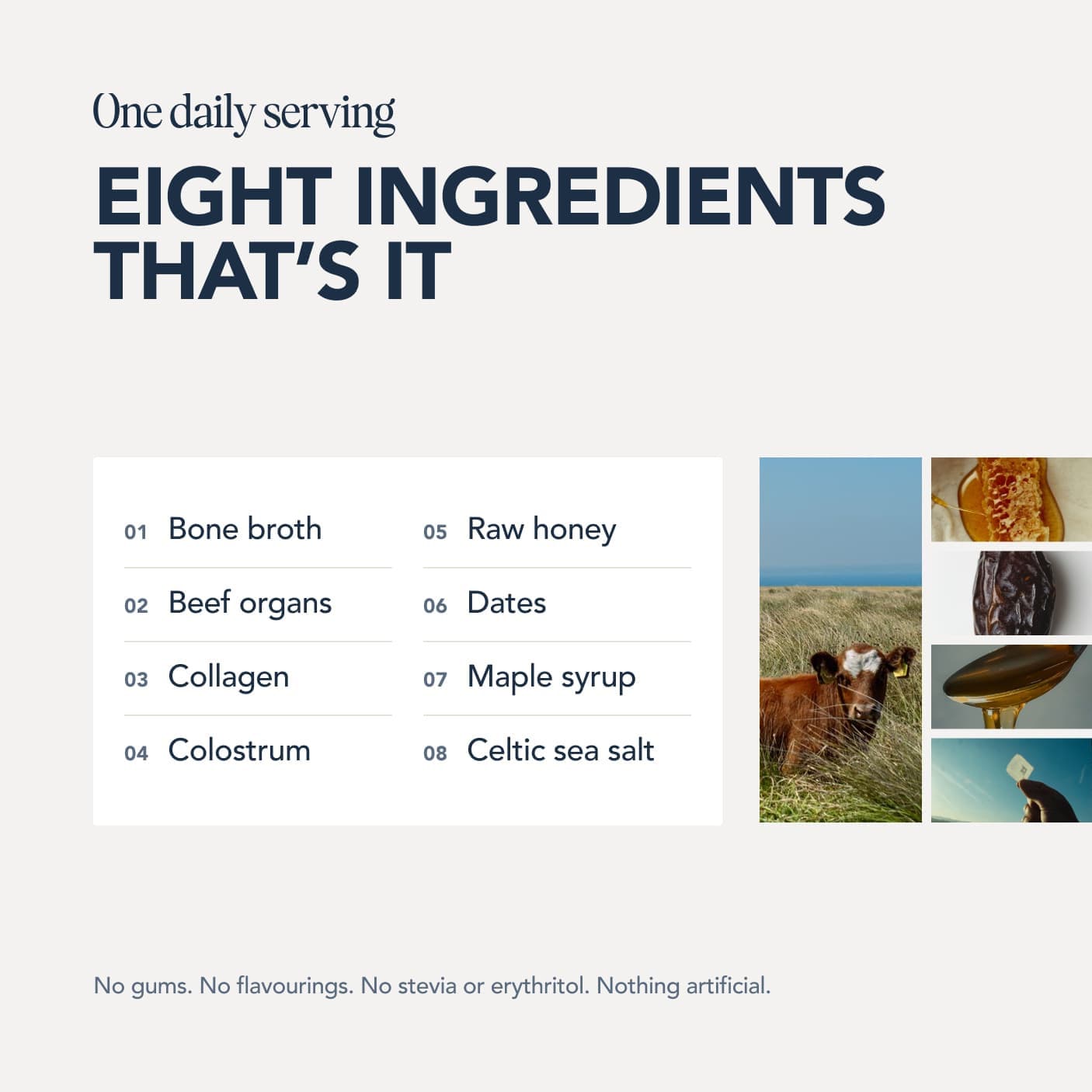
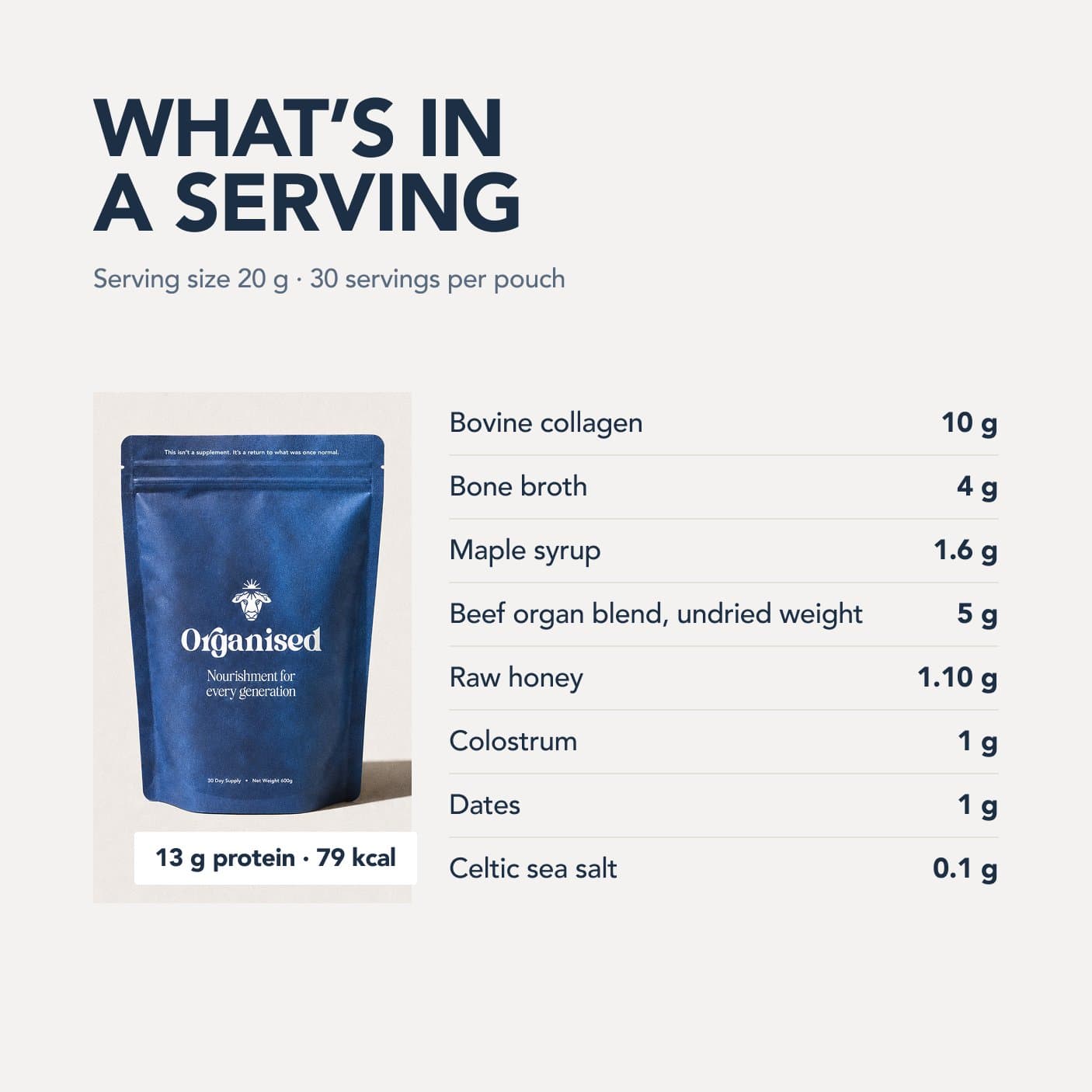
Eight real ingredients built around grass-fed beef organs, collagen and colostrum. Nothing synthetic added.
Free with your first order, worth £38. Plus £10 off the pouch with a subscription.


Free UK shipping · Made in England · 100 day money back guarantee on your first pouch · Skip, pause or cancel anytime
The bottom line on choline intake
Choline is not optional. Your brain runs on it. Your cells are built from it. Your developing baby depends on it. And yet it is almost completely absent from mainstream nutrition advice.
If you are not eating organ meats (particularly beef liver), you are almost certainly deficient. This shows up as memory problems, concentration difficulties, slower cognitive processing. If you are pregnant, this shows up in your developing baby's brain structure and long-term cognitive outcomes.
Start with small amounts of liver. Pâté is the least confronting form. A teaspoon of good quality liver pâté on toast, once daily, provides 50-75 milligrams of choline. Add an egg (125 mg), some salmon (75 mg), and a small serving of beef (40 mg), and you are already at 300+ mg. A full serving of liver once weekly closes the gap entirely.
Your memory is not meant to fade. Your focus is not meant to scatter. Your developing baby's brain is not meant to be choline-deficient. Feed the brain what it needs. Beef liver is the tool that makes it possible.
References
Every source below was checked on 27 August 2026. Each PubMed, PMC and DOI identifier was resolved against NCBI or Crossref, and what it opens is printed under the citation, so you can see the link goes where the citation says without leaving the page. Where a citation and its identifier disagreed, the citation was corrected to the record or the reference was deleted along with the sentence marker that pointed at it, and where the resolved paper turned out not to support the sentence, the sentence was cut back to what it does support. Borrowed authority is worse than none, because it looks like rigour.
- National Institutes of Health, Office of Dietary Supplements. Choline — Health Professional Fact Sheet. https://ods.od.nih.gov/factsheets/Choline-HealthProfessional/
- Caudill MA, Strupp BJ, Muscalu L, Nevins JEH, Canfield RL. Maternal choline supplementation during the third trimester of pregnancy improves infant information processing speed: a randomized, double-blind, controlled feeding study. FASEB Journal. 2018. https://pmc.ncbi.nlm.nih.gov/articles/PMC6988845/Checked 27 August 2026: PMC6988845 opens Caudill MA, Strupp BJ, Muscalu L et al, Maternal choline supplementation during the third trimester of pregnancy improves infant information processing speed: a randomized, double-blind, controlled feeding study. FASEB J 2018;32(4):2172-2180. PubMed indexes it as: Randomized Controlled Trial.The authors' own declaration, from the record: The authors thank the women participants for their extraordinary cooperation and compliance with the controlled feeding trial and for making their infants available for this neurobehavioral follow-up study. This work was funded, in part, by the Egg Nutrition Center, The Beef Checkoff, the U.S. Department of Agriculture (USDA) Cooperative State Research, Education, and Extension Service (special research Grant … (abridged; the full declaration is on the record)
- U.S. Department of Agriculture, FoodData Central. Beef, variety meats and by-products, liver, raw. https://fdc.nal.usda.gov/food-search/
Who wrote and reviewed this guide
Niall Kiddle
Author · Founder, Organised
Niall is the founder of Organised. He started the company in 2024 after fixing his own health the slow way: in 2022 he swapped a cupboard of synthetic supplements for real food, raw milk, organ meats, bone broth and honey, and felt the difference within months.
Areas of expertise: Ancestral nutrition, Organ meats, Whole-food supplementation, Gut health, Regenerative sourcing
Read Niall's full profile
Pedro Rodrigues
Reviewer · Agronomist (farming and sourcing only)
Pedro is the agronomist Organised works with on farming and sourcing. His job on the guides is to keep the science honest: he reviews what we publish about soil health, regenerative agriculture, grazing and the way food is actually produced.
Areas of expertise: Regenerative agriculture, Agronomy, Soil health, Grass-fed farming, Food sourcing
Reviewed this guide on
Read Pedro's full profileMore on beef organs
View all- The Complete Guide to Beef Organ Supplements
- Are Beef Organs Safe? Everything You Need to Know
- Beef Heart: The Organ Your Mitochondria Have Been Waiting For
- Beef Lung: What It Contains and Why It Matters
- Benefits of Beef Organ Supplements: Nature's Multivitamins
- Freeze-Dried vs Fresh Organs: Does the Method Matter?
- How Much Vitamin A Is in Beef Liver? (And Is It Too Much?)
- Is Beef Liver Good for You? 7 Benefits of Eating Beef Liver
- Spleen: The Forgotten Organ That Powers Your Immune System
- The Nutrients You Can Only Get from Organ Meats
- What Does Beef Liver Actually Do for Your Body?
- Why Beef Kidney Deserves a Place in Your Daily Routine
Browse the guides library
All guidesKeep reading
Ingredients
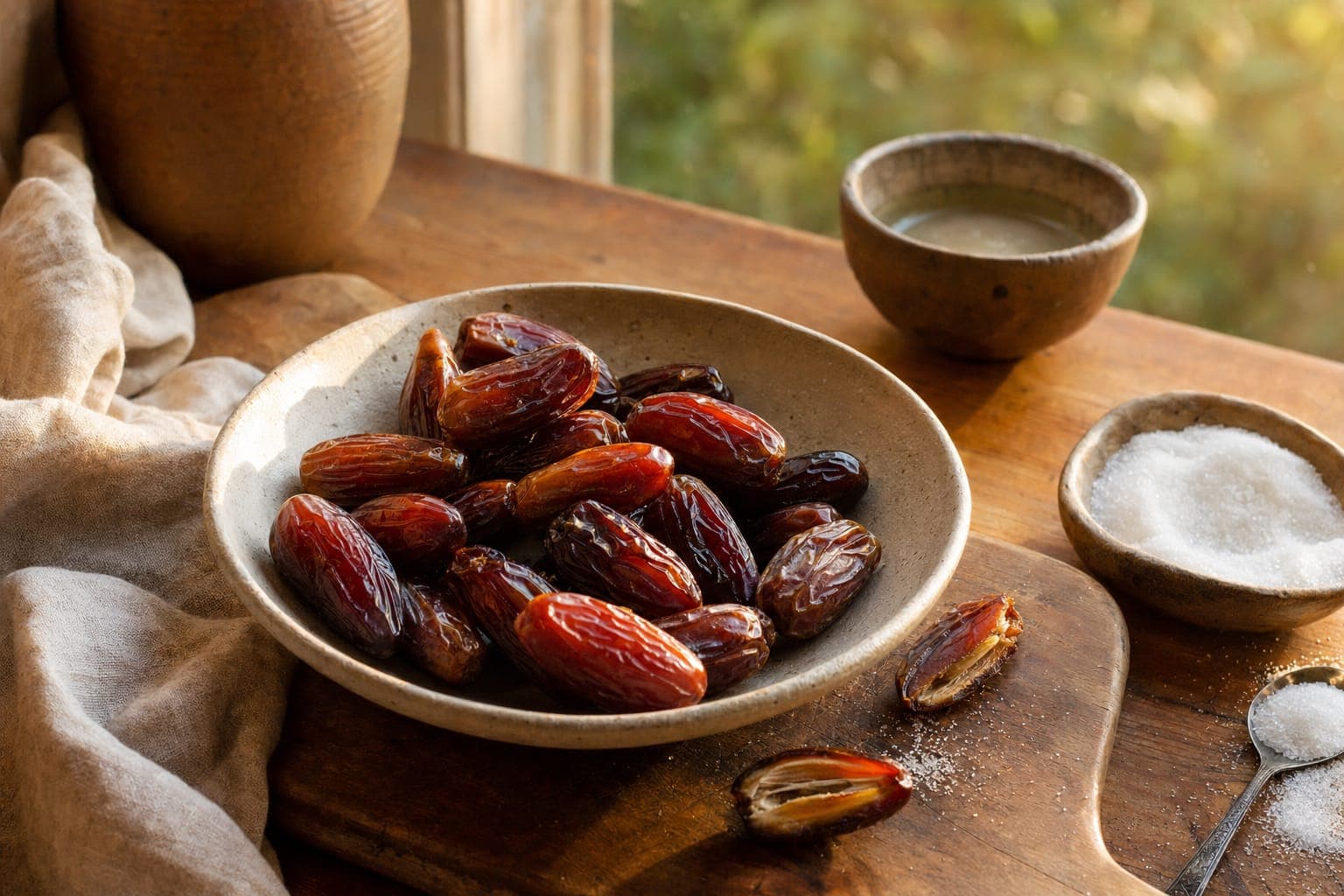
The Nutritional Profile of Dates and Why They Beat Processed Sugar
Compare dates vs sugar to see why dates pair natural sweetness with fibre, minerals and polyphenols, changing how your body handles each one. Worth knowing.

Ingredients
Are You Actually Dehydrated? The Role of Electrolytes in Real Hydration
Real hydration needs electrolytes, not just water. Learn how sodium, potassium, magnesium, and calcium keep you hydrated and how to top them up daily.

Ingredients
Pure Maple Syrup: More Than Just a Sweetener
Pure maple syrup delivers trace minerals and polyphenols that refined sugar lacks. See why these maple syrup minerals make it a real whole food.
Real food, made effortless
Try the organ blendA few ways to use it
All recipes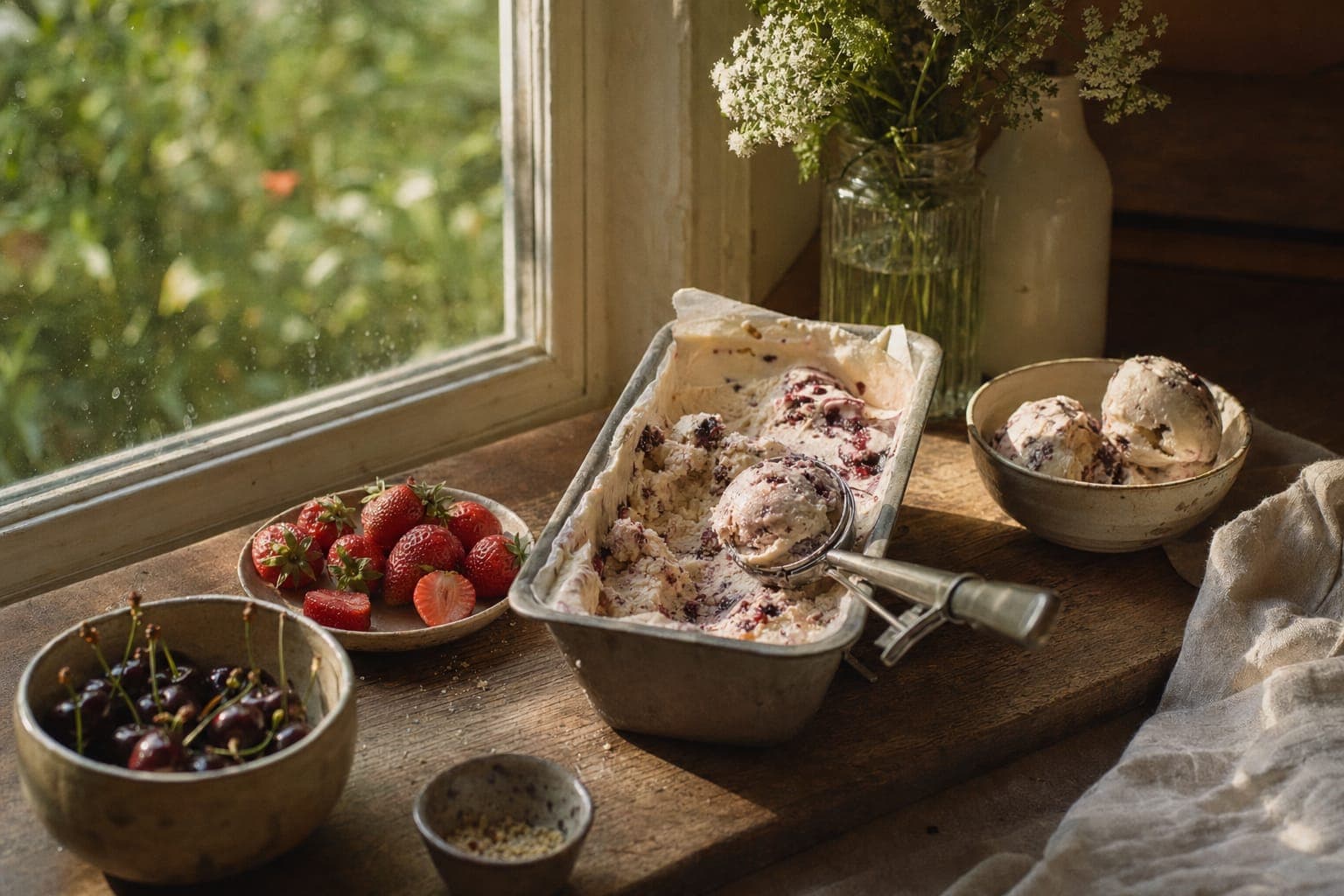
Raw Milk Ice Cream with Organised
Make raw milk ice cream at home with Organised for a seasonal, nutrient-dense treat. Three simple flavours to try whenever the craving strikes.
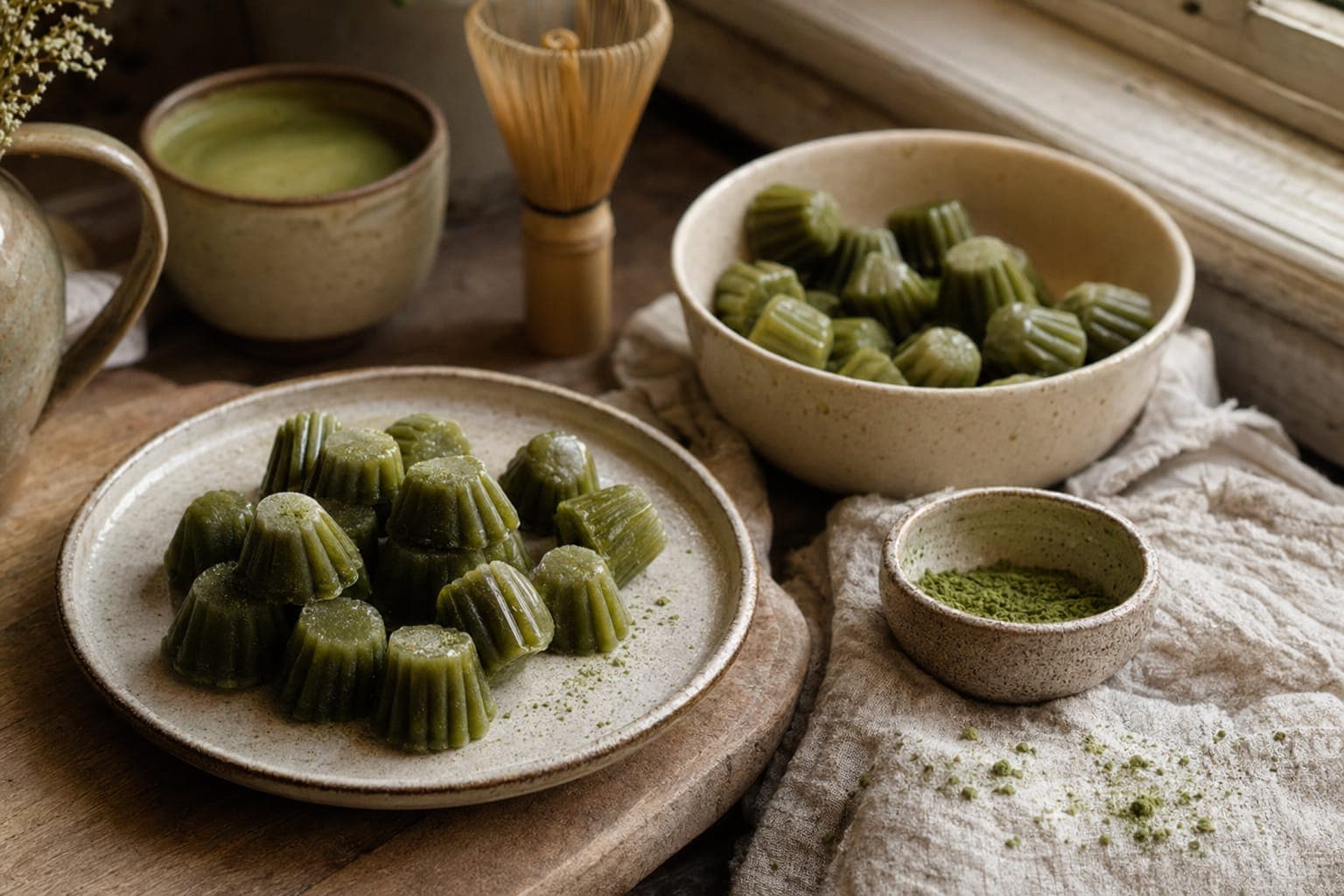
Matcha Latte Gummies with Collagen and Gelatine
Make visually stunning matcha latte gummies infused with collagen and gelatine. Simple recipe for gut-healing sweets you'll actually want to eat.
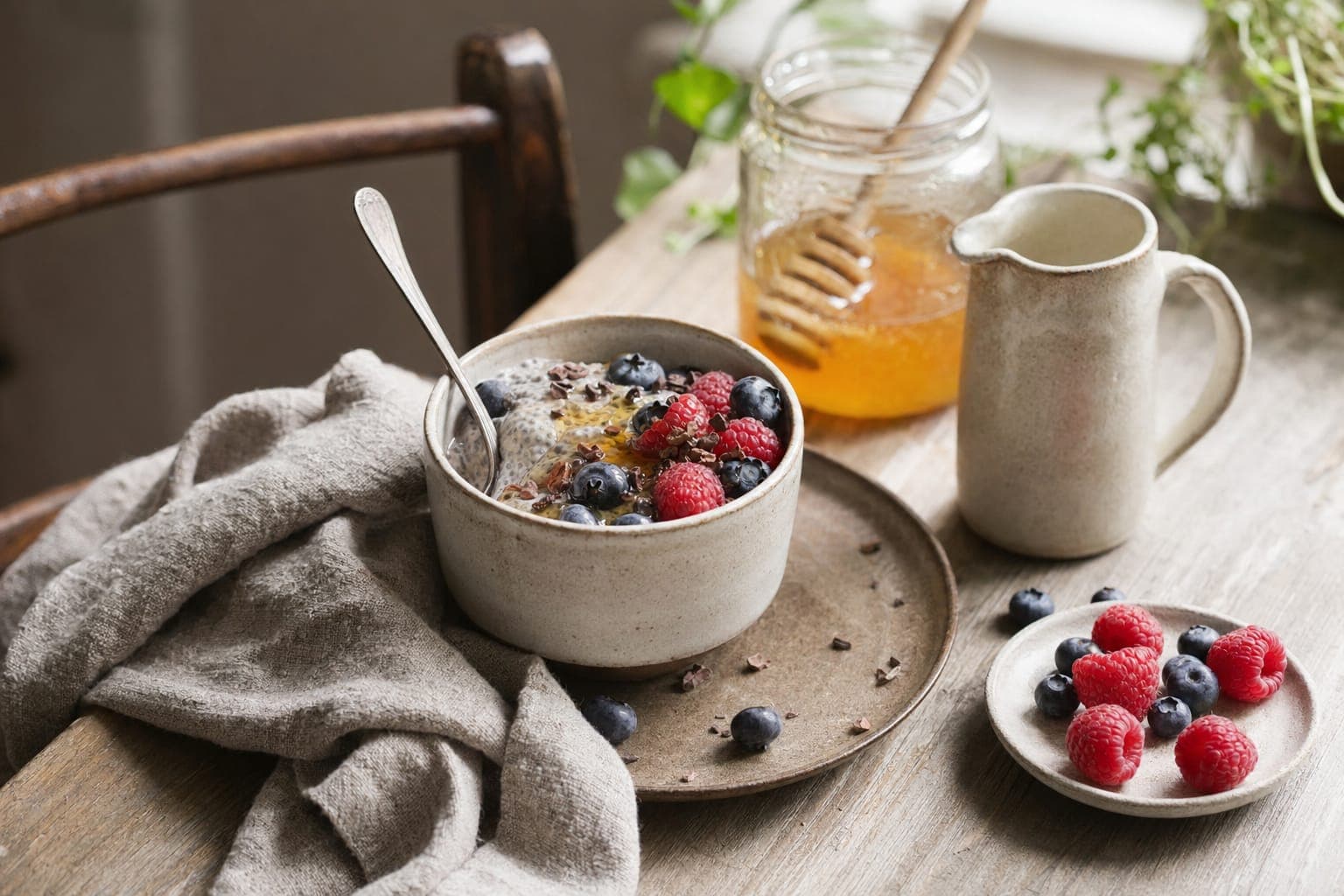
Organised Chia Pudding with Raw Honey and Berries
A no-cook chia seed pudding made with raw milk, collagen, berries, and raw honey. Prep it the night before and eat for breakfast.


 Join over 100,000+ members
Build a better food system with us
The Organised community is thousands of people choosing real food and backing the farmers who grow it, all of us trying to leave the world a little better than we found it. If that is what you care about too, you belong here.