Pure Maple Syrup: More Than Just a Sweetener
Most people think of maple syrup as a breakfast condiment. Pour it over pancakes, add it to baking, maybe stir it into coffee. What they don't know is that maple syrup is a food with genuine nutritional depth. It contains minerals that modern diets are deficient in. It contains polyphenols with antioxidant activity. It contains compounds that improve insulin sensitivity. It's not just sweetness. It's a whole food that happens to taste sweet.

By Niall Kiddle, Founder, Organised

Reviewed by Pedro Rodrigues, Agronomist (farming and sourcing only) ·
5 min read · Published · Updated · 1 cited source
Makers of the Organised Daily blend, a grass-fed beef organ supplement from regenerative UK farms

This distinction matters. The moment you think of pure maple syrup as something other than empty calories, your choices change.

What pure maple syrup actually is
Maple syrup is sap from the maple tree, boiled down. That's it. No additives. No processing beyond heat. No ingredients list. Just the concentrated carbohydrate and minerals that maple sap contains naturally.
In early spring, maple trees move nutrient-rich sap from their roots upward through the trunk to feed new growth. That sap is roughly 2% sugar and 98% water. Maple syrup is made by boiling off the water, concentrating the remaining sugars and minerals. The result is roughly 67% sugar and 33% water. Nothing is added. Nothing is removed except water.
Compare that to processed maple-flavoured syrup, which contains corn syrup, high-fructose corn syrup, and maple flavour as an afterthought. That's not maple syrup. That's a sweetener with maple marketing. Pure maple syrup is fundamentally different.
Pure maple syrup is simply maple sap with the water removed. Everything the tree put into the sap remains. Everything that tree concentrated from its soil and roots is still there.
The mineral constellation
When a maple tree draws sap from the soil, it's drawing up all the minerals that tree can reach. Maple grows in the forests of eastern North America, particularly Canada and the northeastern United States. The soil in these regions is rich in minerals that the tree absorbs and concentrates into its sap.
A tablespoon of pure maple syrup contains:1
- Manganese: 0.3 milligrams. That's roughly 16% of your daily requirement. Manganese is required for bone development, wound healing, and nutrient metabolism.
- Zinc: 0.5 milligrams. Roughly 5% of daily requirement. Required for immune function and protein synthesis.
- Calcium: 13 milligrams. A small amount, but more than most sweeteners contain.
- Potassium: 41 milligrams. Critical for nerve transmission and muscle function.
- Iron: 0.3 milligrams. Needed for oxygen transport.
- Magnesium: Trace amounts, but present.
These aren't accidental. Maple sap moved through the tree to nourish new growth. The minerals were there for a biological purpose. When you consume maple syrup, you're consuming those minerals in the context of the energy the tree was moving.
Refined sugar contains zero grams of any mineral. A tablespoon of maple syrup contains measurable amounts of multiple minerals your body actually needs.
Polyphenols and antioxidant activity
Pure maple syrup also contains polyphenols, the same class of plant compounds found in berries, tea, and dark chocolate. Research has identified more than 60 plant-derived compounds in pure maple syrup, several of which are unique to maple, including a novel compound named quebecol that forms when sap is boiled.1
These polyphenols have measurable antioxidant activity. They reduce oxidative stress in the body, which is implicated in ageing, inflammation, and chronic disease. They improve insulin sensitivity, which means the blood sugar response to maple syrup is better than the simple sugar content would suggest. They have antimicrobial and anti-inflammatory effects.
Chemical analyses of pure maple syrup have identified more than 50 bioactive compounds with measurable antioxidant and anti-inflammatory activity in laboratory studies. The effects are not dramatic, but they distinguish maple syrup from refined sweeteners that contain only sugar.1
Refined sugar, honey that has been pasteurised, most other sweeteners contain zero polyphenols or only trace amounts. Maple syrup comes with them naturally.
Maple syrup isn't just sweet. It's sweet and protective. The polyphenols in maple actually reduce the inflammatory effect of the sugar, making maple metabolically superior to isolated sweeteners.
Get ingredient guides like this, free
Two short reads a week on the ingredients that matter and how to actually use them.
By signing up you agree to receive emails from us. No spam, unsubscribe anytime.
The difference between grades
Maple syrup is graded by colour, from light to dark. Light maple (golden grade) has a mild maple flavour. Medium amber has more maple flavour. Dark amber has deeper flavour. Very dark has the most pronounced taste.
The darker the syrup, the higher the polyphenol and mineral content. This is because darker syrup comes from sap collected later in the season, after the tree has been tapped multiple times, and it's been exposed to more heat during boiling. More heat, more oxidation, more polyphenol concentration.
For nutritional purposes, darker maple syrup is superior. For taste preference, that's individual. But nutritionally, the darkest maple available will have the most antioxidants and minerals.
Why it matters that maple is liquid
Maple syrup is liquid at room temperature. That matters because it means the minerals and polyphenols are distributed throughout the syrup and available to your digestive system immediately. You're not asking your body to break down a crystallised structure. You're absorbing something that's already in a form your gut can work with.
The liquid nature also means maple spreads easily, mixes easily, and can be used as a sweetener in almost any application. You can add it to coffee, tea, or smoothies. You can use it in salad dressings or marinades. You can use it in baking. The versatility of liquid maple is part of what made it so valuable historically.
Maple versus other sweeteners
Pure maple syrup is superior to refined sugar, which contains no minerals or polyphenols. It's superior to high-fructose corn syrup, which is an industrially processed product. It's better than most artificial sweeteners, which have no nutritional value.
How does maple compare to honey? Raw honey contains polyphenols and antimicrobial compounds, so they're comparable nutritionally. Both are whole foods. Both contain minerals. Both contain bioactive compounds. Honey may have a slight edge for antimicrobial properties if it's raw. Maple has a slight edge for mineral content. If you like both, use both. They're both superior choices to refined sweeteners.
How does maple compare to dates? Dates contain significantly more fibre and more minerals. A Medjool date is more nutritionally dense than an equivalent amount of maple syrup. But maple is versatile in ways dates aren't. You can't make a salad dressing from dates. You can from maple. For specific applications, maple wins. For overall nutrient density, dates are superior.


1 of 9
Daily blend
100,000+ thriving families4.9 on Trustpilot
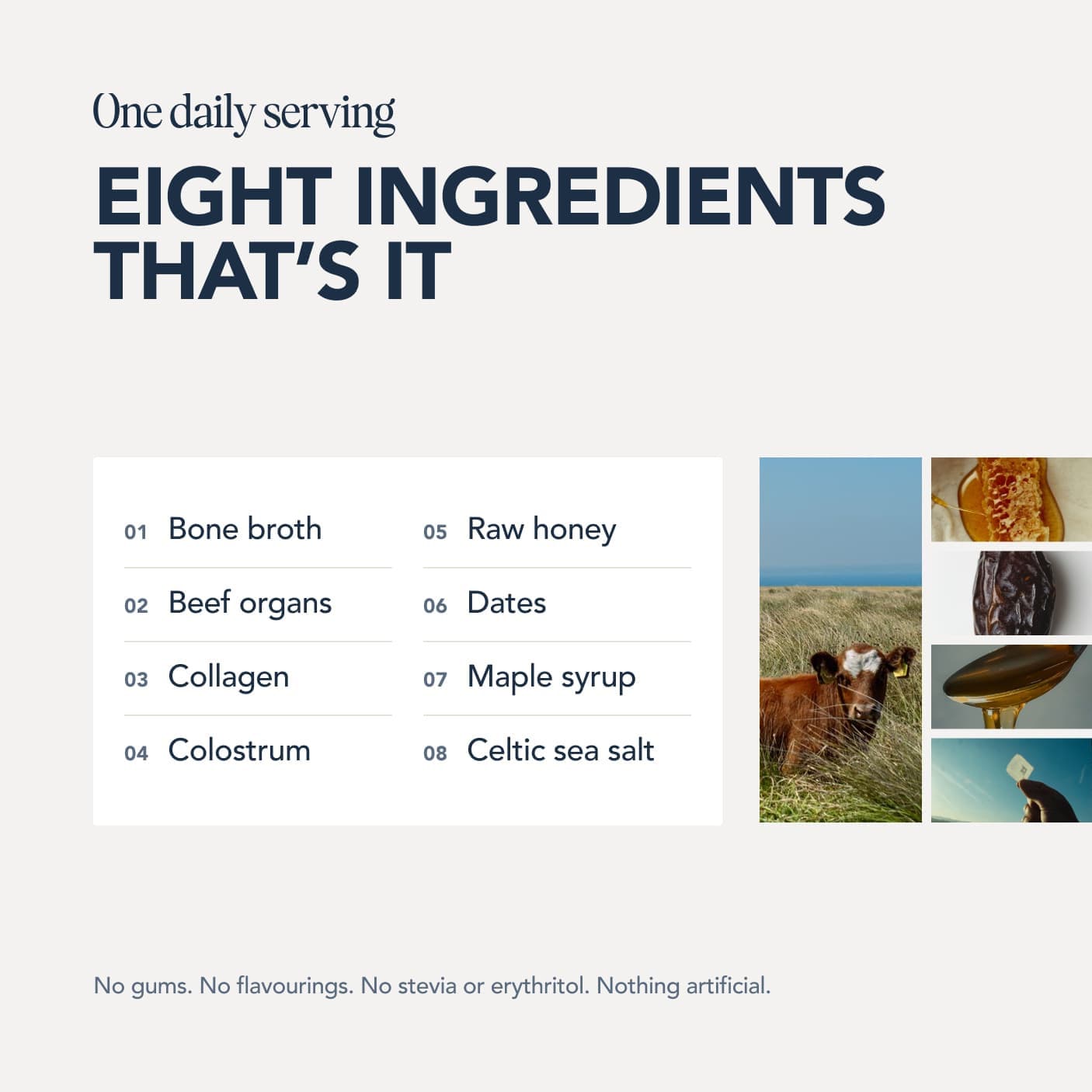
Eight real ingredients built around grass-fed beef organs, collagen and colostrum. Nothing synthetic added.
Free with your first order, worth £38. Plus £10 off the pouch with a subscription.
Free UK shipping · Made in England · 100 day money back guarantee on your first pouch · Skip, pause or cancel anytime
The bottom line
Pure maple syrup is not just a sweetener. It's a food. It contains minerals, polyphenols, and antioxidant compounds that refined sweeteners don't. It's the concentrated sap of a tree that spent months drawing nutrients from the earth to nourish growth. That nutritional legacy remains in the syrup.
The next time someone tells you that all sugars are the same, remind them: refined sugar has nothing but sugar. Maple has minerals, antioxidants, and the concentrated nutrition of the forest itself. They're not equivalent.
Use maple syrup as your sweetener. Use it generously. It's not health food. It's still sugar. But it's sugar that comes with nutrients, antioxidants, and the nutritional depth that makes it a whole food, not an industrial product.
References
Every source below was checked on 27 August 2026. Each PubMed, PMC and DOI identifier was resolved against NCBI or Crossref, and what it opens is printed under the citation, so you can see the link goes where the citation says without leaving the page. Where a citation and its identifier disagreed, the citation was corrected to the record or the reference was deleted along with the sentence marker that pointed at it, and where the resolved paper turned out not to support the sentence, the sentence was cut back to what it does support. Borrowed authority is worse than none, because it looks like rigour.
- Mohammed F, et al. Maple Syrup: Chemical Analysis and Nutritional Profile, Health Impacts, Safety and Quality Control, and Food Industry Applications. Foods. 2022. https://pmc.ncbi.nlm.nih.gov/articles/PMC9603788/Checked 27 August 2026: PMC9603788 opens Saraiva A, Carrascosa C, Ramos F et al, Maple Syrup: Chemical Analysis and Nutritional Profile, Health Impacts, Safety and Quality Control, and Food Industry Applications. Int J Environ Res Public Health 2022;19(20). PubMed indexes it as: Review.The authors' own declaration, from the record: The authors declare no conflict of interest.
Corrections
What this page used to say, and why it no longer says it. Corrections are dated and are never removed, because deleting the record of an error is a second error. Every guide we have corrected is listed at our corrections log.
- 27 August 2026. Reference 1 was credited to “Mohammed F, et al.” in Foods. The record is by Saraiva et al. in the International Journal of Environmental Research and Public Health. Corrected.
Who wrote and reviewed this guide
Niall Kiddle
Author · Founder, Organised
Niall is the founder of Organised. He started the company in 2024 after fixing his own health the slow way: in 2022 he swapped a cupboard of synthetic supplements for real food, raw milk, organ meats, bone broth and honey, and felt the difference within months.
Areas of expertise: Ancestral nutrition, Organ meats, Whole-food supplementation, Gut health, Regenerative sourcing
Read Niall's full profile
Pedro Rodrigues
Reviewer · Agronomist (farming and sourcing only)
Pedro is the agronomist Organised works with on farming and sourcing. His job on the guides is to keep the science honest: he reviews what we publish about soil health, regenerative agriculture, grazing and the way food is actually produced.
Areas of expertise: Regenerative agriculture, Agronomy, Soil health, Grass-fed farming, Food sourcing
Reviewed this guide on
Read Pedro's full profileBrowse the guides library
All guidesKeep reading
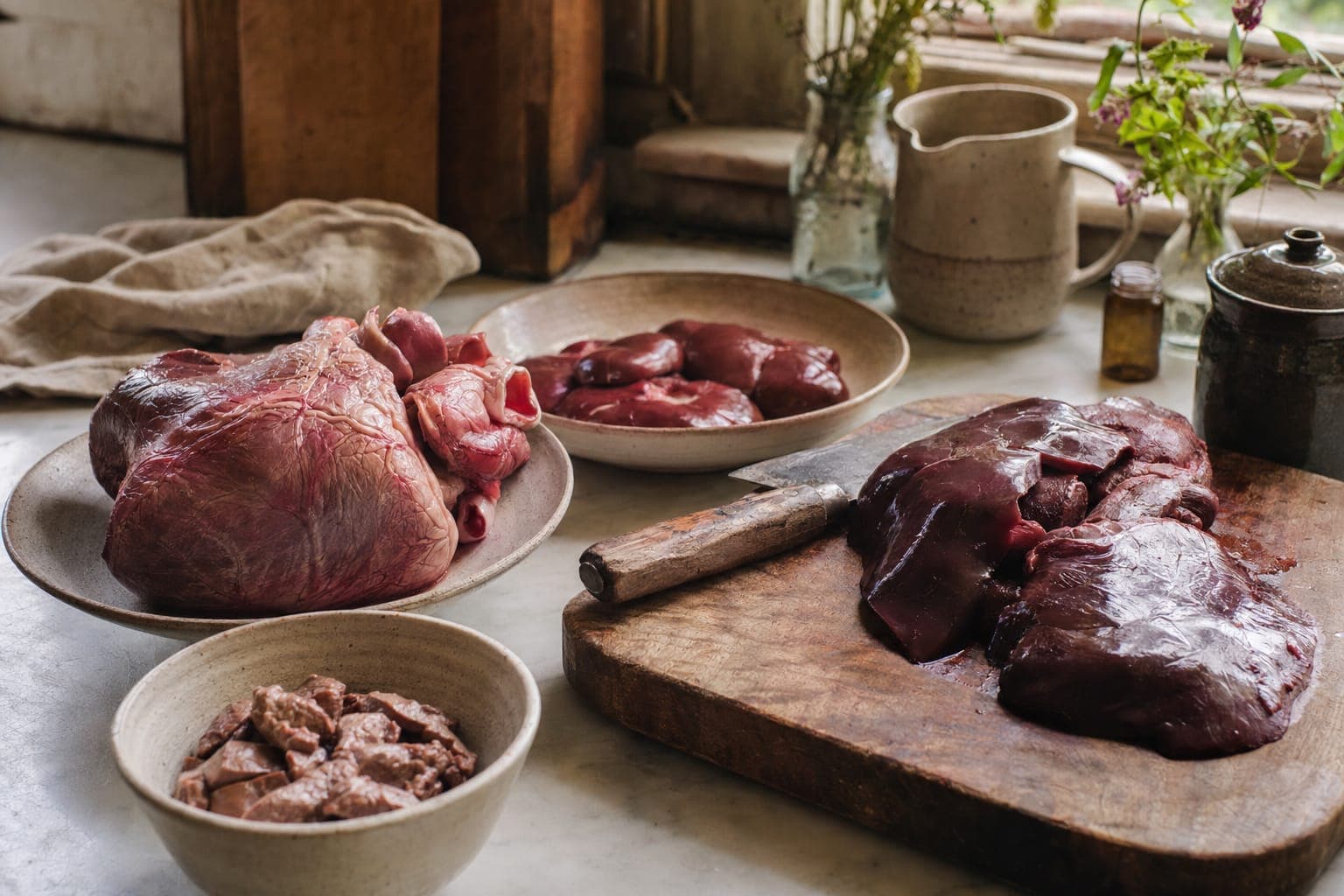
Ingredients
Are Beef Organs Safe? Everything You Need to Know
Wondering if beef organs are safe to eat? See what modern lab testing shows about heavy metals and toxins in liver, so you can choose sources with confidence.

Ingredients
Choline: The Essential Nutrient Almost Nobody Gets Enough Of
Discover why choline deficiency is widespread, how beef liver supplies this critical nutrient, and its importance for brain health and prenatal development.

Ingredients
Collagen for Joint Pain: What Does the Evidence Say?
Review of clinical evidence on collagen supplementation for joint pain, including type II collagen, hydrolysed collagen, and optimal dosing protocols.
Real food, made effortless
Try the organ blendA few ways to use it
All recipes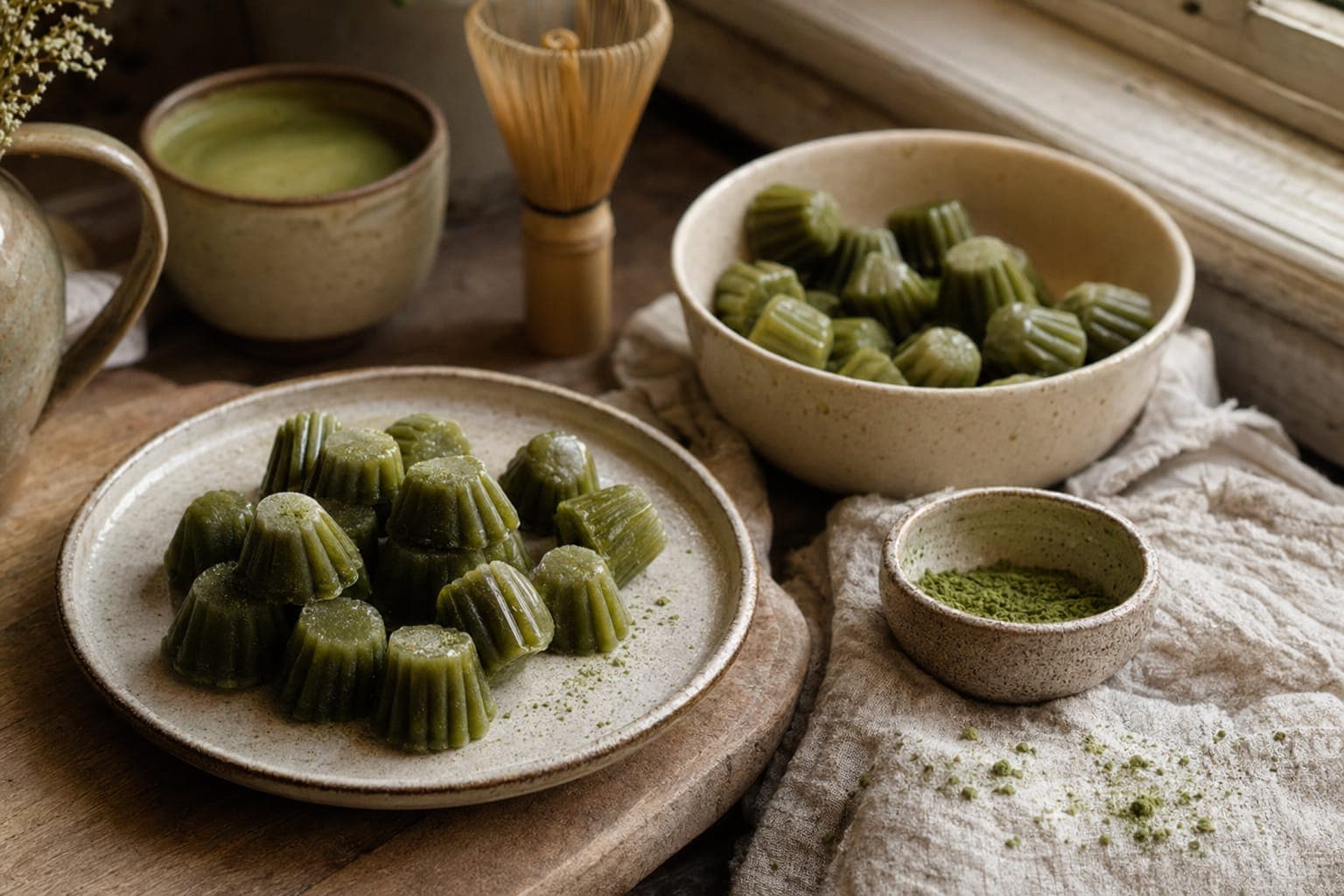
Matcha Latte Gummies with Collagen and Gelatine
Make visually stunning matcha latte gummies infused with collagen and gelatine. Simple recipe for gut-healing sweets you'll actually want to eat.
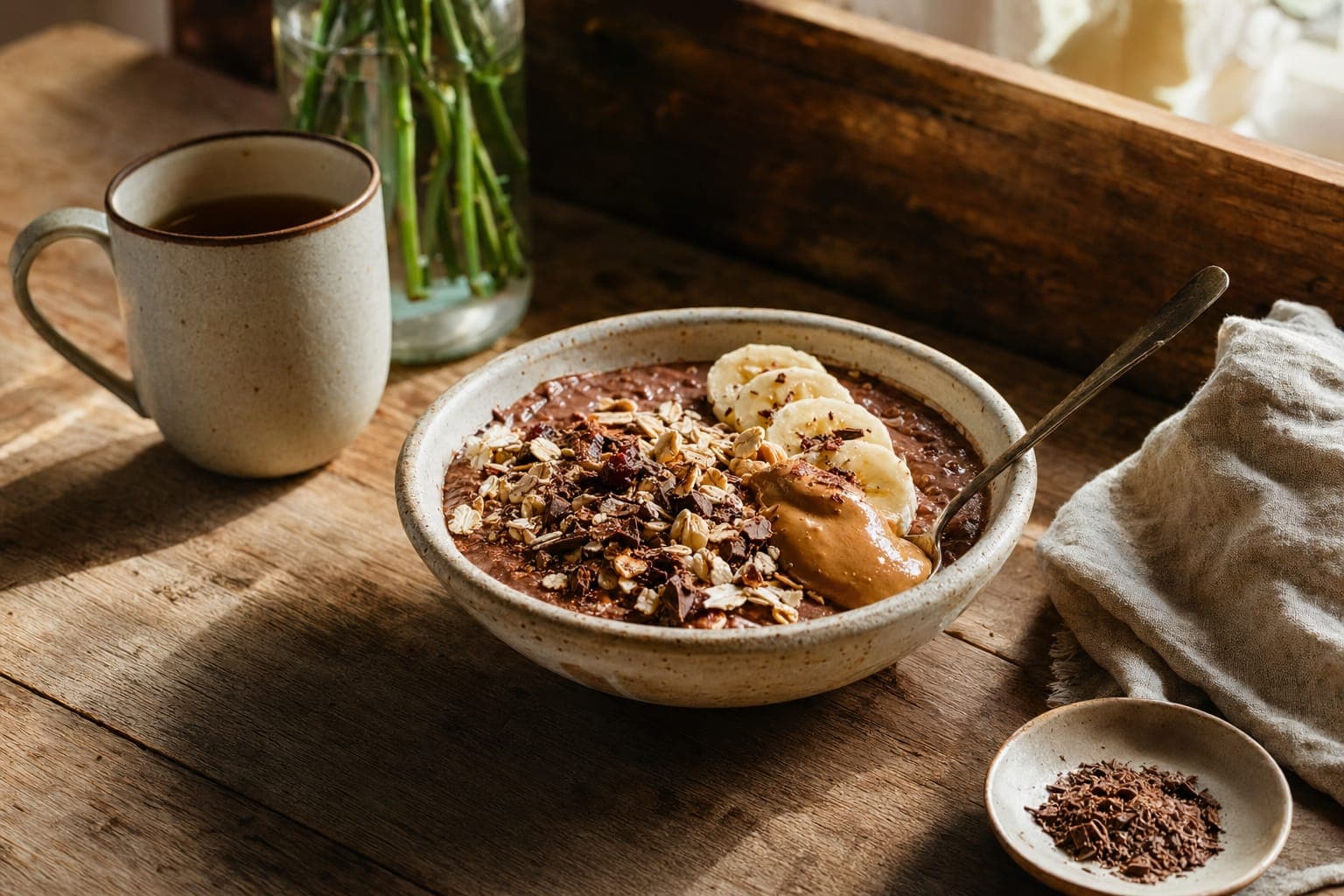
10 Ways to Use Organised That Aren't Just a Shake
Move beyond the basic shake. Discover 10 creative ways to use Organised in smoothie bowls, oats, yoghurt, baking, and more.
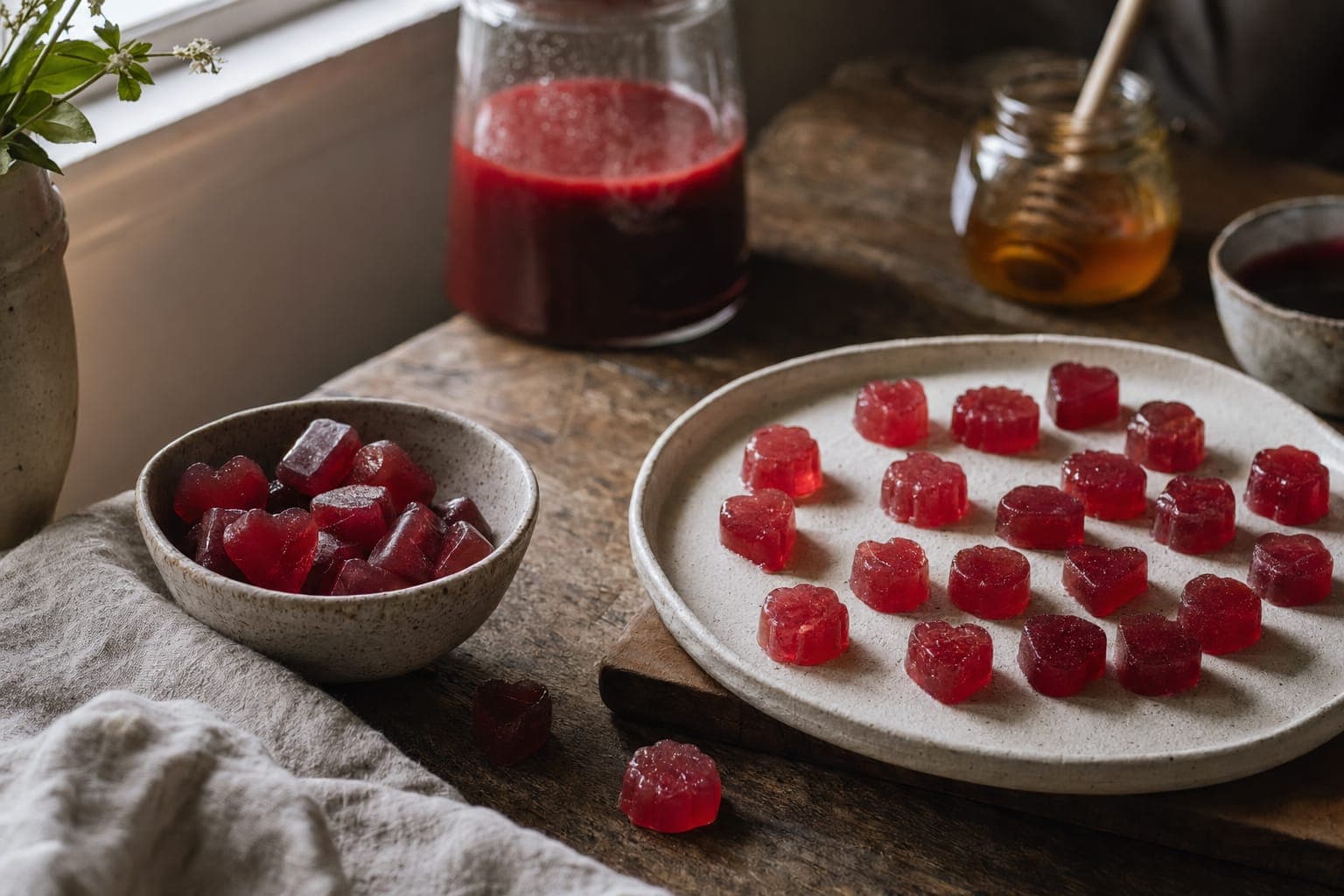
How to Make Your Own Gelatine Gummies
A simple recipe for homemade gelatine gummies using grass-fed gelatine, fresh juice, and raw honey. Better than shop-bought, kids love them.


 Join over 100,000+ members
Build a better food system with us
The Organised community is thousands of people choosing real food and backing the farmers who grow it, all of us trying to leave the world a little better than we found it. If that is what you care about too, you belong here.