The Amino Acids in Collagen and Why They Matter
You've probably heard that collagen is good for your skin, your joints, your gut. What you haven't heard is why. The answer isn't that collagen is just another protein. It's that collagen is fundamentally different. Its amino acid profile is so distinct, so specialised, that no other food source can actually replace it. Whey protein cannot do what collagen does. Plant protein cannot do what collagen does. Collagen is in a category of its own.

By Niall Kiddle, Founder, Organised

Reviewed by Pedro Rodrigues, Agronomist (farming and sourcing only) ·
6 min read · Published · Updated · 3 cited sources
Makers of the Organised Daily blend, a grass-fed beef organ supplement from regenerative UK farms

Most people treat protein as interchangeable. Protein is protein, the logic goes. Twenty grams of collagen is the same as twenty grams of whey. It's not. Not even close.
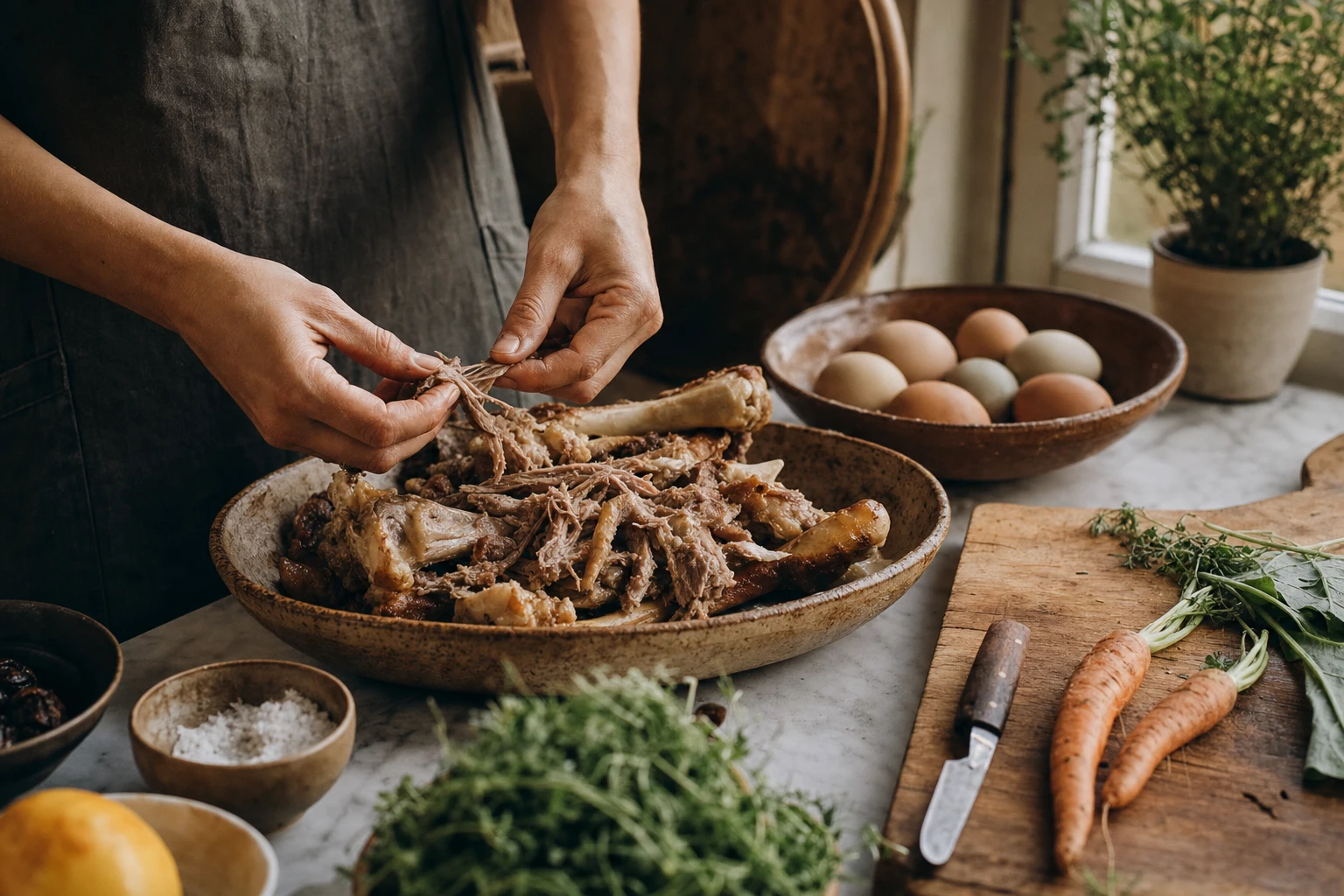
Why collagen is not just another protein
Your body is built from collagen. Not metaphorically. Literally. One third of the protein in your entire body is collagen. It makes up roughly 70% of your skin, 90% of your tendons and ligaments, and substantial portions of your bones, cartilage, and blood vessels.12
Collagen isn't an optional protein. It's not a supplement you take for cosmetic reasons. It is the structural matrix that holds your body together. And because your body makes collagen to very specific requirements, collagen has a very specific amino acid profile.
That profile is nothing like whey protein. It's nothing like muscle meat. It's unique. And understanding that uniqueness changes how you think about protein entirely.
When you eat a collagen source, you're not just getting protein. You're getting raw materials your body needs specifically to build and maintain connective tissue. No other food source provides these materials in quite the same way.
Glycine: the collagen amino acid
Every third amino acid in collagen is glycine.1 That's not a coincidence. That's the fundamental structure of collagen. The collagen molecule is built from a repeating sequence: glycine, then another amino acid, then another amino acid, then glycine again. This pattern continues thousands of times, creating the triple helix that gives collagen its strength.
Glycine appears in roughly 33% of collagen. Compare that to whey protein, where glycine makes up only about 2% of the amino acid profile. Compare that to beef, where glycine is even rarer. Most whole foods are exceptionally low in glycine. Your body can synthesise some glycine, but synthesis requires energy and enzymatic steps that are less efficient than simply eating it.
Glycine is required for more than just collagen. It's a neurotransmitter. It's required for muscle protein synthesis. It supports sleep quality through its action on the nervous system. It supports methylation, the biochemical process that controls gene expression. But collagen is the most abundant natural source of glycine available in food.
This is the first reason collagen is irreplaceable. You simply cannot get glycine at that concentration from anything else.
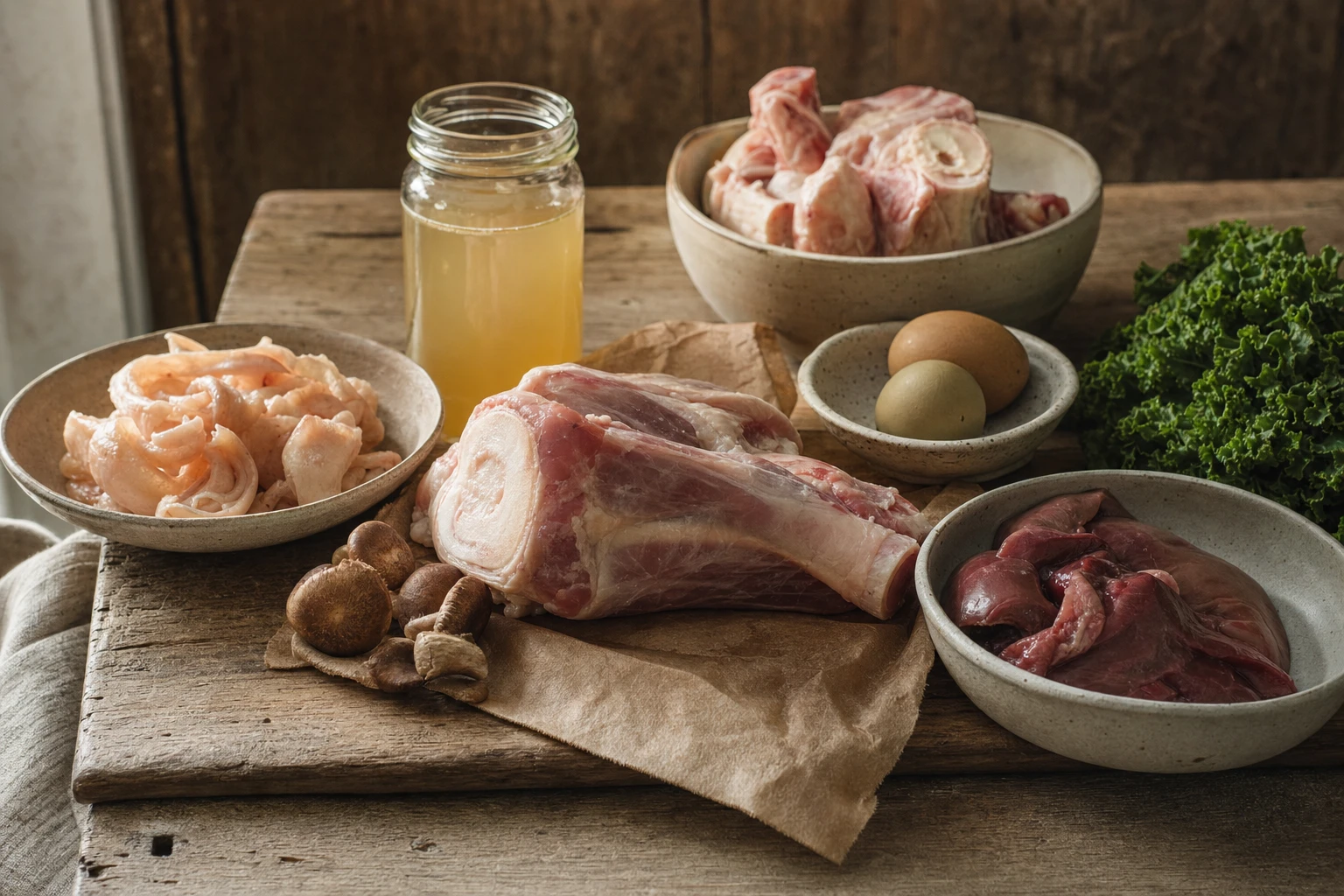
Proline and hydroxyproline
The second amino acid that makes collagen unique is proline. Collagen contains roughly 12% proline by weight. Again, compare that to whey protein, where proline makes up only about 6% of the total. Proline is about twice as abundant in collagen as in other proteins.
But there's something more important than the amount of proline. About 10% of the proline in collagen is modified into a form called hydroxyproline. This modification happens after the collagen is synthesised. The enzyme that performs this modification is called prolyl hydroxylase, and it requires vitamin C as a cofactor. This is why vitamin C is so important for wound healing and connective tissue integrity. Without vitamin C, your body cannot hydroxylate proline, and without hydroxyproline, collagen is unstable.2
Hydroxyproline is found almost nowhere else in significant quantities. It's collagen's marker amino acid. When you eat collagen and your digestive system breaks it down, you're absorbing not just proline, but hydroxyproline, the exact form your body needs to rebuild collagen. You're not asking your body to synthesise hydroxyproline from scratch. You're providing it directly.
Hydroxyproline is the amino acid that makes collagen stable and strong. Every other protein source requires your body to synthesise hydroxyproline from proline and vitamin C. Collagen provides it ready-made.
The full amino acid profile
Beyond glycine and proline, collagen's full amino acid profile tells a story of specialisation.
- Alanine: Makes up roughly 11% of collagen. Required for blood glucose stability and neurotransmitter synthesis. Very high in collagen relative to muscle protein.
- Arginine: About 8% of collagen. Required for nitric oxide production, immune function, and wound healing. Essential for skin integrity.
- Aspartate and glutamate: Together roughly 9% of collagen. These amino acids are the basis for neurotransmitter synthesis and cellular energy.
- Lysine: About 4% of collagen. Required for collagen cross-linking, wound healing, and bone formation. Critical for connective tissue stability.
- Leucine, isoleucine, valine (BCAAs): Together only about 3% of collagen. This is notably lower than in muscle meat or whey, which contain roughly 26% BCAAs.
That last point is important. Whey protein is rich in branched-chain amino acids because muscle tissue is built on them. But collagen is poor in BCAAs because connective tissue doesn't need them in large quantities. Collagen is specialised. It has exactly the amino acid profile that connective tissue needs, not the profile that muscle tissue needs.
Get ingredient guides like this, free
Two short reads a week on the ingredients that matter and how to actually use them.
By signing up you agree to receive emails from us. No spam, unsubscribe anytime.
Why whey and plant protein miss the point
This is where most nutrition advice gets confused. People think protein is protein, so if they're getting enough total protein, they're fine. They're wrong. Getting 20 grams of whey protein is nothing like getting 20 grams of collagen.
Whey protein is excellent for what it's designed for: building muscle tissue. It's rich in leucine, which activates mTOR signalling and triggers muscle protein synthesis. It's complete in all nine essential amino acids. It's fast-digesting and efficient at supporting muscle growth. If you lift weights, whey is arguably superior to collagen for post-workout nutrition.
But whey is not collagen. It's low in glycine, low in proline, and completely lacking in hydroxyproline. If you eat only whey, your body still has to synthesise collagen from other sources, which requires pulling amino acids from muscle tissue or relying on synthesis pathways that are less efficient than simply eating collagen.
Plant proteins are even worse. A scoop of plant-based protein isolate is low in glycine, low in proline, and entirely missing hydroxyproline. Plant proteins are also often lacking in lysine, which is critical for collagen cross-linking and structural integrity. You can get all essential amino acids from plants, but the balance is wrong for building connective tissue.
Whey and plant proteins can support overall protein intake. But they cannot replace collagen. Your body needs both: amino acids for muscle, and the specific amino acid profile that collagen provides for your connective tissue, organs, and skin.
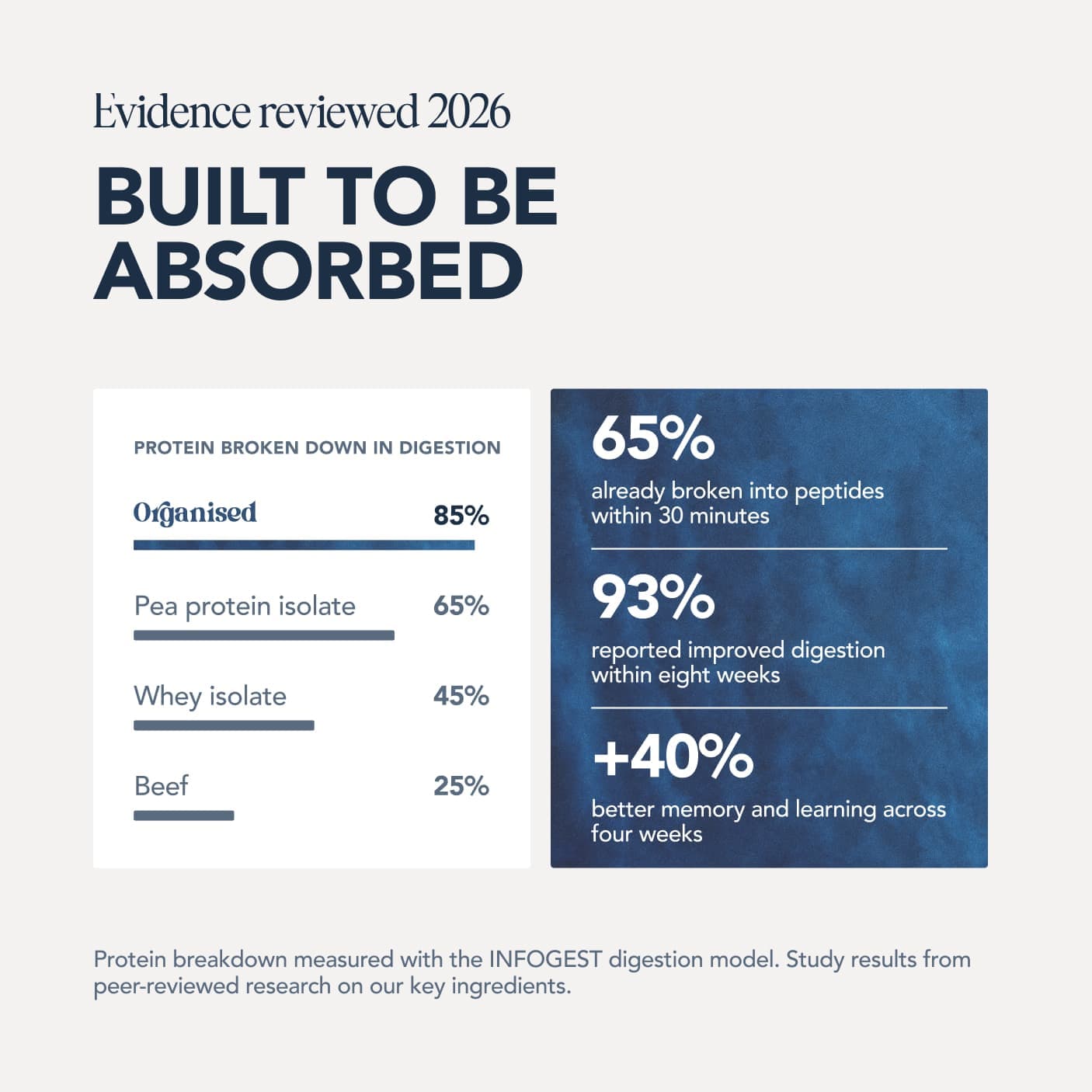
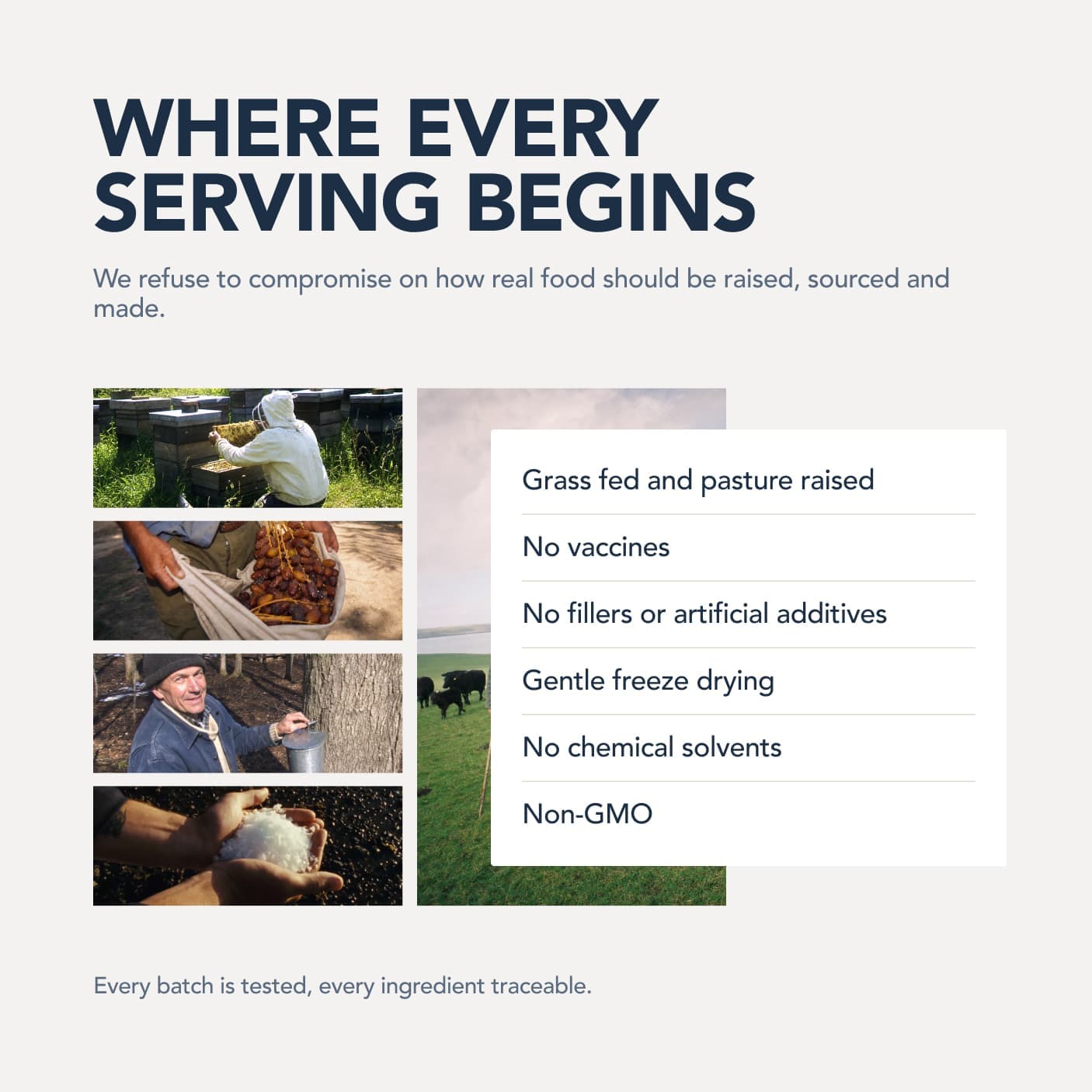
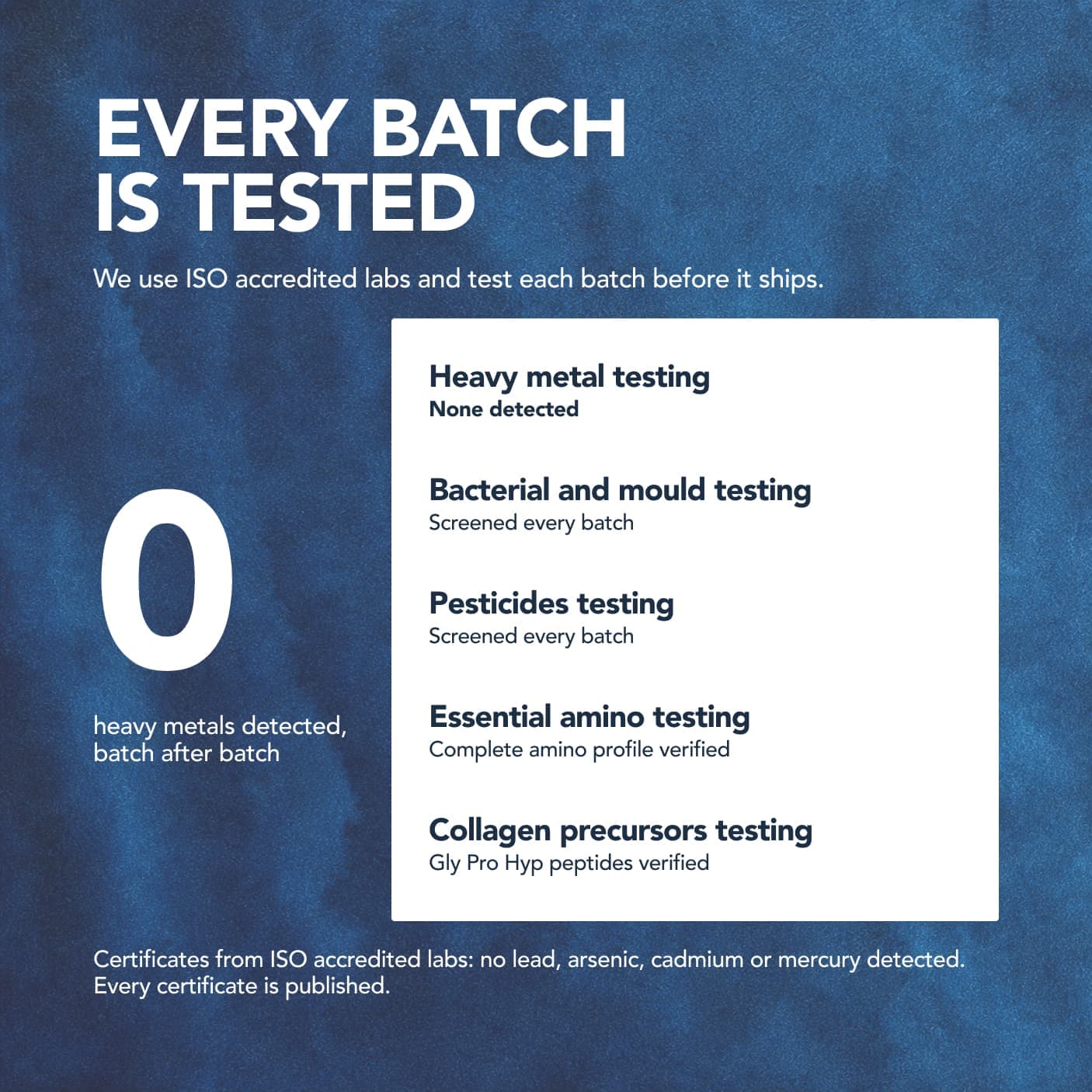
1 of 9
Daily blend
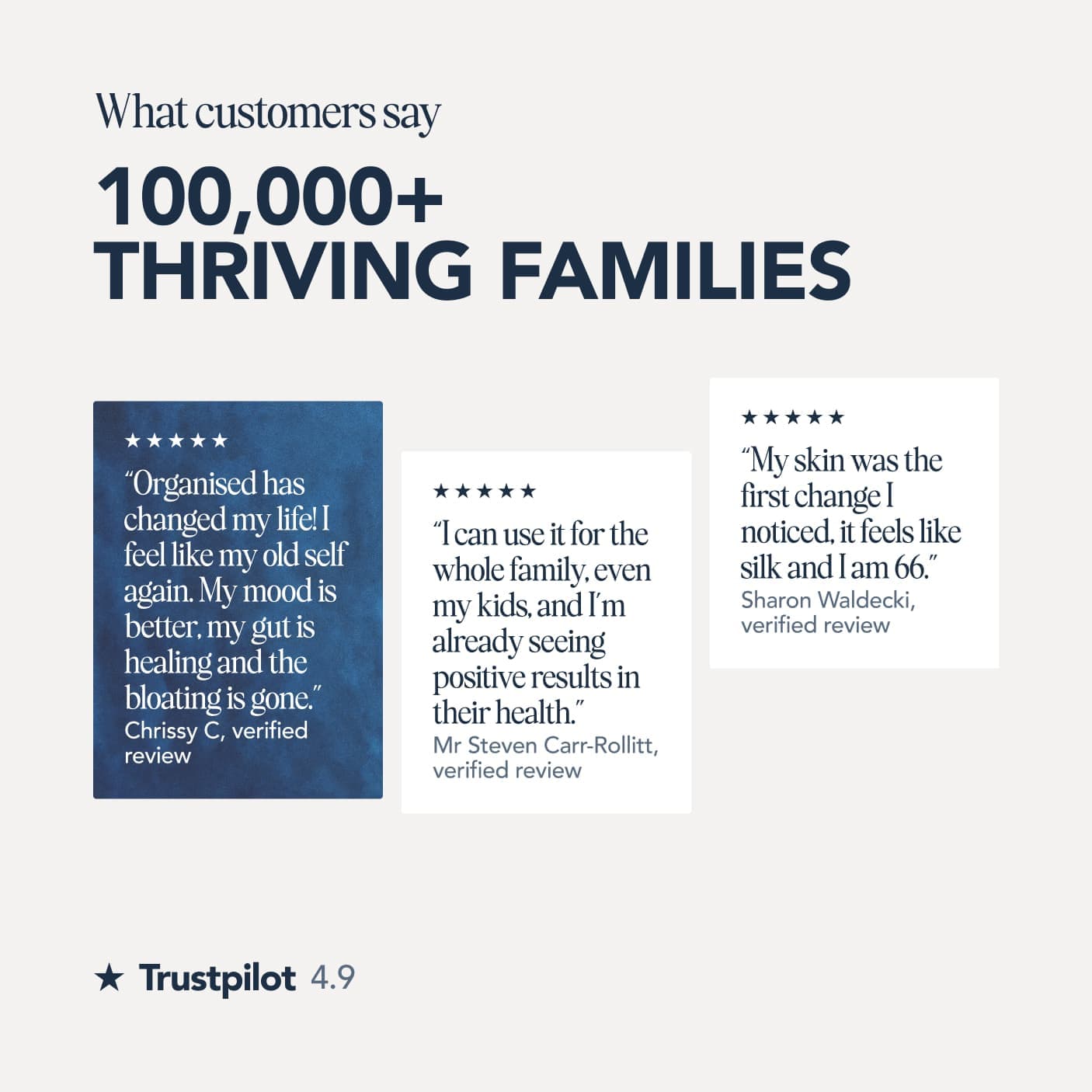
100,000+ thriving families4.9 on Trustpilot
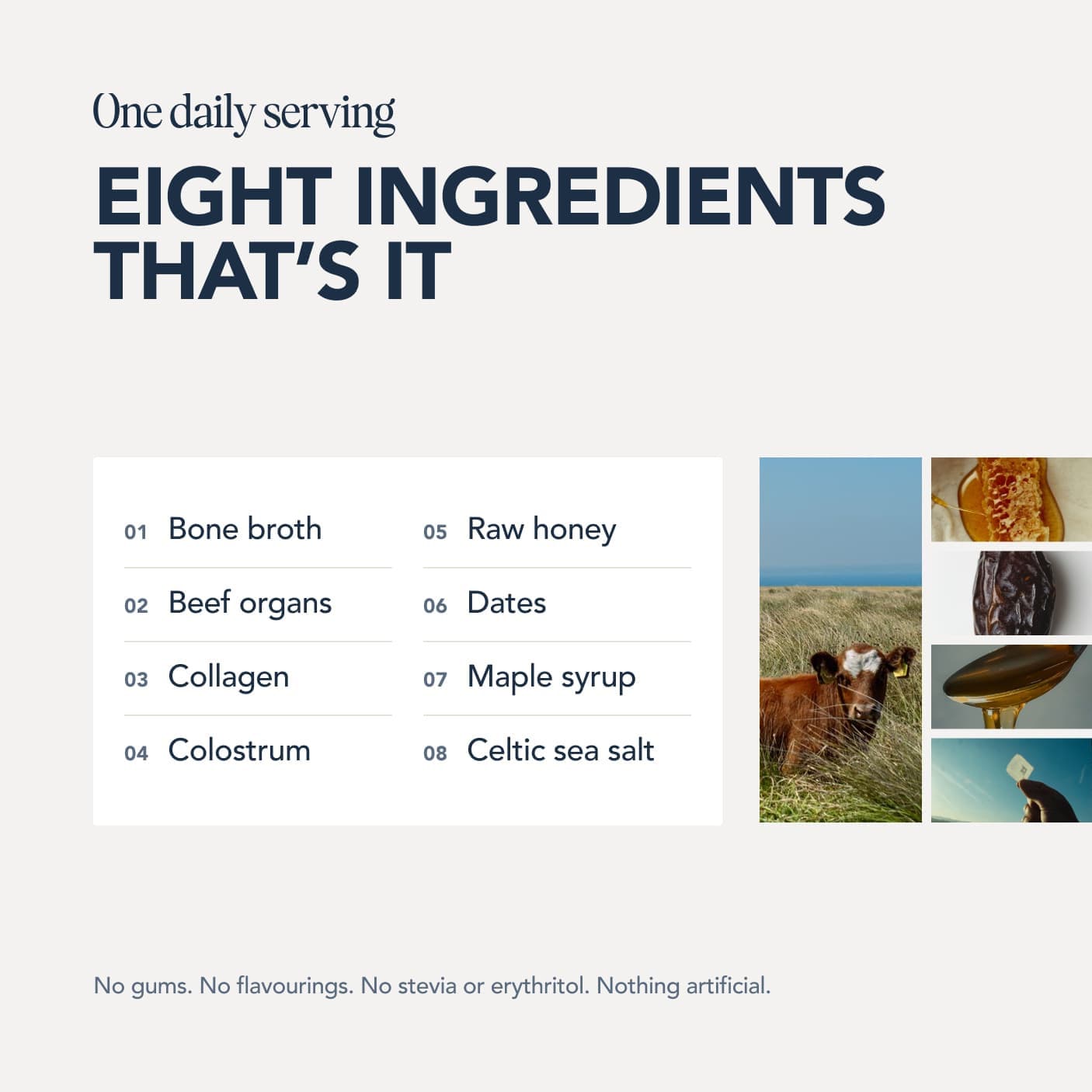
Eight real ingredients built around grass-fed beef organs, collagen and colostrum. Nothing synthetic added.
Free with your first order, worth £38. Plus £10 off the pouch with a subscription.

Free UK shipping · Made in England · 100 day money back guarantee on your first pouch · Skip, pause or cancel anytime
The dosage question
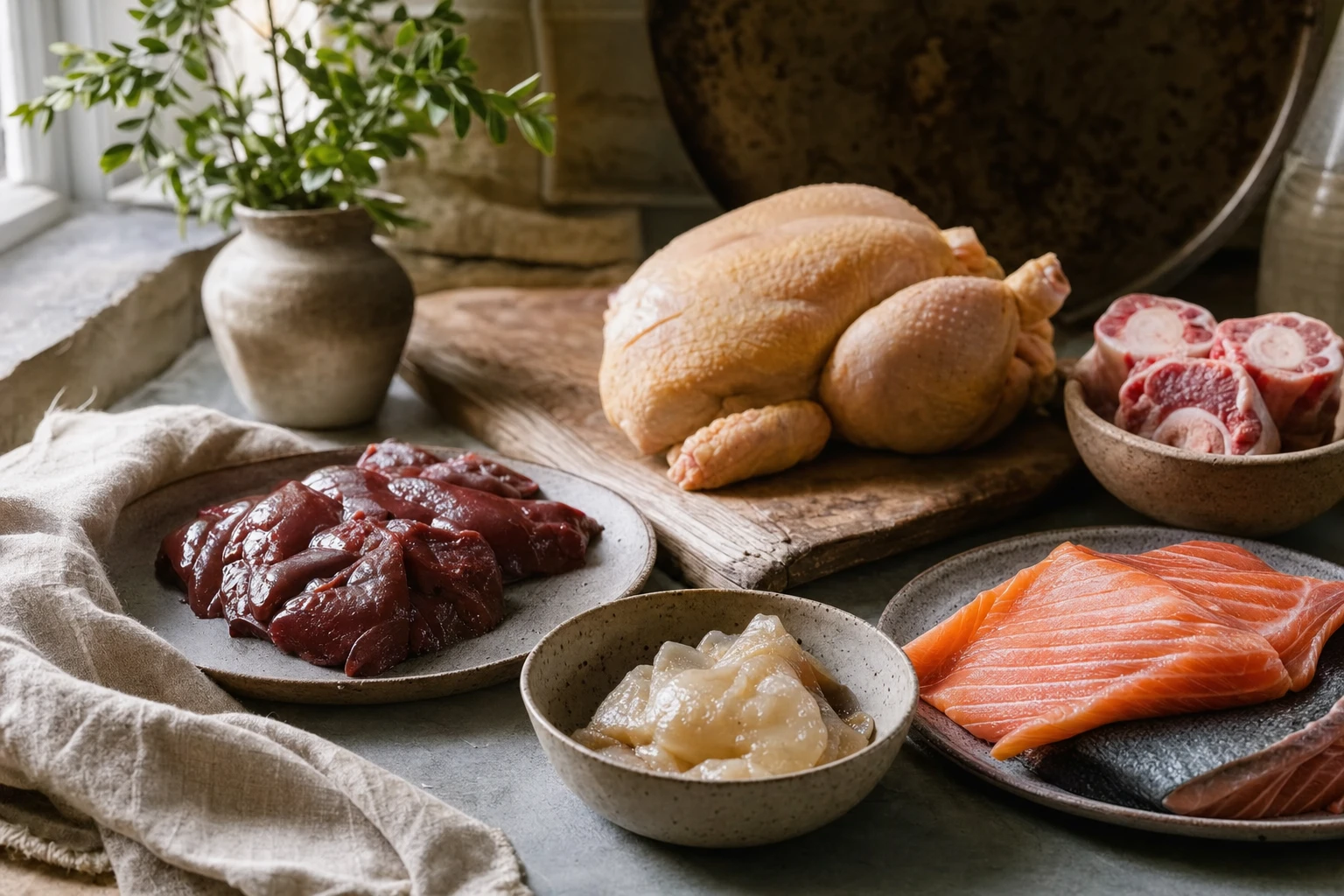
So how much collagen do you actually need? The research suggests roughly 10 to 20 grams per day for joint and skin health benefits.3 That's roughly equivalent to a bowl of bone broth, or a collagen supplement dose, or regular consumption of gelatinous animal tissues like skin, tendons, and connective tissue.
The key is consistency. One dose of collagen won't rebuild your skin or repair your joints overnight. But regular, consistent intake of collagen-rich foods or collagen supplementation does support connective tissue integrity, skin elasticity, and joint resilience over time.
This is also why bone broth, gelatinous cuts of meat, and actual organ meat are superior to isolated supplements. You're getting collagen in context, with mineral cofactors like calcium and magnesium, with gelatin, with other proteins. You're not isolating a single nutrient and hoping your body can use it.
The bottom line
Collagen is not just another protein. It has an amino acid profile so distinct that it cannot be replaced by whey, plant protein, or other sources. Glycine, proline, and hydroxyproline are the signature amino acids of collagen, and they are found nowhere else in significant quantities.
If you care about your skin, your joints, your ligaments, your tendons, your gut lining, your bones, your blood vessels, you need collagen. Not eventually, not as a luxury supplement. Now. Regularly. Consistently. The most efficient way to do that is bone broth, gelatinous animal tissues, or a high-quality collagen supplement from an ancestral source.
Your body is rebuilt from collagen. Feed it accordingly.
References
Every source below was checked on 27 August 2026. Each PubMed, PMC and DOI identifier was resolved against NCBI or Crossref, and what it opens is printed under the citation, so you can see the link goes where the citation says without leaving the page. Where a citation and its identifier disagreed, the citation was corrected to the record or the reference was deleted along with the sentence marker that pointed at it, and where the resolved paper turned out not to support the sentence, the sentence was cut back to what it does support. Borrowed authority is worse than none, because it looks like rigour.
- Li P, Wu G. Roles of dietary glycine, proline, and hydroxyproline in collagen synthesis and animal growth. Amino Acids. 2018;50(1):29-38. PMID: 28929384.Checked 27 August 2026: PMID 28929384 opens Li P, Wu G, Roles of dietary glycine, proline, and hydroxyproline in collagen synthesis and animal growth. Amino Acids 2018;50(1):29-38. PubMed indexes it as: Review.
- Gelse K, Pöschl E, Aigner T. Collagens — structure, function, and biosynthesis. Adv Drug Deliv Rev. 2003;55(12):1531-46. PMID: 14623400.Checked 27 August 2026: PMID 14623400 opens Gelse K, Pöschl E, Aigner T, Collagens--structure, function, and biosynthesis. Adv Drug Deliv Rev 2003;55(12):1531-46. PubMed indexes it as: Review.
- Pu SY et al. Effects of Oral Collagen for Skin Anti-Aging: A Systematic Review and Meta-Analysis. Nutrients. 2023;15(9):2080.Checked 27 August 2026: PMC10180699 opens Pu SY, Huang YL, Pu CM et al, Effects of Oral Collagen for Skin Anti-Aging: A Systematic Review and Meta-Analysis. Nutrients 2023;15(9). PubMed indexes it as: Meta-Analysis, Systematic Review.The authors' own declaration, from the record: The authors declare no conflict of interest. The funders had no role in the design of the study; in the collection, analyses, or interpretation of data; in the writing of the manuscript; or in the decision to publish the results.
Who wrote and reviewed this guide
Niall Kiddle
Author · Founder, Organised
Niall is the founder of Organised. He started the company in 2024 after fixing his own health the slow way: in 2022 he swapped a cupboard of synthetic supplements for real food, raw milk, organ meats, bone broth and honey, and felt the difference within months.
Areas of expertise: Ancestral nutrition, Organ meats, Whole-food supplementation, Gut health, Regenerative sourcing
Read Niall's full profile
Pedro Rodrigues
Reviewer · Agronomist (farming and sourcing only)
Pedro is the agronomist Organised works with on farming and sourcing. His job on the guides is to keep the science honest: he reviews what we publish about soil health, regenerative agriculture, grazing and the way food is actually produced.
Areas of expertise: Regenerative agriculture, Agronomy, Soil health, Grass-fed farming, Food sourcing
Reviewed this guide on
Read Pedro's full profileMore on collagen
View all- Collagen Peptides: A Complete Guide to Types, Sources and Benefits
- Can You Get Enough Collagen from Food Alone?
- Collagen and Hair Growth: Separating Fact from Hype
- Collagen for Gut Health: Rebuilding Your Intestinal Lining
- Collagen for Joint Pain: What Does the Evidence Say?
- Collagen Supplements on Reddit: Do They Actually Work?
- Does Collagen Actually Work for Skin? What the Research Says
- What Happens When You Take Collagen Every Day for 90 Days?
- When Does Your Body Start Losing Collagen? (And What to Do About It)
Browse the guides library
All guidesKeep reading

Ingredients
Bovine Colostrum: The Complete Guide to Nature's First Food
Explore bovine colostrum benefits for gut and immune health. This complete guide covers immunoglobulins, sensible dosing, and safety for adults.
Ingredients
Can Adults Benefit from Colostrum? (It's Not Just for Calves)
Colostrum isn't just for calves. Adults with compromised gut barriers, weak immunity, or intense training can benefit. Here's what the science actually shows.

Ingredients
Selenium in Beef Kidney: Why This Trace Mineral Is Essential
One beef kidney contains the selenium and selenoprotein your thyroid needs daily. Here's why this trace mineral is invisible but critical for your health.
Real food, made effortless
Try the organ blendA few ways to use it
All recipes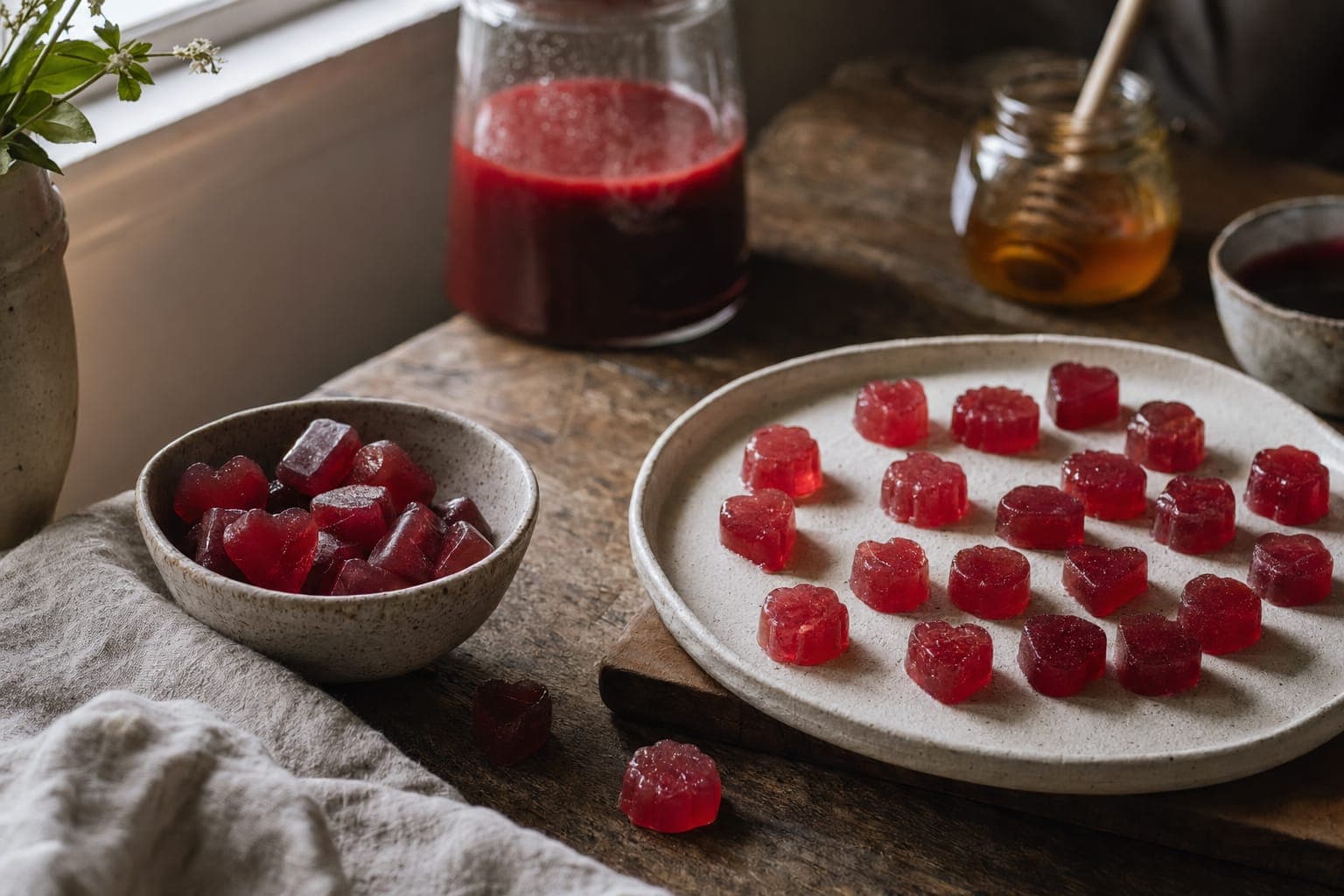
How to Make Your Own Gelatine Gummies
A simple recipe for homemade gelatine gummies using grass-fed gelatine, fresh juice, and raw honey. Better than shop-bought, kids love them.
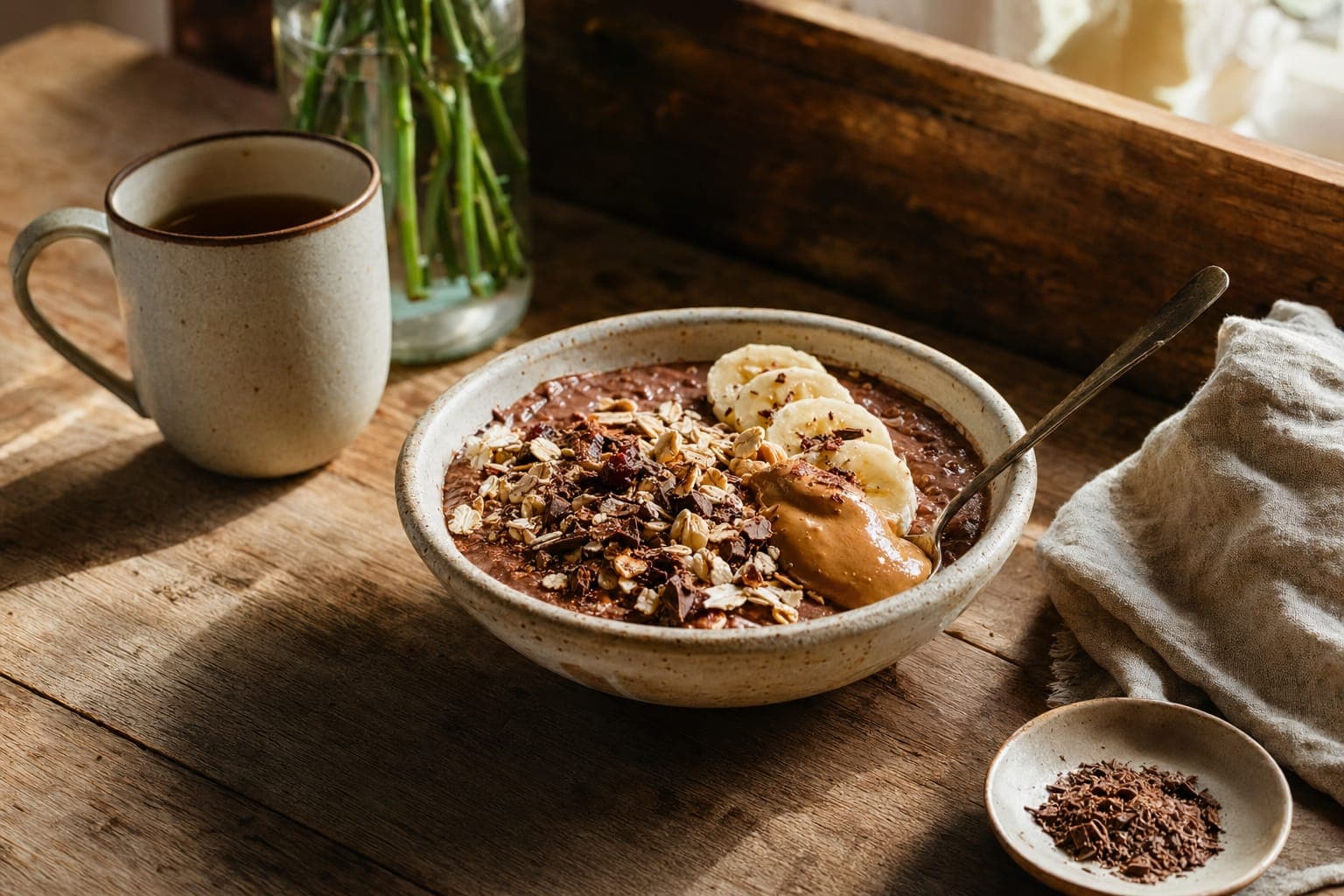
10 Ways to Use Organised That Aren't Just a Shake
Move beyond the basic shake. Discover 10 creative ways to use Organised in smoothie bowls, oats, yoghurt, baking, and more.
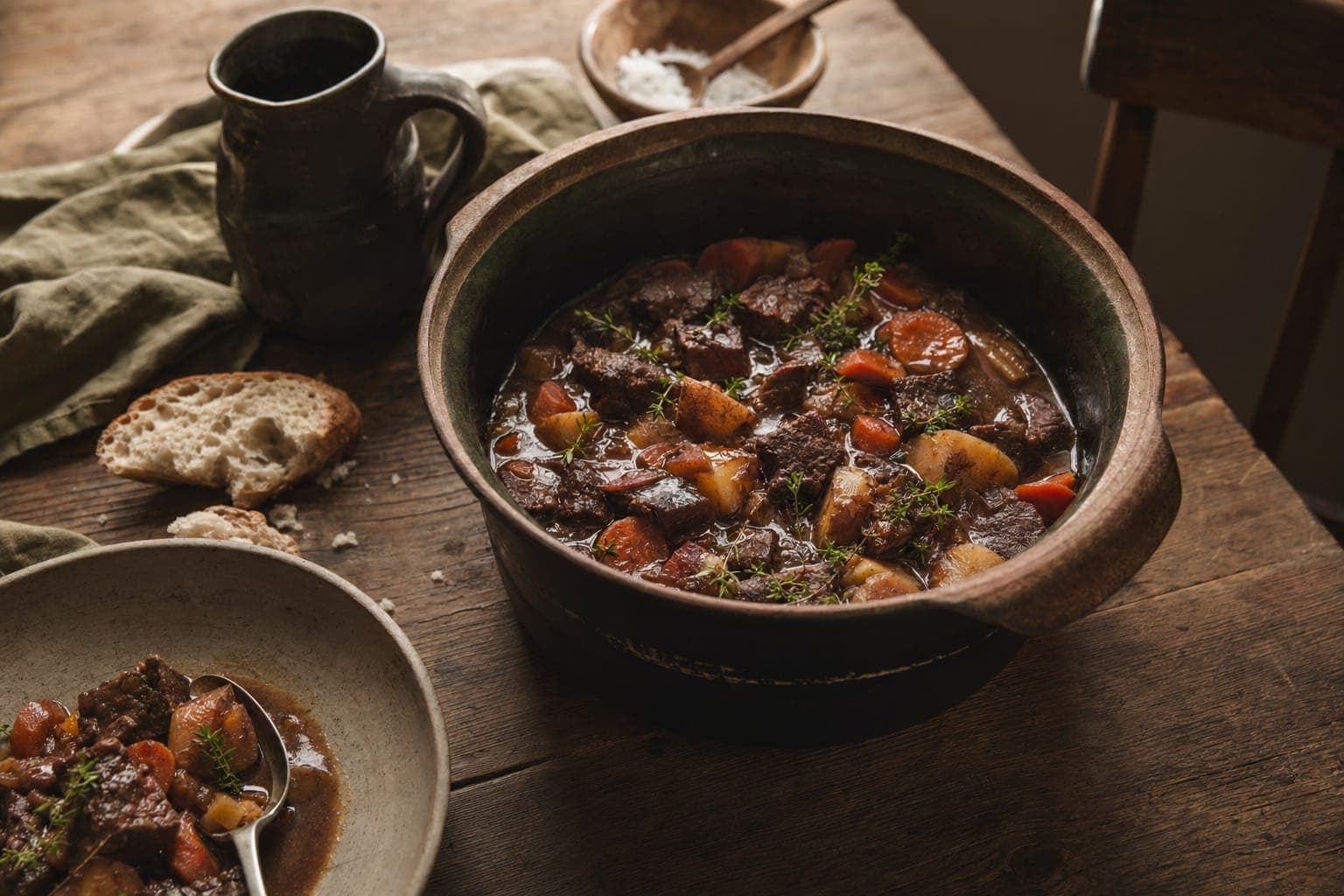
Collagen-Rich Beef Stew: Slow-Cooked Nourishment
Beef stew that delivers collagen from connective tissue and bone broth. Winter comfort food that actually nourishes. Simple slow cooker recipe.


 Join over 100,000+ members
Build a better food system with us
The Organised community is thousands of people choosing real food and backing the farmers who grow it, all of us trying to leave the world a little better than we found it. If that is what you care about too, you belong here.