Can Adults Benefit from Colostrum? (It's Not Just for Calves)
Colostrum is the first milk produced by mammals after birth, and it's extraordinarily different from regular milk. It's packed with immunoglobulins, growth factors, and antimicrobial compounds that newborns need to survive outside the womb. What most people don't realise is that these compounds can support adult health too, particularly when your gut has been damaged by modern food and stress.
By Niall Kiddle, Founder, Organised

Reviewed by Pedro Rodrigues, Agronomist (farming and sourcing only) ·
6 min read · Published · Updated · 3 cited sources
Makers of the Organised Daily blend, a grass-fed beef organ supplement from regenerative UK farms
The question isn't whether colostrum works. It's whether colostrum from cattle can work in humans, and whether the benefits justify the cost and effort of supplementation.
What colostrum is and why it matters for newborns
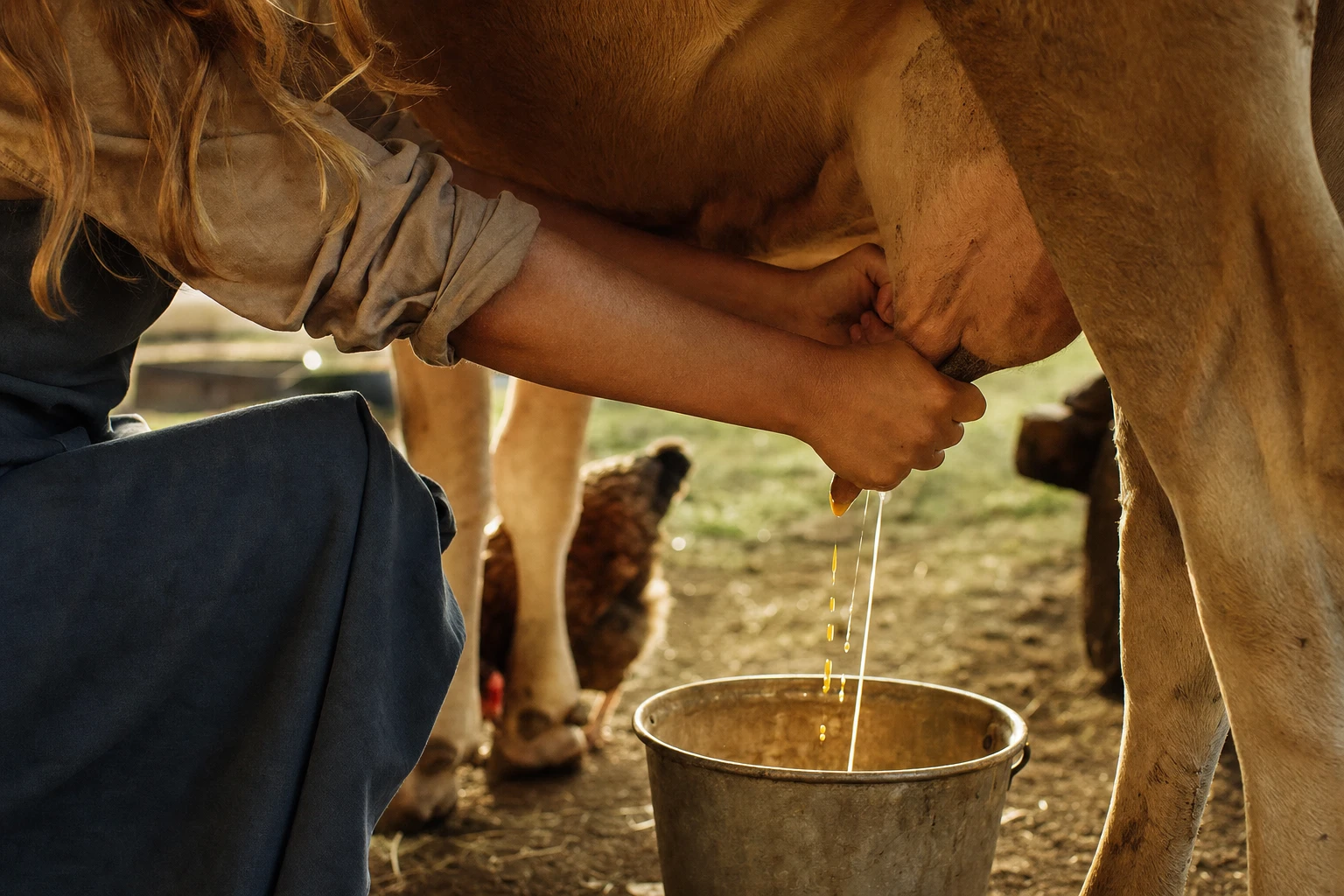
Colostrum is produced during the first few days after birth. It's thick, yellow, and extraordinarily concentrated in immune compounds and growth factors. A newborn's intestinal tract is not sealed. It's deliberately permeable so that maternal antibodies and immune compounds can be absorbed directly into the bloodstream. Colostrum is designed to flood the newborn's gut with these protective compounds before the gut begins to seal closed.
This permeability only lasts days. By the end of the first week, the newborn's gut is closed to large proteins and starts rejecting maternal antibodies. This process is called closure. After closure, the newborn can only absorb the smaller proteins and amino acids from regular breast milk. Colostrum has done its job.
The compounds in colostrum are extraordinarily concentrated. Immunoglobulin A, which coats the intestinal lining and provides immune protection, is 10 to 100 times more concentrated in colostrum than in mature milk.1 Lactoferrin, an iron-binding protein with antimicrobial properties, is similarly concentrated. Growth factors that promote gut tissue healing and develop the intestinal immune system are present in high amounts.
The immunoglobulin advantage
Immunoglobulin A (IgA) is the dominant antibody in your digestive tract. It coats the intestinal lining and provides a first line of defence against pathogens without triggering inflammation. A single cell in your gut produces more IgA than all the other antibody types combined. Your intestinal tract contains more immune tissue than your entire rest of your body. The gut is the centre of immunity.
IgA prevents pathogens from crossing your intestinal lining and reaching your bloodstream. It neutralises toxins from pathogenic bacteria. It prevents the adhesion of harmful bacteria to your intestinal cells. It all happens without inflammation because IgA works invisibly, binding pathogens before they can cause damage.
Colostrum contains extraordinarily high levels of IgA, along with IgG and IgM, other critical immunoglobulins. When you consume colostrum, you're consuming antibodies directly. These antibodies don't survive digestion in the same way that immunoglobulins you produce yourself do. But research suggests that some IgA and IgG can cross the intestinal barrier, particularly in people with increased intestinal permeability, and provide direct immune support.
Colostrum contains the immune compounds your gut needs to function properly. If your gut has been damaged, these compounds can help repair it.
Lactoferrin and antimicrobial protection
Lactoferrin is a protein that binds iron tightly, making iron unavailable to pathogenic bacteria that need it to survive. Bacterial growth is restricted when lactoferrin is present because the bacteria cannot access iron to manufacture essential proteins. This gives beneficial bacteria, which have different iron uptake mechanisms, a competitive advantage.
Lactoferrin also has direct antimicrobial properties. It punches holes in bacterial membranes. It interferes with bacterial toxin production. It has antifungal and antiviral properties. It modulates immune function, promoting beneficial immune responses whilst dampening excessive inflammation. In colostrum, lactoferrin is present at 100 to 300 times the concentration found in mature milk.1
For people with dysbiosis, with an imbalanced microbiome, lactoferrin can help swing the balance towards beneficial bacteria. It doesn't kill all bacteria indiscriminately like antibiotics. It selectively creates conditions where beneficial bacteria thrive and pathogenic bacteria struggle. This is a far more elegant and sustainable approach to restoring microbiome health.
Gut barrier repair and leaky gut
Your intestinal barrier is a single layer of cells held together by tight junction proteins. When these tight junctions become loose, undigested food particles and bacterial lipopolysaccharides cross into your bloodstream. Your immune system recognises these particles as invaders and mounts an inflammatory response. This systemic inflammation is now recognised as a driver of most chronic disease.
Colostrum contains growth factors, particularly insulin-like growth factor 1 (IGF-1) and transforming growth factor beta (TGF-beta), that promote the repair and growth of intestinal epithelial cells. These growth factors signal your intestinal lining to proliferate and strengthen. When you consume colostrum, particularly in the context of removing the foods that damaged your gut in the first place, you're providing your intestinal lining with the compounds it needs to heal.
Studies in people with inflammatory bowel disease show that colostrum supplementation reduces intestinal permeability and improves symptoms.2 Studies in athletes show that intense exercise increases intestinal permeability, and colostrum supplementation prevents this and reduces infection risk.3 The mechanism is consistent: growth factors in colostrum strengthen the intestinal barrier.
Get ingredient guides like this, free
Two short reads a week on the ingredients that matter and how to actually use them.
By signing up you agree to receive emails from us. No spam, unsubscribe anytime.
Post-exercise recovery and athletic performance
Intense exercise increases intestinal permeability temporarily. The gut barrier becomes leakier after exhaustive training. This increases infection risk in the days following intense exercise. Athletes are more susceptible to upper respiratory infections after competitions, a phenomenon called the open window of susceptibility.
Colostrum supplementation has been shown, in multiple studies, to prevent the increase in intestinal permeability after intense exercise. Athletes taking colostrum show reduced infection rates, faster recovery of intestinal barrier function, and potentially improved performance.3 The mechanism is the growth factors and IgA in colostrum supporting the intestinal barrier through the stress of intense training.
Additionally, colostrum contains amino acids, peptides, and growth factors that support muscle protein synthesis and recovery. It's not as anabolic as whey protein, but it's more immune-supportive. For athletes, it fills a gap: post-workout nutrition that supports both muscle recovery and immune function simultaneously.
Is bovine colostrum effective in adults
This is the critical question. Colostrum from cattle isn't the same as human colostrum. But it does contain many of the same compounds. The immunoglobulins in bovine colostrum are not identical to human immunoglobulins, but they do have antimicrobial properties. The growth factors are similar across mammals.
Research on bovine colostrum in adults shows mixed but generally positive results. People with inflammatory bowel disease show improvements in symptoms when supplementing colostrum. Athletes show reduced infection rates and faster recovery. People with damaged gut barriers show improved intestinal permeability markers. But the effects are modest and inconsistent across studies.
The inconsistency likely comes from several factors. The quality and potency of colostrum supplements varies widely. Colostrum is heat-sensitive, and many supplements are overly processed, destroying the compounds they're meant to contain. The timing of supplementation matters. The dose matters. The baseline health of the person taking it matters. In people with severely damaged guts or compromised immune systems, the effects are more pronounced. In healthy people with intact barriers, the effects are subtle.

Practical considerations for supplementation
If you're considering colostrum supplementation, quality matters enormously. Colostrum must not be heat-treated above 40 degrees Celsius or the immunoglobulins and growth factors are damaged. Many commercial supplements are processed at high temperatures to standardise them and extend shelf life. These supplements are ineffective.
Look for colostrum that is cold-processed, that is collected from the first milking after birth (not late colostrum, which is less potent), and that has been minimally processed. Expect to pay a premium. Good colostrum is expensive, typically thirty to fifty pounds for a month's supply.
The dose in research studies is typically 10 to 20 grams per day, split between morning and evening. More than this doesn't appear to provide additional benefit. Less than this may not be enough. Taking colostrum with food, particularly with fat, improves absorption. Taking it on an empty stomach results in more digestion and less absorption of the intact compounds.
Colostrum is a food, not a medicine. It works slowly, over weeks, not days. You won't feel dramatic changes. What you might notice is that infections become less frequent, that your energy is more stable, that your digestion improves. These are subtle shifts, but they're real.
1 of 9
Daily blend
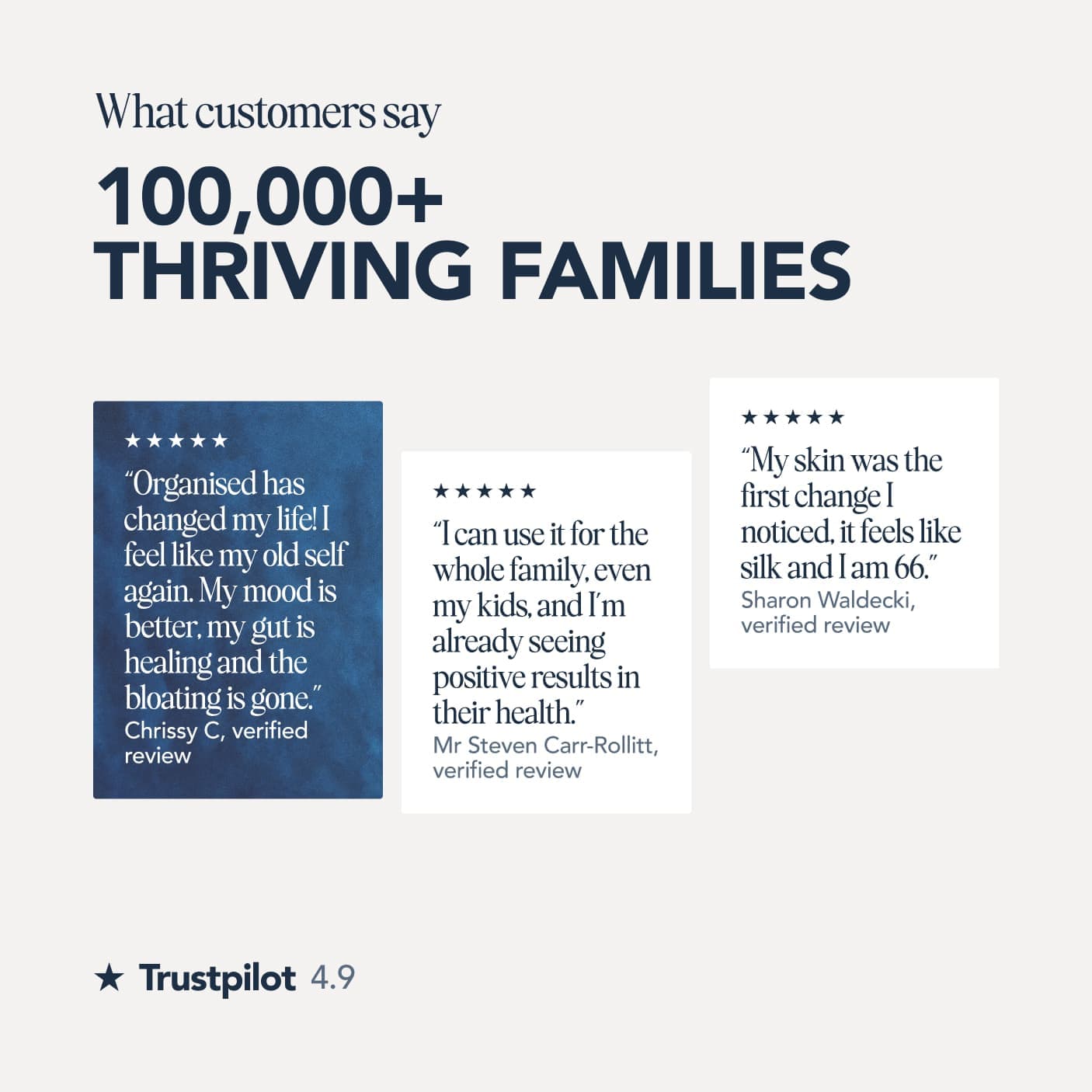
100,000+ thriving families4.9 on Trustpilot
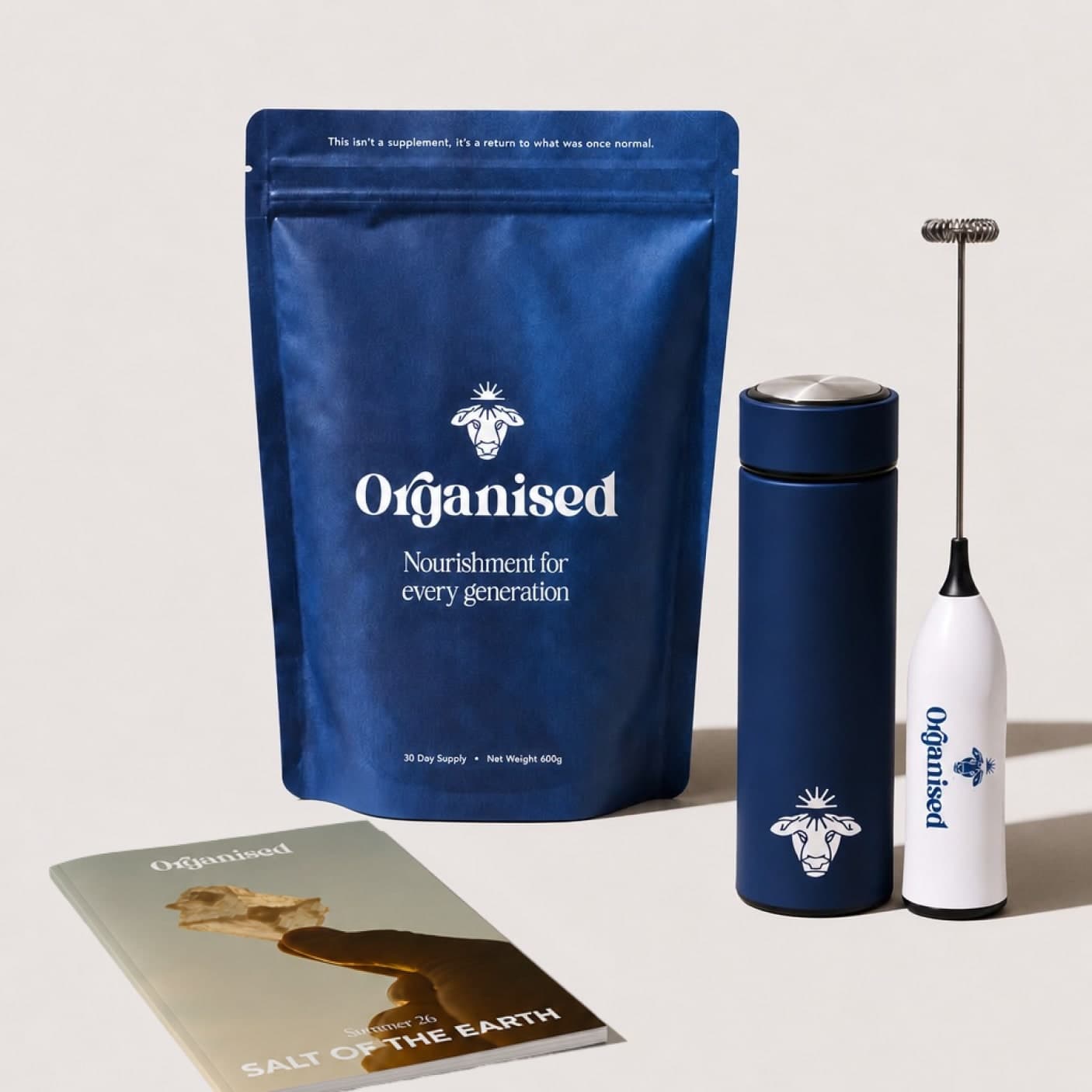
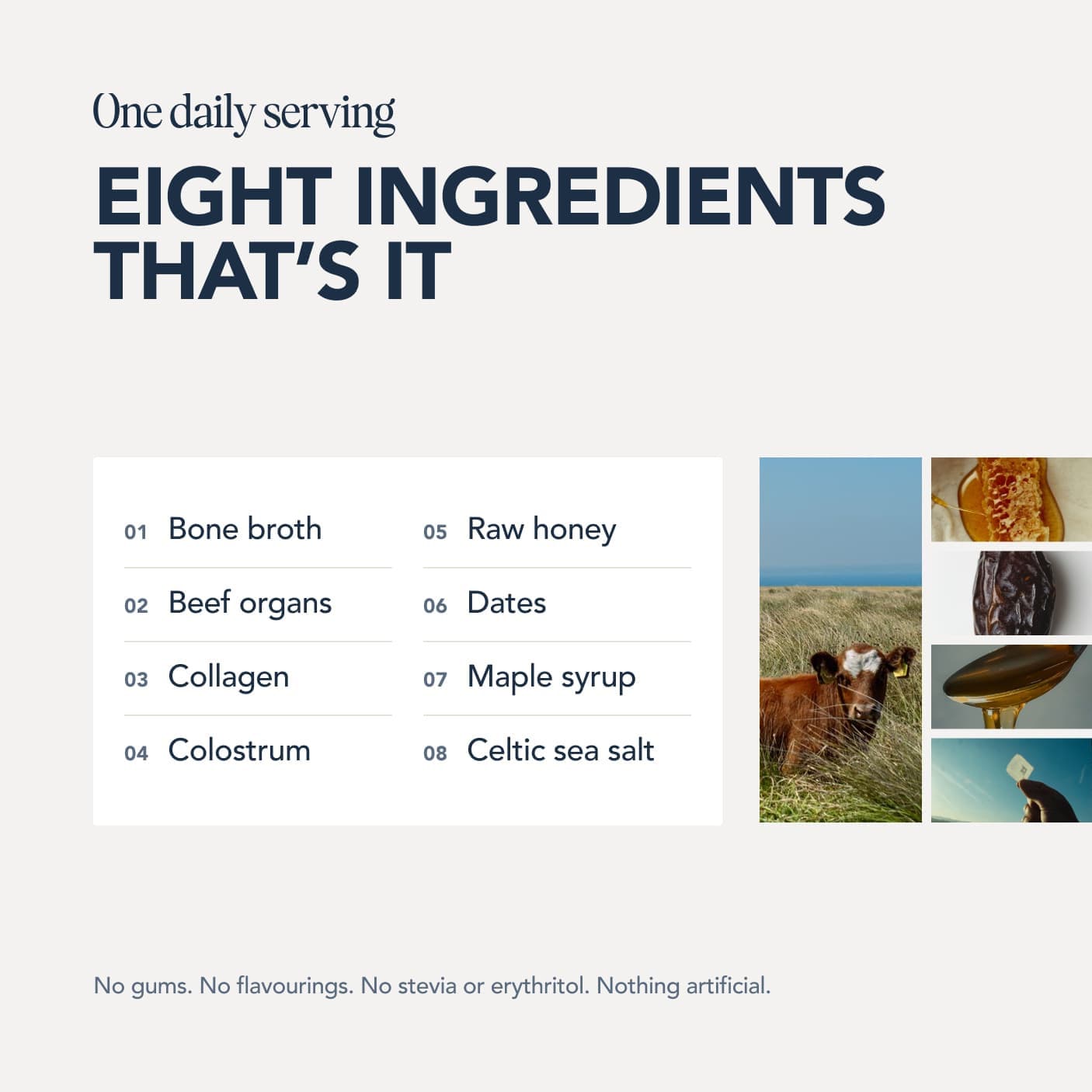
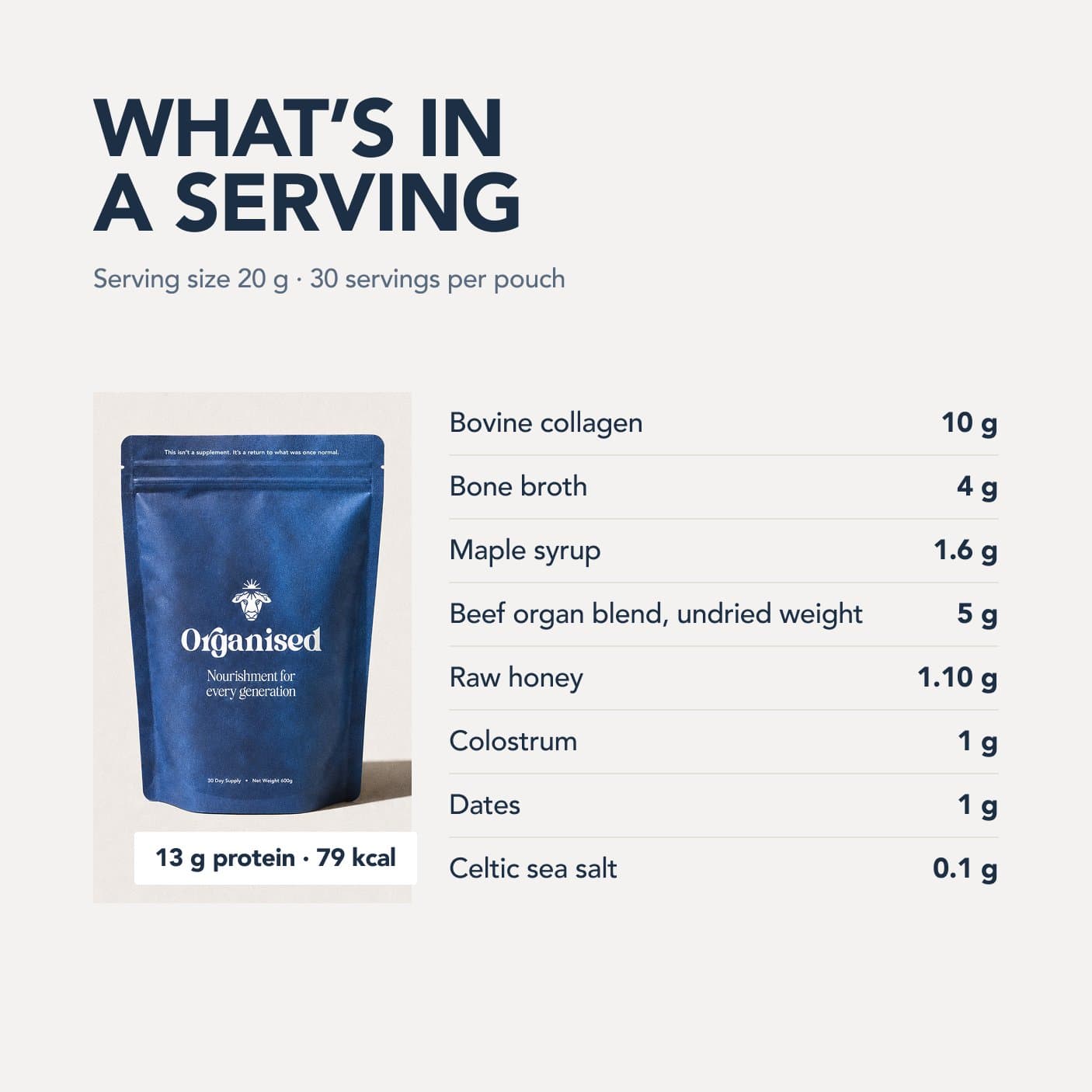
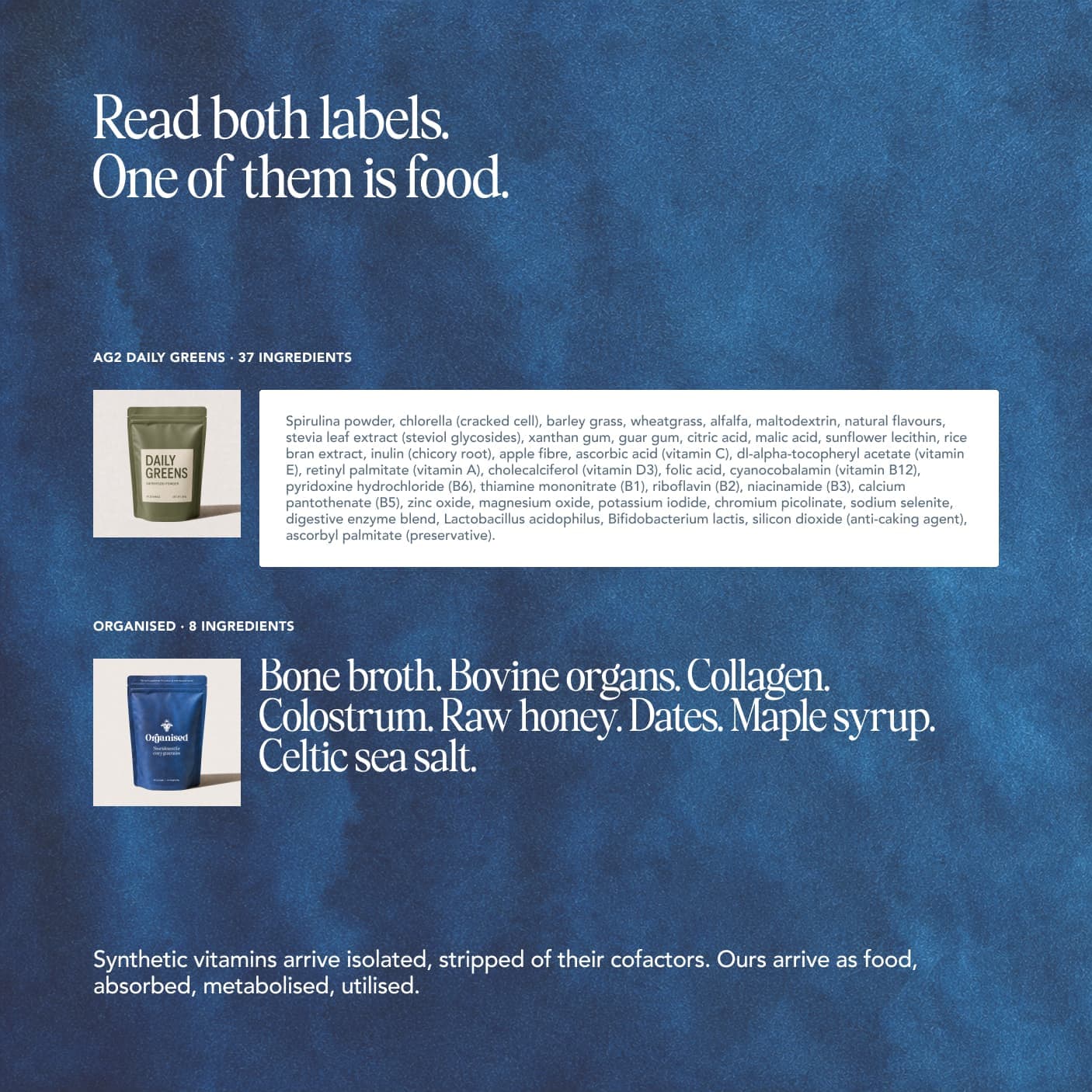
Eight real ingredients built around grass-fed beef organs, collagen and colostrum. Nothing synthetic added.
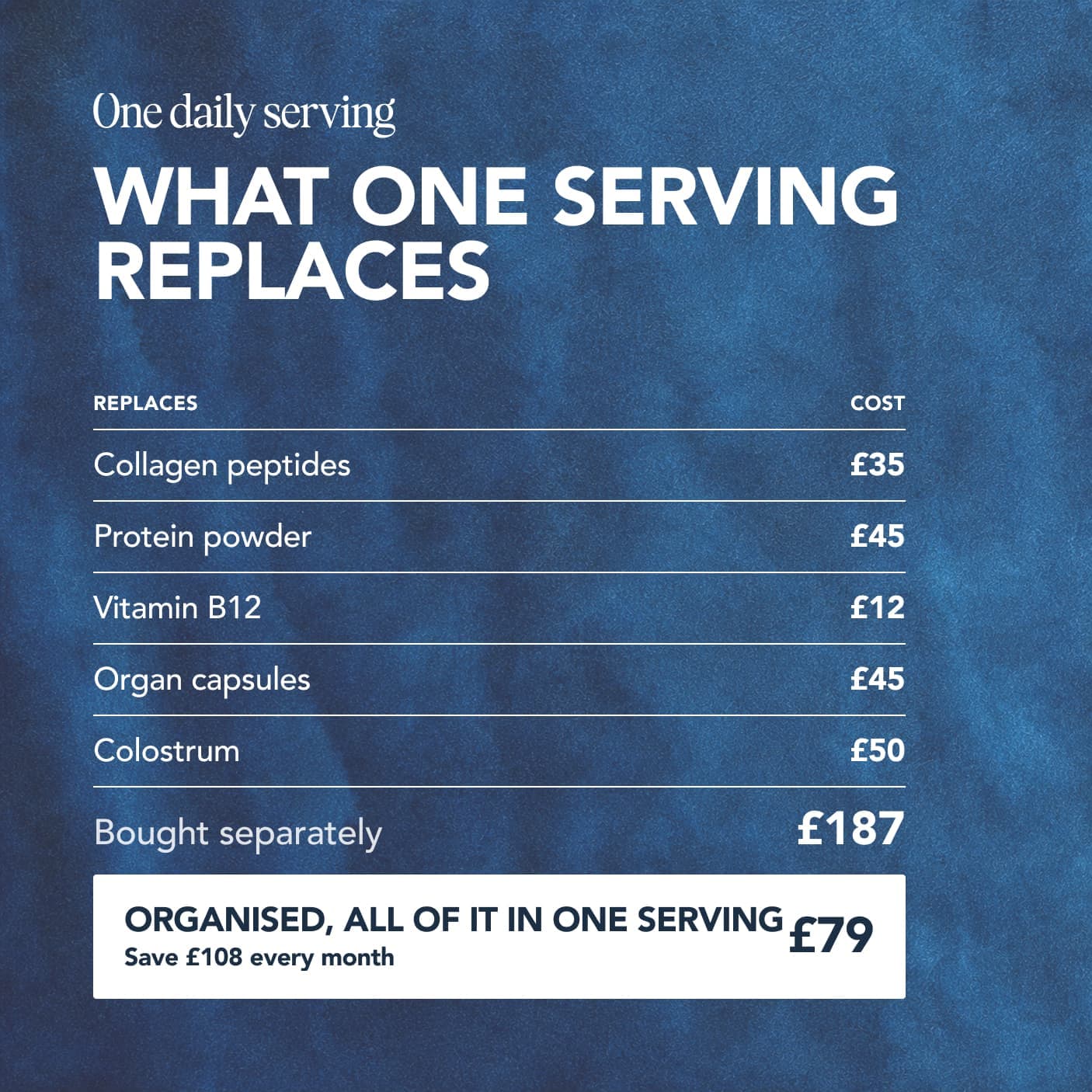
Free with your first order, worth £38. Plus £10 off the pouch with a subscription.
Free UK shipping · Made in England · 100 day money back guarantee on your first pouch · Skip, pause or cancel anytime
The bottom line
Colostrum is genuinely beneficial for adults with damaged gut barriers, compromised immune function, or intense training demands. It's not a miracle. It won't fix a diet based on processed foods. It won't work if you're still consuming the foods that damaged your gut in the first place. But in the context of a whole-foods diet, quality colostrum can support gut healing, improve immune function, and enhance recovery from intense training. If your gut has been damaged and you've removed the foods that damaged it, colostrum is worth considering. If your gut is intact and you're eating well, the benefit is marginal.
References
Every source below was checked on 27 August 2026. Each PubMed, PMC and DOI identifier was resolved against NCBI or Crossref, and what it opens is printed under the citation, so you can see the link goes where the citation says without leaving the page. Where a citation and its identifier disagreed, the citation was corrected to the record or the reference was deleted along with the sentence marker that pointed at it, and where the resolved paper turned out not to support the sentence, the sentence was cut back to what it does support. Borrowed authority is worse than none, because it looks like rigour.
- Playford RJ, Weiser MJ. Bovine colostrum: its constituents and uses. Nutrients. 2021. PMC7831509.Checked 27 August 2026: PMC7831509 opens Playford RJ, Weiser MJ, Bovine Colostrum: Its Constituents and Uses. Nutrients 2021;13(1). PubMed indexes it as: Review.The authors' own declaration, from the record: PanTheryx Inc supply BC to U.S., European, and Asia-Pacific markets. This does not affect our adherence to the Nutrients policies regarding sharing data and materials.
- Duan H, Sun Q, Chen C, et al. A Review: The Effect of Bovine Colostrum on Immunity in People of All Ages. Nutrients. 2024. PMC11242949.Checked 27 August 2026: PMC11242949 opens Duan H, Sun Q, Chen C et al, A Review: The Effect of Bovine Colostrum on Immunity in People of All Ages. Nutrients 2024;16(13). PubMed indexes it as: Review.The authors' own declaration, from the record: Authors Qian Sun and Chao Chen were employed by the company Native Nutrition and Medical Research Institute of Tianmeijian Biotechnology (Beijing) Co., Ltd. Authors Qian Sun and Rongchang Wang were employed by the company Research and Development Center of Jiangsu Tianmeijian Nature Bioengineering Co., Ltd. Author Rongchang Wang was employed by the company Research and Development Center of Jiangsu Tianmeijian … (abridged; the full declaration is on the record)
- Davison G. The use of bovine colostrum in sport and exercise. Nutrients. 2021. PMC8225123.Checked 27 August 2026: PMC8225123 opens Davison G, The Use of Bovine Colostrum in Sport and Exercise. Nutrients 2021;13(6). PubMed indexes it as: Review.The authors' own declaration, from the record: G.D. has received research funding and honorarium from PanTheryx Inc, who supply bovine colostrum products to U.S., European, and Asia-Pacific markets. G.D. has previously received funding from Neovite Colostrum UK (2008, 2010, 2013). This does not affect this author's adherence to the Nutrients policies regarding sharing data and materials. The funders had no role in the design of the review or in the … (abridged; the full declaration is on the record)
Corrections
What this page used to say, and why it no longer says it. Corrections are dated and are never removed, because deleting the record of an error is a second error. Every guide we have corrected is listed at our corrections log.
- 27 August 2026. Reference 2 carried no authors. Duan, Sun, Chen, Wang and Yan were added from the record.
Who wrote and reviewed this guide
Niall Kiddle
Author · Founder, Organised
Niall is the founder of Organised. He started the company in 2024 after fixing his own health the slow way: in 2022 he swapped a cupboard of synthetic supplements for real food, raw milk, organ meats, bone broth and honey, and felt the difference within months.
Areas of expertise: Ancestral nutrition, Organ meats, Whole-food supplementation, Gut health, Regenerative sourcing
Read Niall's full profile
Pedro Rodrigues
Reviewer · Agronomist (farming and sourcing only)
Pedro is the agronomist Organised works with on farming and sourcing. His job on the guides is to keep the science honest: he reviews what we publish about soil health, regenerative agriculture, grazing and the way food is actually produced.
Areas of expertise: Regenerative agriculture, Agronomy, Soil health, Grass-fed farming, Food sourcing
Reviewed this guide on
Read Pedro's full profileMore on nutritional deep-dives
View all- B12 from Organs vs B12 Supplements: Bioavailability Matters
- CoQ10 from Beef Heart vs CoQ10 Supplements: Is There a Difference?
- Honey and Gut Health: Prebiotic Properties You Might Not Know About
- How Organ Meats Were Eaten Throughout History
- Selenium in Beef Kidney: Why This Trace Mineral Is Essential
- Why Beef Protein Is Easier to Digest Than You Think
- Why We Stopped Being Afraid of Salt (And You Should Too)
Browse the guides library
All guidesKeep reading
Ingredients
The Amino Acids in Collagen and Why They Matter
Learn how collagen amino acids like glycine, proline and hydroxyproline set it apart from whey or plant protein, and why these proteins are not the same.
Ingredients
Celtic Sea Salt: 80+ Trace Minerals Your Body Actually Needs
Learn why Celtic sea salt's 80+ trace minerals matter. Discover the difference between sea salt and table salt, and why your body needs unrefined salt.
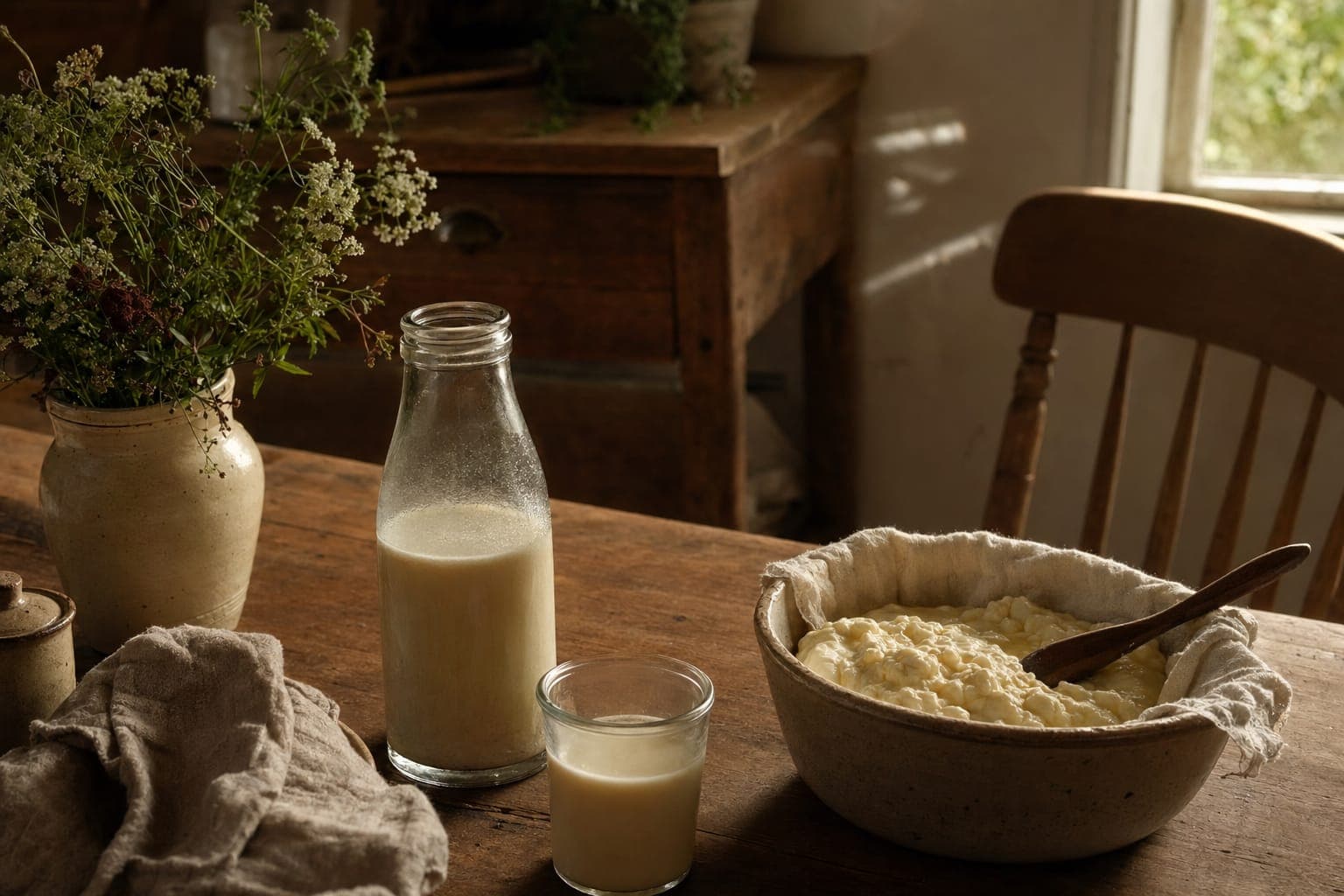
Ingredients
What Is Lactoferrin and Why Is It in Colostrum?
Discover lactoferrin, the iron-binding protein in colostrum that modulates immunity, fights pathogens, and supports gut health.
Real food, made effortless
Try the organ blendA few ways to use it
All recipes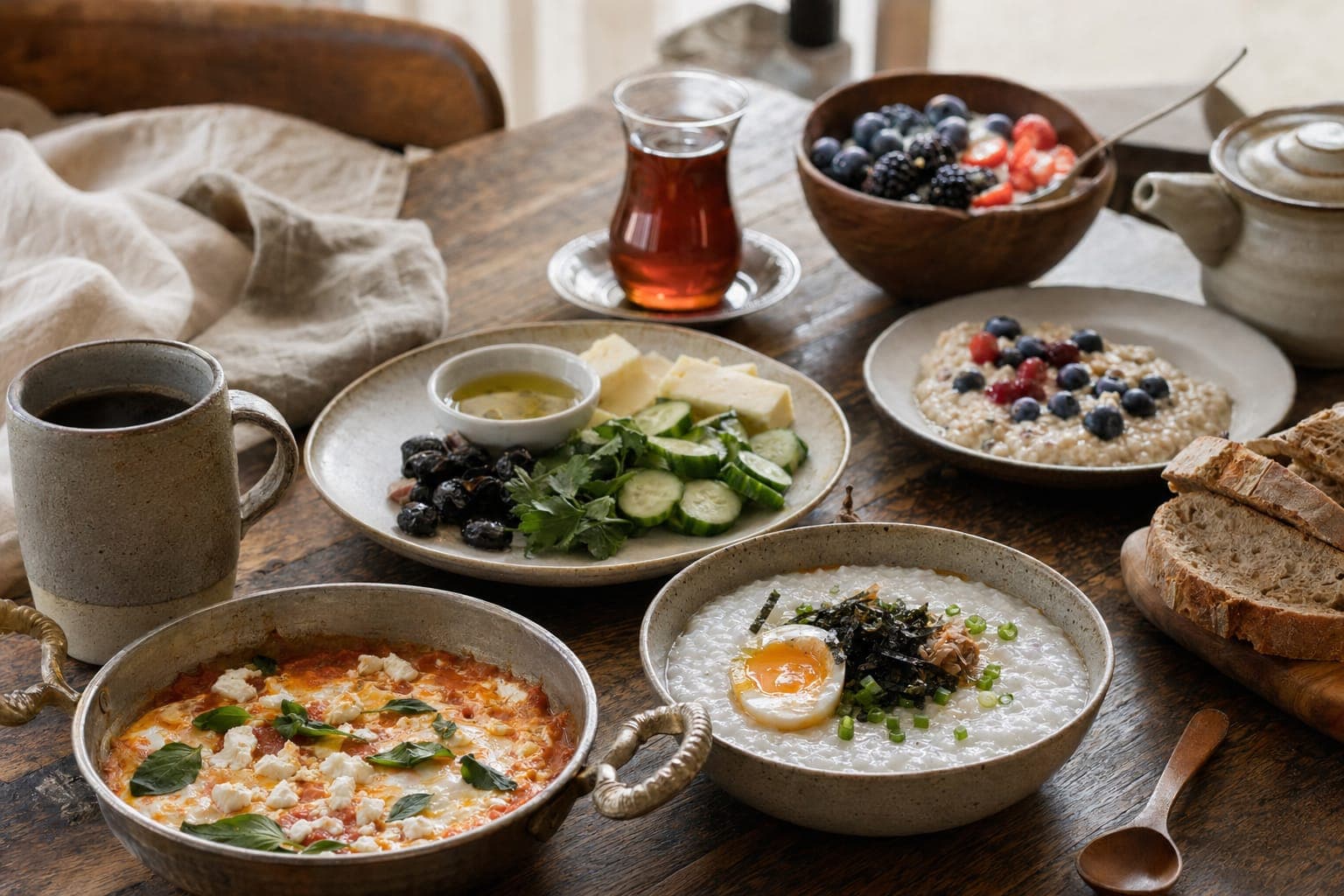
Ancestral Breakfast Ideas from Around the World
Traditional breakfast recipes from cultures that got nutrition right. Japanese, Turkish, Scottish, and more. Whole-food breakfast inspiration.
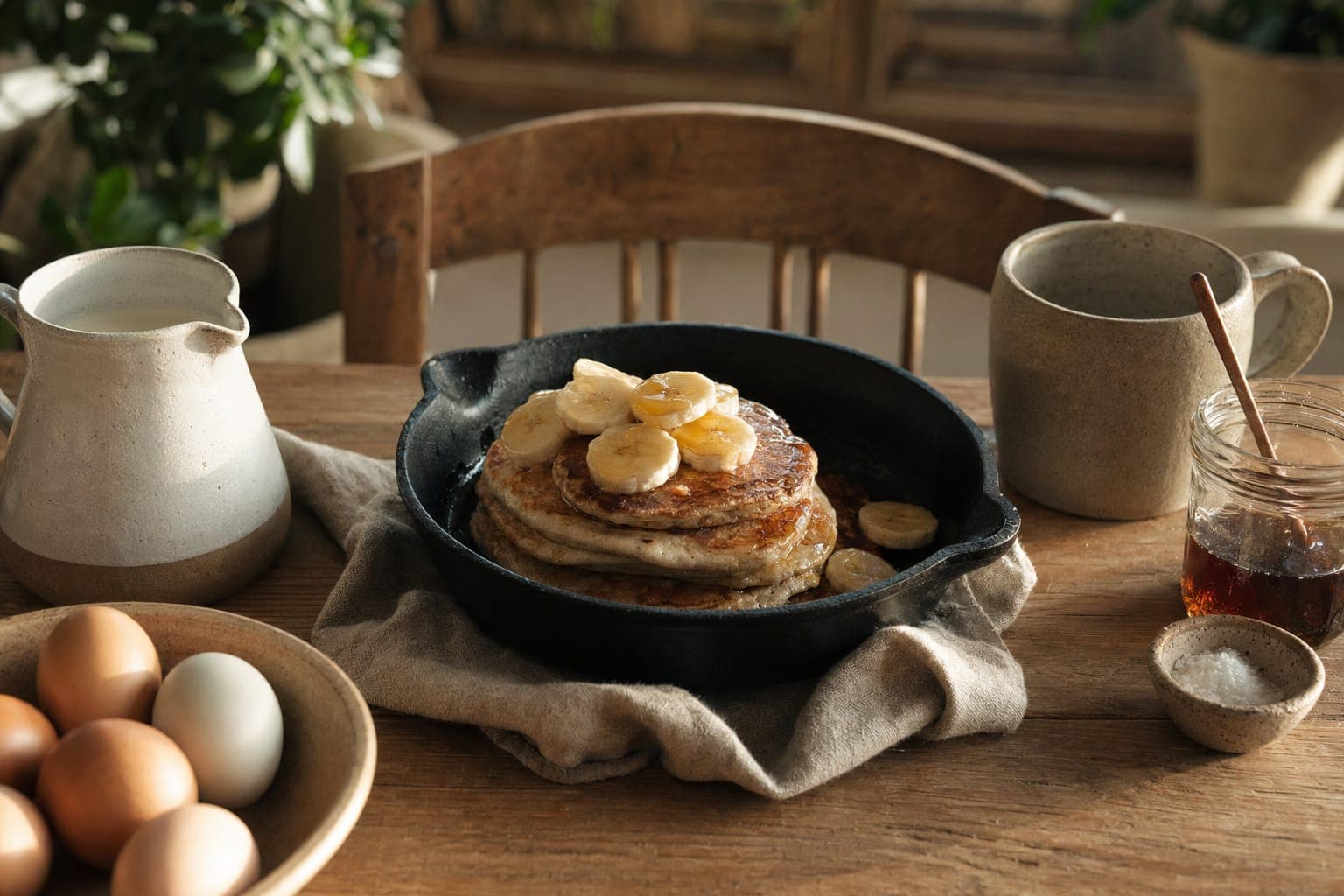
Organised Protein Pancakes: A Weekend Favourite
A high-protein pancake recipe using beef protein, eggs, and raw milk. Cooked in cast iron, naturally sweetened with banana and honey. Real food breakfast.
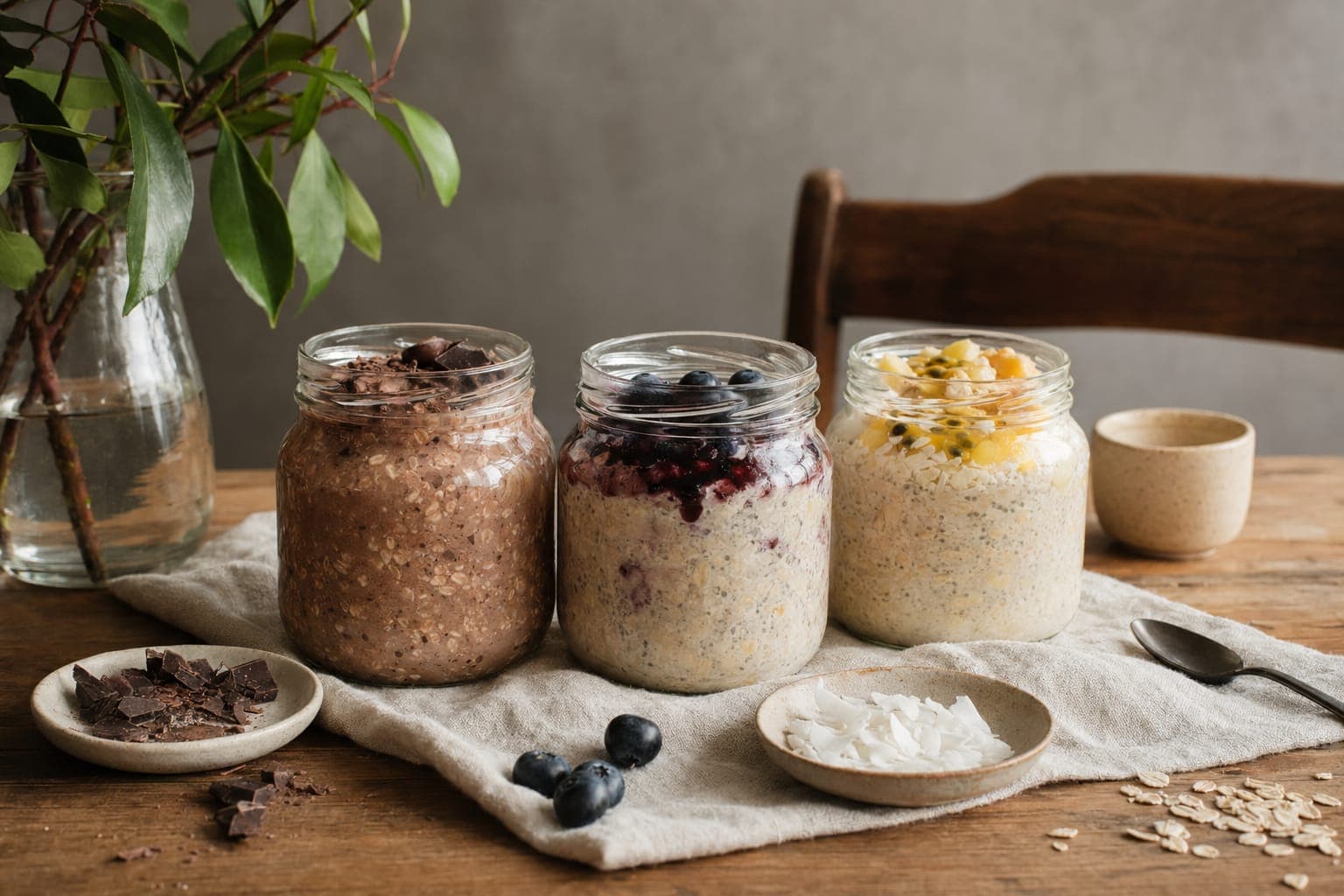
Organised Overnight Oats: 3 Variations
Three delicious overnight oats variations with Organised. Chocolate, berry, tropical flavours. Make them Sunday, eat them all week.


 Join over 100,000+ members
Build a better food system with us
The Organised community is thousands of people choosing real food and backing the farmers who grow it, all of us trying to leave the world a little better than we found it. If that is what you care about too, you belong here.