Selenium in Beef Kidney: Why This Trace Mineral Is Essential
You've probably heard of selenium as a trace mineral you need. What you haven't heard is that you're running low on it. And that selenium deficiency is slowly starving your thyroid, weakening your antioxidant system, and degrading the protective proteins that keep your cells from falling apart.

By Niall Kiddle, Founder, Organised

Reviewed by Pedro Rodrigues, Agronomist (farming and sourcing only) ·
6 min read · Published · Updated · 1 cited source
Makers of the Organised Daily blend, a grass-fed beef organ supplement from regenerative UK farms

Selenium is a trace mineral, meaning your body needs only small amounts. But those small amounts are absolutely non-negotiable. Selenium is incorporated into selenoproteins, which are active molecules that do critical work in your body. When selenium becomes deficient, selenoprotein synthesis stops. Your antioxidant system fails. Your thyroid struggles. Your fertility declines. Your immune function drops.
What selenium actually does
Selenium doesn't work alone. It's incorporated into selenoproteins, which are proteins that contain a special amino acid called selenocysteine, where selenium is built directly into the protein structure. Your body produces about twenty-five different selenoproteins, each with a specific job.1 Some protect against oxidative damage. Some regulate thyroid hormone. Some support immune function. Some protect fertility.
The process of making selenoproteins is dependent on adequate dietary selenium. When selenium is sufficient, these proteins are made constantly. When selenium is deficient, protein synthesis declines. The body can't make the protective molecules it needs. Damage accumulates. Age-related disease accelerates.
Selenium is an essential mineral, meaning your body cannot manufacture it.1 You must obtain it from food. Unlike iron, which has many dietary sources, selenium is concentrated in a few specific foods. Meat and organs are rich sources. Plants contain selenium only if the soil they grow in is selenium-rich, which varies by region. Grains and vegetables from selenium-poor soils contain almost none.
Selenoproteins: the proteins you can't live without
Thioredoxin reductase is a selenoprotein that reduces oxidative stress in nearly every cell in your body. Glutathione peroxidase is a selenoprotein that neutralises hydrogen peroxide before it damages your cells.1 Selenoprotein P is a selenoprotein that distributes selenium throughout your body and protects your brain and testes from oxidative damage. Without adequate selenoproteins, your cells accumulate oxidative damage faster than they can be repaired.
This oxidative damage is one of the primary drivers of ageing. Free radicals damage mitochondrial DNA, which reduces energy production and accelerates cellular decline. They damage cell membranes, reducing cellular function. They damage proteins, reducing the ability of your cells to perform their jobs. When you're selenium-deficient and can't make adequate selenoproteins, this damage accelerates. You age faster. You develop disease faster. You lose function faster.
The link between selenium and ageing is so clear that some researchers propose that the optimisation of selenium status might be one of the most important factors in healthy ageing. Not just adequate selenium to prevent overt deficiency disease. But optimal selenium status to maximise selenoprotein production and minimise oxidative damage.

Glutathione and the antioxidant system
Glutathione is one of the most important antioxidants in your body, found in nearly every cell. It's an ancient molecule, conserved across almost all life forms. Your body produces glutathione from the amino acids cysteine, glycine, and glutamate. But the effectiveness of glutathione depends entirely on glutathione peroxidase, which is a selenoprotein.
Here's the cascade. Glutathione encounters a free radical and neutralises it. But in doing so, glutathione becomes oxidised, losing its antioxidant power. Glutathione peroxidase, the selenoprotein, reduces glutathione back to its active form so it can neutralise another free radical. Without adequate glutathione peroxidase, glutathione accumulates in its inactive oxidised form. Your antioxidant system grinds to a halt.
Supplementing glutathione without adequate selenium is ineffective. You're producing inactive glutathione with no way to recycle it back to its active form. The system doesn't work without the selenoprotein. This is why people take glutathione supplements and notice no benefit. They're missing the selenium needed to make the glutathione actually work.
Thyroid function depends entirely on selenium
Your thyroid produces two hormones, T4 and T3. T4 is the storage form. T3 is the active form. The conversion from T4 to T3 happens in target tissues, and the enzyme that catalyses this conversion is a selenoprotein deiodinase.1 Without adequate selenium, this conversion stalls. You have plenty of T4, but it's not being converted to the T3 your body needs.
Additionally, your thyroid produces its own hydrogen peroxide as a normal part of thyroid hormone synthesis. This hydrogen peroxide has to be neutralised or it damages the thyroid tissue. Glutathione peroxidase, the selenoprotein, neutralises this hydrogen peroxide. Without adequate selenium, hydrogen peroxide accumulates in your thyroid. The tissue is damaged. Thyroid function declines.
Iodine gets all the attention for thyroid health, and iodine is necessary. But you can have adequate iodine and still have a struggling thyroid if you're selenium-deficient. The selenoproteins are equally important. They enable the conversion of T4 to T3. They protect the thyroid tissue from damage. They regulate thyroid hormone metabolism.
Your thyroid needs iodine, but it needs selenium equally. Ignore selenium and your thyroid will struggle regardless of your iodine status.

Get ingredient guides like this, free
Two short reads a week on the ingredients that matter and how to actually use them.
By signing up you agree to receive emails from us. No spam, unsubscribe anytime.
Beef kidney versus Brazil nuts
Brazil nuts are famous as a selenium source. One Brazil nut contains approximately 50 micrograms of selenium (highly variable by origin).1 The recommended dietary allowance for selenium is 55 micrograms per day for adults.1 So technically, one Brazil nut covers your daily requirement.
But there's a problem. Brazil nuts contain selenium erratically. Depending on where they grew and the selenium content of the soil, they might contain 20 micrograms or they might contain 200 micrograms. You never really know how much you're getting. Consume more than two Brazil nuts per day and you risk accumulating excess selenium, which is toxic.
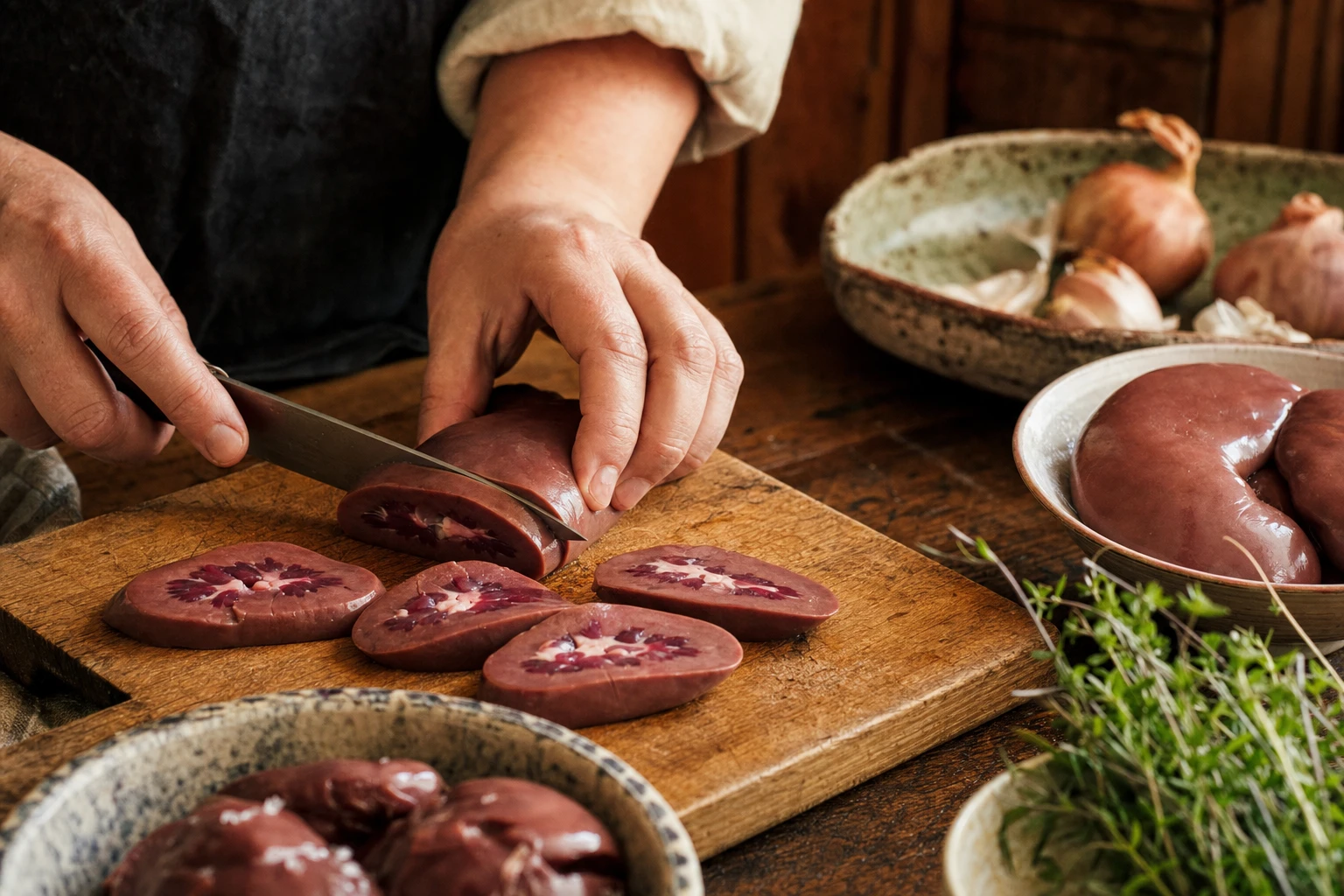
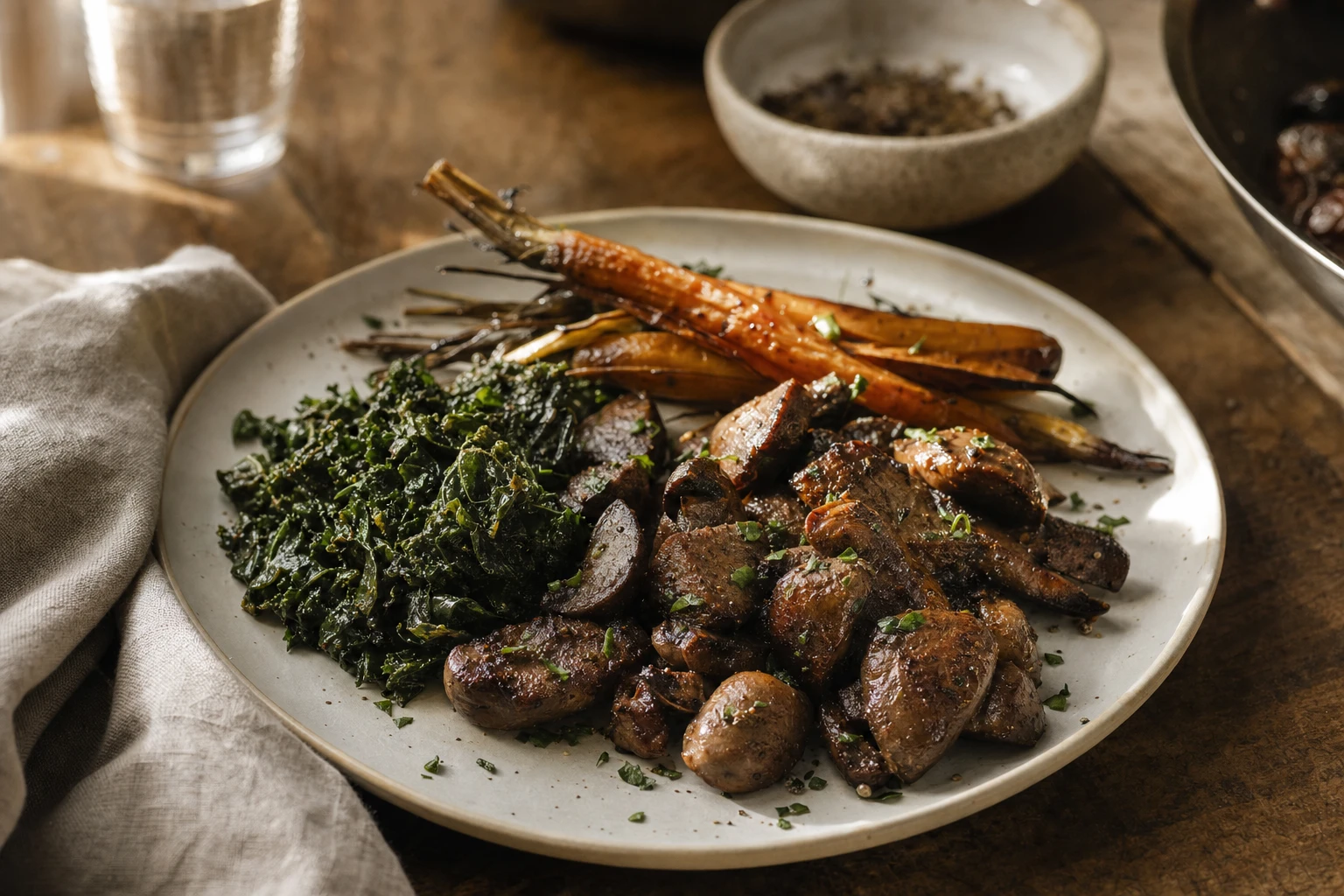
One hundred grams of beef kidney contains approximately 200 to 250 micrograms of selenium, four to five times the daily requirement. More importantly, it's consistent. A beef kidney always contains roughly the same amount of selenium because it's incorporated into the protein structure, not dependent on soil chemistry. Your body can confidently use the selenium without risk of excess.
Beyond the selenium itself, beef kidney comes with vitamin B12, iron, zinc, copper, and high-quality protein. It comes with the entire nutrient matrix that makes these minerals bioavailable and usable. A Brazil nut comes with selenium and little else.

1 of 9
Daily blend
100,000+ thriving families4.9 on Trustpilot
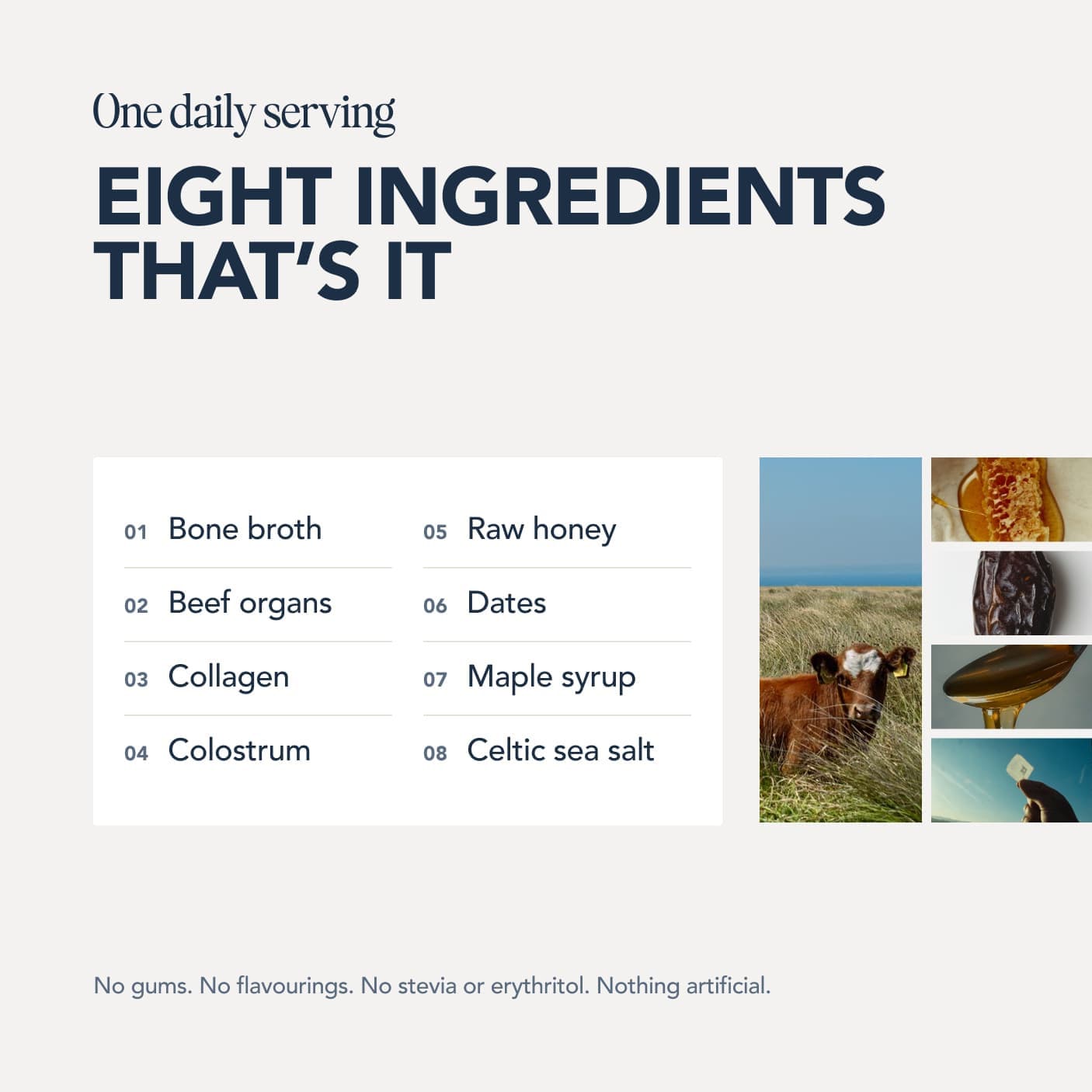
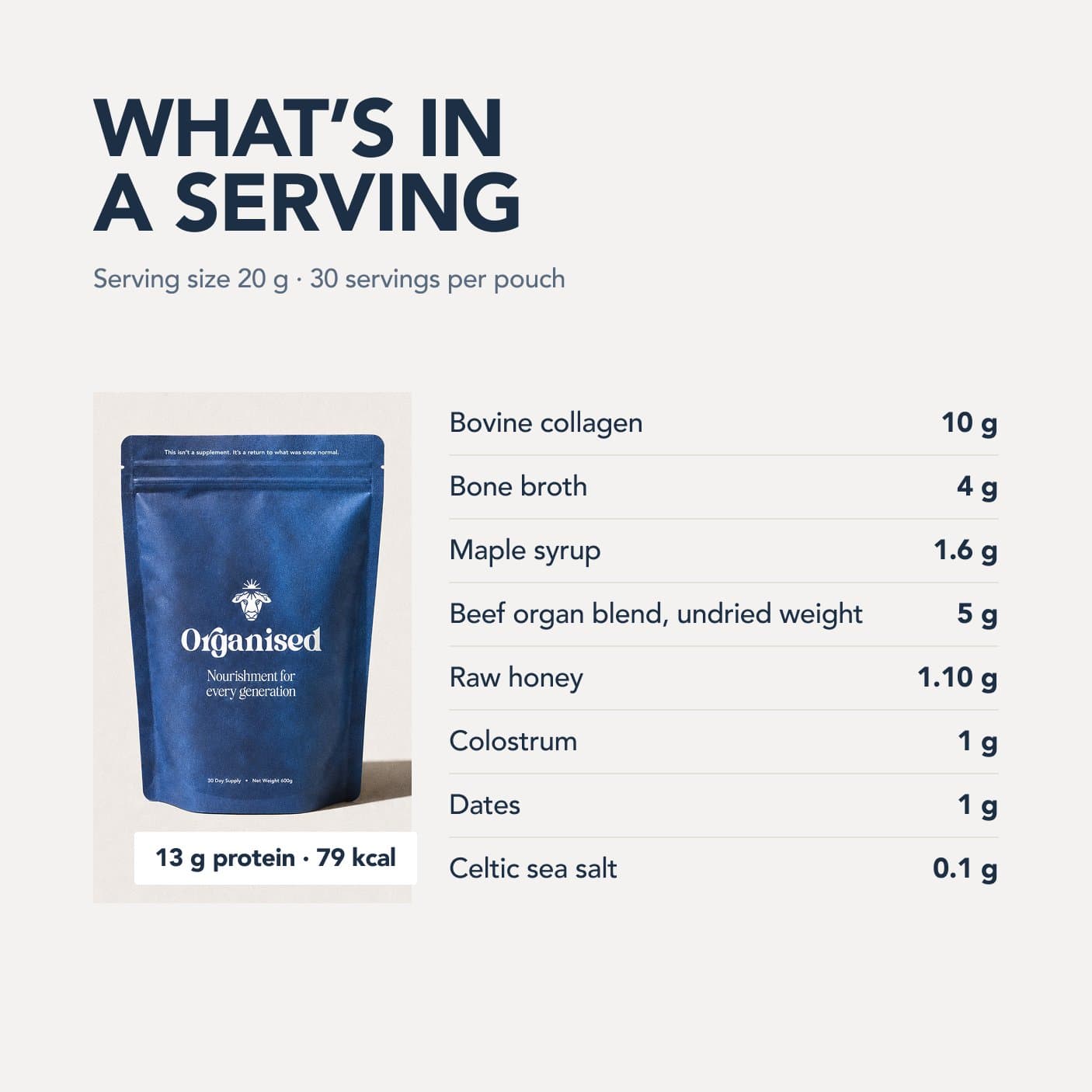
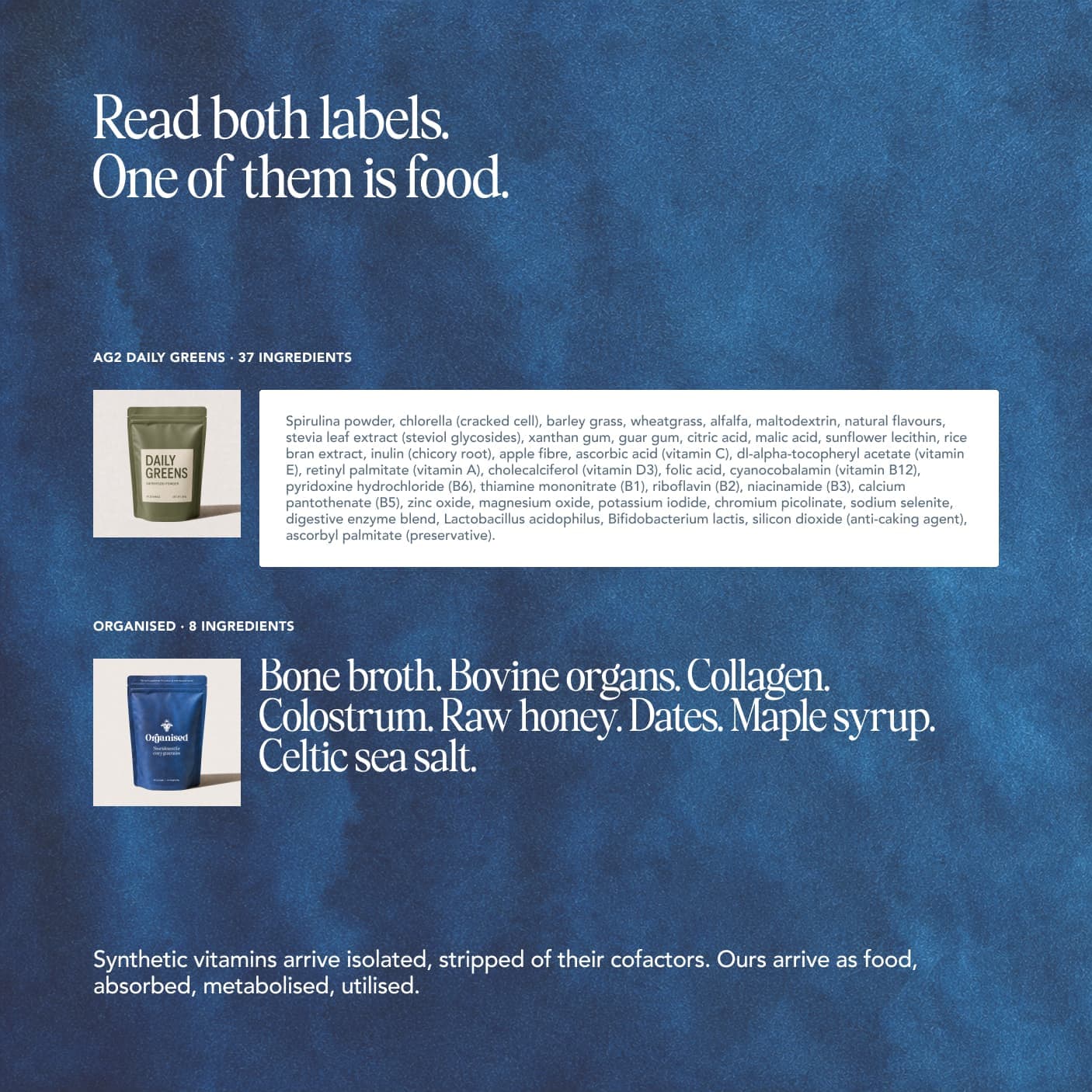
Eight real ingredients built around grass-fed beef organs, collagen and colostrum. Nothing synthetic added.
Free with your first order, worth £38. Plus £10 off the pouch with a subscription.

Free UK shipping · Made in England · 100 day money back guarantee on your first pouch · Skip, pause or cancel anytime
Why beef kidney is superior
Beef kidney contains selenium in the form of selenomethionine, an amino acid where selenium has replaced sulphur. This form is readily absorbed and utilised by your body. Your intestinal cells absorb selenomethionine directly. Once absorbed, your body can incorporate it into selenoproteins or convert it to other selenium compounds as needed.
Beef kidney also contains the cofactors that make selenium utilisation efficient: zinc for enzyme function, copper for antioxidant enzyme synthesis, B6 for homocysteine metabolism, and high-quality protein for the amino acids needed to build selenoproteins. You're not getting an isolated mineral. You're getting a complete nutritional system.
One serving of beef kidney per week provides more than adequate selenium for optimal selenoprotein synthesis. Your thyroid will function better. Your antioxidant system will work better. Your fertility will improve. Your ageing will slow down, measurably.
Signs of selenium deficiency
Overt selenium deficiency is rare in developed countries, but marginal deficiency is common. The symptoms are subtle and often attributed to other causes. Fatigue that doesn't improve with sleep. Hair loss. Brittle nails. Reduced fertility. Thyroid dysfunction that persists despite adequate iodine. Slow wound healing. Weakened immunity.
In women, selenium deficiency is associated with reduced fertility, miscarriage risk, and postpartum thyroiditis. In men, it's associated with reduced sperm quality and fertility problems. In the elderly, it's associated with increased risk of cognitive decline and age-related disease.
Blood selenium levels below 80 nanomoles per litre are considered deficient. Levels between 80 and 100 are suboptimal. Levels above 120 are considered adequate for selenoprotein synthesis. Most people in the modern developed world fall somewhere in the 70 to 110 range, meaning they're probably not synthesising adequate selenoproteins for optimal health.
The bottom line
Selenium is invisible but absolutely essential. One beef kidney per week, which costs approximately two to three pounds, gives you selenium and the cofactors that make it work. Your thyroid will thank you. Your antioxidant system will function better. Your ageing will slow down. This isn't speculation. This is biochemistry.
References
Every source below was checked on 27 August 2026. Each link was requested and read. Where a citation and its identifier disagreed, the citation was corrected to the record or the reference was deleted along with the sentence marker that pointed at it, and where the resolved paper turned out not to support the sentence, the sentence was cut back to what it does support. Borrowed authority is worse than none, because it looks like rigour.
- National Institutes of Health, Office of Dietary Supplements. Selenium - Health Professional Fact Sheet. ods.od.nih.gov
Who wrote and reviewed this guide
Niall Kiddle
Author · Founder, Organised
Niall is the founder of Organised. He started the company in 2024 after fixing his own health the slow way: in 2022 he swapped a cupboard of synthetic supplements for real food, raw milk, organ meats, bone broth and honey, and felt the difference within months.
Areas of expertise: Ancestral nutrition, Organ meats, Whole-food supplementation, Gut health, Regenerative sourcing
Read Niall's full profile
Pedro Rodrigues
Reviewer · Agronomist (farming and sourcing only)
Pedro is the agronomist Organised works with on farming and sourcing. His job on the guides is to keep the science honest: he reviews what we publish about soil health, regenerative agriculture, grazing and the way food is actually produced.
Areas of expertise: Regenerative agriculture, Agronomy, Soil health, Grass-fed farming, Food sourcing
Reviewed this guide on
Read Pedro's full profileMore on nutritional deep-dives
View all- B12 from Organs vs B12 Supplements: Bioavailability Matters
- Can Adults Benefit from Colostrum? (It's Not Just for Calves)
- CoQ10 from Beef Heart vs CoQ10 Supplements: Is There a Difference?
- Honey and Gut Health: Prebiotic Properties You Might Not Know About
- How Organ Meats Were Eaten Throughout History
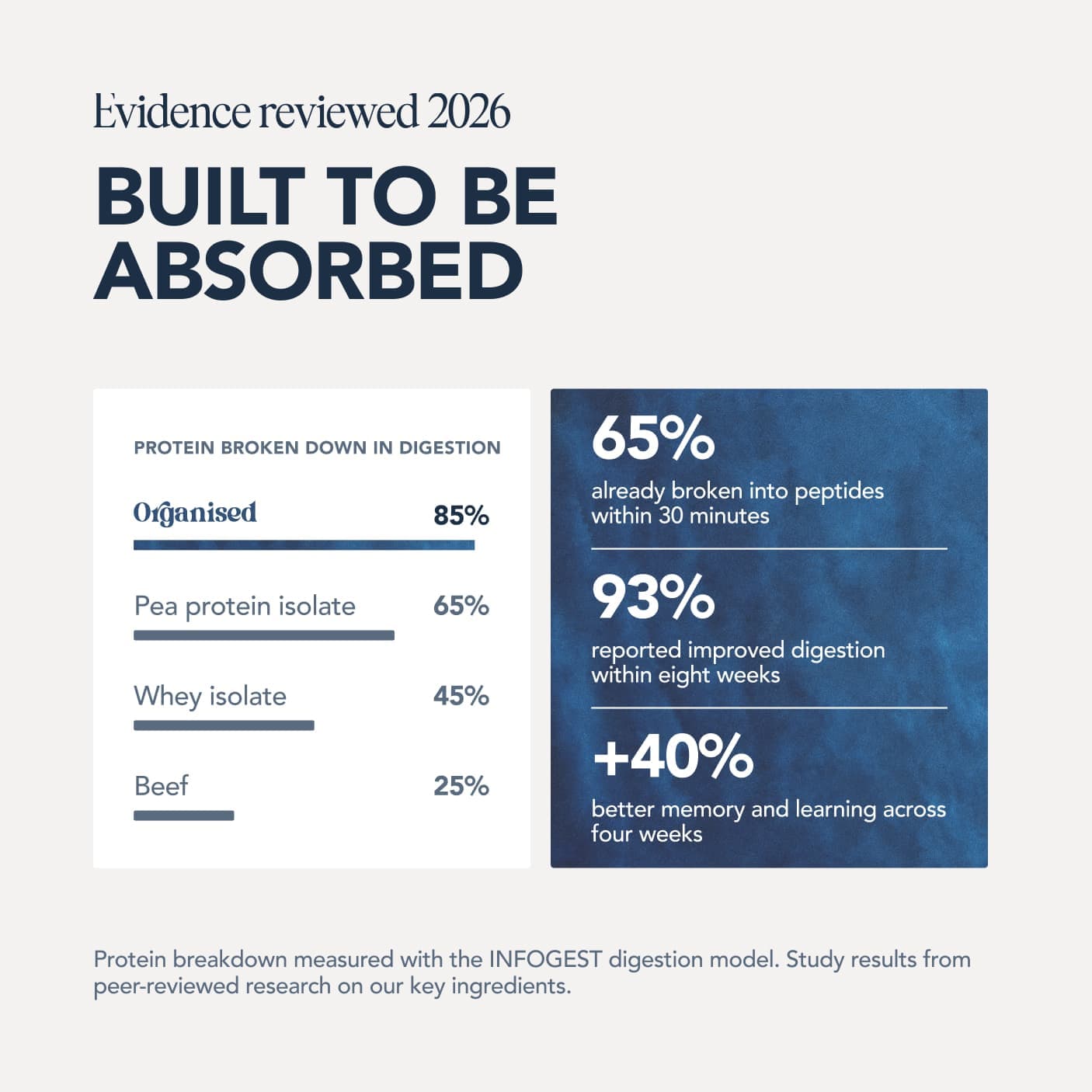
- Why Beef Protein Is Easier to Digest Than You Think
- Why We Stopped Being Afraid of Salt (And You Should Too)
Browse the guides library
All guidesKeep reading

Ingredients
Is Colostrum Safe for Lactose-Intolerant People?
Find out if colostrum is safe when you are lactose intolerant. We compare its lactose content to milk, flag casein concerns, and who should be cautious.

Comparisons
Grass-Fed Whey vs Grass-Fed Beef Protein: Which Absorbs Better?
Both score well on DIAAS. Whey is faster. Beef is slower. Learn when you need speed and when you need sustained amino acid delivery.

Ingredients
Collagen and Hair Growth: Separating Fact from Hype
Does collagen really help hair growth? We unpack what the research shows about collagen, hair thickness and hair loss, so you can decide if it is worth it.
Real food, made effortless
Try the organ blendA few ways to use it
All recipes
10 Ways to Use Organised That Aren't Just a Shake
Move beyond the basic shake. Discover 10 creative ways to use Organised in smoothie bowls, oats, yoghurt, baking, and more.

How to Make Your Own Gelatine Gummies
A simple recipe for homemade gelatine gummies using grass-fed gelatine, fresh juice, and raw honey. Better than shop-bought, kids love them.
Collagen-Rich Beef Stew: Slow-Cooked Nourishment
Beef stew that delivers collagen from connective tissue and bone broth. Winter comfort food that actually nourishes. Simple slow cooker recipe.


 Join over 100,000+ members
Build a better food system with us
The Organised community is thousands of people choosing real food and backing the farmers who grow it, all of us trying to leave the world a little better than we found it. If that is what you care about too, you belong here.