Collagen and Hair Growth: Separating Fact from Hype
Collagen supplements are marketed heavily for hair growth. The promise is simple: take collagen, grow thicker hair, stop losing hair. But what does the research actually show?

By Niall Kiddle, Founder, Organised

Reviewed by Pedro Rodrigues, Agronomist (farming and sourcing only) ·
6 min read · Published · Updated · 5 cited sources
Makers of the Organised Daily blend, a grass-fed beef organ supplement from regenerative UK farms


Why hair cares about collagen
Your hair follicle is rooted in the dermal layer of your skin, which is 70% collagen.1 The collagen provides structural support for the follicle and the blood vessels that feed it. When collagen is intact and abundant, hair follicles are well-supported and the blood supply to the hair is robust.
When collagen deteriorates (from age, sun exposure, chronic inflammation), the dermal layer thins. Hair follicles lose support. Blood supply to the follicles diminishes. Hair becomes thinner, weaker, and more prone to shedding.
The logic for collagen supplementation is sound: support collagen synthesis, support hair health. But does it actually work?
What the research actually says
The evidence is more modest than marketing suggests.
Hair thickness and density: A few studies show that collagen supplementation improves hair thickness and density measured by dermoscopy. A 2019 study showed improvement in hair thickness after 12 weeks of collagen supplementation.2 The effect size was modest but measurable.
Hair loss: There's less research on hair loss specifically, but the studies that exist suggest collagen might reduce shedding by supporting follicle strength. The evidence is weaker than for thickness, but the trend is positive.
Hair growth rate: There's almost no research on actual hair growth rate (how fast your hair grows). Most marketing claims about "faster hair growth" are not well-supported by evidence.
Collagen can improve hair thickness and possibly reduce shedding, but it won't dramatically accelerate hair growth rate or cure baldness.
The key insight: collagen works on the hair that's already growing. It makes existing hair thicker and stronger. It doesn't change the fundamental growth rate or regrow hair that's already been shed.

Hair growth vs hair quality
This is where collagen excels but marketing oversells.
Hair quality: Collagen supplementation improves hair texture, strength, and shine. Your hair looks and feels better. This is real and measurable.
Hair growth: Collagen doesn't dramatically increase hair growth rate. It might modestly improve it, but the effect is small compared to the effect on quality.
If you're taking collagen for thicker, stronger, shinier hair, you'll likely see results. If you're taking collagen to regrow lost hair or dramatically accelerate growth, you'll be disappointed.
Who's most likely to see results
People with healthy hair that's just become thinner. If you're experiencing normal age-related hair thinning, collagen can help. It won't reverse the thinning entirely, but it can slow it and improve the quality of the hair you have.
People with good collagen status already. Collagen supplementation works best when your baseline collagen status is adequate. If you're already eating well, sleeping well, and managing stress, collagen will move the needle. If your health is poor overall, collagen is fighting an uphill battle.
People who aren't dealing with male/female pattern baldness. Pattern baldness is driven by genetics and hormonal sensitivity, not collagen status. Collagen won't fix it.
People pairing collagen with other hair-supporting nutrients. Collagen alone isn't enough. You need zinc, iron, selenium, and B vitamins supporting hair growth. Collagen works best as part of a complete nutritional approach.

The full picture
Hair health is determined by multiple factors:
- Genetics: Your hair growth rate and quality are partially determined by genetics. You can't change this.
- Hormones: Thyroid hormones, androgens, and cortisol all affect hair. If hormonal imbalance is driving your hair loss, collagen won't fix it.
- Nutrient status: Iron, zinc, copper, selenium, B vitamins, and vitamin A all support hair growth. Deficiency in any of these will compromise hair health regardless of collagen.
- Collagen status: The strength and quality of the dermal layer that supports hair follicles matters. Collagen supplementation improves this.
- Stress and sleep: Chronic stress and poor sleep drive hair loss and compromise quality. No supplement fixes this.
Collagen addresses one piece of this puzzle. It's one of several factors that determine hair health.
Collagen improves hair quality and possibly reduces shedding, but it's not a cure for hair loss and won't dramatically accelerate growth.
The bottom line
Collagen supplementation can improve hair thickness, strength, and shine. The research is solid for these outcomes. It might reduce shedding. But it won't cure male or female pattern baldness, and it won't dramatically accelerate hair growth.
If you're taking collagen primarily for hair, you might see improvements, but manage expectations. You're looking at 10-15% improvements in thickness and texture over 12 weeks, not dramatic transformation.
For optimal hair health, pair collagen with adequate sleep, stress management, good nutrition (particularly iron, zinc, and B vitamins), and support for healthy hormones. Collagen is the dermal support layer. Everything else matters too.
Get ingredient guides like this, free
Two short reads a week on the ingredients that matter and how to actually use them.
By signing up you agree to receive emails from us. No spam, unsubscribe anytime.
How to use collagen for hair if you're going to try it
If you're going to supplement with collagen, do it strategically. The dosages in the research studies that showed benefit were typically 10-12 grams daily for 12+ weeks.2 If you're taking less, or inconsistently, don't expect results.
Timing doesn't matter much, though some research suggests taking collagen with vitamin C (which supports collagen synthesis) alongside a meal with fat (which aids absorption) makes sense.
The type matters. Hydrolysed collagen (collagen peptides) has small enough molecular weight to be absorbed. Whole collagen from bone broth or gelatin is harder for your body to use directly, though it still supports the dermal layer through other mechanisms.
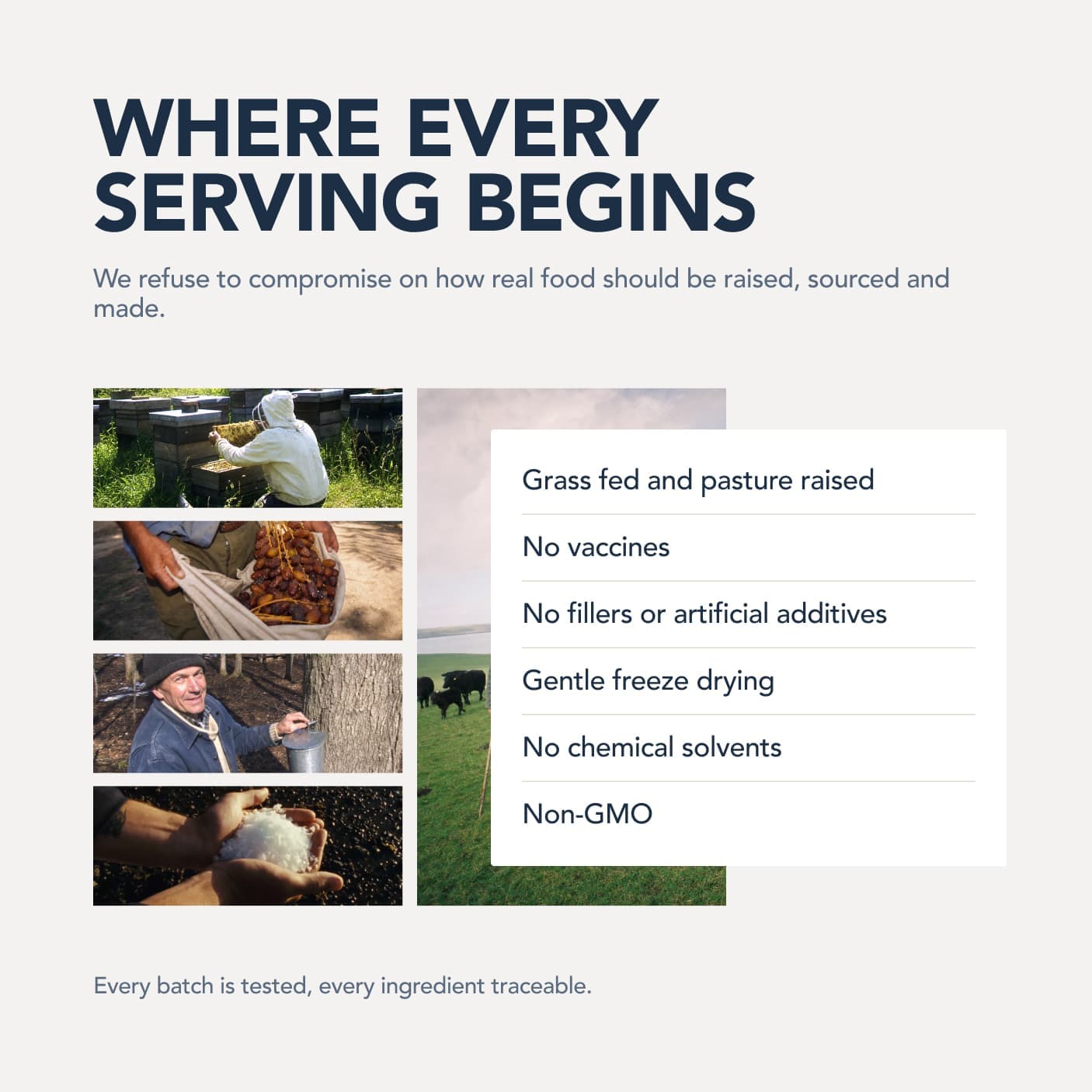
Grass-fed is worth the price premium. Conventional collagen is often sourced from cattle raised on grain. Grass-fed collagen comes with a more balanced nutrient profile and higher levels of cofactors that support skin health (such as vitamin A and trace minerals). It also has a more favourable omega-3 to omega-6 ratio.
Take collagen consistently for 12+ weeks before deciding it works or doesn't. Hair growth cycles are slow. Changes take time to show up.
When collagen alone isn't enough
If you've been taking collagen for 12 weeks and your hair hasn't improved, the issue is probably not collagen. It's one of the other factors.
Iron deficiency is the most common cause of hair loss in women.3 If you're losing hair and iron is low, collagen won't fix it. You need iron supplementation alongside collagen.
Zinc deficiency is the second most common. Zinc is essential for hair follicle growth and cycling.4 If you're deficient, your hair won't grow, no matter how much collagen you take.
Thyroid dysfunction is the third. Hair loss is often the first visible sign of thyroid problems. Get your thyroid tested (TSH, free T3, free T4, antibodies) before spending on supplements.
Chronic stress drives hair loss through multiple mechanisms: cortisol elevation suppresses growth factors, stress shifts hair follicles into the shedding phase prematurely, and stress-driven inflammation damages follicles. No supplement fixes this. Sleep, stress management, and potentially working with a therapist will.
Collagen is a useful piece of the puzzle, not the entire puzzle. If your hair loss is driven by something else, collagen is a supplement that will show no benefit because it's addressing the wrong problem.
1 of 9
Daily blend
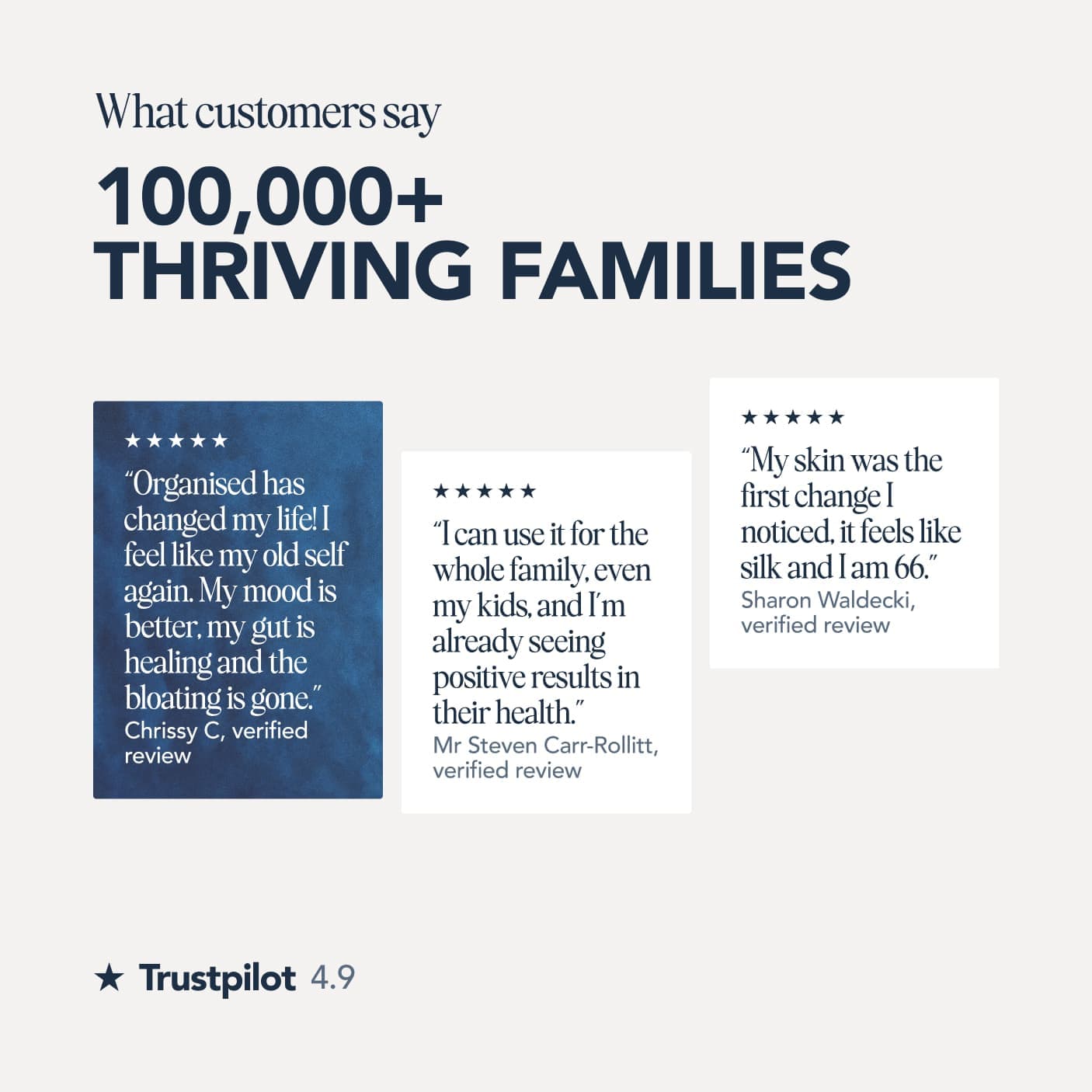
100,000+ thriving families4.9 on Trustpilot
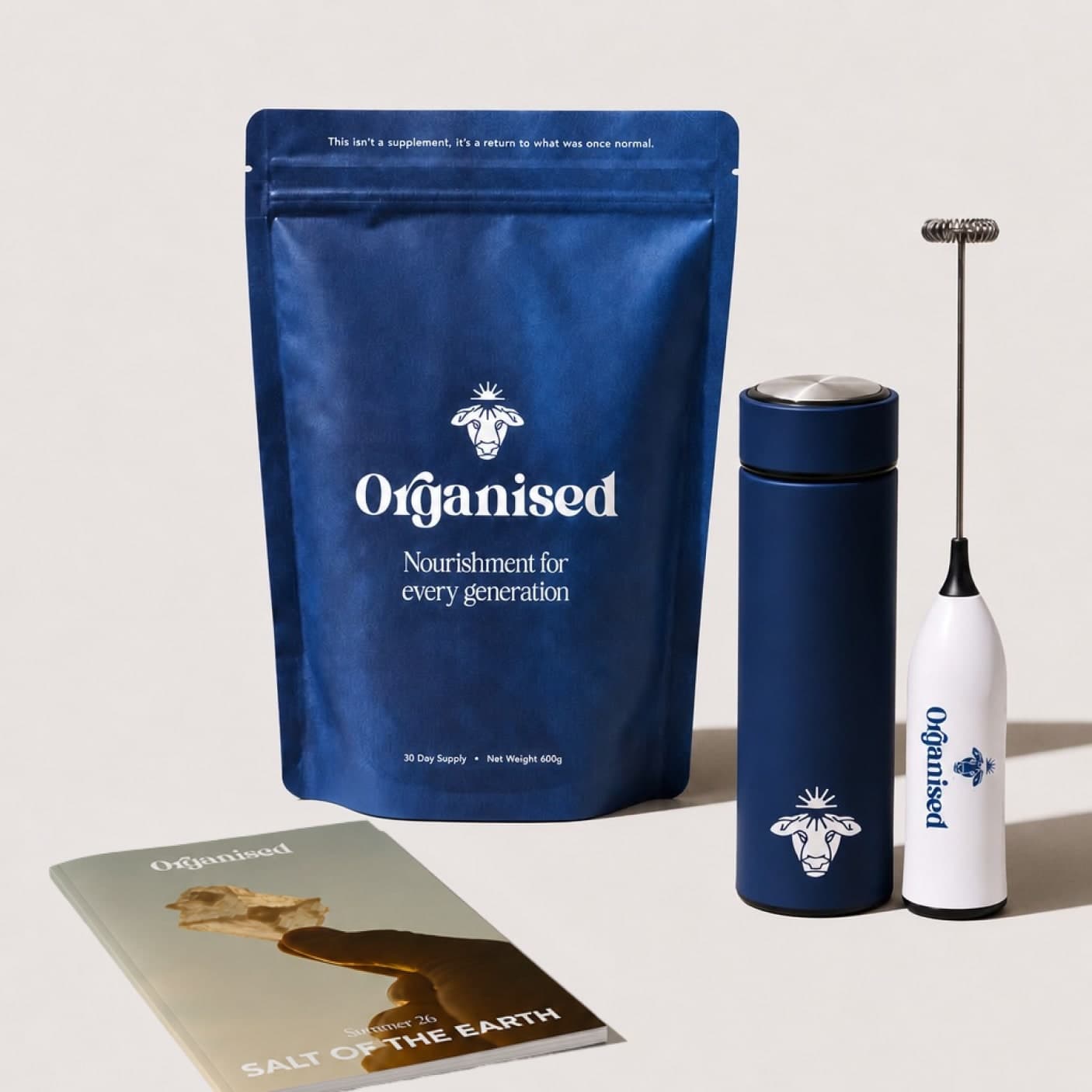
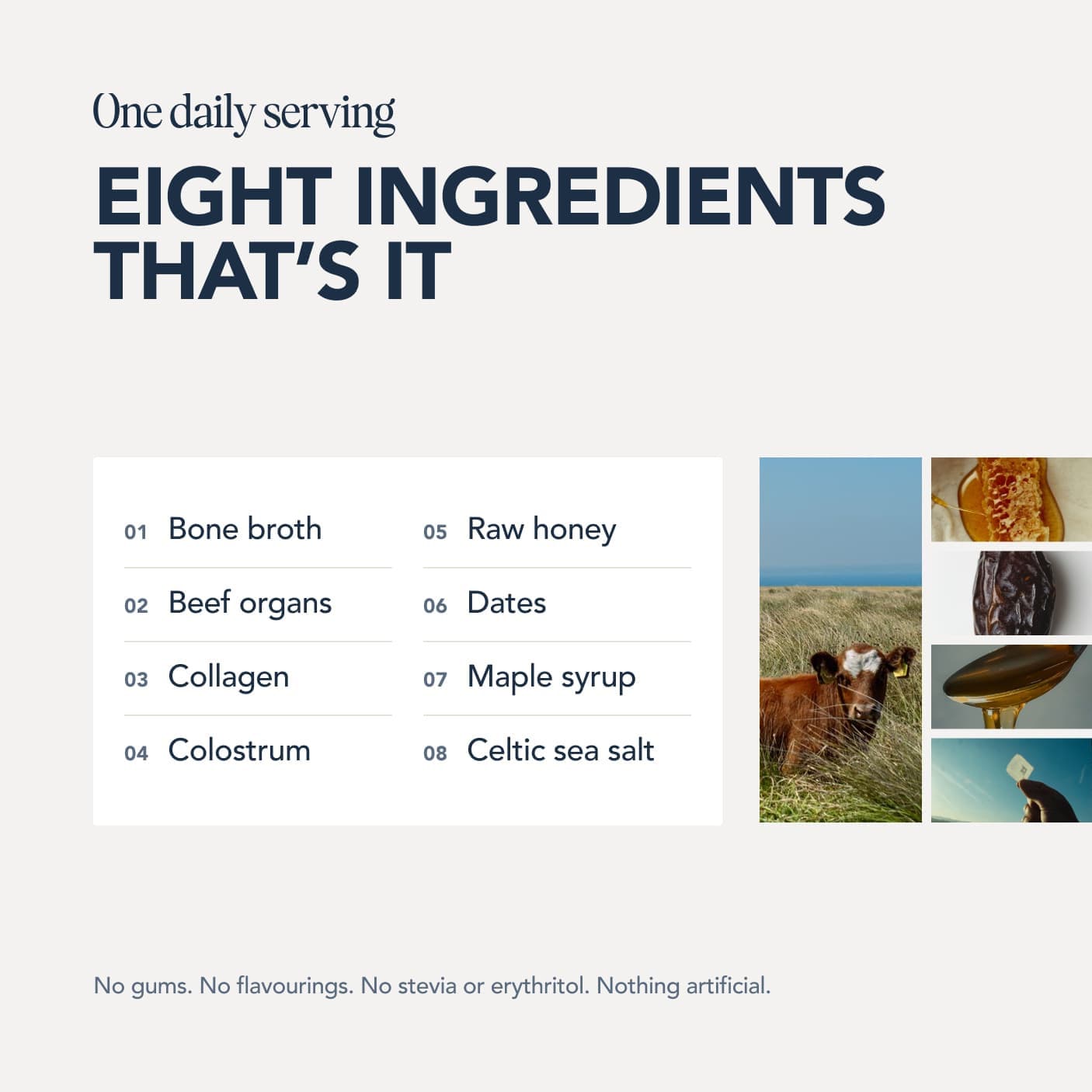
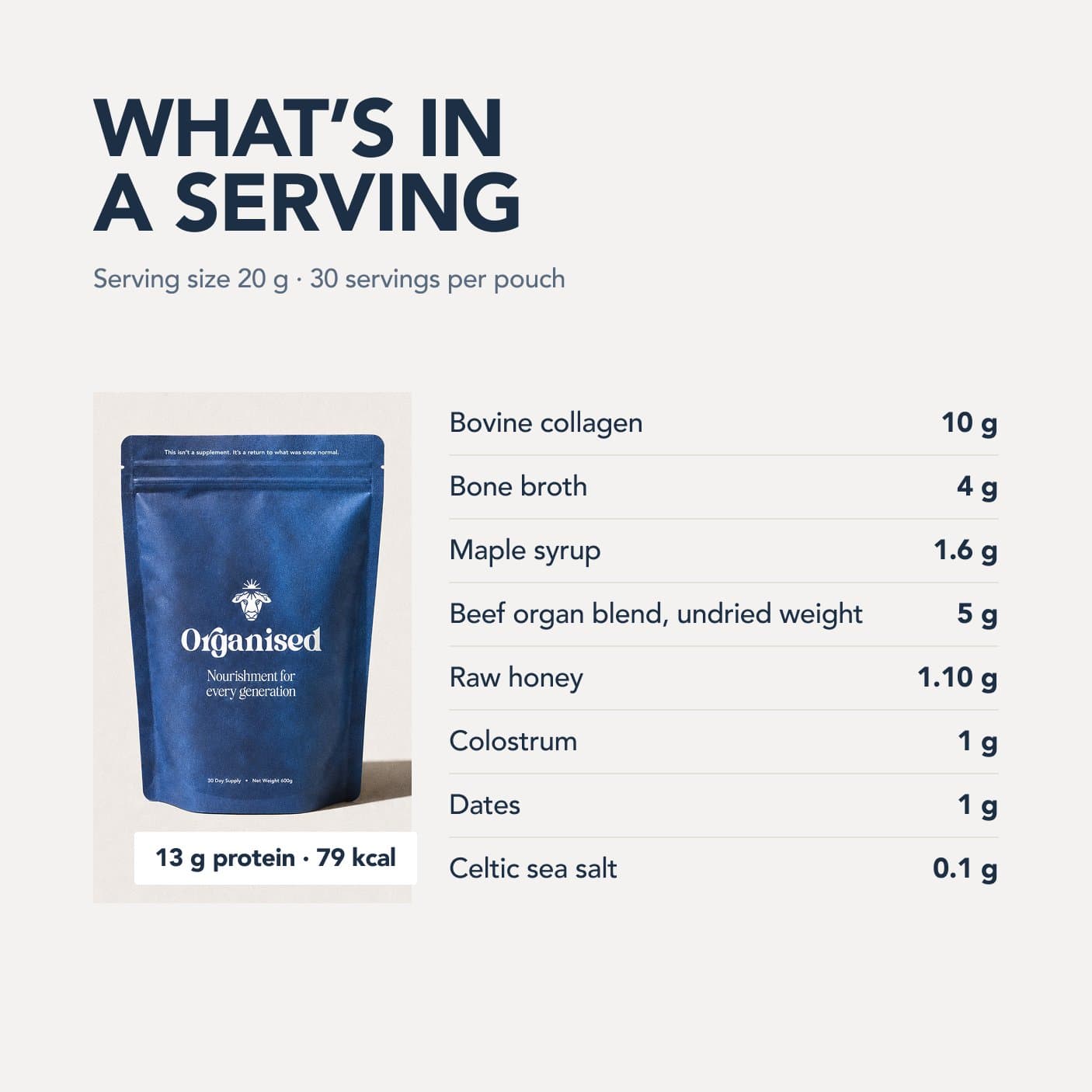
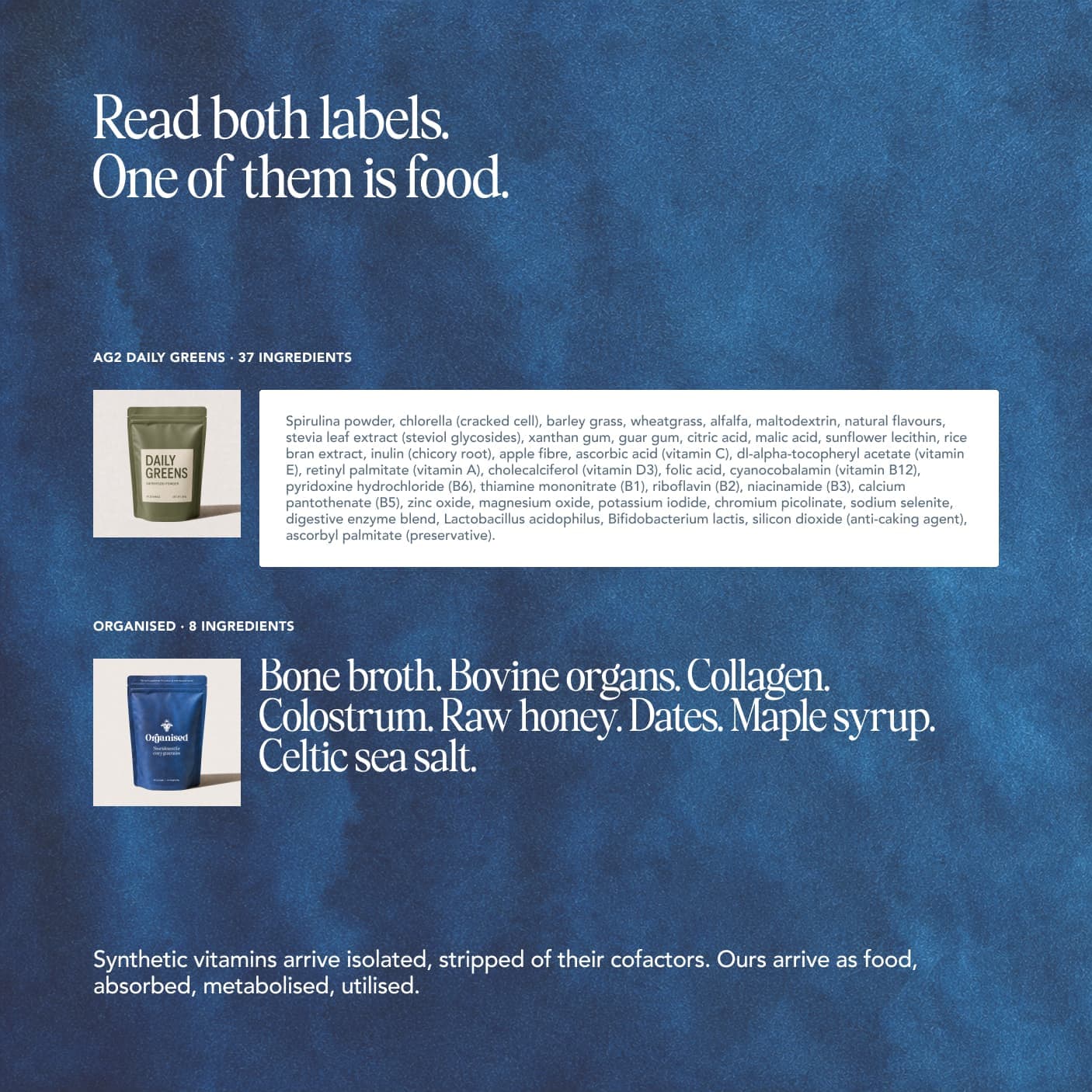
Eight real ingredients built around grass-fed beef organs, collagen and colostrum. Nothing synthetic added.
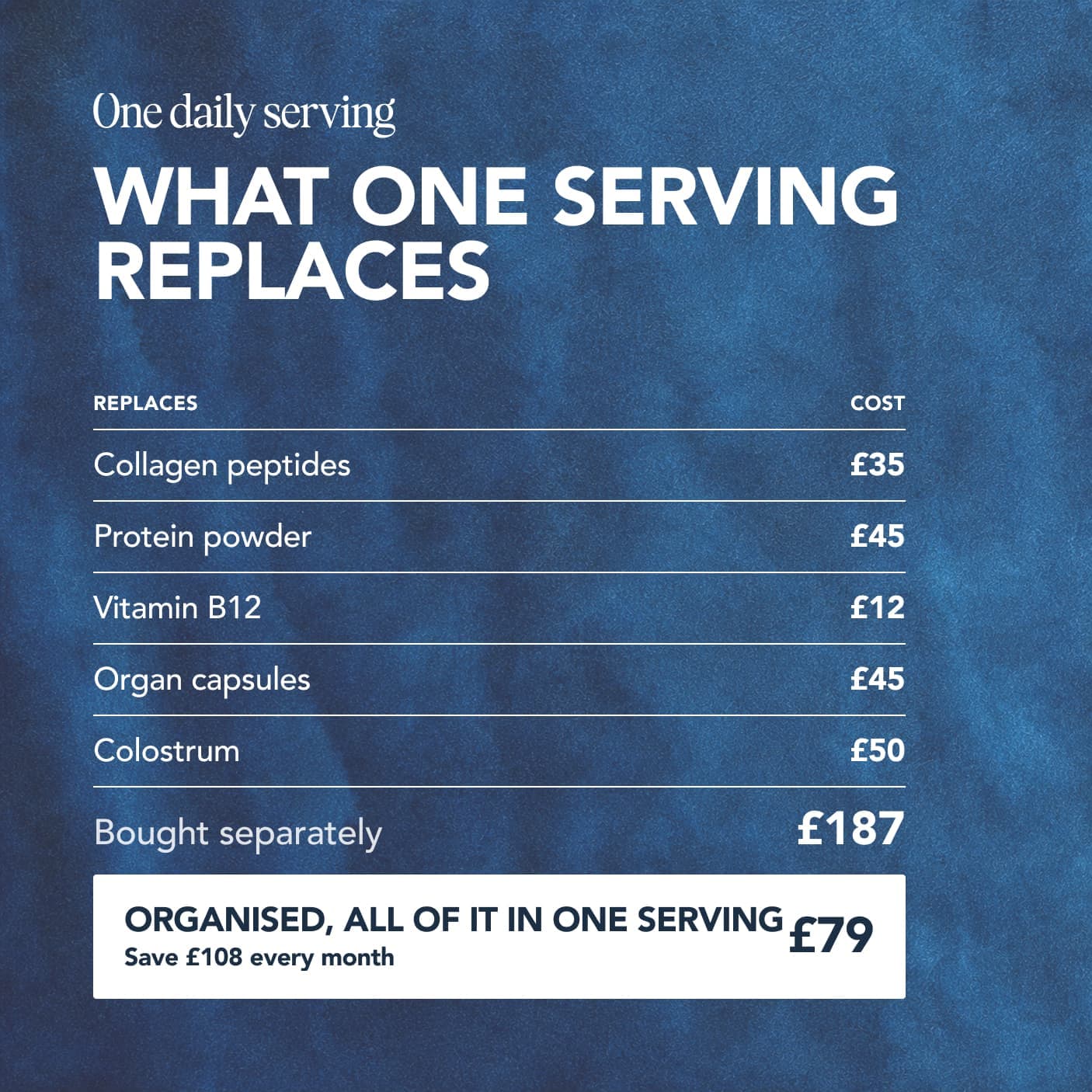
Free with your first order, worth £38. Plus £10 off the pouch with a subscription.

Free UK shipping · Made in England · 100 day money back guarantee on your first pouch · Skip, pause or cancel anytime
The marketing vs reality
The marketing around collagen for hair is aggressive. You see before-and-after photos. You see testimonials. You see claims about "hair growth in just 4 weeks" or "regrow thicker hair in 30 days".
These are almost universally oversold. Hair growth takes time. The anagen (growth) phase of hair is typically 2-7 years.5 A single hair takes months to grow visibly. Dramatic changes in a few weeks are usually placebo, hydration improvements (which make hair look shinier), or lighting and photography tricks.
The honest claims are more modest: collagen can improve hair texture, shine, and possibly reduce shedding. Those improvements take 8-12 weeks to show up. They're real but not dramatic.
If you're considering collagen for hair, go in with realistic expectations. You're not regrowing lost hair. You're improving the quality of the hair you have.
References
Every source below was checked on 27 August 2026. Each PubMed, PMC and DOI identifier was resolved against NCBI or Crossref, and what it opens is printed under the citation, so you can see the link goes where the citation says without leaving the page. Where a citation and its identifier disagreed, the citation was corrected to the record or the reference was deleted along with the sentence marker that pointed at it, and where the resolved paper turned out not to support the sentence, the sentence was cut back to what it does support. Borrowed authority is worse than none, because it looks like rigour.
- Sorrell JM, Caplan AI. Fibroblast heterogeneity: more than skin deep. Journal of Cell Science, 2004 (review of dermal collagen content). PMID 14754903.Checked 27 August 2026: PMID 14754903 opens Sorrell JM, Caplan AI, Fibroblast heterogeneity: more than skin deep. J Cell Sci 2004;117(Pt 5):667-75. PubMed indexes it as: Review.
- de Miranda RB et al. Effects of hydrolyzed collagen supplementation on skin aging: a systematic review and meta-analysis. International Journal of Dermatology, 2021. PMID 33742704.Checked 27 August 2026: PMID 33742704 opens de Miranda RB, Weimer P, Rossi RC, Effects of hydrolyzed collagen supplementation on skin aging: a systematic review and meta-analysis. Int J Dermatol 2021;60(12):1449-1461. PubMed indexes it as: Meta-Analysis, Systematic Review.
- Trost LB, Bergfeld WF, Calogeras E. The diagnosis and treatment of iron deficiency and its potential relationship to hair loss. Journal of the American Academy of Dermatology, 2006. PMID 16635664.Checked 27 August 2026: PMID 16635664 opens Trost LB, Bergfeld WF, Calogeras E, The diagnosis and treatment of iron deficiency and its potential relationship to hair loss. J Am Acad Dermatol 2006;54(5):824-44. PubMed indexes it as: Review.
- National Institutes of Health, Office of Dietary Supplements. Zinc — Health Professional Fact Sheet.
- Hoover E et al. Physiology, Hair. StatPearls. NCBI Bookshelf.
Corrections
What this page used to say, and why it no longer says it. Corrections are dated and are never removed, because deleting the record of an error is a second error. Every guide we have corrected is listed at our corrections log.
- 27 August 2026. “The dermal layer of your skin, which is 70% collagen” was removed. The cited review of dermal fibroblasts reports no collagen percentage, and the note calling it a “review of dermal collagen content” was wrong about the source. Both were corrected.
Who wrote and reviewed this guide
Niall Kiddle
Author · Founder, Organised
Niall is the founder of Organised. He started the company in 2024 after fixing his own health the slow way: in 2022 he swapped a cupboard of synthetic supplements for real food, raw milk, organ meats, bone broth and honey, and felt the difference within months.
Areas of expertise: Ancestral nutrition, Organ meats, Whole-food supplementation, Gut health, Regenerative sourcing
Read Niall's full profile
Pedro Rodrigues
Reviewer · Agronomist (farming and sourcing only)
Pedro is the agronomist Organised works with on farming and sourcing. His job on the guides is to keep the science honest: he reviews what we publish about soil health, regenerative agriculture, grazing and the way food is actually produced.
Areas of expertise: Regenerative agriculture, Agronomy, Soil health, Grass-fed farming, Food sourcing
Reviewed this guide on
Read Pedro's full profileMore on collagen
View all- Collagen Peptides: A Complete Guide to Types, Sources and Benefits
- Can You Get Enough Collagen from Food Alone?
- Collagen for Gut Health: Rebuilding Your Intestinal Lining
- Collagen for Joint Pain: What Does the Evidence Say?
- Collagen Supplements on Reddit: Do They Actually Work?
- Does Collagen Actually Work for Skin? What the Research Says
- The Amino Acids in Collagen and Why They Matter
- What Happens When You Take Collagen Every Day for 90 Days?
- When Does Your Body Start Losing Collagen? (And What to Do About It)
Browse the guides library
All guidesKeep reading

Ingredients
Collagen Peptides: A Complete Guide to Types, Sources and Benefits
Complete guide to collagen peptides. What they are, why type I and III matter, grass-fed vs marine, and the research behind them.
Ingredients
The Nutritional Profile of Dates and Why They Beat Processed Sugar
Compare dates vs sugar to see why dates pair natural sweetness with fibre, minerals and polyphenols, changing how your body handles each one. Worth knowing.

Ingredients
Raw Honey: Why Unprocessed Honey Is a Whole Different Food
Discover why raw honey is nutritionally different from supermarket honey. Learn about enzymes, antimicrobial properties, and how to source quality raw honey.
Real food, made effortless
Try the organ blendA few ways to use it
All recipes
How to Make Your Own Gelatine Gummies
A simple recipe for homemade gelatine gummies using grass-fed gelatine, fresh juice, and raw honey. Better than shop-bought, kids love them.
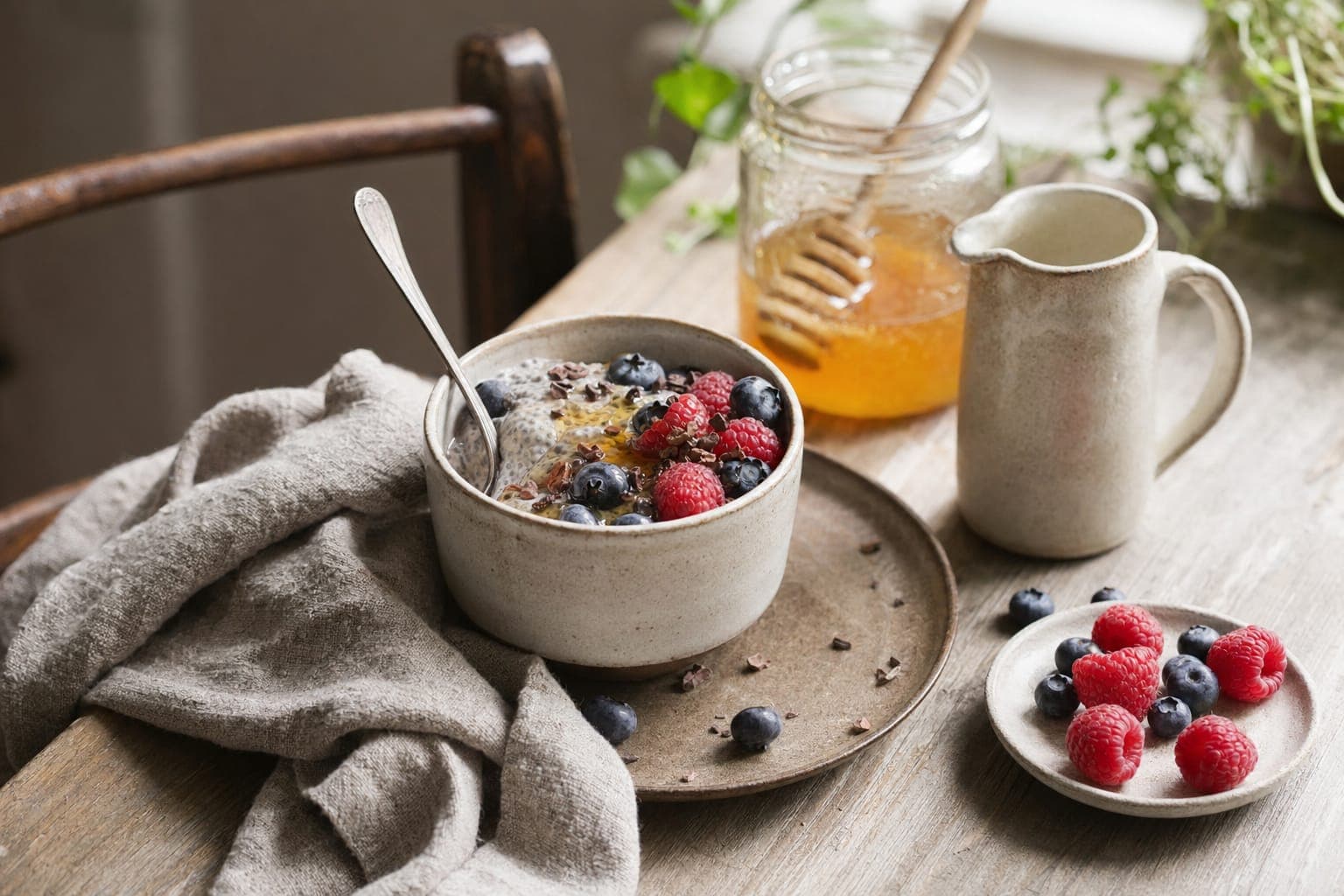
Organised Chia Pudding with Raw Honey and Berries
A no-cook chia seed pudding made with raw milk, collagen, berries, and raw honey. Prep it the night before and eat for breakfast.
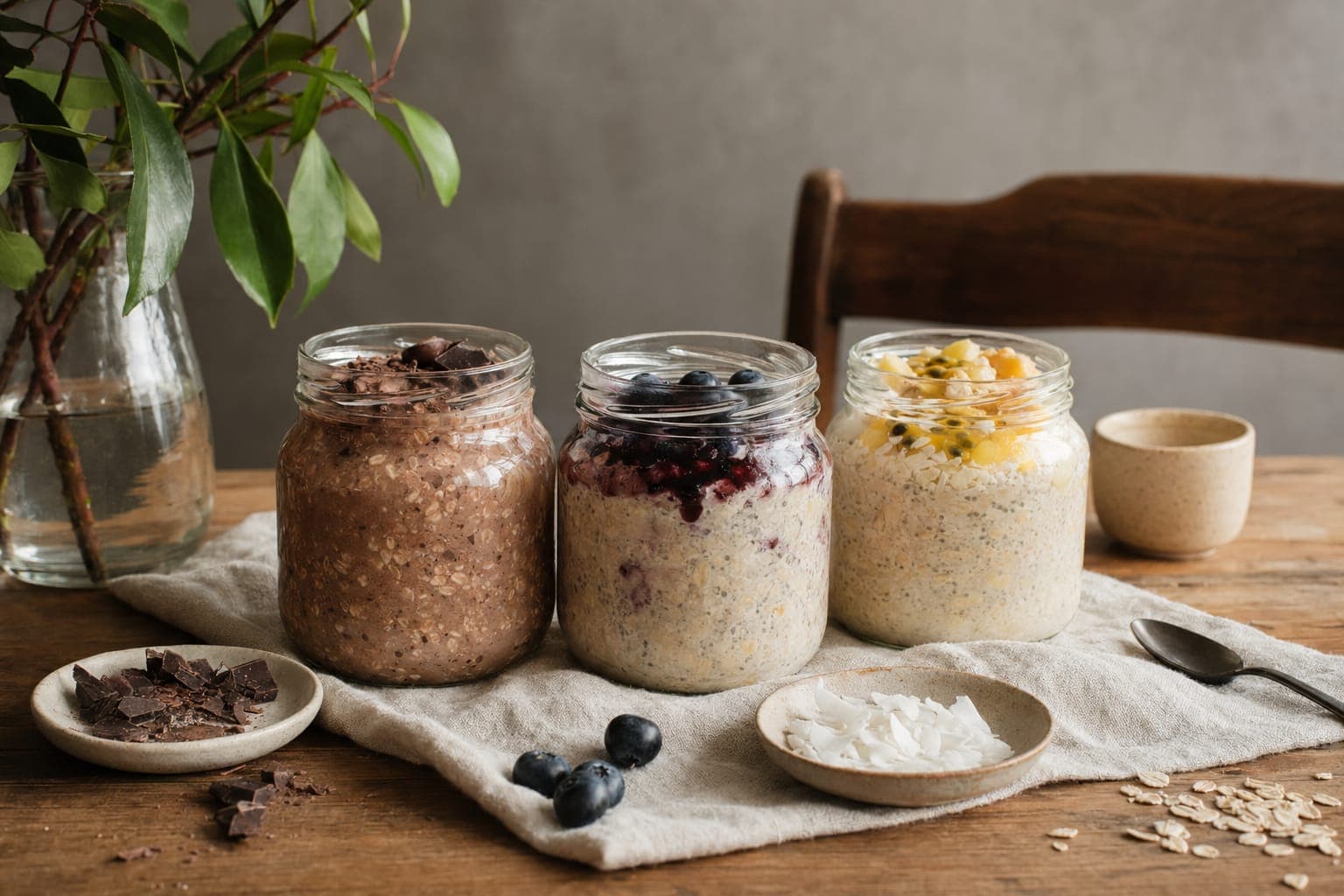
Organised Overnight Oats: 3 Variations
Three delicious overnight oats variations with Organised. Chocolate, berry, tropical flavours. Make them Sunday, eat them all week.


 Join over 100,000+ members
Build a better food system with us
The Organised community is thousands of people choosing real food and backing the farmers who grow it, all of us trying to leave the world a little better than we found it. If that is what you care about too, you belong here.