Collagen for Gut Health: Rebuilding Your Intestinal Lining
Your intestinal lining is only one cell thick. That single layer of cells is responsible for absorbing nutrients whilst keeping pathogens, undigested food, and toxic substances out. When that lining becomes compromised, everything goes wrong. This is where collagen comes in.

By Niall Kiddle, Founder, Organised

Reviewed by Pedro Rodrigues, Agronomist (farming and sourcing only) ·
6 min read · Published · Updated · 5 cited sources
Makers of the Organised Daily blend, a grass-fed beef organ supplement from regenerative UK farms

The gut lining: a barrier under siege
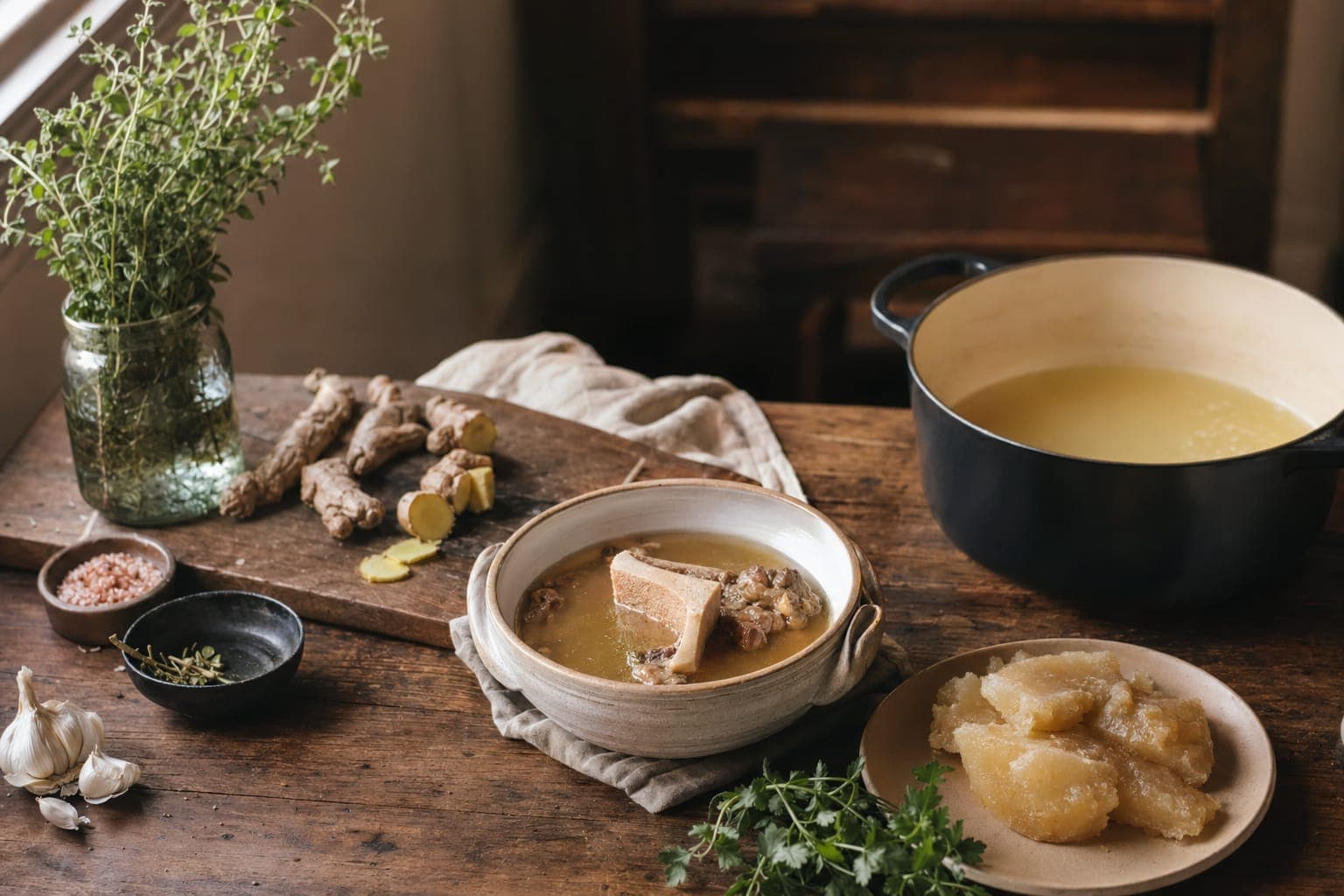
Your gut lining is under constant attack. Processed seed oils damage the tight junctions between cells. Excess sugar feeds pathogenic bacteria that produce inflammatory compounds. Chronic stress diverts blood from the digestive system, starving the lining of nutrients. Glyphosate (herbicide residue on non-organic crops) damages the lining directly. Antibiotics kill the beneficial bacteria that support intestinal health.
In response, the tight junctions between epithelial cells loosen. Permeability increases. Substances that should stay in the lumen leak into the lamina propria and beyond. The immune system goes into overdrive. Chronic inflammation becomes the default state.
The gut lining wants to heal. It regenerates completely every 3-5 days.5 But if you don't provide the building blocks, the regenerated lining is weaker and more vulnerable than the original. This is where collagen becomes genuinely useful.
Glycine and proline: the gut's building blocks
Collagen is primarily three amino acids: glycine (33% of collagen), proline (12% of collagen), and hydroxyproline (10% of collagen). These three amino acids are crucial for intestinal lining integrity.1
Glycine is the simplest amino acid and one of the most important for gut health. It's directly incorporated into the tight junction proteins that hold the intestinal barrier together. It's also a precursor to glutathione, your cell's primary antioxidant. It supports GABA production, which calms the nervous system and diverts blood back to the digestive tract. And it's a key component of collagen and gelatin.
Proline is the structural amino acid that provides rigidity to collagen. It's oxidised to hydroxyproline via vitamin C, which is why vitamin C is essential for collagen synthesis. Proline supports connective tissue integrity throughout the body, particularly in the gut lining.
Most people are deficient in these amino acids because muscle meat is low in them. These amino acids are concentrated in organs, bones, skin, and cartilage. If you're not eating nose-to-tail, you're likely deficient.
Collagen peptides are essentially a concentrated dose of glycine and proline, the exact amino acids your damaged gut lining needs to repair itself.
How collagen supports intestinal integrity
When you supplement collagen peptides, several mechanisms activate:
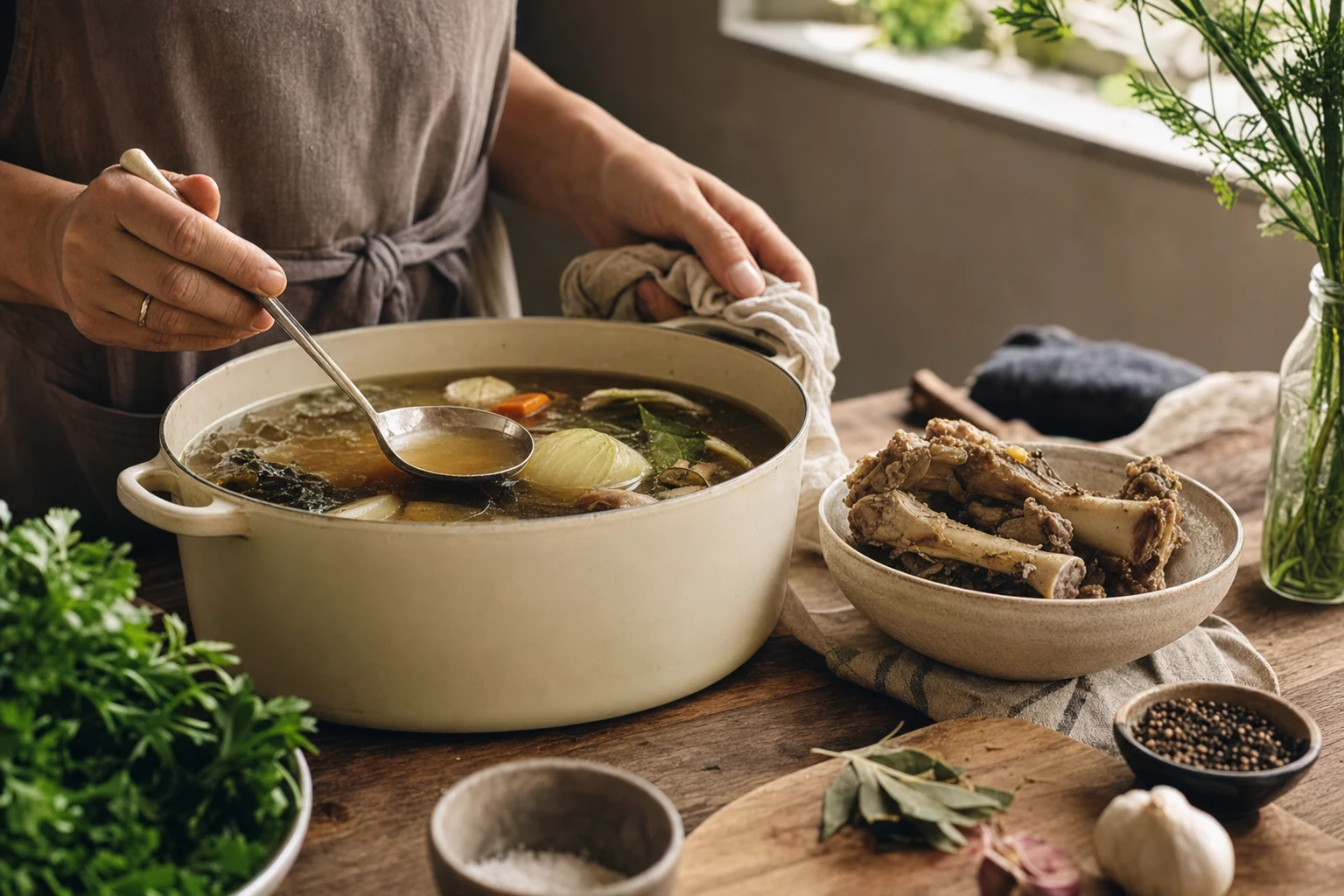
Direct structural repair. The glycine and proline from collagen peptides are absorbed and transported to your intestinal lining, where they're directly incorporated into the tight junction proteins. Your lining becomes more structurally sound and less permeable to unwanted substances.2
Microbiome support. Glycine is a preferential nutrient for beneficial bacteria species, particularly Faecalibacterium prausnitzii, a keystone species for gut health. By supplementing glycine, you're feeding the bacteria that protect your lining.
Glutathione production. Glycine is a precursor to glutathione, your cell's primary antioxidant. Intestinal epithelial cells are under oxidative stress from inflammation and reactive oxygen species. Glutathione protects them. More glycine means more glutathione, which means less cellular damage.3
GABA signalling. Glycine is a precursor to GABA, the inhibitory neurotransmitter that calms the nervous system. A calm nervous system diverts blood to the digestive system, supporting healing and reducing the stress-driven destruction of the lining.
Reduced inflammation. Glycine has direct anti-inflammatory effects. It downregulates inflammatory cytokines and reduces the systemic inflammation that damages the lining in the first place.
The amino acid context
Collagen doesn't work in isolation. For optimal gut healing, you need:
Vitamin C. This is non-negotiable. Vitamin C is a cofactor for the enzyme that converts proline to hydroxyproline. Without vitamin C, the collagen your body synthesises is structurally defective. Get 500-1,000 mg daily from food (citrus, kiwi, peppers) or supplement.4
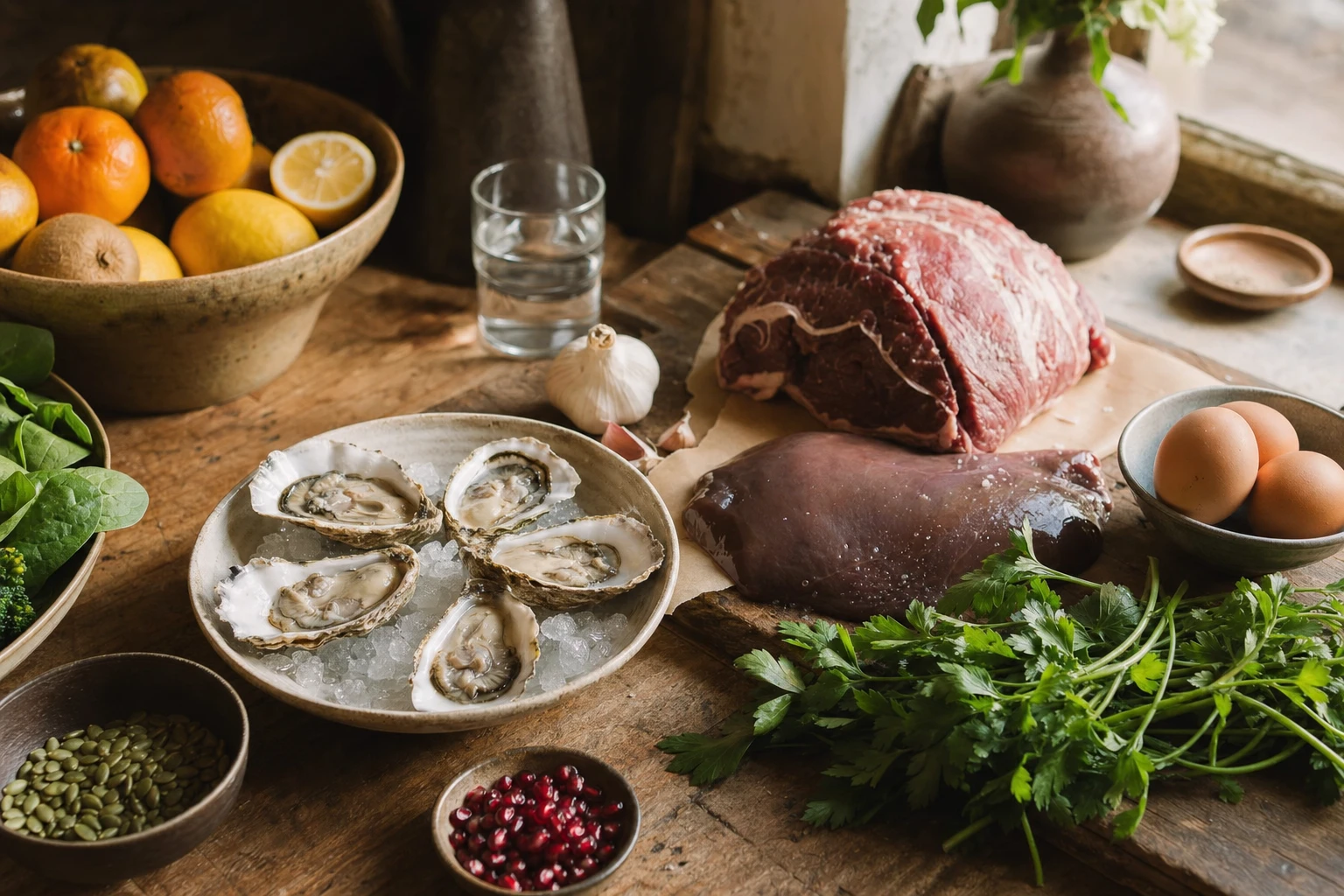
Zinc and copper. These minerals are cofactors for collagen-associated enzymes. Without them, collagen synthesis stalls. Beef, shellfish, and seeds are good sources.
Lysine. This amino acid is essential for collagen cross-linking, the process that makes collagen structurally sound. Lysine is found in high quantities in fish, poultry, and beef, but if you're vegan or low in protein, supplement 1-2 grams daily.
Elimination of gut irritants. If you're supplementing collagen whilst still consuming seed oils, excess sugar, processed foods, and glyphosate-sprayed crops, you're fighting with one hand tied. Clean up your diet first; collagen is the accelerant, not the fix.
Collagen works best when you're also addressing the root causes of gut damage: inflammatory foods, stress, and inadequate nutrition.
Get ingredient guides like this, free
Two short reads a week on the ingredients that matter and how to actually use them.
By signing up you agree to receive emails from us. No spam, unsubscribe anytime.
Collagen dosing for gut health
For general gut health support, 10-15 grams of collagen peptides daily is sufficient. Take it consistently for at least 8-12 weeks to see results.
For people with significant gut damage (diagnosed leaky gut, irritable bowel syndrome, inflammatory bowel disease), dosing can go higher: 20-30 grams daily, split into two doses. Work with a practitioner if you're in this category.
Timing doesn't matter significantly, but many people find it easier to mix into morning coffee or tea. It dissolves completely in warm liquid and is tasteless.
Consistency matters more than dose. Daily supplementation for three months will show results. Sporadic supplementation won't.
The amino acid profile: why collagen is unique for gut repair
Collagen is not a complete protein by itself (it lacks tryptophan), but it's uniquely rich in the specific amino acids your gut lining needs.
Glycine makes up roughly 33% of collagen. Glycine is a conditionally essential amino acid that becomes critical when your gut is inflamed or damaged. Your gut lining uses glycine to synthesise glutathione (your body's master antioxidant) and to reduce inflammation. Glycine also supports the tight junctions that keep your gut barrier intact.3
Proline and hydroxyproline together make up roughly 25% of collagen. These amino acids are essential for synthesising new collagen in your intestinal wall. They're also involved in wound healing and reducing gut permeability.
Glutamine is another key amino acid for gut health (though not exclusively from collagen). Collagen peptides often contain glutamine or support your body's synthesis of it. Glutamine fuels the cells lining your gut and heals damaged intestinal wall.
Your gut lining is rebuilt completely every 3-5 days. Give it the right amino acids (from collagen), and you can restore barrier function in weeks.
Combination approach: collagen plus other gut healers
Collagen works best as part of a comprehensive gut-healing protocol. Combine it with bone broth, L-glutamine, and probiotics for faster results.
The practical timeline for gut repair
If you're dealing with leaky gut, inflammatory bowel condition, or just chronic bloating and poor digestion, collagen supports healing. But it's not instant.
Weeks 1-2: Your gut lining begins receiving the amino acids it needs. Inflammation may temporarily increase (die-off effect if you also improve diet), but most people notice bloating improving.
Weeks 2-6: Tight junctions begin resealing. Food sensitivities often improve. Absorption of other nutrients improves, which cascades into energy and immunity improvements.
Weeks 6-12: The intestinal lining is substantially rebuilt. Most people with leaky gut see dramatic improvements in digestion, energy, and immune function by this point.
For severe gut damage (Crohn's, ulcerative colitis), the timeline is longer, but collagen is a foundational tool. Combined with other gut-healing practices (removing inflammatory foods, adding short-chain fatty acids from bone broth, prioritising sleep and stress management), collagen accelerates recovery.
1 of 9
Daily blend
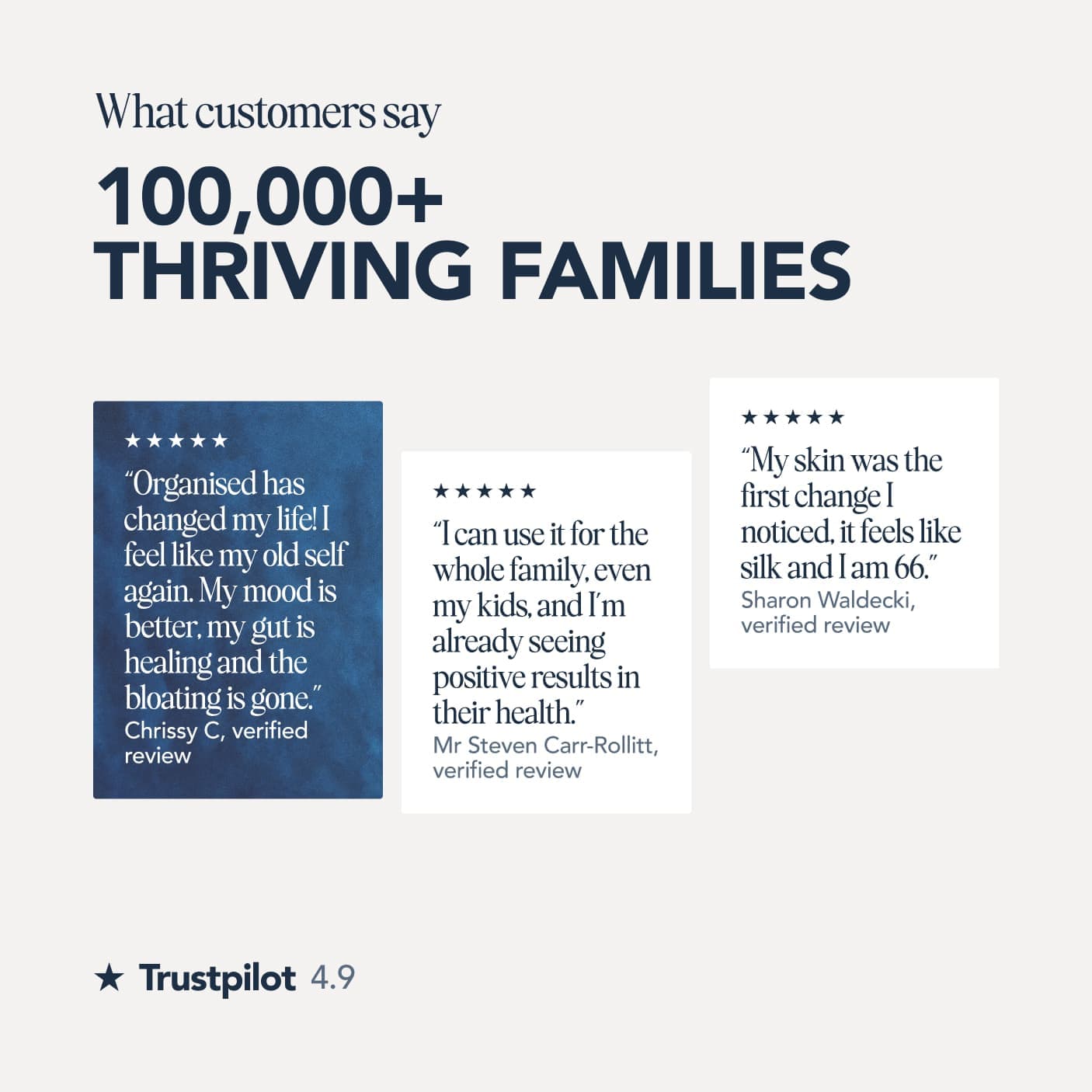
100,000+ thriving families4.9 on Trustpilot
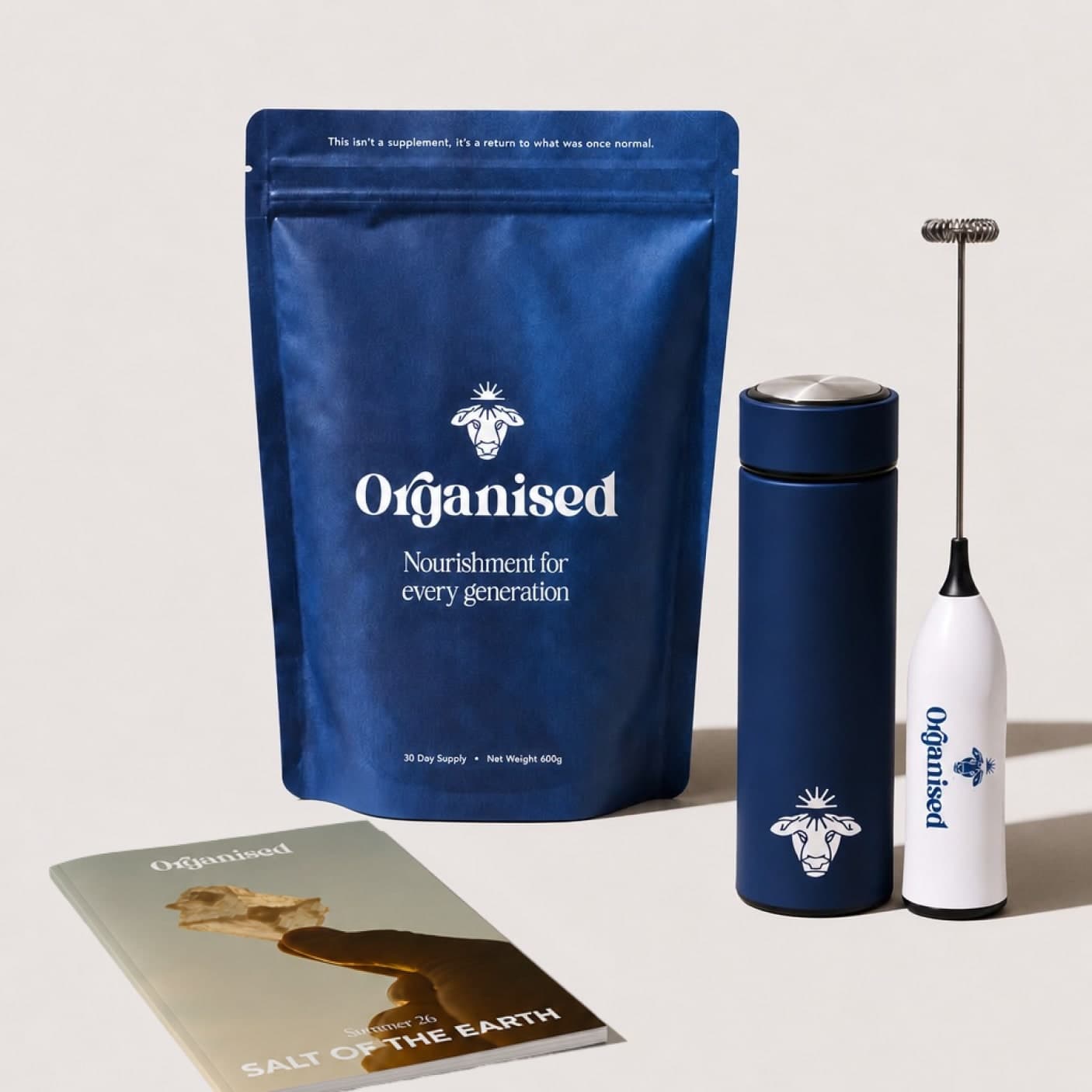
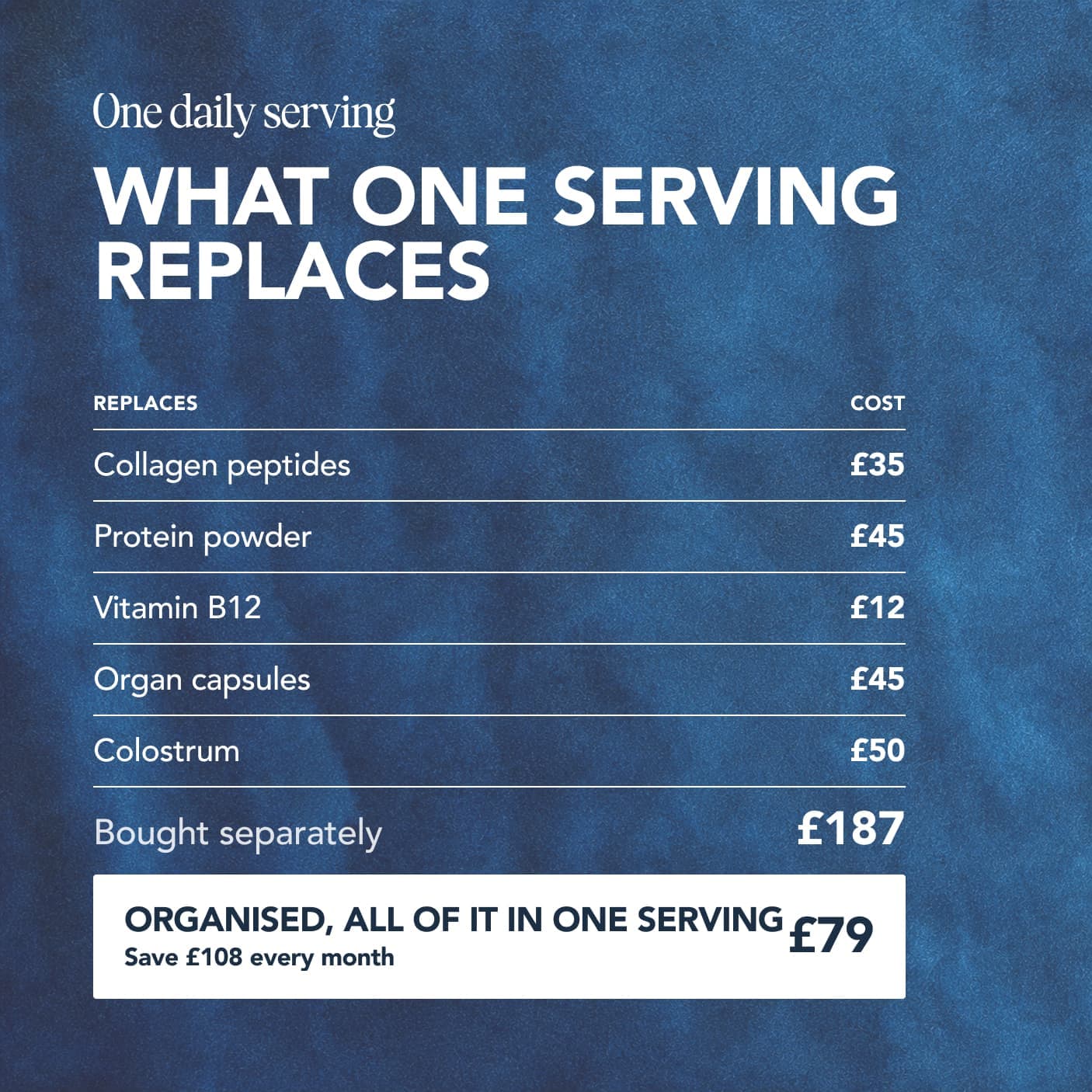
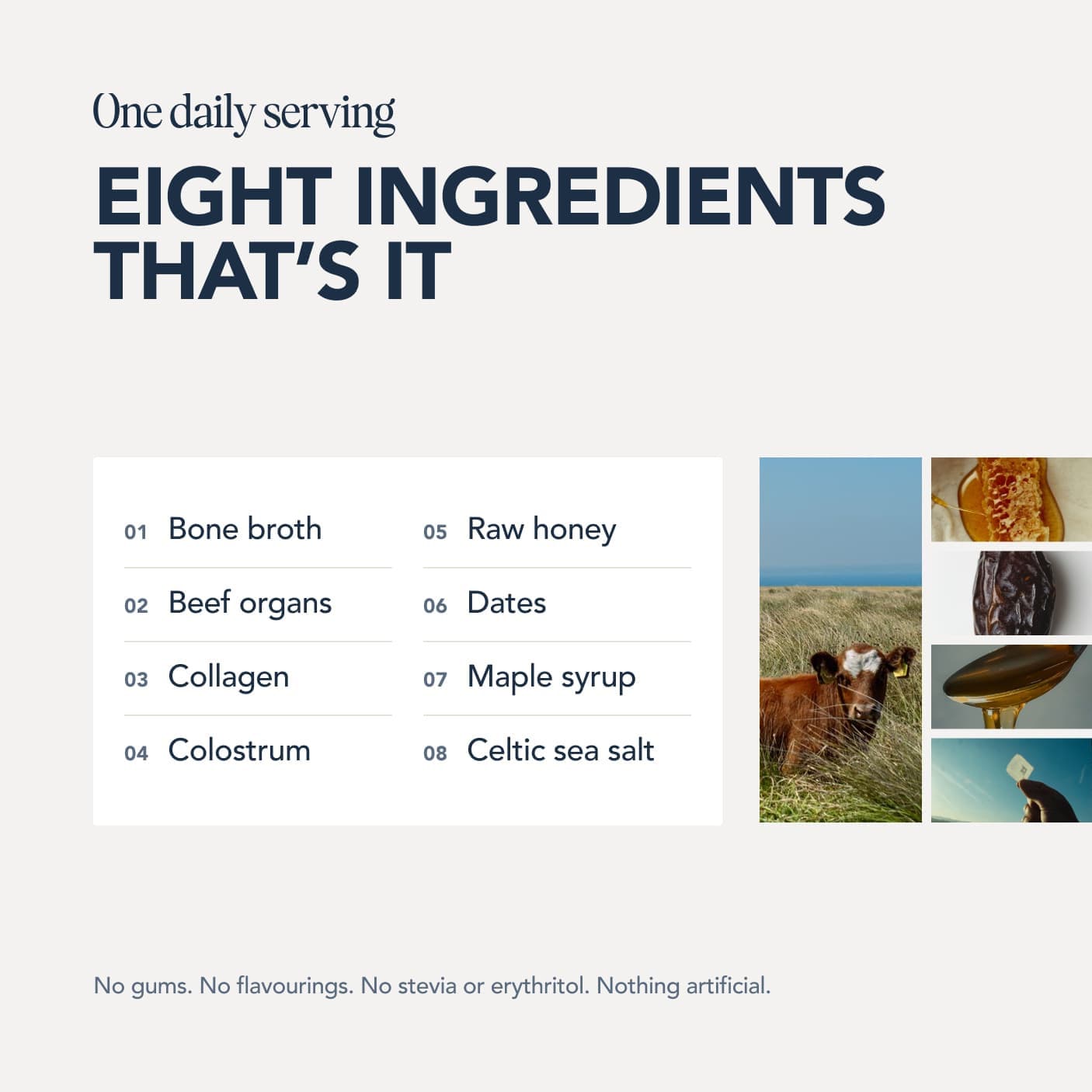
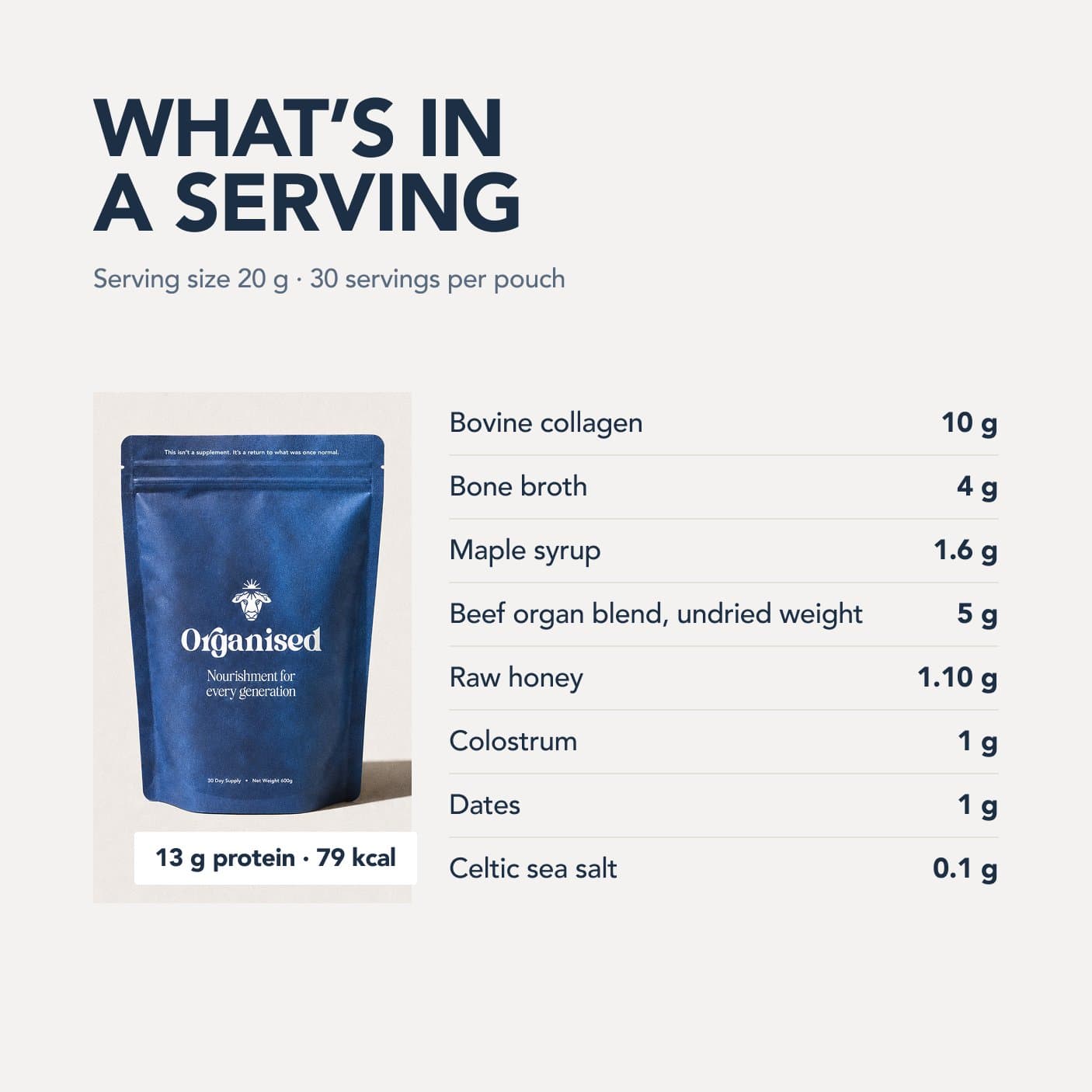
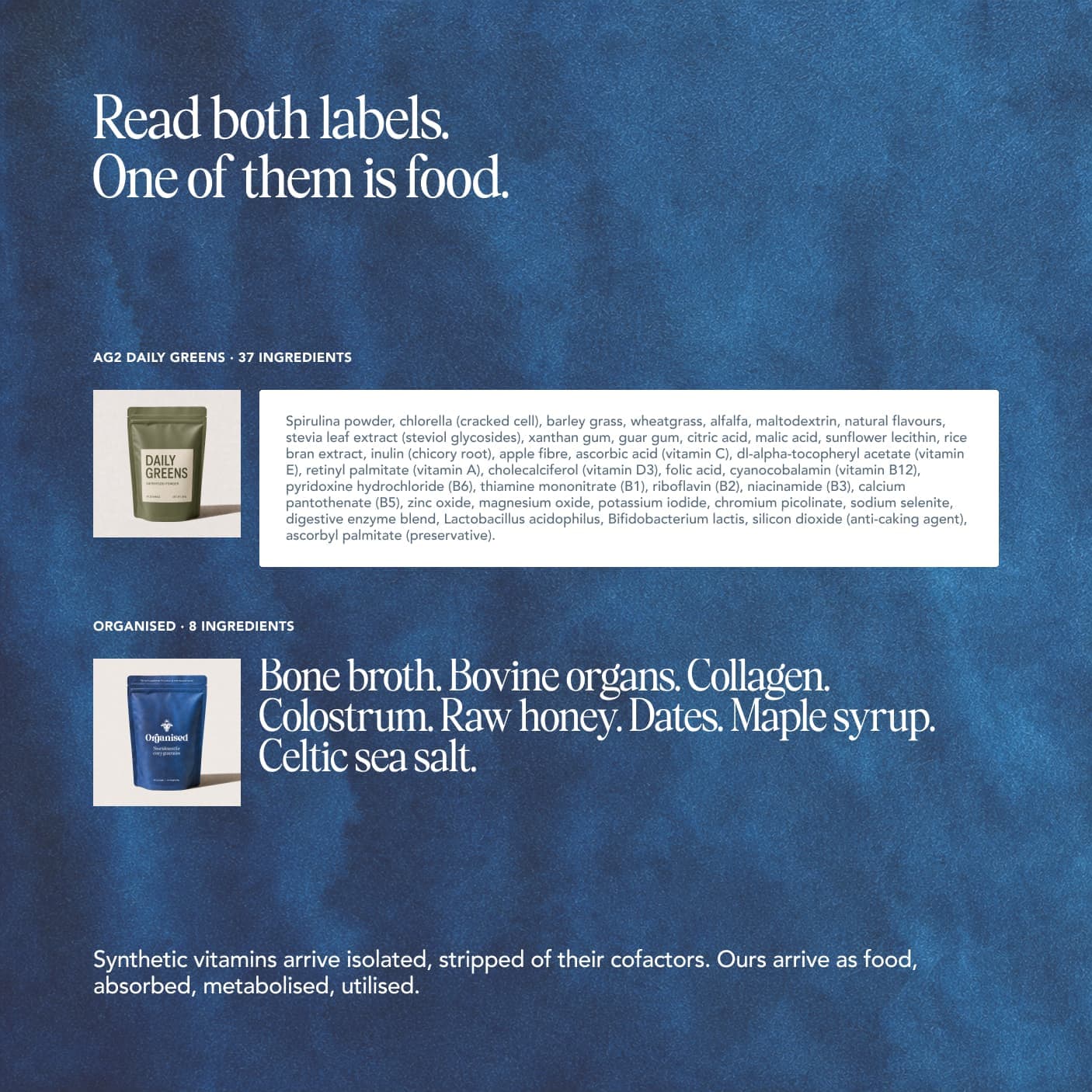
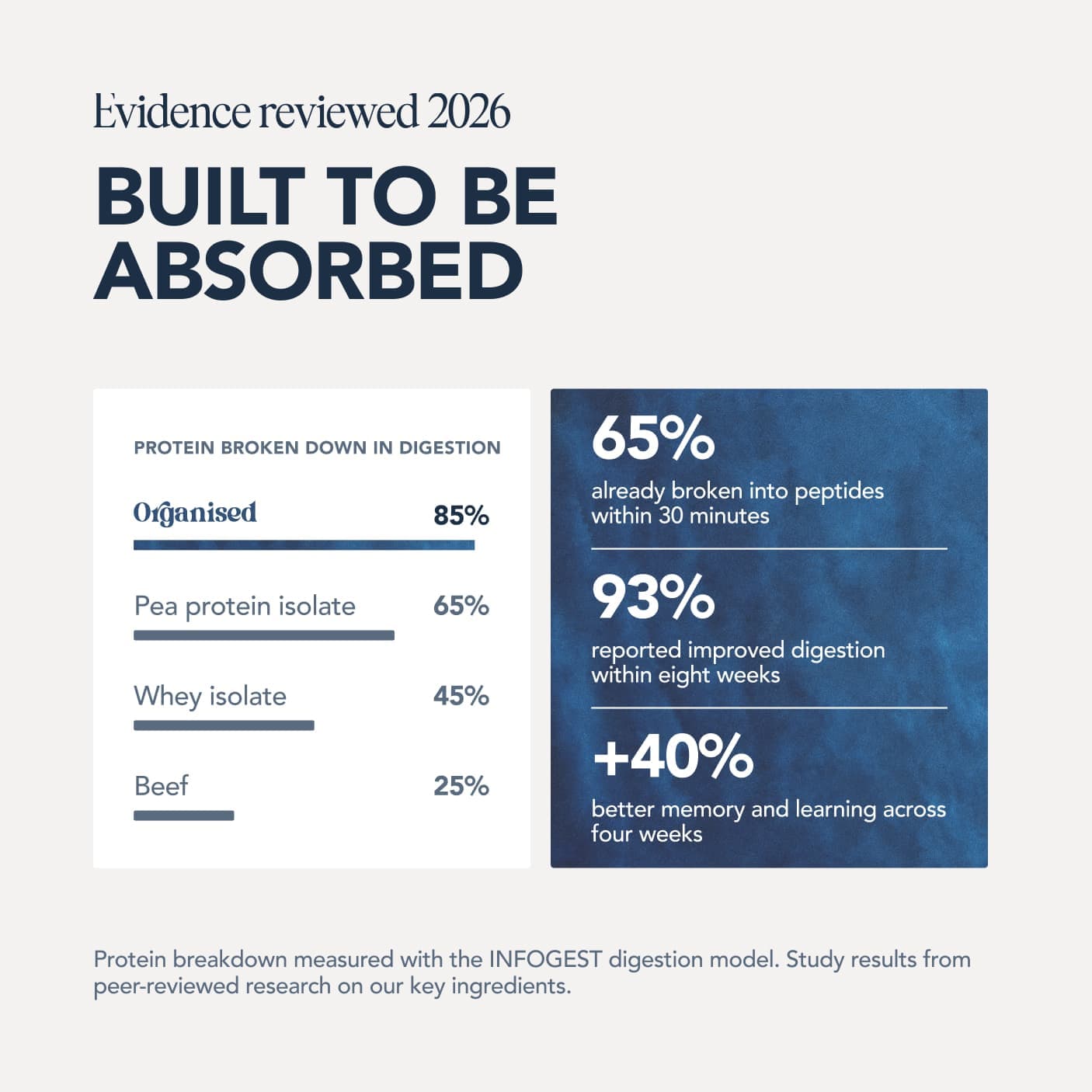
Eight real ingredients built around grass-fed beef organs, collagen and colostrum. Nothing synthetic added.
Free with your first order, worth £38. Plus £10 off the pouch with a subscription.

Free UK shipping · Made in England · 100 day money back guarantee on your first pouch · Skip, pause or cancel anytime
Quality matters: sourcing your collagen
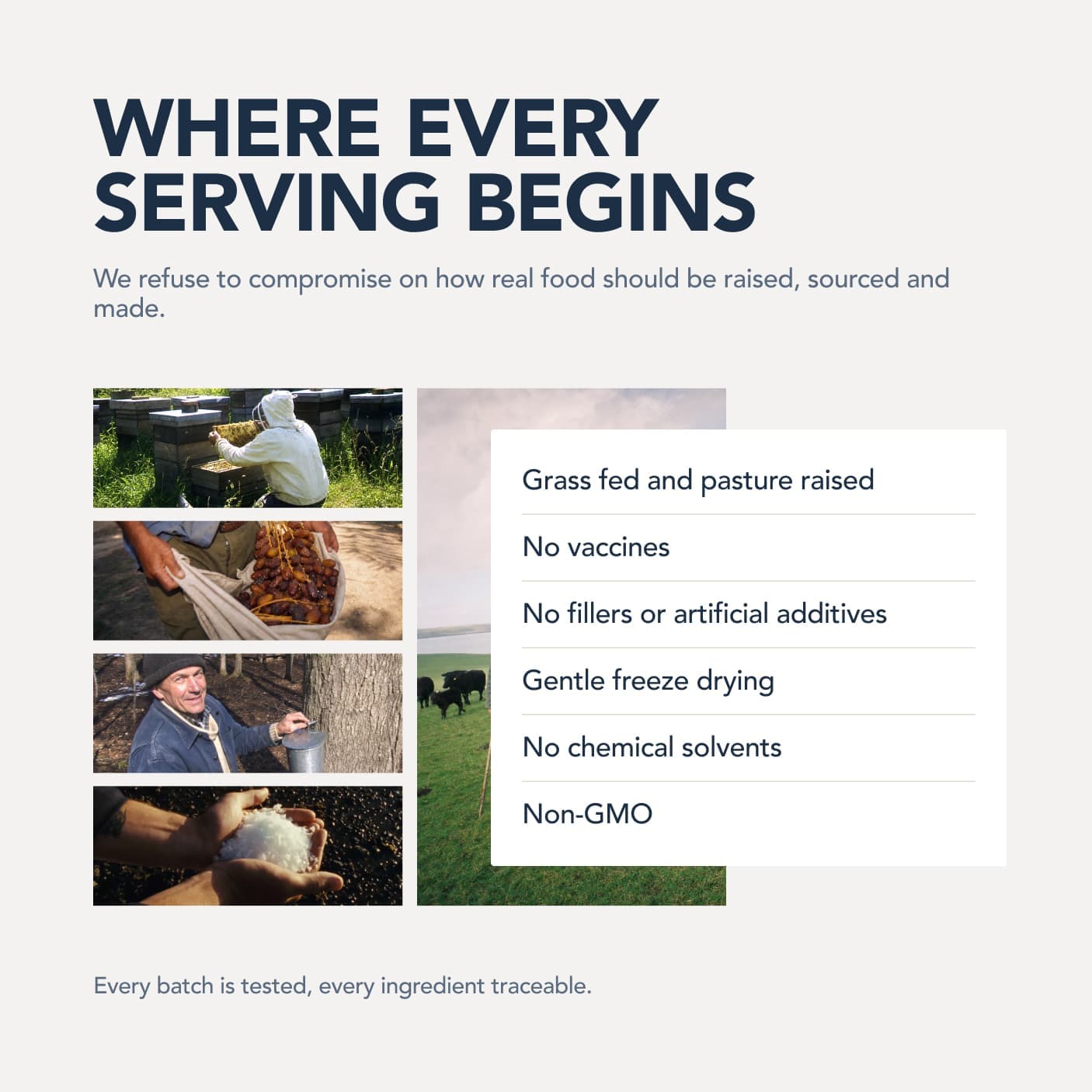
Choose grass-fed bovine collagen, hydrolysed for maximum absorption. Avoid marine and plant-based alternatives for gut health specifically.
The bottom line
Your gut lining needs glycine, proline, and hydroxyproline to repair itself. Collagen peptides are the most concentrated, most bioavailable source of these amino acids. They're not a cure for gut disease, but they're a foundational tool for anyone dealing with gut permeability, chronic inflammation, or digestive distress.
Pair collagen with vitamin C, eliminate obvious gut irritants, and give it 12 weeks. If your digestion improves, your energy increases, and your skin clears, you'll know the collagen is working. And you'll understand why your ancestors ate bone broth constantly.
Combined with removing inflammatory foods (processed seed oils, refined carbohydrates) and managing stress, collagen supplementation can heal leaky gut in as little as 8-12 weeks. The effect on overall health is often dramatic, energy improves, digestion normalises, and food sensitivities disappear.References
Every source below was checked on 27 August 2026. Each PubMed, PMC and DOI identifier was resolved against NCBI or Crossref, and what it opens is printed under the citation, so you can see the link goes where the citation says without leaving the page. Where a citation and its identifier disagreed, the citation was corrected to the record or the reference was deleted along with the sentence marker that pointed at it, and where the resolved paper turned out not to support the sentence, the sentence was cut back to what it does support. Borrowed authority is worse than none, because it looks like rigour.
- Li P, Wu G. Roles of dietary glycine, proline, and hydroxyproline in collagen synthesis and animal growth. Amino Acids. 2018;50(1):29-38. https://pubmed.ncbi.nlm.nih.gov/28929384/Checked 27 August 2026: PMID 28929384 opens Li P, Wu G, Roles of dietary glycine, proline, and hydroxyproline in collagen synthesis and animal growth. Amino Acids 2018;50(1):29-38. PubMed indexes it as: Review.
- Chen Q, Chen O, Martins IM, Hou H, Zhao X, Blumberg JB, Li B. Collagen peptides ameliorate intestinal epithelial barrier dysfunction in immunostimulatory Caco-2 cell monolayers via enhancing tight junctions. Food & Function. 2017;8(3):1144-1151. https://pubmed.ncbi.nlm.nih.gov/28174772/Checked 27 August 2026: PMID 28174772 opens Chen Q, Chen O, Martins IM et al, Collagen peptides ameliorate intestinal epithelial barrier dysfunction in immunostimulatory Caco-2 cell monolayers via enhancing tight junctions. Food Funct 2017;8(3):1144-1151.
- Melendez-Hevia E, De Paz-Lugo P, Cornish-Bowden A, Cardenas ML. A weak link in metabolism: the metabolic capacity for glycine biosynthesis does not satisfy the need for collagen synthesis. Journal of Biosciences. 2009;34(6):853-872. https://pubmed.ncbi.nlm.nih.gov/20093739/Checked 27 August 2026: PMID 20093739 opens Meléndez-Hevia E, De Paz-Lugo P, Cornish-Bowden A et al, A weak link in metabolism: the metabolic capacity for glycine biosynthesis does not satisfy the need for collagen synthesis. J Biosci 2009;34(6):853-72.
- National Institutes of Health, Office of Dietary Supplements. Vitamin C: Fact Sheet for Health Professionals. https://ods.od.nih.gov/factsheets/VitaminC-HealthProfessional/ [accessed May 2026].
- Barker N. Adult intestinal stem cells: critical drivers of epithelial homeostasis and regeneration. Nature Reviews Molecular Cell Biology. 2014;15(1):19-33. https://pubmed.ncbi.nlm.nih.gov/24326621/Checked 27 August 2026: PMID 24326621 opens Barker N, Adult intestinal stem cells: critical drivers of epithelial homeostasis and regeneration. Nat Rev Mol Cell Biol 2014;15(1):19-33. PubMed indexes it as: Review.
Who wrote and reviewed this guide
Niall Kiddle
Author · Founder, Organised
Niall is the founder of Organised. He started the company in 2024 after fixing his own health the slow way: in 2022 he swapped a cupboard of synthetic supplements for real food, raw milk, organ meats, bone broth and honey, and felt the difference within months.
Areas of expertise: Ancestral nutrition, Organ meats, Whole-food supplementation, Gut health, Regenerative sourcing
Read Niall's full profile
Pedro Rodrigues
Reviewer · Agronomist (farming and sourcing only)
Pedro is the agronomist Organised works with on farming and sourcing. His job on the guides is to keep the science honest: he reviews what we publish about soil health, regenerative agriculture, grazing and the way food is actually produced.
Areas of expertise: Regenerative agriculture, Agronomy, Soil health, Grass-fed farming, Food sourcing
Reviewed this guide on
Read Pedro's full profileMore on collagen
View all- Collagen Peptides: A Complete Guide to Types, Sources and Benefits
- Can You Get Enough Collagen from Food Alone?
- Collagen and Hair Growth: Separating Fact from Hype
- Collagen for Joint Pain: What Does the Evidence Say?
- Collagen Supplements on Reddit: Do They Actually Work?
- Does Collagen Actually Work for Skin? What the Research Says
- The Amino Acids in Collagen and Why They Matter
- What Happens When You Take Collagen Every Day for 90 Days?
- When Does Your Body Start Losing Collagen? (And What to Do About It)
Browse the guides library
All guidesKeep reading
Ingredients
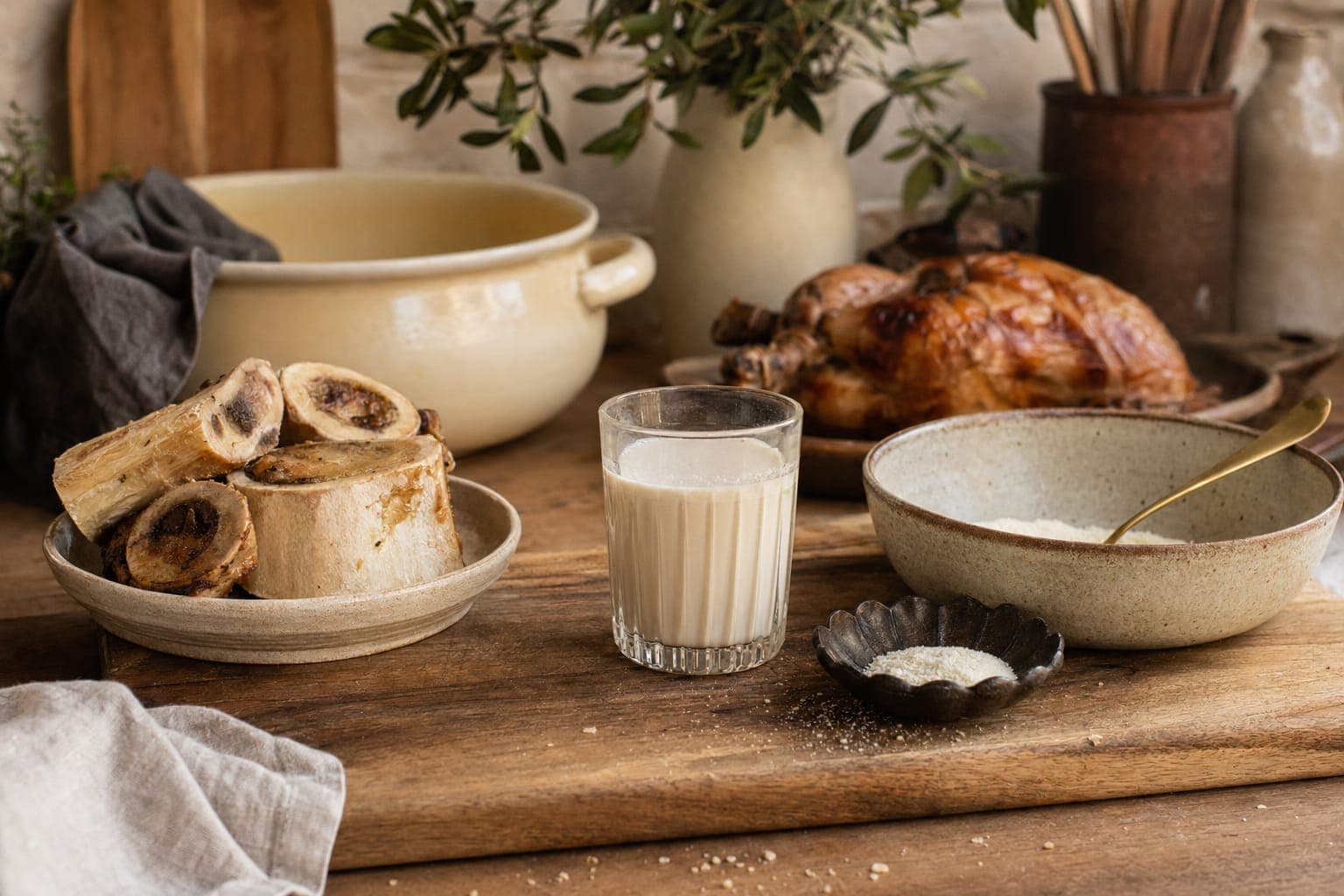
Collagen Peptides: A Complete Guide to Types, Sources and Benefits
Complete guide to collagen peptides. What they are, why type I and III matter, grass-fed vs marine, and the research behind them.
Ingredients
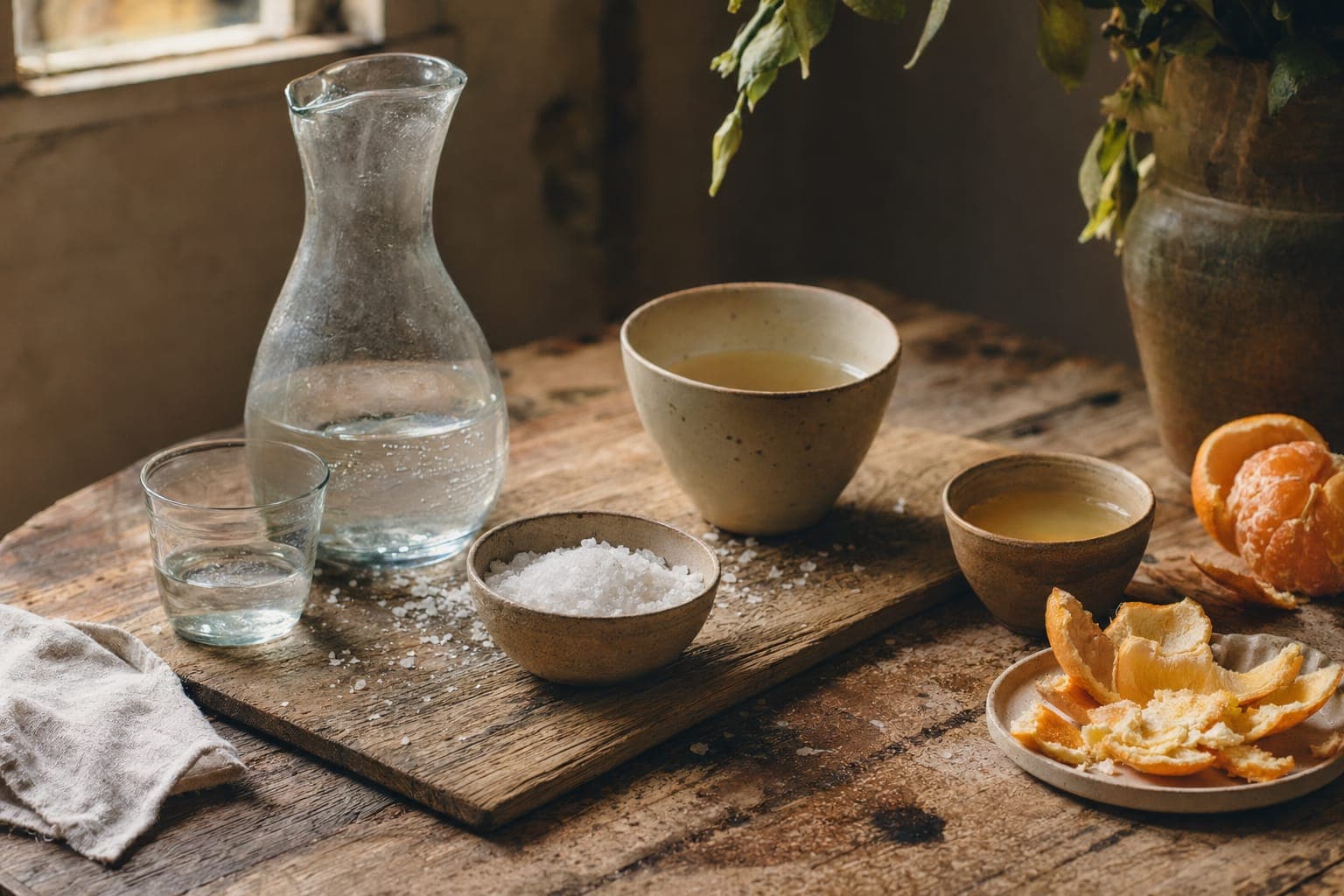
Are You Actually Dehydrated? The Role of Electrolytes in Real Hydration
Real hydration needs electrolytes, not just water. Learn how sodium, potassium, magnesium, and calcium keep you hydrated and how to top them up daily.
Ingredients
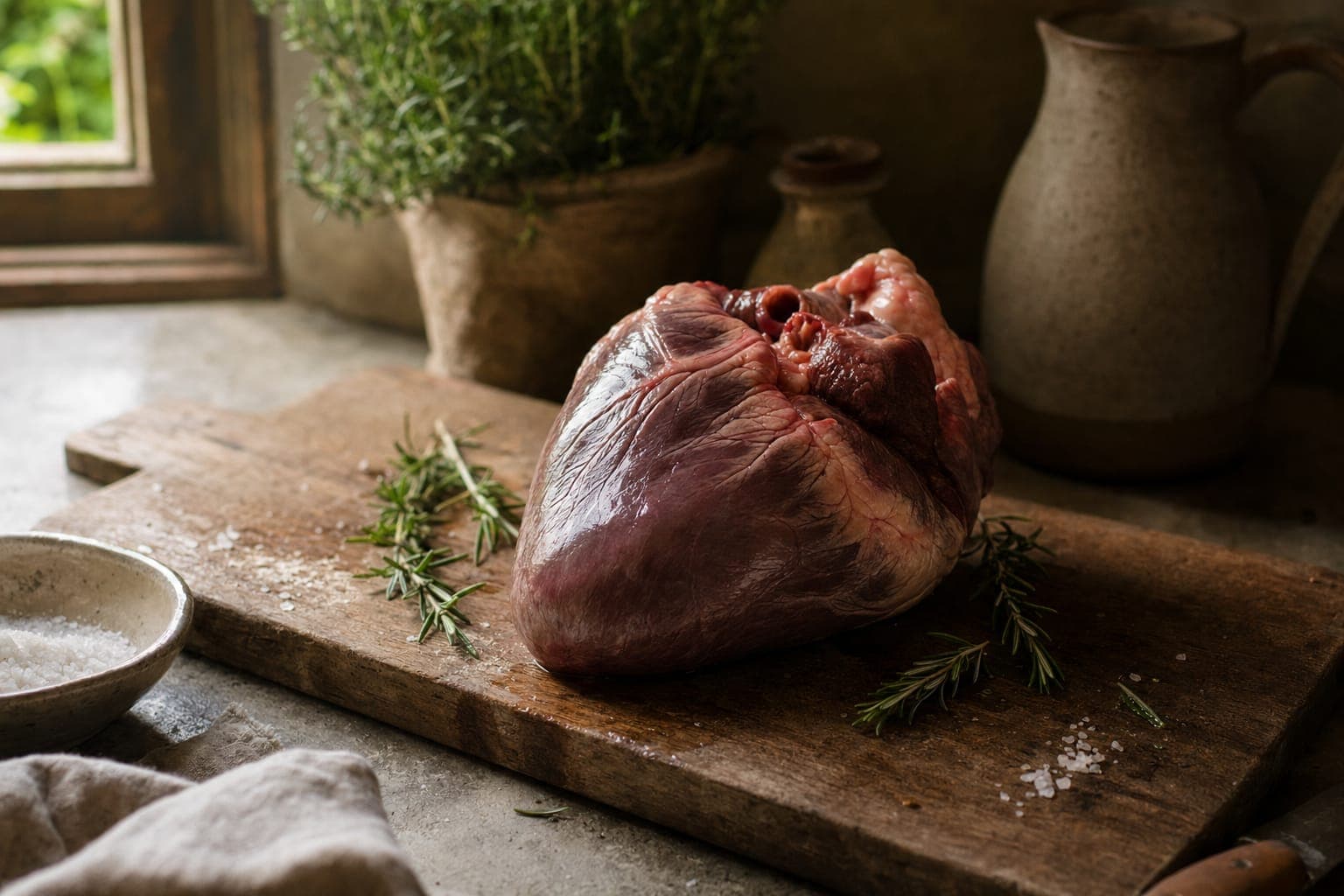
Beef Heart: The Organ Your Mitochondria Have Been Waiting For
Beef heart is one of the richest natural sources of CoQ10, the nutrient your mitochondria use to make energy. See how it supports recovery and longevity.
Real food, made effortless
Try the organ blendA few ways to use it
All recipes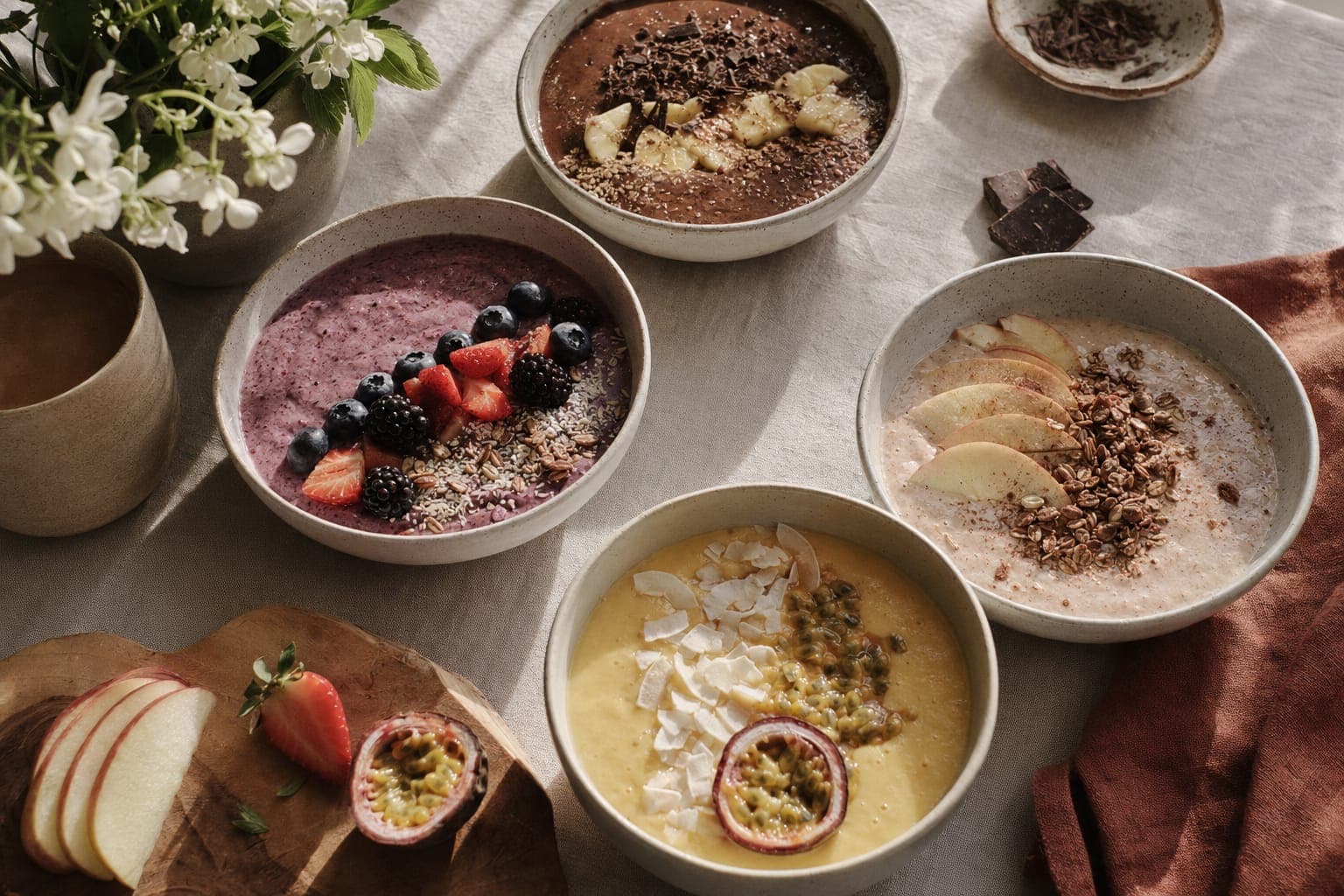
Organised Smoothie Bowl Recipes for Every Season
Four seasonal smoothie bowl recipes using Organised. Berry in summer, apple-cinnamon in autumn, tropical in spring, warming chocolate in winter.

Raw Milk Ice Cream with Organised
Make raw milk ice cream at home with Organised for a seasonal, nutrient-dense treat. Three simple flavours to try whenever the craving strikes.

How to Make Your Own Gelatine Gummies
A simple recipe for homemade gelatine gummies using grass-fed gelatine, fresh juice, and raw honey. Better than shop-bought, kids love them.


 Join over 100,000+ members
Build a better food system with us
The Organised community is thousands of people choosing real food and backing the farmers who grow it, all of us trying to leave the world a little better than we found it. If that is what you care about too, you belong here.