Can You Get Enough Collagen from Food Alone?
Modern diets have quietly eliminated most collagen-rich foods. Your great-grandmother ate skin, bones, connective tissue, and offal regularly. You eat boneless chicken breast and discarded bones become landfill.

By Niall Kiddle, Founder, Organised

Reviewed by Pedro Rodrigues, Agronomist (farming and sourcing only) ·
6 min read · Published · Updated · 5 cited sources
Makers of the Organised Daily blend, a grass-fed beef organ supplement from regenerative UK farms
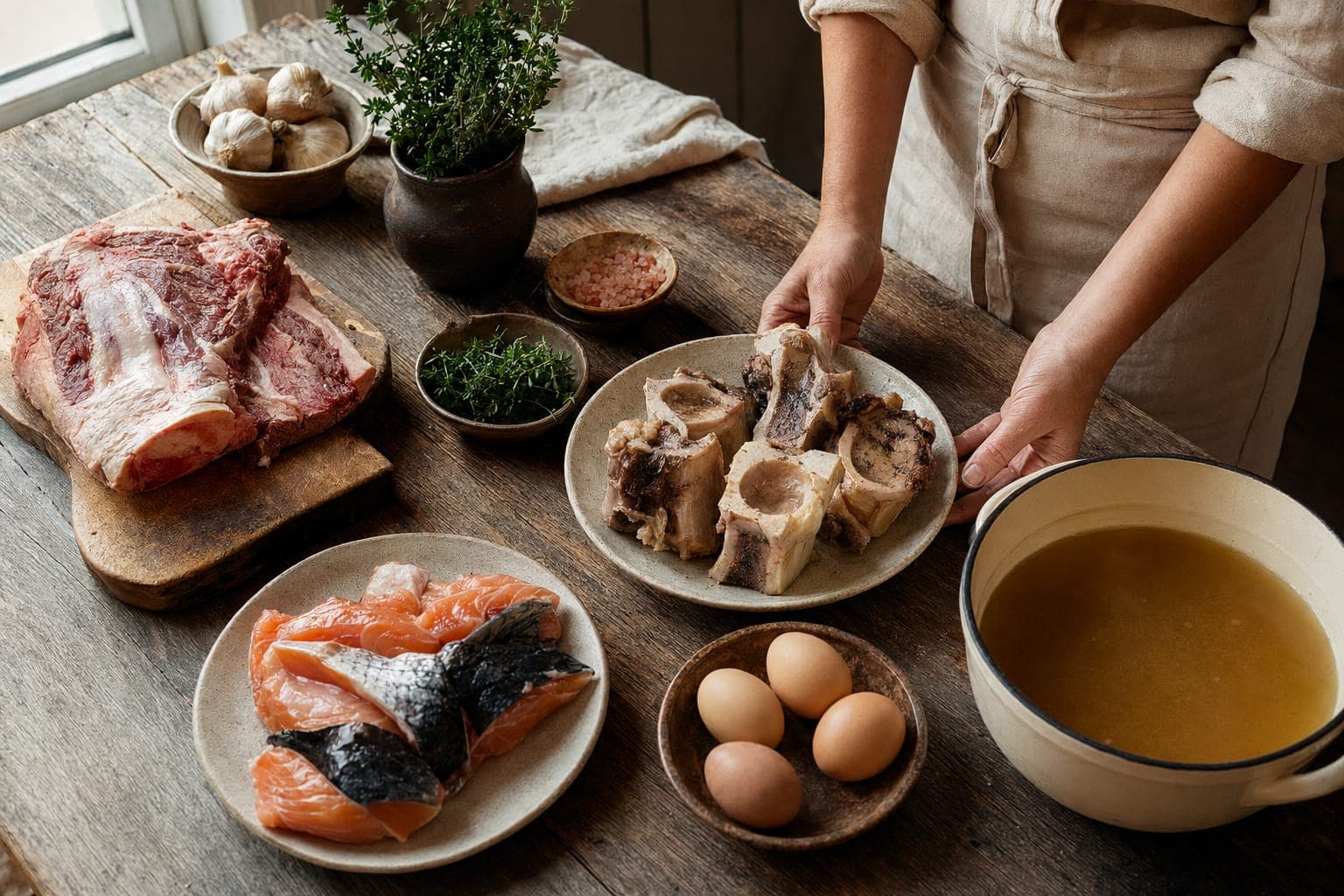
This shift is not accidental. It is the result of industrial agriculture, which profits from extracting the most profitable parts of an animal (the muscle) and discarding the rest. The collagen-rich parts (skin, tendons, bones, connective tissue) are treated as waste.
Why modern diets lack collagen-rich foods
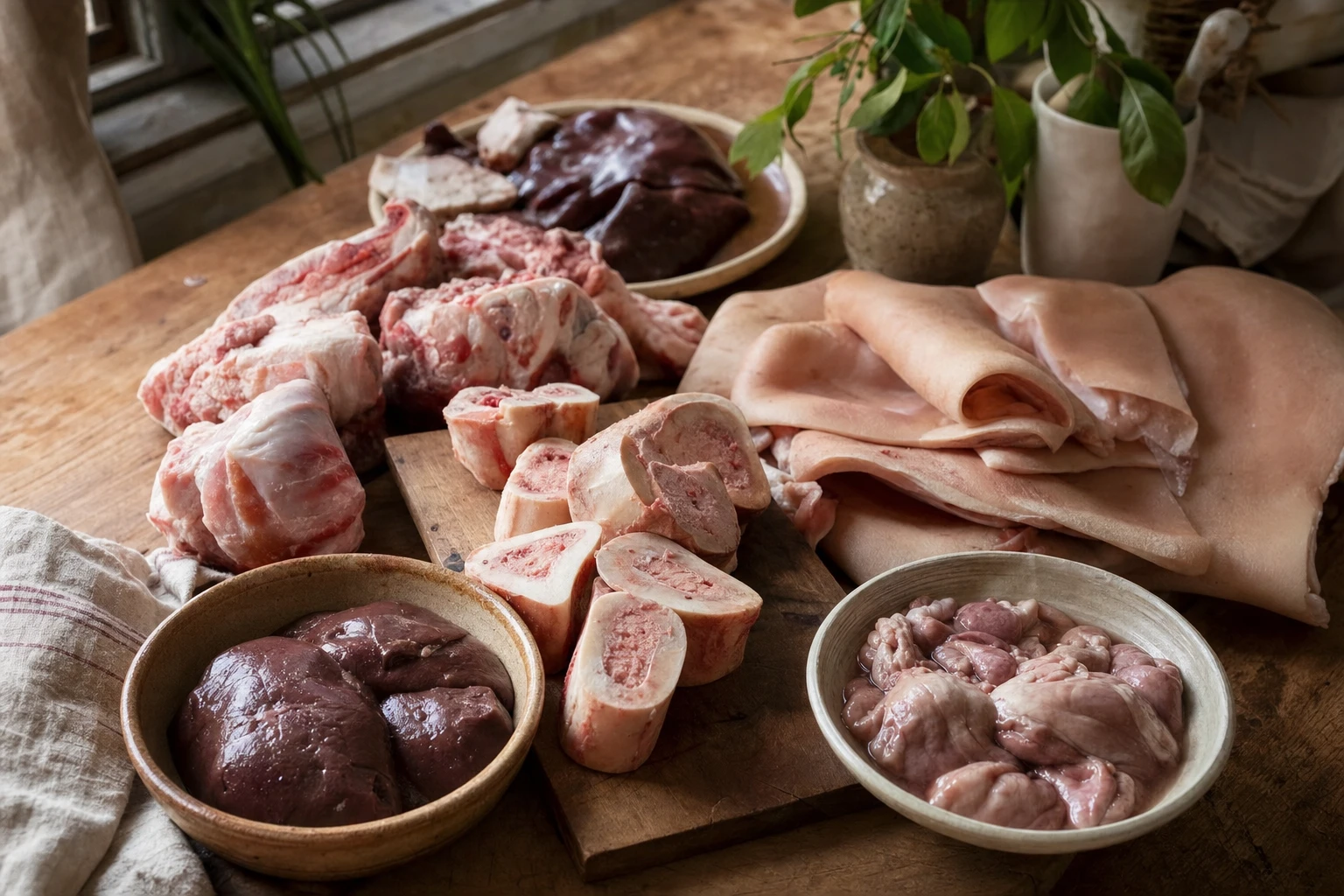
A century ago, eating nose-to-tail was normal. Economic necessity meant nothing was wasted. Bones were simmered for stock. Skin was crisped or rendered. Tendons, cartilage, and connective tissue became part of the meal. The entire animal was consumed.
This habit changed for several reasons. Industrial processing made boneless muscle meat cheaper and easier to package. Marketing promoted muscle meat as superior. Modern kitchens had less time for slow cooking. Cultural attitudes shifted toward disgust at anything that was not muscle tissue.
The nutritional consequence is significant. By eating only muscle meat and discarding bones and skin, you are eating a profoundly imbalanced nutrient profile. Muscle meat is protein and some micronutrients, but it is low in minerals (particularly magnesium and calcium), low in collagen, and high in methionine (an amino acid that, in excess, raises homocysteine and inflammation).5
Bone-in meat, skin-on meat, and organ meats balance this profile. They provide collagen, minerals, and amino acids in proportions that have sustained humans for millennia. Modern convenience has eliminated them almost entirely from most people's diets.
The consequence is creeping collagen deficiency. Not acute enough to cause obvious scurvy-like symptoms, but enough to accelerate joint degradation, compromise skin quality, weaken connective tissue, and reduce resilience to injury.
Your ancestors ate the entire animal. You eat the most profitable muscle and discard the collagen. The difference is not minor. It is the difference between joint health and joint pain.
Best food sources of collagen
Collagen is found exclusively in animal products. No plant food contains collagen.1 The collagen-richest foods are those highest in connective tissue: skin, bones, tendons, cartilage, and the gelatinous meat found around joints.
Specific foods ranked by collagen content:
- Bone broth: approximately 8 to 12 grams of collagen per cup, though the actual amount varies wildly depending on how long it was simmered and the quality of bones used.
- Skin-on fish (particularly salmon, sardines): the skin is rich in collagen, roughly 0.5 to 2 grams per 100 grams depending on species.
- Chicken skin: roughly 0.5 to 1 gram of collagen per 100 grams.
- Pork rinds and crackling: can be 5 to 10 grams of collagen per 100 grams, depending on cooking method.
- Beef or lamb bones (marrow bones, knuckle bones, neck bones): roughly 1 to 2 grams of collagen per 100 grams.
- Organ meats: less collagen than bones or skin, but substantial mineral content and other connective tissue-supporting nutrients.
- Gelatin: a processed form of collagen, roughly 90+ percent protein, mostly collagen peptides. Useful as a supplement but requires processing to reach this density.
The most practical collagen sources are skin-on meat (chicken thighs, salmon, sardines), bone broth, and occasionally organ meats. These are real foods available in most supermarkets or butcheries.
How much collagen is in real food
The numbers are less impressive than marketing suggests. A cup of bone broth might contain 8 to 12 grams of collagen, but much of that is unhydrolysed and not efficiently absorbed. Your digestive system breaks down large collagen molecules poorly. Much of it passes through unabsorbed.
A 100-gram serving of chicken thighs with skin contains perhaps 1 to 2 grams of collagen. A 100-gram serving of bone (before cooking) contains 1 to 2 grams. A 100-gram serving of pork rinds might contain 5 to 10 grams.
For comparison, a hydrolysed collagen supplement provides 8 to 12 grams of readily absorbable collagen peptides per serving. The bioavailability is dramatically higher than food sources.
This does not mean food sources are useless. The amino acids from bone broth (particularly glycine and proline) are useful for collagen synthesis.4 But expecting food sources alone to deliver the quantities that clinical trials used (8 to 12 grams of hydrolysed collagen daily) is unrealistic.3 You would need to eat extraordinary quantities of skin and bone.
Get ingredient guides like this, free
Two short reads a week on the ingredients that matter and how to actually use them.
By signing up you agree to receive emails from us. No spam, unsubscribe anytime.
Bone broth: the reality vs the marketing
Bone broth has become almost mythological in wellness culture. The reality is more modest, though still worthwhile.
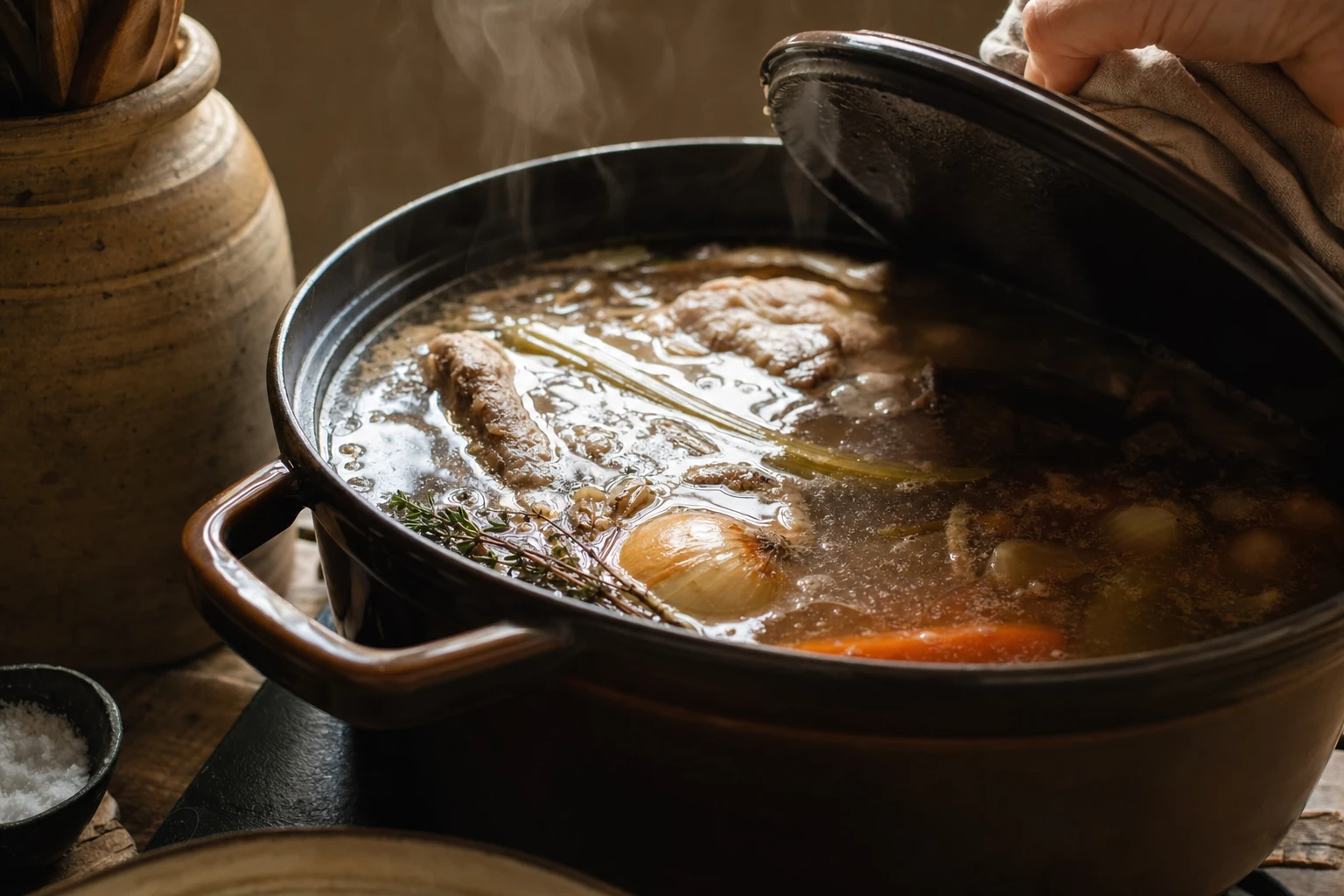
Bone broth does contain collagen and useful minerals (calcium, magnesium, potassium). Simmering bones for 12 to 24 hours extracts these into the liquid. The resulting broth is warming and genuinely nourishing, particularly in cold months.
But bone broth is not a medical intervention. It is not going to reverse osteoarthritis. It is not going to rebuild your cartilage. It is a food that contributes collagen amino acids (though in unhydrolysed form), minerals, and gelatin, which may support connective tissue health as part of a broader nutritious diet.
Additionally, the quality of bone broth varies wildly. Broth made from grass-fed bones is nutritionally superior to broth from conventionally raised animals. Broth simmered for 24 hours extracts more minerals than broth simmered for 4 hours. Broth made with bones from high-welfare animals (where the animals were not chronically stressed and loaded with inflammatory compounds) is qualitatively different from industrial broth.
Store-bought bone broth often contains additives, is frequently made from conventional bones, and is sometimes just water with gelatin added. Homemade broth from high-quality bones, simmered for a full day, is substantially more nourishing.
Bone broth is a useful food that contributes collagen and minerals. But marketing has elevated it to mythical status. It is nourishing, not miraculous.
The absorbability problem
Here is the fundamental challenge with getting collagen from food: unhydrolysed collagen is poorly absorbed. Your digestive system is designed to break down intact proteins into amino acids. Collagen is a triple helix, a tightly wound structure. Digestion breaks it apart into component amino acids (glycine, proline, hydroxyproline, lysine), not into absorbable collagen peptides.1
This is why hydrolysed collagen supplements work better than food sources, at least quantitatively. Hydrolysis breaks the collagen down mechanically before you ingest it, making it available for absorption as dipeptides and tripeptides instead of large protein molecules.2
Food sources do still provide value. The amino acids from bone broth are used by your body to synthesise new collagen. But the absorption efficiency is lower than hydrolysed collagen, and the time required to get substantial collagen intake is lengthy.
If joint health, skin quality, or connective tissue strength is a priority for you, relying on food sources alone requires eating substantial quantities of collagen-rich foods consistently. Most people do not maintain this level of intake without deliberate effort.
1 of 9
Daily blend
100,000+ thriving families4.9 on Trustpilot
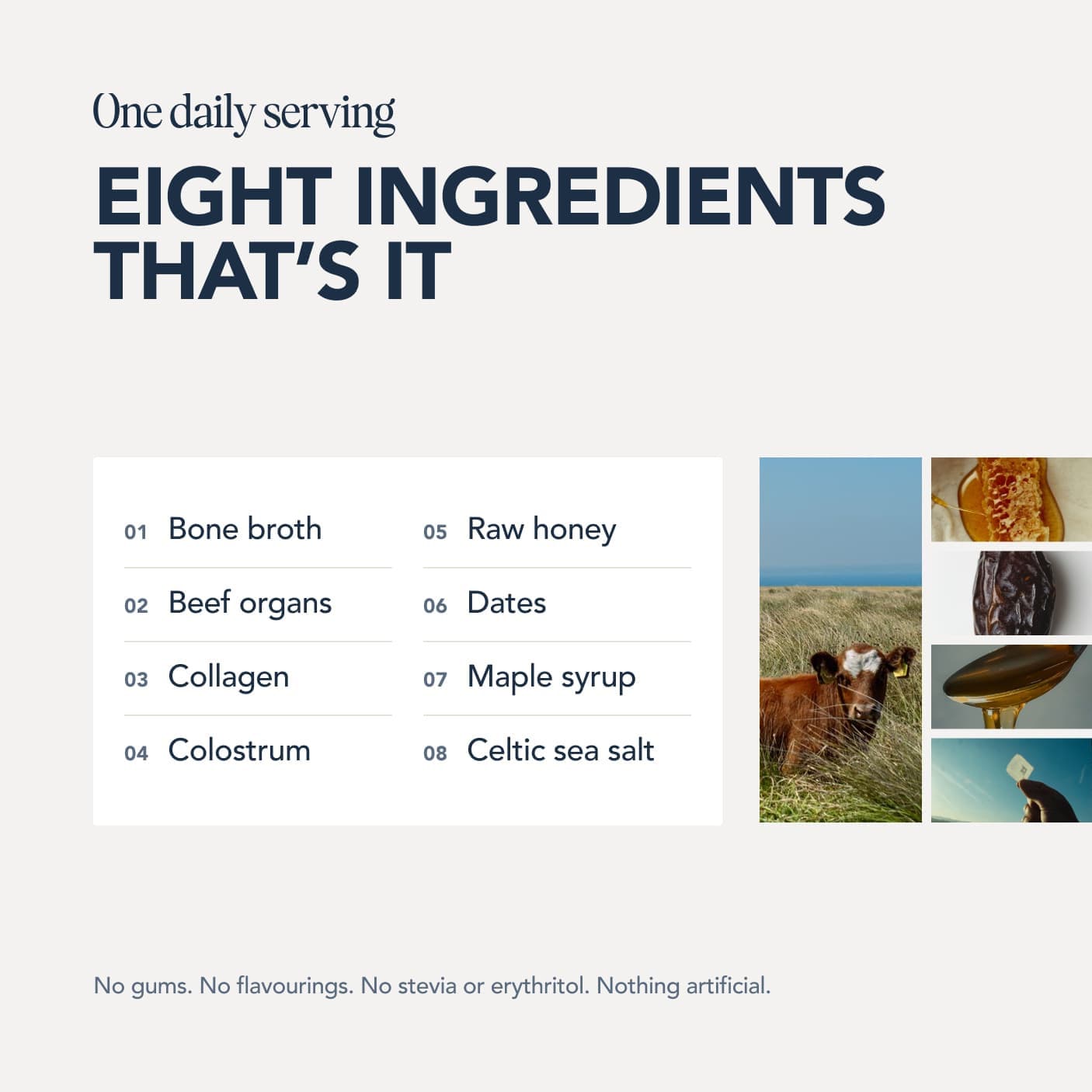
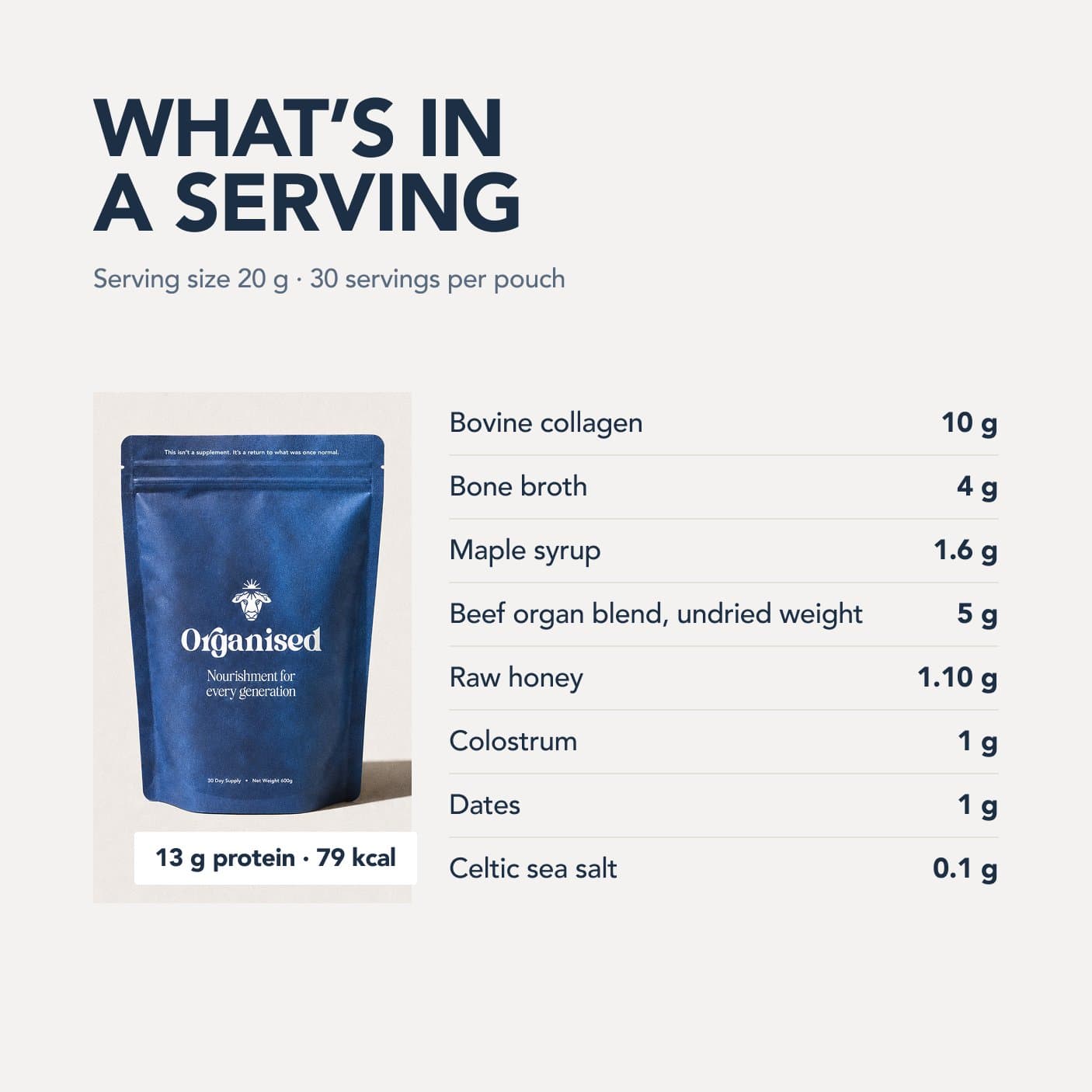
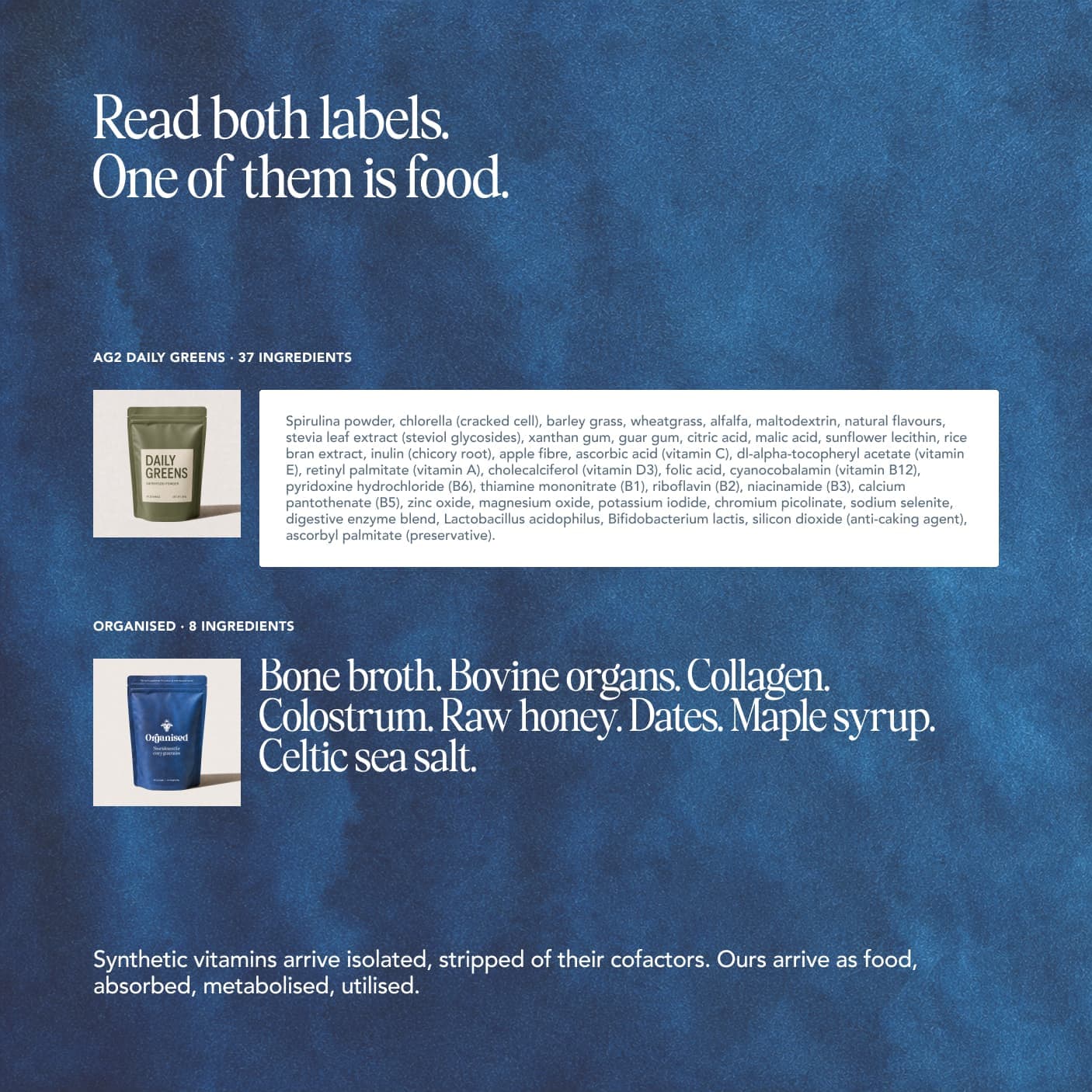
Eight real ingredients built around grass-fed beef organs, collagen and colostrum. Nothing synthetic added.
Free with your first order, worth £38. Plus £10 off the pouch with a subscription.

Free UK shipping · Made in England · 100 day money back guarantee on your first pouch · Skip, pause or cancel anytime
Can food sources be enough?
Theoretically, if you ate bone broth daily (2 to 3 cups), skin-on meat twice daily, and organ meats weekly, you might achieve adequate collagen intake without supplementation.
Practically, most people do not maintain this level of consistency. Work is hectic, meals are quick, and collagen-rich foods feel labour-intensive compared to boneless chicken breast and ready-made meals.
Additionally, your collagen requirements increase with age and activity level. A 25-year-old sedentary person might manage on food sources. A 55-year-old athlete training hard, with existing joint complaints and skin concerns, requires substantially more collagen support than food sources realistically provide.
The practical answer: food sources contribute meaningfully to collagen intake, but supplementation is likely necessary if collagen status is a priority. Aiming for 1 to 2 cups of bone broth daily (3 to 5 grams of collagen), skin-on meat 3 to 4 times weekly (3 to 8 grams of collagen), and 8 to 12 grams of hydrolysed collagen supplemented daily gives you a realistic chance of achieving the quantities that clinical evidence supports for joint health and skin quality.
Start with food sources. They are nutrient-dense and valuable. But if you are over 40, active, or experiencing joint concerns, supplementation closes the gap that food alone leaves open.
References
Every source below was checked on 27 August 2026. Each PubMed, PMC and DOI identifier was resolved against NCBI or Crossref, and what it opens is printed under the citation, so you can see the link goes where the citation says without leaving the page. Where a citation and its identifier disagreed, the citation was corrected to the record or the reference was deleted along with the sentence marker that pointed at it, and where the resolved paper turned out not to support the sentence, the sentence was cut back to what it does support. Borrowed authority is worse than none, because it looks like rigour.
- Shoulders MD, Raines RT. Collagen structure and stability. Annual Review of Biochemistry. 2009;78:929-958. https://pmc.ncbi.nlm.nih.gov/articles/PMC2846778/Checked 27 August 2026: PMC2846778 opens Shoulders MD, Raines RT, Collagen structure and stability. Annu Rev Biochem 2009;78:929-58. PubMed indexes it as: Review.
- Wang H. A review of the effects of collagen treatment in clinical studies. Polymers. 2021;13(22):3868. https://pmc.ncbi.nlm.nih.gov/articles/PMC8620403/Checked 27 August 2026: PMC8620403 opens Wang H, A Review of the Effects of Collagen Treatment in Clinical Studies. Polymers (Basel) 2021;13(22). PubMed indexes it as: Review.The authors' own declaration, from the record: The author declares no conflict of interest.
- de Miranda RB, Weimer P, Rossi RC. Effects of hydrolyzed collagen supplementation on skin aging: a systematic review and meta-analysis. International Journal of Dermatology. 2021;60(12):1449-1461. See also Pu SY, Huang YL, Pu CM, et al. Effects of oral collagen for skin anti-aging: a systematic review and meta-analysis. Nutrients. 2023;15(9):2080. https://pmc.ncbi.nlm.nih.gov/articles/PMC10180699/Checked 27 August 2026: PMC10180699 opens Pu SY, Huang YL, Pu CM et al, Effects of Oral Collagen for Skin Anti-Aging: A Systematic Review and Meta-Analysis. Nutrients 2023;15(9). PubMed indexes it as: Meta-Analysis, Systematic Review.The authors' own declaration, from the record: The authors declare no conflict of interest. The funders had no role in the design of the study; in the collection, analyses, or interpretation of data; in the writing of the manuscript; or in the decision to publish the results.
- Melendez-Hevia E, De Paz-Lugo P, Cornish-Bowden A, Cardenas ML. A weak link in metabolism: the metabolic capacity for glycine biosynthesis does not satisfy the need for collagen synthesis. Journal of Biosciences. 2009;34(6):853-872. https://pubmed.ncbi.nlm.nih.gov/20093739/Checked 27 August 2026: PMID 20093739 opens Meléndez-Hevia E, De Paz-Lugo P, Cornish-Bowden A et al, A weak link in metabolism: the metabolic capacity for glycine biosynthesis does not satisfy the need for collagen synthesis. J Biosci 2009;34(6):853-72.
- McCarty MF, DiNicolantonio JJ. The cardiometabolic benefits of glycine: is glycine an "antidote" to dietary fructose? Open Heart. 2014;1(1):e000103. https://pmc.ncbi.nlm.nih.gov/articles/PMC4195924/Checked 27 August 2026: PMC4195924 opens McCarty MF, DiNicolantonio JJ, The cardiometabolic benefits of glycine: Is glycine an 'antidote' to dietary fructose? Open Heart 2014;1(1):e000103.
Corrections
What this page used to say, and why it no longer says it. Corrections are dated and are never removed, because deleting the record of an error is a second error. Every guide we have corrected is listed at our corrections log.
- 27 August 2026. Reference 3 named two meta-analyses and linked only the second. Both now carry their own identifier.
Who wrote and reviewed this guide
Niall Kiddle
Author · Founder, Organised
Niall is the founder of Organised. He started the company in 2024 after fixing his own health the slow way: in 2022 he swapped a cupboard of synthetic supplements for real food, raw milk, organ meats, bone broth and honey, and felt the difference within months.
Areas of expertise: Ancestral nutrition, Organ meats, Whole-food supplementation, Gut health, Regenerative sourcing
Read Niall's full profile
Pedro Rodrigues
Reviewer · Agronomist (farming and sourcing only)
Pedro is the agronomist Organised works with on farming and sourcing. His job on the guides is to keep the science honest: he reviews what we publish about soil health, regenerative agriculture, grazing and the way food is actually produced.
Areas of expertise: Regenerative agriculture, Agronomy, Soil health, Grass-fed farming, Food sourcing
Reviewed this guide on
Read Pedro's full profileMore on collagen
View all- Collagen Peptides: A Complete Guide to Types, Sources and Benefits
- Collagen and Hair Growth: Separating Fact from Hype
- Collagen for Gut Health: Rebuilding Your Intestinal Lining
- Collagen for Joint Pain: What Does the Evidence Say?
- Collagen Supplements on Reddit: Do They Actually Work?
- Does Collagen Actually Work for Skin? What the Research Says
- The Amino Acids in Collagen and Why They Matter
- What Happens When You Take Collagen Every Day for 90 Days?
- When Does Your Body Start Losing Collagen? (And What to Do About It)
Browse the guides library
All guidesKeep reading
Ingredients
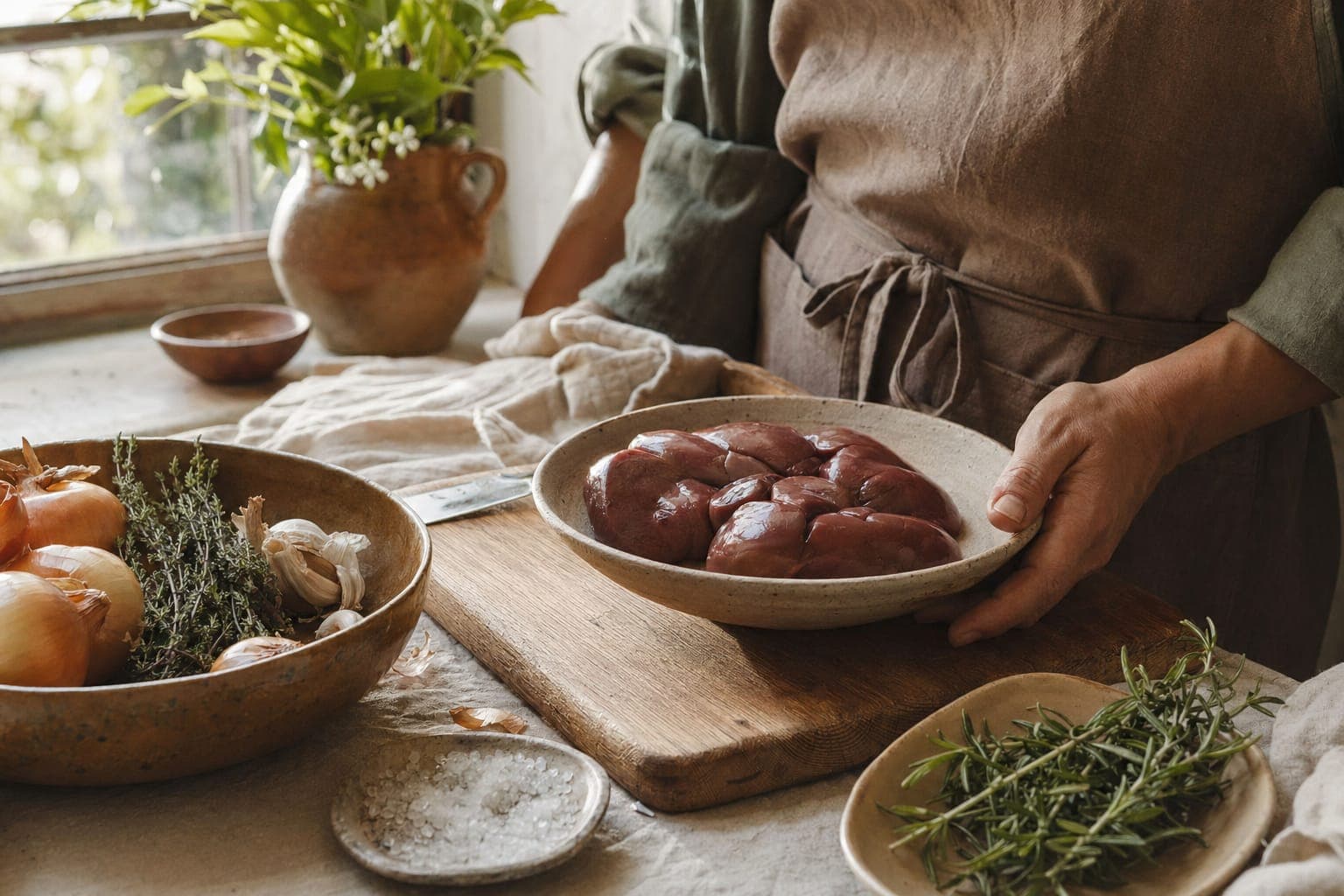
Why Beef Kidney Deserves a Place in Your Daily Routine
A beef kidney supplement is an underrated source of selenium for thyroid health, DAO enzyme for histamine balance, and B12. Here is why it deserves a spot.
Ingredients
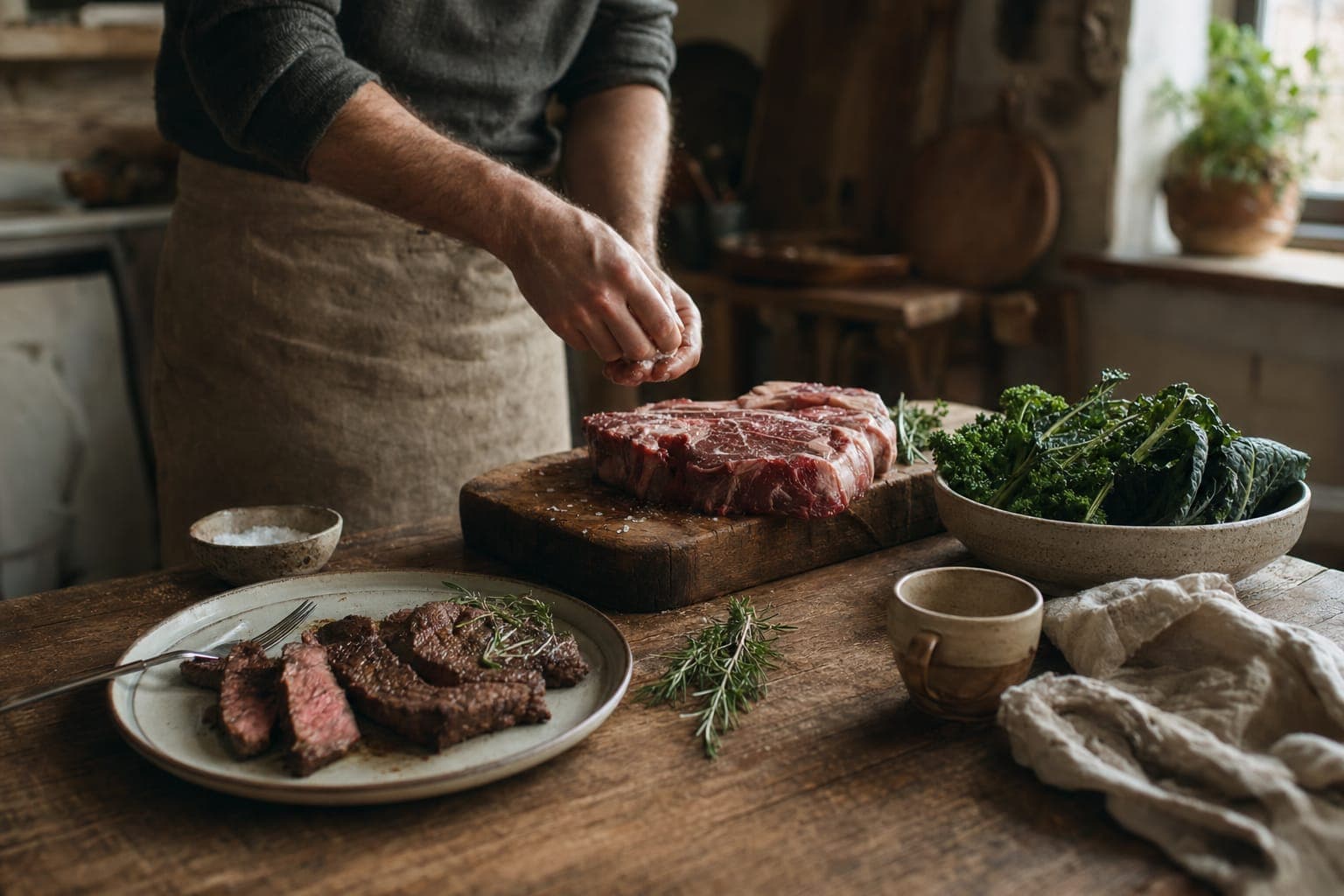
Grass-Fed Beef Protein Isolate: What Makes It Different
See what sets grass-fed beef protein isolate apart, from easy digestion to micronutrient content, and how it really compares with whey protein for daily use.
Ingredients
What Is Lactoferrin and Why Is It in Colostrum?
Discover lactoferrin, the iron-binding protein in colostrum that modulates immunity, fights pathogens, and supports gut health.
Real food, made effortless
Try the organ blendA few ways to use it
All recipes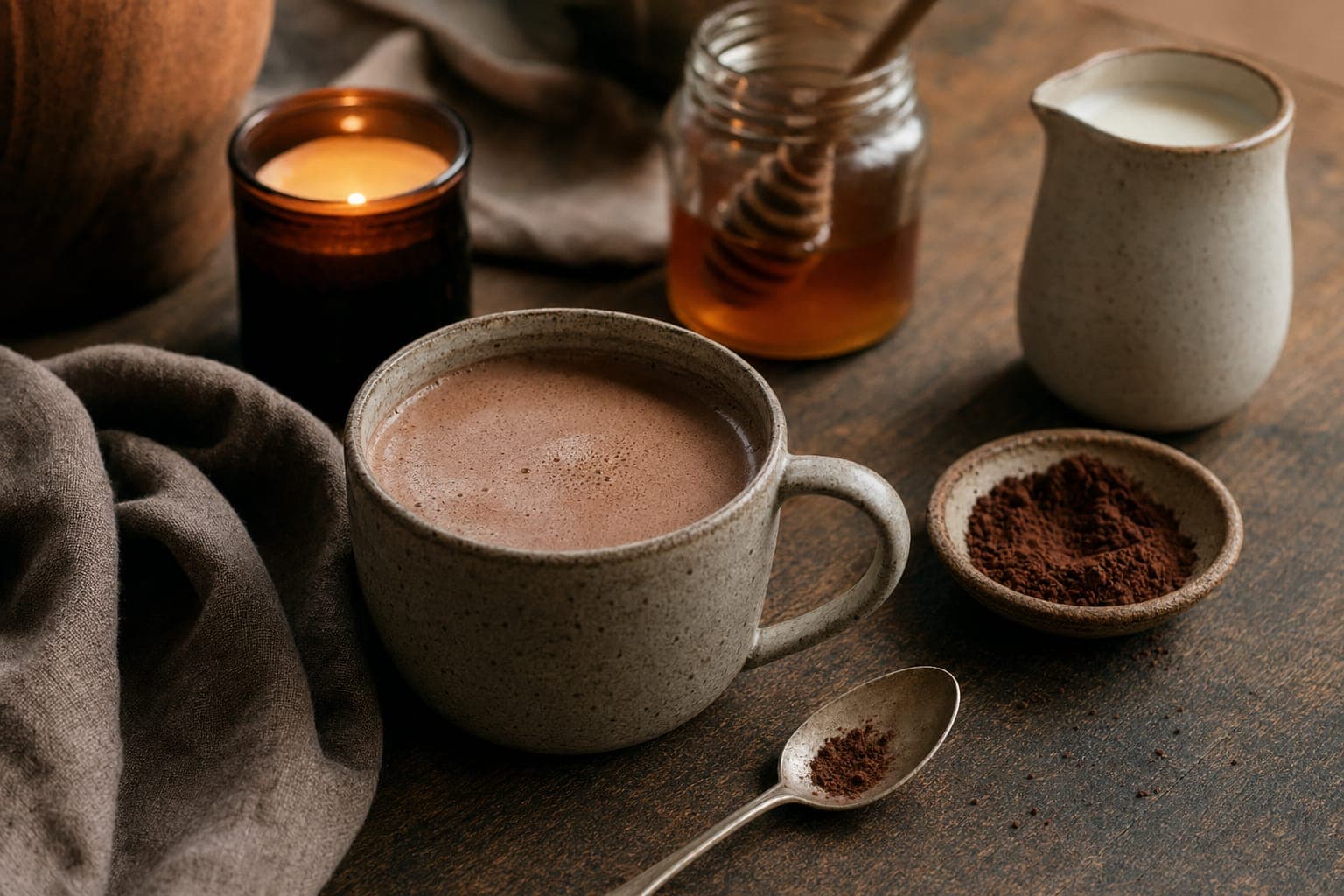
Raw Milk Hot Chocolate with Collagen
A nourishing evening hot chocolate made with raw milk, grass-fed collagen, raw cacao, and honey. A nighttime ritual that supports sleep and gut health.
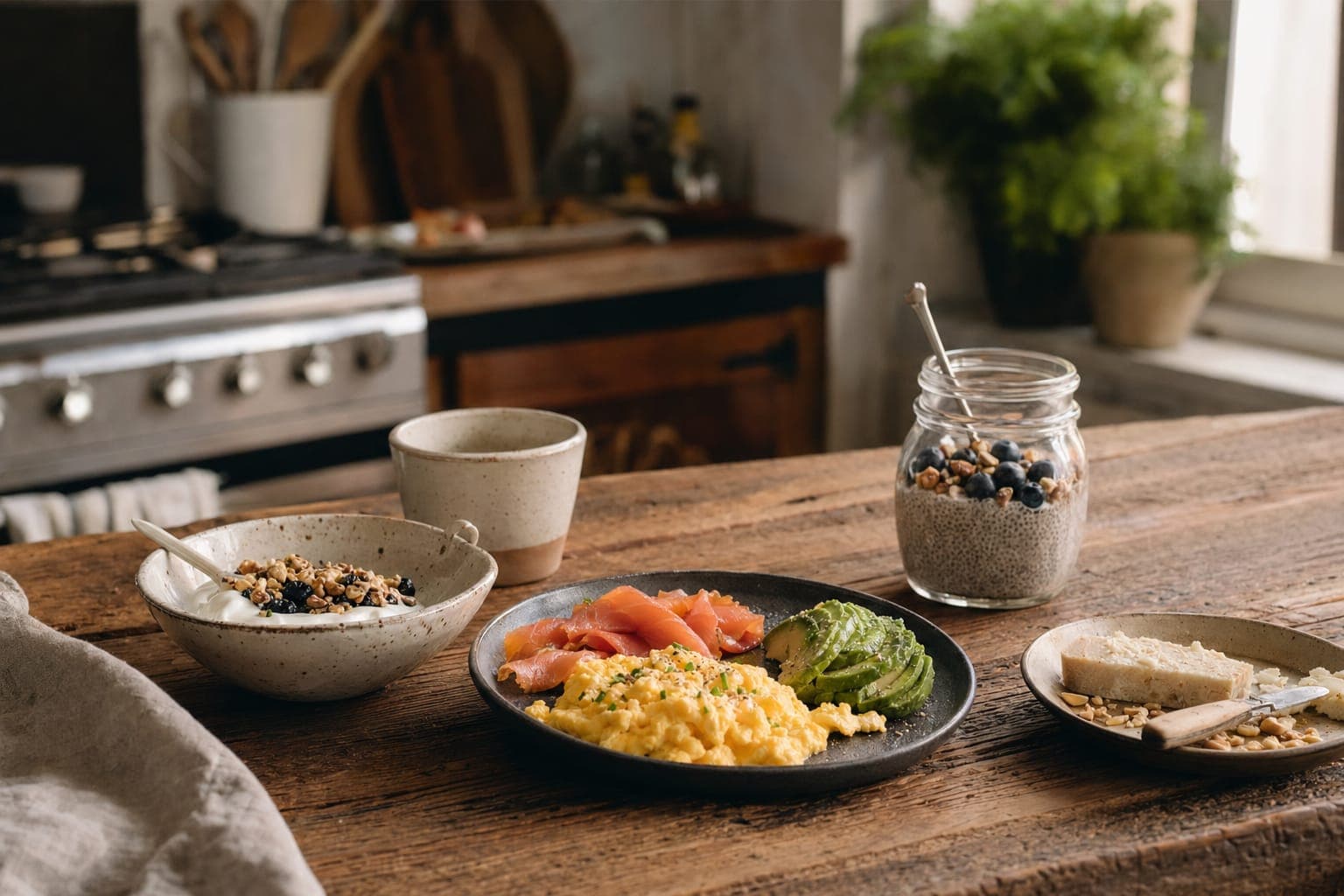
5-Minute High-Protein Breakfasts Using Organised
Quick, high-protein breakfast ideas using Organised. Five recipes you can make in minutes with real food. No fussing around.

Bone Broth from Scratch: A Step-by-Step Guide
Step-by-step guide to making bone broth at home. Stovetop, slow cooker, and Instant Pot methods. Rich in collagen and gut-healing minerals.


 Join over 100,000+ members
Build a better food system with us
The Organised community is thousands of people choosing real food and backing the farmers who grow it, all of us trying to leave the world a little better than we found it. If that is what you care about too, you belong here.