Why Beef Kidney Deserves a Place in Your Daily Routine
Beef kidney is the most overlooked organ in modern nutrition. But if you're dealing with thyroid issues, histamine sensitivity, or just general micronutrient depletion, kidney is your answer.

By Niall Kiddle, Founder, Organised

Reviewed by Pedro Rodrigues, Agronomist (farming and sourcing only) ·
7 min read · Published · Updated · 5 cited sources
Makers of the Organised Daily blend, a grass-fed beef organ supplement from regenerative UK farms
Why kidney is underrated
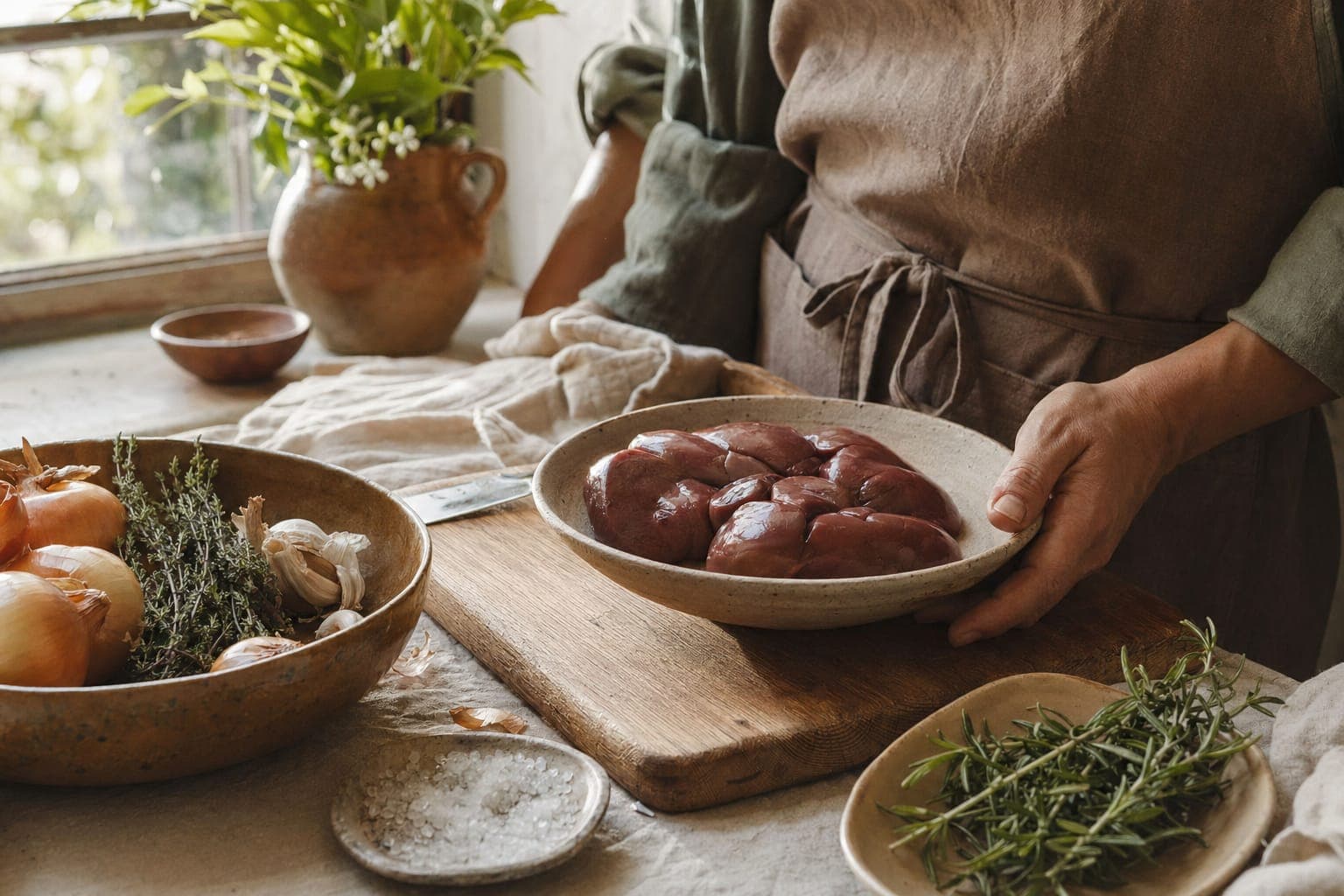
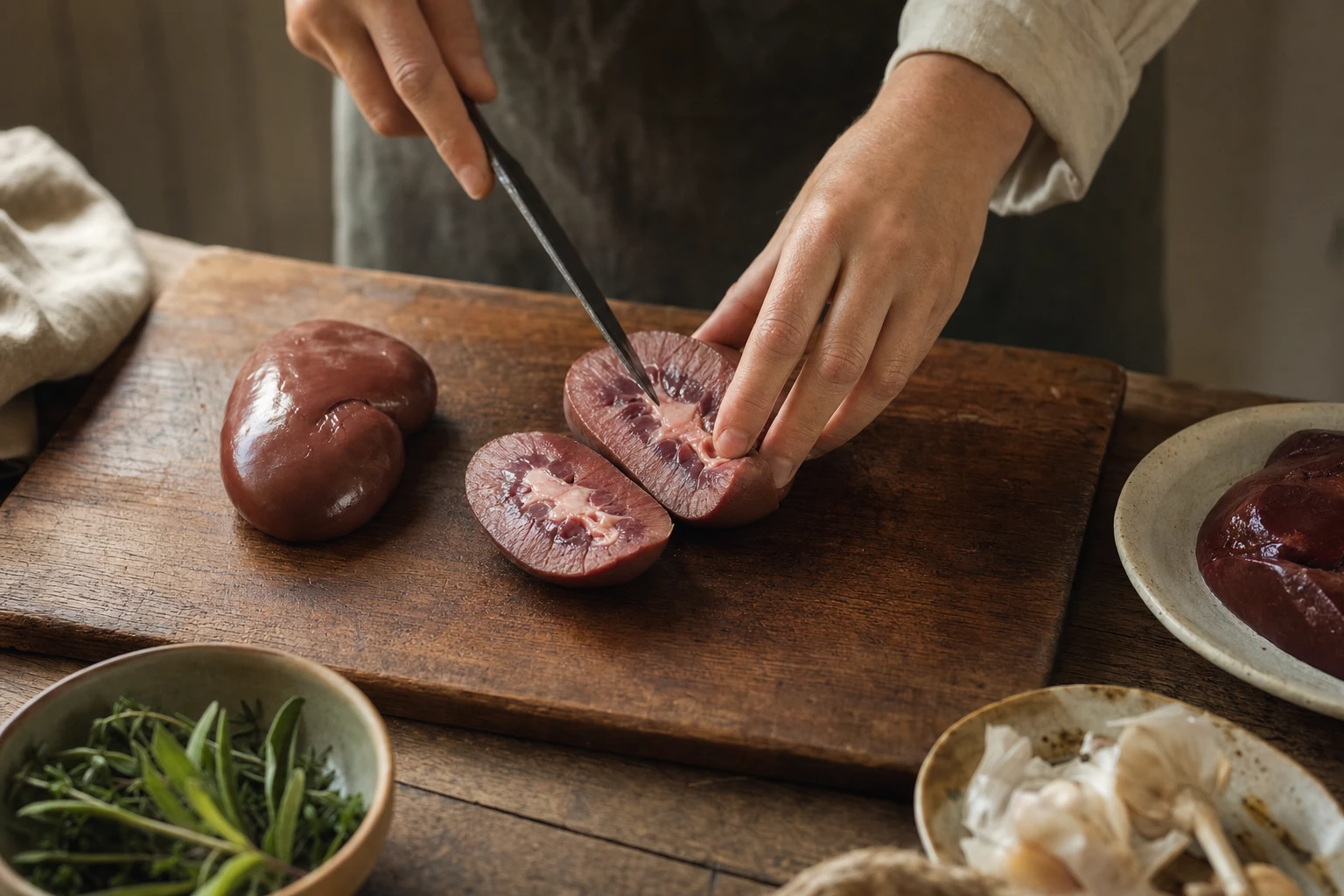
Liver gets all the attention because it's famous. Heart is becoming trendy because of CoQ10. But kidney is quietly one of the most nutrient-dense organs available, with benefits that nobody is talking about.
The reason kidney is overlooked is simple: it tastes strong, it smells particular, and most people have never eaten it. The modern food system hasn't marketed it. Supplement companies don't focus on kidney because liver is easier to market. But from a health perspective, kidney is genuinely valuable, particularly for specific issues that affect a growing portion of the population.
Selenium: the thyroid mineral
Selenium is a trace mineral essential for thyroid function, immune response, and antioxidant defence.1 Your thyroid is the metabolic master gland; thyroid dysfunction affects your entire body: metabolism, energy, mood, temperature regulation, hormonal balance.
The problem: UK soils are selenium-depleted. The UK has some of the lowest soil selenium in the world.2 This means UK-grown foods are low in selenium. Most people are deficient without even realising it.
Beef kidney is the richest whole-food source of selenium available. A single 100-gram serving provides roughly 100-150 micrograms of selenium, which is roughly 2-3 times your daily requirement. This is genuinely concentrated.
For anyone with thyroid issues (hypothyroidism, Hashimoto's, unexplained fatigue), kidney is worth trying. Selenium deficiency is an overlooked driver of thyroid problems, and kidney is the fastest way to correct it.

The DAO enzyme: histamine management
DAO (diamine oxidase) is an enzyme that breaks down histamine. It's found almost exclusively in kidney and liver. If you have histamine sensitivity (reactions to fermented foods, aged cheeses, wine, cured meats, certain vegetables), it's often because your DAO is low.
Histamine itself isn't the problem; it's a natural compound in foods. The problem is your ability to break it down. By consuming kidney (which is rich in DAO), you increase your DAO status and improve your tolerance for histamine-containing foods.
This is genuinely transformative for people with histamine sensitivity. Instead of avoiding fermented foods, aged cheeses, and wine indefinitely, you can gradually reintroduce these foods as your DAO status improves.
If you have histamine sensitivity, kidney is not a supplement; it's a therapeutic food. It's addressing the root cause of your sensitivity, not just avoiding the trigger.
B12 and trace minerals
Kidney is also a good source of B12 (roughly 20 micrograms per 100 grams) and folate. B12 is essential for neurological function, red blood cell formation, and energy production.3 Folate is essential for DNA synthesis and cell division.4
Beyond selenium, kidney also contains copper, a trace mineral essential for connective tissue formation, iron metabolism, and immune function. Most people are chronically deficient because modern soils are depleted. Kidney is one of the richest sources of bioavailable copper.
These are secondary benefits (liver is higher in both B12 and folate), but they're still valuable, particularly for people who struggle with energy or cognitive function.
Who should be eating kidney
People with thyroid issues. Whether you have hypothyroidism, Hashimoto's, or just suspect your thyroid is sluggish, kidney's selenium content is worth trying for 8-12 weeks.
People with histamine sensitivity. If fermented foods, aged cheeses, wine, or cured meats trigger reactions, kidney's DAO can genuinely improve your tolerance and quality of life.
People in high-stress environments. Stress depletes minerals, particularly selenium. If your stress is chronic, kidney is a preventative measure worth implementing.
Women trying to conceive. Selenium is important for fertility in both men and women. If conception is taking longer than expected, kidney is worth incorporating into your routine.
People dealing with chronic fatigue. Fatigue can have multiple causes, but selenium deficiency is an overlooked one. Kidney is an easy intervention to try before pursuing more invasive testing.
Copper and connective tissue health
Copper is a trace mineral essential for lysyl oxidase, an enzyme that cross-links collagen and elastin fibres.5 Without adequate copper, your collagen doesn't properly stabilise. Your skin loses firmness. Your joints lose structural integrity. Your blood vessels lose elasticity.
Most people are chronically copper-deficient because modern soils are depleted, and the copper content in processed foods is virtually zero. A serving of beef kidney provides roughly 0.4-0.6 milligrams of copper, which is roughly 40-60% of daily requirements. This is extraordinarily concentrated.
If you're experiencing joint issues, poor wound healing, or connective tissue fragility, copper deficiency is an overlooked driver. Kidney is one of the fastest ways to replete copper without needing to supplement separate minerals.
The DAO enzyme: deeper context
DAO (diamine oxidase) is the enzyme responsible for breaking down histamine. It's found in the highest concentrations in the kidneys and liver of herbivorous animals (particularly ruminants like cattle), because ruminants need to tolerate high histamine levels in plant foods.
When you consume beef kidney, you're consuming a food that's literally an DAO enzyme factory. You're not just taking an enzyme supplement; you're consuming the organ that produced that enzyme in the living animal. This is more potent than supplementing isolated DAO enzyme.
For people with active histamine sensitivity, consuming kidney addresses the problem at the root: your DAO level, not just your histamine exposure. Over time, your body's own DAO production often improves as histamine tolerance increases, creating a positive feedback loop.
Get ingredient guides like this, free
Two short reads a week on the ingredients that matter and how to actually use them.
By signing up you agree to receive emails from us. No spam, unsubscribe anytime.
Selenium and molecular mechanisms
Selenium works through selenoproteins, a family of proteins that include glutathione peroxidase (antioxidant defence), thioredoxin reductase (DNA repair), and thyroid peroxidase (thyroid hormone synthesis).1 These aren't generic enzymes; they're highly specific molecular machines that require selenium as a cofactor to function.
When you're selenium-deficient, all of these systems underperform. Your thyroid doesn't work properly. Your antioxidant defence is compromised. Your DNA repair is sluggish. The result is accelerated ageing and disease risk.
Beef kidney provides selenium in the context of the cofactors (vitamin E, zinc, copper) that support selenium-dependent enzymes. You're not just adding selenium; you're providing the micronutrient ecosystem that makes it useful.
How to incorporate kidney
100 grams of kidney once per week is sufficient for selenium repletion. For people with active histamine sensitivity or thyroid issues, twice per week is reasonable.
Kidney is more palatable in pâté form than cooked whole. If you're sensitive to taste and texture, pâté is the easier entry point. Alternatively, kidney supplements (freeze-dried powder) are available and equally effective. Freeze-dried kidney powder is particularly useful for people who struggle with the sensory experience of organ meat.
100 grams once per week. That's enough to see results in 4-8 weeks. Consistency matters more than dose.
1 of 9
Daily blend
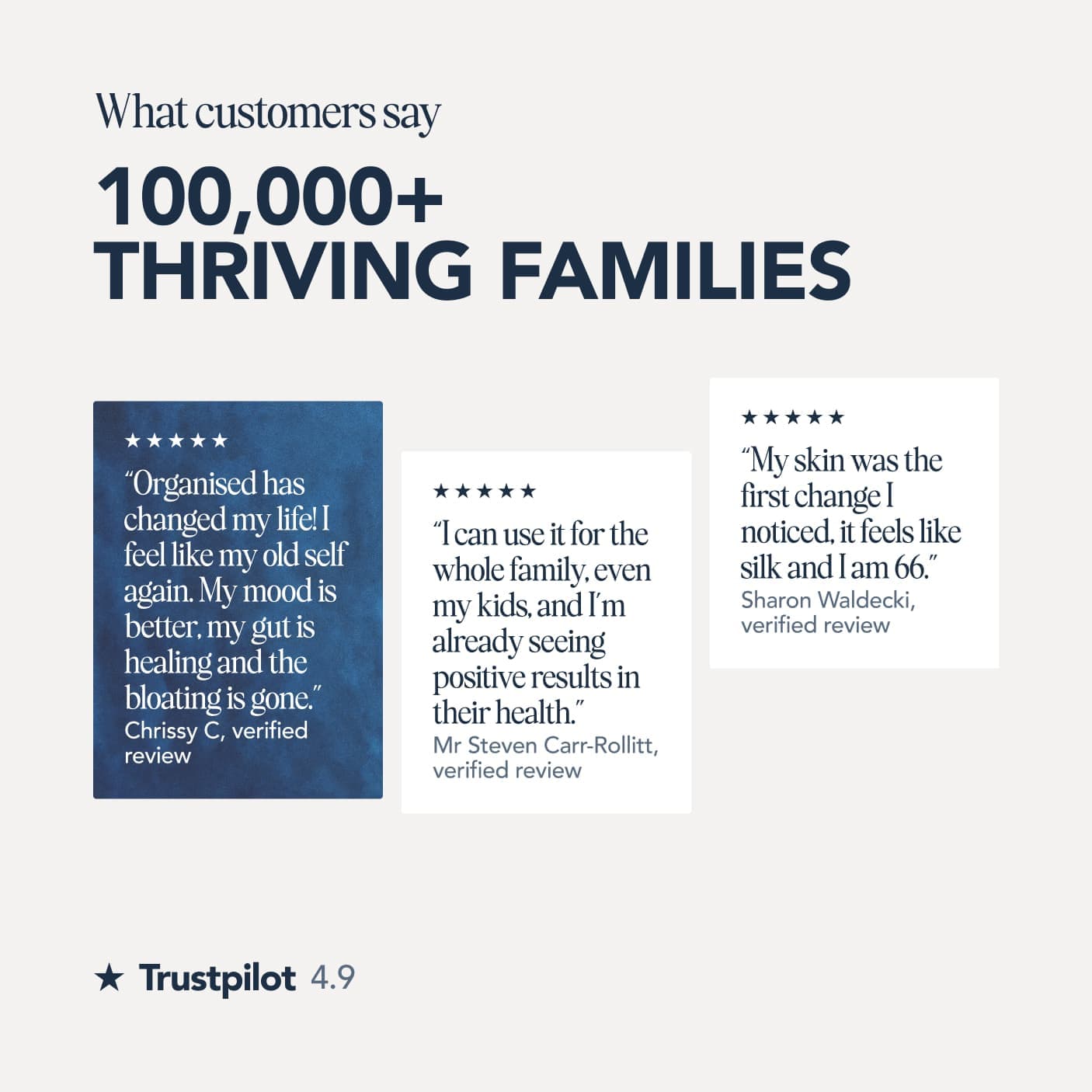
100,000+ thriving families4.9 on Trustpilot
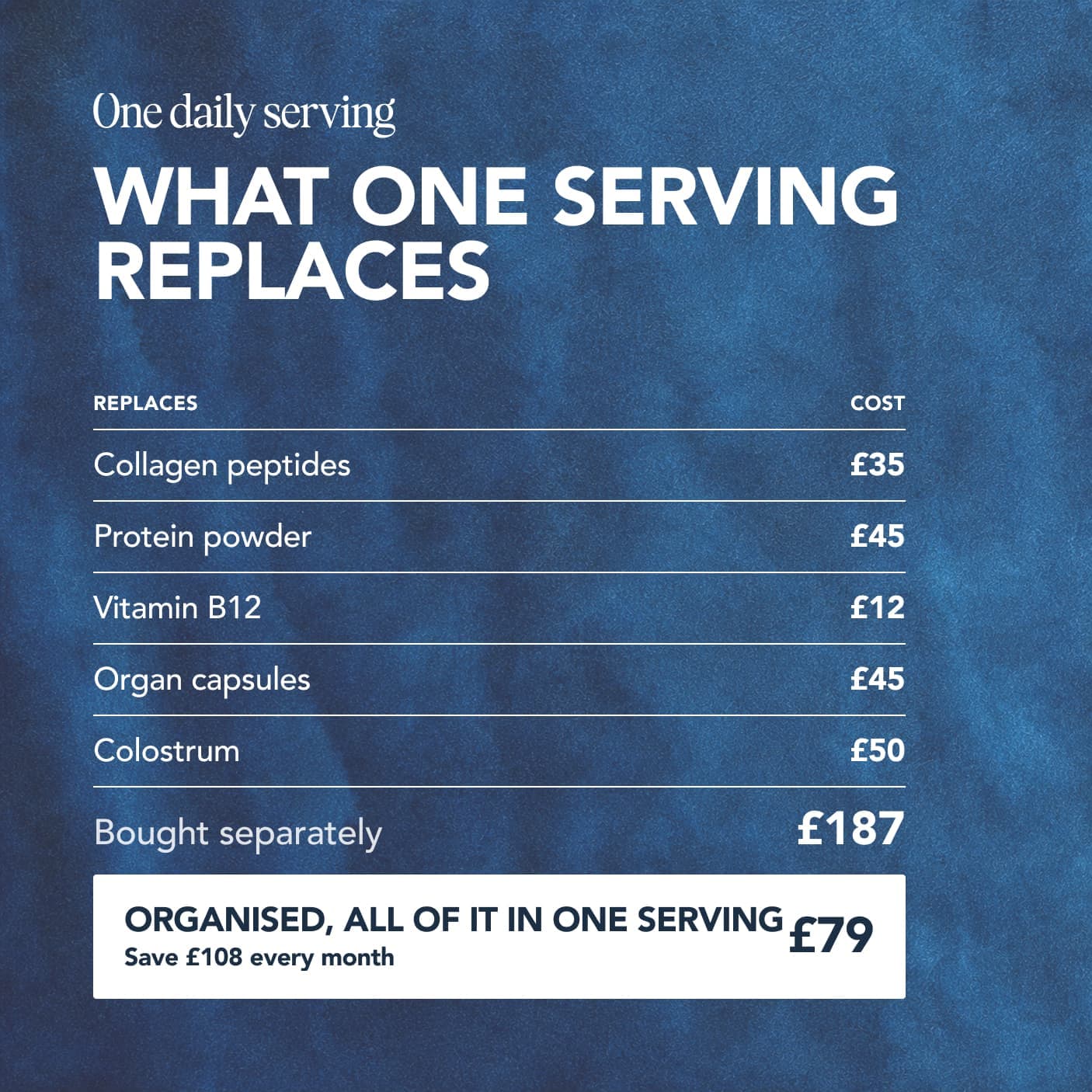
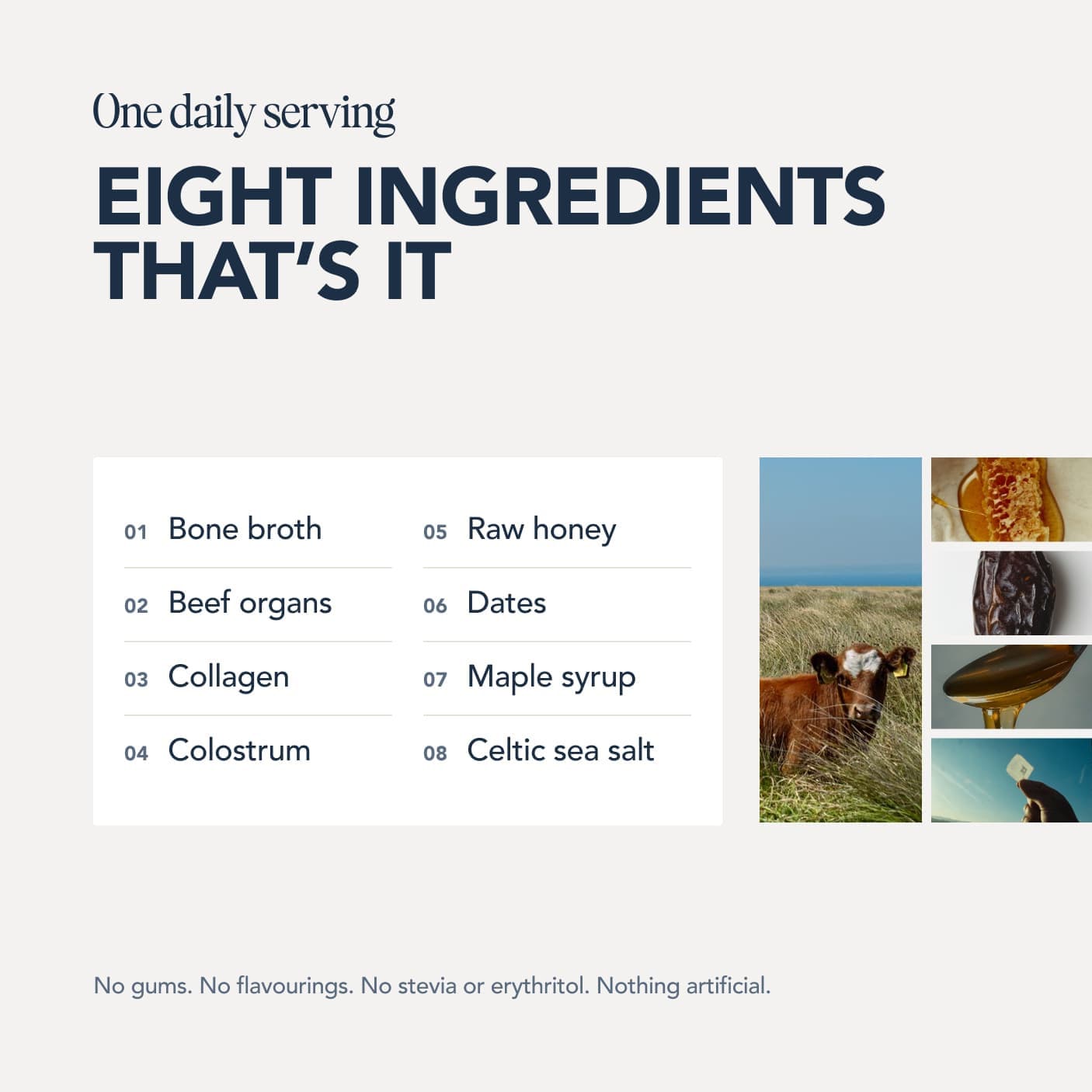
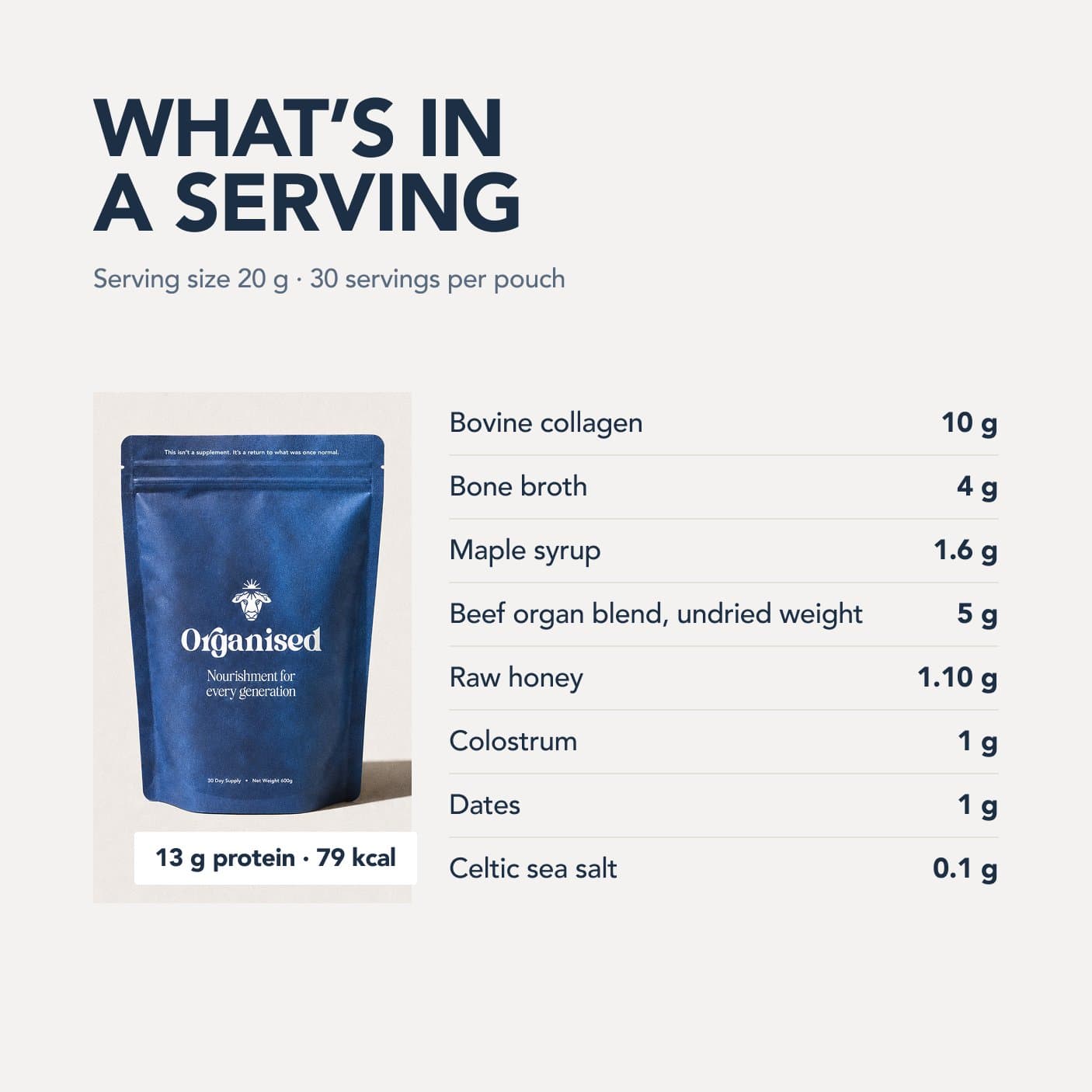
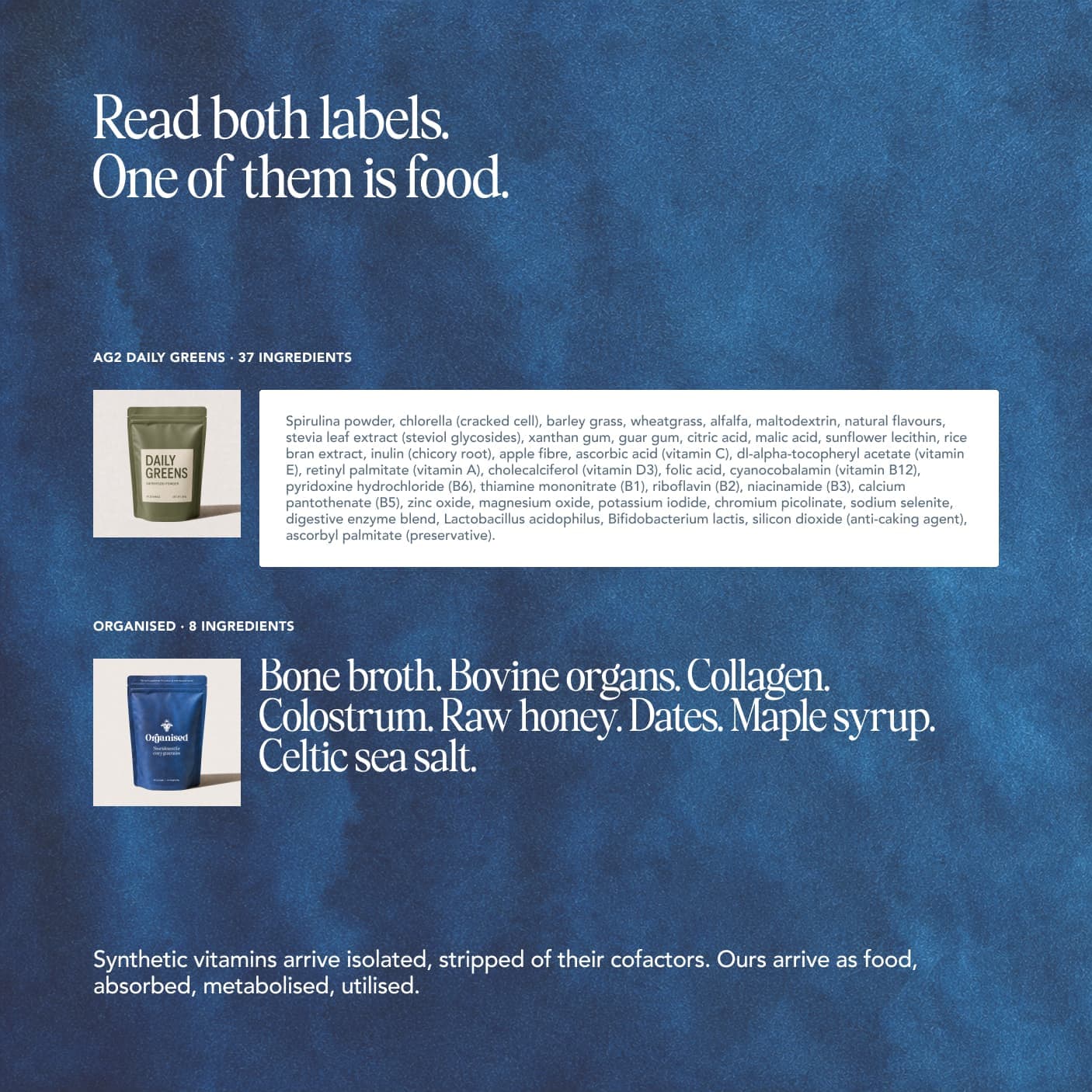
Eight real ingredients built around grass-fed beef organs, collagen and colostrum. Nothing synthetic added.
Free with your first order, worth £38. Plus £10 off the pouch with a subscription.
Free UK shipping · Made in England · 100 day money back guarantee on your first pouch · Skip, pause or cancel anytime
Kidney's unique role in histamine metabolism
Beyond selenium, kidney has a secret weapon that no other organ offers: the DAO enzyme.
DAO (diamine oxidase) is the enzyme responsible for breaking down histamine in your digestive tract. Your body produces some DAO, but many people are deficient, either genetically or through gut damage. When you can't break down histamine properly, it accumulates and triggers symptoms: headaches, flushing, itching, digestive issues, and immune dysregulation.
Beef kidney is the richest whole-food source of DAO available. Eating kidney (or supplementing kidney extract) increases your DAO levels, which dramatically reduces histamine-related symptoms in sensitive individuals.
If you're dealing with histamine intolerance (often mistaken for food allergies), kidney is not just beneficial, it's potentially transformative.
Histamine intolerance is silent and widespread. If you've ever suspected you're "sensitive to aged foods," fermented foods, or certain meats, kidney supplementation might solve it.
Selenium status and thyroid health
Selenium is foundational to thyroid function. Your thyroid needs selenium to produce selenoproteins, which protect the gland from oxidative damage and support hormone synthesis.
UK soils are notoriously selenium-deficient (much of Europe is), so most people eating local produce aren't getting enough. Brazil nuts are often recommended, but they're variable in content and high in calories.
Beef kidney provides reliable, bioavailable selenium in context with other micronutrients that support thyroid health. If you're dealing with thyroid issues (hypothyroidism, Hashimoto's, or just sluggish metabolism), kidney addresses a root cause directly.
A single 100-gram serving of kidney provides roughly 150-200 micrograms of selenium, compared to your daily requirement of 55 micrograms. This is why consistent kidney consumption (even one serving per week) can correct a selenium deficiency in weeks.
The bottom line
Beef kidney is underrated because it's unfamiliar and unsexy to market. But for thyroid health, histamine tolerance, copper status, and general micronutrient repletion, it's genuinely valuable. If you're dealing with thyroid sluggishness, histamine sensitivity, or joint health issues, kidney is one of the most efficient interventions available.
Start with 100 grams once per week. Give it 8 weeks. If your energy improves, your thyroid stabilises, your histamine tolerance increases, or your joint health improves, you'll understand why kidney was a staple of ancestral diets. The nutrients it contains are rarely available from other sources.
References
Every source below was checked on 27 August 2026. Each PubMed, PMC and DOI identifier was resolved against NCBI or Crossref, and what it opens is printed under the citation, so you can see the link goes where the citation says without leaving the page. Where a citation and its identifier disagreed, the citation was corrected to the record or the reference was deleted along with the sentence marker that pointed at it, and where the resolved paper turned out not to support the sentence, the sentence was cut back to what it does support. Borrowed authority is worse than none, because it looks like rigour.
- National Institutes of Health, Office of Dietary Supplements. Selenium — Health Professional Fact Sheet.
- Rayman MP. Food-chain selenium and human health: emphasis on intake. British Journal of Nutrition, 2008. PubMed.Checked 27 August 2026: PMID 18346308 opens Rayman MP, Food-chain selenium and human health: emphasis on intake. Br J Nutr 2008;100(2):254-68. PubMed indexes it as: Review.
- National Institutes of Health, Office of Dietary Supplements. Vitamin B12 — Health Professional Fact Sheet.
- National Institutes of Health, Office of Dietary Supplements. Folate — Health Professional Fact Sheet.
- National Institutes of Health, Office of Dietary Supplements. Copper — Health Professional Fact Sheet.
Who wrote and reviewed this guide
Niall Kiddle
Author · Founder, Organised
Niall is the founder of Organised. He started the company in 2024 after fixing his own health the slow way: in 2022 he swapped a cupboard of synthetic supplements for real food, raw milk, organ meats, bone broth and honey, and felt the difference within months.
Areas of expertise: Ancestral nutrition, Organ meats, Whole-food supplementation, Gut health, Regenerative sourcing
Read Niall's full profile
Pedro Rodrigues
Reviewer · Agronomist (farming and sourcing only)
Pedro is the agronomist Organised works with on farming and sourcing. His job on the guides is to keep the science honest: he reviews what we publish about soil health, regenerative agriculture, grazing and the way food is actually produced.
Areas of expertise: Regenerative agriculture, Agronomy, Soil health, Grass-fed farming, Food sourcing
Reviewed this guide on
Read Pedro's full profileMore on beef organs
View all- The Complete Guide to Beef Organ Supplements
- Are Beef Organs Safe? Everything You Need to Know
- Beef Heart: The Organ Your Mitochondria Have Been Waiting For
- Beef Lung: What It Contains and Why It Matters
- Benefits of Beef Organ Supplements: Nature's Multivitamins
- Choline: The Essential Nutrient Almost Nobody Gets Enough Of
- Freeze-Dried vs Fresh Organs: Does the Method Matter?
- How Much Vitamin A Is in Beef Liver? (And Is It Too Much?)
- Is Beef Liver Good for You? 7 Benefits of Eating Beef Liver
- Spleen: The Forgotten Organ That Powers Your Immune System
- The Nutrients You Can Only Get from Organ Meats
- What Does Beef Liver Actually Do for Your Body?
Browse the guides library
All guidesKeep reading
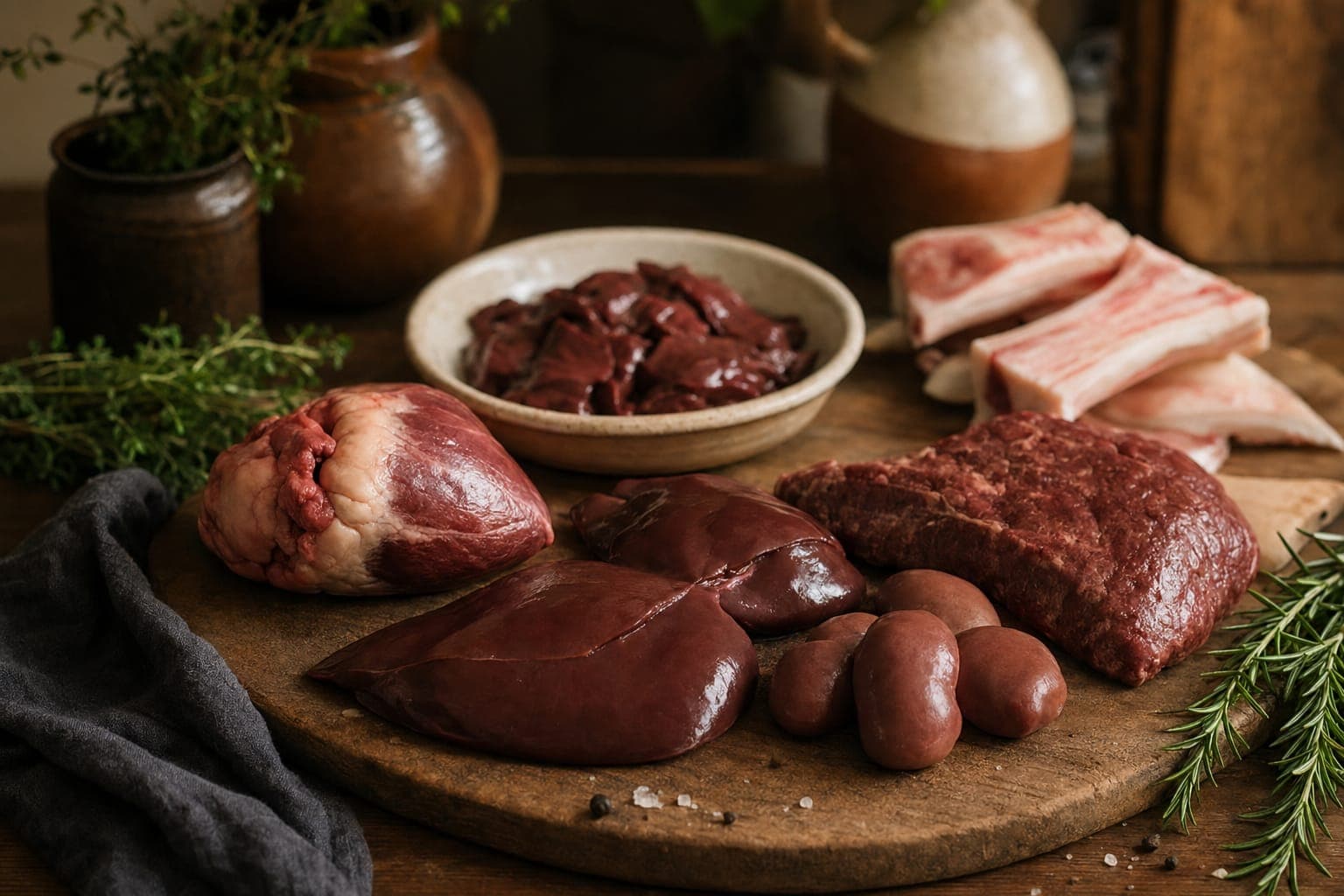
Ingredients
The Complete Guide to Beef Organ Supplements
Beef organ supplements explained from the composition data: what each organ carries, how they compare to muscle meat, and the vitamin A ceiling that limits the dose.
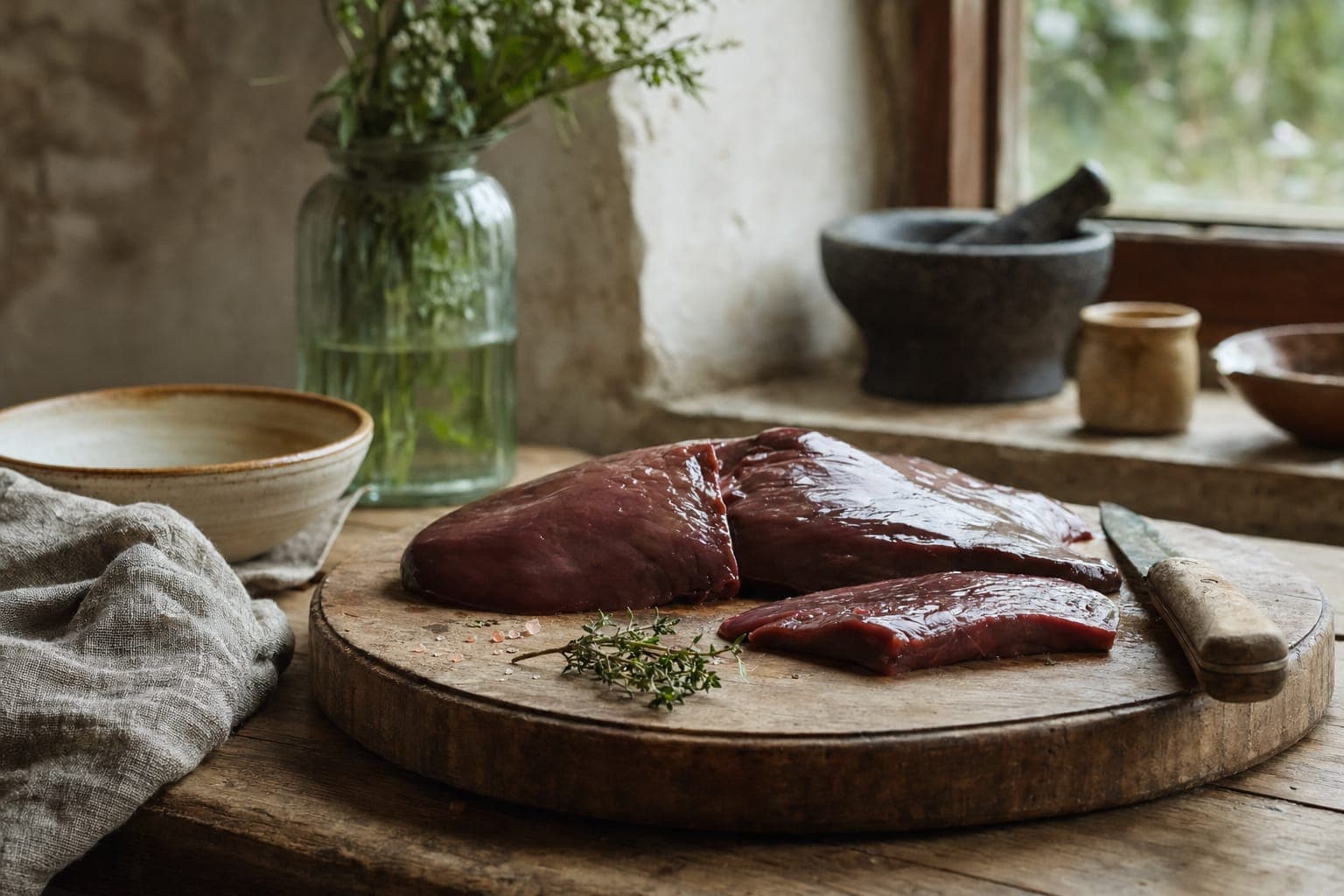
Ingredients
What Does Beef Liver Actually Do for Your Body?
What does beef liver actually contain? Retinol, B12, folate, iron, choline. Plus why the toxin myth is completely wrong.
Ingredients
Grass-Fed Beef Protein Isolate: What Makes It Different
See what sets grass-fed beef protein isolate apart, from easy digestion to micronutrient content, and how it really compares with whey protein for daily use.
Real food, made effortless
Try the organ blendA few ways to use it
All recipes
Whole Food Snacks for Busy Days
Practical whole food snacks that travel well and sustain energy. No refined carbs, no seed oils. Real food options for when you're busy.

Raw Milk Hot Chocolate with Collagen
A nourishing evening hot chocolate made with raw milk, grass-fed collagen, raw cacao, and honey. A nighttime ritual that supports sleep and gut health.
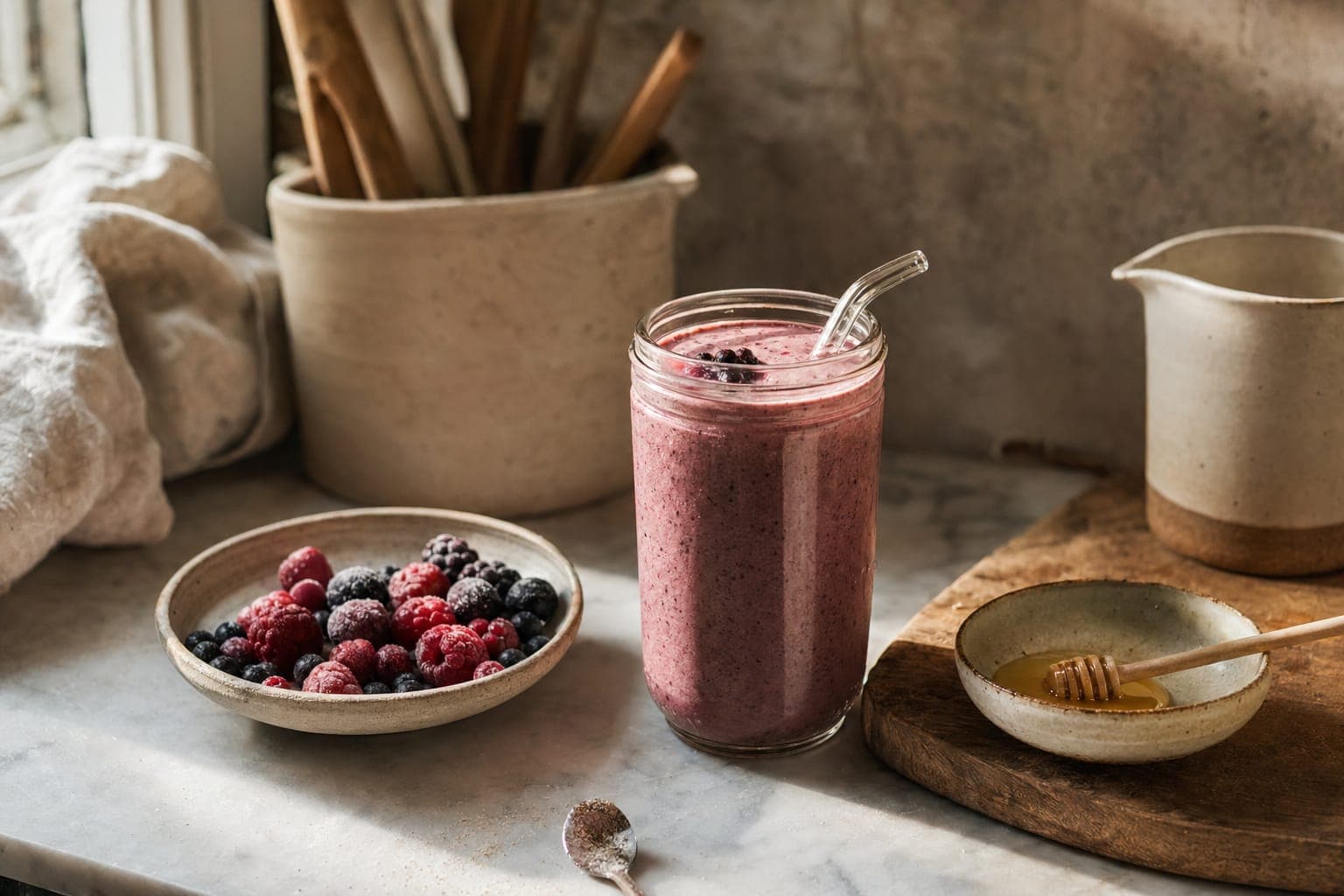
The Organised Recovery Smoothie for After Exercise
A recovery smoothie made with beef protein, raw milk, frozen berries, collagen, and honey. Optimal nutrition in the 30-minute window after exercise.


 Join over 100,000+ members
Build a better food system with us
The Organised community is thousands of people choosing real food and backing the farmers who grow it, all of us trying to leave the world a little better than we found it. If that is what you care about too, you belong here.