Colostrum for Athletes: Recovery, Immunity and Performance
Hard training does something unexpected: it suppresses your immune function temporarily, damages your gut barrier, and compromises your recovery. Colostrum addresses all three simultaneously.
By Niall Kiddle, Founder, Organised

Reviewed by Pedro Rodrigues, Agronomist (farming and sourcing only) ·
7 min read · Published · Updated · 6 cited sources
Makers of the Organised Daily blend, a grass-fed beef organ supplement from regenerative UK farms

This is not intuitive. Exercise should make you healthier, more resilient, more resistant to infection. Yet intense training has the opposite short-term effect. Understanding why, and how to mitigate it, changes how athletes approach supplementation and recovery.

The athlete's immune paradox
This is called the 'open window' phenomenon. After intense exercise, there is a window of time (typically 3 to 72 hours, depending on training intensity) during which immune function is suppressed.1 Your white blood cell count drops. Immune cell function (particularly natural killer cell activity) decreases. Circulating antibody levels fall. The result is increased susceptibility to infection.
This is not a design flaw. It is a physiological adaptation. During intense training, your body is in a temporary catabolic state. Inflammatory markers are elevated. Your nervous system is sympathetically dominant (fight-or-flight mode). In this state, your body is paying the cost of training (muscle damage, substrate depletion, cellular stress). It cannot simultaneously maintain full immune surveillance. Something has to give.
The cost of this trade-off is real. Elite athletes during heavy training blocks show significantly higher rates of upper respiratory infection compared to sedentary controls. Ultraendurance athletes (marathon runners, ironman athletes) report illness rates roughly three times higher during peak training than during rest periods.1
The mechanism involves multiple factors. Intense exercise triggers a large release of stress hormones (cortisol, adrenaline), which suppress immune cell production and function temporarily. Glycogen depletion (from prolonged training) impairs immune cell function. The intestinal barrier becomes compromised, allowing bacterial lipopolysaccharides to enter the bloodstream (a condition called endotoxaemia), which triggers inflammation and diverts immune resources away from pathogen defence.
This is where colostrum enters the picture. Colostrum contains growth factors, immunoglobulins, and antimicrobial peptides that support immune function and gut integrity under the stress of intense training.
Intense training suppresses your immune function temporarily. Colostrum is the nutrient source that specifically addresses this phenomenon.
Exercise-induced immune suppression
Colostrum is extraordinarily high in secretory immunoglobulin A (IgA), the antibody that lines your mucous membranes (mouth, throat, gut, respiratory tract) and provides the first-line defence against pathogens. Colostrum can contain 800 to 1200 milligrams of IgA per litre, compared to mature milk at 150 to 200 mg/L.2
During intense training, your IgA levels drop. This is partly because you are losing it through sweat and breath (athletes lose substantial amounts of IgA through heavy exertion), and partly because your body is suppressing production. The result is that your mucosal surfaces (the entry points for most pathogens) are less protected.
Colostrum replenishes IgA and other immunoglobulins. Research shows that athletes supplementing with colostrum during heavy training blocks maintain higher IgA levels and have lower rates of upper respiratory infection compared to unsupplemented athletes.4
One study in competitive cyclists found that athletes supplementing with bovine colostrum during weeks of intense training had fewer upper respiratory tract infections compared to the placebo group.3 The difference was significant and clinically meaningful.
Colostrum also contains growth hormone, insulin-like growth factor 1 (IGF-1), and other growth factors that promote tissue repair and adaptation. After training, your muscles are damaged and depleted. Growth factors accelerate the repair process, supporting faster recovery and stronger adaptation.
Why gut permeability matters for athletes
The intestinal barrier becomes compromised during intense exercise. This occurs partly from reduced blood flow to the gut (blood is diverted to working muscles), partly from dehydration, and partly from the metabolic stress of training itself. The result is increased intestinal permeability, sometimes called leaky gut.
When the gut barrier is compromised, bacterial lipopolysaccharides (LPS) from gram-negative bacteria in your gut cross into the bloodstream. This triggers an inflammatory response.5 Your immune system must mount a defence against these endotoxins, diverting resources away from pathogen defence and recovery.
The consequence is impaired recovery, delayed adaptation to training, and increased infection risk. Athletes training hard whilst dealing with compromised gut integrity are trying to recover from two stressors simultaneously.
Colostrum supports gut barrier integrity through multiple mechanisms. It contains growth factors (particularly IGF-1 and EGF, epidermal growth factor) that promote the growth and repair of intestinal epithelial cells. It contains lactoferrin and IgA that support the gut microbiome and prevent pathogenic bacterial overgrowth. It contains glycoproteins that coat and protect the intestinal lining.
Research shows that athletes supplementing with colostrum have better preserved gut barrier integrity during intense training, lower levels of circulating LPS, and reduced markers of intestinal inflammation compared to unsupplemented athletes.
Hard training damages your gut barrier. Colostrum repairs it. The difference in recovery between athletes who address this and those who do not is substantial.
Get ingredient guides like this, free
Two short reads a week on the ingredients that matter and how to actually use them.
By signing up you agree to receive emails from us. No spam, unsubscribe anytime.
How colostrum supports recovery
Recovery is not passive. It is an active process requiring protein synthesis, glycogen resynthesis, tissue repair, and the reduction of inflammation. Colostrum supports each of these.
The growth factors in colostrum (IGF-1, EGF, and others) promote muscle protein synthesis and tissue repair. Research shows that colostrum-supplemented athletes have faster muscle recovery, lower markers of muscle damage, and faster restoration of strength compared to unsupplemented athletes.
Colostrum is also an excellent source of easily digestible protein (roughly 30 to 40 percent protein by weight in quality colostrum). A 25-gram serving provides 7 to 10 grams of protein, delivered alongside growth factors, immunoglobulins, and other recovery-supporting compounds.
The anti-inflammatory compounds in colostrum (including alpha-lactalbumin, lactoferrin, and other peptides) promote the resolution of exercise-induced inflammation. This is important because some inflammation from training is necessary for adaptation, but excessive or prolonged inflammation impairs recovery and increases illness risk.
Colostrum also supports hormonal recovery. Exercise temporarily elevates cortisol (the stress hormone) and suppresses testosterone. Colostrum, through its immunomodulating action, supports the return to baseline hormonal status, facilitating faster recovery.
Performance and adaptation effects
If colostrum supports immune function and recovery, the practical question is: does it enhance performance or training adaptation?
The evidence is modest but consistent. Studies show that colostrum supplementation does not directly enhance performance (you will not run faster or lift heavier immediately). But it does support training consistency. Athletes supplementing with colostrum during heavy training blocks maintain higher training volume, have fewer illness-related missed sessions, and complete more training stimulus overall.
Over time, this translates into better training adaptation. Athletes who train consistently (because illness does not derail them) adapt faster and achieve greater performance gains than athletes with interrupted training because of illness.
One meta-analysis found that colostrum supplementation improves athletic performance by roughly 2 to 5 percent.6 This is small but meaningful in competitive contexts. For recreational athletes, the benefit is primarily in training consistency and recovery.
Colostrum is not a performance enhancer in the way that anabolic steroids or EPO are. It is a recovery and immune support tool that enables better training and faster adaptation.


1 of 9
Daily blend
100,000+ thriving families4.9 on Trustpilot
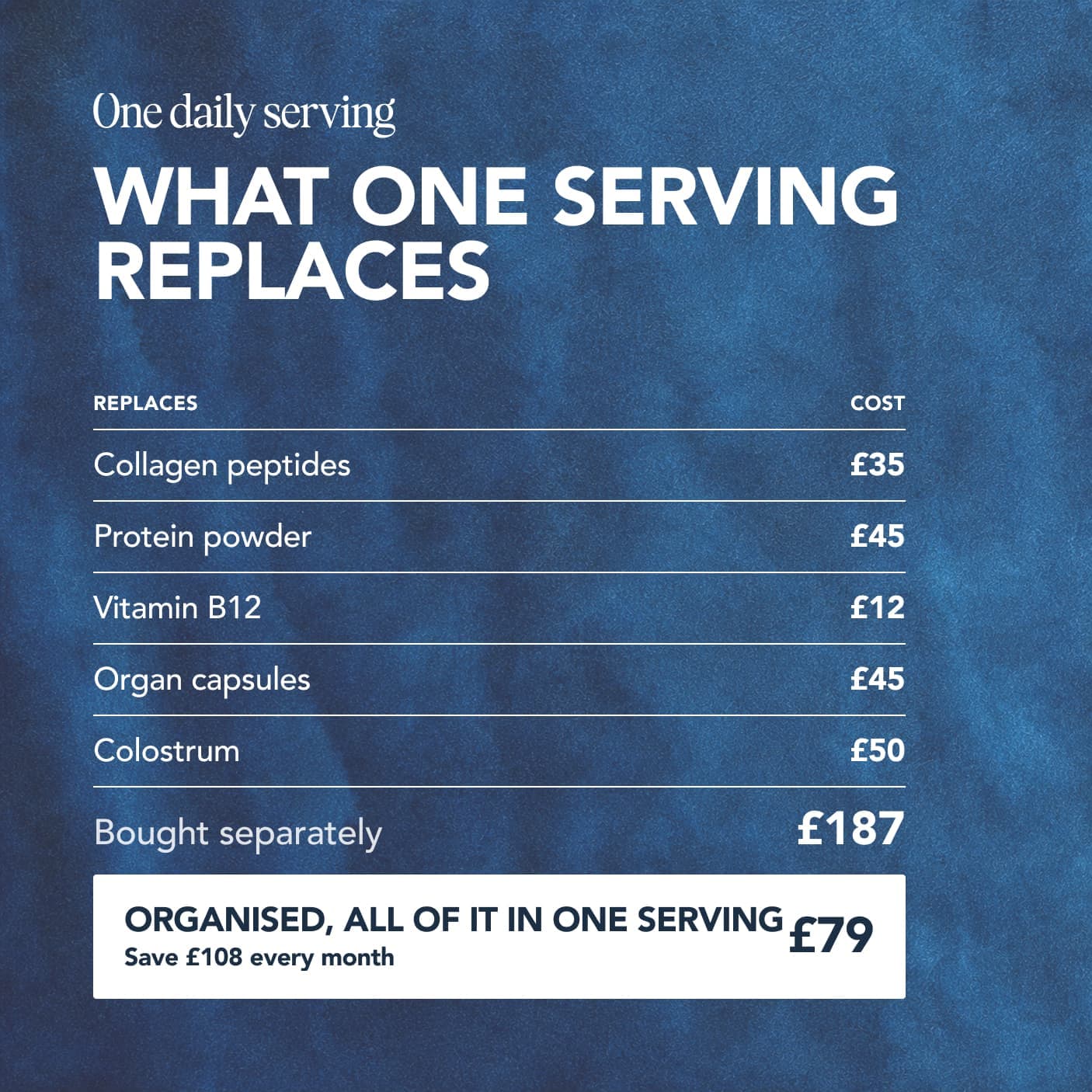
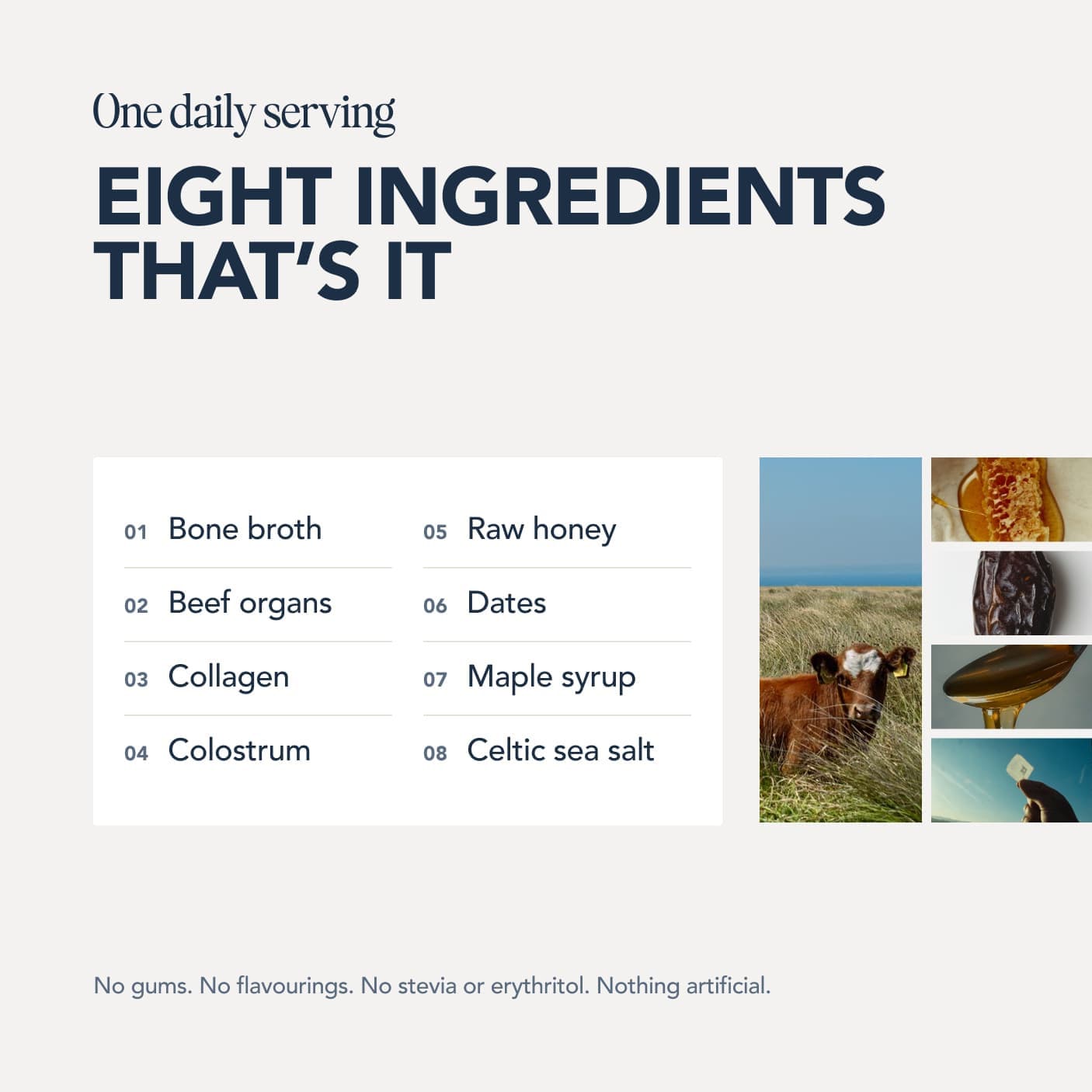
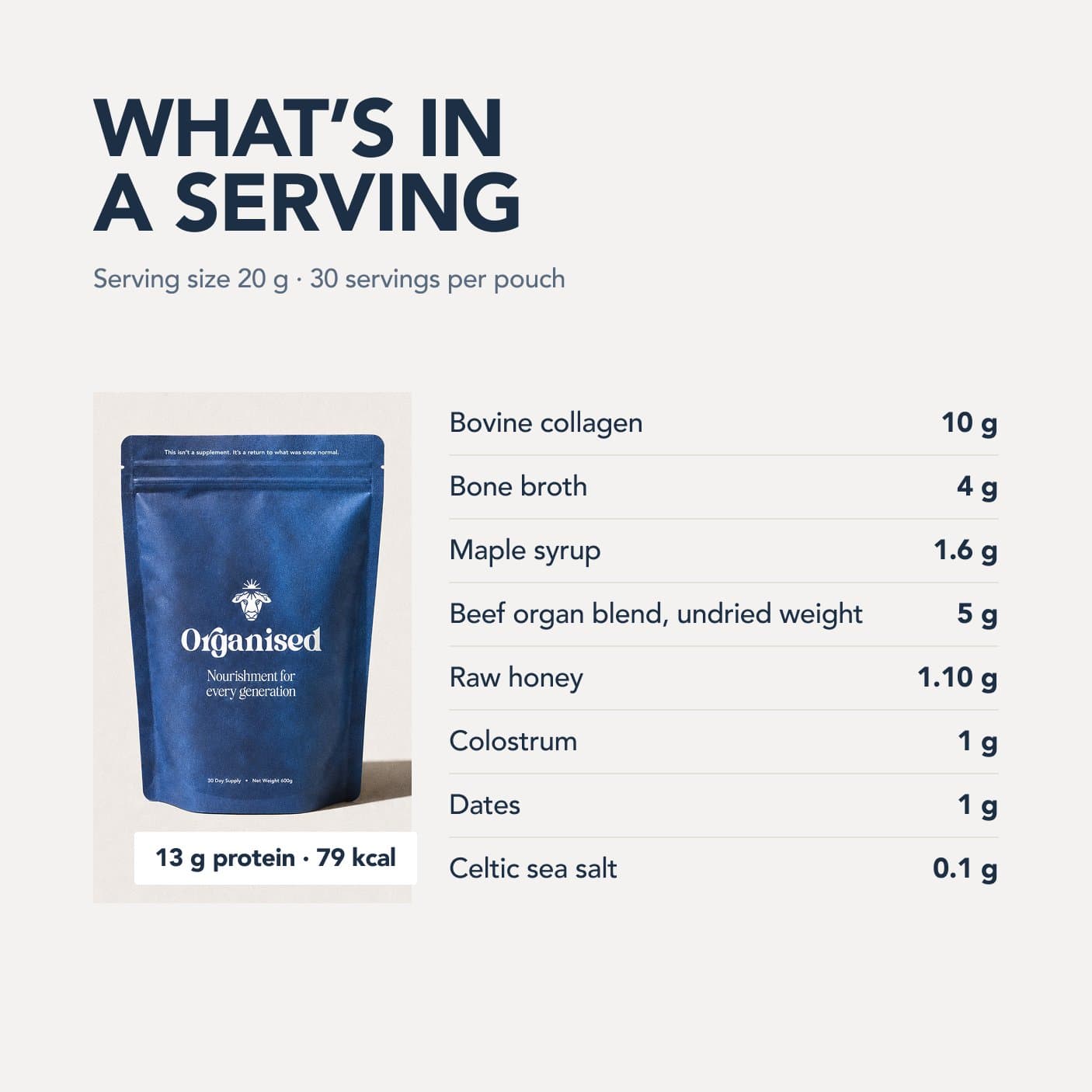
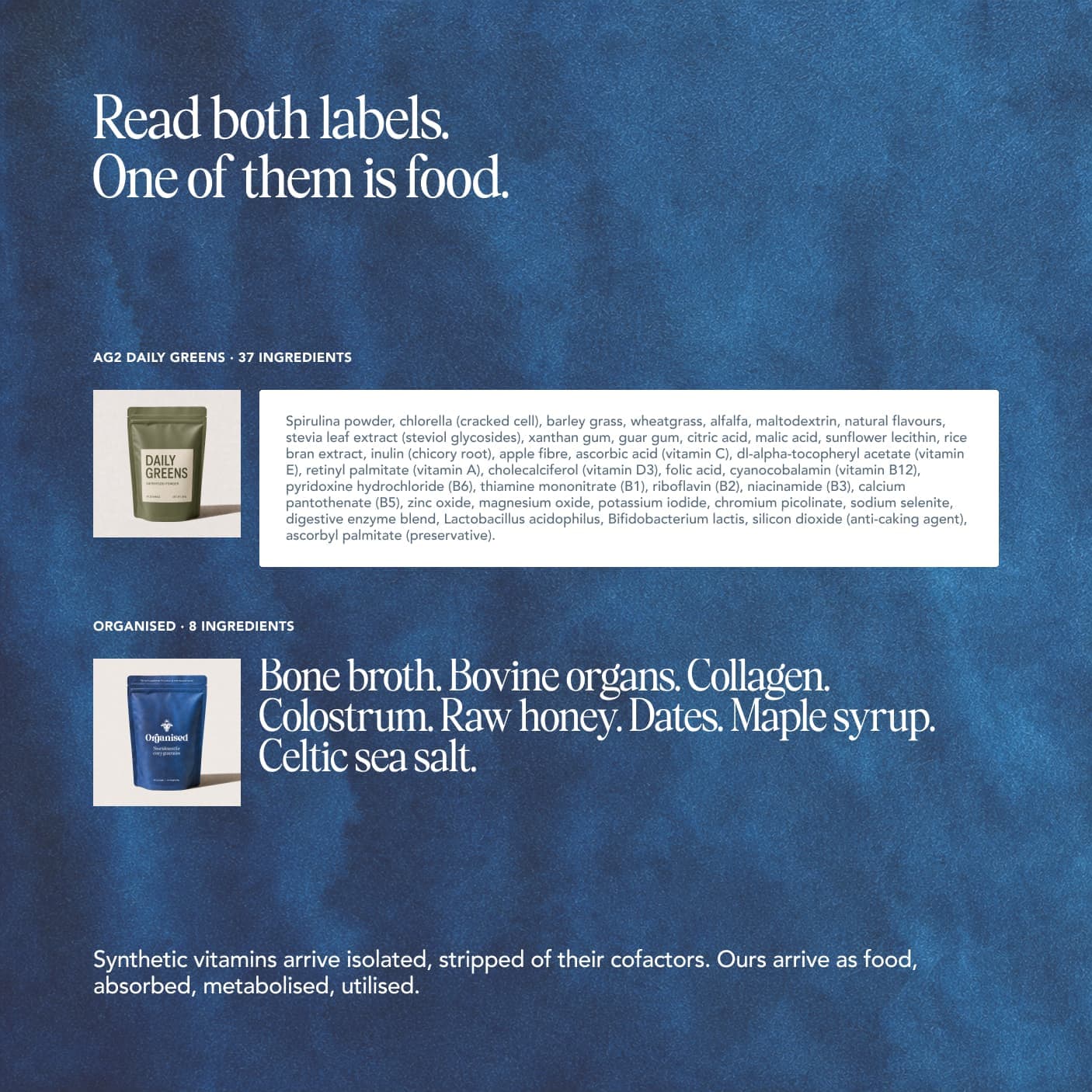
Eight real ingredients built around grass-fed beef organs, collagen and colostrum. Nothing synthetic added.
Free with your first order, worth £38. Plus £10 off the pouch with a subscription.

Free UK shipping · Made in England · 100 day money back guarantee on your first pouch · Skip, pause or cancel anytime
Practical dosing for athletes
Most studies showing benefits of colostrum for athletes use 20 to 30 grams daily, taken in divided doses (10 grams twice daily or three times daily). This is roughly equivalent to 2 to 3 servings of quality bovine colostrum supplement.
Timing matters somewhat. Taking colostrum immediately after training (within 30 to 60 minutes) maximises its effect on recovery. The growth factors and immunoglobulins reach your system during the critical window when your body is most receptive to recovery support.
Quality matters substantially. Colostrum from grass-fed cattle that are properly timed (collected in the first 6 to 12 hours post-delivery) is more potent than colostrum from conventionally raised cattle or collected later in the lactation cycle. Look for colostrum that is immunoglobulin-tested and ideally comes from herds tested for disease status.
Duration matters. Most studies finding benefits use colostrum supplementation for 4 to 12 weeks during heavy training blocks. This is particularly valuable during periodised training, specifically during high-volume or high-intensity phases when immune suppression is most pronounced.
Colostrum is not necessary year-round, particularly if training volume is moderate. But during competitive seasons, heavy training blocks, or when travelling (when exposure to new pathogens is high), colostrum supplementation (20 to 30 grams daily) provides meaningful support to immune function, recovery, and training consistency.
References
Every source below was checked on 27 August 2026. Each PubMed, PMC and DOI identifier was resolved against NCBI or Crossref, and what it opens is printed under the citation, so you can see the link goes where the citation says without leaving the page. Where a citation and its identifier disagreed, the citation was corrected to the record or the reference was deleted along with the sentence marker that pointed at it, and where the resolved paper turned out not to support the sentence, the sentence was cut back to what it does support. Borrowed authority is worse than none, because it looks like rigour.
- Nieman DC. Risk of upper respiratory tract infection in athletes: an epidemiologic and immunologic perspective. J Athl Train. 1997;32(4):344-9. PMID: 16558471.Checked 27 August 2026: PMID 16558471 opens Nieman DC, Risk of upper respiratory tract infection in athletes: an epidemiologic and immunologic perspective. J Athl Train 1997;32(4):344-9.
- Playford RJ, Weiser MJ. Bovine colostrum: its constituents and uses. Nutrients. 2021;13(1):265.Checked 27 August 2026: PMC7831509 opens Playford RJ, Weiser MJ, Bovine Colostrum: Its Constituents and Uses. Nutrients 2021;13(1). PubMed indexes it as: Review.The authors' own declaration, from the record: PanTheryx Inc supply BC to U.S., European, and Asia-Pacific markets. This does not affect our adherence to the Nutrients policies regarding sharing data and materials.
- Shing CM, Peake J, Suzuki K, et al. Effects of bovine colostrum supplementation on immune variables in highly trained cyclists. J Appl Physiol. 2007;102(3):1113-22.Checked 27 August 2026: doi:10.1152/japplphysiol.00553.2006 opens Shing CM, Peake J, Suzuki K et al, Effects of bovine colostrum supplementation on immune variables in highly trained cyclists Journal of Applied Physiology 2007;102(3):1113-1122.
- Jones AW et al. Bovine colostrum supplementation and upper respiratory symptoms during exercise training: a systematic review and meta-analysis of randomised controlled trials. BMC Sports Sci Med Rehabil. 2016;8:21.Checked 27 August 2026: PMC4960812 opens Jones AW, March DS, Curtis F et al, Bovine colostrum supplementation and upper respiratory symptoms during exercise training: a systematic review and meta-analysis of randomised controlled trials. BMC Sports Sci Med Rehabil 2016;8:21.
- Halasa M et al. A systematic review of the influence of bovine colostrum supplementation on leaky gut syndrome in athletes. Nutrients. 2022;14(12):2512.
- Davison G. The use of bovine colostrum in sport and exercise. Nutrients. 2021;13(6):1789.
Who wrote and reviewed this guide
Niall Kiddle
Author · Founder, Organised
Niall is the founder of Organised. He started the company in 2024 after fixing his own health the slow way: in 2022 he swapped a cupboard of synthetic supplements for real food, raw milk, organ meats, bone broth and honey, and felt the difference within months.
Areas of expertise: Ancestral nutrition, Organ meats, Whole-food supplementation, Gut health, Regenerative sourcing
Read Niall's full profile
Pedro Rodrigues
Reviewer · Agronomist (farming and sourcing only)
Pedro is the agronomist Organised works with on farming and sourcing. His job on the guides is to keep the science honest: he reviews what we publish about soil health, regenerative agriculture, grazing and the way food is actually produced.
Areas of expertise: Regenerative agriculture, Agronomy, Soil health, Grass-fed farming, Food sourcing
Reviewed this guide on
Read Pedro's full profileMore on colostrum
View all- Bovine Colostrum: The Complete Guide to Nature's First Food
- Colostrum and the Immune System: What the Science Actually Shows
- Colostrum for Gut Health: How Immunoglobulins Repair the Gut Lining
- Colostrum vs Probiotics: Do You Need Both?
- Growth Factors in Colostrum: What Are IGF-1 and IGF-2?
- Is Colostrum Safe for Lactose-Intolerant People?
- What Is Lactoferrin and Why Is It in Colostrum?
Browse the guides library
All guidesKeep reading
Ingredients
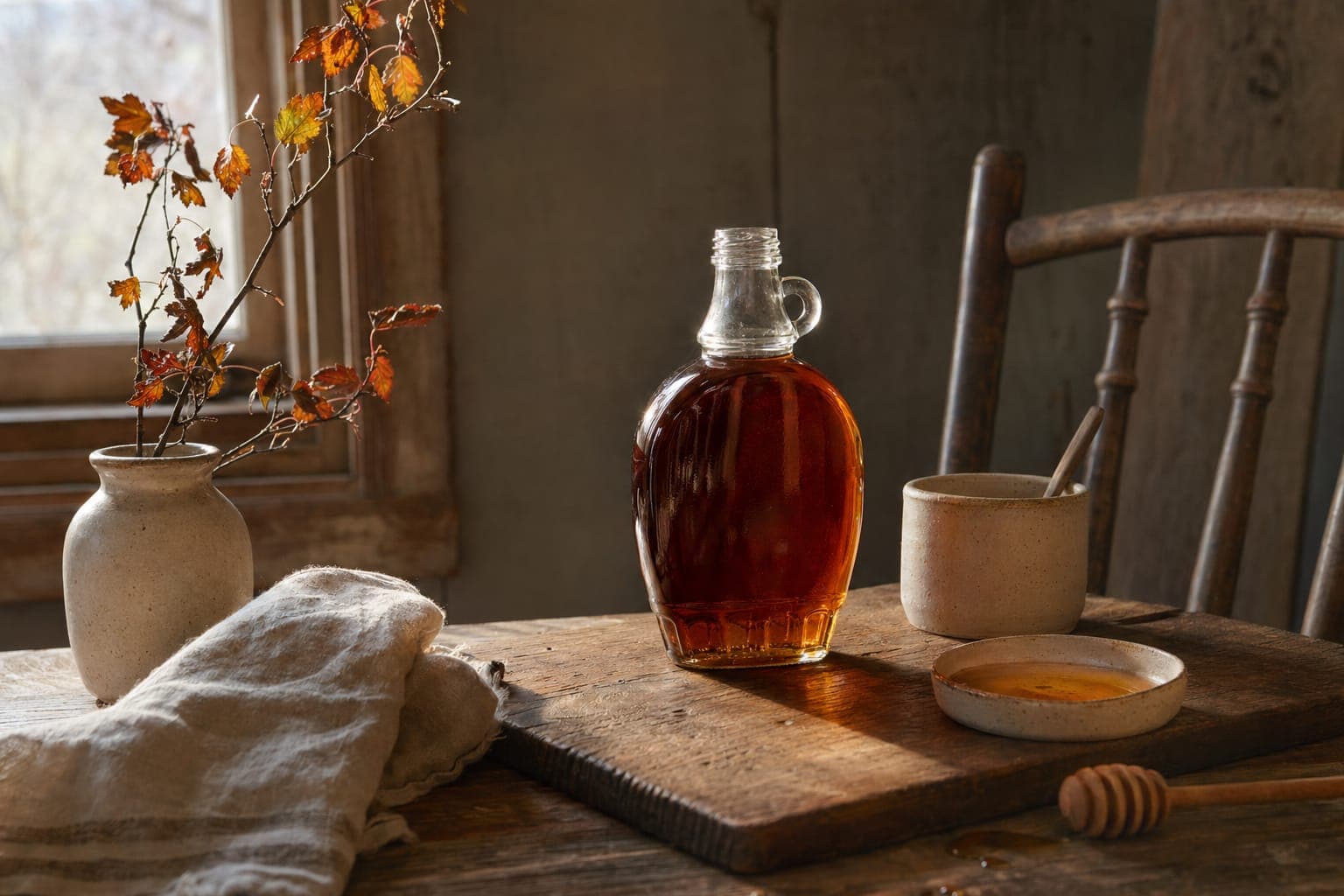
The Antioxidant Content of Pure Maple Syrup
Pure maple syrup is more than sugar. Research links its 24-plus maple syrup antioxidants, including polyphenols, to lower inflammation. See the detail.
Ingredients
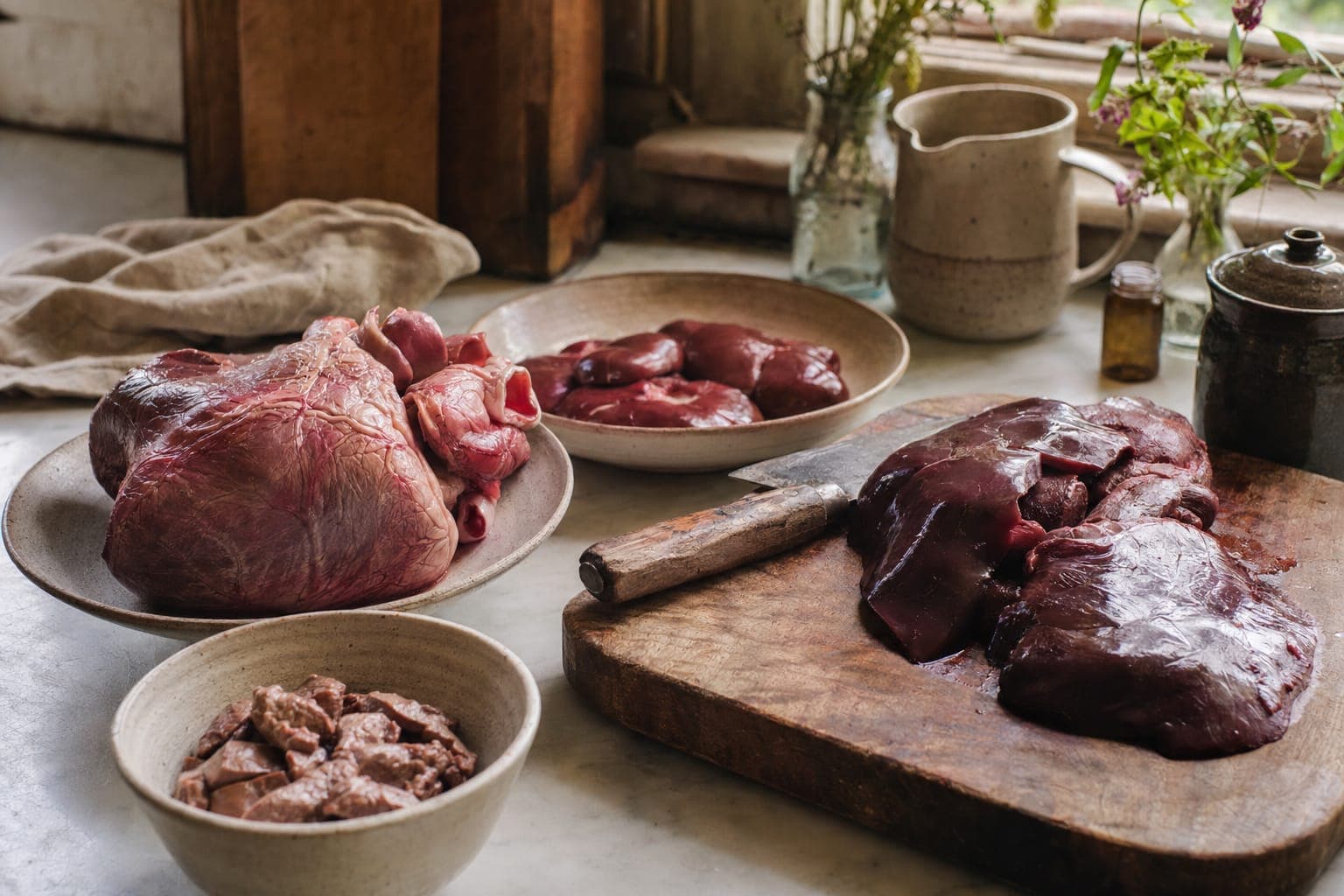
Are Beef Organs Safe? Everything You Need to Know
Wondering if beef organs are safe to eat? See what modern lab testing shows about heavy metals and toxins in liver, so you can choose sources with confidence.
Ingredients
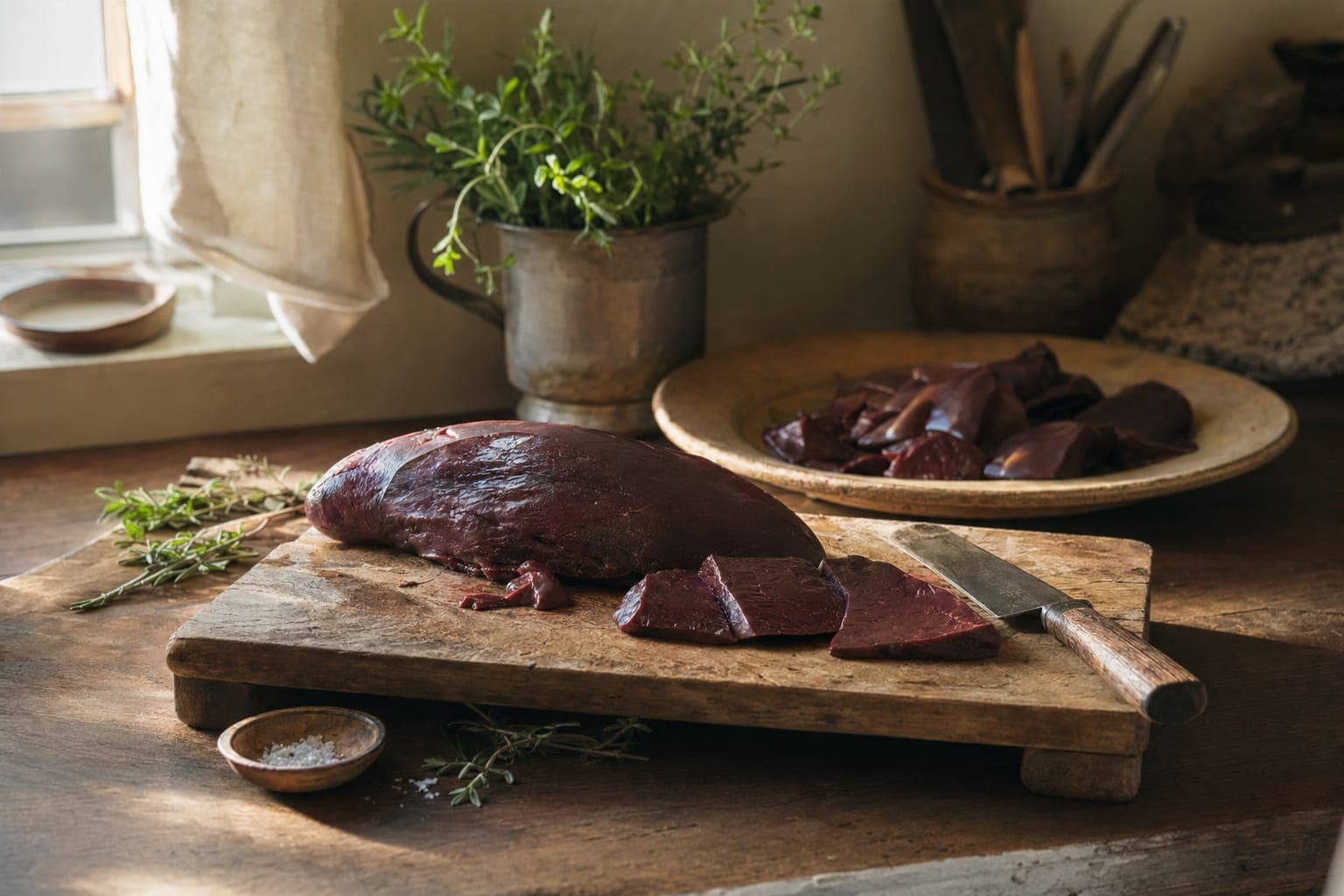
Spleen: The Forgotten Organ That Powers Your Immune System
Explore beef spleen benefits for immune health, from tuftsin and immune peptides to highly absorbable iron, in one of the most overlooked organ meats.
Real food, made effortless
Try the organ blendA few ways to use it
All recipes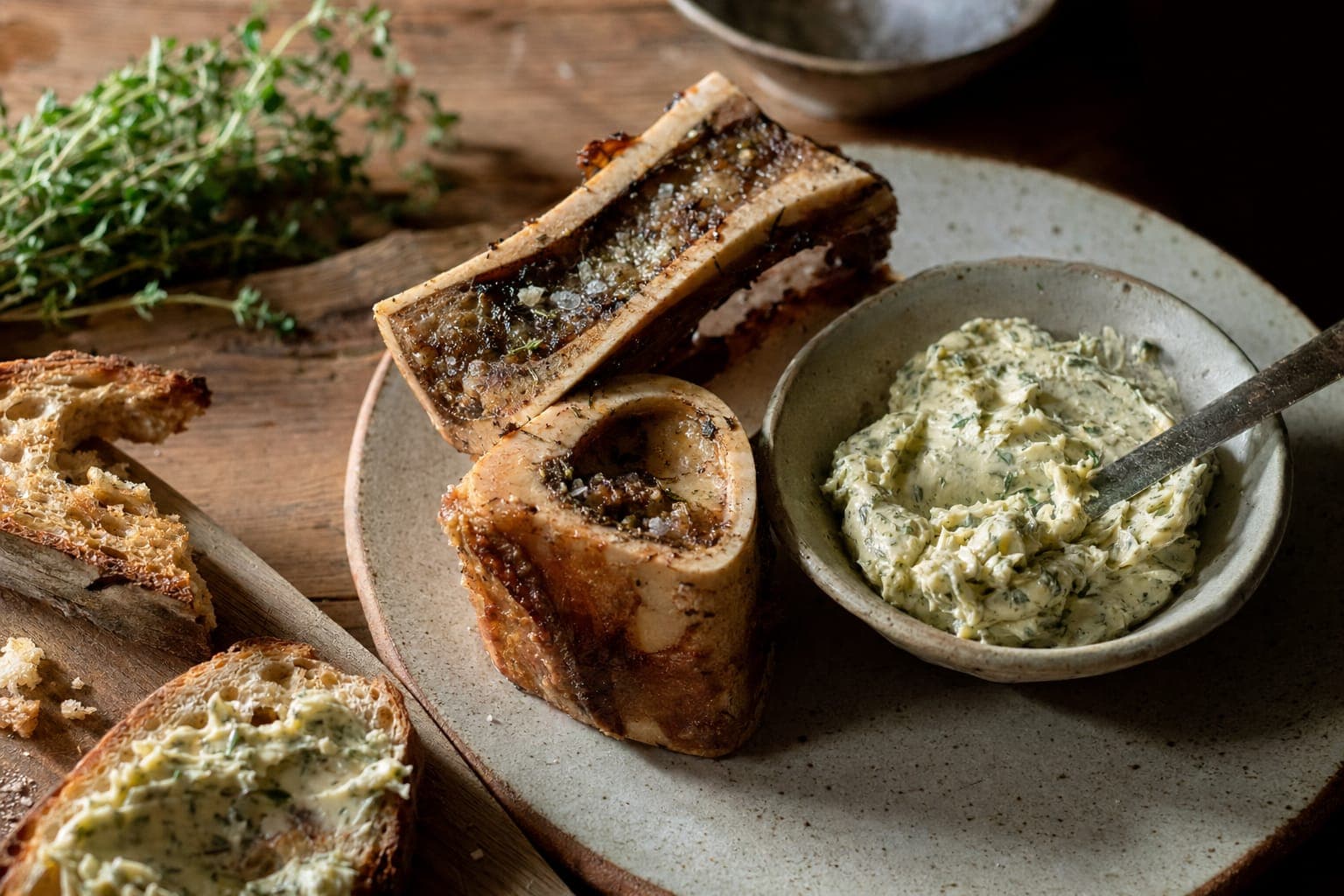
How to Make Bone Marrow Butter
Roast grass-fed marrow bones, scoop the marrow, and mix with butter and herbs. A nutrient-dense spread with fat-soluble vitamins.

Raw Milk Hot Chocolate with Collagen
A nourishing evening hot chocolate made with raw milk, grass-fed collagen, raw cacao, and honey. A nighttime ritual that supports sleep and gut health.

5-Minute High-Protein Breakfasts Using Organised
Quick, high-protein breakfast ideas using Organised. Five recipes you can make in minutes with real food. No fussing around.


 Join over 100,000+ members
Build a better food system with us
The Organised community is thousands of people choosing real food and backing the farmers who grow it, all of us trying to leave the world a little better than we found it. If that is what you care about too, you belong here.