Spleen: The Forgotten Organ That Powers Your Immune System
Spleen is the immune system's command centre. It's where immune cells train and coordinate. It's where iron reserves are stored. And beef spleen is so overlooked that you've probably never heard of it.

By Niall Kiddle, Founder, Organised

Reviewed by Pedro Rodrigues, Agronomist (farming and sourcing only) ·
6 min read · Published · Updated · 5 cited sources
Makers of the Organised Daily blend, a grass-fed beef organ supplement from regenerative UK farms
What the spleen actually does
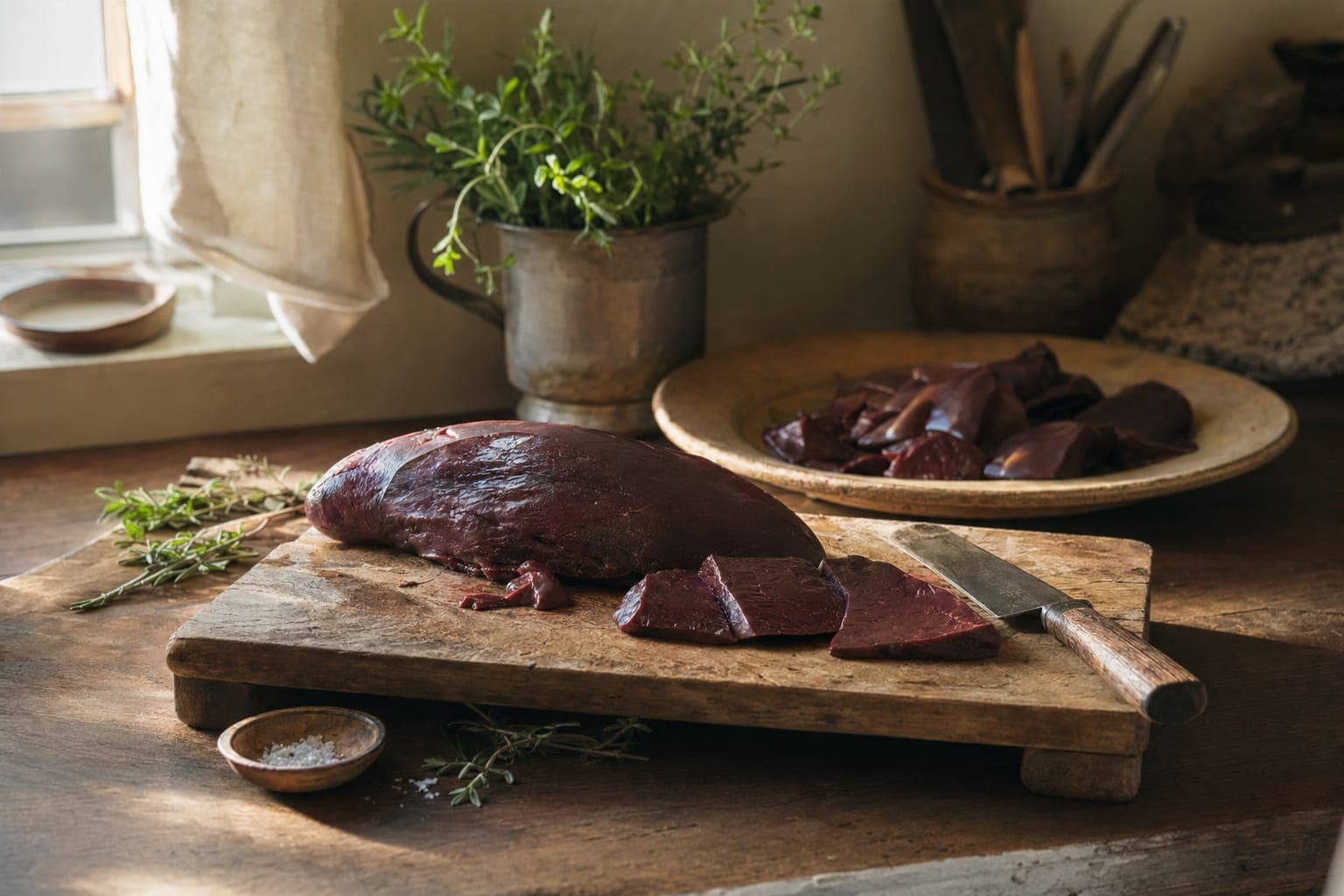
Your spleen is a lymphoid organ, which means it produces and stores immune cells. It's where B cells and T cells mature. It's where your body mounts responses to pathogens.3 It's where old red blood cells are recycled and their iron is salvaged.2
When you're fighting an infection, your spleen enlarges. This is normal; it means your immune system is mobilising. When your spleen is healthy and robust, your immune response is robust. When your spleen is depleted, your immunity weakens.
Beef spleen is the organ that did all of that work for an animal. It's packed with the exact compounds your spleen needs to function optimally.
Tuftsin: the immune peptide
Tuftsin is a small peptide (a chain of four amino acids) found almost exclusively in the spleen. Its sole function is to activate macrophages (immune cells that engulf and destroy pathogens).1
It's so specific in its function that scientists have named it after the location it came from (Tufts University). It's one of the few examples where a nutrient has a single, highly specific immune function.
When you consume beef spleen, you're getting tuftsin, which directly activates your immune system's first line of defence. This is why spleen is so valuable for immune support: it's not a general immune tonic; it's a specific immune activator.
Tuftsin is one of the few nutrients with a single, highly specific immune function. Your macrophages need it to work optimally.
Iron and immune function
The spleen is an iron storage and recycling organ. A 100-gram serving of beef spleen contains roughly 30 milligrams of iron, which is roughly 150-300% of daily requirements (depending on sex and age).4
Iron is essential for immune function at every level. Immune cells need iron to produce energy. Hemoglobin needs iron to carry oxygen. Enzymes involved in immune response need iron as a cofactor.
If you're iron deficient, your immune system doesn't work properly. You're more prone to infections, your immune response is sluggish, and your recovery from illness is slow. By consuming spleen (which is iron-rich and comes packaged with the nutrients that support iron absorption), you're supporting immunity directly.5
Who benefits from spleen
People with recurrent infections. If you catch every cold going around or your infections are chronic, your immune system is compromised. Spleen can help restore immune robustness.
Athletes in heavy training. Intense training compromises immunity temporarily. Spleen's tuftsin and iron can support immune recovery during training blocks.
People with low iron status. If you're anaemic or borderline anaemic, spleen is one of the most bioavailable sources of iron available.
People over 40. Immune function declines with age, partly through immune cell exhaustion. Spleen's immune peptides help restore immune resilience.
Women with heavy periods. If menstrual bleeding is heavy, you're losing iron and need to replace it. Spleen is an efficient way to do that.
The iron bioavailability angle
Not all iron is created equal. Haem iron (the iron form found in animal foods) is absorbed much more efficiently than non-haem iron (the form found in plant foods). Your gut absorbs roughly 15-35% of haem iron you consume, versus 2-8% of non-haem iron.5
Beef spleen is extraordinarily dense in haem iron. A 100-gram serving provides roughly 30 milligrams of highly bioavailable iron. Your body absorbs maybe 4.5-10 milligrams of that, which is still roughly 25-50% of daily requirements from a single serving.
Iron is essential for immune function at every level. Immune cells (particularly neutrophils and macrophages) need iron for energy production. Haemoglobin needs iron to carry oxygen to immune tissues. Enzymes involved in pathogen killing need iron as a cofactor.
If you're iron deficient, your immune system doesn't work properly. You're more prone to infections, your immune response is sluggish, and your recovery from illness is slow. Beef spleen provides iron in the most bioavailable form, alongside the cofactors (copper, B6, folate) that support iron metabolism.
Immune system training vs activation
Spleen's role is unique: it's not just producing immune cells; it's educating them. T cells mature in the thymus, but they're trained and selected in the spleen. B cells produce antibodies, but the most effective antibodies are produced by specialised B cells in the spleen (germinal centres).3
When you get an infection, your spleen enlarges within hours. This swelling reflects the mobilisation of immune cells: lymphocytes are proliferating, macrophages are activating, antibody production is ramping up. Your spleen is literally the command centre of your immune response.
Beef spleen, being the immune command centre organ from an animal, is packed with the molecules involved in this training and coordination process. Tuftsin is just the most famous; there are dozens of other immune peptides and immune-relevant compounds in spleen tissue.
Get ingredient guides like this, free
Two short reads a week on the ingredients that matter and how to actually use them.
By signing up you agree to receive emails from us. No spam, unsubscribe anytime.
The practical angle
Spleen is available as freeze-dried powder or in pâté form. The powder is more flexible (mix into warm liquid, add to smoothies, blend into broths). The pâté is more palatable for people sensitive to taste. Freeze-dried spleen powder is particularly useful because you can dose precisely and easily incorporate it into existing food routines.
Dosing: 50-100 grams once per week is sufficient for general immune support. For people with active infection, chronic immune dysregulation, or recurrent illness, 100 grams twice per week is reasonable. For athletic immune support during heavy training, 100-150 grams once per week is appropriate.
Spleen is content nobody is talking about, which means first-mover advantage. You'll likely see immune improvements before most people even know spleen exists as a food.
Tuftsin and immune peptides: what they do
Spleen's power lies in compounds most people have never heard of. Understanding them explains why spleen supplementation works so effectively.
Tuftsin is a tetrapeptide (four amino acids linked together) that your spleen produces naturally. It signals your immune cells (macrophages and neutrophils) to become more active and aggressive against pathogens.1 When your spleen is healthy and well-nourished, it produces abundant tuftsin. When your immune system is exhausted or compromised, tuftsin production drops.
Eating spleen (or supplementing spleen extract) gives you tuftsin directly. This is one of the few places in nutrition where you can literally consume the immune signalling molecule your body needs.
Tuftsin is why spleen works. It's the immune-system equivalent of giving your body the exact instructions it needs to fight harder.
Iron in spleen: a different form
Spleen contains iron, but not in the same form as liver. Instead, spleen is loaded with ferritin, iron storage protein.
This matters because ferritin acts as a controlled-release form of iron. Your body can extract iron from ferritin gradually, which reduces the risk of iron overload (which some people develop). For people with mild anaemia or iron needs, spleen is gentler than liver.
Spleen supplements are often used in traditional medicine systems (particularly Traditional Chinese Medicine) specifically for building blood and energy. Modern nutrition is only now catching up to why this works.
If you're anaemic and have tried iron supplements that made you feel worse (nausea, constipation), spleen might be the answer. The iron is more bioavailable and comes with supporting nutrients (copper, B vitamins) that prevent the side effects of isolated iron supplements.

1 of 9
Daily blend
100,000+ thriving families4.9 on Trustpilot
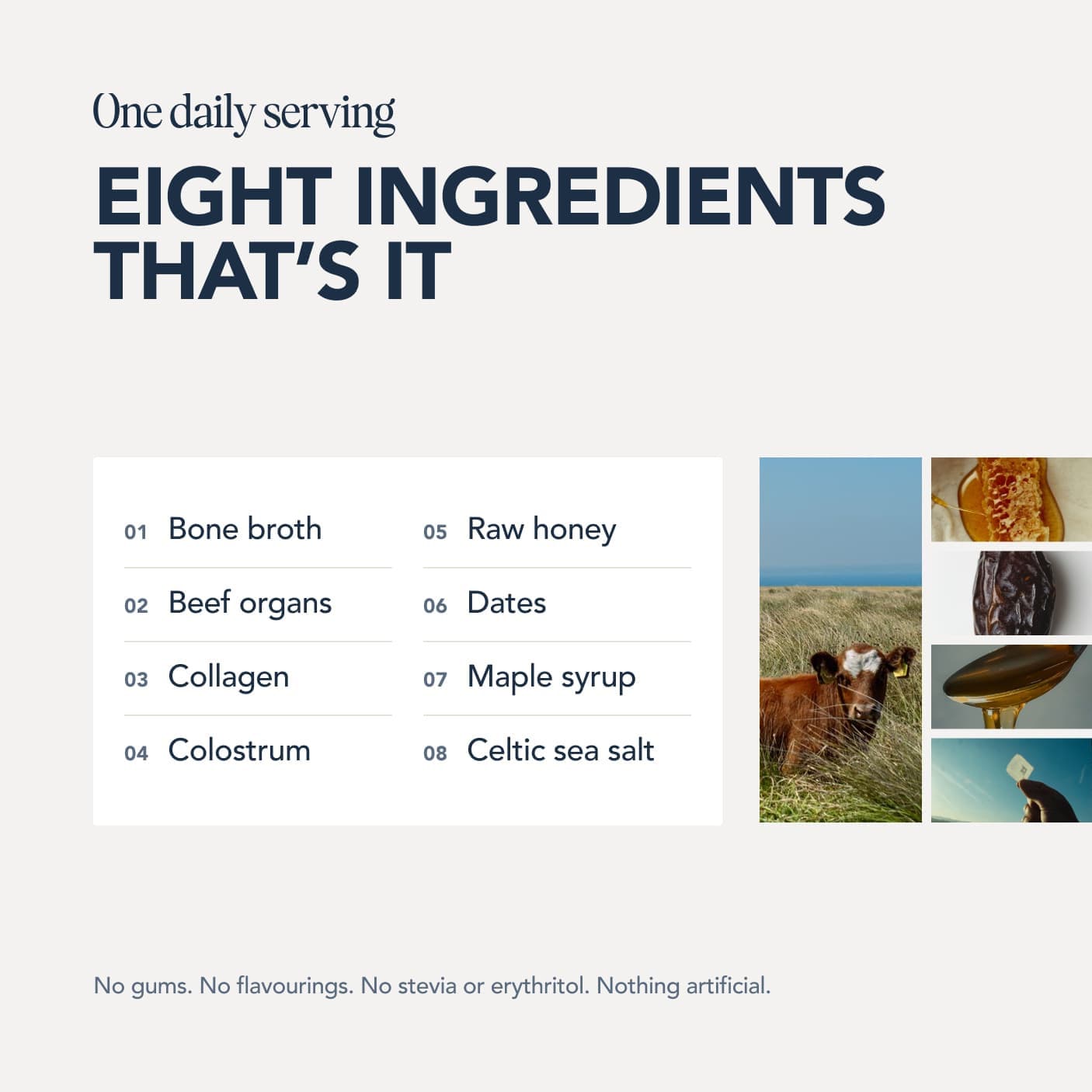
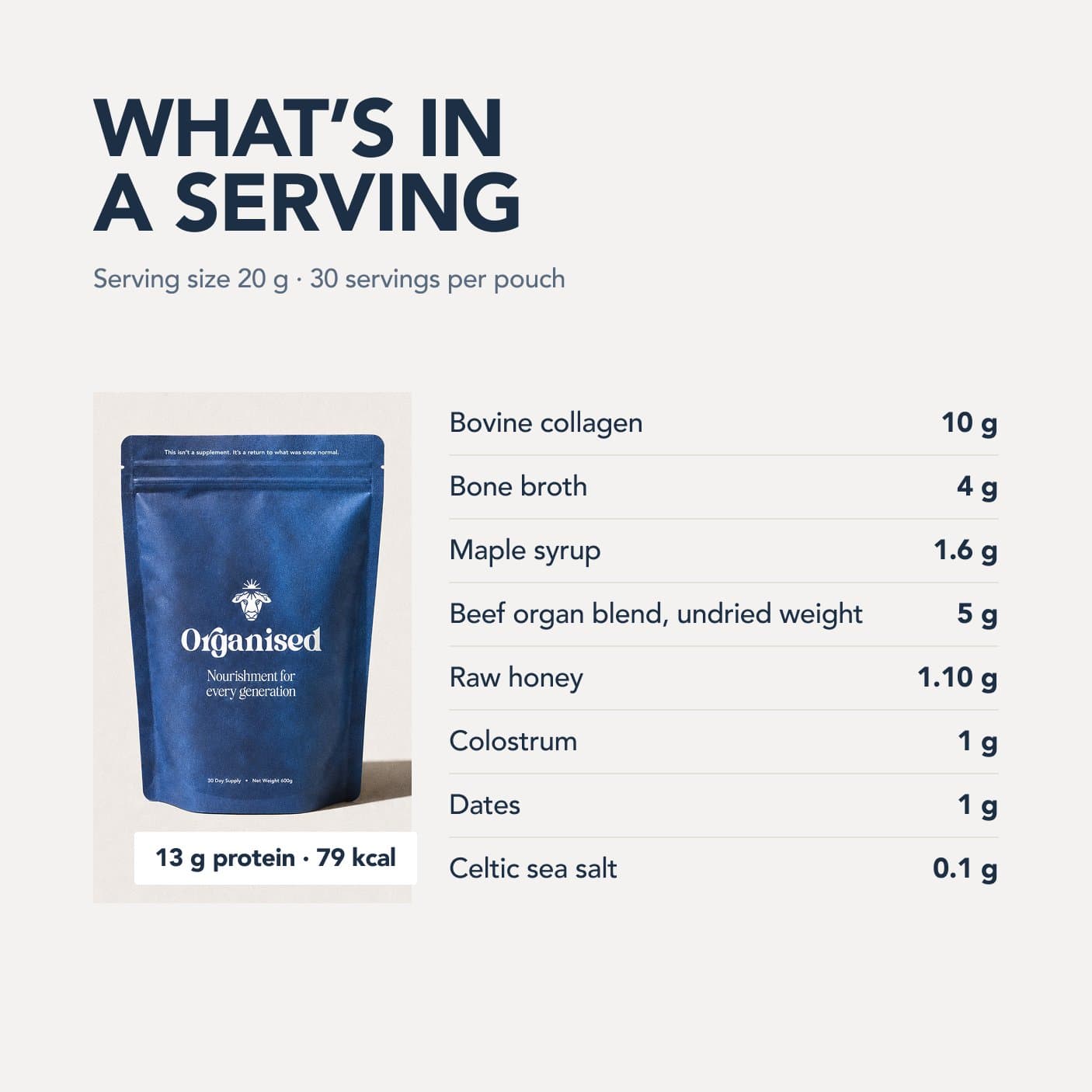
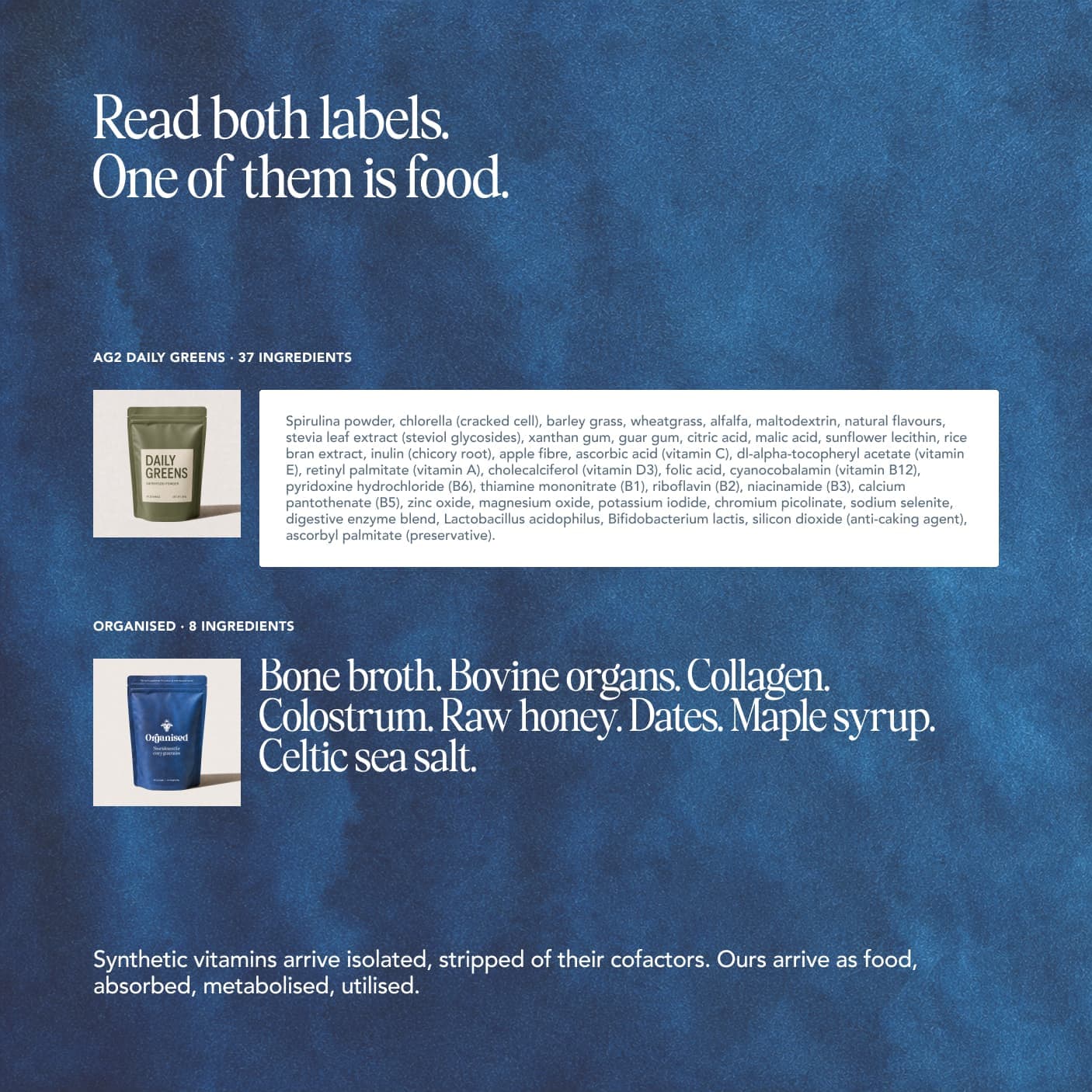
Eight real ingredients built around grass-fed beef organs, collagen and colostrum. Nothing synthetic added.
Free with your first order, worth £38. Plus £10 off the pouch with a subscription.
Free UK shipping · Made in England · 100 day money back guarantee on your first pouch · Skip, pause or cancel anytime
The bottom line
Beef spleen is one of the most underrated organs available. It's packed with tuftsin (an immune-specific peptide), iron (in the most bioavailable form), immune training peptides, and the cofactors your immune system needs for robust function. If your immunity is compromised, if you're recovering from illness slowly, or if you're an athlete dealing with training-induced immune suppression, spleen is worth trying.
Start with 50-100 grams once per week. Give it 4-8 weeks. If your infection rate drops, your recovery improves, and you notice yourself getting sick less frequently, you'll understand why spleen was a valued food in ancestral diets and why it deserves to be part of modern nutritional practice.
References
Every source below was checked on 27 August 2026. Each PubMed, PMC and DOI identifier was resolved against NCBI or Crossref, and what it opens is printed under the citation, so you can see the link goes where the citation says without leaving the page. Where a citation and its identifier disagreed, the citation was corrected to the record or the reference was deleted along with the sentence marker that pointed at it, and where the resolved paper turned out not to support the sentence, the sentence was cut back to what it does support. Borrowed authority is worse than none, because it looks like rigour.
- Najjar VA. Tuftsin: a natural activator of phagocyte cells: an overview. Ann N Y Acad Sci. PubMed PMID: 6370072.Checked 27 August 2026: PMID 6370072 opens Najjar VA, Tuftsin, a natural activator of phagocyte cells: an overview. Ann N Y Acad Sci 1983;419:1-11. PubMed indexes it as: Review.
- Slusarczyk P, Mleczko-Sanecka K. The Multiple Facets of Iron Recycling. PMC8469827.Checked 27 August 2026: PMC8469827 opens Slusarczyk P, Mleczko-Sanecka K, The Multiple Facets of Iron Recycling. Genes (Basel) 2021;12(9). PubMed indexes it as: Review.The authors' own declaration, from the record: The authors declare no conflict of interest.
- Lewis SM, Williams A, Eisenbarth SC. Structure-function of the immune system in the spleen. Sci Immunol. PMC6495537.Checked 27 August 2026: PMC6495537 opens Lewis SM, Williams A, Eisenbarth SC, Structure and function of the immune system in the spleen. Sci Immunol 2019;4(33). PubMed indexes it as: Review.
- U.S. Department of Agriculture, FoodData Central. Beef, variety meats and by-products, spleen, raw. USDA FoodData Central.
- National Institutes of Health Office of Dietary Supplements. Iron - Health Professional Fact Sheet. NIH ODS Iron.
Corrections
What this page used to say, and why it no longer says it. Corrections are dated and are never removed, because deleting the record of an error is a second error. Every guide we have corrected is listed at our corrections log.
- 27 August 2026. Reference 2 credited the iron recycling review to Klei et al. It is by Slusarczyk and Mleczko-Sanecka, in Genes 2021. Corrected.
- 27 August 2026. Reference 1 credited the tuftsin overview to Najjar and Konopinska. PubMed records one author on it, Najjar. The second name was removed.
Who wrote and reviewed this guide
Niall Kiddle
Author · Founder, Organised
Niall is the founder of Organised. He started the company in 2024 after fixing his own health the slow way: in 2022 he swapped a cupboard of synthetic supplements for real food, raw milk, organ meats, bone broth and honey, and felt the difference within months.
Areas of expertise: Ancestral nutrition, Organ meats, Whole-food supplementation, Gut health, Regenerative sourcing
Read Niall's full profile
Pedro Rodrigues
Reviewer · Agronomist (farming and sourcing only)
Pedro is the agronomist Organised works with on farming and sourcing. His job on the guides is to keep the science honest: he reviews what we publish about soil health, regenerative agriculture, grazing and the way food is actually produced.
Areas of expertise: Regenerative agriculture, Agronomy, Soil health, Grass-fed farming, Food sourcing
Reviewed this guide on
Read Pedro's full profileMore on beef organs
View all- The Complete Guide to Beef Organ Supplements
- Are Beef Organs Safe? Everything You Need to Know
- Beef Heart: The Organ Your Mitochondria Have Been Waiting For
- Beef Lung: What It Contains and Why It Matters
- Benefits of Beef Organ Supplements: Nature's Multivitamins
- Choline: The Essential Nutrient Almost Nobody Gets Enough Of
- Freeze-Dried vs Fresh Organs: Does the Method Matter?
- How Much Vitamin A Is in Beef Liver? (And Is It Too Much?)
- Is Beef Liver Good for You? 7 Benefits of Eating Beef Liver
- The Nutrients You Can Only Get from Organ Meats
- What Does Beef Liver Actually Do for Your Body?
- Why Beef Kidney Deserves a Place in Your Daily Routine
Browse the guides library
All guidesKeep reading
Ingredients
The Complete Guide to Beef Organ Supplements
Beef organ supplements explained from the composition data: what each organ carries, how they compare to muscle meat, and the vitamin A ceiling that limits the dose.

Ingredients
Benefits of Beef Organ Supplements: Nature's Multivitamins
Nose‑to‑tail isn’t a trend; it’s a blueprint. Beef organ supplements simply make that blueprint easier to live, just the dense nutrition of organs in a
Ingredients
The Antimicrobial Power of Raw Honey
Learn how the antimicrobial properties of raw honey, like hydrogen peroxide and MGO, set it apart from processed honey, and why it is a real whole food.
Real food, made effortless
Try the organ blendA few ways to use it
All recipes
Bone Broth from Scratch: A Step-by-Step Guide
Step-by-step guide to making bone broth at home. Stovetop, slow cooker, and Instant Pot methods. Rich in collagen and gut-healing minerals.
10 Ways to Use Organised That Aren't Just a Shake
Move beyond the basic shake. Discover 10 creative ways to use Organised in smoothie bowls, oats, yoghurt, baking, and more.
Ancestral Breakfast Ideas from Around the World
Traditional breakfast recipes from cultures that got nutrition right. Japanese, Turkish, Scottish, and more. Whole-food breakfast inspiration.


 Join over 100,000+ members
Build a better food system with us
The Organised community is thousands of people choosing real food and backing the farmers who grow it, all of us trying to leave the world a little better than we found it. If that is what you care about too, you belong here.