Honey and Gut Health: Prebiotic Properties You Might Not Know About
Most of what sits in supermarket shelves under the name 'honey' isn't honey at all. Real honey, raw and minimally processed, is one of the most potent prebiotic foods you can eat, quietly feeding the bacteria your gut needs most.

By Niall Kiddle, Founder, Organised

Reviewed by Pedro Rodrigues, Agronomist (farming and sourcing only) ·
5 min read · Published · Updated · 3 cited sources
Makers of the Organised Daily blend, a grass-fed beef organ supplement from regenerative UK farms
Honey isn't what you think it is
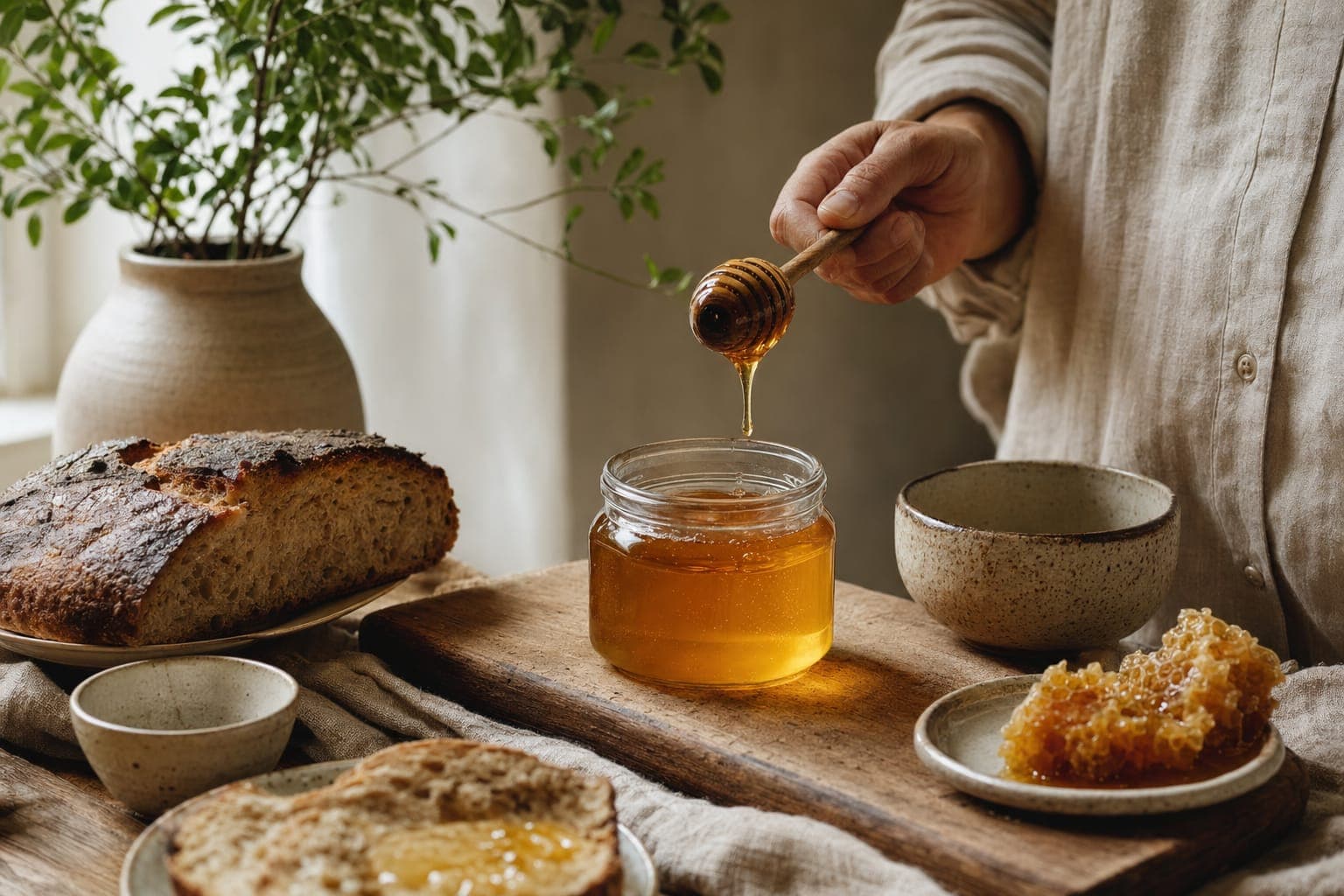
When you buy a bottle of honey from a supermarket, what you're often getting is honey that has been heated, filtered, and sometimes cut with cheap syrups. The processing strips away much of what makes honey valuable, starting with the very compounds your gut bacteria need to thrive.
Raw honey, on the other hand, is honey that has been minimally processed. It hasn't been heated above a certain temperature, the pollen and enzymes remain intact, and the delicate oligosaccharides that feed your good bacteria are still present. Temperature matters enormously. Heating honey above 40 degrees Celsius begins to destroy the enzyme structure and the prebiotic compounds that make it more than just sugar.
This is why the difference between a bottle from the supermarket and a jar from a local beekeeper isn't trivial. You're not just paying for quality. You're paying for the compounds that will actually change your gut bacteria composition.
Oligosaccharides: the prebiotic power inside
Raw honey contains oligosaccharides, a class of short-chain carbohydrates that your own digestive system cannot fully break down. This sounds like a limitation. It's actually the entire point.
When oligosaccharides reach your colon intact, your beneficial bacteria ferment them. This fermentation produces short-chain fatty acids, particularly butyrate, which nourishes the cells lining your intestinal wall and helps maintain the barrier that keeps pathogens out and nutrients in.1
Raw honey feeds the bacteria you actually want to be dominant in your gut. Supermarket honey feeds your blood sugar. There's a world of difference.
Oligosaccharides are selective. They preferentially feed certain strains of beneficial bacteria while starving the pathogens that thrive on refined carbohydrates. This selectivity is what makes honey different from just eating sugar. You're essentially creating an environment where the bacteria you want are fed whilst the ones you don't want are left without their preferred fuel.
How honey feeds bifidobacteria
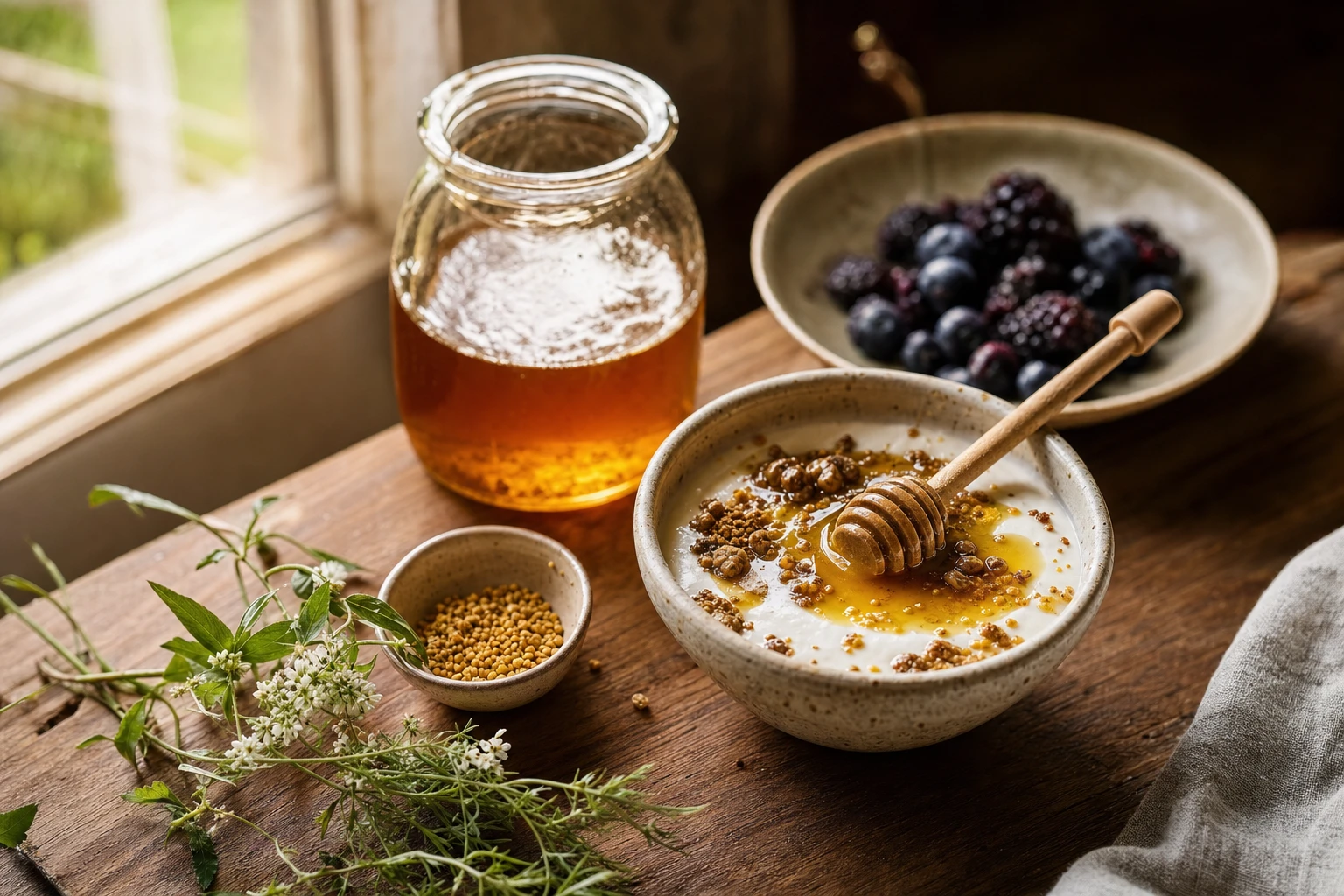
Bifidobacteria are among the most important bacteria in your gut. They support immune function, produce metabolites that lower inflammation, and help maintain the integrity of your intestinal barrier. Young children and people eating traditional diets tend to have robust populations of bifidobacteria. Modern Western diets tend to starve them.
Honey oligosaccharides have demonstrated prebiotic activity in vitro, increasing populations of bifidobacteria and lactobacilli during faecal fermentation experiments.21
This is why honey appears in traditional medicine across cultures. It wasn't a coincidence. Ancestral populations recognised that honey supported recovery, reduced infection risk, and improved digestion. The mechanism was always prebiotic feeding of beneficial bacteria. We've just now got the words and the research to explain it.
Propolis: the immune-boosting bonus
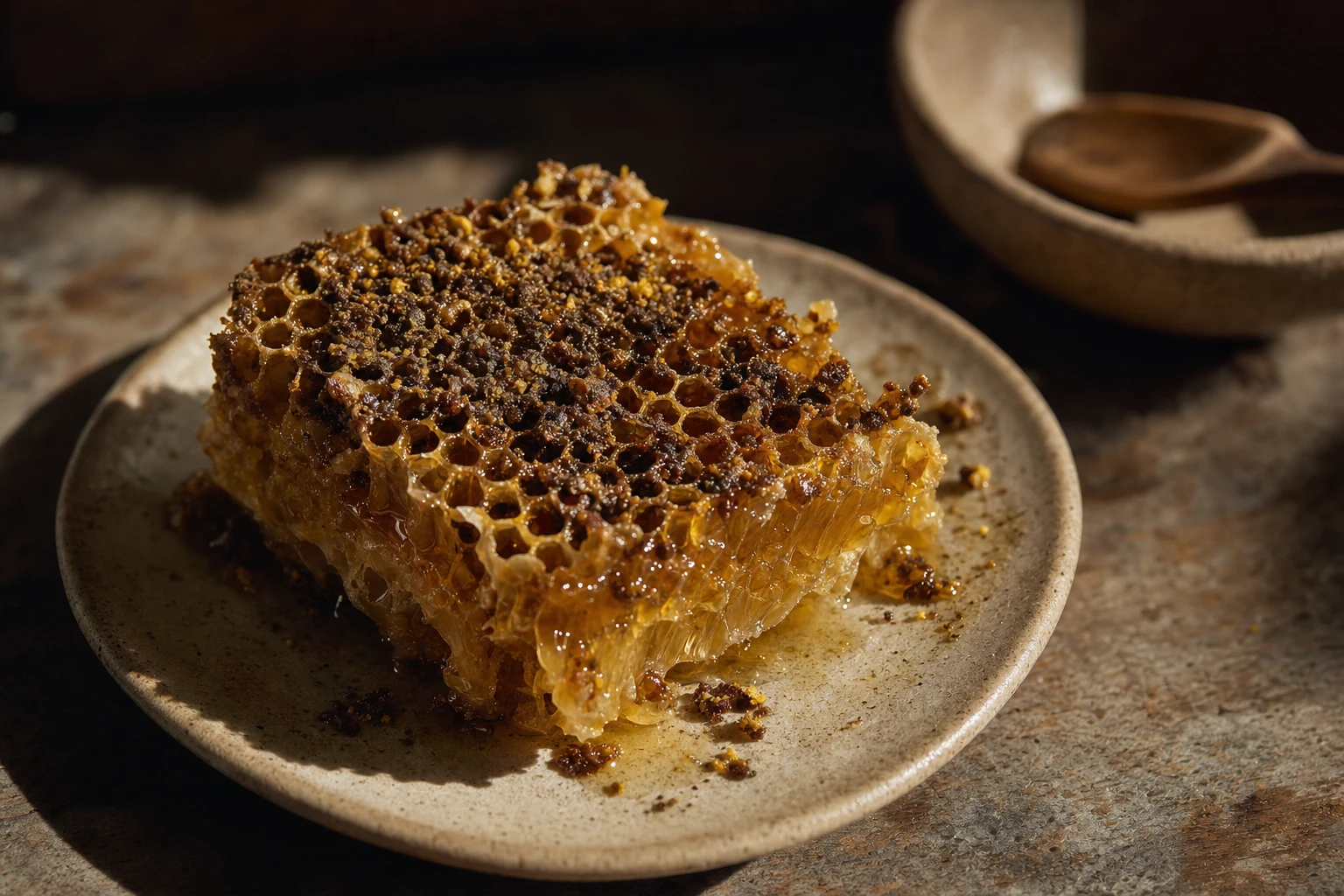
Propolis is the resinous compound that honeybees use to seal and sterilise their hive. It's present in raw honey (though absent in pasteurised versions) and it brings its own immune-supporting properties to the table.
Propolis contains flavonoids and phenolic compounds that support immune cell function, reduce inflammatory signalling, and have antimicrobial properties.3
In raw honey, propolis works synergistically with the oligosaccharides. Whilst the oligosaccharides feed your beneficial bacteria, propolis helps maintain the conditions where those bacteria can thrive without being overwhelmed by pathogens. You're getting a complete system, not a single isolated compound.
Get ingredient guides like this, free
Two short reads a week on the ingredients that matter and how to actually use them.
By signing up you agree to receive emails from us. No spam, unsubscribe anytime.
Royal jelly and gut barrier function
Royal jelly is the secretion that honeybees feed to their larvae. It's extraordinarily nutrient-dense and, like propolis, present only in raw honey, not in commercially processed versions. Royal jelly contains proteins, B vitamins, and compounds called fatty acids that support the growth and repair of the cells lining your intestinal wall.
The gut barrier is a physical and chemical wall that prevents harmful pathogens and undigested food particles from crossing into your bloodstream. When this barrier is compromised, leaky gut develops, leading to chronic inflammation, autoimmune reactions, and systemic symptoms. Royal jelly supports the tight junctions that hold this barrier intact.
Research on royal jelly has shown it can increase the production of tight junction proteins and support the growth of mucus-producing goblet cells, both critical for barrier integrity. Consumed regularly in the form of raw honey, it becomes one more tool for maintaining the gut lining that protects your entire health.
Not all honey is created equal
If you're buying honey from a supermarket, even if the label says 'raw', you're likely getting processed honey. Here's why this matters.
Commercial honey is often heated to 65 degrees Celsius or higher to prevent crystallisation and improve shelf life. At these temperatures, the enzymes denature, the heat-sensitive oligosaccharides begin to break down, and the propolis and royal jelly are significantly reduced. The result is a product that looks and tastes like honey but lacks most of the compounds that make raw honey valuable for your gut.
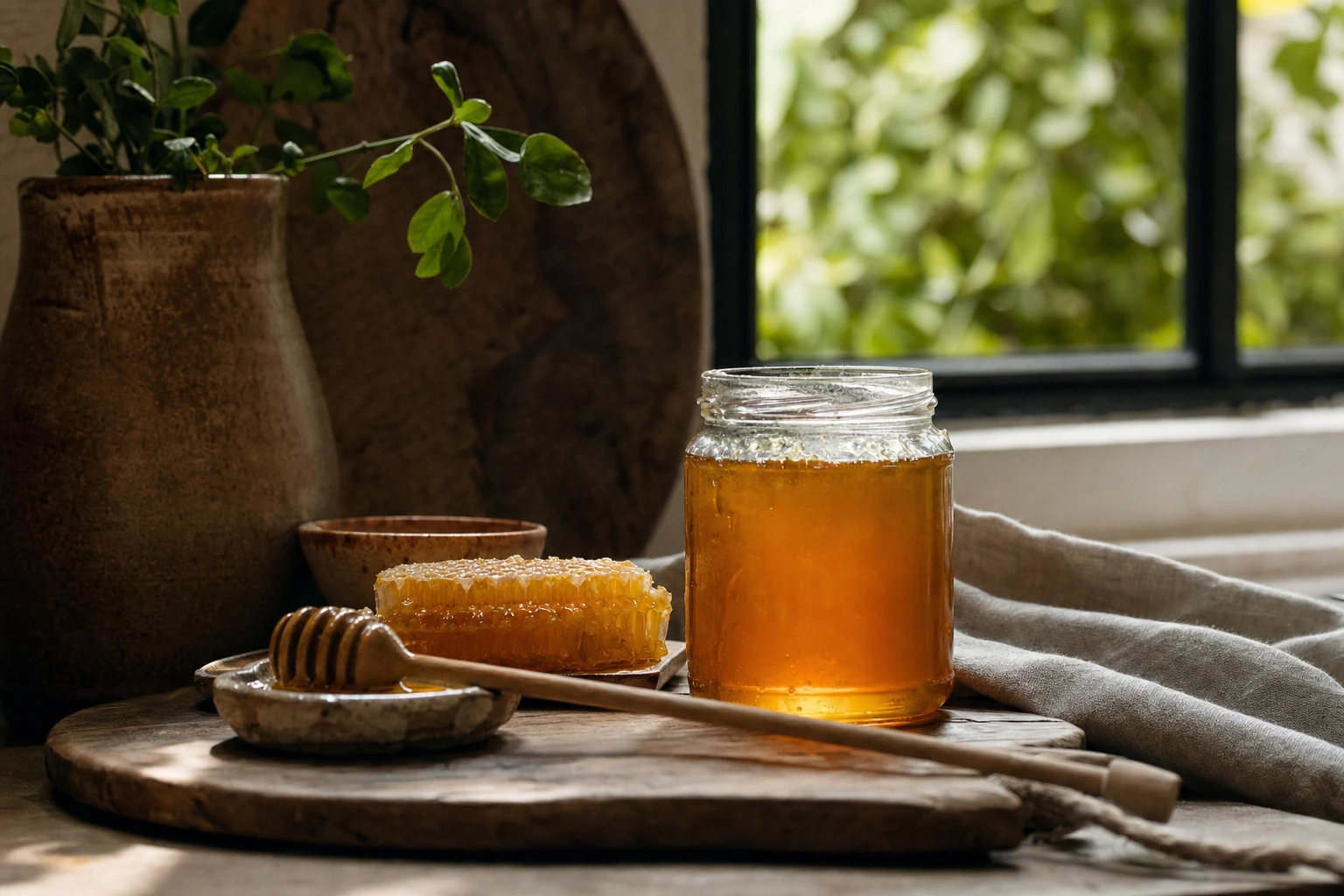
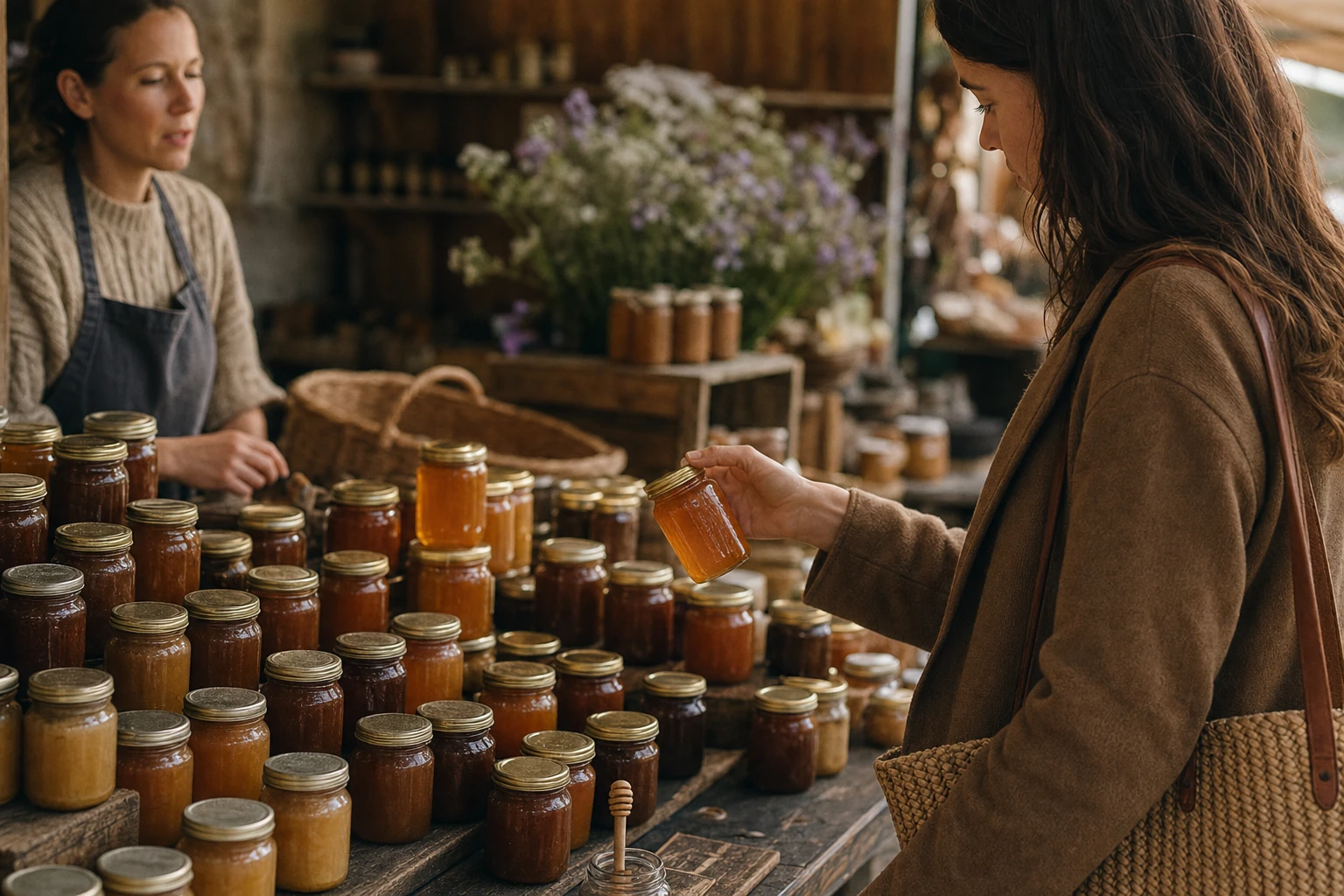
Real raw honey comes from a local beekeeper who hasn't heated it, hasn't filtered out the pollen, and hasn't been sitting in a warehouse for two years. It may crystallise. It may look murky. It may not have that perfectly clear amber glow. These are signs that it's actually raw.
You want raw honey that crystallises, that contains visible sediment, and that varies slightly from jar to jar based on the season and flowers the bees foraged from. That's how you know it's real.
Local farmers markets are your best source. Failing that, look for honey that explicitly states it has not been heated above 40 degrees Celsius and has not been ultra-filtered. The price will be higher than supermarket honey. This is because you're paying for an actual prebiotic food, not just a sweetener with a honey label.


1 of 9
Daily blend
100,000+ thriving families4.9 on Trustpilot
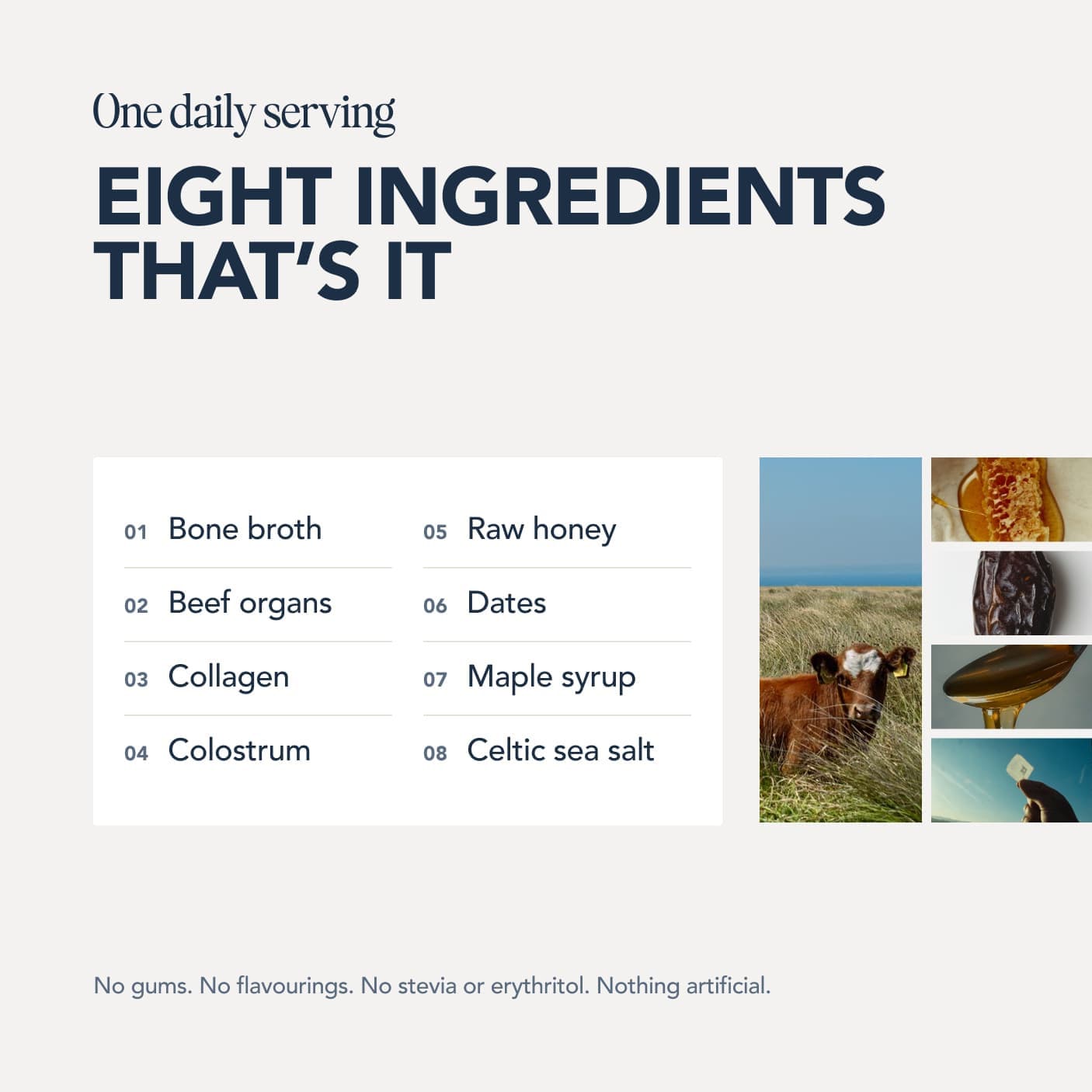
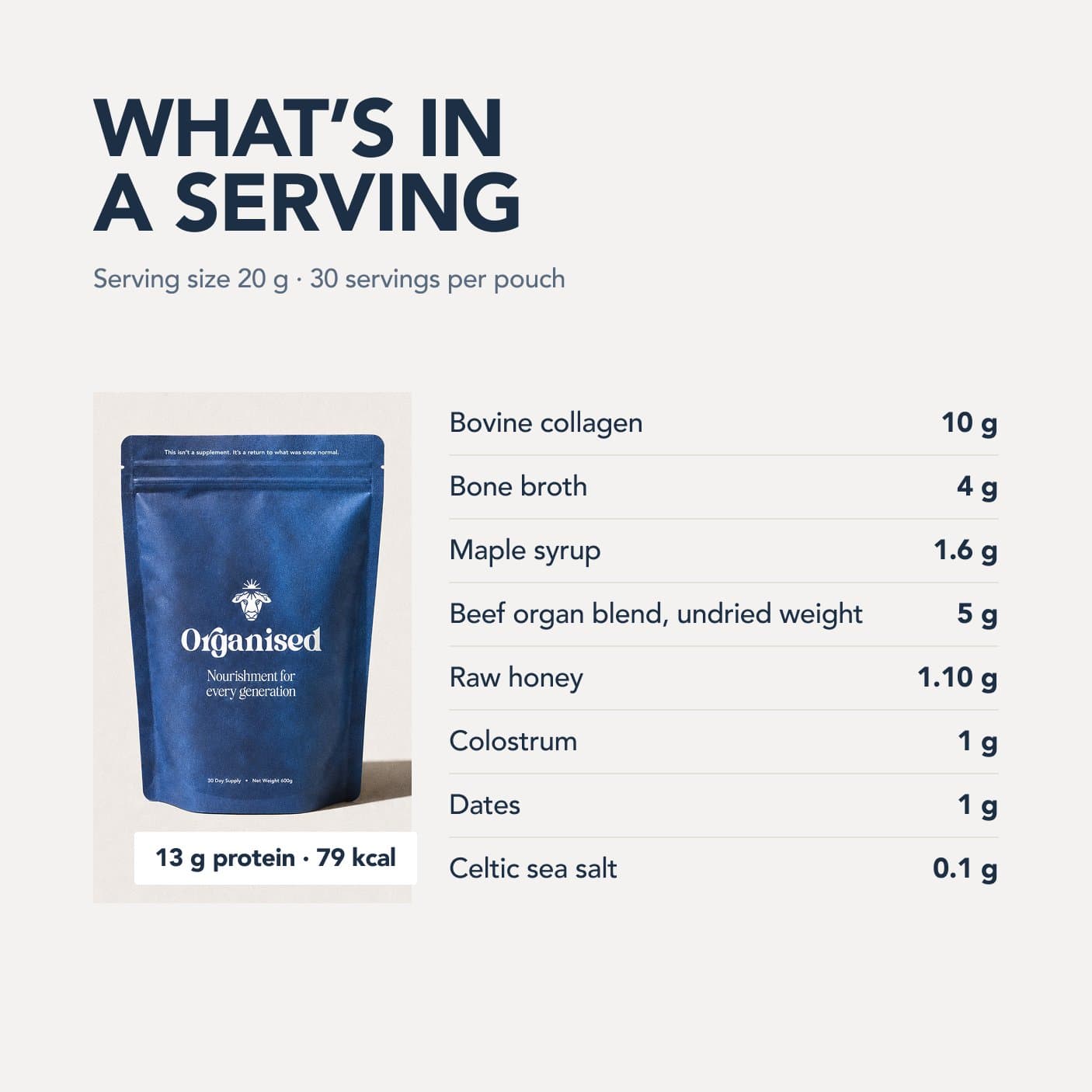
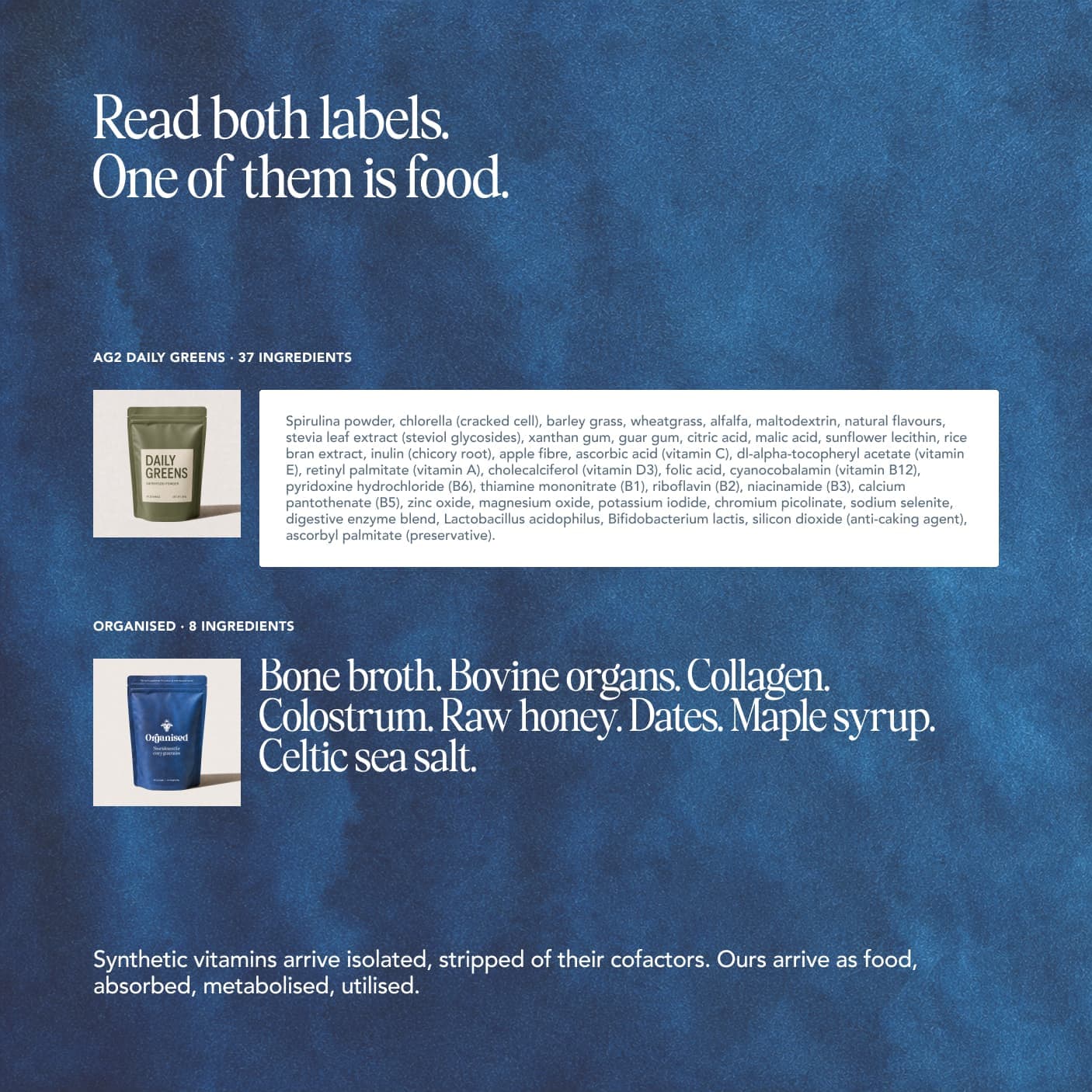
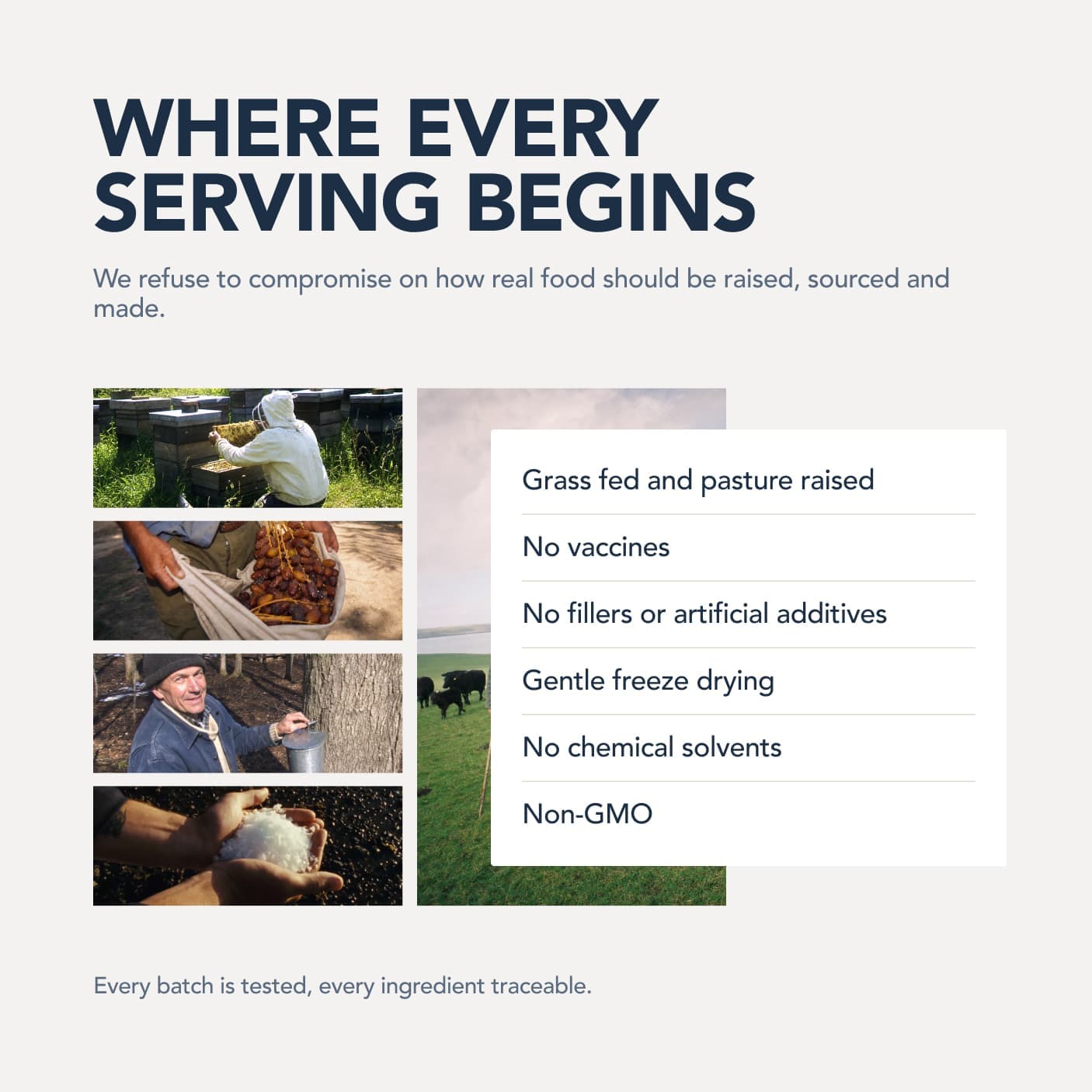
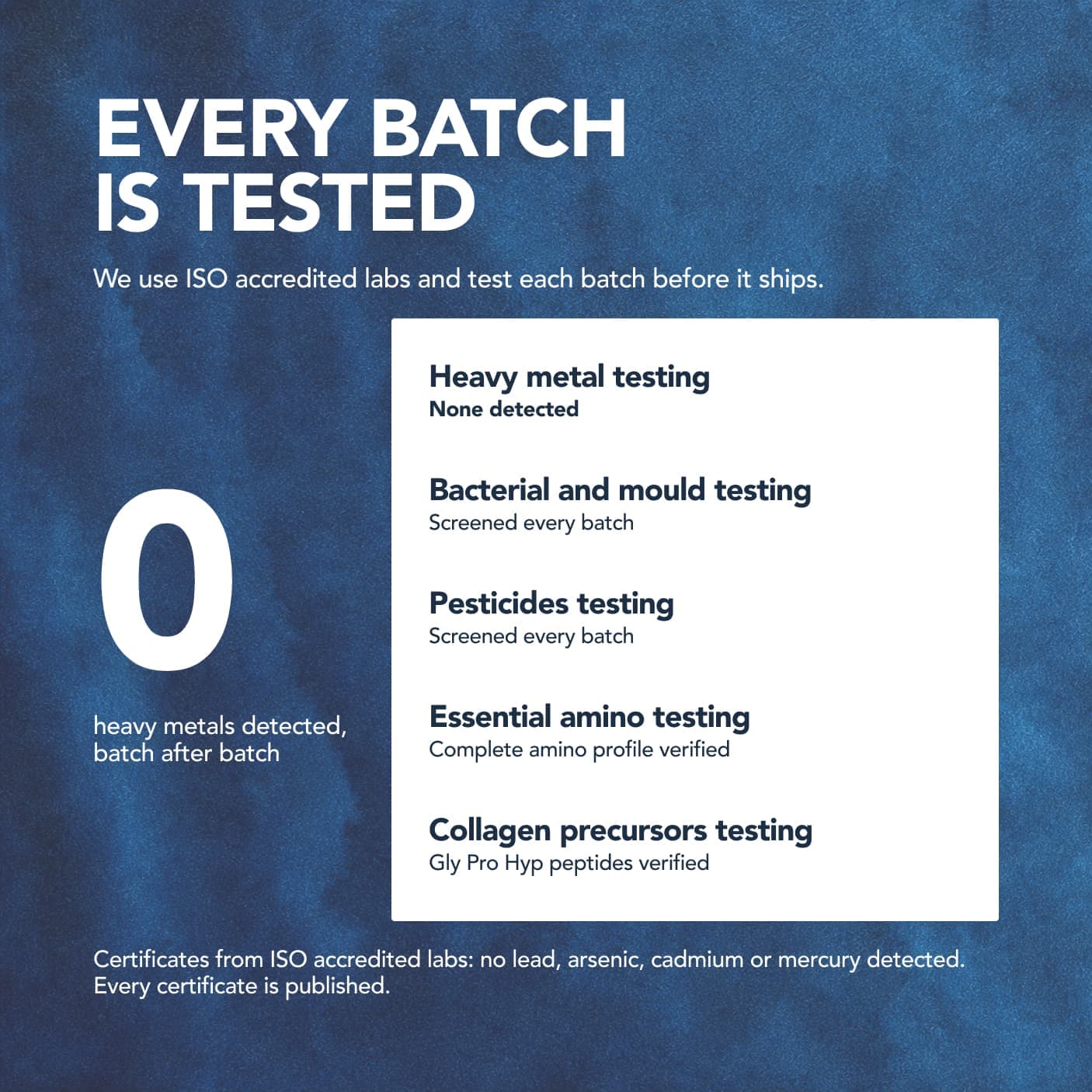
Eight real ingredients built around grass-fed beef organs, collagen and colostrum. Nothing synthetic added.
Free with your first order, worth £38. Plus £10 off the pouch with a subscription.

Free UK shipping · Made in England · 100 day money back guarantee on your first pouch · Skip, pause or cancel anytime
The bottom line
Honey is only as good as its processing. Raw honey from a trusted source feeds your beneficial bacteria, supports your immune system through propolis and royal jelly, and strengthens the barrier that protects your whole health. Supermarket honey is sugar, nothing more, and may even feed the bacteria you're trying to starve.
If you're going to eat honey, make it raw. Your gut bacteria will thank you.
References
Every source below was checked on 27 August 2026. Each PubMed, PMC and DOI identifier was resolved against NCBI or Crossref, and what it opens is printed under the citation, so you can see the link goes where the citation says without leaving the page. Where a citation and its identifier disagreed, the citation was corrected to the record or the reference was deleted along with the sentence marker that pointed at it, and where the resolved paper turned out not to support the sentence, the sentence was cut back to what it does support. Borrowed authority is worse than none, because it looks like rigour.
- Schell KR, et al. The Potential of Honey as a Prebiotic Food to Re-engineer the Gut Microbiome Toward a Healthy State. Frontiers in Nutrition. 2022. https://pmc.ncbi.nlm.nih.gov/articles/PMC9367972/Checked 27 August 2026: PMC9367972 opens Schell KR, Fernandes KE, Shanahan E et al, The Potential of Honey as a Prebiotic Food to Re-engineer the Gut Microbiome Toward a Healthy State. Front Nutr 2022;9:957932. PubMed indexes it as: Review.The authors' own declaration, from the record: The authors declare that the research was conducted in the absence of any commercial or financial relationships that could be construed as a potential conflict of interest.
- Sanz ML, Polemis N, Morales V, Corzo N, Drakoularakou A, Gibson GR, Rastall RA. In vitro investigation into the potential prebiotic activity of honey oligosaccharides. J Agric Food Chem. 2005. https://pubmed.ncbi.nlm.nih.gov/15826039/Checked 27 August 2026: PMID 15826039 opens Sanz ML, Polemis N, Morales V et al, In vitro investigation into the potential prebiotic activity of honey oligosaccharides. J Agric Food Chem 2005;53(8):2914-21. PubMed indexes it as: Comparative Study.
- Magnavacca A, et al. Antiviral and immunomodulatory activities of propolis. 2022. https://pmc.ncbi.nlm.nih.gov/articles/PMC9298305/Checked 27 August 2026: PMC9298305 opens Magnavacca A, Sangiovanni E, Racagni G et al, The antiviral and immunomodulatory activities of propolis: An update and future perspectives for respiratory diseases. Med Res Rev 2022;42(2):897-945. PubMed indexes it as: Review.
Who wrote and reviewed this guide
Niall Kiddle
Author · Founder, Organised
Niall is the founder of Organised. He started the company in 2024 after fixing his own health the slow way: in 2022 he swapped a cupboard of synthetic supplements for real food, raw milk, organ meats, bone broth and honey, and felt the difference within months.
Areas of expertise: Ancestral nutrition, Organ meats, Whole-food supplementation, Gut health, Regenerative sourcing
Read Niall's full profile
Pedro Rodrigues
Reviewer · Agronomist (farming and sourcing only)
Pedro is the agronomist Organised works with on farming and sourcing. His job on the guides is to keep the science honest: he reviews what we publish about soil health, regenerative agriculture, grazing and the way food is actually produced.
Areas of expertise: Regenerative agriculture, Agronomy, Soil health, Grass-fed farming, Food sourcing
Reviewed this guide on
Read Pedro's full profileMore on nutritional deep-dives
View all- B12 from Organs vs B12 Supplements: Bioavailability Matters
- Can Adults Benefit from Colostrum? (It's Not Just for Calves)
- CoQ10 from Beef Heart vs CoQ10 Supplements: Is There a Difference?
- How Organ Meats Were Eaten Throughout History
- Selenium in Beef Kidney: Why This Trace Mineral Is Essential
- Why Beef Protein Is Easier to Digest Than You Think
- Why We Stopped Being Afraid of Salt (And You Should Too)
Browse the guides library
All guidesKeep reading
Ingredients
Bovine Colostrum: The Complete Guide to Nature's First Food
Explore bovine colostrum benefits for gut and immune health. This complete guide covers immunoglobulins, sensible dosing, and safety for adults.
Ingredients
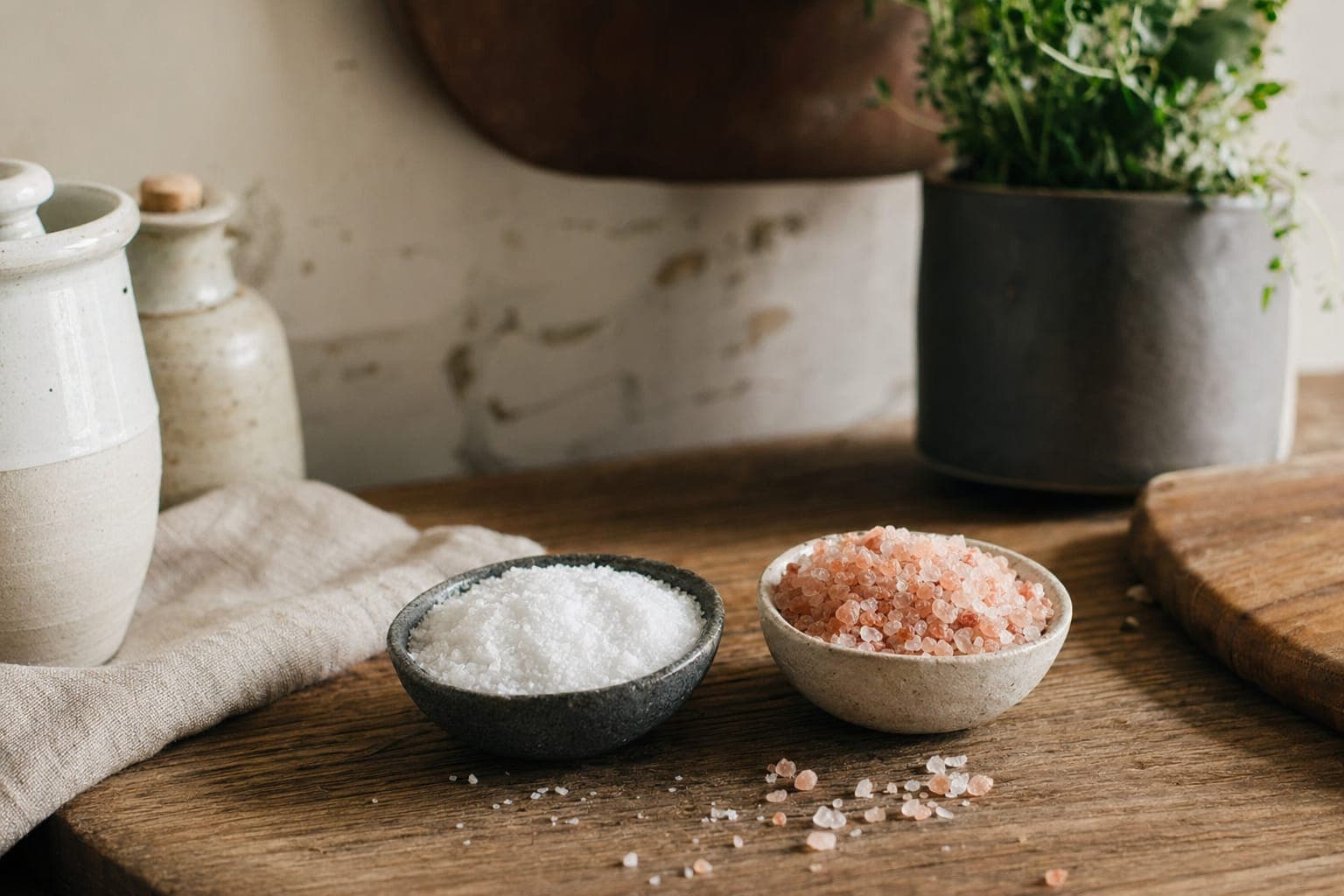
Celtic Sea Salt vs Himalayan Pink Salt: What's the Difference?
Celtic sea salt and Himalayan pink salt differ in mineral composition, sourcing, and processing. Understand the difference and why it matters for your health.
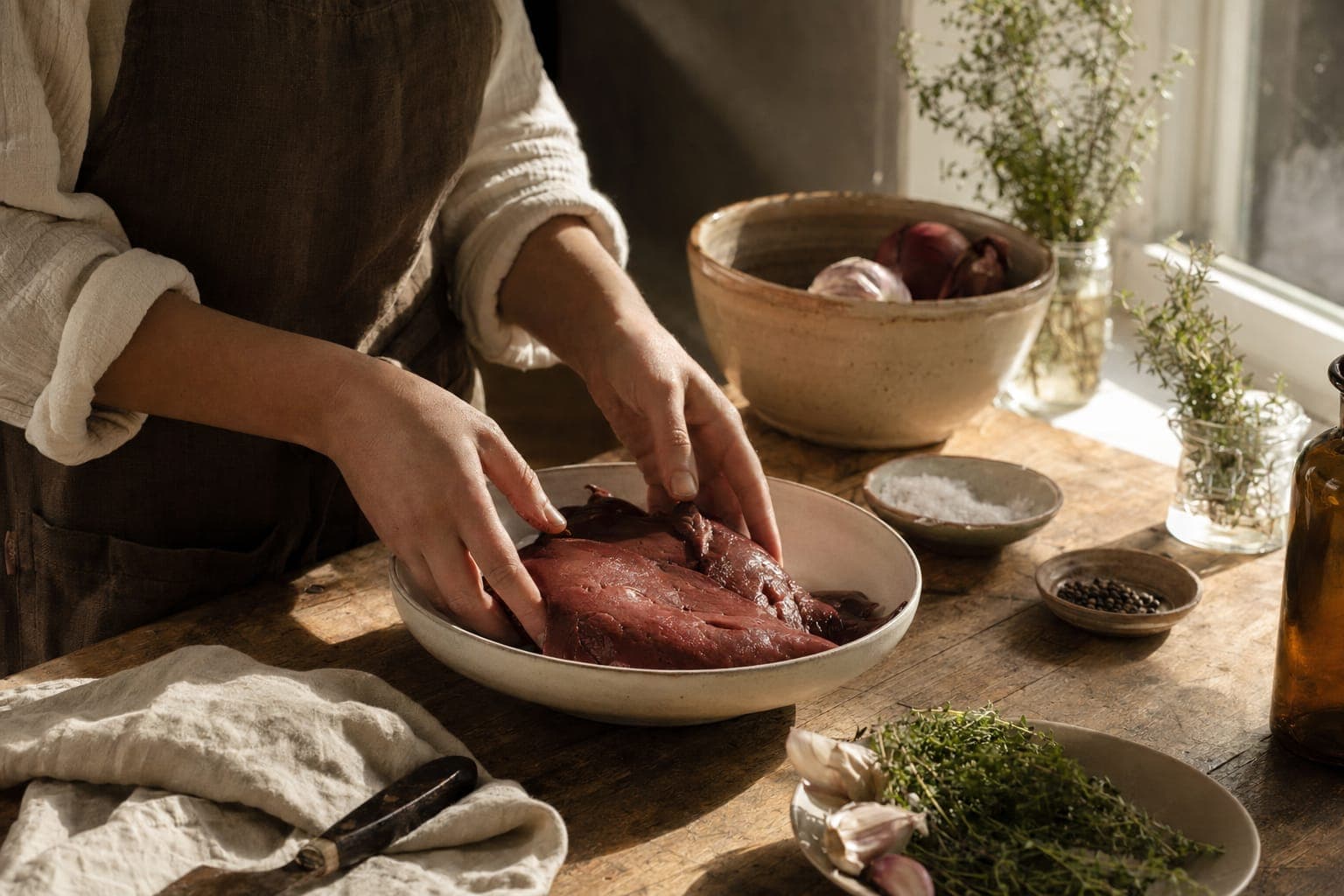
Ingredients
Choline: The Essential Nutrient Almost Nobody Gets Enough Of
Discover why choline deficiency is widespread, how beef liver supplies this critical nutrient, and its importance for brain health and prenatal development.
Real food, made effortless
Try the organ blendA few ways to use it
All recipes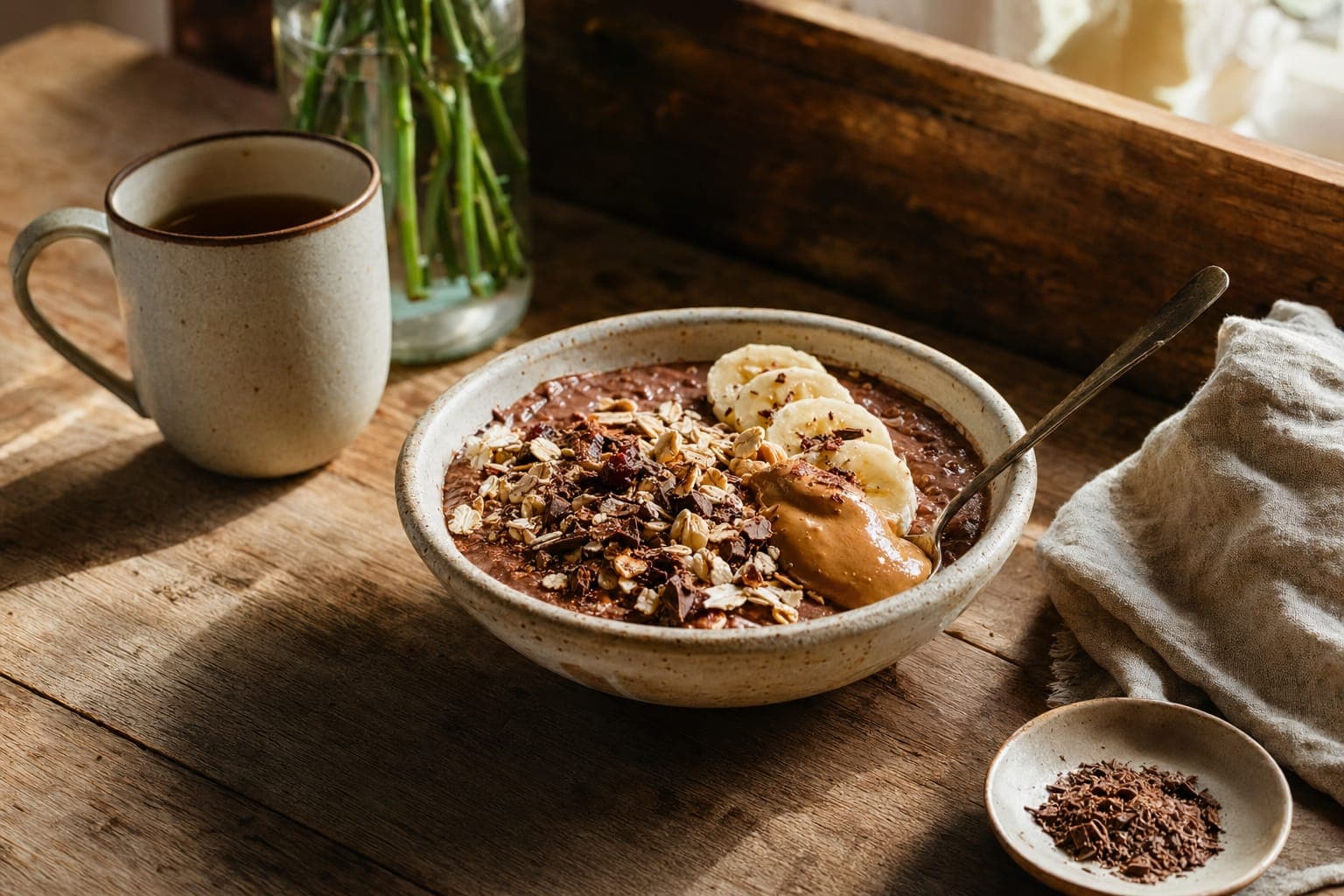
10 Ways to Use Organised That Aren't Just a Shake
Move beyond the basic shake. Discover 10 creative ways to use Organised in smoothie bowls, oats, yoghurt, baking, and more.
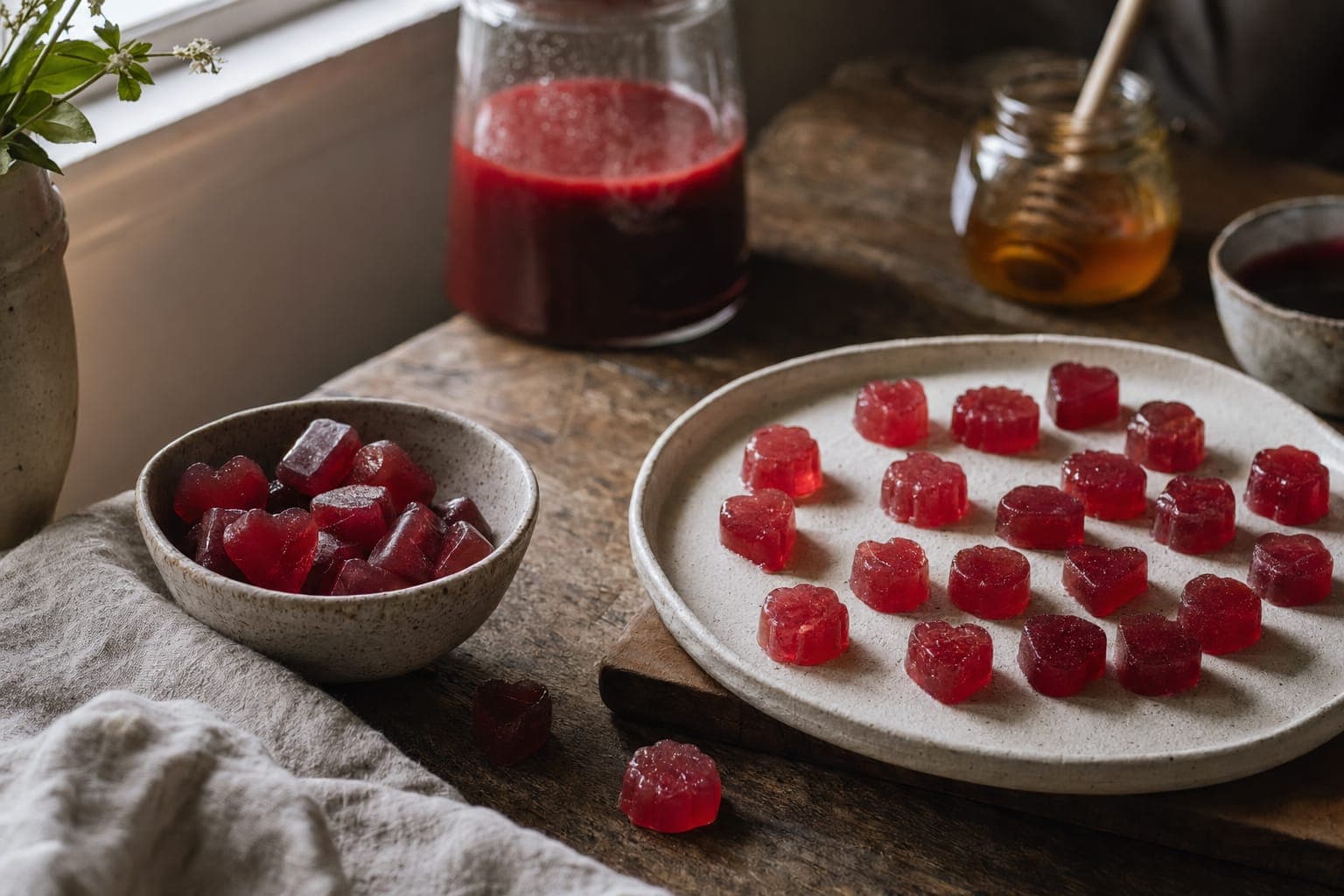
How to Make Your Own Gelatine Gummies
A simple recipe for homemade gelatine gummies using grass-fed gelatine, fresh juice, and raw honey. Better than shop-bought, kids love them.
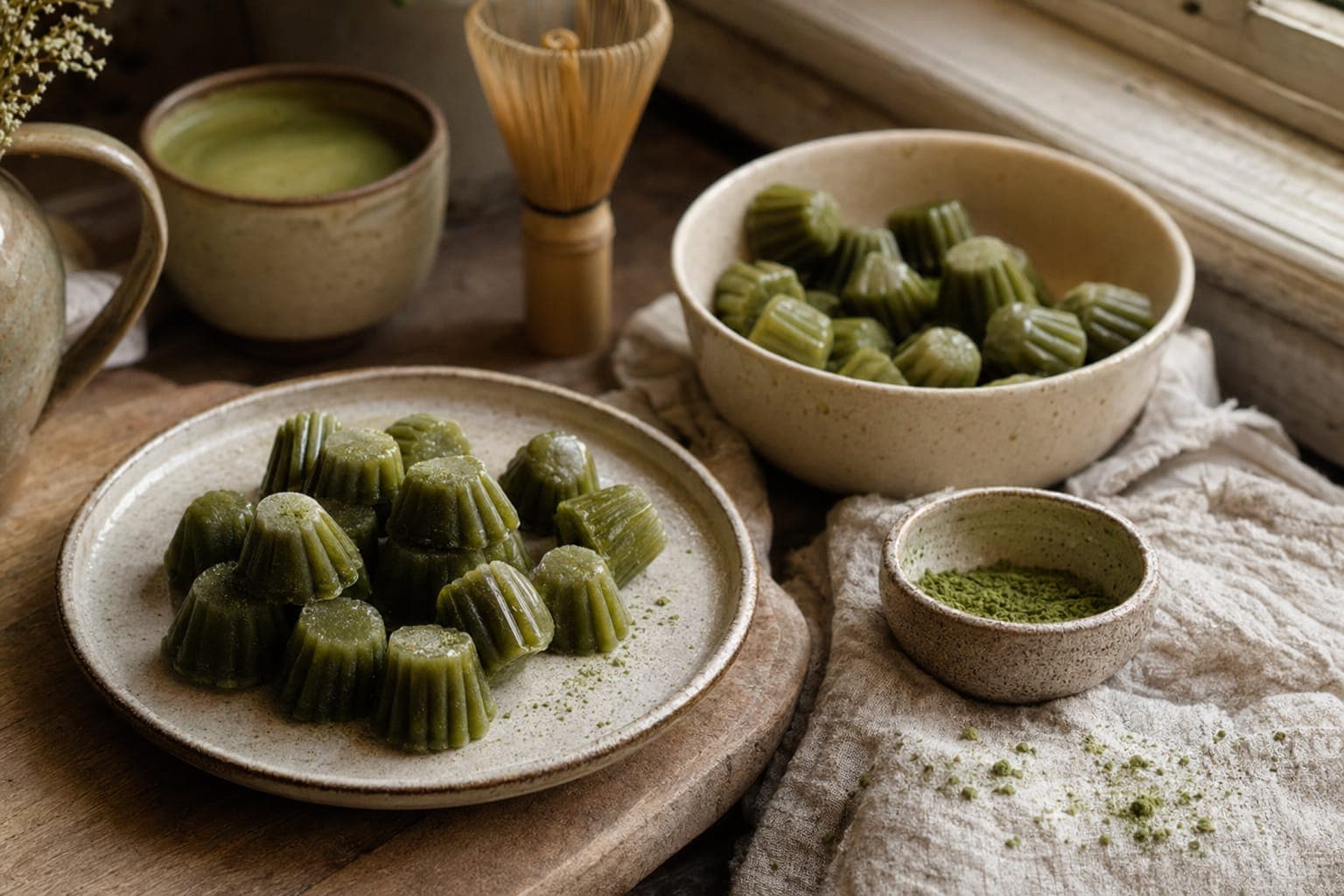
Matcha Latte Gummies with Collagen and Gelatine
Make visually stunning matcha latte gummies infused with collagen and gelatine. Simple recipe for gut-healing sweets you'll actually want to eat.


 Join over 100,000+ members
Build a better food system with us
The Organised community is thousands of people choosing real food and backing the farmers who grow it, all of us trying to leave the world a little better than we found it. If that is what you care about too, you belong here.