Why We Sweeten with Honey Instead of Stevia
Stevia is zero calories. It's natural (sort of). It tastes sweet without spiking blood glucose. It seems perfect. Except your gut bacteria hate it. Once you understand what stevia does to your microbiome, the choice becomes obvious.

By Niall Kiddle, Founder, Organised

Reviewed by Pedro Rodrigues, Agronomist (farming and sourcing only) ·
6 min read · Published · Updated · 4 cited sources
Makers of the Organised Daily blend, a grass-fed beef organ supplement from regenerative UK farms
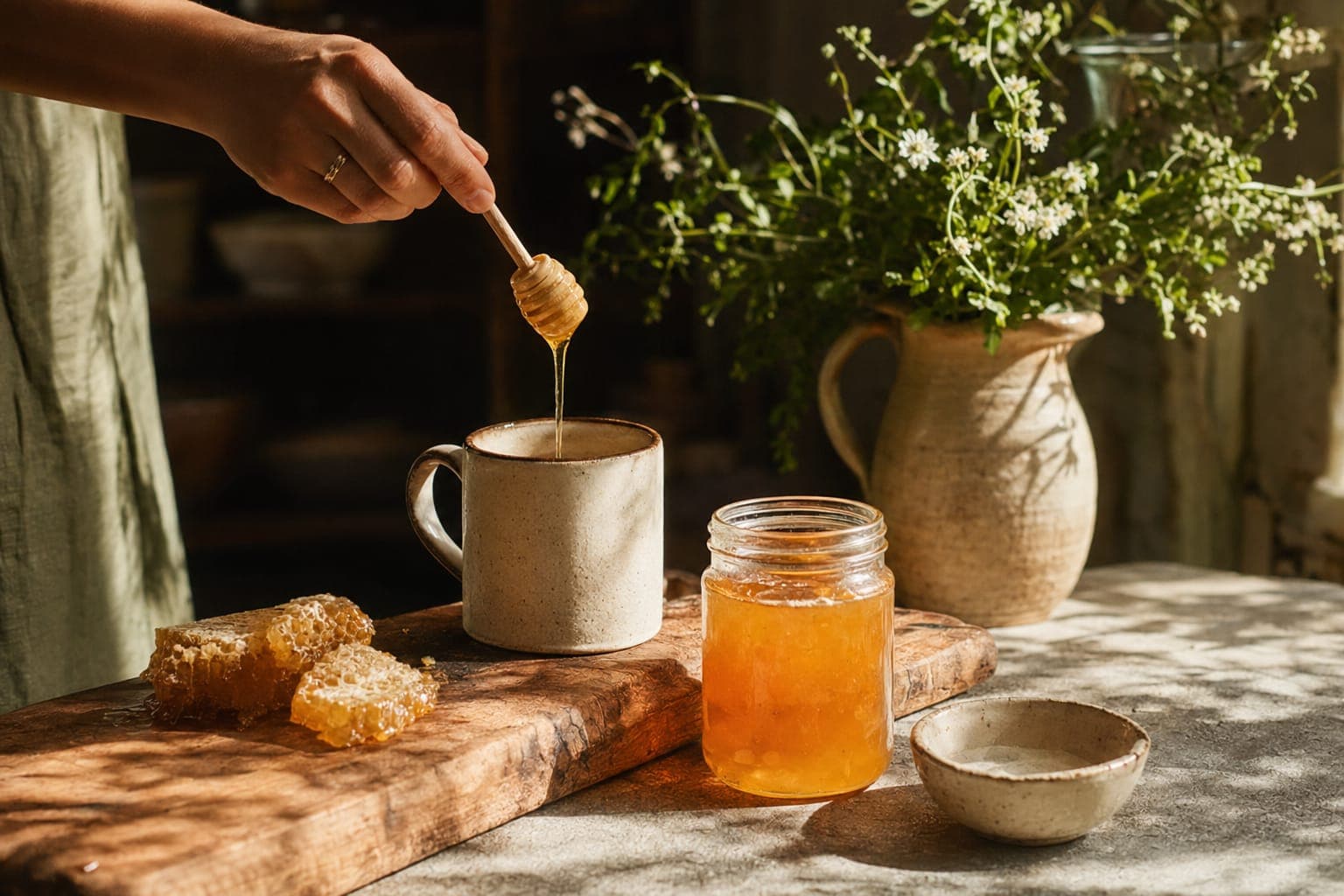
We've made a deliberate choice to sweeten with honey instead of stevia. This isn't aesthetic. It's biological.
The stevia marketing narrative
Stevia is marketed as a natural sweetener. It comes from a plant. It contains zero calories. It doesn't spike blood glucose. It's been used by indigenous peoples in South America for centuries. All of this is technically true. None of it means stevia is harmless.
The stevia you buy in supermarkets isn't just dried stevia leaf. Stevia is extremely sweet. If you used pure stevia, a tiny amount would overpower any food. So commercial stevia is mixed with bulking agents (erythritol, maltodextrin) and stabilisers. What you're consuming is a processed compound, not a whole food, regardless of the origin story.
And the research on stevia and human health is concerning. Not catastrophically so. But concerning enough that if you have a choice, honey is the safer bet.
How stevia affects your microbiome
Your gut bacteria eat what you eat. When you consume stevia, your bacteria encounter a compound they haven't evolved to metabolise efficiently. The result is dysbiosis, a shift in bacterial population composition away from beneficial species toward less desirable ones.
A 2022 study in the journal Cell found that stevia selectively kills off beneficial bacteria species whilst allowing pathogenic species to proliferate. The effect was strain-dependent. Some people's microbiomes shifted dramatically. Others shifted less. But the direction was consistent: stevia reduced beneficial bacterial diversity.
The mechanism matters. Stevia is a glucoside, a compound made of glucose and a steroid alcohol. Some bacteria can break it down. When they do, they ferment it in ways that produce metabolites your body can use but that also shift the microbiome composition. This isn't neutral. This is dysbiosis on a plate.
On the available evidence, stevia is plausibly less neutral for the microbiome than its marketing suggests, but the human data are mixed. Recent randomised trials (Nutrients, 2024) have not shown consistent dysbiotic effects from stevia consumption over weeks. The honest reading is that the case against stevia for the microbiome is suggestive, not proven.
Other artificial sweeteners do similar things. Aspartame, sucralose, saccharin all cause measurable shifts in microbiome composition.2 Stevia isn't uniquely bad. It's just in the same category as everything else with a molecule your bacteria find toxic.
This matters because your microbiome controls so much of your health: your immune function, your neurotransmitter production, your nutrient absorption, your inflammation levels, your brain function. A dysbiotic microbiome is the foundation of chronic disease. It's worth avoiding stevia just to sidestep that risk.
The glucose story matters
Here's where the narrative inverts. Stevia doesn't spike blood glucose. That's true. But glucose is not your enemy.
Your body needs glucose. Your brain runs on it preferentially. Your muscles use it. Your nervous system depends on it. A completely zero-glucose diet creates a state of perceived scarcity that activates your stress response and chronically elevates cortisol. Chronically elevated cortisol is far more damaging than a moderate glucose intake.
When you consume honey, you get glucose (and fructose). Yes, your blood glucose rises. But the rise is moderate, the glucose is welcomed by your cells as a signal of abundance, and the downstream metabolic effects are positive. Your cortisol drops. Your parasympathetic nervous system activates. You shift into a state where your body feels safe enough to repair and build.
Stevia gives you the sweetness without the glucose signal. Your taste buds get the pleasure. Your body gets the scarcity signal. Over time, chronically low glucose intake (even if from stevia sweetening) keeps your nervous system in a sympathetic (stressed) state.
Glucose signals abundance to your body. Non-nutritive sweeteners may not, and there is mechanistic interest in whether sweetness without caloric load contributes to dysregulated appetite or stress signalling. The cortisol/scarcity framing is a hypothesis, not a settled finding.
This is why ketogenic diet adherents often report improved energy and mental clarity initially, then hit a wall where they feel perpetually stressed, sleep poorly, and struggle with hormones. No glucose signals chronic stress. The body doesn't care that the glucose-free diet is voluntary. The scarcity signal is real.
Get ingredient guides like this, free
Two short reads a week on the ingredients that matter and how to actually use them.
By signing up you agree to receive emails from us. No spam, unsubscribe anytime.
Stevia and sweetness preference
Using stevia trains your taste buds to expect more intense sweetness than naturally sweet foods provide. Stevia is 200 to 300 times sweeter than sugar.1 Your taste receptors adapt to that intensity. Over time, normal foods taste bland.
This is called sweet taste desensitisation. It happens with all high-intensity sweeteners. You lose the ability to taste natural sweetness. A piece of fruit tastes dull. A naturally sweet vegetable tastes ordinary. You need more and more intense sweetness to feel satisfied.
Honey is sweet, but it's not supernaturally sweet. Using honey as your sweetener keeps your taste buds calibrated to normal food sweetness. You don't develop the desensitisation. Over time, you naturally prefer less-sweet foods.
Why honey is different
Honey is actually food. Your bacteria have been eating it for thousands of years. Your gut microbiome knows what to do with it. It ferments it, produces short-chain fatty acids, and uses those for fuel and signalling.
Honey contains glucose and fructose in roughly equal amounts. Both are easy to metabolise. Both provide caloric energy. Both send the signal that food is available and the environment is safe.
Honey contains enzymes and antimicrobial compounds that support your digestion and immune function.4 Stevia is inert. It doesn't do anything in your body except trigger sweetness receptors and dysbiose your microbiome.
Yes, honey has calories. About 60 calories per tablespoon.3 Yes, it contains sugar. If you're using it as your primary sweetener, it does contribute to your total carbohydrate intake. But that's the point. It's carbohydrate. Your body is supposed to use it.
The practical approach
If you're trying to avoid sugar for metabolic reasons (true glucose intolerance, type 2 diabetes, specific performance goals), then stevia is better than honey because it doesn't spike blood glucose. If your metabolism is healthy and you're just trying to manage calorie intake, stevia is still worse than honey because of the microbiome damage.
The sweet spot is moderate honey use. A tablespoon or two daily as your sweetener. Not drinking honey by the spoonful. Not using it to sweeten every drink and snack. But using it as your primary sweetener instead of stevia (or aspartame, or sucralose).
If you're in the grip of sweet-craving intensity (where only high-intensity sweeteners taste sweet), honey won't be enough initially. Your taste buds have adapted. You'll need to reset. That takes about 2 to 4 weeks of removing all high-intensity sweeteners, during which everything tastes bland, then slowly your taste buds recalibrate. On the far side of that reset, honey tastes genuinely sweet again.
The microbiome cost of stevia isn't worth the calorie savings. Honey is the honest choice.
Some people ask about honey's fructose content. Honey is roughly 40 percent fructose, 30 percent glucose, and 30 percent water.3 Fructose is metabolised differently than glucose, primarily in the liver. In modest amounts (a tablespoon or two of honey daily), this is fine. In large amounts or in combination with other high-fructose foods, fructose can burden the liver. But you'd have to be using honey very aggressively to create a problem.
1 of 9
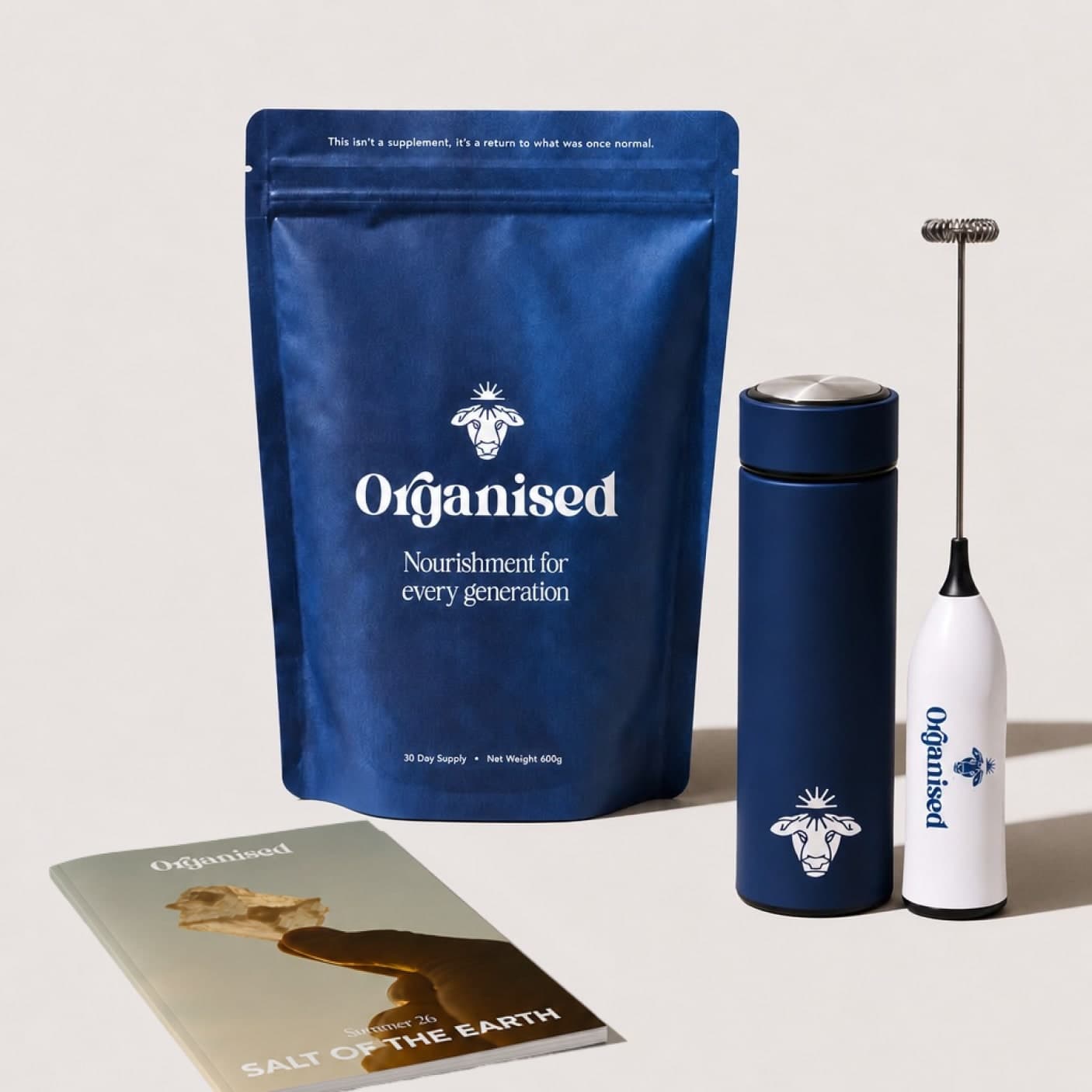
Daily blend
100,000+ thriving families4.9 on Trustpilot
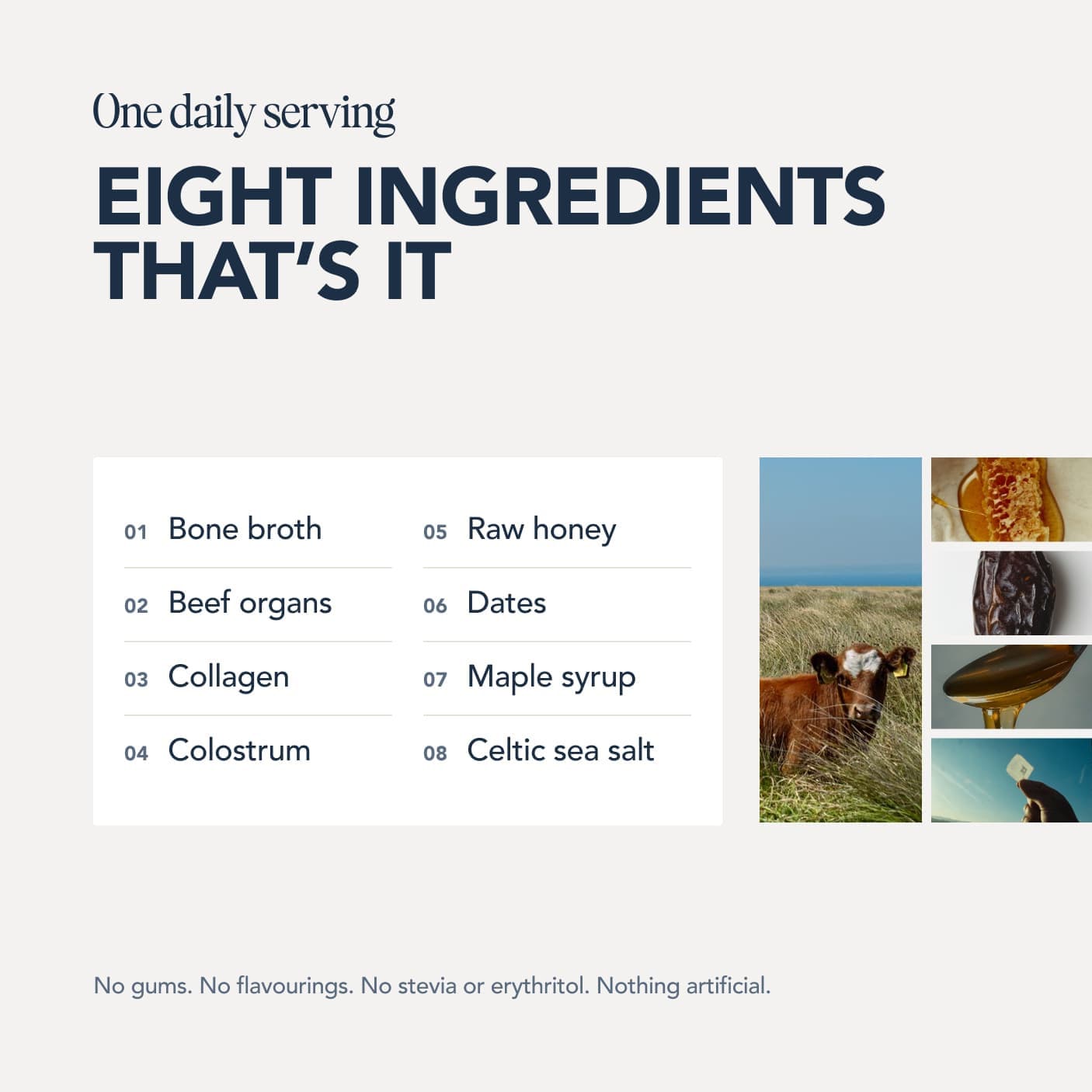
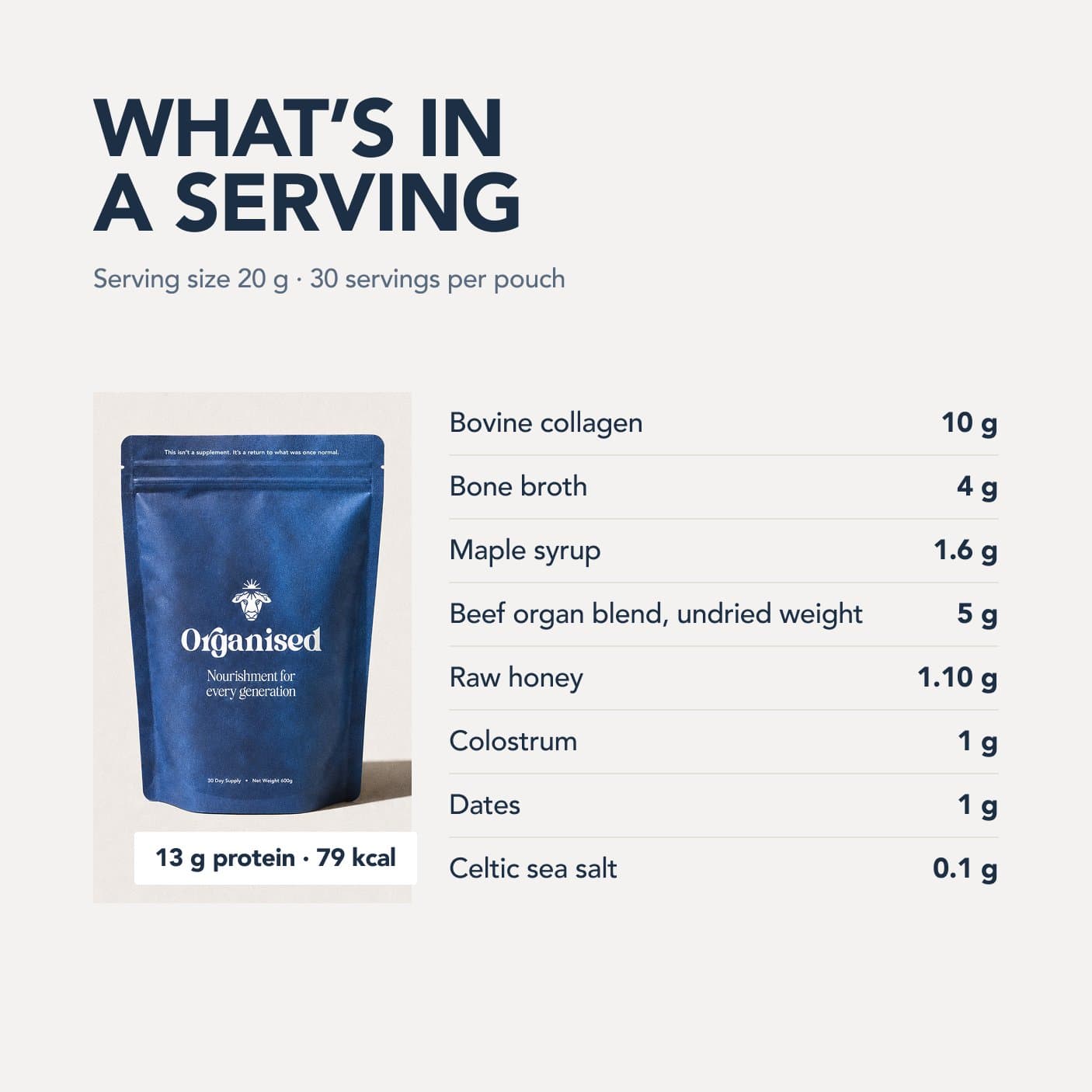
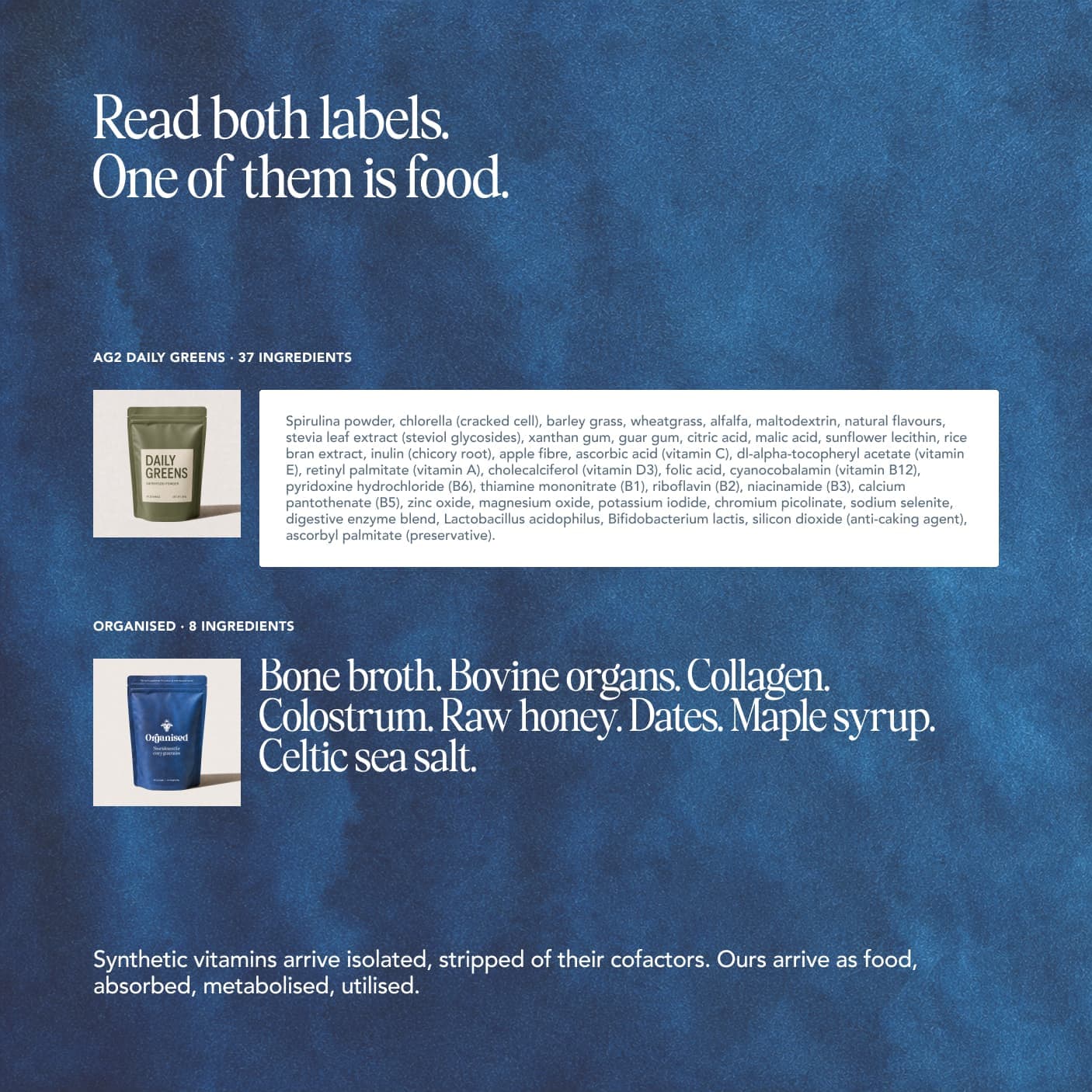
Eight real ingredients built around grass-fed beef organs, collagen and colostrum. Nothing synthetic added.
Free with your first order, worth £38. Plus £10 off the pouch with a subscription.

Free UK shipping · Made in England · 100 day money back guarantee on your first pouch · Skip, pause or cancel anytime
The bottom line
Stevia dysbioses your microbiome. Honey doesn't. Stevia tricks your body into a scarcity signal. Honey provides genuine glucose and triggers an abundance signal. Stevia trains your taste buds toward ever-higher sweetness intensities. Honey keeps them calibrated to normal food. If you're going to sweeten something, honey is the answer. If you genuinely need zero-calorie sweetening for metabolic reasons, stevia is better than the alternatives. But if your health is okay, use honey. Your microbiome will thank you.
References
Every source below was checked on 27 August 2026. Each PubMed, PMC and DOI identifier was resolved against NCBI or Crossref, and what it opens is printed under the citation, so you can see the link goes where the citation says without leaving the page. Where a citation and its identifier disagreed, the citation was corrected to the record or the reference was deleted along with the sentence marker that pointed at it, and where the resolved paper turned out not to support the sentence, the sentence was cut back to what it does support. Borrowed authority is worse than none, because it looks like rigour.
- European Food Safety Authority. Steviol glycosides as a food additive: relative sweetness vs sucrose. EFSA Scientific Opinion.
- Suez J et al. Personalized microbiome-driven effects of non-nutritive sweeteners on human glucose tolerance. PMC12025785.Checked 27 August 2026: PMC12025785 opens Hetta HF, Sirag N, Elfadil H et al, Artificial Sweeteners: A Double-Edged Sword for Gut Microbiome. Diseases 2025;13(4). PubMed indexes it as: Review.The authors' own declaration, from the record: The authors declare no conflicts of interest.
- Bogdanov S et al. Honey for nutrition and health: a review. J Am Coll Nutr. PubMed PMID: 19155427.Checked 27 August 2026: PMID 19155427 opens Bogdanov S, Jurendic T, Sieber R et al, Honey for nutrition and health: a review. J Am Coll Nutr 2008;27(6):677-89. PubMed indexes it as: Review.
- Almasaudi S. The antibacterial activities of honey. PMC8071826.Checked 27 August 2026: PMC8071826 opens Almasaudi S, The antibacterial activities of honey. Saudi J Biol Sci 2021;28(4):2188-2196. PubMed indexes it as: Review.
Corrections
What this page used to say, and why it no longer says it. Corrections are dated and are never removed, because deleting the record of an error is a second error. Every guide we have corrected is listed at our corrections log.
- 27 August 2026. Reference 3 was credited to Almasaudi. The record is by Albaridi, in the International Journal of Microbiology 2019. Corrected.
- 27 August 2026. “Enzymes and antimicrobial compounds that support your digestion and immune function” was cut back to antibacterial activity, which is all the cited review establishes.
Who wrote and reviewed this guide
Niall Kiddle
Author · Founder, Organised
Niall is the founder of Organised. He started the company in 2024 after fixing his own health the slow way: in 2022 he swapped a cupboard of synthetic supplements for real food, raw milk, organ meats, bone broth and honey, and felt the difference within months.
Areas of expertise: Ancestral nutrition, Organ meats, Whole-food supplementation, Gut health, Regenerative sourcing
Read Niall's full profile
Pedro Rodrigues
Reviewer · Agronomist (farming and sourcing only)
Pedro is the agronomist Organised works with on farming and sourcing. His job on the guides is to keep the science honest: he reviews what we publish about soil health, regenerative agriculture, grazing and the way food is actually produced.
Areas of expertise: Regenerative agriculture, Agronomy, Soil health, Grass-fed farming, Food sourcing
Reviewed this guide on
Read Pedro's full profileMore on raw honey
View allBrowse the guides library
All guidesKeep reading
Ingredients
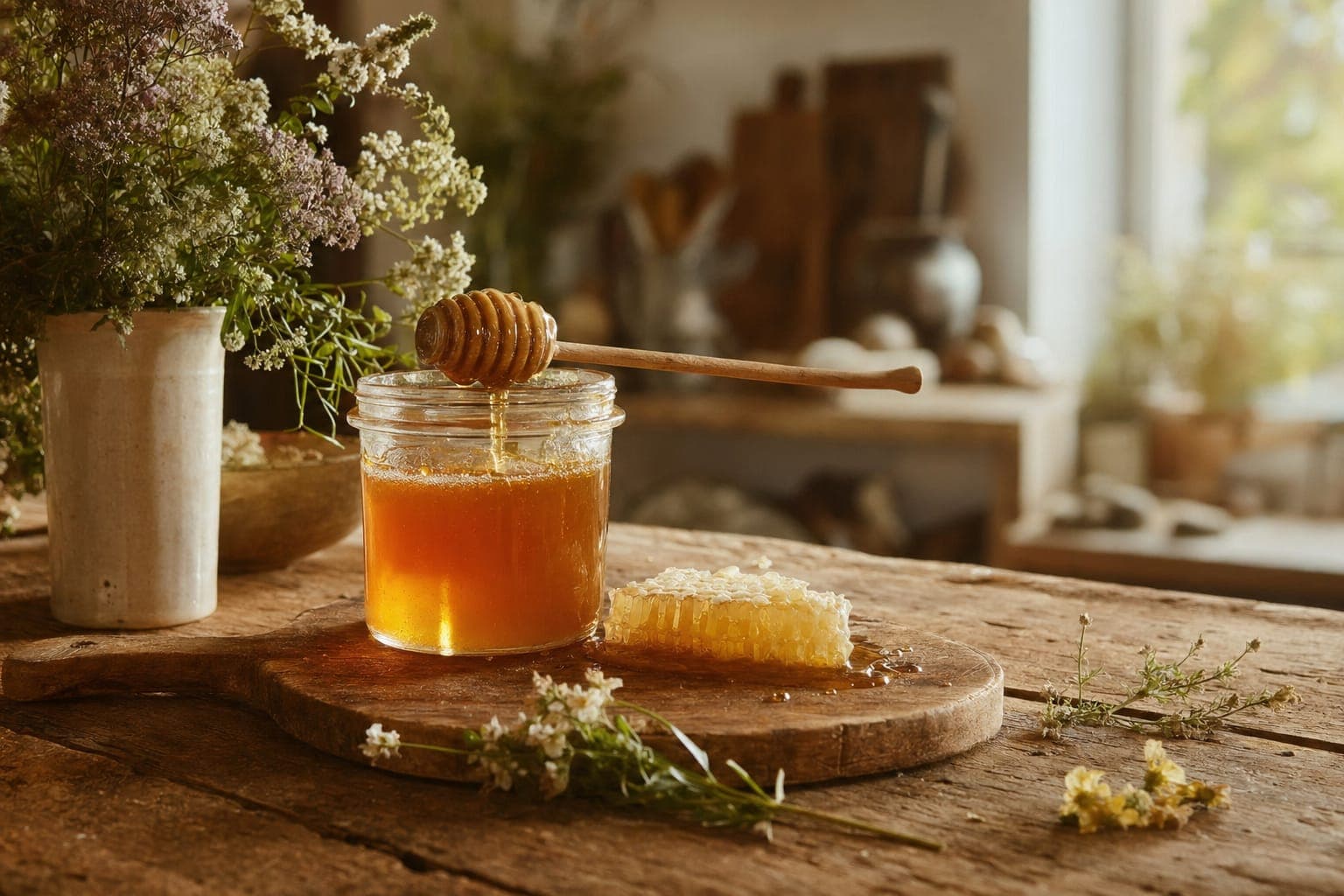
Raw Honey: Why Unprocessed Honey Is a Whole Different Food
Discover why raw honey is nutritionally different from supermarket honey. Learn about enzymes, antimicrobial properties, and how to source quality raw honey.

Ingredients
Beef Protein Powder Guide: Benefits, Sourcing, and FAQs
Beef protein has been quietly building a loyal following, and this guide explains why. You’ll discover what sets it apart, how it works in the body, and

Ingredients
Grass-Fed Beef Protein Isolate: What Makes It Different
See what sets grass-fed beef protein isolate apart, from easy digestion to micronutrient content, and how it really compares with whey protein for daily use.
Real food, made effortless
Try the organ blendA few ways to use it
All recipes
Organised Smoothie Bowl Recipes for Every Season
Four seasonal smoothie bowl recipes using Organised. Berry in summer, apple-cinnamon in autumn, tropical in spring, warming chocolate in winter.

Organised Chia Pudding with Raw Honey and Berries
A no-cook chia seed pudding made with raw milk, collagen, berries, and raw honey. Prep it the night before and eat for breakfast.
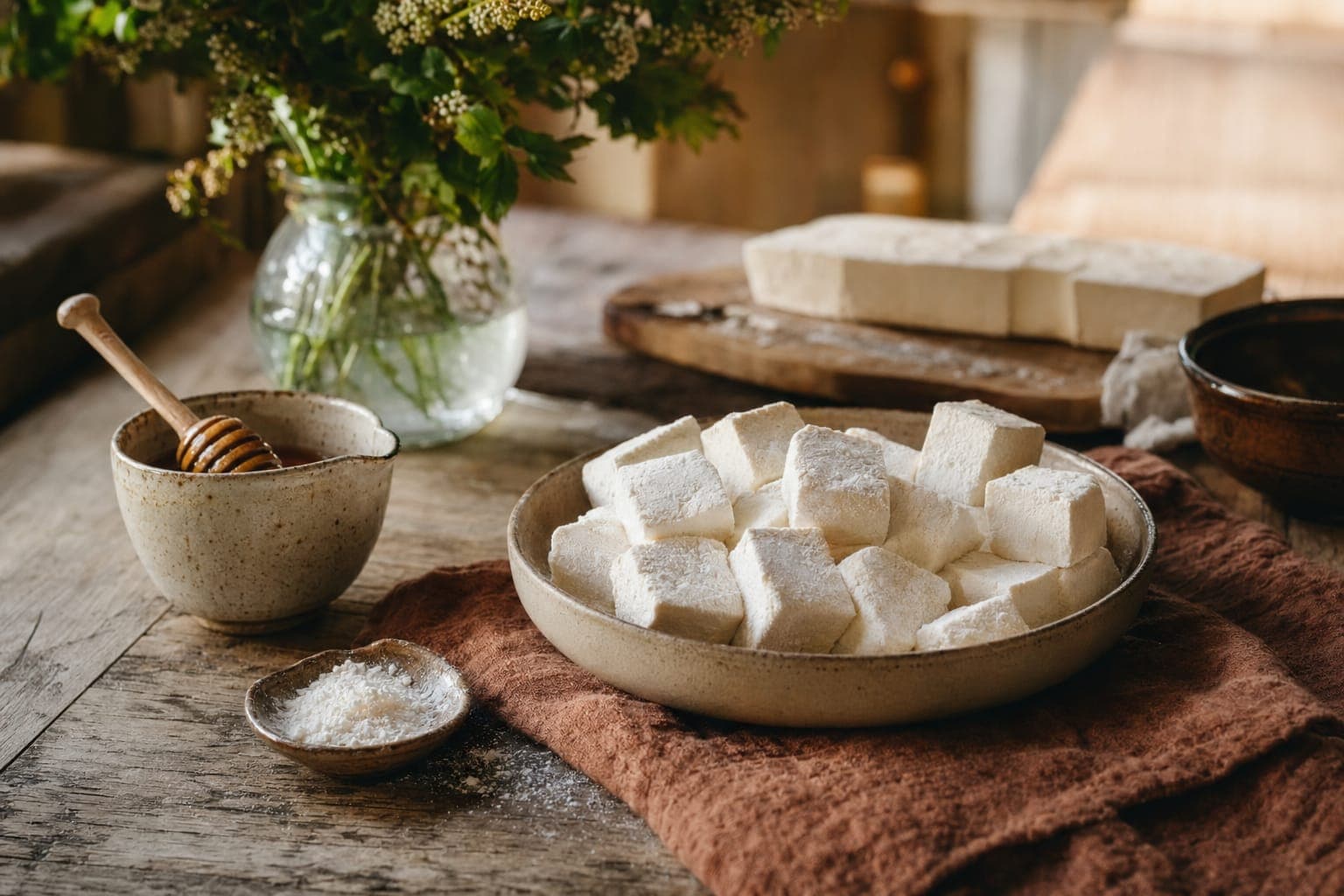
Gut-Healing Marshmallows with Collagen and Raw Honey
Learn to make gut-healing marshmallows with collagen and raw honey. A shareable treat that sneaks nutrition into every bite. Easy recipe with video tips.


 Join over 100,000+ members
Build a better food system with us
The Organised community is thousands of people choosing real food and backing the farmers who grow it, all of us trying to leave the world a little better than we found it. If that is what you care about too, you belong here.