How Dates Provide Sustained Energy Without the Crash
Dates are nature's perfect pre-workout food. They contain sugar, yes, but it's packaged with so much fibre, polyphenol, and mineral density that your body absorbs it slowly, releasing energy evenly over hours instead of spiking and crashing.
By Niall Kiddle, Founder, Organised

Reviewed by Pedro Rodrigues, Agronomist (farming and sourcing only) ·
4 min read · Published · Updated · 3 cited sources
Makers of the Organised Daily blend, a grass-fed beef organ supplement from regenerative UK farms
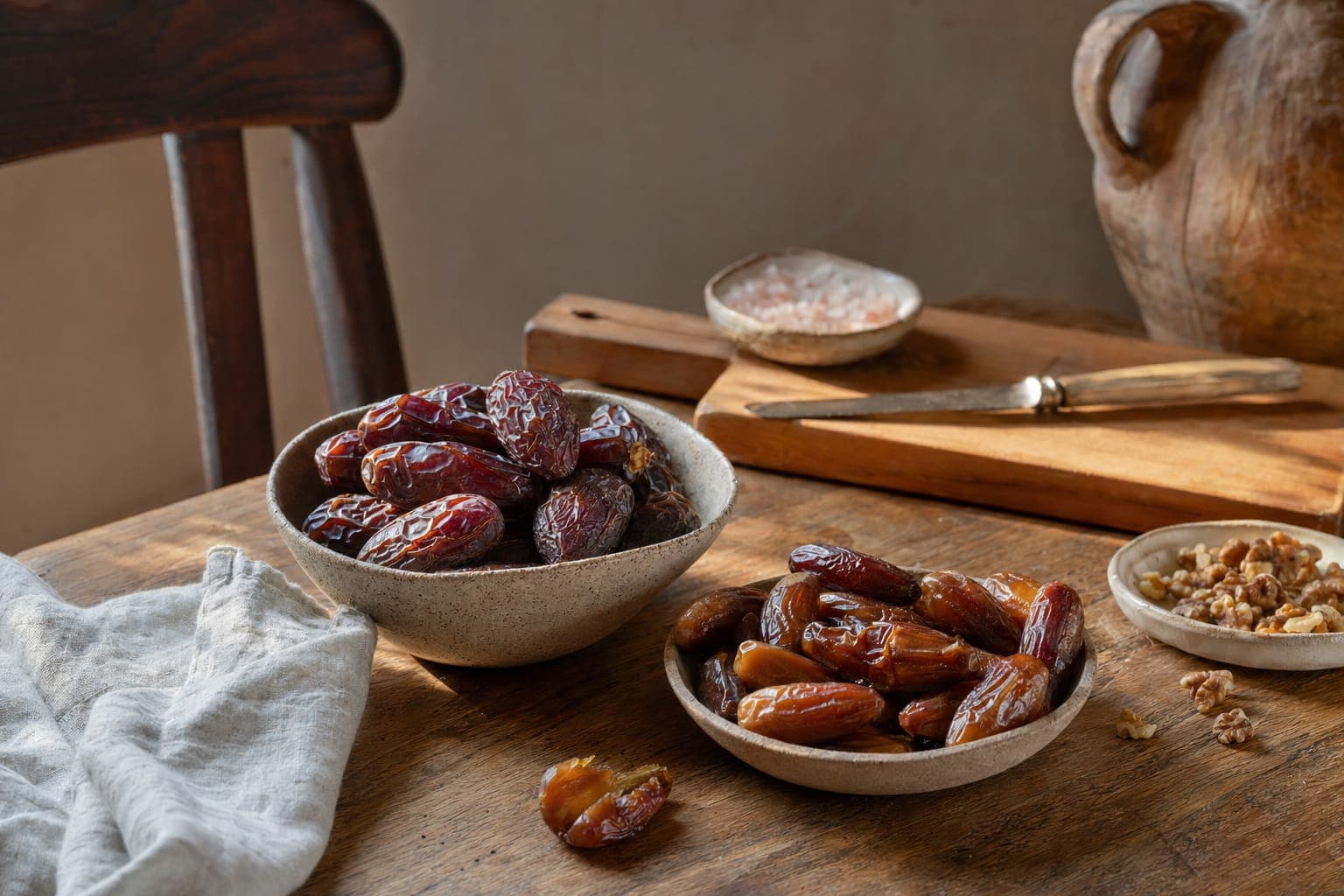
This is why athletes in Middle Eastern cultures have eaten dates for centuries, not as a treat, but as strategic nutrition for endurance and performance.
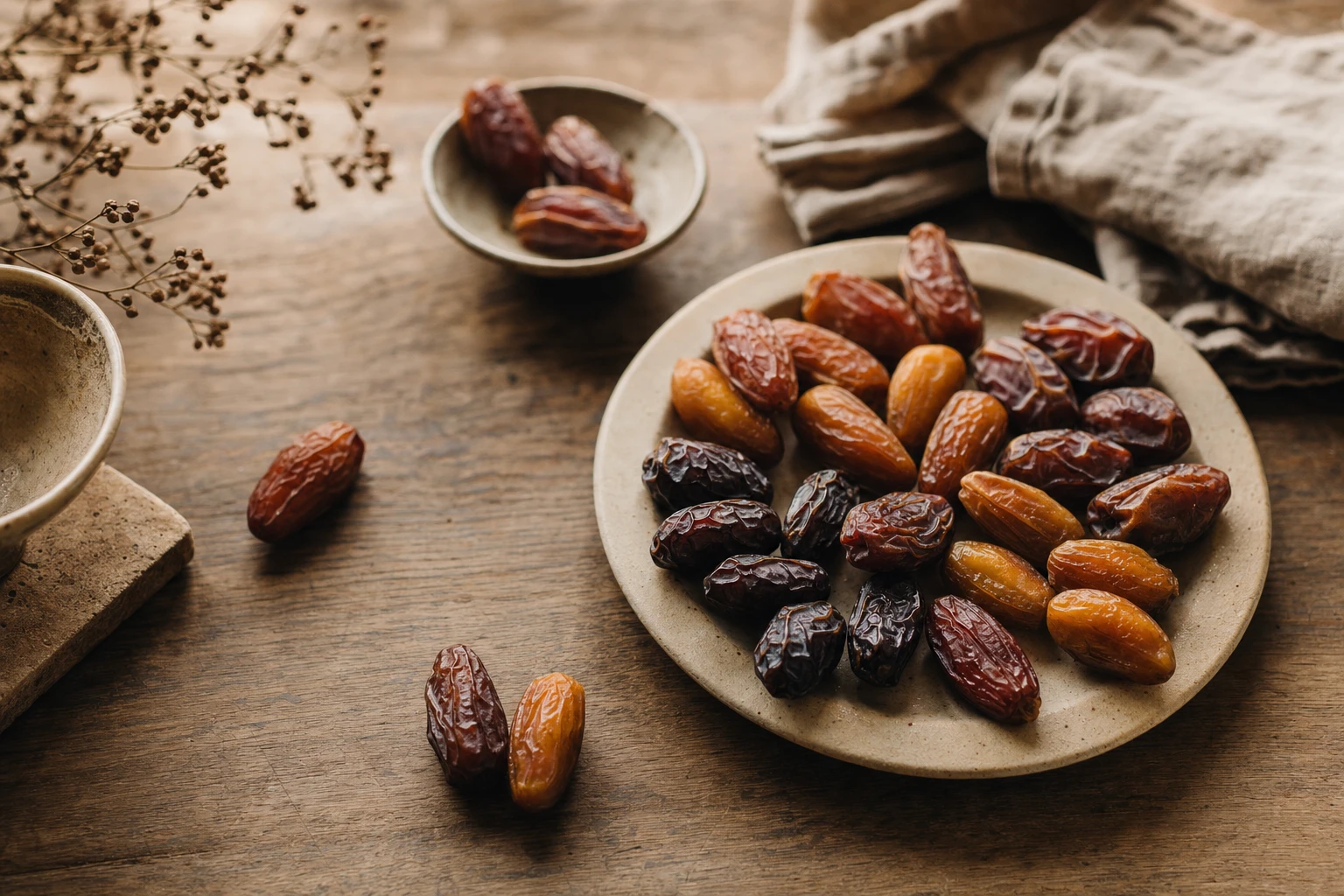
Sugar in a container: what makes dates different
A single date contains roughly 15-20 grams of sugar. That sounds like a lot, and in isolation, it would be. But a date isn't isolation. It's a whole food where that sugar is embedded in a matrix of other compounds that change how your body processes it.
When you eat a date, you're not eating sugar. You're eating the seed, the skin, the flesh, the fibre, the minerals, and the polyphenols all together. This context matters more than the sugar content itself.
Contrast this with a tablespoon of sugar, which is just glucose and fructose with nothing else. Your body will absorb that almost immediately, spiking your blood glucose and triggering an insulin response. A date, by contrast, is absorbed slowly and steadily.
Fibre: the governor on glucose release
A single date contains roughly 2-3 grams of fibre. That doesn't sound like much, but it's significant when the date is small and the fibre is intimately mixed with the sugar.
Soluble fibre slows gastric emptying, meaning the date takes longer to move through your stomach and into your small intestine. This means the sugar is released gradually into your bloodstream instead of all at once.
Additionally, fibre feeds your gut microbiota, which produces short-chain fatty acids that improve metabolic health and reduce inflammation.2 The bacteria in your gut can actually improve your energy metabolism in response to dates.
Fibre isn't just filler. It's the compound that transforms sugar from a crash into sustained energy.
Polyphenols: the metabolic regulator
Dates are incredibly rich in polyphenols, the antioxidant compounds that your cells use to manage inflammation and oxidative stress. A single date can contain hundreds of milligrams of polyphenols, depending on variety and ripeness.
Polyphenols do more than reduce inflammation. They also modulate how your body processes glucose. They slow glucose absorption, improve insulin sensitivity, and reduce the overall blood glucose impact of the sugar in the date.
This is measurable. When researchers give people sugar alone versus dates (which contain equivalent sugar), the blood glucose response is dramatically different.1 The dates cause a much smaller, slower rise in blood glucose.
Glycaemic load vs glycaemic index
Glycaemic index (GI) measures how quickly a food raises blood glucose compared to pure glucose. Glycaemic load (GL) accounts for both the GI and the portion size.
A date has a moderate GI (around 35-55 depending on the variety), meaning it doesn't spike blood glucose as aggressively as white bread or refined sugar.1 But more importantly, a date has a low glycaemic load because it's small. Even if you eat three dates, the total glucose entering your bloodstream is modest.
This is the distinction that matters: dates don't cause the blood glucose rollercoaster that high-GL foods do. This is why you get sustained energy without the crash.
Get ingredient guides like this, free
Two short reads a week on the ingredients that matter and how to actually use them.
By signing up you agree to receive emails from us. No spam, unsubscribe anytime.
Medjool vs Deglet Noor: which matters
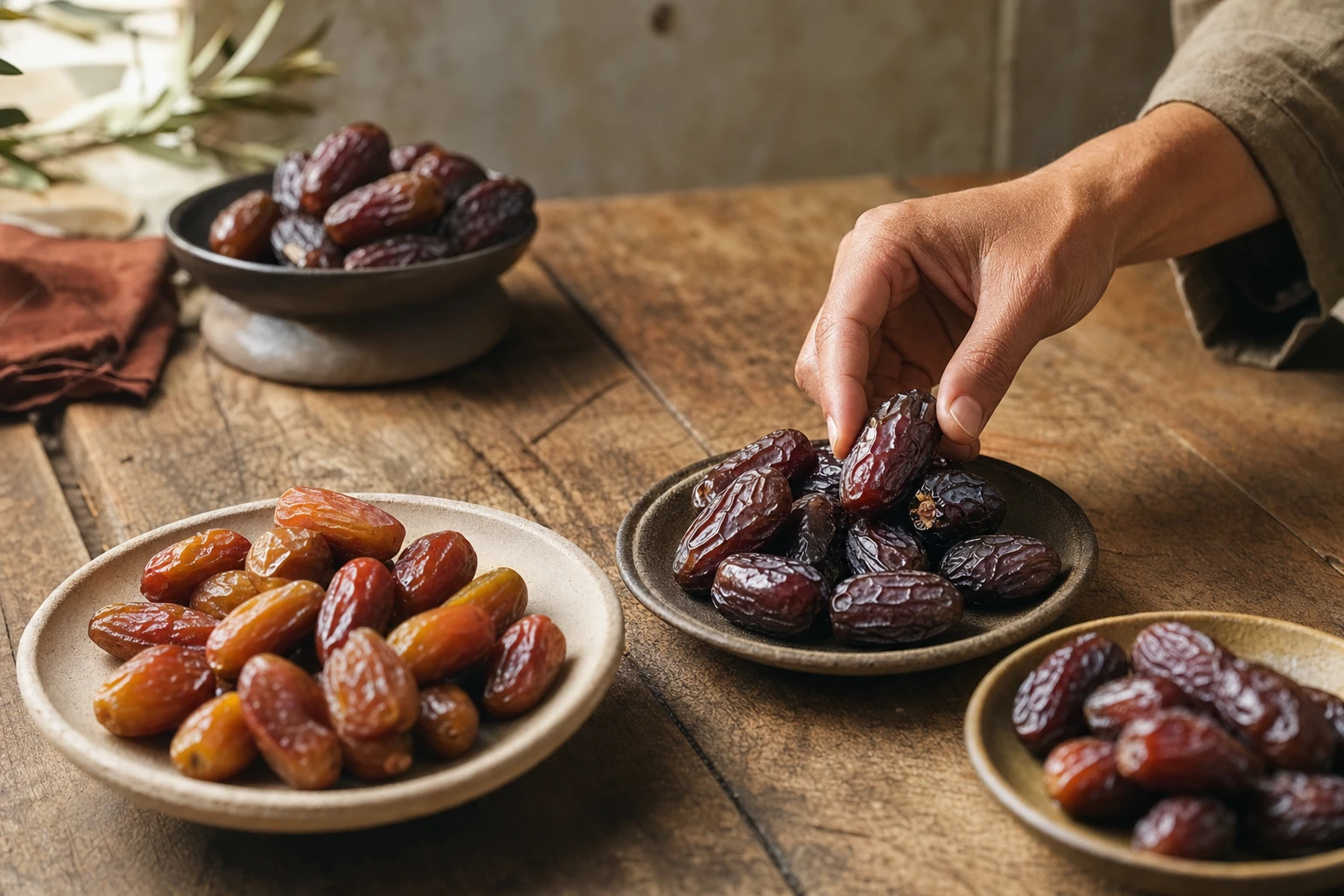
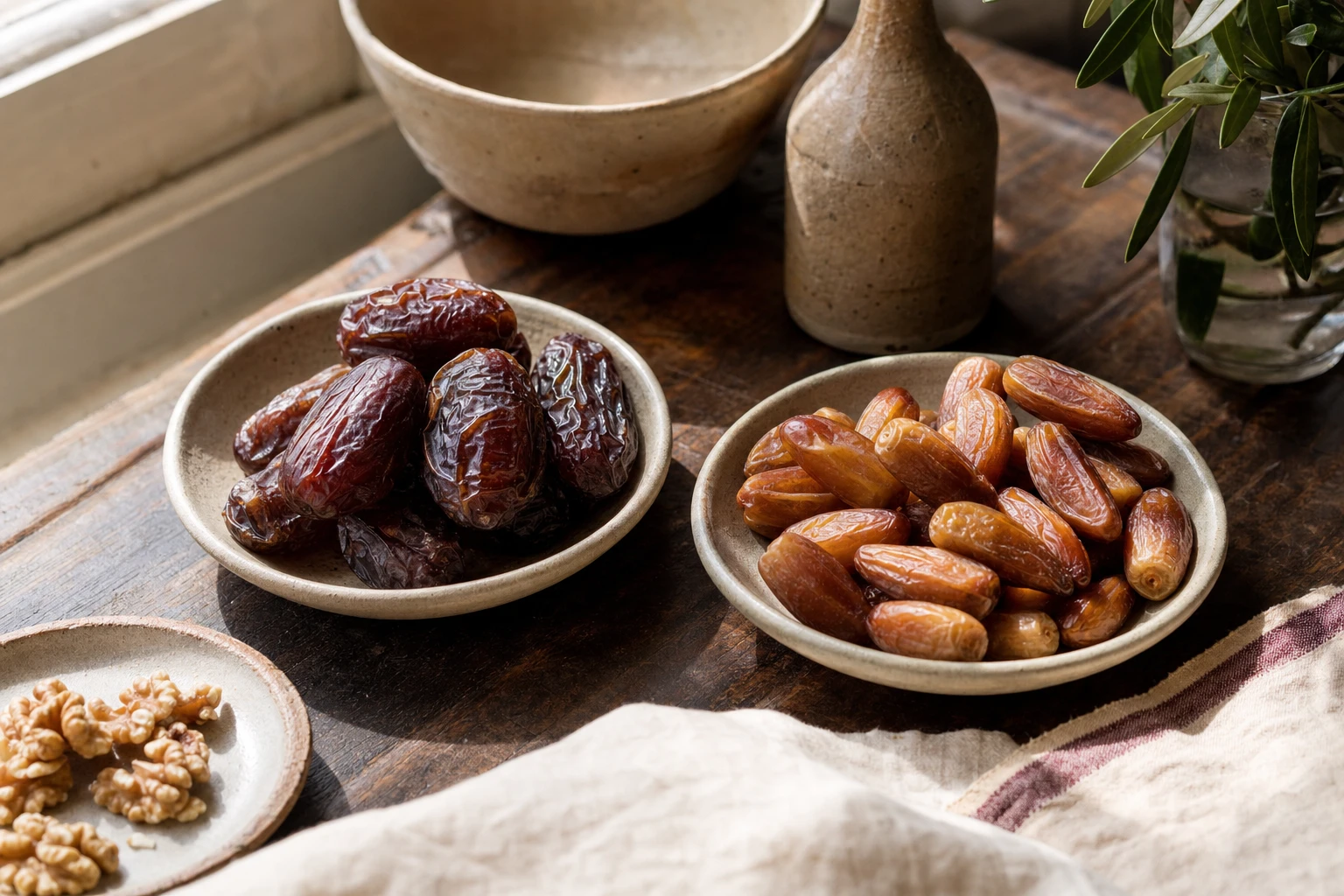
There are hundreds of date varieties, but the two most common are Medjool (larger, sweeter, softer) and Deglet Noor (smaller, drier, slightly less sweet).
Medjool dates are higher in total polyphenols and contain slightly more fibre per weight. Deglet Noor dates are slightly lower in sugar per date and have a lower glycaemic impact.
For sustained energy, either works. If you're looking for maximum polyphenol density, Medjool is slightly superior. If you're concerned about total sugar intake, Deglet Noor is marginally better. The difference is minimal.
More important than variety is freshness and source. Dried dates that have been stored properly retain their fibre and polyphenol content. Dates that have been sitting in a hot warehouse for months will have degraded polyphenols and potentially added sugar coating.
How to use dates for sustained energy
Pre-workout fuel. Eat 1-3 dates 30-60 minutes before training. The combination of quick glucose (from the sugar) and sustained energy (from the fibre and polyphenols) makes dates ideal for performance.
Afternoon energy crash remedy. If you hit the 3pm energy wall, dates are far better than coffee or a sugary snack. You'll get immediate glucose plus sustained energy for the next few hours.
Natural sweetener for recipes. Blend dates into smoothies or use date paste as a replacement for refined sugar in baking. You get sweetness plus the polyphenol and fibre benefits.
Mineral supplementation. Dates are remarkably rich in potassium, magnesium, and copper.3 If you're deficient in minerals, dates are a genuine whole-food source alongside supplementation.
Dates are not a health food. They're a strategic whole food that provides sustained energy without the metabolic cost of refined sugar.

1 of 9
Daily blend
100,000+ thriving families4.9 on Trustpilot
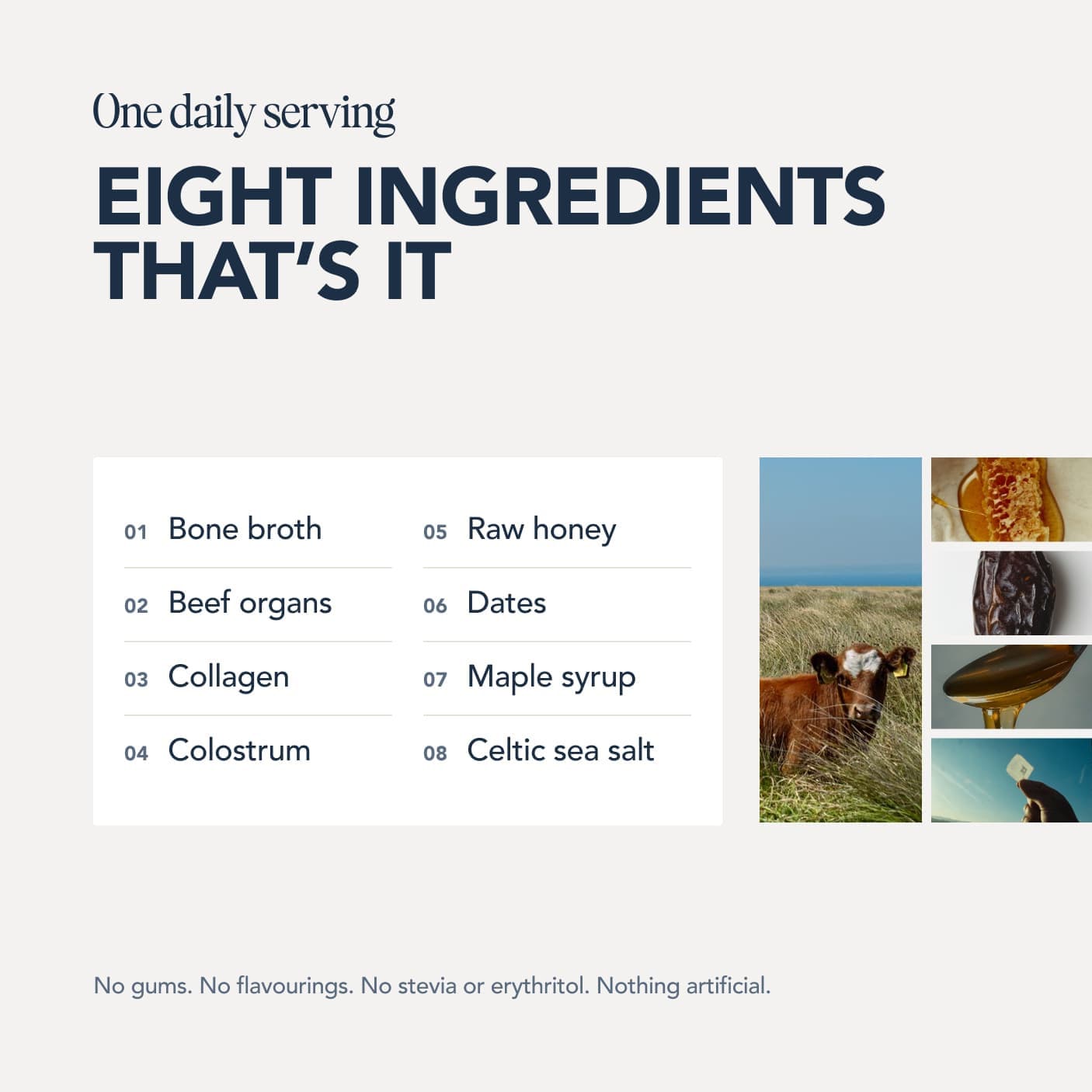
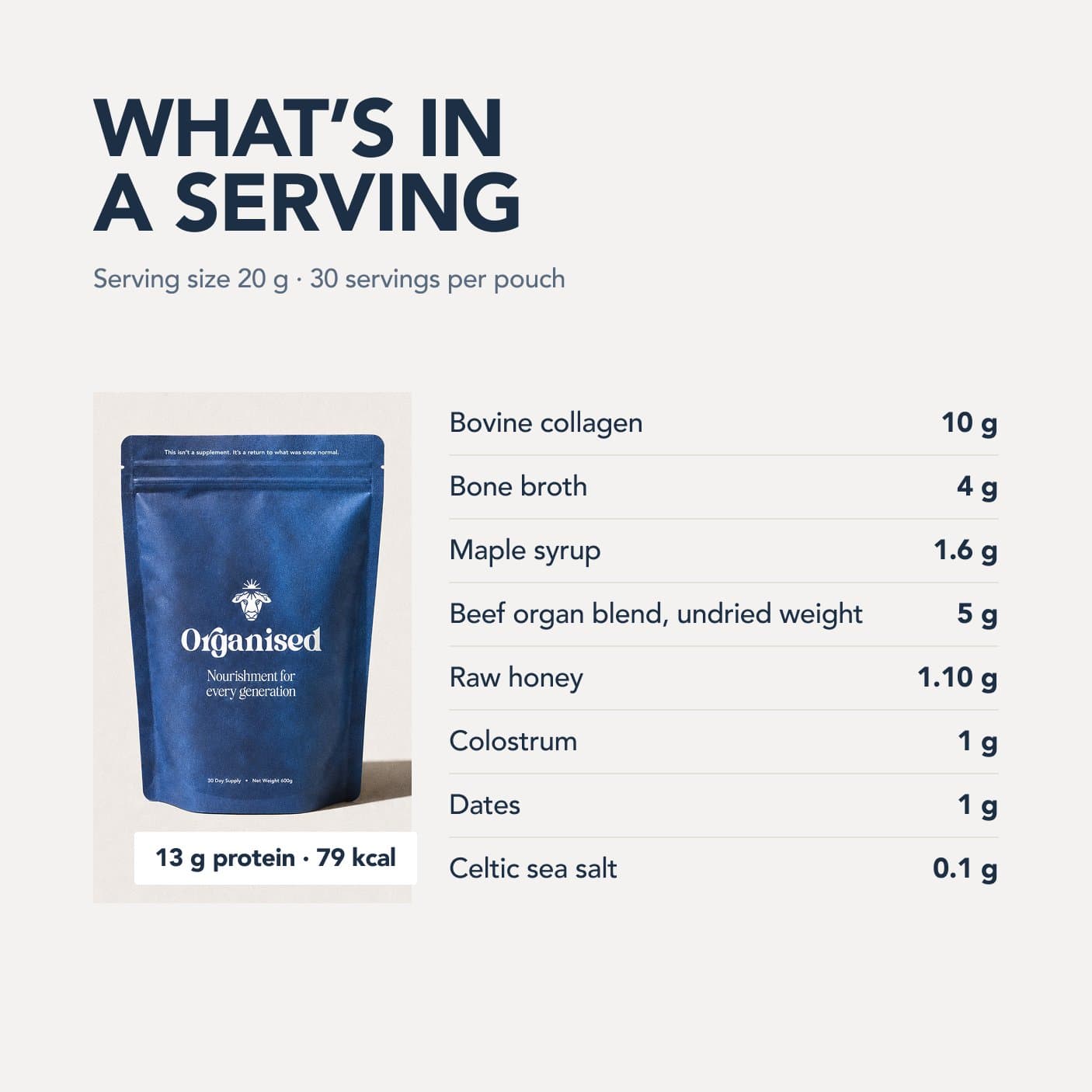
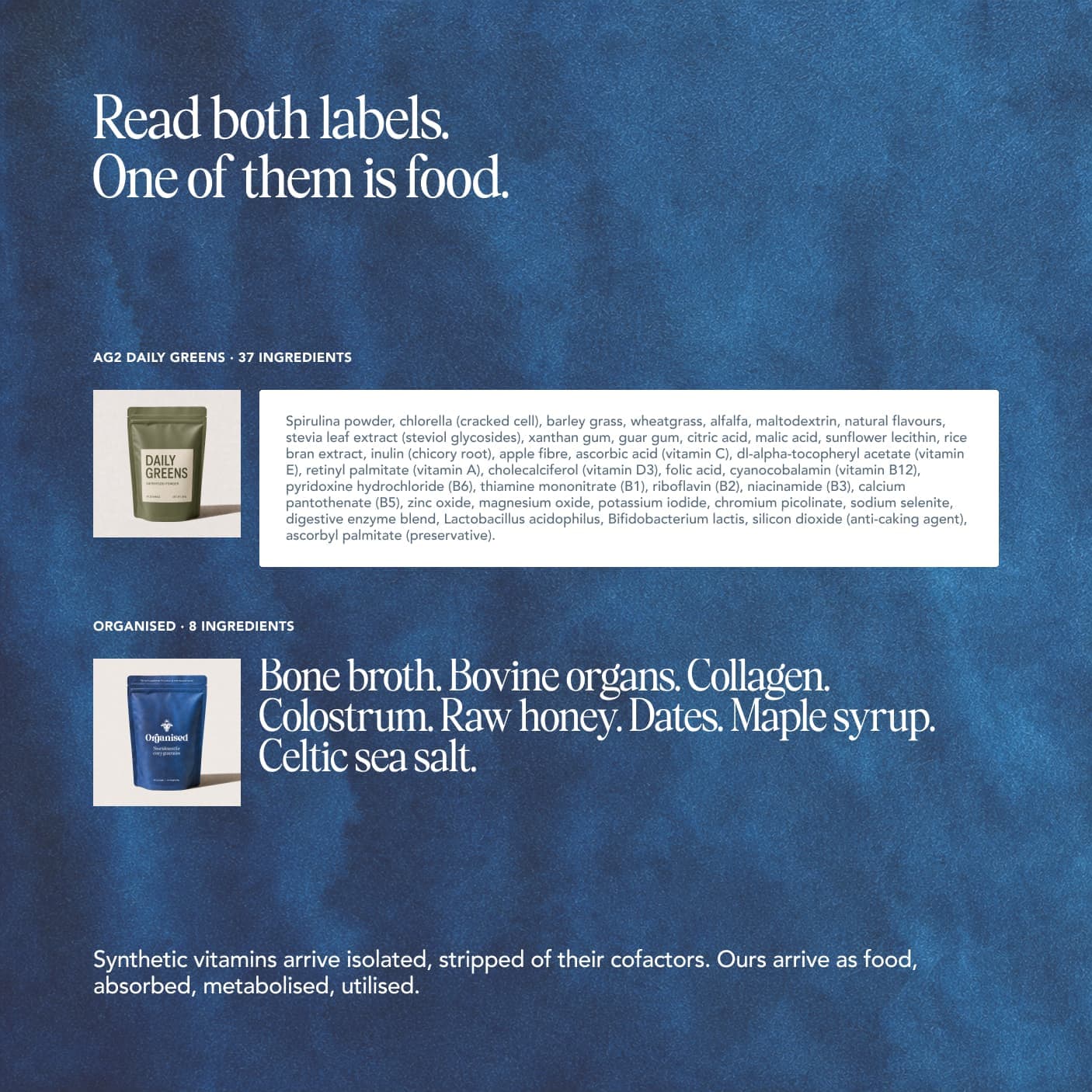
Eight real ingredients built around grass-fed beef organs, collagen and colostrum. Nothing synthetic added.
Free with your first order, worth £38. Plus £10 off the pouch with a subscription.

Free UK shipping · Made in England · 100 day money back guarantee on your first pouch · Skip, pause or cancel anytime
The bottom line
If you're going to eat sweet food, dates are one of the few genuinely smart choices. They contain sugar, but the fibre, polyphenols, and mineral density transform that sugar into sustained energy instead of a crash.
Eat 1-3 dates as needed for energy. Don't treat them as a unlimited snack (they still contain calories and sugar), but as a strategic tool for performance and sustained energy. Your blood glucose and your energy will thank you.
References
Every source below was checked on 27 August 2026. Each PubMed, PMC and DOI identifier was resolved against NCBI or Crossref, and what it opens is printed under the citation, so you can see the link goes where the citation says without leaving the page. Where a citation and its identifier disagreed, the citation was corrected to the record or the reference was deleted along with the sentence marker that pointed at it, and where the resolved paper turned out not to support the sentence, the sentence was cut back to what it does support. Borrowed authority is worse than none, because it looks like rigour.
- Alkaabi JM et al. Glycemic indices of five varieties of dates in healthy and diabetic subjects. Nutrition Journal, 2011. PMID 21619670.Checked 27 August 2026: PMID 21619670 opens Alkaabi JM, Al-Dabbagh B, Ahmad S et al, Glycemic indices of five varieties of dates in healthy and diabetic subjects. Nutr J 2011;10:59. PubMed indexes it as: Clinical Trial, Comparative Study.
- Koh A et al. From Dietary Fiber to Host Physiology: Short-Chain Fatty Acids as Key Bacterial Metabolites. Cell, 2016. PMID 27259147.Checked 27 August 2026: PMID 27259147 opens Koh A, De Vadder F, Kovatcheva-Datchary P et al, From Dietary Fiber to Host Physiology: Short-Chain Fatty Acids as Key Bacterial Metabolites. Cell 2016;165(6):1332-1345. PubMed indexes it as: Review.
- U.S. Department of Agriculture, FoodData Central. Dates, Medjool — nutrient profile.
Who wrote and reviewed this guide
Niall Kiddle
Author · Founder, Organised
Niall is the founder of Organised. He started the company in 2024 after fixing his own health the slow way: in 2022 he swapped a cupboard of synthetic supplements for real food, raw milk, organ meats, bone broth and honey, and felt the difference within months.
Areas of expertise: Ancestral nutrition, Organ meats, Whole-food supplementation, Gut health, Regenerative sourcing
Read Niall's full profile
Pedro Rodrigues
Reviewer · Agronomist (farming and sourcing only)
Pedro is the agronomist Organised works with on farming and sourcing. His job on the guides is to keep the science honest: he reviews what we publish about soil health, regenerative agriculture, grazing and the way food is actually produced.
Areas of expertise: Regenerative agriculture, Agronomy, Soil health, Grass-fed farming, Food sourcing
Reviewed this guide on
Read Pedro's full profileMore on sweeteners & syrups
View allBrowse the guides library
All guidesKeep reading

Ingredients
Adrenal Fatigue and Salt Cravings: What Your Body Is Telling You
Salt cravings aren't weakness. They're your body asking for electrolytes it genuinely needs. Aldosterone, cortisol, and real salt explained.
Ingredients
Collagen Peptides: A Complete Guide to Types, Sources and Benefits
Complete guide to collagen peptides. What they are, why type I and III matter, grass-fed vs marine, and the research behind them.
Ingredients
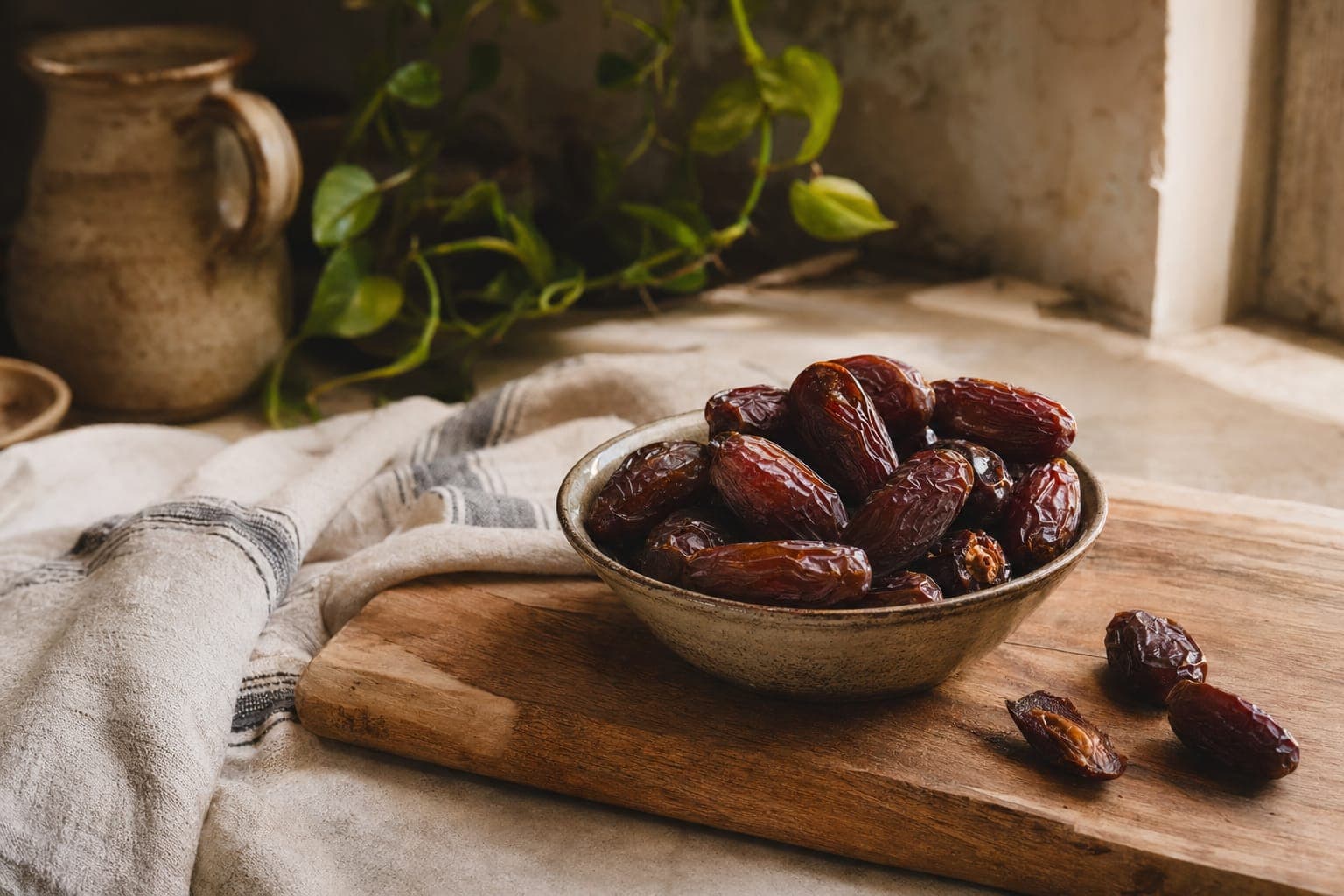
Medjool Dates: Nature's Energy Bar
Discover the benefits of Medjool dates: fibre, potassium, and natural sugars for steady energy. See why whole dates beat processed bars and sugary drinks.
Real food, made effortless
Try the organ blendA few ways to use it
All recipes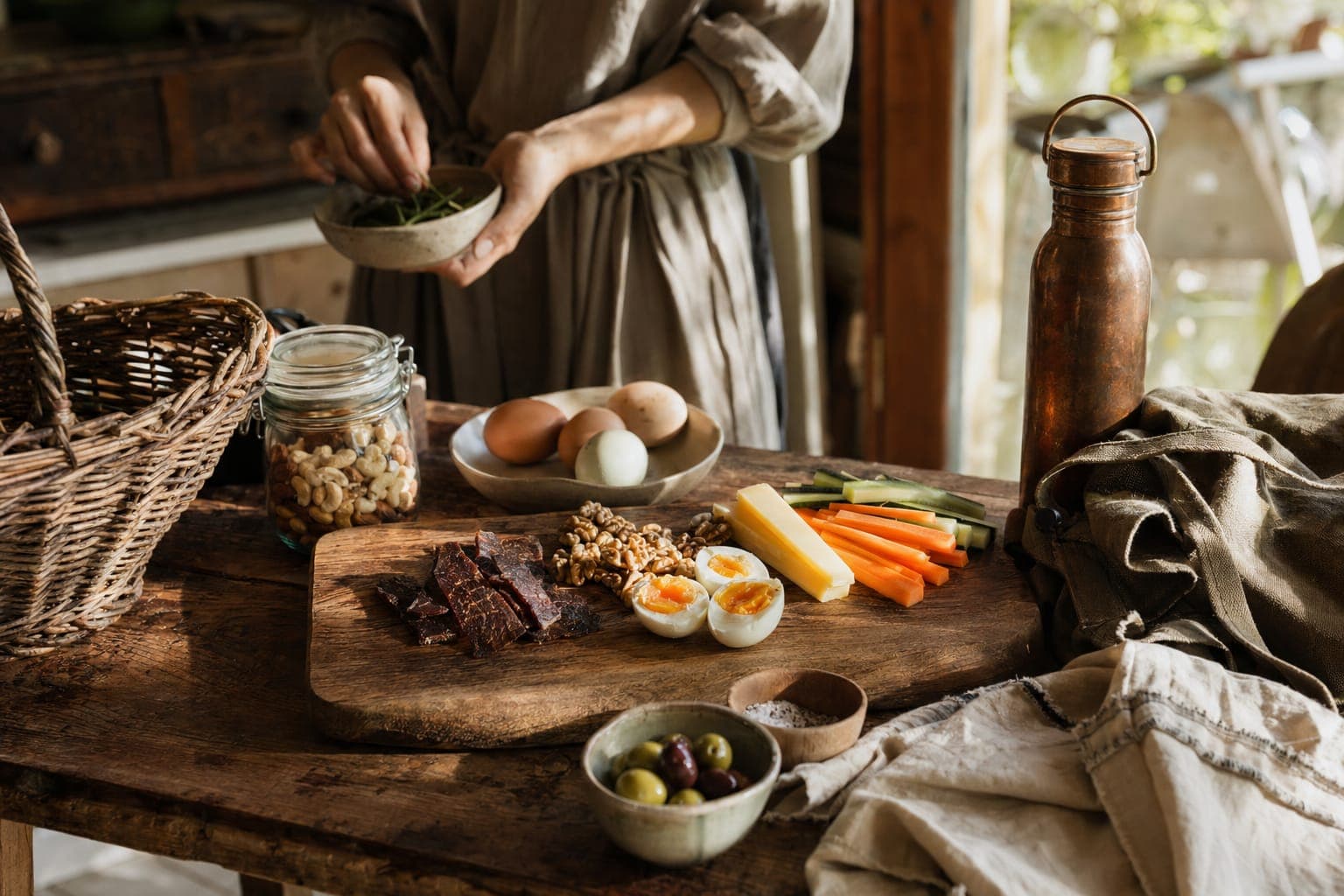
Whole Food Snacks for Busy Days
Practical whole food snacks that travel well and sustain energy. No refined carbs, no seed oils. Real food options for when you're busy.
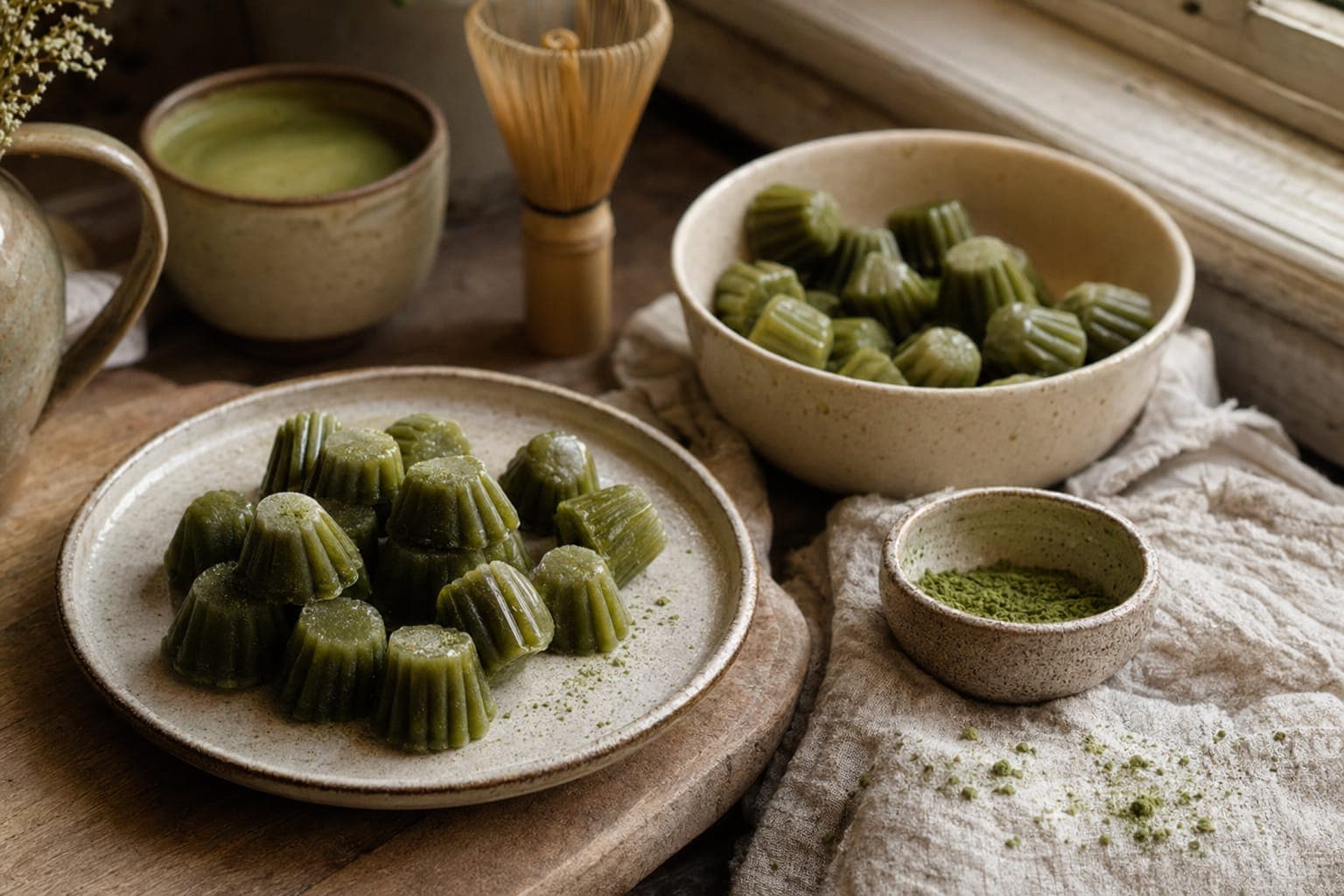
Matcha Latte Gummies with Collagen and Gelatine
Make visually stunning matcha latte gummies infused with collagen and gelatine. Simple recipe for gut-healing sweets you'll actually want to eat.
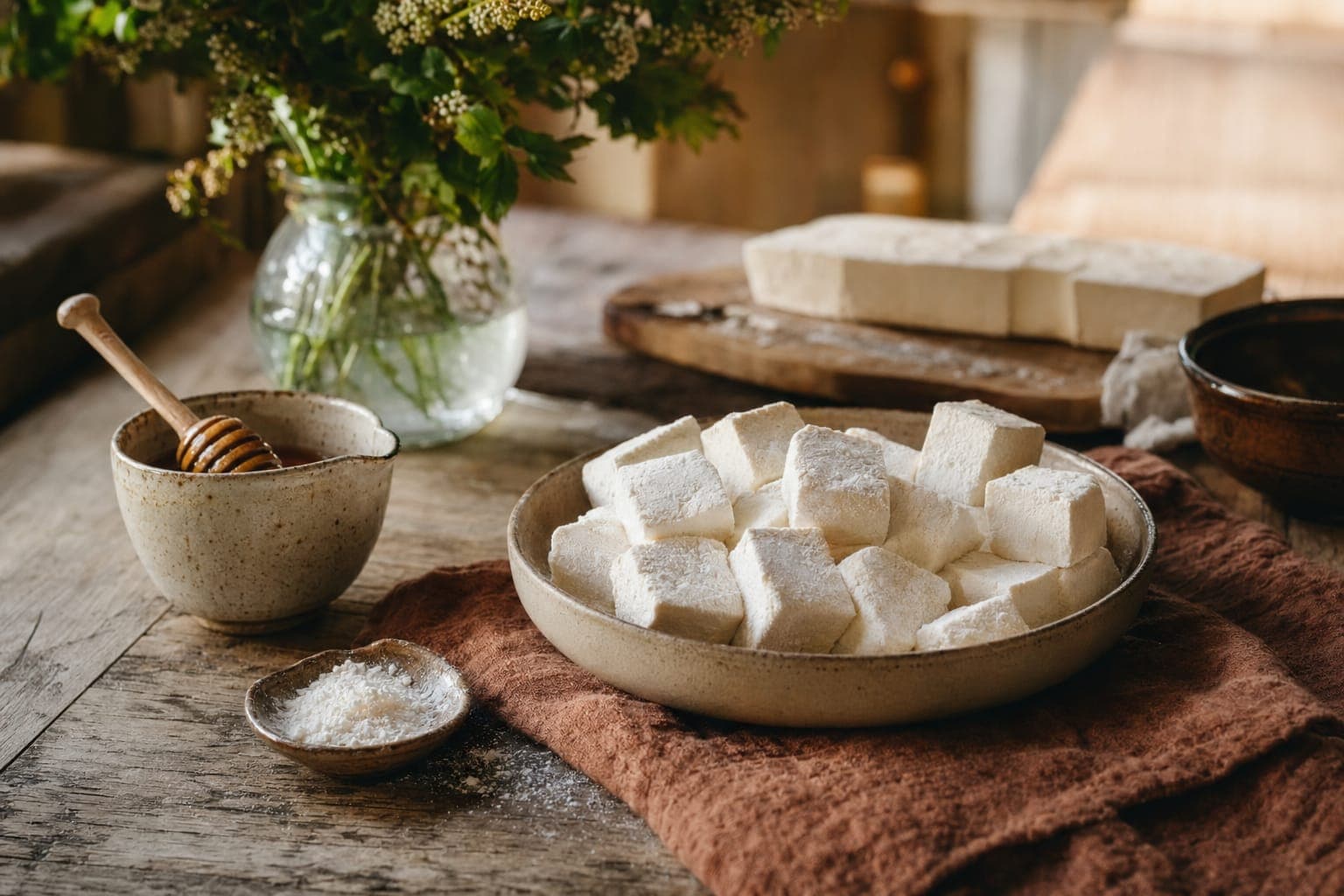
Gut-Healing Marshmallows with Collagen and Raw Honey
Learn to make gut-healing marshmallows with collagen and raw honey. A shareable treat that sneaks nutrition into every bite. Easy recipe with video tips.


 Join over 100,000+ members
Build a better food system with us
The Organised community is thousands of people choosing real food and backing the farmers who grow it, all of us trying to leave the world a little better than we found it. If that is what you care about too, you belong here.